Retail News CRM

Tag: ar

  • VW Group, Tata end talks on emerging markets tie-up

    VW Group, Tata end talks on emerging markets tie-up

    Cooperation talks between Germany’s Volkswagen Group and India’s Tata Motors about joint development of a car for emerging markets have ended amicably, the two companies said on Thursday.

    The collapse of the talks is a further blow to Volkswagen’s (VW) efforts to develop a cheap vehicle platform for Asian markets, after an earlier alliance with Japan’s Suzuki Motor Corp (7269.T) also fell apart.

    In March Tata Motors and VW announced a Memorandum of Understanding (MoU) for a long-term partnership to explore joint development of products for customers in India and other markets.

    The German group’s Czech arm Skoda, commissioned by VW to lead the talks with Tata, was exploring a possible entry-level car platform together with the Indian manufacturer, using Tata’s AMP vehicle platform as a basis, a VW group source said.

    Skoda dropped the idea of developing the AMP platform on fears that it would need significant further investment to meet future crash-test and engine emissions requirements and would instead explore parent VW’s MQB platform for possible further savings, said the source, who declined to be named.

    “The two companies have come to the conclusion that at the present point of time the technical and economic synergies cannot be realized in the desired way,” Skoda said on Thursday, confirming a Reuters story.

    “We have evaluated the technical feasibility and degree of synergies for the envisioned partnership. We have concluded that the strategic benefits for both parties are below the threshold levels,” said Tata Motors Chief Executive Guenter Butschek, the German automotive and aerospace industry veteran who joined the Indian company last year.

    But the two automakers, which also studied joint development of components, did not rule out the possibility of collaboration in the future after holding what Skoda called “constructive talks” over the past five months.

    VW shares closed 0.7 percent lower at 127.15 euros. Tata Motors shares plunged 9 percent to 380.20 rupees, after the company reported lower than expected first-quarter results.

    Foreign carmakers like VW, General Motors (GM.N) and Fiat Chrysler (FCHA.MI) have struggled in India where more nimble rivals such as Maruti Suzuki (MRTI.NS) and Hyundai Motor (005380.KS) have cornered two thirds of the market.

    Tata, which is also struggling to boost sales, has been trying to turn round its loss-making domestic business by modernising its products, improving efficiency and streamlining its organization.

    In May, General Motors said it would stop selling cars in India from the end of this year, drawing a line under two decades of battling in one of the world’s most competitive markets where small cars make up the bulk of sales.

    India is expected to become the world’s third-largest car market by 2020 but passenger vehicle sales have slowed in recent months due to policy changes and a new nationwide sales tax.

    In 2009 VW attempted to break into the low-cost car market in India by forging a tie-up with Suzuki Motor Corp but the deal failed due to cultural and business differences and was ended in 2015 following a fierce legal dispute.

    The German group is looking for new overseas markets as it struggles to draw a line under its emissions scandal. In China VW has been working with joint venture partner FAW on an economy car and is planning to build affordable electric vehicles with JAC Motor (600418.SS) from next year.

    “We haven’t been able yet to claim a share of the booming business with cheap small cars and Tata means another setback in that respect,” a senior VW brand manager told Reuters. “But VW has changed a lot structurally since the Suzuki debacle, so we’ll keep trying.”

    The breakdown of talks with Tata was mainly for economic reasons rather than differences over control, as the AMP architecture turned out to be too expensive, the VW source said.

    A push by VW group headquarters to decentralize power after the dieselgate scandal and assign greater responsibilities to the individual brands and business regions for vehicles and technology will help VW find the right partner, the manager said, without being more specific.
  • Wireless VR headsets to strain data networks

    Wireless VR headsets to strain data networks

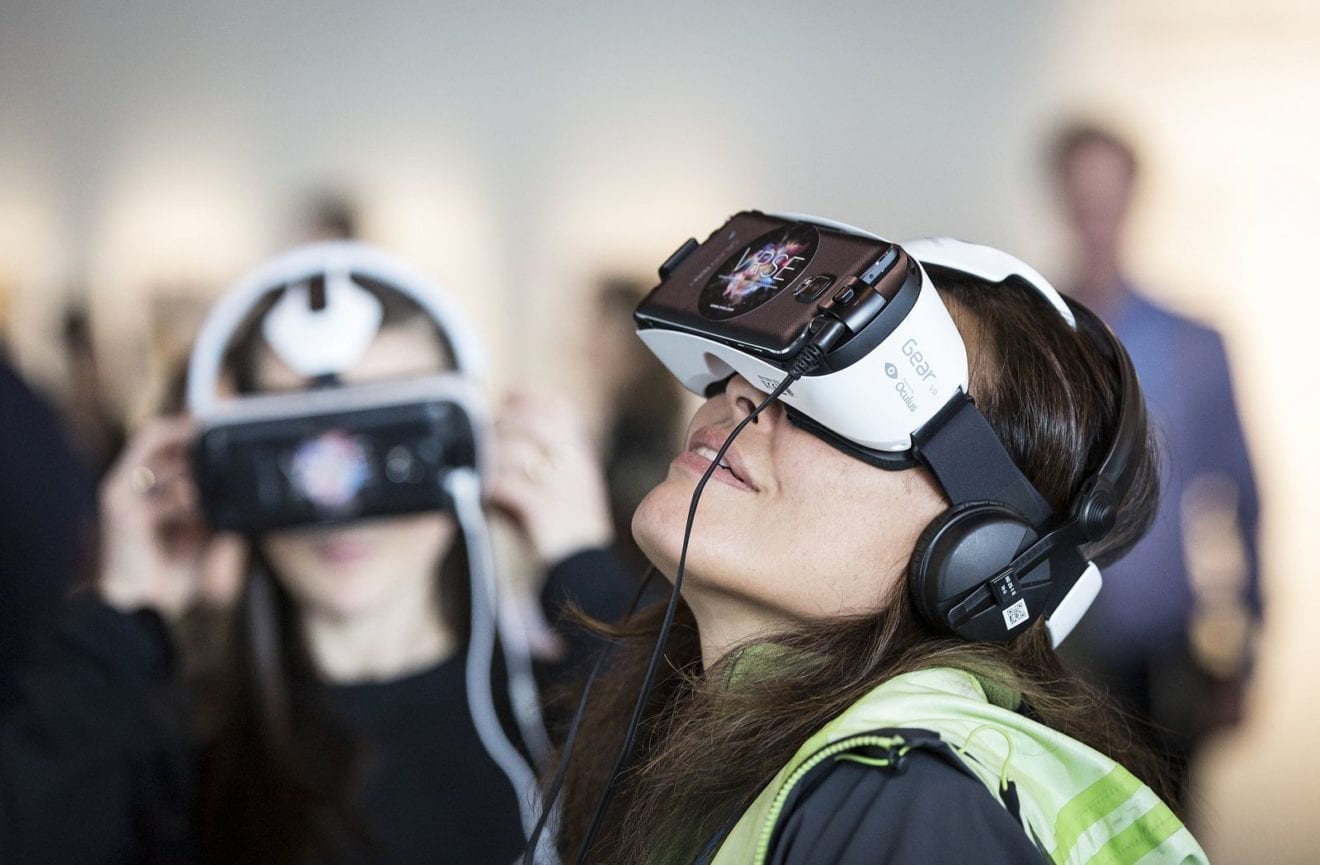
    Wireless VR headsets will further strain telecoms networks, with data consumption from the devices set to grow by over 650% over the next four years to over 21,000 petabytes by 2021, Juniper Research predicts.

    When combined with traffic generated by VR headsets connected to PCs and consoles, this consumption will reach over 28,000 petaytes, the research firm said in a new report.

    VR requires fast data speeds to stream content effectively, ensuring that by 2021 data demand for each VR device is expected to exceed that of 4G, Juniper Research said. Growth in traffic will be driven by the need for higher image quality and framerates as VR becomes more mainstream.

    The report recommends that operators be brought into the VR standards conversation now to prepare for the growth in consumption and help make VR more accessible.

    Technologies designed to reduce the amount of data processing required, such as foveated rendering, will also need to be universally adopted.

    Meanwhile, although the first wave of the new generation of VR headsets has concentrated on single-user experiences, the report predicts that social VR will play a more important role in the future of the technology.

    Companies such as Facebook and WeChat are developing VR platforms and several popular VR games are incorporating social elements.

    “VR is currently seen as very isolating,” research author James Moar said. “The promise of having new worlds to explore is much more compelling when other people can share the experience, which needs social games and social interfaces, as well as the development of cross-platform standards.”

  • Toyota takes stake in Mazda, links up for $1.6 billion U.S. plant

    Toyota takes stake in Mazda, links up for $1.6 billion U.S. plant

    Toyota  said on Friday it planned to take a 5 percent share of smaller Japanese rival Mazda Motor Corp, as part of an alliance that will see the two build a $1.6 billion U.S. assembly plant and work together on electric vehicles.

    The plant was a surprise for investors at a time of cooling U.S. sales, but marked good news for U.S. President Donald Trump who came to office on the back of promises to bring back manufacturing and jobs for U.S. workers. He commented on Twitter that it was a “great investment in American manufacturing”.

    The plant, whose location is not yet public, will be able to produce 300,000 vehicles a year, with production divided between the two automakers, and employ about 4,000 people. It will start operating in 2021.

    Analysts said the plan was more than a political ploy. The alliance is also an attempt to catch up with rivals in the race for electric car technology, as tighter global emissions rules loom, along with the entry of new players into the market.

    “There will be new rivals appearing – Apple, Google – these are IT companies, we also need to compete with them, too,” Toyota President Akio Toyoda, grandson of the company’s founder, told a news conference in Tokyo.

    He was appointed last year to lead Toyota’s newly formed electric car division, flagging the group’s commitment to a technology it has been slow to embrace.

    “What’s different from the past is that there are no nautical charts for us to follow. It’s without precedent,” he said of the push into alternatives to the internal combustion engine.

    Other traditional automakers such as Daimler and BMW are also weighing how best to work on new, disruptive technology, from electric vehicles to autonomous driving, that require hefty investment and have turned firms like Google and Tesla into rivals.

    Toyota has set a goal for all of its vehicles to be zero emission by 2050. But until recently, it has said it favoured EVs for short-distance commuting, given their limited driving range and lengthy charging time.

    It has been investing heavily in hydrogen fuel-cell vehicles (FCVs), while rivals such as Nissan Motor Co, Volkswagen AG and Tesla have touted pure electric cars as the most viable zero-emission vehicles.

    As part of the agreement, as well as electric car technology, Toyota and Mazda will work together to develop in-car information technologies and automated driving functions.

    Toyota, Japan’s biggest auto company, has been forging alliances with smaller rivals for several years, effectively engineering a loose network at the heart of the Japanese auto sector. It already owns a 16.5 percent stake in sixth-ranked Subaru Corp with which it also has a development partnership.

    Toyota is also courting compact car maker Suzuki Motor Corp to cooperate on R&D and parts supply, as Toyota seeks to tap its smaller rival’s expertise in emerging Asian markets.

    As part of Friday’s plan, Toyota, the world’s second-largest automaker by vehicle sales last year, will take a 5 percent share of Mazda, and Mazda will take a 0.25 percent share of Toyota.

    Mazda said it could even expand the alliance, as long as it could stay in control of its own management. “We will study the possibility of expanding the capital alliance, but the basic premise is that autonomy is assured,” said Mazda Executive Vice President Akira Marumoto.

    A stake in Mazda may also prevent future incursions by tech companies, one analyst said.

    “For a technology company which lacks the expertise in making cars, Mazda could look like a very interesting acquisition. They’re very good, they’re not too expensive. Maybe Toyota realises this,” CLSA managing director Chris Richter said.

    “By buying a 5 percent stake, Toyota takes Mazda off the table rather than having it sit out there like a free agent which could someday be used against them.”

    Mazda, for its part, stands to gain from a deal that gives the small automaker a production foothold in the United States. At the moment, it ships all vehicles sold in the country, its biggest market, from its plants in Japan and Mexico.

    With an R&D budget of around 140 billion yen ($1.27 billion) this year, a fraction of Toyota’s 1 trillion yen, Mazda lacks the funds to develop electric cars on its own, a predicament shared by Subaru and Suzuki.

    “Mazda needs electrification technology. In the past, they’ve pooh-poohed EVs, they’ve felt they can make internal combustion engines more efficient, but the bottom line is that globally you need to have this technology,” said Janet Lewis, head of Asia transportation research at Macquarie Securities.

    The automakers plan to produce Toyota Corollas and a new Mazda SUV crossover at the new plant, and the companies said they could eventually build other cars including electric vehicles.

    Toyota initially had been planning to produce Corollas at its new $1 billion plant being built in Mexico, prompting Trump to threaten punitive tariffs.

    The company has since said it will instead produce its Tacoma truck model in Mexico.

  • Audi targets 10 billion euros in cost cuts to fund electric-car push

    Audi targets 10 billion euros in cost cuts to fund electric-car push

    Audi aims to cut costs by 10 billion euros by 2022 to help fund a shift to electric cars as it seeks to move on after the emissions scandal, sources close to the carmaker said.

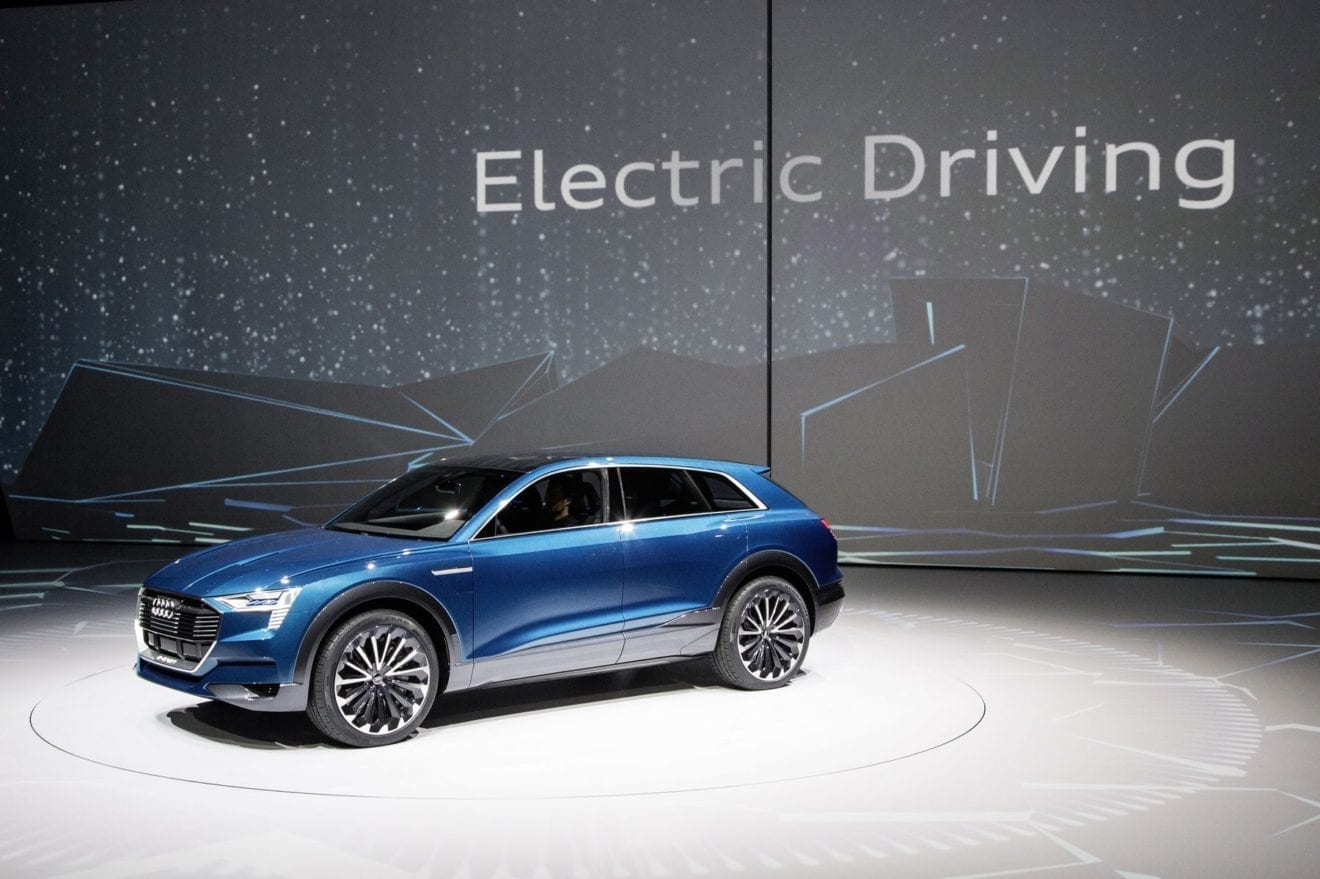
    Audi, Volkswagen’s main profit driver, plans to bring five new all-electric models to market in coming years, starting with the e-tron sport-utility vehicle (SUV) to be assembled from 2018 in Brussels.

    Despite run-up costs for its electric-car programme, the luxury automaker wants to keep its operating profit margin at 8 percent a year at least, two sources close to Audi said. Its profit margin in the first half of this year was 8.9 percent.

    The bulk of the 10 billion cost savings would come from cutting research and development costs, the sources said.

    A spokesman at Audi’s headquarters in Ingolstadt, Germany, declined comment. German business daily Handelsblatt reported the cost-savings target and profitability plans earlier on Sunday.

    Audi also aims to free up funds for investments in zero-emission technology by developing a new production platform with Porsche, allowing both VW premium brands to save money by sharing components and modules.

    Audi is grappling with car recalls, prosecutor investigations and persistent criticism from unions and managers over the diesel emissions scandal and its strategy post-dieselgate.

    Sources told Reuters on Friday that four of the brand’s seven top executives are earmarked for dismissal in the near future. On Sunday, sources said the dismissals were discussed by supervisory board members last Thursday but a formal decision has yet to be taken.

  • Companies to need new skills as VR enters workplace

    Companies to need new skills as VR enters workplace

    Enterprises need to start thinking now about ways virtual reality (VR) can be used within the workplace, according to recruiting experts Hays.

    While the technology is yet to become more commonplace across the wider world of work, experts say the possibility for its wider application is already here.

    As the technology sees an increase in its use, businesses will need the skills essential for its use. However, the skills required have yet to be standardized and may struggle to keep up with demand initially.

    VR came into existence seventy years ago and has been used across a number of applications since. In the 1970s it was utilized in the workplace for the first time, as it was used by the medical industry, military and in flight simulators.

    With the more recent technological leaps in VR, such as augmented reality (AR) seen in gaming, the technology is starting to make deeper inroads into the world of work.

    While the technology is still used by the military and in medical training, other sectors are beginning to use it to good effect too. One example is in the construction industry, with VR Developers being hired to give their clients a walkthrough of a building before construction has begun.

    One area where VR’s potential is being fully realized already is within training, historically it has been used in high-risk or high-value industries, such as aeronautical and engineering, but it is now being used to help train trade skills.

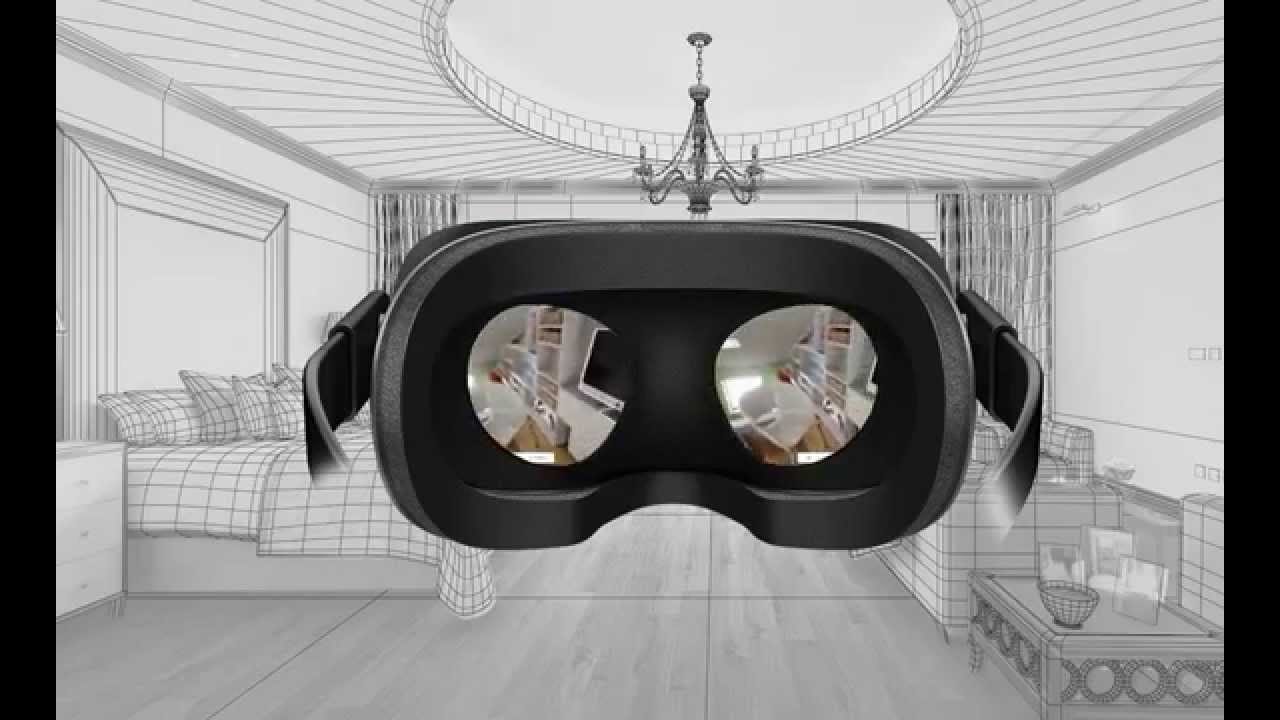
    In property and real estate, virtual reality platforms are enabling prospective buyers to view and look around the rooms of properties for sale without even leaving the comfort of their current home.

    “The number of possibilities virtual reality creates is astounding,” commented Lynne Roeder, managing director of Hays in Singapore. “While everyday use of the technology within business could still be some way off, there are a number of practical ways the tech could be implemented in the meantime to introduce a more personalized service to customers or to be used internally while managing remote workers.”

    Lynne continues, “Once we start exploring the many ways it could be implemented, it could have a big impact on the world of work. For example, interviews could be conducted in virtual rooms, allowing workers to be interviewed face-to-face, albeit virtually, for a job on the other side of the planet. Remote workers could easily connect to the office for one-to-one or team meetings, even on boarding or one to one training for an employee thousands of miles away would become so much easier.”

    But she added that  new technology creates new job roles and in turn the need for new skill sets. “Employers will need to look at their existing staff and see if there is the opportunity to upskill any of their employees, or whether it will involve bringing an entirely new skill base.”

  • Vietnamese property developers see new tricks in VR

    Vietnamese property developers see new tricks in VR

    As competition in the property market heats up, developers are seeking new ways of attracting buyers – one recent attempt makes use of virtual reality and augmented reality (VR/AR).

    It’s expected that VR will boom this year, with a wide number of sectors taking advantage of the latest technology, including real estate, which will allow potential buyers “real” experiences of property projects.

    A recent report by Cushman & Wakefield estimated that VR and AR would become a US$2.6 billion market in real estate by 2020, as headsets such as the Oculus Rift and the Microsoft Hololens become common place over the next few years.

    “It’s essential to begin preparing for the expansion,” Cushman & Wakefield said. “In addition to virtual walkthroughs of both finished and unfinished buildings and virtual models projected onto desks and tables in the real world – innovations which are already in development – companies see opportunities for more game-changing features a little further down the road, once mass adoption takes hold.”

    Cushman & Wakefield cited a research report released last year by Goldman Sachs, saying that VR/AR hardware and software is finally catching up with consumer expectations, and are posed to disrupt a number of markets, including real estate.

    Catching up with the trend, several Vietnamese developers have started to use VR and AR in their marketing to promote sales, such as Vingroup, Sun Group and BIM Group.

    At a recent sale opening of Citadines Marina Ha Long, BIM Group used the Microsoft Hololens to demonstrate every detail of the project in front of buyers’ eyes.

    A representative from the developer said that the use of new technologies would help make up for the gaps in traditional marketing tools.

    Phan Thanh Hue from Booyoung Vina was quoted by Dau Tu Bat Dong San (Real Estate Investment) newspaper as saying that the new technologies brought life-like experiences to customers.

    Dinh Anh Tuan, director of 3D Vni, which provides the hardware, said that many customers were excited about the new experiences. Tuan said that developers were staring to use VR and AR in marketing and more expansion was expected.

    Tuan said that VR was forecast to become an indispensable trend, changing the face of marketing and sales in many sectors, including real estate. This technology would also help increase the competitiveness of property products, he added.

    According to Pham Ngoc Mai Anh, director of ADT Creative, a start-up in VR applications, there is an increasing interest in using VR by property developers.

    However, because of current prices, VR is now only appropriate for high-end segments rather than having broad appeal, experts say.

  • Toyota working on ‘flying car’, Lexus luxury ‘yacht’

    Toyota working on ‘flying car’, Lexus luxury ‘yacht’

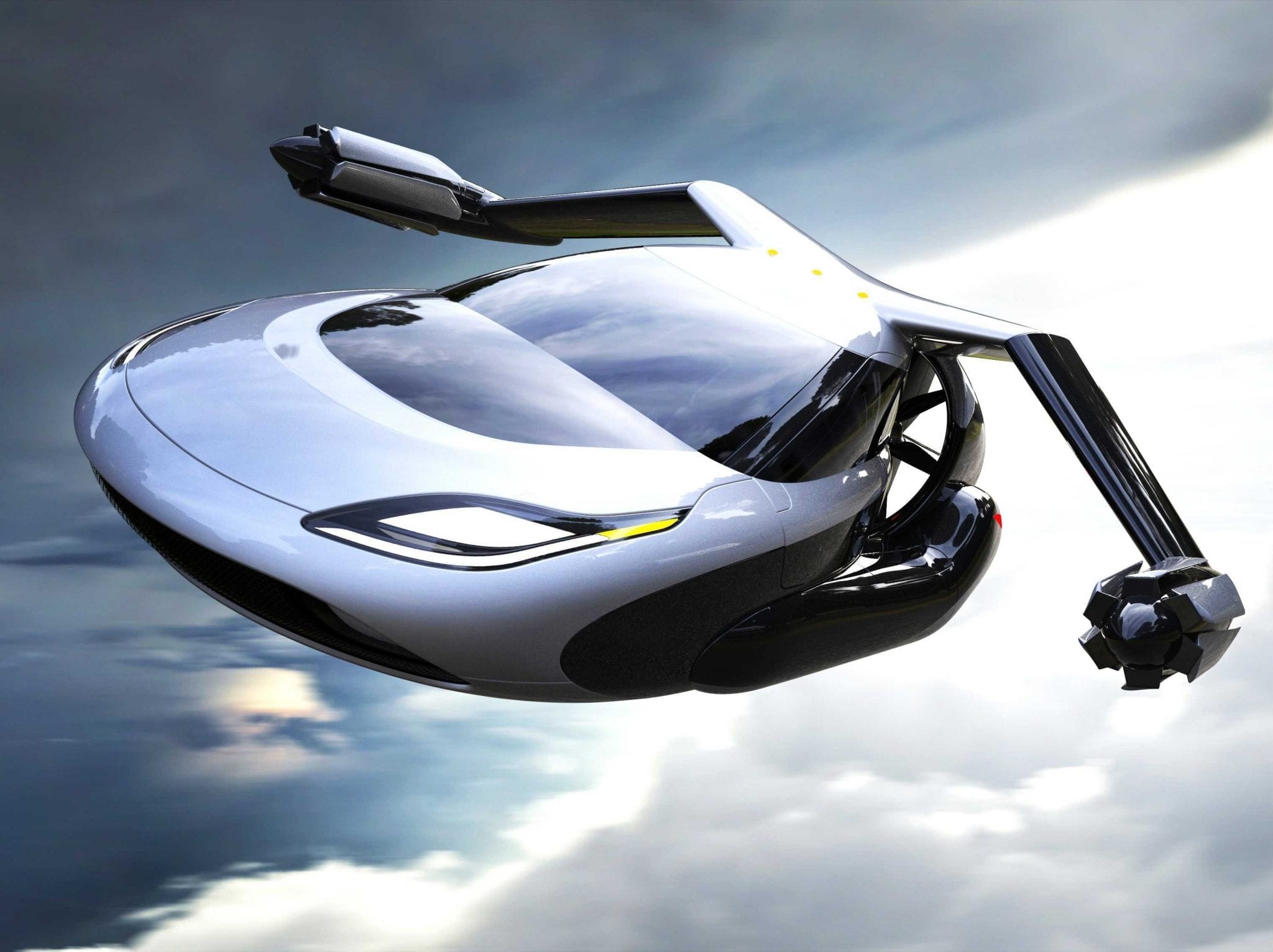
    A startup backed by the Japanese automaker has developed a test model that engineers hope will eventually develop into a tiny car with a driver who’ll be able to light the Olympic torch in the 2020 Tokyo games. For now, however, the project is a concoction of aluminum framing and eight propellers that barely gets off the ground and crashes after several seconds.

    Toyota has invested 42.5 million yen ($386,000) in startup Cartivator Resource Management to work on ” Sky Drive .” At a test flight Saturday in the city where the automaker is based, the gadgetry, about the size of a car and loaded with batteries and sensors, blew up a lot of sand and made a lot of noise.

    It managed to get up as high as eye level for several seconds before tilting and falling to the ground. Basketballs attached to its bottom served as cushions. After several attempts, the endeavor had to be canceled after one of the covers got detached from the frame and broke, damaging the propellers.

    The goal of Cartivator’s is to deliver a seamless transition from driving to flight, like the world of “Back to the Future,” said the project’s leader Tsubasa Nakamura.

    “I always loved planes and cars. And my longtime dream was to have a personal vehicle that can fly and go many places,” he told.

    The group is now working on a better design with the money from Toyota with the plan to have the first manned flight in 2019. No one has ridden on Sky Drive yet, or any drone, as that would be too dangerous.

    Still, dabbling in businesses other than cars is Toyota’s trademark. In recent years, it has been aggressively venturing into robotics and artificial intelligence, investing a billion dollars in a research and development company in Silicon Valley. It’s also working in Japan on using robotics to help the sick walk. It also just announced a five-year $35 million investment in its research center in Ann Arbor, Michigan, for autonomous and connected vehicle technologies.

    The idea that each generation must take up challenges is part of Toyota’s roots, said auto analyst Takaki Nakanishi.

    President Akio Toyoda’s great-grandfather Sakichi Toyoda started out developing the loom and then its automated improvements from the 1890s, before the company became an automaker. More recently, Toyota sees software and services as central to the auto industry, as cars become connected, start driving themselves and turn into lifestyle digital tools, Nakanishi said.

    As Toyota gets into the business of ecological vehicles, such as hybrids, electric cars and fuel cells, it’s turning into an energy company as well.

    “Toyota’s business is centered on mobility, anything that moves, including people, things, money, information, energy,” said Nakanishi.

    Toyota is traveling not only in the skies but also to the waters, although that still remains a tiny part of its sprawling empire.

    Toyota’s boat operations began in 1997. Toyota now offers four models and has sold a cumulative 845 boats. In contrast, Toyota sells about 10 million vehicles a year around the world.

    Reporters recently got a ride in Tokyo Bay of a Lexus luxury concept “yacht,” which runs on two gas engines. With a streamlined curvaceous design, inspired by a dolphin and evocative of a Lexus car, it’s being promised as a commercial product in the next few years.

    Designed for executives zipping through resort waters, it comes with fantasy-evoking features, like an anchor pulled in by a chain into a tiny door in the bow, which opens then closes mechanically.

    The engine, shiny like a chrome sculpture, is visible beneath the sheer floor surface. Shigeki Tomoyama, the executive in charge, said the boat was going for “a liberating effect.” A price was not given. Many Americans have already expressed interest, according to Toyota.

    The project started about two years ago under direct orders from Toyoda, who has with Tomoyama spearheaded Toyota’s Gazoo internet business, another non-auto business for Toyota.

    “He asked us to create a space that can work as a secret hiding place in the middle of the ocean,” Tomoyama said. “We went for the wow factor, which requires no words.”

  • Virtual Reality: The Future of Retail in Asia Pacific?

    Virtual Reality: The Future of Retail in Asia Pacific?

    New research from Worldpay, a global leader in payments, has revealed that Virtual Reality (VR) and Augmented Reality (AR) technology are slowly gaining ground across Asia Pacific. Chinese consumers are leading the region – and the world – with 95% of survey respondents saying they’ve used VR or AR technology in the past three months. Other APAC markets are more cautious in their VR/AR uptake, yet remain confident that the technology may play an important role in the future of retail.

    Worldpay’s study queried more than 16,000 consumers across eight markets – including China, Japan and Australia in Asia Pacific – to get their viewpoints on VR/AR adoption; from current uptake and future potential, to the technology’s benefits and barriers. In Asia, the research revealed that although China is a leader in the virtual reality revolution, other markets are only at the start of their VR journey.

    In Australia, less than a quarter of survey respondents (22%) say they’ve used VR technology at some point, and a mere 14% describe themselves as early adopters. It’s a similar situation in Japan, where only 19% have tried VR technology – the least of any market surveyed by Worldpay. In contrast, nearly 100% of Chinese consumers surveyed say they’ve tried AR or VR technology at least once, and more than half use these technologies at least once per week.

    Phil Pomford, General Manager for Asia Pacific at Worldpay, said: “China is blazing a trail for VR/AR adoption and showing other Asia Pacific markets what the future could look like. At the moment, the technology isn’t driving a huge amount of uptake in markets like Australia and Japan – but as we’ve seen before, technology can go from zero to a hundred in a very short amount of time. Therefore, with China leading the way, Asian businesses should start investigating the future of VR/AR technology now, so that they’re ready to meet consumer demands as and when they arise.”

    Already, even cautious Asia Pacific markets are demonstrating interest in how VR/AR can improve retail experiences. Of Australian survey respondents, 61% think VR and AR could someday change the way we shop. Two thirds (66%) of Japanese consumers surveyed would like to see more physical stores using VR and AR, and a full 70% would like to see the technology used in retail apps. Unsurprisingly, Chinese consumers’ interest in VR/AR retail experiences is even more enthusiastic – 84% of respondents believe that VR/AR is the future of shopping, 92% say they’d like to see more retail apps make use of VR/AR, and only 1% say they’d never be comfortable making a purchase in a virtual environment.

    Pomford added: “Many merchants are already looking at how VR/AR technology might create new Omni-channel experiences, enhance mobile shopping, and drive the next generation of consumer-led retail innovations. A compelling, immersive and seamless VR experience can drive higher customer engagement and may even have the capability to increase sales. As more companies experiment with VR/AR, they need to consider if VR technology can support purchases as well. Whatever the sales channel, it’s vital to make the payment process both slick and secure for customers. ”

    In response to this, researchers at Worldpay are investigating how shoppers can pay using a credit or debit card while remaining immersed within a virtual environment. The global payments processor has created a proof of concept, which provides the same levels of convenience, and security that shoppers have in-store and online, without needing to leave the virtual world.

    The prototype design uses Host Card Emulation (HCE) to virtualise the purchasing process. The payment uses EMV* technology, and for purchases under £30 (RMB268.25), the prototype works in the same way a contactless payment does – with a tap of the (virtual) card across a (virtual) card machine. For higher value purchases, Worldpay has created a technology called AirPIN. This first of its kind system allows the consumer to see a range of numbers whilst immersed in the virtual world, and then collect the four numbers that make up their PIN, one by one, using their virtual controller.

  • Fiat Automobiles to roll out Jeep Compass on June 1

    Fiat Automobiles to roll out Jeep Compass on June 1

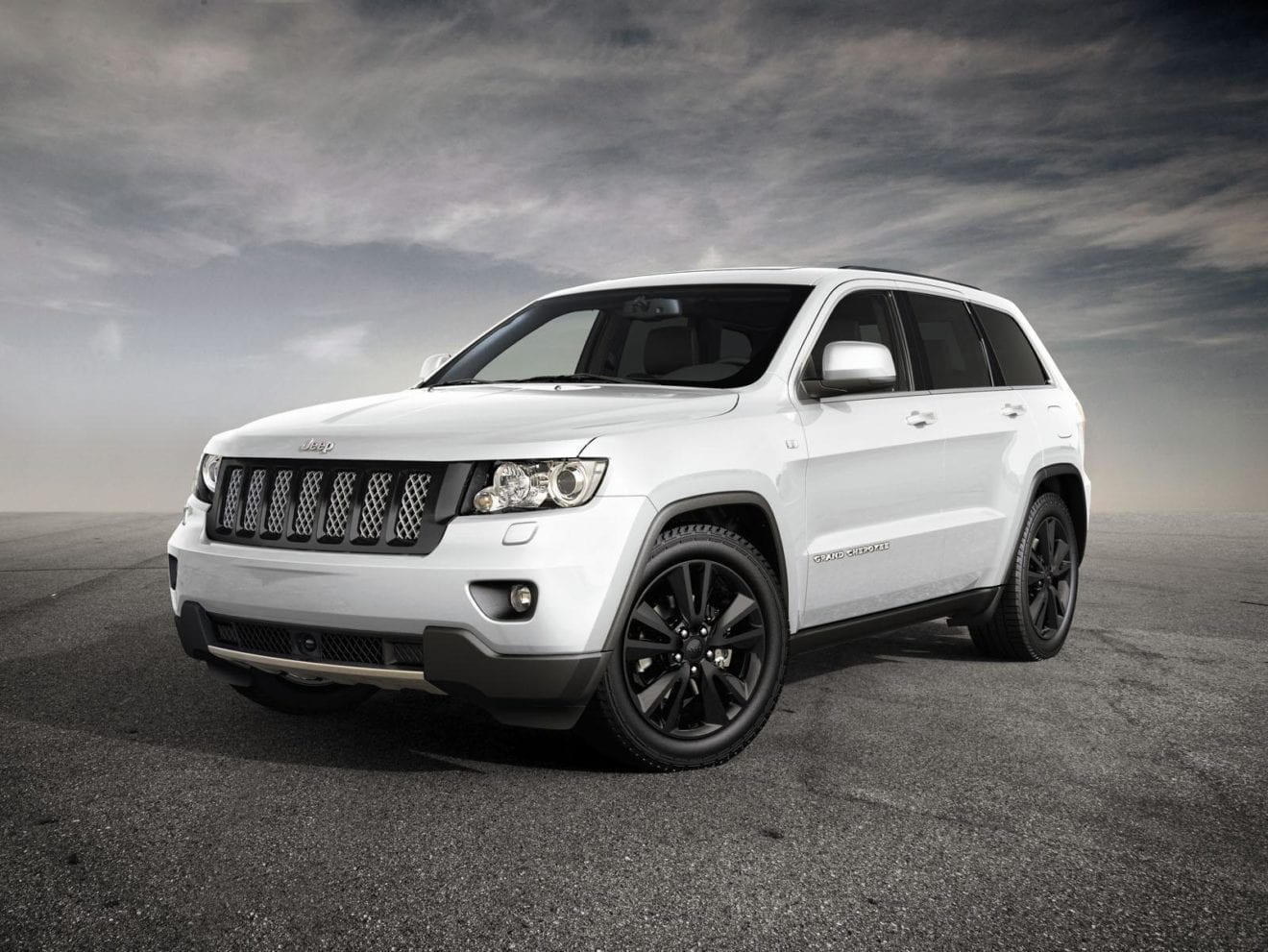
    Fiat India Automobiles has confirmed that it will roll out its first ever, ‘Made-in- India’ Jeep Compass production vehicle from the assembly line in Ranjangaon near Pune on June 1.

    Maharashtra Chief Minister Devendra Fadnavis will roll out the first ever ‘Made in India’ Jeep Compass production vehicle from the assembly line at Ranjangaon on Thursday, a company statement said.

    This development comes 23 months after Fadnavis, along with a high level delegation met senior Fiat Chrysler Automobiles (FCA) officials in June, 2015 at the company’s headquarters in Auburn Hills, Michigan in the Unites States.

    The delegation discussed FCA’s investment strategy in Maharashtra and reaffirmed the state government’s interest in strengthening ties with FCA, besides offering full support to the company’s manufacturing, said the statement.

    FCA has invested USD 280 million towards localisation of the Jeep Compass and has enhanced the facility to world standard. The Ranjangaon facility has become a significant manufacturing and export hub for FCA joining Brazil, Mexico and China on the global production map.

    FIAPL will be FCA’s sole manufacturing facility that will supply Jeep Compass SUVs to all international right-hand drive markets, it said.

  • Korea emerges as top Asian importer of Benz, BMW

    Korea emerges as top Asian importer of Benz, BMW

    Korea has become Asia’s largest importer of Mercedes-Benz and BMW vehicles this year, as the two German carmakers sold more vehicles in Korea than Japan for the first time ever.

    Chinese motorists buy more Mercedes-Benz and BMW vehicles than Koreans do. But both firms roll out and sell their models through joint ventures with local Chinese firms. Hence, Korea is the populous continent’s de facto leader in terms of Mercedes-Benz and BMW vehicle imports.

    The Korea Automobile Importers and Distributors Association (KAIDA) said that Mercedes-Benz sold 24,877 cars in the first fourth months of this year, while BMW sold 18,115, up 48 percent and 32.4 percent from a year earlier, respectively.

    The luxury carmakers sold 21,365 and 15,818 cars respectively in Japan during the January-April period, up just 0.7 percent and 2.2 percent from the previous year.

    Based on its larger population and higher income, Japan has remained the largest Asian importer of the two luxury brands. Japan’s population is more than double that of Korea and its GDP per capita is 20 percent higher than that of Korea.

    But Korea dethroned Japan this year because of a months-long sales ban on Audi-Volkswagen vehicles here. The carmaker stopped selling its vehicles in Korea after the emissions scandal last summer but it did not face such troubles in Japan.

    During the sales suspension, Mercedes-Benz and BMW increased their sales in Korea’s import car market.

    The two combined to sell 57 percent of the import cars in Korea over the four months, up from 41 percent last year. In Japan, however, the figure only edged up from 38 percent to 40 percent.

    Analysts expect Mercedes-Benz and BMW will dominate the market for a while. The KAIDA also said BMW sold more cars than Mercedes-Benz in April.

    Mercedes-Benz maintained its top position until this March but fell to second place due to a short supply of its popular new E-class model. Lexus came in third in the number of sales, followed by Toyota and Honda.

  • Nvidia says Toyota will use its AI technology for self-driving cars

    Nvidia says Toyota will use its AI technology for self-driving cars

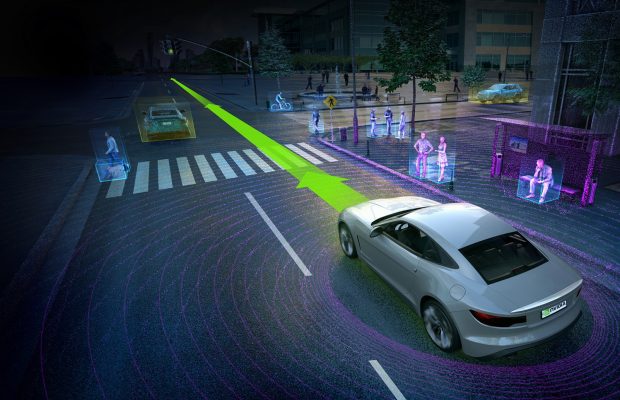
    Nvidia announced a partnership with Toyota Motor Corp on Wednesday, saying the Japanese car maker would use Nvidia’s artificial intelligence technology to develop self-driving vehicle systems planned for the next few years.

    Toyota will use Nvidia’s Drive PX artificial intelligence platform for its autonomous vehicles planned for market introduction, Nvidia Chief Executive Jensen Huang said in his opening keynote at the company’s GPU Technology Conference in San Jose.

    Nvidia came to prominence in the gaming industry for designing graphics processing chips, but in recent years has been a key player in the automotive sector for providing the so-called “brain” of the autonomous vehicle.

    Nvidia, which also has partnerships with Audi and Mercedes, is among the more popular technology partners in the self-driving car race. Its partnership with Toyota is the latest in a string of alliances between tech companies, automakers and suppliers in the fast-growing sector.

    Nvidia’s Drive PX supercomputer fuses incoming data from the car’s hardware such as cameras and radar and uses artificial intelligence to help the car understand and react to its environment.

    “We’re talking about not just development now but the introduction of vehicles into the market,” said Danny Shapiro, Nvidia’s senior director of automotive. “Now we have the biggest (automaker) in Japan using our Drive PX platform.”

    In January, Nvidia and Audi (VOWG_p.DE) said the German automaker would use the Drive PX to help it put autonomous vehicle on the road starting in 2020. Nvidia is also co-developing with Mercedes a project to come to market within the next 12 months, both companies said in January.

    Toyota, which last year set up a U.S.-based Toyota Research Institute (TRI) to focus on AI and robotics, envisions a dual-track development of autonomous technology. It is simultaneously developing full self-driving cars while also working on what it calls “guardian angel” partially autonomous technology that may still require involvement from drivers.

  • Peugeot gears up with nuTonomy for self-driving car test

    Peugeot gears up with nuTonomy for self-driving car test

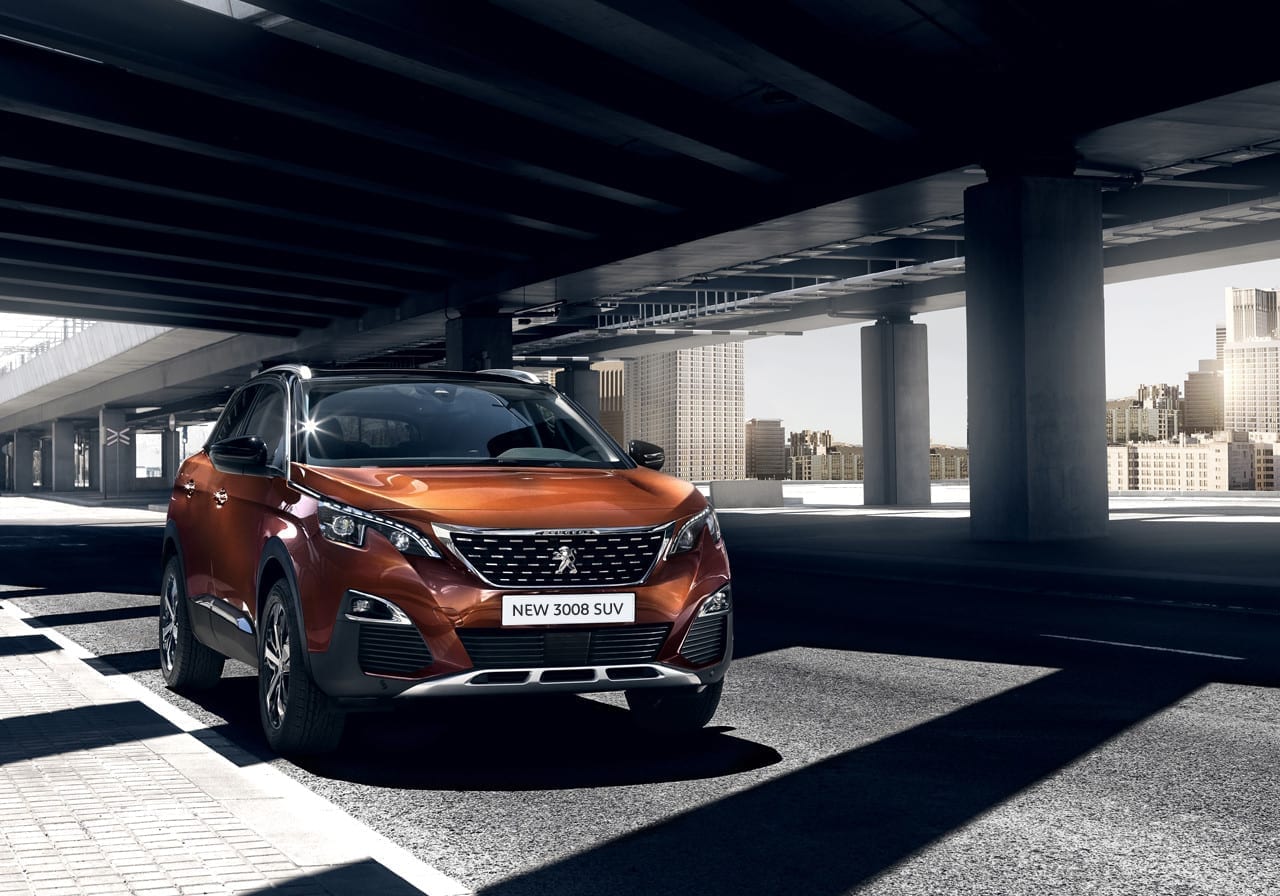
    French carmaker Peugeot is partnering with Boston, Massachusetts-based tech firm nuTonomy to test self-driving cars in Singapore. NuTonomy’s software, sensors and computing platforms will be installed in Peugeot 3008 models as part of plans to develop the technology needed for large fleets of autonomous cars, PSA and nuTonomy said in a statement on Wednesday.

    The latest PSA Group project seeks to work on “level 5” autonomous capable vehicles, which require no driver input, and will allow both companies to study how an “on-demand autonomous vehicle mobility service” performs, they said.

    The combination is the latest between technology and automotive companies after Daimler, which owns Mercedes-Benz, last month unveiled an autonomous cars development partnership with supplier Robert Bosch, while BMW has announced an alliance with chip maker Intel and Israel’s Mobileye.

    Autonomous driving in urban areas requires a more radical approach to vehicle design, particularly for software and sensors, to help a car navigate inner city obstacles, said Anne Laliron, Head of the Business Lab at PSA Group.

    “That is the reason we jump on the opportunity to work with nuTonomy,” Laliron told.

    PSA Group will use the project to learn about what components make sense, and which suppliers are available, Laliron said.

    Following the initial phase of this partnership, the companies will consider expanding their on-road AV testing initiative to other major cities.

    nuTonomy, a software company founded by Massachusetts Institute of Technology (MIT) academics and McKinsey management consultants was the first to begin on the road testing of driverless taxi services in Singapore last year.

    It raised $16 million last May in a funding round led by Highland Capital Partners and has backing from Singapore government authorities and Samsung Ventures, among others.

  • Daimler says yet to choose semiconductor partner for autonomous cars

    Daimler says yet to choose semiconductor partner for autonomous cars

    German automaker Daimler has yet to select a semiconductor provider for its autonomous cars’ development partnership with supplier Robert Bosch, Mercedes-Benz research and development chief Ola Kaellenius said on Wednesday.

    Earlier this month, Daimler and Bosch announced a strategic partnership to develop self-driving cars.

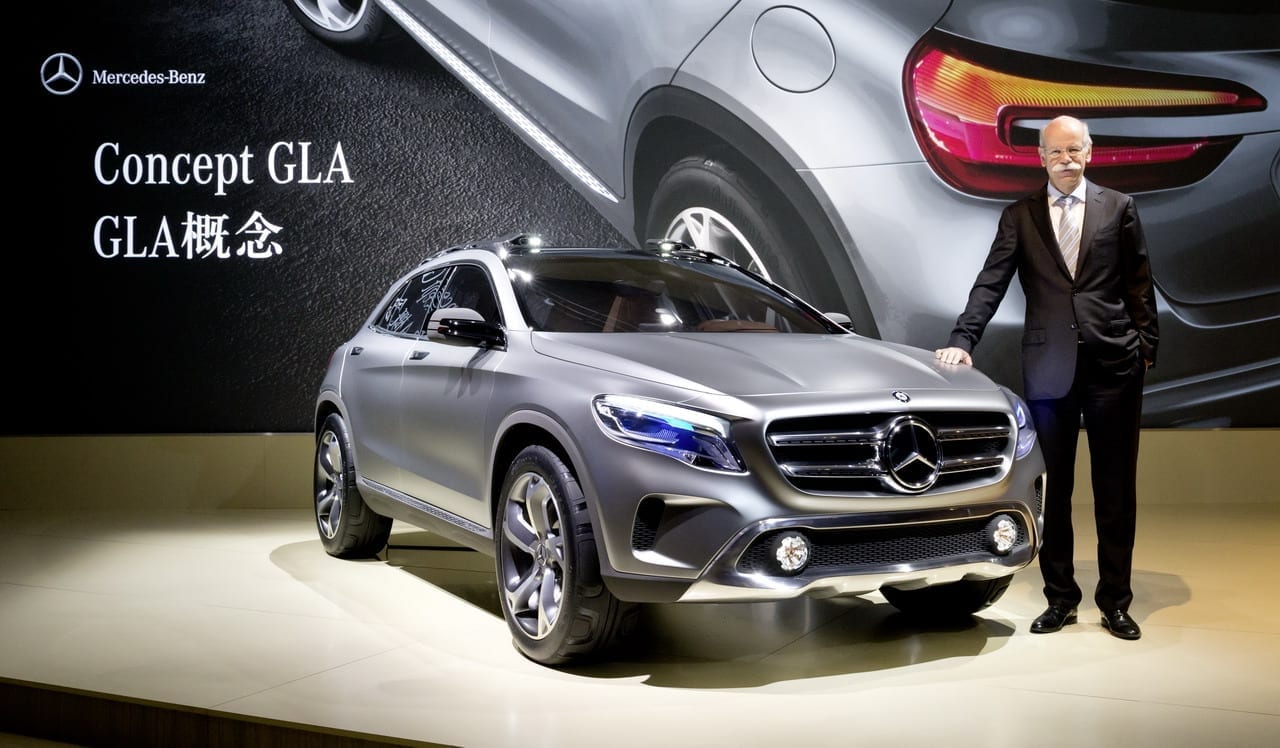
    “We have not selected the computing supplier, and there are several capable options in the market,” Kaellenius told reporters at a roundtable discussion at the Shanghai Motor Show.

    “We are working with several partners in pre-development. What we see being available in the coming years looks very promising,” he said.

    Semiconductor manufacturers including Intel , Nvidia, and Qualcomm have started expanding their automotive product offerings in recent months as self-driving cars drive an “arms race” among suppliers.

  • Korea to launch virtual reality shopping mall

    Korea to launch virtual reality shopping mall

    A virtual reality shopping mall is set to be launched in Korea, backed by the government.

    The Ministry of Trade, Industry & Energy says it will be rolling out the mall during this year’s Korea Sale Festa – Korean Black Friday – in October.

    The ministry hopes that consumers will be able to use to shop and place orders and have the goods delivered to their doorstep.

    This video gives an idea of what shoppers can expect when the design is complete.

    According to the ministry, although the global retail industry recognises VR or AR shopping as the industry’s future, key players such as eBay and Alibaba are still in the testing phase.

    Korean VR technology 2

    The ministry is inviting retailers to join its initiative starting this week to establish virtual outlets on the upcoming platform. The deadline for applications is April 10.

    “We’re hoping for our project to provide new business opportunities and create a whole new market,” a ministry official said.

  • Augmented Reality Empowers Indonesian Women to Operate Online Stores

    Augmented Reality Empowers Indonesian Women to Operate Online Stores

    While its direct-selling model echoes brands like Avon and Tupperware, Indonesia’s MindStores gives the approach a modern twist—with augmented reality.

    Recognized as the first partnership store network to use augmented and virtual reality, MindStores equips its store owners with their own unique partner cards which customers use to access the stores virtually. The whole process is relatively simple, and takes place in-person only.

    A store owner, who can be located anywhere—from their living room to a public coffee shop—shows a customer their partner card. Using a dedicated app on their own smartphone, that customer scans the card to see a 3D retail store appear on their screen. From there, the customer enters that partner’s virtual store and can browse and purchase merchandise to have shipped to them. The store owner then gets a cut of the sale.

    Slingshot, the Indonesian technology and media company that operates MindStores, announced this week that the store network has opened more than 7,000 stores in Indonesia since its launch last June. They estimate that they will have more than 150,000 active stores by the second quarter of 2017, with the potential to open more than 4 million new stores in the country over the next two years.

    As part of the pilot program, MindStores partnered with Alfamart, a large Indonesian convenience store chain, to have their wares sold through branded Alfamind virtual stores by individual store owners. However, augmented reality gives MindStores the potential to expand their retail partnerships to other companies, with many stores appearing side by side on each scanned store owner card.

    “The future will be an augmented reality city that is working flawlessly with people, with stores, with consumers,” said Daniel Surya, CEO of Slingshot and its parent company, WIR Group, in an interview with NextReality. “Now is just the first phase. We’re looking at a data-driven city using augmented reality.”

    Surya noted that MindStores already has an agreement with one of the largest insurance companies in Indonesia, Astra Life, in collaboration with UK-based Aviva, as their next retail partner. Eventually, MindStores will also give its store owners the ability to sell their own merchandise and crafts—not just partner brands—like on Etsy.

    The company expects to expand to China and India by the end of the year, Latin America and Africa next year and, eventually, the United States. Each expansion will require recruiting partners that resonate with consumers in those markets.

    Working in emerging markets presents challenges in rendering AR and VR animations, since most consumers are equipped with lower-end phones running on processors two or three generations old.

    The stores are designed to render smoothly through its Android or iOS app. To ensure consistent operation, the company built the stores on their own engine, which is compatible with more modest hardware. For instance, minimum requirements to run on Android include OS version 4.2 Jelly Bean, quad-core 1.8 GHz CPU, and 2 GB RAM.

    “We need to be able to present this technology on the simplest, most modest phone available on the market,” said Surya. The app is also optimized to compensate for available connectivity in the emerging markets. According to a spokesperson, the app is designed to allow for offline browsing, though an internet connection is required to place an order.

    Nonetheless, they are also testing the experience with smart glasses, namely Vuzix and HoloLens, and their research and development team maintains relationships with the leading hardware makers so that they are familiar with the next wave of devices.

    Empowering Women Through Community-Based Selling

    Along with the eye-catching AR and VR aspects, community-based selling has been a significant component of the company’s success.

    The direct selling model appeals to mothers of single-income families as supplemental income, according to Surya. Since brand loyalty is low in Indonesia, the ability to offer goods at a discount to friends and neighbors gives store owners and their partner retailers an advantage.

    Through Mindstores we’ve used innovative technology to create something as equally innovative as it is meaningful, through its proven ability to make a positive impact to empower women worldwide. Slingshot will continue enhancing the Mindstores experience, for the benefit and futures of an often-overlooked population: women in less developed regions of the world.

    — Daniel Surya, CEO of Slingshot and WIR Group

    Compared to the cost of opening a brick-and-mortar store or securing a franchise license, the start-up cost for MindStores is relatively modest. Store owners invest a minimum fee (the equivalent of about $100) to serve as capital to purchase inventory credit from Alfamart, the partner retailer.

    Their customers order products through the store and pay the customer in cash. The retailer applies the purchase towards the inventory credit and ships to the customer. Customers pay the store owners directly in cash. Store owners can purchase additional credits once the initial investment is exhausted.

    The store owners receive about 15% of each sale for most of Alfamart’s product categories, such as fashion and household goods, which have 30-40% margins. MindStores takes a 2% cut, with the remainder of the proceeds going to Alfamart. Slingshot reports that participants average $900–$1,200 per month in sales.

    Next Stop: SXSW

    Slingshot is one of five Indonesian companies appointed by BEKRAF (Indonesian Government Agency for Creative Economy) to attend the South by Southwest (SXSW) Conference and Festival, taking place March 10–19 in Austin, Texas. The companies will exhibit in the Indonesian section named Archipelageek.

    “It is a tremendous honor to represent our Country at such a prestigious event,” said Surya. “We’re proud to showcase the creative and innovative technological achievements from Indonesia, which we believe are highly relevant in today’s worldwide marketplace.”

    In addition to its MindStores business unit, Slingshot also operates AR&Co., which specializes in augmented reality content development, and DÄV, an AR media placement company. Founded seven years ago as the AR Group, Slingshot has offices in New York, Los Angeles, Silicon Valley, Jakarta, Singapore, Barcelona, and Malta.

    Slingshot has completed more than 500 projects in 20 countries, working with brands such as Disney, Cartoon Network, Samsung, LG, Intel, Lenovo, and Sony, to name a few.

    Among their notable campaigns include AR-enabled ads for the successful Nigerian presidential campaign of Muhammadu Buhari, holographic Star Trek collectible pins, and the first AR children’s books in Spain.

    “We’ve always been excited about the possibilities of augmented reality and the power it has as an engaging and immersive platform,” said Surya.