Tag: asia

  • Macau Welcomes First Miniso Land Store: A New Era for Premium, IP-Driven Retail in Asia

    Macau Welcomes First Miniso Land Store: A New Era for Premium, IP-Driven Retail in Asia

    Miniso, a leading retail brand, has launched its first ‘Miniso Land’ outlet in Macau, marking a significant milestone in its Asia-wide expansion strategy. This new premium retail store is part of Miniso’s broader efforts to strengthen its network of intellectual property (IP)-oriented stores across the region.

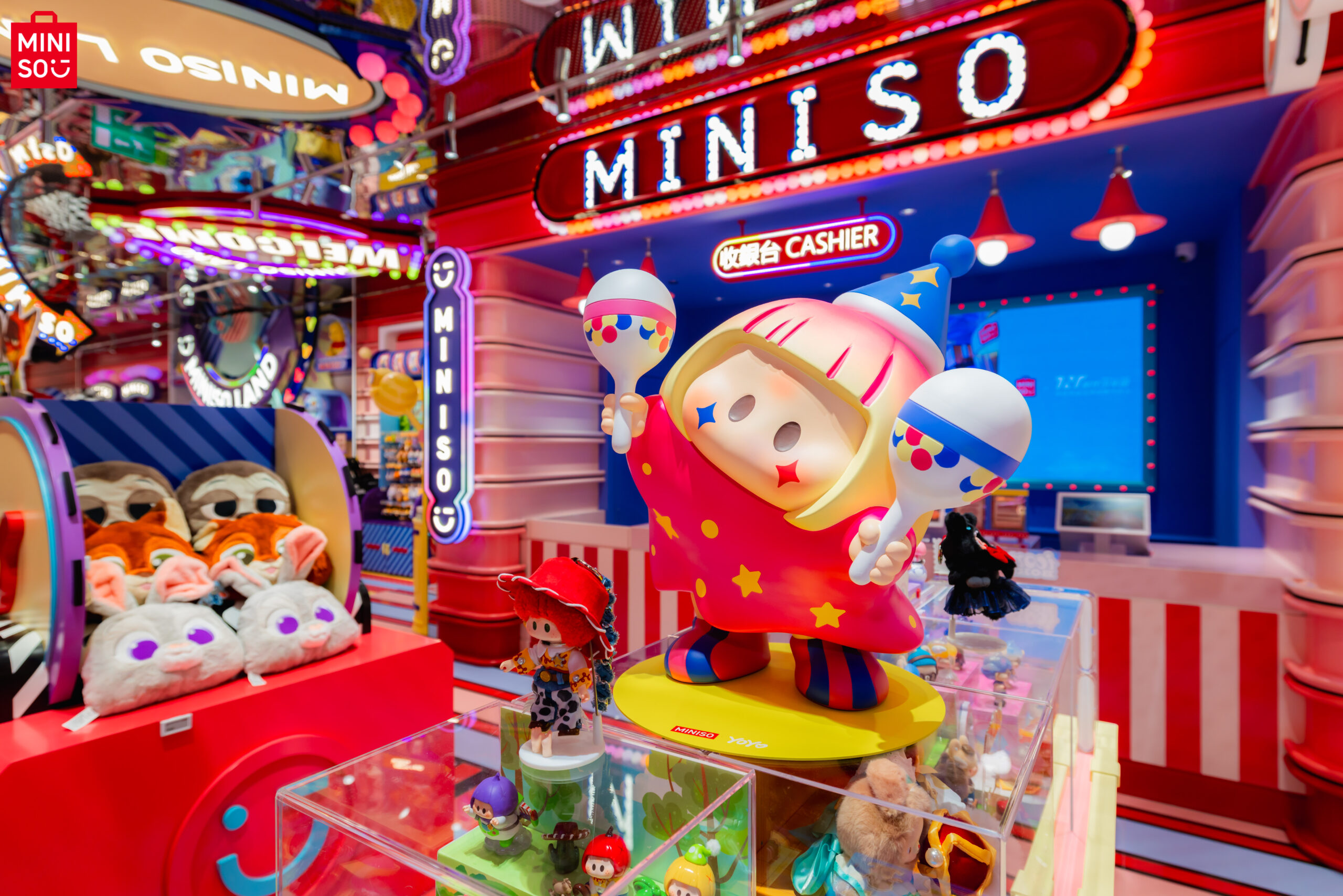
    Centrally located in The Shoppes at Venetian, this 400 square meter shop stands as Miniso’s largest outlet in Macau. Offering an extensive range of over 1200 stock keeping units (SKUs), the store boasts a vast selection of products across various categories, ranging from collectibles, blind boxes, plush toys, and stationery to lifestyle items.

    Innovative Conceptualization

    Miniso Land showcases the brand’s unique fusion of an expanded product assortment with themed merchandising and interactive displays. This signature premium concept store features more than 30 licensed and proprietary IP collections. Distinguished sections are dedicated to globally recognized brands, such as Disney, Harry Potter, Pokémon, One Piece, Crayon Shinchan, Sanrio, and Chiikawa. Additionally, the store highlights Miniso’s original character, YoYo, through special displays.

    This innovative retail strategy has been instrumental in driving the brand’s growth. By fostering licensed IP collaborations and creating destination retail experiences, Miniso aims to enhance customer engagement and boost sales.

    Expansion Across Borders

    Earlier this year, Miniso also unveiled its first Miniso Land store in Malaysia, located at Sunway Pyramid, which spans across a sprawling 1700 square meters. This outlet introduced a larger-format concept focused on IP collaborations and immersive retail design.

    The brand’s move to establish its premium store concept in Macau reaffirms its commitment to bolstering its global network of immersive IP-driven retail outlets.

    Questions & Answers

    What is the unique offering of the new Miniso Land store in Macau?
    The new Miniso Land store features a broad selection of more than 1200 SKUs across various categories and over 30 licensed and proprietary IP collections, providing a unique, immersive retail experience for customers.

    What is the strategic significance of the new store in Macao for Miniso?
    The opening of the new store in Macau is a crucial step in Miniso’s plan to expand its globally immersive IP-driven retail concept, strengthening its presence in the Asian market.

    What was Miniso’s previous significant expansion move?
    Earlier this year, Miniso opened a large-format Miniso Land store at Sunway Pyramid in Malaysia, marking a significant step in expanding its IP collaborations and immersive retail design concept.

  • Moncler Soars High: Luxury Retailer Rides the Wave of Asia Market Expansion With Robust Sales Growth

    Moncler Soars High: Luxury Retailer Rides the Wave of Asia Market Expansion With Robust Sales Growth

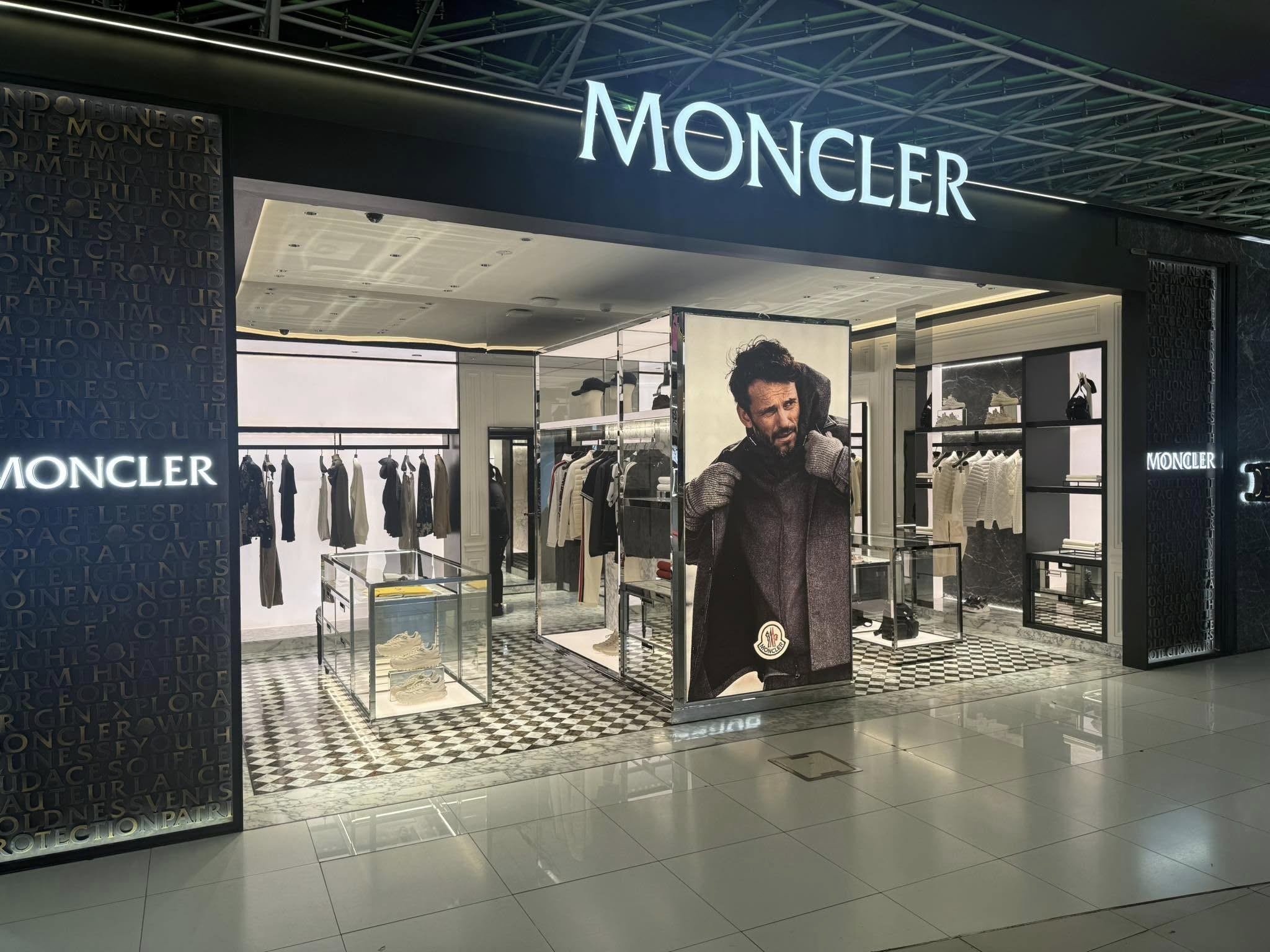
    Luxury fashion retailer Moncler has reported a strong momentum in sales growth, driven predominantly by its expanding presence in Asia.

    Strong Performance Across Moncler and Stone Island Brands

    The first half of their financial year saw a significant rise in revenues across its Moncler and Stone Island brands, with increases of 9% and 11% respectively. This strong performance for both brands contributed to a combined first-half group revenue of $1.47 billion and earnings before interest of $280 million.

    Remo Ruffini, Moncler’s Executive Chairman, is of the view that the group’s resilience stems not solely from its ability to swiftly adjust to changes, but also from staying true to its identity and maintaining close ties with the communities they serve. “In the first half of the year we delivered solid growth and profitability across both our brands, staying focused on our products, the creativity that characterizes our brands and the collective energy we share with our audiences,” he said.

    Moncler’s Rapid Growth in Asia

    Asia has proven to be the fastest-growing market for Moncler Group, now representing 54.4% of total sales. In comparison, the share of sales in Europe, the Middle East, Africa, and the Americas has seen a decline.

    Ruffini added that the group is continuously seeking innovative ways to remain relevant throughout the year, beyond the core season. Despite the complex and unpredictable operating environment, he believes these challenging times test their ability to be sharper, bolder, while maintaining discipline and staying grounded. “We approach the second half of the year and the opportunities ahead with this same spirit, and with a clear sense of direction,” he concluded.

    Questions & Answers

    What has driven Moncler’s recent sales growth?
    Moncler’s sales growth was primarily driven by its expansion in Asia, contributing to 54.4% of total sales.

    How did Moncler and Stone Island brands perform in the first half of the year?
    Both brands showed significant growth with their revenues increasing by 9% and 11% respectively, leading to a combined first-half group revenue of $1.47 billion.

    What strategy does Moncler implement to stay competitive in the market?
    Moncler strives to remain relevant throughout the year by continuously seeking innovative ways to engage audiences, focusing on their products and the creativity that characterizes their brands while staying true to their identity and maintaining close ties with the communities they serve.

  • Happy Potato Sizzles Across Asia: Malaysian Fries Chain Captures Four New Markets

    Happy Potato Sizzles Across Asia: Malaysian Fries Chain Captures Four New Markets

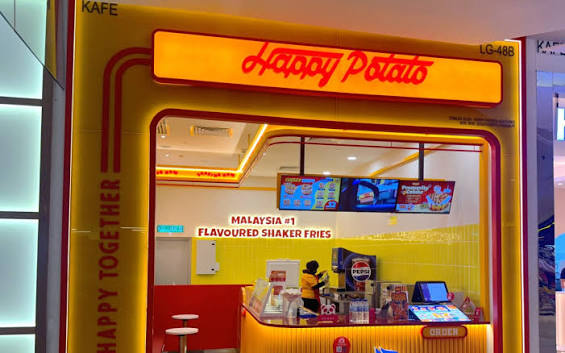
    Happy Potato, a fries chain originally from Malaysia, has successfully extended its operations to four international markets within half a year. The company’s rapid growth has seen it establishing new outlets in Bangladesh, Indonesia, China, and Cambodia as a core component of its aggressive regional expansion strategy.

    This ambitious expansion has boosted Happy Potato’s network to a total of 126 outlets spread across five countries. The majority of the outlets, 117, are located in Malaysia, while Bangladesh hosts three, and Indonesia, China, and Cambodia each accommodate two.

    The origins of Happy Potato trace back to Kota Kinabalu in 2019 where it began with just one outlet. The company opened its initial directly operated store in Peninsular Malaysia in 2023, and has since then been on a fast-paced journey of expansion through its franchising network.

    Between 2024 and 2025, Happy Potato saw a surge in its growth, adding 98 outlets across the nation. This domestic surge set the stage for its current international growth, which began this year.

    Edmund Lim, the CEO and co-founder of Happy Potato, shared that the firm dedicated years to solidifying its franchise model and operational systems before breaking into international markets.

    “Establishing a new outlet is merely one aspect of expansion. The real challenge is ensuring that customers receive the same experience, product quality, and service standards irrespective of the outlet’s location. Achieving this consistency necessitates having robust operational systems, franchise support, and local partners,” he said.

    The international journey for Happy Potato started in February with the first outlets opening their doors in Bangladesh and Indonesia. This was followed by China in May, and Cambodia in July.

    Lim expressed that this recent expansion has bolstered the company’s confidence in scaling its business, while maintaining its commitment to consistent quality across all markets.

    “Happy Potato started as a humble Malaysian fries brand, and now we are catering to customers in five different markets. But this is only the beginning,” he said.

    As part of its 2028 growth plan, Happy Potato has set its sights on expanding its Malaysian network to 200 outlets, while also making its mark in another three to five countries across Asia.

    Questions & Answers

    What are Happy Potato’s plans for future expansion?
    Happy Potato plans to expand its Malaysian network to 200 outlets and enter another three to five countries across Asia by 2028.

    What is noteworthy about Happy Potato’s expansion strategy?
    The company spent years strengthening its franchise model and operating systems before expanding internationally, ensuring that customers receive the same high-quality experience and service at all locations.

    What was the sequence of Happy Potato’s entry into international markets?
    Happy Potato first entered Bangladesh and Indonesia in February, followed by China in May, and Cambodia in July.

  • Brochu Walker Makes Bold Asia Debut with Grand Flagship Store in Seouls Gangnam District

    Brochu Walker Makes Bold Asia Debut with Grand Flagship Store in Seouls Gangnam District

    Brochu Walker, a high-end American women’s fashion label, has announced the grand opening of its inaugural international flagship store. Situated in Seoul, the move signifies the brand’s first venture into the Asian market.

    Brochu Walker: New Horizons

    Positioned in the bustling district of Gangnam, the impressive five-level ‘Maison’ spans approximately 664 square meters, spread over two floors dedicated to retail. The spacious location also offers an exclusive, personalized shopping experience with an area set aside for private client consultations. The decision to expand into Seoul comes on the heels of the brand’s appointment of South Korean actress Cha Joo Young as its first Korean ambassador, a move that underscores the growing significance of the Asian market to the Los Angeles-based fashion house.

    The Maison design is the result of a partnership with the Seoul-based Blurker Design Studio. The store’s innovative design seamlessly blends modern interior aesthetics with elements of traditional Korean artistry. The space is punctuated by standout materials such as oak, marble, Hanji paper, and bronze, which sit alongside artwork commissioned from local creatives.

    Brochu Walker: A Personal Vision

    Karine Dubner, the CEO and chief creative officer of Brochu Walker, spoke passionately about the new store, saying, “Maison Seoul is the culmination of years of dreams, designs, and thoughtful collaborations.” Dubner’s sense of accomplishment is evident when she describes the finished space, which she views as an embodiment of Brochu Walker’s ethos – “quiet, beautiful, intentional, and deeply personal.” She also expressed her gratitude for the warm reception from the Korean community, which she described as “deeply humbling.”

    Originating in Los Angeles, Brochu Walker has built a reputation for its superior knitwear and subtly elegant ready-to-wear collections, placing it firmly in the ‘quiet luxury’ niche. The brand, which already has a solid brick-and-mortar presence across America with boutiques in California, Connecticut, Georgia, and New York, hints at further growth with plans in place to open more stores in Nashville and Austin.

    Questions & Answers

    What is Brochu Walker known for?
    Brochu Walker is renowned for its high-quality knitwear and subtly elegant ready-to-wear collections, which are part of the ‘quiet luxury’ segment.

    Where is the brand’s first international flagship store located?
    The brand’s first international flagship store is located in the Gangnam district of Seoul, South Korea.

    What are the future expansion plans of Brochu Walker?
    The brand has plans for further expansion within the US, with new stores expected to open in Nashville and Austin.

  • Unlocking Sustainable Growth in Southeast Asia: The Power of Multi-Channel Logistics for Brands

    Unlocking Sustainable Growth in Southeast Asia: The Power of Multi-Channel Logistics for Brands

    The e-commerce sector in Southeast Asia is witnessing significant growth, with its Gross Merchandise Value (GMV) projected to reach around US$350 billion by 2030 and escalate to US$630 billion by 2035.

    For businesses aiming to tap into this growth, achieving success is no longer merely about attracting customers. It is equally critical to ensure a consistent customer experience, regardless of where the consumers decide to make their purchases. This applies to all sales channels, whether consumers purchase through online marketplaces, direct-to-consumer websites, social commerce platforms, or physical stores. They anticipate a seamless shopping experience, speedy and dependable delivery. This demonstrates that logistics isn’t just a back-end operation anymore; instead, it significantly influences the customer’s buying experience and impacts their perception and interaction with a brand, both online and offline.

    To cater to these expectations, logistics providers are rethinking the traditional fulfillment styles centered around specific platforms. They are investing in more comprehensive solutions that can meet customers’ expectations on a larger scale.

    Challenges in Managing Multi-Channel Operations in a Diverse Region

    In Southeast Asia, brands are broadening their omnichannel presence. The region’s diverse market landscape poses unique operational challenges. Brands need to handle different consumer expectations, various levels of infrastructure maturity, unique regulatory environments, and diverse operational requirements across multiple markets.

    Brands also must manage inventory across various sales channels and logistics providers. Separate warehousing arrangements, fragmented stock pools, and disconnected fulfillment systems can directly impact the customer experience, leading to delayed deliveries, inaccurate stock information, and inconsistent service across channels. These gaps can lead to increased costs, reduced stock visibility, and complicate demand planning.

    A Streamlined Approach to Scaling through a Unified Fulfillment Infrastructure

    Lazada Logistics acknowledged the growing need for more integrated fulfillment solutions and introduced its Multi-Channel Logistics (MCL) offering. The MCL enables brands to streamline fulfillment operations across channels through a single logistics network.

    The MCL is available across several countries in Southeast Asia, including Singapore, Thailand, Vietnam, Indonesia, the Philippines, and Malaysia. It combines Lazada Logistics’ proprietary regional infrastructure with an extensive third-party logistics network to provide comprehensive inventory management, warehousing, and fulfillment services on a larger scale. This allows brands to rapidly respond to fluctuating consumer demand while maintaining consistent service standards across the region.

    Thanks to MCL, brands can optimize logistics costs without compromising service quality, allowing them to concentrate resources on customer acquisition, product development, and market expansion. With a simplified fulfillment structure and more efficient inventory utilization, businesses can strike a balance between cost management and customer experience objectives.

    Questions & Answers

    How is the e-commerce market in Southeast Asia growing?
    The e-commerce sector in Southeast Asia is expanding significantly, with its Gross Merchandise Value (GMV) projected to hit around US$350 billion by 2030 and increase to US$630 billion by 2035.

    What challenges do brands face in managing multi-channel operations?
    Brands must deal with various consumer expectations, different levels of infrastructure maturity, unique regulatory environments, and diverse operational requirements across multiple markets. Additionally, they need to handle inventory across various sales channels and logistics providers.

    How does Lazada Logistics’ Multi-Channel Logistics (MCL) help brands?
    The MCL offering by Lazada Logistics enables brands to consolidate fulfillment operations across channels through a single logistics network. It helps brands optimize logistics costs without compromising service quality, allowing them to concentrate resources on customer acquisition, product development, and market expansion.

  • Emirates SkyCargo Boosts Freight Services in East and Southeast Asia Amid Rising Demand

    Emirates SkyCargo Boosts Freight Services in East and Southeast Asia Amid Rising Demand

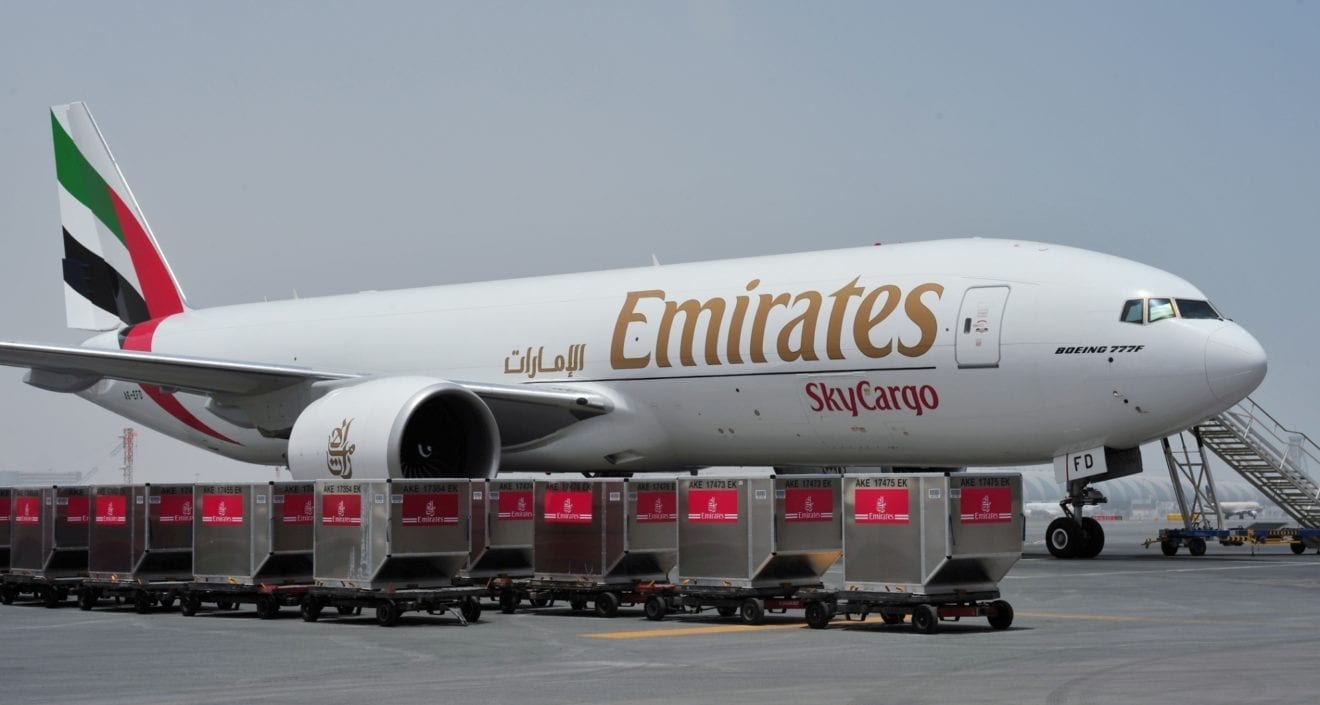
    Emirates SkyCargo, the air cargo carrier, has unveiled a strategic expansion plan for its freight services throughout East and Southeast Asia. The move is aimed at enhancing the cargo flight frequencies and destinations to meet the increasing demand. Businesses and manufacturers in East and Southeast Asia are seeking comprehensive connections to rapidly and securely transport their goods to high-demand markets in the Middle East, Africa, Europe, and the Americas.

    Facilitating International Trade

    In the FY 25/26, Emirates SkyCargo transported over 439,000 tonnes of cargo via its freighter and passenger flights from 12 markets in East and Southeast Asia. This reflects a 5% increase in cargo tonnage compared to FY24/25, illustrating the thriving demand from businesses and exporters to transport goods across the globe.

    Badr Abbas, Divisional Senior Vice President at Emirates SkyCargo, highlighted the importance of East and Southeast Asia as global manufacturing epicentres. They contribute significantly to the production of high-tech goods, export of perishables, and are a significant origin for global e-commerce flows. He added that by increasing the number of freighter flights and expanding their freighter services, they provide rapid connectivity to ensure swift and safe cargo transportation to customers worldwide.

    Expansion of Freighter Flights

    Emirates SkyCargo plans to double its freighter capacity to Narita Airport in Tokyo, increasing from one to two weekly freighter flights. This expansion will cater to Japan’s robust manufacturing industry, spanning diverse sectors like automotive, electronics, and pharmaceuticals.

    The carrier is also escalating its flights to Hong Kong to 37 weekly freighter flights, offering maximum flexibility and choice to customers in this export-led economic corridor. Moreover, Emirates SkyCargo has broadened its reach into Central China with three weekly flights from Zhengzhou, linking the industrial hub of Henan province to Dubai and other destinations.

    The carrier has also resumed its freighter flights from Singapore, with a weekly flight connecting to Dubai via Mumbai. This forms a vital trade lane across Asia. Furthermore, Emirates SkyCargo plans to double its footprint in Taiwan, enhancing its service from one weekly to twice-weekly freighters to Taipei, to meet the increasing demand for high-tech electronic cargo movement.

    Questions & Answers

    What is the main aim of Emirates SkyCargo’s expansion in East and Southeast Asia?
    The primary objective is to increase the freighter flight frequencies and destinations to meet the surging demand for rapid and secure transportation of goods to high-demand markets.

    How is Emirates SkyCargo responding to the demand in Japan’s manufacturing industry?
    The company plans to double its freighter capacity to Narita Airport in Tokyo, thereby catering to diverse sectors in Japan’s robust manufacturing industry.

    What new development has taken place regarding Emirates SkyCargo’s operation in Taiwan?
    Emirates SkyCargo intends to double its footprint in Taiwan, increasing its service from one weekly to twice-weekly freighters to Taipei, to meet the rising demand for high-tech electronic cargo movement.

  • Experience Luxury Dining: Tiffany & Cos Inaugural Blue Box Cafe in Southeast Asia to Open in Singapore

    Experience Luxury Dining: Tiffany & Cos Inaugural Blue Box Cafe in Southeast Asia to Open in Singapore

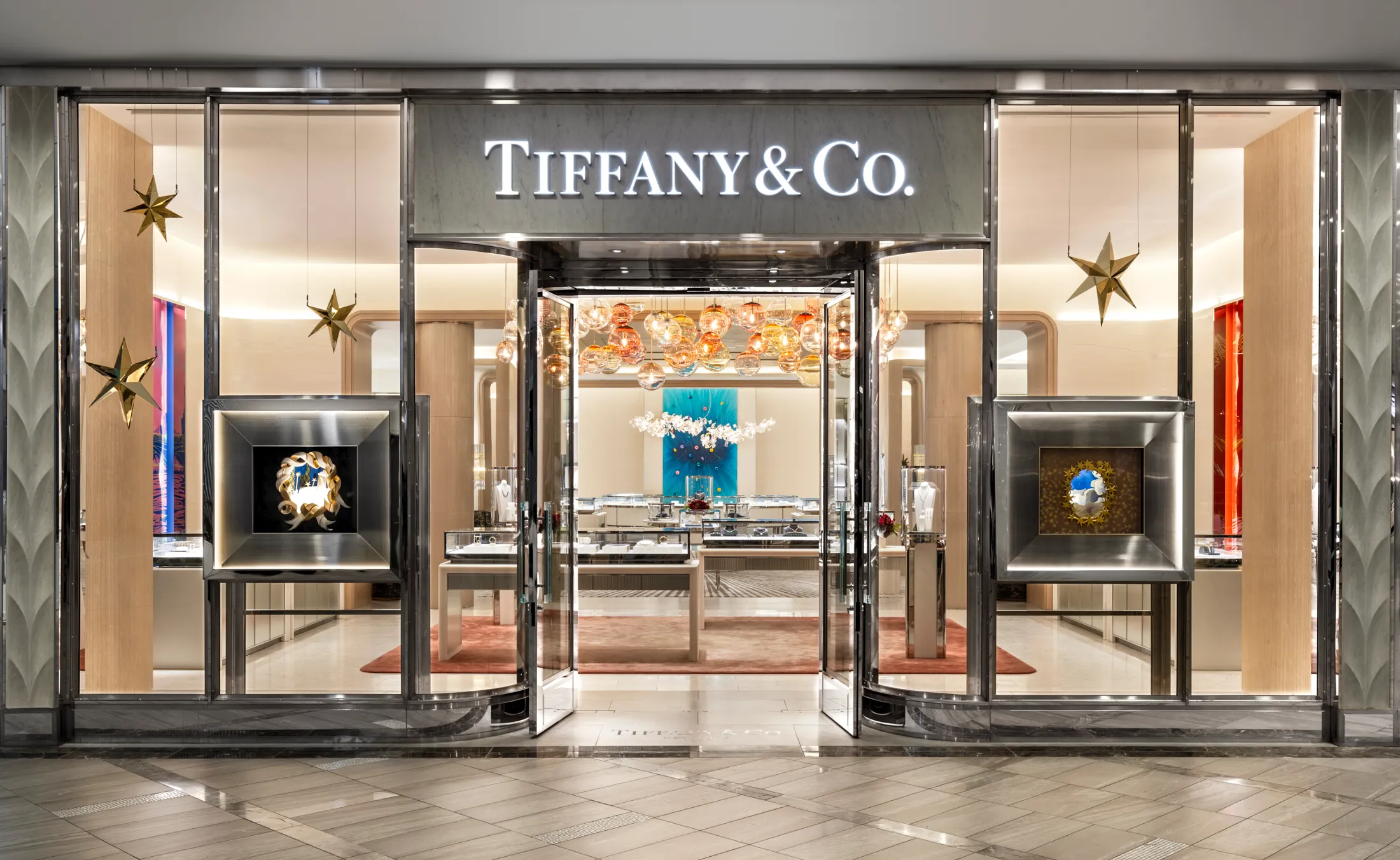
    Tiffany & Co, the prestigious luxury jeweller, announced their plans to launch their first-ever Blue Box Cafe in Southeast Asia. Set to make its debut in Singapore’s flagship store next month, this move is meant to elevate the brand’s presence within the region.

    Details of the Blue Box Cafe

    Slated to open its doors in mid-July, the Blue Box Cafe will take over the top floor of the recently revamped Ion Orchard store. Taking inspiration from its original New York-based Blue Box Cafe, the Singaporean outpost will boast an American-French menu. This gastronomic offering is the brainchild of Julien Royer, renowned chef and owner of Odette, a three-Michelin-starred restaurant.

    The Ion Orchard branch of Tiffany & Co has recently undergone a significant facelift and is now the only triplex boutique of the brand in Singapore. The store’s refurbishment began in September of the previous year. Its design shares similarities with Tiffany’s Landmark flagship store in New York, featuring a dynamic light installation by British architect, Hugh Dutton, gracing the store’s facade.

    Highlights of the Renovated Store

    This boutique not only houses the first Tiffany watch salon in Singapore, but it also encompasses private VIP suites, and the Schlumberger Gallery. This exclusive space showcases the works of notable jewellery designer, Jean Schlumberger.

    In addition to these offerings, the store also features artworks by ceramic artist Peter Lane and exhibits the Monumental Bronze-Mounted Vase. This historic masterpiece, created in 1898, is the work of Louis Comfort Tiffany, after whom the brand is named.

    Yeo Mui Hong, CEO of Orchard Turn Developments, expressed his pride in housing the first Blue Box Cafe in Southeast Asia at Ion Orchard. He affirmed the company’s commitment to enhancing the shopping experiences of its patrons and members. This introduction of the Blue Box Cafe follows the successful opening of a similar cafe earlier this year at Tiffany & Co’s Lee Gardens boutique in Hong Kong.

    Questions & Answers

    What is the Blue Box Cafe?
    The Blue Box Cafe is a dining concept by luxury jeweller Tiffany & Co. The cafe is designed to complement the shopping experience with a unique gastronomic offering.

    Where will the first Blue Box Cafe in Southeast Asia be located?
    The first Blue Box Cafe in Southeast Asia will be located on the top floor of the Tiffany & Co store in Ion Orchard, Singapore.

    What unique features does the renovated Ion Orchard store offer?
    The renovated Ion Orchard store houses Singapore’s first Tiffany Watch Salon, private VIP suites, and The Schlumberger Gallery, showcasing creations by jewellery designer Jean Schlumberger. It also features a kinetic light installation on its facade and several noteworthy art pieces.

  • Harlan + Holden Brews $12M Expansion Deal for Southeast Asia Presence

    Harlan + Holden Brews $12M Expansion Deal for Southeast Asia Presence

    Harlan + Holden, a lifestyle and coffee brand, is reportedly close to finalizing a funding round estimated to be around US$12 million. This capital injection is intended to propel the brand’s expansion strategy across Southeast Asia.

    Harlan + Holden: From Clothing to Coffee

    Established in Manila in 2015, Harlan + Holden has built a retail presence in Indonesia and the Philippines and runs its own online store. Initially, the brand focused solely on fashion, but it later branched out into the specialty coffee market.

    Investor Interest and Use of Proceeds

    The impending funding round is expected to attract notable angel investors and venture capital firms. Among the potential backers are Michael Soerijadji, co-founder of AC Ventures; Willix Halim, former CEO of e-commerce powerhouse Bukalapak; and Trihill Capital.

    The funds raised will be allocated to expanding the brand’s store network and enhancing its footprint in critical regional markets.

    Investors are demonstrating increased interest in Southeast Asia’s rapidly growing coffee and tea sector. Earlier this year, the budget coffee chain Pickup Coffee in the Philippines reportedly secured up to $8 million in convertible notes from Venturi Partners and new investor Antler. Meanwhile, Indonesian mobile coffee startup Jago Coffee raised $12.5 million in a Series B round led by Beenext.

    Questions & Answers

    What is Harlan + Holden?
    Harlan + Holden is a lifestyle and coffee brand that began as a clothing company in Manila in 2015 before expanding into the specialty coffee market.

    How much is Harlan + Holden expected to raise in its upcoming funding round, and what will the funds be used for?
    Harlan + Holden is reportedly nearing the completion of a US$12 million funding round. The capital raised will be used to broaden the brand’s store network and strengthen its presence in key regional markets.

    Who are the potential investors in Harlan + Holden’s funding round?
    Prominent angel investors and venture capital firms are anticipated to back the funding round. Potential investors include Michael Soerijadji, co-founder of AC Ventures; Willix Halim, former CEO of e-commerce giant Bukalapak; and Trihill Capital.

  • UOB Strengthens Asia Operations with New CEOs for China, Hong Kong

    UOB Strengthens Asia Operations with New CEOs for China, Hong Kong

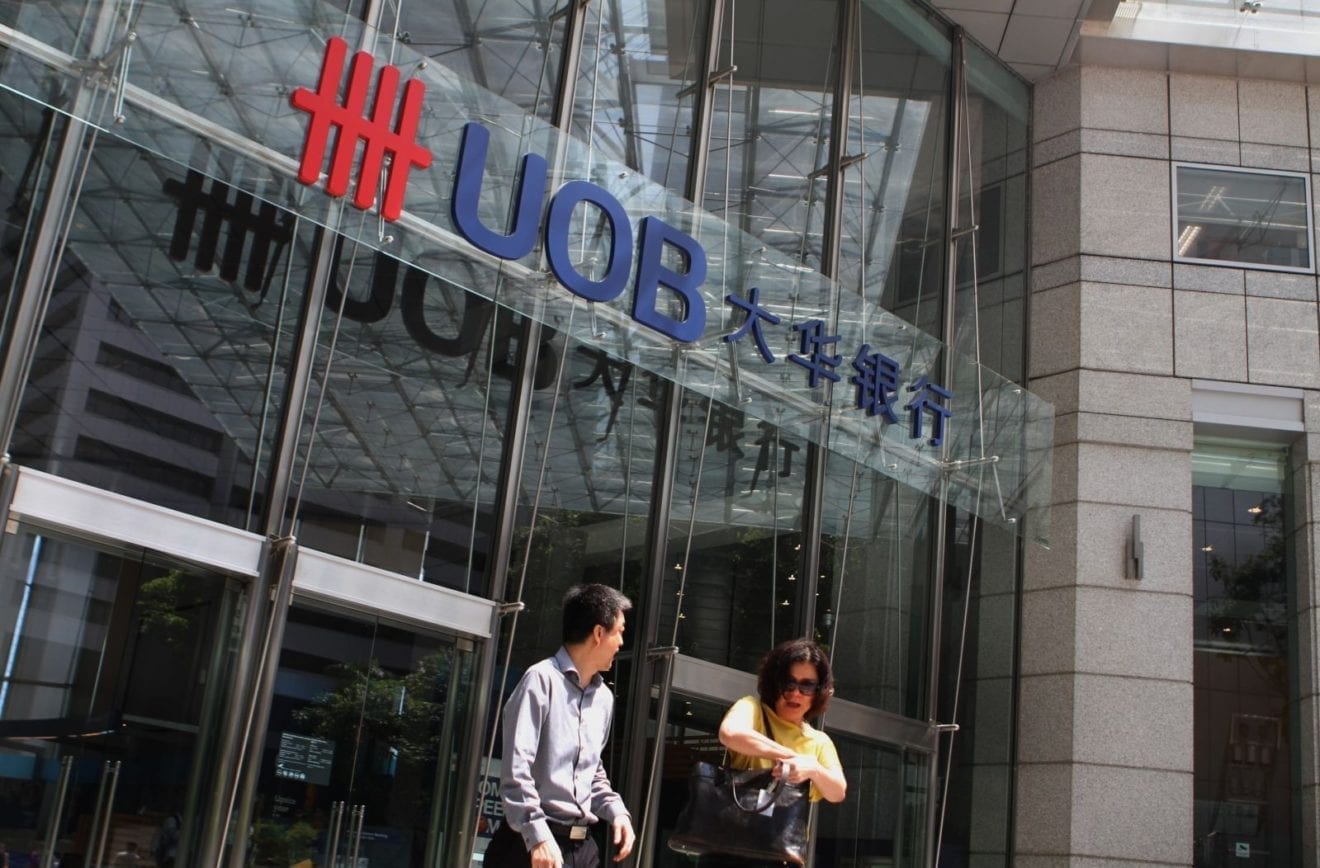
    United Overseas Bank (UOB) recently unveiled a series of significant leadership shifts within its operations in China and Hong Kong. This announcement is a testament to the bank’s dedication to fortifying its cross-border business operations between China and Southeast Asia.

    Adaline Zheng, currently presiding as the Chief Executive Officer of UOB’s Hong Kong Branch, is poised to step into the role of CEO for UOB China as of July 1. She will be taking over from Peter Foo, who draws his 15-year tenure with the bank to a close with his impending retirement. Concurrently, George Tung, currently UOB’s Country Manager for South Korea, is slated to assume the position of CEO for the Hong Kong Branch.

    UOB is making these strategic moves as part of its effort to amplify its role in fostering trade, investment, and financial connectivity between China and the ASEAN markets.

    Leadership at the Helm of UOB’s Expansion

    Deputy Chairman and Chief Executive Officer of UOB, Wee Ee Cheong, stated that China plays a pivotal role in trade, investment, and cross-border dealings with ASEAN. As the most interconnected bank in ASEAN, the deep-rooted local knowledge and leading cross-border capabilities of UOB put the bank in a strong position to usher in the next stage of business growth and momentum.

    Wee confirmed that the bank plans to continue improving its capabilities to cater to the escalating cross-border needs of its customers. This comes as economic ties strengthen between China and ASEAN. In Hong Kong, UOB aims to enhance its role as a conduit between mainland China and Southeast Asia, while augmenting its private banking and wealth management services.

    Meet the New Leaders

    Zheng brings to the table over twenty years of banking experience, with a heavy focus on mainland China and Hong Kong. She first joined UOB China in 2018 as Head of Wholesale Banking before her appointment as CEO of the Hong Kong Branch in March 2024. In her new capacity, she will be in charge of UOB’s mainland China endeavors and will spearhead efforts to broaden the bank’s cross-border abilities and aid clients in seeking regional growth opportunities.

    In the meantime, Tung will be returning to Hong Kong after a stint as Country Manager of UOB South Korea since 2021. During his tenure in South Korea, he concentrated on establishing strategic alliances and boosting business connections between Korean institutions and ASEAN markets. With a history at UOB dating back to 2010, Tung had spent a decade helming the Hong Kong Branch’s Wholesale Banking business.

    As the incoming CEO of UOB Hong Kong Branch, Tung will focus on advancing business growth, fortifying client relationships, and broadening the bank’s wholesale and private banking ventures. He will also spearhead engagement with regulators and bolster Hong Kong’s role as a strategic hub connecting mainland China and ASEAN.

    Questions & Answers

    Who will succeed Peter Foo as CEO of UOB China?
    Adaline Zheng, currently the Chief Executive Officer of UOB’s Hong Kong Branch, will succeed Peter Foo as the CEO of UOB China effective July 1.

    Who will take over as CEO of the Hong Kong Branch?
    George Tung, currently UOB’s Country Manager for South Korea, will take over as CEO of the Hong Kong Branch on the same date.

    What will be the primary responsibilities of the new CEOs?
    Adaline Zheng will oversee UOB’s mainland China business and lead efforts to expand the bank’s cross-border capabilities. George Tung will focus on driving business growth, strengthening client relationships, and expanding the bank’s wholesale and private banking businesses in Hong Kong.

  • Juspay Teams Up With Mastercard to Expand Click to Pay Across Asia (Rewritten)

    Juspay Teams Up With Mastercard to Expand Click to Pay Across Asia (Rewritten)

    Juspay, the unicorn in the payments technology industry, has become a part of Mastercard’s global partner ecosystem, aiming to speed up the adoption of the Click to Pay system. This move comes as merchants throughout Asia are increasingly looking for quicker, more secure digital checkout processes.

    As a Mastercard Engage partner network’s certified third-party partner for Mastercard Click to Pay, Juspay strengthens its position in the rapidly expanding digital payments arena. This collaboration empowers Juspay to assist financial institutions and merchants in hastening the implementation of Click to Pay, a simplified online checkout solution by Mastercard. This enables consumers to finalize card transactions without the need to manually enter payment details.

    This initiative succeeds a triumphant launch in Brazil and represents the company’s drive to boost Click to Pay usage throughout Asia. This region’s e-commerce growth and the ongoing surge in digital payment adoption continue to influence consumer behavior.

    Making Checkout Seamless

    Click to Pay is devised with the aim of minimizing checkout friction and enhancing conversion rates by simplifying the online payment procedure. By integrating with Mastercard, Juspay offers merchants a comprehensive range of advanced payment features. These encompass biometric authentication via passkeys, card tokenisation, and streamlined checkout functionality aimed at reducing cart abandonment.

    Mark Ronayne, Associate Director – International at Juspay, stated that becoming a part of the Mastercard Engage partner network is a vital landmark as they scale Click to Pay globally. He added that Juspay is determined to eradicate checkout friction while maintaining high-security standards, thus helping merchants offer consumers a uniform one-click payment experience.

    Expanding Payments Reach

    This partnership also entails Juspay to collaborate with Mastercard in supporting merchant onboarding and the global implementation of Click to Pay solutions.

    Having been founded in 2012 and based in Bengaluru, India, Juspay has risen to become one of the world’s largest payments infrastructure providers. The company facilitates over 300 million transactions daily and supports an annualised payment volume surpassing $1 trillion.

    Juspay’s clientele includes leading global brands like Amazon, Google, HSBC, Agoda, Swiggy and Zurich Insurance. The company, backed by investors such as SoftBank, Accel, VEF and Wellington Management, employs over 1,500 payment specialists spanning Asia-Pacific, the Middle East, Europe, Latin America, UK and North America. It secured a $50 million Series D follow-on funding round, led by WestBridge Capital earlier this year, valuing the company at around $1.2 billion.

    The recent Mastercard partnership follows in the wake of payment providers stepping up efforts to reduce checkout friction, bolster security, and gain a larger slice of the rapidly growing global e-commerce market.

    Questions & Answers

    What is the aim of the partnership between Juspay and Mastercard?
    The partnership aims to accelerate the adoption and implementation of Mastercard’s Click to Pay system, offering consumers a streamlined online checkout experience.

    What are the features offered to merchants through Juspay’s integration with Mastercard?
    Juspay, by integrating with Mastercard, provides merchants with a suite of advanced payment features. These include biometric authentication through passkeys, card tokenisation, and simplified checkout functionality.

    What has been the impact of Juspay’s collaboration with Mastercard on the company’s valuation?
    While the partnership’s direct impact on Juspay’s valuation is not specified, it is worth noting that the company is valued at approximately $1.2 billion following a $50 million Series D follow-on funding round.

  • Mastercard Boosts Digital Banking in Asia with Merchant-Funded Offers Integration

    Mastercard Boosts Digital Banking in Asia with Merchant-Funded Offers Integration

    In response to the rapid digital transformation impacting consumer habits throughout the Asia-Pacific region, financial institutions are focusing on redefining their mobile applications to become integral components of daily transactions.

    Mastercard, a global leader in digital payments, predicts that this shift could drastically alter the function of banking applications in the region. The company recently divulged its intentions to broaden its Mastercard Offers Network throughout the Asia-Pacific, which will empower banks to deliver merchant-funded offers directly on their digital banking platforms.

    This strategic move corresponds with the Asia-Pacific’s solidification as the globe’s primary digital payments market. As reported by Mastercard, transaction volumes in this area hit nearly $16 trillion in 2025. Concurrently, consumers are becoming familiar with the convenience provided by all-in-one ‘super apps’ such as Grab and GoTo, which amalgamate payments, transportation, food delivery, and rewards into a unified ecosystem.

    Spanning the Divide Between Banks and Merchants

    The potential of this strategy extends beyond the banking sector. Merchants are grappling with escalating pressure to justify their marketing expenditure, despite numerous digital advertising channels struggling to verify if impressions and clicks result in actual sales.

    Mastercard contends that both banks and merchants possess assets sought after by the other party. Banks have access to large audiences of reliable, authenticated users, whereas merchants contribute enticing offers and marketing budgets. According to Mastercard, the missing element is an infrastructure layer with the capability to connect both parties on a large scale.

    The Mastercard Offers Network intends to supply this infrastructure. Via this platform, merchant-funded offers can be featured directly within banking apps and connected to real card transactions, permitting merchants to assess campaign effectiveness based on confirmed purchases instead of substitute metrics.

    Taking Advantage of Cross-Border Commerce

    The platform’s primary appeal is its focus on both domestic and cross-border commerce, which is notably relevant in the Asia-Pacific region, where regional travel has seen a substantial resurgence in recent years.

    Mastercard approximates that about 70 percent of travel expenditure in the region currently stems from travellers within the Asia-Pacific, with more than 331 million international visitors reported in 2025. By incorporating cross-border offers into their apps, banks can maintain relevance to customers whether they’re shopping domestically or abroad.

    Merchants benefit from this model by gaining access to consumers at the point of purchase, while banks obtain an additional tool for engagement that surpasses traditional banking services.

    The expansion of the Mastercard Offers Network comes as digital banking adoption continues to gain momentum throughout mature and emerging markets in Asia. Consumer expectations are also evolving, with users increasingly anticipating personalized experiences and rewards integrated into their digital journeys.

    Mastercard’s approach mirrors a wider industry trend: transforming banking apps from transactional tools into commerce ecosystems. Instead of solely competing on payments and account services, banks are progressively aiming to become platforms where consumers discover offers, make purchases, and interact with merchants.

    The Mastercard Offers Network is already up and running in markets such as the United States, Canada, Australia, Poland, and Hong Kong. As the platform extends throughout the Asia-Pacific, it could provide banks with a novel method for bolstering customer loyalty, while offering merchants a more quantifiable and targeted marketing channel.

    Whether banking apps will ultimately be able to compete with the region’s prevalent super apps is yet to be determined. However, it is evident that the competition for consumer engagement is progressing far beyond traditional financial services.

    Questions & Answers

    What is the purpose of the Mastercard Offers Network?
    The network aims to provide an infrastructure that allows merchant-funded offers to be displayed directly within banking apps, linking them to actual card transactions.

    How does the integration of cross-border offers into banking apps benefit financial institutions and their customers?
    Financial institutions can remain relevant to customers whether they’re shopping domestically or abroad, while consumers gain more personalized experiences and rewards.

    What trend is Mastercard’s strategy reflecting in the broader industry?
    Mastercard’s strategy reflects the transformation of banking apps from transaction tools into commerce ecosystems. Banks are increasingly seeking to become platforms where consumers discover offers, make purchases, and interact with merchants.

  • Mastercard Unveils Phone. Passport. Mastercard Campaign: Revolutionizing Travel in Southeast Asia with Seamless Digital Payments

    Mastercard Unveils Phone. Passport. Mastercard Campaign: Revolutionizing Travel in Southeast Asia with Seamless Digital Payments

    Mastercard has launched a new campaign aimed at making travel across Southeast Asia more seamless and rewarding for consumers. The initiative, named “Phone. Passport. Mastercard”, primarily focuses on improving the payment experience for travelers journeying through Indonesia, Malaysia, Singapore, Thailand, the Philippines, and Vietnam. Developed in conjunction with issuing banks and merchant partners, the program provides access to over 300 promotions that cover dining, shopping, accommodation, transport, and leisure activities throughout the region.

    Enhancing Travel with Seamless Payments

    At the heart of the campaign is Mastercard’s effort to streamline the travel experience with digital payment solutions. The company is positioning its payment network as an essential tool for travelers along with their smartphones and passports. Whether it’s for transport, accommodation, or dining, travelers can access offers while depending on Mastercard’s secure payment infrastructure, which leverages technologies such as tokenisation, multi-factor authentication, and fraud monitoring for secure cross-border transactions. The initiative is aimed at reducing friction during travel and allowing consumers to focus on their experiences rather than worrying about payment logistics.

    Boosting Regional Businesses

    The campaign also seeks to aid regional merchants and tourism-related businesses by connecting them with consumers traveling along Southeast Asia’s busiest routes. According to Dheeraj Raina, Senior Vice President and Head of Integrated Marketing and Communications for Southeast Asia at Mastercard, “Southeast Asia is one of the most rewarding regions in the world to explore today – rich in culture, nature, food, and unforgettable experiences, often just a short trip away.” The campaign aspires to make travel across the region more accessible while encouraging consumers to discover local businesses and experiences.

    As Southeast Asia continues to reap the benefits of robust tourism flows, improved air connectivity, and growing demand for regional leisure travel, Mastercard’s campaign aims to position itself at the heart of the travel payment journey. The initiative will run until December 2026, reinforcing Mastercard’s strategy of integrating payment services more closely with consumer lifestyle and travel experiences.

    Questions & Answers

    What is the goal of Mastercard’s new campaign?
    The goal is to make travel across Southeast Asia more seamless and rewarding by streamlining the payment experience for travelers and providing them access to various promotions.

    How does the campaign benefit regional businesses?
    The campaign aims to aid regional merchants and tourism-related businesses by connecting them with consumers traveling along Southeast Asia’s busiest routes, potentially driving more business to these establishments.

    Until when is the campaign expected to run?
    The campaign is expected to run until December 2026.

  • Abercrombie & Fitch Conquers Asia: Opens New Store in Manilas SM Mall of Asia

    Abercrombie & Fitch Conquers Asia: Opens New Store in Manilas SM Mall of Asia

    Abercrombie & Fitch, the well-known American fashion label, has extended its global reach with the opening of a new store in the Philippines. Nestled within the bustling SM Mall of Asia, this marks a significant milestone for the brand’s continued foray into the Asian market.

    Continued Expansion into Asia

    Abercrombie & Fitch’s expansion into Asia has been strategic and steady. The brand recently widened its presence in India through a strategic franchise agreement with Myntra Jabong India Private. Besides this, it also established a retail presence in Jakarta and further added three Abercrombie & Fitch and Hollister stores in Hong Kong.

    To facilitate this expansion across Southeast Asia, Abercrombie & Fitch has partnered with MAP Group, a leading retail partner in the region. Steven Sare, Abercrombie & Fitch’s Managing Director for Asia-Pacific, expressed his delight at the warm reception the brand received at the SM Mall of Asia. He praised the new retail store’s aesthetic appeal and thanked his global team for their unwavering support during the rollout.

    Future Endeavors and Financial Highlights

    While the physical store is now open, Abercrombie & Fitch’s official website for the Philippines is still under development. The brand’s increased focus on expanding its Asian presence has been highly profitable. Abercrombie & Fitch Co, the controlling group, reported sales of US$46.5 million in the Asia-Pacific region in its fiscal first quarter. This represents a 24% increase from the previous year, making it the fastest-growing region for the group.

    Questions & Answers

    Where is Abercrombie & Fitch’s newest store located?
    The latest Abercrombie & Fitch store has opened in the SM Mall of Asia, Philippines.

    Who is Abercrombie & Fitch’s retail partner for Southeast Asia expansion?
    Abercrombie & Fitch’s is partnering with MAP Group for its Southeast Asia expansion.

    How has the brand’s expansion into Asia impacted its financial performance?
    The brand’s expansion into Asia has resulted in a significant boost to its sales. Abercrombie & Fitch Co reported US$46.5 million in sales in the Asia-Pacific region in the fiscal first quarter, marking a 24% increase from the previous year.

  • Naora Opens Its Doors: A Membership-Based Global Sailing Journey Across 183+ Destinations

    Naora Opens Its Doors: A Membership-Based Global Sailing Journey Across 183+ Destinations

    From the outer reefs of the Maldives to the hidden anchorages of Raja Ampat, from the wild coast of Patagonia to the Society Islands of the South Pacific — NAORA offers its members a world that goes far beyond what any itinerary can contain.

    Anchored in a remote bay in the Azores, the only light coming from a sky full of stars. Diving the outer reefs of the Maldives, where the coral runs so deep you cannot see the bottom. Watching the sun rise over the Society Islands from a deck that is still warm from the night before. These are not highlights from a travel itinerary. They are Tuesday for a NAORA member.

    Today, NAORA announces its launch: a private, invitation-only sailing expedition membership that gives a curated circle of modern explorers flexible, recurring access to a continuously moving global journey spanning 183+ destinations and 45,000+ nautical miles over five years. It is the most ambitious membership-based sailing concept ever brought to market — and it is built, from the hull up, for people who are not satisfied with what a hotel can offer.

    45,000+ Nautical Miles. Five Years. One Continuous World.

    The NAORA route is not a circuit of popular anchorages. It is not designed around tourism seasons or marina availability. It is designed around one thing: putting its members in the most extraordinary places on earth at the moment those places are most extraordinary.

    The route follows trade winds and seasonal weather patterns, refined over 25+ years of accumulated offshore sailing knowledge. It begins in the Mediterranean — the Balearics, Sardinia, the Adriatic, the Aegean — before crossing the Atlantic via the Canary Islands and Cape Verde. From the Caribbean, it passes through the Panama Canal into the Pacific. Southeast Asia. The Maldives. The Indian Ocean. The Red Sea. The South Pacific. Patagonia. And back again — a five-year loop that never quite repeats, because the world does not.

    Each leg is timed with the prevailing wind systems and anchored in each region during its peak season. Members who join the Mediterranean leg experience the sea at its most vivid. Those who join for the Indian Ocean leg arrive during the perfect sailing window. Those who make the South Pacific passage with NAORA experience one of the most transcendent crossings available to any sailor, private or otherwise.

    And at every stage, NAORA members are not experiencing these places as tourists. They are experiencing them as people who belong there — because the crew does, the captain does, and the community does.

    The Vessel: Home on the Open Ocean

    Every NAORA journey takes place aboard the Fountaine Pajot Thira 80 — one of the largest production catamarans in the world, built for exactly the kind of long, deep, ocean-crossing lifestyle that NAORA is designed around. At nearly 24 metres in length, with a displacement of 66 tonnes and a sail area of 340 square metres, the Thira 80 is not a day-tripper. It is an offshore passage-maker of the highest order, wrapped in the interiors of a luxury private villa.

    Six to seven private en-suite double cabins. Wide teak decks for morning yoga and midnight conversations. A salon designed for the kind of dinner party that only happens when the nearest land is two hundred miles away. A professional galley from which a private chef produces three-course meals with ingredients sourced at every port. The Thira 80 is, quite simply, one of the finest environments in which a human being can spend time — and it is moving, always, toward somewhere remarkable.

    The catamaran design is not a compromise. It is the correct answer for this model. Two to three times the living space of a monohull of equivalent length. Minimal heel, smooth passages, dramatically reduced motion sickness. Wide decks and a shallow draft that allows NAORA to anchor in remote bays that deeper-keeled vessels cannot access. The Thira 80 delivers comfort without sacrificing reach — which means NAORA members can go further, stay longer, and arrive more refreshed than any comparable vessel would allow.

    “We don’t discover places. We return to them. That is the difference NAORA members will feel from day one. — The NAORA Founders”

    The Destinations Others Cannot Reach

    There is a version of global travel that is available to anyone with a credit card and a premium booking platform. Beautiful hotels in beautiful places, populated by other people with beautiful credit cards. NAORA is not that. NAORA is the version of global travel that requires local knowledge, earned trust, and years of relationship-building to access.

    The founding team has spent 11 years across Southeast Asia — not as tourists, but as residents. They have friendships in fishing villages that do not appear on any map, and access to anchorages that are not listed in any cruising guide. They know the chef at the restaurant that has no sign. They know the fisherman who knows the reef that the dive boats have not found yet. They have sat at tables in communities that most travellers will never find, not because of money, but because of time.

    That accumulated knowledge and those relationships are what NAORA members are buying access to when they join. Not a boat. Not a route. A world that the founding team has spent decades learning to navigate — and that deepens, for every member, with every return.

    On Board Life: Designed, Not Improvised

    The NAORA onboard experience is curated with the same level of intention as the route itself. Water sports equipment is maintained to professional standard — diving gear, kites, paddleboards, and exploration tenders are available whenever conditions allow. Shore excursions are arranged in advance, drawing on local networks to provide cultural access and private experiences that are unavailable to independent travellers.

    The community aboard NAORA is deliberately international. Members speak French, German, Spanish, Arabic, Mandarin, Dutch, and many other languages — but English is the official language of all navigation, safety briefings, and crew communication. The diversity of the community is a feature, not a coincidence. When extraordinary people from extraordinary backgrounds share an extraordinary environment, what results is a quality of conversation and connection that no land-based club or conference can replicate.

    Between voyages, the community continues. Regional gatherings in key cities. Private dinners. Cultural events at port. NAORA is not a place its members visit. It is a world they belong to.

    Membership: The Door Is Open

    NAORA membership is structured in three tiers. Coastal members receive approximately one week of access per year — an introduction to the vessel, the community, and the rhythm of offshore life. Offshore members receive approximately 40 days per year, building lasting relationships and experiencing the full depth of the expedition. Navigator members receive approximately 90 days per year, with priority on route selection and scheduling, and a level of integration into the NAORA world that is closer to a second home than a holiday.

    A one-time entry fee of €3,000–5,000 opens the door. Annual fees range from €9,000 for Coastal membership to €59,000 for Navigator access. Extended and bespoke arrangements are available for members who want a more permanent presence within the system.

    Every membership begins with a private conversation. Not a sales call. A conversation. NAORA wants to understand who you are and what you are looking for. You want to understand where the boat is going and who is aboard. Only from that mutual understanding does the question of membership arise.

    To begin that conversation, visit www.naora.world

    About NAORA — NAORA is a membership-based private sailing expedition founded by four Belgian adventurers with 25+ years of offshore sailing expertise. Its five-year global journey spans 183+ destinations and 45,000+ nautical miles, covering the Mediterranean, Atlantic, Caribbean, Indian Ocean, Southeast Asia, and South Pacific. Membership tiers — Coastal, Offshore, and Navigator — offer flexible, recurring access to life at sea aboard the Fountaine Pajot Thira 80, one of the largest luxury production catamarans in the world. NAORA is not a travel company. It is a new category of living.

  • Zus Coffee Makes Bold Move into Indonesian Market, Amplifying Southeast Asia Presence

    Zus Coffee Makes Bold Move into Indonesian Market, Amplifying Southeast Asia Presence

    Malaysia’s well-known coffee chain, Zus Coffee, has made its debut in Indonesia, marking its first venture into Jakarta. The launch marks yet another step in the company’s ambitious strategy to expand across Southeast Asia.

    The opening of the new store in Puri Indah Mall is the result of a collaboration with Kapal Api Group. This latest venture follows Zus Coffee’s successful expansions into other Southeast Asian countries, including the Philippines, Singapore, Brunei, and Thailand.

    Zus Coffee, established in 2019, began as a delivery-centric coffee kiosk operation. Since then, it has rapidly grown, fueled by the integration of a technologically advanced model that includes app-based ordering, pickup, and delivery services. Currently, Zus Coffee operates over a thousand stores throughout the region.

    According to Venon Tian, Group COO of Zus Coffee, Indonesia holds significant strategic value due to its rich coffee culture and an ever-changing consumer demand. As part of its expansion strategy, localisation remains a vital component, with the introduction of market-specific beverages alongside its main menu offerings.

    Over the years, Zus Coffee has solidified its position as one of Malaysia’s largest coffee chains and has emerged as a strong contender to the global giant, Starbucks. An investment of US$57.27 million (RM250 million) has been further secured by the company to facilitate its regional growth in 2024.

    As part of its expansion strategy, the company launched its inaugural stores in Thailand last year, planning to inaugurate 200 new stores across Southeast Asia. Parent company Zuspresso has set ambitious targets to add a minimum of 107 outlets in Malaysia, around 80 in the Philippines, and six in Singapore this year.

    Questions & Answers

    What is Zus Coffee’s expansion strategy?
    Zus Coffee is focusing on expanding across Southeast Asia, having already established a presence in countries like the Philippines, Singapore, Brunei, Thailand, and now Indonesia.

    How does Zus Coffee approach new markets?
    Zus Coffee has a strategy of localisation as it enters new markets. This involves introducing market-specific beverages alongside its core menu offerings to cater to local tastes and preferences.

    What kind of investment has Zus Coffee secured for its future growth?
    Zus Coffee has secured an investment of US$57.27 million (RM250 million) to support its regional growth in 2024.