Tag: asia

  • Alaia Boosts Southeast Asia Presence with First Luxury Boutique in Bangkok

    Alaia Boosts Southeast Asia Presence with First Luxury Boutique in Bangkok

    Thai shoppers can now enjoy the elegant and sculptural designs of Alaia, as the brand has expanded its Southeast Asian presence by opening its inaugural boutique in Bangkok.

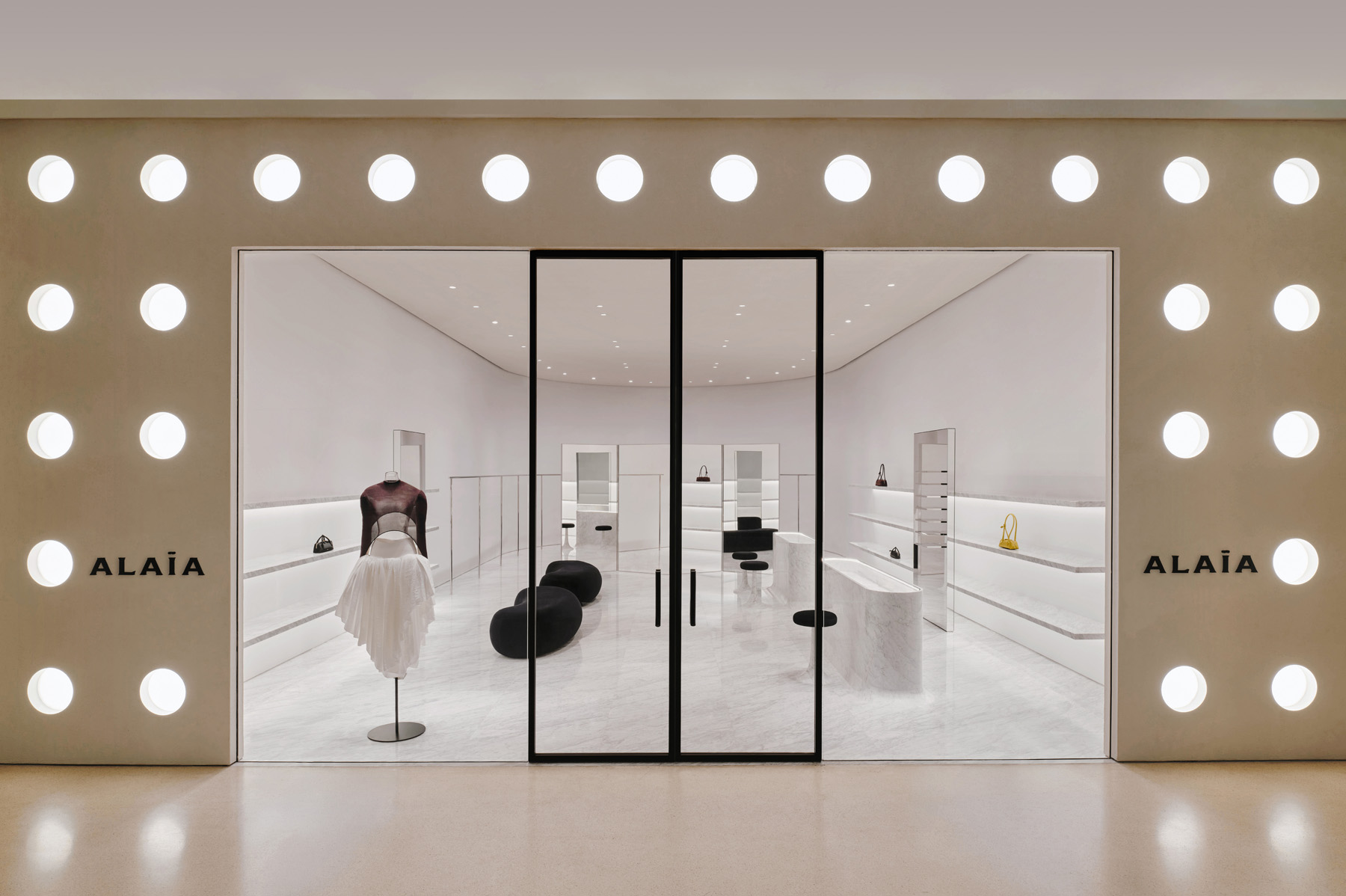
    The luxury retail venue, Central Embassy, is host to the new store. The boutique carries a robust product line consisting of ready-to-wear clothing, handbags, footwear, and accessories. These items reflect Alaia’s commitment to craftsmanship, style, and meticulous attention to detail.

    Architectural Design Enhances Shopping Experience

    The award-winning architecture firm, Halleroed, was tasked with designing the store’s interior, which showcases a minimalist aesthetic that enhances the shopping experience. The firm masterfully incorporated sculptural interiors and curved forms, with a color scheme marked by a neutral palette. The aesthetic choices are punctuated by the use of marble, stainless steel, and leather finishes throughout the store.

    The goal of this design strategy was to create a retail environment that stands as a testament to Alaia’s design philosophy and Parisian heritage. According to the brand, this immersive retail experience is meant to echo the maison’s design ethos, inviting shoppers into a space that feels as meticulously crafted as the products themselves.

    Alaia was first established in 1964 by Azzedine Alaia, a Tunisian couturier who made Paris his home. Since its inception, the brand has experienced a significant uptick in its global retail expansion, particularly throughout Asia. The brand was purchased by Richemont in 2007, marking another milestone in its growth trajectory.

    Questions & Answers

    What products does Alaia’s new boutique in Bangkok offer?
    The newly opened Alaia boutique in Bangkok offers a wide range of products, including ready-to-wear clothing, handbags, footwear, and accessories.

    Who designed the store’s interior and what style elements were used?
    The boutique’s interior was designed by the architecture firm Halleroed. The design highlights a minimalist aesthetic featuring sculptural interiors, curved forms, and a neutral color palette. Marble, stainless steel, and leather finishes were used to accent the space.

    What was the aim of the store’s design according to the brand?
    Alaia states that the purpose of the store’s design was to create an immersive retail environment that reflects the brand’s design philosophy and its Parisian heritage.

  • H&M Shifts Southeast Asia HQ to Kuala Lumpur, Triggers Job Cuts in Singapore

    H&M Shifts Southeast Asia HQ to Kuala Lumpur, Triggers Job Cuts in Singapore

    Swedish fashion conglomerate, H&M, has recently undertaken a restructuring exercise which has led to job cuts in Singapore. This move comes as the retailer transfers its Southeast Asian hub from Singapore to Kuala Lumpur in Malaysia.

    The restructuring operation resulted in a reduction of 78 roles from a total regional workforce of 256 employees. While the exact breakdown of the redundancy hasn’t been made public, it has been confirmed that the majority of job cuts took place in the Singapore office.

    In replying to inquiries, H&M Singapore said that it is “fully backing” employees through the organizational shifts. However, the company did not disclose the exact number of dismissed staff members or specify the affected roles. H&M stated that as a company, they constantly strive to meet customer expectations and this includes regular reviews of their operational efficiency and agility.

    Despite the recent layoffs, H&M maintains that Singapore remains a crucial market for them. The retailer confirmed that it would continue to sustain an office in the country. “We will continue to maintain our retail presence reflecting our long-term commitment,” said a representative of the company.

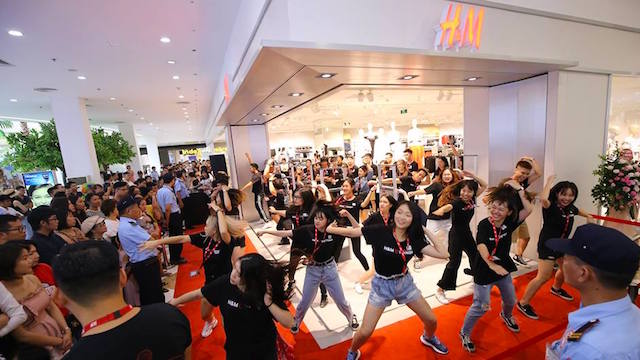
    H&M first entered the Singapore market in 2011 with its Somerset outlet. Currently, the brand operates six stores in the country. Over the past couple of years, however, H&M has been closing some of its physical stores. In March 2023, the retailer closed its two-storey outlet at Ion Orchard after serving customers for over a decade. The Tampines Mall store was shut in August 2020, followed by the Waterway Point outlet in Punggol in January 2021.

    The Singapore Manual and Mercantile Workers’ Union (SMMWU) released a statement saying that while H&M Singapore is not a unionized entity, some employees could be union members. SMMWU secretary-general Andy Lim asserted that both the National Trades Union Congress and the SMMWU are prepared to offer assistance to these members and help them transition to new job opportunities.

    Questions & Answers

    Why is H&M moving its Southeast Asian headquarter from Singapore to Malaysia’s Kuala Lumpur?
    – Although H&M did not provide a specific reason for the shift of its Southeast Asian headquarters, such decisions are often influenced by cost factors, market opportunities, or strategic alignment.

    What are some of the steps H&M is taking to support its affected employees?
    – Although additional details were not provided, H&M Singapore stated that they are “fully supporting” their employees during these organizational changes.

    How will H&M’s presence in Singapore change as a result of this move?
    – Despite the layoffs and the shift of its regional headquarters, H&M has affirmed that Singapore remains an important market for them. The company will maintain a retail presence in the country, reflecting their long-term commitment.

  • Thai Fragrance Powerhouse PanPuri Unleashes Bold Expansion across Asia, Eyes Luxury Retail Hubs in Nine Countries

    Thai Fragrance Powerhouse PanPuri Unleashes Bold Expansion across Asia, Eyes Luxury Retail Hubs in Nine Countries

    Panpuri, a prominent fragrance brand from Thailand, has recently announced an aggressive expansion plan that aims to establish 16 new retail outlets across Asia within the year.

    This initiative marks a significant step in the company’s comprehensive growth blueprint, which envisions over 80 retail locations spread across nine countries by the end of the decade. The new establishments will primarily be located in high-end shopping centers and bustling business districts.

    Since 2024, Panpuri has successfully penetrated markets in Hong Kong, Singapore, and Macau. In line with their expansion plans this year, the company intends to make substantial inroads into the Japanese market, launching first in Tokyo before branching out into other major cities. The fourth quarter will see the brand’s debut in China, with initial focus areas being Shanghai and Beijing.

    Vorravit Siripark, the founder and CEO of Puri Company Limited, stated, “Japan and China are crucial markets for us.” He added, “Consumers in these markets have a keen eye for craftsmanship, detailing, ambiance, and emotional values – qualities that align closely with Panpuri’s brand essence.”

    Siripark emphasized the role of localization in the company’s growth strategy. Every store will be designed to resonate with the culture and pace of the city it is located in, while ensuring the brand’s unique atmosphere is maintained.

    The upcoming Panpuri stores will prioritize immersive sensory experiences, marrying fragrance narratives with aspects of wellness, hospitality, and emotive design.

    North Asia’s contribution to Panpuri’s total revenue is projected to reach 30 per cent by 2029, with the brand aiming for a total revenue of THB 3 billion (approximately US$92 million). While North Asia holds prominence in the company’s plans, Siripark stressed that Southeast Asia will continue to be a cornerstone of their long-term vision.

    In Siripark’s words, “Thailand will always be our home, the hub of our creativity, and the source of our emotional grounding.” He further stated, “We persist in making considerable investments here, especially in wellness experiences and next-gen retail concepts. We also see immense potential in cities like Singapore, where there is a growing fondness for fragrance, ritualistic experiences, and more emotive forms of luxury living.”

    Questions & Answers

    What is Panpuri’s expansion plan for this year?
    Panpuri intends to open 16 new stores across Asia as part of its expansion plan for the year.

    What is the key focus of the next generation of Panpuri stores?
    The next generation of Panpuri stores will prioritize immersive sensorial experiences, marrying fragrance narratives with aspects of wellness, hospitality, and emotive design.

    What is the company’s revenue target by 2029?
    Panpuri aims to generate a total revenue of THB 3 billion (approximately US$92 million) by 2029.

  • China’s Retail Titan Meiyijia Debuts in Vietnam as Ohmee, Eyes Southeast Asia Expansion

    China’s Retail Titan Meiyijia Debuts in Vietnam as Ohmee, Eyes Southeast Asia Expansion

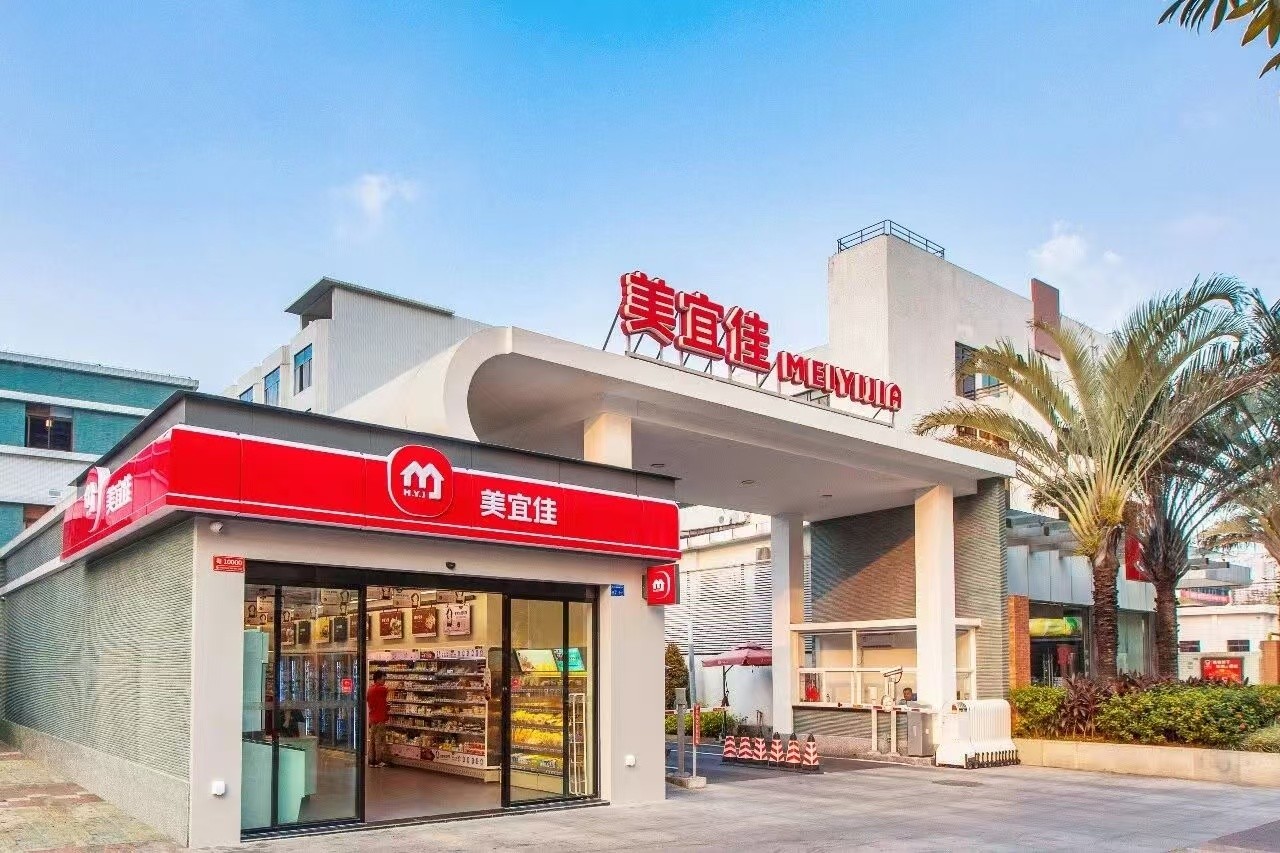
    China’s leading convenience store chain, Meiyijia, is propelling its expansion into Southeast Asia with the launch of its first stores in Vietnam under a fresh international brand, Ohmee.

    Marking the company’s maiden retail venture beyond China, three stores have already been established in Vietnam’s capital city, Hanoi. Ohmee has plans for further growth through franchising, adopting the successful business model that allowed Meiyijia to rapidly scale to a massive network of stores within its domestic market.

    Meiyijia’s Impressive Growth

    Meiyijia, birthed in Guangdong in 1997, has evolved into one of China’s most powerful convenience store chains. It boasts a vast network exceeding 40,000 stores. The key drivers of the company’s domestic growth have been its dense urban coverage and high supply chain efficiency.

    The Retail Landscape in Vietnam

    The convenience store market in Vietnam is dominated by major chains such as Circle K, GS25, Ministop, and 7-Eleven. With its entry into this competitive market, Meiyijia, under its Ohmee brand, intends to make a significant impact. Reports suggest that the company’s expansionary activities are not limited to Vietnam, with Malaysia also being on their radar.

    Questions & Answers

    What is Meiyijia’s new overseas brand called?
    The new overseas brand is called Ohmee.

    Where has Meiyijia opened its first stores outside of China?
    Meiyijia has opened its first stores outside of China in Vietnam’s capital, Hanoi.

    Which other Southeast Asian country is Meiyijia reportedly expanding into?
    Meiyijia is reportedly expanding into Malaysia.

  • OCBC Bolsters Southeast Asia Presence with Major Acquisition from HSBC Indonesia’s Retail Banking Business

    OCBC Bolsters Southeast Asia Presence with Major Acquisition from HSBC Indonesia’s Retail Banking Business

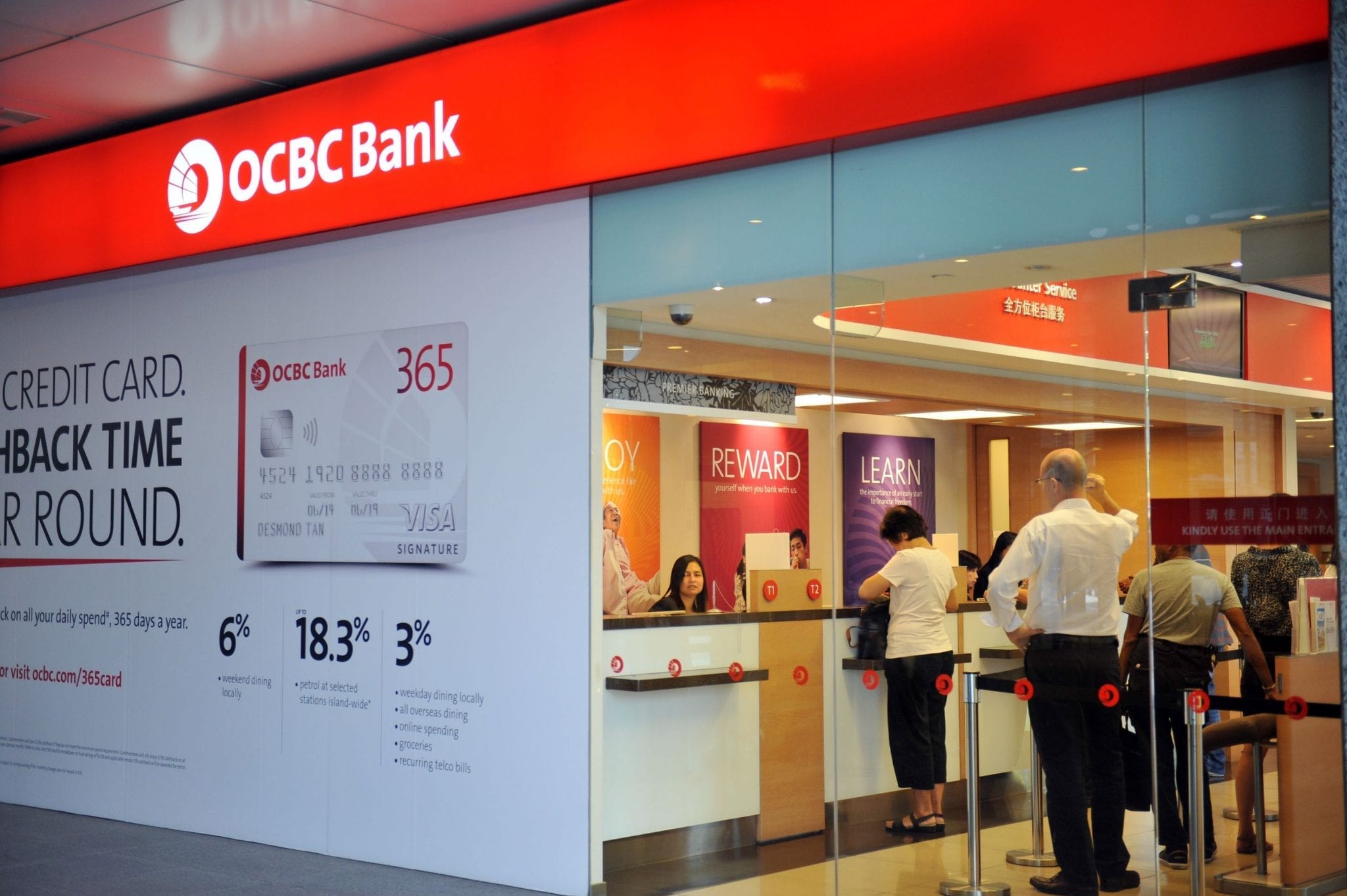
    In a strategic move to bolster its foothold in Southeast Asia’s most significant economy, OCBC has entered into an agreement to procure HSBC’s retail banking and wealth management operations based in Indonesia.

    The Acquisition Details

    OCBC’s Indonesian subsidiary will take over the International Wealth and Premier Banking (IWPB) business of HSBC Indonesia, which includes its assets and liabilities. This acquisition will introduce approximately 336,000 customers to OCBC’s clientele, along with S$6.6 billion (US$4.9 billion) in assets under management (AUM).

    The transaction comprises customer deposits, investment products like mutual funds, bonds, and insurance, in addition to credit cards and retail loans. Furthermore, a small loan book amounting to roughly S$0.3 billion is also set to be transferred.

    OCBC has stated that the ultimate purchase price will be contingent on the net asset value of the business at the time of completion, along with a possible premium of up to S$0.48 billion, subjected to necessary adjustments. The deal is anticipated to be concluded by the second quarter of 2027, with the major bank planning to fund it internally.

    Strategic Expansion in Indonesia

    The purchase plays a significant role in OCBC’s broader scheme to enhance its wealth management prowess and deepen its roots in Indonesia, a critical growth market for the bank.

    OCBC highlighted the significance of IWPB Indonesia, stating it as one of the country’s largest foreign-owned retail banking and wealth platforms. The business currently operates through a network of 261 branches and has garnered widespread recognition in the wealth management sector.

    The completion of the deal is projected to elevate OCBC Indonesia’s AUM by approximately 25% and multiply its credit card balances by over 150%. It will also add an estimated 1,300 employees to its existing workforce.

    In the words of Group CEO Tan Teck Long, the acquisition is in line with the bank’s ‘Next Frontier’ strategy, which emphasizes enlarging its regional franchise and fostering growth in its wealth business.

    Questions & Answers

    What is the projected impact of the acquisition on OCBC Indonesia’s AUM and credit card balances?
    With the completion of the deal, OCBC Indonesia’s AUM is expected to increase by about 25%, and its credit card balances are anticipated to rise by more than 150%.

    What components of HSBC Indonesia are included in the transaction?
    The transaction involves customer deposits, investment products, credit cards, and retail loans from HSBC Indonesia. Additionally, a small loan book worth roughly S$0.3 billion will also be transferred.

    When is the deal expected to be finalized, and how will it be funded?
    The acquisition is planned to be concluded by the second quarter of 2027, with OCBC intending to finance it internally.

  • Citi Bolsters Regional Standing with New Lead for Infrastructure Investment Banking in Asia South

    Citi Bolsters Regional Standing with New Lead for Infrastructure Investment Banking in Asia South

    In a bid to solidify its foothold in the rapidly burgeoning regional infrastructure market, global banking conglomerate Citi has announced the appointment of Bhavin Shukla as its new Managing Director. Shukla is set to steer the firm’s Infrastructure Investment Banking operations in Japan, Asia North and Australia (JANA), and Asia South.

    Role and Responsibilities

    As the new Managing Director, Shukla will be the linchpin for Citi’s infrastructure-linked endeavors, with responsibilities spanning across advisory, financing, and deal origination fronts. His role will entail close collaborations with teams across a spectrum of sectors, comprising financial sponsors, natural resources, and real estate. He will also liaise with global counterparts within the bank.

    Prior Experience

    Before his tenure at Citi, Shukla was associated with J.P. Morgan, where he held the dual responsibilities of Managing Director, serving as Head of Asia Infrastructure Investors Coverage (excluding Australia), and Head of India Infrastructure Investment Banking. During his stint there, Shukla successfully established a regional franchise, offering advisory, financing, and risk management solutions for infrastructure funds, sovereign wealth funds, and corporate clients.

    Strategic Implications

    Shukla’s appointment comes at a time when the Asia-Pacific region is witnessing what industry pundits term as an “infrastructure supercycle.” This trend, driven by investments in energy transition, digital infrastructure, urban development, and increasing private capital inflow, signifies booming opportunities for firms like Citi. The introduction of a dedicated senior leadership role is indicative of Citi’s strategic, long-term plans of establishing a leading infrastructure advisory and financing franchise across the region and worldwide.

    Citi executives opine that Shukla’s extensive experience in complex infrastructure deals, coupled with his valuable relationships with key investors, will be a significant asset in augmenting the bank’s capabilities in the sector.

    This new hire highlights the escalating competition among global banks, all vying to capitalize on the rising deal flow related to infrastructure investments. The focus comes as public and private investors amplify spending on renewable energy, transportation networks, and digital connectivity across the Asia-Pacific region.

    Questions & Answers

    What does Bhavin Shukla’s appointment as Managing Director at Citi signify?
    Shukla’s appointment underscores Citi’s strategic intent to bolster its position in the burgeoning regional infrastructure market.

    What will be Shukla’s primary responsibilities at Citi?
    He will serve as the regional anchor for Citi’s infrastructure-related ventures, overseeing advisory, financing, and deal origination, and will collaborate with teams across multiple sectors.

    How does Shukla’s appointment reflect the current trends in the Asia-Pacific region?
    His appointment comes amidst an “infrastructure supercycle” in the Asia-Pacific region, demonstrating the increasing importance of infrastructure investments in this area.

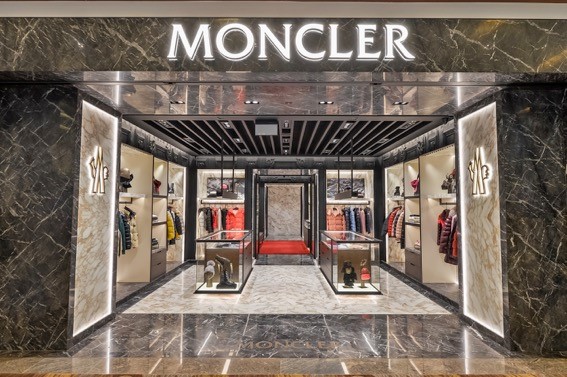
  • Moncler Group Soars in Asia: China and Korea Power Double-Digit Growth

    Moncler Group Soars in Asia: China and Korea Power Double-Digit Growth

    Moncler Group, the parent company of Moncler and Stone Island, has announced a robust first quarter. The company’s earnings were primarily driven by sales in Asia.

    First Quarter Sales Surge

    The group registered a substantial $1.03 billion in sales during the first quarter. It reported double-digit growth for both of its brands, leading to an overall year-on-year increase of 12 per cent.

    The Asian Market Triumphs

    In Asia, Moncler’s sales grew by an impressive 22 per cent. Moncler attributes this significant increase to strong performances in China and South Korea. However, the sales in Europe, the Middle East, and Africa experienced a minor dip of one per cent year-on-year.

    Brand Performance

    The Moncler brand was the group’s star performer with $900 million in sales. This was propelled by a 14 per cent rise in direct-to-consumer traffic. Stone Island, on the other hand, contributed a solid $134 million to the total sales.

    The Asian market continues to escalate its share of Moncler’s brand revenue. It now represents 56.5 per cent of total sales, marking a 3.7 per cent annual increase.

    Moncler Group’s Future Outlook

    Remo Ruffini, executive chairman of Moncler Group, expressed the company’s anticipation for the future. He stated that the first quarter not only demonstrated strong revenue performance but also the depth of relationships that their brands continue to build with their global community.

    Despite a global context shaped by conflicts and instability, both Moncler and Stone Island have exhibited considerable energy and cultural relevance.

    Ruffini also touched on the appointment of Bartolomeo Rongone as the group’s CEO that was announced earlier this year. He highlighted this as part of the group’s “next phase.” He further reiterated the group’s commitment to remain adaptable and responsive, guided by a clear strategic vision, in the face of an increasingly complex external environment.

    Questions & Answers

    What were the first quarter sales for Moncler Group?
    Moncler Group reported $1.03 billion in sales during the first quarter.

    Which market led the sales for Moncler Group?
    The Asian market led the sales for Moncler Group, with a 22 per cent growth.

    How does the Moncler brand perform in comparison to Stone Island?
    The Moncler brand outperformed Stone Island, with a contribution of $900 million in sales, as compared to Stone Island’s $134 million.

  • Omani Luxury Perfumer, Amouage, Unveils First Indian Boutique at Mall of Asia, Bangalore

    Omani Luxury Perfumer, Amouage, Unveils First Indian Boutique at Mall of Asia, Bangalore

    Amouage, a renowned perfume retailer originating from Oman, has made its first foray into the Indian market with a boutique outlet in the Mall of Asia located in Bangalore.

    Amouage’s Global Presence

    Founded in 1983, Amouage has significantly expanded its global footprint, boasting 25 boutiques worldwide following its retail expansion in 2025. The illustrious brand was established by Prince Sayyid Hamad bin Hamoud Al Busaidi as per the request of the Sultan at the time.

    The Petite Boutique Concept

    The petite boutique concept adopted by the company serves as a tangible manifestation of the retailer’s homeland. The boutique’s aesthetics draw inspiration from the natural landscapes and architectural principles of Oman. Sandstone textures reminiscent of the desert terrain, fluted concrete resembling the flow of dunes, and polished travertine symbolizing the geometric discipline inherent in Omani design collectively compose the unique ambiance of the store.

    The boutique also proudly showcases the Amouage logo in the Kannada script, which is the primary language of Bangalore, boasting a rich literary history of over 1500 years.

    Amouage’s Petite Boutique Locations

    The opening of the Bangalore outlet marks the addition of the fourth petite boutique to the Amouage portfolio, joining existing locations in Kuala Lumpur, London, and Muscat. In order to facilitate the successful launch of the Bangalore site, Amouage collaborated with LuxAsia, a distribution platform.

    Questions & Answers

    When was Amouage founded and by whom?
    Amouage was founded in 1983 by Prince Sayyid Hamad bin Hamoud Al Busaidi at the Sultan’s behest.

    What is the significance of the ‘petite boutique’ format adopted by Amouage?
    The petite boutique format serves as a direct translation of Amouage’s home country, Oman. The design elements inside the store reflect different aspects of Omani culture and environment.

    What are the other locations of Amouage’s petite boutiques?
    Prior to the opening of the Bangalore outlet, Amouage’s petite boutiques were located in Kuala Lumpur, London, and Muscat.

  • Qantas Freight Expands Asia Pacific Presence with New Singapore Stop, Boosting Changi Airport’s Air Cargo Network

    Qantas Freight Expands Asia Pacific Presence with New Singapore Stop, Boosting Changi Airport’s Air Cargo Network

    Qantas Freight, a subsidiary of the Australian airline Qantas, recently announced the launch of its dedicated freighter services to Singapore. These services, which are expected to begin on April 3, 2026, will operate twice a week and include stops in Sydney, Shanghai, and Singapore.

    New Freight Services

    Qantas Freight’s new services are expected to further bolster the cargo network at Changi Airport. The services will provide increased capacity, more routing options, and more flexible scheduling for shippers and freight forwarders. The services will be carried out through Qantas’ A330 freighter flights on Fridays and Sundays, delivering more than 50 tons of cargo capacity per flight.

    The Singapore stopover is a new addition to Qantas’ existing Sydney-Shanghai freighter operations, which is set to enhance connectivity across the Asia Pacific cargo network.

    First Dedicated Freighter Service

    This is the first time Qantas is offering a dedicated freighter service to Singapore. This service is expected to complement its existing belly-hold cargo capacity on scheduled passenger services. Moreover, this new routing reflects the growing demand for time-sensitive air cargo moving across Asia, Australia, and beyond.

    Singapore’s strategic location and significant global air cargo connectivity make Changi Airport an essential consolidation and transshipment hub for regional and intercontinental cargo flows.

    Statements from Qantas Freight and Changi Airport Group

    Lim Ching Kiat, Executive Vice President of Air Hub and Cargo Development at Changi Airport Group, stated that Qantas Group’s decision to expand its freighter operations to Singapore couldn’t have come at a better time. According to him, there has been an increase in air cargo demand in the Asia-Pacific region, and the region is playing a more significant role in global air cargo growth.

    Igor Kwiatkowski, Qantas Freight Executive Manager, also remarked on the importance of the new Singapore stop. He said that it would be a significant addition to the airline’s Asia Pacific presence and freight network. According to Kwiatkowski, Singapore’s status as one of the world’s major cargo hubs will play a crucial role in connecting shipments between Australia, China, and Southeast Asia. He added that the new stop would provide freight forwarders with more routing options and flexibility, especially for high-tech goods and e-commerce.

    Questions & Answers

    What is Qantas Freight’s new service?
    Qantas Freight’s new service is a dedicated freighter service to Singapore, with twice-weekly operations that include stops in Sydney, Shanghai and Singapore.

    What benefits does this new service bring to shippers and freight forwarders?
    The new service provides increased capacity, more routing options, and more flexible scheduling to shippers and freight forwarders.

    How will the new service impact Qantas Freight’s presence in the Asia Pacific region?
    The new Singapore stop is expected to significantly enhance Qantas Freight’s presence and freight network in the Asia Pacific region. It will connect shipments between Australia, China, Southeast Asia, and improve routing options and flexibility for freight forwarders.

  • DHL Express Elevates Herbert Vongpusanachai to Drive Commercial Growth in Asia Pacific

    DHL Express Elevates Herbert Vongpusanachai to Drive Commercial Growth in Asia Pacific

    Global express service giant, DHL Express, has recently announced the appointment of Herbert Vongpusanachai to the position of Senior Vice President, Commercial for Asia Pacific, effective April 1, 2026. Vongpusanachai, in his current role as Managing Director for DHL Express Thailand & Indochina, will relocate to Singapore to undertake his new responsibilities.

    Vongpusanachai’s vast experience within DHL Express spans over two decades, during which time he has effectively overseen several significant markets across the Asia Pacific region. Starting his career with the company in 2003 as Managing Director for Thailand & Indochina, he later assumed leadership of Singapore in 2008, and Hong Kong & Macau in 2016. Vongpusanachai’s return to Thailand & Indochina in 2020 saw him drive consistent profitability and growth year after year, establishing the cluster as a crucial catalyst for regional expansion.

    Exceptional Leadership

    Vongpusanachai’s exceptional track record of notable business performance, coupled with his effective team management across diverse markets, sets him apart from his peers. His deep comprehension of customer needs, his cooperative leadership style and his ability to identify opportunities in complex environments position him as the ideal leader to advance DHL Express’s commercial agenda for Asia Pacific. Ken Lee, CEO of Asia Pacific for DHL Express, expressed confidence that under Vongpusanachai’s stewardship, the region will continue to see a rise in sustainable growth.

    In his new role, Vongpusanachai will set the pace and accelerate the commercial strategy for DHL Express across the Asia Pacific. Collaborating with other departmental leaders, he will evaluate potential new sectors, routes and trade lanes for growth. His focus will remain on deepening customer engagement, supporting their expansion, driving sustainable volume growth, and promoting the integration of new technologies to improve commercial execution across markets. With an extensive understanding of regional nuances and an emphasis on people-first leadership, Vongpusanachai is expected to elevate the commercial performance of both regional and country teams.

    Commercial Success and Future Prospects

    Vongpusanachai commented that the Asia Pacific region’s vital role in global trade as highlighted in the latest DHL Global Connectedness Report underscores the importance of logistics in facilitating the movement of goods. With the introduction of the Heavyweight Express solution, which allows customers to ship heavyweight consignments promptly and reliably, Vongpusanachai anticipates working with the talented teams at DHL Express to help shape the company’s future commercial success.

    The latest DHL Global Connectedness Report reveals the Asia Pacific region’s continued importance in global commerce, with several economies rising in global connectedness rankings and Southeast Asia strengthening its position as a rapidly growing trade corridor. This aligns with DHL Groups’ strategy to enhance support for 20 markets globally to drive growth, with eight of these markets located in the Asia Pacific. This appointment fortifies DHL Express’s position in Asia Pacific, as trade flows diversify and intra-Asia integration deepens.

    Questions & Answers

    What significant experience does Herbert Vongpusanachai bring to his new role?
    Mr. Vongpusanachai brings more than two decades of leadership experience at DHL Express, having effectively managed multiple key markets across the region.

    What is the primary focus of his new role as Senior Vice President, Commercial for Asia Pacific?
    In his new role, Mr. Vongpusanachai will focus on shaping and accelerating the commercial strategy for DHL Express across the Asia Pacific. His responsibilities include identifying growth potential in new sectors, routes and trade lanes, deepening customer engagement, and promoting the adoption of new technologies.

    How does this appointment align with DHL’s overall strategy?
    This appointment supports the DHL Group’s strategy to enhance support for 20 global markets to accelerate growth. The role strengthens DHL Express’s position in the Asia Pacific, a region that plays a critical role in DHL’s global network.

  • EssilorLuxottica Expands Southeast Asia Presence with Strategic Stake in Thai Optical Powerhouse Top Charoen

    EssilorLuxottica Expands Southeast Asia Presence with Strategic Stake in Thai Optical Powerhouse Top Charoen

    Global eyewear conglomerate EssilorLuxottica has recently acquired a piece of the pie in Thailand’s optical market, Top Charoen. This move is part of EssilorLuxottica’s expansion plan in Southeast Asia, reinforcing its presence in one of the fastest-growing regions for the eyewear industry.

    Partnership At Its Best

    The financial particulars of the deal were kept under wraps. However, the fusion of the world’s leading eyewear group, EssilorLuxottica, with Top Charoen, one of the largest optical chains in Thailand boasting over 2000 stores nationwide, is noteworthy. This partnership is a result of a long-standing commercial relationship between the two companies. The acquisition strengthens this bond and provides EssilorLuxottica with a deep penetration into Thailand’s retail distribution, a strategic move as global eyewear companies increasingly focus on expanding in the rapidly growing Asian markets.

    Aiming High

    Francesco Milleri, the Chairman and CEO, and Paul du Saillant, Deputy CEO at EssilorLuxottica, commented on the partnership. They expressed that their collaboration with Top Charoen is set to bolster their existing dominance in one of Asia’s most significant countries. The partnership aims to elevate vision care standards and foster growth in the emerging wearable category across the region, they added.

    Moreover, the company leadership is committed to prioritizing their customers’ needs, providing high-quality, innovative vision care products and services. With their combined strengths, they plan to drive awareness and take measures to address the increasing visual health needs of Asia.

    A Brief About Top Charoen

    Established in 1947 in Saraburi, Top Charoen has flourished into a nationwide network operating under various banners. The company has an array of brands like Top Charoen, Luxoptic, Eye Class, Eye Bright, Eye Sport, Big C Optical, Robinson Optical, and Beautiful Optic. In addition to its physical stores, Top Charoen also has a strong e-commerce presence through its own platform and local marketplaces.

    Questions & Answers

    What is the significance of EssilorLuxottica’s stake in Top Charoen?
    This acquisition provides EssilorLuxottica a deep penetration into Thailand’s retail distribution, a strategic move as global eyewear companies increasingly focus on expanding in the rapidly growing Asian markets.

    How will this partnership benefit the eyewear industry in Asia?
    The collaboration aims to elevate vision care standards and foster growth in the emerging wearable category across the region.

    What are some of the brands under Top Charoen?
    Top Charoen operates under various banners such as Top Charoen, Luxoptic, Eye Class, Eye Bright, Eye Sport, Big C Optical, Robinson Optical, and Beautiful Optic.

  • Asia’s War-Driven Price Surge: From Instant Noodles to Cosmetics, Consumers Brace for Impact

    Asia’s War-Driven Price Surge: From Instant Noodles to Cosmetics, Consumers Brace for Impact

    As the conflict in Iran intensifies, both consumers and businesses across Asia are bracing for a potential crisis. The war is causing a squeeze in oil and plastics supplies, leading to an increase in prices on a broad range of products, from ramen noodles to cosmetics.

    Impact on Plastic Industries

    Choi Gun-soo, manager of a 57-year-old South Korean factory producing plastic films, gives an insight into the harsh realities of the situation. The factory, which caters to farmers for crop coverage and television manufacturers, is dealing with a substantial hike in raw material prices and shortages. Some suppliers have escalated prices by as much as 50%, while others have completely run out of stock. The next couple of weeks are likely to be critical; if the shortage of raw materials continues, it will force a systematic shutdown of the machinery.

    While the company has previously managed to survive oil shocks and the Covid-19 pandemic, the current crisis due to the Iran war is unparalleled. Choi shares that they have reduced their production to merely 20-30% of the regular output, marking the first time they have been hit this severely.

    The Strait of Hormuz: A Key Factor

    A vital cog in the supply chain disruption is the Strait of Hormuz, a narrow water channel off Iran’s southern coast. Around one-fifth of the world’s oil and liquefied natural gas usually passes through this strait. Asia, which is heavily dependent on crude oil, gas, fuel, and fertilizer from the Middle East, is most susceptible to supply disruptions.

    Currently, the most critical shortages are in oil derivatives like naphtha, predominantly sourced from the Gulf and used in refineries across Asia to produce plastics and other petrochemicals. These materials are integral to almost every manufactured product.

    Soaring Prices

    Prices for essentials of modern life, including plastic and rubber, are reaching record highs. South Korea’s Samyang Foods, the manufacturer of the renowned spicy Buldak instant ramen noodles, warns of a potential shortage of packaging materials and increased costs due to the ongoing conflict.

    Rival ramen producer Nongshim is preparing for the possibility of prolonged warfare by maintaining two to three months’ worth of packaging material inventory.

    The Cosmetic Industry’s Struggle

    Yonwoo, a container producer for L’Oreal and K-beauty firms like Amorepacific, is scrambling to secure stocks of plastic resin, a key material in manufacturing pots used for skincare and cosmetics. The company fears little visibility on material supply beyond June.

    Global Impact

    The conflict has instigated fuel shortages worldwide, with businesses ranging from airlines to supermarkets and used car dealers struggling with challenges such as rising costs, weakening demand, and disrupted supply chains.

    In Japan, department store operator Takashimaya has expressed concern that if the crisis persists, it could lead to price increases and supply issues spreading to clothing and household appliances.

    China’s Struggle with Raw Material Shortages

    China, the world’s largest synthetic rubber producer, is also feeling the strain. Shortages of naphtha, essential for synthetic rubber production, are impacting the supply chain and forcing manufacturers of goods like tires and gloves to consider raising prices or shifting to natural rubber.

    Effect on the Toy Industry

    Liu Chaonan, who owns a toy company that supplies to major U.S. retailer Walmart, revealed the escalating raw materials costs are taking a toll on the toy industry.

    Panic Buying due to Supply Concerns

    The crisis has also led to panic buying among consumers, resulting in them hoarding goods like garbage bags. With supermarkets reporting shortages and limiting purchases, consumers like South Korean student Ryu June-ho are buying in bulk in anticipation of price hikes.

    Questions & Answers

    What factors are contributing to the increased prices of goods in Asia?
    Increased goods prices in Asia are primarily due to the ongoing conflict in Iran, which is causing disruptions in oil and plastic supplies.

    How is the conflict in Iran affecting industries in Asia?
    The conflict is causing a crisis in various industries, including food, cosmetics, and manufacturing, due to increased raw material costs and supply shortages.

    How are consumers reacting to the escalating prices and supply shortages?
    Consumers are reacting with panic, leading to hoarding of goods such as garbage bags and ramen noodles in anticipation of further price increases and shortages.

  • Mideast Strife Spurs Safe Haven Flows: DBS Reports Investor Shift Amid Iran Conflict

    Mideast Strife Spurs Safe Haven Flows: DBS Reports Investor Shift Amid Iran Conflict

    As the conflict in the Middle East escalates, DBS, a Singapore-based bank, is observing a significant rise in safe haven flows, leading to an increase in deposit growth. However, this development could also lead to a downward trend in Singapore’s interest rates. Market volatility, while potentially beneficial for trading income, may adversely impact investor sentiment and activities in wealth management.

    DBS addressed the potential risks that could arise from the increased turbulence in the Middle East, asserting that it employs a robust system of frameworks and processes to monitor and manage potential risks. This system encompasses stringent customer selection, proactive risk scenario planning, early warning indicators, watchlisting, and regular stress testing.

    DBS reassured that despite the unpredictable outcome of the ongoing events in the Middle East, their robust liquidity, solid capital position, and comprehensive general allowance buffers, in combination with their proven adaptability, will allow them to effectively navigate the risks and seize potential opportunities.

    Questions & Answers

    What is the impact of the Middle East conflict on DBS?
    DBS is seeing an increase in safe haven flows leading to deposit growth. However, they also foresee potential downward pressure on Singapore’s interest rates and note that market volatility could affect wealth management activity and investor sentiment.

    What measures does DBS take to manage potential risks?
    DBS employs a comprehensive system that includes rigorous customer selection, proactive risk scenario planning supported by early warning indicators, watchlisting, and regular stress testing to monitor and manage potential risks.

    How is DBS positioned to handle the uncertain outcome of the Middle East conflict?
    DBS reassures that its robust liquidity, solid capital position, and substantial general allowance buffers, coupled with their proven agility, will place them in a strong position to navigate risks and capitalize on opportunities arising from the situation.

  • Rising Stars on the Global Coffee Scene: How Southeast Asia’s Homegrown Chains are Brewing Success Overseas

    Rising Stars on the Global Coffee Scene: How Southeast Asia’s Homegrown Chains are Brewing Success Overseas

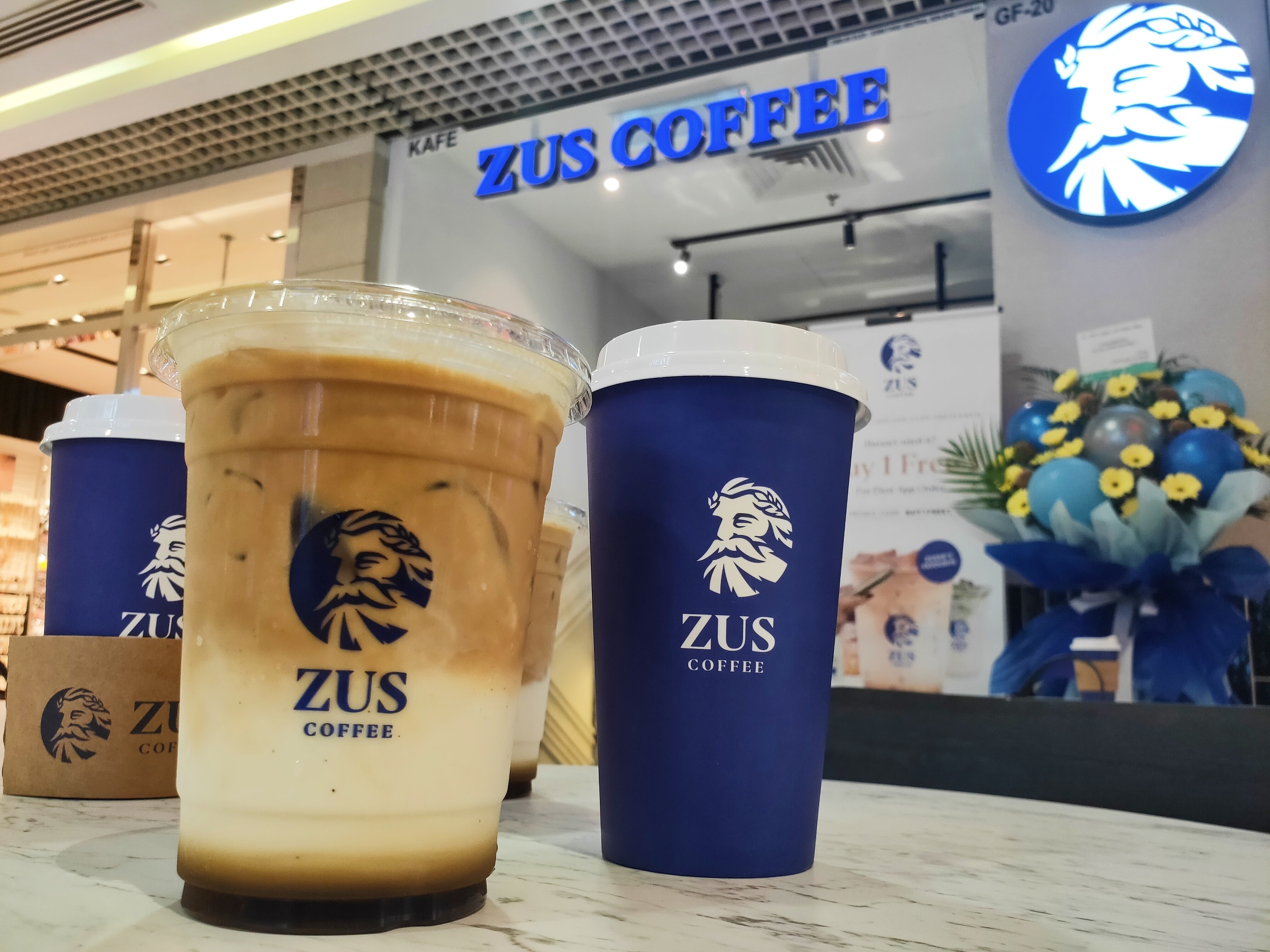
    Southeast Asian coffee chains, including Malaysia’s Zus Coffee and Indonesia’s Kopi Kenangan, are extending their reach beyond their national borders, looking to make their mark on the region’s burgeoning café culture.

    Unleashing the Flavor of Southeast Asia

    Kopi Kenangan outlets in Singapore offer customers a unique coffee experience. In addition to the usual preferences for milk and sugar, customers can select their preferred coffee beans, sourced from various Indonesian regions such as Aceh, Bali, and Flores. The coffee chain also boasts traditional drinks with an Indonesian touch, like lattes sweetened with palm sugar, which makes them stand apart from the competition.

    Billy Ooi, a management professional based in Singapore, expressed his satisfaction with the brand, commenting that it is budget-friendly, offers good discounts, and the taste is comparable to other cafés.

    Rapid Growth

    In its home country, Indonesia, Kopi Kenangan, which was launched in 2017, has swiftly become the nation’s largest café chain. The brand had over 1,100 outlets across the country by the end of last year. It was also among the first to go global, opening approximately 187 stores in India, Australia, Singapore, Malaysia, and the Philippines.

    Similar progress is evident in other local brands like Tomoro and Fore, which have also made their presence felt in Singapore, China, and the Philippines.

    Malaysia’s Zus Coffee is another success story. It began as a small kiosk in 2019 and has since transformed into the country’s largest coffee chain. Operating over 1,000 outlets across Malaysia, Singapore, Brunei, the Philippines, and Thailand, the majority of its branches are located in its home market.

    Beej Marcado, a young entrepreneur from the Philippines, considers Zus as his top choice, impressed by their simple drinks and sustainable practices like the use of edible straws.

    Surviving in a Competitive Market

    As these Southeast Asian coffee chains venture into international markets, they are confronted with fierce competition from global juggernauts such as Starbucks from the U.S. and China’s Luckin Coffee, as well as robust local players in each country.

    Many have had to innovate to stay competitive, adding localized offerings to their menus. For example, Zus Coffee introduced an ube (purple yam) coffee in the Philippines and a Tom Yum Americano in Thailand to cater to local tastes.

    Adapting to local preferences was also crucial for Sarnies, a café chain from Singapore with several outlets in Thailand. Its founders, Eric Chan and Benjamin Lee, adjusted their menu to appeal to a more diverse customer base when they expanded into Thailand.

    The Future of the Coffee Chain Industry

    The modern coffee and tea market in Southeast Asia was estimated to be worth US$9.9 billion in 2025, a sharp increase from $8.3 billion in 2023. The expansion was fueled by swift store growth, the advent of digital ordering, and broader consumer adoption.

    However, the industry is entering a new phase. The focus is shifting towards the efficiency of operating systems, from supply chains and in-store processes to digital infrastructure. The ability to scale operations efficiently and uphold unit economics is becoming a decisive factor in competition.

    Questions & Answers

    What is unique about the coffee experience at Kopi Kenangan outlets in Singapore?
    At Kopi Kenangan, customers can select their preferred coffee beans, sourced from various Indonesian regions. They also offer traditional Indonesian drinks, like lattes sweetened with palm sugar.

    How are Southeast Asian coffee chains adapting to survive in international markets?
    Many chains are adding localized offerings to their menus to cater to local tastes. For example, Zus Coffee introduced an ube (purple yam) coffee in the Philippines and a Tom Yum Americano in Thailand.

    What is the projected value of the modern coffee and tea market in Southeast Asia in 2025?
    The modern coffee and tea market in Southeast Asia is expected to be worth US$9.9 billion in 2025.

  • Standard Chartered Boosts Digital Assets Strategy, Appoints Karby Leggett as Asia Lead Amid Crypto Surge

    Standard Chartered Boosts Digital Assets Strategy, Appoints Karby Leggett as Asia Lead Amid Crypto Surge

    Standard Chartered, a leading UK-based financial institution, has recently announced the appointment of Karby Leggett as the regional head of digital assets. This move comes amidst the swift rise in the acceptance and adoption of digital currencies, tokenized assets, and stablecoins.

    Leadership in Digital Assets

    Karby Leggett’s new role will span across Greater China, North Asia, South Asia, and ASEAN as part of the Digital Assets Center of Excellence at Standard Chartered. This appointment is in addition to his existing position as the global head of the official institutions group, which is a part of the bank’s global research team.

    The expanded responsibilities have been introduced as digital assets and official sector engagement increasingly intersect across the bank’s markets. This trend is driven by clients who are exploring the transformative potential of these technologies for their business models and financial ecosystems.

    The Strategic Importance of Digital Assets

    Mr. Leggett’s vast experience in working with governments, multilateral organizations, and other official sector stakeholders will be critical in accelerating Standard Chartered’s digital assets strategy. His expertise will also contribute to reinforcing the bank’s leadership in this area and in delivering innovative solutions to its clients across Asia.

    This sentiment was echoed by Eric Robertsen, the global head of research and chief strategist, and Rene Michau, the global head of digital assets. They jointly stated, “Karby’s extensive experience positions him to accelerate our Digital Assets strategy, deepen our leadership, and support the delivery of innovative solutions for our clients across Asia.”

    Questions & Answers

    Who is the new regional head of digital assets at Standard Chartered?
    Karby Leggett was recently appointed as the new regional head of digital assets at Standard Chartered.

    What regions will Karby Leggett’s new role cover?
    Mr. Leggett’s role as the regional head will cover Greater China, North Asia, South Asia, and ASEAN.

    How will Karby Leggett’s appointment impact Standard Chartered’s digital assets strategy?
    Karby Leggett’s vast experience in working with governmental and official sector stakeholders is anticipated to accelerate Standard Chartered’s digital assets strategy, as well as strengthen its leadership and support the delivery of innovative solutions for its clients across Asia.