Tag: asia

  • Experiential Retail: The Resilient Future Of Physical Stores Amidst E-commerce Surge

    Experiential Retail: The Resilient Future Of Physical Stores Amidst E-commerce Surge

    Despite the rise of e-commerce, physical retail continues to retain a strong appeal among consumers. According to Savills latest survey of its global expert network on occupier outlooks, physical retail is proving resilient with responses leaning 65% towards anticipating rental growth, 26% forecasting stable rents, and 9% anticipating declines; a clear shift from previous years. In 2024, only half of the experts polled projected rising rents, and one in five expected rental decreases.

    Sarah Brooks, Associate Director, Savills World Research, stated that across Asia Pacific, India, Malaysia and Viet Nam are expected to see robust retail rent rises and improved take-up. These markets benefit from rapidly increasing consumer affluence, growing tourism and an influx of international brands. In addition, the supply of high-quality retail space has not kept pace with demand, pushing vacancy rates down and driving competition.

    Experiential retail as a key growth driver

    According to Matthew Powell, Director of Savills Ha Noi, Viet Nam has a distinctive traditional market culture, where grocery stores and physical retail spaces are essential in daily life. Retail spaces are not just transactional; they also provide connection and community building. As such, retail stores will continue to maintain a significant presence in the market.

    In this context, experiential retail has become a key strategy for shopping centres seeking to remain competitive. By shifting the focus from purchasing to experience-led environments that are engaging, such as interactive stores, pop-ups, workshops, and curated F&B concepts, it creates compelling reasons for visitors to stay longer, return more often, and ultimately drive footfall beyond products alone.

    The importance of this shift has increased as online channels continue to change consumer behaviour. Physical retail can no longer rely solely on product offerings, especially in Viet Nam, as Gen Z and Millennials account for 60–70% of urban mall traffic and care more about discovery, interaction and social engagement.
    According to research conducted by Censuswide, 62% of Gen Z consumers and 68% of Millennials believe that luxury is defined not only by the product but also by the experience. This shift in consumer expectations is reshaping how shopping centres operate and select tenants, with operators moving beyond occupancy-led strategies to curate tenant mixes that enhance the overall customer experience.

    Tenant selection is therefore no longer based only on brand names or rental levels, but also on a brand’s ability to encourage interaction, create immersive experiences, and match lifestyle expectations.

    Looking ahead, the future of physical retail is experiential. In markets such as Viet Nam, where consumption, tourism, and lifestyle spending continue to grow, shopping centres that embrace experiential retail will not only remain relevant but strengthen their role as community and commercial hubs, supporting long-term value for occupiers and investors alike.

  • Vietnam’s Motorbike Market Accelerates, Topping Southeast Asia with Electric Bike Boom

    Vietnam’s Motorbike Market Accelerates, Topping Southeast Asia with Electric Bike Boom

    The Vietnamese motorcycle market experienced a significant expansion of 14.9% in the previous year, marking the most substantial growth rate within Southeast Asia. This surge was, in part, propelled by a substantial increase in sales of electric motorcycles.

    Vietnam reportedly sold 3.4 million units, positioning it as the second-largest market in the region, with Indonesia leading at 6.5 million units. This sales volume also marks Vietnam as the fourth largest global motorcycle market and the third largest market for electric motorcycles.

    Reshaping the Two-Wheeler Market

    The landscape of the motorcycle market in Vietnam is undergoing a significant transformation due to investments in electric two-wheelers. This shift is not only fueled by China’s major manufacturers but also by domestic producers.

    In parallel with this market transformation, a mature market is also experiencing growth, characterized by discerning consumer demand and steadfast brand loyalty. Honda, in particular, continues to enjoy a strong consumer base.

    Adopting Electric Vehicles Amid Environmental Policies

    The adoption of electric vehicles is accelerating in response to strict environmental policies. A notable factor expediting this shift towards electrification is the announcement by Hanoi authorities of a prohibition on internal combustion engine vehicles by July 2026.

    Pressure on Traditional Manufacturers

    Traditional motorcycle manufacturers are increasingly feeling the heat from specialists in electric scooters. Honda, a market leader for over seven decades, reported a meager growth of 1.3%. Their long-standing competitor, Yamaha, experienced a decline of 17.3%, subsequently losing its second-place standing.

    Interestingly, VinFast, a domestic electric mobility brand, has claimed the second spot, with a remarkable 532% growth. This development underscores the swift rise of domestic electric mobility.

    Several other players focused on electric models are also reporting robust growth. China’s Yadea, for example, has seen a 61.6% increase. Local manufacturers Pega and Dibao reported growth rates of 60% and 75% respectively, ranking them fourth, fifth, and sixth.

    Questions & Answers

    What was the growth rate of the Vietnamese motorcycle market last year?
    The Vietnamese motorcycle market grew by 14.9% last year, the highest growth rate in Southeast Asia.

    What are some factors that are reshaping the motorcycle market in Vietnam?
    Investments in electric two-wheelers by both domestic and Chinese manufacturers are significantly reshaping the Vietnamese motorcycle market.

    What is the impact of environmental policies on the adoption of electric vehicles in Vietnam?
    Tightening environmental policies, such as Hanoi’s ban on internal combustion engine vehicles from July 2026, are accelerating the adoption of electric vehicles in Vietnam.

  • Singapore’s Food Delivery Market Growth Lags Behind Southeast Asia Peers

    Singapore’s Food Delivery Market Growth Lags Behind Southeast Asia Peers

    Last year saw Singapore experiencing the second-slowest growth rate in its food delivery market among prominent Southeast Asian nations, according to recent research. The Food Delivery Platforms in Southeast Asia report by Momentum Works reveals that Singapore’s food delivery gross merchandise value rose by 13% in 2025, totaling US$2.9 billion.

    Regional Growth Rates

    This growth rate is notably slower than the average 18% growth recorded across six Southeast Asian markets. Only the Philippines saw a slower growth rate than Singapore, at 12%, which was explained by the frequent disruptions caused by tropical cyclones.

    Thailand led the way as the fastest-growing market, with its gross merchandise value increasing by 22%. This rapid growth was attributed to the affordability of delivery platforms, heightened competition, and the government’s “half-half” subsidy scheme, which offsets a portion of consumers’ food costs.

    Following Thailand, Indonesia, Malaysia, and Vietnam each reported growth rates of around 18% to 19%. Indonesia, the most populated market in the region, experienced the largest absolute increase, approximately $1 billion.

    Singapore’s Market Challenges

    Momentum Works’ CEO Li Jianggan shed light on Singapore’s slower growth, pointing out the wide-ranging consumer behaviors and market conditions that differ between countries. Factors such as city layouts, spending power, and the supply dynamics of riders and restaurants all play a role.

    “Food delivery can be costly in Singapore, particularly when there are numerous affordable in-person dining options,” he shared. While Singapore’s double-digit growth reflects a resilient demand, keeping pace with this growth could put pressure on delivery platforms to enhance their efficiency, especially as customers consider other options like dining out or picking up orders themselves.

    Li further noted that Singapore faces a unique structural challenge due to a limited pool of delivery riders, an issue not shared by its larger, more populous neighboring countries. “While the adoption of technology can aid in overcoming this, the key drivers to increasing the market ceiling will be the platforms’ relentless focus on building density and operational efficiency,” he added.

    Market Shares and Trends

    On the platform front, Grab maintained its spot as the leading food delivery player in Southeast Asia, increasing its regional market share from 53.8% in 2024 to roughly 55% in 2025. In total, Grab generated an estimated $12.5 billion in food delivery value across the region last year.

    ShopeeFood surpassed Foodpanda to secure the position of the region’s second-largest platform, with an estimated $3.3 billion in transactions. Meanwhile, Foodpanda’s value decreased to around $2.6 billion. Both Gojek and Thailand-based Lineman reported similar figures, with each reaching about $2 billion, which reflects Lineman’s strong performance in its home market.

    The study also underscored Southeast Asia’s high order volume compared to other emerging markets. Despite having approximately double the population of Southeast Asia, India’s estimated 4-5 million daily orders were nearly half of what platforms in Southeast Asia fulfilled, between 8.5 million and 9.5 million orders per day on average. This discrepancy may be due to India’s local eating habits and a limited number of food establishments.

    China, whose population is smaller than India’s, fulfills an estimated 180 million to 200 million food delivery orders daily. “This emphasizes that food delivery penetration is influenced less by population size and more by urban density, substitution for dining out, and platform-led affordability mechanisms,” the study concluded.

    Questions & Answers

    What was the growth rate of Singapore’s food delivery market in 2025?
    The food delivery market in Singapore grew by 13% in 2025.

    Which country had the fastest-growing food delivery market in Southeast Asia?
    Thailand had the fastest-growing food delivery market in the region, with a growth rate of 22%.

    Which platform consolidated its lead as Southeast Asia’s dominant food delivery player?
    Grab consolidated its lead as Southeast Asia’s dominant food delivery player, increasing its regional market share to about 55% in 2025.

  • DBS Hong Kong Welcomes Xu Qing as New Credit Chief for Booming North Asia Market

    DBS Hong Kong Welcomes Xu Qing as New Credit Chief for Booming North Asia Market

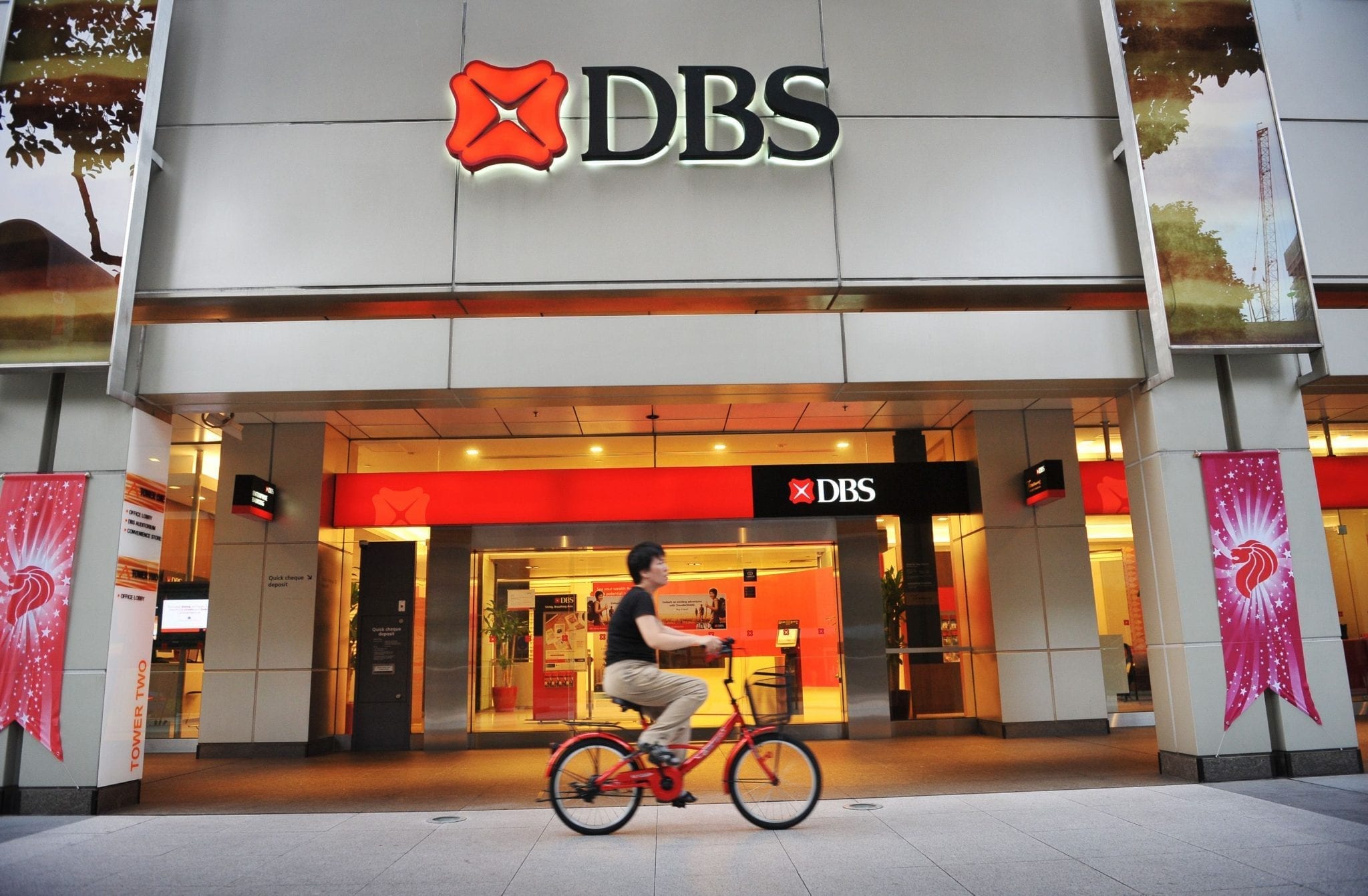
    DBS Hong Kong, a subsidiary of Singapore’s DBS Bank, has announced the appointment of Xu Qing as the Chief Credit Officer for North Asia and Managing Director, Senior Risk Executive for Hong Kong. Mr. Qing’s appointment came into effect on February 1st.

    In his new roles, Mr. Qing will be responsible for overseeing all credit and risk functions across Hong Kong, mainland China, and Taiwan. He will also serve as a member of the Hong Kong management committee. To assume these roles, Qing has relocated from mainland China to Hong Kong.

    Mr. Qing brings a wealth of experience to these roles, with a career spanning over 20 years covering markets, credit, and operational risks, as well as business development. His journey with DBS began in 2015 when he joined DBS China. His exceptional performance saw him rise to the position of Chief Risk Officer for the unit, and subsequently, he also served as the Deputy CEO of the unit since November 2019. Prior to his engagement with DBS, Mr. Qing held senior positions at the ING Group and Standard Chartered.

    Reacting to the appointment, Sebastian Paredes, CEO of DBS Hong Kong and Head of North Asia expressed his delight. He said, “We are thrilled to have Xu Qing as part of the Hong Kong management team. His deep expertise in risk management, strong international perspective, proven leadership, and extensive experience across the North Asia markets will be invaluable to the team.”

    Questions & Answers

    Who has been appointed as the new Chief Credit Officer for North Asia at DBS Hong Kong?
    Xu Qing has been appointed as the new Chief Credit Officer for North Asia at DBS Hong Kong.

    What are the key responsibilities of Mr. Qing in his new roles?
    Mr. Qing will oversee all credit and risk functions in Hong Kong, mainland China, and Taiwan. He will also serve as a member of the Hong Kong management committee.

    What is Mr. Qing’s background prior to this appointment?
    Mr. Qing has over 20 years of experience across markets, credit, and operational risks as well as business development. He joined DBS China in 2015 and has held senior roles at ING Group and Standard Chartered.

  • Vietnam: The Lone Decline in Southeast Asia’s 2025 Gold Rush Amidst Supply Shortages

    Vietnam: The Lone Decline in Southeast Asia’s 2025 Gold Rush Amidst Supply Shortages

    In 2025, Vietnam stood out as the sole Southeast Asian nation to experience a decline in its sales of gold bars and coins. The volume experienced a 14% decrease from the previous year, falling to 36.1 metric tons, in spite of robust consumer interest.

    Gold Trading Contraction in Vietnam

    The World Gold Council has reported a consistent contraction in Vietnam’s gold trading for six consecutive quarters up until the end of 2025, landing at a near-five-year low. A primary factor contributing to this downward trend has been identified as short supply.

    Shortages in the supply of gold bars and a sudden surge in the demand for 24K rings induced a sharp increase in prices. This caused a significant divergence from global rates, with bullion prices experiencing a rise of 81% in the previous year and 25% in the current year.

    Comparison with Other ASEAN Countries

    Contrastingly, most of the ASEAN member countries experienced a surge in demand for bars and coins, reaching multi-year highs. Thailand was the regional leader in terms of gold bar and coin purchases, boasting a 29% increase at 51.4 tons. Indonesia, Malaysia, and Singapore also reported growth of 29%, 37%, and 48% respectively.

    The State Bank of Vietnam has highlighted the fact that Vietnam is not a gold-producing country and primarily relies on imports, which lends itself to a restricted supply given foreign currency is typically reserved for more pressing needs.

    In the previous year, the government made the decision to permit private gold producers who meet specific capital requirements to operate. However, up until now, no licenses have been issued.

    Global Gold Demand

    On a global scale, gold demand experienced a 1% rise to reach 5,002 tons, setting a new record. This is largely attributed to the continuous geopolitical and economic uncertainty, which has led investors to seek refuge in this safe-haven metal.

    Questions & Answers

    Why did Vietnam experience a drop in gold bar and coin sales in 2025?
    The significant decline in sales is attributed to supply shortages, despite strong consumer demand.

    How did other ASEAN member countries fare in comparison to Vietnam?
    Contrary to Vietnam, most ASEAN member countries, including Thailand, Indonesia, Malaysia, and Singapore, saw a surge in demand for gold bars and coins, reaching multi-year highs.

    What measures has the Vietnamese government taken to address the issue of gold supply?
    The government has granted permission to private gold producers meeting certain capital requirements to operate, in an effort to address the issue of gold supply. However, as of now, no licenses have been issued.

  • Revolutionizing Taiwan’s Connectivity: Chunghwa Telecom Spearheads North Asia’s First O3b mPower Ground Station with SES

    Revolutionizing Taiwan’s Connectivity: Chunghwa Telecom Spearheads North Asia’s First O3b mPower Ground Station with SES

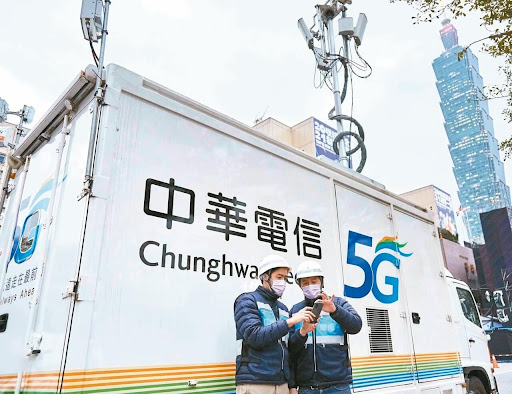
    Chunghwa Telecom, a Taiwan-based telecommunications company, has officially partnered with SES, a satellite operator based in Luxembourg. The two companies have struck a Memorandum of Understanding (MoU) to develop the first second-generation O3b mPower ground station in North Asia, located in Taiwan.

    The Aim of the Agreement

    The primary objective of this cooperation is to substantially improve Taiwan’s Medium Earth Orbit (MEO) satellite data transfer capacity and service performance. The project expects to provide faster, more reliable, and highly robust satellite connectivity. In addition to enhancing the data transmission, the project also seeks to strengthen Taiwan’s vital communication infrastructure. To achieve this, it will ensure that essential traffic information is landed directly within the country, thereby supporting network sovereignty and resilience.

    Collaboration’s Contributions

    As part of their collaboration, SES will use their system deployment and operational expertise from their Satellite Innovation Centre in The Hague, the Netherlands. The partnership will highlight the advanced applications that satellites can offer. These include the integration of multi-orbit satellite communications, connectivity to the cloud, edge computing, data analytics for the Internet of Things (IoT), and automated machine vision.

    Furthermore, Chunghwa Telecom and SES are looking into the possibility of establishing a Satellite Innovation Lab in Taiwan. This proposed undertaking will have demonstration sites and certification processes meant to aid domestic companies in speeding up the validation of technology and the adoption of products. By aligning with SES’s global ecosystem, Taiwanese firms might have the opportunity to penetrate international supply chains and gain commercial opportunities.

    Benefitting Taiwan’s Global Stature

    This collaborative effort utilizes Taiwan’s proficiency in semiconductors and avant-garde manufacturing to create a cooperative hardware-and-software ecosystem. This will further reinforce Taiwan’s strategic position in the global satellite and space technology sector.

    Jia Chung-Yung, President of Chunghwa Telecom’s Network Technology Group, shared that the company continues to amalgamate diverse communication resources to build a new-generation network architecture. This structure marries high resilience and technological innovation. He assured that the company will continue to invest in the development of next-generation communication technologies and promote diversified services and application innovations. Furthermore, he emphasized the company’s commitment to its ESG sustainability goals, laying a long-term foundation for Taiwan’s communication resilience.

    Questions & Answers

    What is the primary aim of the collaboration between Chunghwa Telecom and SES?
    The collaboration primarily aims to improve Taiwan’s Medium Earth Orbit (MEO) satellite data transfer capacity and service performance, and strengthen Taiwan’s essential communication infrastructure.

    What will be SES’s contribution to this collaboration?
    SES will leverage its system deployment and operational expertise from their Satellite Innovation Centre to highlight advanced satellite-enabled applications such as cloud connectivity, edge computing, and IoT data analytics.

    What is the purpose of the proposed Satellite Innovation Lab in Taiwan?
    The Satellite Innovation Lab aims to provide demonstration sites and certification processes to aid domestic firms in speeding up the validation of technology and product adoption, potentially opening up access to international supply chains and commercial opportunities.

  • Levi Strauss Taps Vicky Skelton to Propel Growth in East Asia Pacific

    Levi Strauss Taps Vicky Skelton to Propel Growth in East Asia Pacific

    Levi Strauss & Co has recently named Vicky Skelton, an experienced executive within the company, as the new Managing Director for East Asia Pacific. This move comes as part of the denim giant’s strategy to boost growth in this key region.

    Vicky Skelton’s New Role

    Skelton will assume responsibility for supervising all commercial operations across a variety of channels in her new position. She will lead the charge in driving sustainable, long-term growth throughout the East Asia Pacific. This is a region where Levi’s has been experiencing a strong upward trend.

    The company has identified several potential growth areas including retail expansion, digital acceleration, and brand-driven growth. These opportunities are backed by a robust consumer demand for the Levi’s brand and solid local partnerships already in place.

    Gianluca Flore, the Chief Commercial Officer at Levi Strauss & Co, spoke highly of Skelton, stating that she has consistently demonstrated the ability to deliver strong results while creating high-performing, purpose-driven teams. He highlighted her role in amplifying brand momentum in Canada and expressed his confidence in her ability to replicate this success in the East Asia Pacific, setting the stage for future growth.

    Vicky Skelton’s Track Record

    Skelton has been with Levi’s for over 13 years, during which she has held several senior leadership positions across the company. In her most recent role as General Manager of Canada, Skelton implemented a more focused direct-to-consumer strategy. She was successful in providing robust commercial performance and fostering growth in the women’s category.

    Questions & Answers

    What is Vicky Skelton’s new role at Levi Strauss & Co?
    Vicky Skelton has been appointed as the Managing Director for East Asia Pacific.

    What will be her main focus in this role?
    Her primary focus will be to oversee commercial operations across all channels and lead efforts to drive sustainable, long-term growth in the East Asia Pacific region.

    What has been her contribution to Levi Strauss & Co so far?
    Skelton has been with Levi’s for over 13 years, holding several senior leadership positions. Most recently, she served as General Manager of Canada where she led a more focused direct-to-consumer strategy, delivered solid commercial performance, and accelerated growth in the women’s category.

  • Hapas Eyes $15M Boost to Amplify Omnichannel Presence and Southeast Asia Expansion

    Hapas Eyes $15M Boost to Amplify Omnichannel Presence and Southeast Asia Expansion

    Hapas, a fashion accessories retailer based in Vietnam, is reportedly setting its sights on raising a minimum of $15 million in a forthcoming funding round. The objective of this fundraising effort is to bolster its omnichannel footprint and facilitate expansion across the Southeast Asia region.

    The Role of Index Partners

    Reports suggest that Index Partners is taking on the role of sell-side advisor for the transaction. This role typically involves providing guidance on the selling strategy, facilitating negotiations, and working to ensure a favorable outcome for Hapas.

    An Impact-Linked Investment

    In 2022, Hapas received an impact-linked investment from Beacon Fund, which is the SME lending branch of Patamar Capital. This investment was reportedly influenced by the fact that 80% of Hapas’ management personnel are women entrepreneurs. Beacon Fund, however, has since withdrawn its investment.

    Specialization and Expansion Strategy

    Hapas was originally established as a provider of affordable luxury products, specializing in bags and accessories. Presently, Hapas manages 16 brick-and-mortar stores in Vietnam, and places emphasis on e-commerce platforms such as the TikTok Shop and Shopee.

    Furthermore, the company is making conscious efforts to fortify its direct-to-consumer channels to help diminish its dependence on third-party marketplaces. As part of this initiative, Hapas has commenced online sales in Thailand and is formulating plans to extend its physical retail presence to other regional markets. These include Thailand and Indonesia, and the expansion is slated to occur within the next few years.

    Questions & Answers

    What is Hapas planning to do with the new funding?
    Hapas aims to use the funds raised to enhance its omnichannel presence and to facilitate its expansion across the Southeast Asian region.

    Who is acting as a sell-side advisor for the transaction?
    Index Partners is reported to be serving as the sell-side advisor for this transaction.

    What is Hapas’ expansion strategy?
    Hapas has recently begun selling online in Thailand and aims to expand its physical retail presence to regional markets like Thailand and Indonesia in the next few years.

  • KK Group Debuts First KKV Flagship Store in Vietnam, Amplifying Its Southeast Asia Presence

    KK Group Debuts First KKV Flagship Store in Vietnam, Amplifying Its Southeast Asia Presence

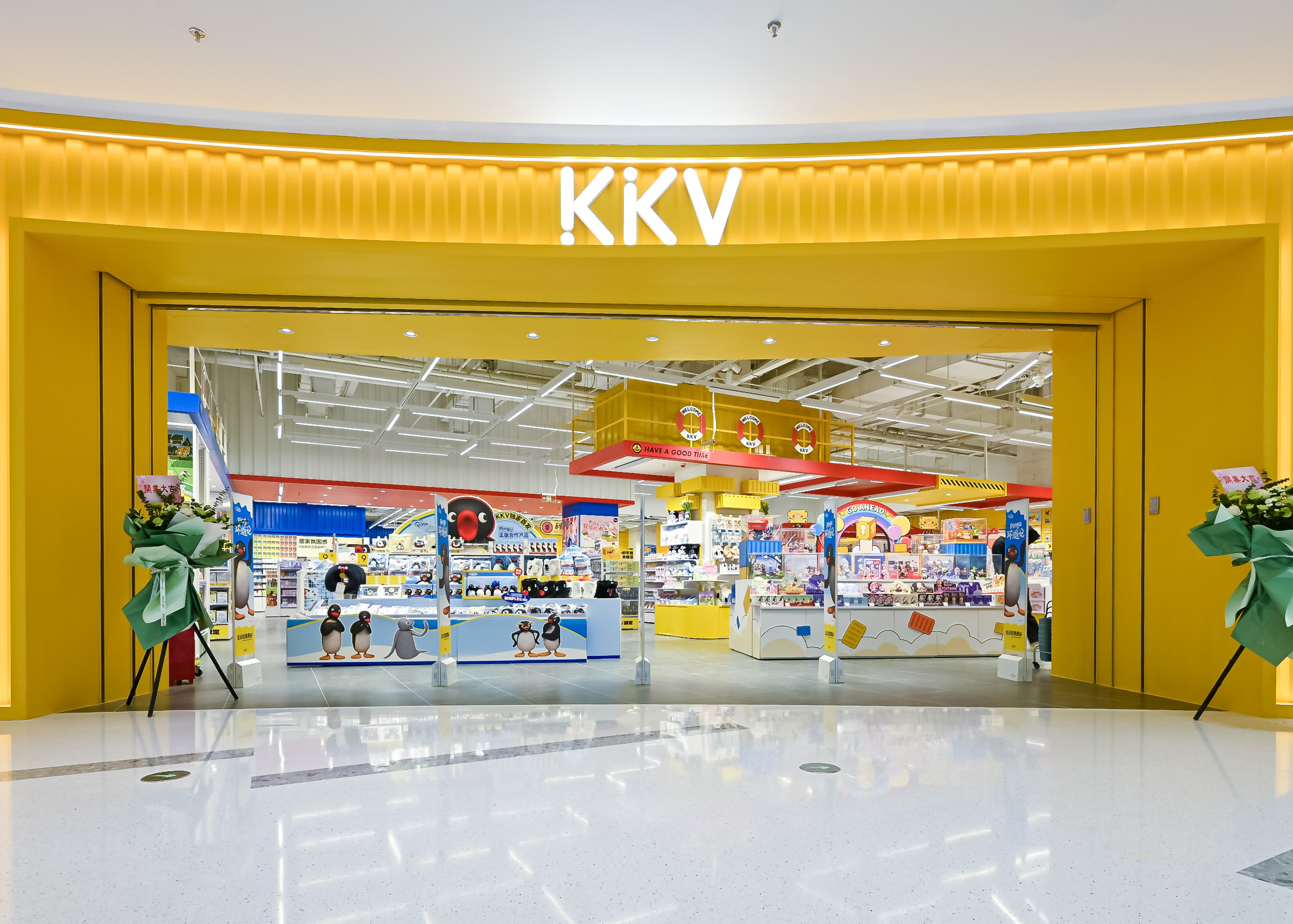
    KK Group, a key player in retail, has unveiled its first independent KKV flagship store in Vietnam, signifying the company’s second international flagship venue as it continues its expansion in Southeast Asia.

    Store Location and Features

    The new outlet is strategically situated at 28 Le Loi Street in the bustling city of Ho Chi Minh. This high-end retail location is directly across from Saigon Centre, a prominent shopping hub.

    Breaking away from traditional retail designs, the multi-story store integrates unique themed displays, such as the ‘Colorful KKV Moto Park’. This motorcycle-inspired installation is placed at the entrance, utilizing what was previously a parking space.

    The store boasts an extensive selection of lifestyle goods, including toys, beauty products, food, and household items. Approximately 5,000 additional products will be gradually unveiled, just in time for the Tet (Lunar New Year) holiday season.

    Future Expansion Plans

    Rojen Wu, Chief Operating Officer of KK Group’s international business, expressed the company’s commitment to further global expansion. He stated, “We will continue to open global flagship stores in various countries, offering local consumers an enriched and inspirational shopping experience.”

    Vietnam is a crucial market for KK Group in Southeast Asia. The company presently manages around 20 stores across its three brands—KKV, The Colourist, and X11—in Vietnam, with a goal of reaching 50 outlets within the year.

    Founded in China, KK Group runs over 1,000 stores in more than 200 cities within its home market and more than 150 in Southeast Asia. For this year, the group aims to increase that number to over 300 stores across the region.

    Questions & Answers

    Where is the first standalone KKV flagship store in Vietnam located?
    The store is located at 28 Le Loi Street in Ho Chi Minh City, across from the Saigon Centre.

    What unique feature does the new KKV store in Vietnam possess?
    The store is designed with themed installations such as the ‘Colorful KKV Moto Park’, a motorcycle-themed structure at the entrance.

    What are KK Group’s expansion plans in Southeast Asia?
    KK Group plans to continue opening more flagship stores in various countries across Southeast Asia, with a target of over 300 stores across the region for this year.

  • AS Watson Expands Empire: 1000 New Stores Set to Open Amid 10 Million Boost in Loyalty Membership

    AS Watson Expands Empire: 1000 New Stores Set to Open Amid 10 Million Boost in Loyalty Membership

    AS Watson, a health and beauty retail giant, has announced ambitious expansion plans for the coming year, with around 1,000 new stores expected to open. This move comes in response to a significant surge in customer engagement via the company’s loyalty program.

    Growing Loyalty Program

    Last year, AS Watson witnessed an addition of 10 million new members to its loyalty program, pushing the global membership count to an impressive 180 million plus. This growth can be traced back to a successful integration between the firm’s brick-and-mortar store network and online platforms.

    Investment and Expansion

    AS Watson, which currently operates over 17,000 stores across 31 markets in Asia and Europe, is set to support its new store openings with an investment of approximately US$490 million. This funding will be allocated towards the launch of new stores, making store refurbishments, implementing technology updates, and enhancing supply chain processes.

    Strong Performance

    The retailer reported a robust category performance in the past year. Sales in the health category witnessed an 8 per cent increase, led by a double-digit rise in Europe. Simultaneously, beauty sales saw a 6 per cent uptick, propelled by a double-digit surge in Asia. The combined offline and online sales also saw a double-digit growth over the year.

    Preparation for the Future

    “Markets, technologies, and expectations are changing at an unprecedented speed. As we look to the future, our goal isn’t to predict what it holds but to be prepared for it. Our strategy remains the same – maintaining our dedication towards our customers, our employees, our partners, and upholding responsible business practices,” said Malina Ngai, Group CEO of AS Watson.

    AS Watson, which was established in Hong Kong in 1841, is celebrating its landmark 185th anniversary this year.

    Questions & Answers

    How many new stores is AS Watson planning to open this year?
    AS Watson plans to open about 1,000 new stores this year.

    What contributed to the growth in AS Watson’s loyalty program?
    The growth in AS Watson’s loyalty program can be attributed to the successful integration of its physical store network and online platforms.

    What is AS Watson’s strategy for the future, according to its Group CEO, Malina Ngai?
    AS Watson’s strategy for the future, as outlined by its Group CEO Malina Ngai, is not to predict the future but to be prepared for it by maintaining commitment towards their customers, employees, partners, and upholding responsible business practices.

  • Revolutionizing Telco Strategy: The Power of Mobile-First in Asia’s Data Consumption Boom

    Revolutionizing Telco Strategy: The Power of Mobile-First in Asia’s Data Consumption Boom

    The Asia Pacific continues to be a global hotspot for mobile innovation, acting as a catalyst for change in telco strategies due to the growing data consumption rate in the region.

    According to the Ericsson Mobility Report, global mobile network data traffic grew approximately 20% annually by the end of 2025. Significantly, 5G accounted for nearly one-third of the total mobile data traffic, a percentage that is swiftly increasing in the Asia Pacific region.

    It’s not just the volume of data consumption that’s driving change. The way people use data, the timing, and the reasons for their usage are also contributing factors. The increase in video-oriented lifestyles, app-based commerce, remote work, and digital public services have transformed mobile connectivity into a basic necessity. Thus, Asia’s telcos are realizing that their success isn’t merely about pursuing traffic growth but rather managing experience, intelligence, and value.

    Asia’s Data Growth Continues Unabated

    The Asia Pacific region contributes significantly to global mobile data growth, primarily due to its size. The region makes up over half of global mobile subscribers and continues to add new users, with total mobile data traffic set to quadruple by 2030.

    While mature markets in other parts of the world begin to level off, Asia’s blend of high population density, affordable smartphones, and aggressive data pricing keeps demand on the rise. For providers, this growth presents both an opportunity and a challenge. Although traffic volumes are increasing, the economics of delivering that data are becoming more complex.

    Video’s Impact on Network Regulations

    The most noticeable change is the emergence of a video-first economy, with traffic expected to account for 76% of all mobile data by the end of 2026. Short-form video, particularly TikTok, has become the new norm for mobile usage, necessitating an evolution of providers like AIS to become a “Cognitive Tech-Co”. This new model uses real-time AI analytics to autonomously adjust network capacity while partnering with platforms to cater to the high-data demands of the burgeoning tourist sector.

    Furthermore, providers like SK Telecom in South Korea have recognized that managing these fluctuations requires more than traditional capacity upgrades. AI-driven traffic forecasting, real-time optimization, and automated network controls are becoming essential. The network must now be capable of thinking, adapting, and responding independently.

    Hyper-Personalization and AI

    Telcos are incorporating hyper-personalization and AI into their strategies to differentiate their offerings, enhance engagement, and capture greater lifetime value. For example, Reliance Jio analyzes usage patterns across its 300+ million subscribers to provide personalized plans, content bundles, and contextual offers in real time.

    Additionally, Telkomsel uses AI-driven analytics and its chatbot to personalize interactions. Similarly, Airtel uses AI-based recommendation engines to push context-aware data and retention offers, improving engagement in high-churn segments. These shifts indicate that erratic data spikes driven by social trends or large-scale gaming releases are now managed using generative AI and machine learning.

    5G as National Infrastructure

    The growth in mobile data consumption in Asia has elevated 5G to the status of national infrastructure, as governments increasingly view high-capacity, low-latency networks as crucial to economic resilience, industrial digitization, and digital inclusion. As a result, telcos are restructuring their strategies around network intelligence to position themselves as foundational platforms for digital economies.

    Monetizing Experience Rather Than Megabytes

    In more developed markets like Australia, operators are experimenting with new ways to generate value from data-hungry users. Optus, for instance, has moved towards speed-tiered broadband plans, prioritizing consistent performance during peak periods rather than data caps. This shift reflects a wider understanding that across the Asia Pacific, customers are willing to pay for quality, low latency, high reliability, and predictable performance, especially for cloud gaming, remote work, and UHD streaming.

    Looking Ahead: Towards an Intelligent, Hybrid Future

    As Asia’s mobile-first journey moves forward, the next step will likely involve a deeper integration between terrestrial networks and satellite connectivity. The ultimate aim is to redefine telco strategy across Asia, competing not just on coverage or price but on the ability to transform networks into intelligent, hybrid platforms.

    Questions & Answers

    What is the key factor driving the transformation of Asia’s telco strategies?
    The key factor is not just the volume of data people consume, but how, when, and why they use it. Trends like video-led lifestyles, app-based commerce, remote work, and digital public services have made mobile connectivity a basic utility.

    Why is the rise of a video-first economy significant for telcos?
    The rise of a video-first economy is significant because it’s projected to account for 76% of all mobile data by the end of 2026. This surge in video consumption requires telcos to adjust their network capacities and strategies to accommodate the increased traffic.

    What does the future look like for telco strategies across the Asia Pacific?
    The future of telco strategies across the Asia Pacific will involve deeper integration between terrestrial networks and satellite connectivity. Telcos will compete not just on coverage or price but on their ability to transform networks into intelligent, hybrid platforms.

  • Bank of Singapore’s 2026 Vision: Asia’s Rise, Dollar’s Dip, and the Power of AI

    Bank of Singapore’s 2026 Vision: Asia’s Rise, Dollar’s Dip, and the Power of AI

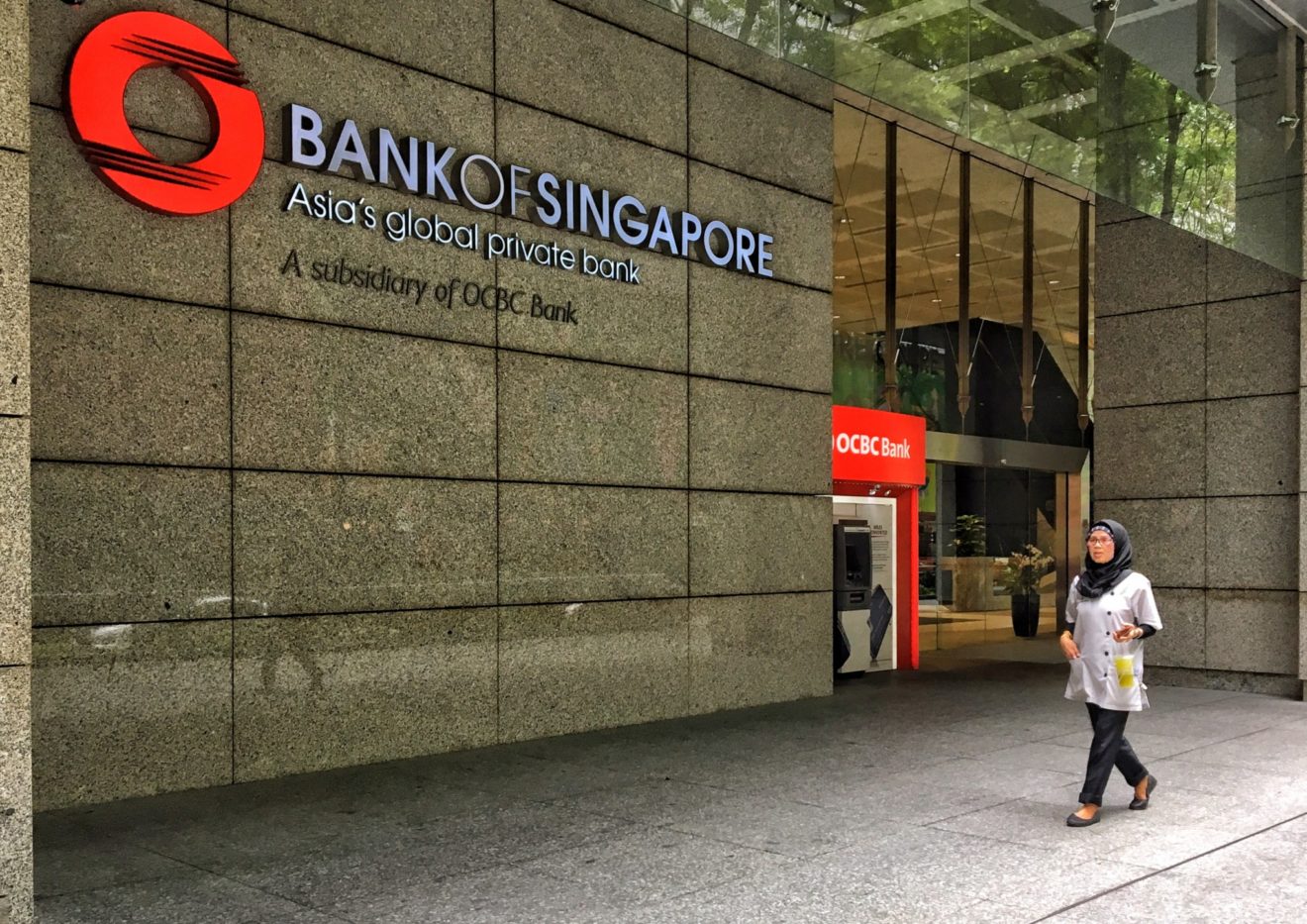
    The Bank of Singapore’s (BoS) most recent global outlook for 2026 indicates resilient growth, improved financial conditions, and a steady rebalancing of economic power. According to the BoS, success for investors does not lie in pursuing volatile investments but in preparing for a fundamentally different economic cycle.

    US Dollar: Downward Trend

    One of the most significant changes the BoS’s report highlights is a continuous decrease in the value of the US dollar. Investors are reevaluating the risk associated with the US due to constant twin deficits and institutional credibility concerns, reducing the appeal of its currency as a safe investment option.

    In the current market, gold continues to have a strategic role. The precious metal has seen substantial gains thanks to its status as a reliable investment during uncertain times, and it is likely to remain stable as global tensions persist.

    Conversely, energy markets are expected to remain well-supplied, keeping oil prices relatively low despite ongoing conflicts and the shift towards green energy.

    Asia: The Exception in the Narrative

    Asia is the standout region in the 2026 economic forecast. Lower interest rates, a weakening US dollar, and supportive fiscal policies are all contributing to the growth of Asian equities, especially outside of Japan. Additionally, the region’s inherent strengths are becoming increasingly obvious.

    Asia is leading the way in global clean energy production, from creating components for solar and wind energy to manufacturing lithium-ion batteries. It is also quickly developing the infrastructure necessary for the Artificial Intelligence ecosystem, including data centres, power networks, and advanced semiconductors.

    Artificial Intelligence: From Speculation to Profit

    Despite ongoing debates about whether AI is overvalued, the 2026 outlook suggests that its potential impact and duration are still underestimated. Large technology companies continue to report resilient profits, and AI-driven demand is pushing U.S. hyperscalers to increase capital expenditure.

    Importantly, the process of monetising AI is slowly taking shape, shifting the narrative from speculative excitement towards concrete revenue. For investors, the opportunities go far beyond the major players, extending to often overlooked suppliers across hardware, software, energy, and real estate sectors, particularly in Asia.

    Resilience: A New Perspective

    A key takeaway from the BoS’s presentation is the urgent need to move beyond traditional, benchmark-focused asset allocation. In a complex world that is frequently disrupted, portfolios that heavily concentrate on a limited set of U.S. equities and dollar exposure are becoming increasingly vulnerable.

    The BoS is promoting a comprehensive approach to portfolio resilience, combining diversified regional equity exposure, selective fixed income, alternatives, and non-USD assets. This diversified approach has historically performed better during downturns, outperforming when diversification is more critical than simple market exposure.

    Alternatives and Active Management in the Spotlight

    As the macroeconomic cycle matures, alternative investments are expected to play an increasingly prominent role. Private equity is seeing a slow recovery in exits, private credit is favouring high-quality senior exposures, and hedge funds are benefiting from market dispersion and volatility.

    Real assets and infrastructure continue to be supported by long-term trends such as digitalisation and energy transition.

    Active risk management strategies such as rebalancing, income diversification, and careful monitoring of concentration risk become crucial in navigating an environment where leadership regularly changes.

    The Future is Changing

    The primary challenge for 2026 is not predicting the next economic shock, but building portfolios that can withstand shocks while seizing structural opportunities.

    With central banks easing monetary policy, Asia on the rise, AI transforming industries, and the dollar losing some of its dominance, investors must rethink old assumptions. The Bank of Singapore’s message to investors is to remain invested, but do so with resilience, diversification, and a sharp focus on the trends that are shaping the world beyond 2026.

    Questions & Answers

    What is the Bank of Singapore’s perspective on the future of the US dollar?
    The Bank of Singapore predicts a continuous decrease in the value of the US dollar due to constant twin deficits and concerns about institutional credibility.

    What is the projected role of alternative investments in the future?
    As the macroeconomic cycle matures, alternative investments—such as private equity, private credit, and hedge funds—are expected to play an increasingly prominent role.

    How does the Bank of Singapore suggest investors prepare for the future?
    The Bank of Singapore advises investors to remain invested, but to do so with resilience, diversification, and a keen eye on the trends that are shaping the world beyond 2026.

  • Kingland Debuts Indulgent Dairy-Free Yoghurt in Hong Kong: A Major Move in Asia-Pacific Expansion

    Kingland Debuts Indulgent Dairy-Free Yoghurt in Hong Kong: A Major Move in Asia-Pacific Expansion

    The Kingland Dairy Free Yogurt range has been introduced in Hong Kong by Australian plant-based food manufacturer, King International. This launch signifies a significant milestone in the company’s expansion strategy within the Asia-Pacific region.

    The Kingland Dairy Free Yogurt range, available in two sizes, can now be found in selected upscale and mainstream retail stores, such as Oliver’s The Delicatessen, Market Place, 3hreeSixty and Wellcome.

    The company offers its Greek Style range in 500g tubs with a variety of flavors including Natural, Mango & Peach, and Apple Cinnamon. Additionally, the Fruit Yogurt range comes in 250g single-serve pots featuring Mango & Peach, and Strawberry flavors.

    Eric Hsu, co-founder and managing director of King International, expressed his joy in launching the dairy-free yogurt in Hong Kong. He described Hong Kong as a dynamic city that perfectly blends tradition and modernity. Hsu emphasized that their products are crafted to offer indulgence without sacrificing nutrition, sustainability, or inclusivity for all lifestyles. He expressed confidence that the quality and consideration put into every pot of Kingland yogurt will appeal to consumers in Hong Kong.

    In terms of health claims, King International stated that all products have a minimum 4.5 Health Star Rating, as per the Health Star Rating System of the Australian and New Zealand governments. This rating reinforces the brand’s health-focused positioning and supports consumer trust in the product.

    King International was established in Queensland in 1987 by Eric and Rachel Hsu. Over the years, the company has transitioned from a local tofu producer to a supplier of plant-based foods throughout Australasia and the Asia-Pacific.

    Questions & Answers

    What is the significance of the Kingland Dairy Free Yogurt range launch in Hong Kong?
    The launch is a crucial step in King International’s expansion strategy within the Asia-Pacific region.

    What variety does the Kingland Dairy Free Yogurt range offer?
    The Greek Style range comes in 500g tubs in Natural, Mango & Peach, and Apple Cinnamon flavors, while the Fruit Yogurt range is offered in 250g single-serve pots in Mango & Peach and Strawberry flavors.

    What is King International’s health rating for their products?
    All products by King International carry a minimum 4.5 Health Star Rating as per the Health Star Rating System of the Australian and New Zealand governments, supporting the brand’s health positioning.

  • China Strikes Gold: Largest Undersea Gold Deposit in Asia Discovered

    China Strikes Gold: Largest Undersea Gold Deposit in Asia Discovered

    China recently announced the discovery of an undersea gold deposit, touted as the largest in Asia. This remarkable find further augments the existing troves of the precious metal, following other significant discoveries earlier this year.

    New Gold Reserves Discovered

    The newly discovered gold deposit is situated off the coast of Laizhou in Yantai, Shandong Province. This addition has notably increased Laizhou’s confirmed gold reserves to over 3,900 tonnes (137.57 million ounces), making up approximately 26% of China’s total reserves. However, the exact size of this undersea deposit has not been disclosed by officials.

    Recent Discoveries

    In the past month, the nation revealed the discovery of its first super-large, low-grade gold deposit in Liaoning province. The confirmed reserves of this find amount to 1,444.49 tonnes (50.95 million ounces). The Ministry of Natural Resources has stated that this is the largest single gold deposit found since the establishment of the People’s Republic of China in 1949.

    Adding to this, officials also announced the discovery of a gold deposit in the Kunlun Mountains, near the western border of the Xinjiang Uygur autonomous region in November. This deposit is estimated to have reserves of more than 1,000 tonnes (35.27 million ounces).

    In 2023, Shandong Province reported identifying approximately a quarter of the nation’s gold reserves, including over 3,500 tonnes (123.46 million ounces) on the Jiaodong Peninsula, which is recognized as the world’s third-largest gold mining belt.

    China’s Gold Production Status

    Despite being the world’s largest producer of gold ore, producing 377 tonnes (13.3 million ounces) last year according to the China Gold Association, China trails behind South Africa, Australia, and Russia in terms of proven reserves.

    China invested CNY115.99 billion (US$16.47 billion) in geological exploration last year. Since the initiation of its current five-year plan in 2021, the total investment in mineral exploration is nearing CNY450 billion. This has led to the discovery of 150 mineral deposits, as reported by the Ministry of Natural Resources.

    Impact on Gold Prices

    These discoveries are expected to influence global gold prices which continue to rise, driven by currency fluctuations, geopolitical tensions, and hefty purchases by central banks, particularly in emerging markets looking to diversify their reserves.

    Spot gold was trading at US$4,407 per ounce at the time of reporting, marking a 68% increase since the start of the year.

    Questions & Answers

    Where is the newly discovered undersea gold deposit located?
    The undersea gold deposit has been discovered off the coast of Laizhou in Yantai, Shandong Province, China.

    What is the significance of the recent gold discoveries in China?
    These discoveries have considerably increased China’s total gold reserves and position it as one of the leading global producers of the precious metal.

    How are these gold discoveries expected to influence global gold prices?
    The recent discoveries are likely to impact global gold prices, which are already rising due to factors like currency volatility, geopolitical tensions, and heavy purchases by central banks.

  • Asia’s Telecom Titans Rise to Meet Cybersecurity Challenges: A Dive into 5G Security and Fraud Prevention

    Asia’s Telecom Titans Rise to Meet Cybersecurity Challenges: A Dive into 5G Security and Fraud Prevention

    As the telecommunications sector in Asia rapidly moves towards 5G technology, cloud-native architectures, and digital services, operators throughout the region contend with intensifying cyber threats. These threats, which range from data breaches to scams and fraud within mobile networks, impact not only businesses, but also a considerable number of consumers. Consequently, governments and mobile operators are implementing stricter regulations and enhancing enforcement strategies. In addition, they are investing in more sophisticated security systems to safeguard national networks.

    Increasing Cybersecurity Risks and Consumer Fraud in the Region

    The Asia Pacific region has experienced some of the highest levels of mobile fraud, digital scams, and identity-based attacks globally. A 2025 report commissioned by GSMA revealed that the percentage of consumers who fell victim to scams increased from 31% to 43% over the past year. Additionally, 81% of those surveyed said they are willing to switch financial providers to achieve better security. Consumers prefer solutions that prioritize verification, offer a confirmation-of-payee feature, provide safer payment tools, and allow for simple “official call-back only” habits for enhanced protection.

    Cybersecurity trust in Southeast Asia is dwindling as the number of cyber scams continue to rise. A significant number of mobile users have reported encounters with fraudulent calls, SMS, and online impersonation attempts. According to the GSMA’s Intelligence 2024 Report on Telco Security Landscape and Strategies – Asia Pacific, there is an urgent need for innovative telecom security solutions.

    Telecom Operators Enhancing Defenses and Security Practices

    Asian governments have started to enact laws and establish regulatory frameworks aimed at protecting critical infrastructure and personal data. These measures obligate telecom operators to bolster their networks’ security.

    In China, the Cybersecurity Law, the Data Security Law, and the Personal Information Protection Law (PIPL) regulate telecom operators. These laws demand strict protection of critical information infrastructure, data handling, security reviews, and compliance obligations. As a result, operators are compelled to integrate security measures from the inception of their projects.

    In South Korea, the Personal Information Protection Act (PIPA) regulates telecom operators. The legislation mandates the implementation of measures to securely handle data, maintain accountability, and safeguard user privacy. Though primarily regulating data protection rather than network infrastructure security, PIPA forms a crucial regulatory framework for safeguarding personal data as 5G networks and virtualization continue to grow across the country.

    In Japan, the Cybersecurity Basic Act and related national cybersecurity strategies guide the broad infrastructure protection framework. Telecom operators, including those exploring advanced network innovations such as virtualized RAN or 6G-ready systems, are expected to comply with government-endorsed security standards, threat-sharing mechanisms, and incident-response protocols.

    In the Philippines, national cyber defenses are progressively strengthening. The Cybercrime Prevention Act of 2012 (RA 10175) and the National Cybersecurity Plan 2023-2028 establish a legal framework and outline strategies for enhancing resilience across critical infrastructure.

    Several major telecommunications firms are investing in AI-based network analytics to bolster security and operational efficiency. For instance, Globe Telecom deploys AI and machine learning for anomaly detection across its infrastructure. Similarly, PLDT is mitigating phishing, DDoS attacks, and other cyber threats through its cybersecurity operations center and collaboration with government agencies.

    India, driven by its enormous telecom market, has introduced some of the region’s most comprehensive cybersecurity rules. CERT-In mandates prompt incident reporting, strict log retention for 180 days, and real-time collaboration with national cyber emergency response teams. The Department of Telecommunications now requires 5G network elements to be procured from trusted vendors under the Trusted Telecom Portal policy.

    Singapore has set up a robust cybersecurity framework for its telecom sector. Under the Cybersecurity Act, telecom and infocomm systems can be designated as Critical Information Infrastructure (CII), which mandates operators to implement a cybersecurity code of practice, conduct audits, and quickly report incidents.

    Building Collective Defense: Collaboration, Standards, and Shared Cyber Intelligence

    Given the scale and interconnectedness of modern telecom networks, many operators acknowledge the limitations of tackling cyber threats individually. As a result, collaborative initiatives, public-private partnerships, and industry-wide frameworks are emerging as fundamental strategies for defense.

    The theme of the 19th edition of the Telecom Review Leaders’ Summit was ‘Tech Intelligence Beyond Mobility.’ The event held in Dubai, UAE, facilitated discussions among leading experts on the evolving challenges of protecting information in an increasingly connected world. The summit served as a collaborative platform for telecom-based cybersecurity collaboration, standardization, and knowledge sharing.

    The Need for Collective Defense, Transparency, and Regulatory Backing in Asia

    The security challenge faced by Asia’s telecom sector is not limited to individual operators or markets. Scams, fraud, cross-border intrusion threats, and the growing complexity of virtualized networks have necessitated a regional and systemic response.

    The continual rise in consumer fraud, data protection failures, and regulatory scrutiny necessitates treating cybersecurity in the same vein as infrastructure policy, consumer protection, and national security. To cope with these risks, operators need to prioritize transparency, share threat intelligence, and adopt common security standards. Regulators should support these efforts with clear rules, consistent enforcement, and incentives that reward genuine compliance.

    By embracing an approach that combines strong governance, robust technical controls, and cross-border collaboration, Asia’s telecom sector can build networks that not only offer connectivity but also provide meaningful protection for users in an increasingly hostile digital environment.

    Questions & Answers

    What is the current state of cybersecurity in Asia’s telecom industry?
    The telecom industry in Asia is grappling with increasing cybersecurity risks, including data breaches, scams, and fraud within mobile networks. Governments and mobile operators are responding by implementing stricter regulations, enhancing enforcement strategies, and investing in advanced security systems.

    What measures are being taken to improve cybersecurity in Asia’s telecom industry?
    Governments across Asia are enacting laws and regulatory frameworks to protect critical infrastructure and personal data. Telecom operators are obligated to bolster their network security and are investing in AI-based network analytics to enhance security and operational efficiency.

    What strategies are recommended for managing cybersecurity risks in the telecom industry?
    Telecom operators need to prioritize transparency, share threat intelligence, and adopt common security standards. Regulators should support these efforts with clear rules, consistent enforcement, and incentives that reward genuine compliance. Collaborative initiatives, public-private partnerships, and industry-wide frameworks are also recommended.