Tag: asia

  • Nak Hair Gears Up for Global Expansion: Seals Exclusive Partnership with Watson Asia, Eyes Strong Online Presence

    Nak Hair Gears Up for Global Expansion: Seals Exclusive Partnership with Watson Asia, Eyes Strong Online Presence

    Australian haircare company, Nak Hair, has recently secured a significant partnership with global health and beauty distributor, Watson Asia. This strategic alliance will enable Nak Hair to expand its market reach, particularly in the Asia-Pacific (Apac) region and the Gulf Cooperation Council (GCC).

    Launching on Tmall Global and Expanding European Distribution

    Nak Hair is also set to broaden its visibility in the Chinese market by launching on the esteemed online marketplace, Tmall Global. This move will be followed by a distribution expansion across Europe through collaborations with various exclusive distribution partners.

    Online Presence and Sales Growth in Australia

    On the home front in Australia, Nak Hair has introduced its product line on its official website as well as other major online marketplaces. The company has noted a double-digit increase in product sales and aspires to achieve a 20 per cent increase over the upcoming year.

    Nak Hair’s Global Growth Strategy

    Marc Boelen, CEO of Nak Hair, emphasized the significance of these partnerships in helping the company achieve its strategic growth objectives.

    “These partnerships represent a crucial step in our ambitious plan to double our business over the next three years. We aim to meet our customers wherever they are shopping for premium professional haircare products, whether that’s online, in retail stores, at salons, or in pharmacies,” he stated.

    Questions & Answers

    What is the significance of Nak Hair’s partnership with Watson Asia?
    This partnership with Watson Asia allows Nak Hair to expand its presence in new markets, notably in the Asia-Pacific region and the Gulf Cooperation Council.

    How does Nak Hair plan to increase its presence in China and Europe?
    Nak Hair aims to boost its visibility in China by debuting on the popular online marketplace, Tmall Global. In Europe, the company plans to expand its distribution network through collaborations with exclusive distribution partners.

    What are Nak Hair’s growth aspirations for the coming year?
    Nak Hair has reported a double-digit increase in product sales and aims to achieve a 20 per cent sales increase over the next year.

  • AirAsia Launches Direct Cebu-Macao Service Reinforces Support for Disaster Resilience

    AirAsia Launches Direct Cebu-Macao Service Reinforces Support for Disaster Resilience

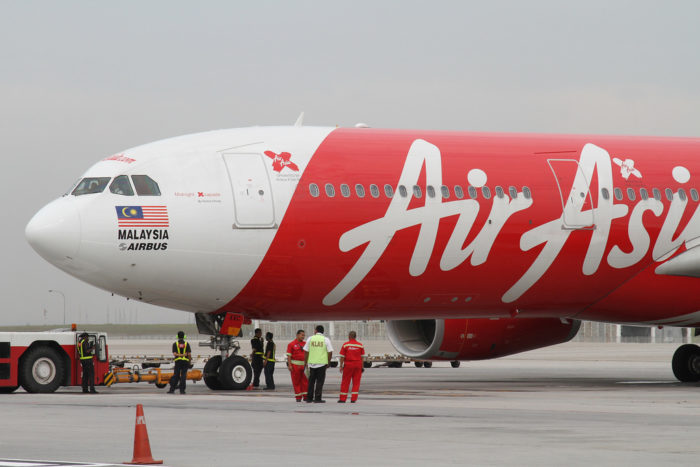
    AirAsia today launched new direct routes, with Cebu-Macao among them, expanding its regional network while reinforcing its commitment to supporting recovery efforts in calamity-hit Cebu through its ‘To the Philippines with Love’ campaign.”

    The new route forms part of AirAsia’s broader network expansion, which includes five additional Philippine routes comprising two international and three domestic connections. This development strengthens the airline’s global network of over 160 destinations across its group operations.

    Alongside this network growth, AirAsia continues to support disaster resilience initiatives in Cebu. As part of its rebuilding efforts, AirAsia will donate PHP15 for every seat sold from November 15 to January 14, 2026 to support earthquake and typhoon relief and recovery programs in Cebu.

    Through its philanthropic arm, AirAsia Foundation, AirAsia will disburse up to PHP 9 million to assist local communities through its support for grassroots organizations such as Bike Scouts, a social enterprise with more than a decade of on-ground disaster response experience across the Philippines.

    Tony Fernandes, Capital A CEO and Advisor at AirAsia Aviation Group, said: “Connectivity has always been at the heart of what we do, and it goes beyond flights or routes. As one Asean family, in times like these, uniting to help one another is not just the right thing to do, it is who we are. Our hearts are with everyone affected in the Philippines, including our own Allstars. We hope AirAsia’s contribution can bring hope, and help rebuild businesses and enable local residents to get back on their feet.”

    AirAsia Philippines CEO and President Capt. Suresh Bangah said, “We are deeply committed to partnering with the people of Cebu during the rebuilding process by providing affordable travel options that can spur economic activity and aid in recovery. As we expand our network, we also continue to make meaningful journeys by uplifting the communities we serve.”

    Yap Mun Ching, Executive Director of AirAsia Foundation, said, “At AirAsia Foundation, one of our main priorities involves helping communities rebuild stronger after a disaster. As the focus shifts from emergency relief to recovery in these communities, we leverage our network of social enterprises and trusted partners to connect resources with communities in need, supporting them to restore homes and livelihoods and make a meaningful difference for those affected.”

    The pledge was made by AirAsia Philippines CEO and President Capt. Suresh Bangah during the receiving ceremony of AirAsia’s inaugural Kuala Lumpur–Cebu flight, which was welcomed with a traditional water cannon salute at Mactan Cebu International Airport. The flight also marked the official launch of AirAsia’s Cebu hub, strengthening the airline’s commitment to expanding connectivity across the Philippines and the wider Asean region.

    In Macau, The inaugural flight was celebrated with a special event at the Macau International Airport, where passengers received welcome gifts from the Macao Government Tourism Office and limited-edition AirAsia merchandise.

    The Kuala Lumpur and Macao international services are among five additional routes in the Philippines added to the broader AirAsia network. Meanwhile, new domestic connections from Cebu to Davao, Iloilo, and Caticlan further reinforce the Queen City of the South’s position as a strategic hub, offering travelers more value-driven options across the region.

    “AirAsia’s goal is to accelerate Southeast Asia’s position as a global low-cost megahub,” Capt. Bangah added. “By linking our Cebu hub with cities like Macao, we’re connecting Visayas and Mindanao to a broader global network.”

    The new Cebu service expands AirAsia’s existing network from Hong Kong and Macao, which already includes direct flights to Kuala Lumpur, Kota Kinabalu (Sabah), Bangkok (Don Mueang), Manila, and Okinawa.

    Among recent recipients of the Foundation’s disaster resilience grants in 2024 is Bike Scouts, a social enterprise with more than a decade of on-ground disaster response experience across the Philippines, to provide critical communication access to communities isolated by typhoons, floods and other natural events. In 2025, AirAsia Foundation approved a grant for Arkomjogja, the implementer of past rebuilding and resilience programmes in Indonesia, to document lessons learnt and disseminate knowledge on the organisation’s community-driven post-disaster recovery model.

    AirAsia Foundation has a long-standing record of helming AirAsia’s post-disaster campaigns in Asean. Since its establishment in 2012, the Foundation has raised and distributed over USD 4 million to fund responses to Typhoon Haiyan in the Philippines (2013), the Palu tsunami (2018), and the Malaysian floods (2021), among others. AirAsia Foundation has also awarded over USD 670,000 in social enterprise grants across seven Asean countries, supporting impactful ventures that address poverty alleviation, promote sustainable livelihoods, and build climate resilience.

    The donation from AirAsia is in addition to the airline’s ongoing post-earthquake support for government partners through humanitarian flights. In coordination with government authorities, AirAsia transported search-and-rescue teams of the Metropolitan Manila Development Authority (MMDA) and critical rescue equipment to support emergency relief missions in Cebu.

  • South Korean Footwear Giant, Sappun, Makes Strides in Southeast Asia with Exclusive Indonesian Expansion

    South Korean Footwear Giant, Sappun, Makes Strides in Southeast Asia with Exclusive Indonesian Expansion

    South Korean female-oriented shoe brand, Sappun, has drawn out plans to broaden its global presence, beginning with Southeast Asia, Indonesia specifically.

    Expanding Footprints in Indonesia

    The footwear brand, which operates under the management of FNS Retail Co, has embarked on an exclusive alliance with Surya Bumi Retailindo. This Indonesian retail firm oversees over 20 international brands spread across sports, fashion, and lifestyle verticals, Salomon and Dickies included.

    The collaboration gives Surya Bumi Retailindo the exclusive distribution rights for Sappun within Indonesia while also setting a sturdy framework for sustained retail growth.

    Establishing Retail Presence

    Sappun, in accordance with this new partnership, has launched standalone outlets in three of Jakarta’s prime shopping precincts, such as Lippo Mall Puri, Plaza Senayan, and Grand Indonesia. Initial sales at these outlets have been reportedly on par with its flagship stores in South Korea, an indication of the strong demand from Indonesian shoppers.

    FNS Retail has plans to inaugurate five additional Sappun stores inside Indonesia by the conclusion of this year, with a future goal of reaching a total of 30 stores within the next five years.

    The entrance into the Indonesian market marks a noteworthy milestone as the first international expansion of a K-fashion women’s shoe brand. FNS Retail expressed their ambition to extend their presence further across Southeast Asia and Japan.

    The Growth of Sappun

    Sappun was founded in 2014 initially as an online-only brand which later expanded its operations to offline outlets across prominent Korean cities, including Seoul and Busan. To further extend its global reach, the brand continues to exploit e-commerce platforms like Shopee and Lazada.

    Sappun also has plans in the pipeline to launch operations in Vietnam in the near future.

    Questions & Answers

    What is Sappun’s expansion strategy?
    Sappun plans to broaden its global presence starting with Southeast Asia, specifically Indonesia. They aim to establish a robust retail presence through local partnerships and open standalone stores in prime shopping areas.

    How is the brand performing in Indonesia?
    Sappun has launched standalone outlets in three of Jakarta’s prime shopping precincts. The sales at these outlets have been reportedly on par with its flagship stores in South Korea, indicating strong demand from Indonesian shoppers.

    What are Sappun’s future plans?
    Sappun aims to extend its presence further across Southeast Asia and Japan. The brand also has plans to launch operations in Vietnam in the near future.

  • Amundi Amplifies Asia Presence with Key Appointment in Investment Specialist Team

    Amundi Amplifies Asia Presence with Key Appointment in Investment Specialist Team

    Leading French asset management company, Amundi, has recently enhanced its team of investment specialists in Asia, welcoming a new addition to their ranks.

    New Appointment Bolsters Team

    Amundi has announced the appointment of Chloe Shea to the position of Head of Investment Specialists, Multi-Asset and Solutions for Asia, excluding Japan. In her new role, Shea will work closely with clients and portfolio managers. Utilizing Amundi’s research and investment platform, Shea is set to develop solutions that generate alpha.

    Hong Kong Base

    Shea will be based in Hong Kong and will report to Florian Neto, the Head of Investment for Asia, and Dan Levy, the Head of Solutions Business Development and Investment Specialists.

    Extensive Industry Experience

    Shea brings with her over 15 years of experience in client consulting, manager research, and multi-asset investments. Her previous roles include an Investment Director position at Schroder Investment Management’s multi-asset team. Earlier in her career, she was also employed at Manulife Asset Management and Towers Watson Investment Services.

    Questions & Answers

    Who has Amundi recently appointed to their investment specialist team in Asia?

    Amundi has recently appointed Chloe Shea as the Head of Investment Specialists, Multi-Asset and Solutions for Asia, excluding Japan.

    What will be Chloe Shea’s role?

    Chloe Shea will work closely with clients and portfolio managers to develop alpha-generating solutions using Amundi’s research and investment platform.

    What is Chloe Shea’s industry experience?

    Shea brings over 15 years of industry experience, including her previous role as an Investment Director at Schroder Investment Management’s multi-asset team. She has also worked at Manulife Asset Management and Towers Watson Investment Services.

  • Shein Yanks Controversial Child-like Dolls Off Shelves Following French Regulatory Intervention

    Shein Yanks Controversial Child-like Dolls Off Shelves Following French Regulatory Intervention

    Chinese e-commerce giant Shein recently removed a questionable product line, featuring childlike sex dolls, from its online platform. This action was prompted by the discovery and notification from France’s Directorate-General for Competition, Consumer Affairs, and Fraud Control (DGCCRF). The French authority voiced concerns over the products, which were suggestive of child pornography.

    Initiative from French Consumer Watchdog

    The DGCCRF found, apart from the childlike sex dolls, several other inappropriate items, including adult-looking sex dolls. They promptly reported their findings to the legal authorities. The DGCCRF stated that the product descriptions and the doll’s categorization on the website clearly indicated the pornographic nature of the content.

    The agency further noted that the website did not have any effective filtering measures in place to restrict minors and sensitive audiences from accessing such adult content.

    Shein’s Response

    In response, Shein immediately took action to remove the implicated products from its platform. A spokesperson for the company communicated via email that they had acted promptly upon becoming aware of these significant issues.

    The company stressed its strict policy against content or products violating its internal standards or legal requirements, emphasizing its commitment to a zero-tolerance policy in such matters.

    Physical Expansion in France

    Shein, a fast-fashion enterprise based in China, is planning to establish its first physical store in France. The store is scheduled to open on Wednesday at the Bazar de l’Hôtel de Ville (BVH) in Paris. The company’s aggressive pricing strategy has caused some disquiet among traditional French apparel retailers, who feel that Shein is undermining their business model.

    Additionally, Shein has announced plans to open five more stores within France.

    Questions & Answers

    What was the response of Shein to the discovery of inappropriate products on their platform?
    Shein immediately removed the products upon being notified by the DGCCRF.

    What is Shein’s policy regarding content or products that breach its principles or laws?
    Shein has a strict no-tolerance policy towards any content or products that infringe upon its internal policies or applicable laws.

    What are Shein’s expansion plans in France?
    Shein is planning to open its first physical store in Paris and has plans to open five more stores within France.

  • Undersea Superhighways: The Future of Digital Connectivity in Asia

    Undersea Superhighways: The Future of Digital Connectivity in Asia

    The majority of today’s internet traffic is transmitted via undersea fiber-optic cables, rather than through satellites or overland networks. The National Bureau of Asian Research reports that over 97% of transoceanic telecommunications—including financial, voice, and internet data—are facilitated by these underwater cable systems. This is especially true in Asia, where many countries are separated by bodies of water, making these cables crucial for digital connectivity.

    The Evolution of Submarine Cables

    Undersea cables have come a long way from their origins as colonial-era telegraph lines. They have developed into high-capacity systems capable of transmitting terabits of data per second. Modern technologies, such as optical amplification and dense wavelength division multiplexing (DWDM), allow these cables to stretch thousands of kilometers across oceans.

    Asia’s Digital “Bridges”

    These undersea cables, often referred to as digital “bridges,” are now jointly funded and operated by consortia of telecom firms, governments, and major tech companies. In managing these cables, these entities must balance commercial interests, abide by various regulations, and mitigate geopolitical risks.

    Asia’s most significant subsea cables include the Asia-Africa-Europe 1 (AAE-1), Asia-America Gateway (AAG), Asia Pacific Gateway (APG), Asia Submarine-Cable Express (ASE), South-East Asia-Japan Cable 2 (SJC2), SEA-ME-WE 6, and the PEACE Cable. These cables link various Asian countries with each other and the rest of the world, providing high-capacity connectivity across continents.

    The Importance of Undersea Cables in Asia

    Undersea cables are particularly crucial in Asia. Island nations, such as the Philippines and Indonesia, depend on these cables to connect to continental networks. Conversely, landlocked or peninsular states like Laos and Myanmar rely on terrestrial links that connect to undersea systems.

    The expansion of undersea cable capacity and routes promotes digital inclusion, reduces latency, and improves connectivity for remote and rural communities. Research indicates that doubling the capacity of these cables can decrease internet prices in a country by 30-50%, enabling wider online access.

    Fostering Connectivity and Cultural Exchange

    Submarine cables serve as the backbone of Asia’s digital regionalism. They facilitate the exchange of culture and knowledge across borders, enabling various professionals and creators to connect, learn, and collaborate with ease.

    Moreover, these undersea cables highlight Asia’s growing digital interdependence. No country can thrive alone; data, trade, and communication freely cross borders, uniting societies. Much like physical bridges, submarine cables connect Asia beneath the ocean, enabling the free flow of ideas and opportunities.

    Challenges and Considerations

    While undersea cables significantly enhance connectivity, they also come with their own set of challenges. If landing stations are monopolized or interconnection is gated, it may lead to the exclusion of certain actors such as small businesses or rural communities. Additionally, like physical bridges, submarine cables are vulnerable to sabotage, which could lead to significant disruptions in connectivity. Therefore, it is crucial to establish protective measures and governance to manage these risks.

    Questions & Answers

    What is the role of submarine cables in digital connectivity?
    Submarine cables facilitate the majority of transoceanic telecommunications, including financial transactions, voice calls, and internet data. They play a crucial role in connecting different countries and enabling the exchange of information across continents.

    How do submarine cables impact internet accessibility and costs?
    Expanding undersea cable capacity can significantly reduce internet prices in a country, thereby enabling wider online access. However, monopolization can undermine these benefits.

    What are the potential risks associated with submarine cables?
    Potential risks include monopolization of landing stations, sabotage of cables, and the possibility of cables being used as political tools in disputed sea regions. Therefore, protective measures and governance are vital to manage these risks.

  • J&T Express Rides Southeast Asia Wave, Achieves 23% YoY Surge In Q3 Parcel Volume

    J&T Express Rides Southeast Asia Wave, Achieves 23% YoY Surge In Q3 Parcel Volume

    Global logistics service provider, J&T Global Express Limited, has released its operational data for Q3 of 2025. The company witnessed a year-on-year growth of 23.1% as of September 30, 2025, accumulating a total parcel volume of approximately 7.68 billion. The average daily parcel volume stood at 83.4 million, with all primary markets seeing double-digit growth. The most significant expansion was witnessed in Southeast Asia and new markets.

    Impressive Growth in Southeast Asia

    As the top express delivery company in Southeast Asia by market share, J&T sustained significant growth momentum throughout the third quarter in the region. The parcel volume in Southeast Asia escalated to 2.00 billion, marking a staggering 78.7% increase year-on-year. The average daily parcel volume in the region was recorded as 21.7 million. The company saw an increase in the number of outlets in the region, reaching 10,700 at the end of September 2025 — a rise of 900 compared to the end of the year 2024. The increase in parcel volume also stimulated higher demand for line-haul capacity, resulting in the number of line-haul vehicles in Southeast Asia rising to 5,500 in the third quarter, a jump of 900 from the end of 2024.

    Positive Performance in China and New Markets

    Despite fierce competition in China, J&T managed to maintain a healthy double-digit year-on-year growth rate of 10.4% in Q3. The parcel volume reached 5.58 billion, with an average daily parcel volume of 60.6 million. In the case of new markets, including Saudi Arabia, the UAE, Mexico, Brazil, and Egypt, J&T’s parcel volume for the third quarter clocked in at 104 million, a robust year-on-year surge of 47.9%. The average daily parcel volume in these markets was 1.13 million.

    Questions & Answers

    What was J&T Global Express Limited’s total parcel volume for Q3 of 2025?
    The company experienced a total parcel volume of approximately 7.68 billion.

    How much did the parcel volume grow in Southeast Asia?
    The parcel volume in Southeast Asia reached 2.00 billion, marking an impressive year-on-year growth of 78.7%.

    What was the year-on-year growth in new markets?
    In new markets, J&T’s parcel volume for the third quarter saw a robust year-on-year surge of 47.9%, reaching 104 million.

  • AI-Driven Defense: Globe Business and Cyble Unite to Reinforce Enterprise Cybersecurity in the Philippines

    AI-Driven Defense: Globe Business and Cyble Unite to Reinforce Enterprise Cybersecurity in the Philippines

    Globe Business has forged a groundbreaking alliance with global cybersecurity powerhouse, Cyble, to launch an innovative AI-focused threat intelligence platform in the Philippines. This collaboration is designed to fortify enterprise cybersecurity and arm organizations with the tools necessary to proactively address emerging cyber threats.

    This strategic partnership emerges amidst an escalating rise in cyberattacks across the nation. During the initial quarter of 2025, it was uncovered that over 1.2 million Filipinos’ credentials had been compromised and found on the dark web. Furthermore, the Philippines continues to grapple with a significant influx of phishing and credential theft incidents, while the evolving use of malware-as-a-service has rendered conventional network defenses increasingly fraught.

    Leveraging AI for Threat Detection

    The partnership leverages Globe Business’s in-depth local enterprise knowledge and Cyble’s cutting-edge AI-driven risk intelligence to enhance early threat detection and response capabilities. The newly introduced platform will collate and scrutinize data from various internet strata, alerting organizations to potential attacks, data breaches, or instances of brand impersonation before they escalate into major crises.

    KD Dizon, the Head of Globe Business, noted:

    “The battle against cybercrime is a contest of intelligence and speed. Our alliance with Cyble is about democratizing that power. It’s about equipping Philippine enterprises with AI-driven foresight, enabling them to transition from merely reacting to breaches to proactively leveraging data-informed resilience.”

    Cyble’s platform employs agentic AI and its unique BlazeAI engine, which continually learns from emerging threat patterns. This system scans over 20 billion pages daily and monitors in excess of 15,000 cybercrime sources in real-time. This robust strategy allows security teams to identify exposed data, fraudulent domains, or network vulnerabilities at an early stage.

    Facilitating Secure Digital Transformation

    Beenu Arora, the Co-founder and CEO of Cyble, remarked:

    “The Philippines confronts some of the world’s rapidly growing cyber risks. By marrying the scale of AI with Globe Business’s local expertise, we aim to help enterprises always maintain a step ahead of attackers.”

    Globe Business emphasizes that this partnership underscores its commitment to facilitating secure digital transformation. It also highlights the increasing demand for AI-driven prevention strategies in cybersecurity, as these strategies offer wide-ranging support for various industries. Banks and financial institutions can identify compromised data early on and halt fraudulent activities, while retail and e-commerce companies can keep an eye on brand misuse and counterfeit products. Additionally, government agencies can also leverage this platform to detect signs of planned breaches or cyberattacks.

    Questions & Answers

    What is the purpose of the partnership between Globe Business and Cyble?
    The partnership seeks to strengthen enterprise cybersecurity in the Philippines by introducing an AI-native threat intelligence platform.

    What capabilities does Cyble’s platform offer to security teams?
    Cyble’s platform uses agentic AI to process over 20 billion pages daily and monitor more than 15,000 cybercrime sources in real time, allowing early identification of exposed data, fraudulent domains, and network vulnerabilities.

    How does this partnership benefit different industries?
    This collaboration supports a variety of sectors. Financial institutions can detect compromised data early on, retail companies can monitor brand misuse, and government agencies can detect signs of planned cyberattacks.

  • Trump’s Truth Social Teams Up with Crypto.com to Revolutionize Online Engagement through Prediction Markets

    Trump’s Truth Social Teams Up with Crypto.com to Revolutionize Online Engagement through Prediction Markets

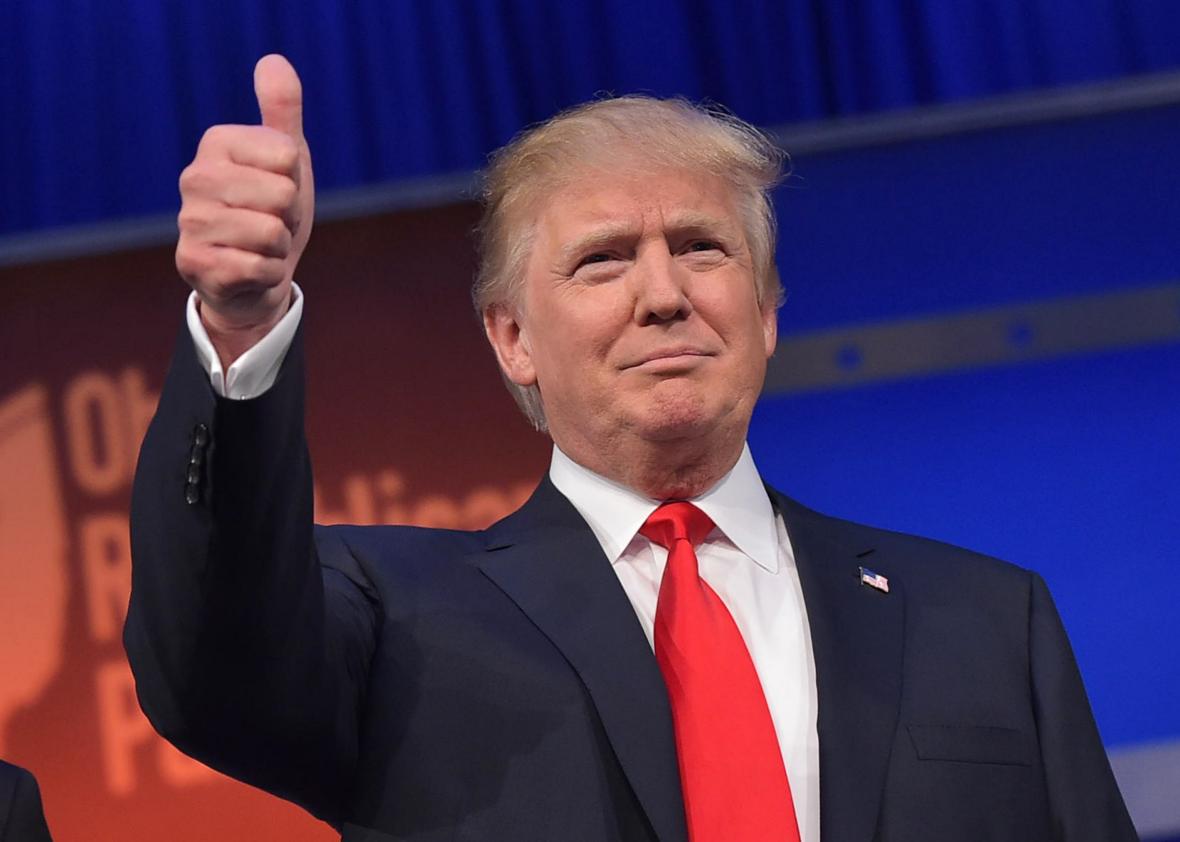
    Donald Trump’s media company, Trump Media & Technology Group, is set to introduce a new dimension to online engagement through a partnership with Crypto.com. The alliance aims to merge social media, fintech, and prediction trading, a move that could potentially reshape the realm of online interaction.

    Expanding into Prediction Markets

    Trump Media & Technology Group, the organization responsible for the social media platform Truth Social, has recently divulged plans to venture into prediction markets. Leveraging an exclusive collaboration with Crypto.com Derivatives North America (CDNA) – a registered exchange and clearinghouse – Truth Social will pioneer a global first for social media platforms by integrating prediction markets into the user experience.

    The innovative product, dubbed “Truth Predict”, will provide a platform for users to prognosticate a broad spectrum of outcomes. Whether forecasting results of U.S elections or speculating on interest rate decisions, gold prices, inflation figures, or significant sporting events, users will be able to monitor these predictions in real time.

    Transforming Social Dialogue into Market Forecasts

    “Truth Predict will enable our committed users to delve into prediction markets with a reliable network, while also making use of our social media platform to offer entirely unique methods for discussing and comparing their forecasts,” commented Devin Nunes, Chairman and CEO of Trump Media.

    Having amassed over 3 billion dollars in financial assets and achieved a positive cash-flow in its first quarter after becoming a public entity, Trump Media appears to be well-prepared to expand its fintech objectives. Nunes emphasized that the integration epitomizes the company’s aim to “democratize information” and empower users to convert free speech into “actionable foresight.”

    Legally Compliant Approach

    The newly-developed feature will operate within a legally compliant framework courtesy of its partnership with Crypto.com’s CDNA unit. This will provide US users with lawful access to event contracts concerning politics, economics, and financial markets. CDNA’s regulated structure facilitates seamless participation for Truth Social users, effectively bridging the divide between social commentary and capital markets.

    Beta Testing and Global Expansion

    Truth Predict is set to undergo Beta testing on Truth Social ahead of a complete US launch. Upon satisfying regulatory requisites, Trump Media intends to introduce the service on a worldwide scale. If the launch proves successful, Truth Predict could signify the dawn of a new era in online user interaction, merging real-time opinion sharing, market sentiment, and financial involvement on one unified platform.

    Questions & Answers

    What is the primary objective of Trump Media’s partnership with Crypto.com?
    The main aim is to merge social media, fintech, and prediction trading, potentially redefining the online engagement landscape.

    What will the new product “Truth Predict” offer to the users?
    “Truth Predict” will enable users to forecast a wide range of outcomes and monitor these predictions in real time.

    What is the long-term plan for the launch of “Truth Predict”?
    After Beta testing on Truth Social and a full US launch, Trump Media plans to roll out the service globally, subject to regulatory compliance.

  • Vietjet Partners with Airways Aviation to Train EASA-Certified Pilots

    Vietjet Partners with Airways Aviation to Train EASA-Certified Pilots

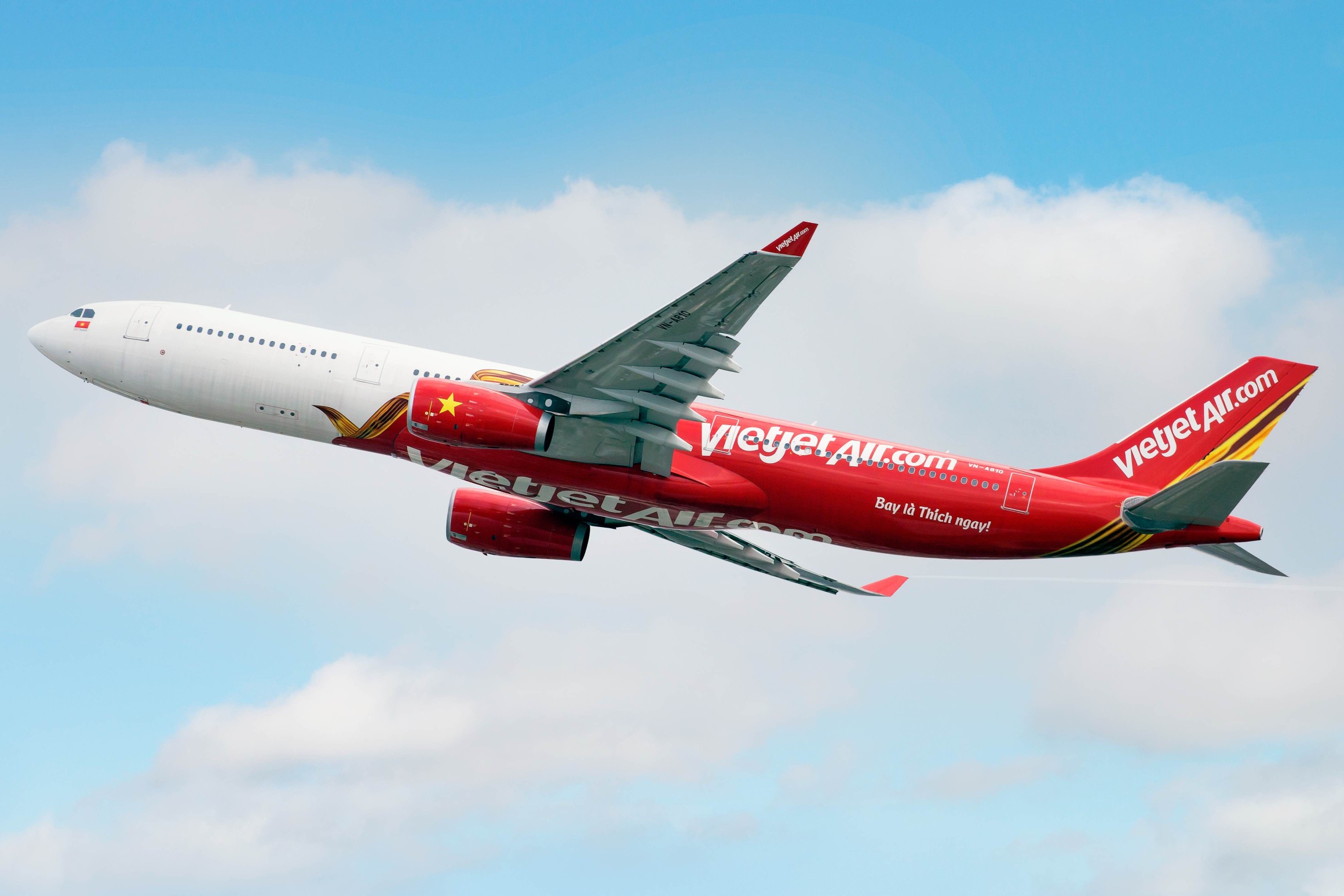
    Vietjet and global aviation education leader Airways Aviation have announced a strategic partnership to train the next generation of aviation professionals. The partnership will enhance its readiness for further global network expansion and meet rising travel demand. The airline has actively expanded its international services, including the frequency increase for Singapore – Da Nang and Singapore – Phu Quoc routes.

    The signing ceremony took place in Finland, witnessed by Vietnam’s General Secretary To Lam during his official visit to Finland.

    Under this partnership, Airways Aviation will collaborate with Vietjet Aviation Academy (VJAA) to deliver international-standard pilot training programs in Europe. These programs will adhere to regulations set by the International Civil Aviation Organization (ICAO), the European Union Aviation Safety Agency (EASA), and the Civil Aviation Authority of Vietnam (CAAV).

    The collaboration will include specialised MPL (Multi-crew Pilot Licence) and CPL (Commercial Pilot Licence) courses designed to cultivate high-calibre pilots for Vietjet’s expanding international network, including routes across Asia-Pacific, Europe, and beyond.

    Vietjet currently employs over 9,000 staff from more than 60 nationalities and operates one of Asia’s youngest fleets. The airline continues to expand its network across key regional hubs such as Singapore, with four direct routes to Vietnam, enhancing connectivity, and creating opportunities for aviation professionals across Asia.

    As an IATA-accredited training partner in Vietnam, VJAA has trained thousands of aviation professionals, including pilots, flight attendants, engineers, and dispatchers, empowering the dream of conquering the skies and driving the industry’s growth.

    Airways Aviation, with over 45 years of experience, operates a network of aviation academies across Europe, the Middle East, Asia, and Australia, offering students access to internationally recognised flight training pathways.

  • Deutsche Bank Appoints Hsbc Veteran Cora Chiu As Head Of Investment Management, North Asia

    Deutsche Bank Appoints Hsbc Veteran Cora Chiu As Head Of Investment Management, North Asia

    Deutsche Bank Private Bank has recently welcomed an experienced HSBC FX specialist to its team. Cora Chiu has been designated as the Head of Investment Management, North Asia, a development that came into effect on December 16 and is pending regulatory approval. Chiu’s role will be to lead investment sales operations for the North Asia region, while also managing local supervisory functions over FX advisory and wealth planning resources. She will be stationed in Hong Kong, reporting to both Gian-Maria Piccolo and Fred Fong locally.

    Chiu brings with her a wealth of experience, spanning nearly two decades in various sectors including FX and commodity advisory, multi-asset trading, and product strategy. Her most recent role was as the Head of FX & Commodities, North Asia at HSBC. Chiu has a rich history of working at esteemed organizations like Citi, where she was instrumental in shaping the regional FX strategy for ultra-high net worth clients and family offices. She also has experience working at UBS, where she contributed to their wealth management and FICC (fixed income, currencies and commodities) divisions.

    Chiu will be taking over from Cedric Ko, who has chosen to explore new opportunities outside the bank. A representative from the bank confirmed the details of the internal memo.

    Questions & Answers

    Who is Cora Chiu?
    Cora Chiu is an experienced professional with nearly 20 years of experience across various sectors such as FX and commodity advisory, multi-asset trading, and product strategy. She has worked for prominent financial institutions like HSBC, Citi, and UBS.

    What is Cora Chiu’s new role at Deutsche Bank Private Bank?
    Cora Chiu has been appointed as the Head of Investment Management, North Asia at Deutsche Bank Private Bank. Her responsibilities will include leading investment sales operations for the North Asia region, and supervising FX advisory and wealth planning resources.

    Who did Cora Chiu succeed at Deutsche Bank Private Bank?
    Cora Chiu succeeded Cedric Ko in the role of Head of Investment Management, North Asia. Ko has decided to pursue new opportunities outside of the bank.

  • Vietnam’s Gold Prices Buck Global Trend With Slight Increase Amid Overall Market Decline

    Vietnam’s Gold Prices Buck Global Trend With Slight Increase Amid Overall Market Decline

    Despite a global decline, the price of gold bars in Vietnam saw a slight increase last Saturday morning. The Saigon Jewelry Company reported a 0.47% rise in the price per tael of their gold bars, reaching VND149.2 million (US$5,671.93).

    Simultaneously, the cost of a gold ring also experienced a 0.47% surge, rising to VND148.6 million per tael. For context, one tael is equivalent to 37.5 grams or 1.2 ounces.

    Yearly Bullion Surge in Vietnam

    This year, there has been a notable increase in the value of bullion in Vietnam, with a growth rate of 77%.

    Global Gold Prices

    On the global stage, gold prices experienced a slight recovery on Friday. This recovery occurred after U.S. inflation data was slightly below expectations. This data reinforces the anticipation of a Federal Reserve interest rate cut in the following week. However, despite this minor recovery, gold is still believed to be on track for its first weekly loss in a ten week period.

    Spot gold experienced a decrease of 0.2%, falling to $4,118.29 per ounce, after an earlier decline of nearly 2% in the same session. Across the week, the price of spot gold fell by over 3%.

    Independent metals trader Tai Wong gave his insights, stating, “Gold and silver experienced an increase following the lower than expected September core CPI. However, this is likely insufficient to completely counteract this week’s selloff. The price action suggests that gold, and particularly silver, may require another downward leg before stabilization.”

    This year also saw a global increase in the value of bullion, with a growth rate of 55%. This rise has been attributed to various factors including geopolitical and trade tensions, substantial central bank buying, and expectations of U.S. interest rate cuts.

    Questions & Answers

    What was the price increase of gold in Vietnam?
    The price of gold bars in Vietnam increased by 0.47%, with the price per tael reaching VND149.2 million (US$5,671.93).

    How did the global gold prices fare last week?
    Despite a slight recovery after lower than expected U.S. inflation data, gold was still on track for its first weekly loss in ten weeks.

    Why has the global value of bullion increased this year?
    The global surge in the value of bullion is attributable to several factors including geopolitical and trade tensions, robust central bank buying, and expectations of U.S. interest rate cuts.

  • Singapore Retains 5th Position In Global City Rankings, Emerges As Top Education And Urban Innovation Hub

    Singapore Retains 5th Position In Global City Rankings, Emerges As Top Education And Urban Innovation Hub

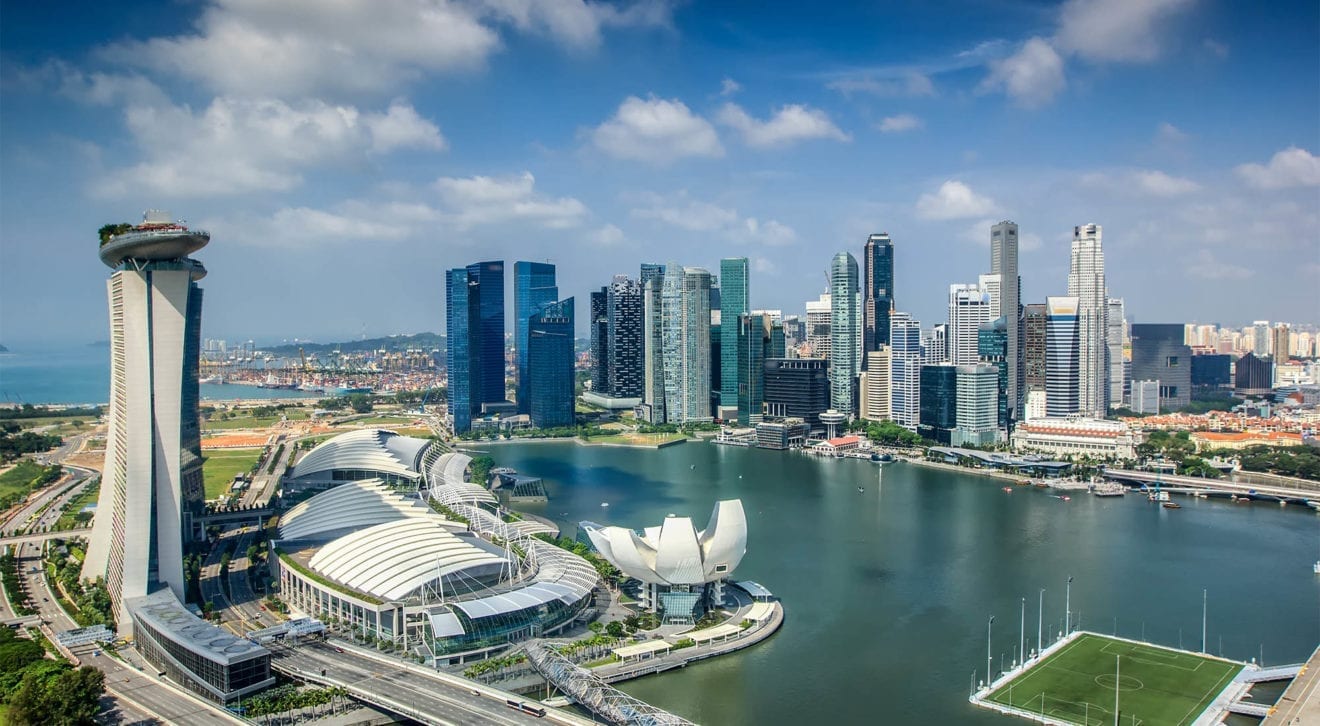
    In the yearly global city rankings, Singapore has managed to hold onto its fifth place, trailing only behind Tokyo in the Asia Pacific region. This city-state has continued to strengthen its status as a top international education center and a leading pioneer in urban innovation, based on findings from the 2025 Global Cities Report by Kearney, a management consulting company.

    Evaluating City Rankings

    The Global Cities Index, a section of the Kearney report, relies on publicly accessible data to evaluate 158 cities across the globe, using 31 different metrics over five areas. These include business activity, human capital, information exchange, cultural experiences, and political engagement.

    Singapore showed minor progress this year in areas of political engagement and human capital, primarily due to enhancements in ease of access. However, these advancements were somewhat negated by a decline in cultural experience and business activity.

    The top ten cities in the report include five from the Asia Pacific region. Japan’s Tokyo leads the pack in fourth place, followed by Singapore, with Beijing, Hong Kong, and Shanghai from China filling the sixth, seventh, and eighth positions respectively.

    Other Southeast Asian cities like Bangkok, Thailand, and Kuala Lumpur, Malaysia, appeared lower on the list, securing the 33rd and 55th places respectively.

    Recognizing Resilience

    According to Shigeru Sekinada, Kearney’s regional chair for Asia Pacific, the report highlights the resilience of well-established Asian hubs amid rising global challenges and technological shifts. He lauded the region’s adeptness in managing evolving global dynamics, due to the expansion of digital infrastructure, prioritizing regulatory innovation, and investing in climate resilience. He also expressed optimism that Asia Pacific cities would not only fuel the region’s economic growth but also serve as essential links in the global economy.

    The report underscored a shift in the way city competitiveness is viewed. In the emerging era of intelligence, the size or historical importance of a city no longer solely determines its competitiveness. Success now increasingly depends on readiness or the ability to incorporate infrastructure, renewable energy, and talent to grasp opportunities presented by artificial intelligence while managing its associated risks.

    Globally, New York City retained its top position, with London and Paris following closely, maintaining their standings from the previous year.

    Future City Projections

    The report also includes a future outlook section, which examines cities’ ability to foster inclusive growth, attract investment, and preserve livability in a progressively competitive global scenario. In this section, Singapore was the only Southeast Asian city to feature in the top 30, vaulting from 20th place in the previous year to 3rd place projected for 2025.

    This significant leap reflects Singapore’s enhanced infrastructure, increasing GDP per capita, and burgeoning foreign investment. It also highlights the city’s active efforts to upgrade its digital infrastructure.

    Questions & Answers

    What key factors contributed to Singapore’s strong showing in the report?
    Singapore’s advancement in political engagement and human capital, as well as its enhanced infrastructure, burgeoning GDP per capita, and growing foreign investment, were key contributors.

    How are city rankings determined in the Global Cities Report?
    City rankings are determined based on 31 metrics across five areas: business activity, human capital, information exchange, cultural experience, and political engagement.

    What shifts have been observed in defining city competitiveness?
    In the emerging era of intelligence, city competitiveness is no longer solely determined by its size or historical significance. It now increasingly depends on readiness, or the ability to integrate infrastructure, renewable energy, and talent to leverage the opportunities presented by artificial intelligence and manage its risks.

  • Asia Pacific Bolsters Global Trade Resilience Amid Policy Fluctuations: DHL Tracker Reveals

    Asia Pacific Bolsters Global Trade Resilience Amid Policy Fluctuations: DHL Tracker Reveals

    The Asia Pacific region is becoming an increasingly significant catalyst in bolstering worldwide trade resilience, despite international commerce encountering numerous challenges due to policy fluctuations. This finding is part of a recent update to the DHL Global Connectedness Tracker, produced in collaboration with New York University’s Stern School of Business. This update is the first systematic evaluation of the responses of international trade and business investment to alterations in U.S. trade policy during the second term of President Trump.

    Asia Pacific’s Strategic Adaptability

    According to Ken Lee, DHL Express’s CEO for Asia Pacific, the region has exhibited unique adaptability and strategic positioning. “The latest data illustrates how cooperation within the region is intensifying, even amidst global uncertainty,” said Lee. He pointed out that businesses in the Asia Pacific are demonstrating agility and a forward-thinking attitude, from the ASEAN’s growing role in accommodating trade flows to Asia Pacific countries engaging more intensively with neighboring nations. Lee emphasised that DHL is well-placed to assist its customers in navigating any changes in trade patterns and pledged to continue developing capabilities in customer-preferred locations.

    Global Trade Growth Amidst Tariff Uncertainty

    In the first half of 2025, the DHL Global Connectedness Tracker indicated that international trade grew at an unprecedented pace, unmatched by any previous half-year since 2010, barring the pandemic recovery. There was a significant surge in U.S. imports early in 2025 as purchasers hastened to make purchases before the impending tariff increases. After this initial rush, global trade volumes continued to exceed the levels of the previous year.

    On examining the world’s 100 largest trade routes, six out of the ten fastest-growing were exports from an Asian economy, emphasising Asia’s integral role in propelling global trade. Notably, Hong Kong SAR, Thailand, Malaysia, and Vietnam were among the top 10 fastest-growing markets, underlining Asia Pacific’s increasing influence and durability in supply chain networks.

    Rise of Intra-Asia Trade

    Intra-Asia trade demonstrated ongoing integration and burgeoning connections. The intra-regional trade share of East Asia & Pacific rose from 55% to 56%. Furthermore, the greatest reductions in trade distances were observed in countries including Thailand, China, Singapore, and Hong Kong SAR. These shifts represent Asian economies’ redirection of trade flows towards regional partners to sustain growth and their efforts to boost infrastructure and connectivity, thereby enhancing the attractiveness of participating in cross-border trade.

    ASEAN’s Growing Role in Chinese Exports

    Despite a 15% decrease in exports to the U.S. during the first eight months of 2025, China fully balanced this loss with a 15% rise in exports to the ASEAN region. ASEAN emerged as a significant growth destination for Chinese exports, signifying the region’s increasing relevance in China’s trade portfolio. Vietnam, Thailand, and India witnessed the most substantial increases in their share of China’s exports, while the U.S., Russia, Korea, Brazil, and Mexico experienced decreases.

    Reflecting on the latest trends, Prof. Steven A. Altman, Director of the DHL Initiative on Globalization at NYU Stern’s Centre for the Future of Management, stated, “The trends in trade and international business investment thus far in 2025 do not substantiate the belief that globalisation is in regression.” He noted that despite existing policy threats to globalisation, companies are not generally retreating from international markets. Instead, they are managing risks and opportunities in a connected world.

    Questions & Answers

    What factors have contributed to the Asia Pacific region’s role in driving global trade resilience?
    Adaptability, strategic positioning, and increased collaboration among countries in the region have played major roles in solidifying the Asia Pacific’s position in global trade.

    How has the ASEAN region become a crucial aspect of China’s export strategy?
    Despite a drop in exports to the U.S., China has compensated by increasing exports to the ASEAN region by 15%. This shift highlights the growing importance of ASEAN in China’s trade portfolio.

    What trends in global trade have been observed during 2025?
    Despite policy shocks and tariff turbulence, global trade has grown significantly. Asian economies, in particular, have demonstrated resilience by adjusting trade flows towards regional partners and enhancing infrastructure and connectivity.

  • Ubs Fined $1m By Hong Kong SFC For Misclassification Of Professional Investors

    Ubs Fined $1m By Hong Kong SFC For Misclassification Of Professional Investors

    UBS, a major global bank, has recently found itself facing penalties from Hong Kong’s Securities and Futures Commission (SFC). The bank has been fined HK$8 million ($1 million) due to misclassification of its clients under the professional investor regime, according to the SFC.

    The Misclassification Issue

    Professional investors, as defined by local regulations, are clients with a minimum asset value of HK$8 million. It appears UBS failed to accurately classify these investors in accordance with these guidelines for an extended period of more than 12 years.

    This misclassification led to clients gaining access to securities pooled lending and investment products that were specifically designed for professional investors. Such developments raise significant concerns about the bank’s adherence to regulatory standards and risk management practices.

    The Scope of the Misclassification

    A self-review conducted by UBS over the course of four years, from July 2018 to July 2022, found notable discrepancies. As per their findings, there were about 560 joint accounts that were booked or managed in Hong Kong which were inaccurately categorized as professional investor accounts.

    This extensive issue points to systemic flaws in the bank’s internal oversight mechanisms, which need to be addressed to prevent such oversights from recurring in the future.

    Questions & Answers

    What is the professional investor regime?
    Professional investors are defined by local regulations as clients with a minimum asset value of HK$8 million.

    What consequences did UBS face for its misclassification of clients?
    UBS was fined HK$8 million ($1 million) by Hong Kong’s Securities and Futures Commission (SFC) due to the misclassification.

    What was the scale of the misclassification by UBS?
    A self-review by UBS indicated that approximately 560 joint accounts booked or managed in Hong Kong were incorrectly classified as professional investor accounts.