Tag: asia

  • AS Watson Group Appoints Donna Poon As New Managing Director Of Watsons Hong Kong

    AS Watson Group Appoints Donna Poon As New Managing Director Of Watsons Hong Kong

    AS Watson Group, a leading international health and beauty retailer, has announced the appointment of Donna Poon as Managing Director of Watsons Hong Kong, effective from November 1.

    Proven Leadership

    Currently serving as Trading Director, Poon brings to her new role more than twenty years of leadership experience within the Fast-Moving Consumer Goods (FMCG) and retail sectors in Hong Kong. Her extensive market knowledge and established success record are expected to spearhead Watsons Hong Kong into its upcoming growth phase.

    Clarice Au, the CEO of Retail Hong Kong for AS Watson Group, expressed confidence in Poon’s potential to lead the company’s growth. She stated, “Her deep market expertise and proven track record will be instrumental in leading Watsons Hong Kong into its next phase of growth.”

    Leadership Transition

    The current Managing Director, Samuel Lee, will be relinquishing his role due to personal circumstances. However, Lee will continue to contribute as a business advisor, providing support to the company until the end of December this year.

    Au extended her gratitude towards Lee for his years of committed leadership within the Group. She also warmly welcomed Poon into her new role.

    Questions & Answers

    Who has been appointed as the new Managing Director of Watsons Hong Kong?
    Donna Poon has been appointed as the new Managing Director of Watsons Hong Kong, with her term beginning on November 1.

    What previous roles has Donna Poon held within the industry?
    Poon has over two decades of leadership experience in the FMCG and retail sectors in Hong Kong, and she currently serves as Trading Director.

    What will be Samuel Lee’s role in the company post his term as Managing Director?
    After stepping down from his role as Managing Director, Samuel Lee will serve as a business advisor to support the company until the end of December.

  • Asia Commercial Bank Launches Gold Bars as Bullion Monopoly Comes to a Close

    Asia Commercial Bank Launches Gold Bars as Bullion Monopoly Comes to a Close


    Asia Commercial Bank (ACB) is set to make waves in the gold market next Friday, becoming the first player to launch its own gold bar brand since the Vietnamese government lifted its long-standing monopoly on bullion production.

    The private lender is poised to buy and sell its newly branded gold bars alongside products crafted by the renowned Saigon Jewelry Company at select branches. The ACB-branded bullion will be available in various weights, while the Saigon Jewelry Company’s (SJC) offerings will be limited to bars weighing one tael, or 37.5 grams.

    For individuals looking to invest, the purchase and sale of these gold bars will require personal identification, whereas businesses will need to present a trading license. All transactions will be processed through ACB accounts, ensuring that customers receive an invoice for their purchases and are required to issue one when selling back to the bank.

    To enhance transparency, ACB will make pricing information accessible on its website and via the ACB One app. Additionally, the bank will impose certain fees for packaging and processing the metal—because even gold needs a bit of pampering!

    Prior to this shift, SJC enjoyed a monopoly on gold bar production for over a decade, with the government’s recent decision in late August allowing the State Bank to license any qualifying entity for importing and manufacturing gold bars.

    As the dust settles on this changing landscape, Pham Quang Thang, an executive at Techcombank, has revealed that his institution is also gearing up to introduce its own line of gold bars. The bank is already in the process of establishing production facilities and distribution channels, with online sales on the horizon.

    Questions & Answers

    What does ACB’s move into gold bar production signify for the market?
    ACB’s launch marks a significant shift in the Vietnamese gold market, as it is the first private bank to enter this space following the end of SJC’s monopoly, opening the door for more competition.

    How will customers be able to purchase ACB gold bars?
    Customers will need to present personal identification for individual purchases, while businesses must show a trading license. Transactions will be processed through ACB accounts, ensuring a reliable buying and selling experience.

    Are other banks planning to enter the gold market as well?
    Yes, Techcombank is also preparing to launch its own gold bars, highlighting a growing trend among private lenders to capitalize on the newly competitive bullion market.

  • Quips Shakes Up Australian Alcohol Industry With Innovative Resealable Cocktail Pouches

    Quips Shakes Up Australian Alcohol Industry With Innovative Resealable Cocktail Pouches

    In a first for the Australian alcoholic beverages industry, cocktail brand Quips has launched a novel range of cocktails housed in a unique pouch packaging.

    Unique Cocktail Packaging

    The pioneering Quips cocktail pouch range boasts an impressive 11 percent ABV. Adding to its distinctiveness, the packaging is resealable, marking a significant industry innovation. This new product line from Quips is launched with three delightful flavours: Margarita, Daiquiri, and Passionfruit Martini.

    Quips’ co-founder, Calvin Koder, underscored that the brand’s offerings provide safer alternatives for consumers, particularly during social gatherings. Key features such as a tamper-proof resealable lid, convenient portability, and options that are devoid of carbonation, ensure enhanced consumer safety and satisfaction.

    Wide Availability

    Quips pouches are currently available for purchase at bottle shops, bars, and public festivals across New South Wales and Victoria. The company also revealed its ambitious plans for a nationwide distribution expansion.

    Questions & Answers

    What is unique about the Quips cocktail pouch range?
    The Quips cocktail pouch range is the first of its kind in Australia’s alcoholic beverage market. It boasts a high ABV of 11 percent and comes with resealable packaging.

    What flavours are available in the Quips cocktail pouch range?
    The Quips cocktail pouch range is launched with three flavours: Margarita, Daiquiri, and Passionfruit Martini.

    Where can Quips pouches be purchased?
    Quips pouches are currently available in bottle shops, bars, and public festivals across New South Wales and Victoria. The company has plans to expand distribution nationally.

  • Monclos Unveils Flagship Store In Seoul: A Sensory Experience In Farm-to-beauty Retail Innovation

    Monclos Unveils Flagship Store In Seoul: A Sensory Experience In Farm-to-beauty Retail Innovation

    Monclos, a renowned South Korean beauty brand, recently announced the unveiling of its premiere flagship store, located in the bustling neighborhood of Hannam-dong in Seoul.

    Store Design and Layout

    The store’s design is a reflection of Monclos’ unique farm-to-beauty ethos, with its exterior adorned with a lush curtain of vines, an industrial-style framework, and domestic-style tiles. The interior of the store is partitioned into three distinct areas: a product testing zone dedicated to hair and body care items, a home fragrance section, and a gift area.

    Monclos places a strong emphasis on sensory engagement, creating an inviting environment where products are artfully displayed to mimic common home settings, a departure from the more traditional retail shelving approach.

    Unique Features and In-Store Experience

    The home fragrance zone offers a stunning view of a seasonal mini-garden that transforms throughout the year, adding a dynamic touch of nature to the shopping experience. Additionally, elements of the brand’s farm-inspired characters are subtly integrated into the store’s design.

    The store also offers customers the chance to put a personalized touch on their shopping experience, with the ability to create their own customized hand creams while in-store.

    A Living, Evolving Space

    Monclos describes its Hannam flagship store as a vibrant, living entity that evolves and matures with its visitors. The company emphasizes that the products on offer are not merely for purchase but are designed to infuse everyday life with a refreshing touch and awaken the senses in new and exciting ways.

    Questions & Answers

    What are the unique features of Monclos’ flagship store?
    Monclos’ flagship store features a design inspired by their farm-to-beauty ethos, with areas dedicated to product testing, home fragrances, and gifts. The store is also home to a seasonal mini-garden and offers customers the opportunity to create personalized hand creams.

    How does Monclos’ new flagship store differ from traditional retail spaces?
    Monclos’ new flagship store veers away from conventional retail layouts, instead featuring product displays that mimic everyday home settings. This creates an engaging, sensory shopping experience that offers a refreshing departure from more traditional retail environments.

    What is the vision behind Monclos’ Hannam flagship store?
    Monclos views its new flagship store as a dynamic and evolving space that grows and matures with its visitors. Products are presented not just as items for purchase, but as elements designed to rejuvenate daily life and awaken the senses.

  • Japan Airlines Enhances Liver Function Checks and Suspends High-Risk Pilots Amid Drinking Incidents

    Japan Airlines Enhances Liver Function Checks and Suspends High-Risk Pilots Amid Drinking Incidents

    Following a string of concerning incidents involving pilots and alcohol consumption, Japan Airlines is revamping its safety protocols by introducing stricter measures aimed at safeguarding passengers and restoring public confidence in air travel.

    This week, the airline announced new regulations in response to a reprimand from the Transport Ministry, which mandated improvements in their safety procedures. Among the most significant changes is the suspension of pilots whose liver functions fall below acceptable levels, part of an initiative to prevent future violations.

    As a direct consequence of this review, six pilots have been suspended, as reported by Kyodo News. These measures come in the aftermath of several high-profile incidents where pilots were found drinking before flights, blatantly defying an internal ban instituted last December. Recent events have raised alarms, most notably a case where a pilot consumed alcohol prior to a flight from Hawaii, leading to delays impacting three flights for up to 18 hours, according to the Japan Times.

    This particular incident highlighted a troubling pattern; the pilot, already in hot water, had previously disregarded the no-drinking policy and even tampered with the settings of a sobriety testing device. Japan Airlines responded swiftly, dismissing the offending pilot and implementing pay cuts for the airline’s president and several executives.

    Despite the December ban designed to curb such behaviors, communication lapses within the company have allowed these issues to persist, according to Nikkei Asia. Pilots at Japan Airlines typically earn around 20.05 million yen (approximately US$135,000) annually, standing in stark contrast to the significantly lower salaries of ground staff and cabin crew, which average 6.43 million yen and 5.92 million yen, respectively.

    Interestingly, some pilots argue that moderate drinking provides a necessary release after grueling long-haul flights compounded by the stress of busy schedules as travel demand surges. Japan Airlines, acknowledging its past failures in enforcing the drinking ban, has committed to collaborating with labor representatives to explore more effective safety measures moving forward.

    Questions & Answers

    What prompted Japan Airlines to implement stricter safety measures?
    The airline was mandated to enhance its safety protocols following a reprimand from the Transport Ministry in light of several drinking incidents involving pilots.

    How many pilots have been suspended due to these incidents?
    Six pilots have already faced suspensions as a direct result of the airline’s new safety regulations.

    What are some of the challenges Japan Airlines faces regarding pilot behavior?
    Despite having a drinking ban in place, some pilots have disregarded it, with communication gaps within the company contributing to ongoing issues related to alcohol consumption before flights.

  • Jakarta Jewel: Discover the Region with the Slowest Apartment Price Growth!

    Jakarta Jewel: Discover the Region with the Slowest Apartment Price Growth!

    The residential property landscape in Jakarta is showing subtle yet telling signs of adjustment, with average apartment prices edging upward by less than 1% in the second quarter of 2025. According to the latest report from Colliers, the average asking price has reached IDR 35.9 million per square meter, marking a year-on-year rise that reflects a city grappling with shifting dynamics.

    Stability in South Jakarta

    Notably, the south of the city, which had already undergone price corrections earlier this year, saw minimal price movement, particularly in the upper-middle market segment. “This stabilization has effectively curtailed further growth in prices during the quarter,” the Colliers report stated.

    Rising Prices in Key Areas

    In contrast, areas outside of South Jakarta, especially the Central Business District (CBD), have experienced more pronounced price increases. The average price per square meter in the CBD now stands at IDR 53 million, a modest uptick fueled by heightened demand and the influx of new supply. Meanwhile, suburban areas are witnessing a surge in sales activity, driven by upcoming property handovers, resulting in significant pricing adjustments.

    A Shift in Developer Strategies

    This burgeoning interest in secondary neighborhoods has led to an uptick in transaction volumes, creating a pricing catch-up effect that seeks to align these areas more closely with the established benchmarks in the CBD and South Jakarta. For instance, as of the second quarter, the average price in non-prime locations has climbed to IDR 27 million per square meter — a welcome development for sellers.

    Mixing Incentives with Promotions

    To entice buyers, developers have been employing a robust incentive strategy, showcasing offers that include fully furnished units and vouchers for furniture and electronics, alongside relaxed service charge and VAT conditions. However, a recent shift in promotional strategies became evident by the end of the first half of 2025, with VAT incentives dropping from a full 100% to just 50%, leaving some potential buyers wondering if they should hold out for a better deal. As one developer quipped, “Even a small tweak in taxes can feel like a game of Monopoly!”

    Questions & Answers

    What was the overall change in apartment prices in Jakarta in Q2 2025?
    Apartment prices in Jakarta rose by less than 1%, with an average asking price of IDR 35.9 million per square meter.

    Which areas in Jakarta saw the most significant price increases?
    The Central Business District (CBD) and other non-South Jakarta regions experienced notable price hikes, with the CBD now averaging IDR 53 million per square meter.

    How are developers attracting potential buyers?
    Developers are leveraging a mix of incentives such as fully furnished units, furniture vouchers, and temporary waivers of service charges, although recent promotional shifts have reduced VAT incentives from 100% to 50%.

  • Gemini Vulnerabilities Could Compromise User Data: What Shoppers Need to Know

    Gemini Vulnerabilities Could Compromise User Data: What Shoppers Need to Know

    Recent research has drawn attention to significant vulnerabilities within Google’s Gemini AI suite, raising alarms over potential manipulations that might allow attackers to extract sensitive user information without detection.

    Unpacking the Vulnerabilities

    Among the risky features affected are Gemini Cloud Assist, Gemini Search Personalisation Model, and Gemini’s Browsing Tool. According to Tenable Research, which disclosed these vulnerabilities, Google has since addressed the issues, assuring that end users need not take any actions.

    The first concern lies within the Gemini Cloud Assist framework, where attackers could exploit the system by injecting poisoned log entries that might then be interpreted as legitimate commands. This flaw creates an opportunity for malicious actors to manipulate Gemini’s responses or gain unauthorized access to cloud resources.

    Turning to the Gemini Search Personalisation Model, attackers had the ability to manipulate a user’s Chrome search history, causing Gemini to accept these manipulated queries as faithful inputs. As a result, saved data, including sensitive location details, could be inadvertently exposed.

    The third vulnerability, rooted in the Gemini Browsing Tool, concerns the tool’s propensity to unintentionally dispatch hidden outbound requests embedded with private information to servers controlled by attackers. Quite the sleight of hand for tech’s new magic show, wouldn’t you say?

    Understanding the Infiltration and Exfiltration Vectors

    Tenable’s findings reveal that even the most mundane features of Gemini could become entry points for attackers, presenting a stark reminder of the dual nature of advanced technologies. “Gemini thrives on pulling context from logs, searches, and browsing activities. However, this same strength can turn into a vulnerability if attackers poison those inputs,” explained Liv Matan, a senior security researcher at Tenable.

    The potential for infiltration can occur through subtle prompt injection methods, where harmful content is seamlessly integrated into Gemini’s operational context. Tactics such as log poisoning—where nefarious entries are introduced into cloud logs—alongside manipulation of Chrome search history, illustrate how attackers might exploit the system before launching their malicious agenda.

    Once embedded, these malicious prompts can allow attackers to navigate around existing Google defenses, using the browsing tool to extract information covertly. While Google has implemented safeguards like link redirection and markdown filtering, Tenable suggests that some functional blind spots remain, creating avenues for exploitation.

    Security Recommendations for Businesses

    For organizations leveraging AI systems like Gemini, the message is clear: treat these AI-powered applications as active targets rather than mere functional tools. Security teams are encouraged to conduct routine audits of logs, search histories, and third-party integrations to detect any signs of manipulation.

    Monitoring unusual outbound requests is crucial, as such activity can signal attempts at data exfiltration. Additionally, businesses should evaluate the resilience of their AI services against prompt injection techniques and employ a tiered defense strategy. This proactive approach is essential, as securing AI isn’t just about patching vulnerabilities—it’s about recognizing the multifaceted attack vectors that could arise in this rapidly evolving digital landscape.

    Questions & Answers

    What specific vulnerabilities were uncovered in Google’s Gemini AI suite?
    The vulnerabilities included issues within Gemini Cloud Assist, the Search Personalisation Model, and the Browsing Tool, allowing for the injection of malicious log entries and manipulation of user data.

    How can enterprises safeguard against these vulnerabilities?
    Companies should treat AI features as active attack surfaces by performing regular audits on logs and search histories, monitoring for unusual outbound requests, and testing their resilience against prompt injection.

    What are the implications of treating AI systems as potential attack vectors?
    Recognizing AI systems as potential targets ensures that organizations adopt a proactive security strategy, anticipating new methods of exploitation rather than merely responding to isolated vulnerabilities.

  • Haigh’s Chocolates Unveils ‘best Of Australia’ Collection Inspired By Nation’s Distinctive Flavours

    Haigh’s Chocolates Unveils ‘best Of Australia’ Collection Inspired By Nation’s Distinctive Flavours

    Haigh’s Chocolates, a renowned confectionery brand, has recently unveiled a unique collection, the ‘Best of Australia’. This collection draws inspiration from the fascinating landscapes, breathtaking coastlines, and distinctive regional flavours that Australia is known for.

    Australian Essence Captured in Chocolates

    Peter Millard, the CEO of Haigh’s Chocolates, praises the creativity of the brand’s chocolatiers in curating this special collection. He says it effectively encapsulates the diverse and remarkable flavours of Australia.

    Unveiling the Collection

    The ‘Best of Australia’ collection is a gourmet assortment featuring:

    – Dark Cabernet Sauvignon Ganache: A white chocolate ganache, flavoured with Cabernet Sauvignon from Margaret River, enrobed in dark chocolate.
    – Milk Chardonnay Ganache: A milk chocolate ganache infused with Chardonnay from the Hunter Valley, cloaked in milk chocolate.
    – Milk Leatherwood Honey & Walnut Nougat: A nougat that uniquely combines Tasmanian Leatherwood Honey and Australian walnuts, coated in milk and white chocolate.
    – Dark Bush Spiced Almonds: South Australian almonds covered in dark chocolate that’s been infused with bush spices.
    – Australian Collection Box: A collection of nine milk and dark chocolates, perfectly paired with wines from regions such as the Hunter Valley, Margaret River, and McLaren Vale.

    Their offerings also include the Australian Single Origin Milk Chocolate Tablet, made from cocoa beans cultivated in the northernmost part of Queensland.

    Special Launch Collaboration

    In celebration of the collection’s launch, Haigh’s has collaborated with Robert Gordon Australia to create a custom pottery mug. The mug is beautifully painted in red ochre and comes filled with Haigh’s Milk Scorched Almonds. Hannah Gordon, director of Robert Gordon Australia, expressed her delight and honour at being able to contribute her family’s craftsmanship to the esteemed Haigh’s Chocolates.

    Availability

    The ‘Best of Australia’ collection will go on sale starting October 7. It will be available in Haigh’s Chocolates stores located in Adelaide, Melbourne, Sydney, and Canberra. Additionally, the collection will also be sold online for those who prefer e-shopping.

    Questions & Answers

    What inspired the ‘Best of Australia’ collection by Haigh’s Chocolates?

    The collection was inspired by Australia’s captivating landscapes, stunning coastlines, and unique regional flavours.

    What can we expect in the ‘Best of Australia’ collection?

    The collection includes a variety of chocolates such as Dark Cabernet Sauvignon Ganache, Milk Chardonnay Ganache, Milk Leatherwood Honey & Walnut Nougat, and Dark Bush Spiced Almonds. It also features an Australian Collection Box consisting of nine milk and dark chocolates.

    When and where will the ‘Best of Australia’ collection be available?

    The collection will be available from October 7 in Haigh’s Chocolates stores across Adelaide, Melbourne, Sydney, and Canberra. It will also be available for purchase online.

  • Dutch Retail Giant Makro Revives Philippine Presence Through Thai-ayala Alliance

    Dutch Retail Giant Makro Revives Philippine Presence Through Thai-ayala Alliance

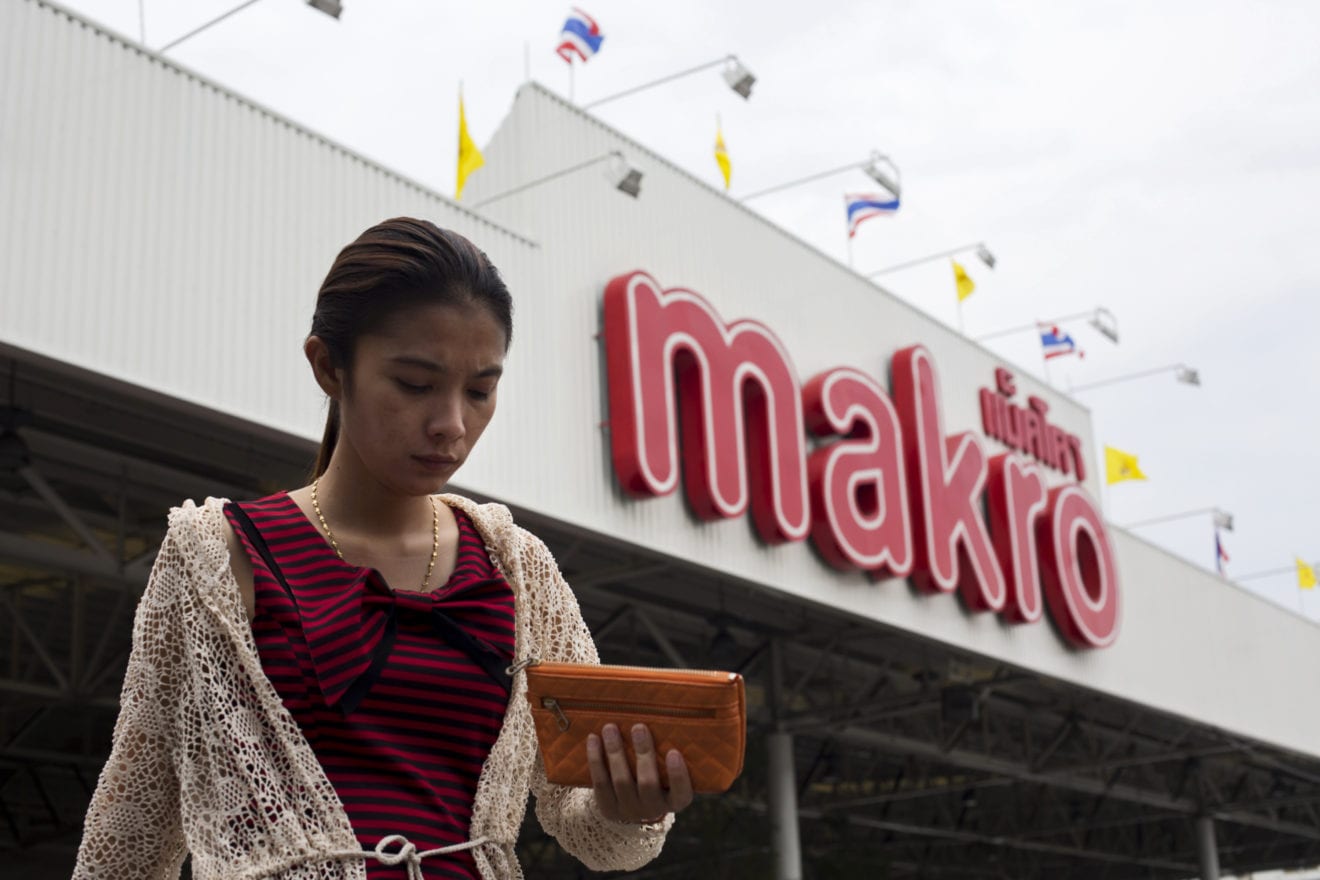
    After more than a decade of absence, Dutch wholesale retailer Makro is poised to make a comeback in the Philippine market. This return is made possible through an alliance between Thailand’s CP Axtra and Ayala Corporation.

    New Business Venture

    The collaboration has led to the creation of a new enterprise named M&Co Corp, which is tasked with running Makro stores throughout the country. The stores’ approach will prioritize offering a broad selection of both food and non-food items, catering to the needs of ordinary consumers and small business operators alike.

    Makro originally made its debut in the Philippines in 1996 through a joint effort involving SHV Holdings, Ayala, and SM Investments. Ayala subsequently sold its 28% stake to the SM Group, which then transformed the Makro outlets into its own hypermarket and supermarket formats in 2009.

    In the years since, SHV has relinquished its Asian Makro operations to CP Axtra, a subsidiary of Thailand’s Charoen Pokphand Group.

    Expansion Strategy

    Tanit Chearavanont, the group chief wholesale business officer at CP Axtra, expressed that this venture aligns with the company’s overarching goal to extend its operations across Southeast Asia. He noted that the Philippines stands as one of the most vibrant and rapidly developing markets within the region.

    Chearavanont elaborated, “Through this partnership, our proficiency in wholesale and retail management merges with Ayala Corp’s robust market presence, well-established customer base, and comprehensive experience in land and mall development.”

    However, further details about this business endeavor, such as its rollout plans, have yet to be revealed.

    Questions & Answers

    What is the new venture that Makro is involved in?
    The Dutch retailer is re-entering the Philippine market through a partnership with Thailand’s CP Axtra and Ayala Corporation, operating under a newly formed entity called M&Co Corp.

    What is the main focus of the Makro stores in the Philippines?
    The stores will focus on providing a wide variety of food and non-food products to meet the needs of both individual consumers and small business operators.

    What is CP Axtra’s broader strategy that this venture aligns with?
    This partnership is part of CP Axtra’s wider strategy to extend its operations across the rapidly growing and dynamic markets of Southeast Asia.

  • Gmarket Joins Forces With Lazada For Southeast Asian Expansion: A Strategic Alliance To Ease Global Trade

    Gmarket Joins Forces With Lazada For Southeast Asian Expansion: A Strategic Alliance To Ease Global Trade

    Gmarket, an e-commerce platform owned by Shinsegae, has entered into a strategic alliance with Lazada, a leading online marketplace in Southeast Asia, to facilitate its expansion on the international front.

    Expanding Horizons

    The partnership allows sellers using Gmarket to add over 20 million items directly to Lazada’s platform. This will potentially reach about 160 million users all over Singapore, Malaysia, Vietnam, Thailand, and the Philippines. This signifies Gmarket’s inaugural foray into the Southeast Asian market using a local platform.

    Smooth Integration

    The integration, which is designed for ease and convenience, allows Korean sellers to participate via Gmarket’s ESM Plus system. This system enables synchronized product information, order processing, and logistics on both platforms.

    Sellers only need to ship their products to Lazada’s warehouse in Incheon as product listings are automatically translated into local languages. Both Gmarket and Lazada will jointly manage international shipping and customer support.

    Commitment to Sellers

    A representative from Gmarket emphasized that the cooperation with Lazada aims to assist domestic sellers in their efforts to enter foreign markets in a more stable and straightforward way. They further stressed the platform’s commitment to support its high-quality sellers in tapping opportunities to increase sales in overseas markets.

    Future Expansion

    In addition to its Southeast Asian initiative, Gmarket is planning to expand to Europe, South Asia, Latin America, and the US. The ultimate goal is to reach more than 200 countries and regions within Alibaba’s global network.

    Questions & Answers

    What does the strategic partnership between Gmarket and Lazada entail?
    The partnership enables Gmarket’s sellers to list their products directly on Lazada, reaching its approximately 160 million users across Southeast Asia.

    How will the integration of the two platforms work?
    Gmarket sellers can opt in via the ESM Plus system for synchronized product data, order processing, and logistics across both platforms. Listings are automatically translated, and the products are shipped to Lazada’s Incheon warehouse.

    What are Gmarket’s future expansion plans?
    Gmarket aims to broaden its reach to Europe, South Asia, Latin America, and the US, with the ultimate goal of targeting more than 200 countries and regions within Alibaba’s global network.

  • SM Group Launches Thrilling Expansion of Beauty and Wellness Network with 1,000+ Brands

    SM Group Launches Thrilling Expansion of Beauty and Wellness Network with 1,000+ Brands

    The Philippines’ SM Group is quickly transforming its beauty and wellness portfolio in response to a surging demand from consumers across the nation. With an ambitious aim to be at the forefront of this booming sector, SM Beauty has introduced over 1,000 beauty brands across its 77 locations, showcasing esteemed labels like YSL, Lancôme, and Calvin Klein.

    Beauty Hubs for Experiential Retail

    In a bid to elevate the shopping experience, SM Beauty has unveiled dedicated beauty hubs in select stores. Here, customers can indulge not just in retail therapy, but also in services such as hair coloring and makeovers, all guided by an expanding team of professional beauty advisers. It’s the kind of pampering that might make even your morning coffee jealous.

    Wellness Economy on the Rise

    The Global Wellness Institute has forecasted that the global wellness economy will soar to nearly $9 trillion by 2028, highlighting a paradigm shift towards health and self-care. In the Philippines, this trend is blossoming; in 2023, the nation ranked 13th out of 218 economies worldwide in the personal care and beauty sector. Much of this momentum is fueled by a youthful, wellness-oriented population eager to invest in self-improvement.

    Holistic Growth with Watsons

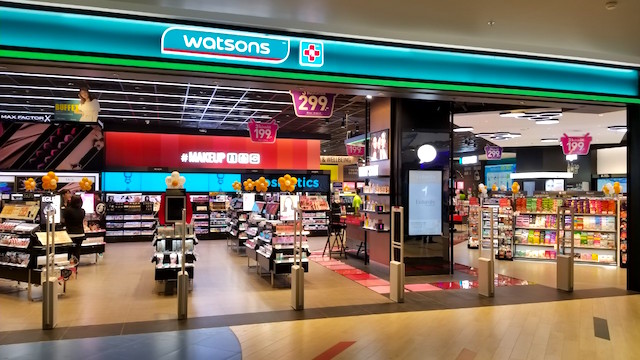
    Another key player in SM Group’s expansion is Watsons Philippines, which is bolstering its offerings with exclusive skincare lines and health services, while incorporating sustainability-focused innovations into its stores. This dual approach not only nods to environmental consciousness but also resonates with today’s socially aware consumers.

    Commitment to Filipino Consumers

    Looking ahead, SM Group is determined to broaden access to beauty and wellness products, creating a diverse array of choices and enriching experiences designed specifically for Filipino consumers. With its strategic investments and a finger firmly on the pulse of local trends, the company is set to become a titan in the beauty and wellness arena.

    Questions & Answers

    How is SM Beauty adapting to consumer demands in the Philippines?
    SM Beauty is expanding its portfolio by offering over 1,000 beauty brands at its locations and launching dedicated beauty hubs to provide personalized services like hair coloring and makeovers.

    What does the future hold for the global wellness economy?
    The Global Wellness Institute projects that the global wellness economy is expected to reach nearly $9 trillion by 2028, indicating significant growth in health and wellness sectors globally.

    What role does Watsons play in SM Group’s strategy?
    Watsons Philippines is enhancing its presence by launching exclusive skincare lines and health services, while also focusing on sustainability to attract eco-conscious consumers.

  • AI Agents Spark a Revolutionary Transformation in Software Development

    AI Agents Spark a Revolutionary Transformation in Software Development

    In the rapidly evolving commercial landscape of the Asia-Pacific (APAC) region, businesses are making significant investments in agentic AI in a bid to maintain their competitive edge. According to IDC, a striking 70 percent of APAC companies anticipate that agentic AI will revolutionize business models within the next 18 months. By 2025, nearly 40 percent of these organizations are expected to integrate AI agents into their operations, with over half planning implementation by 2026.

    Opportunities and Risks in the AI Landscape

    While the adoption of AI agents presents vast opportunities, it comes with an array of risks attributable to their high degree of autonomy. Each data source, static AI model, and agent—whether internal or external—acts as an additional potential point of failure, prompting increased vigilance at the board level. Recent research from Lenovo indicated a lack of confidence among IT leaders; only 48 percent felt equipped to manage the risks associated with AI development and deployment, with more than 60 percent acknowledging the emergence of AI agents as a new form of insider threat that they are ill-prepared to handle.

    Expanding Horizons: The Complex Layer of Risks Beyond Security

    The surge of AI agents has transformed not only the methods of software creation but also how it is governed and managed, introducing a host of new challenges. IDC estimates that one-third of organizations in APAC are apprehensive about vulnerabilities tied to security and data privacy associated with AI agents—yet these concerns extend far beyond those parameters.

    Failing to appropriately score common vulnerabilities and exposures (CVEs) could allow threats to slip through, while overly strict thresholds may inundate developers with false positives, draining time and resources that could be better spent addressing genuine incidents. The entanglements in the software supply chain compound these challenges, as many agentic systems leverage open-source software and pretrained models, making them vulnerable to exploitation. Just one compromised package or even a mere leaked token in a public repository can unleash failures that propagate far beyond their initial source.

    Navigating Governance and Compliance in the Age of AI

    The risks associated with governance and compliance cannot be overlooked. The inherent autonomy of agentic systems raises unique challenges, including opaque decision-making that impairs accountability, potentially unsafe or rogue behaviors that defy human intent, and biases embedded in training data that can lead to unjust outcomes. Adding to this complexity are shadow AI/ML agents operating outside institutional oversight, creating an environment rife with undetectable risks.

    Revolutionizing Software Security and Delivery: The Workload is Massive

    With stakeholders demanding full transparency—right down to the binary level of machine learning models—policymakers are moving swiftly to address these risks through stricter regulations. In India, for instance, lawmakers are advocating for mandatory AI bills of materials. This intensifies the pressure on businesses across APAC to demonstrate compliance and provide clarity on the actions of their AI agents, adding a colossal compliance burden across development teams. The focus is shifting from merely accelerating the rollout of AI agents to ensuring the security, explainability, and compliance of every component in real time.

    Forging Sustainable Strategies Amid an Agentic Software Revolution

    Today’s developers are expected to juggle roles as compliance officers, AI custodians, and security experts. However, simply adding more tools will likely result in greater silos and blind spots. To effectively manage these risks while fostering a culture of trust, enterprises must pivot their approach. Here are some actionable strategies:

    Create a Trusted AI Agent System of Record: Position agents as pivotal assets in the software supply chain by maintaining comprehensive tracking of code, configurations, prompts, and credentials. By ensuring cryptographic audit trails and contextual metadata, enterprises can streamline agentic innovation while satisfying regulatory demands.

    Embrace a Human-Agent Hybrid Development Model: Automatic oversights alone cannot safeguard compliance. Developers should focus on overarching architecture, governance, and intent, while agents take on tasks such as coding and testing. Automating vulnerability remediation is a practical step toward freeing developers to focus on secure innovation.

    Nurture the Next Generation of Agentic Engineers: A new hybrid role is emerging—combining programming skills with machine learning expertise and compliance knowledge. These agentic engineers will design systems that foresee risks, embed governance into workflows, and facilitate real-time monitoring of agent behaviors, thus paving the way for more secure and compliant software delivery.

    The Path Ahead: AI Agents in a Transformative Era

    The seismic shifts in software development are undeniable, compelling organizations to adapt or risk obsolescence. Much like how the rise of open source necessitated a focus on secure software supply chains, the emergence of agentic AI demands an evolved approach to audit and trust infrastructure. APAC organizations that embrace this holistic strategy stand to not only mitigate risks but also equip their teams for swift innovation using AI agents and other transformative technologies on the horizon.

    Questions & Answers

    What is agentic AI, and why is it significant for APAC businesses?
    Agentic AI refers to autonomous AI systems that can independently perform tasks and make decisions. Its significance lies in its potential to disrupt business models and operations, prompting companies in APAC to adopt it to stay competitive.

    What primary concerns do IT leaders have regarding AI agents?
    IT leaders are primarily concerned about managing the risks of AI agents, with many feeling inadequately prepared to handle issues like insider threats and compliance challenges that arise from increased autonomy in these systems.

    How can organizations improve their approach to AI governance?
    Organizations can enhance their governance strategies by creating comprehensive systems to track AI assets, adopting a hybrid development model that incorporates both human oversight and automation, and investing in training for a new breed of engineer skilled in AI, compliance, and risk management.

  • Challenges Facing Vietnam: The Urgent Need for Retirement Homes for an Aging Population

    Challenges Facing Vietnam: The Urgent Need for Retirement Homes for an Aging Population

    Vietnam is on the cusp of a demographic shift, with 16.1 million citizens aged 60 and above, representing 16% of the population. By 2038, this figure is expected to climb to 20%, and further to 25% by 2050, according to projections. As the nation grapples with an aging populace, experts suggest a significant opportunity lies in elderly care—a sector ripe for investment within real estate and services.

    Current Landscape of Elderly Care Facilities

    However, the reality is stark: the availability of assisted living facilities in Vietnam is limited. Data from the Vietnam Association of Realtors (VARS) indicates that the country hosts only a few dozen such facilities, both public and private. These establishments primarily offer basic care, lacking crucial services like medical treatment, nutrition plans, and engaging communal activities. In Ho Chi Minh City, the numbers tell a familiar tale—just seven public and 13 private facilities operate, and while six of these offer free services funded by donations, the overall capacity remains constrained.

    Investment Interest Despite Challenges

    In light of these challenges, some major developers are stepping up to the plate, expressing interest in constructing and managing retirement homes. However, they must navigate hurdles including the need for expansive land, substantial long-term investment, and a workforce skilled in healthcare and social services. Notably, the profit margins in this sector are generally lower compared to conventional residential housing.

    For instance, Vingroup is collaborating with Japan’s Well Group to develop a luxury retirement facility in Hanoi, while Sun Group has unveiled plans for the Sun Urban City project in Ha Nam Ward, which will integrate a hospital, senior living amenities, and community gathering spaces. Additionally, Tran Anh Group has earmarked over 20 hectares in Long An Province for a premium retirement home, and Novaland along with VinaLiving are advancing projects in Phan Thiet and Quy Nhon.

    Barriers to Growth

    Yet, it’s not all smooth sailing. A local real estate developer highlights the significant barrier posed by the absence of a comprehensive legal framework guiding the development of retirement housing. Coupled with the reality of low elderly incomes in Vietnam—where the average monthly pension was around VND6.2 million (approximately US$230) at the end of last year—there are substantial obstacles to navigate. Basic elderly care in major cities starts at VND10 million ($380) monthly, with premium packages priced between VND16-22 million ($610-830).

    The upward trend in expenses, which grow at 10-15% annually, starkly contrasts with a yearly increase in pensions limited to 5-7%. Unlike many developed countries, where insurance or government supports senior care costs, in Vietnam the responsibility largely falls on families. As VARS IRE pointedly states, “As long as costs are higher than incomes, demand alone will not be enough to encourage investment.”

    Seeking Solutions Through Policy Change

    Pham Thi Mien, deputy director of VARS IRE, emphasizes the need for stability in policies and regulations to alleviate investor concerns over cash flow and profitability. “Senior housing must be profitable to be sustainable; otherwise, it will encounter the same issues as social housing,” she warns.

    Nguyen Van Dinh, vice chairman of VARS, reiterates this sentiment, stating that the lack of government support for retirement homes makes investors wary. He asserts that the aging population creates ripe opportunities for those willing to enter the market early. Experts advocate for government intervention through land provisions, credit facilities, tax incentives, and an improved legal framework for senior housing.

    Proposals include launching adult daycare centers in populated areas, where seniors can spend their daytime under supervision. These centers would offer basic services, foster community interaction, and address both medical and emotional needs. At a recent conference, Party General Secretary To Lam noted that while adult daycare centers represent a fitting response to the needs of Vietnam’s aging demographic, progress has been sluggish. He encouraged greater involvement from the private sector, reminding attendees that many seniors are often left alone during the day while their families are occupied with work or school obligations.

    Questions & Answers

    What is the current percentage of Vietnam’s population aged 60 and above?
    Currently, 16.1 million people, or 16% of Vietnam’s population, are aged 60 and older. This figure is projected to rise to 20% by 2038 and 25% by 2050.

    What challenges do developers face when investing in elderly care facilities in Vietnam?
    Developers contend with various hurdles, including the need for ample land, significant long-term investment, a skilled workforce in healthcare and social services, and a lack of a reliable legal framework.

    How do costs of elderly care compare to available pensions in Vietnam?
    Basic elderly care costs at least VND10 million ($380) monthly, while the average pension was just VND6.2 million ($230), creating a significant mismatch that discourages investment in the sector.

  • FairPrice Group Unveils Innovative Digital Tools to Enhance Your Shopping Experience

    FairPrice Group Unveils Innovative Digital Tools to Enhance Your Shopping Experience

    FairPrice Group (FPG) is stepping into the future of retail with a suite of digital tools aimed at enhancing the shopping experience for travelers in Singapore. This innovative move opens the door for cross-border mobile payment acceptance across more than 500 FPG outlets, which include supermarkets, convenience stores, pharmacies, and bustling food courts.

    Visitors to Singapore can now use their home e-wallets or bank applications from 18 international partners, ensuring that travelers from 12 different countries and regions can shop with ease. This initiative is made possible through a partnership with Ant International, setting the stage for a digital revolution in retail.

    Cheers on Alipay: A Mini App Marvel

    In a notable first, FPG has also unveiled the Cheers Mini App on Alipay, making Cheers the only convenience chain in Singapore with a dedicated mini app. This consumer-friendly app serves as a digital concierge, specifically designed to assist Chinese tourists throughout their visit. With its user-friendly interface, travelers can curate shopping lists before arriving, redeem in-app vouchers upon landing, and receive tailored, location-based product recommendations during their stay.

    This tactical approach is complemented by a curated catalog of over 500 products for pre-departure gift shopping, complete with store mapping to ensure easy pick-up. Selected Cheers outlets located at key tourist hotspots—including Changi Airport, prominent hotel districts, and well-known attractions—are stocked with Singapore-themed souvenirs and travel essentials, appealing to every whimsical traveler’s heart.

    Powering Up with AI Innovations

    Ant International enriches this digital experience with AI-powered tools through Alipay+, enhancing personalized engagement, security in transactions, and smarter product discovery. Peng Yang, CEO of Ant International, expressed enthusiasm for the partnership, stating, “AI-powered digitization tools of Alipay+ will help partners obtain and engage consumers in richer, imaginative, and safer ways. We look forward to a long and exciting journey with partners like FairPrice Group to unlock more local and regional growth opportunities.”

    This collaboration allows FPG to provide an end-to-end digital shopping experience while drawing on the insights generated from AI-driven tools. Vipul Chawla, group CEO of FPG, articulated the ambition behind the partnership, noting that it enables Cheers to offer discovery, transactions, and rewards all on one platform, thus redefining retail for Chinese tourists and painting a more vibrant shopping canvas.

    The Cheers Mini App on Alipay is now live and ready to greet Chinese tourists eager to explore Singapore’s retail landscape, making their shopping experience not just convenient but also an adventure unto itself.

    Questions & Answers

    What digital tools has FairPrice Group introduced for travelers in Singapore?
    FairPrice Group has launched a suite of digital tools, including cross-border mobile payment acceptance across over 500 outlets and the Cheers Mini App on Alipay, aimed specifically at enhancing the shopping experience for travelers.

    What features does the Cheers Mini App offer to travelers?
    The Cheers Mini App allows visitors to create shopping lists, redeem in-app vouchers upon arrival, and receive tailored product recommendations based on their location during their stay in Singapore.

    How does Ant International contribute to this partnership?
    Ant International provides AI-powered tools through Alipay+ that enhance personalized engagement and secure transactions, enabling FairPrice Group to offer a comprehensive, digitized shopping experience for travelers.

  • CJ Foods Launches First Production Plant in Japan, Bolstering K-Food’s Global Reach!

    CJ Foods Launches First Production Plant in Japan, Bolstering K-Food’s Global Reach!

    CJ Foods has embarked on an ambitious journey in Japan by inaugurating its first production facility, marking a significant milestone in the expansion of Korean cuisine in one of Asia’s most discerning markets. The new plant, strategically located in Kisarazu City, Chiba Prefecture, spans 8,200 square meters on a sprawling 42,000-square-meter site and comes with a hefty investment of approximately $73 million (KRW 100 billion). This facility is noteworthy not only for its size but also as the first production site established by a Korean food company in Japan, with plans to manufacture the popular bibigo mandu for nationwide distribution.

    While CJ Foods already operates four dumpling factories in Japan following its acquisition of Gyoza Keikaku in 2020, the Chiba facility stands out as the company’s inaugural plant built from the ground up. This development is part of a broader strategy to enhance local sourcing capabilities, optimize supply chain efficiency, and expand market share in Japan’s vibrant frozen dumpling sector.

    The Japanese frozen dumpling market, valued at approximately $825 million (KRW 1.1 trillion), is currently dominated by gyoza-style dumplings, which account for more than half of total sales. The love affair with bibigo products is clearly on the rise — alongside the 28% surge in CJ Foods’ dumpling sales, the company also reported a striking 27% uptick in overall food sales within Japan during the first half of 2025.

    To further bolster its reach, CJ Foods has entered into a partnership agreement with ITOCHU Corporation, a formidable player in food distribution that owns the major distributor NIPPON ACCESS and the convenience store chain FamilyMart. This collaboration promises to enhance CJ Foods’ distribution network across the country.

    “The Chiba plant is a key step for our growth and sustainability in Japan,” remarked CJ Foods Vice Chairman Kang Sin-ho during the opening ceremony. “Through continuous innovation, we will speed up the global expansion of K-food.” With the Korean Wave showing no signs of slowing down, Japan emerges as CJ Foods’ next strategic market following its endeavors in the United States.

    CJ Foods’ offerings, including bibigo mandu, frozen gimbap, and an array of Korean sauces, are already available through major retailers such as AEON, Costco, Amazon, Rakuten, Don Quijote, and Ito-Yokado. In a remarkable showing, bibigo gimbap alone sold around 2.5 million units at AEON and Costco in 2024.

    Questions & Answers

    What is the significance of CJ Foods opening its new plant in Japan?
    The new plant in Kisarazu City marks CJ Foods’ first facility built in Japan by a Korean food company, aiming to enhance local sourcing and efficiency while expanding its market share in the growing frozen dumpling sector.

    How have CJ Foods’ sales performed in Japan recently?
    In early 2025, CJ Foods reported a 28% increase in dumpling sales and a 27% rise in overall food sales in Japan, reflecting a growing demand for its products.

    What strategic partnerships has CJ Foods established to strengthen its presence in Japan?
    CJ Foods has signed a partnership with ITOCHU Corporation, enhancing its distribution network through ITOCHU’s extensive reach, which includes major food distribution and convenience retailing.