Tag: asia

  • Starbucks Unveils $1B Restructuring Plan, With Hundreds of Store Closures on the Horizon

    Starbucks Unveils $1B Restructuring Plan, With Hundreds of Store Closures on the Horizon

    Starbucks is facing a significant transformation as it plans to close several hundred stores across the U.S. and Canada, with an overall reduction of approximately 1% expected by the end of fiscal 2025. This decision comes at a pivotal time for the coffee chain, which has experienced six consecutive quarters of declining sales in the U.S. CEO Brian Niccol is keen to reinstate the beloved “coffeehouse” atmosphere to attract customers back into its cafes.

    Closure of Flagship Unionized Locations

    Among the stores set for closure is Starbucks’ flagship unionized location in Seattle, known for its expansive cafe and in-house roastery. This development, confirmed by the company on Thursday, adds to the complexities surrounding ongoing negotiations with the Workers United union, which represents over 12,000 baristas. Talks began last April but have stalled in recent months.

    Strikes and Pickets from Union Baristas

    In December, a strike by union members disrupted operations in multiple U.S. cities during the bustling holiday season. The Seattle store, which voted to unionize in 2022, saw its workers picketing on Monday over contract disputes. In Chicago, another unionized store on Ridge Avenue also closed, with baristas protesting before the closure was announced. Diego Franco, a barista who traveled from a nearby suburb, emphasized their role in drawing customers to the stores, stating, “We’re here to remind the company that it’s the workers who actually bring the people into the stores.”

    Union Response to Store Closures

    In response to the store closures, Starbucks Workers United released a statement highlighting the necessity of union support for baristas, pledging to negotiate for the workers affected so they can be reassigned to other locations. According to estimates from analysts at TD Cowen, around 500 company-owned stores in North America may be affected by this restructuring.

    CEO Niccol’s Revamp Strategy

    Under Niccol’s leadership, Starbucks is doubling down on improving its stores by focusing on service speed and cultivating a more inviting environment. He has reiterated his commitment to trimming layers of management to facilitate a more efficient operation. “We identified coffeehouses where we can’t create the environment our customers and partners expect, or where financial performance seems unattainable; these locations will be closed,” Niccol conveyed in a letter to employees.

    Focusing on Service Improvements

    As Starbucks navigates these challenges, the company commits to investing in better staffing and innovative technologies aimed at streamlining order sequences and enhancing customer experiences. After taking the reins from Chipotle Mexican Grill, Niccol has garnered investor confidence, with analysts observing that the scale of closures exceeded previous expectations, suggesting a significant pivot in the company’s strategy. Although Starbucks reported a marginal drop in share prices following this announcement, they have enjoyed an overall rise of about 9% since Niccol took charge in August 2024.

    Starbucks also plans job cuts within its support teams while simultaneously closing numerous open positions, impacting about 10,000 employees in non-coffee-house roles as of September 29, 2024. “This is a more significant action that we understand will impact partners and customers,” Niccol added, emphasizing the company’s focus on achieving a thriving coffee experience.

    Questions & Answers

    What prompted Starbucks to close several stores across North America?
    Starbucks is closing stores as part of a strategic response to six consecutive quarters of declining sales in the U.S., aiming to enhance the coffeehouse atmosphere and improve customer experience.

    How has the union responded to the closure of unionized locations?
    Starbucks Workers United criticized the closures, stressing the need for union backing for baristas and highlighting their intention to negotiate reassignments for affected employees.

    What changes is CEO Brian Niccol implementing at Starbucks?
    Under Niccol’s leadership, Starbucks is focusing on improving service speed and creating a welcoming environment while restructuring management and investing in new technologies to enhance customer experiences.


  • Bankers Association Sounds Alarm as UBS Stands Firm on New Big Bank Regulations

    Bankers Association Sounds Alarm as UBS Stands Firm on New Big Bank Regulations

    Rethinking Banking Regulations: The SBA Takes a Stand

    Amid the fallout from the Credit Suisse crisis, the Swiss Bankers Association (SBA) has raised its voice against the Federal Council’s aggressive plans to overhaul capital requirements for foreign subsidiaries. The SBA argues that the issues at play were not the low capital requirements themselves, but rather the extensive exemptions granted by the financial regulator Finma to various institutions.

    “The lesson is clear: we must eliminate these exemptions moving forward,” the SBA stated in a recent announcement. “Yet the Federal Council intends to substantially increase capital requirements for foreign subsidiaries—a move that lacks international precedent and is divergent from practices in other financial hubs like the U.S. and Europe.”

    New Rules, New Risks: Impact on Competitiveness

    The SBA warns that the Federal Council’s proposed changes could diminish the attractiveness of conducting international business from Switzerland—a significant concern given that approximately half of the 9.3 trillion francs in assets managed in the country originates from foreign clients. The association contends that it is naive to think the burden of increased costs can simply be offloaded onto international clients. Ultimately, it would be the entrepreneurs, customers, and local clients who pay the price through more expensive loans and diminished services, triggering a decline in Swiss competitiveness.

    Calls for Deliberation: Assessing Economic Impact

    In light of these proposals, the SBA is advocating for a balanced, internationally coordinated approach to regulatory changes. They insist that a thorough economic impact assessment is crucial before implementing any drastic measures. The association noted that while the Federal Council recognizes regulatory relief as a critical economic objective, this vision must also extend to banking regulations. The message is clear: finance and industry are intertwined, and the SBA pledges its commitment to contribute constructively to this ongoing discussion.

    UBS Takes a Stand: Concerns Over Proposed Capital Increases

    UBS has weighed in on the matter, expressing that while they are reviewing the government’s latest documents, they generally support most of the proposals put forth by the Federal Council on June 6, 2025, provided these changes are implemented in a “targeted, proportionate, and internationally aligned” manner.

    However, UBS draws the line at the proposed hikes in capital requirements, labeling them “extreme” and misaligned with global standards. The bank argues that the lessons from Credit Suisse’s collapse have not been adequately prioritized. UBS elaborated that compliance with the new requirements would mean adding an additional USD 24 billion in CET1 capital to the already mandated USD 18 billion, resulting in a total of USD 42 billion. This scenario would push UBS’s CET1 ratio to around 19 percent, soaring above the average required for globally systemic banks—by at least 50 percent.

    Questions & Answers

    What are the main concerns of the Swiss Bankers Association regarding the Federal Council’s proposals?
    The SBA is particularly concerned that the increased capital requirements for foreign subsidiaries will make international business less appealing, which could ultimately lead to higher costs for entrepreneurs and clients in Switzerland.

    How does UBS view the proposed capital increases following the Credit Suisse crisis?
    UBS firmly rejects the proposed hikes, calling them extreme and not aligned with international standards. They argue that they would force UBS to hold an unsustainable amount of capital, significantly above the average for global banks.

    What does the SBA suggest for future regulatory changes?
    The SBA calls for a comprehensive economic impact assessment before implementing drastic policy shifts and stresses the need for international coordination to ensure that regulatory relief is genuinely achieved in banking.

  • China’s Power Revolution: Solar Energy Sparks Remarkable Growth in the Retail Sector

    China’s Power Revolution: Solar Energy Sparks Remarkable Growth in the Retail Sector

    As the world of retail continues to evolve, Asia stands at the forefront of innovation, particularly in the realm of fashion. A recent report underscores this rapid transformation, revealing that the region’s online fashion market is projected to reach a staggering $45.8 billion by 2025. This explosive growth highlights not just a change in consumer behavior but the critical role of technology in shaping the shopping experience.

    The Digital Shift: A New Era for Retail

    Across Asia, digital commerce is no longer a novelty; it has become a necessity. In markets like China and India, the penetration of e-commerce has fundamentally altered the landscape, with mobile shopping emerging as a dominant trend. Recent figures show that mobile transactions in these countries are expected to account for nearly 70% of all online retail sales. If you’ve ever tried to decide between shopping in pajamas or squeezing into your best jeans, the choice is clear—comfort reigns supreme.

    Consumer Trends on the Rise

    The report highlights a fascinating shift in consumer preferences. Today’s shoppers are not just searching for the latest styles; they crave authenticity and sustainability. Brands that can effectively convey their commitment to ethical practices are winning consumer loyalty. Moreover, social media is increasingly serving as a critical touchpoint—platforms like Instagram and TikTok are not just influencing purchases but are also becoming essential venues for brands to engage with their audience.

    Challenges Amid Growth

    Despite its promising future, the retail sector in Asia faces significant challenges. Supply chain disruptions and rising operational costs are keeping many executives on their toes. Yet, this environment is also ripe for innovation, with companies investing in technology and logistics to streamline operations. As retailers rethink their strategies, agility and adaptability will likely become the cornerstones of success.

    Looking Ahead: What’s Next for Asia’s Retail Scene?

    As we peer into the future, there’s no doubt that Asia will continue to lead in retail innovation. With a younger, tech-savvy demographic and an ever-growing appetite for online shopping, opportunities are plentiful. Retailers are likely to explore collaborations, enhance their digital platforms, and potentially venture into the metaverse, blurring the lines between virtual and physical shopping experiences, and who knows, maybe even launching a fashion line you can only wear in a digital world.

    Questions & Answers

    What is the expected value of Asia’s online fashion market by 2025?
    The online fashion market in Asia is projected to reach $45.8 billion by 2025.

    How significant are mobile transactions in Asia’s online retail sales?
    Mobile transactions are expected to account for nearly 70% of all online retail sales in major markets like China and India.

    What trends are shaping consumer behavior in the Asian retail market?
    Consumers are increasingly valuing authenticity and sustainability, with social media playing a vital role in influencing their purchasing decisions.

  • APTelecom Enhances India’s Future with Robust Subsea Infrastructure Development

    APTelecom Enhances India’s Future with Robust Subsea Infrastructure Development

    India’s digital growth has become a tale of promise interwoven with significant challenges. As the country’s digital economy surges, the demand for low-latency, high-capacity connectivity has never been greater, with subsea cables emerging as vital conduits. At the forefront of this evolution is APTelecom, a company spearheading crucial projects and forging partnerships to enhance regional infrastructure.

    Bridging the Digital Divide: APTelecom’s Vision for India

    In a candid interview during the Submarine Networks World 2025, Anup Gupta, President for India and the SAARC region at APTelecom, discussed the transformative role the company is playing in India and the broader region. Gupta emphasized how APTelecom is not just contributing to infrastructure but is also reshaping the future of connectivity.

    Unlocking India’s Digital Potential through Subsea Systems

    With India as a major strategic focus, APTelecom recently hosted its inaugural submarine cable event, Wavelength, in New Delhi. This successful gathering illuminated the critical needs for India to advance its digital landscape. Among the pressing requirements outlined were the establishment of independent maintenance and repair capacities, open-access landing stations, redundancy beyond key hubs like Mumbai and Chennai, and the development of a domestic submarine cable system.

    “Our engagement with various stakeholders is pivotal,” Gupta explained. “We see India not just as a market, but as an essential partner in shaping the global digital future.”

    The Global Reach: APTelecom’s Expanding Network of Partnerships

    APTelecom’s scope extends far beyond India, as it plays a crucial role in projects across Asia and the Pacific. The company is currently working in regions like Indonesia, Vietnam, the Pacific Islands, Bangladesh, Australia, Malaysia, and Thailand, with many initiatives in the early stages or recently secured. As Gupta pointed out, “Every project we undertake aims to transform vision into reality.”

    The company’s involvement spans feasibility studies and vendor selection to full project management, all underpinned by a belief that subsea systems are not just about capacity—they are strategic digital assets of the future. “We ensure projects not only launch successfully but also scale sustainably, aligning with our long-term mission of fostering trusted connectivity in emerging markets,” he highlighted.

    Building Trust in Uncertain Waters

    In an environment where infrastructure investments can often be unpredictable, APTelecom focuses on nurturing long-term trust with stakeholders. “Whether operating in India or any other market, our credibility stems from expertise, local insight, and a hands-on approach,” Gupta stated.

    Rather than simply advising and stepping away, APTelecom commits to walking alongside its customers from strategy formulation to execution. “That consistency fosters the trust necessary for growth in complex investment landscapes,” he noted, affirming the company’s dedication to its partners.

    Pioneering the Future of Subsea Connectivity

    In the fast-evolving subsea market, APTelecom distinguishes itself not just by what it delivers but by how it navigates change. “We’re in a period of rapid evolution, marked by new technologies and emerging financial models,” Gupta remarked, hinting at the industry’s dynamic nature.

    By offering a comprehensive advisory model encompassing strategy, investment, and execution, APTelecom ensures its projects are both robust in design and viable in the marketplace. Their work transcends mere cables; it’s about forging partnerships that foster growth and resilience in a changing world.

    Questions & Answers

    What is APTelecom’s strategy for enhancing digital infrastructure in India?
    APTelecom focuses on developing resilient infrastructure that includes independent maintenance capabilities and open-access landing stations while engaging with multiple stakeholders to unlock India’s digital growth.

    How does APTelecom differentiate itself within the subsea cable market?
    APTelecom sets itself apart by combining strategic advisory services with hands-on project management, ensuring that their initiatives are not only technically sound but also commercially viable.

    What is APTelecom’s approach to building trust with its partners?
    By demonstrating credibility through expertise and local insight, APTelecom fosters long-term trust by remaining engaged with clients throughout the entire project lifecycle, rather than just offering guidance and moving on.

  • Naraya Opens Flagship Store In Bangkok’s Chinatown, Showcasing Exclusive Collections And Extended Hours

    Naraya Opens Flagship Store In Bangkok’s Chinatown, Showcasing Exclusive Collections And Extended Hours

    Naraya, a renowned brand specializing in fabric bags, has established a new flagship store in the heart of Bangkok’s Chinatown, specifically at the busy crossroads of Yaowarat Road and Phadung Dao Road.

    Store Highlights

    The store boasts an extensive collection, with over 2000 specially selected items sourced from the brand’s vast inventory of more than 30,000 SKUs. This new flagship store sets itself apart from the rest with its unique extended hours, from 9 am to midnight. This change is designed to accommodate evening shoppers and international tourists, who often explore the Chinatown district after sunset.

    Exclusive Collections

    In addition to a wide array of offerings, the flagship store showcases exclusive collections, including the Chinese New Year Collection, the Silk line, and the vibrant Vivid Collection.

    Naraya’s Expansion

    Currently, Naraya maintains a strong presence in Thailand with a total of 19 operating stores, which include 18 primary branches and one boutique dedicated to silk products. After experiencing a significant surge in sales last year, the company is poised to continue its expansion plan. It aims to inaugurate five additional stores this year, strategically located across Bangkok and other significant provincial cities.

    Questions & Answers

    What distinguishes the new Naraya store in Chinatown from other branches?
    The Chinatown store offers extended operating hours from 9 am to midnight, specifically catering to evening shoppers and international tourists.

    What are some exclusive collections available at the Naraya flagship store?
    The flagship store features an exclusive Chinese New Year Collection, a Silk line, and the Vivid Collection.

    What are Naraya’s expansion plans for this year?
    Naraya plans to extend its reach by opening five more stores this year across Bangkok and significant provincial cities.

  • Japanese Dessert Giant Beard Papa’s Debuts In San Diego, Introducing Unique Cream Puffs To Local Residents

    Japanese Dessert Giant Beard Papa’s Debuts In San Diego, Introducing Unique Cream Puffs To Local Residents

    Beard Papa’s, the Japanese cream puff chain, has inaugurated its first outlet in Kearny Mesa, San Diego. This move introduces the local residents to its unique pastries, made to order as per customer preference.

    Beard Papa’s was established in Osaka in 1999 and has since been renowned for its airy cream puffs filled with custard freshly prepared each day.

    Mark Nathan, the Managing Director for Beard Papa’s, highlights, “Our cream puffs are baked fresh on-site every day and are some of the largest ones you’ll encounter.” He added that with real vanilla bean, premium custard, and high-quality ingredients, Beard Papa’s isn’t merely a dessert provider but a hub for memorable, irresistible experiences that ensures customers keep returning.

    The bakery provides cream puff shells in Original, Chocolate, Oreo, and Matcha flavors, coupled with the brand’s signature Vanilla Bean custard. Additional filling flavors, including Green Tea and Chocolate, are set to be introduced in the future.

    Andrew, the franchise owner of Beard Papa’s in San Diego, said, “Our mission is to serve the community with a dedicated Japanese bakery that has garnered such a significant cult following.”

    Currently, Beard Papa’s operates over 400 stores globally, with a footprint across Asia, North America, and Australia.

    Questions & Answers

    What is Beard Papa’s known for?
    Beard Papa’s is best known for its light cream puffs filled with freshly prepared custard.

    What range of flavors does Beard Papa’s offer?
    Beard Papa’s offers cream puff shells in Original, Chocolate, Oreo, and Matcha flavors, along with its Vanilla Bean custard. Additional fillings, such as Green Tea and Chocolate, will be available in the future.

    How many Beard Papa’s stores are there worldwide?
    Beard Papa’s currently operates more than 400 stores worldwide across Asia, North America, and Australia.

  • Thailand Unveils New 45% Tax on Vintage Cars: A Bold Move for Classic Car Enthusiasts

    Thailand Unveils New 45% Tax on Vintage Cars: A Bold Move for Classic Car Enthusiasts

    Thailand will introduce a 45% tax on imported vintage cars in fiscal year 2026, a strategic move projected to boost government revenue by an additional THB1-2 billion (US$31.4-62.9 million) annually.

    The regulations accompanying this tax will restrict these classic vehicles to use only on Saturdays, Sundays, and public holidays, although exceptions may be made for special events with prior police approval.

    Revving Up Vintage Car Culture

    Kulaya Tantitemit, the director-general of the Thai Excise Department, explained that the new tax aims to transform Thailand into a vibrant hub for vintage car exhibitions while also supporting the local car restoration industry. “We want Thailand to be the go-to destination for vintage enthusiasts,” Kulaya said, perhaps envisioning a future where restored beauties cruise down Bangkok’s streets like it’s 1955.

    Who’s Affected? The Details of the Tax

    This tax will specifically target vintage cars that are imported, with the initial classification declaring a vehicle must be at least 30 years old. Future regulations may provide further specifications on models and reference international pricing to ensure fairness. However, be advised: vintage motorbikes and cars already registered in Thailand will remain untouched by this levy.

    Revenues Surpassing Expectations

    The announcement comes on the heels of encouraging news from the Excise Department, which is optimistic about surpassing its revenue goals for the current fiscal year. For the first 11 months of fiscal year 2025, the department reported collections of THB489 billion, marking a 1.6% increase from the previous year.

    Questions & Answers

    What prompted Thailand to implement this new tax on vintage cars?
    The tax aims to boost government revenue while positioning Thailand as a key player in the vintage car exhibition scene and supporting the domestic car restoration industry.

    Who will be affected by the 45% tax on vintage cars?
    The tax specifically targets vintage cars imported into Thailand, defined as vehicles that are at least 30 years old. It will not apply to vintage motorbikes or vehicles already registered in the country.

    How much revenue is expected to be generated from this tax?
    The government expects the new tax to raise between THB1-2 billion (US$31.4-62.9 million) annually, significantly contributing to the national coffers.

  • Indonesia Slashes Taxes for Hotels and Restaurants to Boost Business Recovery

    Indonesia Slashes Taxes for Hotels and Restaurants to Boost Business Recovery

    In a proactive move to aid its beleaguered hospitality industry, Jakarta officials have unveiled a temporary tax reduction initiative for hotels and restaurants amid escalating costs and a dip in consumer demand. The new regulation introduces a hefty 50% tax reduction for hotels from late August until the end of September, tapering to a 20% cut from October through December. Restaurants are not left out, as they too will enjoy a 20% reduction during these same time frames. As an added condition, hotels must participate in the E-TRAPT system by submitting electronic transaction data to foster transparency and accountability.

    Supporting a Vital Industry

    Jakarta Governor Pramono Anung emphasized that this decision was not made lightly. He pointed out that the revenue from hotels and restaurants in the capital already exceeds the national average by 14–15%. This tax relief is designed to keep businesses afloat and encourage growth within the sector. “It’s not just a gift; it’s a strategic maneuver,” he noted.

    A Short-Term Relief with Longer Implications

    The policy is set to last until the year’s end with the possibility of extending into January 2026, depending on the economic climate.

    Industry Reaction and Economic Impact

    The hotel association has warmly embraced the tax cuts, viewing them as a crucial lifeline for operational stability, service quality, and job preservation in this challenging environment characterized by rising operational costs and declining occupancy rates. As one industry leader put it, “It’s not a magic wand, but it’s a significant boost.” Officials have also pointed out that improved cash flow will allow hotels to roll out promotions and elevate services without eroding profit margins—showing that sometimes, a little tax relief can go a long way in shaking up a stagnant market.

    Questions & Answers

    What prompted the Jakarta government to implement tax reductions for hotels and restaurants?
    The tax reductions were introduced in response to rising costs and declining customer demand in the hospitality sector, aiming to support these businesses during tough times.

    How long will the tax reductions be in effect?
    The tax relief measures will apply until the end of December 2025, with the possibility of extension into January 2026.

    What conditions must hotels meet to qualify for the tax cuts?
    To qualify for the tax reductions, hotels are required to submit electronic transaction data through the city’s E-TRAPT system, ensuring transparency and accountability.

  • India’s Urban Boom: A Magnet for Private Equity Investment

    India’s Urban Boom: A Magnet for Private Equity Investment

    In a recent meeting in Zurich, the founders of RootBridge, Ajay P. Singh and Nayan Srivastava, discussed the potential impact of the new free trade agreement between Switzerland and India, which takes effect on October 1. While the treaty may not have an immediate investment angle, Singh expressed optimism about its long-term stimulating effects, remarking, “We do expect a stimulating effect, including for our activities.”

    Investing in India’s Transformative Growth

    RootBridge has unveiled the Diversified India Growth Fund, a Luxembourg-domiciled evergreen investment vehicle that allocates 47.5 percent to private and publicly listed Indian companies. The focus centers on PIPE transactions, or Private Investments in Public Equity. “In India, even listed firms are often controlled by anchor shareholders, and with our investments, we are able to join them at the table,” Srivastava shared, painting a vivid picture of strategic investing in a dynamic market.

    A Cultural Connection to Entrepreneurial Success

    The ethos behind RootBridge resonates with the Swiss and German Mittelstand tradition, where investment is often sourced from personal capital. “We usually invest with our own capital. That’s why we are accepted by Indian entrepreneurs as peers,” Srivastava noted, underlining the importance of building trust and camaraderie in business relationships.

    Growing Ambitions with a Strong Foundation

    The fund aims to raise an initial target of 100 million francs by the end of 2025, with about half already secured. Envisaged to grow to one billion francs over the coming years, this evergreen fund is also compatible with the new free trade agreement, which anticipates that EFTA states and the U.S. will invest $50 billion in India over the next decade.

    Targeting Wealth Managers and Investors

    Initially aimed at wealth managers, family offices, and qualified private investors in Switzerland, RootBridge has plans to extend its reach across Europe in the future. The founders’ unique narratives add richness to their investment approach; both men grew up in Germany after their parents emigrated from India in the 1960s, seeking new opportunities amidst tight social structures.

    Experience Backed by Expertise

    Singh, armed with a doctorate in theoretical physics, has a background in consulting with McKinsey and technology sectors. As the chief representative of the Indian Chamber of Commerce in Germany, he leverages his expertise to bridge investments in the region. Meanwhile, Srivastava, who also represents the Chamber in Switzerland, cut his teeth at UBS’s investment bank before co-founding Praefinium with Singh in 2009. The firm invested for years in small and mid-sized companies, laying the groundwork for their current fund.

    A Focused Investment Thesis

    The core investment thesis of RootBridge is about “capturing the rising demand curve of India’s urbanization and formalization.” With India being the world’s youngest major economy, the founders are keenly aware of the country’s burgeoning consumer base, which is increasingly digitally connected. Their investment sectors include consumer goods, retail, food and beverage, IT, fintech, industry, and mobility, all poised for growth. They target an ambitious net annual return of 16 to 18.5 percent, a figure Singh insists is within reach.

    Welcoming Developments in the Swiss Market

    As a cherry on top, the founders welcomed the news that UBS Asset Management is gearing up to launch an India ETF in Switzerland. “Anything that highlights India’s opportunities is good news for us,” they agreed, noting that India’s market is more accessible to investors than that of its colossal neighbor, China. Their mission with RootBridge is clear: to create a pathway connecting international capital to India’s growth narrative, harmonizing family-driven ownership with Swiss private equity discipline.

    Questions & Answers

    What is the primary focus of RootBridge’s investment strategy?
    RootBridge emphasizes investing in the urbanization and formalization of India’s economy, targeting consumer goods, retail, IT, and other growing sectors.

    How much capital is RootBridge aiming to raise for its Diversified India Growth Fund?
    The fund aims to raise an initial target of 100 million francs by the end of 2025, with plans for expansion to one billion francs in subsequent years.

    What unique perspective do the founders bring to RootBridge?
    Ajay P. Singh and Nayan Srivastava’s backgrounds as children of Indian immigrants in Germany enable them to blend cultural understanding with investment acumen, creating a bridge between India and European investors.

  • Ikea Boosts E-commerce And Introduces Localized Store Formats In Ambitious Asian Expansion

    Ikea Boosts E-commerce And Introduces Localized Store Formats In Ambitious Asian Expansion

    In a strategic shift poised to reshape its footprint in Asia, IKEA has unveiled plans to enhance its e-commerce capabilities as part of a broader effort to adapt to the evolving retail landscape. With the pandemic forcing many consumers into digital shopping, the home furnishings giant recognizes that ease of access and streamlined purchasing options are key to engaging today’s customer.

    Expanding Online Reach in Asia

    The Swedish retail powerhouse announced it will invest significantly in bolstering its online platforms across various Asian markets. This ambitious initiative aims to cater to the increasing demand for online shopping, particularly in markets like China and India, where digital adoption has surged. By enhancing its website functionality and expanding delivery services, IKEA hopes to transform the way customers interact with the brand.

    It’s clear that IKEA isn’t just jumping into the online fray; it’s doing so with a sense of urgency and innovation. Imagine, for a moment, picking out your favorite sofa from the comfort of your own couch — a scenario that feels almost too good to be true for many shoppers.

    New Store Formats and Localized Offerings

    In tandem with its digital enhancements, IKEA is also looking to reimagine its physical presence in Asia. Plans are underway to launch a series of smaller store formats designed to penetrate urban centers where traditional mega-stores might not be feasible. These new locations will not only display a curated selection of products but also serve as community hubs for design consultations and workshops, fostering a deeper connection with local consumers.

    Additionally, IKEA plans to tailor its product lineup to meet the unique tastes and preferences of Asian consumers. This regional approach is expected to resonate well with shoppers who appreciate local influences in home decor, allowing IKEA to blend its global identity with regional flair.

    Sustainability at the Forefront

    IKEA’s commitment to sustainability will continue to guide its efforts in Asia. The company aims to enhance its circular business model, striving for products that are not only stylish but also environmentally friendly. Initiatives like recycling and sustainable sourcing are on the horizon, appealing to increasingly eco-conscious consumers who want to support brands with strong environmental ethics.

    As Asia’s retail landscape evolves, IKEA’s proactive strategies underline its determination to stay ahead of the curve. The combination of enhanced online shopping experiences and localized in-store formats paints a promising picture for the brand’s future in the region, inviting shoppers to rethink where, how, and what they purchase for their homes.

    Questions & Answers

    What are IKEA’s main objectives in enhancing its e-commerce capabilities in Asia?
    IKEA aims to provide a more accessible and streamlined shopping experience, responding to the growing demand for online retail, especially in fast-developing markets like China and India.

    How will new store formats impact IKEA’s presence in urban areas?
    The introduction of smaller store formats will allow IKEA to effectively penetrate densely populated urban centers, offering a curated product selection and serving as community hubs for consumers.

    What sustainability initiatives is IKEA pursuing as part of its expansion in Asia?
    IKEA is committed to enhancing its circular business model, focusing on environmentally friendly products and initiatives like recycling and sustainable sourcing to appeal to eco-conscious consumers.

  • Cartier Unveils Asia’s Largest Store In Tokyo, Melding Luxury With Traditional Japanese Aesthetics

    Cartier Unveils Asia’s Largest Store In Tokyo, Melding Luxury With Traditional Japanese Aesthetics

    Cartier, the renowned luxury goods purveyor, has recently inaugurated its most expansive retail location in Asia. The store is situated in Tokyo’s posh Ginza district, a hub of high-end shopping and fashion.

    Store Design and Features

    The flagship store sprawls over four storeys of the Hulic Ginza Sukiyabashi Building. The exterior has been conceptualized and executed by the Tokyo-based Klein Dytham Architecture (KDA). The design places a strong emphasis on the traditional Japanese artistry, drawing inspiration from conventional Japanese textiles, patterns, and art forms, thereby giving a distinct, culturally representative facade to the store. The geometric fan patterns layered on the store’s exterior not only add texture but also pay a subtle homage to the country’s art and craft legacy.

    On the inside, the store follows a minimalist yet elegant aesthetic. It has stone flooring and displays a range of Cartier’s offerings, including jewelry, timepieces, accessories, gifts, and fragrances. The interior design carries the same Japan-inspired theme, featuring various art installations from local artists scattered throughout the space. The most striking feature of the store’s interior is the ceiling. Designed to resemble origami, it covers the entire space, invoking the imagery of a traditional Japanese umbrella.

    The store also houses two additional zones, each dedicated to salon and garden themes. These spaces provide customers with a place to rest and leisurely browse between shopping. The top floor of the store accommodates the ‘Residences’, private spaces intended for exclusive events and special reservations.

    Cartier’s Expansion in Asia

    This move is a testament to Cartier’s ongoing expansion efforts in the Asian market. In August, the luxury retailer opened a duplex boutique in Bangkok. The boutique’s design carefully integrates elements of Thai heritage with Cartier’s signature craftsmanship, reflecting the brand’s commitment to celebrate and incorporate local culture into their store designs.

    Questions & Answers

    What inspired the design of Cartier’s new store in Tokyo?
    The design of the new Cartier store in Tokyo is inspired by traditional Japanese fabrics, artwork, and geometric patterns.

    What does the interior of the store feature?
    The interior of the store features art installations by Japanese artists, stone flooring, and a range of Cartier products like watches, jewelry, and fragrances.

    What are the ‘Residences’ within the store?
    The ‘Residences’ are private spaces located on the top floor of the store that are intended for special event reservations and exclusive use.

  • Viettel Expands Customer Experience with Nokia’s Cutting-Edge BNG-CUPS Solutions

    Viettel Expands Customer Experience with Nokia’s Cutting-Edge BNG-CUPS Solutions

    Nokia is set to transform Viettel’s fixed broadband network through the implementation of its Broadband Network Gateway-Control User Plane Separation (BNG-CUPS) solution in the Hanoi Metro area. This strategic move will see Viettel replace its aging legacy system, paving the way for more efficient operations and an enhanced experience for subscribers.

    Digital Landscape and Infrastructure Growth

    Vietnam’s digital economy is on a rapid growth trajectory, driven by the meteoric rise of e-commerce, fintech innovations, and cloud technology adoption. The government’s National Digital Transformation strategy aims for the digital economy to account for a staggering 30% of GDP by 2030. To support this ambitious goal, robust digital infrastructure—including reliable broadband connectivity—becomes essential.

    Viettel’s Commitment to Network Excellence

    Nguyen Tran Quynh, Deputy Director of Technical Global Center at Viettel, expressed enthusiasm for this groundbreaking initiative: “This initiative reiterates our commitment to continuously elevate network performance to deliver a best-in-class experience for our subscribers. We are excited to collaborate with Nokia to modernize the fixed broadband network while streamlining our daily operations. The solution will also help us enhance the energy efficiency of our networks. We are confident that Nokia’s solution will enable us to further strengthen network availability and reliability.”

    Nokia’s Integral Role in Telecommunications Innovation

    Kent Wong, Vice President and Head of IP Networks for Asia Pacific at Nokia, also weighed in on this significant project: “Nokia is at the forefront of developments in IP networks and we also led the specification and implementation of the BNG-CUPS architecture standard. This is a milestone project for us as it marks the first deployment of BNG-CUPS in Vietnam. We are delighted that our BNG-CUPS solution will enable Viettel to modernize its fixed broadband network to advance towards a more reliable, energy-efficient, and high-performing network.”

    This upgrade will be powered by Nokia’s 7750 Service Router, featuring the innovative FP5 chipset, designed to offer a remarkable 75% reduction in energy consumption. Furthermore, Nokia’s Network Services Platform will provide Viettel with the tools needed to simplify operations and rapidly adapt to fluctuating demands. The CUPS architecture allows for a separation of the control plane from the user plane, facilitating greater flexibility in scaling and edge deployments. After all, if the future of broadband isn’t green and efficient, we’re probably just borrowing it!

    Questions & Answers

    What specific technologies will Viettel implement in the upgrade?
    Viettel will deploy Nokia’s Broadband Network Gateway-Control User Plane Separation (BNG-CUPS) solution, utilizing the 7750 Service Router with the FP5 chipset.

    How does this upgrade support Vietnam’s digital economy goals?
    The upgrade will enhance broadband connectivity, crucial for achieving the government’s ambition for the digital economy to constitute 30% of GDP by 2030.

    What are the energy efficiency benefits of the new solution?
    Nokia’s 7750 Service Router is designed to reduce energy consumption by 75%, contributing to a more environmentally friendly network operation.

  • Two Chinese Companies Debut Cutting-Edge Autonomous Shuttle Services in Singapore

    Two Chinese Companies Debut Cutting-Edge Autonomous Shuttle Services in Singapore

    In a significant move toward the embrace of autonomous mobility, two Chinese robotaxi companies are set to collaborate with local providers to launch shuttle services in Singapore, marking a new chapter in the city-state’s transportation landscape.

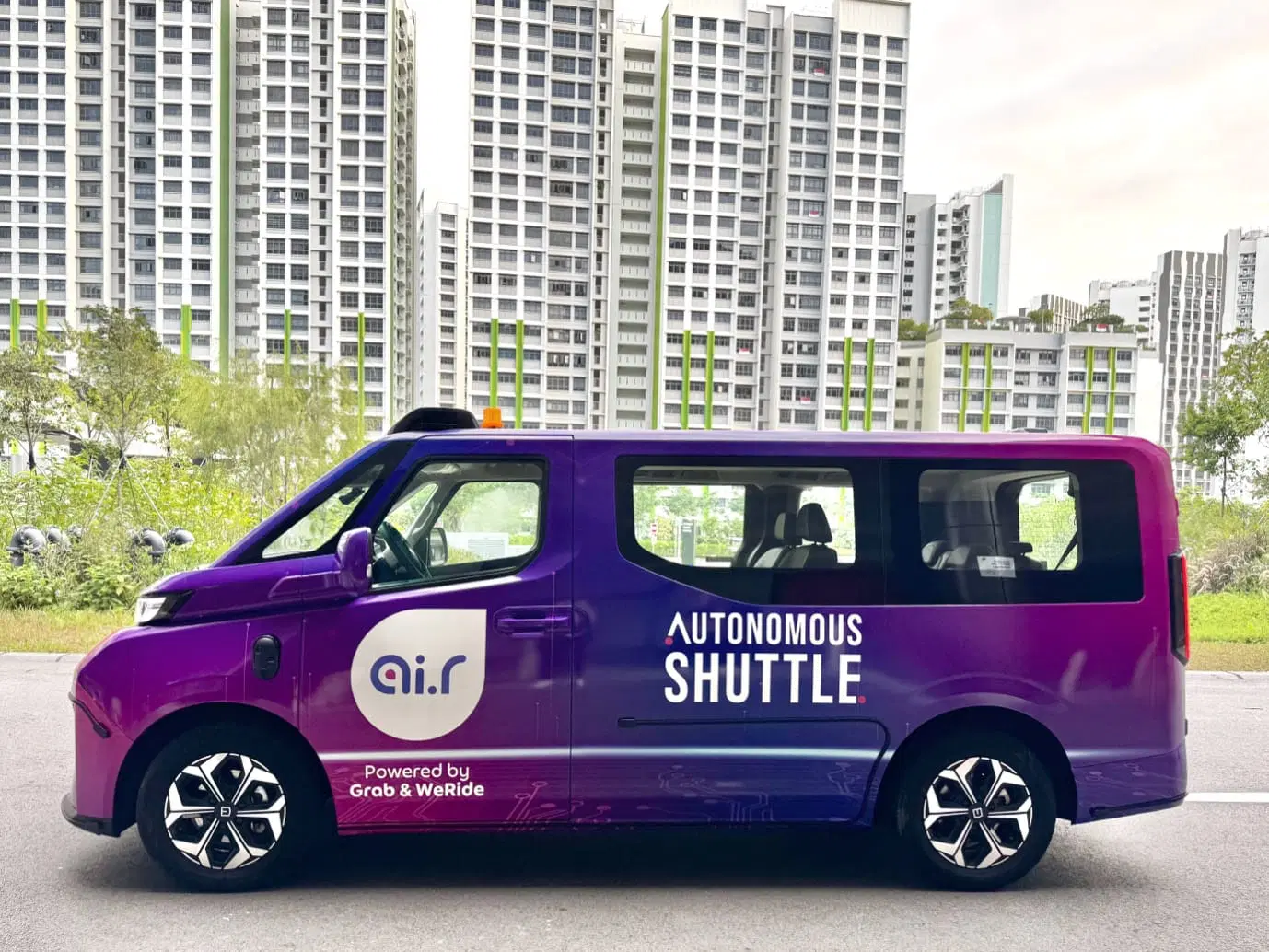
    Ride-hailing giant Grab has partnered with China’s WeRide, aiming to roll out services by early 2026. Meanwhile, Pony.ai is joining forces with Singapore’s ComfortDelGro, planning similar initiatives. The rapid developments signify Singapore’s ambition to become a focal point for autonomous driving technologies.

    Grab confirmed that it has received approval from local authorities to run two autonomous shuttle routes in the Punggol area. Passengers can expect to board WeRide’s five- and eight-seater vehicles following a thorough testing phase designed to fine-tune the service routes.

    WeRide recently secured a permit from the Shanghai municipal government, enhancing its credentials as it prepares to offer autonomous robotaxi services.

    On the other hand, Pony.ai announced its intention to offer services in Punggol with ComfortDelGro, with an ambitious plan to expand to nearby communities as soon as they clear regulatory hurdles. Singapore’s Land Transport Authority has outlined that Pony.ai and ComfortDelGro will service a 12-km (7.5-mile) route in Punggol, capturing the community’s attention with their innovative approach to transport.

    The Land Transport Authority has also recognized the robust capabilities of both WeRide and Pony.ai, noting their successful deployment of automated vehicles in various global markets.

    Currently, Pony.ai operates commercial robotaxis in four of China’s leading cities: Beijing, Shanghai, Guangzhou, and Shenzhen. The company, which has secured backing from Toyota Motor, is also looking to extend its driverless operations to South Korea and parts of Europe, fueled by a $260 million rise in funding following its Nasdaq listing last November. By year-end, Pony.ai aims to elevate its robotaxi fleet to 1,000 vehicles—talk about a drive for growth!

    The Singapore government, actively exploring autonomous technologies, is taking decisive steps in this direction, with Transport Minister Jeffrey Siow visiting Chinese autonomous driving firms in June to gather insights and bolster collaboration.

    Questions & Answers

    What companies are launching autonomous shuttle services in Singapore?
    Grab has partnered with WeRide, while Pony.ai is collaborating with ComfortDelGro to offer similar autonomous shuttle services.

    When will these services begin operations?
    Grab and WeRide plan to start their shuttle services in early 2026, whereas Pony.ai and ComfortDelGro are looking to commence within the coming months, subject to regulatory approval.

    What is the scope of Pony.ai’s operations?
    Pony.ai currently operates commercial robotaxis in major cities across China and is expanding its services globally, highlighting its ambition to grow its fleet significantly by the end of this year.

  • Dior Amplifies Luxury Retail Presence With Innovative Boutique In Bangkok’s Iconsiam

    Dior Amplifies Luxury Retail Presence With Innovative Boutique In Bangkok’s Iconsiam

    In a bold move that underscores the dynamic landscape of Asian retail, luxury fashion powerhouse Dior has announced plans to open a stunning new boutique in Bangkok’s prestigious Iconsiam shopping complex. Set to launch in early 2024, the new store will not only showcase Dior’s exquisite collections but also serve as a gathering place for fashion aficionados and tourists alike in the Thai capital.

    A New Landmark for Luxury Shopping

    Positioned on the banks of the Chao Phraya River, Iconsiam is already a hub of luxury and culture, drawing both locals and international visitors with its impressive range of high-end brands and artistic installations. Dior’s upcoming boutique will feature a design that harmonizes seamlessly with the complex’s contemporary architecture while paying homage to traditional Thai craftsmanship, reinforcing the brand’s commitment to cultural appreciation.

    Dior’s Personal Touch in Bangkok

    This new store is expected to provide a personalized shopping experience, complete with exclusive collections tailored for the Asian market. The boutique’s layout will invite customers to explore Dior’s iconic lines, ranging from haute couture to the latest handbags and accessories, all while enjoying a luxurious atmosphere that promises to seduce the senses. As an exciting twist, rumor has it that the opening could feature a surprise performance by a renowned artist, turning retail into a theatrical experience.

    Embracing the Asian Retail Renaissance

    Dior’s Bangkok foray is part of a broader strategy to deepen its roots in Asia, a region where luxury spending continues to flourish. Data indicates that Asian consumers are increasingly becoming the frontrunners in global luxury consumption, driven by an appetite for both brand heritage and modern innovation. With this move, Dior not only aims to capture a larger share of the market but also to provide a platform for cultural dialogue, showcasing how fashion can bridge borders.

    As the retail landscape continues to evolve, brands like Dior are embracing opportunities to not just sell, but also engage with their audience in meaningful ways. The buzz surrounding the store’s launch is palpable, and with it comes the promise of elevating Bangkok as a key player on the global luxury map.

    Questions & Answers

    What makes Iconsiam a prime location for the new Dior boutique?
    Iconsiam is positioned along the Chao Phraya River and is known for its luxurious ambiance, attracting both local shoppers and international tourists, making it an ideal site for high-end brands like Dior.

    What can customers expect from Dior’s new boutique in Bangkok?
    Customers can look forward to exclusive collections designed specifically for the Asian market, alongside a personalized shopping experience that merges luxury with cultural elements of Thailand.

    How does Dior’s expansion in Asia reflect broader retail trends?
    Dior’s expansion in Asia capitalizes on the region’s booming luxury market, where consumers increasingly desire both traditional brand heritage and innovative experiences, positioning themselves as key players in the global luxury scene.

  • Equinix Expands Its Presence in India with New IBX Data Center Launch in Chennai

    Equinix Expands Its Presence in India with New IBX Data Center Launch in Chennai

    Equinix has made a significant stride in India’s burgeoning digital landscape with the opening of its first International Business Exchange (IBX) data centre in Chennai. Here, on a nearly six-acre site in Siruseri, the newly inaugurated facility—designated as CN1—will be seamlessly interconnected with Equinix’s existing campus in Mumbai, which comprises three IBX data centres.

    Driving Digital Transformation and Resilience

    This expansion is poised to bolster business digitisation, enhance resilience, and support artificial intelligence (AI) development across the region. With phase one of CN1 already operational, the facility will initially deliver 800 cabinets, backed by a hefty $69 million investment. Ultimately, the four-storey site is designed to accommodate 4,250 cabinets, showcasing Equinix’s commitment to meeting the demands of a high-density, compute-intensive economy.

    Engineering Excellence and Future-Ready Facilities

    Engineered with a fault-tolerant architecture that promises an astonishing 99.999 percent uptime, CN1 is also crafted to integrate liquid cooling systems, preparing it for the high demands of today’s technology. This is not just another data centre; it’s where your nearest algorithm might just feel at home.

    Connecting Businesses with Cloud Opportunities

    Equinix aims to enhance its interconnection services through offerings such as Equinix Fabric and Fabric Cloud Router. These services enable enterprises to construct robust hybrid multicloud infrastructures. Notably, customers in Chennai will enjoy low-latency access to major cloud service providers, including AWS, Google Cloud, Microsoft Azure, and Oracle Cloud, all of which are conveniently hosted at the Mumbai campus.

    Strategically Located for Future Growth

    Conveniently situated just 28 km from the Central Business District and close to anticipated submarine cable landing sites, the Chennai facility positions itself as a strategic hub for digital connectivity. With over 300 companies already hosted in India, including several network service providers and five internet exchanges, Equinix continues to solidify its leadership in the data centre sector. Globally, the company operates more than 270 data centres across 77 markets in 36 countries, boasting over 60 sites throughout the Asia-Pacific region.

    Questions & Answers

    What is the significance of Equinix’s new data centre in Chennai?
    The new IBX data centre represents a major investment in India’s digital infrastructure, aiming to enhance business digitisation, build resilience, and foster AI development in the region.

    How does equinix facilitate access to cloud services for businesses in Chennai?
    The data centre provides low-latency access to cloud service providers such as AWS, Google Cloud, and Microsoft Azure, ensuring businesses can effectively leverage hybrid multicloud infrastructures.

    What unique features does the CN1 facility offer?
    Equipped with fault-tolerant architecture and readiness for liquid cooling, CN1 promises an impressive 99.999 percent uptime, making it well-suited for the demands of high-density computing.