Tag: asia

  • Kering Divests Beauty Division To L’oreal For $4.6b: A Strategic Push For Luxury Fashion Focus

    Kering Divests Beauty Division To L’oreal For $4.6b: A Strategic Push For Luxury Fashion Focus

    In a significant maneuver towards streamlining its operations, luxury conglomerate Kering has divested its beauty division to L’Oreal. The deal, valued at US$4.6 billion (EU$4 billion), is part of Kering’s broader strategy to concentrate on its essential fashion brands.

    Agreement Details

    Under the terms of the agreement, L’Oreal has gained 50-year exclusive rights to manufacture, develop, and circulate fragrances and cosmetics for renowned brands like Creed, Bottega Veneta, and Balenciaga. Furthermore, the deal encompasses the forthcoming acquisition of Gucci Beauty once its current license with Coty concludes.

    Kering’s CEO, Luca de Meo, views this partnership as a significant leap towards enhancing the expansion of its fragrance and cosmetics houses. De Meo expressed his optimism about the partnership, stating it would drive scale in the beauty sector and uncover extensive long-term potential for the brands.

    Strategic Coordination and Joint Ventures

    To ensure brand consistency, a strategic committee will be instituted to facilitate coordination between Kering’s brands and L’Oreal. The committee’s function will be to provide an alignment that reinforces the brands’ coherence across different categories.

    Additionally, both companies have plans to probe into potential business prospects through intended 50/50 joint ventures. These ventures are seen as opportunities to strengthen their brand portfolios and expand market reach.

    L’Oreal’s CEO, Nicolas Hieronimus, believes the partnership will assist in broadening the company’s reach into high-growth segments. Hieronimus is confident that this alliance will position them as leading contenders in the rapidly expanding niche fragrance market. He lauded Gucci, Bottega Veneta, and Balenciaga as exceptional couture brands possessing considerable potential.

    Deal Closure

    The agreement is anticipated to conclude in the first half of next year, with payment to be made in cash. The deal’s completion is still contingent on receiving regulatory approval.

    Questions & Answers

    What does this deal mean for Kering?
    This deal allows Kering to focus on its core luxury fashion houses, while also potentially enhancing the growth of its fragrance and cosmetics brands through a partnership with L’Oreal.

    How will L’Oreal benefit from this deal?
    L’Oreal will acquire exclusive rights to manufacture and distribute products for some of the world’s most prestigious brands, thus potentially expanding its influence in high-growth segments and the niche fragrance market.

    What are the future plans of both companies post this deal?
    Both companies plan to establish a strategic committee to ensure brand coherence. They also intend to explore possible business opportunities through equal stake joint ventures.

  • Australia Mandates Acceptance Of Cash For Fuel, Groceries: Exemptions And Future Plans Explained

    Australia Mandates Acceptance Of Cash For Fuel, Groceries: Exemptions And Future Plans Explained

    The Australian Federal Government has made significant strides towards safeguarding the validity of cash as a payment mode for everyday necessities by issuing key provisional regulations mandating the acceptance of cash for fuel and groceries.

    Details of the Draft Regulations

    Outlined after a public consultation conducted in the early part of the year, these draft regulations dictate that the obligation to accept cash for fuel and groceries will be restricted to face-to-face transactions of less than $500.

    However, small businesses with a combined turnover of less than $10 million, along with those businesses that are part of a franchise arrangement netting under $10 million, are exempt from these regulations. Additionally, companies that face challenges in managing cash transactions are also exempt.

    Daniel Mulino, the Assistant Treasurer and Minister for Financial Services, agrees that while Australians are progressively opting for digital payment methods, the government recognizes that cash will still be a vital part of society. He appreciates this as a balanced, pragmatic, and judicious move to aid cash users while also taking businesses into account.

    A Three-Year Review Plan

    The Federal Government has announced that it will evaluate the mandate in three years to ensure the policy is effectively serving its purpose. This evaluation will also explore whether the mandate should extend to cover other businesses. It will consider the potential impact on companies presently affected by the mandate and any advancements concerning cash distribution and access.

    The Council of Financial Regulators and the Australian Competition and Consumer Commission, back in July, issued a consultation paper suggesting various propositions on the regulation of cash distribution. Mulino assured that the government would closely examine the CFR’s recommendations alongside industry feedback, and work diligently to ensure that Australians continue to have access to cash.

    Questions & Answers

    What are the new draft regulations issued by the Australian Federal Government?
    The new draft regulations mandate the acceptance of cash for fuel and groceries, specifically for in-person transactions that are less than $500.

    Who are exempted from these new regulations?
    Small businesses with an aggregate turnover of under $10 million, businesses that are part of a franchise arrangement netting under $10 million, and companies that find managing cash transactions difficult are exempted.

    What is the future plan for these regulations?
    The Federal Government will review the mandate after three years to evaluate its effectiveness. This review will also consider whether the mandate should extend to other businesses and the potential impact on the currently affected companies.

  • Fintech Giant Icapital Plans Major Expansion In Asia-pacific Amid Growing Wealth Management Opportunities

    Fintech Giant Icapital Plans Major Expansion In Asia-pacific Amid Growing Wealth Management Opportunities

    Fintech platform, iCapital, is reportedly planning to expand its presence in the Asia-Pacific region, including in cities such as Hong Kong, Singapore, and Australia.

    Expansion in Singapore

    iCapital is currently relocating to a larger office in Singapore, fueled by an expanding team and increased client activity. The firm’s Head of International, Marco Bizzozero, reported that around 30 staff members are employed in the city-state, which constitutes half of the total headcount in Asia.

    Moving to Larger Spaces

    The fintech platform is also seeking a larger office in Hong Kong as part of its expansion strategy. The goal is to acquire more sales staff in both markets to support its growing operations. In addition to this, the firm is planning to open its first Australian office.

    The Wealth Management Market

    Marco Bizzozero pointed out that the wealth management sector is still in its early stages when it comes to integrating private markets into client portfolios. He noted that current allocations to private markets by the wealth management sector are low, averaging at around three percent. However, most wealth managers are now aiming for allocations between 10 and 20 percent. This trend presents significant opportunities for firms like iCapital.

    Questions & Answers

    What is iCapital’s expansion strategy in Asia-Pacific?
    iCapital plans to expand its presence by relocating to larger offices in Singapore and Hong Kong. It is also looking to hire more sales staff in these markets and open an office in Australia.

    How many staff members does iCapital currently employ in Singapore?
    The fintech platform currently employs around 30 staff members in Singapore, which makes up half of its total headcount in Asia.

    What trends in the wealth management sector present opportunities for firms like iCapital?
    The wealth management sector is still in its infancy in terms of integrating private markets into client portfolios. However, with most wealth managers now targeting allocations between 10 and 20 percent to private markets, firms like iCapital stand to benefit significantly.

  • Singapore Strengthens Europe-asia Link, Promotes Sustainability & Innovation At Inaugural Conference

    Singapore Strengthens Europe-asia Link, Promotes Sustainability & Innovation At Inaugural Conference

    Singapore, during the maiden “Europe Conference 2025”, solidified its position as a reliable conduit connecting Europe and Asia, fostering sustainability, innovation, and enduring collaboration across the continents. The Singapore Business Federation (SBF) and the European Chamber of Commerce Singapore (EuroCham) co-hosted this event, which served as a tribute to six decades of robust relations between Europe and Singapore. The event, held on October 14, 2025, garnered participation from more than 300 individuals across seven nations, underlining the profound engagement between the two regions.

    Future Anchored in Sustainability and Innovation

    The conference, underpinned by the theme of “Sustainability & Innovation”, brought together industry pioneers, policymakers, and innovators to delineate strategies for creating resilient, future-proof economies. The speakers emphasized the dire necessity of cross-border collaboration and partnerships spanning diverse sectors to sail through global uncertainties and stimulate sustainable growth.

    Building Bridges in a Changing World

    Singapore’s Minister for Foreign Affairs, Vivian Balakrishnan, initiated the conference with a keynote focusing on intensifying Europe-Singapore relationships. Balakrishnan underscored the importance of enhanced cooperation in digital and green economies, robust backing for multilateralism, and tighter ASEAN-EU collaboration. He also motivated European firms to leverage Singapore as a launchpad for their Southeast Asian ventures.

    Family Businesses as Catalysts of Change

    A stand-out session, steered by Federico Donato of MG Partners MFO, highlighted the escalating role of family-owned entities in fortifying Europe-Asia connections. Speakers including Peter Vyncke of Vyncke NV and Gan See Khem of HMI Medical elucidated how family businesses strike a balance between tradition and transformation, from handling generational transitions to embracing innovation without compromising their core values.

    Scaling Innovation Through Partnerships

    In an additional panel, headed by Marcus Lam, Executive Chairman of PwC Singapore, business leaders discussed how the Singaporean ecosystem can propel innovation. Industry experts, including Lawrence Wu of EDP Renewables APAC and Juliana Kua of the Ministry of Trade and Industry, shared practical strategies to assist businesses at various stages of their transformation journeys.

    Hub for Collaboration and Growth

    The conference served not just as a dialogue platform but also a networking opportunity. Participants engaged in cross-industry networking, explored foreign market prospects, and formed partnerships aimed at crafting resilient, future-proof business ecosystems. SBF Chairman S. S. Teo said, “The inaugural Europe Conference 2025 accentuates Singapore as a link connecting Europe and Asia. By collaborating with our European counterparts, we are cementing a foundation of trust, innovation, and long-term collaboration.”

    Milestone for Europe-Asia Connectivity

    The event, supported by partners such as Gulf Air, BPM LLP, EDP, Jason Marine, and PSA International, denoted a crucial landmark in promoting Europe-Asia connectivity. It highlighted Singapore’s persistent role as a strategic hub fuelling digitalisation, resilience, and sustainability – the primary forces moulding the future of international business.

    Questions & Answers

    What was the focus of the inaugural Europe Conference 2025?
    The conference focused on “Sustainability & Innovation” and aimed at bringing together industry leaders, policymakers, and innovators to chart strategies for creating resilient, future-ready economies.

    What role does Singapore play in connecting Europe and Asia?
    Singapore acts as a strategic hub that drives sustainability, innovation, and long-term collaboration between Europe and Asia.

    How can European firms leverage opportunities in Southeast Asia via Singapore?
    European firms are encouraged to use Singapore as a springboard for their ventures into the rapidly evolving Southeast Asian market.

  • Trust Bank: US Fractional Trading Comes to Singapore

    Trust Bank: US Fractional Trading Comes to Singapore

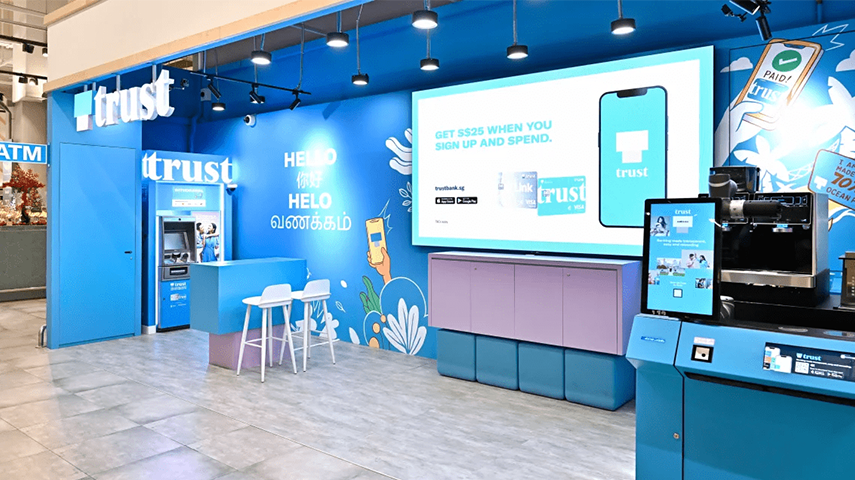
    Trust Bank is stepping into a new territory with the introduction of a trading platform for US stocks and exchange-traded funds (ETFs). This development makes Trust Bank the first in Singapore to offer fractional trading, thus offering everyday investors an easier gateway to the global marketplace.

    TrustInvest and Beyond

    In the early part of this year, Trust Bank rolled out TrustInvest, a tool aimed at simplifying the investing process and making it universally accessible. The digital banking institution is taking this promise a step further by launching a trading platform for US-listed stocks and ETFs within the Trust App.

    This innovative feature enables users to purchase and sell global equities directly within the app, creating an effortless path to investment, tracking, and increasing wealth all in one location.

    Leveraging Fractional Shares

    Trust Bank’s latest offering includes an outstanding feature: fractional trading. This facility allows customers to invest in fractions of high-priced stocks, thereby eliminating the need to invest large sums of money to own shares in their preferred companies.

    Trust Bank observes that some popular stocks and ETFs are priced over S$500 per share, but with fractional trading, even small investments can lead to building a diversified portfolio. This provision broadens the chance to access big-league entities like Netflix, Meta, or Apple for a wider range of investors.

    Diversification with ETFs and Sector Plays

    In addition to individual stocks, investors will have the opportunity to trade ETFs, offering a simple route to diversify their holdings. These funds amalgamate multiple assets – ranging from index trackers to sector-focused or digital asset portfolios – into a single investment. This strategy allows users to distribute risk while targeting specific themes or markets.

    All transactions take place within the Trust App, eliminating the need to transfer funds between different platforms. The entire experience is built to be straightforward, smooth, and secure.

    Open for Waitlist

    The waitlist for the new TrustInvest trading platform is now open for interested investors. Current Trust Bank customers can register directly within the app, while prospective users can open a Trust Savings account within a few minutes to start the process.

    Those on the waitlist will receive invitations to open trading accounts in the next few weeks.

    Empowering Every Investor

    Reflecting on the success of the initial TrustInvest launch, Dwaipayan Sadhu, CEO of Trust Bank, expressed enthusiasm about expanding the offering to allow customers to trade US stocks and ETFs. He emphasized that offering fractional trading will enable all customers to access a wide range of investments via a user-friendly and seamless banking app.

    This initiative positions Trust Bank as a pioneer in Singapore’s digital banking scene, drawing Wall Street closer to the everyday investor.

    Questions & Answers

    What is the new feature introduced by Trust Bank?
    Trust Bank has launched a trading platform for US stocks and ETFs within its app, making it the first in Singapore to offer fractional trading.

    How does the fractional trading feature benefit investors?
    Fractional trading allows investors to buy fractions of high-priced stocks, thus eliminating the need for large investments, and making the process accessible to a wider range of investors.

    How can investors join the waitlist for the new TrustInvest trading platform?
    Current Trust Bank customers can join the waitlist directly within the app, while new users can open a Trust Savings account to get started.

  • Tradeweb Bolsters Asian Division With Veteran Investment Specialist Appointment

    Tradeweb Bolsters Asian Division With Veteran Investment Specialist Appointment

    An Investment Expert Takes Charge at Tradeweb Asia

    Tradeweb, a global provider of electronic marketplaces for an array of financial services, has bolstered its Asian division with the appointment of a veteran investment specialist. The company is experiencing a phase of substantial growth, and the new recruit will be responsible for supervising business operations and client engagement across the Asian region.

    A Strategic Merger

    Rich Chun, the recently appointed Head of Tradeweb Asia, will be based in Hong Kong. His role will involve reporting to co-heads of global markets, Enrico Bruni and Troy Dixon, and directing regional strategy, business development, and client relationships.

    Tradeweb’s international business has seen a significant boost, registering a year-on-year revenue growth of 41 percent in the second quarter of 2025. This consistent expansion in Asia mirrors the region’s escalating importance as a hub for worldwide fixed income and electronic trading activities.

    A Wealth of Experience

    Chun brings with him a wealth of experience in trading and portfolio management, having held senior positions in various financial corporations for over three decades. His expertise in institutional risk transfer is expected to be a valuable asset for Tradeweb. Among his numerous roles, Chun has served as a Managing Director and Portfolio Manager at HPS Investment Partners, where he established the company’s Hong Kong outpost. He also held significant trading positions at Citigroup.

    Amplifying Customer Relations

    Bruni, one of the co-heads of global markets at Tradeweb, expressed his confidence in Chun’s appointment, highlighting Chun’s abundant industry knowledge as a substantial benefit to cultivating stronger relations with their clients and providing enhanced value to the local investment community. Chun reciprocated the sentiment, expressing pride in joining Tradeweb at a period of dynamic change in Asian financial services. He is eager to contribute to the development of new technologies that would enhance efficiency and opportunity for clients.

    Well-established in the Asia Pacific

    Tradeweb already holds a strong regional presence, with offices in Hong Kong, Shanghai, Singapore, Sydney, and Tokyo. The company has a history of introducing pioneering initiatives, such as becoming the first platform to provide electronic access to China’s bond market through various ventures.

    Pillar of Japanese Markets

    Tradeweb has also played a significant role in the advancement of the Japanese markets, by making Japanese Government Bonds (JGBs) and Yen interest rate swaps available on its trading platform. This strategy has resulted in significant growth in the total traded volume of both Yen IRS and JGBs.

    Recruiting Top Talent

    Chun’s appointment is a testament to Tradeweb’s ambition to solidify its position in the rapidly evolving Asian financial market. The company is making strategic moves to stay ahead in a landscape where technology, liquidity, and market access are increasingly intertwined.

    Questions & Answers

    What role will Rich Chun play at Tradeweb?
    As Head of Tradeweb Asia, Rich Chun will oversee regional strategy, business development, and client relationships.

    What has been the recent growth rate of Tradeweb?
    Tradeweb has recently experienced a 41 percent year-on-year revenue increase in the second quarter of 2025.

    What initiatives has Tradeweb introduced in Asia Pacific?
    Tradeweb was the first to offer electronic access to China’s bond market and significantly contributed to the electronification of Japan’s markets.

  • Adidas Unveils Flagship Store At Jewel Changi Airport: Integrating Peranakan Heritage With Innovative Retail Experience

    Adidas Unveils Flagship Store At Jewel Changi Airport: Integrating Peranakan Heritage With Innovative Retail Experience

    Adidas has launched its premier showroom at Jewel Changi Airport in Singapore, incorporating interactive spaces that seamlessly blend the brand’s core identity with local narratives.

    The flagship store offers both lifestyle and performance products, providing customers with a comprehensive shopping experience, according to the brand’s announcement.

    Taking inspiration from Singapore’s rich Peranakan heritage, the two-level showroom features contemporary adaptations of traditional tile designs throughout the interior.

    The store’s aesthetic design prominently features the Jewel Rain Vortex on its second level, providing a stunning retail backdrop.

    The ground level of the store hosts Adidas’s women’s collection, while the second level showcases the men’s line. The second floor is home to interactive areas including the ‘Made for You’ zone, a customization studio allowing customers to personalize their Adidas’s ‘Three Stripes’ products to their preference.

    The Y-3 Premium Corner of the store displays Adidas’s collaboration with Yohji Yamamoto, highlighting a predominantly black palette and minimalist design that underscores Adidas’s position in the luxury market.

    Naful Gani, Adidas Senior Manager of Brand Activation in Singapore, commented on the new store’s design. “With the Jewel Changi Airport store, we’ve deliberately created a space that seamlessly transitions between performance and lifestyle, mirroring our day-to-day life – transitioning between training in performance, living in Originals, and shuttling between both worlds daily,” said Gani.

    Gani further stated that the store’s interiors, inspired by local culture, offer international visitors immediate insights into Singapore’s distinct heritage while enjoying the familiarity of a globally reputed brand environment.

    Questions & Answers

    What does the new Adidas store at Jewel Changi Airport offer?
    The new Adidas store at Singapore’s Jewel Changi Airport offers a comprehensive shopping experience with both lifestyle and performance products. It also features a customization studio allowing customers to personalize their Adidas products.

    What is the unique aspect of the store’s design?
    Inspired by Singapore’s rich Peranakan heritage, the store features contemporary adaptations of traditional tile motifs throughout the interior. The second level of the store prominently features the Jewel Rain Vortex as a stunning retail backdrop.

    What does the Y-3 Premium Corner feature?
    The Y-3 Premium Corner of the store displays Adidas’s collaboration with Yohji Yamamoto, emphasizing a predominantly black palette and minimalist design that underscores Adidas’s luxury positioning.

  • Revolutionizing Photo Editing: Google Photos Unveils Voice-commanded Tool

    Revolutionizing Photo Editing: Google Photos Unveils Voice-commanded Tool

    Google has unveiled a new tool within its Google Photos application, allowing users to alter and enhance their photos with simple voice or typed commands. Equipped with the ability to understand conversational English, the feature offers users a user-friendly and innovative way to edit their photos.

    Using Google Photos’ New Feature

    To access this new tool, Android users can open the Google Photos app and select the image they wish to modify. Once the photo is chosen, tapping on the “Help me edit” option in the editor will prompt the user to either speak or type their desired changes. No need for complicated photo editing terms or jargon; the feature responds to plain English instructions.

    Google provided several examples showcasing the potential of this new tool. In one instance, a photo was marred by an unwanted window reflection. By simply telling the app to “Remove the reflection on the window,” the user could effortlessly rectify this issue, resulting in an improved image.

    Transforming Photos Using Conversational English

    In another scenario, a photo depicted a child standing before an unsightly fence. To remedy this, the user could instruct the app to “Erase the text and the fence in bottom, zoom out, and sharpen.” The outcome was a vastly improved photo where the child, not the fence, took center stage.

    The feature is not limited to landscape or portrait photography and can be applied to selfies as well. If a user desires to brighten a shadowy selfie, they can instruct the app to “Add studio lighting to make me stand out.”

    Expanding the Frame with Imagination

    Users can also manipulate the composition of their photos using this feature. By saying, “Expand the composition and make it better,” the tool can effectively broaden the photo’s borders, enhancing the overall aesthetic. If a user wishes to add elements to an otherwise empty background, they can instruct the tool to “Reimagine this room with a bookshelf and lights.”

    Google’s new feature demonstrates how the use of conversational English can significantly alter an image. A simple command such as “Fill the grass with beautiful sunflowers” can completely transform a photo, adding an entirely new dimension to the image.

    Questions & Answers

    Does the Google Photos feature work on selfies?
    Yes, the tool can be used to enhance any type of photo, including selfies.

    Can the tool add elements to a photo’s background?
    Yes, the tool can add elements to a photo’s background. For example, a user can instruct the tool to add a bookshelf and lights to an empty room.

    Is it possible to remove unwanted elements from a photo using this tool?
    Yes, the tool allows users to remove unwanted elements. For instance, a reflection on a window or an unsightly fence can be removed with a simple instruction.

  • HSBC’s Hang Seng Deal Bets on Long-Term Gains Beating CRE Risks

    HSBC’s Hang Seng Deal Bets on Long-Term Gains Beating CRE Risks

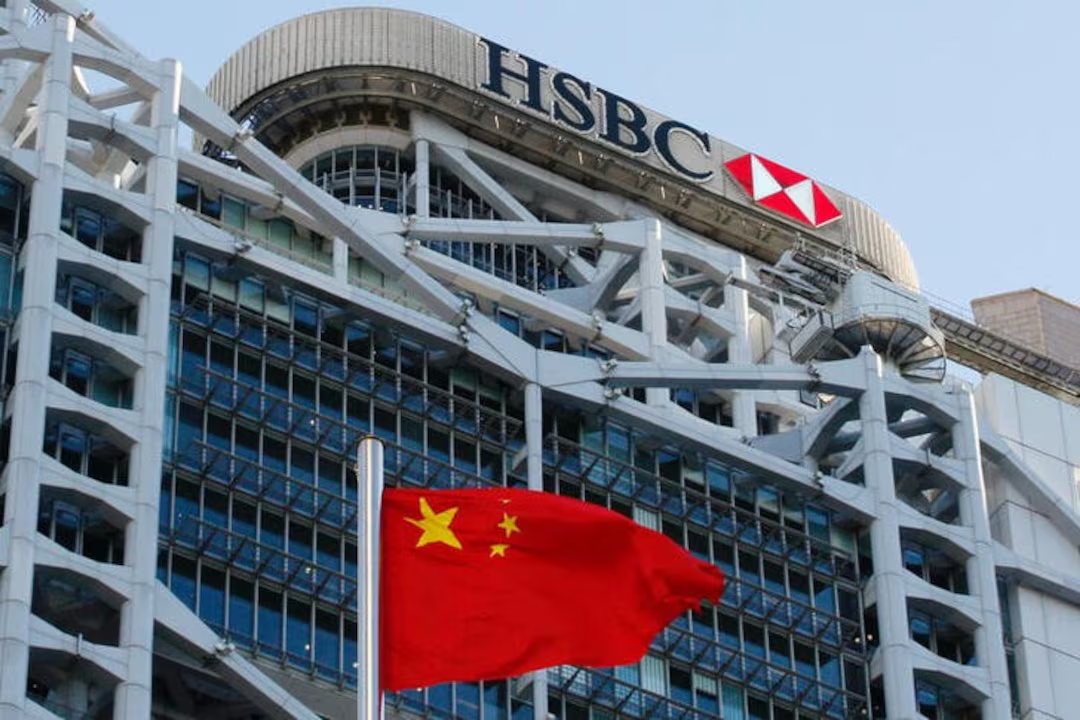
    HSBC’s recent proposal to purchase Hang Seng has raised questions due to the potential commercial real estate risk in Hong Kong. However, some experts believe that possible long-term advantages such as cost synergies may offset these concerns.

    Deal Details

    HSBC last week proposed to take over its Hong Kong-based subsidiary, Hang Seng Bank, by purchasing the remaining 37% stake currently held by minority shareholders for HK$106 billion ($13.6 billion). This transaction values Hang Seng at $155 per share, representing approximately a 30% premium at the time of the announcement. Hang Seng is expected to maintain its individual brand, banking license, and board.

    The acquisition will be entirely financed by HSBC, which plans to restore its CET1 ratio to its target operating range of 14-14.5% by generating capital organically and pausing any further buybacks for three quarters.

    Post-announcement, Hang Seng’s share price saw an increase of approximately 26%, while HSBC’s shares dropped by nearly 8%.

    Potential Bailout Concerns

    One of the most significant concerns surrounding the deal is Hang Seng’s exposure to Hong Kong’s commercial real estate (CRE) sector, which has been experiencing a sustained decline due in part to reduced rental demand and enduring vacancies. Close to half of HSBC’s Hong Kong CRE exposure is linked to Hang Seng, which reported HK$25 billion of impaired loans in the sector as of the first half of 2025.

    Reports indicate that Hang Seng was in the initial stages of selling more than $3 billion worth of property-backed loan portfolios following HSBC’s directive to its London-based global chief corporate credit officer and the head of its special credit unit to initiate such a process three months prior. Additionally, HSBC’s Hong Kong CEO Luanne Lim was appointed as Hang Seng CEO in September, replacing Diana Cesar who was promoted to Hong Kong vice chair at HSBC.

    However, HSBC CEO Georges Elhedery maintains that the deal aims to stimulate growth. He has stated that the Hang Seng transaction was not motivated by pressure to rescue the local lender and added that the British firm would consider further acquisitions in Hong Kong, with transaction banking and wealth identified as priority growth areas.

    Analysts’ Take

    The business community has offered mixed reactions to the deal, which is yet to receive approval.

    According to a UBS report, benefits could arise from increased exposure to the high return on tangible equity (ROTE) market in Hong Kong and simplified operations. However, concerns about provisions for CRE loans persist. Jefferies downgraded HSBC from a “buy” to a “hold” status after the planned $8.5 billion share buyback plan was scrapped, noting that the Hang Seng deal would have a neutral impact on earnings per share before synergies.

    Michael Makdad, a senior equity analyst at Morningstar, stated that “parent-subsidiary double listings are inherently problematic in terms of governance and in this sense, it’s a positive and long-overdue move. Of course, HSBC will need to pay a premium so it likely wouldn’t be positive in terms of my fair-value estimate for HSBC but there should be some opportunities for cost synergies.”

    Questions & Answers

    Q: What is the potential impact of the HSBC and Hang Seng deal?
    A: While increased exposure to the high ROTE market of Hong Kong and reduced operational complexity are expected benefits, there are concerns about provisions for CRE loans.

    Q: Has HSBC’s stock been affected by the announcement to buy Hang Seng?
    A: Yes, the announcement has led to an approximately 8% drop in HSBC’s share price.

    Q: Is there a risk of a bailout related to the HSBC and Hang Seng deal?
    A: There have been speculations about a potential bailout due to Hang Seng’s significant exposure to Hong Kong’s declining commercial real estate sector. HSBC’s CEO, however, maintains that the purchase is aimed at driving growth.

  • Lanvin leader David Chan to step down this month

    Lanvin leader David Chan to step down this month

    David Chan, the executive president and chief financial officer of Lanvin Group, has announced his decision to step down from his position effective October 27. While he plans to explore fresh opportunities, Chan is also slated to provide advisory support during the transition period. His successor, however, remains to be declared.

    Zhen Huang, the chairman of Lanvin Group, acknowledged Chan’s valuable contributions to the company. “His remarkable contributions have played a crucial role in charting the strategic course and transformational initiatives of the group,” remarked Huang. He further added, “As he embarks on his new journey, we extend our best wishes for his continued success.”

    Despite the departure of Chan, who served as the executive president since the company’s inception, the Lanvin Group remains confident about its future potential. In addition to the high-profile responsibilities handled by Chan, including mergers and acquisitions, brand operations, and performance management, he was also instrumental in the strategic planning and leadership recruitment across the group’s portfolio. Huang reaffirmed, “Lanvin Group continues to stand strong with plans to sustain growth and create enduring shareholder value.”

    Established in Shanghai and jointly headquartered in Milan, Lanvin Group is supported by Fosun International. It commands a strong brand portfolio, which includes names like Lanvin, Wolford, Sergio Rossi, and St John Knits.

    Questions & Answers

    Why is David Chan leaving Lanvin Group?
    David Chan is stepping down from his role at Lanvin Group to pursue new opportunities. He will continue to serve in an advisory capacity during the transition period.

    Who will succeed David Chan as the executive president and CFO of Lanvin Group?
    The successor to David Chan has not been announced yet.

    What impact has David Chan had on the Lanvin Group?
    David Chan has been instrumental in shaping the strategic direction of Lanvin Group since its inception. He has overseen a wide range of responsibilities, including mergers and acquisitions, brand operations, strategic planning, leadership recruitment, and performance management across the group’s portfolio.

  • Filipino Bakery Chain Mary Grace Set For First International Venture In Singapore

    Filipino Bakery Chain Mary Grace Set For First International Venture In Singapore

    Singapore has recently seen an influx of Chinese food and beverage (F&B) brands. Among them are the florist-café Tomacado, the popular teahouse Incloud, and Siji Miinfu, a specialist in Peking duck. However, the island nation is also preparing to welcome a notable name from the Philippines: Mary Grace. From its humble beginnings as a small bazaar stall set up by a mother of five in 1994, Mary Grace has grown into a bakery and café chain with over 140 outlets in the Philippines. The upcoming Singaporean outlet will be its first international venture.

    Mary Grace’s Initial Success in Singapore

    In September of this year, Mary Grace held a three-day pop-up event in Singapore. Despite minimal advertising, the event was a sold-out success. This could be a signal that when the permanent store opens, a large number of eager customers will be waiting.

    Signature Offerings

    The bakery’s signature offerings include its cheese rolls and ensaymada, a soft and buttery Filipino pastry adapted from the Spanish ensaïmada. In the classic version, Mary Grace tops the pastry with a dusting of aged Edam cheese. During the pop-up event, a box of six was sold for $31.50. The ensaymada also comes in several other flavours, such as cinnamon apple and chocolate.

    Mary Grace’s other home-style baked goods include carrot cake, banana bread, lemon bars, and strawberry shortcake. It is hoped that these, along with savoury items like sandwiches and Filipino-style all-day breakfast dishes, will be available in the Singapore store.

    Further Information

    Details about the exact location and opening date of Mary Grace’s Singapore location are still forthcoming. The latest updates will be posted on its Instagram account @cafemarygrace.sg.

    Questions & Answers

    What is Mary Grace’s origin?
    Mary Grace originated as a small bazaar stall set up by a mother of five in the Philippines in 1994. It has since grown into a large bakery and café chain with over 140 outlets in its home country.

    What are some of the signature items at Mary Grace?
    Some of the signature items at Mary Grace include cheese rolls, ensaymada which is a fluffy, buttery Filipino pastry, and other home-style baked goods like carrot cake, banana bread, lemon bars, and strawberry shortcake.

    When and where will the permanent Mary Grace store in Singapore open?
    The exact details regarding the opening date and location of the Mary Grace store in Singapore have not yet been released. Future updates will be posted on its Instagram account @cafemarygrace.sg.

  • Vietnam Leads In Projected Salary Growth In Southeast Asia, Says Global Study

    Vietnam Leads In Projected Salary Growth In Southeast Asia, Says Global Study

    Vietnam is projected to have the most significant salary increase among Southeast Asian countries in 2025, with an estimated growth rate of 7.7%, according to a recent study by a leading global professional services firm.

    Salary Increase and Turnover Study for Southeast Asia

    The study, which ran from July to September 2025, assessed salary alterations and staff turnover rates from over 700 businesses in Indonesia, Malaysia, the Philippines, Singapore, Thailand, and Vietnam. The research indicated that the anticipated salary hikes for Southeast Asia (SEA) are projected to be 5.3% for 2026.

    When examining salaries across various industries per country, the life sciences and medical devices sector is predicted to witness the highest increase in Singapore (4.6%), whereas technology is leading in Vietnam (7.1%) and Indonesia (5.9%). In Malaysia, the consulting, business, and community services sector takes the lead with an expected increase of 4.8%.

    Retaining Top Talent and Reducing Attrition

    Rahul Chawla, the partner and head of Talent Solutions for Southeast Asia at the professional services firm, highlighted the dual challenges organizations are currently grappling with. As companies across SEA ramp up their investments in technology and strategic ventures, they are increasingly concentrating on retaining their best and most skilled employees. According to Chawla, balancing escalating compensation costs with the necessity for agility is paramount. The most successful enterprises are utilizing real-time market data and total rewards strategies to stay competitive.

    The study found that employee attrition rates were in double digits across all countries in the region. The Philippines and Singapore are anticipated to have the highest turnover rates, at 20.0% and 19.3% respectively, followed by Malaysia at 18.2%.

    Attrition rates also differ across industries, with the consulting, business, and community services sector topping the list with a rate of 22.6%. This is followed by the retail sector at 21.6% and manufacturing at 17.5%. The research revealed that 42% of businesses report difficulties in hiring or keeping employees.

    Skills Gap Challenges

    The study also found that 63% of businesses are currently dealing with skills gap challenges, while 12% anticipate short-term gaps, and 16% foresee longer-term gaps. Roles in information technology, engineering, and sales remain the most difficult to fill, while new hire premiums range between 1.3 to 8.2%, which is lower than the previous year, indicating an increased focus on cost control.

    The most sought-after “hot jobs” include sales (24%), information technology (24%), artificial intelligence (AI)/machine learning (ML) (21%), cybersecurity (20%), and engineering (19%). This trend towards digital and risk-focused skills suggests that firms are emphasizing sustained compensation strategies to secure skills that are crucial for the future in an increasingly competitive market.

    Evon Lock, head of data solutions for Southeast Asia at the professional services firm, commented that despite the hiring and retention pressures, most organizations remain cautiously optimistic and plan to maintain or slightly increase their workforce.

    Questions & Answers

    What is the expected salary increase in Vietnam in 2025?
    The expected salary increase in Vietnam in 2025 is 7.7%.

    Which industry is projected to have the highest salary increase in Singapore?
    The life sciences and medical devices industry is expected to have the highest salary increase in Singapore.

    What are the most in-demand jobs according to the study?
    The most in-demand jobs are in sales, information technology, artificial intelligence/machine learning, cybersecurity, and engineering.

  • Hang Seng Bank Coo Vivien Chiu Breaks Record With $5.14 Million Hong Kong Luxury Apartment Purchase

    Hang Seng Bank Coo Vivien Chiu Breaks Record With $5.14 Million Hong Kong Luxury Apartment Purchase

    Vivien Chiu, the Chief Operating Officer of Hang Seng Bank, has recently acquired a deluxe apartment in Hong Kong for HK$40 million, equivalent to around US$5.14 million. The cost per square foot of the 1,651 square-foot property amounted to HK$24,228, or US$33,517 per square meter, making it a record-setting purchase for the property in the current year.

    Property Details

    The luxury apartment is situated in the Beverly Hill project located in the Happy Valley area of Hong Kong. The property last changed owners in 2014 for a sum of HK$16 million. The recent handover took place on Monday, as per the Land Registry records.

    Chiu previously held positions in various departments at HSBC prior to her tenure at Hang Seng, which began in 2022.

    In a similar vein, Diana Cesar, the CEO of Hang Seng at the time, bought a flat in the upscale Flora Garden complex located in the Tai Hang Mid-Levels area in August, for a sum of HK$26.63 million.

    HSBC to Acquire Hang Seng

    Recently, HSBC announced its plans to acquire Hang Seng Bank for a staggering sum of HK$106.1 billion. Despite the bank’s recent struggles, Hang Seng will retain its own license, governance, and brand after the acquisition.

    This move comes as Hong Kong’s banking sector battles the most significant real estate slump since the late 1990s. Home prices in the city have dropped by approximately 30% from their peak in 2021.

    Housing Sector Recovery

    Despite the downturn, the housing sector has shown promising signs of recovery. According to data from the Rating and Valuation Department (RVD), the official index for second-hand home prices has increased by 1.26% since April. The index saw its fifth consecutive month of growth in August, reducing the overall decline in the year to just 0.24%.

    In August, some 5,291 homes changed ownership, representing an 8.2% decrease from July, but a 44.8% increase compared to the same period in the previous year. The total transaction value reached HK$42.2 billion, a decrease of 8.9% from the previous month but an increase of 48.2% year-over-year.

    Between January and August, the combined sales of new and existing homes increased by 10% from the previous year to 42,379 units. This is the highest level for this period in the past four years, as reported by property agency Midland Realty.

    Questions & Answers

    What is the total cost of the luxury flat purchased by Vivien Chiu?
    The total cost of the flat purchased by Vivien Chiu is HK$40 million, equivalent to around US$5.14 million.

    Who is the former owner of Hang Seng Bank, and what are the terms of the bank’s acquisition by HSBC?
    HSBC is the new owner of Hang Seng Bank. Despite the acquisition, Hang Seng will retain its own license, governance, and brand.

    What are the recent trends in Hong Kong’s housing sector?
    Home prices in Hong Kong have seen significant declines, but recent data shows signs of recovery with the index for second-hand home prices increasing by 1.26% since April.

  • Techcombank brings an AI-powered experience to 13,000 runners at the Hanoi International Marathon

    Techcombank brings an AI-powered experience to 13,000 runners at the Hanoi International Marathon

    The 4th Techcombank Hanoi International Marathon provides an AI-powered video experience for 13,000 runners. For the first time in Vietnam, an AI video generator enabled every runner to create a personalised video to recreate their race experience
    Hanoi, October 8th, 2025 – Following the success of the previous three seasons, the 4th Techcombank Hanoi International Marathon was held on 5th October 2025 and attracted over 13,000 Vietnamese and international athletes who competed over courses running past many of Hanoi’s most iconic cultural landmarks. For the first time ever in Vietnam, an AI video generator enabled every runner to create a personalised video of their race to celebrate their achievement and spread the spirit of Run for a Greater Vietnam.

    The 4th Techcombank Hanoi International Marathon was held under the direction of the Hanoi People’s Committee, organized by the Hanoi Department of Culture and Sports, in collaboration with Vietnam Technological and Commercial Joint Stock Bank (Techcombank) and Sunrise Events Vietnam (SEV).

    A unique feature of this year’s marathon was the application of AI video generation technology on the racecourse to create personalized highlight videos for every runner. By uploading a photo of themselves to an AI video generator, each runner could receive a video within 24-36 hours that recreated their most memorable moments as they ran past the historic landmarks of Hanoi. These videos enabled every runner to become an ambassador for the Techcombank Hanoi International Marathon and Techcombank’s Run for a Greater Vietnam initiative.

    The 4th season of the Techcombank Hanoi International Marathon attracted nearly 1.5 times as many runners as the previous edition. Offering a well-designed racecourse passing through Hanoi’s most famous historic districts, a unique AI-powered video experience and organized to international standards, the event delivered a world-class experience for its runners.

    More than 13,000 runners from 51 countries and territories competed in the 4th Techcombank Hanoi International Marathon, turning Hanoi into a global meeting point. Participants in the races passed through five historic districts in Hanoi and saw many of the city’s most famous landmarks, including the Ho Chi Minh Mausoleum, Long Bien Bridge, and the National Assembly building. Notably, the half-marathon (21km) featured the oldest ever participant in a marathon in Vientam – an 81-year-old runner.

    Ms. Thai Minh Diem Tu, Chief Marketing Officer at Techcombank, said: “The 4th Techcombank Hanoi Marathon was a fantastic occasion that brought the community together, promoted physical fitness and enabled runners to experience the wonderful city of Hanoi. We believe that a Greater Vietnam is not only built on a strong economic foundation, but also on a healthy, connected, and aspirational community. This is why we continue to support the Techcombank Hanoi International Marathon as part of our long-term strategy to elevate the quality of life for Vietnamese people. For the first time ever in Vietnam AI technology has been used to give every runner a personalised highlights video of their race to enable them to share their experience and spread the spirit of Run for a Greater Vietnam in the community”.

    Techcombank’s Run for a Greater Vietnam initiative encompasses community engagement activities aimed at promoting healthy lifestyles among Vietnamese. These include support for the annual Techcombank Hanoi and Ho Chi Minh City International marathons, which in 2024 attracted over 28,000 runners across the two events.

    In addition to the official races, the 4th Techcombank Hanoi International Marathon event also offered a range of other activities for the community held over three days, from October 3 to October 5, 2025. The highlight of these activities was the KIDS RUN, which comprised two races for young athletes from 5 to 14 years, over distances of 1.5 km and 3 km.

    To coincide with the marathon, Techcombank contributed VND 2 billion to the “For the Poor” Fund of Hanoi to build community houses, the Hanoi Child Protection Fund, and the Hanoi Federations of Basketball, Cycling, and Motorsports. This contribution was part of Techcombank’s long-term strategic mission to create better lives, make a positive contribution to the community, and fulfill its corporate social responsibility for a sustainable future.

  • Gold Soars Past $4,000 an Ounce for First Time, Fueling Unprecedented Market Rally

    Gold Soars Past $4,000 an Ounce for First Time, Fueling Unprecedented Market Rally

    Spot gold prices surged by 0.7%, reaching $4,011.18 per ounce, while December gold futures also climbed 0.7% to $4,033.40 per ounce, highlighting the enduring appeal of the precious metal amidst ongoing global uncertainties.

    Gold’s Resilient Rise Amidst Market Turbulence

    In an age marked by instability, gold has solidified its reputation as a reliable store of value. Year-to-date, spot gold has soared an impressive 53%, building on a robust 27% increase in 2024.

    “There’s so much faith in this trade right now, the market is eyeing the next big milestone: $5,000, particularly with the Federal Reserve expected to keep lowering interest rates,” noted Tai Wong, an independent metals trader. Despite potential obstacles such as a lasting truce in the Middle East or challenges in Ukraine, Wong suggests that key drivers like ballooning debt, reserve diversification, and a weaker dollar will persist in influencing the gold market in the medium term.

    The Factors Fueling the Gold Rally

    Gold’s recent rally doesn’t just follow the whims of speculation; it stems from a perfect storm of conditions. Expectations surrounding interest rate reductions, persistent political and economic uncertainties, strong central bank acquisitions, increased engagement with gold exchange-traded funds, and a weakening dollar are all contributing to the precious metal’s ascent.

    As the U.S. government shutdown entered its seventh day on Tuesday, key economic indicators that typically guide market sentiment have been delayed, leaving investors to gauge the Fed’s next moves through alternative data sources. Current projections are pointing toward a 25-basis-point cut during the Fed’s upcoming meeting, followed by another cut in December, igniting further optimism for gold.

    KCM Trade Chief Market Analyst Tim Waterer commented on the backdrop of rising uncertainty: “This pattern of escalating uncertainty is historically known to drive gold prices higher, and we’re witnessing this trend play out yet again.” While lower U.S. interest rates and the government shutdown seem to favor gold, the $4,000 threshold presents a tantalizing opportunity for profit-taking, which could pose a risk in the short term.

    Global Dynamics Driving Demand

    Moreover, a “fear of missing out” phenomenon appears to be propelling the market forward. Demand for gold is further spurred by political unrest in countries like France and Japan. Capital.com analyst Kyle Rodda remarked on how recent developments, such as the election of Sanae Takaichi and the anticipated surge in Japan’s deficit spending, feed into the broader narrative of the “run it hot” trade.

    Looking ahead, analysts anticipate strong inflows into gold-backed exchange-traded funds and continued central bank purchases, bolstered by the likelihood of reduced U.S. interest rates. This outlook has prompted financial giants like Goldman Sachs and UBS to revise their price expectations for gold in 2026 significantly.

    Outside of gold, other precious metals are also seeing upward trends; spot silver has witnessed a 1.3% uptick to $48.42 per ounce, platinum advanced 2.5% to $1,658.40, and palladium rose by 1.8% to $1,361.89, showcasing a vibrant precious metals market across the board.

    Questions & Answers

    What factors are currently driving the rise in gold prices?
    A combination of anticipated interest rate cuts, political and economic uncertainty, significant central bank purchases, inflows into gold exchange-traded funds, and a weaker dollar are fueling the uptrend in gold prices.

    How has the current U.S. government shutdown affected the gold market?
    The ongoing U.S. government shutdown has delayed the release of crucial economic indicators, prompting investors to turn to alternative data to assess the Federal Reserve’s approach to interest rates, which is influencing their confidence in gold.

    What can we expect for the gold market in the near future?
    Analysts predict that demand for gold will remain strong, supported by anticipated inflows into exchange-traded funds and central bank purchases, alongside expectations of lower U.S. interest rates, which could further bolster gold prices over the next few years.