Tag: asia

  • Revolutionizing Data Centers: The Rise of Autonomous Robots in Asia Pacific Operations

    Revolutionizing Data Centers: The Rise of Autonomous Robots in Asia Pacific Operations

    Data centers in the Asia Pacific region are undergoing a significant transformation as they move away from conventional staffing models, typically made up of engineers conducting nightly rounds, to environments that are increasingly autonomous where robots take on crucial operational duties.

    Immediate Advantages of Robotic Systems

    Robotic systems offer immediate benefits to data centers, including the swift identification of thermal hotspots and leaks, a reduced dependence on routine staff, improved visitor management, and accurate remote operation capabilities at edge sites.

    Catalysts for Robotic Adoption in Data Centers

    Three primary trends are fueling the ongoing increase in data center robotics integration. Firstly, advanced hardware such as LiDAR, thermal cameras, and compact robotic arms allow the machines to safely navigate the aisles and gather detailed data. Secondly, advancements in computer vision and edge AI convert video feeds into actionable alerts for problems such as overheating, flooding, or loose cables, helping to reduce false alarms. Lastly, potent local networks, like private 5G and reliable LANs, empower robots to swiftly transmit large data volumes to analytics platforms and remote operators.

    Fujitsu’s private 5G robot trial in Yokohama and NTT Data’s Ugo inspection robots in Tokyo are examples of how advanced networks and robotics can work in tandem to achieve real-time remote inspections. Similarly, SK Telecom demonstrated autonomous robot technology using its Telco Edge AI infrastructure, focusing on crucial technologies for data centers and delivery robots requiring high-precision positioning.

    The Ecosystem and Solution Landscape of Robotics Vendors

    Data Bridge Market Research’s recent studies for 2024 indicate that modular robotics is being increasingly adopted across significant Asian markets, particularly in China, Japan, India, and Southeast Asia. The global modular robotics market is projected to grow at a CAGR of 14.1% from 2025 to 2032.

    Rapid industrialization and the growing need for automation are compelling manufacturers to seek flexible, scalable solutions. In 2024, Asia was responsible for 74% of new factory robot deployments, in contrast to 16% in Europe and 9% in the Americas. This trend is being fueled by increased investment in sectors such as automotive, electronics, pharmaceuticals, and precision engineering as businesses strive to enhance output and reduce labor risks.

    Meanwhile, robotics-as-a-service (RaaS) models are assisting in overcoming steep initial costs. RaaS allows companies to rent modular robotic systems and modify usage as needed, thereby lowering the entry barrier and enabling smaller facilities and regional operators to benefit from automation. This shift is anticipated to expedite the adoption of modular robots across the Asia Pacific in the coming years.

    Limited Use of Robots in Data Centers

    Despite the apparent benefits, robots are not a blanket solution for data center efficiency. Practical hurdles continue to impede widespread deployment. These obstacles include integration challenges with legacy DCIM and building management systems, privacy and security concerns related to cameras and facial recognition, and economic factors for small colocation facilities where capital and integration costs may prolong payback periods unless robotics are offered through RaaS models.

    Questions & Answers

    Why are robots being increasingly integrated into data centers?
    Robots bring immediate benefits to data centers, including accelerated detection of thermal hotspots and leaks, lessened reliance on routine staff, enhanced visitor management, and precise remote operation capabilities.

    What are the primary trends driving the rise in data center robotics integration?
    Three key trends are fuelling this rise: better hardware, improvements in computer vision and edge AI, and strong local networks.

    What are the challenges to broader deployment of robots in data centers?
    Challenges include integration issues with legacy systems, privacy and security concerns around cameras and facial recognition, and economic factors, particularly for smaller facilities.

  • AI Revolution: The Blossoming Era of Robotaxis Redefining Urban Mobility in Asia

    AI Revolution: The Blossoming Era of Robotaxis Redefining Urban Mobility in Asia

    In Asia, the evolution of urban mobility is accelerating with the advent of robotaxis, which are autonomous vehicles that offer ride-hailing services with minimal to no human involvement. The progress in this field is fueled by advancements in artificial intelligence (AI), machine learning (ML), sensor technology, and supportive regional policies. Due to these factors, Asia is rapidly emerging as a global hub for autonomous vehicle (AV) research, trials, and initial commercial launches.

    Unlike traditional ride-hailing services, robotaxis offer advantages such as reduced operational costs, increased safety, and wider access to transportation. This is especially beneficial for densely populated cities grappling with driver shortage, traffic congestion, and growing transportation needs.

    China: At the Vanguard of Robotaxi Development in Asia

    China is at the leading edge of robotaxi development in Asia, and possibly globally, with substantial governmental support that has elevated autonomous technology to a national strategic priority. As part of initiatives like the 14th Five-Year Plan, Chinese authorities have integrated autonomous vehicles into broader digital economy objectives, promoting pilot programs, regulatory frameworks, and infrastructure development in numerous cities.

    By the middle of 2024, authorities had issued 16,000 test licenses and designated over 32,000 kilometers of public roads for autonomous vehicle testing, marking the largest testing area among all countries.

    Tech behemoths and AV specialists in China, including Baidu, Pony.ai, WeRide, Didi, and others, are fiercely competing to expand robotaxi operations in major cities like Beijing, Shanghai, Guangzhou, Shenzhen, and Wuhan. Baidu’s Apollo Go service has alone completed millions of driverless trips and logged substantial commercial mileage through its app-based ride-hailing service. Similarly, Pony.ai offers commercial robotaxis in multiple Tier-1 cities and has significantly reduced hardware costs for autonomous stacks, a trend influencing scalability.

    The progress of China’s autonomous mobility sector is closely linked to its prowess in AI and data processing. Firms heavily invest in machine learning systems that integrate sensors (LiDAR, radar, cameras) and AI models for perception and decision-making. These systems allow vehicles to navigate complex urban environments, a significant challenge in cities with dense traffic, mixed road users, and variable conditions.

    Singapore: An Incubator for Autonomous Shuttles and Robotaxis

    Singapore is becoming a regional center for autonomous mobility experiments, supporting robotaxi and automated shuttle projects in line with its Smart Nation and sustainable transport strategy. Authorities have teamed up with Chinese robotaxi specialists WeRide and Pony.ai to introduce autonomous shuttle services in residential areas like Punggol, slated to begin in early 2026, pending regulatory approval and mapping preparations.

    These initial services will feature autonomous vehicles navigating fixed routes and providing travel options complementary to existing public transportation. Singapore’s regulatory ecosystem, often viewed as efficient and innovation-friendly, makes the city-state a top pilot zone for AV integration in Southeast Asia.

    Partnerships and Strategic Expansion

    Beyond Singapore, the broader Southeast Asian region is starting to attract commercial robotaxi ventures. Notably, Grab, Southeast Asia’s leading ride-hailing and super app, has revealed a strategic investment in China’s WeRide to expedite the deployment and commercialization of autonomous vehicles across the region, integrating WeRide’s Level 4 robotaxis with its ride-hailing platform.

    The partnership between Grab and WeRide is anticipated to broaden access to autonomous mobility in high-density urban areas, addressing labor limitations and mobility gaps.

    Regional ride-hailing operators are recognizing AI-driven mobility as a supplement to traditional driver-based services, particularly in markets where driver shortages and surging labor costs present challenges.

    Malaysia and Beyond: Commercial Expansion from China

    Key Chinese companies, such as Baidu, are also eyeing cross-border expansion in Southeast Asia. Baidu has declared plans to introduce its Apollo Go robotaxi services to Singapore and Malaysia as early as late 2025, marking the first commercial robotaxi launches in Southeast Asia outside China.

    If executed as planned, these deployments signify crucial milestones in the regional adoption of advanced autonomous mobility services, and illustrate how AI-driven transport can be integrated into existing urban transit networks.

    Japan and South Korea: Testing and Future Markets

    While not as advanced in commercial deployment as China or Singapore, Japan and South Korea are strategically evaluating autonomous technologies and creating ecosystems for future robotaxi operations. In Japan, prominent players like Waymo (operated by Alphabet) have started testing autonomous vehicles in Tokyo, which could be the first step toward commercial robotaxi operations there.

    In South Korea, government-backed pilot initiatives, such as the National Strategic Smart City Program (NSSCP) in Seoul, suggest a growing interest in autonomous solutions, with wider commercialization anticipated in the coming years.

    In Japan, an aging population and robust demand for accessible transportation are driving policy momentum for autonomous mobility solutions, as driverless vehicles can potentially address labor shortages in traditional taxi and delivery services.

    Economic Impact and Challenges

    Market research indicates that the Asia Pacific robotaxi market is poised for substantial expansion. Forecasts predict the sector’s regional value to surge to over USD 60 billion by 2034, growing at a compound annual growth rate (CAGR) exceeding 50%.

    This brisk growth is spurred by strong governmental policy support, particularly in China, coupled with the rise of strategic partnerships between tech companies and ride-hailing platforms. Rising AI capabilities are also reducing hardware costs and enhancing safety, making autonomous mobility more viable. Meanwhile, pressures of urbanization are driving cities toward scalable and efficient transport solutions, whereas labor shortages in driver-based services are hastening the shift toward automation as a practical alternative.

    In spite of the clear momentum, considerable challenges persist across Asia:

    Regulatory Frameworks: Autonomous mobility operates in regulatory gray areas in many jurisdictions. While China and Singapore have established frameworks that encourage testing and limit commercial use, other countries are still formulating safety and liability standards, especially for fully driverless (Level 4/5) operations.

    Safety and Public Perception: AI-powered robotaxis depend on intricate sensor and decision-making systems that must function safely in dynamic urban conditions. Public skepticism about safety, accident liability, and data/privacy concerns can hinder adoption. Effective regulation, robust testing, and transparent reporting will remain key to building trust.

    Infrastructure and Costs: Urban infrastructure, from detailed HD maps to roadside connectivity, must evolve to support reliable autonomous operations. Integration with existing traffic systems and communication networks (vehicle-to-everything technologies) will be crucial for scaling robotaxi services.

    With ongoing progress in AI, machine learning, and regulatory frameworks, robotaxis have the potential to revolutionize how millions of city dwellers commute, creating safer, more efficient, and more accessible transportation networks.

    However, technological advancements must be balanced with inclusive policy development, ethical AI standards, and infrastructure planning to ensure that autonomous mobility benefits society at large. As Asian cities balance swift innovation with public safety and economic impact, robotaxis could not merely reshape transportation, but also redefine urban life in the future.

    Questions & Answers

    What are the advantages of robotaxis over traditional ride-hailing services?
    Robotaxis promise lower operating costs, improved safety, and broader access to mobility, especially in densely populated cities dealing with driver shortages, congestion, and increasing transportation demand.

    Why is China considered a leader in the development of robotaxis?
    With substantial government support, China has integrated autonomous vehicles into its broader digital economy objectives. It has also issued a large number of test licenses and designated a significant amount of public roads for autonomous vehicle testing, which has bolstered its position in the field.

    What challenges do autonomous vehicles face in Asia, and how can they be addressed?</b

  • Vietnam-Singapore Trade Skyrockets to Historic $36B in 11 Months: A Booming Bilateral Success

    Vietnam-Singapore Trade Skyrockets to Historic $36B in 11 Months: A Booming Bilateral Success

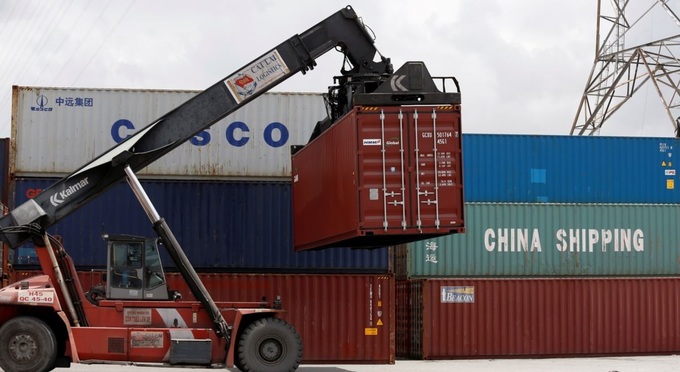
    The trade relationship between Vietnam and Singapore has flourished, with bilateral trade hitting a new high of $27.8 billion in the first 11 months of this year. This marked a significant upsurge of 25.7% from the previous year and is 13.56% over the $31.67 billion reported for the entire of 2024. As a result, Vietnam has retained its position as the 10th largest trading partner of Singapore throughout this period.

    November Trade Growth

    In November alone, bilateral trade between the two nations totalled $2.9 billion, indicating a 15.8% rise from the corresponding month in the previous year. Singapore’s exports to Vietnam were valued at $1.8 billion, a marginal 0.1% increase year-on-year, while its imports from Vietnam saw a substantial surge of 55.2% to $1.1 billion. Among these, the value of domestically manufactured goods fell 13.4% to $450.3 million, while re-exports rose 5.6% to $1.4 billion.

    Impressive Year-to-Date Performance

    The 11-month period saw Singapore’s exports to Vietnam reach $24.5 billion, marking a 17.7% increase year-on-year. Meanwhile, its imports from Vietnam soared to $11.5 billion, posting a massive 47.2% growth. Domestically manufactured exports were valued at $6.6 billion, a 4.8% rise, while re-exports shot up 23.3% to $17.9 billion.

    In terms of trade accounting, Singapore recorded a trade surplus of approximately $13 billion with Vietnam, similar to the preceding year’s figure. However, as re-exports constituted more than 73% of Singapore’s exports to Vietnam, when considering only goods of Singaporean and Vietnamese origin, Vietnam ended up with a trade surplus of $4.88 billion.

    Key Trade Categories

    Machinery and electrical equipment parts, along with mineral fuels, oils and related products, continue to be the two largest export categories from Singapore to Vietnam. These represented a combined value of $16.5 billion, or 67.5% of total exports. Furthermore, machinery and electrical equipment emerged as the top import category from Vietnam for Singapore, with its value more than doubling year-on-year to nearly $5.9 billion.

    Cao Xuan Thang, the Trade Counselor of Vietnam in Singapore, noted that while Singapore’s economic growth in 2026 may decelerate compared to 2025, maintaining product quality, improving design and packaging, employing technology for enhanced efficiency, and protecting brand reputation will be crucial for Vietnamese businesses to sustain export growth in this important trans-shipment market.

    Questions & Answers

    What was the total amount of bilateral trade between Vietnam and Singapore in the first 11 months of the year?
    The total amount of bilateral trade between Vietnam and Singapore in the first 11 months of the year was $27.8 billion.

    What was the percentage increase in Singapore’s imports from Vietnam in the first 11 months compared to the previous year?
    Singapore’s imports from Vietnam witnessed a significant increase of 47.2% in the first 11 months compared to the previous year.

    Which were the two largest export categories from Singapore to Vietnam?
    The two largest export categories from Singapore to Vietnam were machinery and electrical equipment parts, along with mineral fuels, oils and related products.

  • Muji’s Mega Store: A New Jewel in Bangkok’s Retail Throne Dominates Southeast Asia Market

    Muji’s Mega Store: A New Jewel in Bangkok’s Retail Throne Dominates Southeast Asia Market

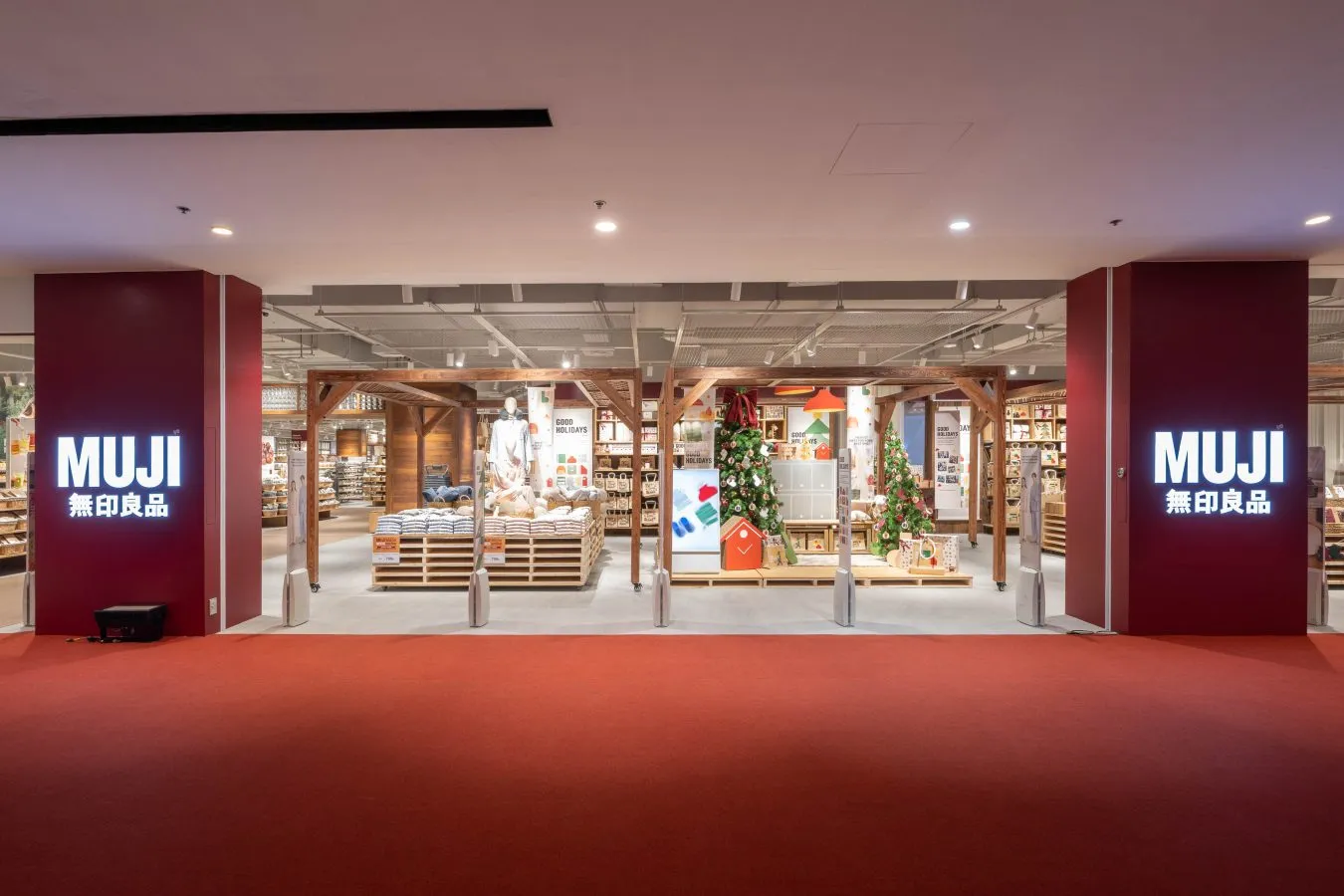
    Ryohin Keikaku, the parent company of Muji, recently unveiled its 40th and largest store in Southeast Asia, located in the bustling heart of downtown Bangkok. This 3,270sqm retail space represents a significant milestone for the company and is part of the new wave of flagship stores that Muji is planning to launch globally, including one in Paris next year.

    The New Muji Flagship Store

    The newly minted Muji store in Central World, Bangkok, boasts a wide frontage that welcomes customers to a variety of shopping experiences. It is designed to take advantage of the natural inclination of customers to navigate stores in a counter-clockwise direction, starting with a comprehensive stationery section.

    The store offers a wealth of products in a clear, systematic fashion. Customers can browse through household items, men’s and women’s clothing, health and beauty products, furniture, kitchenware, and even food and snacks. The layout is clean, functional, and well-organized – a hallmark of Muji’s ‘wa-ke’ philosophy centered around careful materials selection, craftsmanship, and simple packaging.

    One of the key features of this flagship store is its large health and beauty department, filled with a variety of aroma and fragrance products. This is part of Muji’s strategic plan to strengthen its health and beauty business, upgrading its skincare department into a core product category across all its stores.

    Adding to the overall shopping experience, the store also includes a dedicated space for workshops and exhibits named ‘Muji Atelier’. And to enhance customer service, the store employs multilingual staff who are always ready to assist shoppers.

    More Than Just a Flagship Store

    The new Muji store’s launch is part of a larger retail renaissance. The mall owner, Central Pattana, embarked on a significant re-leasing project after the seven-level Isetan department store vacated the premises in 2020. The new tenant mix includes popular American food chains, a mini-department store, a children’s play concept, and a Japanese food court.

    The redesigned mall also features a premium Japanese supermarket stocking more than 10,000 imported products and a small restaurant. The mall’s upper levels are now home to Muji, Japanese furniture retailer Nitori, and the Japanese bookstore Kinokuniya. This has not only revived the space but also created a sustainable rental income for the mall operator.

    Muji’s Global Expansion

    The ambitious Bangkok store is just one part of Muji’s broader expansion strategy. By August 31, the company had opened 1412 stores domestically and internationally, marking an increase of 107 from the previous fiscal year. Of these, 47 were outside Japan, taking the total number of international stores to 729. The company plans to open another 96 stores in fiscal 2026, with the majority set to be in China and Southeast Asia.

    The company’s successful expansion strategy resulted in a considerable boost to its revenues, which rose to US$5.1 billion, marking an 18.6 per cent increase from the previous year. Operating revenue in Japan rose by 20.9 per cent, accounting for almost 60 per cent of the total revenue.

    In line with the company’s global strategy, Muji aims to increase the presence of its Japanese merchandise in its international stores to about 80 per cent, focusing not only on health and beauty products but also on daily essentials and innerwear made from natural materials.

    Questions & Answers

    What is special about the new Muji store in Bangkok?

    The new Muji store in Bangkok is not only the 40th store in Thailand but also the largest in Southeast Asia. It is meticulously designed, taking into consideration customer behaviors and shopping patterns. The health and beauty department is one of its highlights, reflecting Muji’s strategy to strengthen this segment.

    What is the ‘wa-ke’ philosophy mentioned in relation to Muji?

    The ‘wa-ke’ philosophy is Muji’s guiding principle, emphasizing careful selection of materials, craftsmanship, and simple packaging. This philosophy influences the design, layout, and product range of Muji stores.

    What is Muji’s global expansion strategy?

    Muji’s global expansion strategy includes increasing the number of its stores both domestically and internationally, with a particular focus on Southeast Asia and China. The company also aims to enhance its overseas representation of Japanese merchandise to about 80 per cent.

  • Lady M Confections Tightens Grip on Singapore Market, Amplifying Southeast Asia Expansion

    Lady M Confections Tightens Grip on Singapore Market, Amplifying Southeast Asia Expansion

    Leading patisserie brand, Lady M Confections, is set to take direct control of its Singapore operations, as part of an ongoing strategy to expand its influence in Southeast Asia.

    Lady M Confections Takes Charge of Singapore Operations

    The esteemed US-based patisserie first gained presence in Singapore in 2013 through a licensing agreement with Caerus Holdings. This marked Lady M’s initial venture into international markets outside of the United States. However, with this affiliation set to end this month, the company has decided to assimilate the Singapore market into its global operations. This shift is aimed at fortifying the brand’s supervision and ensuring consistent quality across all outlets.

    Lady M’s CEO, Ken Romaniszyn, revealed that Singapore holds a significant position in the brand’s international operations. As the brand sets foot into the next phase of its growth strategy, having a more direct involvement in the Singapore market is expected to bring forth a high-quality brand experience and enhanced consistency, thereby better serving its regional clientele.

    Romaniszyn further emphasized that this transition embodies the company’s commitment to long-term brand stewardship. By incorporating Singapore into their global operations, they aim to solidify their groundwork in Southeast Asia. This move is also geared towards ensuring that the Lady M experience remains consistent with the high standards expected by customers worldwide.

    About Lady M Confections

    Lady M Confections, which was founded in New York City in 2001, has gained international prestige for its signature Mille Crepes cake. The brand operates more than 40 boutiques across the globe, merging French pastry techniques with subtleties of Japanese culinary artistry.

    Questions & Answers

    What is Lady M Confections’ latest business strategy for Southeast Asia?
    Lady M Confections is taking direct control of its Singapore operations. This is part of its long-term strategy for growth and brand stewardship in the Southeast Asian region.

    When did Lady M Confections first enter the Singapore market and how?
    The company first made inroads into Singapore in 2013 through a licensing agreement with Caerus Holdings. This was their first venture into markets outside the United States.

    What is Lady M Confections best known for?
    Lady M Confections is best known for its signature Mille Crepes cake. The brand expertly combines French pastry techniques with Japanese culinary influences.

  • Iicombined Unveils Haus Nowhere in Bangkok: Debuts Tamburins’ First Southeast Asia Store and Thailand’s Largest Gentle Monster Outlet

    Iicombined Unveils Haus Nowhere in Bangkok: Debuts Tamburins’ First Southeast Asia Store and Thailand’s Largest Gentle Monster Outlet

    The Seoul-based lifestyle conglomerate, Iicombined, has broadened its retail footprint by launching its multi-brand store, Haus Nowhere, in Bangkok, Thailand.

    Prime Location

    The store, located on IconSiam mall’s M floor, hosts two major brand flagships: the first Tamburins store in Southeast Asia and the largest Gentle Monster location in Thailand.

    ‘Future Retail’ Concept

    The debut of Haus Nowhere in Thailand is part of Iicombined’s ‘Future Retail’ strategy to establish its presence in key global cities. Following Seoul, Shanghai, Shenzhen, and Dosan, Bangkok has become the fifth city to host a Haus Nowhere store.

    Tamburins’ Southeast Asia Debut

    Tamburins, a fragrance and beauty label established by Iicombined in Seoul in 2017, has made its Southeast Asia debut with a full range of products and exclusive items available only in-store. The store-exclusive items include a Blue Hinoki edition of its Egg Perfume and a 2ml fragrance with a Puppy Case.

    Gentle Monster’s Largest Store in Thailand

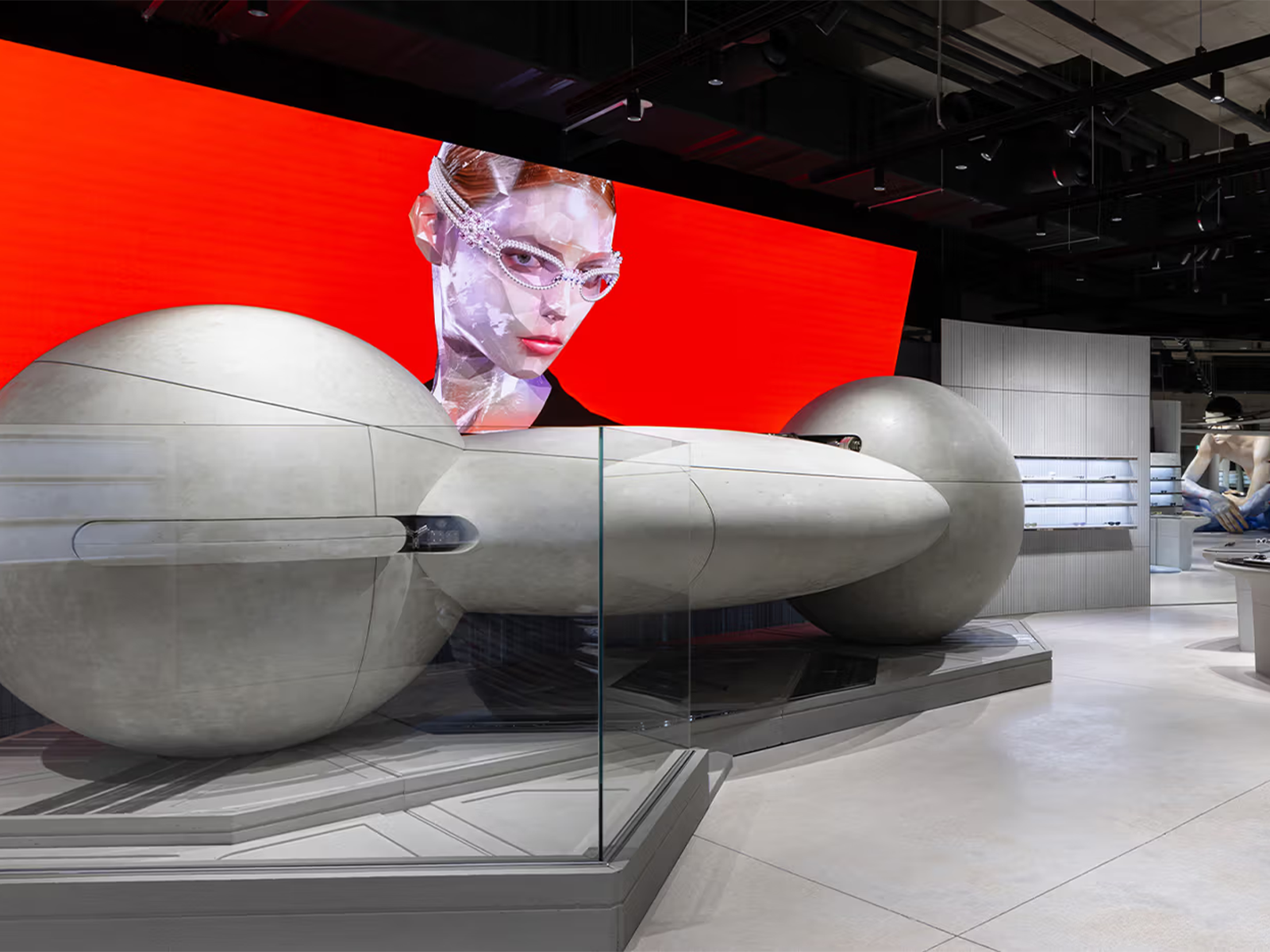
    The new Haus Nowhere store also hosts the largest Gentle Monster store in Thailand. This is the eyewear brand’s third location in Bangkok, following its previous ventures at EmQuartier and Siam Paragon, indicating that Thailand is one of Gentle Monster’s most active markets in Southeast Asia.

    The flagship showcases the brand’s signature installation-led design and establishes Bangkok as a crucial market for the label. It is expected to draw interest from both domestic and regional shoppers.

    The location also features the ‘Sunshine Giant Dog’ installation, displayed outside of Seoul for the first time ever.

    Questions & Answers

    What is the ‘Future Retail’ concept of Iicombined?
    The ‘Future Retail’ concept is Iicombined’s strategy of expanding its retail presence by establishing stores in key global cities.

    What is significant about the Tamburins store in Haus Nowhere, Bangkok?
    The Tamburins store in Haus Nowhere, Bangkok, is the first Tamburins store in Southeast Asia and offers a full range of its products, including some exclusive in-store items.

    How does the new Haus Nowhere store in Bangkok contribute to the growth of Gentle Monster in Thailand?
    The Gentle Monster store in Haus Nowhere, Bangkok, is the largest store of the brand in Thailand and its third location in Bangkok, indicating the company’s growing foothold in the Thai market.

  • Chagee Brews a Unique Blend: First Pet-Friendly Tea Store Launches in Southeast Asia

    Chagee Brews a Unique Blend: First Pet-Friendly Tea Store Launches in Southeast Asia

    Chagee, a Chinese tea chain, has broadened its horizons with the unveiling of its inaugural pet-friendly store in Eastwood City, Manila, in the Philippines. This ground-breaking concept in Southeast Asia has been designed to appeal to both pet owners and their beloved fluffy friends.

    Embracing Pet-Friendly Experiences

    The novel store offers an alfresco seating arrangement, complete with weather-resistant benches. The floor has been designed to be non-slip to ensure a pet-friendly environment. The store is also equipped with air purifiers and incorporates various safety-oriented aspects to cater to pets. Notably, the entrance is marked by a rooftop cat fixture and a dog sculpture, signifying the store’s pet-loving ethos.

    Additionally, pets are welcomed by the provision of free water served in specially designated bowls. The store also takes into consideration the tea lovers’ needs. An encased tea bar with transparent glass panels allows customers to observe their drinks being prepared while keeping the tea safe from pet fur and dander.

    The store also prioritizes cleanliness and hygiene. It boasts a cleaning station equipped with wet wipes, lint rollers, and trash bags. An inside handwashing station is also available to further promote sanitary practices.

    Creating Community-Oriented Spaces

    According to Christopher Tiong, the General Manager of Chagee Philippines, the launch of this new concept aligns perfectly with the ongoing surge in pet ownership. The initiative mirrors the company’s ongoing effort to create more community-oriented spaces.

    “We have always used our tea to bring people together, and the bonds we share with our pets are equally special”, Tiong said. “With this innovative store, we aim to merge tea culture and pet companionship in a warm, welcoming space that everybody can enjoy.”

    Chagee sets itself apart through its distinct luxury-leaning, minimalist brand identity. The chain is renowned for its commitment to using real tea leaves, fresh milk, and refraining from the use of any artificial sweeteners.

    Questions & Answers

    What is Chagee’s pet-friendly store concept?
    Chagee’s pet-friendly store concept is a novel space designed to cater to both pet owners and their pets. It offers alfresco seating, non-slip flooring, air purifiers, and safety-focused features. Pets are provided with free water and there is an enclosed tea bar for customers.

    Where is Chagee’s first pet-friendly store located?
    Chagee’s first pet-friendly store is located in Eastwood City, Manila, Philippines.

    What differentiates Chagee from other tea chains?
    Chagee differentiates itself by using real tea leaves and fresh milk in their drinks while avoiding artificial sweeteners. Its brand identity is minimalist and leans towards luxury.

  • Vontobel Boosts Asia Expansion with Industry Expert Cody Law: Aiming for Long-Term Regional Growth

    Vontobel Boosts Asia Expansion with Industry Expert Cody Law: Aiming for Long-Term Regional Growth

    Vontobel, the esteemed Swiss investment firm, continues to expand its presence in Asia, bolstering its team with a crucial addition aimed at strengthening intermediary relationships and setting the stage for enduring growth across the region.

    Cody Law has been welcomed into the Vontobel fold as the Senior Relationship Manager for Intermediary Clients. His role will include strengthening client relationships and broadening the firm’s distribution business through the establishment of partnerships with principal financial intermediaries.

    Law boasts an impressive 22-year track record in the Asia intermediary market, contributing to his reputation as a driving force behind business growth.

    Proven Client-Centric Expertise

    In his previous roles, Law demonstrated his prowess in overseeing financial intermediary relationships in Hong Kong. In particular, he excelled while stationed at Jupiter Asset Management. Prior to this, he partnered with Hong Kong intermediary clients at Janus Henderson Investors, delivering innovative solutions.

    Law’s early career comprises 16 enriching years in investment counselling and relationship management roles at leading financial institutions such as HSBC, Citibank, and Standard Chartered Bank. Here, he catered to high-net-worth clients, managing portfolios and investment products. Law is a proud alumnus of the University of Hong Kong, having earned a Bachelor of Mechanical Engineering (Honours).

    Geared Towards Expansion

    Law’s extensive network in Hong Kong and his vast experience across the intermediary landscape make him an indispensable asset as Vontobel readies for its strategic foray into Asia’s retail space, according to Clarabelle Ho, Head Asia Intermediary. She believes Law’s expertise will fortify the firm’s market presence and foster sustainable growth.

    Established Presence in Asia

    Having launched its Asia Pacific operations in 2008, Vontobel now caters to clients from Hong Kong, Singapore, Tokyo, and Sydney. This regional presence lays the groundwork for wider coverage and expansion.

    As of September 30, 2025, Vontobel managed assets worth 239.7 billion francs. The Zurich-based firm prides itself on operating as an investment-led global firm that prioritizes the client’s perspective. They harness technology to expand advisory and investment expertise across platforms.

    Questions & Answers

    Who is the latest Senior Relationship Manager for Intermediary Clients at Vontobel?
    Cody Law has been appointed as the Senior Relationship Manager for Intermediary Clients at Vontobel.

    What is the role of the Senior Relationship Manager for Intermediary Clients at Vontobel?
    The role involves strengthening client engagement and developing the firm’s distribution business by building partnerships with major financial intermediaries.

    What is Vontobel’s standing in the global investment sector?
    As of September 30, 2025, Vontobel, a Zurich-based firm, managed assets worth 239.7 billion francs, positioning itself as a leading investment-focused firm that prioritises clients’ perspectives and leverages technology to expand its advisory and investment expertise.

  • Metcash Battles Tough Trading Climate: Mixed Results and Strategic Market Gains Detailed in Interim Report

    Metcash Battles Tough Trading Climate: Mixed Results and Strategic Market Gains Detailed in Interim Report

    In the first half of the fiscal year, Metcash released a diverse range of results as the firm navigated a challenging trading period. The group’s revenue for the six months concluding on October 31 saw a slight increase of 0.1%, amounting to $8.5 billion. This figure rose to $9.6 billion, an increase of 0.4%, when charge-through sales were included.

    Segment Performance

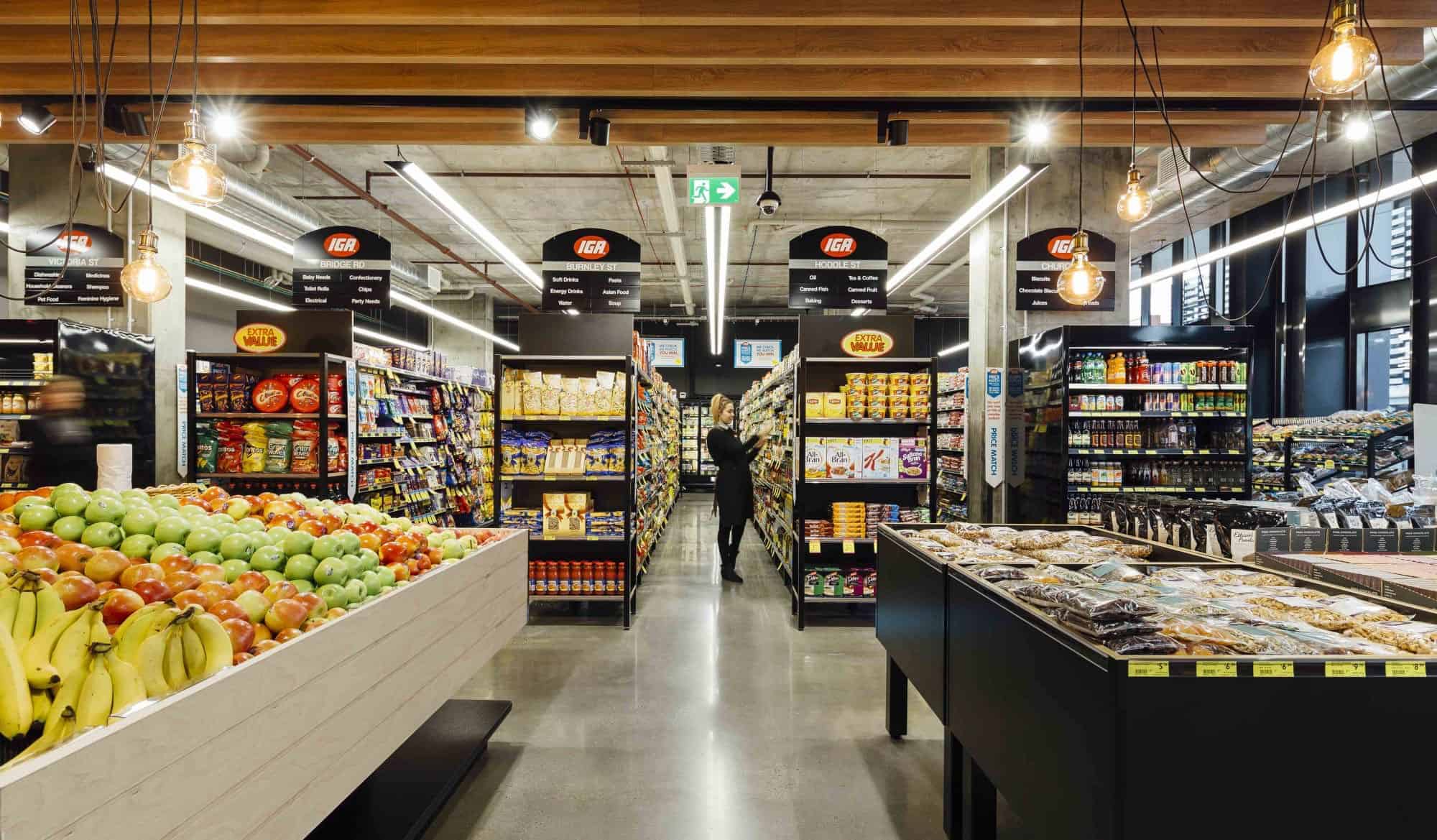
    Metcash’s food segment, with the exception of tobacco, witnessed a 7.2% surge, indicating growth in both its supermarket business (IGA) and foodservice and convenience operations (Campbells & Convenience and Superior Foods).

    However, when tobacco was included, food sales decreased by 0.8%. This decline in tobacco sales, which accelerated to 35%, was reportedly due to the implementation of new regulations in July.

    In the liquor sector, Metcash saw sales rise by 1.4%, reflecting a growth in market shares in Australian packaged liquor and a surge in wholesale sales to on-premise patrons.

    The hardware segment of the business also experienced growth, with sales rising by 2.4%. Similarly, Total Tools sales saw a 3% increase.

    Financial Outcomes

    Regarding the bottom line, the group’s EBITDA increased by 2% to $367.2 million. Contrarily, the underlying profit after tax witnessed a decline of 5.9%, amounting to $126.7 million. This decrease was due to a combination of lower hardware and liquor earnings, an increase in finance costs, and increased depreciation and amortization.

    Future Prospects

    Despite the challenging trading conditions, Metcash group CEO Doug Jones expressed satisfaction with the company’s results. According to Jones, the company has been making substantial progress in their strategy of extending through the value chain and ‘winning with independents’. This strategy presents opportunities to extend their addressable markets while also providing attractive margins.

    Jones went on to express optimism about Metcash’s future prospects, stating that the company is well set for continued success. He emphasized the company’s robustness, diversity, and resilience, as well as the considerable opportunities for accelerating growth.

    Questions & Answers

    What was the increase in Metcash’s revenue for the first half of the fiscal year?
    The revenue saw a slight increase of 0.1%, amounting to $8.5 billion.

    How did the new regulations in July affect Metcash’s tobacco sales?
    The decline in tobacco sales, which accelerated to 35%, was reportedly due to the implementation of new regulations in July.

    What is Metcash group CEO Doug Jones’s outlook for the company’s future?
    Jones expressed optimism about Metcash’s future prospects, emphasizing the company’s robustness, diversity, and resilience, as well as the considerable opportunities for accelerating growth.

  • North Face Unveils First-of-its-Kind Concept Store in Southeast Asia, Revolutionizing Outdoor Retail in Bangkok

    North Face Unveils First-of-its-Kind Concept Store in Southeast Asia, Revolutionizing Outdoor Retail in Bangkok

    In a first for Southeast Asia, The North Face has unveiled its innovative concept store in Central Park Bangkok. This move is a result of their collaboration with Thai Outdoor Group (TOG), a local distributor.

    A Novel Design Concept

    The new store showcases a design that embodies the signature ‘Dome Pattern’ of the brand, highlighting themes of resilience, lightness, and technical prowess. This strategic design choice is aimed at reflecting the brand’s core values and product offerings.

    Blending Outdoor Performance and Lifestyle

    The store, characterized as “an urban exploration-focused space,” offers a unique blend of outdoor performance products and lifestyle categories. The setting adopts improved visual merchandising and a streamlined layout, reflecting the brand’s initiative to rejuvenate its retail presence in Asia.

    This development comes at a time when there is an increasing demand for outdoor and athleisure products in the region, signaling a promising future for this market segment.

    Expansion of Thai Outdoor Group

    The Thai Outdoor Group has been making significant strides in the retail sector. The company recently launched the first Southeast Asian store for Icebreaker, an outdoor apparel brand originally from New Zealand. Apart from The North Face and Icebreaker, TOG also manages and distributes several other brands in Thailand, including Gong Cha, Salomon, and Dickies.

    Questions & Answers

    What is the concept behind the new North Face store in Bangkok?
    The store embraces a design that mirrors the brand’s ‘Dome Pattern’, focusing on elements of resilience, lightness, and technical functionality. This aligns with the brand’s mission to blend outdoor performance products with lifestyle categories.

    Why is this store launch significant for the Asian market?
    The launch comes amid a surge in demand for outdoor and athleisure products in the region. By introducing this concept store, The North Face is strategically positioning itself to capture this growing market segment.

    What other brands does the Thai Outdoor Group distribute?
    Apart from The North Face, the Thai Outdoor Group also handles the distribution of several other brands in Thailand, including Icebreaker, Gong Cha, Salomon, and Dickies.

  • Manulife Bolsters Leadership with Appointment of Former HSBC Asia CFO Ming Lau

    Manulife Bolsters Leadership with Appointment of Former HSBC Asia CFO Ming Lau

    Manulife, a global insurance provider, has announced the appointment of Ming Lau as its new Chief Financial Officer (CFO) for Asia. This announcement is effective as of May 2026. Ming Lau will directly report to Colin Simpson, Manulife’s Global CFO.

    Ming Lau brings a wealth of experience to this new role. He has an impressive career in financial services spanning nearly three decades. Most recently, he served as the CFO for HSBC in the Asia Pacific and Middle East regions. He also filled various senior positions, such as CFO of HSBC China and CFO of HSBC Global Commercial Banking.

    The experienced finance professional is expected to bring immense value to Manulife. Commenting on the appointment, Colin Simpson stated, “We are delighted to welcome Ming to Manulife. His extensive experience and proven leadership across multiple markets will be instrumental as we continue to advance our strategic priorities and growth ambitions in Asia.”

    Questions & Answers

    Who has been appointed as the new CFO for Asia by Manulife?
    Ming Lau has been appointed as the new Chief Financial Officer (CFO) for Asia at Manulife.

    What is the professional background of the newly appointed CFO?
    Ming Lau has nearly 30 years of experience in financial services. Previously, he served as CFO for HSBC in the Asia Pacific and Middle East regions, as well as CFO of HSBC China and CFO of HSBC Global Commercial Banking.

    Who will Ming Lau report to in his new role?
    In his new role as CFO for Asia at Manulife, Ming Lau will report to Colin Simpson, the Global CFO of Manulife.

  • Google Cloud Boosts Asia Pacific Connectivity with TalayLink Subsea Cable and New Hubs in Australia and Thailand

    Google Cloud Boosts Asia Pacific Connectivity with TalayLink Subsea Cable and New Hubs in Australia and Thailand

    Google Cloud has unveiled TalayLink, an innovative subsea cable system that connects Australia and Thailand. This system represents a significant move towards bolstering digital infrastructure and network resilience throughout the Asia Pacific region.

    Strengthening Regional Network Resilience

    TalayLink is as an extension of the interlink cable previously introduced under the Australia Connect initiative last year. The cable system is designed to follow a diverse route through the Indian Ocean, positioned west of the heavily trafficked Sunda Strait. This strategic routing will not only provide Thailand with a new, resilient international gateway but will also enhance the integration of Google’s global network.

    Bikash Koley, Vice President of Google Global Infrastructure at Google Cloud, explains that TalayLink is named after the Thai word for sea or ocean, ‘talay’. The new subsea cable path will establish a more diverse linkage to Thailand through the Indian Ocean, west of the Sunda Strait. This route will contribute to further integrating future data centers and cloud regions in Thailand into Google’s global network.

    Future-Proof Connectivity Hubs

    Google has also declared plans to establish new connectivity hubs in Mandurah, Western Australia, and South Thailand, in its recent announcement. These hubs aim to secure future regional connectivity and support advanced digital and AI services by facilitating cable switching, content caching, and colocation capabilities. The Mandurah hub will diversify Western Australia’s landing points beyond Perth, while the South Thailand hub will take advantage of existing infrastructure in an essential subsea crossroads.

    Pratthana Leelapanang, Chief Executive Officer of AIS, commends the strategic partnership with Google in supporting the connectivity hub in Southern Thailand. The collaboration of Google’s diverse submarine cable path and AIS’s high-reliability colocation capabilities will enhance the region’s digital infrastructure and support the country’s AI strategy.

    Preeyaporn Tangpaosak, President of ALT Telecom, also expressed enthusiasm about the International Gateway Company (IGC), a subsidiary of ALT Telecom PLC, being a crucial Google partner in landing a new submarine cable in Thailand. This new piece of digital infrastructure is pivotal in accelerating Thailand’s ambitious digital economy development strategy.

    National Importance of Deployments

    The significance of these implementations for the nation’s long-term competitiveness is underscored by Thailand’s Board of Investment (BOI). Narit Therdsteerasukdi, Secretary General of the Thailand Board of Investment (BOI), highlights the role of the TalayLink cable as a key piece of digital infrastructure. It enhances Thailand’s connectivity and resilience and, in conjunction with Google’s upcoming Google Cloud region and data center in Thailand, will significantly expand regional network and computing capacity. These forward-looking investments position Thailand as a critical digital gateway for next-generation cloud and AI innovation in Southeast Asia.

    Upon completion, the TalayLink and new connectivity hubs will boost network resilience across Australia, Africa, and Southeast Asia. Coupled with previously announced hubs in the Maldives and Christmas Island, the new system will enhance onward connectivity across the Indian Ocean and the Middle East.

    Questions & Answers

    What is the TalayLink subsea cable system?
    TalayLink is an innovative subsea cable system developed by Google Cloud that connects Australia and Thailand, strengthening digital infrastructure and network resilience in the Asia Pacific region.

    How will the new connectivity hubs in Mandurah and South Thailand function?
    These hubs aim to enhance regional connectivity and support advanced digital and AI services. They will facilitate functions such as cable switching, content caching, and colocation capabilities.

    What is the significance of the TalayLink cable to Thailand?
    The TalayLink cable serves as a pivotal piece of digital infrastructure, enhancing Thailand’s connectivity and resilience. It will significantly expand regional network and computing capacity while positioning Thailand as a critical digital gateway for next-generation cloud and AI innovation in Southeast Asia.

  • Icebreaker’s Eco-Friendly Fashion Woos Thailand: First Southeast Asia Store Opens in Bangkok

    Icebreaker’s Eco-Friendly Fashion Woos Thailand: First Southeast Asia Store Opens in Bangkok

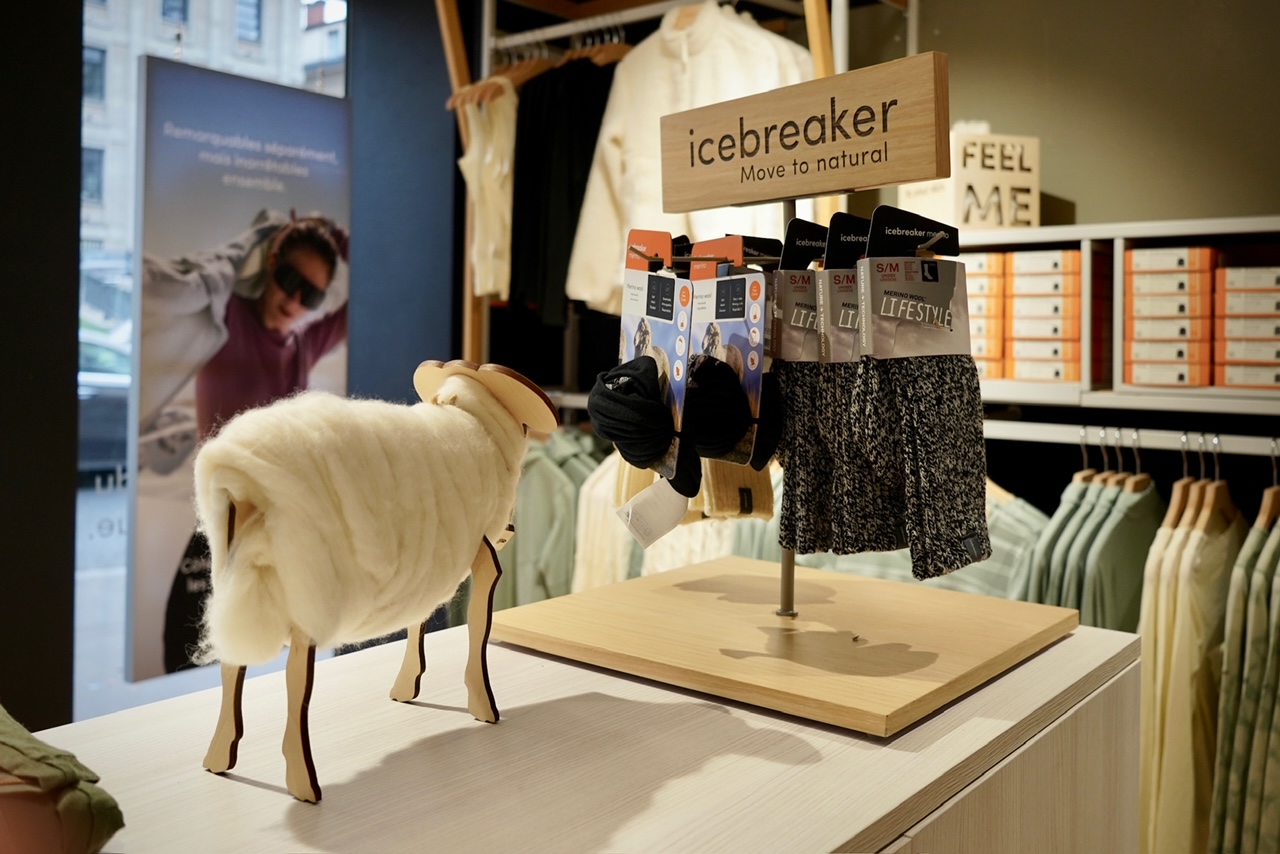
    Icebreaker, a renowned outdoor apparel brand originating from New Zealand, recently established its first retail outlet in Southeast Asia. The new store, located in Central Park, Bangkok, was launched in collaboration with the Thai Outdoor Group (TOG).

    Making its debut in Southeast Asia is regarded as a significant achievement in Icebreaker’s global expansion strategy. Moreover, it solidifies the brand’s intrinsic principle of ‘Move to Natural.’ This philosophy encourages the use of natural, environmentally-friendly fibres instead of synthetic alternatives.

    The Bangkok store highlights Icebreaker’s Merino wool products, positioning the brand to capitalize on the escalating consumer interest in sustainable and high-performance apparel.

    The store inauguration was marked with the ‘Meet Your Merino Sheep’ workshop. This event provided a unique opportunity for participants to create their own Merino sheep using the same high-grade fibres that are used in the manufacture of Icebreaker garments.

    Icebreaker, established in 1995, is widely acknowledged as a trailblazer in the application of Merino wool. This material is highly prized for its breathability, temperature regulation, resistance to odour, and natural comfort under a range of conditions.

    In a remarkable development in 2018, Icebreaker was acquired by the American apparel titan, VF Corp, for $288 million, following a highly competitive bidding process.

    Questions & Answers

    What is the significance of Icebreaker’s new store in Bangkok?
    The opening of Icebreaker’s store in Bangkok marks a significant milestone in the brand’s global expansion strategy. It also positions the brand to tap into the growing consumer interest in sustainable and performance-driven apparel in Southeast Asia.

    What is the philosophy of Icebreaker?
    Icebreaker follows a core philosophy of ‘Move to Natural’, which promotes the use of natural, sustainable fibres over synthetic alternatives.

    Who acquired Icebreaker in 2018 and for how much?
    Icebreaker was purchased by the US apparel giant VF Corp in 2018 for a sum of $288 million.

  • UBS Names Kwa Chong Seng as New Chair for Singapore and Southeast Asia: A Strategic Move for Growth and Innovation

    UBS Names Kwa Chong Seng as New Chair for Singapore and Southeast Asia: A Strategic Move for Growth and Innovation

    UBS, the Swiss banking powerhouse, has announced the appointment of experienced corporate leader Kwa Chong Seng to the position of chairman for Singapore and Southeast Asia. Effective from December 1, Kwa will be based in Singapore from where he will report directly to Iqbal Khan, the president of APAC and co-president of Global Wealth Management (GWM).

    Kwa’s Role and Responsibilities

    In his new role, Kwa will be tasked with strategic oversight of the business, fostering partnerships and relationships within Singapore, and stimulating the bank’s growth and innovation across the region. A crucial part of his role will also be mentoring and cultivating the next generation of leaders. In carrying out these responsibilities, he will work closely with Edmund Koh, the APAC Chairman, and Jin Yee Young, the head of Singapore country and co-head of APAC GWM.

    Experience and Track Record

    Kwa brings to the table extensive leadership experience from both public and private sectors. His impressive portfolio includes chairing the boards of notable Singapore-based companies such as Singapore Exchange, ST Engineering, Neptune Orient Lines, Olam International, Fullerton Fund Management, and Media Corporation of Singapore. Kwa has also held board member positions at DBS and Seatown Holdings, while serving as the deputy chair of Temasek Holdings and the Public Service Commission Singapore.

    Presently, Kwa holds the position of chairman at UltraGreen.ai, a company that specializes in surgical imaging technology. The bank has officially confirmed these details pertaining to Kwa’s portfolio and appointment.

    Questions & Answers

    What role will Kwa Chong Seng play at UBS?
    Kwa Chong Seng has been appointed as chairman for Singapore and Southeast Asia. He will provide strategic oversight, boost partnerships and relationships in Singapore, aid the bank’s regional growth and innovation, and mentor emerging leaders.

    What is Kwa’s professional background?
    Kwa Chong Seng has a significant amount of leadership experience in the public and private sectors. He has chaired the boards of several prominent companies in Singapore and has held board member positions at DBS and Seatown Holdings.

    Who will Kwa report to in his new role at UBS?
    Kwa will report to Iqbal Khan, the president of APAC and co-president of Global Wealth Management (GWM).

  • Dairy Queen’s Exciting Expansion: 187 New Restaurants to Debut in Asia and Middle East

    Dairy Queen’s Exciting Expansion: 187 New Restaurants to Debut in Asia and Middle East

    Dairy Queen, a renowned international fast-food chain, is accelerating its global growth strategy with ambitious plans to establish 187 new outlets across Asia and the Middle East. This move signals one of the company’s most aggressive international growth initiatives in recent times.

    Breaking New Ground

    The company has inked fresh development agreements, marking its entry into Hong Kong, Macau, and Taiwan. It is an unprecedented move that not only establishes its presence in these regions for the first time but also bolsters its existing operations in the Middle East.

    Shanghai Dairy Queen Limited, a significant player in the company’s expansion, is managing the introduction of the brand into Hong Kong and Macau. The plan outlines the opening of 60 and 12 outlets in these locations, respectively.

    Partnerships and Expansion

    In Taiwan, an entirely new territory for the brand, Dairy Queen has formed a strategic alliance with SFB Corporation Limited and Shanghai Dairy Queen Limited. The partnership aims to launch 100 restaurants over the next decade, commencing with a grand market debut at Taipei 101 on November 18.

    In the Middle East, the company’s long-standing franchisee, Al-Majid Jawad WLL, is set to add 15 new restaurants in Qatar by 2030, expanding its total footprint in the region to 25 locations. The company anticipates the initial wave of these new Dairy Queen outlets to begin operations next year.

    A Strategic Move

    Nicolas Boudet, COO International at International Dairy Queen, underscored the importance of entering new markets and reinforcing existing ones as a critical aspect of the company’s growth strategy.

    “We’re thrilled to expand our global footprint with the aid of experienced franchise ownership groups,” said Boudet. “These groups are committed to running successful restaurants with teams dedicated to fulfilling our mission of creating positive memories for everyone who comes into contact with Dairy Queen.”

    Dairy Queen, which was established in 1940 and is now a subsidiary of Berkshire Hathaway, currently operates more than 7,700 restaurants worldwide.

    Questions & Answers

    What are Dairy Queen’s expansion plans in Asia and the Middle East?
    Dairy Queen plans to open 187 new restaurants across Asia and the Middle East. This includes establishing a presence in Hong Kong, Macau, and Taiwan for the first time.

    Who are Dairy Queen’s partners in their expansion into Taiwan?
    Dairy Queen has partnered with SFB Corporation Limited and Shanghai Dairy Queen Limited to launch 100 restaurants in Taiwan over the next ten years.

    How many Dairy Queen restaurants are there worldwide?
    Dairy Queen currently operates more than 7,700 restaurants worldwide.