Tag: asia

  • Dollar Dips Against Dong: What This Means for Retailers and Consumers Alike

    Dollar Dips Against Dong: What This Means for Retailers and Consumers Alike

    The U.S. dollar weakened against the Vietnamese dong Wednesday morning, despite maintaining its strength against major currencies. Vietcombank reported it sold the dollar at VND26,482, reflecting a slight dip of 0.06% from the previous day. The greenback was trading around VND26,680 on the black market, highlighting the currency’s fluctuating nature.

    Vietnam’s Central Bank Adjusts Reference Rate

    The State Bank of Vietnam took a decisive step, lowering its reference rate by 0.06 percent to VND25,221. This adjustment mirrors the complex dynamics driving the currency market in the region.

    Global Context Influences Local Trends

    Internationally, the U.S. dollar maintained its footing on Wednesday. Traders are keeping a watchful eye on impending inflation reports that may significantly influence future interest rate decisions by the Federal Reserve. Kieran Williams, head of Asia FX at InTouch Capital Markets, pointed out that while a large cut seems unlikely next week, the data will indeed shape market expectations for rate easing heading into the year’s final stretch.

    Currency Markets in a State of Flux

    This atmosphere of uncertainty left the currency markets teetering during Asian trading hours. The euro slipped slightly to $1.16985 after a 0.5% decline in the previous session, while the British pound was recorded at $1.3522. The Japanese yen held steady against the dollar, trading at around 147.42.

    Meanwhile, the Australian dollar hovered at $0.6587, flirting with a seven-week high reached just a day prior. Stand back! The dollar index, which gauges the U.S. currency against six others, remained stable at 97.834 after a 0.3% gain the previous day. However, the index has stumbled about 10% in 2025, as unpredictable U.S. trade policies and expectations surrounding rate cuts undermine the dollar’s appeal.

    Questions & Answers

    How has the U.S. dollar performed against the Vietnamese dong recently?
    The U.S. dollar has weakened slightly against the Vietnamese dong, recently selling at VND26,482, down 0.06% from the previous day.

    What impact are inflation reports expected to have on the currency market?
    Inflation reports are anticipated to guide traders on interest rate decisions from the Federal Reserve, affecting market expectations for economic easing as year-end approaches.

    How is the overall stability of the dollar index influencing trade?
    The dollar index remains stable at 97.834, but it’s down about 10% in 2025, primarily due to volatile U.S. trade policies and shifting expectations surrounding rate cuts, impacting the dollar’s attractiveness in international markets.

  • Chipotle Sets Sights On Asian Market With South Korea And Singapore Expansion

    Chipotle Sets Sights On Asian Market With South Korea And Singapore Expansion

    Next year, Chipotle is set to expand its international footprint into Asia, launching its first establishments in South Korea and Singapore. This expansion is facilitated by a partnership with SPC Group.

    Chipotle Finds Its Ideal Entry Points in Asia

    Executive Vice President and owner of SPC Group, Heesoo Hur, has conveyed his excitement about the venture, stating that due to the widespread recognition of the brand and the keen interest in high-quality culinary experiences among Koreans and Singaporeans, these two markets pose perfect entry points for Chipotle’s Asian expansion.

    Chipotle, a US-based fast-casual chain, has gained popularity for its customizable offerings that include burritos, bowls, tacos, and salads created from fresh ingredients. Patrons are allowed the liberty to choose their fillings from an assembly line, enabling them to tailor their meals according to their preferences.

    Chipotle Eyes Growth in Asia

    Scott Boatwright, CEO of Chipotle, has expressed his enthusiasm about the move into Asia. He believes this expansion will provide an exceptional growth opportunity for the company. He stated that there is considerable demand for fresh, quickly prepared food in the Asian markets and, coupled with existing brand recognition, he anticipates a strong initial acceptance of the brand.

    This alliance with SPC Group is the latest in a series of international moves by Chipotle. In 2023, Chipotle formed a partnership with Alshaya Group to introduce the brand to the Middle East, where it currently operates six outlets spread across Kuwait and the UAE. Earlier this year, Chipotle revealed a collaboration with Alsea, planning to inaugurate its first Mexican outlet next year.

    At present, Chipotle operates over 3,800 restaurants globally. The company harbors ambitious plans for the future, targeting the opening of up to 345 new sites this year, with an ultimate aim of reaching a total of 7,000 locations in the US and Canada.

    Questions & Answers

    What is Chipotle’s expansion plan for Asia?
    Next year, Chipotle will be launching its first outlets in Asia, beginning with South Korea and Singapore, via a partnership with SPC Group.

    What kind of dining experience does Chipotle offer?
    Chipotle is a fast-casual chain that offers personalised dining experiences. Customers can customise their burritos, bowls, tacos, and salads with fresh ingredients chosen from an assembly line.

    What are Chipotle’s broader expansion plans?
    Chipotle operates over 3,800 restaurants worldwide and aims to open up to 345 new locations this year. In the long term, the company targets a total of 7,000 outlets in the US and Canada.

  • Revolut Sets Up Camp in the Emirates: What This Means for Retail Innovation

    Revolut Sets Up Camp in the Emirates: What This Means for Retail Innovation

    Revolut has taken a critical stride in its Middle East expansion with the acquisition of initial approval to offer payment services in the United Arab Emirates. This marks a significant leap for the British neobank, which boasts a customer base exceeding 60 million globally, as it prepares to tap into one of the region’s most promising financial markets.

    In a recent statement, Revolut announced it received in-principle approval from the Central Bank of the UAE (CBUAE) for “Stored Value Facilities” and “Retail Payment Services (Category II)” licenses. This regulatory green light paves the way for the launch of a diverse range of financial products aimed at retail customers, underlining the UAE’s potential as a catalyst for growth due to its vibrant economy, robust digital adoption, and established position as a global financial center.

    A Vision for Financial Empowerment

    Ambareen Musa, CEO GCC at Revolut, expressed enthusiasm regarding the approvals, stating, “Receiving these in-principle approvals from the Central Bank of the UAE is a pivotal step for Revolut in the region.” She highlighted the company’s commitment to equipping individuals with innovative financial tools that prioritize transparency, flexibility, and user control, aiming to address pressing issues within the current financial landscape. For Musa, whose fintech journey began with founding Souqalmal.com, Revolut’s mission extends beyond just service provision; it’s deeply rooted in advancing financial literacy and consumer empowerment across the UAE.

    Ambitious Hiring Plans Unveiled

    In tandem with its expansion plans, Revolut is gearing up for a hiring spree in the UAE. Embracing a “remote-first” strategy allows the company to attract a diverse talent pool from across the region while fostering an environment of flexibility and inclusivity. This fresh wave of recruitment is essential as Revolut seeks to strengthen its foothold in a market where fintech innovation is booming and competition is fierce.

    As the company sets its sights on establishing a formidable presence in the UAE, it continues to expand its international reach. Revolut is already operational in various countries, including Australia, Brazil, Mexico, Japan, New Zealand, Singapore, the US, and India, and aims to rank among the top three financial apps in every market it enters. With this ambitious roadmap, one can’t help but wonder: could Revolut’s next product launch include a feature that teaches users the art of not overspending—with a satirical twist, of course?

    Questions & Answers

    What services will Revolut offer in the UAE?
    Revolut plans to launch a suite of financial products tailored for retail clients, including Stored Value Facilities and Retail Payment Services.

    How is Revolut approaching recruitment for its UAE expansion?
    The company is implementing a “remote-first” approach to attract talent from across the region while promoting a culture of flexibility and inclusion.

    What is the strategic importance of the UAE for Revolut?
    The UAE is viewed as a key growth market by Revolut, thanks to its dynamic economy, high digital adoption rates, and its standing as a global financial hub.

  • Jakarta Mall Rental Rates Rise 0.5% in Q2: A Sign of Optimism in Retail Space Market

    Jakarta Mall Rental Rates Rise 0.5% in Q2: A Sign of Optimism in Retail Space Market

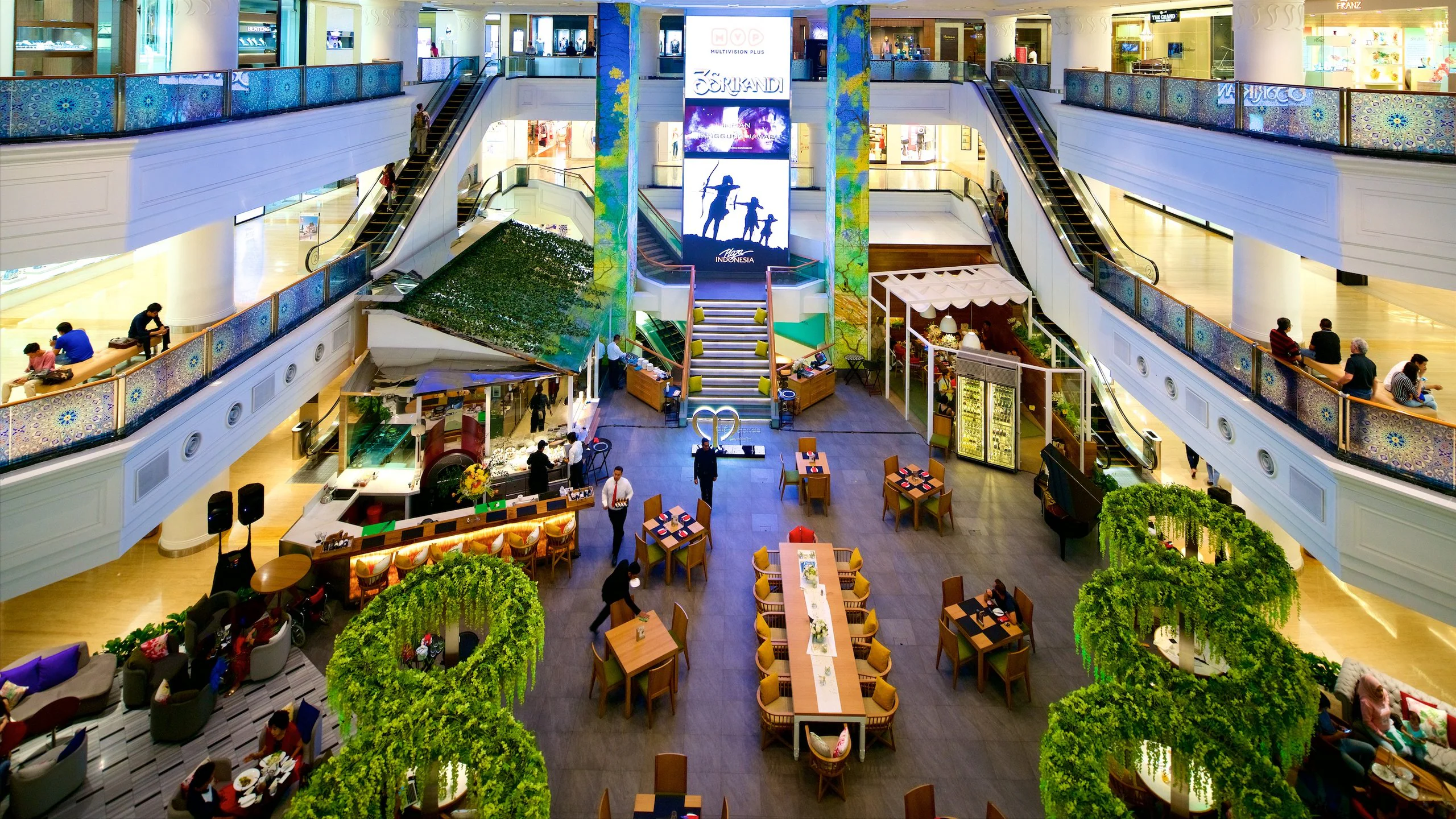
    Rental prices in Jakarta’s vibrant retail landscape are holding strong despite a lull in new supply. According to a recent report from JLL, mall rents in the bustling Indonesian capital have risen approximately 0.5% in the second quarter of 2025. This increase is particularly pronounced in popular shopping centers where occupancy levels run high, suggesting that premium real estate continues to be a hot commodity. Analysts predict that rental rates will remain in the single digits for the remainder of the year.

    International Brands Drive Retail Expansion

    The retail scene is buzzing with activity, notably due to international brands that represented around 55% of new store openings during this period. Among the notable entrants are a slew of Chinese tea companies, making their debut in the thriving Jakarta market. This influx highlights Jakarta’s appeal as a burgeoning marketplace while underscoring the strategic partnerships that many retailers forge with influential retail groups. These relationships offer substantial bargaining power, enabling tenants to negotiate favorable lease terms and achieve reasonable rent increases.

    Active Lifestyles Fuel Sports Retail Growth

    As Jakarta residents increasingly embrace active lifestyles, the demand for sports retail has soared. Both local and international brands are capitalizing on this trend by opening flagship stores designed to attract health-conscious shoppers. However, the search for retail space has become competitive, prompting brands to explore alternative locations, both within and outside traditional shopping malls.

    Prime Retail Space Constraints

    This quarter marked a significant milestone with no new prime shopping malls making their debut. Consequently, vacancy rates have stabilized around 4%, despite the shrinking pool of available retail space. Some tenants are now opting for creative solutions such as island or booth locations to ensure they maintain visibility among consumers. With no immediate plans for new premium malls, expanding brands—particularly in the food and beverage sector—are increasingly targeting busy areas with outdoor options that resonate with today’s health-oriented lifestyle.

    Innovative Approaches Among Developers

    The outlook for Jakarta’s retail scene suggests a shift in development strategies as opportunities for new premium shopping malls diminish. Developers are now focused on crafting retail environments that reflect evolving market trends, with an emphasis on lifestyle malls and compound spaces. Although limited availability of prime locations may benefit developers, any decisions regarding rent adjustments are likely to be made with caution, as they must navigate the complexities of economic fluctuations and consumer foot traffic.

    Questions & Answers

    What factors are contributing to the rise in rental prices in Jakarta?
    An increase in occupancy rates at popular shopping centers and a surge in international brand openings are key factors driving rental prices upward in Jakarta.

    How are retailers adapting to the lack of new retail space?
    Many retailers are exploring alternative locations, including smaller islands or booths, to maintain visibility amidst a competitive environment where traditional mall space is becoming scarce.

    What types of retail developments are expected in the near future?
    Developers are anticipated to pivot toward creating lifestyle malls and compound spaces, aligning with contemporary consumer trends, as new premium malls are unlikely to be constructed in the next year.

  • TWC’s Bold Expansion Into Asia: New Zealand Retail Giant Opens First Store In Singapore

    TWC’s Bold Expansion Into Asia: New Zealand Retail Giant Opens First Store In Singapore

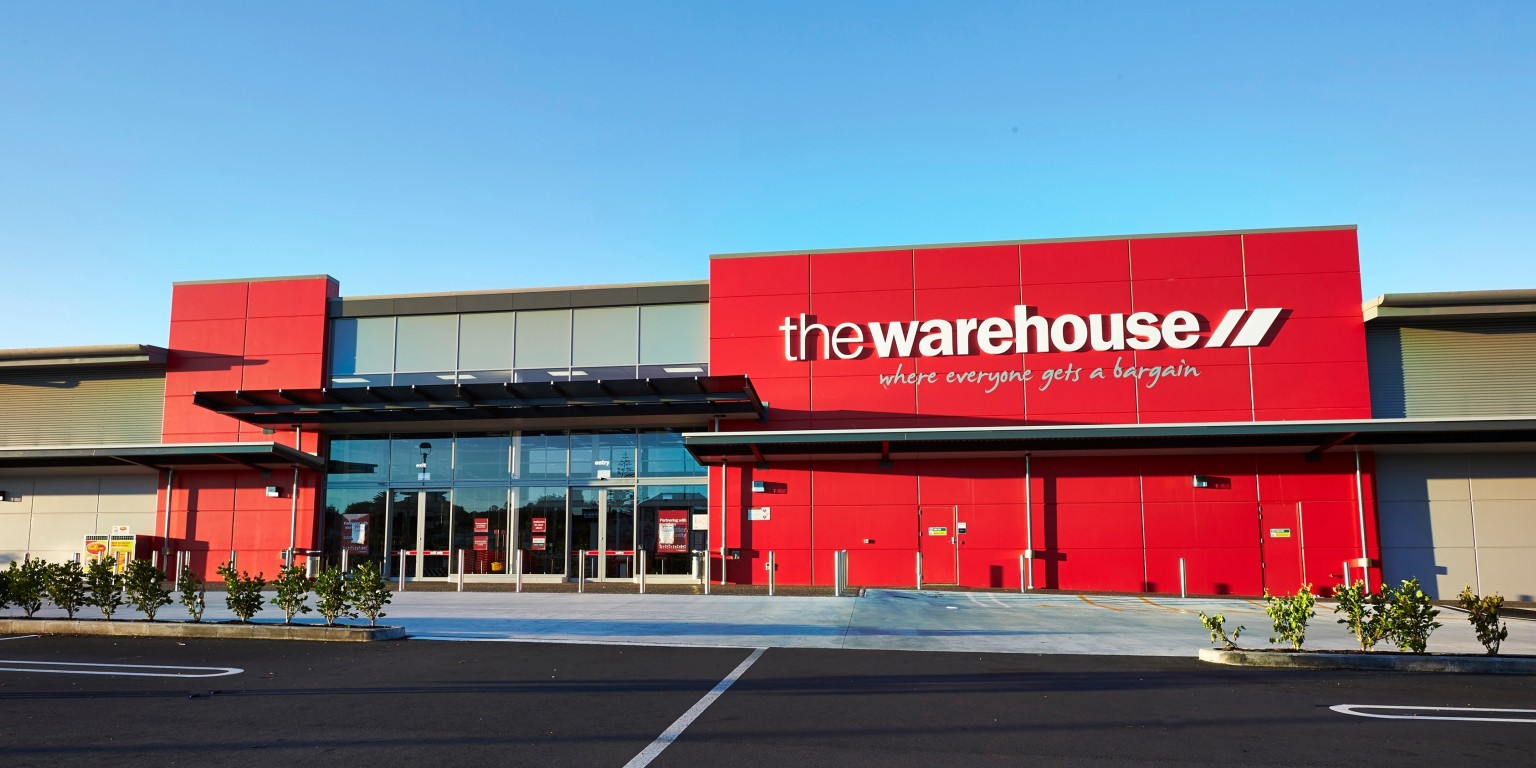
    In an audacious move showcasing the evolving landscape of retail in Asia, The Warehouse Company (TWC) has launched its first-ever store in Singapore, marking a significant step in its expansion strategy across the region. This new outlet, strategically positioned in heart of Orchard Road, not only adds a fresh vibrancy to the retail scene but also represents TWC’s commitment to introducing its popular Australasian offerings to the Singaporean market. Initially founded in New Zealand, TWC is best known for providing customers with quality products at affordable prices, a winning formula it is now eager to share with a new audience.

    Inspiring Growth Through Innovation

    The opening ceremony, which took place amidst a fanfare of excitement, highlighted TWC’s full range of offerings, including apparel, home goods, and a variety of lifestyle products. Executives shared that they aim to replicate the success seen in their home markets by bringing the same ethos of value and customer-centric shopping experience to Singapore. “Our goal is to create a retail environment that fosters community and actively engages shoppers,” said TWC CEO, Sara Tunstall. She expressed optimism about meeting the diverse needs of consumers in Singapore, a city renowned for its cosmopolitan flair and discerning shoppers.

    Creating a Retail Experience Like No Other

    The Orchard Road store isn’t just about transactions; it’s a thoughtfully designed space where shoppers are encouraged to explore and discover. TWC has cleverly integrated local design elements into the store’s aesthetic, resulting in an inviting atmosphere that feels distinctly Singaporean. And if you think that’s a nod to local flavor, wait until you see what they’ve done with their product selection — think tropical-themed goods that scream “staycation!”

    A Considered Approach to Sustainability

    As sustainability becomes a cornerstone of retail strategy, TWC is keen on reducing its environmental footprint. The store features eco-friendly materials in its layout and packaging, reflecting a commitment to not just profit, but planet as well. This initiative aligns perfectly with the growing consumer demand for sustainable practices within the retail sector, particularly in Asia, where eco-conscious shopping is becoming the norm rather than the exception.

    Potential Sparks of a Retail Revolution

    The opening of TWC’s Singapore location has caught the attention of industry analysts and competitors alike. It is seen as a bold gamble, not just due to the high-competition retail landscape but also because of evolving consumer behaviors shaped by the pandemic. Experts speculate that TWC’s arrival could inspire similar brands to consider Asia as a key market for growth. “They’re stepping onto a battlefield filled with giants; can they weave their own tale of success? Only time will tell,” remarked retail analyst Priya Chen.

    Setting the Stage for Future Engagement

    TWC’s presence in Singapore is more than a statement; it’s an invitation for ongoing dialogue with the local community. As part of its launch, TWC plans to host a series of events aimed at engaging consumers directly, from workshops to community fairs. This approach not only fosters brand loyalty but also creates a vibrant retail ecosystem where customers feel connected and valued.

    Questions & Answers

    What distinguishes TWC’s Singapore store from other retailers?
    The store blends local design elements with TWC’s diverse product range, creating a unique shopping experience that resonates with Singaporean consumers.

    How is TWC addressing sustainability in its operations?
    The company is focused on eco-friendly materials in both its store design and product packaging, responding to growing consumer demand for sustainability.

    What future activities does TWC plan to engage the Singapore community?
    TWC intends to host various community-focused events, such as workshops and fairs, to foster connection and loyalty among local shoppers.

  • UBS Warns: Rising U.S. Tariffs Could Dampen Economic Growth Ahead

    UBS Warns: Rising U.S. Tariffs Could Dampen Economic Growth Ahead

    The Swiss economy faced a notable slowdown in growth during the second quarter of 2025, with the Gross Domestic Product (GDP) nudging up just 0.1 percent quarter-on-quarter. According to the Chief Investment Office Global Wealth Management of UBS, this modest expansion, which appears to contrast significantly with the growth seen in the previous quarter, was largely influenced by a steep drop in exports, particularly in the pharmaceutical sector, where shipments fell after a robust performance earlier this year.

    Consumption: The Unsung Hero

    Despite worries about declining exports, Swiss private consumption has stood firm, contributing significantly to the economy’s resilience. In the second quarter, household consumption saw an increase of 0.3 percent, while government spending surged by 0.9 percent. This uptick has provided a cushion against the slowdown, demonstrating the vital role consumer spending plays in maintaining economic stability.

    Forecasting Future Growth

    Looking ahead, UBS economists have revised their full-year GDP growth forecast to approximately 1.3 percent, a small but encouraging increase from their earlier prediction of 1.0 percent. “While the ongoing tariff disputes with the U.S. will undoubtedly challenge foreign trade, we still expect consumption to buoy the overall economy,” they stated. For 2026, projections suggest a growth of around 0.9 percent, contingent on how tariff negotiations evolve.

    The Tariff Tango: Implications on Employment and Trade

    UBS posits that if the tariff rate remains at a daunting 39 percent, it could lead to a GDP decline as significant as 0.4 percentage points. Furthermore, it might put up to 0.4 percent of jobs at risk. However, analysts believe Switzerland’s proactive short-time work model may mitigate the adverse effects on the labor market and keep unemployment at bay.

    Potential Shifts in Pharmaceutical Exports

    As tariffs put pressure on Swiss trade, the pharmaceutical industry faces a challenging medium-term outlook. UBS experts anticipate that manufacturers may need to establish production facilities within the U.S. to bypass the high tariffs. “The Swiss pharmaceutical sector is likely to adapt by building sufficient capacity in the U.S. over time. While this strategy aims to sidestep tariff penalties, it threatens to diminish Switzerland’s trade surplus, ultimately weighing on economic growth,” they cautioned.

    As Switzerland navigates the complex landscape shaped by U.S. tariffs and global trade dynamics, one thing is clear: the dance of diplomacy and economics will continue to lead the national narrative.

    Questions & Answers

    What are the main factors contributing to the slowdown in Swiss economic growth?
    The slowdown is primarily attributed to a significant decline in exports, particularly in the pharmaceutical sector, following earlier boosts due to pre-emptive stockpiling ahead of U.S. tariffs.

    How has private consumption affected the Swiss economy?
    Private consumption has been a key driver for economic stability, with households increasing spending by 0.3 percent. This consumption rise has helped cushion the impacts of falling exports, allowing for modest overall growth.

    What impact could high U.S. tariffs have on jobs in Switzerland?
    UBS estimates that high tariffs could place up to 0.4 percent of jobs at risk. However, Switzerland’s short-time work model may help alleviate the fallout on the labor market.

  • L’Oréal Invests In Asian Manufacturing For Greener, Localized Beauty Products

    L’Oréal Invests In Asian Manufacturing For Greener, Localized Beauty Products

    As the retail landscape in Asia rapidly evolves, global brands are increasingly eyeing the region for their strategic expansion plans. A striking example is the decision by major cosmetics player L’Oréal to significantly ramp up its investment in local manufacturing capabilities, reflecting an acute understanding of the region’s unique market dynamics and consumer preferences.

    Investing in Local Manufacturing

    L’Oréal recently announced its commitment to invest over €150 million in its manufacturing facilities in various Asian markets, including Vietnam and China. This investment is not just about increasing production capacity; it’s a calculated move aimed at enhancing supply chain efficiency and ensuring that the company can quickly respond to the ever-changing trends that define the beauty industry in Asia. With products flying off the shelves at the speed of light, L’Oréal is positioning itself to capture the hearts—and wallets—of consumers who increasingly crave local and authentic experiences in their beauty regimes.

    What makes this investment even more compelling is L’Oréal’s clear intention to incorporate eco-friendly practices within their production lines. By integrating sustainable technology, the brand is not simply keeping pace with consumer expectations but is actively setting the stage for a greener retail future in a region that is becoming more environmentally conscious.

    Market Trends Fueling Growth

    The move comes amid significant shifts in consumer behavior across Asia. In particular, digital engagement and e-commerce sales are skyrocketing, with beauty products becoming some of the most sought-after items online. L’Oréal’s decision to fortify its manufacturing presence underscores a broader trend among brands aiming to localize their offerings. This not only streamlines operations but also aligns products more closely with local tastes and cultural nuances, providing a personalized shopping experience that many consumers are now demanding.

    Moreover, the beauty market in Asia is projected to grow exponentially in the coming years, bolstered by a diverse demographic and an influx of youthful consumers eager to experiment with new products and trends. With this pivotal investment, L’Oréal is not merely playing catch-up but rather, making a bold statement that it intends to lead in this dynamic marketplace.

    Consumer Engagement at the Forefront

    Brands like L’Oréal are also innovating in how they engage with consumers. Interactive campaigns on social media, coupled with influencer partnerships, are reshaping traditional marketing tactics. Rather than simply advertising products, L’Oréal is entering a dialogue with its consumers, which is often more effective. After all, in a world flooded with choices, who wouldn’t want to be engaged by the brands they love?

    Furthermore, the ability to produce and distribute products locally allows L’Oréal to experiment with limited-edition launches tailored specifically for Asian markets. The idea of creating something exclusive that resonates locally adds not just value but a tantalizing element of desirability—because, let’s face it, who doesn’t love a product that feels tailored just for them?

    A Bright Future Ahead

    With these strategic investments and innovations, L’Oréal is well-positioned to thrive in Asia’s retail sector. By balancing local production with sustainable practices, and by engaging deeply with consumers, the brand is crafting a path that many others may soon follow. As the beauty industry continues to flourish, one thing is clear: the best is yet to come, and the sparkle of local engagement combined with a global brand ethos is set to dazzle Asian consumers.

    Questions & Answers

    How much is L’Oréal investing in its Asian manufacturing capabilities?
    L’Oréal is committing over €150 million to enhance its manufacturing facilities in several Asian markets, including Vietnam and China.

    What impact do local manufacturing investments have on consumer preferences?
    By localizing production, L’Oréal can better cater to regional tastes and preferences, creating a more personalized shopping experience for consumers.

    Why is sustainability important in L’Oréal’s investment strategy?
    Integrating sustainable practices in manufacturing responds to the growing environmental consciousness among consumers, positioning L’Oréal as a responsible leader in the beauty industry.

  • FairPrice Group Teams Up with Google Cloud to Unveil Innovative AI Shopping and Workplace Solutions

    FairPrice Group Teams Up with Google Cloud to Unveil Innovative AI Shopping and Workplace Solutions

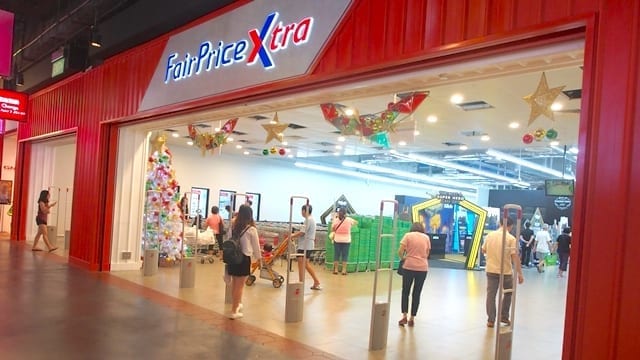
    Shoppers in Singapore can look forward to a transformative retail experience thanks to a groundbreaking collaboration between FairPrice Group (FPG) and Google Cloud. This expanded partnership aims to infuse Singapore’s largest retailer with cutting-edge AI-powered shopping and workplace tools, making the shopping process smarter and more efficient while enhancing employee productivity.

    AI Assistants Take Center Stage

    As part of FPG’s innovative Store of Tomorrow initiative, AI assistants, designed using Google Cloud’s Agent Development Kit (ADK), have made their debut at FairPrice Finest in Punggol Digital District. These sophisticated digital aides are set to offer personalized recommendations, streamline product searches, and assist shoppers with meal planning and recipes.

    Smart Carts: Your Personal Shopping Companion

    Armed with smart carts featuring multimodal AI assistants, shoppers can now navigate stores with ease. These high-tech carts allow customers to scan barcodes, uncover exciting promotions, and receive tailored product suggestions. For instance, a simple search for “yam paste” not only reveals ready-to-cook items and ingredients but also confirms in-store availability—a game-changer for lunch prep!

    Breaking Language Barriers

    The initiative doesn’t stop there. FPG is also piloting Vertex AI Search for Commerce, a tool adept at handling non-English and local dialect queries. This makes it significantly easier for customers to locate products, whether they are searching for “low fat cheese,” “荔枝” (lychee), or good old “orh nee” (yam paste). It’s retail becoming truly multilingual!

    Wellness Meets Convenience

    At Unity pharmacy, specialized AI agents provide personalized wellness advice, create meal plans, and generate shopping lists tailored to individual health needs. Meanwhile, wine aficionados can delight in a digital sommelier that recommends beverages based on taste preferences, price points, country of origin, and perfect culinary matches—a delightful approach that could turn you into a connoisseur faster than a cork pops!

    Empowering Employees with AI

    On the operational side, employees will benefit from Google Agentspace, which empowers them to create and utilize AI agents for various tasks ranging from research and ad creation to human resources and customer service. A standout feature of this collaboration is a custom creative agent that can generate ad visuals and copy up to ten times faster than traditional methods, giving staff the edge in a competitive landscape.

    With this partnership, FairPrice Group is stepping boldly into a future where AI enhances both the customer and employee experience, proving that the retail landscape in Asia is not just keeping up with technological advancements—it’s setting the pace.

    Questions & Answers

    What is the primary goal of the collaboration between FairPrice Group and Google Cloud?
    The partnership aims to introduce AI-powered tools to improve shopping efficiency and enhance employee productivity across FairPrice stores.

    How do the smart carts benefit shoppers at FairPrice?
    Shoppers can utilize smart carts with AI assistants to navigate the store, scan barcodes, find promotions, and receive personalized product recommendations based on their searches.

    What unique features does the Vertex AI Search offer?
    Vertex AI Search allows for non-English and local dialect queries, enabling customers to easily find products in their preferred languages, significantly breaking down communication barriers.

  • Hanoi Welcomes a Stunning 50,000sqm Luxury Mall Set to Open This Year!

    Hanoi Welcomes a Stunning 50,000sqm Luxury Mall Set to Open This Year!

    The retail landscape in Hanoi is poised for a transformative shift, particularly with the impending launch of the Hanoi Centre shopping mall, set to debut in 2025. Located within the Tien Bo Plaza mixed-use project, this 50,000 sqm retail space promises to bring fresh shopping experiences to the city. Meanwhile, the City Fringe area will see the addition of Takashimaya, a 20,000 sqm retail gem slated for completion by the end of 2026. With this wave of new supply, landlords may find themselves in a tug-of-war to entice tenants by offering attractive lease terms in a competitive environment.

    Market Dynamics and Current Trends

    Despite some turbulence, particularly marked by a negative net absorption of 25,530 sqm—largely due to Vincom Nguyen Chi Thanh’s exit from the Prime retail basket after downsizing—Hanoi’s retail market is not without optimism. The recent report from JLL underscores a resilient performance in the food and beverage, lifestyle, and entertainment sectors, especially those appealing to Gen Z and families. “New entrants and expansions—featuring Asian brands like KKV, OH!SOME, and Mr DIY—signal a strong leasing activity, as these businesses secure significant retail spaces ranging from 500 to 1,000 sqm,” the report noted.

    Impact of Recent Developments

    The second quarter of 2025 did not welcome any new prime mall openings, leaving the supply in the City Centre at 55,000 sqm. Conversely, the City Fringe saw its total retail space contract to 581,045 sqm with the exclusion of Vincom Nguyen Chi Thanh. As a result, the City Centre’s vacancy rate crept up slightly to 4.6%, but with new vacancies set to attract tenants by late 2025. In contrast, City Fringe’s vacancy rate dropped to 7.3%, benefiting from the supply adjustments.

    Rent Dynamics and Future Prospects

    When it comes to retail rents, Hanoi’s City Centre experienced a monthly climb to USD 132.6 per sqm for ground-floor spaces in Q2. Meanwhile, rents in the City Fringe stabilized at USD 54.2 per sqm. Year-on-year, this marked a 3% increase in City Centre rents, even as City Fringe saw a slight dip of 0.9%. The competitive landscape of premium malls, including Lotte Mall West Lake and the upcoming Takashimaya, Thiso Mall Westlake, and CJ Shopping Centre slated for 2026-27, suggests that rent growth in the City Fringe will be measured in the coming years.

    As the retail scene evolves, it appears that the thrill of shopping in Hanoi will continue to attract not only local shoppers but also adventurous visitors eager to explore fresh offerings. After all, you never know when a delightful discovery will pop up right around the corner!

    Questions & Answers

    What are the key upcoming developments in Hanoi’s retail sector?
    The Hanoi Centre shopping mall, a significant 50,000 sqm venue, is expected to open in 2025 within Tien Bo Plaza, while Takashimaya is anticipated to add another 20,000 sqm to the City Fringe by the end of 2026.

    How has occupancy changed in Hanoi’s retail market?
    The City Centre’s vacancy rate has slightly increased to 4.6%, while the City Fringe saw a decrease to 7.3%, largely due to the exclusion of Vincom Nguyen Chi Thanh from the Prime retail basket.

    What trends are impacting retail rents in Hanoi?
    Retail rents in the City Centre have increased by 3% year-on-year, reaching USD 132.6 per sqm, while City Fringe rents have dipped by 0.9%. The competitive landscape, driven by new mall developments, poses challenges for rent increases in the City Fringe.

  • Rice Exports Poised for Record-Breaking Surge, Targeting Over 8.2M Tonnes!

    Rice Exports Poised for Record-Breaking Surge, Targeting Over 8.2M Tonnes!

    In a surprising twist for the global rice market, Vietnam’s rice exports are anticipated to exceed 8.2 million tonnes this year, despite a temporary suspension of rice imports from its biggest buyer, the Philippines. This surge is powered by increased shipments to countries like Bangladesh, China, and South Africa.

    The Philippines, recognized as the world’s largest rice importer, purchased 4.8 million tonnes of rice from international markets last year, with Vietnam supplying an impressive 3.6 million tonnes of that total

    In the first half of this year, Vietnam exported 5.5 million tonnes of rice, generating a revenue of US$2.81 billion. Unsurprisingly, the Philippines remained its principal market, though the revenue saw a notable drop of 13.5% year-on-year.

    Though shipments to the Philippines have slowed down, exporters are optimistic, having secured new contracts at higher prices and successfully expanded their clientele across ASEAN and South African markets.

    Earlier this month, in response to falling domestic prices, the Philippine government announced a two-month pause on rice imports starting September 1. Nevertheless, market analysts remain upbeat, predicting strong overall exports for Vietnam, driven by rising demand in other regions.

    The United States Department of Agriculture (USDA) has updated its forecast, now estimating Vietnam’s total rice exports at 8.2 million tonnes for the year, an increase of 300,000 tonnes from previous predictions. As the year wraps up, shipments are expected to rise, propelled by heightened demand from Africa and China. Even with the Philippine import suspension expected to reduce its purchases by 500,000 tonnes, it may still lead the world with total rice imports of around 4.9 million tonnes.

    Do Ha Nam, Chairman of the Vietnam Food Association, expressed strong confidence that with the robust performance recorded in the first seven months, Vietnam’s rice exports will indeed surpass 8 million tonnes this year. He emphasized the country’s unique brand identity and increasing international recognition, solidifying its position as the world’s second-largest rice exporter.

    Questions & Answers

    How has Vietnam managed to maintain high rice export levels despite the Philippines’ import suspension?
    Vietnam has effectively diversified its customer base by expanding shipments to countries in the ASEAN region and South Africa while securing new contracts at improved prices.

    Why has the Philippines suspended rice imports temporarily?
    The Philippine government announced a two-month suspension of rice imports due to falling domestic prices, aiming to stabilize the local market.

    What role does the USDA play in forecasting Vietnam’s rice export numbers?
    The USDA provides crucial projections for agricultural exports, and it recently adjusted its forecast for Vietnam’s rice exports upwards, reflecting growing global demand.

  • Gasoline Prices Hit Seven-Week Peak: What This Means for Drivers and the Retail Market

    Gasoline Prices Hit Seven-Week Peak: What This Means for Drivers and the Retail Market

    Gasoline prices in Vietnam surged to levels not seen since early July, casting a spotlight on the country’s evolving fuel market. As of Thursday afternoon, the price of the popular RON95 fuel increased by 1.06%, reaching VND20,090. Meanwhile, biofuel E5 RON92 also saw a rise of 0.57%, priced at VND19,460. In contrast, diesel experienced a slight decline, falling by 0.94% to VND17,900.

    The recent fluctuation in global oil prices was driven by several factors, including a sharper-than-expected drop in U.S. crude oil inventories, coupled with discussions between U.S. President Joe Biden and Ukrainian President Volodymyr Zelensky regarding a potential roadmap to resolve the ongoing conflict in Ukraine. These conversations come at a time when the oil market is grappling with tightening supply and geopolitical tensions.

    In the global arena, RON95 saw a decrease of 1.2%, settling at $80.1 per barrel, while diesel recorded a drop of 1.3%, now priced at $83.6 per barrel. It seems fuel prices are keeping everyone on their toes, reminiscent of a careful tightrope act where a single misstep can send consumers and businesses alike into a tailspin.

    Questions & Answers

    How much have gasoline prices increased in Vietnam recently?
    Gasoline prices have risen by 1.06%, bringing RON95 to VND20,090, marking the highest level since early July.

    What factors are influencing the global oil market?
    The global oil market has been affected by a significant drop in U.S. crude oil inventories and ongoing discussions about resolving the conflict in Ukraine.

    What are the current prices of diesel and biofuel in Vietnam?
    Biofuel E5 RON92 is priced at VND19,460 after a 0.57% increase, while diesel has decreased to VND17,900.

  • PLDT Takes Bold Action in Enterprise Transformation: Paving the Way for a Future-Driven Retail Landscape

    PLDT Takes Bold Action in Enterprise Transformation: Paving the Way for a Future-Driven Retail Landscape

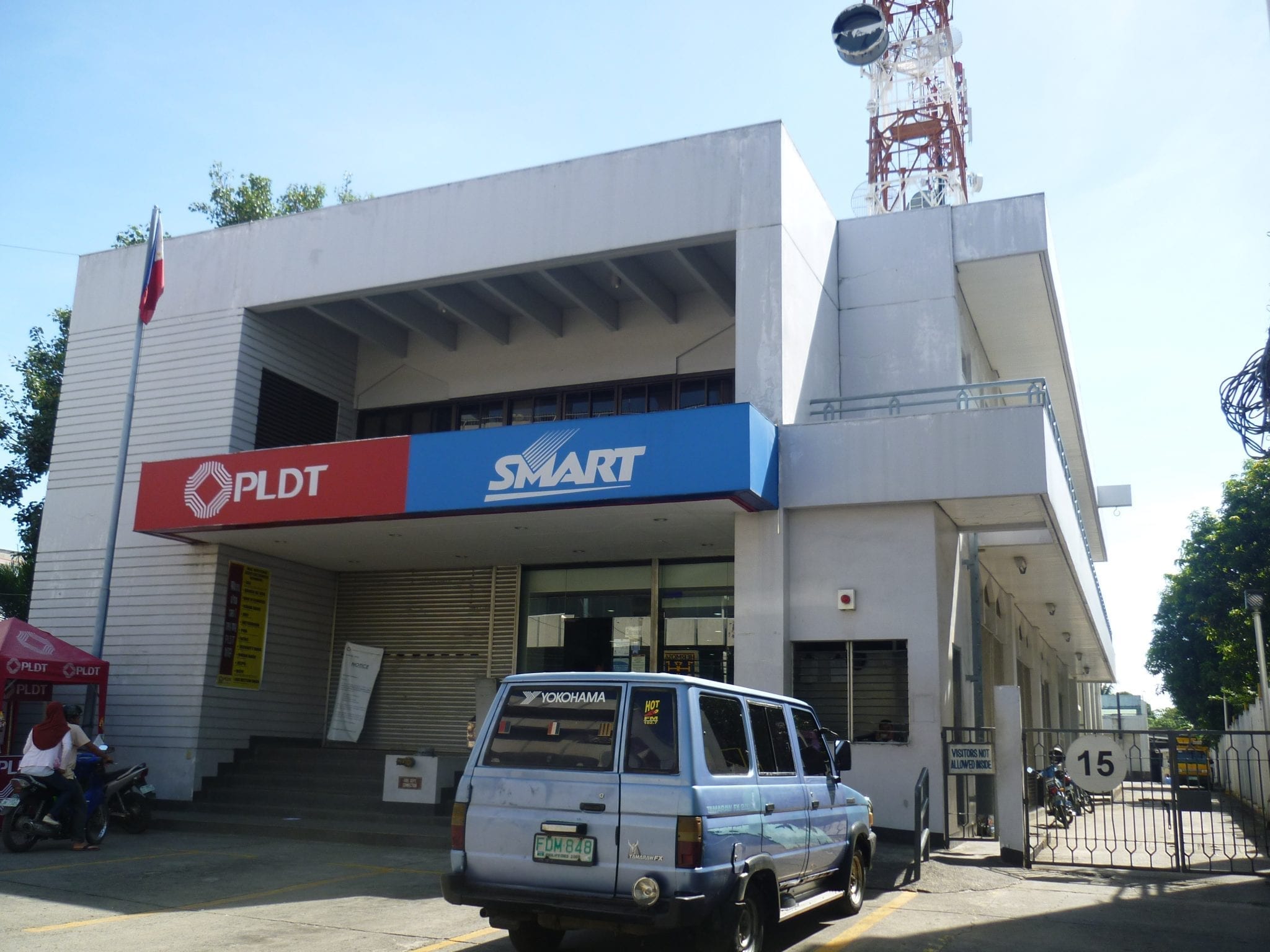
    PLDT Enterprise, a dominant force in the Philippines for connectivity solutions and ICT services, is playing a pivotal role in shaping the nation into a strategic digital hub. As the enterprise division of the country’s largest integrated telecommunications provider, PLDT Enterprise taps into the vast resources of its parent company along with Smart, ePLDT, VITRO, and PLDT Global, fueling both local and international business transformations.

    With a heritage spanning nearly a century, PLDT Enterprise is at the cutting edge of the Philippines’ digital evolution, driving secure, intelligent operations with end-to-end solutions that unify people, platforms, and the potential for growth across borders.

    Blums Pineda, who recently stepped into the role of Senior Vice President and Head of the Enterprise Business Group, brings nearly three decades of experience in telecommunications and technology. His career—shaped by leadership positions in the U.S. and Europe across various sectors including B2B tech and banking—culminates in his mission to enhance PLDT Enterprise’s offerings for businesses both locally and globally.

    Pineda outlined his vision for empowering enterprises through innovative connectivity solutions, reflecting a commitment to facilitating growth and digital advancement in the Philippines.

    A New Outlook on Enterprise Solutions

    Having returned to the Philippines after 15 years abroad, Pineda is keen to meld his international experience with an understanding of local business challenges. “At PLDT Enterprise, I plan to unite that global perspective with insights into what local companies need,” he explained. “I’ve seen how the right tools and partnerships can create significant impact—my goal is to fast-track those results for our clients.”

    Bridging local businesses to global ecosystems remains a key priority. By leveraging PLDT’s robust infrastructure, we can connect clients to counterparts who have advanced their digital transformation, allowing them to adopt proven models swiftly and manage risk more efficiently.

    Enabling Clients with High-Speed Connectivity

    The cornerstone of PLDT Enterprise’s strategy revolves around delivering high-speed and secure connectivity on a future-ready network. Recent initiatives include investments in the Asia Direct Cable (ADC) and the forthcoming Apricot cable system, which promise to expand international data capacity by 33% while enhancing access to critical global hubs.

    However, securing digital assets is about much more than just connectivity. Pineda pointed out that PLDT is dedicated to bolstering cybersecurity measures, scalable storage, and seamless cloud access. For instance, the company has aided a major consumer goods firm in safeguarding operations through comprehensive Business Continuity and Managed Security Services, ensuring uninterrupted readiness across the board.

    Notably, PLDT has taken robust steps to fortify cybersecurity across various sectors, such as conducting large-scale workshops aimed at equipping employees to recognize and thwart cyber threats. In another notable case, it mitigated a ransomware attack on a significant real estate client by deploying an emergency 5G network, restoring operations while cleverly sidestepping ransom payments.

    Elevating the Data Center Game

    As today’s enterprises increasingly rely on data centers, PLDT’s VITRO data center in Santa Rosa stands out, conforming to global hyperscaler standards and dissipating any surprises for international clients about the Philippines’ capabilities. “What’s more astonishing,” Pineda boasts, “is that we built it ahead of the curve, anticipating demand well in advance.”

    This facility, strategically linked to essential subsea cables, guarantees seamless international connectivity—a game changer for handling substantial data transactions. Upcoming innovations include the launch of GPU-as-a-Service (GPUaaS), allowing businesses to harness GPU capabilities flexibly as they dabble in AI.

    Our data center strategy dives deep beyond capacity, focusing on power and cooling necessities. We meticulously select locations to ensure they are futureproof and poised to expand alongside market demands.

    Strategically, PLDT Group is not resting on its laurels with VITRO Santa Rosa; plans are already underway for a new wave of data centers to meet forthcoming needs head-on.

    Innovating Towards the Centenary

    As PLDT gears up to celebrate its centennial in 2028, PLDT Enterprise is laser-focused on delivering innovations that cater to precise customer requirements. While competitive pricing is crucial, the company prioritizes providing long-term value through meaningful partnerships and actionable insights, enabling businesses to push beyond immediate goals.

    Aiming to bolster the Philippines’ national digital agenda, PLDT is also exploring opportunities in sovereign cloud services, facilitating essential local government solutions, from enhancing emergency response systems to disaster recovery initiatives. “For us, innovation extends beyond technology—it’s about tackling tangible challenges and streamlining processes,” Pineda stated.

    Ultimately, PLDT is committed to helping clients scale and compete on the global stage, intertwining world-class infrastructure and insights to redefine how technology underpins modern business success.

    Questions & Answers

    What is Blums Pineda’s vision for PLDT Enterprise?
    Pineda envisions marrying his extensive global experience with local insights to empower businesses through innovative connectivity and infrastructure solutions, aiming to accelerate digital transformations for clients.

    How is PLDT Enterprise enhancing cybersecurity for its clients?
    PLDT Enterprise implements a holistic approach by providing Managed Security Services, conducting workshops for employees, and addressing specific threats like ransomware attacks through swift operational restoration methods.

    What future developments can we expect from PLDT’s data centers?
    PLDT plans to enhance its VITRO data center capabilities and launch GPU-as-a-Service to accommodate AI initiatives while also expanding its network of data centers to meet growing demand.

  • Dollar Slides as Vietnamese Dong Gains Strength in Currency Exchange Dynamics

    Dollar Slides as Vietnamese Dong Gains Strength in Currency Exchange Dynamics

    On Friday morning, the U.S. dollar showed signs of weakness against the Vietnamese dong, setting the stage for a potential weekly decline against other major currencies.

    At Vietcombank, the greenback was sold at VND26,390, reflecting a modest 0.04% decline from Thursday’s figures. Meanwhile, in the bustling black market, the dollar dipped 0.03%, trading at approximately VND26,490.

    The State Bank of Vietnam also made adjustments, lowering its reference rate by 0.04% to VND25,228. Globally, the dollar faced mounting pressure, positioning itself for a weekly setback. Rumors swirling around U.S. President Donald Trump’s temporary appointment of a new Federal Reserve Governor have fueled expectations for a dovish successor to Jerome Powell, whose term is drawing to a close. This speculation has left traders shuffling their positions, according to reports from Reuters.

    Trends in the Currency Market

    In early trading on Friday, the dollar index hovered around 98.04, while the Japanese yen remained steady at 147.07 per dollar. The British pound held its ground at $1.3439, poised for its best weekly performance since late June. Across a wide spectrum of currencies, the dollar has slipped nearly 0.7% this week, reflecting concerns over softening momentum in the U.S. economy, particularly within the labor market, which has stirred hopes for potential rate cuts by the Federal Reserve.

    European Currency Gains

    Elsewhere, optimism crested as the euro neared a two-week high, boosted by expectations of upcoming discussions between the U.S. and Russia regarding peace efforts in Ukraine. Amid this backdrop, one could almost hear the sigh of relief echoing through financial markets as investors seek stability.

    Questions & Answers

    What is the current exchange rate of the U.S. dollar against the Vietnamese dong?
    As of Friday morning, the U.S. dollar is sold at VND26,390 at Vietcombank and around VND26,490 on the black market.

    What factors are influencing the recent decline in the dollar’s value?
    The dollar is under pressure due to speculations surrounding potential dovish leadership at the Federal Reserve and concerns over weakening momentum in the U.S. economy, particularly in the labor market.

    How is the euro performing amidst current market conditions?
    The euro is trading near a two-week high, buoyed by expectations of U.S.-Russia talks aimed at resolving the conflict in Ukraine, much to investors’ delight.

  • Hong Kong Rises To Second In Asia’s Smart City Rankings: A Look At Its Success

    Hong Kong Rises To Second In Asia’s Smart City Rankings: A Look At Its Success

    In a recent evaluation of global urban centers, Hong Kong has emerged as a standout performer within Asia, claiming the second spot in the region, just behind Tokyo, which secures the fifth position worldwide. This assessment comes from the ISUI Smart City Index 2025, prepared by the Hong Kong Polytechnic University in collaboration with the International Society for Urban Informatics (ISUI).

    Smart City Development Takes Center Stage

    Released on Wednesday, the index scrutinizes the impact of smart city advancements on residents’ quality of life across 73 cities worldwide, including 25 in Asia. The evaluation rests on six essential dimensions: citizens, environment, social landscape, economy, infrastructure, and governance. An impressive 97 specific indicators, derived from publicly available data like the ratio of facilities to residents, contributed to this comprehensive analysis.

    Hong Kong’s Sustainable Edge

    Hong Kong’s remarkable standing can be attributed to its commitment to environmental sustainability, robust digital economic growth, and effective governance structures, as reported by The Standard. The index underscored the city’s strides toward carbon neutrality, bolstered by a sophisticated digital infrastructure and an open-access spatial data sharing platform that now offers over 1,000 datasets from various municipal departments for public access.

    Improving and Inspiring

    Professor John Shi, president of ISUI and the study’s lead academic, remarked on Hong Kong’s leap from ninth place in 2023 to its current rank. “It’s very strong, very encouraging. The city is excelling in its smart city development,” he stated, as quoted by Hong Kong broadcaster RTHK. He also stressed that the findings could play a pivotal role in shaping future policies, particularly in expanding active transportation infrastructure, such as cycling paths and electric vehicle charging stations.

    Global Competitors in the Mix

    Other notable Asian cities also shone in the index with South Korea’s Seoul at 13th, China’s Beijing at 15th, and Singapore at 21st. On the global stage, Stockholm, Sweden, took the top honors, succeeded by Washington, D.C., Barcelona, and London.

    Questions & Answers

    How does Hong Kong’s smart city ranking compare to previous years?
    Hong Kong climbed from ninth place in 2023 to secure second place in Asia this year, highlighting significant improvements in its smart city initiatives.

    What factors contributed to Hong Kong’s high ranking?
    The city’s achievements in environmental sustainability, digital economic development, and effective governance were crucial to its high ranking in the ISUI Smart City Index.

    How do other Asian cities rank in the smart city index?
    In addition to Hong Kong and Tokyo, Seoul ranked 13th, Beijing 15th, and Singapore 21st, showcasing a competitive landscape among leading Asian urban centers.

  • Aseer Time Advances Global Expansion With First Store Launch In China’s Growing Market

    Aseer Time Advances Global Expansion With First Store Launch In China’s Growing Market

    The Kuwaiti beverage chain, Aseer Time, has recently launched its inaugural store in China. This development forms part of the company’s broader strategy to expand its reach in the Asia-Pacific region, particularly within the rapidly growing food and beverage industry.

    The new outlet is situated in the city of Quanzhou, marking the company’s 501st location on a global scale. Aseer Time’s decision to establish a presence in China aligns with the robust growth being experienced in mid-sized Chinese cities like Quanzhou. Since 2020, there has been a noticeable surge in food and beverage expenditure in these areas, largely driven by Generation Z consumers and young professionals.

    Outside its native Kuwait, where it is popularly known as Juice Time, Aseer Time operates in a total of 23 countries. The brand is set to continue its international expansion, with additional stores slated to open in Australia, the Netherlands, and Los Angeles.

    Established in 2011, Aseer Time has successfully scaled its operations worldwide, predominantly by leveraging a franchise model. Approximately 70% of its outlets are collaboratively operated in partnership with local entities.

    Questions & Answers

    What is Aseer Time’s business strategy for expanding its operations?
    Aseer Time’s strategy for expansion involves broadening their reach in the Asia-Pacific region and other global markets, largely through a franchise model.

    Where is Aseer Time’s newest outlet located?
    The newest Aseer Time outlet is located in Quanzhou, China.

    What market segments are driving the growth in food and beverage expenditure in mid-sized Chinese cities?
    The growth in food and beverage expenditure in mid-sized Chinese cities is primarily driven by Generation Z consumers and young professionals.