Tag: asia

  • Nobu Danang Launches Exciting Branded Studio and One-Bedroom Residences for Luxury Living

    Nobu Danang Launches Exciting Branded Studio and One-Bedroom Residences for Luxury Living

    According to Savills, the past year has witnessed a remarkable occupancy rate of over 80% for studio and one-bedroom units in primary resort areas. What distinguishes these accommodation options? A significant cost advantage, with prices 30–50% lower than those of two- and three-bedroom apartments, while rental rates remain surprisingly competitive. This potent combination is driving exceptional rental profit margins and attractive returns on investment.

    At the forefront of this trend is Nobu Danang, leveraging its globally acclaimed brand to ensure superior operational performance. As international tourism rebounds, Nobu Danang’s studio and one-bedroom units stand out for their high-yield potential and flexible size, tailored for premium short-term stays. Investors looking for sustainable, long-term strategies are likely to find enticing opportunities here.

    Promising Profit Margins on the Horizon

    Profitability projections for Nobu Danang are optimistic, with studio units anticipated to generate about 3.7% yield in the first year, given a 50% occupancy rate. As operations mature and occupancy stabilizes at around 70%, returns could rise to a robust 6.4% by year five. Similarly, one-bedroom units are projected to begin with an attractive 3.2% yield, steadily increasing to 5.5% by year five. These figures underline the stable profitability and growth prospects for savvy investors.

    Robust Revenue Estimates

    With projected rental rates starting at VND 3.8 million (US$145) per night for studios and VND 5.5 million (US$220) for one-bedroom units, cumulative profits over a decade are estimated at an impressive 59.7%—equivalent to more than VND 5 billion in revenue, excluding potential asset appreciation.

    Nobu Danang underscores that these profit margins derive from a well-structured operational strategy responsive to genuine demand for quality accommodations, rather than speculative trends. As the market enters a new phase of scrutiny, such fundamentals become increasingly vital for prudent investment decisions.

    Luxury Living for the Discerning Elite

    For business elites, a studio residence at Nobu Danang isn’t just real estate; it’s a haven that transforms high-pressure trips into rejuvenating escapes. Owners enjoy exclusive access to an array of luxurious services, including 24/7 concierge support, entry to the renowned Nobu restaurant, a serene heated infinity pool, stringent security measures, and gourmet in-residence dining prepared by a Nobu chef—all at no additional charge.

    Emphasizing Elegant Space Management

    These studio and one-bedroom residences exemplify modern, efficient living that does not compromise on space. While the market standard for studios typically hovers between 30 to 35 square meters, Nobu Danang offers a generous 38–42 square meters. One-bedroom apartments provide even more expansive options, ranging from 60.6 to 68 square meters, catering to those who seek comfort and style in equal measure.

    Elevated by refined interiors that embrace the Japandi design aesthetic—a seamless blend of Japanese minimalism and Scandinavian comfort—these units maximize natural light and ocean views, crafting spaces that feel both luxurious and refreshingly close to nature. It’s a cocoon of elegance that might make you forget the hustle and bustle outside.

    “The studio and one-bedroom units here transcend the notion of merely high-performing investment assets. They are symbols of prestige and refined taste,” a representative from Nobu Danang remarked. “Each unit serves as a private retreat, designed to enrich life’s most inspiring journeys.”

    Flexible Financial Solutions

    Nobu Danang offers tailored payment options to meet diverse financial goals. Clients may choose a standard plan with 14 scheduled installments leading up to the issuance of ownership certificates, or opt for an accelerated payment plan that offers discounts of up to 10%. To further enhance investor confidence, Nobu Danang guarantees a 6% annual rental return for the first two years, transitioning to a profit-sharing model from the third year onwards. These dynamic financial policies empower buyers to secure premium branded real estate while maximizing cash flow and minimizing risk.

    Questions & Answers

    What kind of rental yields can investors expect from Nobu Danang’s units?
    Investors can anticipate a yield of approximately 3.7% for studio units in the first year, potentially increasing to 6.4% by the fifth year. One-bedroom units are projected to achieve yields starting from 3.2% and rising to 5.5% over the same period.

    How does Nobu Danang ensure high occupancy rates?
    A combination of its prestigious brand recognition, strategic pricing, and a location appealing to both leisure and business travelers contributes to the strong demand and occupancy rates of its units.

    What amenities do owners of Nobu Danang residences enjoy?
    Owners benefit from exclusive perks, including 24/7 concierge service, access to the famed Nobu restaurant, a heated infinity pool, enhanced security, and gourmet dining options, all designed to create a unique living experience.


  • Asia’s Retail Revolution: Digital Innovation, Experiential Shopping, And The Sustainability Shift

    Asia’s Retail Revolution: Digital Innovation, Experiential Shopping, And The Sustainability Shift

    With the global retail landscape evolving at breakneck speed, Asia continues to emerge as a hotbed of innovation and consumer engagement. Major players are adapting creatively, guided by rapidly shifting consumer preferences, which reflect broader societal trends throughout the region.

    Asian Retailers Embrace Digital Transformation

    The ongoing pandemic has undoubtedly accelerated the adoption of digital technologies, as brands across Asia bolster their online presence. From China’s vibrant e-commerce giants like Alibaba and JD.com to Southeast Asia’s burgeoning platforms, the race to capture online market share is intensifying. Retailers are leveraging data analytics and artificial intelligence to enhance customer experiences, tailor offerings, and streamline operations.

    Take the example of a popular retailer recently unveiling an interactive shopping app that allows customers to virtually try on products before making a purchase. This innovative approach not only heightens engagement but also addresses inherent consumer hesitations about online shopping. Who knew that trying on clothes could soon feel like a game, even from the comfort of your living room?

    Experiential Retail is Making a Comeback

    While digital channels are critical, there’s a compelling counter-movement toward experiential retail that’s breathing new life into brick-and-mortar stores. Brands are reimagining the in-person shopping experience by creating immersive environments that blend shopping with entertainment.

    For instance, a high-end fashion brand in Tokyo has transformed its flagship store into a multi-sensory haven, complete with art installations and live performances. This shift highlights a growing recognition that consumers crave meaningful interactions, whether online or offline. Simply put, shopping has evolved from a task into an adventure.

    Sustainability Takes Center Stage

    As consciousness around environmental issues heightens, sustainability has become a key principle driving retail strategies. Many brands are actively shifting towards eco-friendly practices. Whether it’s adopting sustainable materials, implementing circular economy practices, or reducing carbon footprints, Asian retailers are keen to align with consumers’ ethical values.

    A popular clothing retailer in India recently launched a line of apparel made entirely from recycled materials, resonating with eco-conscious shoppers. This initiative showcases the retail community’s response to a pressing challenge—turning sustainability from a buzzword into a business imperative.

    Localized Strategies Fuel Market Success

    Focusing on local markets has never been more critical for retail success in Asia. Brands are honing in on the unique cultural, regional, and social nuances that define their customer bases. Tailoring products and marketing strategies to fit local tastes is essential for establishing a genuine connection with consumers.

    Moreover, omnichannel strategies are becoming increasingly sophisticated. Retailers are recognizing that the path to purchase is no longer linear, prompting them to seamlessly integrate their online and offline channels. This approach not only enhances customer convenience but also fosters brand loyalty in a competitive marketplace.

    Future Trends to Watch

    Looking ahead, one can only speculate on the trends that will shape retail in the coming years. The fusion of technology and retail promises thrilling possibilities, from advanced personalization through augmented reality to the rise of subscription models. As Asia’s retail sector continues to pivot and innovate, one thing remains clear: consumers hold the power, and retailers must be prepared to respond.

    Questions & Answers

    How are retailers in Asia adapting to digital transformation?
    Retailers are enhancing their online presence by leveraging technologies such as data analytics and AI, which help tailor customer experiences and streamline operations.

    What is driving the shift towards experiential retail?
    Consumers increasingly crave meaningful interactions, leading brands to create immersive environments that combine shopping with entertainment, transforming shopping into a unique experience.

    Why is sustainability important for Asian retailers?
    As awareness of environmental issues grows, sustainability has become essential for aligning with consumers’ values and addressing the challenges of modern retail.

  • Vietnamese Online Shopping Surges: $7.8 Billion Spent in Just Six Months!

    Vietnamese Online Shopping Surges: $7.8 Billion Spent in Just Six Months!

    Vietnam’s e-commerce landscape is booming, with sales across four major platforms — Shopee, Lazada, Tiki, and TikTok Shop — soaring to VND202.3 trillion (approximately US$7.8 billion) in the first half of 2025.

    The surge in online shopping also shone a spotlight on imported goods, which accounted for VND7.5 trillion in sales, resulting in over 164 million products sold — a nearly 7% increase from the previous year.

    Despite the surge in sales, a notable trend has emerged: the number of sellers on these platforms dipped by 6% year-on-year. This shift indicates a market increasingly favoring established brands and physical stores, as consumers sharpen their purchasing criteria due to concerns over quality and rising instances of subpar goods online.

    Looking ahead, the smart data platform Metric predicts that e-commerce sales will reach VND122.8 trillion in the third quarter, alongside consumption projected to rise to approximately 1.236 billion units. This represents a staggering growth of 21% in sales and 27% in product output compared to the previous quarter.

    This robust growth not only highlights an ongoing recovery in consumer spending but also an evolving market where shopping habits continue to transform. The most sought-after categories include food, beverages, cosmetics, fashion, sports, home care, and technology — a diverse mix that reflects changing consumer preferences as they navigate the digital shopping landscape.

    Metric’s optimistic forecast suggests that Vietnam’s e-commerce retail revenues could exceed $30 billion this year, firmly establishing the country as a key player in the Asian e-commerce arena. As the saying goes, “In the digital age, a click can fill your cart and your heart!”

    Questions & Answers

    What are the total e-commerce sales recorded in Vietnam for the first half of 2025?
    Total e-commerce sales in Vietnam reached VND202.3 trillion (around US$7.8 billion) in the first half of 2025.

    Which product categories are currently leading in online sales?
    The top-selling categories include food, beverages, cosmetics, fashion, sports, home care, and technology, showcasing a wide range of consumer interests.

    What does the future hold for Vietnam’s e-commerce market?
    Forecasts indicate that e-commerce sales could hit VND122.8 trillion in the third quarter, with total retail revenues expected to surpass $30 billion for the year, signaling a continued growth trajectory.

  • Dietary Supplements Surge: Market Expected to Hit $351.8 Billion by 2032!

    Dietary Supplements Surge: Market Expected to Hit $351.8 Billion by 2032!

    The global dietary supplements market is on a significant upswing, projected to soar from a valuation of $185.5 billion in 2024 to an impressive $351.8 billion by 2032. This climb represents a robust compound annual growth rate (CAGR) of 8.5% between 2025 and 2032, as revealed in a recent report by SkyQuest Technology Consulting.

    Navigating Health Trends and Consumer Demand

    Much of this growth stems from an increasing emphasis on health awareness, where preventive healthcare has become a focal point for consumers. There is an escalating demand for supplements that support nutrition, bolster immunity, manage weight, and promote healthy aging. As chronic diseases such as obesity, diabetes, and cardiovascular issues rise in prevalence, there is a corresponding surge in the consumption of vitamins, minerals, proteins, omega-3 fatty acids, and herbal supplements.

    Younger generations are particularly energizing the market with their growing interest in fitness trends and personalized nutrition, pushing demand for sports and functional supplements to new heights. This demographic shift also corresponds with a preference for plant-based and clean-label products that highlight natural ingredients. The proliferation of e-commerce platforms and mobile health apps has further facilitated easy access to these products, making supplement shopping as effortless as a few taps on a smartphone. Who knew enhancing your health could be quite so click-friendly?

    Tackling Industry Challenges

    Despite this optimistic trajectory, the industry faces notable challenges. One pressing issue is the absence of standardized global regulations, which has led to inconsistencies in product quality, labeling discrepancies, and safety concerns. In various regions, lax enforcement has allowed counterfeit and substandard products to flood the market, undermining consumer trust.

    Additionally, misleading health claims and a lack of scientific backing for certain supplements have gnawed at the credibility of some offerings, creating skepticism among healthcare professionals and consumers alike. Compounding these issues are supply chain disruptions, particularly the sourcing of natural and organic ingredients, which are impacting product availability and pricing.

    Emerging Opportunities in Asia-Pacific

    The Asia-Pacific region is emerging as the fastest-growing segment of the dietary supplements market, driven by rapid urbanization, increasing disposable income, and the growth of the middle class in countries like China, India, Japan, and South Korea. There is a discernible shift towards healthier lifestyles, coupled with a rise in lifestyle-related diseases, which — along with a heightened demand for traditional and herbal supplements — is fueling robust regional growth.

    While the global dietary supplements market rallies forward with notable momentum, addressing regulatory gaps and supply chain challenges will be crucial for ensuring sustainable growth in the years to come.

    Questions & Answers

    How fast is the dietary supplements market expected to grow?
    The global dietary supplements market is projected to increase from $185.5 billion in 2024 to $351.8 billion by 2032, achieving a CAGR of 8.5% during that period.

    What factors are driving the demand for dietary supplements?
    The demand is largely driven by a growing awareness of health, an emphasis on preventive healthcare, and increased consumption of supplements that aid nutrition, immunity support, weight management, and healthy aging.

    What challenges does the dietary supplements industry face?
    Key challenges include a lack of standardized global regulations leading to product quality issues, the risk of counterfeit products, misleading health claims, and supply chain disruptions affecting the availability of ingredients.

  • Honda Set to Rev Up Vietnam with the Exciting Launch of ADV 350 Scooter!

    Honda Set to Rev Up Vietnam with the Exciting Launch of ADV 350 Scooter!

    Honda is set to introduce its ADV 350 touring scooter in Vietnam, a model that enthusiasts previously had to source through private importers. Anticipation is building as shipments are scheduled to commence by the end of this quarter, with Honda dealers now accepting deposits for what promises to be a thrilling addition to the Vietnamese market.

    This new arrival boasts a 330cc engine and will be imported from Honda’s factory in Thailand, marking a significant step for the brand, as this adventure-style scooter will not be available in Japan.

    The Honda ADV 350. Photo by courtesy of Honda

    The smaller counterpart, the ADV 160, has already made its debut in Vietnam through private import channels, paving the way for its larger sibling.

    With a sturdy design that measures 2,200 millimeters in length and 1,430 millimeters in height, the Honda ADV 350 offers an impressive 11.7-liter fuel tank. Weighing in at 188 kilograms, it features a smart key system, LED headlights, and a five-inch TFT display. Riders can look forward to enhanced control thanks to its inverted front fork and single disc brakes equipped with anti-lock braking.

    Adding to its innovative features, the ADV 350 incorporates an adjustable front windscreen and a spacious 48-liter storage compartment, complete with a Type-C charging port for those who refuse to unplug from the modern world. Under the hood, this scooter is powered by a liquid-cooled, 330cc SOHC engine capable of delivering 28.8 horsepower and 31.8 Nm of torque. One can’t help but wonder if it’s the perfect companion for urban commutes or weekend escapes through the Vietnamese countryside!

    While the price remains a mystery for now, previous imported units have ranged from VND250-300 million (approximately US$9,500-11,000), hinting at a competitive position against the Yamaha XMax 300, which retails for VND140 million.

    Questions & Answers

    What distinguishes the Honda ADV 350 from the ADV 160?
    The Honda ADV 350 is a larger touring scooter with a 330cc engine, whereas the ADV 160 is a smaller variant that has already been available in Vietnam through private imports.

    How does the ADV 350 enhance rider experience?
    The ADV 350 features an adjustable windscreen, smart key system, LED headlights, and a TFT display, offering a blend of comfort and advanced technology for both urban commuting and adventure riding.

    What is the anticipated impact of the ADV 350 on the Vietnamese scooter market?
    With its robust design and premium features, the ADV 350 is expected to create stiff competition for models like the Yamaha XMax 300, potentially reshaping consumer preferences in the market.

  • SIX Takes Another Hit: Company Faces Fresh Asset Write-Downs

    SIX Takes Another Hit: Company Faces Fresh Asset Write-Downs

    The Rollercoaster Journey of SIX in 2025

    SIX Group demonstrated remarkable resilience in the first half of 2025, capitalizing on heightened market volatility that fueled robust trading volumes. However, the bumpy ride was marred by its ongoing struggles with its investment in French payment provider Worldline, prompting yet another write-down of its assets.

    According to figures released Monday, SIX Group posted an operating income of 823.0 million francs, reflecting a solid 4.0 percent increase from the previous year. Yet, while business was brisk, EBITDA saw only a marginal rise of 0.3 percent, reaching 234.9 million francs.

    The Weight of Worldline

    The shadow of Worldline loomed large over SIX’s financials once more, necessitating a significant reduction of 69.3 million francs in the value of its 10.5 percent stake in the French payment services company. This asset has been a recurring headache, having already prompted write-downs of 168 million francs in 2024 and a staggering 862 million francs in 2023.

    The fallout has been significant: SIX reported a 47 percent plunge in EBIT for the first half of the year, amounting to 81.5 million francs, while net profit plummeted by 64 percent to 42.2 million francs. Taking the impairment into account, net profit would have been 111.5 million francs, still showcasing a 4.2 percent decline.

    SIX attributed these challenges to a mix of factors, including lower interest rates, U.S. trade policies, and geopolitical tensions, all of which conspired to create a storm of stock market volatility and, consequently, increased trading volumes.

    Strategic Moves and Future Prospects

    The strategic program launched in March is already bearing fruit, showing promising signs of revenue growth and cost reduction. The transformation effort has incurred costs of approximately 31.0 million francs during the first half of 2025, alongside plans to cut around 150 jobs across the group by year-end 2025.

    “In the first half of 2025, we delivered strong operational performance and accelerated our business growth,” remarked SIX CEO Bjørn Sibbern. He conveyed optimism about the introduction of customer-centric structures and offerings, noting that the company’s positive momentum supports its ambitious 2027 goals. With revenue anticipated to grow annually by mid-single-digit percentages through 2027, and an EBITDA margin projected to soar from 28 percent in 2024 to over 40 percent, the outlook is promising—provided Worldline doesn’t take them for another spin on the rollercoaster.

    Worldline’s Plummeting Shares

    The woes of Worldline continue, with its share price dropping significantly this year, now hovering around EUR 3.80 after peaking at over EUR 8. For SIX, this means its stake in Worldline is currently valued at just under 100 million francs, a far cry from its mid-2021 high of approximately 85 euros.

    Questions & Answers

    How has SIX Group performed financially in the first half of 2025?
    SIX Group reported an operating income of 823.0 million francs, marking a 4.0 percent increase year-on-year. However, its EBITDA rose only slightly by 0.3 percent to 234.9 million francs.

    What is the status of SIX’s investment in Worldline?
    SIX had to further write down the value of its 10.5 percent stake in Worldline by 69.3 million francs, compounding previous losses from significant write-downs in 2024 and 2023.

    What strategic initiatives is SIX implementing for future growth?
    SIX has launched a strategic program aimed at revenue growth and cost savings, projecting annual revenue increases and significant improvements to the EBITDA margin, while also planning to reduce its cost base by over 120 million francs in the coming years.

  • Banana Sisters Boosts Global Expansion With Second Flagship Store In Southeast Asia

    Banana Sisters Boosts Global Expansion With Second Flagship Store In Southeast Asia

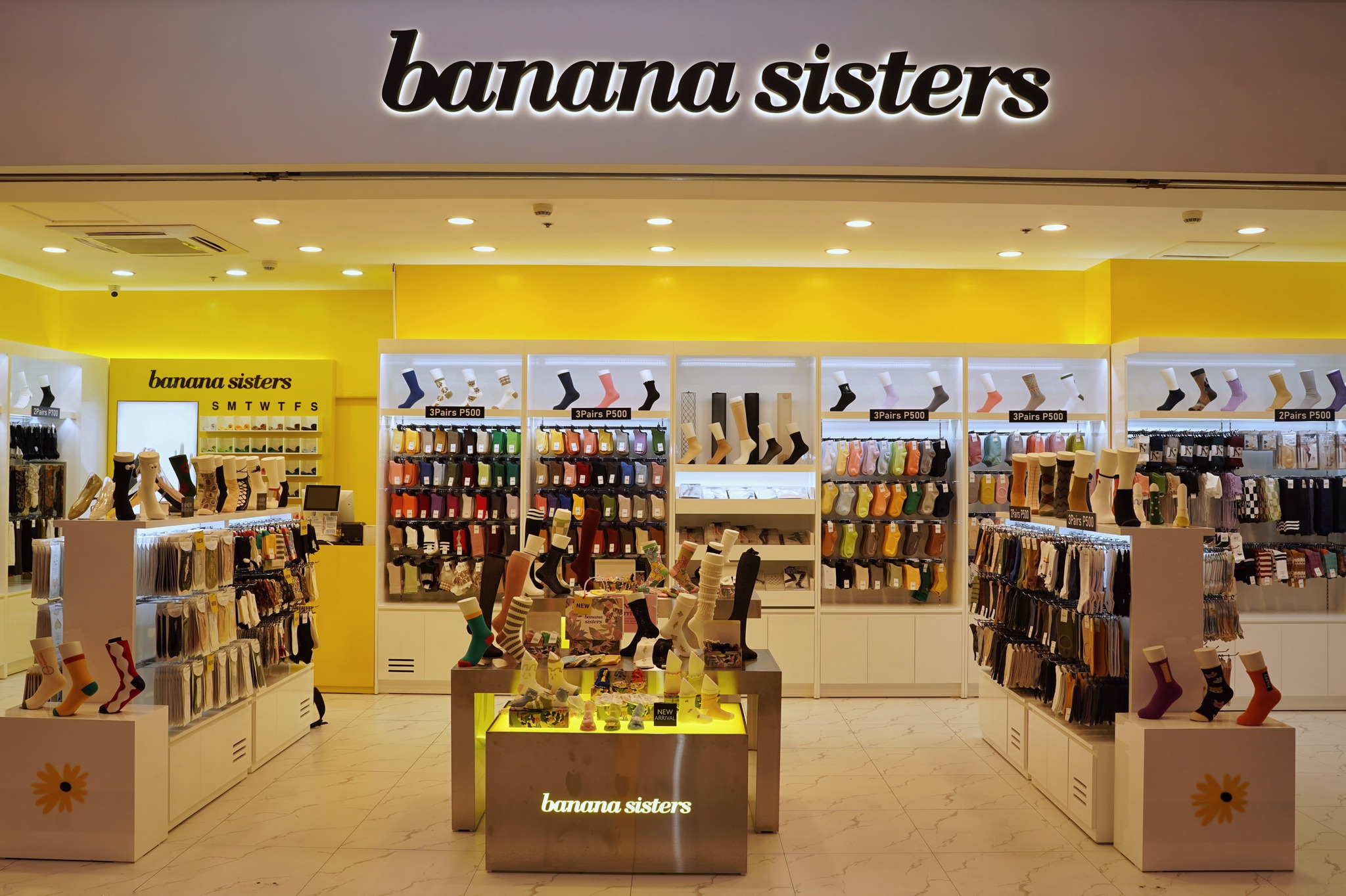
    Banana Sisters, a South Korean legwear brand, has broadened its global presence by launching its second international flagship store in the SM Mall of Asia. This move forms part of the company’s broader expansion plan in Southeast Asia.

    The new retail outlet occupies a 46-square-meter area situated on the third floor of the mall’s Entertainment section. Shoppers will find an impressive variety of approximately 300 different sock styles in the store. Additionally, the store boasts a range of branded merchandise such as T-shirts, caps, and a selection of eco-friendly bags.

    Banana Sisters is the umbrella company for several sub-brands. These include Banana Sisters, which caters to women, Banana Brothers for men, Biarritz offering chic styles, Bitz for sportswear, and Banana Kids for children’s wear.

    In addition to expanding through physical stores, Banana Sisters also plans to establish an e-commerce platform dedicated to the Philippines. This online venture is set to launch by the end of next year and will provide local payment options and nationwide delivery service.

    Yong Ju Jung, the CEO of Banana Sisters, affirmed that the store at the Mall of Asia will play a crucial role in expanding the brand’s presence in the region.

    Questions & Answers

    What is Banana Sisters’ recent strategic move in Southeast Asia?
    Banana Sisters, a South Korean legwear company, has launched its second international flagship store in the SM Mall of Asia.

    What can shoppers expect to find in the new Banana Sisters store?
    The store boasts approximately 300 different sock styles, as well as a range of branded apparel and accessories, including T-shirts, caps, and eco-friendly bags.

    What are Banana Sisters’ future plans besides expanding their physical stores?
    The company has plans to launch a dedicated Philippine e-commerce platform by the end of next year, offering local payment options and nationwide delivery.

  • Discover the Asian City Where Home Prices Are Reaching New Heights!

    Discover the Asian City Where Home Prices Are Reaching New Heights!

    As the retail landscape in Asia continues to evolve, major players are adapting with innovative strategies to capture consumer attention. One such shift is occurring in Singapore, where Sephora has announced a unique partnership with Singapore Airlines. This delightful collaboration promises to enhance the in-flight experience for passengers, who will soon be able to shop for exclusive beauty products directly through their IFE (in-flight entertainment) systems.

    Sephora’s New Adventure in Travel Retail

    Sephora, known for its vibrant storefronts and vast selection of beauty products, is taking its commitment to customer engagement to new heights—literally. By joining forces with Singapore Airlines, the beauty retailer aims to tap into the lucrative travel retail sector, allowing passengers to browse and purchase products mid-flight. This initiative not only diversifies Sephora’s market reach but also serves to transform the airborne shopping experience into something that could soon rival that of a luxurious beauty boutique.

    A Win-Win for Travelers and Beauty Enthusiasts

    The partnership will give passengers access to exclusive product lines available only on flights, meaning your favorite red lipstick might not just stay in your suitcase anymore. With the potential for in-flight beauty tutorials and product showcases, travelers can look forward to engaging with the latest trends in cosmetics while comfortably seated at 30,000 feet. It’s almost like having a Sephora store in the sky—talk about high-flying glamour!

    The Broader Implications for the Retail Sector

    This collaboration represents a significant trend in the retail industry, where partnerships between travel and retail brands are becoming increasingly common. As air travel continues its recovery post-pandemic, strategies that enhance passenger experiences will be vital. Sephora’s move also highlights the larger shift toward personalized shopping experiences, a trend that is poised to resonate with an increasingly discerning consumer base across Asia.

    What Lies Ahead for Beauty Retail

    As beauty retail continues to innovate, this partnership is emblematic of how brands can create new touchpoints with consumers in midair. Retailers are not just competing on the ground anymore but are also looking for ways to elevate the shopping experience beyond traditional storefronts. In this dynamic environment, brands must stay nimble and creative to capture the hearts and wallets of consumers.

    Questions & Answers

    How does the Sephora and Singapore Airlines partnership benefit passengers?
    Passengers will soon be able to shop for exclusive beauty products directly through the in-flight entertainment system, enhancing their travel experience with luxury brands at 30,000 feet.

    What makes this partnership significant in the retail landscape?
    This collaboration highlights a growing trend where retail brands are innovating their engagement strategies by partnering with travel-focused companies, thus creating unique shopping experiences for consumers.

    What can we expect from in-flight shopping in the future?
    As travel resumes, we can anticipate more brands following suit to provide exclusive products and personalized experiences that cater to onboard passengers, making shopping a journey of its own.

  • Online Grocery Sales Bounce Back in June, Reigniting Momentum After May Dip

    Online Grocery Sales Bounce Back in June, Reigniting Momentum After May Dip

    As the retail landscape in Asia continues to evolve, the concept of omnichannel shopping is rapidly gaining traction, reshaping how consumers engage with brands. A recent study highlights the innovative strategies retailers are employing to create a seamless shopping experience that spans both online and physical storefronts.

    Transforming the Shopping Journey

    The survey, which surveyed over 5,000 consumers across major Asian markets, revealed that more than 70% of respondents prefer an omnichannel shopping approach. This affinity indicates a deep-rooted desire for flexibility, allowing shoppers to browse products online while still enjoying the tactile experience of in-store purchases. Retailers are transforming the shopping journey by integrating digital and physical channels, ensuring products are available wherever and whenever consumers wish to engage.

    Retailers like Japan’s Uniqlo and South Korea’s Shinsegae are setting the standard by leveraging technology to bridge the gap between online and offline experiences. Imagine walking into a store and finding items that have been filtered through your online wish list—an experience made possible through advanced inventory management systems that sync in real time.

    The Role of Technology

    Technology plays a pivotal role in this evolution. Retailers are increasingly adopting mobile apps and interactive kiosks to enhance shoppers’ decision-making processes. In addition, augmented reality is becoming a fun and compelling feature; consumers can now virtually try on clothing or visualize how furniture may look in their homes before making a purchase.

    This intersection of convenience and innovation also fosters a sense of community, encouraging brand loyalty in an age where consumer choices are plentiful. The ability to connect with brands through social media platforms, customer reviews, and personalized marketing further solidifies the relationship between retailers and consumers.

    Challenges Ahead

    However, the omnichannel strategy is not without its hurdles. Companies must navigate supply chain complexities and ensure an equitable distribution of resources to keep pace with consumer demand. Moreover, maintaining a consistent brand experience across channels is critical. Retailers who fail to deliver seamless integration risk alienating a savvy customer base that values cohesion and clarity.

    As brands venture deeper into the omnichannel realm, the industry’s dynamics are sure to transform further. A little sprinkle of creativity could turn even the most mundane shopping task into an unforgettable experience—and isn’t that what we’re all after?

    Questions & Answers

    What is the main finding of the recent study regarding omnichannel shopping in Asia?
    The study found that over 70% of consumers in major Asian markets prefer an omnichannel shopping approach, highlighting their desire for flexibility in how they engage with brands.

    How are retailers like Uniqlo and Shinsegae enhancing the omnichannel experience?
    These retailers are leveraging technology such as advanced inventory management systems and mobile apps, enabling a seamless experience where online wish lists translate directly to in-store offerings.

    What challenges do retailers face while implementing omnichannel strategies?
    Retailers must tackle supply chain complexities and ensure consistent brand experiences across channels to retain customer loyalty in an increasingly competitive market.

  • Asian Retailers Revolutionize Shopping Experience Amid E-commerce Surge And Pandemic Challenges

    Asian Retailers Revolutionize Shopping Experience Amid E-commerce Surge And Pandemic Challenges

    As retailers across Asia grapple with the seismic shifts wrought by e-commerce and the COVID-19 pandemic, one company is forging a distinct path by embracing an innovative, customer-centric approach. With soaring demands compelling brands to rethink their strategies, the spotlight is now on how these businesses can leverage digital tools to enhance the shopping experience while staying grounded in the needs of consumers.

    Transforming the Retail Experience

    The metamorphosis of retail has never felt so urgent. Traditional brick-and-mortar establishments are increasingly blending their physical offerings with digital solutions—an evolution driven by a desire not only for survival but for a renaissance in customer engagement. Take the booming popularity of live commerce in Asia, for instance, a format that combines video streaming with shopping, allowing consumers to purchase items in real-time as they watch entertaining hosts showcase products. It’s like TV shopping, but on a TikTok diet. This approach has seen huge participation rates, especially among younger demographics, effectively turning shoppers into active participants in the purchasing process.

    Innovative players in the market are capitalizing on this shift. By utilizing data analytics and AI, retailers can personalize shopping experiences to an unprecedented degree—from tailored offers sent straight to consumers’ smartphones to predictive inventory management that eliminates out-of-stock woes. As one industry expert noted, the success of retail now hinges on its ability to understand and anticipate customer needs in a rapidly changing landscape.

    Technology Meets Tradition

    Retailers navigating this dynamic environment are finding that striking the right balance between technology and traditional values can yield remarkable dividends. Innovations like augmented reality (AR) are being deployed to bridge the gap between online and offline shopping. Imagine trying on clothes virtually before making a purchase—a convenience that not only enhances customer satisfaction but also reduces return rates that have plagued online retailers.

    Meanwhile, loyalty programs are being revitalized to reward not only purchases but engagement, turning passive consumers into loyal advocates for brands. This transformation signals a shift where relationships, rather than mere transactions, take center stage in the retail arena.

    Challenges Ahead

    Despite these strides, challenges remain pronounced. Supply chain disruptions and increasing costs due to inflation are causing retailers to rethink their operations. Moreover, high consumer expectations for seamless service, whether online or offline, can be daunting. As one CEO aptly remarked during a recent industry conference, “In a world where customers are kings, delivering a mere pizza is not enough—you better have a side of innovation served hot with that.”

    With competition intensifying on all fronts, retailers must exhibit agility and responsiveness. The race for attention in the bustling Asian market demands that brands are not only quick to adapt but also innovative in their approach, leveraging technologies that resonate with their core audience.

    In the journey to reshape retail, it is clear that adaptability is no longer optional; it’s essential. The path forward will undoubtedly involve embracing change and continuously experimenting with new concepts while maintaining the integrity of the customer experience.

    Questions & Answers

    How is live commerce influencing retail in Asia?
    Live commerce is transforming retail by blending entertainment with shopping, allowing consumers to purchase items in real-time as they engage with hosts, particularly appealing to younger audiences.

    What role does technology play in enhancing customer experience?
    Technology is central in personalizing shopping experiences through data analytics, while innovations like augmented reality help bridge online and offline experiences by enabling virtual try-ons.

    What challenges do retailers face in the current environment?
    Retailers face challenges like supply chain disruptions, rising operational costs, and heightened consumer expectations, necessitating agility and innovation in their strategies to remain competitive.

  • Vuori Plans Asian Expansion: New Stores In Seoul And Beijing, E-commerce Platform Reaching 11 More Countries

    Vuori Plans Asian Expansion: New Stores In Seoul And Beijing, E-commerce Platform Reaching 11 More Countries

    Performance and lifestyle brand Vuori has announced plans to extend its reach in Asia, with new retail locations set to open in Seoul, South Korea, and Beijing, China, later this year.

    Vuori’s expansion plans include the launch of a store in Seoul through a franchise partner in September, followed by the opening of its inaugural store in Beijing in October. This move is part of the company’s broader aim to strengthen its international presence and increase brand recognition in key Asian markets.

    E-commerce Growth

    In addition to its physical store expansion, Vuori will extend its e-commerce platform to 11 more countries. These include Japan, Sweden, Norway, Denmark, Finland, Switzerland, Spain, Italy, Belgium, Austria, and Portugal. This online growth strategy will allow the retailer to explore and adapt to these new markets in a responsive and efficient manner.

    Previous Successes

    These expansion plans come on the heels of successful store openings in London and Shanghai, as well as a robust start to wholesale operations in Japan and Europe. Senior Vice President of International, Andy Lawrence, commented on the company’s strategic, patient, and long-term approach to international growth, emphasizing their commitment to building brand equity across all key channels where their customers shop.

    Upcoming Milestones

    Vuori has set ambitious goals for the near future. The brand aims to surpass the milestone of 100 stores globally by the end of the year, and plans to operate 15 stores outside the US by next year. Vuori’s products are already available in more than 18 countries worldwide.

    Questions & Answers

    What are Vuori’s plans for international expansion?
    Vuori plans to open new stores in Seoul, South Korea, and Beijing, China, later this year. In addition, the company will launch its e-commerce platform in 11 additional countries.

    What is Vuori’s approach to international growth?
    Vuori adopts a strategic, patient, and long-term approach to international growth. It aims to build brand equity across all key channels where its customers shop.

    What are Vuori’s goals for the near future?
    Vuori aims to surpass the milestone of 100 stores globally by the end of this year, and plans to operate 15 stores outside the US by next year.

  • Asia’s FMCG Market Thrives Amid Global Economic Challenges: A 2025 Analysis

    Asia’s FMCG Market Thrives Amid Global Economic Challenges: A 2025 Analysis

    In the face of a tumultuous global economic landscape, Asia’s fast-moving consumer goods (FMCG) market demonstrated resilience in the first quarter of 2025, expanding by 2.8% year-on-year. The growth was primarily fueled by robust performances in the food, beverages, and home care sectors, while personal care registered modest gains and the dairy segment faced a downturn.

    Northern Dynamics: Strong Demand Reshapes China’s Market

    In North Asia, consumers lifted FMCG spending by 1.9%, buoyed by significant growth in food, beverages, and home care products. Particularly notable was China, which saw a surge in demand over the festive holidays. Lower-tier cities thrived, reporting a growth of 5.9%, with town-level markets skyrocketing by more than 10%. Home care products emerged as the primary growth driver, and personal care began to show promising signs of recovery.

    Korea enjoyed a 4.2% increase in FMCG value, largely thanks to larger shopping baskets, although the frequency of shopping visits tapered off. Taiwan shone brightly, achieving an impressive 8.8% growth in value, spurred by an 8% rise in food and an 11% uptick in non-food categories.

    Southeast Asia: Consumers Tread Lightly Amid Growth

    Southeast Asia proved to be a vibrant player, outpacing the regional average with a 4.1% increase in FMCG expenditures, though consumer behavior remained cautiously optimistic. Malaysia saw a modest market growth of 1.6%, characterized by fewer shopping trips, but with consumers opening their wallets wider during each visit, thanks to festive promotions coupled with lower average prices early in the year.

    In Indonesia, FMCG value leaped by 5.5%, but a notable decline in volume marks the first time consumers have opted for reduced quantities, highlighting economic pressures that have driven them toward seeking better value or switching to more affordable alternatives. Thailand’s market grew by 2.7%, though its expansion was dampened by previous government subsidies, which led to advanced purchasing behavior late last year, with no further stimulus anticipated in 2025.

    The Philippines reported similar growth to Indonesia at 5.5%, attributed to increased spending per shopping trip, albeit with less frequent visits. Meanwhile, Vietnam celebrated its strongest first quarter in five years, invigorated by rising consumer prices for essentials and the festive Tet holiday, signaling a moderate recovery in the in-home FMCG space.

    South Asia: India Leads the Charge

    South Asia’s leading powerhouse, India, achieved a commendable 7.1% value growth, including a 4.4% increase in volume, alongside a 2.5% hike in average prices. Despite these gains, both metrics lagged behind last year’s pace, reflecting a broader trend. With inflation receding slightly, higher-income households have begun diverting their spending towards travel, dining, and lifestyle choices, while lower-income consumers remain committed to essential goods.

    Middle East Momentum Amid Growth

    Across the Middle East, the UAE made significant strides in FMCG growth during Q1, propelled by vibrant Ramadan sales and a steadily growing population. A plethora of categories reported expansion, underscoring consumer optimism in the face of ongoing pressures. Saudi Arabia too saw a rebound in FMCG volumes, driven by frequent shopping trips, even as basket sizes tightened—a sign of enhanced affordability and alleviating inflationary concerns.

    Questions & Answers

    How has consumer behavior changed in Southeast Asia recently?
    Consumer behavior in Southeast Asia is increasingly cautious, as evidenced by slower shopping frequency, even amidst higher spending per trip. This trend reflects a desire to make every visit count.

    What led to China’s impressive growth in FMCG?
    China’s FMCG growth was largely driven by strong demand during festive holidays, particularly in lower-tier cities, which managed to outpace growth in urban centers.

    What trends are emerging among different income groups in India?
    In India, higher-income households are reallocating their spending towards non-essential categories like travel and dining, while lower-income consumers continue to focus on essential goods as inflation impacts their purchasing power.

  • Shangri-La Asia Welcomes New CEO: Daughter of Malaysia’s Wealthiest Tycoon Takes the Helm

    Shangri-La Asia Welcomes New CEO: Daughter of Malaysia’s Wealthiest Tycoon Takes the Helm

    Shangri-La Asia, a leading player in the Asian hospitality sector, has named Kuok Hui Kwong as its new chief executive officer, effective August 1. Kuok is the daughter of Robert Kuok, who stands as Malaysia’s wealthiest individual.

    Solid Leadership Experience

    At 47 years old, Kuok has been a pivotal figure within Shangri-La, having served as executive director since June 2016 and as chairperson since January 2017, as noted by Business Times. Holding a distinguished background, she boasts a degree in East Asian Studies from Harvard University and was previously managing director and CEO at SCMP Group, the publisher behind the South China Morning Post.

    Generous Compensation Package

    Her new role comes with considerable compensation: a monthly base salary of $73,377, along with potential discretionary bonuses and pension benefits, according to The Straits Times. Yet, it’s not just about the dollars; Kuok’s impressive business acumen has propelled her to 40th place on Fortune’s 2024 list of Asia’s most powerful women — a fitting title for someone stepping into the CEO role of one of Asia’s largest hotel chains.

    A Thriving Hotel Empire

    Shangri-La Asia’s recent 2024 annual report highlights the company’s robust portfolio, comprising 81 of the more than 100 hotels it operates across four prominent brands: Shangri-La, Kerry, Hotel Jen, and Traders. These properties hold a combined net asset value of $10.83 billion, reflecting not just a legacy of luxury, but also a definitive foothold in the competitive hotel landscape.

    Questions & Answers

    What experience does Kuok Hui Kwong bring to her new role as CEO?
    Kuok has been involved with Shangri-La Asia for several years as both an executive director and chairperson, and she previously held the position of managing director and CEO of SCMP Group, showcasing her extensive leadership experience.

    How is Kuok’s salary structured in her new position?
    Kuok’s compensation includes a monthly base salary of $73,377, complemented by discretionary bonuses and pension benefits, positioning her as one of the well-compensated leaders in the hospitality sector.

    What does Shangri-La Asia’s hotel portfolio look like?
    The company operates over 100 hotels under its four main brands, with a significant portion owned by the group, amounting to a robust net asset value of $10.83 billion, solidifying its strong market presence.

  • On Unveils Flagship Store In Singapore: More Than Retail, It’s A Community Hub For Running Enthusiasts

    On Unveils Flagship Store In Singapore: More Than Retail, It’s A Community Hub For Running Enthusiasts

    Swiss-based shoe company, On, has marked its entry into Southeast Asia with the launch of its premier store at Jewel Changi Airport in Singapore. Covering an impressive 9300 square feet over two levels, the retail space is designed to reflect the brand’s ‘Dream On’ ethos, presenting an environment that is simultaneously practical and inviting.

    The Vision Behind the Store

    On’s CEO, Martin Hoffman, expressed that the store is not simply a retail outlet, but rather a fusion of innovation and community. The exterior of the store draws its inspiration from Singapore’s picturesque coastal running tracks, while the interior introduces customers to the brand’s unique technologies through interactive displays.

    Highlights of the store include a modular ‘Magic Wall’ designed for quick shoe try-ons, and an introduction to On’s patented innovations such as their CloudTec cushioning and Speedboard technologies. The ground floor of the store is dedicated to the Performance Zone, which showcases technical footwear and clothing items. This includes popular models like the Cloudmonster and Cloudrunner shoes, as well as the upcoming ‘Zendaya x On’ ‘Zone Dreamers’ collection and the LightSpray material innovation.

    More Than Just Retail

    The upper level of the store houses the Lifestyle and Expansion Zones, offering a diverse range of products. Customers can explore a tennis section co-created with tennis legend Roger Federer, a lifestyle wall featuring popular styles like the Cloudtilt and Cloud 6, and an outdoor section presenting travel-ready designs, including the Cloudultra and Cloudrock models. Customers can also get a sneak peek at On’s upcoming kids’ range.

    In addition to the retail offering, the store aims to become a community hub, hosting weekly group runs, training sessions, and workshops. The store will also serve as the headquarters for the On Run Club in Singapore.

    Hoffman stated that the ambition is to create an environment that not only showcases their cutting-edge products but also fosters a community of running enthusiasts. He believes that this commitment to community connection resonates with Singapore’s dynamic fitness culture and strengthens their presence in the region.

    Questions & Answers

    What is the concept behind On’s new store in Singapore?
    The new store is based on On’s ‘Dream On’ concept. It aims to be more than just a retail space, serving as a place where innovation meets community. The goal is to showcase their innovative products while also nurturing a community of passionate runners.

    What unique features does the store offer?
    The store offers a modular ‘Magic Wall’ for quick shoe try-ons and interactive displays introducing On’s proprietary technologies. It also houses a Performance Zone, Lifestyle and Expansion Zones, and will host weekly group runs, training sessions, and workshops.

    How does the new store align with Singapore’s culture?
    The store’s focus on community connection aligns with Singapore’s vibrant fitness culture. It aims to foster a community of running enthusiasts, thereby strengthening On’s regional presence.

  • Asia-Pacific Aviation Insurance Set to Soar with Projected 8.7% Growth by 2032

    Asia-Pacific Aviation Insurance Set to Soar with Projected 8.7% Growth by 2032

    In the rapidly evolving landscape of the aviation insurance market, the Asia-Pacific region is set to take flight with remarkable momentum. The market is projected to expand at an impressive compound annual growth rate (CAGR) of 8.7% from 2022 to 2032, spurred by robust industrial growth and increasing aviation activities in powerhouse nations such as China and India. Such figures are a clear signal of the sector’s dynamic potential as it approaches a valuation of $7.1 billion globally by 2032, up from $4.1 billion in 2022.

    Passenger Liability Insurance: A Market Leader

    In 2022, passenger liability insurance took the lead, generating over one-third of the total revenue in the aviation insurance landscape. This surge is largely driven by regulatory mandates that necessitate coverage for damages related to passengers. When you think about it, it’s as if aviation laws are playing a critical role in ensuring that safety always comes first — because no one wants to be left high and dry!

    Rising In-flight Insurance Demand

    The in-flight insurance segment is emerging as a significant player, expected to witness the highest CAGR of 8.6% through 2032. This growth is influenced by a rising tide of accident risks linked to factors like unpredictable weather and mechanical failures, compelling airlines to fortify their insurance frameworks.

    Airlines Segment Dominates But Aerospace Is Soaring

    Breaking down the market by product type, the airlines segment held a commanding share in 2022, as demand grows for insurance solutions that are custom-made to address airline-specific risks. However, the aerospace segment is poised for the most rapid advancement, enjoying a projected CAGR of 9.0%. Insurers are increasingly adopting advanced technologies to evaluate and price the more intricate risks associated with aerospace, setting the stage for a transformation in how these complexities are managed.

    Commercial Aviation: Still the Heavyweight Champion

    On the application front, commercial aviation insurance remains the heavyweight champion, accounting for over half of the market in 2022 due to the substantial values and liability limits involved. Yet, the general and business aviation segment is not to be overlooked; it is anticipated to experience the fastest growth at 8.0%, spurred by heightened travel demand and increased activities such as skydiving.

    Questions & Answers

    What factors are driving the growth of the aviation insurance market in the Asia-Pacific region?
    The growth is primarily driven by industrial expansion and an uptick in aviation activities, particularly in China and India.

    Which segment of aviation insurance generated the most revenue in 2022?
    Passenger liability insurance led the market, accounting for over one-third of the total revenue, largely due to regulatory requirements for coverage.

    What technologies are influencing the aerospace insurance segment?
    Insurers are leveraging advanced technologies to better assess and price the complex risks associated with aerospace, leading to accelerated growth in this segment.