Tag: asia

  • Auto Producers Set to Benefit from New Favorable Import Tariff Policies

    Auto Producers Set to Benefit from New Favorable Import Tariff Policies

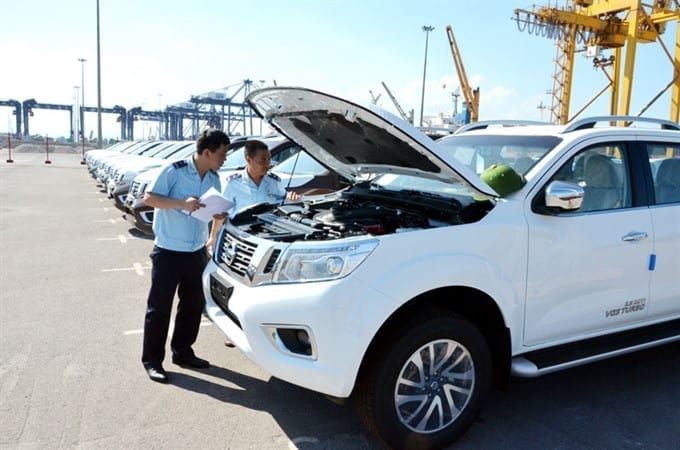
    A new decree taking effect on July 8 has introduced changes to the minimum production volume requirements for automotive companies looking to enjoy preferential import tariffs on components. This policy aims to bolster the capabilities of domestic vehicle manufacturers and assemblers, especially those investing in eco-friendly models.

    The decree modifies prior regulations, allowing manufacturers of petrol or diesel vehicles that also produce electric cars, fuel cell vehicles, hybrids, and vehicles powered by biofuels or natural gas to have their environmentally friendly vehicle outputs factored into both overall and model-specific production calculations. This combined output will play a crucial role in determining eligibility for preferential import tariffs related to petrol and diesel categories.

    Streamlining Production to Boost Eco-Friendly Vehicles

    In a notable provision, companies holding more than 35% of the charter capital in affiliated automotive firms, recognized by the Ministry of Industry and Trade, can consolidate the production figures from these associated entities. This collective output will be counted toward satisfying the minimum production volume needed for the preferential tariff program. The parent company carries the responsibility of verifying total eligible production and ownership percentages throughout the assessment period.

    Customs authorities at the local level will handle tax refunds based on the number of vehicles fabricated and assembled during the eligibility timeframe. However, firms making inaccurate declarations risk facing tax recovery actions and penalties as specified in tax regulations.

    Shifting Tax Structures for a Competitive Edge

    Accompanying this decree is an increase in export and preferential import taxes for certain commodities. Notably, yellow phosphorus will see a steep rise in export duties, launching from a current rate of 5% to 10% starting January 1, 2026, and further increasing to 15% by January 1, 2027. This vital input material, instrumental in sectors from fertilizer production to high-tech applications like semiconductors and lithium-ion batteries, is critical for Vietnam’s strategic industries.

    The updated tariff policies reflect a concerted effort to protect national resources, minimize environmental impacts, and support the development of industries focused on chip production, electric vehicle battery manufacturing, and advanced industrial chemicals.

    Meanwhile, the import duty on tin-mill blackplate—used in tin-coating—will remain at 0% until August 31, 2025, when it will jump to 7%. Additionally, a new 2% import duty has been enacted for various polyethylene categories, which previously enjoyed a 0% rate.

    In short, these regulatory adjustments represent a balancing act, aiming to propel domestic automotive growth while safeguarding environmental concerns—a move that highlights the complexity and dynamism of the industry.

    Questions & Answers

    What new incentives does the decree provide for manufacturers of environmentally friendly vehicles?
    The decree allows manufacturers of petrol and diesel vehicles that also produce eco-friendly models—like electric and hybrid vehicles—to combine their production outputs when calculating eligibility for preferential import tariffs.

    How will the changes affect tax rates for yellow phosphorus?
    Starting January 1, 2026, the export duty on yellow phosphorus will increase from 5% to 10% and then to 15% in 2027, reflecting the government’s intent to manage key resources while boosting industries reliant on this critical material.

    What changes have been made regarding import duties on polyethylene products?
    Several polyethylene categories, which had a 0% import duty, are now subject to a new 2% import duty, showcasing an immediate shift in the cost structure for these materials.
  • Asia Pacific Sees Food Delivery Market Surge to 23% Amid Growing Consumer Demand

    Asia Pacific Sees Food Delivery Market Surge to 23% Amid Growing Consumer Demand

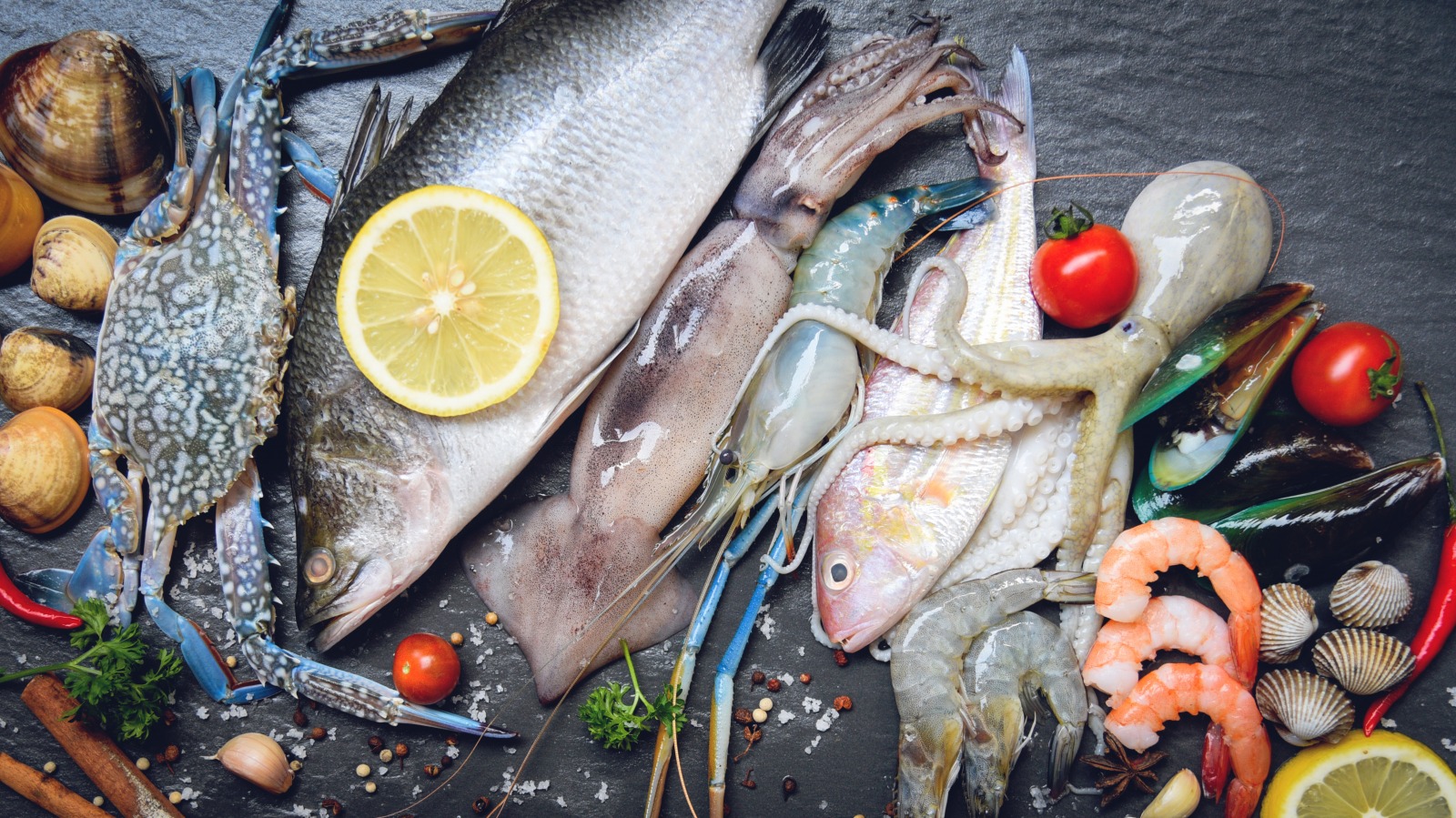
    In a remarkable shift, delivery has emerged as the leading channel in Asia Pacific’s foodservice market, skyrocketing from 10% in 2019 to a projected 23% by 2024, according to the latest insights from Euromonitor International. This evolution is part of a larger trend, with the region now accounting for a staggering 40% of global foodservice sales and poised to grow at an impressive 6% compound annual growth rate (CAGR) through 2029.

    Globally, the appetite for delivery services has also doubled, constituting 21% of the market in 2024, up from just 9% in 2019. Even against a backdrop of inflation and economic uncertainty, the global foodservice sector expanded by 5.5% in 2024, reaching a hefty $3.2 trillion. Asia Pacific contributed significantly, hitting $1.3 trillion— a 6% increase from 2023 and surpassing pre-pandemic levels.

    “Inflation and economic uncertainty weigh heavily on consumers,” remarked Rocio Franco, senior consultant at Euromonitor International. “While transaction levels have rebounded to pre-pandemic figures, signaling robust demand within the industry, consumers are increasingly selective, opting for budget-friendly dining choices.”

    Looking ahead, delivery is expected to climb to 26% of Asia Pacific’s foodservice market by 2029, while traditional dine-in options will likely plateau at 64%. The surge is largely fueled by third-party delivery apps that entice customers with aggressive discounts, loyalty incentives, and waived service fees, driving order frequency through the roof. Limited-service restaurants are also thriving, catering to price-sensitive consumers with smaller, more affordable menu items.

    “For restaurant operators, the challenge lies not only in competitive pricing but also in creating memorable experiences, embracing digital strategy, and fostering brand loyalty,” Franco added, shedding light on the new rules for thriving in this dynamic market.

    Among the standout segments, specialist coffee and tea shops experienced an impressive 13% growth in 2024, totaling $39 billion in the Asia Pacific region. Seen as affordable luxuries, these establishments are rapidly proliferating, particularly in cities like Singapore, as they expand their offerings and footprint.

    Questions & Answers

    What is the current market share of delivery services in Asia Pacific’s foodservice sector?
    Delivery services have surged to account for 23% of Asia Pacific’s foodservice market in 2024, a significant increase from just 10% in 2019.

    How has the global foodservice market performed in the face of economic uncertainties?
    Despite inflation and economic challenges, the global foodservice industry grew by 5.5% in 2024, reaching $3.2 trillion, with Asia Pacific seeing a robust growth to $1.3 trillion.

    What strategies should restaurant operators consider to remain competitive?
    Operators are encouraged to focus on providing value beyond just price, enhancing customer experiences, harnessing digital tools, and cultivating brand loyalty to thrive in the current market landscape.

  • Malaysia’s Banks Report 5.3% Loan Growth in May, Driven by Construction Sector Surge

    Malaysia’s Banks Report 5.3% Loan Growth in May, Driven by Construction Sector Surge

    The retail landscape in Asia is witnessing a striking transformation as digital shopping experiences increasingly complement traditional brick-and-mortar stores. Consumers are embracing a fusion of online convenience and in-store engagement, creating a unique shopping atmosphere that retailers must navigate. The latest insights reveal a dynamic shift toward omnichannel strategies, illustrating how brands are innovating to meet evolving consumer needs.

    A Surge in Omnichannel Shopping

    In recent months, surveys indicate that 70% of consumers across major Asian markets prefer a blend of online and in-store shopping. This trend reflects a desire for the tactile experience of physical stores along with the efficiency of digital transactions. While retailers once focused on building standalone online platforms, the game has shifted. Brands are now racing to create seamless shopping experiences that engage consumers at multiple touchpoints — whether through mobile apps, social media, or classic storefronts.

    Consumer Preferences are Shifting

    Surprisingly, a recent study found that 58% of millennials are likely to make impulse purchases driven by social media ads. Brands like Shopee and Lazada are capitalizing on this trend by integrating social commerce features into their platforms, transforming how products are showcased and sold. The playfulness of an Instagram story can lead to a purchase just as easily as a walk through a retail aisle.

    Retailers Embrace AI and Personalization

    Amid this transformative environment, artificial intelligence is emerging as a vital tool for personalization. Retailers are harnessing AI algorithms to analyze consumer behavior and tailor shopping experiences that resonate with individual preferences. The results are impressive, with brands reporting up to 30% increases in conversion rates when leveraging AI-driven personalization strategies. As one industry insider noted, “When your shopping experience feels like it was designed just for you, how can you resist?”

    The Role of Sustainability in Consumer Choices

    Moreover, sustainability is becoming a pivotal factor in consumer purchasing decisions. A staggering 65% of shoppers in Asia now prioritize buying from brands that demonstrate strong environmental commitments. Eco-conscious initiatives, such as sustainable packaging and ethical sourcing, are more than just buzzwords; they are becoming essential components of a brand’s identity in today’s market. Retail giants are not just selling products; they’re selling values, and consumers are taking note.

    Looking Ahead: Challenges and Opportunities

    As the retail sector continues to evolve, challenges persist. Supply chain disruptions and shifting regulatory landscapes test the resilience of even the most established brands. Yet, with every challenge comes an opportunity. Retailers that adapt to these changing dynamics—through enhanced technology integration, innovative customer engagement strategies, and a commitment to sustainability—are poised to thrive in the new era of retail.

    Questions & Answers

    What percentage of consumers in Asia prefers a combination of online and in-store shopping?
    Seventy percent of consumers across major Asian markets prefer a blend of both online and in-store shopping, reflecting the increasing demand for omnichannel experiences.

    How is social media influencing shopping habits in Asia?
    A study showed that 58% of millennials are likely to make impulse purchases due to social media ads, driving retailers to integrate social commerce features into their platforms.

    What role does sustainability play in consumer purchasing decisions?
    Approximately 65% of shoppers in Asia prioritize buying from environmentally conscious brands, making sustainability a critical factor in brand loyalty and purchasing behavior.

  • Asia’s Retail Revolution: Sustainability, Tech Innovation And Community Engagement Shape Future Strategies

    Asia’s Retail Revolution: Sustainability, Tech Innovation And Community Engagement Shape Future Strategies

    The retail landscape in Asia is witnessing seismic shifts as brands pivot to embrace sustainability and social responsibility at the heart of their strategies. Against this backdrop, leading retail players are not just tailoring products to meet consumer demand but are also weaving narratives that resonate deeply with a socially conscious audience.

    Shifting Consumer Expectations Drive Change

    As consumers across Asia become increasingly aware of environmental issues, their shopping preferences are evolving. A recent survey revealed that over 60% of shoppers are willing to pay more for sustainable products, underscoring a significant shift in purchasing behavior. Brands that adapt to these changing tides are finding new opportunities to connect with their audiences in meaningful ways. Funny enough, it seems that being eco-friendly is the new black in retail fashion!

    This transformation is particularly evident in sectors like fashion, electronics, and food. Retailers are investing in eco-friendly packaging, ethically sourced materials, and carbon-neutral logistics. For instance, major fashion chains are introducing lines featuring organic cotton and recycled polyester, while tech companies are innovating with energy-efficient products that minimize environmental impact.

    Innovations in Retail: The Role of Technology

    In addition to sustainable practices, technological innovation is reshaping the retail experience. From augmented reality shopping experiences to AI-driven personalization, technology is enabling brands to enhance customer engagement. Interactive in-store displays and mobile apps that offer tailored recommendations based on previous purchases are becoming the norm rather than the exception.

    Moreover, the rise of e-commerce has spurred traditional retailers to rethink their strategies, blending online and offline elements. Click-and-collect services and virtual try-on technology are examples of how retailers are adapting to the digitally-savvy consumer. This integration is critical, given that online shopping is projected to account for over 25% of total retail sales in Asia by 2025.

    The Importance of Community Engagement

    Community engagement is increasingly becoming a focal point for brands aiming to foster loyalty and trust. Retailers are connecting with local communities through initiatives such as charity partnerships, local sourcing, and transparent supply chains. By highlighting their role in the community, brands not only boost their image but also create a loyal customer base that feels invested in their mission.

    Chinese cosmetic giant L’Oréal has successfully leveraged this strategy by supporting local artisans through its product lines while also encouraging sustainable beauty practices. This not only amplifies their brand values but also galvanizes consumers to make more informed choices.

    Looking Ahead: The Future of Retail in Asia

    As we look to the future, the confluence of sustainability, technology, and community engagement paints a promising picture for the retail industry in Asia. Companies that can navigate these currents will thrive in an increasingly competitive landscape. In a world where every purchase tells a story, retailers are challenged to ensure that their narratives align with the values of the consumers they aim to serve.

    To put it simply, the era of conscious consumption is here, and it’s transforming the way retailers operate across Asia. Getting ahead of the curve could be the difference between becoming a market leader or getting lost in the crowd.

    Questions & Answers

    What percentage of consumers are willing to pay more for sustainable products?
    Over 60% of consumers in Asia expressed a willingness to pay a premium for sustainable products, highlighting the growing importance of eco-friendly options in purchasing decisions.

    How is technology impacting the retail landscape in Asia?
    Technology is enhancing customer engagement through innovations like augmented reality shopping, AI-driven personalization, and seamless integration between online and offline retail experiences.

    What role does community engagement play in modern retail strategies?
    Community engagement helps retailers foster loyalty and trust, often through local partnerships and transparent practices that resonate with socially conscious consumers.

  • Maison Ladurée returns to Philippines with first Southeast Asia flagship

    Maison Ladurée returns to Philippines with first Southeast Asia flagship

    Maison Ladurée, the luxury patisserie based in France, is poised to launch its first flagship store in Southeast Asia, specifically in the Philippines. The move marks an important milestone for the brand as it expands its international presence.

    Flagship Store Location

    The store, christened Ladurée Tropical, will be located at BGC High Street, in Manila. The concept behind its name and design has been meticulously crafted to cater to the Philippine market, a strategic approach to ensure that the brand resonates with local customers.

    Ladurée made its first foray into the Philippines in 2015, when it opened a flagship store in 8 Rockwell, Makati. However, in 2019, the store had to close its doors as a result of the global pandemic.

    The Vision For Ladurée Philippines

    Karan Gopwani, CEO of Gastronova, the company helmimg Ladurée’s revival in the Philippines, said that the goal is to create a uniquely Filipino Ladurée experience. “Our vision is to make Ladurée feel as though it was born in the Philippines rather than imported into it,” he explained.

    The new venue will house both the Ladurée Café, for casual coffee experiences, and the Salon de Thé, which features full-service dining. Gopwani stated that this dual offering was a calculated bold move that goes beyond anything previously attempted.

    A Blend of French and Filipino Flavors

    The menu, masterminded by executive chef Katrina Torres, will be a blend of French cuisine crafted specifically for Ladurée and signature items from its Paris menu. This delightful fusion combines the brand’s famed pastries with savory dishes tailored to local tastes, featuring ingredients from the Philippines.

    Torres expressed enthusiasm about this culinary fusion, saying, “Our aim is to create a blend that beautifully complements both local tastes and the classic elegance of Ladurée.”

    Questions & Answers

    When is Maison Ladurée planning to launch its first flagship store in Southeast Asia?
    Maison Ladurée is planning to launch its first flagship store in Southeast Asia this month.

    What will the new Maison Ladurée store in the Philippines offer?
    The new store will house both a Ladurée Café, for casual coffee experiences, and a Salon de Thé, which features full-service dining. The menu will feature a blend of French and Filipino dishes.

    Who is responsible for the culinary offerings at the new Ladurée store?
    The menu at the new Ladurée store has been masterminded by executive chef Katrina Torres. It will offer a culinary fusion that complements both local tastes and the classic elegance of Ladurée.

  • FedEx report: Micro-business boom in APAC

    FedEx report: Micro-business boom in APAC

    Micro-multinational businesses in the Asia Pacific are experiencing a business boom, according to new FedEx research.

    Its study shows that 63 per cent of these businesses are achieving annual revenue growth, a success rate achieved by only half of small- to medium-size enterprises (SMEs).

    A previous study last year revealed the greater potential for business growth among SMEs that export goods to overseas markets compared to those that do not. Taken together, the two studies underscore the business benefits of export markets generally, either through simple exports or, like the micro-multinationals in the latest study, by establishing a more direct presence.

    Conducted in September by Harris Interactive for FedEx Express, the study examined trends and characteristics among micro-multinationals, a subset of SMEs that either set up with a presence in multiple markets, or leverage online business platforms and the increased openness of the global economy to expand into overseas markets.

    Another key finding was that APAC micro-multinationals have a marked preference for markets within the region. Other APAC markets make up six of the top eight overseas markets targeted by APAC micro-multinationals, with China topping the list of markets with a micro-multinational presence.

    “We’ve long believed that businesses don’t need to be big to be global, and this study confirms that small businesses that have established a presence in other markets are seeing this strategy pay off substantially,” says FedEx Express Asia Pacific president Karen Reddington.

    “Asia Pacific micro-multinationals have overwhelmingly chosen to set up in other Asia Pacific markets, strengthening regional interconnectivity and driving growth in the intra-Asia trade corridor, the world’s fastest-growing international trade lane. This will translate into job creation, a more efficient pipeline for goods and services and, ultimately, economic growth across the region.”

    As well as accelerated growth opportunities, APAC micro-multinationals believe their presence in multiple markets provides other advantages unavailable to SMEs in a single market. These include access to lower-cost workers (46 per cent), lower overheads (37 per cent) and the availability of different skill sets (36 per cent).

    Also, 63 per cent of micro-multinationals say that running a business in multiple markets is easier than it would have been even five years ago, while 19 per cent do not even believe this would have been possible for them then.

    Harris Interactive used a mix of telephone and online interviews to survey 595 senior decision-makers in micro-multinational companies (companies with 1-249 employees based in more than one country). The research covered 12 global markets across four regions.

  • Körber buys majority stake in DMLogic

    Körber buys majority stake in DMLogic

    The international technology Group Körber concluded the acquisition of the US American company DMLogic on June 30, 2017. With its takeover of the software specialists´ majority shares, the Group is pushing ahead with the internationalization of its Business Area Logistics Systems.

    DMLogic is a specialized supplier of logistics software products, with its headquarters in Pittsburgh, Pennsylvania, USA. The company is also active at other sites in Eindhoven, the Netherlands, and Sydney, Australia. Most of its customers are from the pharmaceutical and automotive industries as well as the trading sector. With its software solutions the company supports customers in designing their warehouse management more efficiently and productively. From the design to the implementation and ongoing support, DMLogic operates as a complete supplier. With STEPLogic, the logistics software specialist has a software development platform that allows customers to develop new processes and apps for the warehouse management systems.

  • Citi Names Asia Clean Energy Head

    Citi Names Asia Clean Energy Head

    Based in Hong Kong, the newly created role will support the bank’s clients with their transition to cleaner energy.

    Citi has appointed William Pang as head of natural resources and clean energy transition (NRCET) investment banking Asia, effective immediately, the U.S. lender announced in a statement on Tuesday.

    Pang joined Citi in 2015, and has over 18 years of investment banking and legal experience, including at HSBC, Lexicon Partners, Macquarie Group and Clifford Chance.

    In his new role, Pang will work closely with the global leaders of NRCET and the leaders of the relevant sectors – chemicals, energy, power and clean energy transition. He is currently head of power and infrastructure investment banking for Asia, and will concurrently hold this role, the announcement said. He will report regionally to Jan Metzger, Asia Pacific head of banking, capital markets and advisory and globally to NRCET co-heads Stephen Trauber and Sandip Sen.

    In 2019, Citi met its $100 billion environmental finance goal four years early. In April 2021, it announced a $500 billion environmental finance goal and $1 trillion sustainable finance goal, all by 2030. Circular economy and sustainable agriculture and land use are among the new criteria for its $500 billion goal.

    The drive toward low and net-zero carbon solutions will facilitate the formation and growth of many new companies and will require significant capital investment. It will also facilitate the formation and growth of many new companies requiring significant capital investment, Metzger said.

  • Uniqlo Unveils Ambitious Expansion Plan Amid Rising Demand In Asia

    Uniqlo Unveils Ambitious Expansion Plan Amid Rising Demand In Asia

    In a recent shake-up within the retail sector, the iconic Japanese fashion retailer, Uniqlo, has confirmed plans to expand its presence in Asia, unveiling an ambitious strategy to open 50 new stores across key markets in the region over the next year. This move comes as the company seeks to capitalize on the rising demand for affordable yet trendy apparel among Asia’s rapidly growing middle class.

    Accelerated Growth Amid Global Challenges

    Despite facing headwinds from global supply chain constraints and the lingering effects of the pandemic, Uniqlo’s executives remain optimistic. In a statement, the company highlighted its commitment to sustainable practices and innovative product offerings, which are expected to be central to its new store openings. As the world becomes increasingly eco-conscious, Uniqlo plans to leverage its reputation for quality and affordability to attract a loyal customer base.

    A Unique Brand Experience

    What sets Uniqlo apart from its competitors is its philosophy of “LifeWear”—a commitment to creating functional, everyday clothing that seamlessly blends style with comfort. The company is not just about selling clothes; it’s about crafting an experience that resonates with consumers’ lifestyles. With its latest initiatives, Uniqlo intends to enhance its in-store environment, incorporating technology that allows customers to engage with the brand in more meaningful ways. Imagine scanning a QR code and instantly discovering outfit inspirations!

    Responding to Consumer Trends

    The surge in online shopping during the pandemic has prompted Uniqlo to bolster its digital presence, complementing its physical stores. With a robust e-commerce strategy in place, the retailer is ensuring that its customers can enjoy a seamless shopping experience, whether online or in-store. In fact, with investments in AI and personalized marketing, shoppers may even find themselves greeted by name on their next visit. Talk about a warm welcome!

    Looking Ahead

    As the retail landscape evolves, Uniqlo’s expansion plans embody its belief in the resilience of brick-and-mortar stores, especially in vibrant markets like Asia, which brims with lifestyle enthusiasts eager to explore new fashion trends. The excitement around this expansion is palpable, and as many have noted, maybe it’s time to make some room in your closet!

    Questions & Answers

    What regions will Uniqlo focus on for its new stores?
    Uniqlo is concentrating on expanding in key markets across Asia, tapping into the growing demand for affordable fashion.

    How is Uniqlo adapting to changes in consumer behavior?
    The retailer is enhancing its digital presence and integrating technology into its shopping experience, allowing customers to engage with the brand more actively.

    What is the core philosophy behind Uniqlo’s product offerings?
    Uniqlo’s philosophy, known as “LifeWear,” emphasizes creating functional, everyday clothing that combines style and comfort, catering to the lifestyle of contemporary consumers.

  • Like Father Like Daughter: Love and Passion for Agriculture

    Like Father Like Daughter: Love and Passion for Agriculture

    As a way of life, not simply a trade, agriculture can bring families together, with generation after generation passing down physical farms or a fervor for farm life. While Suparatana Bencharongkul’s life began in the telecom business, but it was her father, Thailand telecom billionaire Boonchai Bencharongkul, who cultivated her love of agriculture at a very early age. To him, the farmer has the world’s most important job: feeding the world.

    As the General Manager of Rakbankerd Co. Ltd., a subsidiary of her father’s Benchachinda Group, Bencharongkul is pioneering the agricultural revolution by merging technology into traditional farming. Under her leadership, the firm has introduced many new ideas and new thoughts to the agriculture industry.  It has launched many forward-thinking initiatives, such as Farmer Info Application, Farmmanyam, Fulfield, Sabuymarket, Allbio and Rakbankerd Products.  Her goal is to help make farmers profitable for today so they can stay in business in the future.

    In a recent Forbes article, Bencharongkul credits her dad and her childhood for her interest in agriculture today. The tie to agriculture from childhood and the impact that agriculture has in the world is what draws her to it.  Like her father, Bencharongkul is advocating for agriculture and what farmers are doing — both hard work and innovating technology — is amazing.

    Bencharongkul is positively disrupting Thai agriculture by introducing modern technology.

    All the innovative technologies Rakbankerd has introduced are being adopted by farmers at an accelerating pace. From field monitoring technologies to variable rate application, the available precision agriculture technologies offer an end-to-end solution for today’s farmers.

    The future of farming is very bright. There are more and more precision agriculture technologies coming out every month. All of these solutions offer substantial value for farmers in their effort to optimize production, better manage their operations, and both save money and make money off bigger yields.  With a heart so dedicated to the farmer’s well-being backed by a successful telecom business, no one is better equipped than Bencharongkul to lead the next agricultural revolution in Thailand, if not the entire APEC.

  • Yiwugou.com gains the first batch of official online business licenses in China

    Yiwugou.com gains the first batch of official online business licenses in China

    Yiwugou.com, the official website of Yiwu Commodity Market, the largest commodity wholesale market in the world, has announced that ten sellers on Yiwugou.com have gained the first batch of official online business licenses which will add significant integrity to the e-commerce credit system in China.

    According to CCTV, Chinese leaders proposed the “Internet +” idea at two sessions press conference in 2015 and indicated that the integration of online and offline had created greater vitality, and that both online and offline shops should remain faithful to ensure quality and safeguard consumer rights. The nature of the “Internet +” idea is to upgrade traditional industries through internet technology therefore online business licenses are the best practice for the “Internet +” idea in the field of e-commerce.

    In China, the business license is a merchant legal certificate that is supervised by the state administrative department. However, with the development of e-commerce, it’s harder to supervise and approve online merchants in the traditional model of the business license. In addition, the enterprise certification of third platforms like Alibaba usually can’t be recognized by the state administrative department. In January this year, the conflict between Alibaba and the State Administration for Industry and Commerce was a concentrated reflection of this problem and consequently the government, enterprises and people are more concerned about the problem of online integrity.

    The online business license is specific to online business spaces as opposed to the electronization of traditional business licenses and also promotes e-commerce integrity management from enterprise certification up to national regulation. Thus, sellers on Yiwugou.com can be better supervised by national laws and regulations and undoubtedly Yiwugou.com will provide a more reliable procurement platform for buyers all over the world.

    “The unique model of ‘E-commerce + Offline shops + Integrity Protection’ shows that Yiwugou.com is the steadfast practitioner of the “Internet +” idea. The online business license lays a good foundation for various internet financial services afterwards. This also will further develop the ‘Global Partnership Plan’ of Yiwugou.com to accelerate the building of a spider-web market platform covering all of China and the world with the effective integration of online and offline based on powerful industrial support,” said Wang Jianjun, CEO of Yiwugou.com.

  • Air Asia encourages traveller wanderlust with ‘Live life unexpected’ campaign

    Air Asia encourages traveller wanderlust with ‘Live life unexpected’ campaign

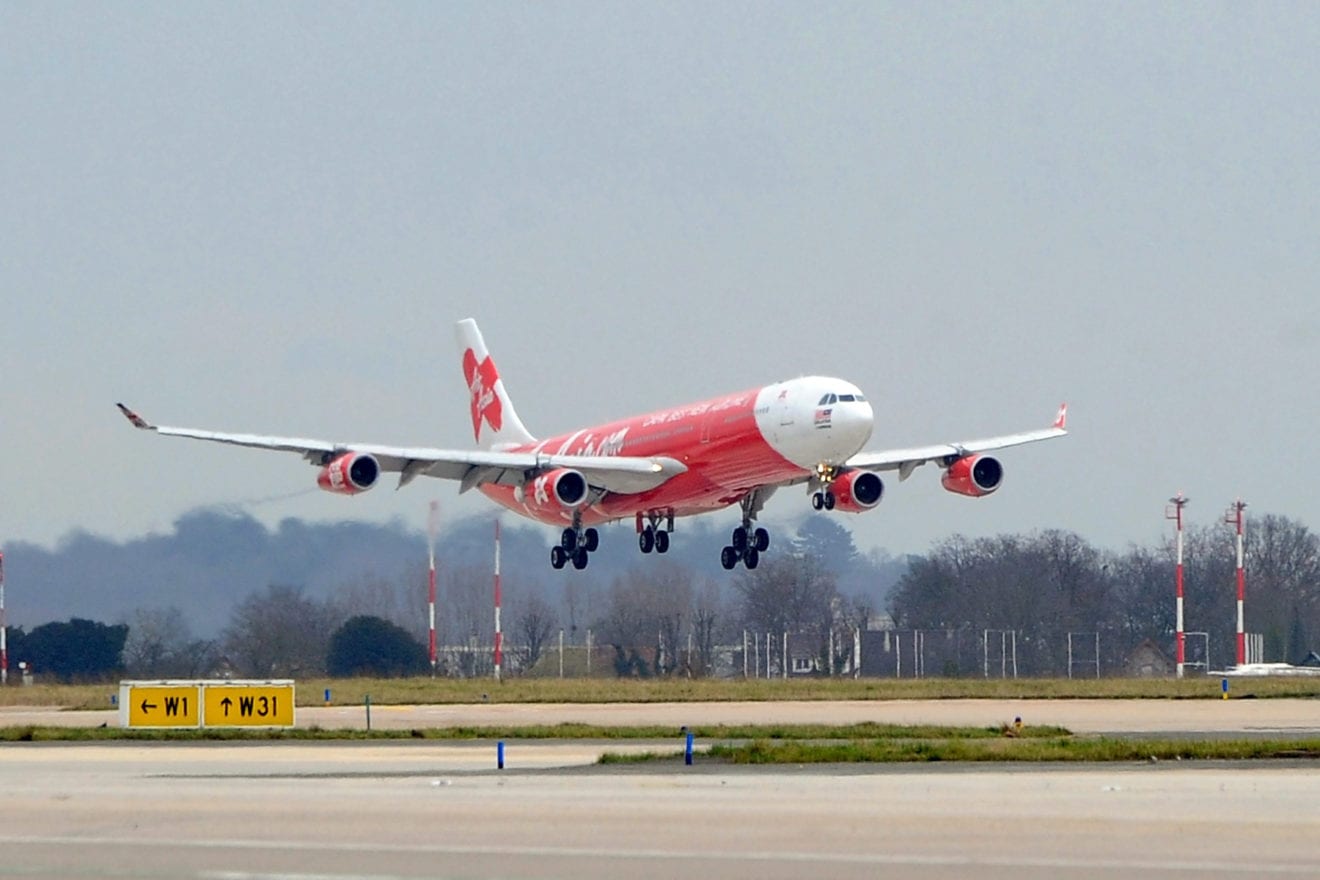
    Air Asia and Malaysian experimental marketing agency/consultancy firm Entropia have launched a new brand campaign encouraging travellers to be more spontaneous in their travelling.

    Under the tagline ‘Live life unexpectedly’, the integrated campaign comes in support of the Visit ASEAN@50 tourism campaign was launched by the Association of Southeast Asian Nations or ASEAN.

    Launched across the 10 ASEAN countries, the online video follows a young female tourist’s journey through south-east Asia with the aim of appealing to consumers’ “wanderlust and boundless spirit”.

    Spencer Lee, AirAsia Berhad head of commercial said: “AirAsia as a brand has always stood for discovering the unexpected, the exciting. We are also the only airline to fly directly to all 10 ASEAN countries. We are excited to roll out this campaign and invite people to spread their wings and explore new experiences with AirAsia.

    “As the ASEAN Airline Partner for the Visit Asean@50 campaign, we hope to promote ASEAN as a single yet diverse destination to as many people as possible. Our product, the AirAsia ASEAN Pass was created for the very same purpose; to enable seamless movement within this region.”

    Formally launched in Kuala Lumpur last July, Entropia positions itself between the advertising agency and consultancy model.

    The company is led by  Prashant Kumar, who left his role as president of Asia World Markets at IPG Mediabrands in March 2016, joining Entropia two months later.

    At the time he said: “Brands must enhance human happiness. So must data and technology. In the age of anticipatory data, Creative prototyping and curative technology, there is a historic opportunity to be different. Entropia hopes to chance upon ways we can do that – with consistency and scale.”

  • Indian lingerie Clovia eyes international expansion over 5 years

    Indian lingerie Clovia eyes international expansion over 5 years

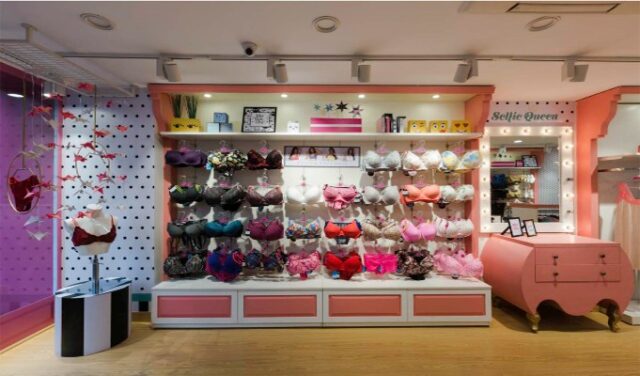
    Founder and Director, Neha Kant, says that apart from the 10 EBOs in Delhi, the brand has 2 EBOs in Gujarat and 1 in West Bengal. The average size of a Clovia store is between 275 and 400 sq. ft. “Aside from this, we are also present in 50+ shop-in-shops in these three states in India.” “We have also introduced a new distribution model – Clovia Partnership Program. Under this program, we invite women around the country to educate other women about sizing and fits and run their enterprise by selling Clovia products from the comfort of their home. At present, we have around 3,000 members on board,” she adds.

    Operating Model

    The lingerie brand sells through direct sales channels including exclusive brand e-store, partner websites like Myntra, Jabong, Flipkart and Amazon among others and also through offline retail outlets.

    “As a brand we want to be present at every customer touch point and offline was a natural progression for us. The intent was to make product touch-points that can be brand builders and self-sustaining at the same time. While online continues to grow profitably, offline helped us capture a completely complementary user base, while continuing to build the brand,” asserts Kant.

    “Our Noida office is also the central design hub. Designs and raw materials are shipped out to exclusive third party manufacturing units which have been incubated by us and work exclusively with us. Our skillful use of technology helps us ensure the industry’s most efficient mind-to-market and extremely tight inventory management. On the online front, we’ve innovated to deliver some of the best sales conversion rates. These innovations have ensured the company is operationally profitable since inception,” she adds.

    TG & Product Portfolio

    The brand’s target audience includes working women between the ages of 25-35 years and young girls aged between 18 to 24 who are either in college or have just entered the workforce.

    The brand designs, manufactures and sells premium fashion lingerie, innerwear, nightwear and shapewear. Tier II and III contribute to over 60 percent of Clovia’s orders.

    “Clovia has redefined the lingerie market by going beyond standard fits, colours and sizes. We offer customers a wide variety of choices in ‘everyday essentials’, along with ‘fashion solutions’ keeping up with customer’s evolving wardrobes,” says Kant.

    “As a brand which lives on feedback, and iterates its entire portfolio basis that, we are focused on a few major categories for now and have been slowly expanding our category focus. Clovia, started predominantly as a ‘bra & brief’ brand which extended into nightwear, shapewear and loungewear with time and demand. Within the categories, we’ve identified a lot of verticals for example: in bras, we have ranges for beginners and nursing mothers, as well as sizes till 44F. We launch 200+ new options including colours and prints per month across women’s bras, briefs, nightwear, shapewear, lounge wear, resort wear, swim wear, leisure wear and active wear categories,” she explains.

    The brand, which produces all its products in India, offers 2,000+ plus styles across categories.

    Supply Chain & Production Capacity

    Clovia is a full stack lingerie brand that controls every part of its supply chain from mind-to-wardrobe.

    “We procure raw material, design in-house, manufacture in third-party facilities working exclusively for us, ensure our own 4-level quality control and sell through a host of direct sale channels. Every product we create is first made in small quantities, monitored via state-of-the-art backend technology, which predicts future sales (based on sales patterns and customer feedback) and recommends what further quantities should be produced,” states Kant.

    At the moment, the brand is manufacturing almost a million units per month and ship close to 2 million units in a quarter.

    “We deliver pan India across 970 cities and to over 13,000 pin codes,” she says, adding, “Clovia has an established operating infrastructure with a 30,000 sq. ft. capacity warehouse and a wide distribution network with logistic partners pan India.”

    A Technology Forward Company

    Clovia uses smart technology and big data analytics for smart management of inventory ensuring that they have a highly consumer-relevant range all times with high sell-through rates resulting in industry best inventory holding.

    “We have set up a unique distribution system (both online and offline) which is based on direct interaction with customers, getting their direct feedback and using the same in planning the next product range. Big data played a big role here and this led to an extremely strong connect with our customers, leading to creation of a brand on the back of experience and not pure-play marketing,” she says.

    “We use smart technology and big data analytics to plan consumptions and purchase patterns. We stock the maximum number of SKUs in the industry with minimum inventory holding. Also, using technology for geographical understanding of tastes, we’re bringing structure to a traditionally unorganised market,” she further states.

    Future Plans

    The lingerie brand is expanding both in the online and the offline space with equal vigour. The brand is putting in the effort to understand audiences and nuances of each channel to ensure a true Omnichannel experience for customers and sellers. This is the key focus for Clovia over the next five to six quarters.

    “We have been operationally profitable,” she says.

    The brand currently generates around 15 percent of its revenue from offline channels and expects the revenue to witness a 50 percent growth in the current financial year.

    “Clovia gets over 55 percent of its total online sales through its own website which will maintain its share. The rest comes from online marketplaces such as Amazon,” Kant concludes.

  • Mobile Wallet YouTrip to Double Local Workforce

    Mobile Wallet YouTrip to Double Local Workforce

    The company will be adding over 50 new hires in Singapore across engineering and product development by 2022.

    YouTrip has announced plans to grow its technology capabilities and product development to capture the rise of the multi-currency payments landscape.

    The Singapore-headquartered company will be establishing an innovation lab in the country to drive the development of a new suite of multi-currency products and features, according to an announcement on Wednesday.

    Among them are a new suite of products including YouTrip Business, a new multi-currency corporate credit card and a refresh of its consumer app, which will include new features such as a virtual card, an interactive exchange rates dashboard, exclusive deals, and the ability to hold more popular currencies.

    YouTrip intended to tap on booming travel among people in Southeast Asia when it was launched in 2019. And despite the travel standstill, the company has seen significant growth in online overseas spending

    With this shift in spending, our advancement in innovation to offer a wider suite of multi-currency is timely, and drives our goal of elevating the cross-border payment experience for our users.

  • Tesco growing fast as Aldi and Lidl slow

    Tesco growing fast as Aldi and Lidl slow

    Tesco’s turnaround appears to have been sealed with the supermarket giant recording its fastest sales growth in three years, industry data has shown.

    The UK’s biggest supermarket, which has been gradually returning to health since boss Dave Lewis took the reins in September 2014, grew sales by 2.2pc in the 12 weeks to November 6, according to Kantar Worldpanel’s closely watched snapshot of the grocery sector. The company’s market share rose to 28.2pc, from 27.9pc in the same period a year ago.

    Tesco’s own-label lines, including its Finest range, helped entice shoppers, Kantar analyst Fraser McKevitt said. “Much of Tesco’s growth has come from more affluent shoppers returning to the store, and average spend per trip is up by 2.1pc to £20.69,” he added.

    The large supermarkets have been hurt in recent years by the rampant growth of the German discounters Aldi and Lidl, which have been opening new stores at a furious pace. However Kantar’s data indicated that these chains were now growing at their slowest rate since 2011. Aldi’s sales rose 10.2pc to a 6.1pc market share, while Lidl was up by 6.1pc to a 4.6pc share.

    Of the remaining “big four” supermarkets, Sainsbury’s recorded a 0.7pc sales fall, while Morrisons and Asda were down 2.4pc and 5pc respectively. Morrisons’ figures are skewed by the fact it has closed loss-making stores in the last year, and sold off its M Local convenience store chain, meaning its overall sales will be lower because it has fewer shops.

    The grocery market as a whole chalked up 0.8pc growth in the 12 weeks. The sector has been hit by deflation, with prices falling consistently for more than two years as the major stores compete with each other to lure in shoppers. Grocery prices fell 0.5pc during the period, although this was a “significant reduction” on deflation in the summer, Mr McKevitt said. Analysts are predicting that inflation will start to return; the latest figures from the Official for National Statistics put inflation at 0.9pc in October.

    “We’re likely to see prices starting to creep up again in December, unless retailers choose Christmas to unleash a new round of price cuts,” Mr McKevitt added. “Although it’s tempting to link any potential price increases to Brexit and the devaluation of sterling, it’s worth remembering that deflation has been easing since December last year, well before the referendum.”

    Separate numbers from Nielsen appeared to confirm a slowdown in growth for the discount stores. Mike Watkins, Nielsen’s UK head of retailer and business insight, suggested price cuts at the larger grocers were helping them compete with the discounters.

    “Shoppers are still spending freely and we’ve seen a return of sustainable growth in the volume of items people are buying, helped by industry-wide price cuts, so one of the discounters’ USPs is less pronounced in shoppers’ minds,” he said.

    David McCarthy, an analyst at HSBC, said Tesco’s sales growth in the last quarter was “impressive”, especially since its share of retail space was declining. “Tesco’s growth is at the expense of key competitors who all lost market share. Tesco is well positioned for Christmas, and has entered the season with growing momentum,” he said.

    Clive Black, of Shore Capital, hailed a “quiet revolution” at Tesco. “We have been arguing for some time that we see improved market dynamics for British supermarkets; volume growth and potentially an easing of deflation,” he said.

    Tesco’s shares jumped 3.7pc to £2.13 in morning trade. Sainsbury’s climbed by 2pc and Morrisons rose by 3.8pc.