Tag: asia

  • Gold prices down

    Gold prices down

    SJC gold price fell 0.22% to VND68.8 million ($2,815.92) per tael Tuesday morning.

    Gold ring price dropped 0.09% to VND57.75 million per tael. A tael equals 37.5 grams or 1.2 ounces.

    Globally, spot gold slipped 0.1% to $1,914.61 per ounce, while U.S. gold futures fell 0.2% to $1,933.30.

    The dollar hit a 10-month high, while benchmark 10-year Treasury yields continued their ascent to a fresh 16-year peak.

    Higher interest rates weigh on non-interest-paying bullion, which is priced in dollars.

    The European Central Bank’s record high deposit rate could help cut inflation to 2%, ECB President Christine Lagarde said on Monday, repeating the bank’s guidance that neither promises nor rules out further rate hikes.

  • Samsung Galaxy Tab A (2016) Makes it to Home Market in South Korea

    Samsung Galaxy Tab A (2016) Makes it to Home Market in South Korea

    A few days ago, the mid-range tablet of the Korean tech giant, the Samsung Galaxy Tab A (2016), officially made it to its home market in South Korea with a retail price of $430.
    While the tablet has a lot of market and sales potentials outside of South Korea, reports have it that its international release is still up in the air. Although it seems likely to happen, the Korean tech giant has not given an official word as of yet.

    One of the most interesting features of the Samsung Galaxy Tab A (2016) is the S Pen stylus, which previously comes only with its flagship tablets or phablets.

    The S Pen is actually what separates the new Galaxy Tab A (2016) from its predecessor models, which all came out without any stylus, reports Digital Trends.

    Samsung’s new S Pen has a thinner and more precise tip compared to its previous models. It also operates a revised menu system on the display and can be used to scribble notes on the lock screen and has various new features too.

    It also includes a translation mode, where hovering the pen over a foreign word will bring up a Google translation.

    More than commensurate to its price

    Launched in March 2016, the Samsung Galaxy Tab A (2016) tablet features a 7-inch display with a resolution of 800 pixels by 1280 pixels. For a mid-range tablet, its features are more than commensurate with its retail price.

    The Samsung Galaxy Tab A (2016) is powered by 1.3GHz quad-core and it comes with 1.5GB of RAM. The tablet packs 8GB of internal storage that can be expanded up to 200GB via a microSD card.

    As far as the cameras are concerned, the Samsung Galaxy Tab A (2016) packs a 5-megapixel primary camera on the rear and a 2-megapixel front shooter for selfies, details NDTV Gadgets.

    The Samsung Galaxy Tab A (2016) runs on Android 5.1 Lollipop out of the box and is powered by a 4000mAh nonremovable battery. It measures 186.90 x 108.80 x 8.70 (height x width x thickness) and weighs 283 grams. It is likely that it shall be readily upgradeable to Android 6.0.1 Marshmallow or the Android 7.0 Nougat.

    Connectivity options of the tablet include Wi-Fi, GPS, and Bluetooth. The various sensors on the tablet include a proximity sensor, an ambient light sensor, an accelerometer, and a gyroscope.

    A higher-end variant

    Despite its flagship features, the Samsung Galaxy Tab A (2016) is retaining its mid-range lineup category because its design and specifications, and most importantly its price, are quite similar to that of the Samsung Galaxy Tab A launched in April last year.

    There has been a report of a higher-end variant of the Samsung Galaxy Tab A (2016) which shall reportedly feature a 10.1-inch display, an Exynos 7870 processor, paired with 2GB of RAM.

    It shall also have 16GB of internal storage with an option to expand because of its microSD support.

    It shall feature an 8-megapixel rear camera, a 2-megapixel front-facing camera, a 7,300 mAh battery, and shall reportedly come laden with Android 6.0.1 Marshmallow already. Though with the official release last month of the Android 7.0 Nougat, it seems likely that the 10.1-inc version of the Samsung Galaxy Tab A (2016) shall have a free upgrade to the latest Google mobile operating system.

    samsung galaxy tab a

    It has also been said that the Samsung Galaxy Tab A (2016) shall have a widescreen ratio of 16:10, which is far better than the 4:3 ratio found on last year’s models.

    As far as the design of the device is concerned, the Samsung Galaxy Tab A (2016) looks very much like its predecessor but it will have a more rectangular shape because its display is going to be widescreen. The device shall reportedly be offered in black and white color options.

    The signature home button and capacitive buttons for back and tasks shall also be featured.

    Prior to its official roll out a few days ago, there have been reports saying that the Galaxy Tab A (2016) will come out of the market next year. The rumors are quite absurd considering the 2016 in the name of the tablet. It is likely that the 10.1-inch variant of the Samsung Galaxy Tab A (2016) and its international release shall happen before the end of the year.

    It should be worth noting that the flagship tablet line of Samsung, the Galaxy Tab S has 8-inch and 9.7-inch variants, and is quite different from the Galaxy Tab A (2016) which shall have a 10.1-inch and 7-inch models.

    However, only the 7-inch model of the Samsung Galaxy Tab A (2016) has been released to the Korean market thus far., It could be that the 10.1-inch version is meant for the international market. If the 7-inch version has a $430 price, then it is likely that the bigger variant shall come out with a higher price.

    The pricing seems more realistic now compared to reports before the official release of the 7-inch Samsung Galaxy Tab A (2016) this month indicating that the two variants of the mid-range tablet from the South Korean tech giant shall have a price range from only $190 to $240, which seems more like the prices of tablet made by manufacturers from China rather than Samsung.


  • Mad Mex plans five-country Asian restaurant rollout

    Mad Mex plans five-country Asian restaurant rollout

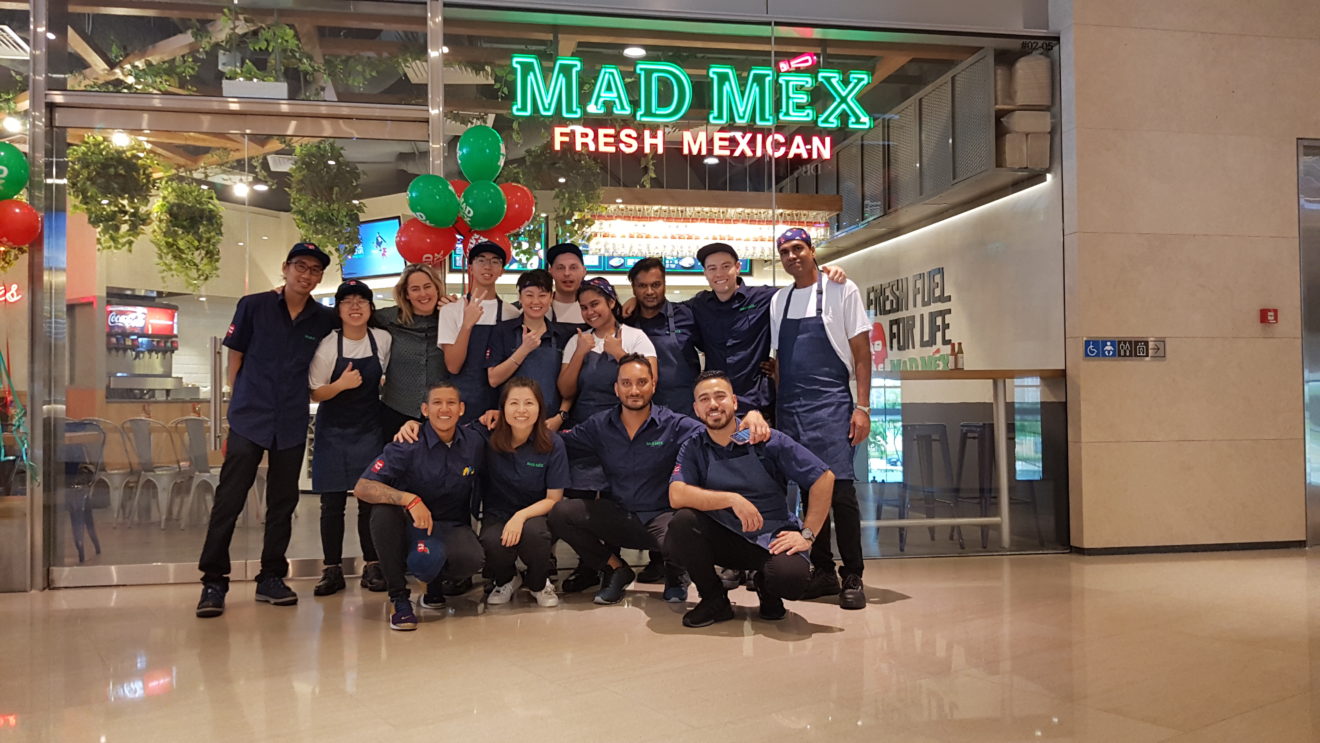
    Australian Mexican restaurant chain Mad Mex plans to expand into Asia, starting with its first Singapore restaurant this month.

    An inaugural Malaysian store is on track to open in December, and Indonesia and Thailand are also on the list.

    Mad Mex, which recently partnered with Singapore’s 4Fingers group, runs 70 restaurants in Australia and New Zealand and claims to have served up more than 4 million burritos within the last year.

    “Asia is a growth market with diverse cultures and adventurous appetites for great tastes and flavours, which is perfect for Mad Mex,” said founder Clovis Young.

    “The expansion into Asia Pacific comes at an exciting time for Mad Mex: we’ve launched our Fresh Fuel for Life brand positioning which highlights our continued commitment to best-quality Mexican food, packed with fresh and healthy ingredients to fuel our amigos’ lives and passions. We pride ourselves on providing real food with no nasties, and big bold authentic flavours to nourish real people on the go.”

    Young said Southeast Asia is in the midst of a food revolution towards healthy eating, and believes Mad Mex’s healthy, quality offer will resonate with local customers.

    “We are very excited by the opportunity and we have big plans for the next five years.“

    Mad Mex has opened in Singapore’s Marina Bay financial district. With 4Fingers the company plans to make the most of local market knowledge in growing both brands in Singapore, Australia, Indonesia, Thailand and Malaysia.

    Meanwhile, the company has reported like-for-like sales growth of 6.5 per cent this year and 70 consecutive weeks of sales growth in its core Australian market.

    “The results our team has delivered are truly remarkable and a demonstration of the passion and enthusiasm our restaurant teams have for the food and the brand. The last year has been very tough for retailers, so this performance really is exceptional.”

  • Ex McDonald’s Korea CEO to take leading role in Homeplus

    Ex McDonald’s Korea CEO to take leading role in Homeplus

    South Korean supermarket chain Homeplus has appointed former CEO of McDonald’s Korea Cho Ju-yeon as its new chief marketing officer, in an executive reshuffle announced on Thursday.

    Cho made headlines in 2016 when she became the first female CEO at the South Korean unit of the fast-food restaurant.

    Hwang Jeong-wook, who formerly served as the chief financial officer at the Korean unit of AstraZeneca, will become the new chief financial officer at Homeplus.

    The move comes as the company seeks to strengthen professionalism and product sourcing capabilities by hiring new executives externally and separating the department in charge of products into two, the supermarket chain said.

    One team, led by the company‘s executive Kim Woong, will focus on fresh food, bakeries, home appliances and product support and safety. The other team, which will be led by newly appointed executive Oh Jae-yong, will focus on groceries, private label products and fashion and interior design products.

    The decision follows the appointment of current CEO Lee Jea-hoon earlier this year.

    “Through the reorganization, we want to present a clear reason why customers want to visit Homeplus,” Lee said in a statement.

  • Grape Co fined for misleading consumers on grape origins

    Grape Co fined for misleading consumers on grape origins

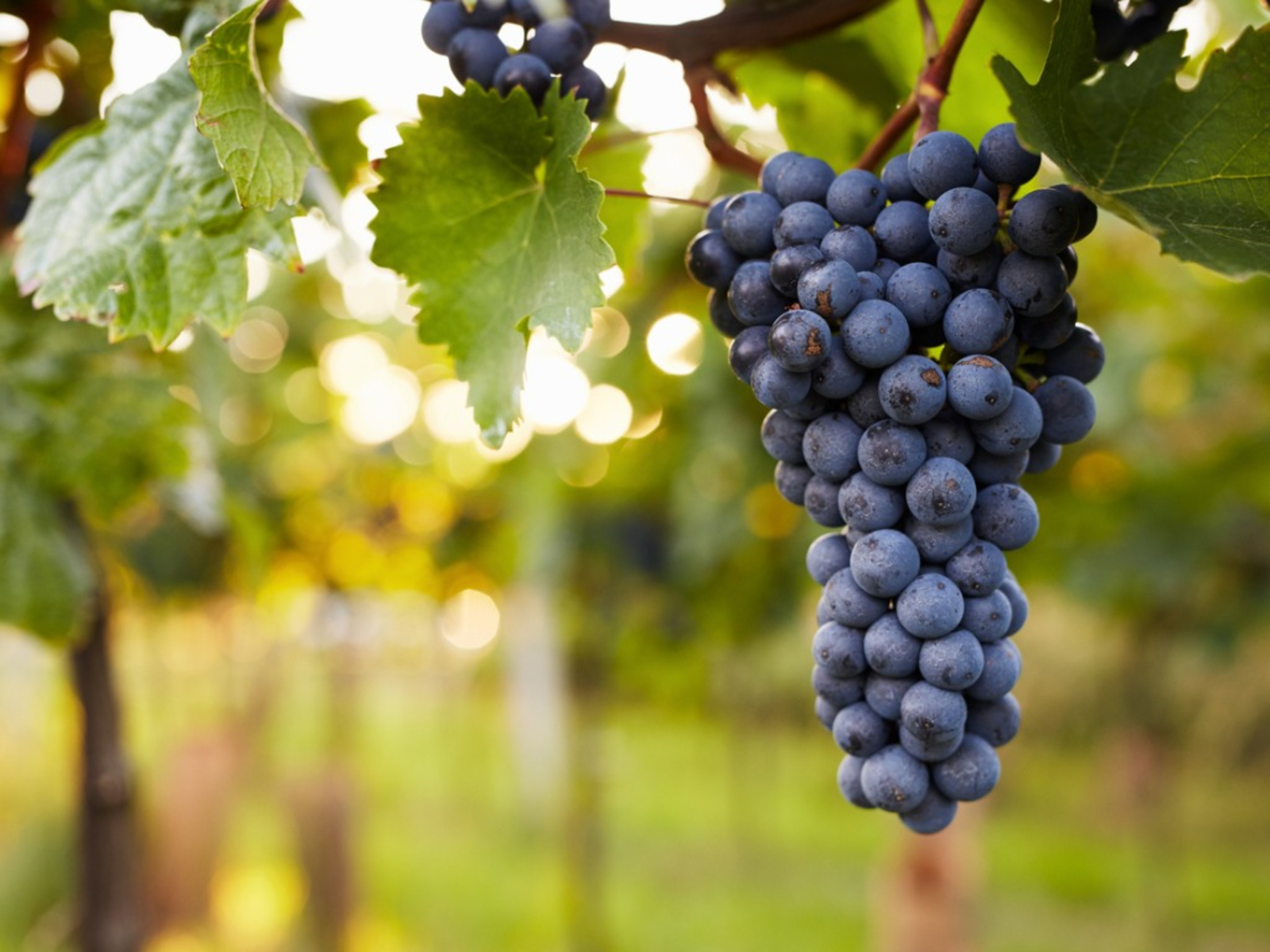
    Grape Co Australia has been fined $34,920 by Australian Competition & Consumer Commission (ACCC) for making false and misleading representations on grape origins and breaching the Horticulture Code.

    In a statement on its website, Victorian table grape traders said: “Every single one of our grapes is personally hand-selected from the finest fruit on our family’s estate in Sunraysia Australia.”

    The statement later was found false and misleading under the Australian Consumer Law as it implied all grapes of Grape Co are grown in the family estate, however some of them are grown on third-party growers’ properties.

    “Food producers must ensure they do not mislead consumers with marketing statements about the place of origin of goods or produce,” said Mick Keogh, deputy chair of ACCC. “This not only impacts consumers but can also prevent other businesses who are careful about being accurate in their marketing from competing on a level playing field.

    “Consumers looking to support small businesses may make purchasing decisions based on representations that the produce is sourced from a family farm, and it is important they are not misled so they get what they pay for.”

    The company has also been alleged of breaching The Horticulture Code as it traded without written Horticulture Produce Agreements when acting as an agent for grape growers, and failed to prepare, publish and make publicly available its terms of trade.

    “Terms of trade allow growers to understand the services and aspects of trading provided by different traders so that growers can make an informed decision as to who they wish to supply produce to,” said Keogh.

  • LOEWE’s 4th store in Korea opens

    LOEWE’s 4th store in Korea opens

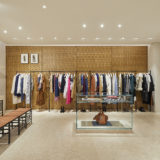
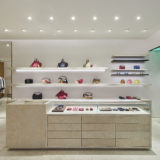
    Spanish brands LOEWE opened a women’s store on the second floor of the Hyundai Department Store. LOEWE is a Spanish leather brand with over 170 years of history and is now attracting the attention of global fashion people, led by designer Jonathan Anderson.

    According to LOEWE, the store is the 4th one to open in Korea, and Loewe plans on developing women’s bags, clothing, accessories and eye-wear in its newly opened store. In addition, the brand will present exclusive products for Hyundai Department Store in commemoration of the store opening.

    The concept of this store is known as ‘Casa Loewe’, designed by Brand Creative Director Jonathan Anderson, using materials such as Spanish limestone, walnut wood and concrete to feature strong mood.

    Eye-catching furniture exclusive to the store are displayed around the space. The brand had a specially-made carpet to show the LOEWE DNA “craftsmanship”.

    With the upcoming holiday season, LOEWE plans on releasing its “Mackintosh” capsule collection. Some items of the collection are exclusive to the Hyundai department store.

    While the newly opened store is one for women, LOEWE opened the men’s store in Galleria department store last October.

    View gallery below for pictures (5 images) :

  • Strong demand in Brunei for Muslimah fashion

    Strong demand in Brunei for Muslimah fashion

    Malaysian designers and retailers of Muslimah fashion brands have found a strong demand in Brunei following exhibitions in the sultanate.

    One of the owners of Malaysian Muslim fashion outlet Busana Saizara, Ani Aizara, says she found Brunei “a very good place to do business” when she attended this year’s Brunei International Trade and Consumer Exhibition (BITC) for the first time. She followed up by taking part in the Brunei Islamic Fashion Exhibition (Bifex) last month.

    Aizara says her sales were so overwhelmingly positive during Bifex she had to ship more items over to replenish her stock, and her company is now in discussions with online store Dee Collections, which is interested in carrying the brand in Brunei.

    “We will hopefully be signing an MOU very soon,” says Aizara.

    Another Malaysian fashion store, House of Doll, also received encouraging sales at Bifex, reports The Brunei Times. The company launched its Hijab body mists and doll scarves during the expo before launching them in Kuala Lumpur.

    A company spokesman says it has already found a reseller for its new products and will be looking for more Brunei distributors before the end of the year.

    Sakura Malaysia brand director Suraya Sharifuddin says her brand has a strong following in Brunei through online shopping portal Fashion Valet. She says her company’s fragrances are in high demand in Brunei and sold “like hotcakes” at the Kuala Lumpur International Hijab Fair (KLIHF) in Brunei early this year.

    “We usually hold sales for our products in Kuala Lumpur during Ramadhan, but then we decided to hold the sales exclusively at Bifex because of the overwhelming reception in Brunei,” says Sharifuddin.

    Sakura has teamed up with Brunei fashion boutique Melur for distribution, and Sharifuddin says the brand hopes to launch its own clothing line in Brunei.

  • Neuhaus launches praline and coffee food pairing ritual

    Neuhaus launches praline and coffee food pairing ritual

    Neuhaus has launched its first praline and coffee food pairing ritual in Asia in an exclusive Travel Retail partnership with Gebr. Heinemann. The pairing is solely available in selected Sweet Dreams by Heinemann shops at Hong Kong International Airport.

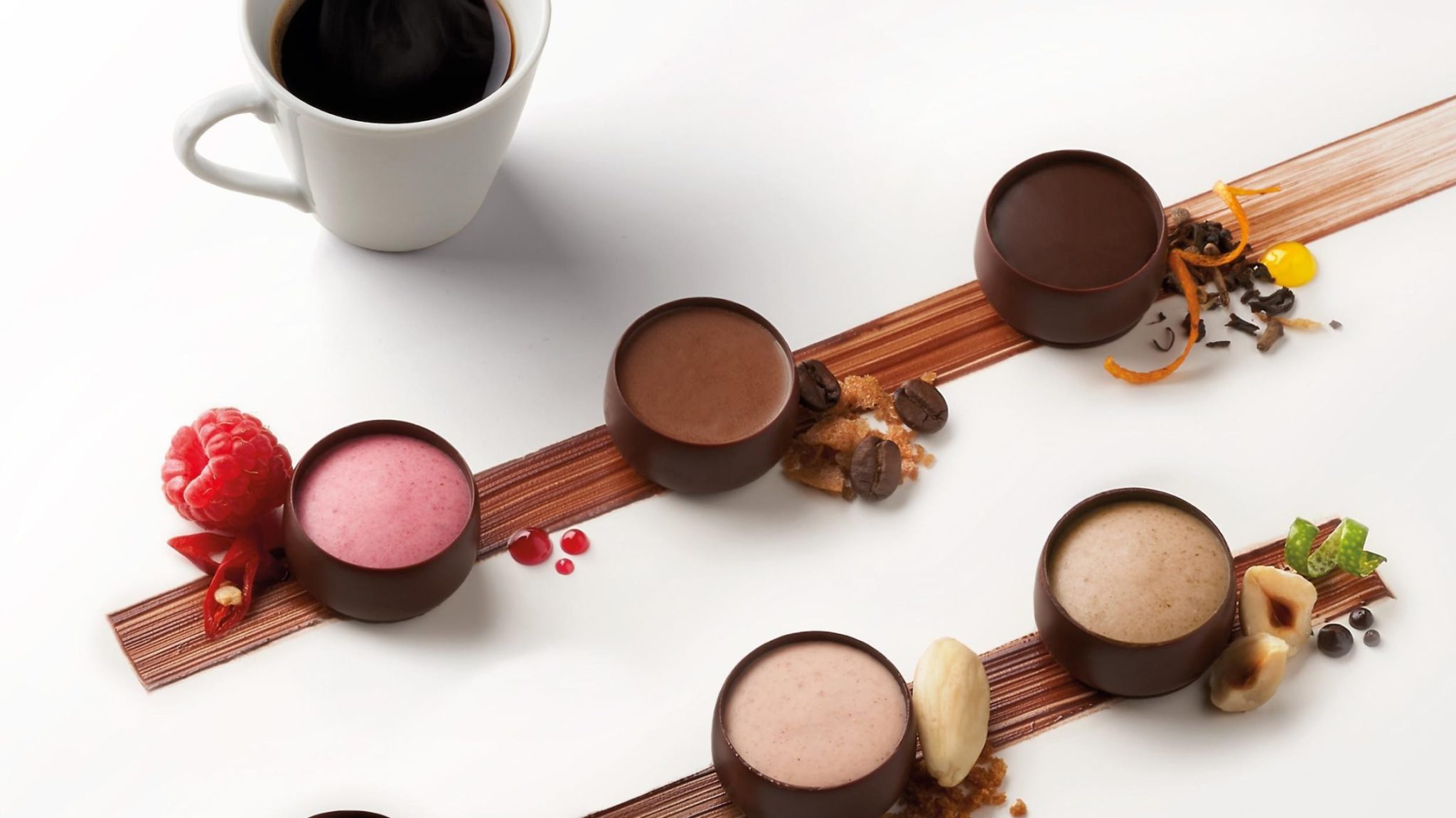
    The Neuhaus Coffee & Pralines Collection showcases six pralines and two types of coffee from Brazil and Colombia.

    Neuhaus’ master chocolatiers have created two sets of pralines to be paired with coffee. Each set comprises three pralines created to match with a single origin coffee from either Columbia or Brazil.

    DELICATE TO INTENSE

    The three pralines are eaten one after the other in a specific order building from delicate to intense together with coffee from the same region.

    Available in two versions, The Coffee & Pralines Collection contains 36 pralines and two 100-g packets of Brazil and Colombia single origin coffees — enough for 12 coffee and praline rituals.

    The Origin Box contains 24 pralines. Both presentations boxes are simple with a luxurious finish. They both contain a leaflet that provides full details of the production process and ideal coffee ritual.

    Alexandra Bevernage, Global Travel Retail Director Neuhaus Chocolates said: “This first and exclusive launch in Asia of our unique Coffee Pairing collection underscores the importance of the region to Neuhaus.

    NATURAL FIT

    “Heinemann is one of the most forward-looking companies in the region, making the collaboration with Neuhaus, who invented the Belgian praline, a natural fit. We are developing more exciting projects and will continue to work on building strong offerings in Asia so as to continue leading the premium chocolate category.”

    Johannes Sammann, COO Heinemann Asia Pacific added: “We are very excited to partner with Neuhaus for this exclusive launch in Asia. The unique coffee pairing collection from Neuhaus is definitely the first of its kind and its launch in Asia through our Sweet Dreams by Heinemann stores at Hong Kong International Airport underscores how important Hong King is for the confectionery category.

    “As we continue to grow this category in Hong Kong, we will be bringing many more of such exclusive launches.”

  • Pandora support now available on Apple’s HomePod

    Pandora support now available on Apple’s HomePod

    It’s no surprise that Pandora integration is now available on the HomePod, as Apple announced last month it will bring support for the music streaming service to both its smart speakers. However, at that time, the Cupertino giant didn’t mention when exactly Pandora integration for HomePod will arrive, so the fact that it’s now available is what’s really important.

    Although we’re still a few weeks away from the HomePod Mini’s market launch, Apple decided to make Pandora integration available to HomePod users before Mini’s release. When HomePod Mini launches later this month, it will be fully compatible with Pandora integration. Until then, HomePod users can start taking advantage of the new features by following the steps described below:

    • Download the latest version of Pandora’s iOS app
    • Open the Pandora app on your iOS device
    • Select Profile > Settings (gear icon) > “Connect with HomePod” > “Use in Home”

    Once the steps above are completed, you’ll be able to use your voice to control Pandora on your Apple HomePod. You can start asking Siri to play your favorite tunes and customize your listening experience without having to use your hands.

  • Hong Kong ‘losing its edge’ as China Mainlanders look elsewhere

    Hong Kong ‘losing its edge’ as China Mainlanders look elsewhere

    Growth in overnight Mainland visitors to Hong Kong has slumped to a fraction of last year’s figures.

    Total visitor numbers from China’s Mainland in May rose by five per cent year on year – but it’s the day trippers making the numbers, not the cashed up Chinese staying in Hong Kong hotels and splurging on luxury goods.

    The latest Visitor Arrivals Statistics for May released by Hong Kong Tourism Board show the number of overnight visitor arrivals grew a mere 1.1 per cent when compared to last year’s 6.7 per cent.

    Combined with the retail sales for May released earlier this week – which saw a 4.6 per cent seasonally adjusted increase in spending but a 15 per cent slump in luxury goods sales – the drag from the slowdown in tourist spending at retail level is notable.

    Hunter Williams, a partner with OC&C Strategy Consultants, Greater China, believes Hong Kong is losing its edge to attract tourist money in the future.

    Furthermore, he argues, more Chinese travellers are expected to flush all over the world yet the growth in “per pax” spending is likely to be slower.

    The number of outbound Chinese travellers topped 100 million for the first time last year – and that figure is predicted to double by 2020 at the current annual growth of 33 per cent.

    Williams says the problem for Hong Kong and Macau is that both SARs have lost their competitiveness.

    “Hong Kong and Macau are relative losers in the fight for the Chinese travel dollar. Both are seeing lower tourist arrival numbers and significantly lower “per pax” spending. Attempting to shift from exclusively targeting “high rollers” to competing for “middle class” tourists is likely to prove a painful transition,” he says.

    Group travel is still popular amongst Mainland Chinese and draws from “a seemingly bottomless reservoir of first-time travellers,” but the world is now welcoming greater numbers of independent Chinese travellers.

    “We believe there is no longer a “Chinese traveller” per se, but rather, four segments with distinct shopping behaviour.  OC&C Strategy Consultants defines these segments as first-time “travel tasters,” deal-savvy “savvy shoppers,” “white collars” and the high-spending “new elite.”

    Growth in “per pax” spending is likely to be slower, driven by several factors.

    “Firstly, overseas travel is increasingly democratised and open to middle class Chinese, rather than being the exclusive preserve of the elites. Secondly, reacting to exchange rate changes and cuts in import duties, many luxury brands have lowered domestic prices in China, lessening the incentive to shop abroad.

    “Thirdly, China’s anti-corruption campaign continues and “tigers and flies” alike are rightly wary of flaunting ill-gotten gains.”

    A “wealth effect,” says Williams, due to soaring stock market performance could offset some of these factors or a crash could exacerbate them – but the volatility of China’s equity markets makes such speculation problematic.

    Williams also warns retailers to make sure they appreciate how Chinese consumers almost live their lives on their smartphones.

    “From ordering a taxi (Didi Kuaidi); socialising with friends (WeChat); making discounted reservations for dinner (Dianping); shopping the latest fashions (Taobao and Tmall), and even paying for daily necessities at the local convenience store (Alipay), Chinese live on their phones.”

    He says retailers in destinations preferred by Mainland Chinese should expect greater numbers of Chinese travellers than ever this summer.

    “However, these travellers will spend less and will be more digitally demanding than ever. This can be a challenge for the overseas businesses targeting them, as the digital tools and platforms they are accustomed to using are generally China-only.

    “More and more international brands are active on Chinese social media sites like WeChat, but few have a full, 360-degree digital presence.”

  • New Zealand’s Finery zero per cent cocktails launch in Australia

    New Zealand’s Finery zero per cent cocktails launch in Australia

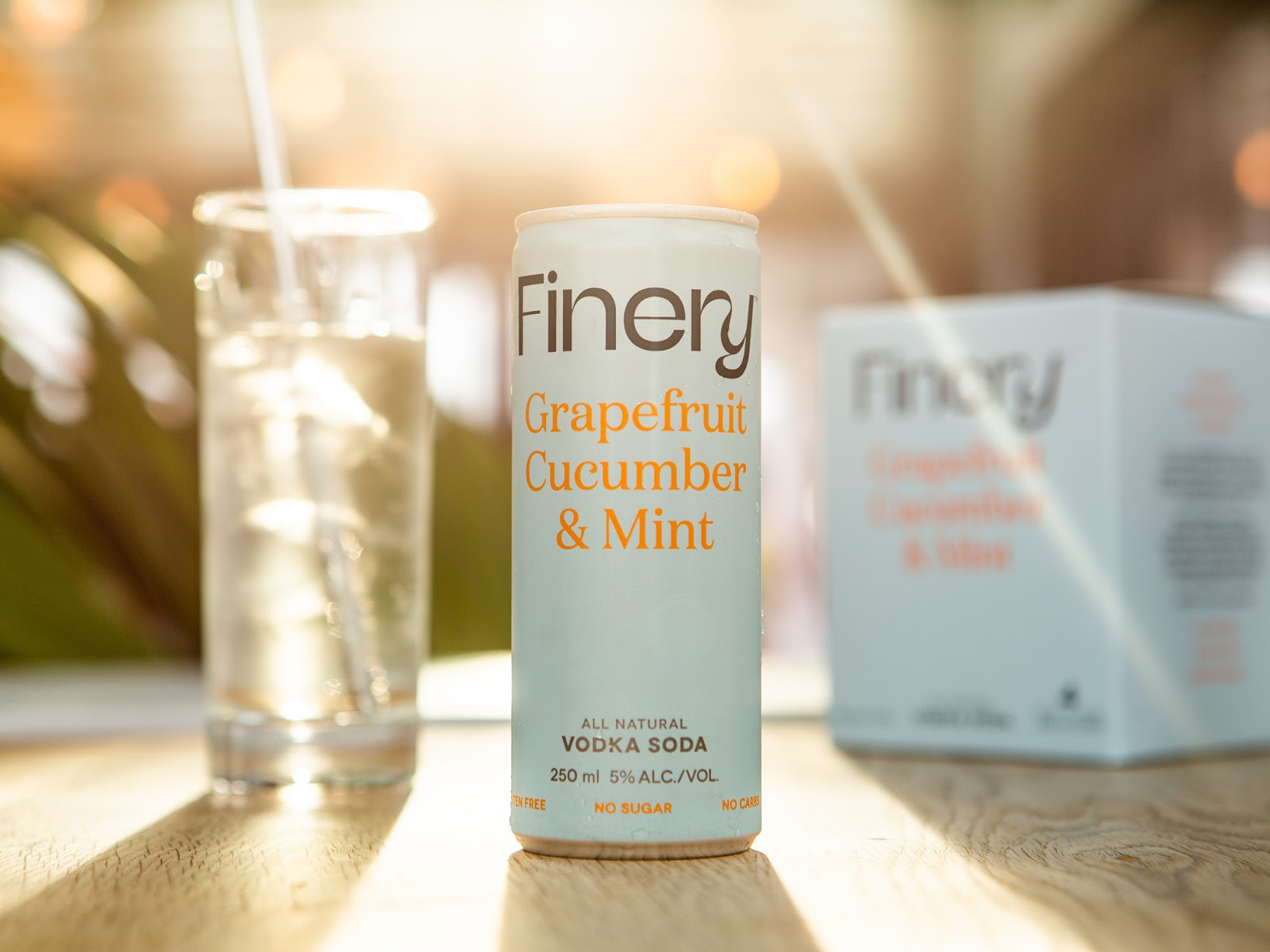
    Aussie consumers are to get more non-alcoholic choices as New Zealand’s cocktails brand Finery launches alcohol-free cocktails in Australia.

    Created by The Fine People, The Finery zero percent cocktails range consists of four flavors, using a blend of distilled extracts, tinctures, and natural flavors to deliver a collection of premium blend beverages, free from alcohol.

    The range is also free from sugar, carbohydrates, gluten, and preservatives, with vegan-friendly options.

    “With more people looking for non-alcoholic drink options than ever before, we wanted to offer a delicious drink without the sugary calories often associated with non-alcoholic drinks,” said Jane Allan, co-founder of The Fine People.

    “By removing the alcohol content we’ve made it even healthier than before, ensuring non-drinkers get to enjoy the taste of the original Finery, without the calories associated with alcohol.”

    Finery zero percent cocktails will be available across Dan Murphy’s stores across the country. The products are sold in packs of four with an RRP of AU$15.95.

  • Asian smartphone sales still lead world

    Asian smartphone sales still lead world

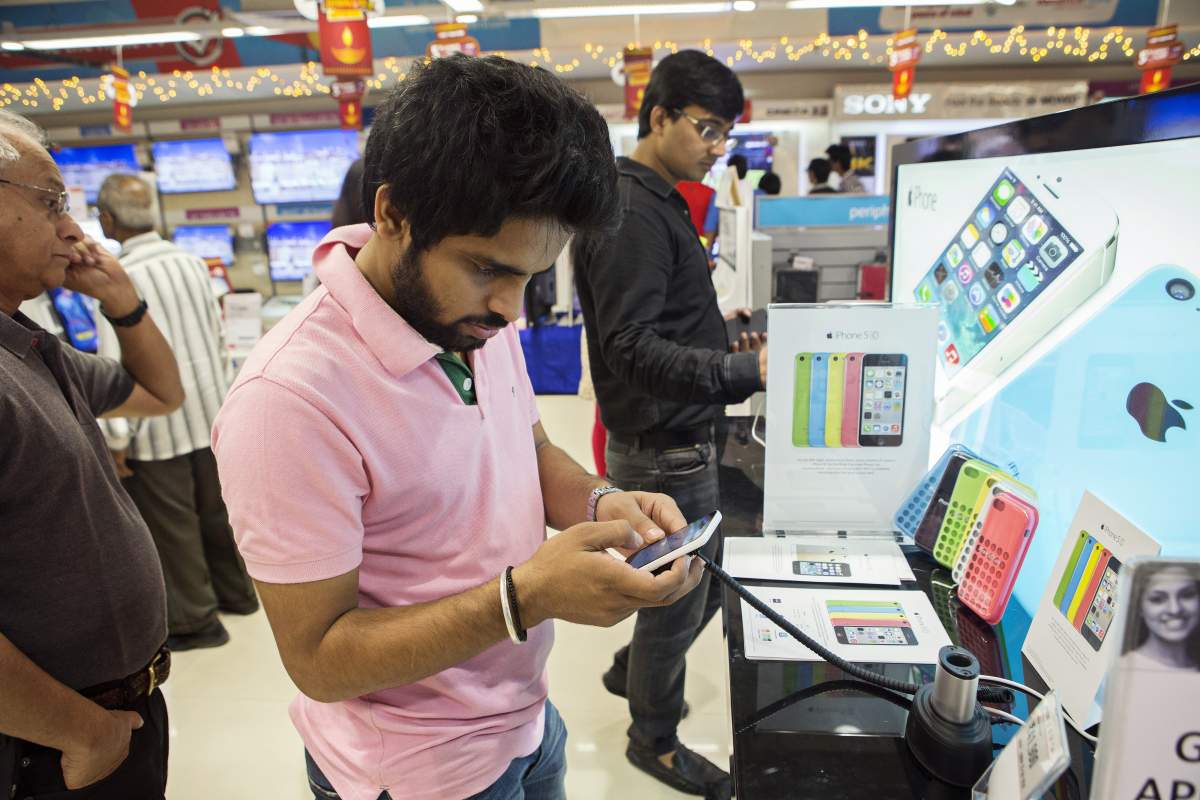
    Asian smartphone sales still lead the world market, with Asia Pacific tipped to remain the fastest-growing region this year.

    Handsets are the main consumer electronic product bought both online and in stores across the region, according to a new study by market research company GFK.

    The study shows 85 per cent of consumers polled across Asia Pacific have bought a consumer electronic item in the past 12 months, half of these purchases made over the internet. Across the 10 markets surveyed, a smartphone was the leading purchase.

    India, Vietnam and Indonesia had the highest incidence of smartphone purchases during the period.

    GFK head of retail, APAC, Jake Shepherd, says developing countries in the region have been strong drivers of consumer electronic sales.

    “The huge, yet largely untapped, potential of the eCommerce industry in these markets is growing rapidly with deepening internet penetration and adoption of connected technology.”

    While all product categories report online sales, offline sales still tend to dominate, says the report. For instance, while 69 per cent of Vietnamese consumers bought a consumer electronic product in the past 12 months, only 20 made the purchase online.

    Shepherd says the consumer purchase journey generally involves seeking information to help with making decisions. In APAC, 44 per cent of consumers do online research before buying a smartphone, with most people checking customer review sites and the manufacturer or brand’s website. Talking to family, friends or colleagues ranks next on the list as an influential information source, especially in Hong Kong and Taiwan where one in four consumers say this helps them make their decision.

    Only 19 per cent of consumers make their decisions based on in-store experiences, and Shepherd says it is important for businesses have a good understanding of the entire path to purchase to effectively formulate shopper strategies.

    For the online survey, during February and March, GFK questioned nearly 6500 regular internet users between 18 and 55 years across 10 Asia Pacific countries – Australia, Hong Kong, India, Indonesia, Malaysia, Philippines, Singapore, Taiwan, Thailand and Vietnam.

    GFK has more than 13,000 researchers and market intelligence from more than 100 countries.

  • Keppel granted license to provide telecommunications services in Singapore

    Keppel granted license to provide telecommunications services in Singapore

    Keppel Telecommunications & Transportation’s (Keppel T&T) wholly-owned subsidiary, Keppel Midgard Holdings Pte. Ltd. (KMH), has been granted a Facilities-Based Operator (FBO) license by the Infocomm Media Development Authority of Singapore (IMDA). The FBO license will allow KMH to own, maintain and operate telecoms infrastructure in Singapore and to provide telecommunications services in connection with the Bifrost Cable System, which Keppel T&T is undertaking with its partners, Facebook and Telin.

    FBOs are operators intending to deploy any form of telecommunication network, systems and facilities to offer telecommunication switching and/or telecommunication services to other licensed telecommunication operators, businesses, and/or consumers.

    Mr Thomas Pang, CEO of Keppel T&T, said, “Securing the FBO license is an important milestone for Keppel as it marks the start of our subsea cable business in Singapore. The Bifrost project is in line with Keppel’s Vision 2030 roadmap, which includes growing our connectivity platform, and will strategically strengthen and broaden the Group’s play across the spectrum of data communications, from network infrastructure, data centers to wireless 5G connectivity. It can give rise to potential opportunities for cross-selling or creating new profit pools across Keppel’s different connectivity businesses, for example by leveraging Keppel Data Centres’ network of data centers as potential points of presence. We may also collaborate with funds managed by Keppel Capital to help provide funding for the project. Drawing from our experience in Bifrost, we will also explore other opportunities in subsea cables.”

    The Bifrost Cable System, which will be the largest capacity high-speed transmission cable across the Pacific Ocean when completed, will bolster Singapore’s role as a digital hub for the region.

    Expected to be completed in 2024 and spanning over 15,000 km, the Bifrost Cable System is the world’s first subsea cable system that directly connects Singapore to the west coast of North America via Indonesia through the Java Sea and Celebes Sea. It will connect Singapore, Indonesia, the Philippines, Guam and the west coast of North America.

    The Bifrost cable system will boost the connectivity of the region’s governments and businesses, including cloud operators, telecommunications operators, network providers, over-the-top (OTT) providers, data centres, governments, enterprises, and consumers by offering them competitive pricing and capacity resilience.

  • Ikea Germany and Infarm create instore herb gardens

    Ikea Germany and Infarm create instore herb gardens

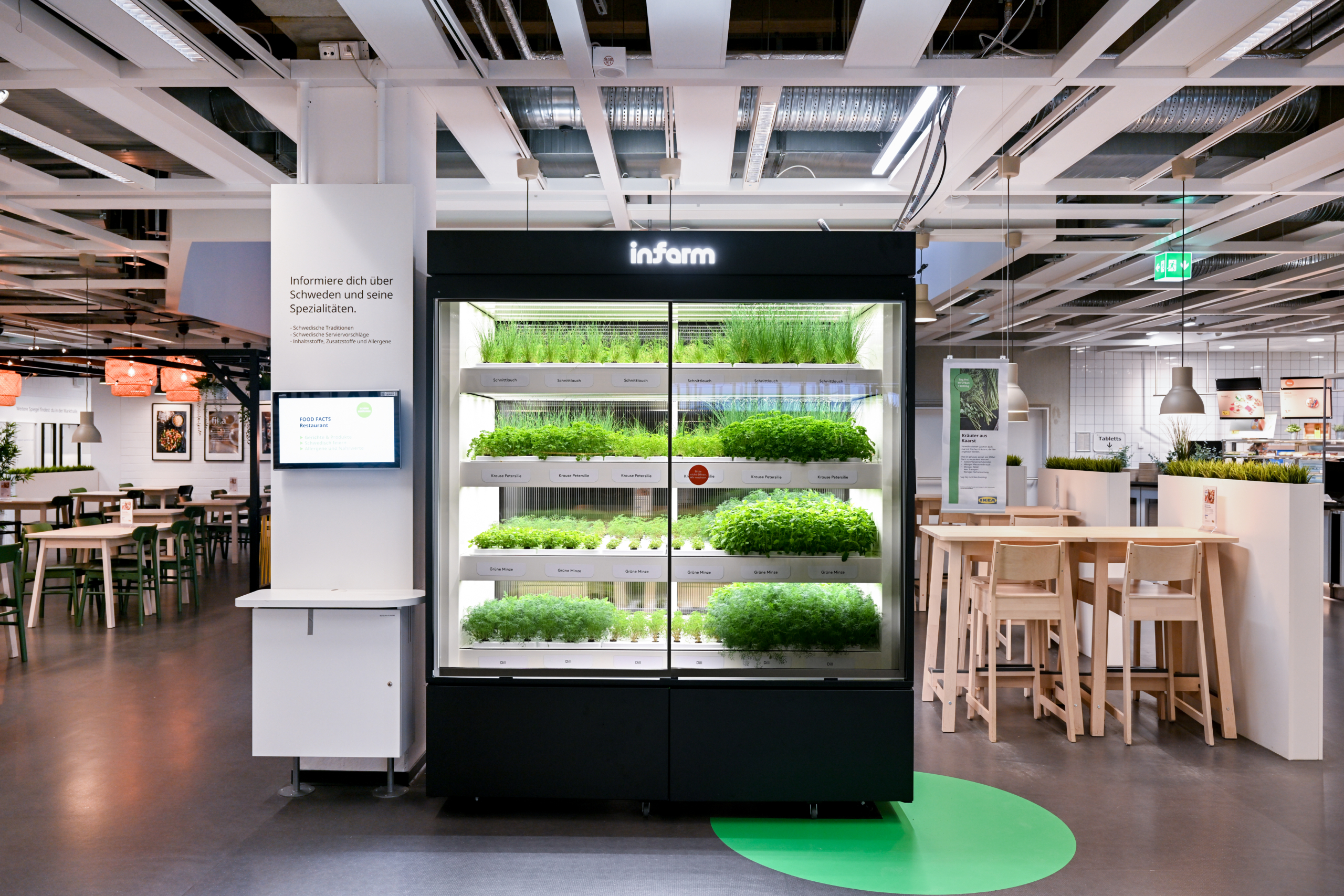
    Ikea has partnered with Infarm to grow three instore herb gardens in Germany as the demand for sustainable products is growing locally.

    The collaboration aims to motivate Ikea employees and customers to live healthier, more sustainable lives.

    Customers visiting Ikea Kaarst, Ikea Duisburg, and Ikea Munich-Eching can see Infarm herbs such as dill, curly parsley, and Italian basil growing in modular, in-store vertical farms. They can order directly at the restaurant.

    “Infarm’s concept convinced us because we can make the topics of sustainability and healthy eating tangible for our employees and customers in a prominent place in our furniture stores,” said Tanja Schramm, country food manager at Ikea Germany.

    “As part of our People & Planet Positive strategy, we aim to inspire and empower people to lead healthier, more sustainable lives. That’s why we’re increasingly focusing on plant-based foods and dishes with a lower environmental impact and at a price that everyone can afford.”

    Infarm, which was founded in 2013, considers itself to be one of the world’s fastest-growing vertical farming companies. Its modular technology system enables the implementation of vertical farms of varying sizes, and its products are sold in more than 1850 stores around the world.

  • Resorts Expands Presence in Indonesia with Opening of Sheraton Jakarta

    Resorts Expands Presence in Indonesia with Opening of Sheraton Jakarta

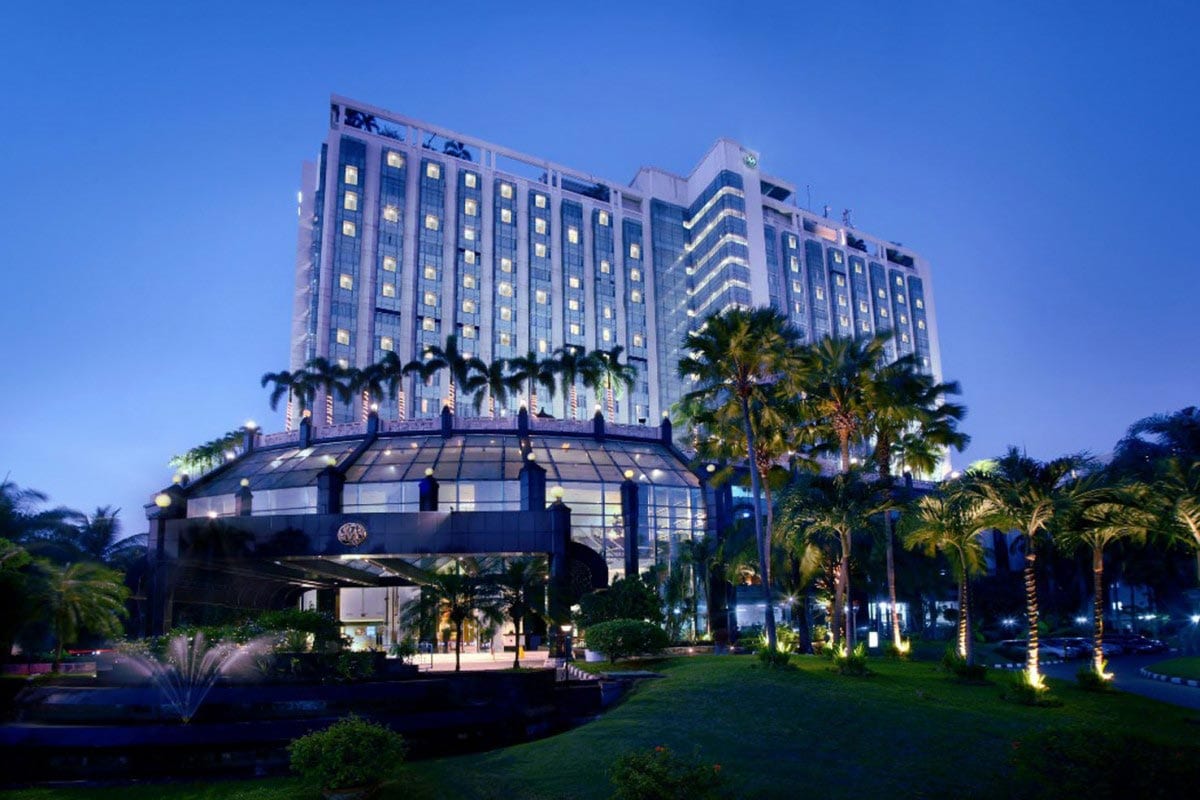
    Starwood Hotels & Resorts Worldwide, Inc. today announced the opening of Sheraton Jakarta Gandaria City Hotel, the second Sheraton to debut in the cosmopolitan city of Jakarta, Indonesia. Owned by PT. Pakuwon Jati Tbk, the opening further propels the brand’s fast pace growth in Asia Pacific, and drives Sheraton closer to its goal of adding more than 150 new hotels worldwide by 2020. This is just one of many new initiatives currently underway for Sheraton 2020, the all-encompassing plan to make Sheraton the global hotel brand of choice, everywhere.

    “Jakarta has established itself as a thriving destination for travelers, and we are excited to respond to this rising demand by opening our second Sheraton hotel in this bustling city,” said Dave Marr, Global Brand Leader for Sheraton Hotels & Resorts. “Sheraton is diligently focused on growing the brand worldwide, with a goal to add at least 150 hotels by 2020, and opening in primary urban destinations such as Jakarta further solidifies Sheraton as a global hotel leader.”

    Sheraton Jakarta Gandaria City Hotel features 293 contemporary guestrooms and suites, outfitted with the Sheraton brand’s signature amenities and services, including its signature sleep experience. The hotel also features a state-of-the-art fitness center, outdoor pool and an ultra-modern Sheraton Club lounge where Club level guests can enjoy complimentary breakfast and all-day refreshments while taking in panoramic views of the urban skyscape. The hotel offers a variety of dining options to delight any palate, including Anigre, the all-day dining restaurant serving international cuisine, as well as local delicacies; the lobby lounge where guests can enjoy Paired—the Sheraton brand’s reinvigorated food and beverage program—complete with expertly matched small plates, premium wines and local craft beers; and the pastry shop Cafe Grande.

    “Indonesia continues to be a key growth market in Asia Pacific and is well-suited for the expansion of the iconic Sheraton brand,” said Charlie Dang, Regional Vice President, Southeast Asia, Starwood Hotels & Resorts Asia Pacific. “The opening of Sheraton Jakarta Gandaria City Hotel will help meet the rising demand for high-caliber lodging generated by the influx of business and leisure travelers to Jakarta, the gateway to Indonesia.”

    Sheraton Jakarta Gandaria City Hotel is part of the Superblock Gandaria City complex, which includes a retail shopping mall, convention and exhibition facilities, a helipad and several restaurants. The newly constructed hotel is ideal for large meetings and conventions, featuring 3,567 square meters of versatile function space – one of the biggest in Jakarta – and is conveniently located just five kilometers from the emerging commercial hub of South Jakarta (SCBD) and 32 kilometers from Soekarno-Hatta International Airport (CGK).

    Sheraton Jakarta Gandaria City Hotel Opening Offer

    To celebrate its opening, Sheraton Jakarta Gandaria City Hotel is offering an exclusive package of 20% off opening rates including daily breakfast for 2 persons and double starpoints for SPG members valid until April 30th, 2016.

    For more information, visit Sheraton.com/jakartagandariacity

    About Sheraton Hotels & Resorts

    Sheraton Hotels & Resorts, the largest and most global brand of Starwood Hotels & Resorts Worldwide, Inc., makes it easy for guests to explore, relax and enjoy the possibilities of travel through smart solutions and effortless experiences at more than 440 hotels in more than 72 countries around the world. The brand is currently in the midst of implementing Sheraton 2020, a 10 point plan designed to make Sheraton the global hotel brand of choice, everywhere. Sheraton recently launched “Where Actions Speak Louder,” a multi-channel, multi-million dollar advertising campaign that highlights the brand’s ongoing enhancements to its guest experience, including new products and partnerships, and a renewed focus on service. With work well underway, the brand has already rolled out a variety of initiatives under Sheraton 2020, including Paired, a new imaginative lobby bar menu; the richest SPG promotion in the brand’s history; and Sheraton Grand, a new premier tier that recognizes exceptional Sheraton hotels and resorts. To learn more, visit www.sheraton.com. Stay connected to Sheraton: @sheratonhotels on Twitter and Instagram and facebook.com/Sheraton.