Tag: asia

  • Red Cloud kickstarts Far East raw denim culture

    Red Cloud kickstarts Far East raw denim culture

    Red Cloud is a name few major retailers have yet heard of – but watch this space…

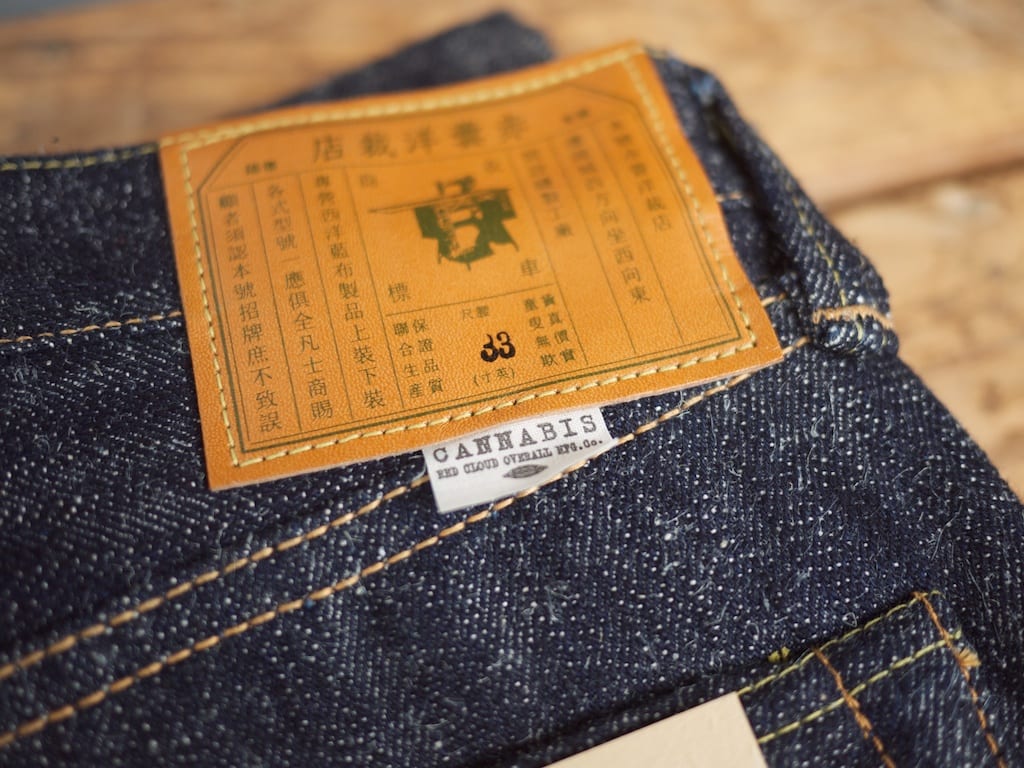
    Dubbed one of China’s first premium selvedge denim brands by influential fashion media monitor WGSN, it’s one of a new wave of independent denim makers carving out a new raw denim culture in Asia.

    Red Cloud’s new store is not exactly located in the heart of Hong Kong’s fashion highway – instead, you’ll find it tucked away in a narrow alley in Kwun Tong in Hong Kong’s industrial district.

    It’s the company’s second retail store, the first in its home city of Shenyang in the Mainland opened soon after the brand was founded in 2007.

    In an extensive interview with WGSN correspondent Anupreet Bhui, published online with photos of the store’s interior design, store manager Wan talks about the positioning of Red Cloud as a high end premium selvedge raw denim brand and how it has overcome the ‘Made in China’ tag.

    “The first thing that strikes you upon entering the shop is its old world charm garnished heavily with refreshing vintage interiors done up in a typical retro Hong Kong flavour that speaks out through its ceiling fan, authentic shop signage and hand picked furniture classics,” explains Bhui.

    “The shop is itself a labor of love by its owner Wan, who has hand built most of its fixtures and curated vintage furniture from all over Hong Kong and China. Wan is a good friend of Red Cloud founder Raymond and has helped him develop the business in Hong Kong as the sole distributer of Red Cloud & Co.”

    Wan says the shop has already built a fast-growing following among local denim connoisseurs.

    “At present there are a number of denim brands that are coming out in the market which may be selvedge and more expensive. However I really feel that for the consumer who truly understands high quality and authenticity, will continue to value Red Cloud & Co. Over these years, we are slowly but steadily building up our loyalist base who truly understand the difference. I am very optimistic about the future,” he told Bhui.
  • Hyundai Motor India drops 6% in debut after country’s biggest IPO

    Hyundai Motor India drops 6% in debut after country’s biggest IPO

    Shares of Hyundai Motor India dropped as much as 6% in their market debut on Tuesday, after a tepid response from retail investors to the pricing of the country’s largest initial public offering.

    The stock listed at 1,934 rupees on the National Stock Exchange, below its offer price of 1,960 rupees, and traded down 4% at 1,882.10 rupees by 12.48 p.m. (Hanoi time), giving the company a valuation of 1.53 trillion rupees ($18.2 billion).

    Hyundai, India’s No. 2 carmaker with a market share of 15%, was targeting a valuation of $19 billion through the IPO.

    Its record $3.3-billion IPO was oversubscribed more than two-fold last week, led largely by institutional investors, but pricing concerns deterred retail investors who worried they would not be able to make gains on the listing.

    Shares of Indian rivals have also slipped in recent weeks as car sales slow after two years of record highs, with customers delaying purchases on worries about stubborn inflation.

    “Hyundai’s issue has been stiffly priced and that seems to be weighing down on its listing as well,” said Arun Kejriwal, founder of Kejriwal Research.

    “Besides, the volumes seen so far are driven only by institutional investors, and is rather poor for an IPO of Hyundai’s size.”

    Tuesday’s listing in Mumbai is Hyundai Motor’s first debut outside its home market of South Korea and comes at a time when India’s equity markets have risen sharply.

    With competition from domestic rivals Tata Motors and Mahindra & Mahindra, Hyundai Motor plans to use proceeds from its sale of a stake of 17.5% in the Indian unit to invest in research and launch new products.

    “Hyundai Motor will play a crucial role in Hyundai Motor India’s long-term growth through our collaboration in R&D, design, manufacturing,” the Korean automaker’s CEO, Jaehoon Chang, said at a listing ceremony in Mumbai.

    Seven of India’s 10 largest IPOs, including Hyundai India, reported listing day losses ranging from 5% to 27%, according to data from Dealogic.

    While Hyundai’s market valuation is much smaller than Indian market leader Maruti Suzuki’s $45 billion, analysts have expressed concerns over the narrower gap in their price-to-earnings (P/E) ratios.

    The issue had valued Hyundai at 26 times its fiscal 2024 earnings, not far off the multiple of 29 for Maruti.

    Some major brokerages, however, see long-term value in the stock.

    Nomura started coverage of Hyundai with a “buy” rating and price target of 2,472 rupees. The brokerage said it liked Hyundai’s high concentration of SUVs in the portfolio, which accounted for 67% of sales in the April-to-June 2024 quarter.

    Similarly, Macquarie analysts began coverage with an “outperform” rating and price target of 2,235 rupees, saying Hyundai’s SUV-centric portfolio commanded a P/E premium.

    “We shall leverage our deep understanding of consumer preferences to successfully expand our passenger vehicle portfolio,” Hyundai India’s chief operating officer Tarun Garg said at the listing ceremony.

    Shares of Maruti and Tata Motors were down 1%, in line with the Nifty Auto index.

  • VW investors demand faster progress in dieselgate reforms

    VW investors demand faster progress in dieselgate reforms

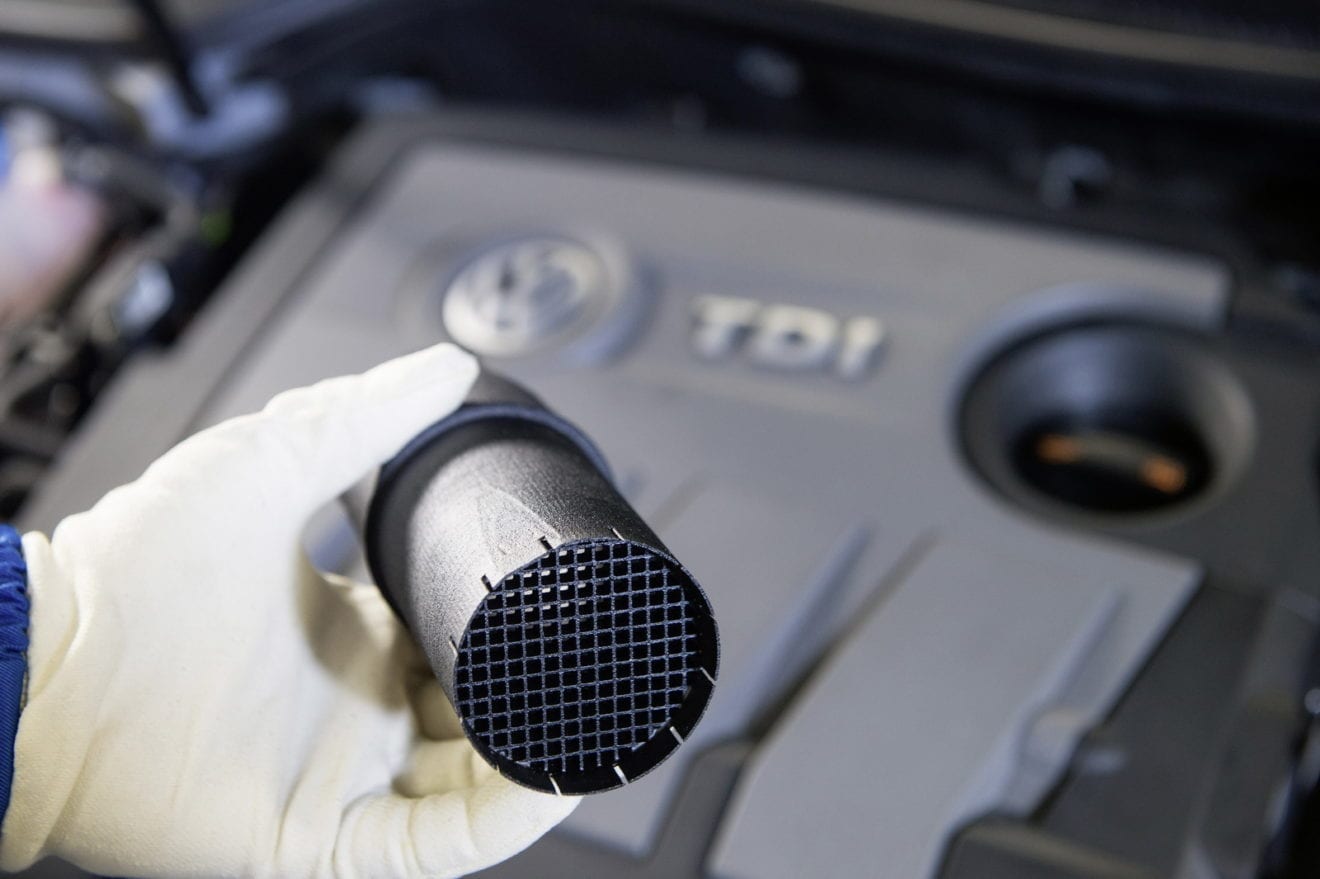
    Volkswagen needs to do more to regain the confidence of investors in the wake of its emissions scandal, despite a swift recovery in earnings, several shareholders told the German carmaker at its annual meeting on Wednesday.

    The world’s largest automaker reported better-than-expected first-quarter profits and has announced a raft of plans to recover from the biggest business crisis in its history, including cost cuts and investment in cleaner cars.

    But some shareholders said its emissions test cheating on diesel engines would continue to haunt it for years if it did not publish the results of an investigation into the scandal, address outstanding claims and improve corporate governance.

    “I am shocked and speechless, that was the case at the time and it still is today,” said Gerd Kuhlmeyer, head of staff shareholders group Community of VW, referring to a scandal that broke 20 months ago. “An end of ongoing investigation proceedings and possible further effects is not in sight.”

    Volkswagen (VW) has agreed to spend up to $25 billion in the United States to address claims from owners, environmental regulators, states and dealers and offered to buy back about 500,000 polluting U.S. vehicles.

    But it still faces billions of euros in claims from about 3,500 customer lawsuits and about 2,000 investor suits globally.

    The German group, which is tightly controlled by its founding families and home state of Lower Saxony, rejected calls by Kuhlmeyer and other investors for it to publish the results of a company-commissioned investigation by U.S. law firm Jones Day into the scandal, saying it couldn’t for legal reasons.

    “There is no written concluding report by Jones Day and there will not be one,” VW Chairman Hans Dieter Poetsch said.

    “I ask for your understanding that VW for legal reasons is prevented from publishing such a final report,” he told the gathering of about 3,000 shareholders.

    TRUST

    The carmaker initially pledged to inform shareholders about the findings of the Jones Day report which was used as the basis for a $4.3 billion settlement with the U.S. Justice Department, but has since abandoned this plan.

    It says the report was incorporated in the “statement of facts” published by the Justice Department, and that as part of the settlement deal it cannot publish separate findings.

    But some shareholders criticized this explanation.

    “Your reference to the statement of facts agreed in the U.S. is completely insufficient and almost insulting to all those who are interested in complete clarification of responsibilities,” said Christian Strenger, supervisory board member at DWS Deutsche Asset Management GmbH.

    Hermes EOS, representing large institutional investors, called on VW to seek agreement with U.S. authorities to be allowed to publish at least a summary of Jones Day’s findings.

    “That’s the only way to regain lost trust with investors and to win back customers,” Hans-Christoph Hirt, head of Hermes EOS said. “Only then, it can be found out whether the company is drawing the right conclusions.”

    VW shares have bounced back from their post-scandal lows, but are still trading below the level when it broke in September 2015. At 1500 GMT, the stock was up 0.2 percent at 144.6 euros.

    Separately, Chief Executive Matthias Mueller said VW would support without reservation Larry Thompson, a former U.S. deputy attorney general, who has been picked by the Justice Department to oversee the company for three years.

    Thompson and his team will have access to VW documents and assess the efforts of its board of management and senior management to comply with environmental laws.

    “I see this as an opportunity,” Mueller said. “The work of the monitor can and will contribute to bringing risk management, compliance and integrity within the group to new levels.”

  • Lotteria to debut in Mongolia

    Lotteria to debut in Mongolia

    Korean conglomerate Lotte is launching its fast-food chain Lotteria in Mongolia.

    The brand’s restaurant franchise unit, Lotte GRS, will open its first location in the capital city of Ulaanbaatar and increase outlets to 10 over the next four years. The move follows an agreement with Mongolian restaurant and theatre operator Eugenetek Mongolia, which has signed on as master franchisor.

    A spokesperson for Lotte GRS said the flagship store’s prime location within the city’s commercial district, together with Mongolia’s young population and local enthusiasm for Korean culture, should contribute to the success of the new restaurant.

    Lotte GRS has previously expanded into China, Vietnam, Indonesia, Myanmar and Cambodia with its Lotteria chain as well as its Angel-in-us cafe franchise.

  • BNI to expand in Malaysia by first half of 2017

    BNI to expand in Malaysia by first half of 2017

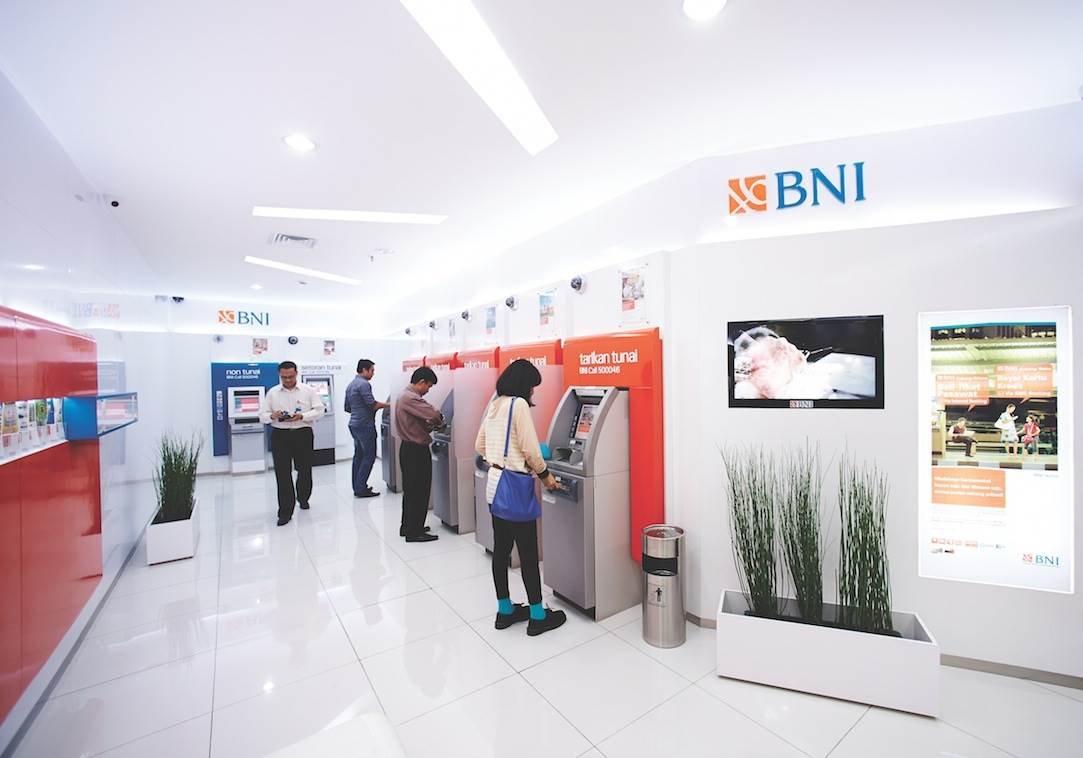
    PT Bank Negara Indonesia (BNI) has submitted an expansion proposal to the Indonesian and Malaysian regulators to establish a network branch in Malaysia. The target is to have the branch working by the first half of 2017.

    Chairman of PT BNI Achmad Baiquini said in Jakarta on Thursday that the Financial Services Authorities (OJK) signed a reciprocal bilateral agreement with the Malaysian Central Bank in August.

    Since then, the bank began putting together documentation to execute an expansion in Malaysia.

    “We should be able to establish a network there within the first semester of 2017,” he added.

    Once the bank explores the sector, he noted, it will delve into the remittances business, which will allow Indonesian laborers in Malaysia to send money to their families back home.

    The bank is also looking at trade financing in Malaysia.

    Remittances, he observed, will also act as a good start to initiate a digital banking business in Malaysia.

    In the future, the banking services would shift solely to digital platforms in Malaysia.

    As for capital funds prepared by the bank, Baiquini was reluctant to reveal the details.

    “We will surely follow the agreement signed by the Authority and Malaysia, and will follow all their guidelines,” he remarked.

    Indonesia and Malaysia had signed a bilateral partnership agreement on August 1 as part of the ASEAN Banking Integrated Framework.

    As part of such cooperation, which emphasizes the principle of reciprocity, Indonesias bank will receive a cost reduction incentive for network expansion in Malaysia, including admission fee and payment system fee.

    The Financial Services Authoritys Deputy Supervisor, Mulya Siregar, pointed out that the admission fee for Indonesia has been reduced from 10.4 million Ringgits to 5.2 million Ringgits.

    “Costs regarding payment systems, including Automatic Cash Machines, also went down from 4 Ringgit to 1 to 2 ringgit per transaction,” informed Siregar.

  • Vietnam eyes $300 bln exports in 2020

    Vietnam eyes $300 bln exports in 2020

    Vietnam targets its export revenues of $300 billion next year despite concerns over trade deficits amid a global economic slump.

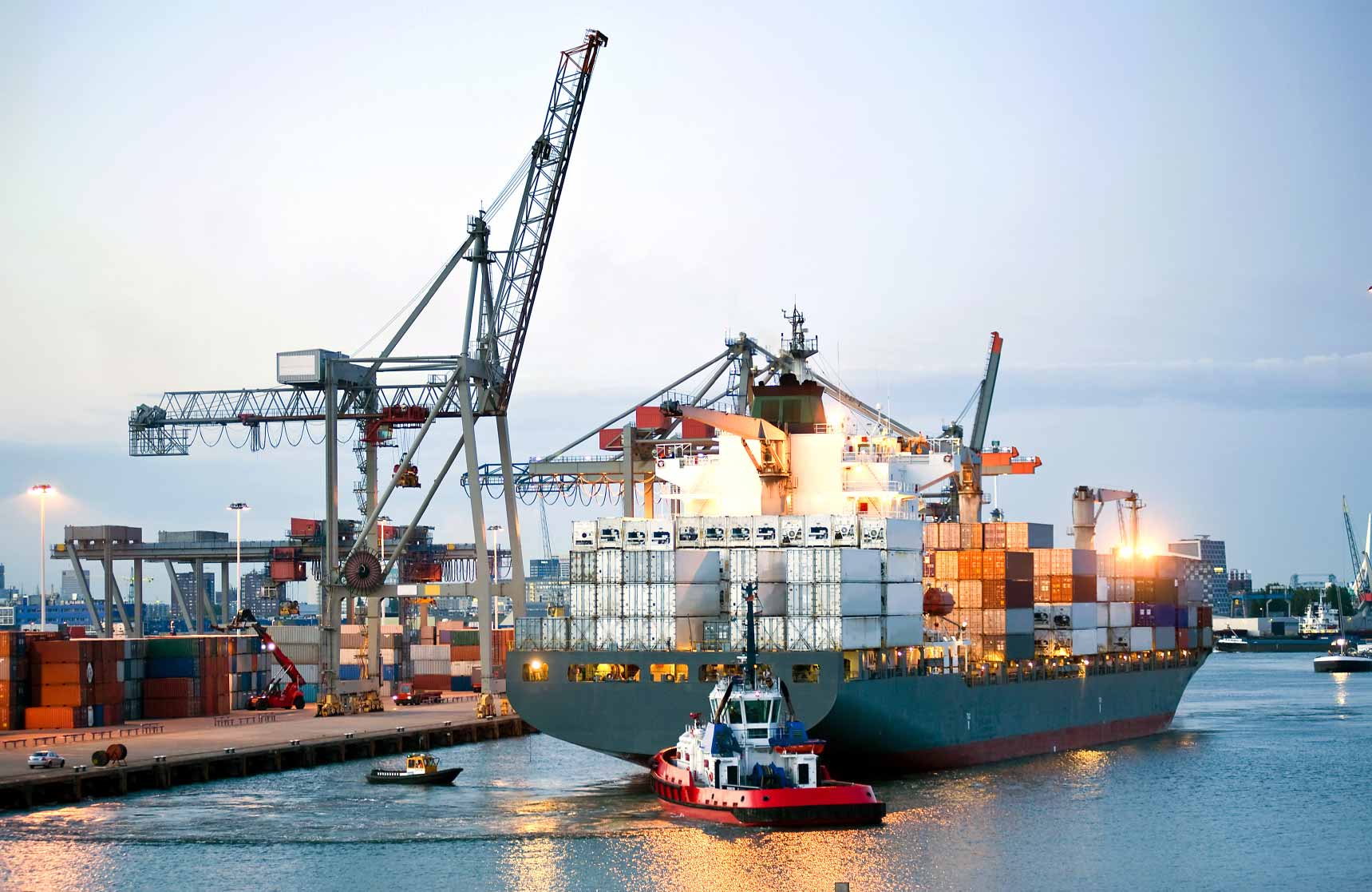
    The target, announced by Prime Minister Nguyen Xuan Phuc at an online meeting with leaders of cities and provinces on Monday, means exports would need to rise by 13.8 percent from this year’s $263.5 billion to give the country a trade surplus for the fifth year in a row.

    It would mean a higher growth rate than the 8 percent recorded this year.

    “After a subsidy period, Vietnam turned into a major global exporter. The country now has most products in excess and can find a market to sell them,” the PM said.

    Although Vietnam in 2019 recorded the fourth trade surplus in a row at $9.94 billion, government officials worry the winning spree would be broken by a deficit next year.

    Minister of Industry and Trade Tran Tuan Anh told the National Assembly in November as growth in exports slow to 6-7 percent in 2020, and imports grow at a faster rate of 8-10 percent, there could be a minor trade deficit.

    The coming into force of the EU-Vietnam Free Trade Agreement (EVFTA) and the worsening impact of the U.S.-China trade war could lead to a surge of imports into Vietnam next year, according to a government report submitted to the legislative body.

    PM Phuc demands all government bodies create favorable conditions for exporters and cease any bureaucratic activity that could hinder the process.

    The country needs to reduce logistics costs to increase exports value, he added, citing the case of mango export as an exported Vietnamese mango now bears a logistics cost of 50 percent its price.

    Vietnam’s GDP growth of 7.02 percent in 2019 exceeded the parliament’s target of 6.6-6.8 percent as well as forecasts by several international organizations like World Bank and Asian Development Bank.

    The country’s foreign trade for the first time reached $517 billion this year, up 8 percent year-on-year.

  • Gucci America goes into battle with Forever 21

    Gucci America goes into battle with Forever 21

    Gucci America has filed a lawsuit against US fast-fashion retailer Forever 21 for allegedly copying its trademark “blue-red-blue” and “green-red-green” stripe webbing.

    Included in the filing in a Californian district court is a motion to dismiss a Forever 21 complaint against a threat of trademark litigation from the Italian luxury brand, and counterclaims of trademark infringement and dilution as well as unfair competition.

    “Gucci America brings these counterclaims because Forever 21 has challenged its most valuable and widely known marks,” says the document, “and further because Forever 21’s legal assault, like its business model, is built on undermining the very notion of trademark protection, which is of critical importance to Gucci America’s brand.”

    The lawsuit follows cease-and-desist letters Gucci sent the retailer over of its use of the stripe webbing on several items. The pieces include silver and floral bomber jackets, a jumper featuring a butterfly, a jumper with a green tiger motif, and a choker – all lookalike designs with striped webbing. The items are not currently listed on the Forever 21 website.

    Forever 21 filed its case in June, seeking protection against a threat of trademark litigation. Its complaint said Gucci should not be allowed to claim that it alone has a monopoly on all blue-red-blue and green-red-green striped clothing and accessories.

    Responding to the latest action, Forever 21 says it brought its lawsuit because it believes its position has merit.

    To prove trademark infringement, Gucci must demonstrate a high degree of possibility that a consumer seeing the Forever 21 items could be deceived into believing they may be Gucci products or part of a collaboration with Forever 21.

    Forever 21 is already being pounded by lawsuits this year from other international brands.

    German sportswear brand Puma, also owned by Gucci parent Kering, this year filed a lawsuit claiming Forever 21 had copied three shoe designs from its Fenty Puma by Rihanna collection.  Swimwear brand Mara Hoffman is also suing Forever 21 for infringing copyright of its leaf print, and another German sportswear company, Adidas, claims Forever 21 has used its three-stripe trademark on footwear and clothing.

  • Australian winemakers fight EU to retain Prosecco name

    Australian winemakers fight EU to retain Prosecco name

    Winemakers from Victoria’s King Valley traveled to Canberra on Tuesday to lobby parliamentarians to protect their use of the prosecco grape variety name. Australian winemakers are “not giving any ground” against the European Union, which does not want exporters to sell foods trademarked under geographical indicators as a condition in Australia’s free trade deal.

    Australian Grape and Wine is a producer representative organization leading the campaign against the name ban. Chief executive Lee Mclean said the European Union wanted to use the Australia EU Free Trade Agreement to ban Australian producers from using the variety name.

    “The fact is, prosecco is a grape variety name, just like chardonnay or cabernet sauvignon,” Mr McLean said.

    “The European Union’s approach to this issue is motivated by a desire to protect Italian producers from the competition and nothing more.”

    In 2009, Italy changed the name of the prosecco grape variety to “glera” within the European Union.nIf the condition is agreed upon as part of Australia’s EU free trade deal, Australian winemakers could have to use “glera” or “Australian prosecco” on labels. Most Australian prosecco is produced in Victoria’s King Valley and Murray Valley where many winemakers have invested heavily in the grape variety.

    Pizzini Wines owner Alfred Pizzini said this was not the first time winemakers had been to Canberra to state their case.

    “It’s been an ongoing conversation with government,” Mr Pizzini said.

    “This is coming to a pinnacle because the free trade arrangements are negotiated as we speak and could be finalized over the next six months.”

    Mr Pizzini estimated the King Valley needed to plant up to 50 hectares of prosecco each year to keep up with demand and the loss of the name would have economic impacts on exports.

    “In the short term it would be economically damaging, but we’ve got to be careful not to give any ground because it’s the use of the name of a grape variety,” he said.

    “I think one of the potential problems we will have, a lot of export of prosecco goes through Singapore ports.

    “If we lose that name, there’s a good chance we will lose the opportunity to send prosecco through Singapore.”

    Victorian winemakers fear the loss of the name prosecco could lead to further grape variety names being banned in Australia. Brown Brothers winemaker Katherine Brown told ABC Radio they would stand strong against Italy.

    “Champagne is a method and it’s made in a certain way and we understand the French want to keep that as their own, but prosecco is a grape variety,” Ms Brown said.

    “Italians have created a region in Italy called prosecco and they are claiming now that sparkling wine that comes from there is the only wine that can have prosecco on it and the rest of us who have been using prosecco grapes need to find another name.”

  • BeeBio aims to sweeten travel retail’s skincare offer

    BeeBio aims to sweeten travel retail’s skincare offer

    Key ingredients within the range include active medical grade Manuka honey – known for its healing properties – natural bee products (bee venom, Royal Jelly) and anti-oxidant botanicals from New Zealand. The products regenerate new skin cells by 80%, according to research conducted by the brand.

    BeeBio is performing strongly on the Australian domestic market, and earlier this year entered the inflight travel retail sector, with listings onboard Singapore Airlines, Hong Kong Airlines and Cathay Pacific. The brand is targeting a presence onboard 15 airlines by the end of the year.

    The BeeBio portfolio includes cleansing, moisturising and treatment lines. Star products include the Venomenous Bee Venom and Active Manuka Honey Anti-Aging Face Masque, Active Manuka Honey Eye Crème with Bee Venom, Royal Jelly Facial Crème and Active Manuka Honey Day Crème with SPF15. Body and hand care products are also available, while an anti-ageing serum is in the pipeline.

    “We believe we have a premium offer and want to go global,” Sales Director Liz Kolovos told The Moodie Report. “We are targeting travel retail expansion, and have already created special travel packs and exclusives for the channel.”

  • Harnessing artificial intelligence to transform telcos

    Harnessing artificial intelligence to transform telcos

    The telecommunications industry is the backbone of technological growth and digital transformation. While revenues in the telecom sector declined in the first half of 2020, owing to economic impact as a result of the pandemic, GSMA reported that recovery took place in the second half of the year with increased consumers and households acquiring integrated bundle services and high-speed connectivity becoming sought after across all rungs of society.

    If anything, telcos have learned in the past year that they need to support communities and enterprises to become more digital, using flexible and scalable approaches to cope with volatilities. As countries set sights on becoming digital economies, the telecommunications industry needs to jumpstart transformation from within, using artificial intelligence (AI) and tools like machine learning, deep learning and natural language processing (NLP) to capitalize on its connectivity capabilities and the vast amount of collected data to drive new business opportunities and seek growth.

    Projected to reach US$13.45 billion by 2026, the global AI market value in the telecommunications industry is expected to grow at a CAGR of 49.8 percent from 2021. Within the sector, AI can be harnessed to bring about multi-pronged benefits to telcos.

    Any transformation must first begin from within. To ensure robust networks to support growing demand in IoT and connectivity, telcos can only stand to benefit from developing their network infrastructure. One such way is building self-optimizing networks (SONs) to automatically improve network quality.

    GSMA Intelligence estimates 8.6 billion mobile connections by 2025, up from 7.9 billion in 2020. Of which, two-thirds of the 600 million new connections will arise from APAC and Sub-Saharan Africa. When pressured to provide higher quality and faster networks, telcos can turn to AI applications and algorithms to manage their networks. Using AI-powered solutions, telcos can predict network congestions and address issues using historical data to prevent outages. For telcos, this means leveraging data to perform predictive analytics and anticipate failures based on past patterns. Using AI-powered cameras, IoT sensors and machine learning, real-time monitoring and maintenance of mobile towers can also be carried out effectively and efficiently.

    Telcos are constantly challenged to improve customer services. In competitive telco landscapes where services are priced not too differently, a rewarding customer journey is what stands out. While humans have limited ability to make sense of the vast amount of data, AI and machine learning can make use of the same set of data to identify consumer behaviors and patterns to better predict and influence outcomes from every point of contact with a consumer. For instance, these tools can also be used to identify and divert customer service calls that can be easily resolved to eventually reduce service calls and operator costs.

    Using intelligent virtual assistants or chatbots on AI-powered customer platforms can automate and conduct one-on-one conversations to provide maximum support at reduced business costs.

    With prevalent low loyalty rates and high churn rates in the industry, telcos can leverage AI and automation to conduct churn analysis and predictions to map out strategies to achieve customer loyalty. Using algorithms, telcos can work on customers’ profiles to provide meaningful insights into consumers’ behaviors. This allows telcos to personalize customer journeys and deliver seamless customer experiences, providing custom products and services that lead to maximum uptake, and eventually revenue.

    Conversational service automation (CSA) platforms tap on conversational AI, robotic process automation (RPA) and NLP to understand sentiments and manipulate human language to better handle communications and encourage upselling.

    According to the 2019 Cyber Telecom Crime Report by Europol and Trend Micro, global telecoms fraud costs the industry US$33 billion each year. Of which, International Revenue Share Fraud (IRSF) is the most common fraud scheme encountered. With accelerated digital adoption worldwide and the growing sophistication of cyber-attacks, this figure is expected to be on the rise. One way to counter such errant activities is using fraud management systems that perform real-time fraud detection via machine learning algorithms to mine historical fraudulent activities and detect anomalies and threats in the telecom network.

    Essentially, data is king. In today’s data-driven landscape, telcos can seek growth opportunities by tapping on the power of data to drive insights across industries and their digitalization trajectories. To stay abreast, telcos must develop future-proof solutions to spearhead transformation and generate growth, using analytics to make sense of future paths. For the telecommunications industry, accelerated AI adoption has become a necessity.

  • Pop-up Perfume Store by Louis Vuitton

    Pop-up Perfume Store by Louis Vuitton

    All seven Louis Vuitton fragrances feature in a Les Parfums pop-up store at Changi Airport’s Terminal 2 until November 28.

    Louis Vuitton has also created a limited-edition (100 pieces) monogrammed orchid travel case exclusive to the pop-up.

    There is also a travel set including a travel bottle and seven perfume cartridges, along with a cartridge of Eau Neutre to clean the bottle and atomiser in between changes. The set is being launched in Singapore first.

  • Indonesia to raise cigarette tax in January

    Indonesia to raise cigarette tax in January

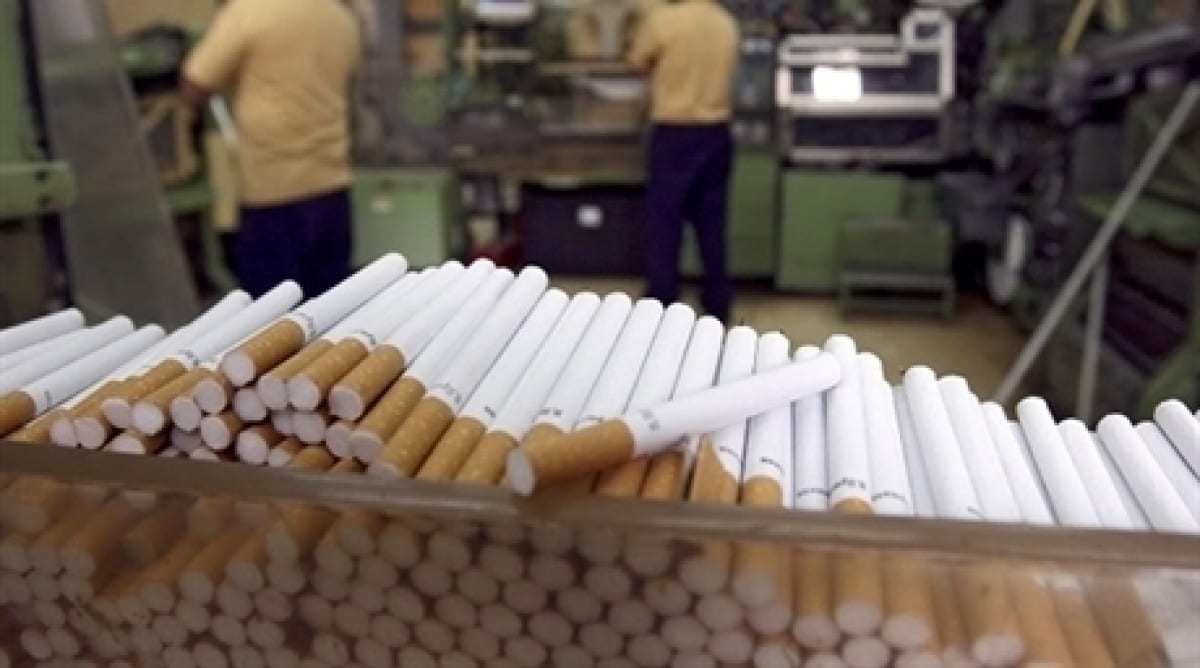
    Cigarette tax in Indonesia will be increased by an average of 10 percent starting January 1 next year in a move to control the production and consumption of cigarettes in the country.

    Local media quoted Indonesian Finance Minister Sri Mulyani Indrawati as saying her ministry had approved regulations on hiking tax on all types and brands of cigarettes effective January 1, 2017.

    “The increase would be deterrent enough but not give a negative impact on employment opportunities in the tobacco industry and at the same time provide sufficient for space for small industries,” she said.

    The Indonesian government is targeting to earn Rp150 trillion (RM450 million) in taxes, an increase of 5.7 percent compared to this year.

    The most popular cigarette in Indonesia is keretek, a type of cigarette made from a mixture of tobacco, cloves as well as other spices.

    The price of keretek is said to be the lowest in the world as a stick of the machine-made cigarette is sold at about 10 sen while a hand-rolled keretek cigarette is sold at about 15 sen a stick.

    Factory manufactured white cigarettes are sold at about 15 sen a stick while white hand-made cigarettes cost about 18 sen a stick.

    Online media quoted Indonesian Public Administration analyst, Agus Pambagyo as saying the regulations to raise cigarette tax would not affect the cigarette industry even though the prices of cigarettes would remain as the cheapest in the world.

    He said the prices of cigarettes should not be so low and in the effort to raise cigarette prices, the government should also take steps to eradicate the sale and production of illicit cigarettes as well as smuggled products.

    At the same time, he said an increase in the prices of cigarettes could provide irresponsible parties the opportunity to sell more cheap cigarettes illegally.

  • Apple to open (mini) India stores

    Apple to open (mini) India stores

    Apple is about to open its first retail stores in India.

    But unlike in other international markets, the Apple India stores will be a joint venture with local electronics chain, Croma. And they’ll be considerably smaller than elsewhere.

    India has strict laws regulating single brand foreign retailing, which would require Apple to source a percentage of its products’ components within India.

    Media sources in India say the new stores – the first of which will open around the time of next month’s Diwali Festival – will feature the same signature wooden tables and counters of full scale Apple stores elsewhere in the world and staff will be trained in the US.

    Croma, a subsidiary of Infiniti Retail, in turn owned by industrial giant Tata, will open six stores in an initial trial, all in greater Mumbai.

    Infiniti Retail CEO Avijit Mitra said in a statement: “We are proud to partner [with] Apple to launch the Apple Store in India and extremely bullish about it.

    “These stores will be modelled on the global design and will offer the best experience to consumers, showcasing the entire range of Apple products,” he said.

    The first stores will comprise a mere 46 sqm, a fraction of the size of the tech giant’s global flagships, in reality resembling little more than a concession. But it marks a significant strategic step from Apple’s previous india strategy of selling through authorised resellers or mobile phone networks.

    Apple’s iPhone 6s model goes on sale in India this week, with the 16GB version priced at 62,000 rupees, about US$960).

  • Released Loan Loss Reserves Fuels HSBC Profits

    Released Loan Loss Reserves Fuels HSBC Profits

    Asia-focused British lender HSBC beat analyst forecast, more than doubling profits in the first half after a significant reduction in credit loss provisions.

    HSBC posted $8.4 billion of profit after tax, according to its first-half interim report, a 170% increase compared to $3.1 billion in the same period last year.

    The expected release of credit loss provisions drove profits higher with revenues down around 4 percent to $25.6 billion and adjusted operating expenses rising by 3 percent.

    These are good results that reflect the return of growth in our main markets and marked progress in the execution of our strategy, said HSBC group chief executive Noel Quinn highlighting four main pillars of the bank’s plans: focusing on strengths, digitizing at scale, energizing for growth, and transitioning to net zero.

    The mix of HSBC’s results by region is also noteworthy as it registered profits across Asia, Middle East and North Africa, North America, Latin America and even Europe – HSBC UK Bank plc posted profit before tax of over $2.1 billion in the period – which has reported consecutive halves of pre-tax losses.

    We were profitable in every region in the first half of the year, supported by the release of expected credit loss provisions.

    HSBC also paid an interim dividend of $0.07 per ordinary share in the first half, noting that the bank is moving towards its planned target.

    The Group maintains a strong capital position and is well placed to fund growth and step up capital returns,» the bank said.

    Reflecting the current improved economic outlook and operating environment in many of our markets, we now expect to move to within our target dividend payout ratio range of 40% to 55% of reported earnings per ordinary share in 2021.

  • Tesco Malaysia partners with HappyFresh

    Tesco Malaysia partners with HappyFresh

    Tesco Malaysia has partnered with online grocery platform HappyFresh to expand its capacity and capability to fulfill online orders.

    Shoppers are offered more than 12,000 products, including the grocery group’s private labels, while fresh produce is selected by HappyFresh’s concierge shoppers in Tesco Malaysia hypermarkets.

    All products sold via HappyFresh are offered at the same price as the products in store, including discounted items. Shoppers will receive their delivery within one hour after placing their order, or during a one-hour time slot they specify.

    Tesco Malaysia tapped into online shopping about three years ago with its home-delivery services, discovering a gap in the market where time-pressed online shoppers want to receive their goods at a specified time.

    Following a six-month trial with HappyFresh and five Tesco hypermarkets, fulfilling orders from 2500 HappyFresh users, the retailer is rolling out the service in Klang Valley.

    “Most consumers today do not have the time to drive out to a store and buy their groceries weekly,” says Tesco Malaysia CEO Paul Ritchie. “The internet lets them do all of that with a click of a button.

    “By expanding our multi-channel reach through HappyFresh, we continue to serve our customers’ online and on-demand shopping experience by making it even more seamless.”