Tag: asia

  • Lululemon and employer branding

    Lululemon and employer branding

    Lululemon Athletica Inc. is beefing up benefits to attract and retain workers, offering full-time employees from three to six months of paid parental leave. The gender-neutral benefit awards three months of paid leave to full-time workers who have been at the yogawear company for two years. Employees with five or more years at the firm qualify for six paid months off. At Lululemon, workers are considered full-time if they work 24 hours a week.

    “When you think about an investment, there’s also all of those areas where it’s really hard to quantify because of the contribution and the return,” said Susan Gelinas, senior vice president for people and culture at Vancouver-based Lululemon. “We just see this as something that’s right to do for our people.”

    In the U.S., without any federal requirement for paid parental leave, it’s up to individual companies to offer a benefit, and about 35 percent do, according to a survey from the Society for Human Resource Management. Still, 84 percent of workers in the U.S. don’t have access to paid family leave, according to data from the Bureau of Labor Statistics.

    The majority of Lululemon’s full-time staffers in the U.S. have been with the company for two or more years, while one-fifth have worked there five or more years. As of January 2018, about 60 percent of Lululemon’s 13,400 workers were based in the U.S. The company declined to say how much the new policy would cost.

    Employees working in Canada already receive some paid parental leave, a portion of which comes from the government’s unemployment insurance program. That compensation is partial, and Lululemon’s offer there is a “paid top-up,” Gelinas said in an interview.
  • Major smartphone chipmaker says new Huawei OS could impact its sales

    Major smartphone chipmaker says new Huawei OS could impact its sales

    The company that manufacturers many of the chips used in smartphones, Taiwan Semiconductor Manufacturing Company (TSMC) is going to be impacted in the short term by the ban that prevents Huawei from sourcing parts and software in the U.S. The company previously had stated that Huawei’s placement on the Commerce Department’s Entity List would not affect it; the company has already announced that it would continue to manufacture chips for Huawei and its HiSilicon unit.

    It appears that TSMC has reevaluated the situation. TSMC Chairman Mark Liu, speaking to reporters today, said that sales of Huawei phones will slow down as consumers decide whether they can live with the phone manufacturer’s Android replacement. As a result, Huawei might need fewer chips to be assembled, which would affect TSMC’s revenue in the short term.

    “It certainly will have some impact in the short term. When there’s no Android system in a smartphone, many people might have doubts on whether the market will accept it.”-Mark Liu, chairman, TSMC

    Liu did add that demand for both 5G smartphones and newer handsets coming to market in the second half of this year will help TSMC stay on track for 2019. The executive says that his company’s outlook remains unchanged for the calendar year. Back in January, Liu said that TSMC’s 2019 revenue would grow 1% to 3% over last year’s figure of $1.03 trillion NT ($32.8 billion USD). Last year, the firm earned net profits of $351.13 billion NT ($11.4 billion USD).

    While Huawei’s in-house HiSilicon unit designs the chips used in Huawei’s high-end phones, the company has lost the support of U.K. chip designer ARM Holdings. This is a big blow to the company as it will need to search for an alternative architecture for its SoCs. Meanwhile, Huawei says that it has stockpiled a year’s worth of chip parts and components.

  • Angel Chen x HM collaboration reflects East-meet-West street style

    Angel Chen x HM collaboration reflects East-meet-West street style

    &M has released its first collaboration with Chinese designer Angel Chen.

    The new Angel Chen x HM collection is inspired by the theme of “Kung Fu” and portrays an East-meets-West street style with a combination of vivid colors and embroidery. It sports a chic navy blue bomber jacket with dragon embroideries featuring a calligraphic “Kung Fu” design on the cuffs, while the women’s collection portrays the artist’s signature red hue with an oversized jacket and mini skirt combo that fuses both contemporary street style and Asian traditional elements.

    The Angel Chen x H&M collaboration collection will be available in selected H&M stores globally as well as its online store hm.com from September 26.

  • Luk Fook sales drop 10 per cent in latest quarter

    Luk Fook sales drop 10 per cent in latest quarter

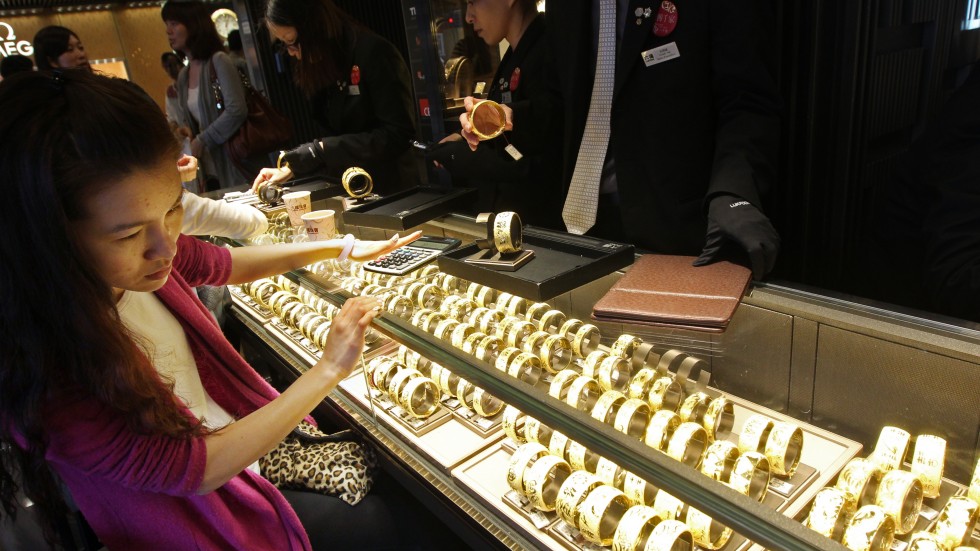
    Luk Fook sales in the third quarter fell 10 per cent on a same-store basis. “Recent market sentiment has been adversely impacted by the US-China trade war, the depreciation of Renminbi, and downward pressure in the stock and property markets,” said chairman Wai Sheung Wong ina  stock exchange filing. Luk Fook says same-store sales of gold products fell by 9 per cent and of gem-set jewellery by 8 per cent.

    The company’s disappointing figures come in the same week as rival jeweller Chow Tai Fook reported an 11 per cent decline in sales across Mainland China, Hong Kong and Macau.

    Wong said the Renminbi’s depreciation led to higher tendency for customers to purchase lower-value items, resulting in a double-digit drop in the average selling price of gem-set jewellery products.

    Same-store Luk Fook sales in Mainland China fell by 14 per cent, with gold products down 16 per cent and gem-set jewellery down 5 per cent.

    As at December 31 the company operated 221 of its own Lukfook stores, including 150 on the mainland, 49 in Hong Kong, 11 in Macau and 11 overseas. It supplied 1573 licensed shops on the mainland, one in Cambodia and one in the Philippines, making a total of 1796 worldwide.

  • Nokia Philippines launches new concept stores

    Nokia Philippines launches new concept stores

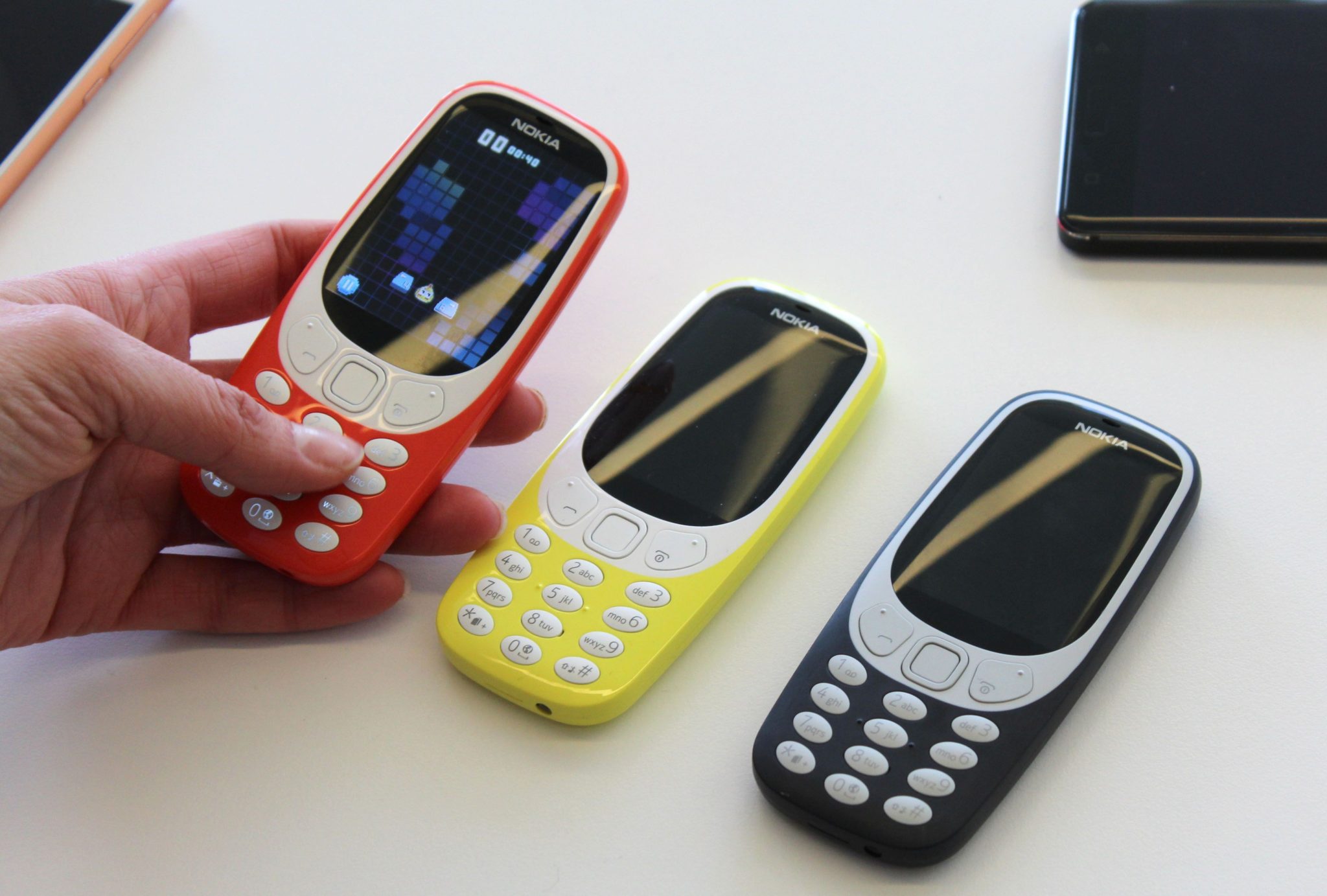
    Nokia Philippines has launched a new concept store in Iloilo City.

    HMD Global, the home of the smartphone brand, says the move aims to further boost Filipinos’ awareness of Nokia’s return to the local market.

    At SM Iloilo’s Cyberzone area, the new outlet adds to the 14 Nokia stores and kiosks in SM malls across the nation.

    “We are dedicated to making Nokia phones more accessible to the market,” says HMD Global Philippines country manager Shannon Mead.

    While last year marked Nokia’s comeback in the Philippine market, HMD Global teamed up earlier with e-commerce firms Argomall and Lazada Philippines. And last week, HMD Global secured $100 million in new investment to boost Nokia’s brand reach and portfolio.

  • Kerry Logistics among awardees named by Bloomberg Businessweek

    Kerry Logistics among awardees named by Bloomberg Businessweek

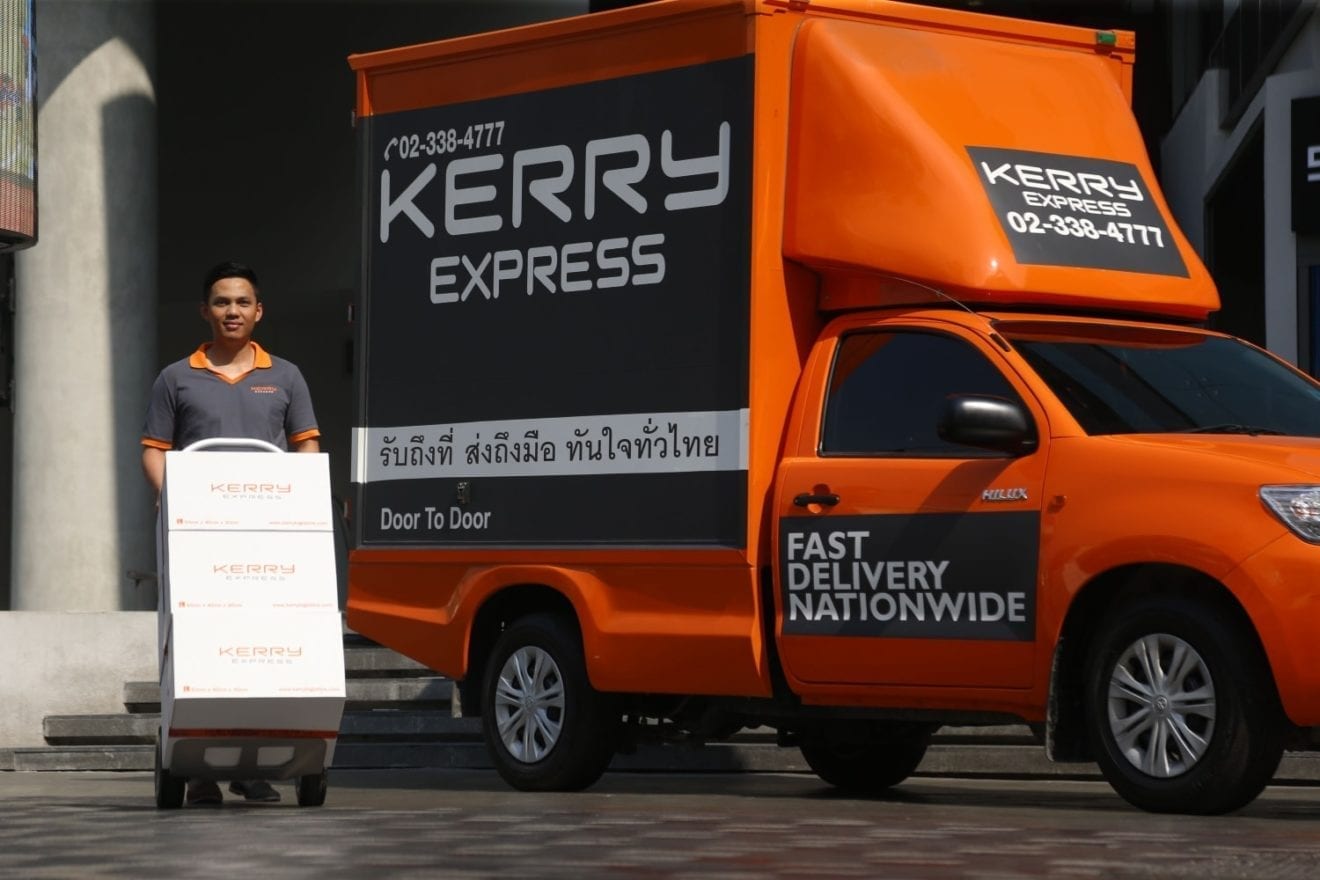
    Kerry Logistics Network Limited was for the fourth year in a row among the awardees named as the Listed Enterprises of the Year 2019 (the ‘Award’) presented by Bloomberg Businessweek/Chinese Edition, which recognised its excellent performance and contribution to Hong Kong’s economy.

    William Ma, Group Managing Director of Kerry Logistics, said: “We are grateful to the organiser for once again including us among the cream of the crop in the Hong Kong business world. As a Hong Kong-listed company, we always do our best to abide by the highest standards of corporate governance, as well as to contribute to the prosperity of the city in which we are rooted.

    “This encouragement and recognition will continue empowering us to maintain a socially responsible and sustainable business operation, and pursue innovation and development that is beneficial to all our stakeholders.”

    Organised annually by Bloomberg Businessweek/Chinese Edition, part of the internationally renowned brand of business journalism, the Award is the only event applying Bloomberg Terminal data to analyse listed enterprises in Hong Kong.

    Awardees are judged by a panel made up of senior government officials, professionals and academics according to business/financial performance, corporate governance, investor relationship, development strategy, corporate social responsibility, sustainability, innovation and risk management.

    With an expanding global network and a diverse range of businesses, Kerry Logistics has continued its efforts in strengthening its service capabilities, extending its network coverage and building its business scale in order to give itself a competitive advantage in adapting to the changing global logistics landscape.

  • Uber Wants to be a Technology Company in Indonesia

    Uber Wants to be a Technology Company in Indonesia

    Uber Technologies Inc. said Tuesday it is working to establish itself as a technology company in Indonesia, to avoid legal hurdles after police launched an investigation into the company’s operations last month.

    The move will also help underscore what Uber says is its role as a provider of smartphone applications, amid claims from traditional taxi firms that its business practices in the country are illegal.

    “We definitely want to be here long term,” Alan Jiang, head of Uber’s operations in Indonesia, said at a news conference. “In order to do that, we are currently in the process to set up a foreign investment company here and we would like to work closely with the government.”

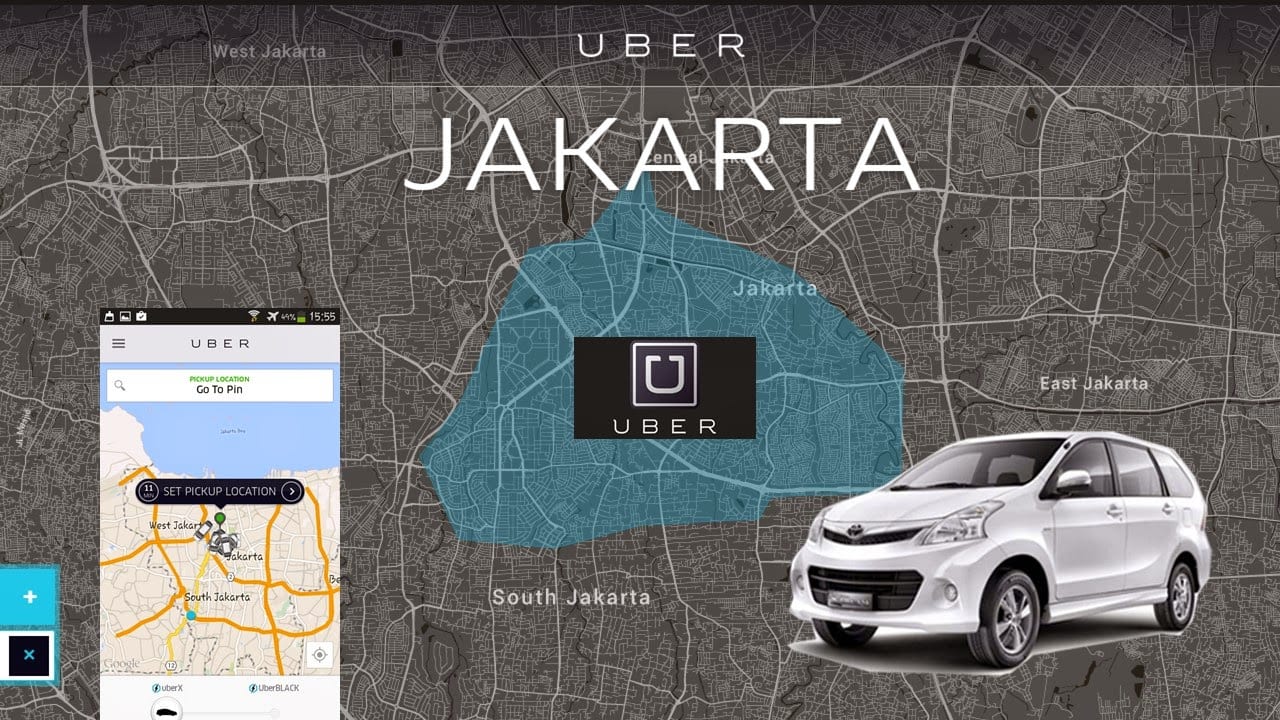
    Uber introduced its popular ride-hailing application to the local market last August, opening a representative office in Jakarta to supervise its business in three markets: Jakarta, Bali and Bandung. Traditional taxi firms, however, have called the startup’s business practices illegal, saying it doesn’t have a taxi license or use meters. Their complaints led Jakarta police to detain five Uber drivers for questioning last month; they were released the same day without being charged although authorities said they could be called as witnesses as the investigation into Uber progresses.

    Although Uber is still operating in Indonesia, the arrests forced the company to rethink how to avoid potential legal hurdles, which could affect its business in the future. Indonesia, the fourth most populous nation in the world with a fast-growing middle class, is one of the company’s key growth markets, it has said.

    Uber won’t, however, be applying for a taxi license, as some of its competitors have demanded, Mr. Jiang said. Instead, it will seek a license to formally establish itself as an e-commerce company.

    “Uber is only a smartphone application,” Mr. Jiang said. “We don’t need a transportation license as all we make is a smartphone app that connects riders to drivers.”

    The San Francisco-based company, which operates in more than 300 cities around the world, has faced regulatory hurdles in many parts of the world. The problems have been especially acute in Europe. Courts in Spain, Germany, Italy and the Netherlands have banned a low-cost Uber service that uses nonprofessional riders. France prohibits companies such as Uber from showing the location of available cars other than traditional cabs on smartphone apps.

    In Asia, the company has faced regulatory hurdles in Thailand, Singapore and Vietnam. An Indian court last month left in place a ban on the service in Delhi, where Uber has been banned since December, when a woman alleged that a driver booked through the firm’s app raped her. The driver is on trial and denies wrongdoing.

    By establishing itself as a company in Indonesia, Uber would be allowed to gather revenue from inside the country, something which a representative office can’t do. Normally, Uber collects a 20% service fee on every fare paid by a passenger, and the rest goes to the driver. At the moment, Uber doesn’t collect fees from the two services it operates in Indonesia, UberBlack and UberX.

    Mr. Jiang declined to specify how much Uber has invested in Indonesia.

  • Google’s litigator cringes in court after witness reveals secret data about its deal with Apple

    Google’s litigator cringes in court after witness reveals secret data about its deal with Apple

    We’ve mentioned more than a few times that the U.S. v. Google antitrust trial has revealed interesting information about Google’s search revenue sharing with Apple and other firms. While there had always been talk of such deals, testimony elicited during the trial drew out more specific details. For example, University of Chicago professor Kevin Murphy was on the witness stand today, and information he said under oath brought out a reaction from Google’s main litigator, John Schmidtlein.

    On the stand, Murphy revealed that Google pays Apple 36% of its revenue from search advertising via the Safari browser. That this data had never been made public before was obvious from Schmidtlein’s reaction when the figure was said in the courtroom. The attorney “visibly” cringed when the percentage was mentioned by the witness.

    Understandably, Google would want to keep that figure secret, not necessarily to prevent the public from knowing this percentage, but to keep it away from other manufacturers like Samsung that might want to renegotiate their own deal with Google if they ever found out how much Apple was receiving. And Google knew this as last week it submitted a filing with the court saying that revealing more information about its deal with Apple “would unreasonably undermine Google’s competitive standing in relation to both competitors and other counterparties.”

    Apple and Google have had a revenue-sharing agreement that predates the iPhone and goes back to 2002. The agreement is considered to be the most important of Google’s deals with hardware manufacturers since it also calls for Google to be the default search engine on the iPhone. However, these deals are being used by the Justice Department as evidence to prove that Google is making these payments to prevent other search engines from becoming the default option on tech devices. And that could be considered anti-competitive.

    If the DOJ does win its case and proves that Google is being anti-competitive in search, it could demand that the company be broken apart into different business units.

  • Standard Chartered Faces More Hin Leong Headwinds

    Standard Chartered Faces More Hin Leong Headwinds

    Energy trader Winson Oil Trading is seeking damages from Standard Chartered for failed payments over a diesel cargo sold to Hin Leong Trading.

    The Hin Leong debacle continues to unravel with Winson Oil filing the latest case to seek damages, interest and costs – at least $30.4 million – from Standard Chartered, according to court documents.

    Documents show that Winson Oil sold a cargo of ultra-low sulfur diesel to Hing Leong and had received a letter of credit (LC) from Standard Chartered in early April. Upon presenting the LC through Credit Agricole Corporate and Investment Bank, Standard Chartered failed to complete the payment.

    23 banks were reportedly affected by financial distress at Hin Leong, whose founder reportedly admitted that the Singapore oil trader failed did not disclose losses totaling $800 million. OCBC is amongst the affected lenders who also faced charges from Winson Oil which demanded payment for the sale of fuel financed by the bank.

    Hin Leong is currently under Singapore’s judicial management to restructure billions of dollars in debt.

  • Malaysia Airlines offers up to 30% savings in mid-year marvels sale

    Malaysia Airlines offers up to 30% savings in mid-year marvels sale

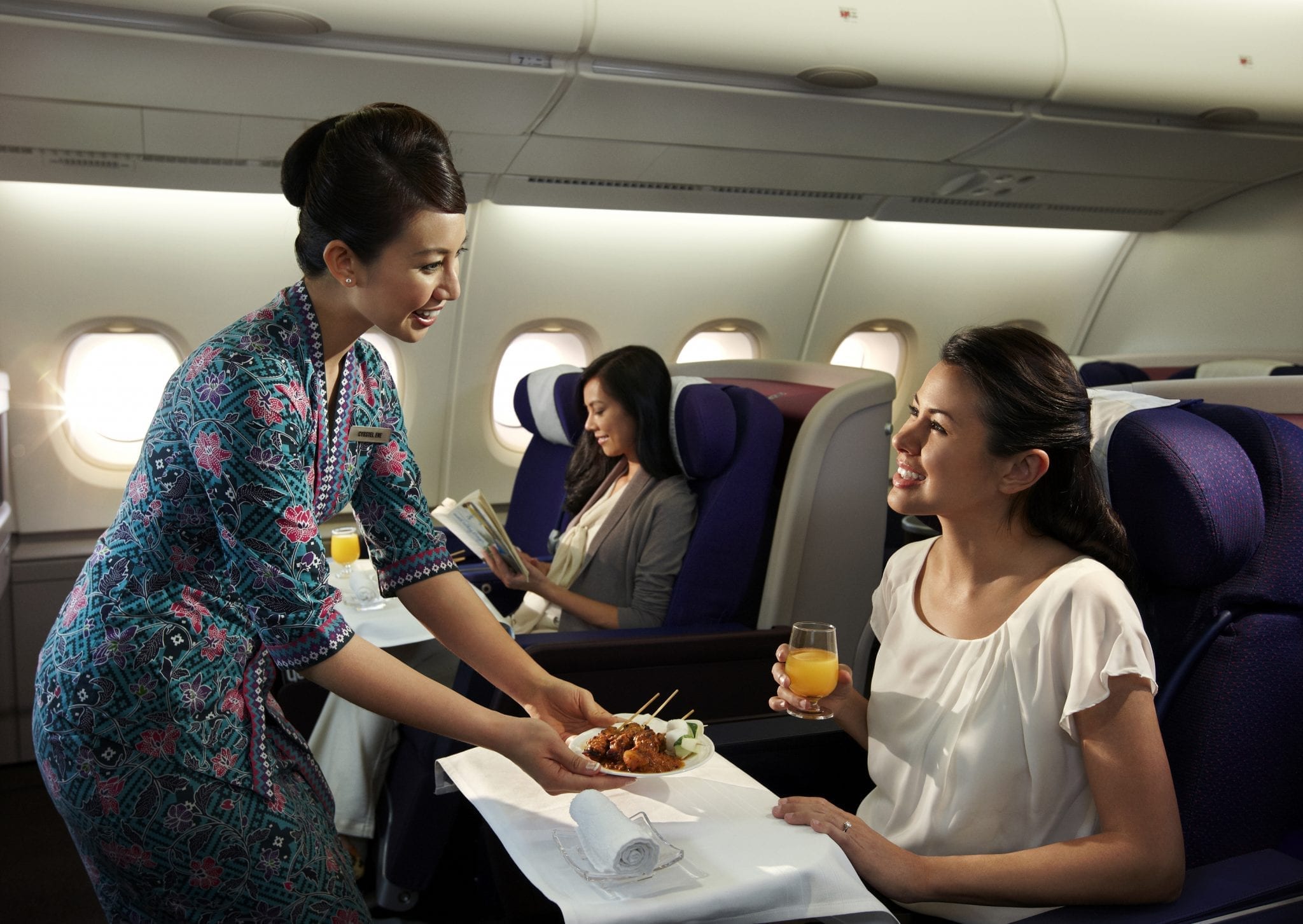
    Malaysia Airlines (MAS) is offering customers up to 30% savings on both international and domestic routes starting from Tuesday until May 15, 2017 under its “Mid-Year Marvels” promotion.

    The national carrier said on Monday  the offers were up for grabs on all Malaysia Airlines’ distribution channels for travel from May 19 to Oct 31, 2017 on business and economy class on all international destinations.

    MAS said all-inclusive return fares on economy class from KL International Airport starts from RM 1,469 to Sydney, from RM 1,379 to Narita and from RM 1,079 to Beijing.

    The airline is also offering all-in, one-way promotions from RM99 to all domestic destinations, during selected periods throughout the year.

    The economy class fares come with no hidden charges or credit card fees for online ticket purchases and includes a generous baggage allowance of 30kg and complimentary meals.

    MAS added the Mid-Year promotion includes business class fares, starting from RM999 to Denpasar, from RM2,799 to Xiamen and from RM11,399 to London. As for domestic routes, such as Kota Kinabalu and Labuan, the fares are from RM 839 and RM1, 455 respectively. The promotion on business class to domestic destinations is valid for travel from May 11 to July 31, 2017.

    Its chief commercial officer, Arved Nikolaus von zur Muehlen said the fantastic deals start from as low as RM 99 all-in, one way on all its domestic routes.

    He said customers could also choose a business class trip to Denpasar, Bali from only RM999 all-in, return.

  • Android version of Chrome app receives useful shopping tool

    Android version of Chrome app receives useful shopping tool

    If you’re the type of person that likes to browse for the lowest price before making a purchase, Google recently announced something that is going to be of interest to you. The price tracking feature found in the desktop version of the Chrome browser is now available on Chrome’s Android app.
    Google says, “Available starting in the U.S. on desktops and Android devices, next time you’re shopping, select “track price” in the Chrome address bar. You can manage the products you’re tracking through the side panel, or through the notifications you receive.”

    Using the mobile Chrome app for Android, eligible pages will display a lozenge-shaped button at the top of the screen that reads, “Track Price.” The left side of the button will show the price-tracking icon which is a bell with the “+” symbol to the upper right of the bell. This is the same setup that you’ll see on the desktop version of Chrome. Tapping on the icon will cause a popup on the bottom of the screen to surface; the latter includes a toggle switch for price-tracking that says “Get alerts if the price drops on any site.”

    If the price for an item you’re tracking drops, you will receive a notification from Google that not only includes the new, lower price but also states where you can find the item at that lower price. The tracker runs across multiple stores and websites so you won’t have to track the same item in several stores in order to get the best deal.
    Even though Google says that the new feature is available in the U.S. for Android users, so far this writer hasn’t seen it on my Pixel 6 Pro running Android 13 QPR2 Beta 1. It might be too late to use for this year’s holiday shopping season but it will be available for next year’s holidays and for all of the birthdays and other times that you’ll be shopping until then.
  • Hong Kong is next destination for Korean fashion retailer F&F

    Hong Kong is next destination for Korean fashion retailer F&F

    Korean fashion retailer F&F has revealed plans to open in Hong Kong.

    Details are sketchy, but the company has signed an affiliate and will open its first standalone store in January, according to Korean analysts.

    F&F - MBL

    The expansion follows a stunning 28.6 per cent increase in sales in its home market in the fourth quarter of its latest financial year, which has promoted stock market analysts to rate the stock a “buy”. Profit has soared 36 per cent this year and is on track for a further 20 per cent growth in the 2018 financial year, according to analysts.

    F&F - MBL Kids

    F&F manufactures and retails fashion apparel and accessories for men, women and children under eight brands: MLB, MLB Kids, Discovery, Discovery Kids, Banila, B. By Banila, Collected and Lost Garden. The company focuses on casual apparel, dresses, blouses and sportswear.

    F&F Banila

    Besides its own retail outlets, it sells through department stores and wholesalers.

  • Zayn Malik returns to Penshoppe

    Zayn Malik returns to Penshoppe

    Philippine fashion brand Penshoppe has announced Zayn Malik as its newest endorser.

    The British R&B singer made his debut with the Spring Summer 2018 Collection.

    The brand has released photos show the singer wearing bold, bright prints and comfy-looking fabrics, fit tee with vertical stripes, and men’s resort shirt with floral print.

    “As Zayn continues to dominate the global music charts, we also see him as someone who has also joined the world of fashion with his signature style. Through the years, Zayn has developed his own fashion-based following and continues to stand out in strength and style – just like Penshoppe,” says Jeff Bascon, Penshoppe’s brand director.

    Zayn Malik used to be an endorser of Penshoppe’s with his former bandmates in One Direction in 2012.

    After splitting from One Direction in 2015, Zayn released his debut solo album in March 2016.

  • Gold prices hit 4-month high

    Gold prices hit 4-month high

    Vietnam’s gold prices hit a four-month high Wednesday aided by a weaker dollar, with investors expecting further stimuli in U.S. policies.

    The state-owned Saigon Jewelry Company was selling its popular SJC gold at VND57.2 million ($2,484.62) per tael, up 0.17 percent from Tuesday. A tael equals 37.5 grams or 1.2 ounces.

    The country’s largest jewelry company, DOJI, was also selling at the same price on Tuesday.

    In the last three days, prices have increased by around 1.5 percent to their highest point since September 3 last year.

    Global gold prices rose 0.1 percent to $1,950.46 per ounce after hitting a peak in almost two months earlier in the session as the U.S. dollar went to a low not seen in more than two years, according to data.

    Other reports have said that investors are waiting for the outcome of the U.S. Senate runoff elections in Georgia, which will have a bearing on the fiscal policy adopted by President-elect Joe Biden’s administration.

    “The underlying motivations in gold are unchanged, with lower interest rates, high inflation expectations, weaker dollar…, all these are supportive for gold in the near to long term,” said Howie Lee, an economist at OCBC Bank.

  • Vietnam to import coal from Laos

    Vietnam to import coal from Laos

    Vietnam has signed a deal with Laos to import around 20 million tons of coal a year for the next five years.

    The memorandum of understanding was signed for the purpose Thursday by the Vietnamese Ministry of Industry and Trade and the Lao Ministry of Energy and Mines.

    Laos has been an important supplier of coal and other minerals to Vietnam in recent years.

    Vietnam imported 1.8 million tons of ores and minerals for US$78.2 million from that country last year, and 900,000 tons worth $31.6 million in the first half of this year.

    The two also have many cooperation projects in energy such as building hydropower plants and connecting grids while Laos exports electricity to Vietnam.

    Vietnam has 220 kV lines linking Laos, and is set to import at least 3,000 MW of electricity by 2025 and 5,000 MW by 2030.