Tag: asia

  • Amazon extends hourly wage bump for warehouse workers in light of the coronavirus

    Amazon extends hourly wage bump for warehouse workers in light of the coronavirus

    Amazon is extending the hourly wage increase that it announced previously to support workers during the coronavirus pandemic. The company had added $2 for each hour worked on top of the minimum hourly wage of $15. In the UK and European countries, the increase amounted to £2 per hour and €2 per hour respectively. For Canada, it was C$2 per hour worked. These revised rates were to last through the end of this month initially.

    Under the new announcement, the increased rate will apply through May 16. Moreover, the company has also extended double overtime pay in the US and Canada.

    Amazon says that this extension will increase its investment in pay during the outbreak to around $700 million. While this sure sounds great, it is also worth highlighting here that unlike most other companies, Amazon’s business is not suffering because of COVID-19. In fact, sales have apparently skyrocketed, and the company is also on a hiring spree, which goes on to show that demand for its services has increased during the pandemic.

    Unlike corporate office employees, warehouse workers cannot work from home. And thus, it makes sense to provide them an incentive so they keep working during these testing times. An Amazon warehouse worker has already died because of the virus, and many have tested positive.

    The e-commerce giant is also giving flexibility with leave of absence options. However, it hasn’t said if it will also extend the unlimited unpaid time off policy that was announced last month. This policy enabled workers to take some unpaid time off without having to worry about any consequences such as penalties. However, it seems like beginning next month, workers who wish to stay home will have to use their accrued time off i.e. the leaves they have remaining or ask for a leave of absence, which will be granted if a worker has an existing health condition or lives with someone who does. That’s because such individuals are more susceptible to coronavirus. Other workers will apparently have to get back to work.

  • Chinese telco promises 5G connectivity in 2022

    Chinese telco promises 5G connectivity in 2022

    In addition, having a smart platform will allow tv audiences across the world to have access to a panorama live broadcast and immersive Virtual Reality (VR) experiences. As for athletes, they will get help from Artificial Intelligence for record-checking or physical checkups during their daily training.

    2022 Winter Olympics Games is a great opportunity for China Unicom to prove itself it can accelerate the deployment of 5G applications.

    In order to avoid disturbance between 5G stations and other satellite ground stations, China’s Ministry of Industry and Information Technology released new papers regarding this issue just ten days after granting permission to China’s three mobile phone carriers for using 5G frequency to conduct technical tests. Moreover, numerous supporting policies have also been adopted to speed up 5G deployment.

    China Mobile, with more than 100 5G base stations, conducted 5G business and application pilot programs in 12 cities this year and performed 5G tests in seven regions this year, of which Beijing, Shanghai and Xiongan New Area to name a few. It has built a platform in Chengdu, the capital city of Sichuan Province, for residents to experience Augmented Reality (AR) and VR business via 5G.

    The pre-commercialization phase of 5G networks in China will start in 2019 and will be officially ready in 2020. However, some analysts have predicted that large-scale deployment of 5G networks may take longer.

  • Giuseppe Zanotti Expands Into Singapore

    Giuseppe Zanotti Expands Into Singapore

    Valiram and Giuseppe Zanotti jointly announce a new phase in their partnership with the opening of a new boutique in Singapore.

    Valiram’s partnership with the Italian luxury footwear and fashion designer started in 2007 when the Malaysian-based luxury and lifestyle retail specialist opened the first Giuseppe Zanotti boutique in Malaysia at premier retail landmark Pavilion Kuala Lumpur.

    The new Giuseppe Zanotti monobrand boutique will be located in ION Orchard, a stylish architectural wonder and the most glamorous shopping complex in Singapore.

    Occupying 108-square-meter premium retail space, this refined concept store houses the brand’s iconic sculptural shoes, avant-garde sneakers and leather handbags and accessories for both men and women.

    A limited collection of children’s shoes will be introduced specifically for the boutique launch.

    The boutique’s interior design is driven by the vibrant and emotional DNA of the brand. Chrome and shiny gold surfaces mix with dark yellow and electric blue fabric on the floor carpet and furniture, and classic elements like white walls and mirror finishing complement the contemporary furniture and hardware details.

    A careful juxtaposition of materials and details brings to the environment a refined and contemporary mood, which enhances the brand’s creations for a luxury shopping experience.
    “Valiram is passionate about creativity and craftsmanship, a combination that Giuseppe Zanotti is renowned for.

    Mr. Giuseppe Zanotti added: “The strong affinity between Valiram and the brand, two businesses both longing for creativity and craftsmanship, has made it possible to accept this new challenge with true determination.

    This partnership along with the new boutique at ION Orchard, embarks our footprints in Singapore”.

  • Hong Kong world’s most expensive place to live

    Hong Kong world’s most expensive place to live

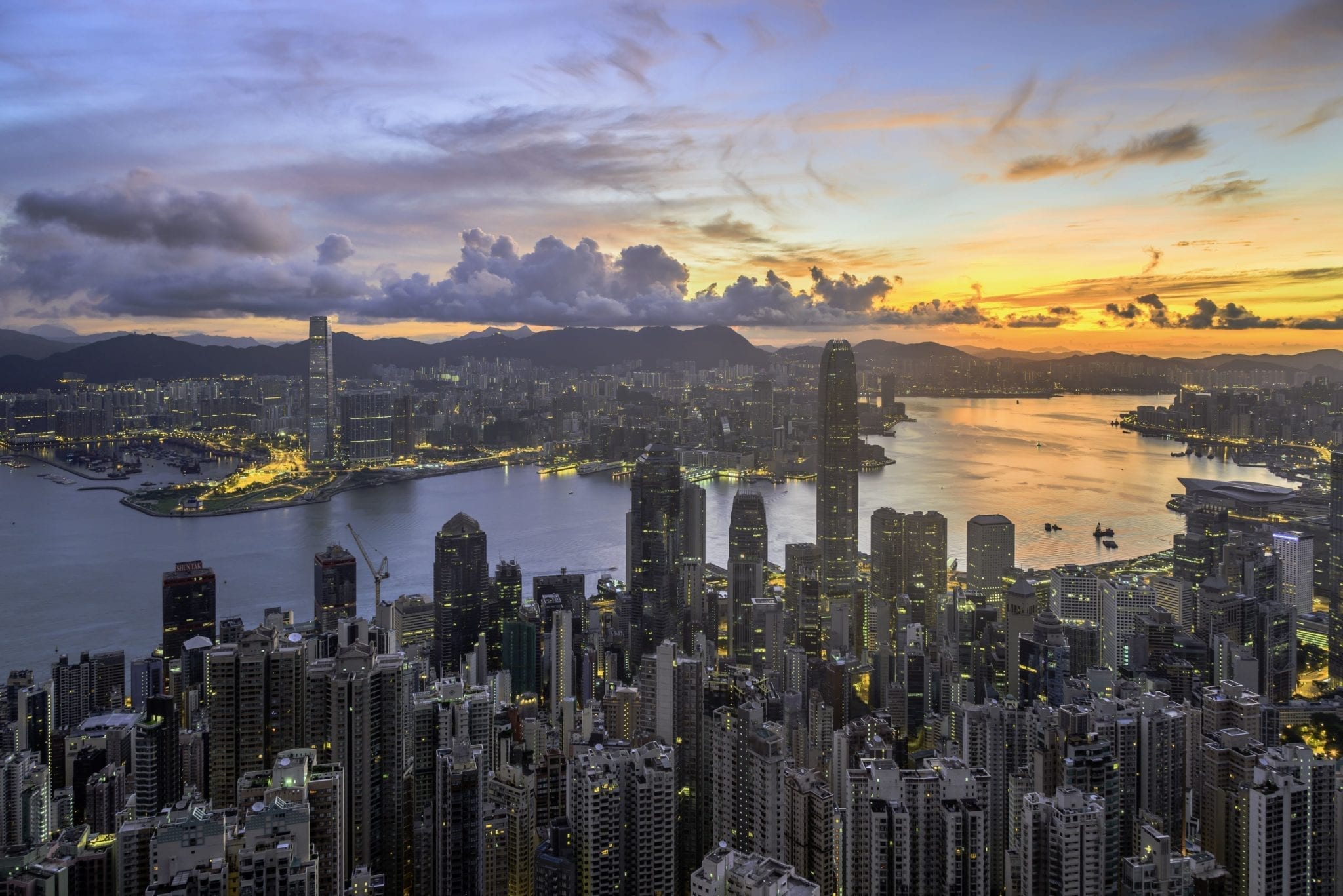
    Hong Kong tops the table of the world’s most expensive cities in terms of everyday cost of living. That’s according to a newly-published global survey by Mercer, a company specialising in sharing of ideas and information.

    Claiming six out of the top 10 spots, Asian cities dominate the list of most expensive locations for working abroad in the 2018 rankings.

    The Asian metropolis pushed the West African city of Luanda off the top spot. The Angolan capital now comes in at number six.

    Several European cities make the world list including London at 19, Copenhagen at 14, Geneva 11, Bern 10, and at world number three, Zurich is Europe’s move expensive city to live.

    The rankings are calculated based on the spending patterns among expats from different nationalities, comparing prices for similar brands and from similar retail outlets in both the home and the host city. In this way, a cost-of-living index can be compiled.

    One city of note this time around is the Portuguese capital Lisbon that has made the top 100 for the first time coming in at 93, a move up of 44 places.

    Some of the cheapest cities to live in Europe are in the east. They included the Bosnian capital Sarajevo, Serbia’s largest city Belgrade, Romanian and Bulgarian capitals Bucharest and Sofia, and the capital of the former Yugoslav Republic of Macedonia, Skopje.

    The survey shows some big differences depending on products. Coffee, for instance, varies wildly.

    In the South Korean capital, Seoul, a cup of coffee costs, on average around, 12 dollars, compared to four dollars in New York.

    A hamburger in Zurich is 15 dollars, but only five in Hong Kong, and seven in London.

    But when it comes to cinema tickets the British capital is way out in front at almost 25 dollars.

    Of course, you do not have to go to the cinema, but the chances are you do need to buy fuel for your car, and while Hong Kong comes out the most expensive Paris is not far behind. But when it comes to fuel prices, it seems we’re still too much in love with our cars to refuse.

  • CITIC Offloads McDonald’s Stake

    CITIC Offloads McDonald’s Stake

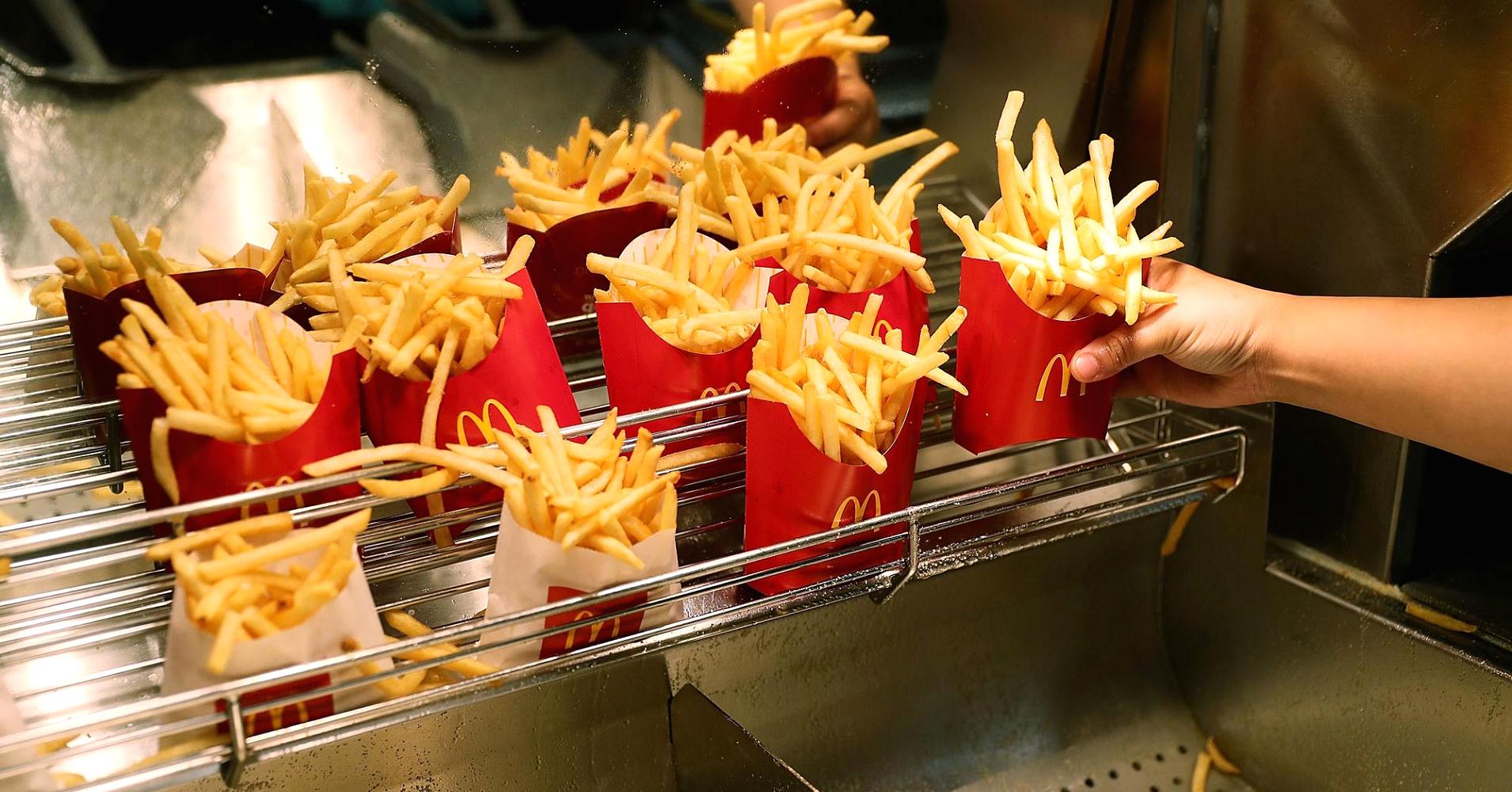
    CITIC has plans to sell a 22 percent stake in McDonald’s Chinese mainland and Hong Kong business to its parent group’s private equity arm.

    The main listed arm of the Chinese state-owned CITIC Group, CITIC Ltd., will aim to raise at least 2.17 billion yuan, according to a report citing a Beijing bourse filing.

    The report also underlined CITIC Capital, the group’s alternative investment arm, as the likely buyer of the stake, adding to its $26 billion in assets already under management. Finalization of the deal is earmarked for early February, one of the sources added.

    McDonald’s said that strategy and daily operations at its mainland and Hong Kong business would be unaffected by the deal. CITIC also provided assurances, noting that the deal was a purely «commercial decision» and that it would continue cooperation with McDonald’s business in China.

    CITIC will be selling the 22 percent stake through Fast Food Holdings Ltd., a holding firm set up with CITIC Capital to hold the combined 52 percent stake of McDonald’s mainland and Hong Kong business. Following the deal, CITIC Ltd. will still hold 10 percent of the regional McDonald’s business.

  • Singapore partner pulls out of Vietnam taxi joint venture

    Singapore partner pulls out of Vietnam taxi joint venture

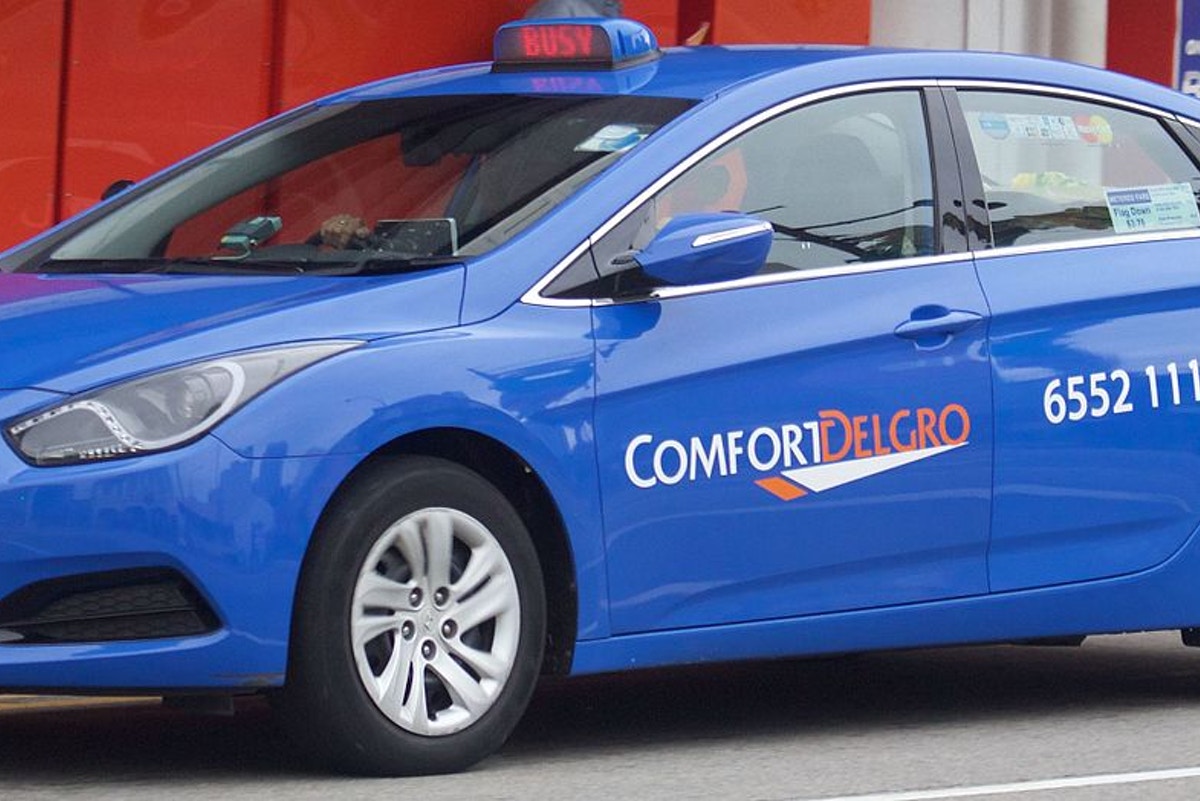
    Singaporean transport firm ComfortDelGro has decided to sell its entire stake in the Vietnam Taxi Company to a local company and pull out of Vietnam.

    Under a deal it has signed, it will transfer its 70-percent stake in Vinataxi to the HCMC-based Helios Service and Investment Joint Stock Company for VND55 billion ($2.4 million).

    Vinataxi was established in 1992 by Vietnamese firm Tracodi and Hong Kong company Tecobest Investment, which sold its share to ComfortDelGro in 2003.

    The company reported revenues of VND20 billion and a loss of VND7.6 billion in 2020.

    In 2018, ComfortDelGro and another local firm, Savico, would up their joint venture, ComfortDelGro Savico Taxi, unable to cope with the fierce competition from tech-based taxi operators.

    According to ComfortDelGro, the Vietnamese market fetched revenues of $500,000 in the first half of this year, or less than 0.1 percent of its total revenues.

  • Indonesia’s GoTo narrows losses and on track

    Indonesia’s GoTo narrows losses and on track

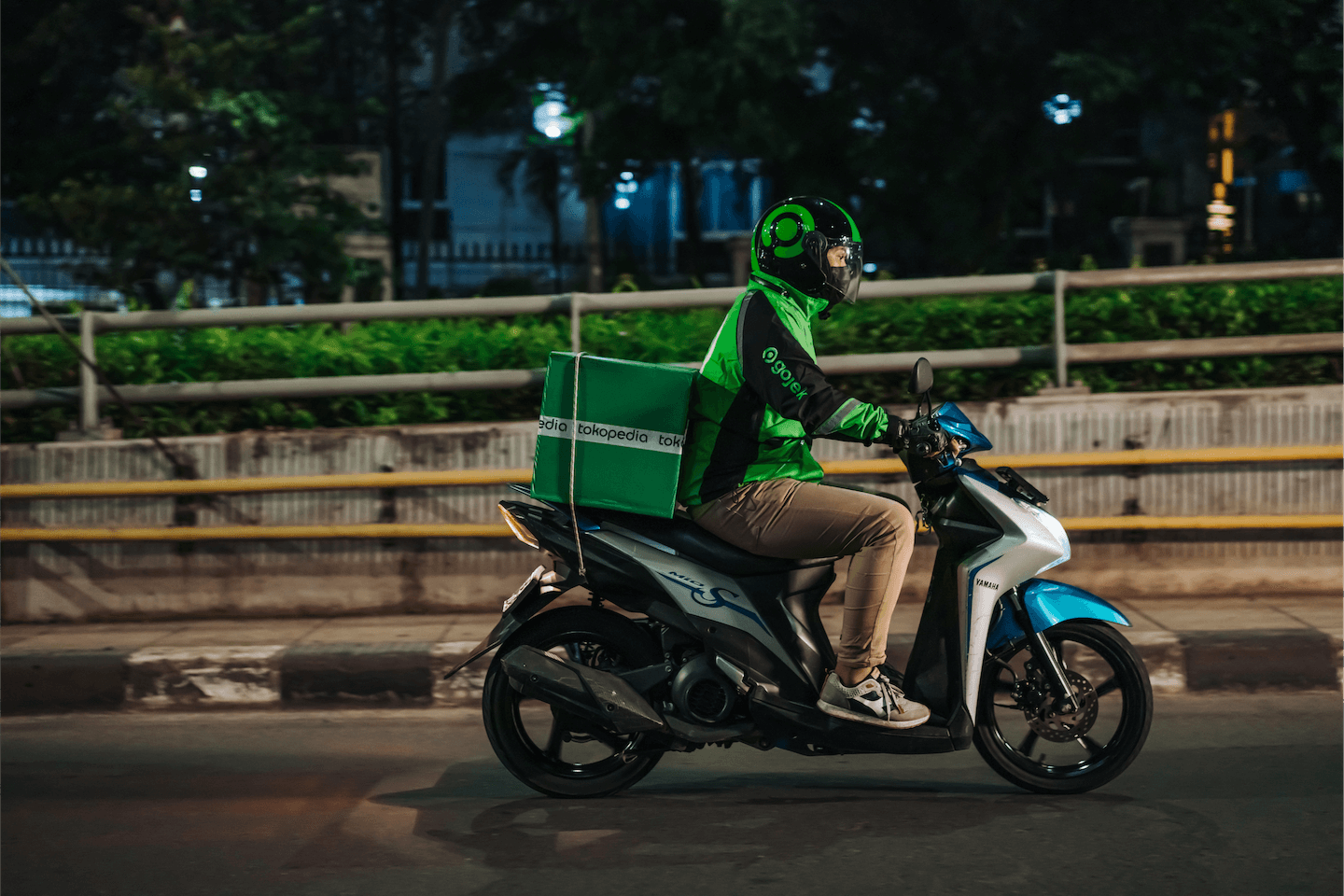
    Indonesia’s biggest tech firm GoTo on Tuesday said it had slashed underlying losses in the second quarter to US$78.25 million, down from $280 billion a year earlier, helped by intense cost-cutting measures.

    GoTo, backed by Japan’s SoftBank Group and Singapore’s sovereign wealth fund GIC, has implemented various cost-cutting measures including layoffs this year, as it lost three-quarters of its market valuation since it went public in April last year.

    Group CEO Patrick Walujo said that GoTo, which offers ride-hailing, e-commerce, and financial services, will continue its “cost discipline” measures while expanding its customer base.

    “We are developing a long-term strategy for achieving this, and in the meantime we will continue to operate with absolute cost discipline as we pivot our product mix towards the mass market,” Walujo, who took the top job in June, said in a statement.

    The company kept its target to swing to a profit by the end of this year.

    Following positive results for the first half, GoTo revised its 2023 adjusted EBITDA outlook to a loss of between $293.8 billion and $248.1 billion, from a previously forecast loss of between $346 billion and $300.3 billion.

    Net revenues for the second quarter of 2023 rose to $236 million, up 86.7 percent from 2022, with the company’s overall gross transaction value reaching $9.3 trillion, it said.

    The company said it had slashed losses by 48 percent for the first half compared to a year earlier.

    Its e-commerce business Tokopedia was Indonesia’s second-largest online marketplace last year, according to industry data, but faces intensifying competition as smaller rivals, led by TikTok, doubles down in the Southeast Asia’s biggest economy.

    Shares in GoTo, shorthand for GoTo Gojek Tokopedia, closed up 6.59 percent to $0.0067 per share before the earnings announcement.

  • Jeep clothing mainland sales rises

    Jeep clothing mainland sales rises

    Menswear retailer China Outfitters, which holds the Jeep license on the mainland, has boosted sales and profits in the first half year.

    While same-store sales in its own store network – which now numbers 564 – slipped by 3 per cent, online sales through Tmall and other platforms soared 20.3 per cent.

    China Outfitters achieved sales of RMB445.7 million (US$65 million) for the period, up 0.7 per cent on the same period last year. Profit attributable to shareholders rose 16 per cent RMB7.9 million ($1.15 million).

    Jeep is by far China Outfitters’ largest brand, with 565 points of sale including those of third-party retailers. Other labels in the stable are SBPRC, London Fog, MCS, Zoo York, Barbour, Lincs and Marina Yachting.

    Sales in self-operated stores rose 2.7 per cent, accounting for 77.3 per cent of total revenue, largely driven by outlet store growth.

    Sales to third-party retailers decreased by 14.5 per cent, due to a smaller store network.

  • Thai retail giant to invest $1.1 bln for expansion in Vietnam

    Thai retail giant to invest $1.1 bln for expansion in Vietnam

    Thailand’s Central Retail Corporation plans to invest $1.1 billion in Vietnam in the next five years to expand its stores network.

    It said Vietnam’s wholesale and retail sector grew 7 percent year-on-year in the last quarter of 2020, and growth is likely to be strong this year, making it one of the most attractive markets in the world.

    Philippe Broianigo, CEO of Central Retail Vietnam, said the five-year plan would focus on multi-sector and multi-platform development.

    The company opened four shopping centers last year in central and southern Vietnam, and renamed five Big C supermarkets as “GO!”.

    It plans to invest $211 million for expansion this year, opening stores in the northern provinces of Thai Nguyen, Thai Binh and Lao Cai and the southern provinces of Ba Ria-Vung Tau and Tay Ninh.

    Over nine years in Vietnam, foods have proven to be a key product for Central Retail, contributing 70 percent of its revenues.

    With 37 shopping centers and 230 stores in 37 cities and provinces, it serves an average of 175,000 customers a day.

  • Indonesia to Improve Sanitary Facilities in Major Tourist Sites

    Indonesia to Improve Sanitary Facilities in Major Tourist Sites

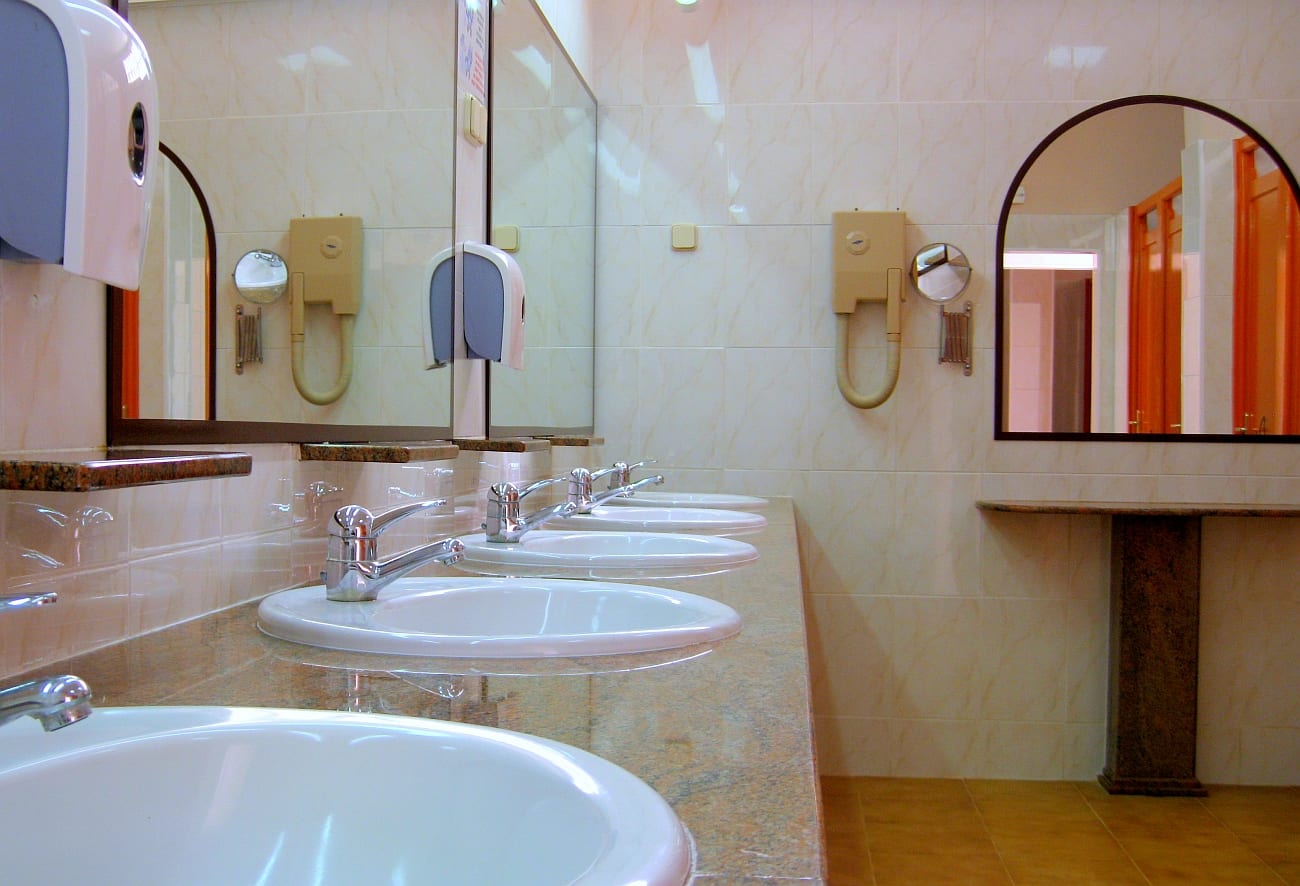
    In a bid to meet the target of 20,000 tourist arrival in 2016,  Public Works and Public Housing Ministry announced that it will build sanitation facilities in 10 major tourism destinations in Indonesia.

    It also said that the construction would involve municipal tap water company PDAM to provide clean water, while the sanitary facilities would be provided by the Ministry.

    Public Works and Public Housing Minister Basuki Hadimuljono said that the construction of those sanitary facilities is important to increase of tourists visiting Indonesia. He also said that the projects would begin this year.

    Basuki added that budget allocated for the projects is not too bit and ensured that the procurements would be done by the government.

    One of the major tourist destinations that still lack sanitary facilities and clean water is Labuan Bajo in East Nusa Tenggara province.

    “Sanitary facilities must be in good condition so tourists would be happy to come and visit,” Basuki said in Jakarta on Saturday (23/1).

    Furthermore, Public Works and Public Housing Ministry said that it would also help improving access to those tourist destinations.

    According to Director of Bina Marga (Highway) of the Public Works and Public Housing Ministry Hediyanto, the Directorate would build strategic roads to those tourist destinations.

    According to Hediyanto, the Ministry is now focusing on road infrastructures in several tourist destinations like Raja Ampat and Tanjung Lesung.

    “The government has allocated Rp4 trillion to build roads,” he added.

  • Kia pins hopes on overhauled K9

    Kia pins hopes on overhauled K9

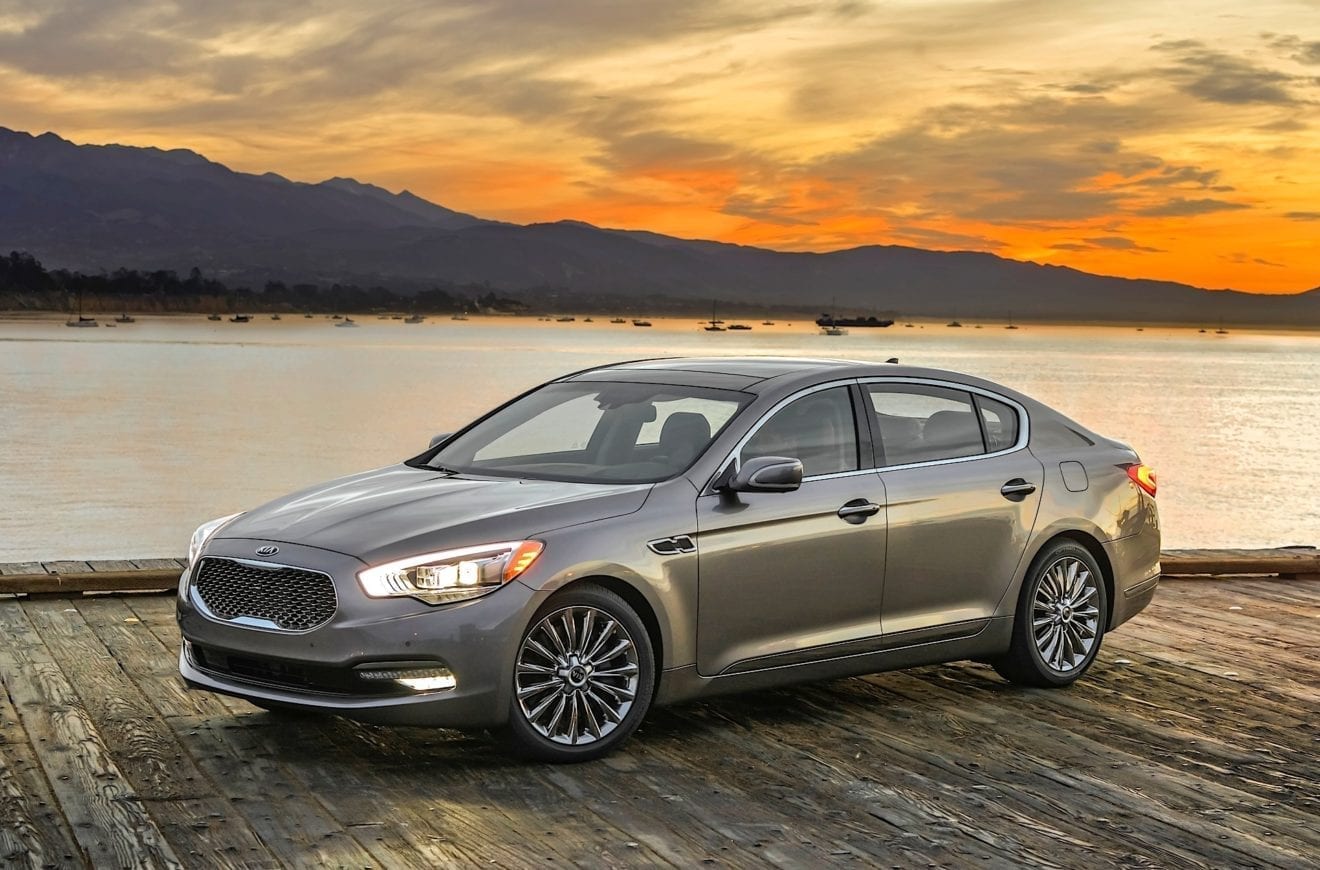
    Kia Motors on Tuesday started to receive preorders for the overhauled version of its K9 large-size sedan, a model which is expected to play a decisive role as the company seeks to change its image and diversify its brand.

    The automaker sees the success of the K9 as representative of the entire K series. If the K9 sells well, the company will be free to shift its resources from revitalizing the struggling K lineup to introducing an electric car lineup, a segment which the automaker has not yet had the chance to fully enter.

    “Kia Motors needs to build up its brand since it is still more known for its recreational vehicle lineup,” said Kwon Hyug-ho, executive vice president at the auto company at a media event for the K9 on Tuesday.

    “After successfully launching the overhauled K9, Kia Motors may make a separate brand for the electric vehicle lineup. The K series survives only when the K9 survives,” he added.

    Kia Motors, the second-largest carmaker in Korea by sales figures, is not particularly well known for its eco-friendly vehicles, while its affiliate Hyundai Motor has been arduously developing a range of emission-free vehicles including the hydrogen-fueled Nexo.

    Kia Motors has only one fully electric car model under its roof, the Soul, and a couple more models with hybrid engines such as the Niro SUV and the K5 and K7 sedans.

    “The premium E emblem at Kia Motors is currently exclusive to the Stinger,” Kwon said. “We may incorporate the future electric car range under the E brand,” he added.

    Kia Motors is known to have considered launching the Stinger as an independent premium brand last year just like Hyundai Motor did with Genesis. Concluding that the global market still lacks understanding of the Kia brand, the automaker resorted to launching it topped with the distinctive E emblem.

    The new K9 is the first fully overhauled version since it was introduced to the Korean market in 2012.

    Standing at the top of the auto company’s K series – the name of its sedan lineup – the latest K9 came with a range of new design elements and top-notch safety technology.

    Changes in the front and rear lamp design stand out among the upgrades, with dual LED lights featured within the lamps. Kia Motors calls the new design “Duplex lamps.”

    The new K9 also came with a revamped grille design that offers a more energetic and dynamic ambience, according to the carmaker.

    In terms of safety features, Kia Motors officials said the new K9 is equipped with some of the most cutting-edge technology.

    One notable new feature in the K9 is the windows, which automatically close when the car goes through a tunnel. The K9 is the first vehicle produced by Hyundai Motor Group to include the feature.

    The technology has been designed to operate on Korean roads and is linked with domestic map data. It is also equipped with other functions such as lane following assist, blind-spot view monitor and rear cross-traffic collision-avoidance assistance systems.

    The automaker plans to sell some 20,000 units of the K9 per year in Korea, rivaling not only domestic models such as the Genesis G80 and EQ900 and SsangYong Motor’s Chairman, but also imported cars such as the Mercedes-Benz’s E-Class.

    Kia Motors plans to sell 6,000 units overseas this year, though the exact timeline for exports has not been determined.

    The price for the lowest trim equipped with a 3.8-liter petrol engine starts at 54.9 million won ($51,600). There are two other engine options: the 3.3-liter turbo petrol and 5.0-liter petrol.

  • Subsea cable leaves Telstra customers with Apple download delays

    Subsea cable leaves Telstra customers with Apple download delays

    Customers on the Telstra network have complained about substantial delays in downloading Apple services for most of the week, with Telstra now acknowledging a subsea cable issue and claiming that it is working on resolving it.

    The issue, flagged on broadband enthusiast website Whirlpool and on Twitter, has seen Telstra customers attempting to download or update their operating systems or apps across the iTunes Store and the App Store, as well as use streaming services Apple Music and Apple Radio, experience severe delays.

     This has been the case across mobile, cable, ADSL, and business fibre connections, with app updates taking dozens of minutes rather than seconds, music streaming “impossible”, and updates to its newly launched OS X El Capitan taking more than a day.

    “I’m on 100Mbit cable and I’m lucky if I’m getting 20KB/sec from Apple,” complained Whirlpool user sebastiankong.

    “I couldn’t even purchase an app. My ADSL 2 plus is getting speeds of 1Mbps for a week compared to 14Mbps,” added worldcitizen.

    Circumventing the Telstra network with a VPN has been the only way that customers have been able to avoid the issue.

    “Same here too (in Brisbane), both with my home 100mb cable connection and over 4G across the city during the day,” said BurndtJam.

    “Downloads crawl and Apple Music streaming is impossible. Once I start running traffic through a VPN, there’s no issue. Whatever Telstra is doing with Apple traffic is very broken.”

    Telstra acknowledged the problem on Twitter, telling numerous customers who complained over the social network variations of: “There is an issue with the speeds to Apple servers that we are working to resolve. Apologise for the inconvenience.”

    Telstra has since identified a subsea cable as the cause of the issue.

    “We are experiencing issues with an undersea cable connecting Australia with Singapore. As a result, some customers are experiencing slow service when using mobile devices to download or update apps or stream music from some providers,” a Telstra spokesperson told ZDNet in a statement.

    “We are working to resolve this issue as quickly as possible, including utilising alternative paths while repairs are undertaken. We apologise for any inconvenience caused and as soon as we have an update on the current situation we will let our customers know.”

    Telstra upgraded its subsea cable connectivity to 100Gbps in January this year in order to cope with the increasing demand for high-definition video services.

    “The move to 100G is much more than just raw capacity. Alongside enhanced efficiency, 100G can help customers reduce operational expenditure and simplify network maintenance thanks to the service’s ability to consolidate bandwidths. It is also flexible enough to meet the requirements of most cable companies by offering landing station and point of presence options, too,” Telstra Global Enterprises and Services chief operating officer Darrin Webb said at the time.

    Telstra’s 100G wavelength service is available across its Telstra Endeavour, Australia-Japan cable, Asia-America Gateway, Reach North Asia Lop, and UNITY cable systems.

  • DFS Group Whiskey Festival at Hong Kong airport

    DFS Group Whiskey Festival at Hong Kong airport

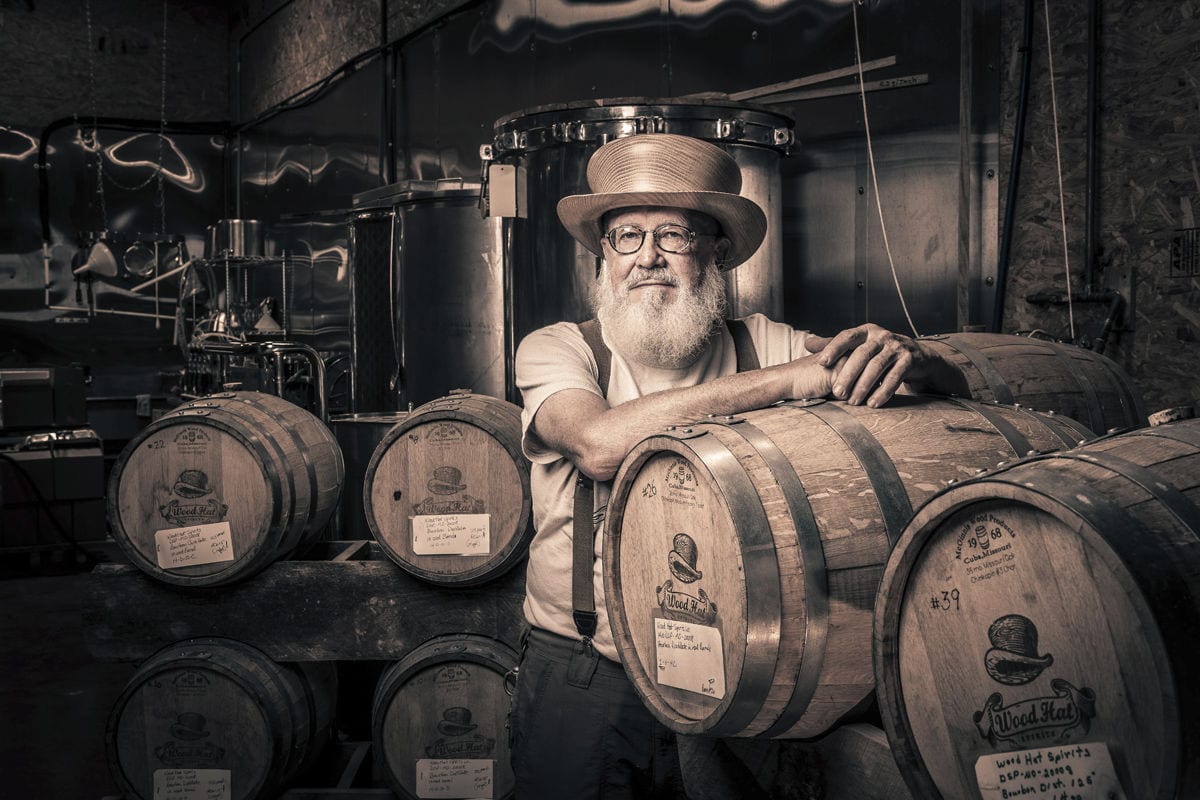
    More than 100 whiskies are available for sampling in-store, including Suntory Chita Single Grain; Johnnie Walker Blender’s Batch 2: Bourbon Cask & Rye Finish; Royal Salute Polo Collection 2017; Bowmore’s new travel retail exclusive age statement range of 10 Year Old, 15 Year Old and 18 Year Old expressions; and Woodford Reserve Personal Selection.

    “As interest in whiskey continues to grow, we’re thrilled to provide travellers with a chance to celebrate all things whiskey with the launch of our first-ever global Whiskey Festival,” said Brooke Supernaw, DFS Group’s senior vice president, wines, spirits, tobacco, food and gifts.

    “From collectors to those trying whiskey for the first time, the Whiskey Festival is designed for discovery, offering a way to explore this multifaceted spirit.”

    The DFS Whiskey Festival is taking place in the during the DFS, Hong Kong International Airport from the 1st to 30th of June.

    Earlier this year DFS Group hosted its sixth Masters of Wines and Spirits event, which saw more than 60 rare Cognacs, wines and whiskies from over 50 houses showcased at a gala event in Singapore.

  • Mainlanders drive Sa Sa sales to $2.1b

    Mainlanders drive Sa Sa sales to $2.1b

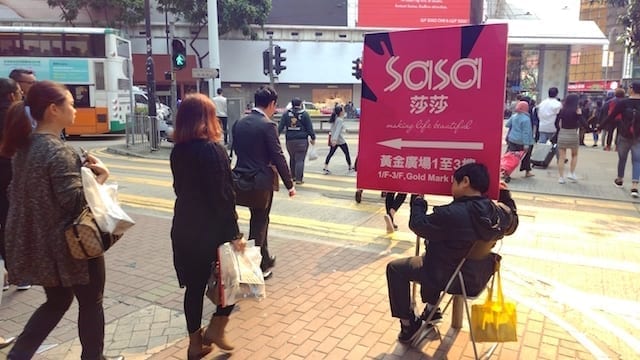
    Sa Sa International Holdings (0178), the cosmetics and skincare retailer, said yesterday retail and wholesale turnover for the first quarter ended June 30 increased by 24.8 percent over the same period the year to HK$2.11 billion.

    The retail and wholesale turnover in Hong Kong and Macau markets increased by 27.7 percent to HK$1.8 billion, while same-store sales increased by 25.3 percent.

    This was mainly driven by a 27.5 percent increase in the number of transactions from mainland tourists, which also led to a 14.5 percent growth in the volume of transactions.

    The average sales per transaction of local consumers and mainland tourists increased by 8.1 percent and 7 percent respectively, Sa Sa reported.

    Hong Kong’s retailers have forecast their turnover in the second half to grow by 10 percent year on year, JLL found in a recent survey.

    About 83 percent of the international and local retailers are planning to open new shops in the city over the next 12 months, a significant jump from 62 percent as recorded a year ago. JLL surveyed 40 retailers and retail landlords in June and found that more than 90 percent of the respondents stated their retail sales in the first half of 2018 fared better than those in the previous year.

    Retailers from almost all sectors are seeing strong and sustained growth in their sales which will lead to them investing more into the market, while the luxury sector is currently the biggest winner, led predominantly by the mainland tourists, said James Assersohn, director of Asia Pacific Retail at JLL.

    “However, we also see locals increase spending which provides a deeper and more sustainable growth trajectory for retail businesses here,” James added.

    Meanwhile, it is worth noting that changing consumption patterns and shopper profiles fueled by millennials and generation Z have also led to greater demand for mass and mid-market brands, serving as a significant boost to local spending, said the survey. It is expected that the rents of high street shops and prime shopping centers to grow in the range of 0 to 5 percent for the full year, said Terence Chan, Head of Retail at JLL in Hong Kong.

    For the local industrial and commercial property market, property agency Midland IC&I (0459) forecast 10,000 transactions will be recorded in 2018, rising by 8 to 10 percent year-on-year, which will set a new record high.

    The turnover for the year is expected to decline 0 to 5 percent mainly due to uncertainties including the trade war between China and the United States and fluctuations the local stock market.

    Midland IC&I forecasts that industrial and commercial properties will record a turnover of HK$130 billion and HK$160 billion respectively for the second half and the full year.

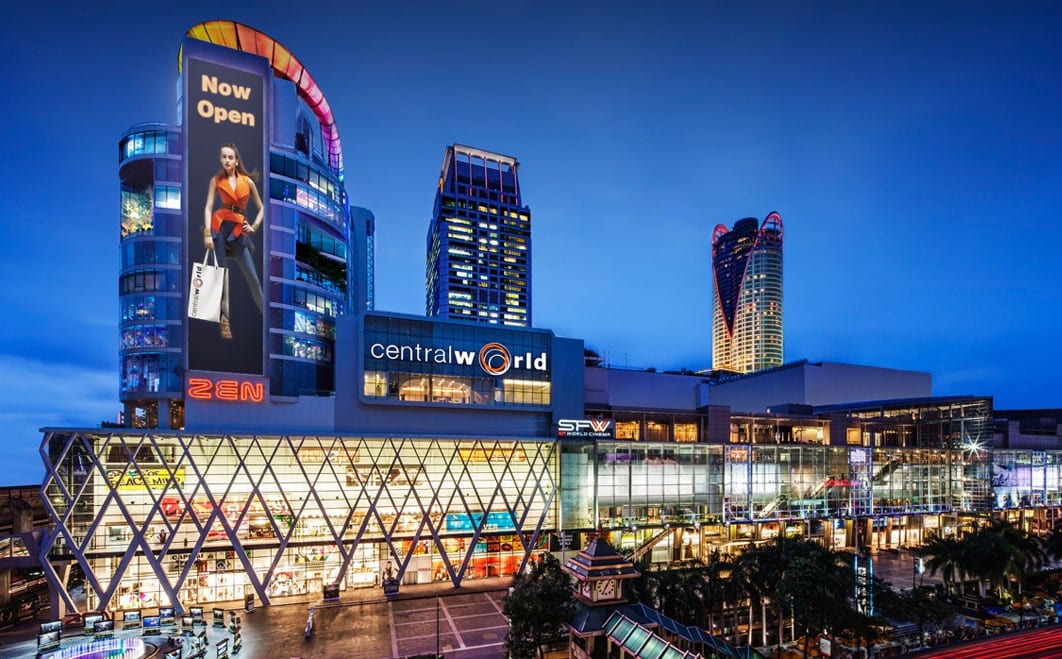
  • Singapore’s Putien to open in Taiwan

    Singapore’s Putien to open in Taiwan

    Singaporean restaurant chain Putien is to enter Taiwan by the end of this year.

    The expansion – in partnership with Taiwanese restaurant group Wowprime – follows Putien’s forays into Shanghai last June and Hong Kong last year.

    Putien has been serving traditional Fujian meals in Singapore for 15 years.

    Wowprime, a listed Taiwanese restaurateur, has already opened an Italian-influenced vegetarian restaurant at Raffles City in Singapore in partnership with Putien, called Sufood. Putien will be Wowprime’s first Chinese restaurant concept to launch in Taiwan – until now the company has been best known for running steakhouses and Japanese restaurants.

    Both companies say the Taiwanese menu will closely follow Putien’s successful Singapore concept and the restaurant will be pitched to the middle market.

    The two companies plan a chain of about 20 restaurants, opening them at a rate of about three annually.

    At home, Putien has 10 restaurants trading already with an 11th scheduled to open at Causeway Point later this year and a second Sufood at Wheelock Place.