Tag: asia

  • AirAsia X to end Mauritius flights in late 1Q17

    AirAsia X to end Mauritius flights in late 1Q17

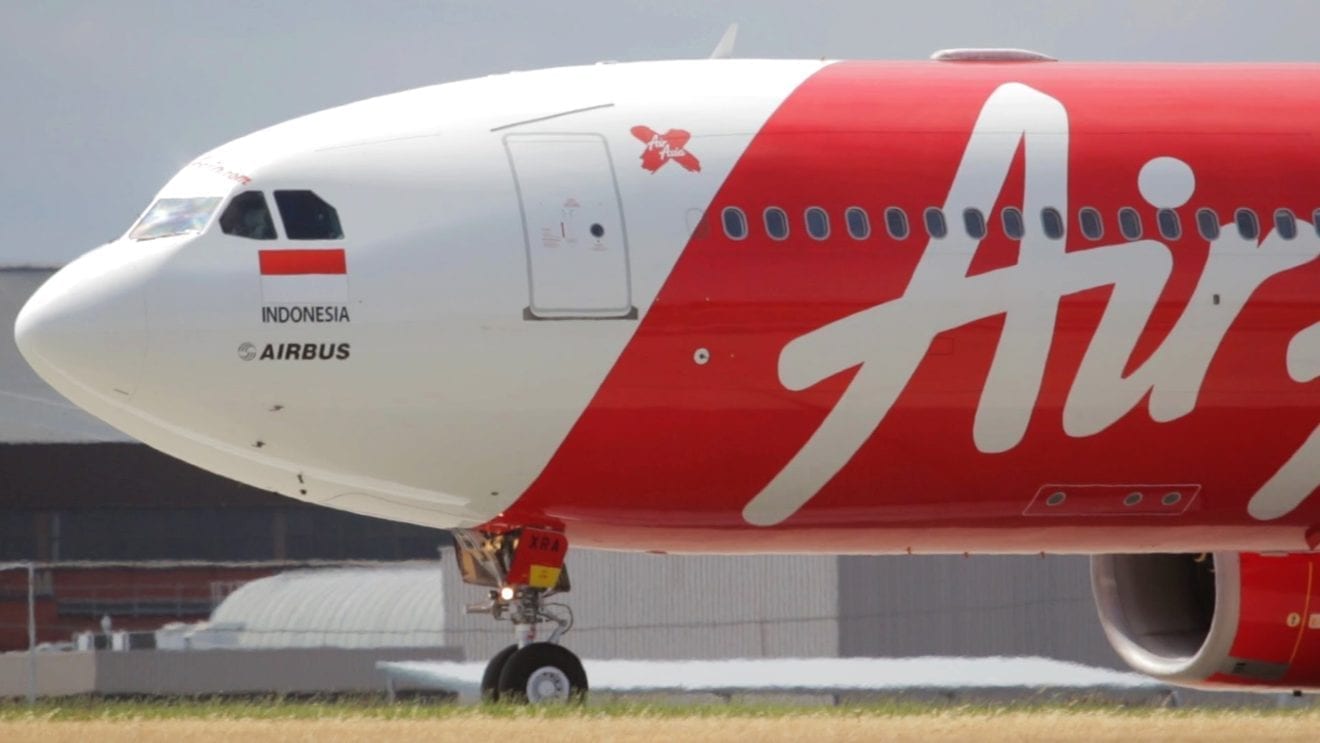
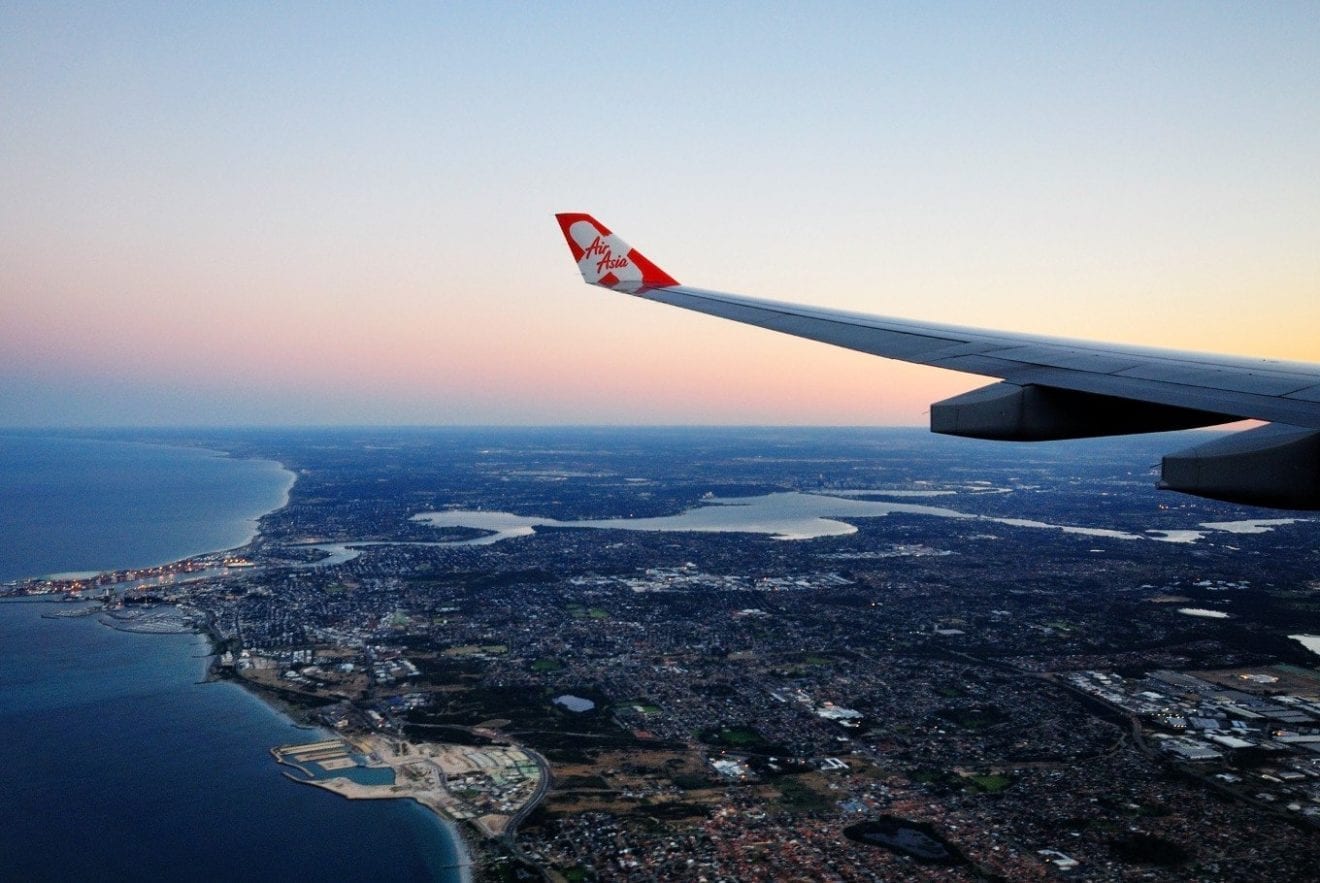
    AirAsia X (D7, Kuala Lumpur Int’l) has announced its withdrawal from the African market with effect from March 25 of this year.

    Arik De, Chief Head of Commercial for AirAsia (AK, Kuala Lumpur Int’l), told Panapress in a statement that the decision to end flights to Mauritius was based on the need to deploy capacity to its strongest markets.

    “The suspension of the Mauritius route is a part of the company’s big plan in network restructuring aimed at improving operational efficiencies in term of aircraft utilizations,” it said. “It is also to accelerate capacity growth in AirAsia X key markets of Australia, China, Taiwan, Japan and Korea.”

    AirAsia X began flights to the Indian Ocean island in October last year using A330-300 equipment. Insofar as competition to Kuala Lumpur Int’l is concerned, it came up against Air Mauritius (MK, Mauritius).

  • Rice exports surge to new record

    Rice exports surge to new record

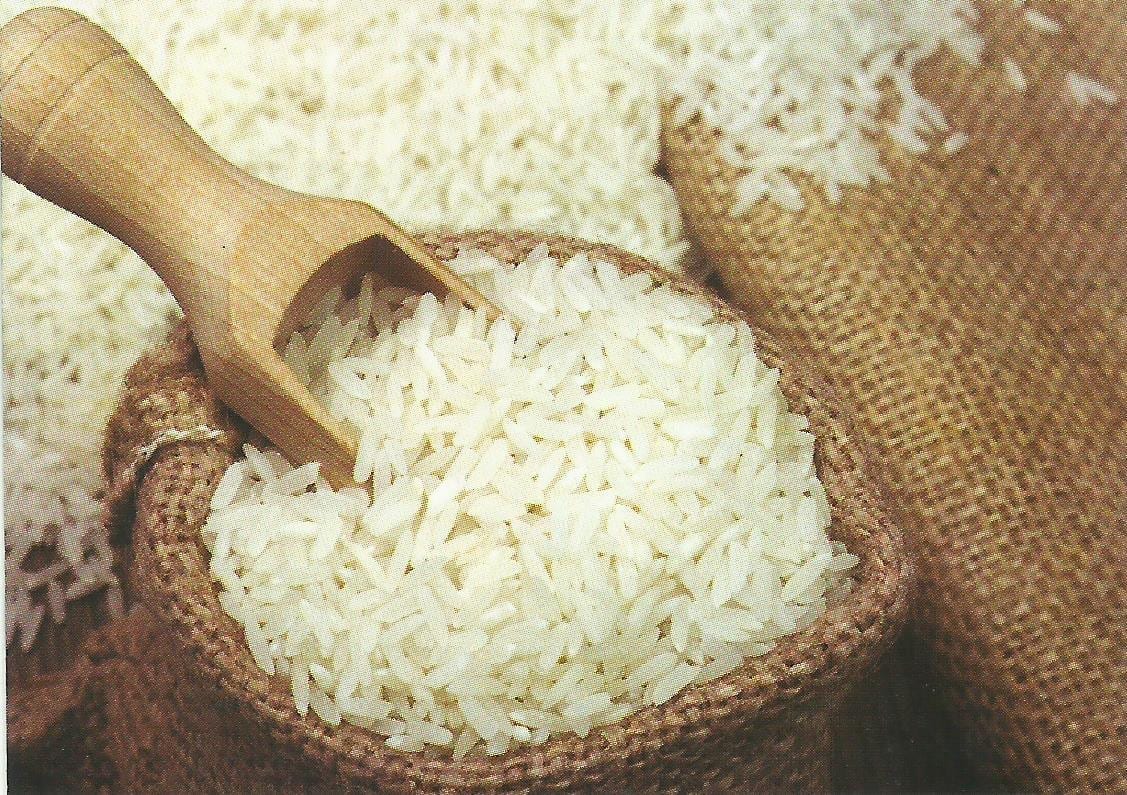
    According to the Ministry of Agriculture and Rural Development, Vietnam set a new record in rice export revenue in the first nine months of 2023 thanks to price increases.

    The ministry has reported that the country earned US$3.66 billion from exporting rice in the period, up 40.4% year-on-year.

    The result was attributed to the increasing price of Vietnamese export rice, and the decreasing rice supplies in many markets during the reviewed period, it said.

    Vietnam’s average price of exported rice in the first three quarters reached $553 per tonne, a 14% increase over the same period in the previous year.

    The Philippines was the largest buyer of Vietnamese rice products in the first eight months, accounting for 40.3% of the total rice export. China and Indonesia ranked second and third, accounting for 13.5% and 12.4%, respectively.

    According to Vice General Director of the Export-Import Department under the Ministry of Industry and Trade Tran Thanh Hai, the price of exported rice is expected to remain high until the end of this year due to the continued demand for rice imports in major consuming markets such as the Philippines, China, Indonesia, Malaysia, and Africa. This is coupled with the limited supply of rice from leading rice exporters like India and Pakistan.

    President of the Vietnam Food Association (VFA) Nguyen Ngoc Nam stressed that there is ample room for rice exports to grow, especially as the Philippines needs to import an additional 1.1 million tonnes, while Indonesia plans to buy 2.3 million tonnes by the end of the year.

    China’s demand for rice imports is also forecast to increase in the remaining months of the year, Nam said.

    Rice exporters are advised to have appropriate strategies to ensure the ability to meet exports.

  • Bali`s economy grew by 6.24 percent in 2016

    Bali`s economy grew by 6.24 percent in 2016

    Balis economy registered a growth of 6.24 percent in 2016, a 0.20 percent increase as compared to 6.04 percent recorded in the previous year.

    The increase was sustained by a high growth of nine percent registered in the health services and social activities sector.

    “This was followed by an 8.91 percent growth in the education sector as well as a rise of 6.04 percent in the information and communication sector,” Head of the Bali Bureau for Statistics Adi Nugroho stated in Denpasar, Bali, on Monday.

    He further noted that each of the three sectors contributed significantly to the islands economic growth.

    Meanwhile, the highest expenditure came from household expenses, recorded at 48.30 percent in 2016, indicating a 6.69 percent increase as compared to the previous year.

    Balis economy, calculated on the basis of the gross domestic product (GDP), had reached Rp195.38 trillion in 2016 based on the constant price of Rp137.19 trillion and regional GDP recorded at Rp46.52 million.

    Nugroho added that looking at the islands GDP economic structure based on the work fields, it is dominated by three main activities comprising food and beverage provision, at 22.82 percent; agriculture, forestry, and fishery, at 14.74 percent; and transportation and storage, at 9.48 percent.

    The bureaus head stated that Balis economic growth in the fourth quarter of 2016 was noted at 5.47 percent as compared to the same period in 2015 (year-on-year).

    Growth was recorded in almost all sectors except for electricity and gas provision, which experienced a decrease of 1.63 percent.

    The highest growth came from the information and communication sector, at 9.15 percent; followed by finance services, at 9.08 percent; and insurance services, at 8.92 percent.

    Balis economic structure in the fourth quarter of 2016 was still dominated by three sectors comprising accommodation and food services, with 22.52 percent; agriculture, forestry, and fishery, with 15.07 percent; and transportation and storage, with 9.25 percent.

    Compared to the same period in 2015, all three sectors indicated an increase of between three and six percent.

    The main growth contributors were agriculture, forestry, and fishery, with 2.92 percent, and construction, with 1.69 percent, Nugroho noted.

  • Feasibility report ready for Vietnam’s $58 billion high-speed railroad

    Feasibility report ready for Vietnam’s $58 billion high-speed railroad

    Vietnam’s north-south high-speed railway is expected to cost $58 billion, according to a feasibility report released at a meeting Tuesday.

    The 1,545-kilometer route from Hanoi to Ho Chi Minh City will have double standard-gauge tracks of 1.435-m width and 23 stations, according to a consultancy consortium comprising Vietnamese firms TEDI, TRICC and TEDIS.

    It will adopt the distributed traction technology used by Japanese high-speed trains.

    Sixty percent of the tracks will be on viaducts, 10 percent underground and 30 percent on the surface, completely protected by fencing and without a single crossing.

    Two sections – from Hanoi to the central city of Vinh and from the central city of Nha Trang to HCMC – will be built first in 2020-2030 at a cost of $24 billion, and commercial operations are likely to begin in 2032.

    All sections are expected to be completed and operational by 2040-2045. Transport time from Hanoi to HCMC will be eight hours, while the current train takes 24 hours.

    The speed of the trains on the route would determine the attractiveness of the project, the report said, explaining that if it runs at 200 kilometers an hour, it would only account for 2.7 percent of the transportation share on the Hanoi – Nha Trang section.

    But if it increases to 350 kilometers, the share could reach 14 percent and the railroad could compete with airlines, it said.

    The proposal is for trains to run at 160-200 km speed after the first section is complete, and 350 km when the entire project is finished.

    At the meeting, Deputy Minister of Transport Nguyen Ngoc Dong said this feasibility report would be considered by authorities before being scrutinized by a European consultancy.

    “The transport ministry will invite bids to select that consultancy.”

    Efficiency unclear

    Experts at the meeting said the consultants need to make the projects’ financials clear.

    It should be divided into smaller sections to improve efficiency instead of the three large sections proposed now, Dr Nguyen Ngoc Long, deputy chairman of the Vietnam Bridge and Road Association, said.

    “Whatever option is selected, the infrastructure must allow a speed of 350 kilometers an hour.”

    Vu Hoai Nam, head of the urban railway faculty at the National University of Civil Engineering, said the feasibility report does not have a risk analysis.

    “If there is no detailed analysis of the ability to recover the investment, clearance and exchange rate fluctuations, the risk will be high.”

    The railroad would impact the passenger shares of airlines, putting pressure on the economy, and that should be taken into account, he added.

    Revived

    The north-south high-speed railroad was recently revived after being rejected by the National Assembly in 2010 due to its $56-billion price tag, which was half of Vietnam’s GDP then.

    If approved by the government now, it will be submitted to the house again next year.

    Experts said it might be more favorably viewed by the NA as well as the public due to Vietnam’s better financial position and greater demand for advanced infrastructure.

    The existing 3,000-kilometer railroad network has not received any major investment since it was built 140 years ago, and does not have the capacity for high speeds.

    Investment in railways currently accounts for only one percent of the transportation sector’s total budget.

    The NA approved a plan earlier this month to upgrade it at a cost of $300 million.
  • AirAsia and Tinder match to hook fans up with Kpop concert

    AirAsia and Tinder match to hook fans up with Kpop concert

    AirAsia’s inflight magazine travel360.com has matched with social app Tinder to hook fans of Korean pop up to witness South Korean singer Seungri’s first solo concert on 5 August.

    The ticket giveaway contest for “SEUNGRI 2018 1st SOLO TOUR in SEOUL x BC CARD” will run on travel360.com’s Facebook page. It is open to fans in Malaysia, Thailand, Indonesia and Vietnam until 18 July and a winner from each country will be selected. The contest will also run in South Korea on Tinder until 20 July.

    Besides managing Seungri’s concert sponsorship, advertising, secret party and other activities, Tinder also plans to offer various brand experience to users and aims to raise brand awareness in the social app market in South Korea through various cultural events. Seungri is part of South Korean boy band Big Bang.

    “We are thrilled to partner with Tinder to offer an opportunity of a lifetime to fans in Malaysia, Thailand, Indonesia, and Vietnam to witness Seungri’s first solo concert. We are confident that Tinder and travel360.com are a great match and we look forward to more exciting collaborations in the near future,” AirAsia head of commercial, Spencer Lee, said.

    “Tinder runs the event with Korean star Seungri who has a powerful influence in Asean to take a step closer to users in the region. Tinder will maximise synergy through the partnership with AirAsia, a leading travel, social and lifestyle company,” country manager of Tinder Korea, Lyla Seo, said.

    In April this year, the airline also partnered with Tinder for its “Meet Malaysia” to encourage New Zealanders to visit the country. The campaign rolled out on digital, radio, social media and out-of-home platforms.

  • Ninja Van expands network in Vietnam

    Ninja Van expands network in Vietnam

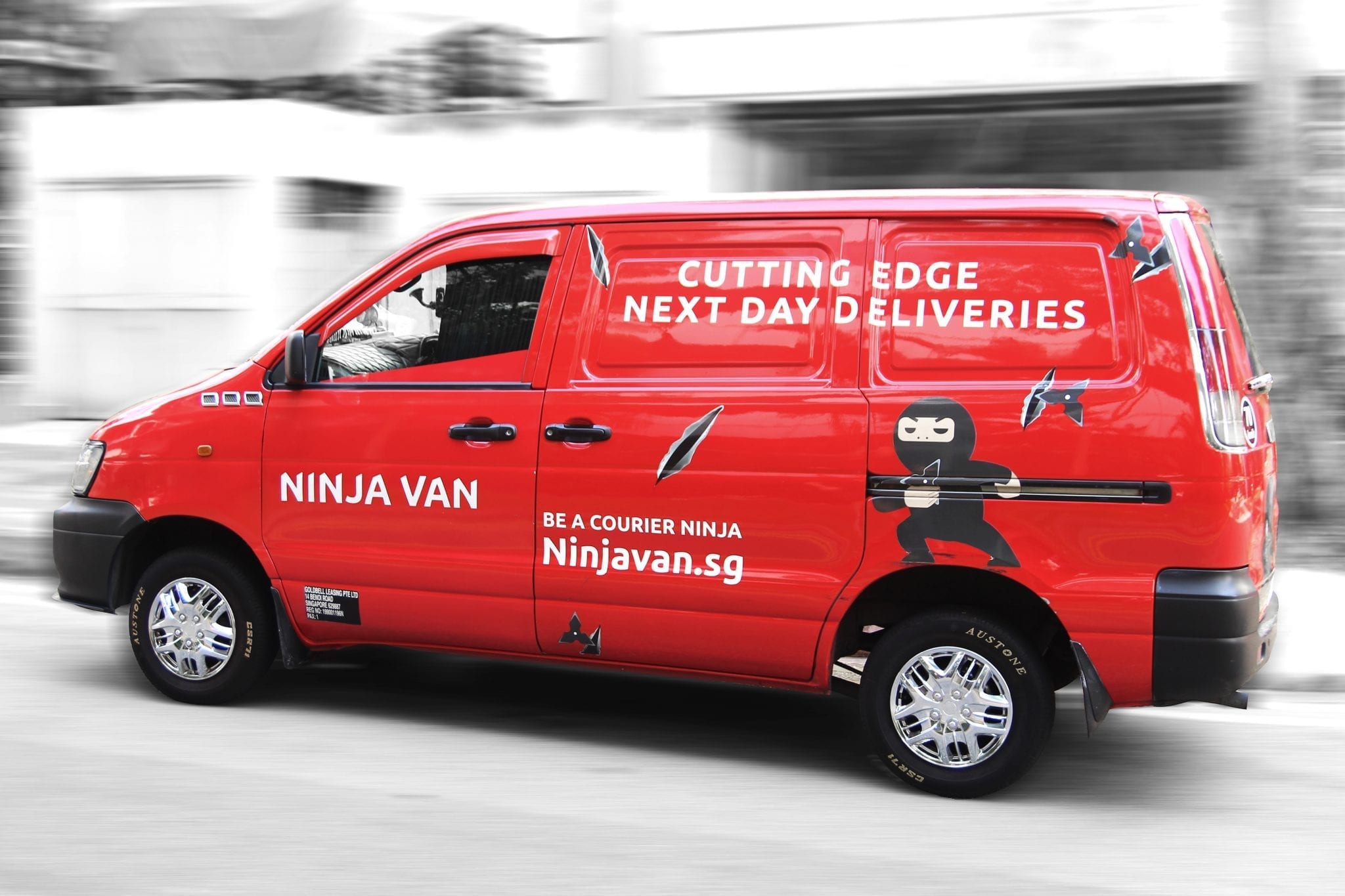
    Ninja Van has introduced PUDO (Pick-up Drop-off) franchising into Vietnam, providing local small-cap entrepreneurs a profitable opportunity.

    Ninja Van’s Agency Sales Network, the official name for Ninja Van Retail’s revolutionary PUDO business, is now expanding, with over 200 agents entering the network.

    To keep up with the changing pace of the e-commerce market, Ninja Van Vietnam, a fast-growing and leading e-logistics company in the market, is steadily becoming a favorite courier brand. Thanks to its well-built ecosystem, Ninja Van’s agency sales network with PUDO points is expanding its presence across the country, promoting quick and precise delivery to end-users and boosting the revenue of business partners.

    The company has been offering new businesses its agency sales network – PUDO point franchising – to reduce risks in the logistics market. Ninja Van’s agency sales network is an initiative to assist inexperienced partners in launching their first firm, maximizing their profits in the e-logistics market with minimum investment. With more than 200 PUDO points deployed by agents since 2020, the network has grown faster than expected thanks to its appealing policy and high return on investment rate.

    Partners with a small amount of capital for a new business can open a well-prepared branded agent for as little as VND25 million.

    Ninja Van Retail’s team will take all the responsibility for store renovation and support partners from all provinces despite geographical barriers to innovate logistics improvements.Ninja Van Retail provides new partners with important assistance in deploying their first business in e-logistics with standardized operation, relevant to PUDO management and profitable services. One of the most significant features of Ninja Van’s agency sales network is that the PUDO partners will be one of the important links in Ninja Van Retail’s complex technical network and excellent customer services nationwide.

    The team will provide operation training to agency sales network partners, and the PUDO agent will be looked after by Ninja Van’s personnel directly to ensure quality services across the network are synchronized. On the other hand, the team assists PUDO agents in evaluating operation quality on a quarterly basis in order to maximize business effectiveness. Ninja Van’s agency retail network promotes manual threading, reducing agent labor while providing a stable income for partners.

    The investment in Ninja Van franchising is refundable. Ninja Retail’s partners can decrease their financial risk because the franchiser will not impose fines or business pressure on its agents.

    Compared to the previous period in 2021, the scale of e-commerce in Vietnam has increased by 53 percent despite Covid-19, and nearly 60 percent of Vietnamese consumers continue to shop online since social distancing.

    According to VECOM, e-commerce business in Vietnam might be worth $52 billion in 2025. The results confirm the potential of e-commerce in the near future, and PUDO points are expected to be its spine to continue the momentum by 2025.

    One can become a Ninja Van Retail partner by registering here. The joining fee is refundable. Ninja Van Retail will reward agents for expanding with more profitable costs and discounts; agents who refer others will receive VND5 million in cash and a 5 percent commission on income in two months.

  • Supply Chain Resilience in an Era of Change and Uncertainty

    Supply Chain Resilience in an Era of Change and Uncertainty

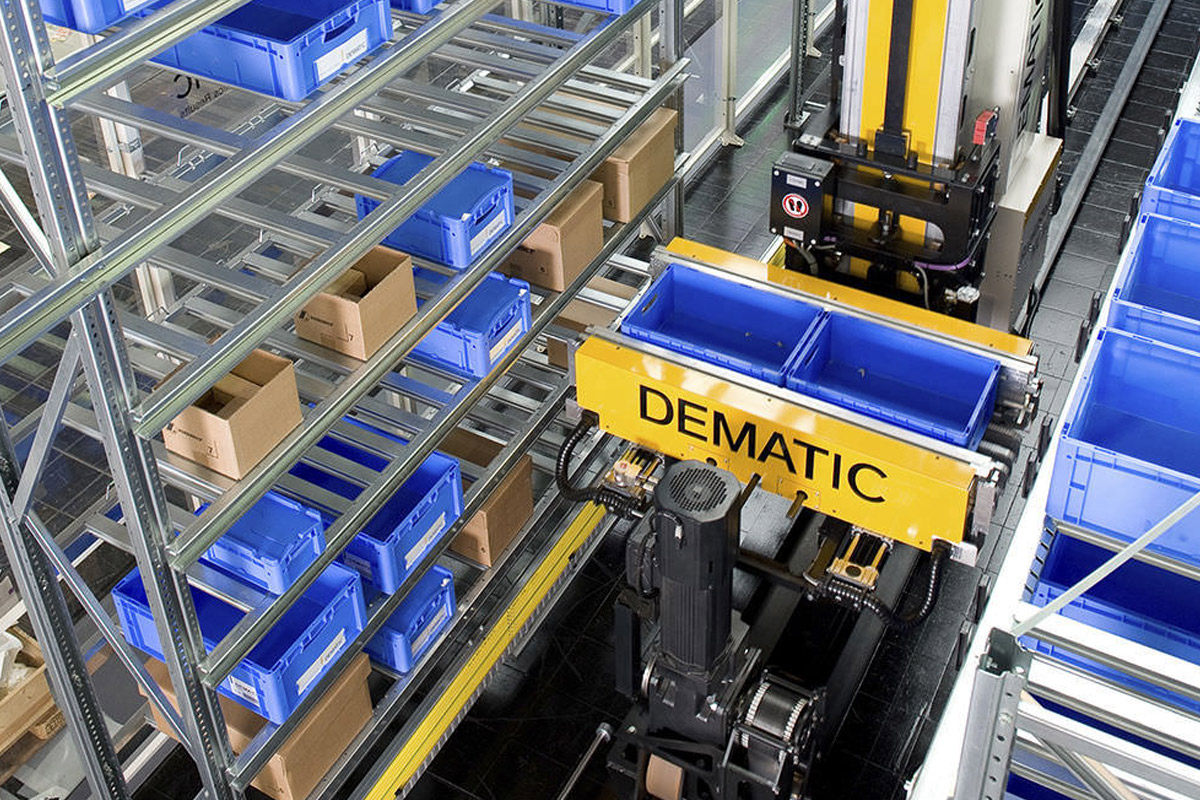
    Automation solutions provider Dematic has been running a series of Virtual Showcases all around the world. From 20th August till 10th September, Dematic will bring the series to Asia, with four online sessions focusing on grocery, food & beverage, e-commerce, and industry & spare parts in Asia.

    The theme of the Virtual Showcase Series is Supply Chain Resilience in an Era of Change and Uncertainty.  Supply chain resilience and agility are being elevated to the top of the agenda in these increasingly uncertain times where rapid change is the norm rather than the exception. Companies across Asia are recognizing that optimized supply chains deliver companies the edge in terms of superior customer service levels, reduced costs, increased margins and profitability, and are critical for business continuity  ̶  especially in times of crisis.

    The Dematic Virtual Showcase is the digital way to keep track of the key challenges and opportunities facing supply chains and see how leading companies are implementing innovative automation to capitalise on these in an increasingly hyper-competitive world.

    To find out more and to register your place, visit: https://www.dematic.com/en-au/news-and-events/events/virtualshowcase/.


  • Jollibee Becomes Brunei’s No.1 Fastfood Chain

    Jollibee Becomes Brunei’s No.1 Fastfood Chain

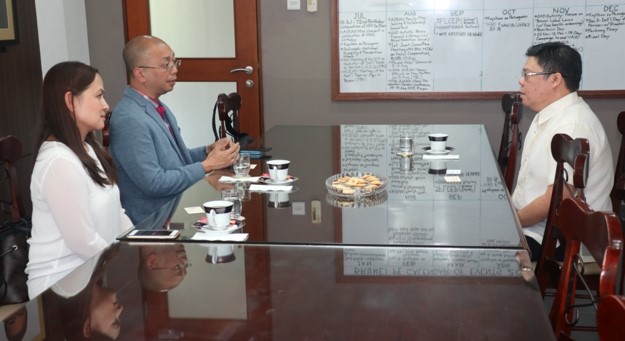
    Chargé d’ Affaires, a.i Pete Raymond V. Delfin of the Philippine Embassy in Brunei Darussalam met with Jollibee Foods Corporation Assistant Vice President Rodel F. Alcantara, and Jollibee Country Head Christina R. Ward at the Embassy on 10 August 2018.

    Mr. Alcantara and Ms. Ward paid a courtesy call on Chargé d’ Affaires Delfin to share information on the recent activities being undertaken by Jollibee Brunei.

    The two executives discussed the positive business experiences of Jollibee in the country, having become the no. 1 fastfood chain in Brunei. Mr. Alcantara also said Jollibee’s operation in Brunei is currently the strongest among its international operations.

    Chargé d’ Affaires, a.i. Pete Raymond V. Delfin, during his meeting with Jollibee Foods Corporation Assistant Vice President and Market Head Rodel F. Alcantara, and Jollibee County Head Christina R. Ward at the Philippine Embassy in Brunei Darussalam on 10 August 2018.

    Mr. Alcantara delivered an invitation for Embassy officials to grace the opening of the 17th Jollibee store in Brunei in October 2018.

  • Vietnam gold bar price increases despite global dip

    Vietnam gold bar price increases despite global dip

    Vietnam gold bar price rose 0.59% to VND85 million (US$3,421.22) per tael Monday morning while global rates inched down.

    Gold ring price held firm at VND83 million per tael. A tael equals 37.5 grams or 1.2 ounces.

    Globally, gold prices eased on Monday, weighed down by a firmer U.S. dollar, while investors looked out for fresh clues on Federal Reserve interest rate cuts.Spot gold fell 0.2% to $2,651.99 per ounce after rising 1% in the previous session. U.S. gold futures lost 0.3% to $2,669.20.

    “The continued momentum of the U.S. currency on reigned-in rate cutting expectations has created an obstacle for the gold price,” said Tim Waterer, chief market analyst at KCM Trade.

    Data on Friday showed unchanged U.S. producer prices last month.

    The zero-yielding bullion is preferred in a low-interest rate environment as well as amid periods of economic and geopolitical turmoil.

  • Grab, Vinasun to negotiate $1.8 million compensation dispute

    Grab, Vinasun to negotiate $1.8 million compensation dispute

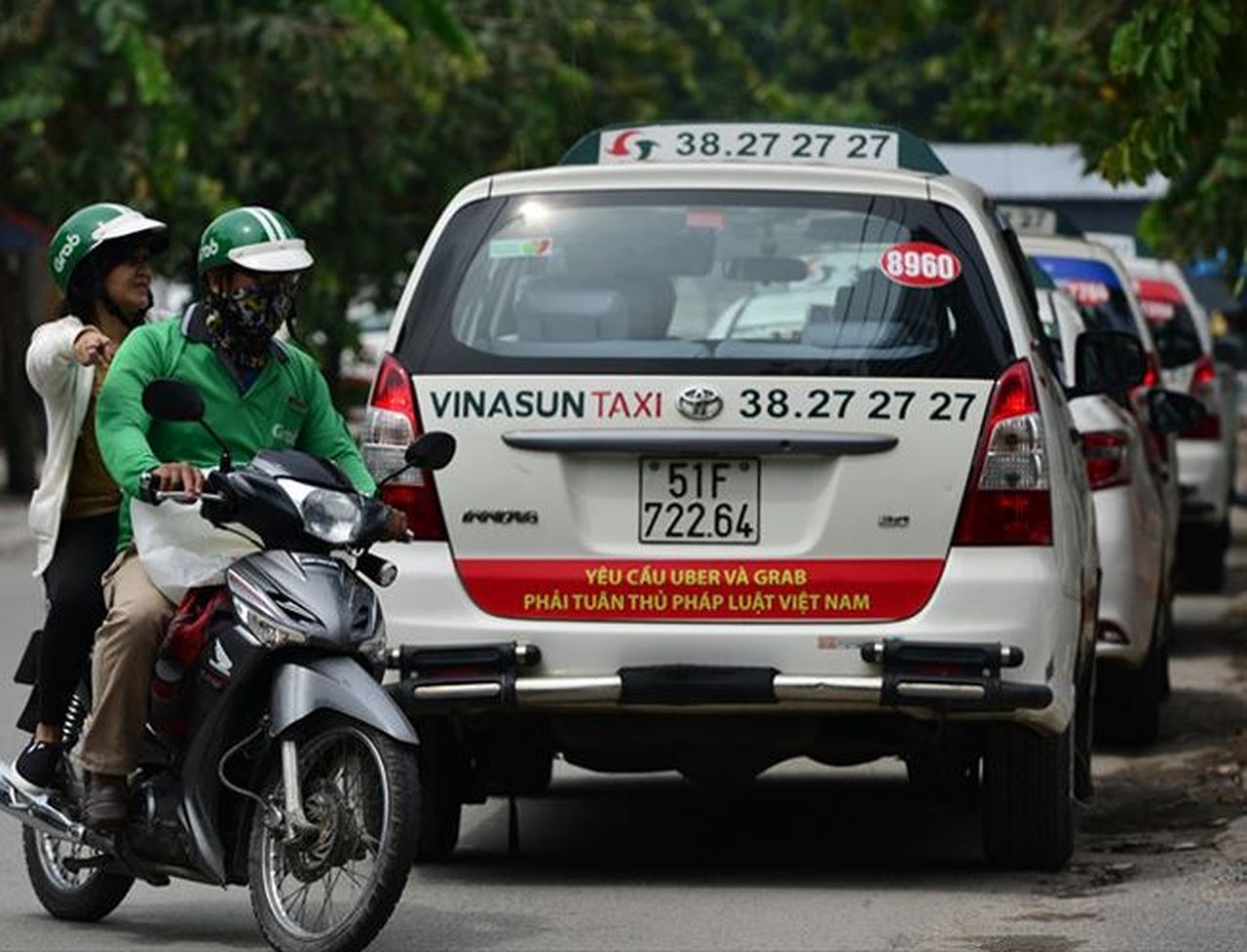
    Top taxi firm Vinasun and ride hailing firm Grab have told the court that they’ll negotiate a compensation dispute. The People’s Court of Ho Chi Minh City on Friday approved the litigants’ wish to ‘sit together,’ and temporarily suspended the trial. The suspension of trial is for no longer than a month, and the reopening date will be announced later, the court said.

    “The lawsuit has dragged on for over a year, but the claimant was not able to prove the damage, as well as the causal relationship with Grab’s influence. The defendant is also very worn out wasting time defending a wrong it did not commit,” said Luu Tien Dung, Grab’s lawyer.

    “This is one of the reasons why both sides have decided to negotiate,” he added.

    Vinasun filed the suit against Grab in June last year, accusing the Malaysia-based firm of abusing the Ministry of Transport’s pilot scheme and committing violations.

    It said Grab’s illegal activities were responsible for nearly VND42 billion (nearly $1.8 million) of the VND76 billion ($3.25 million) in losses that it suffered in 2016 and the first half of 2017.

    The trial began last February, but was adjourned a month later to allow for more evidence to be gathered. Grab protested the valuation of Vinasun’s losses.

    Last October, prosecutors asked the court to accept Vinasun’s petition for compensation of nearly VND42 billion (nearly $1.8 million) in one payment, dismissing Grab’s claim that it was a tech firm and not a taxi company.

    Grab responded by sending a letter to Prime Minister Nguyen Xuan Phuc, saying that identifying Grab as a taxi firm would be “a step backwards from Industry 4.0.”

    Under the latest draft of a decree prepared by the Transport Ministry, transport firms offering services with under 9-seater cars should be registered as taxi firms before they can apply ride-hailing technologies.

    This means that Grab and other ride-hailing firms would have to register their services again as taxi businesses and comply with corresponding legal responsibilities regarding their operating licenses, drivers’ profiles and tax duties.

  • Malaysia to Trim Fuel Subsidies as Prices Remain Southeast Asia’s Most Affordable

    Malaysia to Trim Fuel Subsidies as Prices Remain Southeast Asia’s Most Affordable

    Malaysia is taking a significant step toward fuel subsidy rationalization, with the government aiming to optimize resources for the benefit of lower-income groups. Prime Minister Anwar Ibrahim affirmed this decision on Monday, clarifying that it is designed to protect the majority of Malaysians while targeting affluent individuals and foreigners who account for a striking 40% of total subsidy usage.

    Subsidy Cuts Target Affluent Consumers

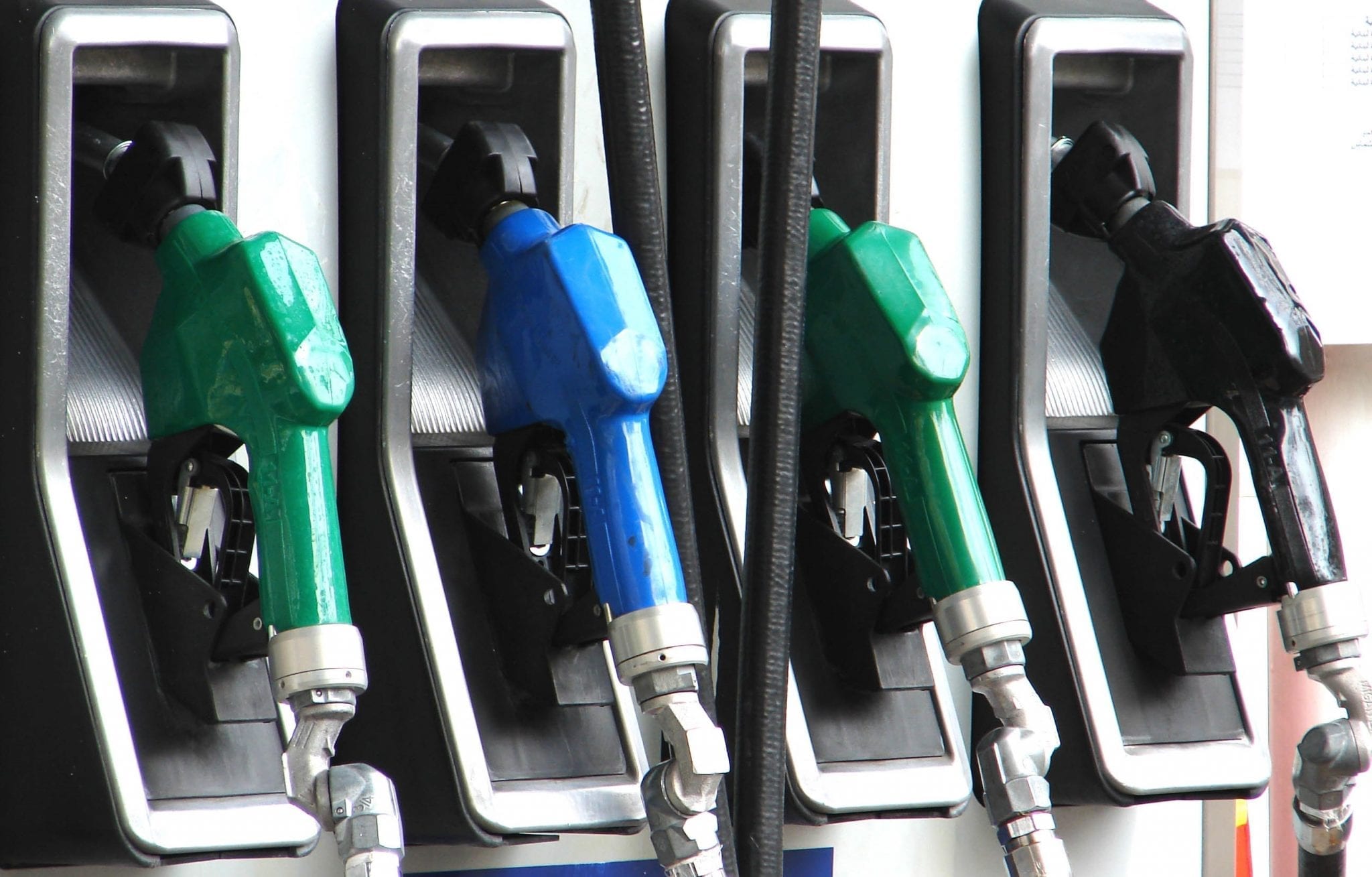
    With current fuel prices at an astonishingly low 2.05 ringgit (approximately 50 US cents) per liter for RON95 gasoline, Malaysia boasts some of the most affordable fuel in Southeast Asia—thanks to longstanding government support. However, concerns are bubbling up as the public fears that upcoming subsidy cuts, potentially coming as early as July, could ignite inflation, particularly in a nation where the number of vehicles rivals its population.

    Tax Expansion and Economic Pressure

    This fuel subsidy shift coincides with the government’s plan to widen the Sales and Service Tax (SST) starting July 1, which is expected to strain household budgets further. A new 5% to 10% sales tax will apply to non-essential items like king crab and luxury racing bikes, although essential goods will remain tax-exempt. The SST’s expansion into more sectors, from rentals to private healthcare, has raised alarms among retailers, who are already grappling with rising operating costs.

    Stan Singh, a council member of the Malaysia Retail Chain Association, expressed the challenge faced by businesses: “We can no longer absorb these increasing costs. Eventually, consumers will feel the pinch.” Coupled with a rising minimum wage and new contract-related charges, the pressure to pass costs onto consumers seems inevitable.

    Inflation Forecast and Economic Indicators

    While the economic landscape appears rocky, economists suggest that the broader scope of the SST might not heavily impact average consumers. Analysts from CGS International Research predict a temporary price increase, with inflation expected to rise to 2.2% year-on-year in July before peaking at about 2.4% in September. Despite these projections, the research firm has maintained its full-year Consumer Price Index (CPI) forecast at 2%, attributing stability to subdued global commodity prices, especially oil and palm oil.

    Over time, blanket fuel subsidies have aided Malaysians in managing the cost of living. Still, they have also resulted in overconsumption and smuggling, often favoring wealthier groups. Dr. Mohamad Idham Md Razak, a coordinator at Universiti Teknologi Mara’s Malaysian Academy of SME and Entrepreneurship Development, advocates for this targeted subsidy approach. He believes it improves fiscal efficiency and ensures that those most affected by rising prices receive the necessary support, confusing the issue of cross-border arbitrage.

    In a nutshell, it’s a bold move as Malaysia navigates the fine line between supporting its citizens and managing fiscal responsibility. Let’s just hope the country’s wallet doesn’t feel too light along the way!

    Questions & Answers

    What is the main goal of the fuel subsidy rationalization in Malaysia? The primary goal is to ensure that government resources are targeted toward benefiting lower-income groups while reducing the burden of subsidies on the nation’s budget.

    When are the upcoming subsidy cuts expected to take effect? The cuts may come as early as July, coinciding with the expansion of the Sales and Service Tax (SST).

    How will the expanded SST impact consumers? While the SST aims to generate additional revenue, it may lead to price increases for non-essential items, though essential goods will remain tax-exempt, helping to mitigate the impact on average consumers.

  • Surprising Leader: Southeast Asia’s Smallest Nation Outshines 500 Major Companies in Revenue Rankings!

    Surprising Leader: Southeast Asia’s Smallest Nation Outshines 500 Major Companies in Revenue Rankings!

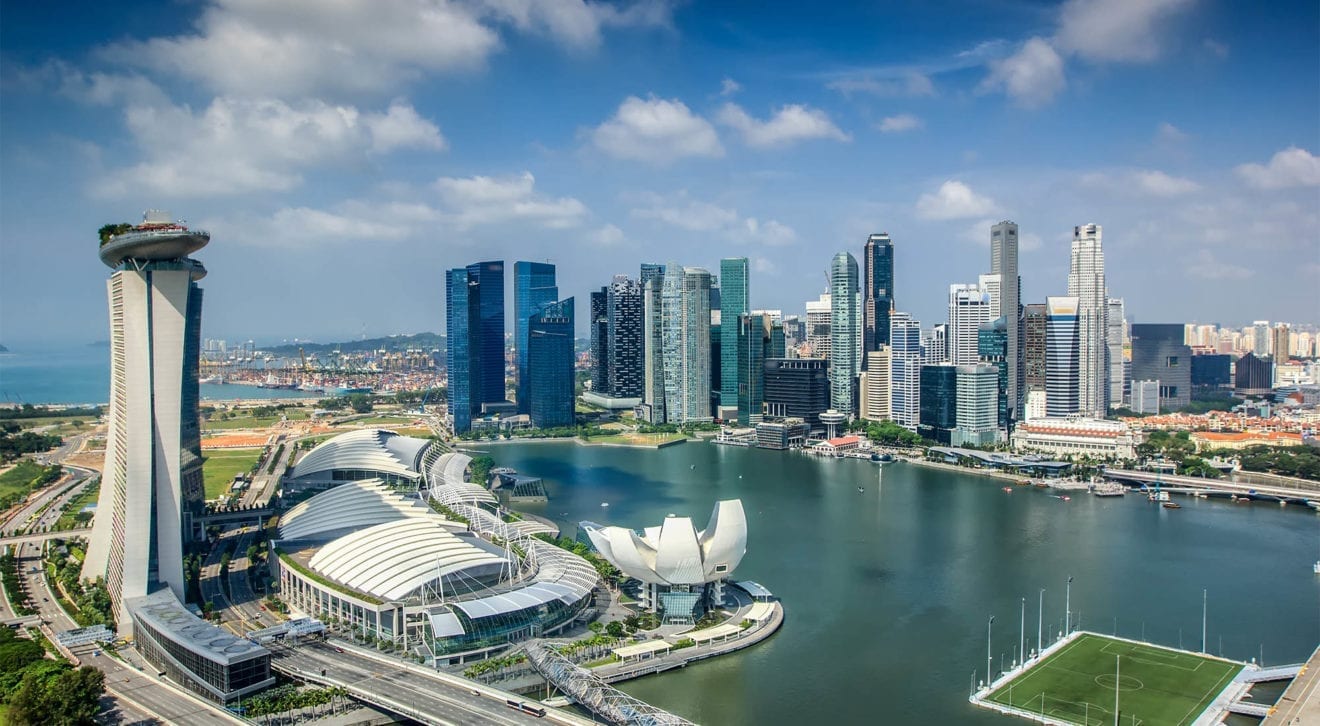
    While the city-state claimed the fourth spot in the rankings, Singapore’s 81 companies amassed an impressive US$637 billion in revenue last year, according to a recent report by a prominent U.S. business magazine. This staggering sum represents a third of the total revenue of $1.8 trillion collected by all firms listed and is nearly double that of Thailand, which came in second with revenues of $352 billion.

    Leading the Charge

    At the helm of this economic powerhouse is Trafigura Group, Southeast Asia’s largest company, specializing in commodities such as oil, gas, metals, and minerals. For the second consecutive year, Trafigura secured the top position with a remarkable revenue of $243.2 billion, nearly quadrupling the revenue of Singapore’s second-largest firm, agribusiness giant Wilmar.

    Profitable Banks Shine

    Despite not holding the highest revenue figures, three major Singaporean banks—DBS, OCBC, and UOB—emerged as the most profitable firms in the region, as reported by Singapore Business Review. It’s a fascinating twist that highlights profitability can sometimes outshine sheer revenue.

    An Evolving Landscape

    The Southeast Asia 500, now in its second year following its launch in 2024, spotlights a diverse array of businesses from Cambodia, Indonesia, Malaysia, the Philippines, Singapore, Thailand, and Vietnam. The total revenue generated by this year’s top 500 firms saw a modest increase of 1.7%, trailing the more robust 4.1% GDP growth witnessed across the economies represented in the ranking.

    Clay Chandler, Executive Editor for Asia at Fortune, noted the magazine’s increasing interest in the region. He explained that Southeast Asia is becoming a pivotal engine for global growth. “The region has become a crucial manufacturing and export hub, which is drawing significant capital flows,” he stated, adding that Trump-era tariffs have reshaped global trade dynamics and spurred a pivot towards Southeast Asia.

    Singapore’s strategic positioning as a regional hub enhances its appeal for businesses looking to expand into neighboring markets like Malaysia and Indonesia. Amidst this dynamic backdrop, it’s clear that the Lion City continues to roar as a key player in the Asian economy.

    Questions & Answers

    Which company topped the revenue rankings in Singapore?
    Trafigura Group led the charge, generating an impressive $243.2 billion in revenue.

    How do Singapore’s banks compare in terms of profitability?
    Despite not having the highest revenue, DBS, OCBC, and UOB were noted as the most profitable companies in the region.

    What is the significance of the Southeast Asia 500 ranking?
    This ranking highlights the growing importance of Southeast Asia as a critical manufacturing and export hub and showcases a mix of various types of businesses from across the region.

  • Lawson Sets Ambitious Growth Plans for China and Southeast Asia Expansion

    Lawson Sets Ambitious Growth Plans for China and Southeast Asia Expansion

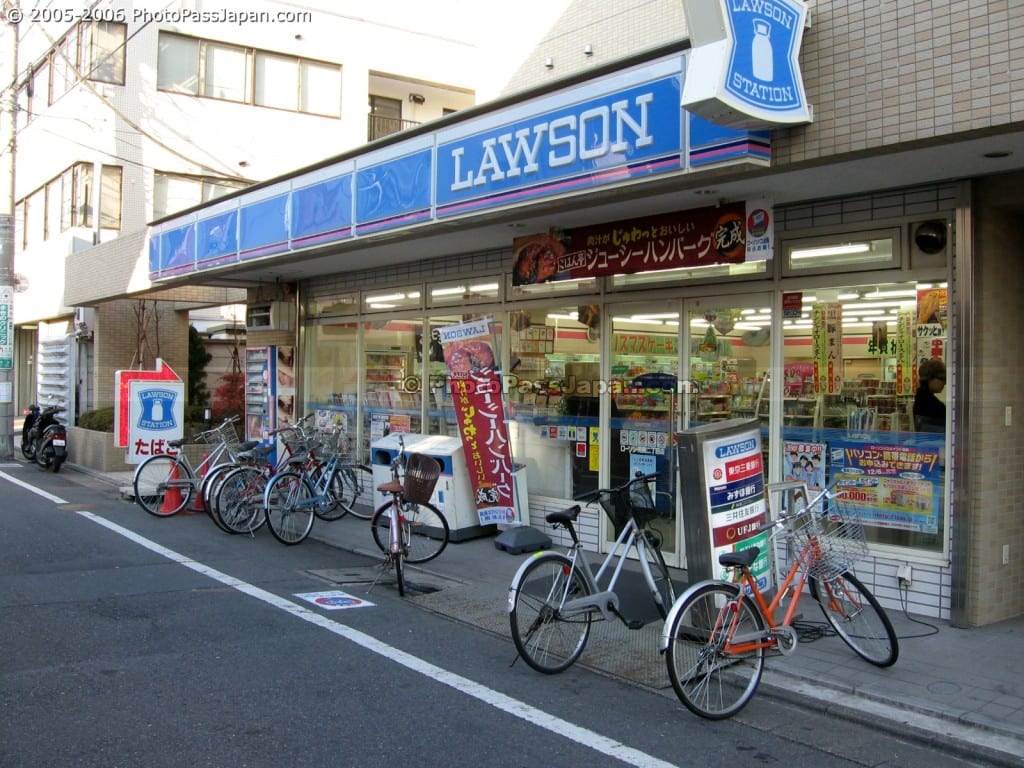
    Lawson, the prominent Japanese convenience store chain, is gearing up for an ambitious expansion, unveiling plans to launch over 5,000 new stores across China in the next six years. This initiative marks an impressive 80% growth as Lawson intensifies its efforts to extend its footprint beyond Japan and into the broader Asian market.

    As Lawson celebrates its 50th anniversary this Saturday, it has set an ambitious goal of increasing its Chinese store count to 12,000 by the fiscal year ending February 2031. This expansion is critical for achieving its previously reported target of doubling its total overseas store count to around 14,000 shops over the next six years—an endeavor that aims to bring its international presence nearly in line with that of its home market.

    With each new store opening, Lawson isn’t just selling snacks and drinks; it’s crafting a shared experience, one that aims to blend convenience with community.

    Questions & Answers

    What does Lawson’s expansion plan entail?
    Lawson plans to open over 5,000 new outlets in China over the next six years, aiming for a total of 12,000 stores.

    Why is this expansion significant for Lawson?
    This growth will help Lawson double its overseas store count to approximately 14,000, aligning its international presence with its home market in Japan.

    What milestone is Lawson celebrating this week?
    Lawson is marking its 50th anniversary this Saturday, coinciding with its ambitious growth strategy.

  • Tealive Debuts in FMCG with Exciting New 3-in-1 Sachet Range!

    Tealive Debuts in FMCG with Exciting New 3-in-1 Sachet Range!

    As the retail landscape continues to evolve, companies are finding innovative ways to engage with consumers in a digital-first world. Asia stands at the forefront of this transformation, where brick-and-mortar stores and digital platforms increasingly collide. The spotlight is now on how businesses can craft strategies that resonate with a tech-savvy audience while staying grounded in traditional retail practices.

    Innovative Advertising Solutions

    The modern marketplace demands creativity and adaptability. Whether through eye-catching campaigns in print or dynamic digital advertisements, there are myriad opportunities for brands to connect with their target audience. Retailers that harness the power of strategic advertising can not only amplify their visibility but also fortify their brand identity.

    Dynamic Event Opportunities

    In an age where authentic engagement is key, hosting live or digital events can provide a stellar platform for brands to interact with customers. These gatherings can spotlight thought leaders, industry pioneers, and potential partners, making them invaluable networking opportunities. Moreover, retailers can elevate their corporate profiles through awards programs that recognize excellence and innovation. After all, who doesn’t love a good pat on the back?

    Building Meaningful Partnerships

    In the cut-throat world of retail, collaboration is essential for success. Partnering with industry experts and influencers can enhance visibility and trust within the marketplace. Letting seasoned professionals help shape your offerings can prove transformative, ensuring your business thrives in the competitive retail ecosystem.

    As we navigate these trends, one thing’s for sure: the fusion of creativity and commerce is here to stay! Who knew retail could be so thrilling?

    Questions & Answers

    What are some effective ways to advertise in the digital age?
    Effective advertising in the digital age involves combining attention-grabbing visuals with engaging content across social media and online platforms, alongside traditional print campaigns.

    How can events enhance a brand’s presence?
    Events create personal connections, foster networking, and allow brands to showcase their products or services directly to customers, effectively boosting brand loyalty.

    Why is partnership essential in today’s retail landscape?
    Partnerships can bring valuable expertise and resources, help enhance credibility, and provide new avenues for reaching customers, which is crucial for navigating a competitive market.

  • Construction of $52 million solar power plant starts in central Vietnam

    Construction of $52 million solar power plant starts in central Vietnam

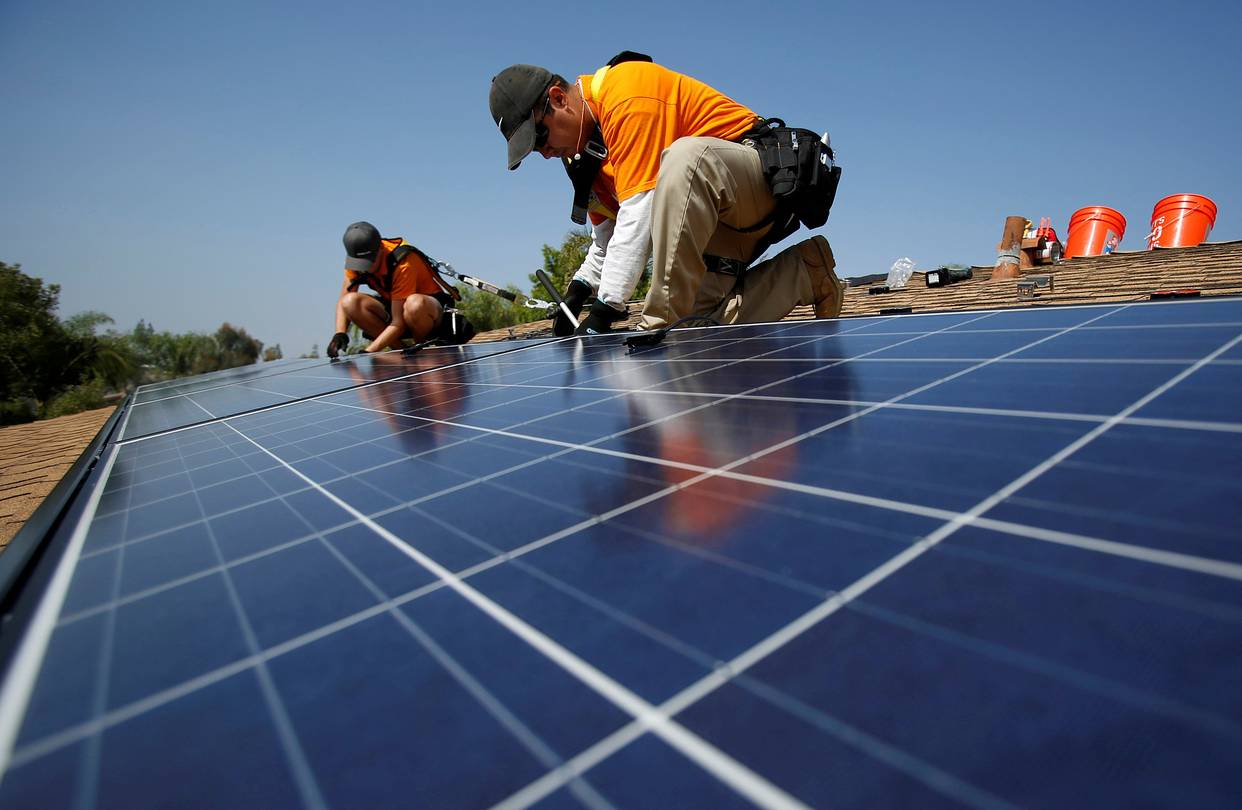
    Work has begun on a $52 million solar power plant in the south central province of Ninh Thuan.

    Project representatives said that of the total investment of VND1.2 trillion ($52.2 million), VND900 billion ($39.1 million) will go towards equipment costs; and the rest for land clearance and construction.

    “The Phuoc Huu solar plant project will supply clean energy to the national electricity system and cater to power demand in the whole country in general and Ninh Thuan Province in particular,” said a representative of Nha Trang Bay Investment and Construction JSC, the project investor.

    In the first year of operation, the power plant is expected to generate about 104.1 million kWh.

    “The construction of Phuoc Huu solar power plant aligns with directions from the government, the Ministry of Industry and Trade and the Vietnam Electricity’s orientation to develop clean energy,” the representative said.

    Vietnam currently relies largely on hydropower and thermal power plants for its electricity demands, but these projects have drawn frequent domestic and international criticism for their social and environmental impacts.

    Solar power currently accounts for just 0.01 percent of the country’s total power output, but the government plans to increase the ratio to 3.3 percent by 2030 and 20 percent by 2050.

    Vietnam aims to produce 10.7 percent of its electricity from renewable energy sources by 2030, mainly through solar and wind power projects.