Tag: asia

  • Delivery Worker Faces $20 Fine for Exposing Counterfeit Watch to Recipient

    Delivery Worker Faces $20 Fine for Exposing Counterfeit Watch to Recipient

    On a day like any other, a delivery driver found himself in a dilemma that would leave him counting his losses. Tasked with delivering a watch touted as a Japanese brand, he couldn’t shake the feeling that something was off. Sensing it was a counterfeit, he made the decision to alert the customer. But instead of gratitude, he was met with ire. The customer reported him to the seller, who promptly escalated the matter to his employer. The fallout? A fine of VND500,000 (approximately $20), alongside a deduction of two days’ wages and a cut to his monthly bonus.

    Back to the Scene

    Just days later, fate had a peculiar sense of humor as he was assigned to deliver another package to the same customer. This time, she recognized him and unleashed her frustration over the counterfeit watch. An exasperated question hung in the air: if she bought the watch on Facebook, how could he possibly return it? This incident has sparked conversations around the contentious issue of counterfeit goods, as others have shared similar stories of when delivery workers took it upon themselves to caution customers about the authenticity of their purchases.

    Voices From the Delivery Front

    The debate has captivated readers, with one delivery worker, who has been in the job for five years, commenting, “When I spot a counterfeit, I always inform the customer and urge them not to accept it. But some insist on taking it, only to later call me asking if they can return the item.” The helplessness is palpable when the line between professionalism and integrity blurs. Another reader pointed out that fake goods are rampant on online platforms. Some buyers, fully aware of the dubious nature of these items, still succumb to their temptations, while others might be none the wiser, simply drawn in by low prices.

    Concern over counterfeit goods is on the rise, with many advocates calling for stricter regulations. “I would rather invest in a lesser-known genuine brand than buy an obviously fake item,” shared one concerned reader. “If I can’t swing a brand-new watch, a second-hand authentic piece will do just fine.”

    Questions & Answers

    What sparked the initial incident involving the delivery driver?

    The driver, sensing that the watch he was delivering was a counterfeit, warned the customer, but this led to his penalization after she complained.

    How did the customer react to the driver’s warning?

    Instead of being grateful, the customer was upset and reported the driver to the seller, leading to heavy penalties for him.

    What are other delivery workers saying about counterfeit items?

    Many delivery workers echo the same experience, stating they often inform customers about counterfeit goods, only to face backlash or discover the customers still choose to accept them.

  • Jetstar Asia to Close, Impacting 500 Jobs in the Singapore Airline Industry

    Jetstar Asia to Close, Impacting 500 Jobs in the Singapore Airline Industry

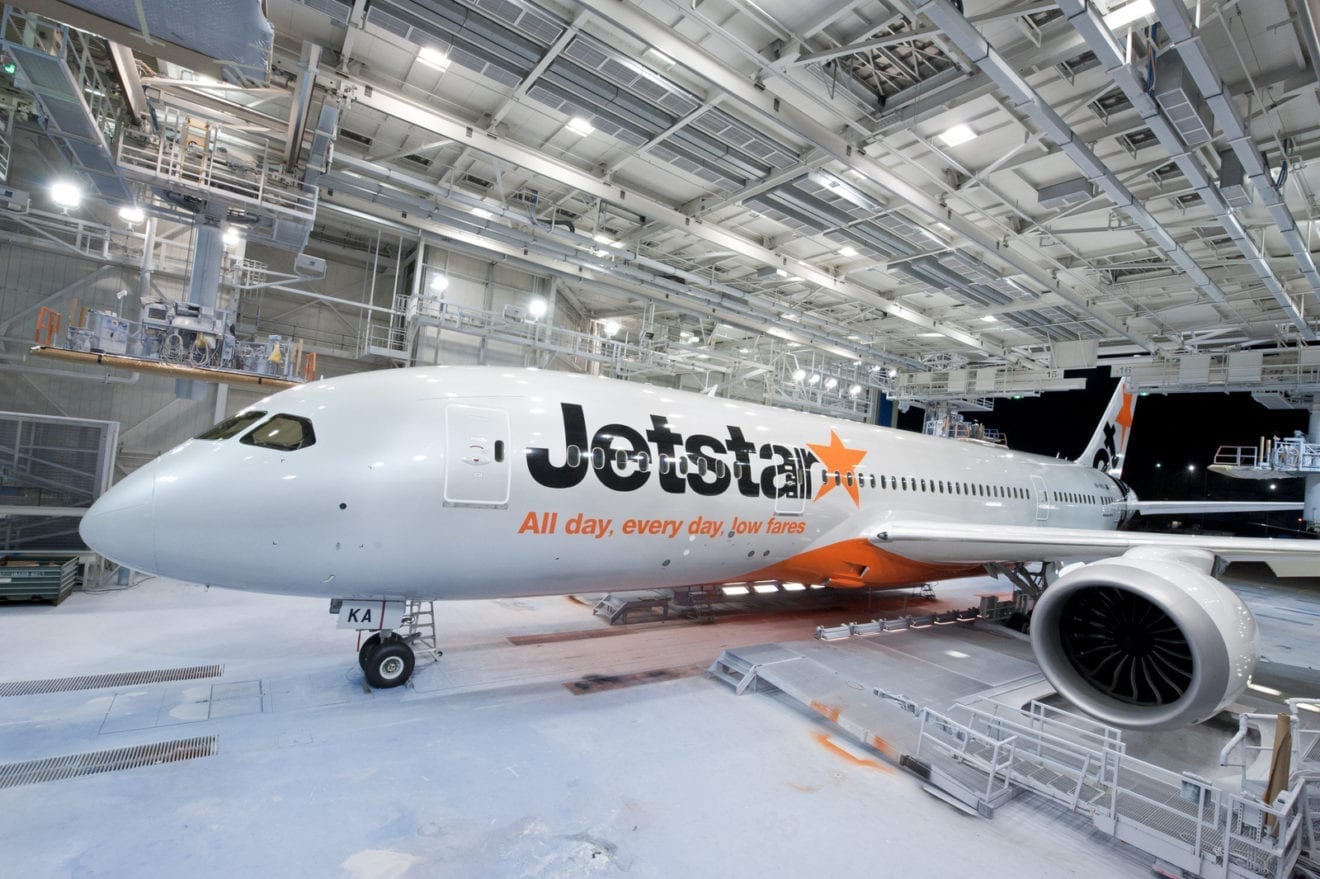
    Australian airline Qantas has made the difficult decision to close its budget carrier, Jetstar Asia, effective July 31. This move comes in response to escalating operational costs, increased fees at Singapore’s Changi Airport, and fierce competition across the region.

    Operational Costs Taking Their Toll

    Jetstar Group Chief Executive Officer Stephanie Tully highlighted the widespread impact of rising costs on the airline’s operational framework. The recent hike in airport fees at Changi, implemented on April 1 as part of a S$3 billion (US$2.3 billion) upgrade, played a significant role in this challenging situation. “The airport fees are a part of that. That has had an impact on the business,” she stated, referencing comments made to Bloomberg.

    As Qantas Group Chief Executive Vanessa Hudson expressed, this is a heavy moment for the Jetstar Asia team. “We are incredibly proud of them. This is a very tough day for them. Despite their best efforts, we have seen some costs for Jetstar Asia’s suppliers rise by up to 200%, which has materially changed its cost base.”

    Staff Impact and Passenger Reassurance

    The closure will inevitably affect around 500 staff members, who will be offered redundancy benefits and assistance in finding new employment, as reported by AFP. Meanwhile, passengers whose flights have been canceled will be entitled to refunds, ensuring they are compensated as the airline winds down operations.

    Prior to the announcement, Jetstar Asia was projected to incur an underlying loss of A$35 million (US$23 million) this financial year, with Qantas owning 49% of the airline. The cancellation of operations means that the fleet of 13 A320 aircraft will soon be redeployed to Australia and New Zealand, creating over 100 local jobs.

    In a strategic move, Qantas noted that shutting down Jetstar Asia could generate up to A$500 million to bolster the group’s fleet renewal program. The decision was made in conjunction with Westbrook Investments, which holds a 51% stake in the regional carrier.

    While the closure is certainly a somber development, it raises some intriguing questions about the future of air travel in a region that continues to evolve rapidly.

    Questions & Answers

    Why is Qantas closing Jetstar Asia?
    Qantas is shutting down Jetstar Asia due to rising operational costs, increased airport fees at Changi Airport, and intense regional competition making it financially unviable to continue.

    What happens to the staff of Jetstar Asia?
    Approximately 500 employees will receive redundancy benefits and support in finding new jobs as the airline winds down its operations.

    How will affected passengers be compensated?
    Passengers whose flights are canceled will be offered refunds, ensuring they are financially protected during this transition.

  • One-Third of Asian Companies Set Their Sights on Expanding Trade with South Asia

    One-Third of Asian Companies Set Their Sights on Expanding Trade with South Asia

    According to a comprehensive 2025 survey conducted by HSBC, over a third of Asian companies are shifting their trade focus towards South Asia and Europe, while more than a quarter are scaling back their dealings with North America. The poll, encompassing over 2,750 international firms across seven Asian markets, reveals a striking trend: around 83% of respondents have begun reevaluating their long-term business strategies in light of recent changes in trade policies.

    This seismic shift in approach is fueled by a pervasive sense of uncertainty, with 81% of businesses expressing increased caution regarding expansion and investments. Amid these challenges, many Asian firms are bracing for an average revenue decline of 18% due to persistent supply chain delays. Aditya Gahlaut, the region head of Global Trade Solutions, Asia at HSBC, notes, “In the face of trade uncertainty, numerous companies are hitting the pause button on capital expenditure to better assess the evolving landscape.” His insights hint that while capital expenditures may take time to devise, one constant remains: “Wherever trade flows, investment follows.”

    Breaking down the numbers, 38% of Asian firms are eager to boost trade with South Asia, while 36% are targeting increased business with Europe. Interestingly, North America presents a mixed bag; although 28% intend to decrease trade with the region, a separate 23% still pursue greater engagement. The survey further indicates that over the next two years, more than half of Asian firms (52%) are considering or actively moving production to, or increasing production in, China. Following closely behind, 39% are eyeing South Asia, with Europe at 35%, the US at 29%, and the Middle East at 28%.

    However, rising costs are casting a shadow over this new trade landscape, with 51% of firms expressing concerns linked to tariffs and other trade-related expenses. A significant number (34%) have already adjusted prices to offset these increased costs, and another 51% plan to follow suit. In a world of shifting trade dynamics, it seems companies are not only navigating the currents but also learning to ride the waves.

    Questions & Answers

    What percentage of Asian companies are planning to increase trade with South Asia? 38% of Asian firms are looking to enhance their trade relations with South Asia.

    How many firms expressed concern about rising costs? Over 51% of Asian companies are worried about increased costs due to tariffs and trade-related factors.

    What trend is observed regarding North American trade? While 28% of firms plan to reduce trade with North America, 23% remain optimistic and seek to expand their business in the region.

  • Asia’s Insurance Markets Surge in 2024 Driven by Life and Health Sector Growth

    Asia’s Insurance Markets Surge in 2024 Driven by Life and Health Sector Growth

    Asia’s insurance markets showed impressive growth in 2024, especially in the life and health sectors, yet they continue to trail behind North America and Western Europe in overall scale and performance—particularly within the property and casualty (P&C) arena. Globally, the insurance industry expanded by a robust 8.6%, reaching a staggering $7.87 trillion (EUR 7.0 trillion) in total premiums.

    China: The Star of Life Insurance Recovery

    China emerged as a powerhouse in Asia’s life insurance sectors, boasting a remarkable growth rate of 15.4%. This trend outshines the 7.1% increase seen in Western Europe and propelled the global life segment’s overall growth to 10.4%. Driving this surge were higher interest rates, which effectively bolstered premium incomes across markets.

    Health Insurance Booms Amidst Low Penetration

    The demand for health insurance in Asia also proved strong, with premiums soaring by 12.6% in 2024. Low penetration rates—below 1% in most nations except Taiwan—and limited public healthcare coverage contribute to this upward trajectory. Meanwhile, the US holds its ground by dominating the global health insurance market, accounting for approximately two-thirds of worldwide premiums.

    Challenges in Property and Casualty Insurance

    While Asia’s life and health sectors exhibit clear growth potential, the sluggish development of P&C insurance restricts the region’s overall impact on global premium expansion. The term “growth markets” is increasingly put to the test as North America surpasses Asia in key sectors, despite having a smaller population.

    Future Outlook: A Double-Edged Sword

    Looking ahead, economic challenges may pose risks to the regional outlook. Diverging inflation trends and capital market volatility are likely to affect insurer portfolios and strategic planning throughout Asia. As global insurance growth continues to rise, Asia must seize the opportunity to enhance penetration and strengthen its P&C performance to keep pace with its more developed counterparts. Who knows, perhaps the region will surprise us all and redefine what “growth market” truly means!

    Questions & Answers

    What contributed to China’s impressive life insurance growth?
    Higher interest rates bolstered premium income, leading to a remarkable growth rate of 15.4%.

    How does Asia’s health insurance market compare to that of the US?
    Asia’s health insurance premiums rose by 12.6%, but the US dominates globally, accounting for around two-thirds of total premiums.

    What challenges does Asia face in the property and casualty insurance sector?
    Slower development in P&C insurance constrains Asia’s overall contribution to global premium growth, despite significant advancements in life and health segments.

  • YouTube Expands Video Commerce Efforts Across Southeast Asia’s Growing Market

    YouTube Expands Video Commerce Efforts Across Southeast Asia’s Growing Market

    YouTube is making significant strides in Southeast Asia’s video commerce landscape, leveraging the power of creators and innovative shopping experiences to attract millions of viewers. With a robust community of 7,600 creators boasting over 1 million subscribers and more than 77,000 channels with at least 100,000 followers, the platform is revolutionizing how consumers shop online.

    Broad Reach Across Southeast Asia

    In 2024, YouTube expanded its reach to an impressive 290 million people, representing 85% of the region’s online population. This surge in viewership has been mirrored by a striking shift in e-commerce, where video commerce now accounts for 20% of Southeast Asia’s e-commerce gross merchandise value (GMV)—a remarkable fourfold increase in just two years. According to Google’s Vice President for Southeast Asia and South Asia Frontier, Sapna Chadha, YouTube’s unique ecosystem is pivotal in driving this growth.

    Building Trust Through Content

    Chadha emphasizes the trust generated between creators and their audiences, stating, “This trust translates into purchase confidence, with YouTube driving almost four times greater purchase intent than other social media platforms in the region.” A study revealed that users are 98% more likely to trust creators on YouTube compared to recommendations from other social networks, underscoring the platform’s significant influence.

    YouTube Shopping: A Game Changer

    YouTube Shopping is now fully operational in Indonesia, Vietnam, Thailand, Singapore, Malaysia, and the Philippines through a partnership with Shopee. Eligible creators can easily tag products in their videos and Shorts to enhance the shopping experience. In Indonesia, Vietnam, and Thailand, 55% of eligible creators have already jumped on board, showcasing the immense potential for monetization in this sector.

    Take the example of Vietnamese creator Mai Trinh Hổ, whose channel revenue skyrocketed nearly fivefold after embracing YouTube Shopping, while Indonesian channel Jagat Review reported that 50% of its revenue from July to October 2024 stemmed from the program. According to a Kantar study, about 85% of viewers in Thailand and 67% in Indonesia trust content created by YouTube creators, while Ipsos data reveals that these audiences trust YouTube more than any other platforms during their purchasing journey.

    Rising Creator Earnings

    As creator earnings soar, figures from Vietnam show a 35% year-on-year increase in the number of channels earning nine-figure incomes in Vietnamese Dong as of December 2024. This upward trend signals a promising future for content creators in the region.

    YouTube in the Living Room

    The platform is also carving out a niche in connected TV (CTV), with over 79 million viewers in Southeast Asia tuning in to watch YouTube on their televisions, contributing to a global tally of 1 billion daily CTV viewing hours. Innovative ad formats such as Shoppable TV ads and interactive features are helping brands engage viewers more efficiently. For instance, McDonald’s in the Philippines witnessed a staggering 46% boost in daily sales, while Pepsi in Vietnam increased its audience reach among 18-44 year-olds by 27%.

    In this digital age, YouTube’s blend of engaging creator content and seamless shopping experiences is reshaping the e-commerce landscape, turning casual viewers into confident buyers—who knew online shopping could be this entertaining?

    Questions & Answers

    What has contributed to the growth of video commerce in Southeast Asia?
    The growth is largely attributed to YouTube’s expansive creator ecosystem and its ability to foster trust and credibility among users, leading to heightened purchase intent.

    How has YouTube Shopping impacted creators in the region?
    Many creators have seen significant revenue boosts after participating in YouTube Shopping, with some reporting up to five times their normal earnings.

    What innovative advertising strategies is YouTube implementing?
    YouTube is introducing interactive ad formats such as Shoppable TV ads and pause ads, making big-screen advertisements more engaging for viewers and effectively driving brand sales.

  • Exploring Why Malaysians Lead Southeast Asia in Grocery Spending Trends

    Exploring Why Malaysians Lead Southeast Asia in Grocery Spending Trends

    Malaysians are savoring their culinary delights, with average annual food-at-home expenses hitting a notable US$1,940 per person in 2023, according to the U.S. Department of Agriculture (USDA). Following closely behind, Singaporeans spend about $1,831 per person, while other nations in the region like Thailand ($1,108), the Philippines ($1,070), and Cambodia ($898) show a stark contrast in expenditure levels, as reported by The Star. Notably, these figures haven’t been adjusted for inflation or varying costs of living across countries.

    Understanding High Grocery Bills

    Experts attribute Malaysia’s substantial household grocery spending to a mix of factors: rising input costs, a weakened Ringgit, low agricultural productivity, and a heavy reliance on food imports. Sunway University economics professor Yeah Kim Leng observed that despite Singapore boasting a far higher per capita income, its food-at-home spending has closely mirrored Malaysia’s, even dipping below it this year.

    KRI research associate Teoh Ai Ni shed light on the varying spending habits across the region. She pointed to data from the Household Expenditure Survey 2022, revealing that Malaysian households dedicate about 52% of their monthly food budget to meals at home, contrasting with Singapore’s 68% spent dining out. This appetite for home-cooked meals places a unique spin on Malaysia’s grocery landscape.

    Moreover, KRI fellow researcher Nik Syafiah Anis highlighted the vulnerability of Malaysia’s food sector due to its dependence on imports. She emphasized that this reliance, especially on imported animal feeds like corn and soymeal, adds to rising domestic food prices. Geopolitical tensions and unfavorable harvests on the global stage can further inflate feed costs, leading to pricier staples like chicken, eggs, fish, and meat.

    Teoh added that while Malaysians might spend more in dollar terms on groceries, the share of their income allocated to food is comparatively lower than in many regional counterparts. It appears that while we’re enjoying a tasty meal, the economy continues to stir up its own concoctions of challenges.

    And just when you think you’re spending too much on groceries, remember that you could be paying even more for your takeout!

    Questions & Answers

    What are the average food-at-home expenses for Malaysians in 2023?
    Malaysians spent an average of US$1,940 per person on food-at-home expenses in 2023.

    How do Malaysian food spending habits compare to those in Singapore?
    While Malaysia’s food-at-home expenditure is higher, Singaporeans allocate a greater portion of their food budgets to dining out, with 68% spent on meals away from home compared to Malaysia’s 52%.

    What factors contribute to the rising grocery costs in Malaysia?
    Factors include a reliance on food imports, rising input costs, a weakened Ringgit, and low farm productivity, all of which create pressure on domestic food prices.

  • Dollar Hits 5-Week Low Against Dong: A Significant Shift in Currency Trends

    Dollar Hits 5-Week Low Against Dong: A Significant Shift in Currency Trends

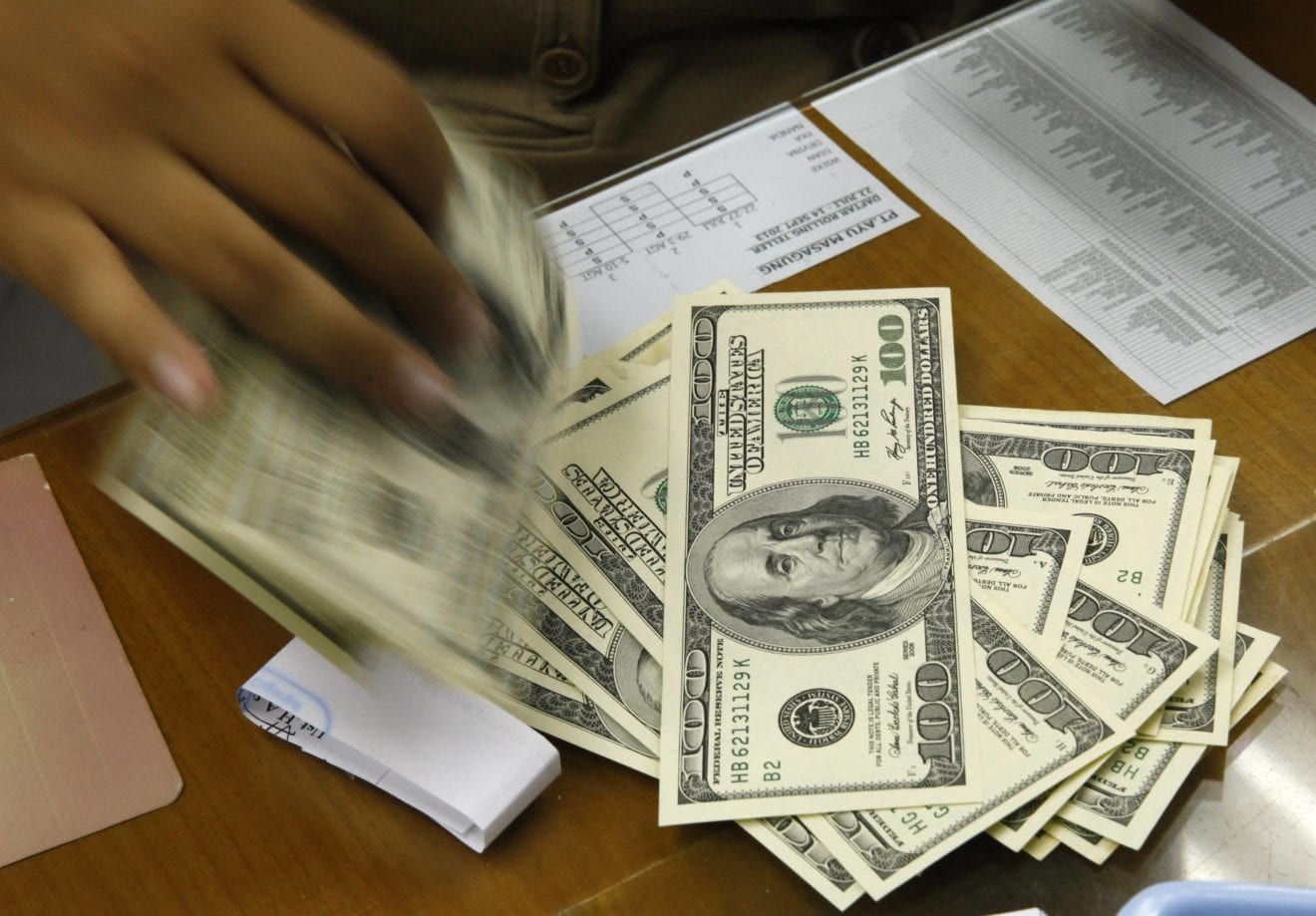
    The U.S. dollar experienced a notable decline against the Vietnamese dong on Monday morning, reaching its lowest point since April 21. This dip reflects a series of movements in the currency markets that are drawing attention from analysts and investors alike.

    A Shift in the Currency Landscape

    Vietcombank reported a 0.11% decrease in the dollar’s value, pricing it at VND26,100. Meanwhile, the State Bank of Vietnam made adjustments to its reference rate, reducing it by 0.08% to VND24,940. On the black market, the dollar fell further, dropping 0.34% to VND26,340. Despite this recent decline, the dollar has still experienced a 2.15% increase against the dong since the start of the year.

    Global Currency Reactions

    In global markets, the euro surged alongside risk-sensitive currencies like the Australian dollar. This rise follows President Donald Trump’s decision to retract proposed 50% tariffs on European Union imports, a move that occurred after the EU sought additional time to negotiate a more favorable deal. Trump’s sudden policy reversals, compounded by a comprehensive spending and tax-cut bill currently working its way through legislation, have led to a broader sell-off of U.S. assets. In response, the U.S. dollar index, which measures the dollar against six major currencies, dropped 0.3% to 98.813, building on a significant 1.9% decline from the previous week.

    As the dollar’s uncertainty lingers, investors are left wondering how these developments will impact the future of global trade and currency exchanges.

    Questions & Answers

    What recent event contributed to the dollar’s decline against the dong?
    The dollar fell after President Donald Trump backed away from imposing 50% tariffs on European goods, a move that appeased investors and allowed for risk-sensitive currencies to rise.

    How much has the dollar changed against the dong since the beginning of the year?
    Despite the recent decline, the dollar has increased by 2.15% against the dong this year, showcasing a complex dynamic in currency exchange rates.

    What does the decline in the U.S. dollar index signify for investors?
    The drop in the U.S. dollar index signals growing investor skepticism towards U.S. assets, driven by recent policy shifts and ongoing legislative changes that may reshape economic conditions.

    In a world where currencies dance to the rhythm of policy and international negotiation, the dollar’s performance can often feel like watching a thrilling game of cat and mouse.

  • HCMC Ranked Among Southeast Asia’s Top 5 Most Innovative Startup Ecosystems

    HCMC Ranked Among Southeast Asia’s Top 5 Most Innovative Startup Ecosystems

    Ho Chi Minh City is lighting up the entrepreneurial landscape as it secures a spot among the top five leading innovative startup ecosystems in Southeast Asia for the first time. This remarkable achievement highlights the city’s journey into becoming a powerhouse for startups and innovation.

    Rapid Rise in the Rankings

    A recent report from StartupBlink, a globally recognized benchmark for assessing startup ecosystems, reveals that Ho Chi Minh City has steadily climbed the global rankings for four straight years, particularly showing impressive growth in the Fintech sector. The city has now earned a spot in the global Top 30 for Blockchain technology, ranking second in Southeast Asia—a feat that certainly adds a dash of excitement to its entrepreneurial reputation.

    Vibrancy at Its Core

    Known as Vietnam’s most dynamic startup hub, Ho Chi Minh City is enhancing its support infrastructure, fostering creativity, and building a robust startup community. The strong backing from local authorities and a progressively improving business climate have transformed the city into a magnet for innovators and entrepreneurs alike.

    Lam Dinh Thang, Director of the municipal Department of Science and Technology, emphasized that the city’s commendable rise in the StartupBlink rankings is a testament to the collective efforts of its political framework and the innovative spirit of its startup ecosystem. According to him, Ho Chi Minh City aims to place its startup and innovation framework within the Top 100 most dynamic ecosystems globally by 2030. He pointed out that the city is concentrating on key areas such as policy, infrastructure, and human resources to achieve this ambitious goal.

    A Bright Future Ahead

    This year’s rankings not only showcase Ho Chi Minh City’s relentless drive to refine its startup environment but also offer a chance for the metropolis to realign itself within the global startup landscape. Underlining this commitment, the city plans to work with experts to develop a roadmap for advancing its innovation-driven startup ecosystem from 2025 to 2030. This strategic preparation aligns with the targets set by the Politburo, steering Ho Chi Minh City toward its goal of joining the ranks of the Top 100 most dynamic global startup ecosystems.

    Why did the startup cross the road? To get to Ho Chi Minh City, of course!

    Questions & Answers

    What factors contributed to Ho Chi Minh City’s rise in startup rankings?
    The city’s growth can be attributed to its vibrant startup community, strong support from municipal authorities, and improvements in its business environment.

    What sectors are driving Ho Chi Minh City’s startup growth?
    The Fintech sector, particularly in Blockchain technology, is at the forefront of the city’s entrepreneurial boom, propelling it into the global Top 30.

    What are Ho Chi Minh City’s goals for its startup ecosystem by 2030?
    The city aims to be among the Top 100 most dynamic global startup ecosystems by focusing on policy, infrastructure, and human resources development.

  • Cambodia Enters China’s Booming Durian Market, Challenging Vietnam, Thailand, and Malaysia

    Cambodia Enters China’s Booming Durian Market, Challenging Vietnam, Thailand, and Malaysia

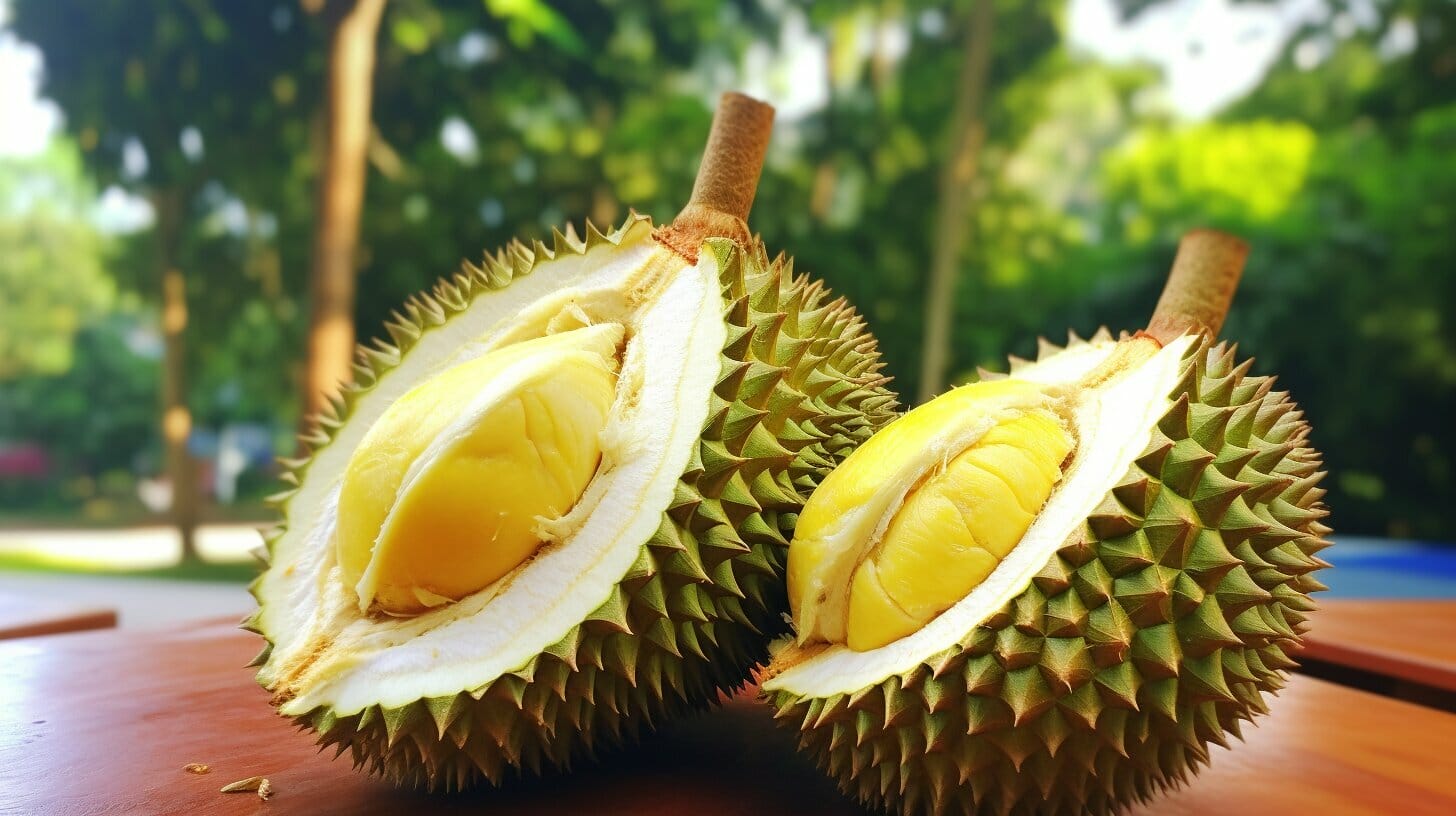
    China’s General Administration of Customs has recently opened doors for fresh durian shipments from Cambodia that comply with food safety standards, a significant development following the signing of a phytosanitary protocol between Cambodia’s Ministry of Agriculture, Forestry and Fisheries and Chinese authorities in late April. This newfound opportunity is poised to transform Cambodia’s durian industry and delight the palates of Chinese consumers who have long been enamored with the so-called “king of fruits.”

    Building a Path to Export

    Following the accord, Cambodia’s agriculture department has taken proactive steps, urging durian growers, farming communities, and processing facilities to register for exports to China. Plans are already underway to compile a list of fresh durian plantations and processing factories, set to be submitted to the Chinese side for evaluation and review in May 2025, as reported by the Khmer Times.

    Breaking into the Chinese Market

    As Cambodia seeks to make its mark, it faces the challenge of standing out in a marketplace that has already been saturated by competitors with established reputations. “It lacks the long-standing brand recognition of Thailand’s Monthong or Malaysia’s premium Musang King,” stated Lim Chin Khee, an adviser at Malaysia’s Durian Academy, highlighting the uphill battle for Cambodia’s emerging durian brand.

    Chinese consumers are currently spoiled for choice, with last year’s record durian imports amounting to an impressive US$6.99 billion, primarily driven by Thailand and Vietnam, which together accounted for nearly 99% of the market share. The competition isn’t stopping there; Indonesia is gearing up to export its own durians, while Laos is eyeing entry into this lucrative market.

    Can Cambodian Durian Compete?

    Despite this fierce competition, the unique Au Khak variety, predominantly grown in Cambodia’s Kampot and Kampong Cham provinces, is beginning to generate interest among discerning Chinese durian enthusiasts. Zhao Yu, a 38-year-old durian aficionado from Shanghai, expressed her curiosity but admitted she needed time to explore the Cambodian variety before adding it to her list of favorites.

    However, experts believe that Cambodian farmers hold significant potential. Lim assured that with the right investment and foreign technical support—especially from China—Cambodian durians could soon rival those from more established producers. The sentiment was echoed by Wang Wenbin, the Chinese ambassador to Cambodia, who expressed his enthusiasm during a recent visit to a durian farm in Kampot, proclaiming Au Khak to be “the best durian in the world.” He optimistically hinted at a future filled with Cambodian durians gracing the tables of Chinese consumers.

    In 2024, Cambodia exported over 12 million tons of agricultural products valued at $5.3 billion across 95 markets. The agriculture sector significantly contributes to the nation’s economy, accounting for approximately 16.7% of its GDP. Recent deals have also set the stage for other Cambodian products like swiftlet nests and crocodiles to enter the Chinese market, further diversifying Cambodia’s agricultural exports.

    Khim Finan, the undersecretary of state, views these efforts as vital in expanding Cambodia’s agricultural market, boosting farmers’ incomes, and fostering overall economic growth through agriculture.

    As Cambodia steps into this new era of durian exports, one can only wonder how the world will react. Will Cambodian durians become the next big sensation in China, or will they remain the fruity underdog in the kingdom of durians?

    Questions & Answers

    What recent development has allowed Cambodia to export durians to China?
    China’s General Administration of Customs started permitting fresh durian shipments from Cambodia after a phytosanitary protocol was signed with the Cambodian Ministry of Agriculture in late April.

    What challenges does Cambodia face in exporting durians to China?
    Cambodia lacks the brand recognition of established competitors like Thailand and Malaysia, which could hinder its ability to attract Chinese consumers who have a wide range of options available.

    What other agricultural products from Cambodia are set to enter the Chinese market?
    In addition to durians, Cambodia has signed protocols for the export of swiftlet nests and crocodiles, which could diversify its agricultural offerings in China.

  • Vietjet Strengthens China–Vietnam Flight Network with New Hanoi–Chengdu and Hanoi–Xi’an Routes, Marking Seven Direct Services to China in the First Half of 2025

    Vietjet Strengthens China–Vietnam Flight Network with New Hanoi–Chengdu and Hanoi–Xi’an Routes, Marking Seven Direct Services to China in the First Half of 2025

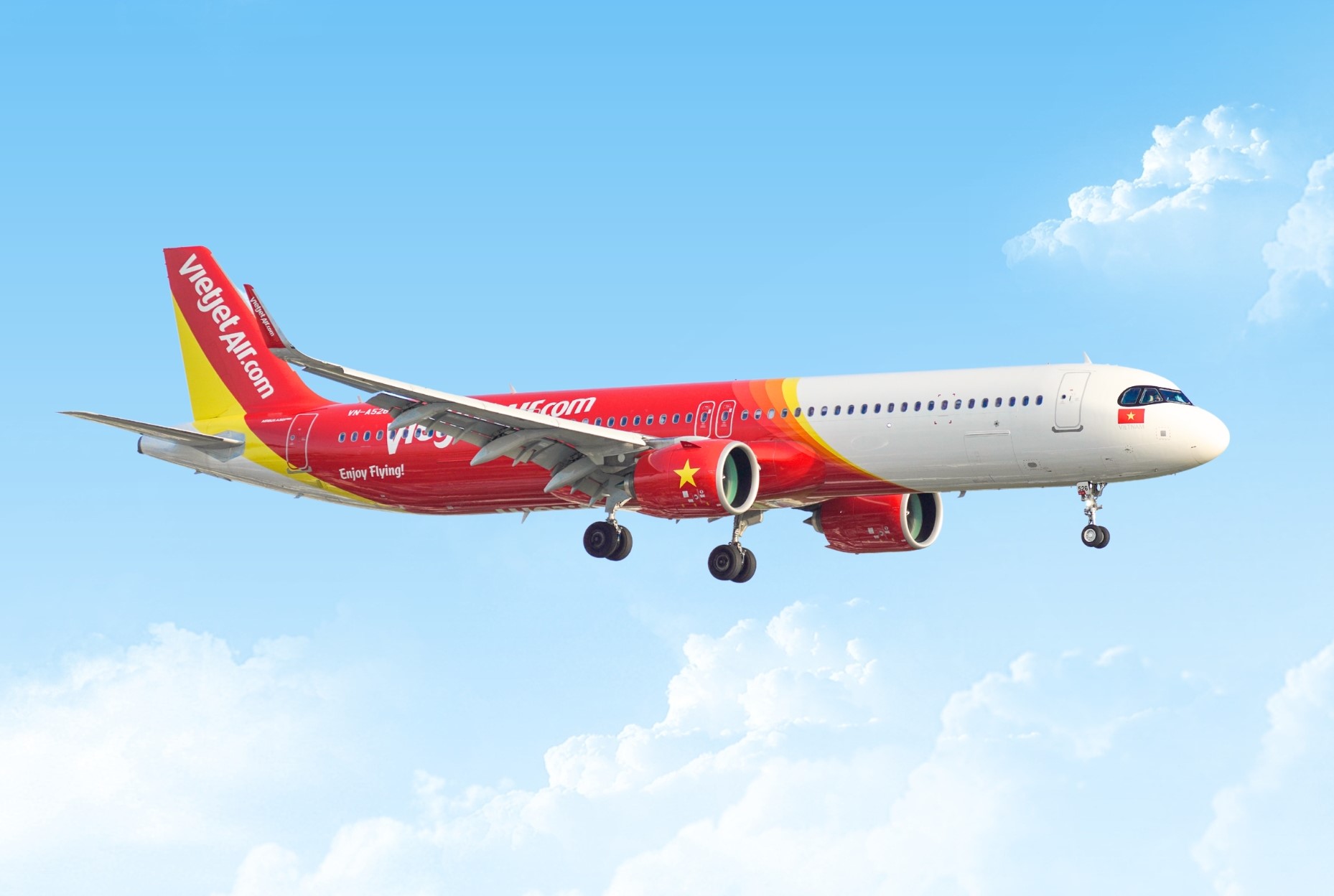
    Vietjet has unveiled two new direct routes from Vietnam’s capital, Hanoi, to Chengdu and Xi’an in China, with inaugural flights taking off on 1 July and 6 July 2025, respectively. Each route will offer four round-trip flights per week. These new services bring the airline’s total number of Vietnam–China direct routes introduced in the first half of 2025 to seven, further strengthening its expanding flight network. For Singaporean travellers, this opens up a more seamless journey to China via Vietnam’s Hanoi and Ho Chi Minh City, offering more flexible and affordable travel options across the region. 

    These new services follow Vietjet’s recent launches connecting Hanoi and Ho Chi Minh City with Beijing and Guangzhou, as well as the Hanoi-Shanghai route introduced in March and April. The two additional services will strengthen comprehensive air connectivity between Vietnam and China, promoting tourism and trade while offering greater access between China, Southeast Asia, and beyond.

    Vietjet has been rapidly expanding its international flight network, particularly between Vietnam and China, with direct routes now linking Ho Chi Minh City and Hanoi to major Chinese cities such as Shanghai, Chengdu, Xi’an, Beijing, and Guangzhou. Beyond China, the airline is also boosting regional connectivity with a new direct service between Singapore and Phu Quoc to be launched on May 30. In the first and second quarters, Vietjet also launched new services to India—linking Ho Chi Minh City to Hyderabad and Bengaluru—and to Japan’s Nagoya and Fukuoka. These strategic expansions reflect Vietjet’s strong commitment to enhancing international cooperation and making travel across the Asia–Pacific region more accessible and affordable.     

    In line with its global ambitions, Vietjet continues to broaden its global flight network while providing travellers with a comfortable and seamless journey aboard modern, eco-friendly aircraft and professional service that reflects the authentic spirit of Vietnam.      

    As part of its passenger-first approach, Vietjet also offers complimentary SkyCare travel insurance and exclusive rewards through its SkyJoy loyalty program.     

    Information on New Vietnam-China Routes

    (All times are in local time, using the 24-hour format)

    Hanoi (HAN) – Tianfu Chengdu International Airport (TFU) route

    Sector Flight number Departure – Arrival times Frequency
    HAN – TFU VJ7306 21:10 – 00:15 (+1) Mon, Tue, Thu, Sat
    TFU – HAN VJ7307 01:15 – 02:25 Tue, Wed, Fri, Sun

    Hanoi (HAN) – Xi’an Xianyang International Airport (XIY) route

    Sector Flight number Departure – Arrival times Frequency
    HAN – XIY VJ7342 21:25 – 01:10 (+1) Mon, Wed, Fri, Sun
    XIY – HAN VJ7343 02:10 – 04:10 Mon, Tue, Thu, Sat
  • Southeast Asia’s E-Commerce Market Poised to Soar to $140 Billion by 2030

    Southeast Asia’s E-Commerce Market Poised to Soar to $140 Billion by 2030

    Southeast Asia’s e-commerce landscape is on a meteoric rise, with sales soaring an astonishing 46 times since 2012. A report titled Nextwave Southeast Asia 2025, released by DBS and market insights firm Cube, forecasts that the region’s e-commerce market will more than double from $184 billion in 2024 to an impressive $410 billion by 2030. This surge indicates a robust compound annual growth rate of 14%.

    Major Players Make Profits Amid Market Evolution

    As the sector matures, numerous key players have already achieved profitability, thanks to market consolidation, increased platform fees, and a sharper focus on core offerings. Many companies are also venturing into logistics and last-mile delivery, enhancing their operational efficiency to meet the growing consumer demand.

    The maturation of the market is prompting businesses to pivot towards cost control, reliable revenue streams, and the retention of customers. Companies that provide personalized and engaging shopping experiences are set to solidify their grip on market share, proving that a tailor-made approach is the name of the game.

    AI Takes the Spotlight in Retail

    Artificial intelligence is emerging as a game-changer, transitioning from backend operations to the forefront of consumer engagement by facilitating personalized recommendations and immersive shopping experiences. New entrants leveraging AI and offering seamless payment solutions are poised to disrupt established players, capturing both market attention and investment.

    Funding Strategies Shift in the Tech Realm

    The report highlights a noteworthy shift in the funding landscape for tech companies. Start-ups and scale-ups are looking to decrease their reliance on venture capital, opting instead for credit-backed financing. This evolution reflects the changing market dynamics and a broader commitment to long-term sustainability in Southeast Asia’s burgeoning digital economy.

    In the thrilling chase for e-commerce supremacy, it seems the stakes are never higher—and just like a good sale, there are surprises around every corner!

    Questions & Answers

    What is the projected growth for Southeast Asia’s e-commerce market by 2030?
    The e-commerce market is expected to grow from $184 billion in 2024 to $410 billion by 2030.

    What factors are driving profitability among e-commerce players?
    Market consolidation, increased platform fees, and a focus on core offerings are key drivers of profitability.

    How is artificial intelligence changing the shopping experience?
    AI is facilitating personalized recommendations and creating immersive shopping journeys, enhancing consumer engagement.

  • China Boosts Retail with Durian and Crocodile Imports from Cambodia

    China Boosts Retail with Durian and Crocodile Imports from Cambodia

    In a significant leap towards increasing its agricultural exports, Cambodia recently signed agreements to facilitate the export of swiftlet nests and crocodiles to China. This bold move is poised to open new avenues for Cambodian processors, exporters, and investors, as consumer demand in China surges for these unique products.

    A Historic Protocol for Swiftlet Nests

    Suy Kokthean, the president of the Khmer Swiftlet Association, has described the recent protocol for exporting swiftlet nests to China as a groundbreaking achievement. He emphasized that this development not only attracts more investment into Cambodia’s processing sector but also aligns with conservation efforts aimed at upgrading swiftlet houses to meet export standards.

    “This protocol is a major step forward for Cambodia’s swiftlet sub-sector,” Kokthean commented, noting that the Chinese market is abundant with opportunities. With swiftlet nest products gaining popularity in China, there is an optimistic outlook for processors and exporters eyeing entry into this lucrative market.

    Expanding Horizons Beyond China

    While the immediate focus is on exporting to China, Kokthean revealed that Cambodia is exploring other markets, including Taiwan, Hong Kong, and Singapore. “However, the demand from China far outstrips these smaller markets,” he added, highlighting the pressing need for an increase in Cambodian swiftlet nest supply to meet international demand.

    Currently, estimates suggest that over 5,000 swiftlet houses in Cambodia produce around 100 tonnes of nests annually, paving the way for significant export growth in the coming years.

    Crocodile Export Opportunities on the Horizon

    Kong Mey, vice president of the Crocodile Breeders’ Community in Siem Reap province, also lauded the new protocol allowing the export of Cambodian-cultivated crocodiles to China. This development is seen as a golden opportunity for crocodile breeders nationwide, with potential for strong market growth according to Mey.

    The Ministry of Agriculture, Forestry and Fisheries is diligently working on disease analysis for crocodile samples, ensuring that exports can proceed smoothly following confirmation of compliance with Chinese customs regulations.

    Government Support for Agriculture

    The Cambodian government is fully invested in enhancing export pathways for its agricultural products. Prime Minister Hun Manet recently directed relevant ministries to streamline procedures and minimize delays, reaffirming the government’s commitment to boosting the agricultural export sector.

    During a previous visit by Chinese President Xi Jinping, discussions centered on optimizing export channels for Cambodian agricultural products, highlighting a strategic partnership aimed at benefiting both nations.

    Economic Impact and Future Prospects

    Cambodia’s agricultural sector has made impressive strides, with over 12 million tonnes of crop products exported to 95 countries in 2024, generating approximately $5.3 billion in revenue. With agriculture contributing about 16.7% to the country’s GDP, the recent agreements underscore a pivotal moment for the retail and agricultural landscape in Cambodia.

    As Cambodia opens its doors to new markets and expands its product offerings, consumers in China and beyond may soon benefit from an enhanced supply of high-quality swiftlet nests and crocodiles.

    Questions & Answers:

    1. What recent agreements has Cambodia signed regarding exports?
      Cambodia has signed protocols for exporting swiftlet nests and crocodiles to China, marking significant growth opportunities for its agricultural sector.
    2. Who has praised the swiftlet nests export agreement, and what are the expected benefits?
      Suy Kokthean, president of the Khmer Swiftlet Association, praised the agreement as a major step forward that will attract investment and create opportunities for processors and exporters.
    3. What actions is the Cambodian government taking to support agricultural exports?
      Prime Minister Hun Manet has directed ministries to simplify export procedures, aiming to boost agricultural product exports and strengthen market connections with China.
  • Millennials Drive Global Wealth Shift and Retail Sales Growth

    Millennials Drive Global Wealth Shift and Retail Sales Growth

    Multipolitan has released its inaugural Wealth Report for 2024, titled Navigating the Future of Wealth. This insightful report examines the profound changes in the global wealth landscape, primarily driven by a historic transfer of assets from Baby Boomers to younger, tech-savvy generations: Millennials and Gen Z.

    Wealth Transfer and Changing Investment Trends
    As we navigate an era marked by rapid geopolitical shifts and economic fluctuations, Millennials and Gen Z are reshaping financial paradigms. Their investment strategies reflect a diverse array of interests, leaning heavily towards alternative assets such as cryptocurrencies, gold, art, and more. With a strong transnational mindset, these younger generations are not only focused on maximizing financial returns but are increasingly merging wealth preservation with personal well-being. The report underscores the trend of prioritizing health and longevity as integral components of financial planning.

    Prioritizing Health in Wealth Management
    As the pace of life accelerates, an increasing number of high-net-worth individuals (HNWIs) are incorporating health initiatives into their wealth preservation strategies. The recognition that personal well-being is essential for sustaining both personal and financial legacies across generations is becoming more pronounced.

    Emerging Wealth Hubs: Opportunities Abound
    The report goes on to highlight the burgeoning role of artificial intelligence in wealth management. With technological advancements enhancing efficiency and precision, emerging wealth hubs like Malta and India’s GIFT City are presenting competitive alternatives to traditional financial centers. This shift introduces new opportunities and complexities within the global wealth ecosystem.

    A Unique Perspective: Blending Data with Insights
    Unlike many wealth reports bogged down by numbers and forecasts, Navigating the Future of Wealth 2024 offers a balanced mix of quantitative analysis and qualitative insights. It presents a holistic view of how wealth is evolving while pinpointing relevant trends impacting the financial future.

    Innovation on the Horizon: The Launch of a Super App
    Co-founded by entrepreneur Lee Smith and Nirbhay Handa, Multipolitan is also set to unveil an innovative super app aimed at redefining customer acquisition. This platform will facilitate seamless access to international mobility solutions for individuals and families, further expanding the brand’s market presence.

    Expert Insights from Industry Leaders
    The Wealth Report is enriched by contributions from 16 industry thought leaders, who delve into themes such as alternative investments, wealth preservation, and health. Key insights include:

    • Alexander Knight on whisky cask ownership as an emerging investment class.
    • Bernadette Rankine discussing the dynamic art markets of Asia.
    • Paul Rodenburg emphasizing the future of cryptocurrencies and their place in wealth management.

    These expert perspectives provide invaluable guidance for navigating the ever-evolving landscape of finance.

    The Future of Mobility: Redefining Wealth Locations
    The report identifies a crucial theme: the location choices of successful individuals. As global mobility becomes pivotal in a complex, multipolar world, affluent individuals increasingly seek alternative residences. Recent policy shifts, such as changes in taxation, have further motivated this trend among affluent individuals in Europe and the U.S.

    Global Mobility as a Fundamental Right
    Multipolitan’s advisory services encompass a wide range of migration options, affirming the company’s commitment to a world where modern life isn’t restricted by geography. Sandeep Jain, Senior Managing Partner, remarks on the importance of facilitating access to opportunities beyond borders.

    Conclusion: A Transformative Era for Retail and Consumers
    With the release of Navigating the Future of Wealth 2024, Multipolitan positions itself as a thought leader in the private wealth sector. The emphasis on mobility and alternative investments signifies a transformative era that could reshape retail strategies and consumer behaviors, making global opportunities more accessible than ever. As consumer trends evolve, the impact on the retail sector could be profound, pushing brands to adapt in response to the changing tides of wealth and mobility.

  • Coles reports steady revenue growth in supermarkets and liquor

    Coles reports steady revenue growth in supermarkets and liquor

    Coles says its third-quarter revenue was up 3.7 per cent, from $9.065 billion to $9.4 billion this year, citing volume growth and its value offering resonating with value-conscious consumers. 

    E-commerce sales increased by 25.7 per cent to $1.1 billion during this period with an 11.3 per cent increase in penetration. 

    Sales revenue for products exclusive to Coles saw a 4.5 per cent increase to $3.2 billion, with the Coles Finest range recording a revenue growth of 13.7 per cent.

    Total supermarket inflation increased slightly, from 1.4 per cent to 1.5 per cent year on year in the third quarter, despite the impact of flooding in Far North Queensland in February and Cyclone Alfred on Southeast Queensland and northern NSW in March.

    Livestock inflation was mainly seen across lamb, pork and poultry categories by increases in costs, while fresh produce inflation was elevated as a result of Cyclone Alfred and the cycling of abundant supply. 
    A deflation was reported in the categories of health and home, offsetting higher coffee and chocolate prices.

    Coles opened two new stores, with two closings and eight renewals during the quarter. 

    Liquor sales revenue rose by 3.4 per cent to $813 million, benefiting from the addition of 31 net new liquor stores over the last year, including the acquisition of 20 stores in Tasmania last June.

    E-commerce sales revenue for liquor was recorded at $52 million, a 18.2 percent increase from the same period last year, with a penetration rate of 6.5 percent.

    The Simply Liquorland program was announced in March, which will see Coles converting Vintage Cellars and First Choice Liquor Market stores into Liquorland. 

    “We are pleased to have delivered another solid quarter of sales growth, particularly as we were cycling a very strong third quarter in FY24,” said Coles group CEO Leah Weckert.

    “These results reflect the continued investments we are making in value and in improving the shopping
    experience for our customers both in store and online.”

  • KitKat launches its most decadent bar to date

    KitKat launches its most decadent bar to date

    KitKat has launched its KitKat Gooey Choc – a new wafer bar version enriched with chocolate sauce. 

    The new Gooey bars feature a combination of chocolate syrup wrapped in smooth milk chocolate, and layered with crisp wafers.

    Melanie Chen, Nestle’s head of marketing for confectionery, said that the most decadent block KitKat Gooey Choc is irresistible, offering next-level indulgence with a gooey, chocolatey sauce that will delight KitKat fans. 

    “Chocolate lovers already adore our filled KitKat blocks, and we can’t wait for Aussies to experience this new treat during their next break.” 

    KitKat Gooey Choc will be sold at an RRP of $7 through all major retailers across Australia starting this month.  

    Last week, the brand also partnered with Nescafe to launch a new ready-to-drink product, KitKat-inspired coffee mix.