Tag: asia

  • Colgate-Palmolive sees drop in sales over forex impact

    Colgate-Palmolive sees drop in sales over forex impact

    The Colgate-Palmolive Company has reported a 3.1 percent drop in net sales, from $5.065 billion in the first quarter of last year to $ 4.911 billion in the same period this year, due to a foreign exchange impact of 4.4 percent. 

    The company’s gross profit reduced from $3.039 billion in the first quarter of last year to $2.987 billion in the same quarter this year, with an increase of 0.8 per cent in its gross profit margin to 60.8 per cent. 

    The company’s operating profit increased to $1.076 billion in the first quarter of this year from $1.047 billion as compared to the same period last year, with its operating profit margin increasing to 21.9 per cent. 

    Colgate-Palmolive’s net income grew from $683 million in the first quarter of last year to $690 million in the same quarter this year. 

    Based on the current spot rate and an estimate of the impact of the tariff announcement, the organisation has projected earnings per share and net sales to increase by low single digits due to negative impacts from foreign exchange.

    “Our focus on building flexibility into our profit and loss statement enabled us to deliver year-over-year growth in operating profit, net income and earnings per share despite the volatile operating environment,” said Noel Wallace, chairman, president and CEO of Colgate-Palmolive Company. 

  • TikTok readying to enter Japan’s e-commerce market

    TikTok readying to enter Japan’s e-commerce market

    Chinese social media platform TikTok will enter the online shopping industry in Japan within the next few months, the Nikkei newspaper reported on Sunday.

    The company is preparing to recruit sellers soon for its e-commerce arm TikTok Shop in Japan, Nikkei said, citing a source involved in the operations.

    TikTok Shop, where users can run livestreams selling everything from sneakers to eyeshadow and earn a commission on sales, is known for discounted products.

    TikTok is looking to expand its business outside of the US, where it awaits a deal that will secure its presence in the country. In March, TikTok Shop launched to users in France, Germany, and Italy on Monday, expanding its reach further into Europe.

    Last week, US president Donald Trump said a deal over the fate of the social media platform may have to wait, as he signaled a potential end to the tit-for-tat tariff hikes between the US and China that shocked markets.

    Earlier, Trump had extended the deadline to spin off the US assets of TikTok for the second time in April and reassured a potential deal is still “on the table”.

    The future of TikTok in the US, used by nearly half of all Americans, has been up in the air since a 2024 law, passed with overwhelming bipartisan support, required China-based parent, ByteDance, to divest the app by January 19.

  • Did Walmart Asia Just Take This Massive Step?

    Did Walmart Asia Just Take This Massive Step?

    Walmart’s presence in Asia is a key part of its global growth strategy. The retail giant has established a significant presence across the region, with hundreds of stores spanning from China to India and Southeast Asia.

    The potential of the Asian market is enormous:

    • A rapidly growing middle class
    • Increasing consumer spending power
    • Digital-savvy populations embracing modern retail

    2024 is an important year for Walmart Asia as the company focuses on expanding in the region. With plans for opening more physical stores, investing in digital technology, and forming strategic partnerships, Walmart aims to capture a larger share of Asia’s trillion-dollar retail market.

    In this article, we will explore Walmart’s ambitious plans across Asia. We will take a closer look at its operations in key markets such as China, India, and Southeast Asia, and discuss the opportunities that await in this ever-changing region.

    Walmart’s Operations in Different Asian Countries

    Walmart’s presence in Asia reflects its commitment to diversifying markets and expanding regionally. Let’s explore their operations in key Asian countries:

    China: A Retail Powerhouse

    Walmart China stands as a testament to successful market adaptation. With over 360 stores spread across 100+ cities, the company has:

    • Implemented smart retail technology in stores
    • Partnered with JD.com for enhanced e-commerce capabilities
    • Developed Sam’s Club locations catering to premium shoppers
    • Created localized product offerings matching Chinese consumer preferences

    India: Navigating Complex Markets

    The Indian market presents unique challenges and opportunities for Walmart:

    • Flipkart acquisition – $16 billion investment strengthening digital presence
    • Best Price wholesale stores serving small businesses
    • PhonePe digital payments platform expansion
    • Regulatory hurdles in multi-brand retail operations

    Southeast Asian Ventures

    Walmart’s approach to Southeast Asia reflects strategic market targeting:

    • Indonesia: Partnership explorations with local retail chains
    • Malaysia: Focus on digital marketplace opportunities
    • Thailand:
    • Strong presence through Siam Makro partnership
    • Investment in supply chain infrastructure
    • Development of omnichannel retail solutions

    The company’s operations in these regions demonstrate varied approaches to market entry and expansion. Each market requires unique strategies, from direct retail presence to strategic partnerships and digital platforms. Walmart’s ability to adapt its business model while maintaining core operational efficiency drives its success across these diverse Asian markets.

    Walmart’s Growth Strategies for 2024 and Beyond

    Walmart has ambitious plans for expansion in 2024, focusing on strategic locations in Asia’s bustling markets. The retail giant aims to open 50 new physical stores in China alone, specifically targeting tier-2 and tier-3 cities where consumer spending power continues to rise.

    Expansion Plans

    Walmart’s growth strategy includes:

    • Building smart supercenters equipped with AI-powered inventory management
    • Introducing smaller-format stores in high-density urban areas
    • Establishing specialized fresh food markets tailored to local preferences

    Omnichannel Approach

    In addition to expanding its physical presence, Walmart is also embracing an omnichannel approach that integrates both online and offline shopping experiences. This means that customers can enjoy the convenience of shopping online while still being able to visit Walmart stores for certain products or services.

    The company’s Walmart+ membership program now offers:

    • Same-day delivery from local stores
    • Scan-and-go shopping technology
    • Personalized mobile app recommendations
    • Virtual try-on features for clothing and home décor

    Technological Innovations

    Walmart is also leveraging technology to enhance the shopping experience. The retailer’s tech-forward approach includes implementing smart shopping carts that automatically track purchases and enable checkout-free experiences. Digital price tags update in real-time, reflecting online prices and promotions across all channels.

    These innovations align with Asian consumers’ expectations for seamless shopping experiences. Walmart’s mobile app integration allows customers to create shopping lists, locate items in-store, and access exclusive deals – bridging the gap between online browsing and in-store shopping.

    Leveraging Technology to Drive Growth in Asia

    Walmart Asia’s tech-driven approach shapes its regional expansion through strategic acquisitions and innovative sourcing methods. The retail giant’s recent technology investments showcase its commitment to digital transformation:

    Smart Supply Chain Solutions

    • AI-powered inventory management systems
    • Automated warehousing facilities
    • Real-time tracking and analytics platforms

    The company’s acquisition strategy targets local tech startups specializing in:

    1. Mobile payment solutions
    2. Last-mile delivery optimization
    3. Customer data analytics

    Global sourcing remains a cornerstone of Walmart’s Asian operations. The company has established dedicated sourcing offices across:

    • Shanghai, China
    • Bangalore, India
    • Ho Chi Minh City, Vietnam

    These strategic locations enable Walmart to:

    1. Build direct relationships with manufacturers
    2. Reduce supply chain costs
    3. Maintain competitive pricing
    4. Ensure product quality control

    Walmart’s technology integration extends to its supplier network through a digital procurement platform. This system connects thousands of Asian manufacturers with Walmart’s global retail network, streamlining:

    • Order processing
    • Quality assurance
    • Product development
    • Market trend analysis

    Tapping into Southeast Asia’s Digital Boom

    Southeast Asia’s digital landscape presents a goldmine of opportunities for Walmart’s expansion plans. The region’s 650 million population, predominantly under 30 years old, drives a thriving digital economy worth $200 billion.

    Key market indicators paint an exciting picture:

    • Mobile-first consumers: 90% of Southeast Asian internet users connect primarily through smartphones
    • Rising middle class: Expected to reach 350 million by 2025
    • E-commerce adoption: 70% year-over-year growth in online shopping

    Walmart’s strategic focus on this region aligns with these demographic advantages. The company’s digital initiatives target tech-savvy young professionals through:

    • Mobile payment integration
    • Social commerce features
    • Personalized shopping experiences

    The region’s digital infrastructure continues to evolve, with 5G networks rolling out across major cities. This technological advancement supports Walmart’s vision of seamless shopping experiences, from in-app purchases to same-day deliveries.

    Conclusion

    Walmart Asia’s strategic expansion is a significant moment in the retail giant’s global journey. The company’s multi-faceted approach – combining physical store growth, digital innovation, and market-specific adaptations – positions it strongly for success in the diverse Asian marketplace.

    The success of Walmart’s Asian ventures depends on three critical factors:

    • Local Market Understanding: Each Asian country has its own unique consumer preferences, shopping behaviors, and cultural nuances
    • Digital Integration: The seamless blend of online and offline retail experiences meets evolving consumer demands
    • Strategic Partnerships: Collaborations with local players strengthen market presence and distribution networks

    The company’s commitment to tailoring its business model for different Asian markets shows its dedication to long-term regional growth. From China’s tech-savvy consumers to India’s emerging middle class and Southeast Asia’s digital natives, Walmart’s adaptive strategy addresses diverse market needs.

    The next few years will be crucial for Walmart Asia’s expansion plans. As the region continues to transform economically, Walmart’s ability to balance standardization with localization will determine its success. The company’s investment in technology, infrastructure, and human capital reflects its confidence in Asia’s potential as a key driver of future growth.

  • Bae Juice Energy: Clean, Natural Boost from Australian Brand

    Bae Juice Energy: Clean, Natural Boost from Australian Brand

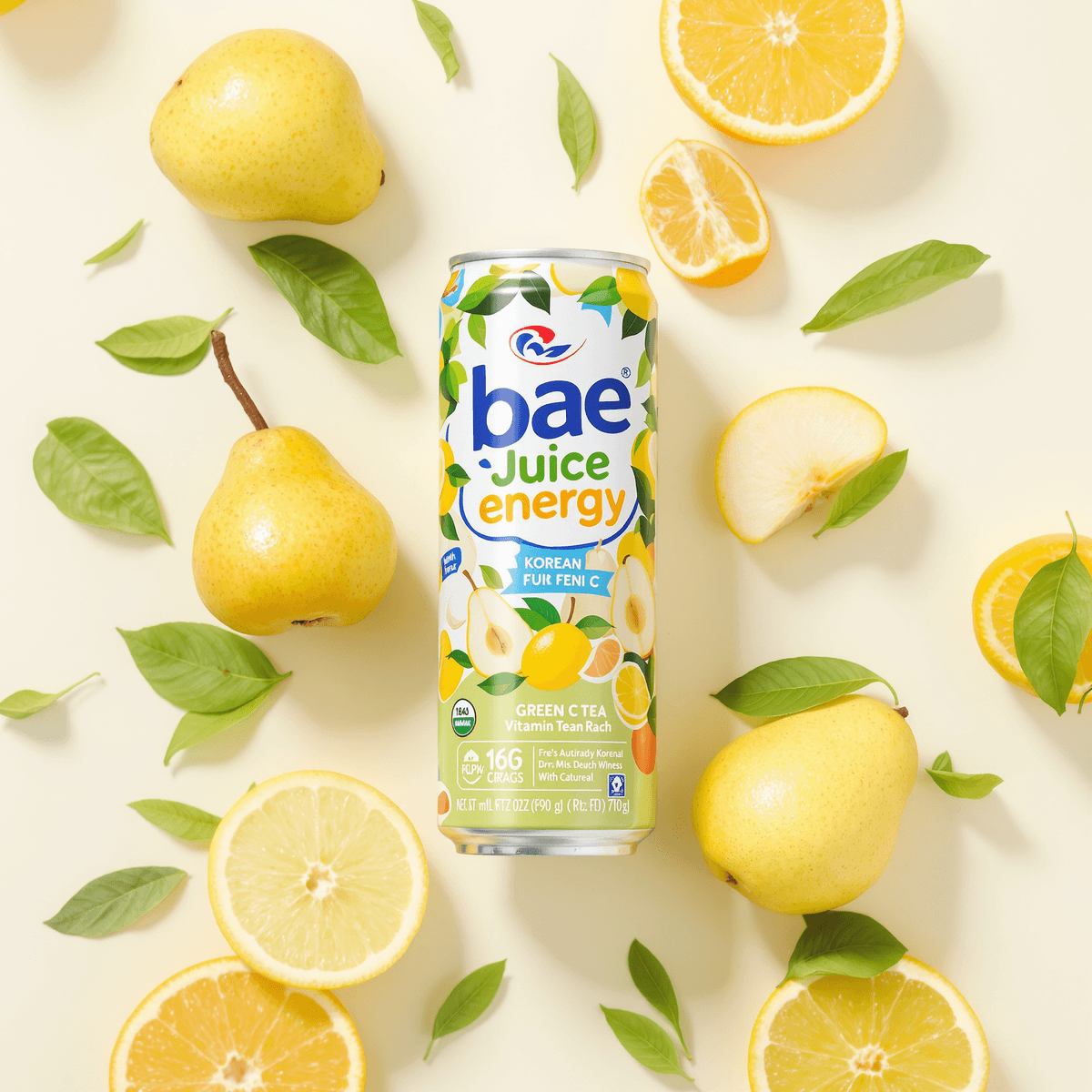
    Bae Juice, an Australian beverage maker, has disrupted the energy drink market with their innovative new product line, Bae Juice Energy. The brand, known for its pioneering work in hangover-prevention drinks since 2019, brings a fresh perspective to the energy drink category.

    Bae Juice Energy stands out with its clean, functional approach to providing sustained energy. The drink combines traditional Korean ingredients with modern wellness trends, creating a unique beverage that appeals to health-conscious consumers seeking natural energy alternatives.

    “This isn’t just another energy drink. It’s the first of its kind in Australia – and the cleanest option on the shelf” – Tim O’Sullivan, Bae Juice co-founder

    The product targets busy professionals, fitness enthusiasts, and wellness-focused individuals looking for an energy boost without the drawbacks of conventional energy drinks. By prioritizing natural ingredients and avoiding excessive sugar content, Bae Juice Energy positions itself as a revolutionary player in Australia’s competitive beverage market.

    Key Ingredients in Bae Juice Energy

    Bae Juice Energy stands out with its carefully selected blend of natural ingredients designed to deliver sustained energy and wellness benefits:

    Korean Pear Juice

    • Natural sweetness and refreshing taste
    • Rich in antioxidants and flavonoids
    • Known for its digestive health properties
    • Traditional Korean remedy for hangover prevention

    Green Tea Extract

    • Natural caffeine source without the jitters
    • Contains L-theanine for focused energy
    • Packed with polyphenols and catechins
    • Supports metabolism and mental clarity

    Vitamin C

    • Boosts immune system function
    • Acts as a natural antioxidant
    • Supports collagen production
    • Enhances iron absorption

    The combination of these ingredients creates a synergistic effect. Green tea’s natural caffeine works alongside L-theanine to provide steady energy without crashes. Korean pear juice adds essential nutrients and a subtle sweetness, while Vitamin C strengthens your body’s natural defenses.

    You’ll find no artificial sweeteners or excessive sugar content in Bae Juice Energy. Each ingredient serves a specific purpose, from energy enhancement to immune support, making it a functional beverage that aligns with modern health-conscious lifestyles.

    The Clean Energy Drink Concept

    Bae Juice Energy redefines the traditional energy drink market with its revolutionary clean energy approach. The brand’s commitment to functional energy stands in stark contrast to conventional energy drinks loaded with artificial ingredients and excessive sugar content.

    Key Differentiators of Bae Juice Energy’s Clean Concept:

    • Natural Energy Source: The drink uses green tea extract for sustained energy release, avoiding synthetic caffeine alternatives
    • Minimal Sugar Content: Unlike traditional energy drinks containing up to 20 teaspoons of sugar, Bae Juice Energy keeps its sugar content low
    • No Energy Crashes: The natural ingredient blend helps eliminate the common “jitters” and energy crashes associated with conventional energy drinks

    The clean energy drink concept aligns with growing consumer demand for healthier beverage alternatives. Bae Juice Energy positions itself as a daily wellness companion rather than just another sugary energy boost. This approach resonates with health-conscious consumers seeking functional benefits without compromising their dietary preferences.

    Market Expansion Strategy

    Bae Juice’s remarkable growth stands as a testament to its market success. Since its 2019 launch, the brand has achieved an impressive $10 million in total revenue, with $2.5 million generated in the current fiscal year alone. This substantial financial performance highlights the strong consumer demand for innovative beverage solutions in Australia.

    Strategic Partnerships and Retail Presence

    The brand’s distribution strategy focuses on strategic partnerships and widespread retail presence. A key milestone in this expansion came through the partnership with Ampol Foodary, securing placement in over 400 locations across Australia. This collaboration has significantly enhanced Bae Juice’s accessibility to consumers, particularly targeting on-the-go customers seeking healthier energy drink alternatives.

    Diverse Distribution Network

    Bae Juice’s distribution network encompasses:

    • Major retail chains
    • Independent stores
    • Convenience outlets
    • Specialty beverage retailers
    • Service station networks

    The brand’s success in securing these diverse retail channels demonstrates its appeal to both mainstream consumers and health-conscious individuals. This multi-channel approach has enabled Bae Juice to capture different market segments while maintaining its premium positioning in the energy drink category.

    Aligning Distribution with Product Innovation

    The company’s distribution strategy aligns with its product innovation, ensuring that its unique Korean pear-based beverages reach consumers through convenient and familiar retail touchpoints. This calculated expansion has established a strong foundation for the brand’s continued growth in the Australian beverage market. Bae Juice’s strategy mirrors some of the successful elements seen in larger companies like Coca-Cola, which have mastered global dominance through similar strategic approaches.

    Positioning Bae Juice Energy in the Market

    Bae Juice Energy stands out in Australia’s competitive beverage market by combining two separate markets: hangover prevention and energy drinks. This strategic positioning allows the brand to leverage its established reputation in hangover prevention while attracting health-conscious energy drink consumers.

    The brand’s unique value proposition stems from its dual-functionality approach:

    • A clean energy boost without the typical sugar overload
    • Natural hangover prevention properties from Korean pear juice

    This positioning sets Bae Juice Energy apart from traditional energy drinks that often rely on synthetic ingredients and excessive sugar content. The brand’s commitment to using natural ingredients resonates with health-conscious consumers seeking functional beverages that align with their wellness goals.

    By introducing an energy drink variant, Bae Juice expands its market reach beyond its original hangover-prevention customer base. This strategic move allows the brand to capture daily consumption occasions rather than limiting itself to specific use cases.

    Future Growth Projections for Bae Juice Energy

    Bae Juice’s expansion strategy signals remarkable growth potential in the Australian beverage market. The brand’s target to reach 5000 stores nationwide by year-end demonstrates its aggressive scaling approach and strong market confidence.

    This ambitious distribution plan includes partnerships with:

    • 1000+ independent retailers
    • Major retail chains
    • Convenience stores
    • Health food outlets

    The rapid store expansion builds on Bae Juice’s existing success with its hangover prevention drinks. Market analysis suggests the functional beverage sector continues to grow, driven by health-conscious consumers seeking alternatives to traditional energy drinks.

    The brand’s distribution strategy aligns with changing consumer preferences for clean-label products. You’ll find Bae Juice Energy positioned alongside premium beverages in retail locations, targeting demographics willing to pay for quality ingredients and functional benefits.

    This strategic placement and wide-reaching distribution network position Bae Juice Energy to capture a significant share of Australia’s growing functional beverage market.

    Conclusion

    Bae Juice Energy represents a new era in the energy drink market – one that prioritizes clean ingredients and functional benefits. You’ll find a refreshing blend of Korean pear juice, natural caffeine from green tea, and immune-boosting Vitamin C in every can.

    The beverage landscape is evolving, and consumers like you are seeking smarter alternatives to traditional energy drinks. Bae Juice Energy answers this call with its innovative approach to all-day energy without the sugar crash or jitters.

    Ready to transform your daily energy boost? Give Bae Juice Energy a try – it’s where great taste meets functional benefits in a clean, natural energy drink that works with your body, not against it.

    FAQs (Frequently Asked Questions)

    What is Bae Juice Energy and who makes it?

    Bae Juice Energy is a new energy drink product created by Bae Juice, an Australian beverage maker known for innovative and natural beverage options.

    What are the key ingredients in Bae Juice Energy?

    Bae Juice Energy contains Korean pear juice, green tea extract, and Vitamin C. These ingredients provide a natural source of caffeine and support immune health.

    How does Bae Juice Energy differ from traditional energy drinks?

    Unlike traditional energy drinks, Bae Juice Energy emphasizes a clean energy concept with low sugar content and focuses on delivering a functional energy boost without excessive additives.

    What is Bae Juice’s market strategy for expanding Bae Juice Energy in Australia?

    Bae Juice has generated $10 million in revenue and expanded distribution through partnerships with Ampol Foodary locations across Australia to increase accessibility.

    How is Bae Juice Energy positioned in the hangover-prevention drink market?

    Bae Juice Energy targets the hangover-prevention drink market by offering a unique functional beverage designed to support recovery and provide clean energy.

    What are the future growth plans for Bae Juice Energy?

    Bae Juice aims to have Bae Juice Energy available in 5000 stores nationwide by the end of the year, reflecting ambitious plans for national expansion.

    Powered by junia.ai. To remove branding, please upgrade to a paid plan.

    In addition to expanding its retail presence, Bae Juice Energy plans to invest in targeted marketing campaigns to raise brand awareness and educate consumers about the benefits of their product. The company also has plans to explore partnerships with fitness influencers and health-focused events to further promote their brand and reach their target audience.


  • Malaysia’s largest coffee chain Zus Coffee targets 200 Southeast Asian outlets this year

    Malaysia’s largest coffee chain Zus Coffee targets 200 Southeast Asian outlets this year

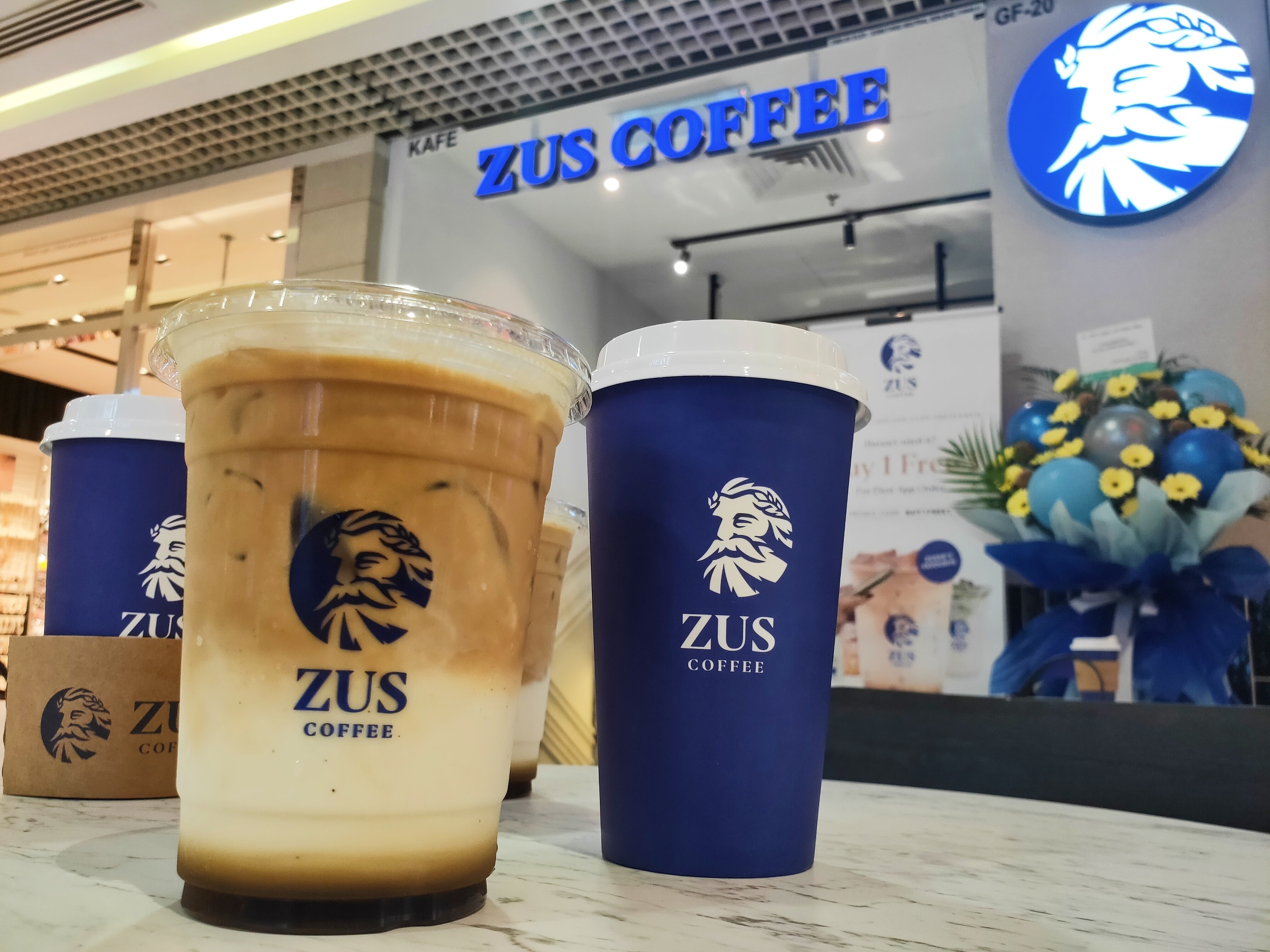
    Malaysia’s largest coffee chain, Zus Coffee, plans to launch 200 new outlets in Southeast Asia this year, according to CEO Venon Tian in an interview with Bloomberg.

    Zuspresso, the operator of the Zus brand, is targeting at least 107 new stores in Malaysia, 80 in the Philippines, and six in Singapore. It also eyes to set up the first stores in Thailand and Indonesia this year.

    Last year, Zus surpassed Starbucks as Malaysia’s top coffee chain after five years of operation, with 743 outlets compared to Starbucks’ 320.

    It also manages 120 stores in the Philippines.

    Zus reported a threefold increase in net income to RM37 million (US$8.4 million) in 2024, reflecting its rapid growth.

    Tian attributed the company’s success to its market-specific flavors, such as palm sugar-flavored drinks in Malaysia and purple yam-flavored coffee in the Philippines.

    Zus, which started out as a kiosk focusing on coffee delivery in 2019, now sees about 70% sales coming from online channels, including deliveries and pickups.

    Its tech-driven approach and cost-efficient store construction have enabled it to offer coffee over 20%cheaper than Starbucks, boosting its widespread appeal in Malaysia.

    Zus drinks are price in the mid-range in Malaysia, between the RM5 price tag of convenience stores and RM11 of premium stores.

    “It’s about how we make quality coffee accessible to most people,” Tian said.

  • Levi’s unveils new Icon store at Palladium Mall Mumbai

    Levi’s unveils new Icon store at Palladium Mall Mumbai

    American denim brand Levi’s has opened an Icon store at Palladium Mall, in Mumbai.

    Spanning 5197sqft, the boutique features an indigo ombre facade, with the ceilings, walls, and pillars painted in indigo.

    The store aims to deliver an elevated shopping experience, offering bespoke alterations, custom embroidery, and distressing.

    At the same time, a spacious lounge area has been incorporated, allowing visitors to shop and engage at their own pace.

    Hiren Gor, GM for South Asia at Levi Strauss & Co, said the new Icon store supports the brand’s expanding direct-to-consumer strategy in India.

    “Mumbai remains a key market for us,” he said. “Palladium Mall, known for its premium luxury retail mix and fashion-forward consumers, provides the perfect setting for our latest Levi’s Icon store.”

  • Google might have to sell off some of its businesses after a judge makes a critical ruling

    Google might have to sell off some of its businesses after a judge makes a critical ruling

    A ruling made by a US federal judge this morning could help the Justice Department decide to force Google to break up its online advertising businesses. District Judge Leonie Brinkema, of the US District Court for the Eastern District of Virginia, ruled that Google illegally dominated two markets for online advertising that combined to generate billions in revenue for Alphabet last year.

    Judge Brinkema said that Google was liable for “willfully acquiring and maintaining monopoly power” in the online publisher ad server market, and in the ad-exchange market that connects ad buyers with ad sellers. “Google further entrenched its monopoly power by imposing anticompetitive practices on its customers and eliminating desirable product features,” the judge added in her decision.

    Google did score a moral victory when the judge ruled that the DOJ failed to present enough evidence for her to rule that Google had a monopoly in the advertiser ad networks segment of the online advertising market. Google jumped on that victory to claim a partial win and said that it would challenge the rest of the judge’s rulings.

    “We won half of this case and we will appeal the other half. The Court found that our advertiser tools and our acquisitions, such as DoubleClick, don’t harm competition. We disagree with the Court’s decision regarding our publisher tools. Publishers have many options and they choose Google because our ad tech tools are simple, affordable and effective.”

    In her 115-page decision, Judge Brinkema agreed with the DOJ that Google, by tying its ad server and ad exchange businesses together, was able to “establish and protect its monopoly power in these two markets.” Publisher ad servers are a platform used by publishers to manage and control their inventory of ads. The ad exchange business is a digital marketplace that connects ad sellers like publishers with potential ad buyers like advertisers. It can be compared to an online stock exchange where ads and ad space are bought and sold instead of equities.

    The DOJ has argued that the court should force Google to sell off its digital advertising products including Google Ad Manager which includes the ad exchange and the publisher ad server. On Wall Street, shares of Google parent Alphabet (GOOG-NASDAQ) slipped slightly on the news with the stock down 1.3% or $2.01 to $153.49. The 52-week high is $208.70 while $142.66 is the 52-week low.

    Google’s legal issues continue. Next week, a court in Washington will hold a trial with the DOJ attempting to force Google to sell its Chrome Browser and take other steps to reduce its dominance in the search engine market.

    Some consumer watchdogs took to their social media platforms to declare victory over Google. Sacha Howarth, executive director of the Tech Oversight Project, said, “This ruling is an unequivocal win for the American people that will help lower prices, increase competition, and lead to a better internet for everyone.”

  • Vietnam president sends congratulatory letter to Amanda Nguyen, first woman of Vietnamese origin to fly into space

    Vietnam president sends congratulatory letter to Amanda Nguyen, first woman of Vietnamese origin to fly into space

    Vietnam’s President Luong Cuong sent a letter of congratulations to Amanda Ngoc Nguyen as she became the first woman of Vietnamese woman to fly into space in a historic all-female crew this week.

    Blue Origin, founded by billionaire Jeff Bezos, organized a flight of New Shepard, a fully reusable, suborbital rocket system, with a crew of six women in West Texas, the U.S., on April 14 (local time).

    The flight, called mission NS-31, is the 11th human spaceflight project of Blue Origin. The six participants are outstanding women in many fields, including Vietnamese American Nguyen – founder and general director of the non-governmental organization RISE.

    The New Shepard’s journey was a great success, reaching an altitude of 100 km in space and returning safely. After the flight, Nguyen marked herself as the first woman of Vietnamese origin to fly into space.

    Vietnamese Ambassador to the U.S. Nguyen Quoc Dung attended the New Shepard mission and presented a letter from State President Luong Cuong to Nguyen. In the letter, the President expressed his joy and pride that for the first time a woman of Vietnamese origin had flown into space, affirming the talent and intelligence of Vietnamese people in the U.S. and around the world.

    The President’s letter emphasized that in 2025, Vietnam and the U.S. will celebrate the 30th founding anniversary of diplomatic relations and in the overall relationship between the two countries, Vietnam highly appreciates the positive contributions of the Vietnamese community in the U.S. to the development and progress of the U.S., as well as promoting the Vietnam-U.S. cooperative relationship.

    The President also highly appreciated the cooperation between Amanda Nguyen and the Vietnam National Space Center (VNSC), helping to promote the cooperative relationship between the U.S. and Vietnam.

    Born on Oct. 10, 1991, Nguyen graduated from the Harvard University and interned at NASA in 2013. She then worked at the Harvard & Smithsonian Center for Astrophysics, and then served as deputy White House liaison at the U.S. State Department.

    In November 2014, she founded Rise, a non-governmental organization dedicated to protecting the civil rights of survivors of sexual assault. In 2019, she was nominated for the Nobel Peace Prize for her efforts to fight for the rights of victims of sexual assault.

  • The Peninsula Boutique reopens at Hong Kong Airport

    The Peninsula Boutique reopens at Hong Kong Airport

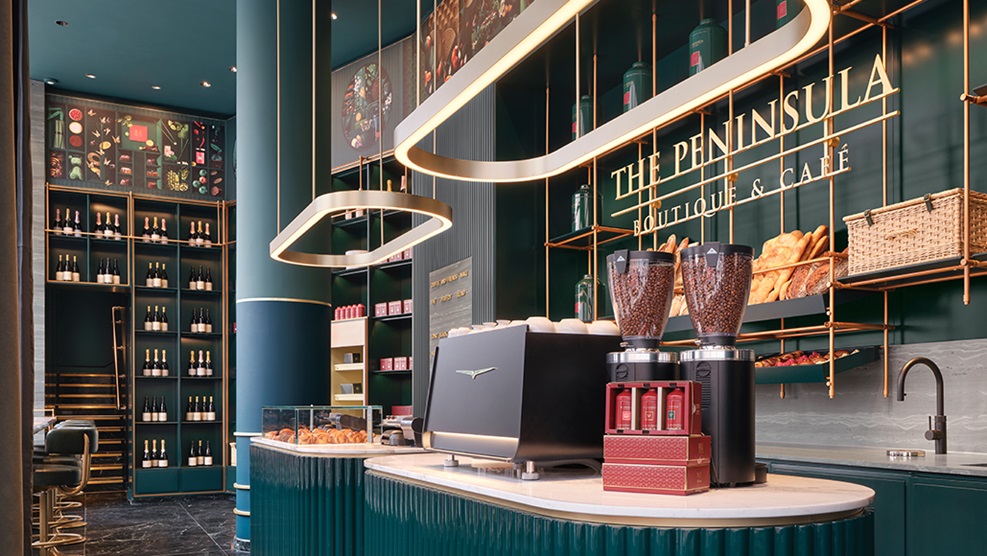
    The Peninsula Boutique has reopened a revamped retail space at Hong Kong International Airport’s passenger departure area.

    The redesigned boutique features a minimalist aesthetic with green tones and Champagne chrome accents, aiming to offer a modern and approachable retail experience.

    Travellers can find various gift items, including palmiers, egg rolls, signature teas and chocolates, and travel essentials and children’s products such as colouring mats and play sets.

    “At Hong Kong International Airport, a gateway that connects millions of travellers to the world, our boutique stands as a proud ambassador of Hong Kong’s rich culture and craftsmanship,” remarked Benjamin Vuchot, CEO of The Hongkong and Shanghai Hotels.

  • Hoka opens its first store in Vietnam

    Hoka opens its first store in Vietnam

    Footwear retailer Hoka has launched a store in Vietnam, marking its first physical presence in the market.

    Located at Ho Chi Minh City’s Saigon Centre, the store is in partnership with distributor Central Brand & Specialty Group (CBS) and offers a full range of products, from road and trail running to street-ready styles.

    The shop features 3D foot-scanning technology, which analyses consumers’ foot shapes and offers personalised shoe recommendations.

    “We chose Saigon Centre – the most strategic and vibrant location in Ho Chi Minh City – because it not only reflects the position of a leading brand like Hoka, but also perfectly fits CBS’s commitment to enhancing everyday lifestyle,” said Ty Chirathivat, CEO of Central Brand & Specialty Group (CBS), during the brand’s opening ceremony.

    Hoka was first launched in Vietnam four years ago, sold through Supersports retail channels.

    Earlier this year, Hoka opened its Bondi 9 pop-up in Hong Kong to mark the latest generation of its ultra-cushioned road-running shoe.

  • Lawson reveals ambitious Southeast Asian expansion plan

    Lawson reveals ambitious Southeast Asian expansion plan

    Japanese convenience store chain Lawson plans to raise its store count in overseas markets and accelerate growth in Southeast Asia over the coming years.

    The chain is targeting 14,000 overseas stores over the next six years. Its international network currently includes 7400 locations in China, Thailand, the Philippines, Indonesia and the US state of Hawaii.

    The retailer also plans to boost growth in Southeast Asia by entering franchise agreements with local retail partners and opening directly managed stores. However, it did not reveal the new markets under evaluation.

    In addition, the company will look into the possibility of expanding to additional countries.

    Founded in 1975, Lawson has about 14,600 domestic stores. As of the end of last year, Japan had approximately 55,736 convenience stores, according to local statistics.

    While the top three convenience chains – Lawson, 7-Eleven and FamilyMart – are projected to achieve a net increase of up to about 400 stores this fiscal year, the industry faces fierce competition from drugstores and online retailers.

    Last August, Lawson shifted to a joint management system involving trading house Mitsubishi Corp and telecommunications operator KDDI to develop products that fit customer tastes and introduce tech-driven services.

  • Indonesia’s e-commerce market tipped to exceed $46 billion

    Indonesia’s e-commerce market tipped to exceed $46 billion

    E-commerce transaction values are growing steadily in Indonesia, with the market size up from $18.2 billion in 2020 to $40.8 billion last year.

    According to data and analytics company GlobalData, this represents a compound annual growth rate (CAGR) of 22.3 per cent.

    With such a growth pace, GlobalData forecasts the Indonesian e-commerce market to reach $46.6 billion in value this year.

    Government initiatives to improve digital infrastructure and online transaction security have contributed to this market growth, the research house reports.

    To protect traditional businesses and online marketplaces, and to reduce online fraud, the Indonesian Ministry of Trade issued a ban on social media e-commerce transactions in 2023, improving consumer confidence.

    GlobalData’s 2024 Financial Services Consumer Survey found that alternate payment methods held a market share of 49.3 per cent in the e-commerce payment landscape due to their convenience, speed, and security.

    Mobile wallets such as GoPay and Dana have gained popularity among consumers, with GoPay seeing 30 million downloads last July.

    The survey found that bank transfers held a 30.2 percent market share, particularly for high-value transactions, attributed to perceived security and the direct nature of the process.

    The use of cards for e-commerce transactions was just 7.5 percent, according to the survey.

    A preference for credit cards was seen due to the benefits offered, such as reward programs, cashback, interest-free installment payment options, and discounts.

    “Looking ahead, Indonesia’s e-commerce market value is projected to grow at CAGR of 12 per cent from 2025 to 2029. The growth will be driven by several key trends, including the continued expansion of digital payment solutions, the increasing penetration of smartphones and internet connectivity, and the rising demand for convenient and secure online shopping experiences,” said GlobalData banking and payments analyst Siddharth Das.

  • Google Wallet now brings even more notifications to your lock screen

    Google Wallet now brings even more notifications to your lock screen

    Google Wallet is getting new features and improvements all the time, which is quite surprising for an app that was initially designed as a simple digital wallet. Over the years, Wallet has become so much more than just a digital wallet, as Google thoroughly added dozens of new functionalities that allow users to manage not just their payments cards, but also pass tickets, keys, and even IDs.

    The most recent Google Wallet update adds new features that are especially important for commuters. Starting today, Google’s Wallet digital wallet app will show in real-time the status of your train ride.

    You’ll be notified directly on your phone’s lock screen whether your train will be arriving on time or if it’s delayed. In order for these notifications to happen, users will first have to add their train tickets to the Google Wallet app.

    The bad news is this is not available for all railroad companies and, more importantly, only live in two countries: India and Canada. For the time being, Google Wallet users in these countries will be able to add their train tickets in the app if they’re from Indian Railways or Via Rail.

  • Goldman Sachs Benefits from the Turbulence

    Goldman Sachs Benefits from the Turbulence

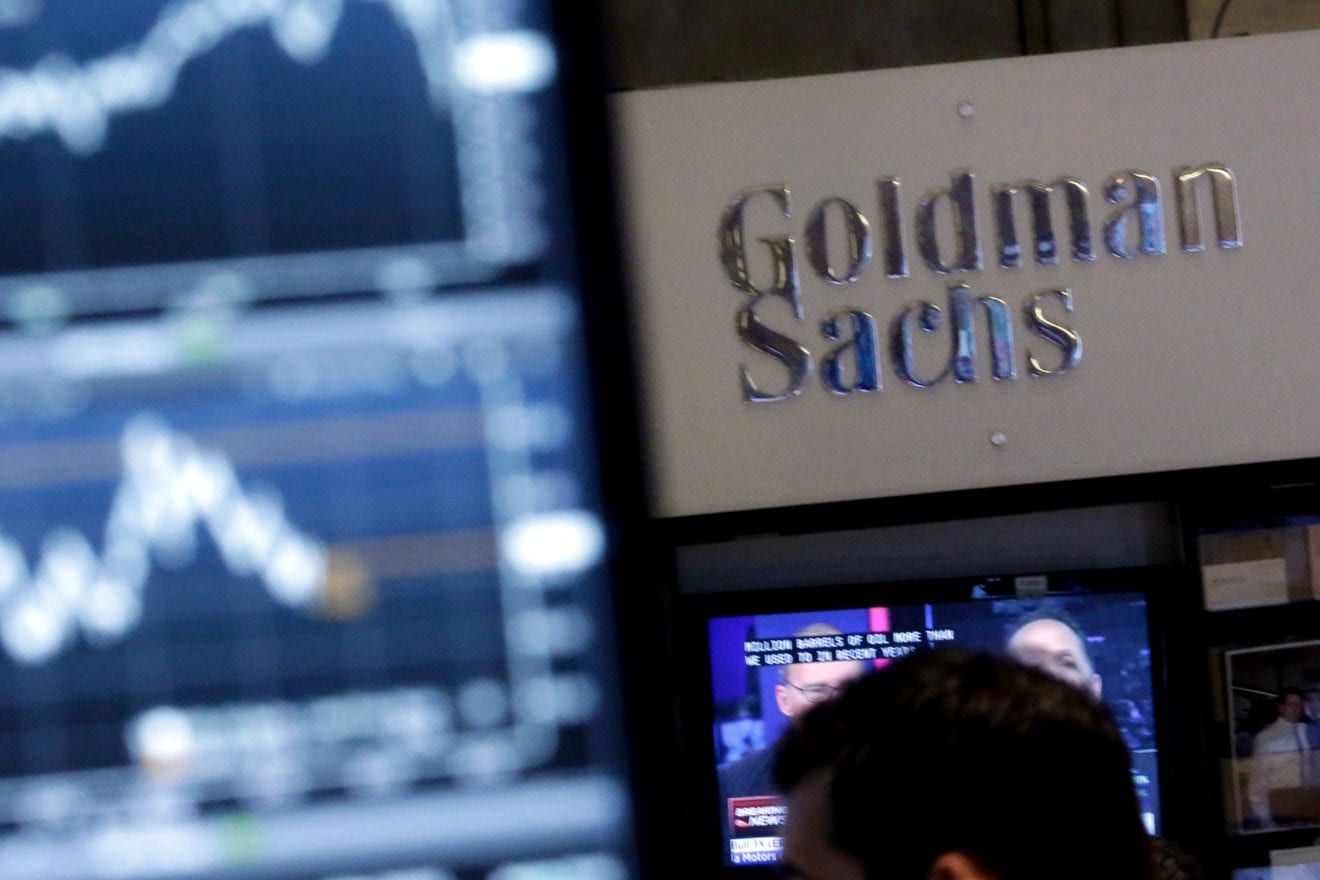
    The Wall Street bank increased its profits significantly in the first quarter. The high volatility boosted trading income.

    Goldman Sachs increased its profit in the first quarter of 2025 by 15 percent to $4.74 billion or $14.12 per share.

    Revenues increased by 6 percent to $15.06 billion in the first three months. In the period from January to March, the financial institution posted earnings of – an increase of six percent.

    The turbulent markets led to a particularly strong increase in income from equity trading. Here, an increase of 27 percent to a record value of $4.2 billion was recorded. Income from trading in fixed-interest securities, foreign exchange and commodities rose by 2 percent to $4.4 billion.

    Our strong results this quarter demonstrated that in times of great uncertainty, clients turn to Goldman Sachs for execution and market insights, said CEO David Solomon. While we begin the second quarter in a significantly different environment than at the beginning of the year, we remain confident that we can continue to support our clients.

    By contrast, fees in investment banking fell by 8 percent to $1.9 billion in the quarter under review due to lower advisory fees.

    Income in the wealth management division fell by 3 percent to $3.68 billion due to losses in equities and bonds. At the end of the quarter, the bank managed record assets of $3.17 trillion.

    Morgan Stanley, J.P. Morgan Chase and Wells Fargo had already published their quarterly figures last week.

  • Etihad Cargo increases main deck capacity by 18% to support increased demand in Greater China

    Etihad Cargo increases main deck capacity by 18% to support increased demand in Greater China

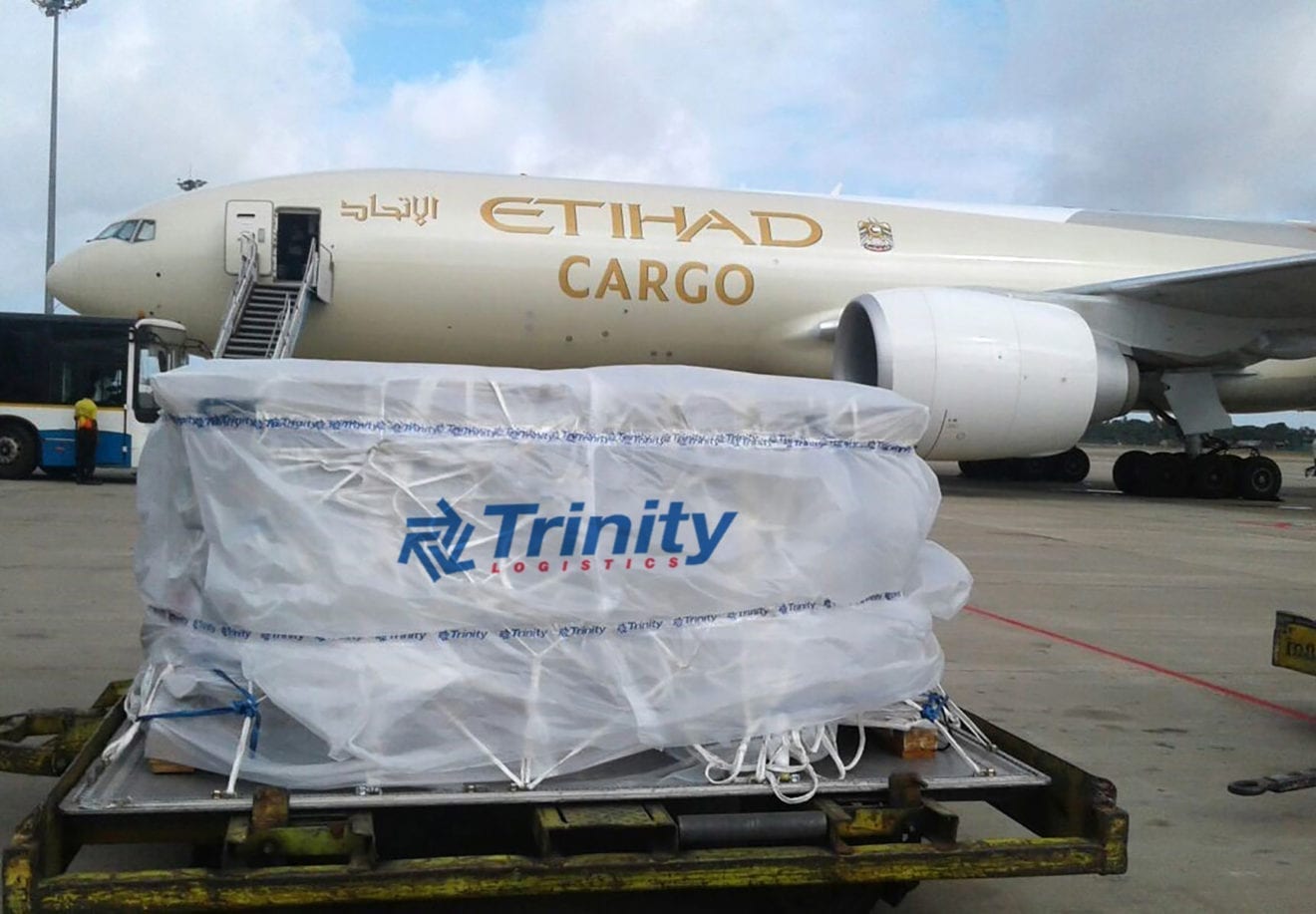
    Etihad Cargo, the cargo and logistics arm of Etihad Airways, has expanded its capacity to meet increasing customer demand in Greater China. The carrier has increased its total flights to and from China from 11 in 2024 to a planned total of 18 in 2025, strengthening trade links between key global markets.

    Etihad Cargo’s capacity will be supplemented by a wet-lease 747-F and will support increased freight movements on high-demand routes and provide customers with greater flexibility in shipping cargo to and from key markets.

    To accommodate growing market demand, Etihad Cargo has added three additional weekly freighter flights to Shenzhen and two additional weekly flights to London. The expanded operations will improve/strengthen connectivity between China, Europe, and the Middle East, offering increased capacity for the transportation of e-commerce, pharmaceuticals, perishables, and other critical shipments.

    The increase in capacity aligns with Etihad Cargo’s strategy of expanding its global network to provide reliable, customer-centric solutions. The carrier remains committed to delivering efficient and flexible freight services while strengthening Abu Dhabi’s position as a leading global logistics hub.

    Stanislas Brun, Chief Cargo Officer at Etihad Cargo, commented: “Etihad Cargo continues to invest in expanding its network and capacity to support the evolving needs of global trade. The introduction of the additional capacity and flights to Shenzhen and London Stansted demonstrate our commitment to meeting customer demand with increased availability and connectivity across key trade routes.”

    By strengthening its presence in China and increasing links to Europe, Etihad Cargo is providing additional capacity to facilitate the movement of goods across international markets.