Tag: asia

  • Taiwanese bubble tea chain Gong Cha hits US$600m in global sales

    Taiwanese bubble tea chain Gong Cha hits US$600m in global sales

    Taiwanese bubble tea chain Gong Cha has reached US$600 million in global system sales for the 12 months ended December, driven by its rapid global expansion.

    Group revenue also rose 12 percent year-on-year to US$190 million as the brand expanded operations in Japan, South Korea, and the US.

    The company opened 240 new stores and entered five new markets: Saudi Arabia, Morocco, Mauritius, Honduras and Puerto Rico. Gong Cha now operates 2162 stores across 28 countries.

    “It’s been a fantastic year for Gong Cha,” said Paul Reynish, global CEO. “We’ve invested heavily in our supply chain and operations, expanded our footprint through new stores and geographies, and focused on making our existing stores more efficient and profitable for our franchisees.”

    The company recently introduced a new store format, Gong Cha 2.0, alongside a digital kitchen system that features ordering kiosks and automated drink machines.

    The brand also launched several marketing campaigns, including a high-profile collaboration with Final Fantasy XIV and limited-time drink offerings, resulting in more than 1.3 billion media impressions last year.

    “Looking ahead, we see huge potential for Gong Cha to become a global brand,” Reynish added.

    Founded in Taiwan in 2006, Gong Cha relocated its global headquarters to London in 2019. The company plans to enter at least six new markets this year and reach 10,000 stores globally by 2032.

  • Uniqlo parent expects profit lift ahead of tariff disruption

    Uniqlo parent expects profit lift ahead of tariff disruption

    The operator of Uniqlo, Japan’s Fast Retailing, is expected to post another quarter of strong earnings on Thursday, but the focus will be on how the global clothing chain navigates a trade environment thrown into disarray by new US tariffs.

    Based on the LSEG consensus forecast drawn from six analysts, Fast Retailing is expected to post a 14 percent rise in operating profit to US$866 million in the three months through February from a year earlier.

    That would be a record for the second quarter and a near doubling of the 7.4 per cent profit growth of the first quarter.

    From one store in Hiroshima, western Japan, 40 years ago, Uniqlo has grown to more than 2,500 locations across the world, selling inexpensive fleeces and cotton shirts made primarily in China and other Asian manufacturing hubs.

    But that business model has been upended by widespread tariffs announced by US President Donald Trump, along with retaliation by some of America’s trading partners.

    The company has recently looked to North America and Europe for growth due to a slowing economy in China, its largest overseas consumer market with more than 900 Uniqlo stores on the mainland.

    The tariffs will certainly be a negative for Fast Retailing, said independent analyst Mark Chadwick, but the measures will have the same impact on its retail peers and have a worse effect on other industries.

    “Textile supply chains are probably more flexible than, say auto supply chains,” said Chadwick, who writes on the Smartkarma platform. “In short, US tariffs will have a negative impact on Fast earnings looking out over the next 12 months, but less so than other global firms like Nintendo, Toyota.”

    Fast Retailing shares have fallen more than 4 percent this month as Trump laid out his tariffs plan. They are down 19 percent in 2025 after surging nearly 50 percent last year.

    Its founder Tadashi Yanai, Japan’s richest man, aims to make his company the world’s No. 1 clothing brand. Yanai, due to speak at Thursday’s earnings briefing, has long been an advocate of free trade and has defended the company’s business dealings in China when human rights concerns there have sprung up.

    Trump said Japan would be hit with a 24 percent reciprocal tariff on non-auto products, while duties on Chinese goods would rise to 104 percent.

    UBS analysts said that Uniqlo goods shipped to North America are procured from sources outside China, and Fast Retailing’s tariff costs would be an estimated $236,011 million next fiscal year, curbing business profit by about 6 per cent.

    “We will be watching closely whether a heightened price consciousness among consumers leads them to re-rate the balance between value and pricing at Uniqlo, potentially translating into business opportunities over the medium term,” UBS’s Takahiro Kazahaya wrote in a report this week.

    Fast Retailing expects operating profit to reach 530 billion yen in the fiscal year ending in August, which would be a fourth straight year of record earnings.

    Domestic sales have recently gotten a boost from a surge in duty-free shopping amid a tourism boom in Japan fuelled by a weak yen.

  • Singapore retail sales plunge in February

    Singapore retail sales plunge in February

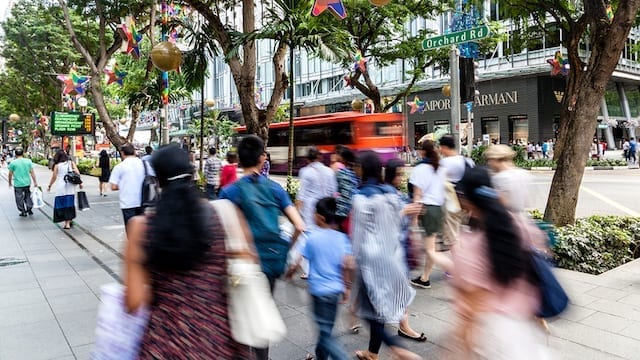
    Singapore retail sales took a dive in February due to the difference in timing of the Chinese New Year.

    Excluding motor vehicles, retail sales fell 6.7 percent year-on-year in February, reversing the 5.1 percent increase in January. The estimated total value was SG$3.2 billion (US$2.3 billion), of which 14.6 percent were from online sales.

    The Department of Statistics said the decline was partly due to Chinese New Year being celebrated in February last year, as opposed to January this year.

    For the two-month period (January to February), retail sales were down 0.5 per cent.

    By industry, wearing apparel and footwear recorded the biggest sales decline of 18.4 percent, mainly due to lower sales of wearing apparel. Department stores and supermarkets and hypermarkets saw a 14.6 percent and 13.3 percent decrease, respectively.

    In contrast, retailers of optical goods and books recorded sales growth of 6.4 percent. The cosmetics, toiletries and medical goods, watches and jewellery, and computer and telecommunications equipment industries also reported modest improvements.

    Sales of food & beverage services fell 5.6 percent in February, compared to the 10.3 percent growth in January. This was also due to the difference in the timing of Chinese New Year.

  • J Lindeberg opens five-story flagship in Seoul’s Gangnam district

    J Lindeberg opens five-story flagship in Seoul’s Gangnam district

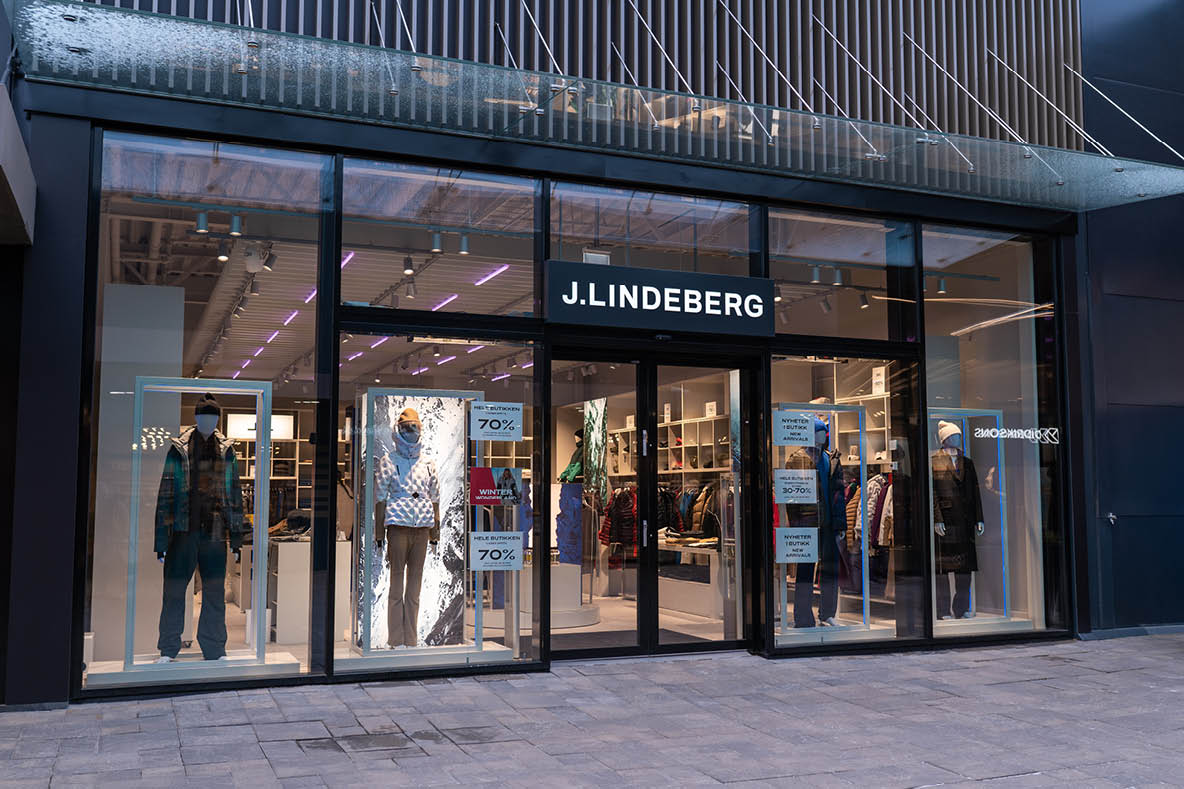
    In Seoul’s trendy Gangnam district, Swedish apparel label J Lindeberg has opened its largest store yet, a five-storey flagship.

    The concept store is inspired by the rhythm of golf and each floor showcases the company’s apparel as if navigating a golf course.

    The store was designed in collaboration with interior creatives, Showmakers, to celebrate movement, performance, and modern luxury through its furniture, themed zones and hangout spaces.

    The store offers different services on each floor,

  • China pressures Shein against shifting its supply chain

    China pressures Shein against shifting its supply chain

    Fast-fashion retailer Shein is facing opposition from the Chinese government over its plans to shift some production out of the country, Bloomberg News reported on Tuesday, citing people familiar with the matter.

    China’s Ministry of Commerce has reached out to Shein and other companies, advising them against diversifying supply chains by sourcing from other countries, one person familiar with the matter told Bloomberg News.

    Bloomberg News said it wasn’t immediately clear which other firms were contacted by the commerce ministry.

    The requests came in the run-up to US President Donald Trump’s announcement on reciprocal tariffs that have sent firms scrambling for alternative ways to avoid additional import levies, the person told Bloomberg News.

    Shein did not immediately respond to a Reuters request for comment on the report.

    Trump’s harsher-than-expected tariffs have roiled markets globally, wiping trillions of dollars in value across assets, and elicited strong rebuke from China and additional tariffs of 34 per cent on all US goods.

  • McDonald’s renews 20-year franchise deal in the Philippines

    McDonald’s renews 20-year franchise deal in the Philippines

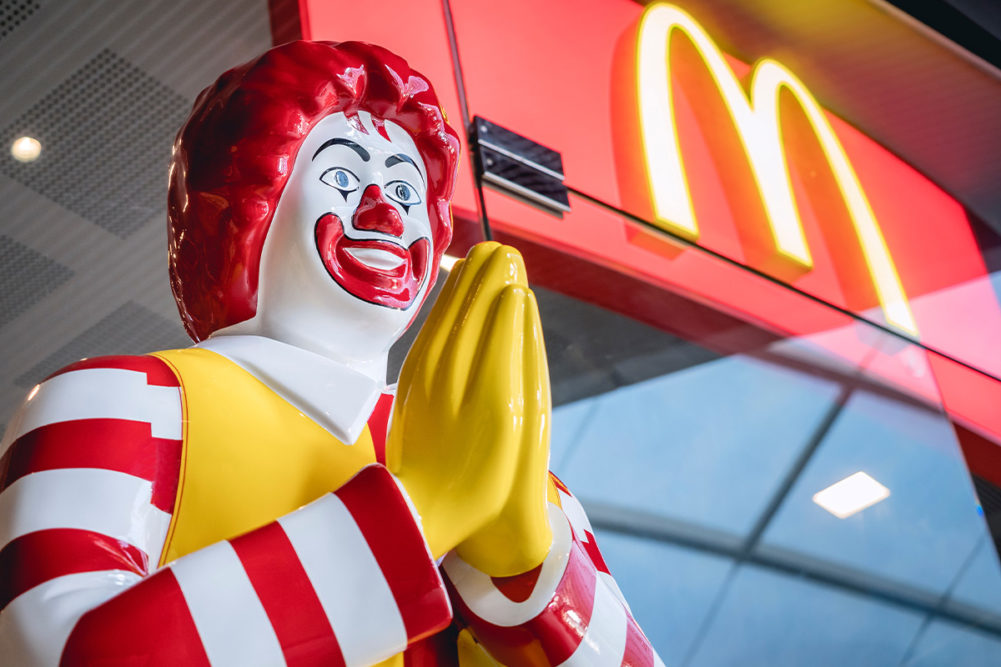
    McDonald’s has renewed its 20-year master franchise agreement in the Philippines, extending its partnership with Golden Arches Development Corporation (GADC) until 2045.

    Under the new agreement, the company retains exclusive rights to own, develop, operate and sub-franchise McDonald’s restaurants nationwide.

    GADC, led by founder and chairman George Yang, has operated the fast food giant’s Philippine business since opening the first McDonald’s store in 1981.

    The chain operates 792 stores in the Philippines, with the majority in the National Capital Region.

    Reflecting on the franchise’s early days, Yang recalled applying for the rights in the late 1970s.

    “I confidently said 10 stores,” he continued. “This year, we’ll be opening our 800th store.”

    McDonald’s Philippines has introduced several firsts to the local quick-service restaurant sector. It was the first in the country to launch an online delivery platform in 2009, followed by the McDelivery app in 2014.

    The brand was also an early adopter of third-party delivery aggregators such as Grab and Foodpanda, where it is now one of the largest merchants.

    Last year, McDelivery accounted for 19 per cent of the company’s total sales.

    Kenneth Yang, GADC president and CEO, said digital transformation has played a key role in McDonald’s growth in the market.

    “These platforms have helped scale the business and improved how we operate,” he said.

    “We are not stopping here. Our teams constantly work on new opportunities driven by evolving customer preferences and behaviours.”

    GADC is 51 percent owned by the Yang family, with the remaining 49 percent held by Alliance Global Group Inc, chaired by tycoon Andrew Tan.

  • Thai rice prices hit over three-year low

    Thai rice prices hit over three-year low

    Prices of rice shipped from Thailand declined to an over three-year low this week due to US President Donald Trump’s move to impose import tariffs and an existing market surplus.

    Meanwhile, India’s rice export prices neared a two-year low on subdued demand. The US announced to impose a flat 26% tariff on all goods being exported by India to the US, a 36% tariff on goods from Thailand, and 37% on Bangladeshi products.

    Thailand’s 5% broken rice fell to $395-400 per tonne, its lowest since January 2022.

    Meanwhile, India’s 5% broken parboiled variety was quoted at $392-400 per tonne and fell to its lowest level in nearly 22 months on subdued demand from African buyers amid ample supplies. Indian 5% broken white rice was priced at $380 – 385 per tonne this week.

    Overseas buyers incurred losses due to the sharp drop in prices over the last few weeks, so they are cautious about new purchases, said Himanshu Agrawal, executive director at Satyam Balajee, a leading rice exporter.

    According to traders, Vietnam’s 5% broken rice was offered at $405-410 per tonne.

    A Ho Chi Minh City-based trader said that prices edged up as the major winter-spring harvest is almost over. The Trump administration’s new tariffs will not have any direct impacts on rice exports from Vietnam.

    Traders said domestic prices are also rising, led by prices of fragrant rice.

    Meanwhile, domestic rice prices in Bangladesh stayed elevated despite efforts to import the grain, hitting consumers hard.

  • Thailand proposes China facilitate durian export

    Thailand proposes China facilitate durian export

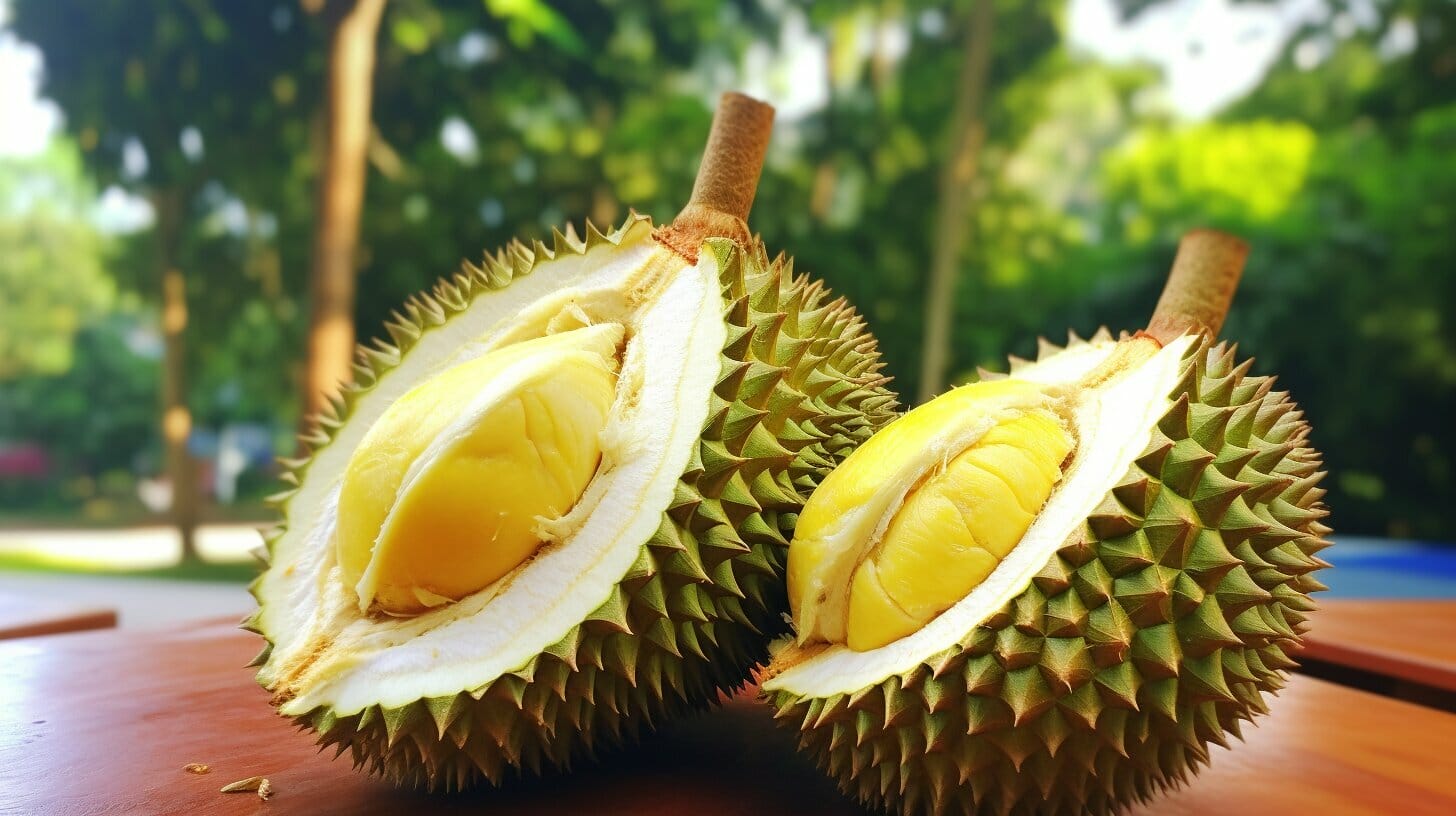
    The Commerce Ministry of Thailand has recently requested the China Customs to extend the working hours at the Mohan checkpoint on the border with Laos to facilitate durian inspections.

    Specifically, the closing time will be changed from 5.30pm to 8.30pm, according to Deputy Minister Napintorn Srisunpang.

    Chinese authorities will also increase the number of inspection laboratories from three to five, adding more officials to streamline the process at this checkpoint, Napintorn said.

    He revealed that discussions with customs officials at multiple checkpoints indicated that Thai durian is free from contamination by Basic Yellow 2 (BY2) dye or cadmium.

    Previously, only 30% of durian imports underwent testing, but since January all containers must be checked for BY2 and cadmium contamination by certified laboratories in Thailand, plus face complete inspection upon arrival at Chinese borders.

    Napintorn said this heightened scrutiny has resulted in delays, with transport times stretching up to eight days. Concerns have been raised that during peak seasons, the inspection process could extend to as long as 10 days, potentially resulting in delivery times of up to 20 days, which may compromise quality and negatively impact sales of Thai durian.

    Due to expanded cultivation and improved yields, durian production is anticipated to rise by 37% year-on-year in 2025, reaching over 1.7 million tonnes, up from 1.2 million tonnes in 2024.

    Last year, domestic consumption was at 280,000 tonnes with 800,000 tonnes exported, 97% of which went to China. This year, exports are projected to increase to 1.3 million tonnes, while domestic consumption is expected to grow to 400,000 tonnes.

  • Bangkok declares end of disaster situation

    Bangkok declares end of disaster situation

    The Bangkok Metropolitan Administration’s Disaster Prevention and Mitigation Command Center has issued an official announcement, stating that the disaster situation in the metropolitan area caused by an earthquake has now ended.

    All areas in the city are no longer disaster zonas, except for the area around the construction site of the new State Audit Office (SAO) building on Kamphaeng Phet 2 Road, Chatuchak district, the statement said on April 3.

    The center stated that although the overall disaster situation in Bangkok has returned to normal, search and rescue operations are still ongoing at the collapsed building. Officials from various agencies, including rescue workers, structural engineers, and medical teams, are continuing rescue efforts using modern equipment and technology to minimize risks to the personnel involved.

    The center explained that the operation area has been divided into zones, with task forces mobilized to search for those who may still be trapped inside. Drones are being used to survey from above, and special equipment is being employed to detect life signs.

    Additionally, a team of experts specializing in rescue operations in collapsed areas has been deployed to assist in the mission.

    The BMA urged the public to refrain from approaching the construction site to ensure safety and avoid hindering the work of the rescue teams. The public is also advised to closely follow updates from the relevant authorities and adhere to official guidance.

    Individuals affected or with relevant information can contact the appropriate agencies for assistance, the BMA added.

  • Samsonite reopens at Hong Kong’s IFC mall with pop-up cafe concept

    Samsonite reopens at Hong Kong’s IFC mall with pop-up cafe concept

    Samsonite has reopened its flagship store at Hong Kong’s IFC Mall with the launch of a limited-time pop-up cafe.

    Running until April 20, the Samsonite Cafe offers visitors a curated space to explore the brand’s sustainability initiatives in a lifestyle-driven setting.

    The cafe aims to complement the newly renovated outlet, which showcases the brand’s first dedicated sustainability-led design.

    As part of the activation, customers can enjoy complimentary coffee by registering as a Samsonite member at the pop-up store, or with any purchase made at the Samsonite IFC Mall store upon registering. Lifetime, Black, Platinum, and Gold Club members are eligible for complimentary coffee without any purchase.

    Constructed using FSC-certified plywood and low-emission gypsum board, the store features display podiums and wall panels made from repurposed luggage shell edges and leftover backpack fabric.

    To further lower its carbon footprint, more than 75 per cent of the renovation waste was sorted for recycling and processed by certified partners.

    The store also incorporates motion-sensor LED lighting and enhanced air quality systems in line with global retail standards.

    “Our inaugural sustainability concept at IFC Mall underscores our commitment to eco-friendly practices,” the company said.

    “This approach exemplifies our belief that sustainability can redefine the retail experience and transform the lifestyle bag and luggage industry.”

  • Guess to transfer Chinese operations to local partner

    Guess to transfer Chinese operations to local partner

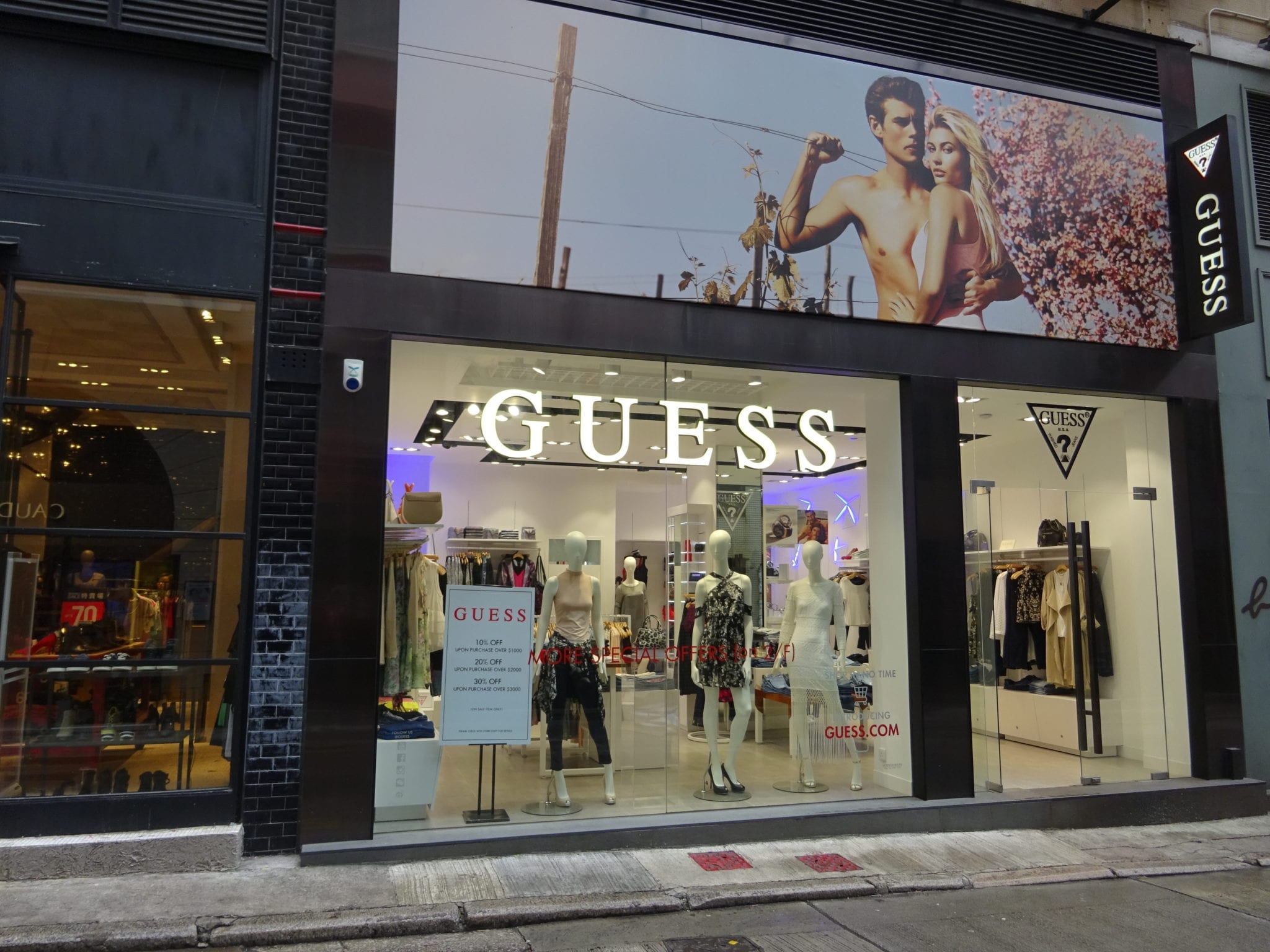
    Guess plans to transfer its operations in Greater China to a local partner this year as part of its restructuring strategy.

    “After many years of running our own direct operations in Greater China, we believe there is an opportunity for this market to be directly developed and managed by a local, highly experienced partner,” said CEO Carlos Alberini.

    “We have already met several potential candidates for consideration and we expect for this transition to be completed before the end of this fiscal year.”

    In addition, the retailer plans to streamline its Guess full-price store portfolio in North America by exiting non-strategic, unprofitable locations.

    Alberini explained that the company is focusing on increasing direct-to-consumer sales productivity globally and improving profitability through business and portfolio optimisation.

    For the fourth quarter ended February 1, Guess reported a 5 per cent increase in revenues to $932.3 million, driven by the Rag & Bone acquisition, positive momentum in the wholesale business, and increased licensing revenues.

    In the Americas, retail sales were up 4 per cent while wholesale revenues soared 63 per cent. Europe revenues increased 2 per cent and Asia revenues fell 15 per cent. Licensing revenues were up 18 per cent.

    GAAP net earnings for the period dropped 29 per cent to $81.4 million, including a net $18.9 million unrealised loss due to the change in fair value of the derivatives related to the company’s convertible senior notes due 2028.

    For the full year, sales grew 8 per cent to $3 billion and adjusted net earnings decreased 40 per cent to $104.5 million.

    “During the year, we delivered solid results with our licensing segment and our wholesale businesses in Europe and the Americas, but missed our plans for our direct-to-consumer business due to slower customer traffic in North America and Asia,” commented Alberini.

    For FY26, the retailer expects net revenues to increase 3.9-6.2 per cent. It forecast a loss of $30-35 million in the first quarter and earnings of $133-165 million for the full year.

    In a separate announcement, Guess said its board has established a special committee to review the non-binding takeover offer from WHP Global.

    “The special committee is carefully evaluating and considering WHP Global’s proposal with the assistance of its financial and legal advisors and has not yet determined whether it is appropriate to pursue the proposed transaction or any other transaction,” the company stated.

  • Apple wants to make MacBook lids stronger and safer

    Apple wants to make MacBook lids stronger and safer

    Ever since Apple silicon elevated the MacBook lineup from just pretty laptops to actually very powerful ones they have become a fan favorite of the industry. Since then the MacBook has seen marginal performance upgrades each year but Apple is now considering improving another aspect of its laptops: the lids.

    The MacBook Air and MacBook Pro make use of magnets in their lids to detect when it is closed or open and to keep it closed securely when it’s the former. Apple has filed a patent that alleges that these magnets produce stray magnetic fields even when not in use. The company says that these magnetic fields have the potential to damage nearby items and cited credit cards as possible victims.

    Apple then goes on to describe a new magnetic system that it wants to develop for its MacBook lineup. The new proposed magnetic array will in essence be an electromagnetic system. Apple says that the magnets can be, in very simple terms, switched on or off depending on whether they are needed at the moment.

    The biggest benefit seems to be that the magnetic array won’t produce stray magnetic fields when the MacBook lid is open. Apple may also be able to incorporate much stronger magnets to more reliably keep the lid closed without fear of damaging nearby items when the lid is open.

    The current magnetic array found in MacBook models is not really that strong that it would fry your credit card. So at first I thought this was a very unnecessary upgrade that Apple is thinking about. But the possibility of stronger magnets to keep the lid closed would definitely give the MacBook an even more premium feel.

    Many people who switch from a Windows laptop to a MacBook often mention how much more premium the latter feels. And while more expensive Windows laptops obviously feel more premium too, Apple has a reputation for classy products that it tries very hard to keep. As such the new proposed magnetic array could, in my opinion, give that reputation another slight boost.

    This is just a patent for now but it’s definitely a lot more easily achievable than so many of the more fantastical patents we see every day.

  • United Airlines expands Asia network with new flights to Vietnam, Thailand, Philippines

    United Airlines expands Asia network with new flights to Vietnam, Thailand, Philippines

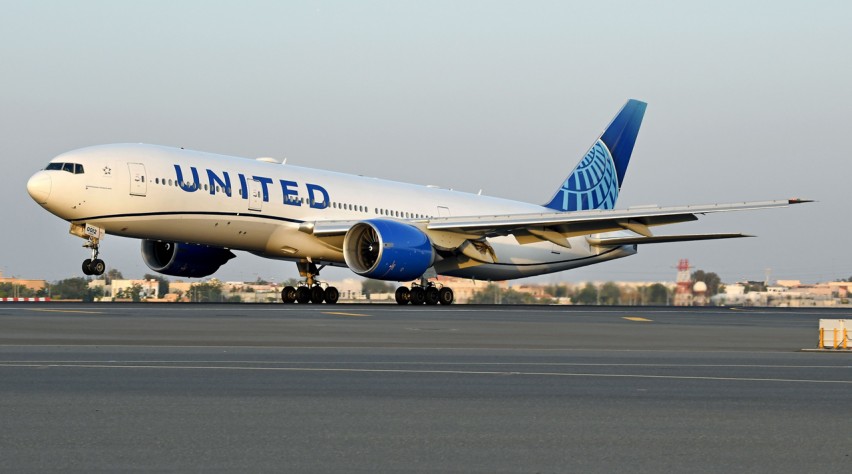
    The United Airlines plans to add daily flights to Vietnam and Thailand in October, further expanding the network for the U.S.-based carrier that already has the most Asia service, reported CNBC.

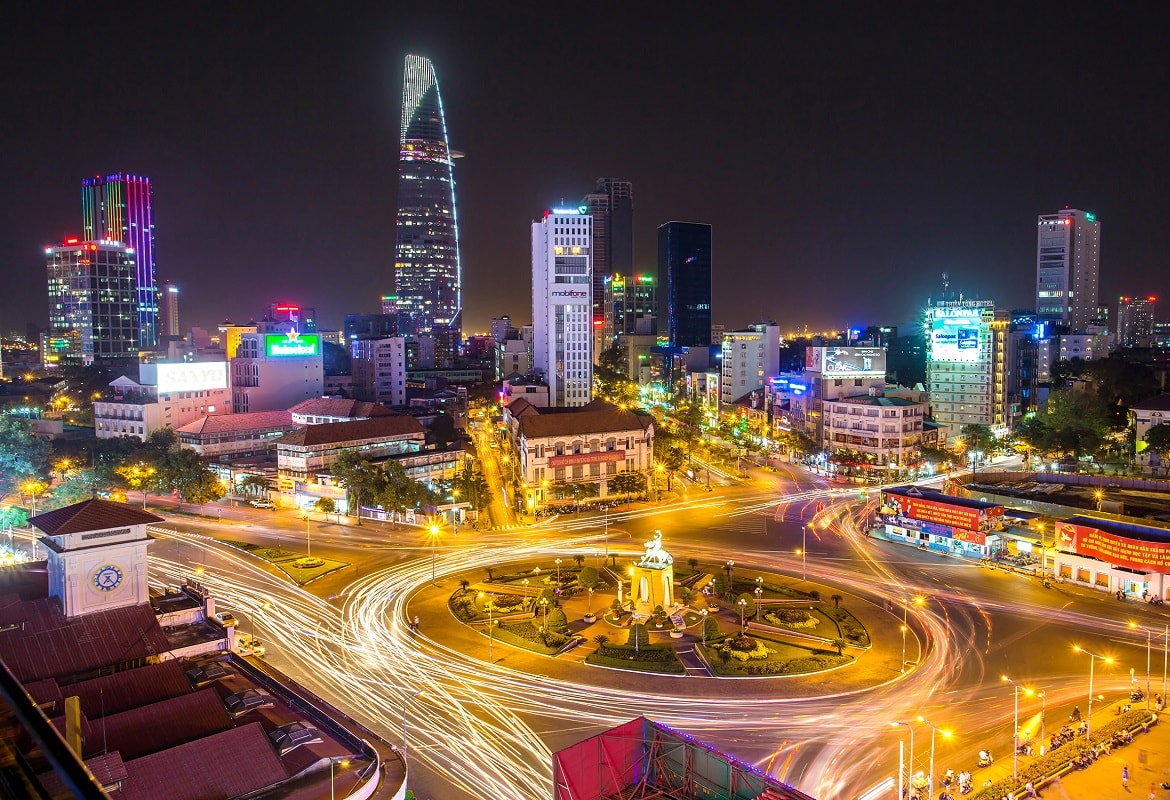
    In the expansion, its airplanes from Los Angeles and San Francisco that are headed for Hong Kong will then go on to the two new destinations: Thailand’s Bangkok and Vietnam’s Ho Chi Minh City, with service set to begin on Oct. 26.

    On Oct. 25, United Airlines plans to add a second daily nonstop flight from San Francisco to Manila, the Philippines, and on Dec. 11, it will launch nonstops from San Francisco to Adelaide, Australia, which will operate three days a week.

    The news site noted that the carrier has been adding far-flung destinations not served by rivals to its routes, like Nuuk, Greenland, and Bilbao, Spain, which will start later this year. Getting the mix right is especially important as carriers seek to grow their lucrative loyalty programs and need attractive destinations to keep customers spending.

  • Emirates launches Emirates Courier Express, promising to treat packages like passengers

    Emirates launches Emirates Courier Express, promising to treat packages like passengers

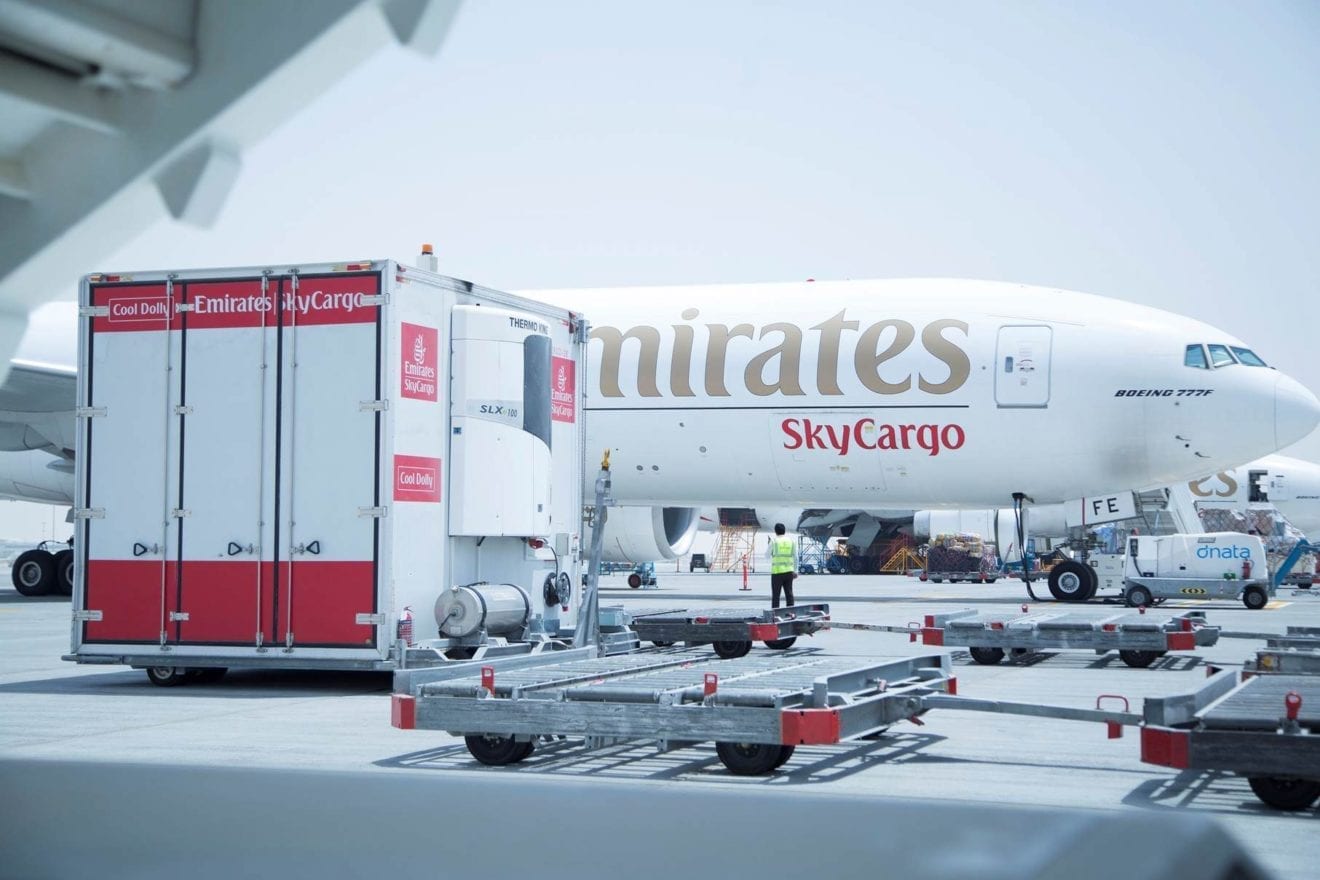
    Backed by almost four decades’ experience in keeping goods and people moving all over the world, Emirates has launched Emirates Courier Express, an end-to-end delivery solution that is set to redefine the express delivery experience.

    To ensure Emirates Courier Express addressed industry-wide challenges, Emirates worked with various global customers to pilot and finesse the product, with the goal to make it as fast, reliable and flexible as possible, before launching to market. Over the last year, Emirates Courier Express transported several thousands of packages from the UAE, Saudi Arabia, Bahrain, Kuwait, Oman, South Africa and the UK. The average delivery time is less than 48 hours. Now, Emirates Courier Express is open for business, for businesses.

    Badr Abbas, Divisional Senior Vice President, Emirates SkyCargo said, “Emirates Courier Express is an evolution in how we move goods across the globe, at speed and at scale. Building on our world-class and well-established infrastructure, and reimagining traditional logistics processes where necessary, this innovative solution does not just meet the Emirates Gold Standard of reliability and excellence but sets a new benchmark for what’s possible. This is only the beginning of our vision to continuously innovate and lead the charge in the express delivery sector.”

    Traditionally, cross-border delivery is managed via a global hub-and-spoke model, with a package making multiple stops before arriving at its end destination. Emirates Courier Express has broken this mould. Just like passengers, packages will travel from origin to destination directly, leveraging the breadth of Emirates’ vast global network and near-unparalleled flight frequencies. This approach significantly reduces time in transit, reduces package handling and offers Emirates Courier Express customers’ a competitive edge in getting their goods to end users. Direct connectivity is matched with different service levels, ranging from next day urgent delivery to a two-day Premium service, along with a pipeline of innovative new products.

    At launch, Emirates Courier Express will be active and available in seven markets, however the potential network growth is unlimited: wherever Emirates flies, Emirates Courier Express can deliver. Expansion to additional markets is already in the works.

    Harnessing the fleet of the world’s largest international airline, Emirates Courier Express has access to over 250 all widebody passenger and freighter aircraft to move packages worldwide. Complemented by a trusted, reliable and integrated cross border network of partners to manage the customs clearance and first and last mile transportation, the solution delivers door-to-door. This integration into the airline’s existing infrastructure allows Emirates Courier Express to handle volume fluctuations from seasonal spikes while maintaining cost stability, ultimately empowering customers to plan and budget with confidence.

    This seamless integration also enables Emirates Courier Express to provide bespoke and tailored solutions, whether transporting fashion and mobile phones or the most critical medical equipment. A team of dedicated specialists provide niche segment solutions, facilitated by the airline’s extensive freight and logistics infrastructure, including cool chain capacity, allowing the transportation of specialist or sensitive products from launch.

    Prioritising ease of business, Emirates Courier Express’ is entirely digital, with a purpose-built tech platform integrating directly into customer software and supports additional bespoke shipping solutions. Advanced tracking systems, real-time updates, and seamless integration, ensures complete efficiency, reliability, quality, and transparency from collection to delivery across the world.

    Dennis Lister, Senior Vice President of Product and Innovation, Emirates SkyCargo said, “Emirates Courier Express is the result of challenging the status quo. Along with the industry, we watched the increasing volumes of cross border shipping and challenged ourselves to find a better way to transport these goods faster and more efficiently. The new product launch reflects our ongoing commitment to push the boundaries to introduce innovations which drive real impact and ensure our customers always have access to the fastest, most reliable and cost-effective solutions available.”
  • Huawei Reports Revenue Increase in 2024 Amid Declining Margins

    Huawei Reports Revenue Increase in 2024 Amid Declining Margins

    However, the Chinese conglomerate’s net profit dropped by 28% to CNY 62.6 billion (USD 8.63 billion), with operating margins declining from 14.8% to 9.2%.

    Huawei’s remarkable revenue growth was driven by its consumer business, particularly by strong smartphone sales in China, which surged to CNY 339 billion by 38%.

    Meng Wanzhou, Huawei’s Rotating Chairwoman, highlighted, “Our devices are now back in the fast lane, and we are making historic breakthroughs in HarmonyOS ecosystem development.”

    We continued to optimize our business mix for cloud computing and our digital power kept forging ahead, placing quality before all else.

    The company also maintained a steady performance in its information and communication technology (ICT) infrastructure segment, which grew by 4.9%, totaling USD 369.9 billion.

    Moreover, Huawei’s spending on research and development (R&D) reached CNY 179.7 billion in 2024, representing 20.8% of its total revenue.

    Liang Hua, Huawei’s Chairman of the Board, emphasized, “Over the past year, we strengthened investment in innovation and R&D. We continued to hone our overall competitive edge while improving customer satisfaction and user experience.”

    The report reflected Huawei’s increasing dependence on its domestic market, with China contributing over 71% of its total revenue in 2024. By leveraging the company’s computing, storage, networks, digital power, devices, and intelligent automotive solutions to meet growing demands, the Chinese market contributed CNY 615.3 billion to the overall revenue.

    Huawei’s limited access to the international market has led to the development of the HarmonyOS ecosystem, an alternative to Android following United States sanctions.

    In Europe, the Middle East, and Africa (EMEA), Huawei maintained a steady performance in ICT infrastructure while achieving rapid growth in cloud computing and digital power solutions. The region’s revenue generated CNY 148.4 billion, accounting for 17% of the company’s revenue.

    In a similar trend, the Asia Pacific contributed CNY 43.3 billion, accounting for 5% of the company’s overall revenue, which was primarily driven by accelerated 5G deployment and the rapid expansion of cloud computing and digital power.

    Despite the increase in network traffic and quicker construction of 5G and data communication networks, the Americas contributed the least (CNY 36.3 billion), accounting for only 4% of Huawei’s total revenue.

    Wanzhou further noted that despite the economic downturn, Huawei will increase its strategic investments over the next three years, particularly focusing on building foundational technologies and capitalizing on growth opportunities through differentiation.