Tag: asia

  • Jollibee Foods targets 10,000 global restaurants this year

    Jollibee Foods targets 10,000 global restaurants this year

    The Philippines-headquartered restaurant group Jollibee Foods plans to have 10,000 eateries globally this year, with a focus on North America.

    The company, known for its fried chicken Jollibee chain, eyes to invest PHP18-21 billion (US$312-364 million) to open up to 800 new stores this year.

    Last year it had 9,766 outlets.

    “We’re not in all 50 states [in the U.S.]. We’re in only maybe 15 states,” Richard Shin, the company’s chief financial and risk officer, told reporters on Tuesday, as reported by Nikkei Asia.

    Jollibee launched its first U.S. location in California in 1998, and expanded its presence in the country and Canada to 103 by the end of last year. It also has 266 stores under other brands in North America.

    The company plans to use the franchising model to launch more regional stores.

    In 2024, Jollibee’s net profit rose 17.7% to PHP10.3 billion, driven by double-digit revenue growth from new stores and acquisitions. The company forecasts 8% to 12% growth in system-wide sales for 2025 – covering both company-owned and franchised locations – and targets up to 8% growth in its store network.

    Jollibee has also pursued an aggressive acquisition strategy, recently purchasing South Korea’s Compose Coffee, fully acquiring Hong Kong’s Tim Ho Wan, and adding Taiwan’s Moon Moon to its portfolio.

    It also holds stakes in China’s Yonghe King and U.S. brands Smashburger and The Coffee Bean & Tea Leaf.

  • Vietnam’s largest coffee chain Highlands Coffee posts $41M in profit

    Vietnam’s largest coffee chain Highlands Coffee posts $41M in profit

    Vietnam’s largest coffee chain Highlands Coffee posted an EBITDA of VND1.05 trillion (US$41 million) last year, up 4.5% from 2023.

    The chain contributed 36% of the EBITDA from coffee and tea of its parent company Jollibee Foods Corporation. EBITDA stands for earnings before interest, taxes, depreciation, and amortization.

    An average store posted VND16 million in revenue per day.

    Same-store sales, however, declined by 3.7% year-on-year. The figure measured stores’ sales that had been operating for at least 15 months.

    Highlands Coffee, by the end of last year, operated 850 outlets in Vietnam and other countries.

    The brand was established in 1999, starting with sales of packaged coffee products in Hanoi. In 2002, Highlands Coffee expanded into the coffee chain model with its first store in Ho Chi Minh City.

    In 2012, Highlands Coffee was acquired by Jollibee Foods Corporation, a Philippines-based restaurant conglomerate.

    At the end of 2016, JFC and its partner, Vietnam Thai International Company, planned to list Highlands Coffee on the Vietnamese stock market. However, this intention has yet to materialize.

    Highlands Coffee has thrived by focusing on widespread coverage. Their strategy revolves around offering a streamlined menu while expanding into office buildings, apartment complexes, street-front locations, and shopping centers.

    Vietnam’s beverage store revenue last year was estimated at VND118.26 trillion, a 13% increase from the previous year, according to a report by iPOS, which provides digital management solutions to over 100,000 businesses.

    This marked the highest revenue and the fastest growth rate since 2018.

  • iPhone 16 series to be available in Indonesia next month

    iPhone 16 series to be available in Indonesia next month

    Teach giant Apple announced that the iPhone 16 will be available in Indonesia from April 11, indicating the sales ban in Southeast Asia’s biggest economy had been lifted.

    The government in October prohibited the marketing and sale of the model over the US tech titan’s failure to meet regulation requiring 40% of phones be made from local parts.

    However, Apple struck a deal with the Indonesian government last month to invest in the country of 280 million after months of deadlock.

    “Today, Apple announces that all iPhone 16 series… will be available starting from Friday, April 11,” the company said in a statement on Wednesday.

    The industry ministry said this month it had approved local certificates for more than a dozen Apple products.

    Last week, The Ministry of Communication and Digital Affairs said Apple has also obtained a certificate needed for all telecommunication devices with transmission.

    Jakarta rejected a $100 million investment proposal from Apple in November, saying it lacked the “fairness” required by the government.

    Apple later agreed to invest $150 million in building two facilities — one in Bandung in West Java province to produce accessories, and another in Batam for AirTags.

    Industry Minister Agus Gumiwang Kartasasmita said last month that Apple had also committed to building a semiconductor research and development center in Indonesia, calling it a “first of its kind in Asia”.

    Despite the ban on iPhone sales in Indonesia, the government had allowed the devices to be brought in if they were not being traded commercially.

    Indonesia has also banned the sale of Google Pixel phones for failing to meet the 40% local parts requirement.

  • Mobilewalla Launches Market Flow in Asia

    Mobilewalla Launches Market Flow in Asia

    Following its success in the United States (US), this solution is set to transform how Asian communication services and network infrastructure providers develop strategies in an increasingly competitive landscape.

    Market Flow delivers granular consumer insights by analyzing vast datasets of device usage, movement patterns, and digital behavior. Unlike traditional market intelligence tools, it provides detailed market share and subscriber flow insights across various geographical levels (from country to neighborhood), helping drive operational planning and competitive strategy.

    It also offers analytics for all connection types, including fixed wireless access (FWA), mobile broadband (MBB), fixed broadband (FBB), fiber, digital subscriber line (DSL), and cable, providing insights at the product level. Additionally, Market Flow supports both residential and small to medium businesses (SMBs), equipping providers with a comprehensive understanding of market dynamics.

    Anindya Datta, CEO, Mobilewalla, said, “Broadband providers across the US have leveraged Market Flow to refine their strategies, reduce churn, and maximize network investments. By bringing this proven solution to Asia, we are enabling telcos to make smarter, faster, and more efficient business decisions in a dynamic market.”

    As broadband usage increases in Asia, network providers need to improve their infrastructure and customer engagement strategies to meet the growing demand. Market Flow offers a data-driven solution that helps operators enhance network expansion planning, attract new customers through targeted campaigns, and retain valuable subscribers by predicting churn patterns.

    “The competitive broadband market in Asia requires a deeper understanding of consumer behavior. Market Flow provides broadband providers with the intelligence they need to develop sharper competitive strategies and drive growth,” Datta concluded.

  • Stocks start week in green

    Stocks start week in green

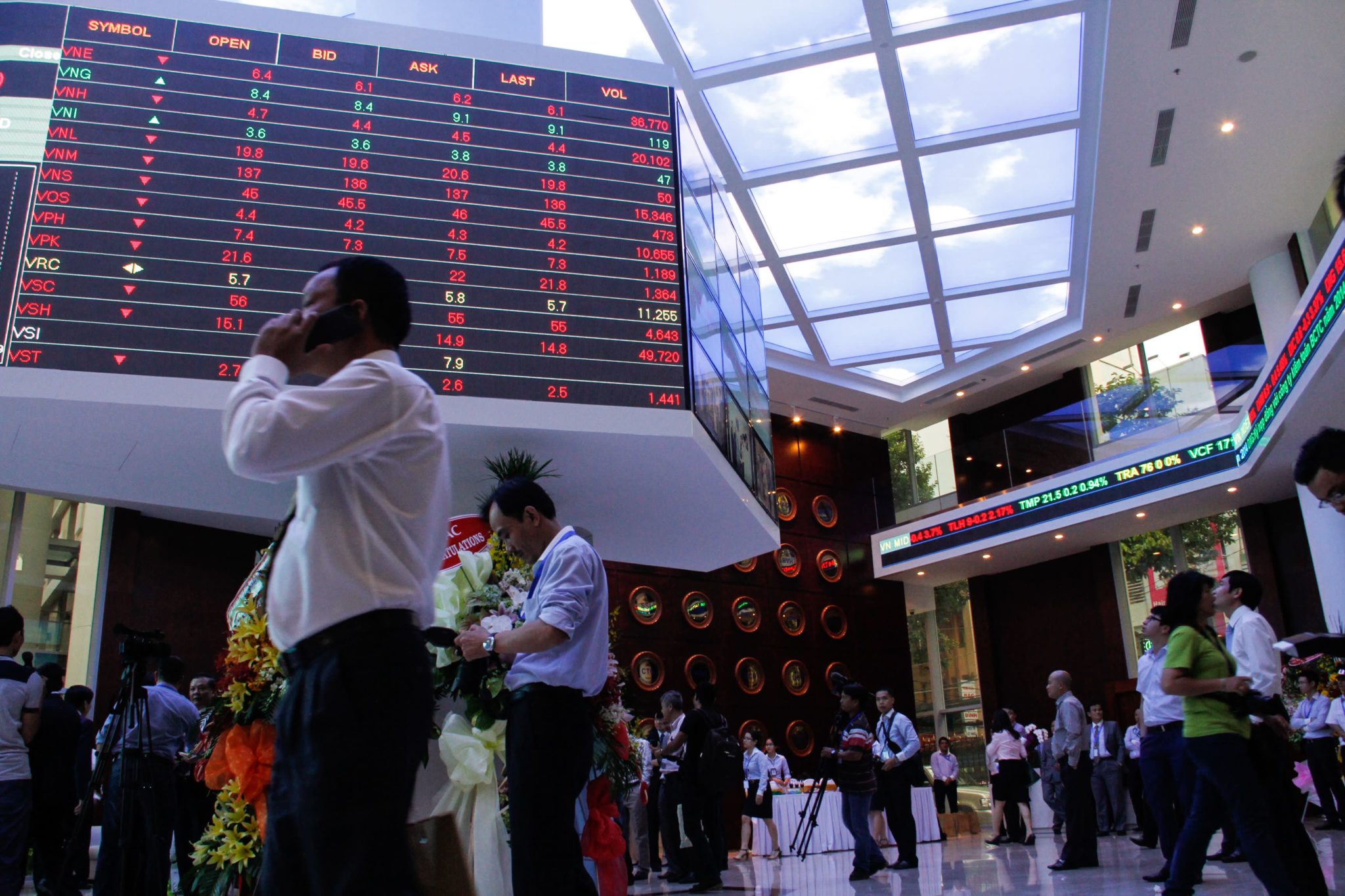
    Vietnam’s benchmark VN-Index rose 0.64% to 1,330.32 points Monday.

    The index closed 8.44 points higher after dropping 2.05 points in the previous session.

    Trading on the Ho Chi Minh Stock Exchange increased by 15% to VND19.583 trillion (US$763.9 million).

    The VN-30 basket, comprising the 30 largest capped stocks, saw 14 tickers gained.

    VIC of private conglomerate Vingroup saw the biggest jump of 7.0%, followed by VHM of property giant Vinhomes with a 6.3% gain and SHB of Saigon Hanoi Commercial Bank, up 5.5%.

    Thirteen blue chips fell, with LPB of Fortune Vietnam Bank dropping by 1.9%.

    BCM of Becamex Investment and Industrial Development went down 1.8% and VIB of Vietnam International Commercial Bank closed 1.7% lower.

    Foreign investors were net seller to the tune of VND720 billion, mainly selling FPT of tech giant FPT Corporation and TPB of private lender TPBank.

    The HNX-Index for stocks on the Hanoi Stock Exchange, home to mid and small caps, rose 0.07%, while the UPCoM-Index for the Unlisted Public Companies Market went down 0.20%.

  • Fruit, vegetable exports decline for 3rd straight month

    Fruit, vegetable exports decline for 3rd straight month

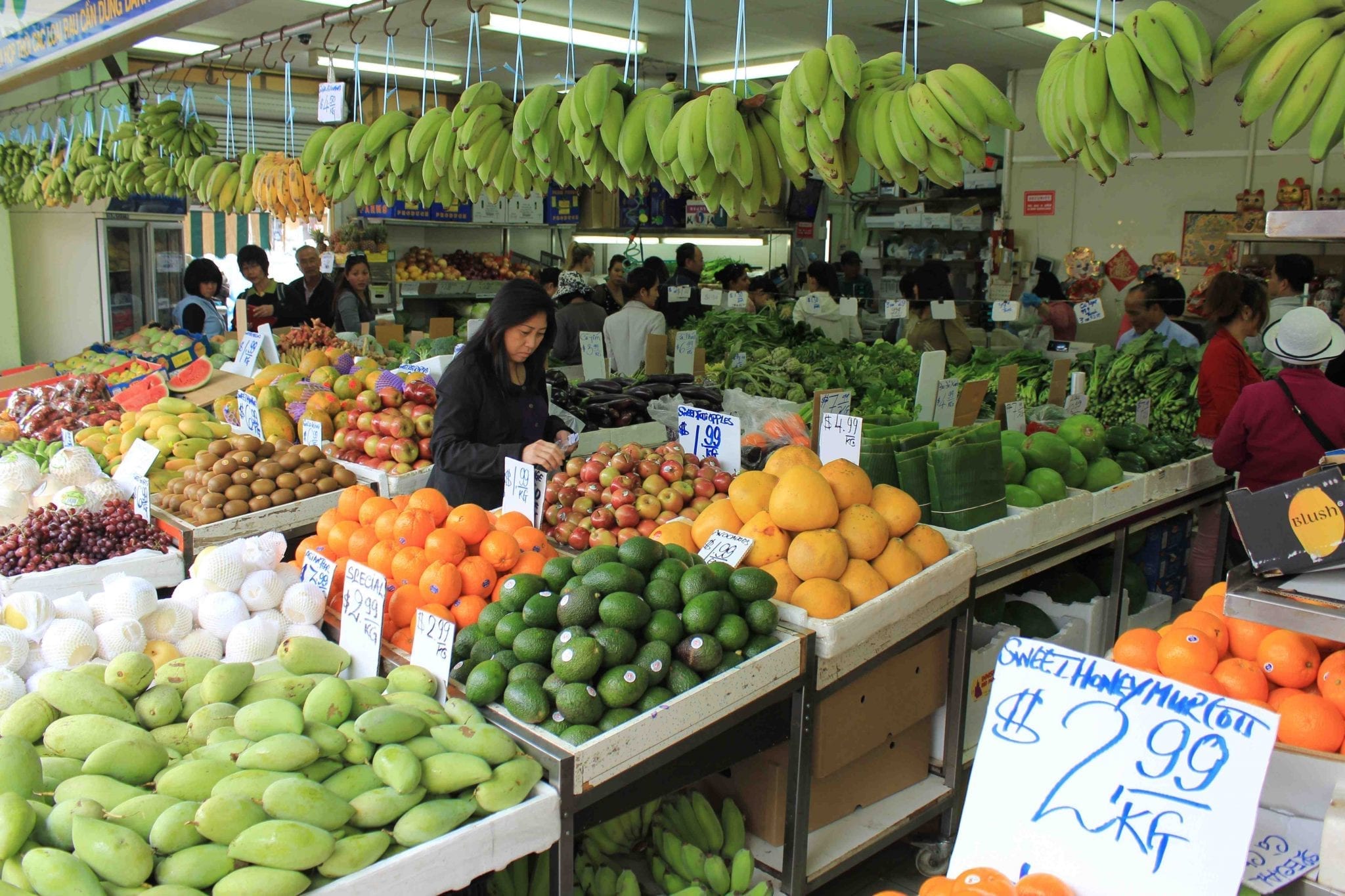
    Exports of fruit and vegetables fell by 10.5% year-on-year in March to an estimated US$421 million, marking the third consecutive month of decline.

    They had decreased by 5.2% to $416 million in January and 6.5% to $303 million in February.

    The main reason was the decline in durian shipments, a major export item, the Vietnam Fruit and Vegetable Association said.

    Dang Phuc Nguyen, the association’s general secretary, said since the start of the year China, Vietnam’s largest export market, has been amending import regulations and now requires all durian shipments to undergo testing for cadmium and auramine O residues at accredited laboratories.

    Cadmium is a toxic heavy metal and auramine O is an industrial dye, and both are strictly controlled due to their potential cancer risks.

    The new requirement is resulting in longer and more complicated customs clearance procedures and difficulties for exporters, Nguyen said.

    Some of them have halted shipments to China just to complete the procedures, he said. If the situation persists, this year’s exports could be less than last year’s, he added.

    Exports were worth $7.15 billion last year, with durian accounting for $3.4 billion, or nearly 50%.

    The target for this year is $8 billion, which is achievable if the inspection issues are soon resolved.

  • China’s largest coffee chain Luckin Coffee establishes exclusive coconut island in Indonesia

    China’s largest coffee chain Luckin Coffee establishes exclusive coconut island in Indonesia

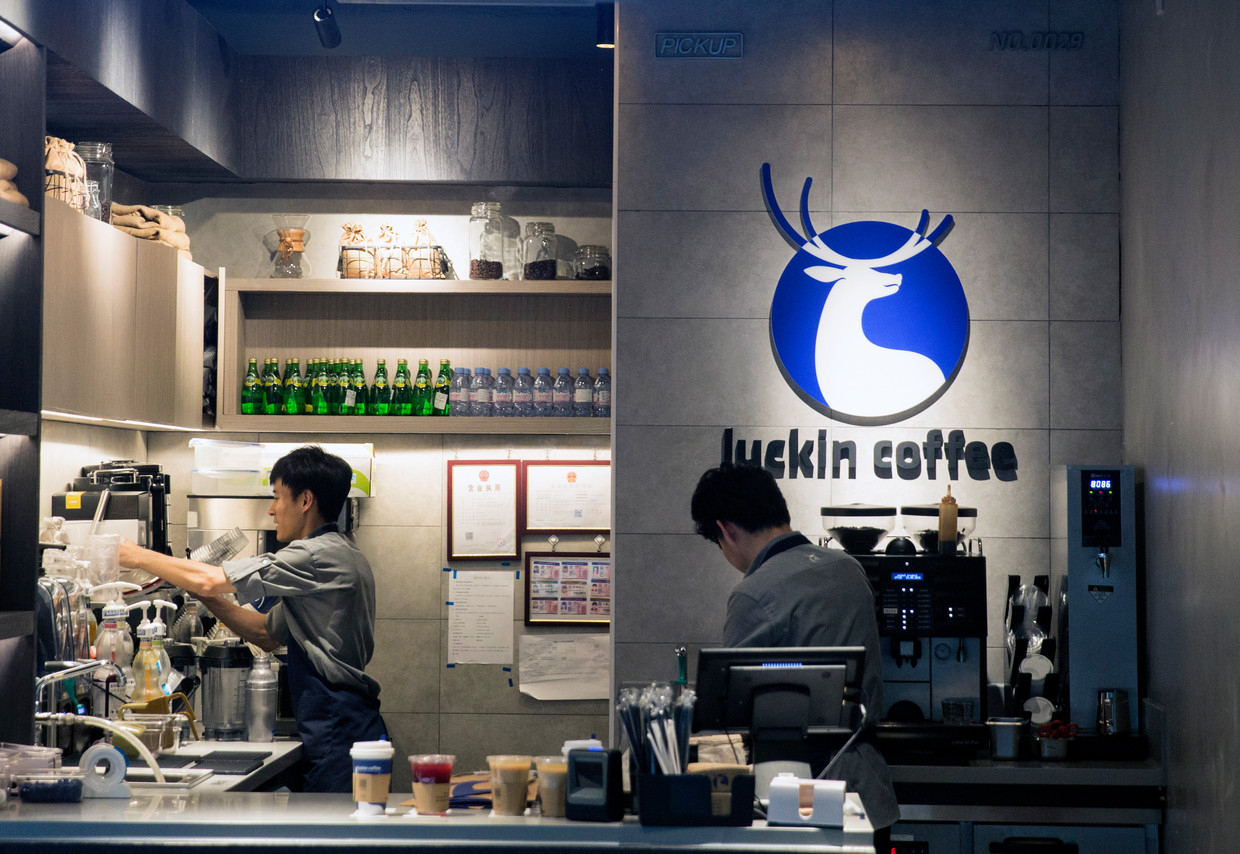
    China’s largest coffee chain Luckin Coffee has signed an agreement with Indonesia’s Banggai Islands Regency, making it the exclusive premium origin of coconut milk for its flagship Coconut Latte.

    The memorandum of understanding it signed with the regency provides Luckin Coffee and its partners with exclusive rights to procure coconuts from the region, the firm announced earlier this month. The Banggai Islands are among the world’s top coconut-producing regions.

    According to Global Times, the islands will be named “Luckin Exclusive Coconut Island ” under the agreement.

    The chain intends to source roughly one million tons of raw coconut materials, which comply with its quality standards, over the next five years.

    Li Shan, senior director of the firm’s supply chain center, said the region’s high-quality coconut will bolster the company’s supply chain.

    Luckin Coffee, headquartered in Xiamen, a port city in southeastern China, was established in 2017 and grew rapidly before it was discovered to have falsified half of its 2019 sales. The scandal led to its delisting from Nasdaq and subsequent filing for bankruptcy protection in the U.S. in 2021, Reuters reported.

    It has since made a strong comeback and now dominates China’s coffee market with over 21,000 stores nationwide as of September, outselling U.S giant Starbucks.

    It has also been expanding overseas, setting up its first Southeast Asian store in Singapore in April 2023 and later increasing its number of outlets in the city-state to 38.

    According to Nikkei Asia, it opened its first two stores in Malaysia this January and plans to have 200 outlets there in the next two years.

    Since its launch, Luckin has sold over 1.2 billion Coconut Lattes as of January.

  • Dollar rises against dong

    Dollar rises against dong

    The U.S. dollar edged up against the Vietnamese dong Tuesday morning while it hit a three-week high against major peers.

    Vietcombank sold the greenback at VND25,820, up 0.04% from Monday. On the black market, the dollar dipped 0.02% to VND25,905. The State Bank of Vietnam’s reference rate surged 0.17% to VND24,874.

    Globally, the dollar hit a three-week high against the yen on Tuesday and was firm across the board after some strong U.S. services data and cautious optimism on the tariff front, Reuters reported.

    President Donald Trump said not all of his threatened levies would be imposed on April 2 and some countries may get breaks, which helped the dollar and the mood on Wall Street overnight by soothing some fears about a possible slowdown in U.S growth.

    The U.S. dollar index notched a fourth straight session of gains to settle at 104.3.

    The dollar was last up at 150.56, having pulled overnight above 150 yen. It rose to a three-week high of 150.92 yen in the Asia morning.

    The dollar also hit its strongest since March 6 at $1.0781 per euro, as a powerful rally in the common currency loses steam.

    It was last trading at $1.0804, while sterling hit a two-week low of $1.2883 before steadying at $1.2935 in Asia trade.

    “It seems like nobody knows what to do with the dollar,” said Brent Donnelly, president at analytics firm Spectra Markets.

    “The view that tariffs are unambiguously bullish U.S dollar has been challenged by the price action in 2025, and so even when we get the information on what tariffs look like next week, it will be hard to know what we are supposed to do.”

  • Australia’s Mobile Revenue to Grow, Driven by 5G Expansion

    Australia’s Mobile Revenue to Grow, Driven by 5G Expansion

    This growth will be driven by an increase in revenue from mobile data services, according to GlobalData. GlobalData’s research shows that the growth in revenue from mobile data services will offset the decline in revenue from mobile voice services during the forecast period.

    While revenue from mobile voice services is expected to decrease by 2.7% annually from 2024 to 2029 due to consumers shifting towards over-the-top (OTT) communication platforms, revenue from mobile data services is projected to increase by 4.5% annually.

    This growth will be fueled by the rising number of mobile internet subscriptions, the increasing adoption of 5G services, and a rise in the average revenue per user (ARPU) for mobile data. Neha Mishra, a Telecom Analyst at GlobalData, noted that the average monthly mobile data usage in Australia is predicted to rise from 14.1 GB in 2024 to 25.8 GB in 2029. This increase is being driven by the growing consumption of online video and social media content on smartphones as a result of data-focused 4G/5G plans from telcos.

    GlobalData anticipates a growth in 5G service adoption over the forecast period, as consumers seek high-speed connectivity and major telecom operators expand their 5G networks across the country. For example, Telstra aims to extend 5G coverage to 95% of the population by the end of 2025.

    By 2029, 5G subscriptions are expected to make up 86% of all mobile subscriptions. Mishra concluded that Telstra was the leader in the mobile services market in Australia in terms of subscriptions in 2024, followed by Optus. Telstra is expected to maintain its top position through 2029, supported by its focus on expanding and modernizing its 5G network.

  • Singapore experiences warmest year on record in 2024

    Singapore experiences warmest year on record in 2024

    In 2024, Singapore’s annual average temperature was 28.4 degrees Celsius, making it the warmest year on record, tied with 2019 and 2016, according to the Singaporean National Environment Agency.

    According to the agency’s annually report released on March 23, every month in 2024 was equal to or warmer than its corresponding long-term average temperature. Temperature records were broken on several occasions during the year, with record high daily minimum temperatures in February and record high daily maximum temperatures in December.

    The preceding decade from 2015 to 2024 was the country’s warmest decade on record, at 28.11 degrees Celsius. This was 0.05 degrees Celsius warmer than the decade from 2014 to 2023, and the fourth consecutive year that Singapore’s decadal mean temperature record had been broken.

    The report emphasized that while climate change contributed to warmer temperatures, climate variability in 2024 also played a role.

    The El Niño event that developed in 2023 and ended in the second quarter of 2024 likely contributed to the warm temperatures in 2024, including during Singapore’s hot season (March – May), which was the third warmest hot season on record, after 1998 and 2016 which were also associated with strong El Niño events.

    It is noted that Singapore’s annual temperature trend in 2024 was similar to the global trend recently reported by the World Meteorological Organization. Accordingly, the year 2024 was declared the warmest year on record globally since 1850.

  • Global Telecom Equipment Revenues Fell 11% in 2024

    Global Telecom Equipment Revenues Fell 11% in 2024

    This indicates the largest annual decline in over 20 years, with a decline of over 20% seen back in 2002. This has led to a total equipment revenue decrease of 14% over the past two years.

    The decline was widespread across telecom segments and was influenced by factors such as excess inventory, a challenging macro environment, and tough 5G comparisons. In the fourth quarter of 2024, growth in North America and Europe, the Middle East, and Africa (EMEA) helped stabilize the market, offsetting weak demand in the Asia Pacific, including China.

    The decline in 2024 varied across the six telecom segments. Optical transport, SP routers, and RAN experienced double-digit contractions, shrinking by 14% collectively. Microwave transport and MCN experienced a more moderate decline in the low single digits, while broadband access revenues remained relatively stable.

    Regional trends in 2024 were mixed. While all five regions—North America, EMEA, Asia Pacific, China, and the Caribbean and Latin America (CALA)—experienced slow growth, the decline was most significant in the broader Asia Pacific region due to challenging conditions in China and other parts of the Asia Pacific.

    Globally, supplier rankings remained mostly unchanged; however, revenue shares shifted slightly. For example, Huawei’s revenue share outside of China increased by 2-to-3 percentage points (PP) in 2024 compared to 2021.

    Market concentration remained stable, with the top eight suppliers making up around 80% of the global market in 2024. Market conditions are expected to stabilize in 2025, although it will still be a challenging year. Analysts predict that global telecom equipment revenues across the six sectors will remain flat.

  • Scaling Infrastructure to Support AI Growth in Japan, Indonesia, and Singapore

    Scaling Infrastructure to Support AI Growth in Japan, Indonesia, and Singapore

    Nationally, projections indicate that AI investments in APAC are expected to reach USD 110 billion by 2028, growing at a compound annual growth rate (CAGR) of 24.0% from 2023 to 2028.

    As AI technologies become integral to various sectors, the demand for scalable infrastructure has intensified. Organizations are increasingly investing in compute and storage hardware to facilitate AI deployments, with spending reaching USD 31.8 billion in the first half of 2024—a 37% year-over-year (YoY) increase. This trend highlights the necessity for robust infrastructure capable of supporting complex AI workloads.

    Developing AI-ready infrastructure in APAC presents unique challenges. Macroeconomic factors such as rising interest rates, supply chain constraints, and escalating construction material costs have made it increasingly difficult to bridge the funding gap necessary for building new data center capacity. Securing essential resources like land, power, and water supplies further complicates these efforts.

    As AI adoption accelerates worldwide, the need for powerful infrastructure to support AI-driven applications is becoming more pressing. Recognizing this demand, SoftBank has announced plans to repurpose a former Sharp LCD panel plant in Osaka, Japan, into a large-scale data center dedicated to AI operations. Developed in collaboration with OpenAI, the facility is expected to begin operations in 2026, with a robust power capacity of 150 megawatts, making it one of the largest AI-focused data centers in Japan.

    SoftBank’s decision to convert the defunct LCD panel plant into a data center aligns with its broader vision of positioning Japan as a hub for AI innovation. With an estimated initial investment of JPY 100 billion (USD 677.05 million) and a potential total investment nearing JPY 1 trillion yen (USD 6.77 billion), the project highlights the telecom giant’s commitment to scaling AI infrastructure.

    AI development requires immense computational power, with models like OpenAI’s GPT series relying on extensive data processing, high-performance graphics processing units (GPUs), and robust networking infrastructure. The Osaka data center is designed to meet these demands by offering a 150-megawatt power capacity to support high-density computing environments optimized for AI model training and inference. It will also enable businesses to leverage AI models tailored to their industry-specific needs, fostering AI adoption in Japan’s corporate sector. Additionally, given the growing concerns about AI’s energy consumption, the facility may incorporate advanced cooling and power efficiency solutions to ensure sustainable operations.

    Furthermore, Elon Musk’s xAI and Nvidia have joined the AI Infrastructure Partnership (AIP), a multibillion-dollar investment fund backed by BlackRock, Microsoft, and Abu Dhabi’s MGX, with an initial fundraising target of USD 30 billion and plans to secure up to USD 100 billion, including debt financing. This collaboration is driven by the growing need to scale AI infrastructure, as the development and deployment of generative AI (GenAI) models requires immense computational power and energy resources.

    According to Nvidia CEO, Jensen Huang, the demand for AI infrastructure is surging, with data centers and energy projects struggling to keep pace.

    “The global buildout of AI infrastructure will benefit every company and country that wants to achieve economic growth and unlock solutions to the world’s greatest challenges.”

    AI models consume far more power than previous technological innovations, prompting concerns over energy sustainability. According to the International Energy Agency, data centers’ global electricity consumption could surpass 1,000 terawatt-hours by 2026 (more than twice the amount used in 2022).

    The race to scale AI infrastructure has intensified, with Microsoft alone pledging USD 80 billion in capital expenditures (CapEx) this fiscal year to expand its data center footprint. This move follows the launch of SoftBank and OpenAI’s Stargate Project, which aims to spend up to USD 500 billion on AI infrastructure development over the next four years.

    Indonesia’s commitment to AI development took a significant step forward with the launch of its National Strategy for Artificial Intelligence (Strategi Nasional Kecerdasan Artifisial) in 2020. This long-term initiative, spanning 2020 to 2045, is designed to position Indonesia as a regional leader in AI innovation and application. President Joko Widodo’s strong stance on AI’s transformative potential—emphasizing that whichever country “controls AI can potentially control the world”—has driven the government’s proactive approach to fostering AI growth.

    A core element of Indonesia’s AI strategy is its emphasis on infrastructure development to support AI innovation and adoption across multiple sectors. Recognizing that AI thrives on robust digital infrastructure, the government has accelerated efforts to expand high-speed internet access, cloud computing capabilities, and data center availability. The Making Indonesia 4.0 initiative, which serves as a broader framework for the country’s digital transformation, integrates AI infrastructure expansion with industrial automation, biotechnology, and smart manufacturing. Furthermore, Indonesia’s push to roll out 5G networks, particularly in major urban centers, is playing a crucial role in facilitating AI-driven solutions such as smart cities, autonomous systems, and advanced analytics in governance and business.

    The Bukit Algoritma (Algorithm Hill) project in Sukabumi, West Java, further exemplifies Indonesia’s commitment to AI-driven infrastructure. This 888-hectare technology hub, inspired by Silicon Valley, aims to be a center for research and innovation in AI, quantum computing, neuroscience, and digital technology.

    Indonesia’s AI strategy has also facilitated partnerships between the public and private sectors, accelerating the integration of AI into real-world applications. The Jakarta Smart City initiative, which deploys AI-powered solutions for urban governance, mobility, and security, showcases Indonesia’s ability to leverage AI for improved public services.

    Singapore’s National AI Strategy 2.0 (NAIS 2.0), launched on December 4, 2023, has placed infrastructure development at the heart of its vision for AI-driven growth. Recognizing the critical role of high-performance computing (HPC), data centers, and cloud ecosystems, NAIS 2.0 lays the foundation for a sustainable and scalable AI infrastructure. A prime example of this initiative is the Singapore Cloud Region, which features cutting-edge, liquid-cooled, high-density data centers equipped with NVIDIA HGX H100 and L40S clusters.

    This advanced setup ensures that businesses and researchers have access to powerful, energy-efficient AI computing resources. Additionally, NAIS 2.0 aligns with Singapore’s goal of becoming a regional AI hub, emphasizing cross-border connectivity and AI-driven collaboration across Southeast Asia. With ST Telemedia Global Data Centres and Sustainable Metal Cloud (SMC) at the forefront of this infrastructure push, Singapore is not only expanding AI accessibility but also ensuring its AI ecosystem is cost-effective, energy-efficient, and globally competitive.

    Beyond Japanese, Indonesian, and Singaporean initiatives, the ASEAN Guideline on AI Governance and Ethics and the establishment of the ASEAN Working Group on AI (WG-AI), mark a significant step toward fostering cross-border collaboration and infrastructure development to support AI growth.

    The ASEAN Guide on AI Governance and Ethics, launched during the fourth ASEAN Digital Ministers’ Meeting on February 2, 2024, offers a structured framework to help organizations navigate AI integration while balancing innovation and regulation. The guide emphasizes the necessity of financial and capacity support for businesses, reinforcing ASEAN’s commitment to establishing a robust AI ecosystem.

    Complementing this initiative, the newly formed WG-AI aims to facilitate regional cooperation, ensuring interoperability among national AI frameworks and enabling a unified approach to AI governance.

    As AI adoption accelerates in Japan, Indonesia, and Singapore, scaling infrastructure is essential to sustain this momentum. Nations that foster collaboration between governments, tech firms, and research institutions will be well-equipped to build resilient, future-ready ecosystems that drive innovation and economic growth in the AI era.


  • Synlait Milk returns to profitability as sales soar

    Synlait Milk returns to profitability as sales soar

    Synlait Milk swung back to profitability amid a double-digit increase in sales during the fiscal first half.

    The company’s revenue for the six months ended January 31 jumped 16 percent to NZ$916.8 million. Earnings before interest, taxes, depreciation, and amortisation (EBITDA) grew 217 percent to $63.1 million, and net profit after tax (NPAT) rose 105 percent to $4.8 million.

    Management attributed the improvements to an uplift in advanced nutrition demand, optimisation of North Island operations, higher commodity prices, and cost management.

    At the end of the half, the company reduced its net debt by 29 per cent to $391.9 million.

    “Given the position Synlait was in 12 months ago, this return to profitability is a considerable commercial achievement,” commented acting CEO Tim Carter.

    “Today’s result was delivered through a focus on getting the fundamentals of our operational performance right, seizing opportunities to deliver for customers, and continued cost control.”

    For the second half, Synlait expects financial progress to be slower as it balances opportunities and risks related to milk stream returns and foreign exchange. The company targets a closing net debt balance of $250 million to $300 million at the end of the year.

  • Campari sells stake in whisky brand, Howler Head

    Campari sells stake in whisky brand, Howler Head

    Campari Group has sold its stake in the whisky brand Howler Head to Infinium Spirits, a US-based owner of premium spirits.

    Financial details of the transaction were not disclosed.

    Campari Group bought a 15 per cent stake in the banana-flavored Bourbon business for $15 million in August 2022.  According to the company, the acquisition of Howler Head is significant for Infinium Spirits, which is expanding its presence in more than 75 countries.

    “We are excited to welcome Howler Head to the Infinium family,” said Jan Tharp, president of Infinium Spirits.

    “Howler Head embodies the innovative spirit that Infinium represents, and we’re eager to take this incredible brand to new heights, both in the US and around the world.”

    Infinium Spirits, founded in 2005, is a family-owned spirits company situated in San Diego, California. Infinium concentrates on developing and expanding its premium and creative spirits portfolio through unrivalled sales, marketing, and distribution capabilities.

    Last year, former CEO of Campari Group Matteo Fantacchiotti resigned after five months in the role.

  • Thailand to tax influencers and online sellers

    Thailand to tax influencers and online sellers

    The Thai Revenue Department has urged social media influencers and online sellers to file their annual income tax by the end of March to avoid fines and penalties.

    Director-General Pinsai Suraswadi expressed concern that many young earners, including e-commerce vendors, influencers, and product reviewers, have never filed income tax returns.

    Thailand’s e-commerce platforms, such as Shopee, Lazada, and TikTok, host around 3 million online sellers, while an estimated 2 million full-time influencers and content creators generate billions in revenue. A recent survey found that many in this group, particularly younger individuals, fail to report their earnings or pay taxes.

    Pinsai warned that the Revenue Department can audit records up to five years back and that failure to file tax documents will lead to penalties. However, he reassured earners that filing errors can be corrected.

    A study by Tellscore, FutureTales LAB, and the Thailand Institute for Mental Health Sustainability (Tims) estimated that Thailand’s content creator industry contributes at least THB45 billion (US$1.25 billion) annually to the economy.

    The country has around 2 million full-time content creators, rising to 9 million when part-time creators and “micro-influencers” are included.