Tag: asia

  • Finnair and DB Schenker join forces in reducing GHG emissions for cargo transport

    Finnair and DB Schenker join forces in reducing GHG emissions for cargo transport

    Finnair and DB Schenker have initiated their sustainability collaboration by signing an agreement for DB Schenker to purchase nearly 400 tons of scope 3 CO2e reductions, equaling approximately 120 tons of sustainable aviation fuel (SAF) from Finnair. Both companies are committed to increasing the use of sustainable aviation fuel to reduce the greenhouse gas (GHG) emissions related to air cargo transport. Sustainable aviation fuel (SAF) is a safe, certified, and renewable alternative to fossil jet fuel that we can use today to reduce the climate impact of air cargo transport.  SAF can reduce greenhouse gas emissions by up to 80% over the fuel’s life cycle compared to using fossil jet fuel.

    Finnair has set a science-based target to reduce its carbon emissions intensity (CO2e/RTK) by 34.5% by 2033 from a 2023 baseline. The target has been validated by the Science Based Targets initiative (SBTi). Like others in the industry, Finnair is aiming towards net-zero emissions by 2050.

    “Our toolkit for reaching the target comprises investing in sustainable aviation fuels beyond regulatory requirements, further improving operational efficiency, optimizing our network, and investing in new aircraft technology. This agreement with DB Schenker marks an important milestone in our decarbonization efforts and we are thrilled to partner with such a pioneering company, placing key focus on this important matter. Air freight industry needs to address the climate challenge together, and partnering with like-minded stakeholders within the value chain is essential”, says Gabriela Hiitola, Senior Vice President, Finnair Cargo.

    By co-funding SAF with Finnair, DB Schenker receives a verified scope 3 emissions reduction certificate, proving its contribution to decreasing air cargo-related emissions.

    DB Schenker, one of the world’s leading logistics service providers, has been an early adopter of SAF since 2020 and seeks to steadily expand its portfolio of low-carbon air freight solutions to cargo shippers.

    “At DB Schenker, we recognize the urgency of decarbonizing air freight and are committed to driving meaningful change within the industry. Our collaboration with Finnair marks another step in scaling sustainable aviation fuel use to significantly reduce the industry’s carbon footprint. By investing in SAF, we are not only reducing our own carbon footprint but also empowering our customers with low-carbon air freight solutions”, says Björn Eckbauer, Senior Vice President of Global Operations & Procurement Air, DB Schenker.

  • Thailand to lift 53-year ban on afternoon alcohol sales

    Thailand to lift 53-year ban on afternoon alcohol sales

    Thailand is set to ease its restrictions on alcohol sales and advertising in an effort to support the beverage industry and boost tourism.

    Lawmakers of the House of Representatives on Wednesday voted to approve an amended alcohol control bill, though it still requires Senate approval to become law.

    The bill is set to repeal a 1972 military decree that prohibits alcohol sales before 11 a.m. and between 2 p.m. and 5 p.m

    The new regulations will also ease advertising advertising restrictions, permitting the promotion of alcoholic beverages.

    Current laws prohibit displaying the names, trademarks, or images of alcoholic products for promotional purposes.

    Lawmaker Chanin Rungtanakiat, a deputy head of the house committee overseeing the Bill, stated that the amendments aim to reduce “unreasonable control” to encourage economic growth.

    These relaxed regulations follow a broader trend of loosening control over Thailand’s alcohol market, which has historically been dominated by a duopoly of Singapore-listed Thai Beverage Pcl and Boon Rawd Brewery Co.

    Earlier in 2025, legislation was passed to support liquor production by microbreweries and small distilleries.

    Thailand is implementing various measures to enhance its appeal as a key tourist destination. It is the only Asian country with legal marijuana and is also planning to legalize casinos.

    Prime Minister Paetongtarn Shinawatra announced in February that the government would review several alcohol-related restrictions that could impact tourism, such as the prohibition on alcohol sales on Buddhist holy days and through online platforms.

  • Gasoline price up

    Gasoline price up

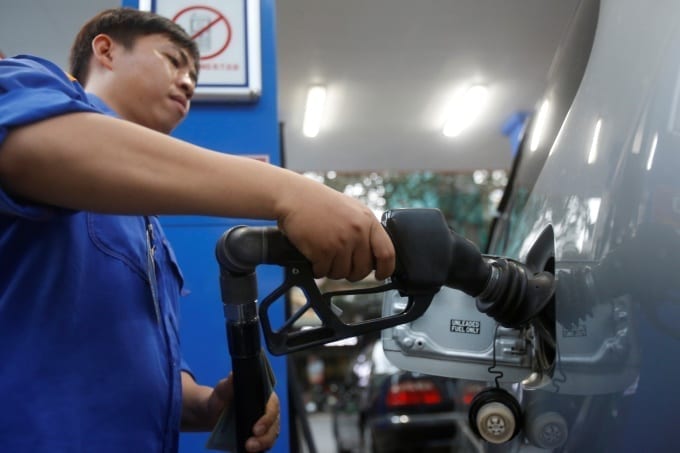
    Gasoline prices on Thursday increased after hitting a six-month low last week while diesel remained steady.

    The popular gasoline RON95 gained 2.24% to VND20,080 (US$0.79) per liter.

    Biofuel E5 RON92 added 2.13% to VND19,690.

    Diesel stayed at VND17,890, steady at the lowest since early October last year.

    Regulators said that fuel prices in the last seven days fluctuated due to a decline in U.S. gasoline and oil product inventories, renewed tensions in the Middle East, and uncertainty surrounding U.S. tax policies on goods from other countries.

    Gasolines dropped 2.7-2.8% while oils (except diesel) declined by 0.2-0.5%. RON95 is now at $80.8 per barrel and diesel at $84.1.

  • Dickey’s Barbecue Pit debuts in Manila

    Dickey’s Barbecue Pit debuts in Manila

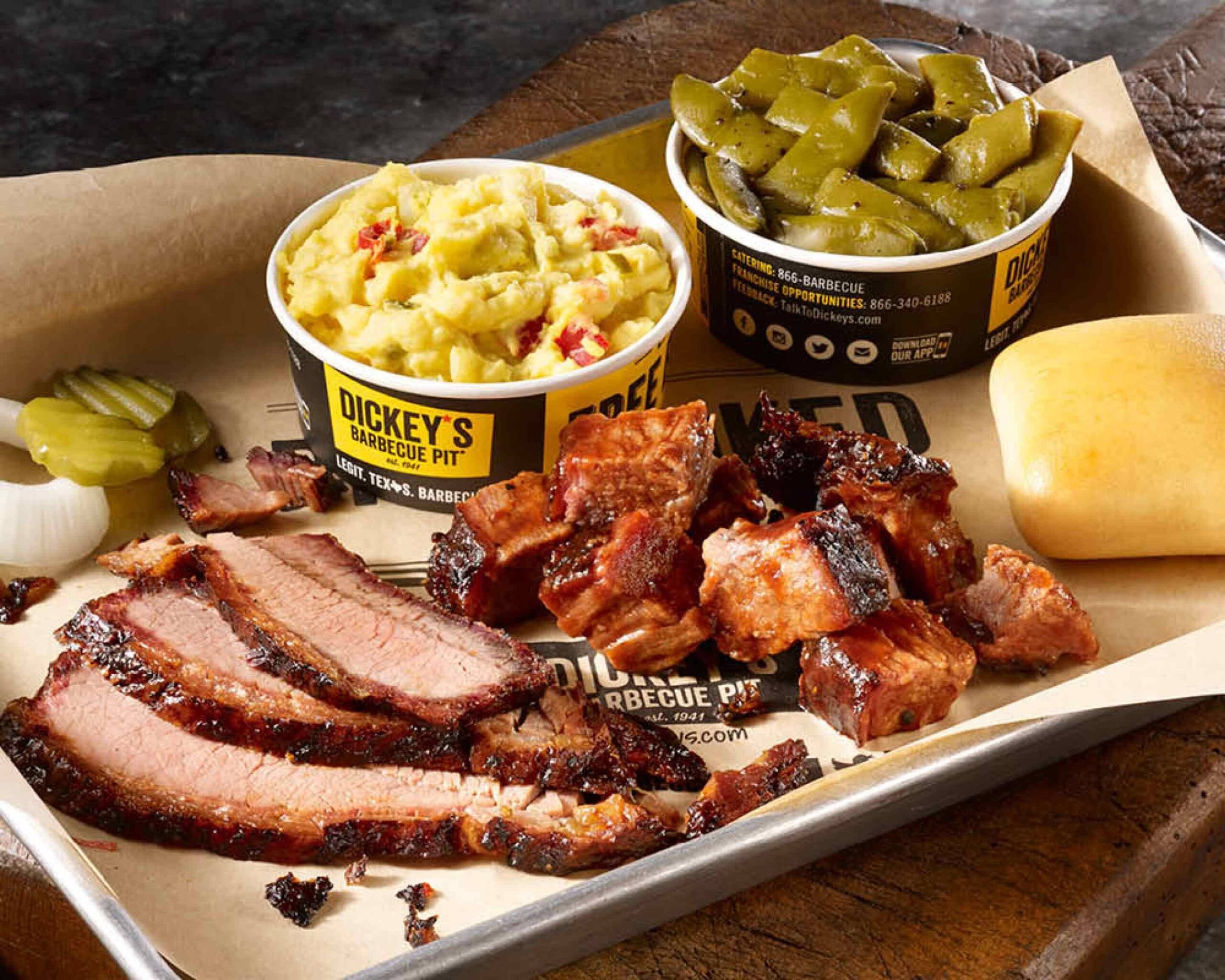
    has opened its first location in the Philippines at Manila’s Parqal Mall.

    The two-story restaurant seats 90 guests and features a full bar and table service, blending Texas-style barbecue with Filipino flavours.

    The menu includes Dickey’s signature slow-smoked brisket, ribs, sausage, and locally inspired dishes such as pork belly, rice, and regional appetisers.

    Beyond Manila, the American barbecue chain is eyeing further expansion, with a second location planned for Clark, a former US Air Force base.

    “This is more than barbecue – it’s about sharing Texas culture and creating a gathering place for families and friends,” said Laura Rea Dickey, CEO of Dickey’s Barbecue Pit.

    “Barbecue is about bringing people together,” added the CEO. “We’re proud to share a true taste of Texas with the world – and Manila is just the start of something even bigger.”

    The Manila opening is part of Dickey’s broader expansion in Southeast Asia, following recent launches in Singapore, Japan, and Pakistan. Additional locations in Metro Manila are also in the pipeline.

    Since its launch in 1941, Dickey’s Barbecue Pit has expanded to more than 866 locations across the US and globally.

  • Jollibee posts double-digit growth, boosted by coffee and tea brands

    Jollibee posts double-digit growth, boosted by coffee and tea brands

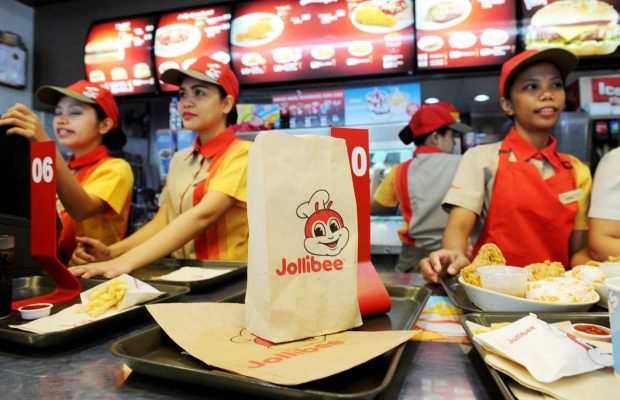
    Jollibee Foods Corporation (JFC) posted strong double-digit growth in 2024, with its coffee and tea brands playing a key role in driving revenue and profits.

    The company’s revenue rose 10.6 percent year-on-year (YoY) to US$4.7 billion, while EBITDA (earnings before interest, taxes, depreciation, and amortisation) increased 17 percent to $295 million.

    JFC’s system-wide sales (SWS) climbed 13 percent YoY to $6.8 billion, supported by a 14 percent increase in the Jollibee brand.

    The Philippine market saw an 11.4 percent rise in SWS, with same-store sales growth (SSSG) of 7.9 percent. Internationally, Jollibee recorded 22 percent growth, led by Vietnam (16.8 percent), EMEA excluding Vietnam (11.6 percent), North America (8.1 percent), and China (13.2 percent).

    “The sustained growth of our business reflects the global strength of the Jollibee brand,” said Jollibee Group CEO Ernesto Tanmantiong

    “We also made significant progress in our coffee and tea segment, particularly with the acquisition of Compose Coffee, which expanded our store network to more than 5000 locations, 78 percent of which are franchised.”

    Meanwhile, JFC’s international SWS grew 17.6 percent, primarily driven by its coffee and tea brands.

    The Coffee Bean & Tea Leaf (CBTL) saw a 16 percent increase in sales, Highlands Coffee grew by 13 percent, and Compose Coffee—acquired in August last year—contributed 7.9 percent to international growth. Meanwhile, EMEA-based Philippine brands grew by 27 percent.

    Despite overall strong results, CFO Richard Shin said the company faced challenges in its China business, which declined 8.3 percent due to economic headwinds affecting consumer spending.

    “While same-store sales growth turned positive in the fourth quarter, we still need to strengthen daily sales and profitability in this segment,” he said.

    “Our focus remains on long-term growth and creating value for shareholders.”

    Looking ahead, JFC aims to accelerate its coffee and tea expansion, with plans to open 700 to 800 new stores this year.

  • Costco is pressuring Mainland China suppliers to cut prices as tariffs loom

    Costco is pressuring Mainland China suppliers to cut prices as tariffs loom

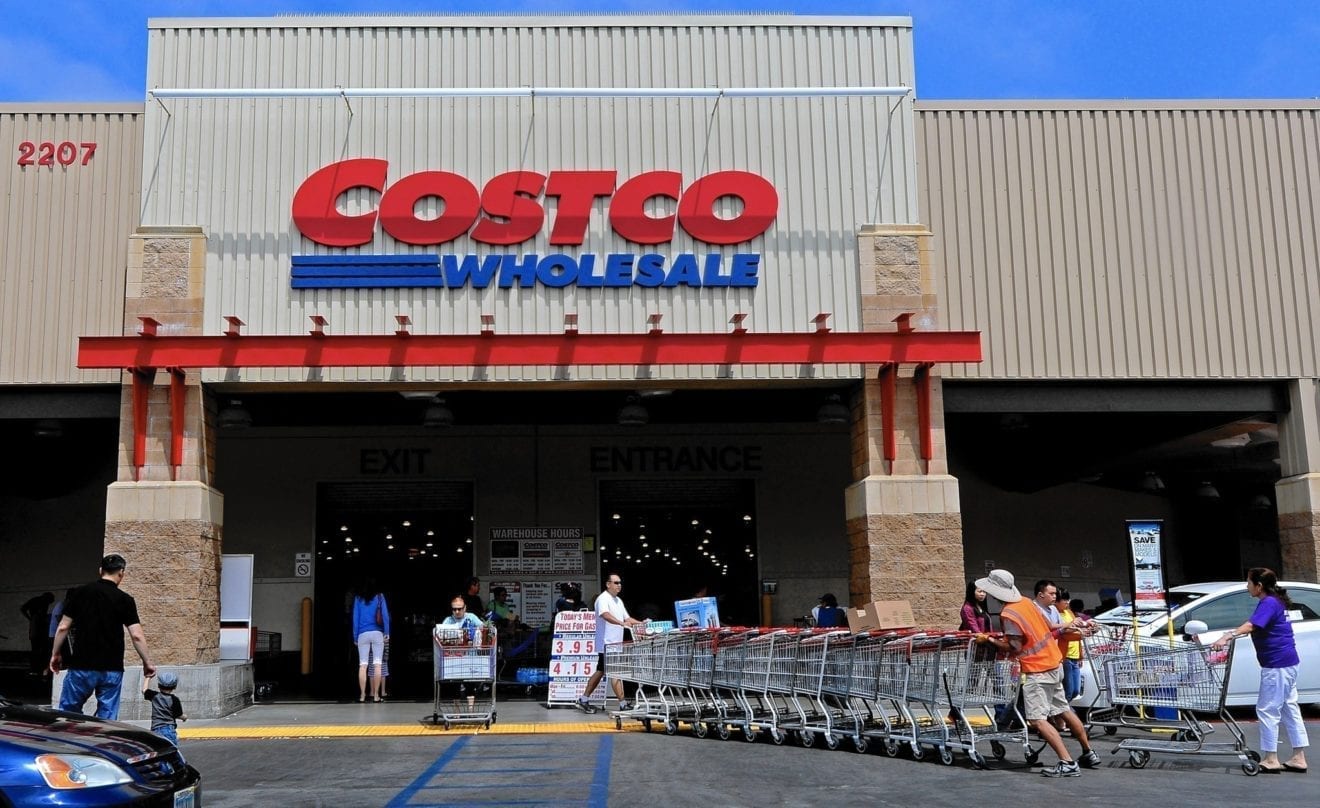
    The Financial Times reported on Tuesday, citing two suppliers, that Costco Wholesale is pressuring mainland China suppliers to cut prices in response to US tariffs.

    This follows Beijing officials meeting with Walmart earlier this month to discuss media reports that the US retailer asked Chinese suppliers to slash prices to offset tariff impacts.

    Costco’s chief executive officer, Ron Vachris, said during their quarterly earnings call earlier this month that the company would consider modifying its international supply chain if tariffs result in significant price increases.

    According to Vachris, about one-third of Costco’s US sales come from products imported from other countries, with less than half of that originating from China, Mexico, and Canada.

    Costco did not immediately respond to a Reuters request for comment.

  • Underwear icon Hanes expands into the athleisure category

    Underwear icon Hanes expands into the athleisure category

    Hanes is expanding into athleisure with Hanes Moves, a new collection designed to bring the brand’s “signature comfort” into activewear.

    The range includes athletic-inspired innerwear and apparel for men, women and children.

    The collection features moisture-wicking fabrics, odour control, anti-chafing solutions and breathable stretch technology. Some styles also incorporate functional storage in leggings and shorts, while select women’s pieces include integrated leak protection.

    Jane Newman, chief design officer, global innerwear at HanesBrand, said launching the new collection was a “natural evolution” from the brand’s core basics.

    “We’ve progressed from classic essentials to fashion basics, then to loungewear,” she added. “Now, we’re entering athleisure with stylish, functional pieces designed to keep our customers comfortable throughout their day – no matter what they’re doing.”

    In June, HanesBrands sold the Champion business to Authentic Brands Group.

  • Zara to open first cafe in South Korea

    Zara to open first cafe in South Korea

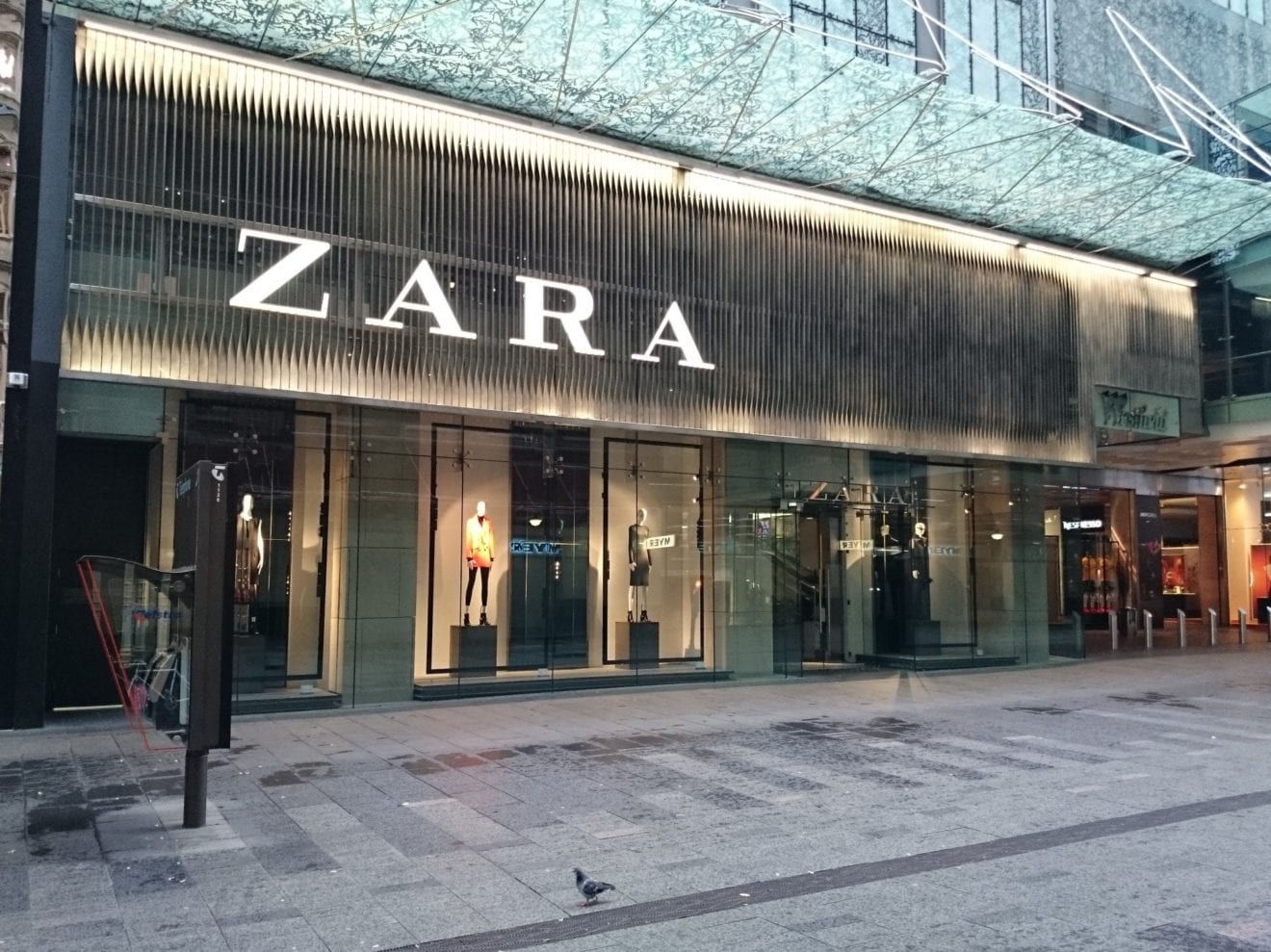
    Zara, the Spanish fashion giant, is set to open its first Zacaffe location in South Korea this May, launching inside the brand’s newly renovated flagship store in Myeong-dong, Seoul.

    The move reflects a growing trend among global fashion brands incorporating cafes into their retail spaces, offering customers a more immersive brand experience.Zara introduced Zacaffe in Madrid in November 2024, integrating a cafe space within select stores to serve coffee, desserts, and branded merchandise, including tumblers, hats, eco-bags, and t-shirts. Following its China debut in Nanjing this month, the Seoul location will be its third global outpost, with an Osaka store also in the pipeline.

    “Myeong-dong is a prime shopping and fashion district, attracting both locals and tourists, making it the perfect location for a flagship Zara store and our cafe experience,” a Zara representative said.

    Zara also plans to introduce Korean-inspired desserts and a cafe design that reflects local aesthetics, aiming to attract both domestic customers and international visitors. The company is considering further expansion within South Korea.Zara is not alone in blending retail and café culture. Luxury fashion brands have increasingly adopted coffeehouse ventures to strengthen their brand presence and enhance customer engagement.

    Ralph Lauren introduced Ralph’s Coffee to South Korea in September 2024, opening a cafe in Seoul’s Garosu-gil district, a decade after launching the brand in New York in 2014. The cafe, featuring classic green-and-white interiors and American-style menu offerings, has drawn long queues, even on weekdays. Ralph’s Coffee also opened a popular pop-up store at The Hyundai Seoul last month.
    Maison Kitsune, the Parisian-Japanese brand under Samsung C&T fashion division, launched cafe Kitsune in Seoul’s Garosu-gil in 2018. The brand has since expanded to Hyundai Department Store’s Mokdong and Pangyo locations, as well as Shinsegae’s Centum City branch, where the cafe welcomes over 400 customer groups daily on weekends.

    Gelato Pique, a Japanese homewear brand, entered the cafe scene in September 2024 by opening Pique cafe in Hannam-dong, Seoul. The cafe offers specialty crepes and gelato, aligning with the brand’s “comfortable luxury” ethos and attracting foot traffic to the store.The trend underscores a strategic shift in the fashion industry. With the rise of e-commerce reducing in-store foot traffic, brands are reinventing retail spaces as lifestyle destinations.

    “Online shopping has made it harder for brands to showcase their identity in physical stores,” a fashion industry insider noted. “By launching cafés and selling branded merchandise, fashion labels create a more tangible, memorable experience for customers.”

    As more brands adopt cafe-driven retail strategies, the industry’s shift toward experiential shopping is expected to accelerate, blurring the lines between fashion, lifestyle, and hospitality.

  • Asia’s most prestigious university launches exchange program for Vietnamese students

    Asia’s most prestigious university launches exchange program for Vietnamese students

    For the first time ever, students at the Vietnam National University in Hanoi can apply for an exchange semester at China’s Tsinghua University, the nation’s top university and the most prestigious in Asia, for free.

    According to an announcement by Vietnam National University in Hanoi, starting this year, students from their second year onward at Vietnam National University-Hanoi with strong academic achievements and proficient foreign language skills, either an IELTS score of 7.0 for English or at least an HSK 5 level for Chinese, can apply for a tuition-free semester at Tsinghua.

    Applications for the fall semester (September 2025–January 2026) must be submitted by April 30, while applications for the spring semester (February–June 2026) are due by Nov. 30.

    Selected students will receive free tuition for the duration of their exchange at Tsinghua, but will be responsible for their own living expenses, insurance and visa fees.

    This program is part of a broader cooperation agreement signed between VNU and Tsinghua University on March 2. Similar agreements were also made with Vietnam National University in Ho Chi Minh City and Vietnam’s National Economics University.

    Tsinghua University has been recognized as the most prestigious institution in Asia by Times Higher Education. In the THE World Reputation Rankings 2025, it ranks eighth globally, surpassing both Yale University and the University of Tokyo.

    In THE World University Rankings 2025, it stands at number 12, the highest position of Chinese universities, followed by Peking University, another top-tier institution in the country.

    Tsinghua currently maintains exchange agreements with about 200 universities worldwide.

  • PepsiCo to acquire Poppi for US$1.95 billion

    PepsiCo to acquire Poppi for US$1.95 billion

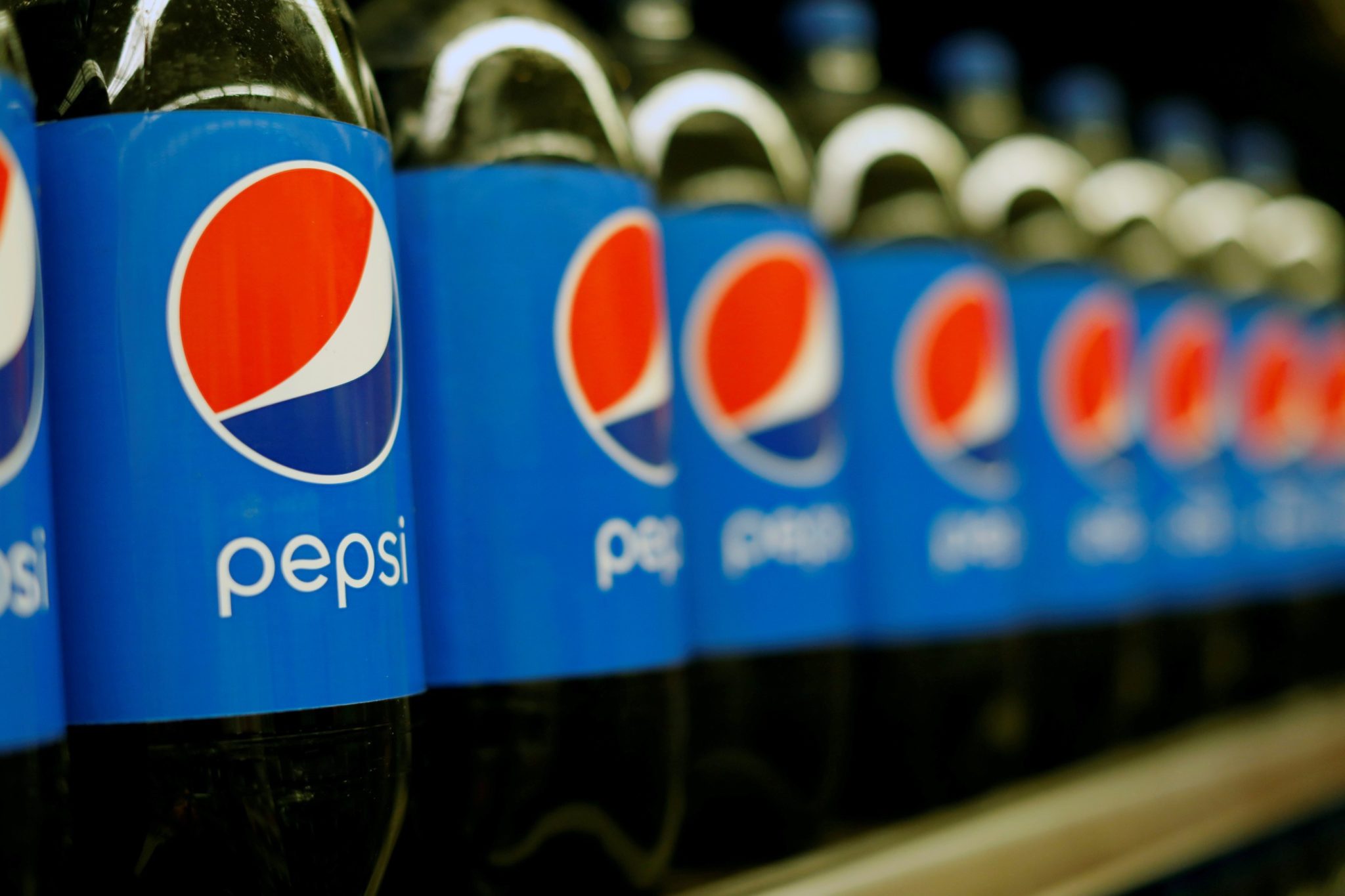
    PepsiCo has signed a definitive agreement to acquire probiotic soda brand Poppi for US$1.95 billion.

    The transaction amount includes $300 million of anticipated cash tax benefits for a net purchase price of $1.65 billion.

    “We’ve been evolving our food and beverage portfolio over many years, including by innovating with our brands in new spaces and through disciplined, strategic acquisitions that enable us to offer more positive choices to our consumers,” said Ramon Laguarta, PepsiCo chairman and CEO.

    “More than ever, consumers are looking for convenient and great-tasting options that fit their lifestyles and respond to their growing interest in health and wellness. Poppi is a great complement to our portfolio transformation efforts to meet these needs.”

    The agreement also includes a further potential earnout consideration subject to reaching certain performance milestones within a specified period after the transaction’s closing.

    Poppi, which combines apple cider vinegar with natural fruit flavours and probiotics, gained attention after appearing on the reality TV show Shark Tank in 2018.

  • China retail sales improve as Beijing looks to consumers to ease trade pressure

    China retail sales improve as Beijing looks to consumers to ease trade pressure

    China’s retail sales growth quickened in January-February in a welcome sign for policymakers’ efforts to boost domestic consumption even as joblessness rose and factory output eased, underscoring the strains on an economy facing fresh US tariff pressure.

    Policymakers have put expanding domestic demand as the top priority this year as they try to cushion the impact of the Trump administration’s tariffs on its crucial export engine.

    China’s top leaders have maintained an economic growth target of “around 5 per cent” for 2025, but analysts say that may be a tall order given pressure on exports, tepid household demand and a protracted property crisis.

    The data followed weaker-than-expected exports and inflation indicators earlier this month, highlighting the need for more policy support to foster a sustainable economic recovery.

    “The risk to the economy is the damage from higher US tariffs on China’s exports which will likely show up in the trade data over the next few months,” said Zhiwei Zhang, chief economist at Pinpoint Asset Management.

    “I think Beijing will continue its current policy stance. There is no urgency to loosen monetary policy by cutting RRR or interest rate at this stage,” he said, adding that policymakers may choose to wait for a few months before cutting rates given the trade uncertainties.

    Data released by the National Bureau of Statistics (NBS) on Monday showed retail sales, a gauge of consumption, rose 4 per cent in the January-February period, better than a 3.7 per cent rise in December and marking the quickest rate since November 2024. Analysts had expected retail sales to grow 4 per cent.

    Household consumption in the first two months was buoyed by holiday spending during the 8-day Lunar New Year holidays, when China’s box office raked in record takings with animated hit “Nezha 2”.

    In the annual parliament meeting earlier this month, China’s leaders pledged stronger fiscal and monetary support for the economy, with a particular emphasis on spurring domestic consumption.

    Among other measures, they have lined up 300 billion yuan (US$41.5 billion) for a recently-expanded consumer goods trade-in scheme for electric vehicles, appliances and other goods.

    “Retail sales growth was decent, reflecting the vital role of subsidies in supporting home appliance and mobile phone sales,” said Tianchen Xu, senior economist at the Economist Intelligence Unit.

    However, the effect of the scheme may “fade over time”, with auto sales already down in the first two months, he added.

    The NBS data showed home appliance and audio-visual device sales grew 10.9 per cent, compared with December’s 39.3 per cent jump. Catering revenue, however, rose 4.3 per cent underpinned by the festival boost, faster than the 2.7 per cent rise in December.

    On Sunday, China unveiled a “special action plan” to boost domestic consumption, featuring measures including increasing residents’ income and establishing a childcare subsidy scheme.

    Officials from the country’s top economic ministries will brief media on consumption-boosting measures later on Monday.

    Chinese stocks were roughly flat as investors assessed the mixed set of economic data.

    Unemployment, Trump woes

    Highlighting the stress facing households, the urban survey-based jobless rate in February climbed to 5.4 per cent, the highest in two years.

    US president Donald Trump has piled an additional 20 per cent of tariffs on all Chinese goods and is threatening more action. Exports were one of the lone bright spots for China’s economy last year.

    With factories shutting down temporarily during the Lunar New Year holidays, China’s industrial output grew 5.9 per cent year-on-year in the first two months, slowing from the 6.2 per cent expansion in December. However, it was ahead of expectations for a 5.3 per cent rise.

    China publishes data for the two months in a combined release to smooth out the impact of the LNY holidays, which fall in either of the two months.

    Fixed asset investment, which includes property and infrastructure investment, expanded 4.1 per cent in the January-February period year-on-year, versus expectations for a 3.6 per cent rise. It grew 3.2 per cent in 2024.

    The real estate sector, while showing some improvement, remained frail and underlined the low investor confidence.

    Property investment fell 9.8 per cent in the first two months of 2025 year-on-year, after tumbling 10.6 per cent in 2024. An NBS spokesperson said the country’s housing market faces some pressure despite signs of stabilising.

    That suggests policymakers will have their work cut out in their efforts to keep the economy on an even keel amid the threat of more US tariffs.

    In a note to clients, Goldman Sachs analysts said the boost from exporters’ frontloading late last year may have subsided and the adverse effect from higher US tariffs may have started to kick in.

    “January-February activity data and our high-frequency tracker for early March pointed to a modest slowdown in sequential GDP growth momentum in the first quarter vs the fourth quarter in 2024.”

    For 2025 as a whole, some analysts say the growth impulse could be uneven.

    “China’s economy had a decent start to the year, likely driven by fiscal stimulus,” said Zichun Huang, China economist at Capital Economics.

    “We expect the recovery to continue over the coming months, but given the wider headwinds weighing on China’s economy, we don’t expect any near-term improvement to be sustained for long.”
  • Ugg launches footwear collection with NewJeans’ Hanni

    Ugg launches footwear collection with NewJeans’ Hanni

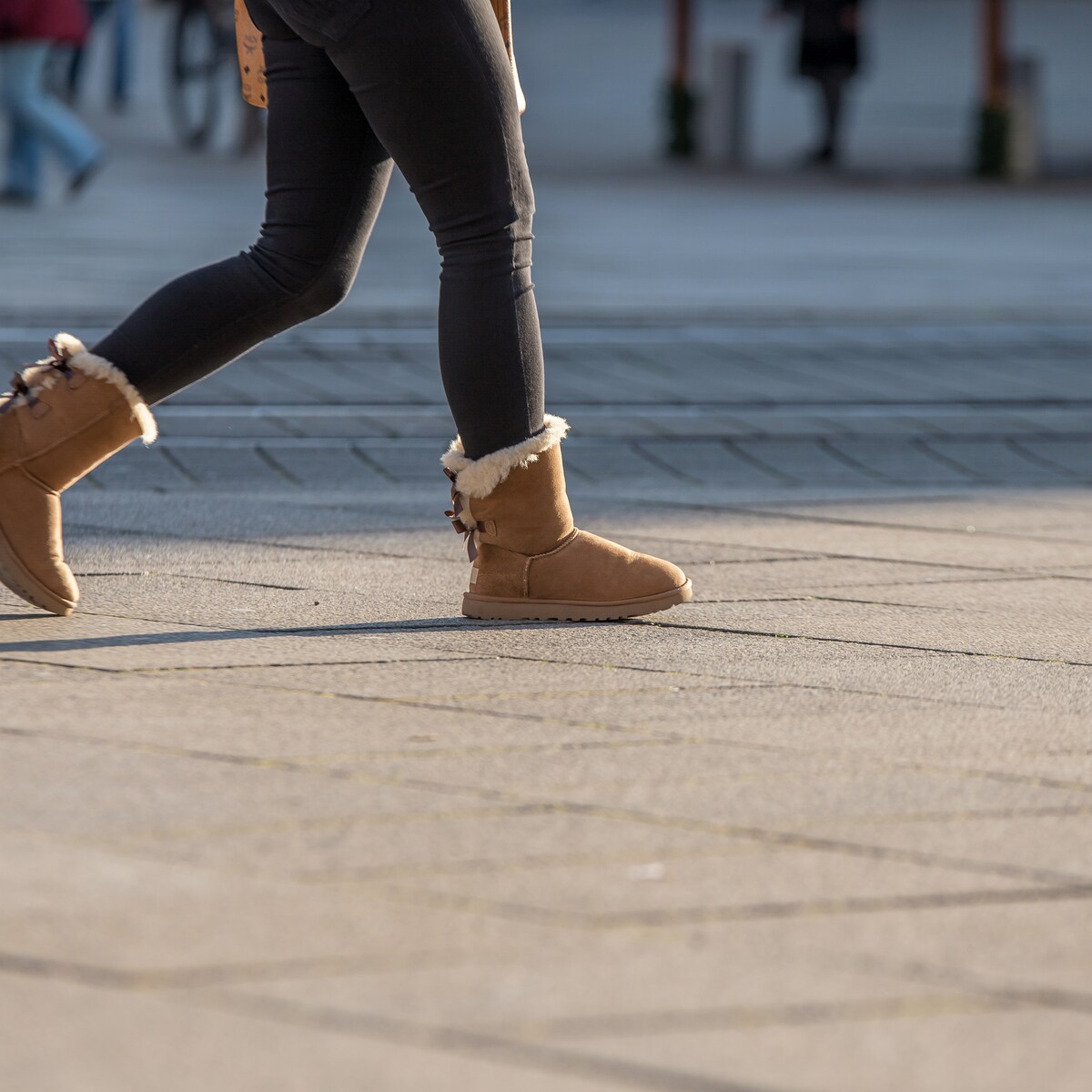
    California-based lifestyle brand Ugg has launched a sandal collection, GoldenRise, in partnership with K-pop girl group NewJeans’ member, Hanni.

    The GoldenRise has a customizable strap that can be worn three ways: as a slide, slingback, or wrap sandal. According to the brand, the collection has 100 per cent recycled polyester straps that adjust over the top of the foot, and the back strap may be wrapped around the ankle, switched for a shorter slingback, or removed completely to create a slide.

    “Rooted in joy, renewal, vibrancy, and warmth, Ugg and Hanni explore the magnetic, effortless feeling that is ‘Big Spring Energy,’” the brand said in a statement.

    The GoldenRise sandal, which Hanni wears in the global Spring/Summer 2025 campaign, is available on Ugg’s website, at Ugg stores, and at select wholesale retailers nationwide.

    Ugg employed leftover leathers and suedes in a new footwear line last year in reaction to the previous seasons’ overstock.

  • Chagee faces boycott ahead of Vietnam opening

    Chagee faces boycott ahead of Vietnam opening

    Chinese milk tea brand Chagee is facing criticism for apparently adopting the ‘nine-dash line’ in its digital app while it prepares to launch in Vietnam.

    According to local reports, Vietnamese customers are calling for a boycott of Chagee after learning that the company used a map with the controversial nine-dash line.

    In a photo recently circulated on Vietnamese social media, an account using a Chagee logo as its image responded impolitely to a customer’s statement that they wanted to boycott the company over the line’s adoption, saying: “Chagee does not lack friends as customers”. We cannot ascertain if the responses are genuine or not but has been advised that multiple accounts are pretending to be Chagee to stir controversy and debate.

    Chagee has not officially responded to the incident yet.

    The “nine-dash line” or “U-shaped line” is a boundary line drawn by China on a map to illustrate its sovereignty claim over the majority of the East Sea, considered by Vietnam as a grave violation of its territorial sovereignty.

    The issue seems to cause significant damage to Chagee’s image and reputation. Le Minh Vu, managing partner at FnB Academy, told Vietnamese newspaper Tuoi Tre (Youth) that “Chagee should withdraw from the Vietnamese market due to issues unrelated to products or services – things that can be fixed and corrected”.

    Chagee was founded in 2017 in Shanghai, China, and has since expanded rapidly throughout Southeast Asia, with more than 5000 locations.

    The brand intends to open its first store in Vietnam, with a prime position in Ho Chi Minh City’s CBD in District 1.

  • Hermes opens new Indonesia store

    Hermes opens new Indonesia store

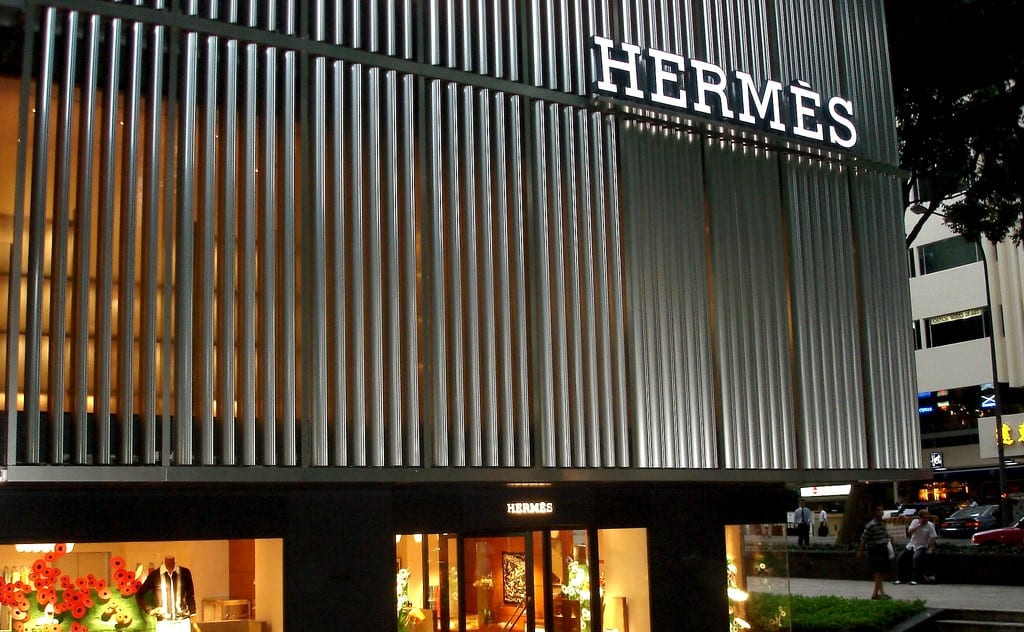
    Hermes has opened a new store in Jakarta, Indonesia, located in Plaza Indonesia.

    Designed by Paris-based RDAI, the space showcases the French luxury house’s 16 metiers (artisinal expertise) in a setting that blends traditional craftsmanship with contemporary design.

    The store’s facade features teal-green ceramic tiles and semi-sheer rattan screens, offering glimpses into the interior. Inside, the layout is arranged by category, with fashion jewellery, silks, home collections, beauty, and fragrance near the entrance.

    Leather goods and equestrian collections are framed by fabric-covered panels, while dedicated areas present ready-to-wear and footwear. A jewellery and watch salon, adorned with hand-carved lacquered panels, adds a “refined touch”, while hand-tufted carpets introduce texture throughout the space.

    The store also incorporates locally sourced materials, including hand-woven wall fabrics and wooden furniture. Curated artworks from the Emile Hermes collection and contemporary photography further enhance the interior.

    In collaboration with Indonesian art collective Tromarama, the window displays merge the label’s equestrian heritage with Jakarta’s rail network, offering a unique artistic interpretation.

    “We invite visitors to explore our collections in a space that reflects Indonesia’s cultural and artistic heritage,” said Hermes.

  • Your Apple Wallet is about to get much better

    Your Apple Wallet is about to get much better

    As we await the stable release of iOS 18.4 in April, the beta versions are already giving us a solid preview of what’s coming. The latest beta release reveals a useful new feature for tracking your spending that is set to land in Apple Wallet.

    In the first iOS 18.4 beta, the Wallet app introduced a menu labeled “Subscriptions & Payments.” Now, with the latest update, it has been rebranded to “Preauthorized Payments,” and as you might guess, this change shifts the focus more toward payments that have been authorized in advance.

    This section in Wallet will now display merchants that you have given the go-ahead to charge your Apple Pay for things like subscriptions, automatic top-ups and regular bills. So, if you use Apple Pay for things like adding money to your transit card or paying for your gym membership, those transactions should show up here.

    Apple seems to have recognized that calling this section “subscriptions” could be a bit misleading, so the new name – preauthorized payments – makes it clearer. However, while the name change is helpful, it doesn’t change the fact that you are still managing recurring payments across different sections rather than having them all in one place.

    Right now, if you want to check your subscriptions, you can do it through the App Store or your iPhone’s Settings, which is a bit faster and easier. Just tap the Apple Account section at the top with your profile picture and you will find the Subscriptions section there.

    Whether you go through the App Store or Settings, the Subscriptions page looks the same. It shows all your active subscriptions and when they are set to renew.

    While this works, I think the new addition to Wallet is a nice step forward in making it easier to track your recurring payments. It gives you a better view of your spending, which has been a key focus of the Wallet app lately.

    Still, I think Apple could make it even easier by bringing everything under one roof. Imagine being able to see exactly how much you are spending each month – whether it is for Apple TV shows, Netflix, or any other subscriptions – all in one place. It would save a lot of time and make managing your money that much simpler.