Tag: asia

  • Starbucks ordered to pay $50M to customer burned by hot beverage

    Starbucks ordered to pay $50M to customer burned by hot beverage

    A delivery driver has won $50 million in a lawsuit after being seriously burned when a Starbucks drink spilled in his lap at a California drive-through, court records show.

    A Los Angeles County jury found Friday for Michael Garcia, who underwent skin grafts and other procedures on his genitals after a venti-sized tea drink spilled instants after he collected it on Feb. 8, 2020. He has suffered permanent and life-changing disfigurement, according to his attorneys.

    Garcia’s negligence lawsuit blamed his injuries on Starbucks, saying that an employee did not wedge the scalding-hot tea firmly enough into a takeout tray.

    “This jury verdict is a critical step in holding Starbucks accountable for flagrant disregard for customer safety and failure to accept responsibility,” one of Garcia’s attorneys, Nick Rowley, said in a statement.

    Starbucks said it sympathized with Garcia but planned to appeal.

    “We disagree with the jury’s decision that we were at fault for this incident and believe the damages awarded to be excessive,” the Seattle-based coffee giant said in a statement, adding that it was “committed to the highest safety standards” in handling hot drinks.

    U.S. eateries have faced lawsuits before over customer burns.

    In one famous 1990s case, a New Mexico jury awarded a woman nearly $3 million in damages for burns she suffered while trying to pry the lid off a cup of coffee at a McDonald’s drive-through. A judge later reduced the award, and the case ultimately was settled for an undisclosed sum under $600,000.

    Juries have sided with restaurants at times, as in another 1990s case involving a child who tipped a cup of McDonald’s coffee onto himself in Iowa.

  • WestJet Cargo sells Virgin Atlantic’s cargo capacity from Toronto–London and beyond

    WestJet Cargo sells Virgin Atlantic’s cargo capacity from Toronto–London and beyond

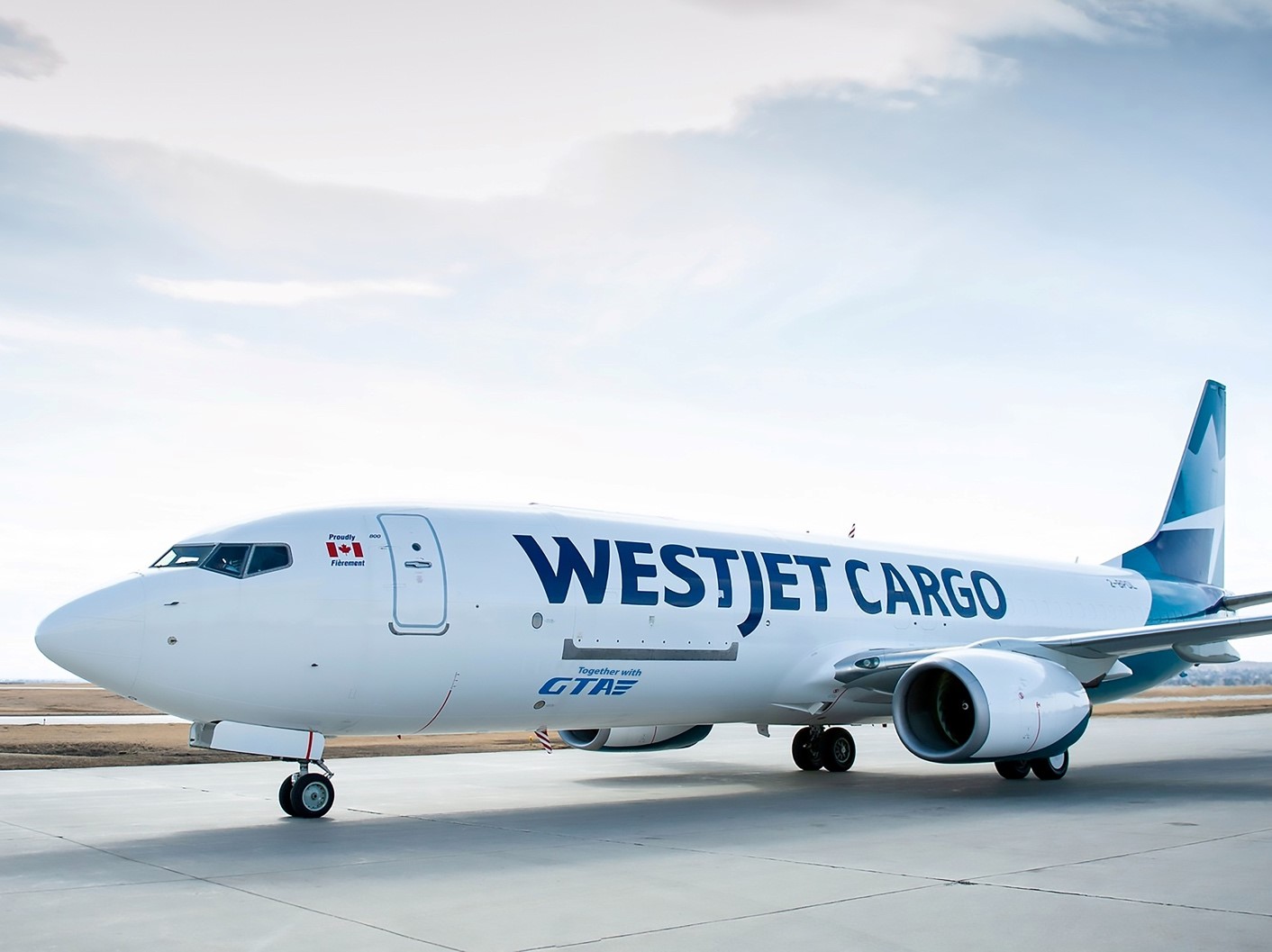
    WestJet Cargo proudly announces a Block Space Agreement (BSA) with Virgin Atlantic from Toronto (YYZ) to London (LHR) and beyond starting the 31st March.

    This marks a commercial year-round collaboration that will significantly boost cargo capacity between the East Coast of Canada to London and beyond on Virgin Atlantic network. This commercial partnership strengthens trade links between Canada and key destinations across Europe, Africa, the Middle East, and Asia, as Virgin Atlantic serves numerous strategic cities from London Heathrow, including DEL, BOM, BLR, JNB, CPT, DXB, RUH, LOS. In addition, it signifies the airline’s return to the Canadian cargo market after more than two decades, leveraging WestJet Cargo’s proven expertise to manage and sell this key route.

    Starting at the end of March, WestJet Cargo will sell cargo capacity on Virgin Atlantic’s wide-body flights from Toronto to London offering up to 20Tonnes of capacity per day. The commercial partnership will provide customers with reliable access to both WestJet Cargo’s and Virgin Atlantic Cargo’s full suite of services — areas in which both carriers have established a strong track record. All shipments from Toronto will be moved under a WestJet Cargo Air Waybill (AWB) starting 838.

    “Virgin Atlantic’s decision to entrust WestJet Cargo with managing this crucial route is a testament to our deep understanding of the Canadian market and our operational excellence. It’s a natural synergy with the same ground handling in both Toronto Pearson International and London Heathrow. We have a super team based in Toronto who are eager to make this commercial partnership a success for both carriers. Our specialized expertise in handling high-value commodities such as pharmaceuticals and valuables ensures that customers receive reliable, top-tier service, all while providing seamless access to Virgin Atlantic’s London service, and beyond” said Kirsten, Executive Vice President of WestJet Cargo.

    “We’re thrilled to further enhance our commercial partnership with WestJet, leveraging their longstanding cargo expertise in the Canadian marketplace. This collaboration will ensure our customers across the region will have seamless access and added capacity throughout Virgin Atlantic’s global network,” said Nick Diesel, Managing Director, Virgin Atlantic Cargo. “Canada is an important market for us, and this partnership enables us to provide cargo solutions that support trade and business growth between Toronto, London and beyond.”

    Virgin Atlantic chose WestJet Cargo for this pivotal commercial partnership due to the carrier’s strong market presence, robust operational capabilities, and specialized handling proficiency. This partnership represents a renewed commitment by Virgin Atlantic to the Canadian cargo market, connecting inbound cargo via its state-of-the-art cargo facility at London Heathrow, and signals a new era of strategic growth and innovation for WestJet Cargo.

    With this scalable commercial partnership model, WestJet Cargo is further establishing its role as a key player in the international cargo industry.

  • GoTo posts first full-year underlying profit

    GoTo posts first full-year underlying profit

    Indonesia’s biggest tech firm PT GoTo Gojek Tokopedia forecast a sharp increase in its underlying earnings for 2025 on Wednesday, and also posted its first ever full-year underlying profit.

    GoTo, which offers ride hailing, food deliveries, logistics and financial services, also forecast a surge in its core earnings, or adjusted EBITDA, the company’s key measure of profitability.

    “We saw a significant increase in our user numbers throughout the year and expect this to continue into 2025,” said Patrick Walujo, GoTo Group CEO.

    The tech firm now expects its adjusted EBITDA for 2025 to be in the range of 1.4 trillion rupiah (US$85.16 million) to 1.6 trillion rupiah.

    It’s a significant increase from GoTo’s underlying profit of 327 billion rupiah for 2024, swinging from a loss of 3.670 trillion rupiah last year.

    The firm’s financial technology segment, whose earnings jumped 70 per cent last year, is expected to expand further in 2025 as the user base for its GoPay app and its loan book grows, the company said.

    GoTo, which is backed by Japan’s SoftBank Group and Singapore’s sovereign wealth fund GIC, had reportedly been involved in merger talks with Southeast Asian ride-hailing and food delivery company Grab.

    But GoTo said in a filing last month it had not engaged in talks regarding a potential merger with any party, noting media reports involving Grab.

    In an interview with the Financial Times, GoTo CEO Walujo expressed openness to a potential deal.

    “I will always be open to anything that is enhancing our shareholders’ return . . . in the long term,” Walujo said.

  • Puma plans job cuts as US demand weakens, outlook dims

    Puma plans job cuts as US demand weakens, outlook dims

    Puma on Wednesday announced job cuts and warned of uncertain US consumer demand. The German sportswear group’s shares slumped 23 percent in the wake of disappointing quarterly and annual forecasts issued a day earlier.

    The grim outlook, which follows weak quarterly sales and annual profit announced in January, has raised concerns over Puma’s ability to compete with bigger rivals Adidas and Nike while fending off newer, fast-growing brands such as On Running and Hoka.

    Chief executive Arne Freundt said Puma’s target consumers in the United States were not spending due to economic uncertainty.

    “February was bad. March has started off a bit better,” he said at a press conference.

    Chief financial officer Markus Neubrand announced plans to cut 500 jobs worldwide and close some unprofitable stores as part of a cost-cutting plan.

    When asked about the potential impact of US import tariffs, Puma’s management confirmed that Chinese production made up about 10 percent of shoe imports into the United States, down from 30 percent in the past.

    The company was urging suppliers to diversify production away from China to countries including Indonesia, they said.

    Late on Tuesday, Puma forecast currency-adjusted sales for the current quarter to grow in a low single-digit percentage, below last year’s level, with “significantly” lower operating earnings for the same period.

    It said its annual currency-adjusted sales would grow in a low– to mid-single-digit percentage rate, compared with 4.4 per cent growth to 8.82 billion euros (US$9.62 billion) in 2024.

    It had previously expected 2025 growth to be stronger than in 2024.

    The group forecast adjusted earnings before interest and taxes (EBIT) of $566.5 million to $653.7 million euros for 2025, before a one-time charge of up to 75 million related to its cost-cutting programme.

    “While expectations have lowered recently, we still think this guidance is below the most conservative estimates and raises more questions,” Barclays analysts wrote in a note to investors.

    Puma shares slumped 23 percent to $23.86 at 1246 GMT, a level not seen since November 2016.

    Puma’s larger peer Adidas, meanwhile, recorded a solid performance in 2024 and adopted a cautious stance for 2025.

    “The stark contrast in regional performance and sell-through versus Adidas, in our view, underscores the importance of brand momentum in driving demand, but also orchestrating operational leverage amid a volatile retail environment,” said Felix Dennl, an analyst at Metzler in Frankfurt.

    Sales of popular retro shoe models helped boost sales of brands including Puma and Adidas last year.

    Puma said it still aims to sell 4 million to 6 million pairs of its relaunched motor racing-inspired “Speedcat” sneaker, though Freundt said an expected uptick in sales was taking longer than expected to materialise.

  • China’s Strategic 5G Pricing Stimulates Economic Expansion

    China’s Strategic 5G Pricing Stimulates Economic Expansion

    China’s rapid deployment and adoption of 5G technology have positioned it as a global leader in the telecommunications sector. Central to this success is the country’s strategic approach to 5G pricing, which has facilitated widespread consumer uptake and stimulated economic growth.

    In 2019, China’s major telecommunications operators—China Mobile, China Telecom, and China Unicom—officially launched 5G services to the public. These operators introduced competitively priced data packages to encourage early adoption.

    At launch, China Mobile had already attracted 3.8 million 5G users, accounting for 69% of China’s 5G market. The company set an ambitious target of reaching 100 million 5G users by the end of 2020, a bold move considering that it had only recorded 21.5 million net additions in the first 11 months of 2019 and 37.9 million for the whole of 2018.

    To achieve this goal, China Mobile introduced a nationwide strategy focused on affordability, rapid network expansion, and device availability. It also planned to transition to 5G Standalone (5G SA) by the fourth quarter of 2020, ensuring a fully optimized and independent 5G network.

    China Mobile’s initial 5G plans ranged from RMB 128 (USD 18) to RMB 598 (USD 86) per month, offering a tiered structure based on data and voice usage. These prices were designed to make 5G accessible to both casual and heavy users. By maintaining relatively low entry-level pricing compared to Western markets, China Mobile accelerated 5G adoption among consumers.

    The Ministry of Industry and Information Technology’s (MIIT) research arm, the China Academy of Information and Communications Technology (CAICT), reported that 13.77 million 5G phones were sold in the last two months of 2019, with 35 different models available. While the majority of China’s mobile shipments in 2019 were 4G devices (389 million units), the rapid price decline and increased availability of 5G phones helped accelerate consumer adoption.

    At the end of the year, the company had deployed 50,000 base stations across 50 cities, laying the foundation for nationwide 5G coverage.

    While China Mobile pursued aggressive pricing to attract mass adoption, China Telecom strategically positioned itself with a pricing model that balanced affordability with premium offerings tailored to high-speed connectivity applications, such as its groundbreaking 5G-powered Shanghai Maglev train network.

    China Telecom introduced its 5G plans with a tiered pricing strategy, ensuring a variety of options for consumers. The operator’s base plan started at an affordable rate, making it accessible to a wide range of users, while premium packages offered higher data limits and additional features. This approach was designed to cater to both budget-conscious customers and high-data users who required uninterrupted connectivity, such as business professionals and gamers.

    In comparison to China Mobile, which offered 5G plans starting at RMB 128 (USD 18) for 30 GB, China Telecom’s pricing focused on flexible packages and bundled services. While China Mobile aimed to rapidly increase its subscriber base through low-cost plans, China Telecom leveraged its 5G infrastructure investments, such as its high-speed rail network coverage, to justify competitive yet value-driven pricing.

    In partnership with ZTE, China Telecom successfully deployed the world’s first commercial 5G maglev train network in Shanghai, enabling seamless connectivity at speeds of up to 500 km/h. This innovation highlighted the carrier’s ability to offer premium 5G services beyond conventional mobile plans, targeting industries and high-end users willing to pay for cutting-edge connectivity solutions; thus, contributing to China’s broader gross domestic product (GDP).

    China Unicom officially introduced its 5G services in 2019, setting a minimum price of RMB 190 (USD 26) per month for its 5G data packages. As one of China’s three major telecom operators, China Unicom came up with a strategic pricing model that balanced affordability with profitability, ensuring a smooth transition from 4G to 5G.

    Unlike China Mobile, which was expected to introduce lower-cost 5G plans, China Unicom initially set higher price points for its 5G services. This pricing strategy aimed to offset the high costs of early 5G infrastructure deployment, encourage gradual adoption rather than overwhelming the network with an immediate surge of users, and maintain quality service for early adopters by preventing excessive congestion.

    The company justified its pricing by highlighting that its 5G plans were still the cheapest in the world. Compared to South Korea’s minimum 5G package of RMB 325 (USD 44) per month and AT&T’s USD 70 per month for 15 GB of data in the US, China Unicom’s offering was over 40% cheaper than South Korea’s and 60% lower than the US’s lowest 5G plan.

    Despite China Unicom’s competitive global pricing, the RMB 190 (USD 26) starting price sparked controversy online, as many consumers found the cost too high. However, telecom industry analysts pointed out that premium pricing during the early phase of 5G adoption was a standard strategy. To address affordability concerns, China Unicom announced plans to introduce lower-cost 5G packages over time, adjusting its pricing based on user demand and network expansion. The company emphasized its long-term goal of making 5G accessible to a wider audience while maintaining service quality.

    While its initial pricing catered to high-end users and businesses, the company made it clear that more flexible and affordable packages would be introduced as 5G adoption increased.

    This strategy allowed China Unicom to remain financially sustainable while gradually transitioning users from 4G to 5G, ensuring a stable and high-quality network experience for China’s first wave of 5G subscribers, while simultaneously supporting the enterprises contributing to China’s GDP.

    According to data released by the Ministry of Industry and Information Technology (MIIT), by the end of November 2024, China’s 5G mobile phone subscriptions surpassed 1 billion, marking a significant milestone in the country’s rapid adoption of next-generation connectivity. This figure represents 56% of all mobile lines in China, reflecting a 9.4 percentage point (PP) increase compared to the previous year.

    According to the GSMA’s Mobile Economy China 2024 report, China is expected to reach a 5G adoption rate of 90% by 2030, positioning it as a global leader in mobile connectivity. The report projects that 5G connections will rise to 1.6 billion by 2030, contributing USD 260 billion to the country’s GDP.

    Within three years of 5G development, the average monthly data usage per mobile user in China nearly doubled from 7.8 GB to 14.9 GB. This surge has supported applications such as remote work, online education, digital life, scientific research, and epidemic prevention and control, highlighting 5G’s role in enhancing digital services.

    Beyond this, the widespread adoption of 5G has revolutionized consumer services, particularly in e-commerce and mobile internet usage. With over 1.1 billion internet users as of 2024, accounting for approximately 78.6% of the population, China leads the global e-commerce market. The rapid growth of 5G networks has further accelerated online retail and digital services, contributing to economic growth.

    Since the issuance of 5G commercial licenses, China’s 5G commercialization has directly generated approximately CNY 5.6 trillion (around USD 787.53 billion) in economic output over the past five years. Additionally, it has indirectly contributed to CNY 14 trillion in economic output, underscoring 5G’s substantial role in the country’s development.

    According to Zhang Yunming, Vice-Minister of Industry and Information Technology, China has entered a crucial period of 5G commercialization, with wireless technology being applied to 40 of the 97 major economic categories. He emphasized that large-scale applications have already expanded into mines and ports.

    A Framework for the Future

    An extensive infrastructure network has supported China’s progress in 5G deployment. As of November 2024, the country had installed approximately 4.2 million 5G base stations, which account for over 60% of the global total, according to industry estimates. Yunming highlighted that China has already met the 14th Five-Year Plan (2021-2025) target for 5G deployment ahead of schedule, with 29 5G base stations per 10,000 residents. These networks provide extensive coverage across government service hubs, cultural landmarks, tourist destinations, and key transportation corridors.

    The Chinese government is continuing its push for broader 5G accessibility, particularly in rural and remote regions, as part of a national strategy to bridge the digital divide. In collaboration with 11 other government bodies, the MIIT recently launched an updated plan known as the second “Set Sail” action plan, which aims to further enhance 5G applications by 2027. The initiative sets ambitious goals, including increasing 5G base stations to 38 per 10,000 people, achieving a personal 5G user penetration rate exceeding 85%, and ensuring that over 75% of network traffic runs on 5G networks.

    Shanghai, one of China’s key economic centers, has also taken an aggressive stance in advancing 5G. The city unveiled a three-year strategy to expand 5G applications by 2026, focusing on developing 5G-Advanced technology and integrating it with artificial intelligence. The plan aims to achieve a 5G personal user penetration rate of over 90% while ensuring continuous 5G and 5G-A coverage for low-altitude aviation routes. Additionally, Shanghai is fostering the development of high-standard, 5G-enabled manufacturing facilities and exploring applications in humanoid robotics and innovative energy systems.
  • JD Mall to open first physical store in Hong Kong

    JD Mall to open first physical store in Hong Kong

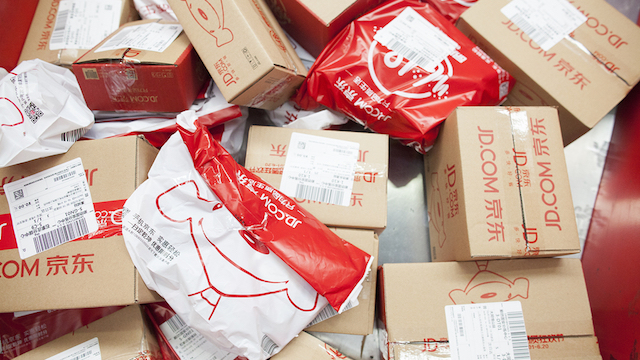
    China’s JD.com is preparing to open its first brick-and-mortar store in Hong Kong as part of its expansion efforts.

    The company is currently in search for a location for its offline superstore, focusing on home appliances and consumer electronics, similar to JD Mall locations in Mainland China.

    While the Hong Kong store is expected to follow a similar model, space constraints may lead to a more compact format.

    A spokesperson from the company confirmed to news agency Ming Pao that new JD Mall stores will launch across the region this year but did not specify locations.

    However, industry sources say that the company has been actively recruiting talent from Hong Kong’s electronics retail sector since last year.

    Last year, its property division acquired the entire Li Fung Centre in Sha Tin, and related companies have also moved into Jardine House in Central.

    In Mainland China, JD Mall stores operate in cities such as Beijing, Guangzhou, and Chongqing, offering electronics, home appliances, and lifestyle products.

  • Google Messages group conversations are about to become so much merrier

    Google Messages group conversations are about to become so much merrier

    The more people there are in a group chat, the more fun it is, but Google Messages’ current way of adding new contacts is quite tedious. Google is apparently working to make it easier to grow your group chats.

    Code in the latest beta version of Google Messages for Android hints that in the future, you might be able to join group chats using links, similar to how you can on WhatsApp.

    Android Authority, which came across this feature, was not able to activate it, which might suggest it could be a while before actually see it in action.

    People often create work groups or class groups on messaging apps, and since the pool of people who could be added to such groups is quite large, it’s easy to unintentionally leave some people out. This could cause friction with them and most importantly, they might miss out on critical or time-sensitive messages. A “join via link” feature would address this.

    Other changes are seemingly also in store for the apps. To bring uniformity to the design, the forward message screen might be switched to a card-based interface. Earlier reports suggest that the search UI and the start chat screen will also get the same treatment.

    Some other minor tweaks were also spotted. The profile info screen has been slightly updated and features filled icons. There is a little pencil icon beside the group chat picture, to make it easier for you to change the group chat image.

  • The Cathay Group announces 2024 annual results

    The Cathay Group announces 2024 annual results

    The Cathay Group announced its annual results for the year 2024, showcasing a solid financial performance driven by stronger cargo demand, higher passenger volumes, lower fuel price and higher cost efficiencies compared with the previous year.

    The Cathay Group reported an attributable profit of HK$9.9 billion in 2024, which compares with a profit of HK$9.8 billion in 2023.

    The Cathay Group’s airlines and subsidiaries, excluding exceptional items, reported an attributable profit of HK$8.8 billion for the full year of 2024, versus a profit of HK$9.2 billion in 2023. Results from associates, the majority of which are recognised three months in arrears, were a full-year profit of HK$288 million, compared with a loss of HK$1.6 billion in 2023.

    Cathay Group Chair Patrick Healy said: “This second consecutive year of solid financial performance is a testament to the outstanding effort and dedication of our global teams. It has enabled us to complete buybacks, pay dividends to our shareholders, reward our people and commit substantial investments that will enhance the experience for our customers and benefit our home hub, Hong Kong.”

    Stronger cargo demand, higher yields
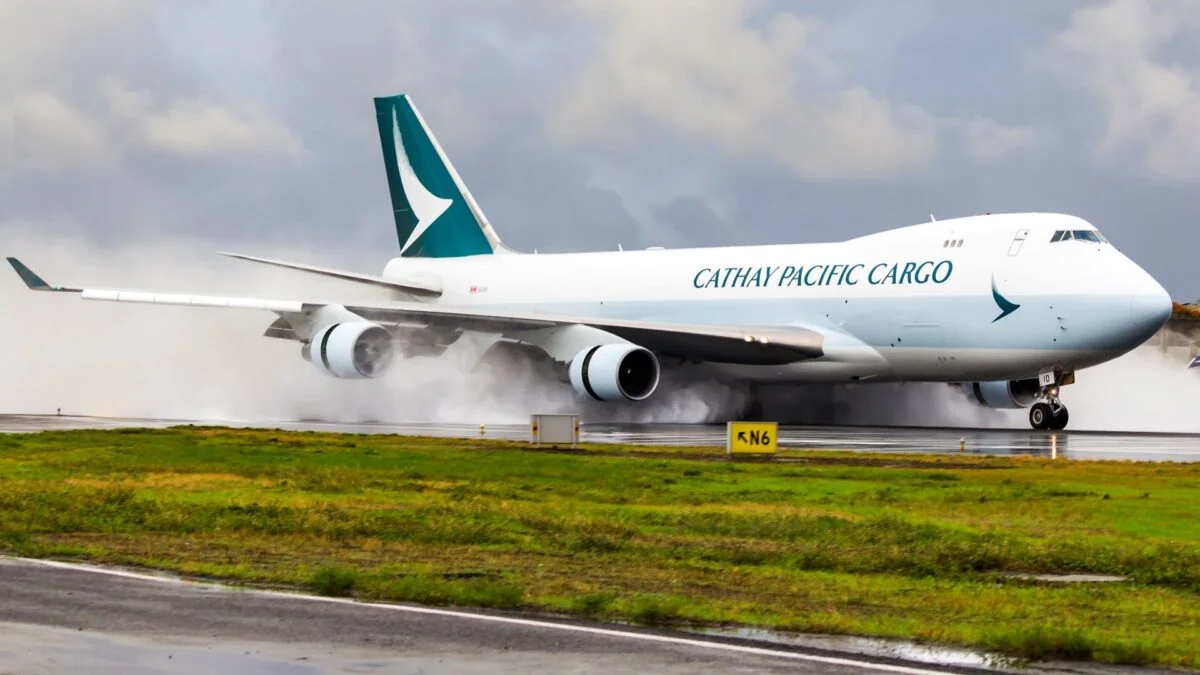
    Cathay Cargo performed very well in 2024, especially in the second half of the year with strong e-commerce demand being a key driver. Overall, cargo tonnage was 11% higher and yield was about 3% higher than in 2023.

    Higher passenger volumes, lower yields
    On the travel side, Cathay Pacific and HK Express combined carried over 30% more passengers year on year. However, as more flights were added to the market, passenger yields (or average revenue generated per revenue passenger kilometre (RPK)) continued to normalise as expected. Cathay Pacific saw a 12% decrease in yield, while for HK Express this was even more pronounced with yields down 23% year on year, reflecting the intense competition on regional routes.

    Cathay is committed to its dual-brand strategy to best serve customers with different needs, with Cathay Pacific as its premium full-service airline and HK Express as its low-cost airline. HK Express experienced short-term operational issues in 2024 that affected its earnings, with an average of five of its Airbus A320neo fleet grounded due to industry-wide Pratt & Whitney engine issues.

    Cathay has confidence in the low-cost carrier business model of HK Express in the long-term, with its commitment to offering low fares and more destination choices for customers. A path to sustained profitability can be expected as the airline continues to grow and increase its efficiencies. HK Express is the world’s fastest-growing airline according to aviation analytics provider OAG, and was recently named one of the world’s top five low-cost airlines by Airline Ratings.

    Lower fuel price and higher cost efficiencies
    Although the Cathay Group’s airlines flew more, fuel was less expensive with the average into-plane unit price of fuel (excluding hedging) being over 9% lower year on year.

    Furthermore, with the increase in both passenger and cargo volumes, the Cathay Group (before subsidiaries and associates) was able to spread its fixed costs over a wider base, resulting in a 4.5% decrease in cost per available tonne kilometre (ATK) (excluding fuel) compared with 2023.

    Improved results from associates
    The results from associates, recognised three months in arrears, also improved from a HK$1.6 billion loss in 2023 to a HK$288 million profit in 2024. The Cathay Group’s associates primarily include Air China Limited (“Air China”) and Air China Cargo Co. Ltd. Air China’s results improved due to the recovery of the civil aviation market, increased fleet efficiency and stricter cost management.

    Buybacks, dividends and rewarding people
    In addition to Cathay buying back the remaining 50%, or HK$9.8 billion, of the preference shares from the Hong Kong SAR Government in July 2024, a total of nearly HK$4 billion was paid to the Government in preference share dividends over its holding period and in buying back the warrants in September 2024.

    In early January 2025, Cathay also repurchased approximately 68% of the HK$6.7 billion guaranteed convertible bonds due 2026.

    Cathay’s full-year result has allowed it to announce a second interim dividend payment to ordinary shareholders of 49 cents per share. Together with the first interim dividend that had already been paid, a total of 69 cents per share or HK$4.4 billion will have been paid in ordinary share dividends in respect of 2024.

    Sharing success with its people has always been a key part of Cathay’s culture. Cathay is pleased to be providing its people with more than 10 weeks of eligible pay in total in the form of discretionary bonus and profit sharing.

    HK$100 billion in investments, 100 new aircraft, 100 destinations
    Mr Healy continued: “We are excited about the future and remain firmly committed to strengthening the Hong Kong international aviation hub by boosting air travel and cargo capacity, and elevating our customer experience. Our financial performance gives us the confidence to commit to investing over HK$100 billion to coincide with the launch of the Three-Runway System.

    “We have already commenced taking delivery of more than 100 new-generation aircraft, as well as introducing new world-leading cabin interiors including Aria Suite and our all-new Premium Economy, new flagship lounges, and digital innovations.

    “We are also continuing to expand our global network, having already announced 11 additional destinations for 2025 with more to come. Together, Cathay Pacific and HK Express will operate passenger services to more than 100 destinations around the world within this year.

    “As Hong Kong’s home airline group, we look forward to continuing to do our part to elevate Hong Kong’s status as a world-leading international aviation hub connecting Hong Kong, the Chinese Mainland, and the world. I would like to sincerely thank our people, our customers, our shareholders and the Hong Kong SAR Government for the invaluable support they have shown Cathay.”

  • Jio Partners with SpaceX to Bring Starlink Internet to India

    Jio Partners with SpaceX to Bring Starlink Internet to India

    Jio’s commitment to providing affordable, high-speed internet across the country is at the heart of this collaboration.

    “Ensuring that every Indian, regardless of location, has access to seamless broadband remains Jio’s top priority. Our collaboration with SpaceX to bring Starlink to India is a significant step in our journey toward comprehensive digital inclusion. By incorporating Starlink into Jio’s broadband infrastructure, we aim to enhance accessibility, reliability, and connectivity in an increasingly AI-driven world, empowering communities and businesses alike,” said Mathew Oommen, Group CEO of Jio Platforms.

    “We appreciate Jio’s dedication to enhancing connectivity across India. We look forward to collaborating and securing the necessary approvals from the Government of India to extend Starlink’s high-speed internet services to a broader audience,” said SpaceX’s President and COO, Gwynne Shotwell.

    In addition to broadband services, Jio and SpaceX are exploring other possible collaborations to further enhance India’s digital ecosystem. This includes expanding connectivity solutions in sectors such as education, healthcare, and business.

    Apart from Jio, India’s Airtel has also teamed up with Starlink to bring satellite broadband to local users. This partnership allows Airtel to distribute Starlink equipment and offer tailored solutions to businesses, schools, healthcare providers, and remote communities. Both companies are also looking at ways to combine their infrastructures to optimize connectivity and improve service delivery.

    With both Jio and Airtel partnering with SpaceX, India is on the brink of a major upgrade to its broadband network, bringing faster, more reliable internet to both urban and rural areas.

  • Financial Times to reopen Vietnam bureau

    Financial Times to reopen Vietnam bureau

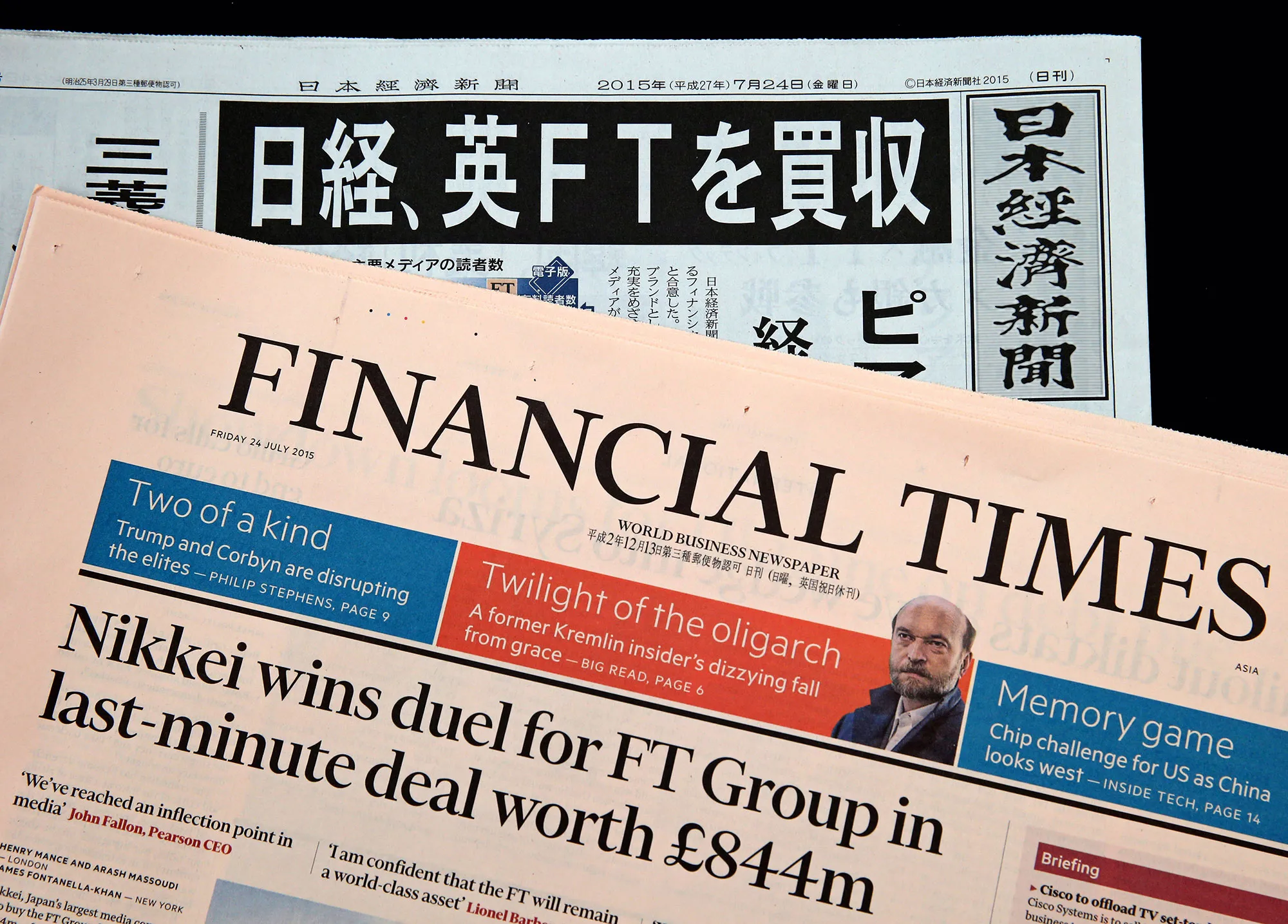
    The London-based Financial Times (FT) was granted a license to reopen its permanent office in Vietnam at a ceremony held at the Ministry of Foreign Affairs on Wednesday.

    At the event, Deputy Minister of Foreign Affairs Le Thi Thu Hang commended the newspaper for its past contributions to connecting Vietnam with the U.K. and the wider world. She expressed her confidence that with its professionalism, credibility, and coordination with the ministry and other Vietnamese Government bodies, the FT would continue to play a key role in strengthening bilateral ties and promoting Vietnam’s image globally.

    The Deputy Minister stressed that Vietnam is entering a new era – the era of the nation’s rise and hoped that the FT would help spread this message to readers in the U.K. and the world. She also affirmed the ministry’s commitment to supporting the newspaper and the British Embassy in enhancing the Vietnam-U.K. strategic partnership.

    Anantha Lakshmi, FT resident correspondent and head of its bureau in Hanoi, noted that the newspaper has closely followed Vietnam’s economic trajectory for many years. Its decision to reopen a permanent presence in the country reflects Vietnam’s growing importance in global affairs, she said.

    She highlighted that amid increasing macroeconomic uncertainties and geopolitical tensions, many nations are seeking to diversify their economic ties by investing in Vietnam. This makes it a particularly critical time to share the Southeast Asian country’s story with the FT international readership.

    One of the world’s leading newspapers specializing in finance and trade, the FT previously operated in Vietnam from 1995 to 2000 and again from 2010 to 2022. With the reopening of its Vietnam bureau, the number of foreign news agencies with a permanent presence in the country has now risen to 30.

  • DHL Express Hong Kong becomes the Official Partner of Kai Tak Sports Park

    DHL Express Hong Kong becomes the Official Partner of Kai Tak Sports Park

    DHL Express, the world’s leading international express service provider, has been appointed as the Official Partner of the newly opened Kai Tak Sports Park (KTSP). The partnership demonstrates both organizations’ mutual commitment to bringing world-class mega events to Hong Kong, further strengthening the city’s position as Asia’s Event Capital.

    Through this partnership, DHL will support KTSP in welcoming a variety of international, large-scale sports and entertainment events to Hong Kong. This collaboration enhances DHL’s brand visibility to audiences at home and abroad, contributing to the growth of Hong Kong’s mega events economy.

    “We are delighted that DHL Express is our Official Partner. We look forward to enhancing the experience of our world-class mega events together. With KTSP as Hong Kong’s home venue, we are committed to bringing more international sports, cultural, and entertainment events to Hong Kong, further transforming the city into an event capital and creating new growth opportunities,” said Mr. John Sharkey, CEO, KTSP.

    “DHL Express is honored to be the Official Partner of KTSP. This underscores our long-term commitment to Hong Kong’s development. In line with our purpose of ‘Connecting People, Improving Lives,’ we are excited to support KTSP in hosting world-class large-scale events. Through our shared values of innovation and mission to promote Hong Kong as a hub for live events, we will connect local and international audiences with their favorite sports teams, athletes, and artists. We believe we can better position Hong Kong as an attractive destination for the sports, cultural, arts and music lovers,” said Andy Chiang, Senior Vice President and Managing Director, DHL Express Hong Kong and Macau.

    One of the main events in 2025 for KTSP is the Coldplay’s Music Of The Spheres World Tour in April, for which DHL is the Official Logistics Partner. As Coldplay’s Official Logistics Partner, DHL is helping to reduce the tour’s transport emissions by, for example, leveraging Sustainable Aviation Fuel (SAF), which generates up to 85% less CO2 emissions compared to traditional jet fuel.

    The partnership with KTSP reinforces DHL’s long-term commitment to the sports and entertainment industry at both local and global levels. With a long history of partnering with some of the world’s most prestigious events and teams – including Formula 1, Formula E and Manchester United – DHL connects people from all over the world, enabling fans to engage with their favorite sports teams and artists. Locally, DHL is the Official Partner of Hong Kong China Rugby, nurturing talented local athletes to help them realize their full potential on the international stage.

    Officially opened on 1 March 2025, Kai Tak Sports Park is Hong Kong’s largest integrated sports and entertainment landmark. Featuring a multi-purpose stadium and a variety of sports and leisure facilities, the park supports the government’s goals of boosting tourism, promoting sports development, and hosting major sporting and entertainment events, thereby contributing to the city’s economic development and cultural exchange.

  • Vietjet launches Singapore-Phu Quoc direct flight route

    Vietjet launches Singapore-Phu Quoc direct flight route

    Party General Secretary To Lam and leaders of Vietnamese ministries, agencies and localities witnessed the announcement of Singapore – Phu Quoc direct flight service on Tuesday, as part of his official visit to the city state.

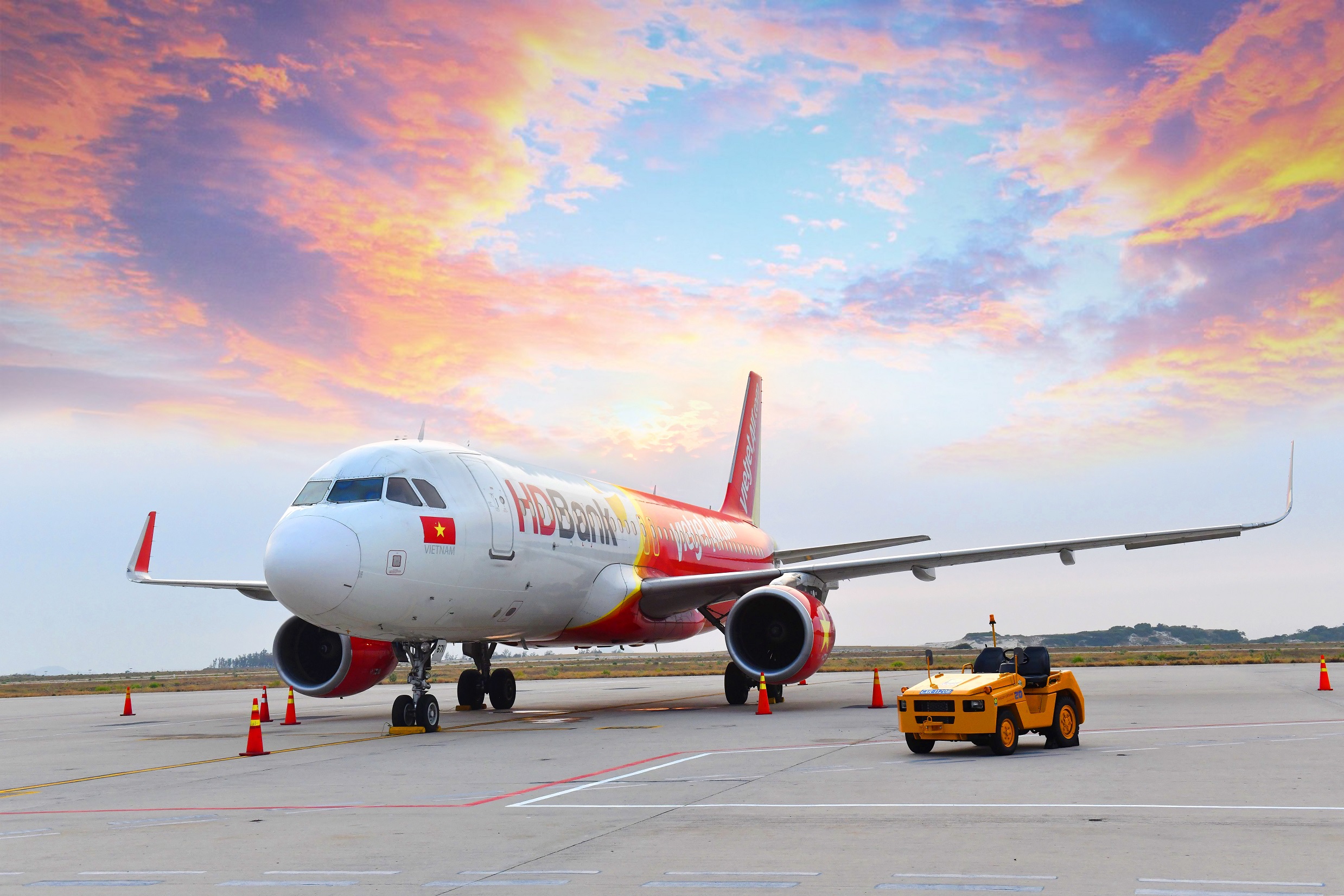
    Starting May 30, Vietnam’s budget carrier Vietjet Air will operate the new route with four weekly flights, connecting Singapore with Vietnam’s largest island. This addition brings the total number of weekly flights between Vietnam and Singapore to 78, catering to an estimated half a million passengers a year.

    It is the fourth direct air service between the two countries, joining existing routes to Ho Chi Minh City, Hanoi, and Da Nang. It is expected to not only boost tourism but also strengthen economic, trade, and cultural cooperation between the two nations.

    Chairwoman of the Vietjet Air Board of Directors Nguyen Thi Phuong Thao stressed that Vietjet is more than just an airline, it drives economic growth, trade, investment, education and cultural exchanges.

    Vietjet Air and its Singaporean partners, handling billions of USD in annual transactions, are deepening collaboration in finance, trade, and innovation to build a sustainable and prosperous future, she said.

    On this occasion, Vietjet Air and Carlyle Aviation Partners signed a US$300 million financing agreement to support the purchase of aircraft scheduled for delivery between 2025 and 2026. This deal is a pivotal step in Vietjet Air’s plan to acquire more than 400 new aircraft, as part of its fleet expansion strategy.

    Furthermore, Vietjet Air and Satair, an Airbus Group subsidiary, inked a cooperation deal on the use of Integrated Material Services (IMS), a comprehensive material supply solution for Vietjet’s entire fleet of Airbus A320 and A330 aircraft.

  • Sydney Beer Co enters administration

    Sydney Beer Co enters administration

    Sydney Beer Co entered administration last Friday, Australian Securities and Investments Commission (ASIC) filings showed.

    The company tapped Richard Stone and Brett Stephen Lord from RSM Australia Partners as administrators.

    Sydney Beer Co’s website states that former cricketer Bret Lee and actor and writer Matt Nable co-founded the company.

    Dean Joseph Woodbridge and David Richard Catterall are listed as directors on the ASIC documents.

    Sydney Beer Co is among the brewers to enter administration recently, along with Kaiju and Billson’s.

    Earlier this month, Prime Minister Anthony Albanese said his government would freeze the indexation on draught beer excise for two years.

  • Impossible Foods launches burger blind-tasting test challenge

    Impossible Foods launches burger blind-tasting test challenge

    Impossible Foods has launched “Bloody Delicious,” a blind-tasting test to see if local foodies can tell the burger is made with plant-based Impossible alt-beef.

    According to the brand, the challenge comes after it sees Australians are rapidly turning away from red meat, with “meat reducer” appearing as the country’s most popular diet last year and a quarter reducing consumption.

    “I’ve spent years cooking with red meat and would consider myself an expert when it comes to a good burger,” said chef and TV personality, TikTok Food Creator of the Year nominee Iain ‘Huey’ Hewitson.

    “I never would have thought that a plant-based burger would make its way onto my plate, but this Impossible Burger was bloody delicious!”

    Impossible Foods also said that 27 per cent of Aussies are sceptical of the taste of plant-based meat, with 19 per cent convinced that it “wouldn’t taste like animal meat”.

    The brand is also going to team up with Mary’s at Circular Quay to give away more than 200 free Impossible Burgers on April 3.

  • HelloFresh New Zealand faces court for misleading consumers

    HelloFresh New Zealand faces court for misleading consumers

    Criminal charges have been filed against global food-delivery platform HelloFresh’s New Zealand business for misleading customers about the subscriptions to its service.

    The Commerce Commission alleges that between February 2022 and July 2023, HelloFresh offered customers a discount voucher without making clear that accepting it would reactivate their cancelled subscriptions.

    Commerce Commission deputy chair Anne Callinan said the conduct breached the Fair Trading Act as it resulted in some cancelled subscriptions being reactivated without the customers’ consent.

    “We’re concerned some consumers have been misled into paying for services from HelloFresh they didn’t want through the use of misleading wording and processes in cold calls,” Callinan continued.

    “Buying products online is increasingly a way of life for Kiwi consumers and so the commission is prioritising action against illegal online sales conduct. This includes subscription traps, which come in many forms and include situations where consumers are misled into signing up for a paid subscription without knowing,” she added.

    The commission started an investigation into HelloFresh after receiving customer complaints about its sign-up, cancellation, and reactivation processes. The charges were filed in the Wellington District Court.

    In December, the agency filed charges against Woolworths New Zealand, Pak’nSave Silverdale, and Pak’nSave Mill Street over inaccurate pricing.