Tag: asia

  • Apple teases a new Air device

    Apple teases a new Air device

    Anticipation is reaching peak levels today as Apple has hinted at a new “Air” device launching this week, and while a MacBook Air refresh seems probable, many are hoping for an iPad or even an iPhone version. A brief social media post from Apple CEO Tim Cook, featuring a cryptic video and the phrase “There’s something in the air,” has fueled this anticipation.

    Though analysts like Mark Gurman from Bloomberg suggest updated 13-inch and 15-inch MacBook Air models, powered by the M4 chip, are the most likely candidates, the desire for a new iPad or iPhone Air persists. This is especially true given recent reports of Apple clearing out existing iPad Air inventory, a common precursor to a new product launch. The timing aligns with past releases, as Apple introduced the M3 MacBook Air around this time last year.

    The possibility of a new iPad Air would enhance features and design improvements in Apple’s tablet line. Given how much many users enjoy the iPad, this would be a welcome change.

    The more distant, but still tantalizing, possibility is a new iPhone “Air” model. Although it is generally believed that this is too soon, the thought of a new iPhone model is still exciting. This iPhone rumor, while less likely, adds an element of surprise to the unfolding narrative.

    The focus on the M4 chip, if it does pertain to a MacBook, indicates Apple’s continued push for performance and efficiency in its laptop series. However, the prospect of a refreshed iPad or even a new iPhone “Air” model offers a different kind of excitement, especially with the focus on thin devices that smartphone OEMs seem to be heavily focused on lately. The clearing of iPad inventories adds some weight to this hope, even if the MacBook refresh is the most likely outcome.

    Personally, I’m hoping for the iPad Air. While the MacBook is always welcome, a new iPad Air would be a nice change for those who like tablets. A new iPhone would be even better, but that seems like a long shot.

  • ZTE to Highlight “Catalyzing Intelligent Innovation” at MWC Barcelona 2025

    ZTE to Highlight “Catalyzing Intelligent Innovation” at MWC Barcelona 2025

    In collaboration with industry partners, ZTE will promote the deep integration of artificial intelligence (AI) and connectivity, accelerating intelligent innovation and jointly shaping a future that is highly efficient, intelligent, and green.

    ZTE’s booth, located at 3F30, hall 3, Fira Gran Via, will be the venue where the company showcases its innovative solutions, integrating connectivity and AI across six key thematic areas: Ultra-Efficient Mobile Network, All-Optical World, AI-Inspired Value, Engines of Intelligence, Infinite Future, and Smart Life.

    Addressing the fundamental network needs of operators, ZTE will demonstrate how to leverage next-generation, ultra-efficient mobile networks and all-optical networks to build a modern, future-proof foundational network with efficiency and low carbon emissions.

    In the field of mobile networks, ZTE continues to lead UBR innovation, launching the industry’s first TDD+FDD dual-mode Massive MIMO AAU and 400M OBW ultra-wideband AAU, creating ultra-simplified, highly efficient, and green sites. Targeting indoor and agricultural network scenarios, ZTE unveiled several new solutions to enable comprehensive traffic coverage. Focused on pioneering new momentum in 5G-A development, ZTE is driving innovation in air to ground (ATG) and non-terrestrial network (NTN) satellite communication, to build the Space-Air-Ground Integrated Network (SAGIN) to achieve ubiquitous connectivity.

    By integrating sensing and communication, ZTE empowers the low-altitude economy and water management. Additionally, with the introduction of the 5G-A new media solution, ZTE enhances brand-new augmented reality (AR) live broadcast experiences.

    In the field of all-optical networks, ZTE is committed to advancing the high-quality development of optical networks. For all-optical homes, ZTE is driving revenue growth through Wi-Fi 7, FTTR, and other solutions; reducing operational costs through digital tools; and enhancing scene development with AI-driven smart terminals. For all-optical cities, ZTE is expanding into office, hotel, and campus scenarios through all-optical ToB, boosting customer ARPU. For all-optical infrastructure, ZTE has launched intelligent ODN, Full-Band OTN, and AI-Enhanced IP solutions to build an ultra-simplified, ultra-fast, and highly efficient foundational network.

    Looking towards future evolution, ZTE is dedicated to the integrated development of 5G-A and 6G, creating a distributed intelligent network that combines connectivity, sensing, and intelligence to support the ubiquitous, AI-driven world of the Internet of Everything (IoE). Through key technological innovations and business ecosystem development, ZTE aims to collaboratively build a new high ground for value-driven services.

    ZTE positions intelligent computing as the company’s long-term core focus, actively promoting the integration of connectivity and AI innovation. It has launched an all-in-one, end-to-end AI solution to support customers in their digital transformation and seize future market opportunities.

    During MWC Barcelona 2025, ZTE will showcase its full-stack intelligent computing infrastructure, including liquid-cooled data centers, intelligent computing servers, general-purpose computing servers, storage, high-speed switches, and the AiCube integrated training and inference unit supporting DeepSeek full-version deployment. This solution is designed to flexibly meet the computing network needs of large data centers, edge data centers, and integrated enterprise deployments across various scenarios. Additionally, ZTE will unveil the industry’s first integrated energy storage solution, combining multi-scenario new energy integration with intelligent energy scheduling to enhance energy efficiency.

    In addition, ZTE leverages technologies such as heterogeneous convergence and computing-network integration to launch a series of solutions, including AIR RAN and AIR Core, to build end-to-end, AI-native networks that help operators reshape their business models.

    Focused on industry innovation, ZTE offers a full-stack, AI-integrated application solution, covering chips, hardware, software, and integration services. Focusing on achieving optimal application outcomes, ZTE integrates its own capabilities with industry-leading resources to help customers build the most cost-effective AI applications. The Digital Nebula 3.0, featuring the Nebula large model, integrates a complete suite of tools for model training, inference, and application development. This enables industry customers to leverage AI efficiently, quickly, and cost-effectively. At the Nanjing Binjiang Factory, the Nebula industrial large model has accelerated process document generation by 10 times and reduced quality inspection labor costs by 70%. Additionally, ZTE empowers external innovation applications in industries such as manufacturing, transportation, and energy, driving the monetization of AI’s value.

    Adhering to its “AI for All” product strategy, ZTE continues to expand its complete portfolio of AI-powered devices in various forms. By positioning AI smartphones as the primary gateway, ZTE is building a new multi-modal interaction experience centered on AI voice.

    Within its AI OS framework, ZTE achieves system-level integration of top-tier global AI capabilities. Its multi-modal architecture seamlessly incorporates advanced LLMs such as Google Gemini, ByteDance Doubao, DeepSeek, China Mobile Jiutian, and China Telecom Xingchen. ZTE is not only pioneering the integration of the full-scale DeepSeek-R1(featuring 671B parameters) in the flagship smartphone, nubia Z70 Ultra, but will also progressively integrate DeepSeek-R1 and other top-tier LLMs across its entire product lineup, making the multiple values of AI accessible to a broader range of consumers.

    nubia will unveil the world’s first next-generation true full-screen flagship smartphone featuring industry-leading photography capabilities—the nubia Z70 Ultra—alongside the stylish, compact, foldable smartphone—the nubia Flip 2. Embracing the “Born to Win” concept, nubia continues to drive the development of its gaming smartphone for everyone through the nubia Neo 3 series. nubia will also introduce its first AI earphones—nubia LiveFlip—which interact seamlessly with nubia AI smartphones via its AI OS, further enhancing the AI-powered, full-scenario interaction experience.

    REDMAGIC, a globally recognized professional gear brand, will launch the world’s first 1.5K Wukong true full-screen gaming flagship as part of the REDMAGIC 10 Pro series. The company will debut its first 4K eyewear-free 3D gaming laptop and tablet, as well as a variety of esports accessories, further refining its esports ecosystem and offering comprehensively professional support for gamers.

    Moreover, ZTE will showcase the world’s first two-in-one 5G+AI Cloud Pad along with a range of multi-form AI devices tailored for home users at the event.

    Pioneering the Future of Digital Intelligence

    During MWC Barcelona 2025, ZTE will also host several key activities at its exhibition booth, including the “AI for All” ZTE Devices New Products Launch Event, the AIR DNA for Future Network Launch Event, and multiple joint customer release events, presenting a series of innovative products to the industry. Additionally, ZTE will participate in the major thematic forums organized by the GSMA, where it will share the latest insights and case studies on key topics such as the evolution of future networks, AI’s role in reshaping networks, and how private networks empower various industries. ZTE will collaborate with global operators, industry partners, and thought leaders to accelerate intelligent innovation across industries.

    The convergence of AI and ICT technologies is dissolving the boundaries between the physical and digital worlds, ushering in a new era driven by intelligent innovation and seamless connectivity. From March 3rd to 6th, join ZTE to witness the acceleration of progress and step into the new future of digital intelligence.


  • Thai Airways selects ECS Group’s Aero Cargo Belgium to enhance cargo connectivity

    Thai Airways selects ECS Group’s Aero Cargo Belgium to enhance cargo connectivity

    ECS Group announced a new strategic partnership between its subsidiary Aero Cargo Belgium and Thai Airways, set to redefine cargo connectivity on essential routes between Europe and Asia.

    The agreement, which took effect on February 1st, focuses on the Brussels (BRU) to Bangkok (BKK) route, offering seamless transit options to destinations including Australia, Korea, India, Japan, Manila, and Singapore.

    Thai Airways operates daily flights using Boeing 787-800 aircraft, each providing a payload capacity of 15 tons. The airline will not only benefit from ECS Group’s in-house technology but also from the full deployment of CargoTech suite of digital tools.  This collaboration caters to a diverse range of cargo, with a particular focus on pharmaceuticals, ensuring reliable and efficient transport solutions for time-sensitive and specialized shipments.

    Jean Ceccaldi, CEO of ECS Group, commented: “ECS Group is proud to support this collaboration with Thai Airways, which reflects our commitment to building long-term, value-driven relationships with airlines. By enabling them to achieve operational excellence and deliver tailored solutions for their unique needs, we are setting a new standard for global connectivity and efficiency in the cargo industry.”

    “This agreement is a significant milestone for Aero Cargo Belgium,” added Bert Moortgat, Managing Director of Aero Cargo Belgium. “With daily flights and access to a network of vital destinations in Asia-Pacific, we are able to offer our customers unparalleled opportunities to connect their goods to global markets efficiently and reliably, particularly for high-value and sensitive commodities such as pharmaceuticals.”

    This partnership between Thai Airways and Aero Cargo Belgium marks a significant milestone in connecting Europe and Asia-Pacific with efficient and reliable cargo solutions. By combining Thai Airways’ extensive network with Aero Cargo Belgium’s expertise, the collaboration promises exceptional service and the strengthening of global trade routes for key industries.

  • Thailand tightens disease control measures at Suvarnabhumi Airport

    Thailand tightens disease control measures at Suvarnabhumi Airport

    The Department of Disease Control (DDC) under Thailand’s Ministry of Heath has tightened disease control measures at Suvarnabhumi International Airport regarding an outbreak of an unknown illness in Congo, its Director General Doctor Panumas Yanwetsakul has said.

    Currently, no suspected cases of this disease have been identified in Thailand. Nevertheless, the DDC has enhanced surveillance, prevention, and control measures, including stricter screening protocols at the Suvarnabhumi International Airport.

    Travelers arriving from Congo are required to undergo temperature checks and provide their addresses and contact numbers in Thailand, along with details of their departure from Congo.

    Additionally, those who have traveled from Congo within the last 21 days must complete a health reporting form and adhere to the guidelines on the Health Beware Card issued by health officials.

    People who have been in Congo within the past 21 days should monitor for initial symptoms such as fever exceeding 38 degrees Celsius, headache, sore throat, muscle pain, fatigue, or exhaustion. If these symptoms worsen, they must seek medical attention immediately and inform doctors of their travel history for diagnosis and treatment to prevent disease transmission, Dr. Panumas advised.

    As of Feb. 19, the World Health Organization (WHO)’s data indicated that the outbreak in Boloko and Bomate villages in Equateur province of Congo had resulted in 955 cases and 60 fatalities, reflecting a 6.3% fatality rate.

    Laboratory tests confirmed that the illness was not caused by the Ebola or Marburg viruses.

  • Text bubbles fill out before your eyes on the latest version of Google Messages

    Text bubbles fill out before your eyes on the latest version of Google Messages

    Google constantly works on improving certain native Android apps. Google Maps is one of those, and so is Google Messages for Android. We’ve recently passed along some new updates coming to the Google Messages app, including a larger pill-shaped text field, and a revised user interface for the “view details” feature. Now, we’ve caught wind about another change that is supposed to improve the look of the Google Messages app for Android.
    First spotted in the January beta of the app in version 20250115_03_RC00, the new chat bubble animation lives in the stable version of the app, 20250212_01_RC00. With the new version installed on your Android phone, messages will no longer just slide up when sent or received. Instead, a new animation will show the message bubbles starting out small and then growing in size to fill out the space they are allotted. It is not a major change but it brings a cool new look to the Messages app and the good news is that the new animation works regardless if a message is being sent or received via RCS or SMS.
    To be clear, there is no way you can disable this feature once the update is installed on your phone. And its also possible that if you didn’t know that this change is coming, you might not notice a difference when it does finally arrive on your Android phone. The new-look message bubble should start appearing on Android phones sometime during the next few weeks.
    With the open nature of Android, there are so many messaging apps available in the Play Store that you might not be using Google Messages. If you want to make a change and install the app on your Android phone, you can always tap on the following link to download Google Messages from Google’s app storefront.
    If you want to know whether you have received the new look message bubbles, go to Settings > Apps > All Apps > Messages and scroll down to the very bottom of the page. That’s where you will find the version number of the Google Messages app that is on your Android phone. To reiterate, you’re going to want to see a stable version number of 20250212_01_RC00 or higher. For example, the version of Google Messages on my Pixel 6 Pro running Android 16 beta 2 is 20250225_00_RC00.
    If you do have the new expanding text bubble on the Google Messages app installed on your Android phone, let us know how you like it by writing your comments in the box below.
  • Fuel prices decline

    Fuel prices decline

    Gasoline and diesel prices fell Thursday afternoon after reaching a six-month high a week earlier.

    The popular gasoline RON95 dropped 1.03% to VND21,110 (US$0.83) per liter.

    Biofuel E5 RON92 went down 0.96% to VND20,650.

    Diesel fell 0.58% to VND18,950.

    Regulators said that in the last seven days fuel prices were affected by the U.S.’ push on hiking tariffs on goods from China and other trading partners.

    Other factors included increasing U.S. oil reserves and the potential of a peace agreement between Russia and Ukraine.

    Gasolines dropped 1.5% in the period while oils fell 0.01%-1.5%.

    RON95 is now at $86.1 per barrel and diesel at $90.2.

  • Maxis Partners with Nokia to Modernize Data Center Infrastructure

    Maxis Partners with Nokia to Modernize Data Center Infrastructure

    The deployment will support Maxis’s business growth by providing a scalable, secure, and efficient data center architecture.

    The modernization of Maxis’s data center connectivity technology will help the company simplify its network operations, solve issues faster, and automate workloads, all on a robust and secure infrastructure.

    Nokia will deploy its cutting-edge 7220 Interconnect Router (IXR) data center switches and EDA technology across Maxis’s multiple data centers. This upgrade will enable Maxis to provision infrastructure resources without delay, will reduce complexity, and will ensure that Maxis’s current applications running on the network can scale gracefully.

    “This expansion of our longstanding collaboration with Nokia will drive next-generation connectivity in anticipation of customers’ growing needs. It reflects Malaysia’s emergence as a hub for data centers and hyperscalers in line with greater adoption of AI-enabled cloud infrastructure. This initiative will enhance our network capabilities, ensuring we are able to continue providing best-in-class, connectivity-adjacent solutions powered by fast, secure, and reliable connectivity,” said Goh Seow Eng, Chief Executive Officer at Maxis.

    “Data center networks are critical infrastructure and need to be extremely reliable while also being simple to deploy and operate. We are pleased to work with Maxis to modernize their data center infrastructure with our advanced data center switches and EDA technology to provide Maxis with a future-proof architecture that is scalable, resilient, and easy to deploy. This collaboration is a testament to the strength of our technology and our commitment to supporting our customer’s growth in the booming data center market in Southeast Asia,” added Ming Kin Ngiam, Head of Southeast Asia South for Network Infrastructure at Nokia.

    Nokia is helping cloud builders worldwide to construct modern data center networks that are highly reliable, secure, and easy to operate, which is essential to meet the growing demands of artificial intelligence (AI) workloads globally. Nokia’s EDA ensures faster response times, reduces manual effort, minimizes errors, consumes less compute resources, and handles network-wide operations at-scale with consistent performance. By proactively resolving issues, it boosts reliability and reduces operational costs.

    The Nokia 7220 IXR, a key component of Nokia’s Data Center Fabric solution, provides fixed-configuration, high-capacity platforms that offers unmatched scale, flexibility, and operational simplicity within data center and cloud environments. These scalable, next-generation platforms are designed to meet the high connectivity and density demands of webscale companies, service providers, and enterprises.

  • Update to Google Messages app leaves it with a larger pill to swallow

    Update to Google Messages app leaves it with a larger pill to swallow

    It appears that after an update Google has seemingly increased the size of the text field in the Google Messages app. The text field, the pill-shaped area where new messages are typed into, has been the beneficiary of an increase in size that makes it thicker and longer (no wisecracks, please). It certainly is not an illusion and neither is the size increase of the Voice memo button which is outside of the text field on the right side and turns into the send button.
    All of the buttons remain in their same places with the plus button still found inside the text pill on the left side. That button opens up several features including:
    • Gallery
    • GIFs
    • Stickers
    • Files
    • Location
    • Contacts
    • Schedule Send
    • Selfie GiF
    Other shortcuts inside the text pill include the smiley face emoji which takes you to the emoji keyboard when tapped. Lastly, inside the pill there is the Gallery shortcut which shows the camera app on top with the photo gallery on the bottom. The wider text pill in the Messages app has appeared with beta version 20250224_01_RC00 of the app.
    While Google has yet to roll out this update widely, you can always look for it by opening the Play Store app and tapping the profile icon in the upper right corner. Tap on Manage apps & device, Updates available, and scroll down to Messages. If the app is listed there, it means that an update for the app is available. Tap on “Update” and let the process finish. The latest update to the app on my phone was version 20250225_01_RC00 which means that you should probably update the app right away if you want the larger text field right away.
    You can check to see which version of the Google Messages app is on your phone by going to Settings > Apps > See all XXX apps > Messages. Scroll down to the bottom of the page to see the version number of the app that is installed on your phone.
    If you aren’t using Google Messages on your Android phone (after all, there are many options to choose from), you can add it to your handset by tapping on this link which will take you to the Google Play Store from where you can download the Google Messages app.
  • FedEx strengthens connectivity between Singapore and Johor amid JS-SEZ growth

    FedEx strengthens connectivity between Singapore and Johor amid JS-SEZ growth

    Federal Express Corporation, one of the world’s largest express transportation companies, is strengthening trade connectivity between Singapore and Johor to better serve customers in the region. Inbound shipments from Asia, Europe, and the U.S. will be routed to the FedEx Gateway in Singapore before journeying to Johor, enabling importers and businesses to receive their packages two hours earlier.

    This enhancement is enabled by direct import clearance at Senai customs, bypassing the previous route through Kuala Lumpur that added a 300-kilometer detour before reaching the FedEx Senai Gateway for processing and delivery. This new approach not only enables businesses in Johor, particularly industries that rely heavily on timely imports, including manufacturing, retail, and e-commerce, to receive their shipments with greater convenience, it also offers Singapore exporters greater efficiency in delivering their packages to Southern Malaysia.

    “Optimising logistics is more than just speed — it’s about enabling businesses to grow and serve their customers better,” said Eric Tan, managing director of FedEx Singapore. “This improvement not only reinforces Singapore’s role as a key gateway for global trade, but also empowers businesses to thrive in an increasingly competitive and interconnected marketplace.”

    The Johor-Singapore Special Economic Zone (JS-SEZ) is poised to significantly enhance economic connectivity between Johor and Singapore, focusing on key sectors such as electronics, medical equipment, food manufacturing, and data centres. In 2023, Malaysia was Singapore’s third-largest trading partner, with bilateral trade reaching USD 79.6 billion. Singapore also served as Malaysia’s largest source of approved foreign direct investment (FDI), contributing USD9.5 billion. As trade volumes rise, enhanced logistics connectivity will be instrumental in facilitating seamless cross-border movement of goods, further reinforcing Singapore’s position as a regional trade hub.

    As Singapore continues to grow as a key logistics hub in Southeast Asia, FedEx remains dedicated to fostering local businesses’ success and contributing to the regions’ economic development. The accelerated delivery service is just one of many ways FedEx is working to drive growth for its customers.

  • Senior Aerospace UPECA and DHL contribute to more sustainable air freight with SAF

    Senior Aerospace UPECA and DHL contribute to more sustainable air freight with SAF

    Senior Aerospace UPECA, a subsidiary of Senior plc, an international manufacturer of high technology components and systems, has signed an agreement with DHL Express for the use of the GoGreen Plus service. The partnership enables UPECA to invest in sustainable aviation fuel (SAF) to drive up to 30 percent reduction in carbon emissions associated with their time-definite international shipments.

    “At UPECA, we believe SAF is one of the most promising means of decarbonising long-haul flight,” said Kavan Jeet Singh, Chief Executive Officer of UPECA. “Ready for deployment in existing aircraft, it complements intensive efforts to transform aviation into a more sustainable industry. We are delighted to sign up for DHL Express’ GoGreen Plus and help contribute to a commercially-viable market for such renewable energies.”

    GoGreen Plus currently stands as the sole solution within the global express logistics sector that allows customers to leverage SAF towards their Scope 3 footprint, which refers to the indirect release of greenhouse gases within a company’s supply chain activities. Made from sustainable feedstocks such as used cooking oil and other residues, SAF cuts around 80 percent of lifecycle carbon emissions from air transport compared to conventional jet fuel.

    UPECA’s subscription to GoGreen Plus applies across its overseas trade lanes, encompassing key markets in Europe and North America. It comes amidst a report by the International Energy Agency that aviation has grown faster in recent decades than rail, road, and sea transport as a source of worldwide CO2e emissions. The trend emphasises the urgency for the upscale and uptake of SAF in order to meet the International Air Transport Association (IATA) target of having SAF comprise 50 percent of global aviation fuel consumption by 2050.

    “SAF is an important lever for achieving cleaner air mobility, but there remains progress to be made on the production and adoption fronts. Having UPECA onboard demonstrates an increasing shift among businesses to explore innovative pathways for a green transition in their operations. These collaborations are essential as we continue to promote SAF accessibility and affordability at the pace needed to address current climate challenges,” said Julian Neo, Managing Director of DHL Express Malaysia and Brunei.

    Launched in 2023, GoGreen Plus is made possible through strategic collaborations with bp and Neste to procure up to 800 million litres of SAF as well as an agreement with World Energy to purchase up to 668 million litres of SAF via sustainable aviation certificates. The air freight network accounts for around 70 percent of DHL Group’s carbon footprint, so sustainable air transportation solutions are crucial for emission-reduced logistics.

  • Siri on your iPhone could be getting help from one of its biggest competitors soon

    Siri on your iPhone could be getting help from one of its biggest competitors soon

    As previously reported, it looks like Apple might soon let you choose between different AI models to power Siri. Currently, Apple Intelligence allows users to route Siri requests through ChatGPT for richer responses. However, a recent discovery in Apple’s software code suggests the expansion of these integrations to include other AI models, like Google’s Gemini — and that this might happen soon.

    A code sleuth found references to both “Google” and “OpenAI” within the Apple Intelligence framework in a backend update accompanying the iOS 18.4 beta. This suggests Apple is preparing to offer users a choice of AI models, similar to how you might choose a search engine in your browser. While this doesn’t guarantee Gemini integration in the final version of iOS 18.4, it strongly indicates that Apple is actively working on it. It’s possible this feature could arrive in a later iOS 18 update, or perhaps be a key feature of iOS 19.

    The backstory here is that Apple has been working on improving Siri’s capabilities for years. While Siri has made progress, it has often lagged behind other virtual assistants in terms of understanding complex requests and providing contextually relevant answers. By integrating with third-party AI models like ChatGPT, Apple has already shown a willingness to look beyond its own technology to enhance Siri’s performance.
    The potential addition of Gemini and other models further underscores this approach. It signifies a shift towards a more open and collaborative approach to AI development, where different companies can contribute their expertise to create a better user experience.

    This could be a major step forward for personal assistants. Having the ability to choose between different AI models could personalize the experience and allow users to leverage the unique strengths of each. For me, this is exciting because it’s proof that Apple is making some headway with the more helpful and intelligent Siri that has been promised. I often find myself frustrated with Siri’s limitations, so the prospect of it becoming more capable and adaptable is definitely appealing. It will be interesting to see how this plays out and what other AI integrations Apple might introduce in the future.

  • Google Wallet becomes even more useful for people in the US

    Google Wallet becomes even more useful for people in the US

    Google Wallet is already the most important digital wallet for Android users in the United States. The app has evolved a lot in the last couple of years and is no longer just a simple payment option for those who won’t want to use their credit/debit cards.

    Google has slowly added more functionality to the Wallet app, including the option to store loyalty cards, tickets, keys, or even IDs. Although there aren’t too many other features that Google could add, there’s a lot of room for improving the existing ones.

    That said, it appears that Google Wallet has gained a couple of new perks this week. The folks at 9to5 Google report that the app has received a small update that allows users to upgrade some loyalty cards.

    Users in the United States who have loyalty cards safely stored in Google Wallet might see an “Upgrade available” label below the name of some loyalty cards. Thanks to the new feature, Google Wallet can automatically search through the static passes stored in the app and try to bring them up to date.

    This seems to be part of a larger design change that Google announced last year with an update for Play services. At that time, the search giant said that “you’ll now be able to upgrade your passes in Google Wallet.” This means that you won’t have to manually update your loyalty cards every time by going to the Add to Wallet FAB / Loyalty cards.

    In related news, Google Wallet added support for 11 new banks and credit institutions in the United States. These updates typically arrive each month, so it’s not really a surprise. Here is the list of US banks that have just received Google Wallet support:

    • Banco Davivienda, S.A. (FL)
    • Column National Association (CA)
    • First Atlantic Federal Credit Union (NJ)
    • First National Bank of St. Ignace (MI)
    • Genesee Valley Federal Credit Union (NY)
    • GESA Credit Union (WA)
    • Hamlin Bank and Trust Company (PA)
    • Nibbles
    • Northrop Grumman Federal Credit Union
    • The Credit Union For All (IL)
    • Top Tier Federal Credit Union (PA)

    More banks are likely to be added to Google Wallet’s support list next month, so stay tuned for more details if your favorite bank or credit institution isn’t yet supported.

  • Gasoline price jumps to 6-month high

    Gasoline price jumps to 6-month high

    Gasoline prices on Thursday rose to the highest since August last year.

    The popular fuel RON95 went up 1.23% to VND21,330 a liter.

    Diesel dropped 0.05% to VND19,060.

    Regulators said that fuel prices in the last seven days were affected by cold weather in the U.S. and Ukraine’s attack on Russian oil infrastructure.

    Gasolines went up 1.2-1.4%, while oils fell 0.03-1.6%.

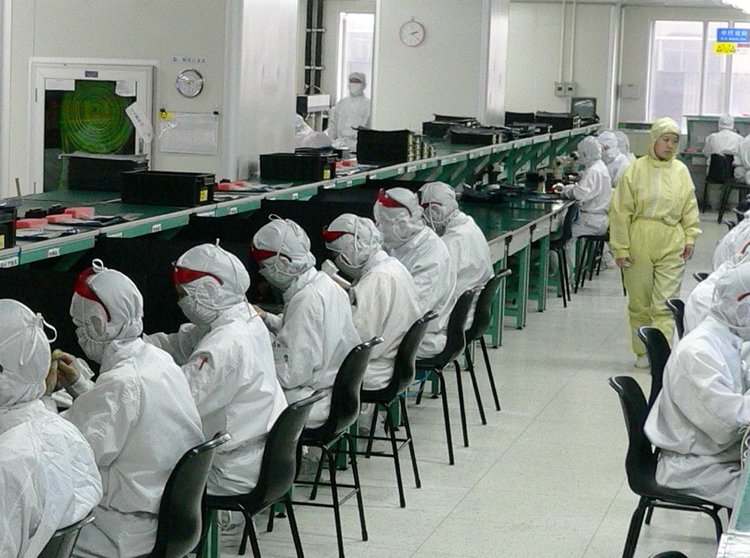
  • Samsung Electronics’ Vietnam profits drop 11%

    Samsung Electronics’ Vietnam profits drop 11%

    Samsung Electronics’ profits in Vietnam declined by 11.4% last year to US$3.2 billion, its latest financial reports show.

    Its revenues remained almost unchanged at $56.7 billion.

    Globally, the South Korean giant saw profits surge 122% to $25.3 billion on 16% higher revenues of $220 billion.

    The four main facatories in Vietnam, Samsung Thai Nguyen, Samsung Electronics Vietnam Bac Ninh and Samsung Display Vietnam Bac Ninh in the north, and Samsung Electronics HCMC CE Complex, contributed 25% to total revenues.

    Smartphone manufacturer Samsung Thai Nguyen earned revenues of $22.9 billion, up 7.6% from 2023.

    It was the third biggest contributor to sales behind Samsung Electronics America and Samsung Semiconductor, also in the U.S.

    But its profits fell by 7.2% to $1.4 billion.

    Samsung Electronics Vietnam, another smartphone producer, posted a revenue increase of 5.7% to $14.8 billion.

    Its profit jumped 18.9% to $943 million.

    The display producer Samsung Display Vietnam saw both revenue and profit declining.

    Its revenue fell 15.7% to $14.2 billion while profit dropped by half to $583 million.

    The display unit, however, continued to invest substantially in Vietnam last year.

    In September it signed a memorandum with Bac Ninh Province for the development of a screen and electronic parts project worth $1.8 billion.

    Last month Bac Ninh authorities granted an investment certificate for the subsidiary to pump up its capital by 18% to $7.7 billion.

    For the HCMC unit, which makes TVs, profit dropped 5% to $365 million last year, while revenue rose 13.9% to $4.9 billion.

    Samsung is the biggest foreign investor in Vietnam with $23.2 billion in registered capital.

    Its executives earlier this month have affirmed its commitment to expand its investment in Vietnam, including in new sectors such as semiconductor and AI.

  • Why More People are Going to Thailand for Alcohol Rehab

    Why More People are Going to Thailand for Alcohol Rehab

    Alcohol rehabilitation, often shortened to alcohol rehab, is the process in which an individual will partake in different therapies and treatments in order to overcome the effects of an alcohol addiction.

    This can be done in many different ways and with many different unique alterations for each individual case; there is no ‘one size fits all’ approach to rehabilitative care as every individual is different and will therefore experience different effects.

    With alcohol addictions, it is often recommended that individuals attend residential rehab due to the complications and issues that can arise during the recovery process. This will be covered in further detail across this article.

    Why do individuals need alcohol rehab?

    All individuals who struggle with alcohol misuse or addiction should consider some form of rehabilitation, as without it their condition can often worsen significantly and cause lifelong effects to their physical and mental health.

    This does not necessarily mean that these individuals must seek alcohol rehab in Thailand, but there are many reasons why this may be the most suitable option for individuals struggling with an alcohol addiction.

    Alcohol, specifically, has been linked to damage of the cardiovascular system (1) – a serious cause for concern if left untreated.

    Alcohol rehab abroad – who is it suitable for?

    Alcohol rehab is something that all individuals struggling with alcohol should consider. Not only can alcohol have serious and life-threatening effects on the individual themselves, but it can also severely affect those around them i.e., close friends and family.

    Alcohol rehab abroad is therefore something that some individuals may consider, either for specific medical or personal reasons, or just for a change.

    It may not be suitable for every individual to attend alcohol rehab abroad, but it is something that many individuals should enquire about.

    Many studies in the field of addiction focus on the US population, but these studies often show that residential rehabilitation is the most effective form of treatment in terms of individuals’ reports and satisfaction with care (2).

    Benefits of alcohol rehab in Thailand

    There are many reasons why an individual may choose to attend alcohol rehab abroad in places such as Thailand rather than their country of residence.

    As mentioned above, alcohol rehab abroad in places such as Thailand may not be suitable for every individual case, but this should be discussed thoroughly before an individual makes any final decisions.

    This discussion could be had with a medical professional or addiction expert but is essential before the individual chooses any rehabilitation options in order to avoid future confusion and/or delay of care.

    The following subheadings outline why Thailand is such as popular destination for alcohol rehab abroad, and how this may aid their future care.

    1. Privacy

    When attending alcohol rehab far away from the individual’s country of primary residence, they are providing themselves with complete privacy.

    In some cases, individuals may choose to attend alcohol rehab in private, without telling most people where they are going and what they are doing.

    When it comes to alcohol rehabilitation in Thailand, individuals are unlikely to see anyone they know, they are in a completely fresh environment and are often separated from influences such as their phone, social media, and other connections with the wider world.

    This allows for complete privacy and discretion when recovering – something which may be essential for care in the case of high-profile clients or for those who would prefer to recover without intervention from outside sources.

    2. Focus and lack of distraction

    As well as being a source of private and discrete care, partaking in rehab abroad can also be a great motivational factor for individuals undergoing their recovery journey.

    By taking themselves away from their previous environment, individuals can often feel more motivated toward committing to a rehabilitation programme as they have often travelled a long time or have spent a long time preparing for this form of care.

    Not only does this provide motivation and a boost in attitude toward alcohol rehab, attending alcohol rehab in Thailand can be a great way for individuals to avoid distractions, meaning that they have a greater overall focus on care and spend more dedicated time on this process than they may do in their primary country of residence.

    3. Thailand’s specialities

    In general, there are many benefits to attending alcohol rehab while in a country such as Thailand, with many of these being specialised to this location.

    Located in Southeast Asia, Thailand is renowned for its beautiful beaches, ancient ruins, and a strong connection with spirituality.

    Spirituality is something that can greatly benefit individuals seeking alcohol rehab as – when combined with other forms of treatment – holistic therapies such as yoga and meditation can greatly increase an individual’s perception of their care, increasing motivation and helping them to discover more about themselves and their struggles with alcohol.

    The stages of rehabilitation

    In general, alcohol rehab (and other forms of rehabilitation in general) often follows the three stages of care.

    These stages are designed to lead on from one another, meaning that an individual must progress through each stage in turn to gain the full benefits from each and to prepare them for the next.

    For example, the detoxification stage is first and this is where an individual will withdraw from the substance that they are addicted to and prepare their body physically for the further stages.

    With alcohol, a detox session must always be supervised by a medical professional to avoid the harmful and potentially life-threatening effects that may arise during this process.

    Next, an individual will partake in a variety of different therapies and specific treatments that are recommended and specialised to their individual needs. This stage focusses on the individual’s mental well-being and is often the longest stage of care.

    As a final (and often ongoing) stage, aftercare is essential. This refers to any further treatment that an individual receives to treat the effects of their addiction after the majority of their care within a centre.

    Some centres offer complimentary aftercare, but this should always be mentioned and checked before the individual makes any final decisions about their alcohol rehab in Thailand.

    Get the help you need today

    Alcohol rehab is essential for any individual who feels as though they may be struggling with alcohol, so getting help sooner rather than later is always recommended.

    Get in touch with your local healthcare services or start looking at the different referral services that are available in your area today.

    References

    [1] Moushmoush, B. and Abi-Mansour, P., 1991. Alcohol and the heart: The long-term effects of alcohol on the cardiovascular system. Archives of Internal Medicine151(1), pp.36-42.

    [2] Kumar, T.P., Nagaraju, G.V., Swamy, P.K., Bhanu, K.U. and Salam, A., 2018. Alcohol Rehabilitation: Right Treatment and New Beginning. Indo American Journal of Pharmaceutical Research.