Tag: asia

  • Vietnam electricity imports from China, Laos set to soar by 2030

    Vietnam electricity imports from China, Laos set to soar by 2030

    The Ministry of Industry and Trade plans to increase electricity imports from China and Laos by 1.6 to five times from between now and 2030.

    Vietnam’s electricity demand is set to rise by 12-14% annually as the government targets an ambitious double-digit growth rate annually to achieve high-income status for the country by 2045.

    This means by 2030 Vietnam’s power capacity would need to reach 210,000 megawatts, up 35% from the current nationwide power plan.

    Imports will therefore play an important role in meeting electricity demand.

    By 2030 imports might account for 5% of total supply as against 4% last year, according to the ministry.

    It wants to import up to 3,700 MW in capacity from China by 2030, a five-fold increase from now.

    But the two sides have made no agreement for this yet. “The governments need to negotiate and sign deals soon,” the ministry said.

    It also wants to buy 6,800 MW from Laos by 2030, 1.6 times the current import.

  • Chunghwa Telecom Expands Submarine Cable Investments

    Chunghwa Telecom Expands Submarine Cable Investments

    The company is increasing its investment in undersea cable infrastructure, allocating up to TWD 2 billion (USD 60.9 million) in 2025. The SJC2 system, spanning 10,500 kilometers, links 11 cable landing stations across Singapore, Thailand, Cambodia, Vietnam, Hong Kong, Taiwan, China, South Korea, and Japan.

    Meanwhile, the Apricot system, stretching 12,000 kilometers, will connect Taiwan to Japan, Guam, the Philippines, Indonesia, and Singapore. Chunghwa Telecom is part of the consortium overseeing the development of both cable projects.

    In addition to these deployments, the company is in discussing the possibility of other submarine cable projects with potential partners. Chunghwa Telecom Chairman, Alex Chien, indicated that the company is inclined to invest in undersea cables that connect Taiwan to Southeast Asia or Pacific nations. He also revealed that the company is considering launching more medium Earth orbit (MEO) and high Earth orbit (HEO) satellite internet services this year to bolster data security for the government and enterprises in case of undersea cable disruptions.

    Chunghwa Telecom is also addressing local connectivity issues. It has allocated funds to repair two damaged domestic submarine cables linking Taiwan and Lienchiang County (Matsu). These cables failed in late January due to natural wear and tear.

    Chunghwa Telecom’s increased investment in submarine cable systems comes amid heightened concerns over Taiwan’s digital infrastructure security due to ongoing geopolitical tensions with China.

    A quarter (25.2%) of the company’s 2025 capital expenditures (CapEx) will be directed toward non-mobile sectors, including submarine cable expansion,

  • Samsung to invest in AI, semiconductors in Vietnam

    Samsung to invest in AI, semiconductors in Vietnam

    South Korean electronics giant Samsung is set to expand into new areas in Vietnam such as AI, semiconductors and digital transformation.

    CEO Choi Joo Ho told Prime Minister Pham Minh Chinh at a meeting in Hanoi on Wednesday that the largest foreign direct investor in Vietnam expects support from the government in making investments in these areas.

    Samsung has so far invested $23.2 billion in Vietnam and exported $54.4 billion worth of products last year.

    Chinh promised continued support for the company in investing in efficient and successful businesses in Vietnam.

    Samsung needs to continue to maintain its leading position by developing supporting industries, chips, semiconductors and promoting digital transformation in Vietnam, he added.

    The government targets 8% GDP growth this year and double-digit expansion in the coming years.

    To achieve the goals, it needs to improve the investment environment and foster strategic breakthroughs.

    Chinh urged Samsung to set up training centers at the National Innovation Center, increase its investment in Vietnam and support start-up and innovation activities.

    He also suggested that the company should have more Vietnamese executives and increase the number of local digital technology enterprises in its ecosystem.

  • Gold prices plummet from peak

    Gold prices plummet from peak

    Vietnam gold bar price fell to VND90.2 million (US$3,524.13) per tael Wednesday morning, down 2.28% from the record high it reached the previous day.

    It reached an all-time high of VND92.3 million per tael on Tuesday morning before plunging to VND90.5 million that afternoon.

    Gold ring price dived to VND89.7 million per tael from Tuesday’s historic peak of VND91.7 million. A tael equals 37.5 grams or 1.2 ounces.

    Globally, gold prices retreated on Wednesday from an all-time high hit in the previous session, as Federal Reserve Chair Jerome Powell’s hawkish comment cemented views of slower rate cuts this year, while investors awaited a key U.S. inflation report.

    Spot gold fell 0.4% to $2,885.53 per ounce. Bullion climbed to a record high of $2,942.70 on Tuesday. U.S. gold futures eased 0.8% to $2,910.70.

    Powell said on Tuesday the economy is in a good place and the Fed isn’t rushing to cut interest rates further, but is prepared to do it if inflation drops or the job market weakens.

    Bullion is considered a hedge against inflation, but higher interest rates dampen the non-yielding asset’s appeal.

    “The bullish trend (in gold) remains intact given the tariff picture uncertainty and the resulting safe-haven flows, which could keep underpinning the precious metal,” said Tim Waterer, chief market analyst at KCM Trade.

  • Globe, GoTyme Bank Partner to Strengthen Anti-Scam Measures

    Globe, GoTyme Bank Partner to Strengthen Anti-Scam Measures

    This collaboration will comply with the Data Privacy Act and streamline the process of investigating suspected scammers by eliminating the need for warrants or subpoenas to access their information.

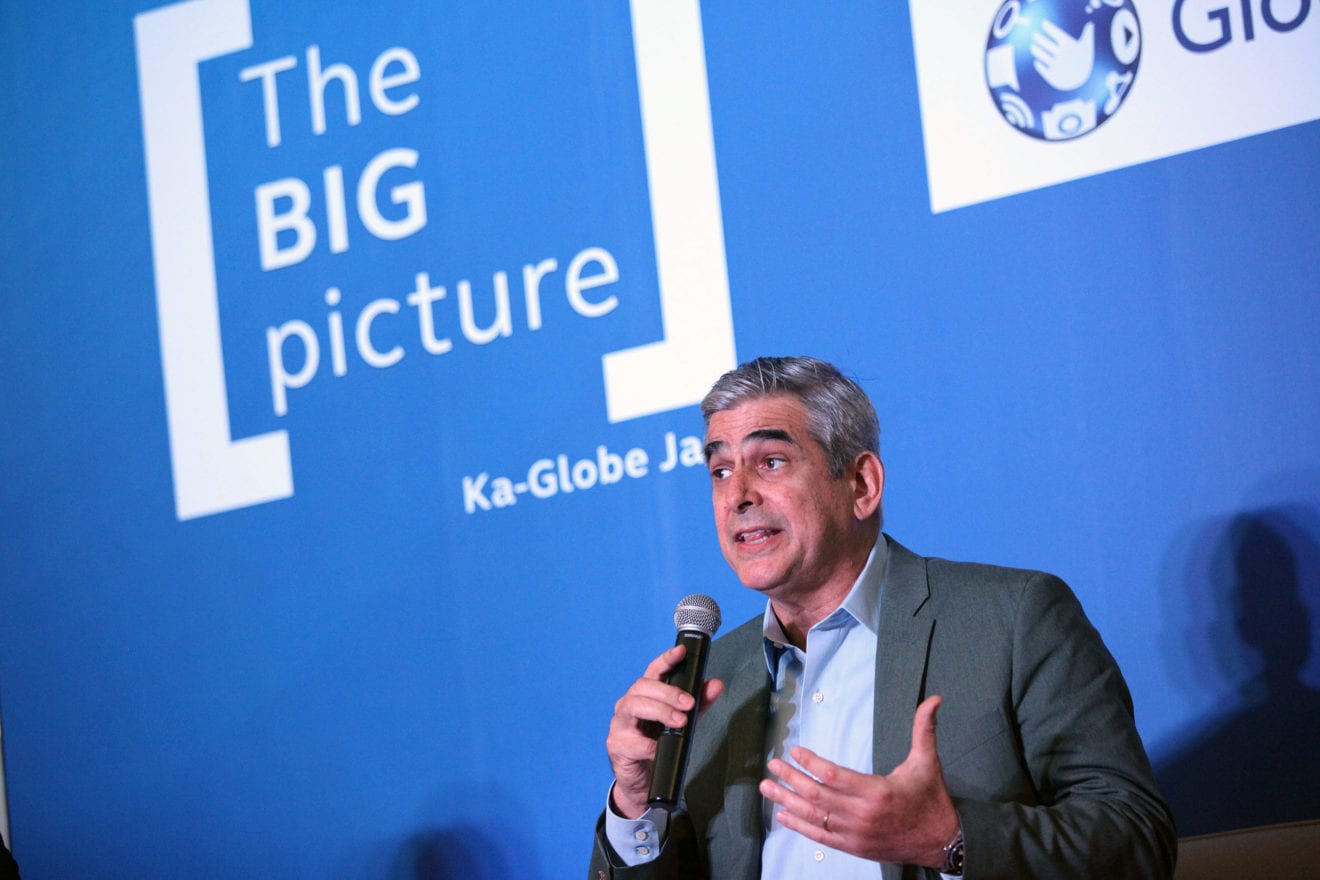
    Globe’s Chief Privacy Officer, Irish Salandanan-Almeida, emphasized, “This partnership reflects our ongoing commitment to championing cybersecurity and protecting our customers from the growing threats in the digital world. Through collaborations, we can combine our expertise and resources to better safeguard the financial sector and our customers from cybercrime.”

    In the first half of last year, Globe blocked 2.7 million bank-related spam and scam messages, investing around USD 20 million in scam detection and prevention systems to protect consumers from deceptive messages. A study by Kaspersky revealed that Filipinos encountered 14.1 million web threats last year, a decrease from 26.6 million in 2023.

    Yeo Siang Tiong, Kaspersky’s General Manager for Southeast Asia, suggested that this decline in cyber threats could be due to improved detection and prevention methods. However, Tiong cautioned that hackers might be targeting specific high-value individuals rather than launching widespread cyberattacks.

  • Nespresso introduces Oatly Barista Edition Coffee capsules

    Nespresso introduces Oatly Barista Edition Coffee capsules

    Nespresso has partnered with Oatly to launch a limited-edition coffee capsule designed to “perfectly pair” with oat milk.

    The new product, called Oatly Barista Edition Coffee, is made exclusively for Nespresso Vertuo coffee machines. It features rich, biscuity notes that complement the creamy, cereal flavor of Oatly.

    Toby Weedon, barista development director at Oatly, said the neutral taste of Oatly brings out the best flavour in coffee.

    “It’s why it is used by professional baristas and embraced by coffee enthusiasts worldwide,” said Weedon.

    Karsten Ranitzch, global head of coffee for Nespresso, added that the company is on a mission to make sure every coffee lover can create their perfect cup.

    “We know more and more people are reaching for plant-based drinks when preparing their favourite coffee recipe, which is why we are thrilled about our partnership with Oatly,” said Ranitzch.

    “Bringing our two like-minded brands and expertise together has allowed us to craft an unforgettable new coffee blend.”

    Nespresso’s Oatly Barista Edition coffee is available worldwide.

  • Aldi US plans to open 225 more stores nationwide this year

    Aldi US plans to open 225 more stores nationwide this year

    Aldi US plans to open more than 225 stores across the country this year as part of the next phase of its five-year growth strategy.

    The openings will include organic growth and conversion of select Winn-Dixie and Harveys Supermarket stores to the Aldi format.

    The company plans to convert approximately 220 Southeastern Grocers locations to Aldi through 2027. About 100 converted locations will re-open by the end of this year.

    About 170 Winn-Dixie and Harveys Supermarket stores not affected by the conversion will be sold to a consortium including C&S Wholesale Grocers, Southeastern Grocers senior leadership and private investors.

    Aldi said this divestment allows it to create a focused portfolio in the Southeast as it progresses its expansion plans across the country. The company plans to expand its footprint in the Northeast and Midwest regions, grow presence in the West with more stores in Southern California and Arizona, and enter new communities like Las Vegas.

    “When we announced our acquisition of Southeastern Grocers, we shared that we intended for a meaningful number of Winn-Dixie and Harveys Supermarkets to continue to operate, and we’re delivering on that promise while also supporting Aldi growth,” said Jason Hart, CEO of Aldi.

    “Over the last year, we’ve seen firsthand how C&S Wholesale Grocers, Southeastern Grocers and their teams have continued to deliver great quality, service and value to their customers, and we are confident they will lead the company successfully into its next chapter,” he added.

    Last year, the chain opened nearly 120 stores, bringing its total store count to more than 2400.

  • Oatly Barista Edition rolls out in Circle K stores in Northern Europe

    Oatly Barista Edition rolls out in Circle K stores in Northern Europe

    Swedish plant-based alt-milk producer Oatly has partnered with the convenience store chain Circle K to introduce its Barista Edition beverage across stores in Estonia, Lithuania, and Latvia.

    The Oatly Barista Edition is a plant-based, dairy-free alternative that the company claims provides the same creamy taste, frothy texture, and functionality as traditional coffee creamers.

    Skirmantas Maciukas, VP of Circle K Baltics, stated that the collaboration with Oatly is part of its mission to provide plant-based options for customers throughout the Baltics.

    “Our mission is to make our customers’ lives a little easier every day,” he added.

    Circle K is owned by Canadian convenience store giant Alimentation Couche-Tard, which operates the brand in more than 20 markets worldwide.

    Recently, Oatly also partnered with Nespresso for a limited-release Barista Edition coffee capsules.

  • Google plans to make it harder for teens to lie about their age

    Google plans to make it harder for teens to lie about their age

    Google recently announced new digital products that target kids, teens and parents. From additional family-focused controls to helpful experiences for kids and teens, Google is trying to protect youngsters and give parents control over the content they consume on a regular basis.

    The list of improvements to existing safeguards Google has in place for under-18 users also includes a new machine learning model that will make it harder for teens to lie about their age.

    The Mountain View company has taken some steps toward providing age-appropriate experiences to teens when they use its products, including a number of changes for all users under 18. For example, Google recently introduced a SafeSearch Filter, restricting sensitive ad content, gating age-restricted content on YouTube & Play, and implemented teen wellbeing protections on YouTube.

    But that’s not enough since Google has decided to use machine learning to determine the age of a user. The search giant announced this week that it plans to start testing a machine learning-based estimation model. The test will be limited to the United States at launch, but Google plans to bring the technology to more countries over time.The machine learning model Google is going to test this year is meant to help the company estimate whether a user is over or under 18 so that it can provide a more age-appropriate experience.

    Google hasn’t yet explained how this machine learning model will work, so it remains to be seen whether or not it will be more effective than the safeguards it has implemented right now.

    In related news, Google announced it’s rolling out a new sensitive content warning feature in Google Messages. This feature is opt-in for adults, but mandatory for kids and teens. It can be managed via Android Settings and features parental controls for supervised accounts.

    For those interested in learning more about Google’s teens experiences, we have an extensive article that explains how the company plans to empower parents to manage their kids’ devices.

  • Singtel Launches 5G+ Using 700 MHz for Wider Coverage

    Singtel Launches 5G+ Using 700 MHz for Wider Coverage

    This upgraded 5G service, now called Singtel 5G+, will provide stronger signals (up to 40%) in indoor high-rise buildings, underground spaces, and remote areas in Singapore.

    The use of this low-frequency spectrum allows for wider coverage with fewer towers, ensuring a more reliable network for businesses needing constant connectivity and consumers wanting to make video calls or stream content in these locations. This development comes after the Info-communications Media Development Authority (IMDA) granted Singtel the rights to use the 700 MHz spectrum. Approximately 1.5 million subscribers, including Singtel’s mobile enterprise, postpaid, prepaid, and GOMO 5G customers, are expected to benefit from this expanded coverage at no extra cost.

    Mr. Ng Tian Chong, Chief Executive Officer of Singtel Singapore, stated that with the increasing digital lifestyles of consumers and the demand for innovative solutions by businesses, Singtel invested early in achieving 5G coverage to support Singapore’s Smart Nation goals. Singtel aims to set a new standard in 5G connectivity with 5G+, providing enhanced digital experiences for customers and enabling more opportunities for advancement.

    The use of the 700 MHz band allows signals to travel longer distances, extending coverage to areas like Tuas, Kranji, Sungei Kadut, Changi East, and Jurong Island, including locations with spatial constraints like military camps, factories, and warehouses. This wider coverage will provide consumers in these areas with seamless mobile experiences, while also boosting enterprise productivity in sectors like healthcare, public safety, and port operations. The 700 MHz band also improves signal transfer in dense urban environments like Singapore, ensuring uninterrupted calls and data services in places like basement carparks, HDB estates, and high-rise commercial developments.

    This enhancement will benefit sectors like security and manufacturing, which rely on smooth transmission of high-definition (HD) video footage for real-time threat detection and operational efficiency. Singtel’s early investments in 5G technology have allowed them to unlock new features and capabilities, positioning Singapore as a global testbed for innovation.

    Since achieving nationwide 5G coverage in 2022, Singtel has deployed 5G capabilities like network slicing for enterprise applications and at high-traffic events such as concerts and parades. The deployment of the 700 MHz spectrum is part of Singtel’s ongoing efforts to support individuals and future-proof businesses.

  • China’s AI Surge Drives Digital Health Market Growth

    China’s AI Surge Drives Digital Health Market Growth

    GlobalData’s research indicated that, in 2024, China accounted for approximately 20% of the digital health market in the Asia Pacific (APAC), reflecting the rising demand for innovations like DeepSeek in the healthcare field.

    Pratibha Thammanabhatla, a Medical Devices Analyst at GlobalData, noted, “The recent introduction of Qwen2.5-Max, Kimi k1.5, and DeepSeek demonstrates China’s expanding presence in the AI industry and its commitment to achieving technological independence. The advanced AI capabilities they offer, such as significant efficiency improvements, enhanced reasoning, and accessibility, have the potential to enhance diagnostic capabilities, provide personalized recommendations, and improve communication between patients and healthcare providers.”

    Alibaba Cloud claimed that its latest Qwen2.5-Max has shown significant advantages over other AI models like Llama 3.1 405B, DeepSeek-V3, and Qwen2.5 72B when assessed using benchmark tools such as Arena-Hard, LiveBench, LiveCodeBench, and GPQA Diamond. They anticipate that advancements in post-training techniques will take the next version of Qwen2.5-Max to new heights.

    Thammanabhatla concluded, “While AI has the potential to transform healthcare by enhancing efficiency and patient outcomes, challenges such as data privacy, doctor-patient relationships, and a shortage of adequately trained personnel need to be addressed for successful implementation. A collaborative approach involving stakeholders from different countries and sectors, including healthcare professionals, regulators, and data privacy experts, is crucial to overcoming these challenges and promoting wider adoption.”

  • Vietnam Airlines among world’s top 20 carriers

    Vietnam Airlines among world’s top 20 carriers

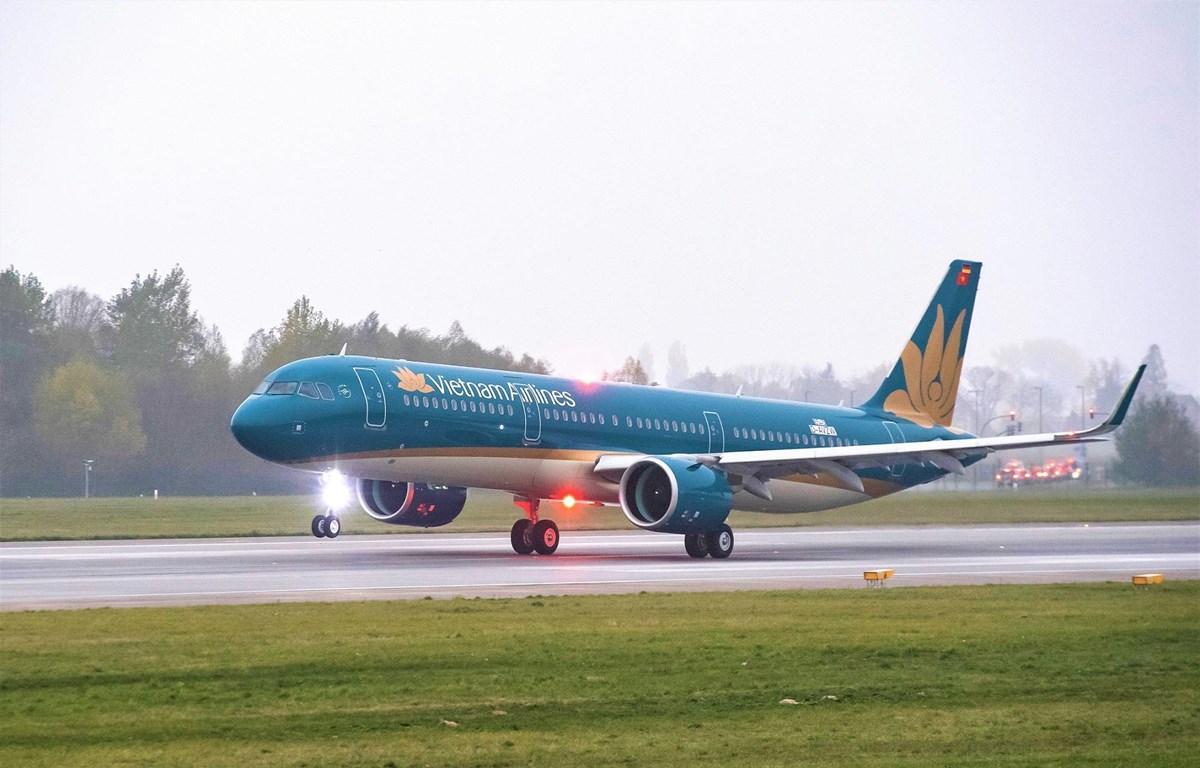
    National flag carrier Vietnam Airlines has been honored in the Top 20 World’s Best Airlines for 2025 by AirlineRatings and won the “World’s Best Value Premium Economy” award for the second consecutive year.

    These accolades highlight the airline’s consistent quality and service across its entire network, regardless of flight distance or class. The retention of the “World’s Best Value Premium Economy” title underscores its excellence in this segment.

    Sharon Petersen, CEO of AirlineRatings, praised Vietnam Airlines for its balance of quality and value, stating that since Jan. 14, 2025, it has expanded its premium economy class to domestic routes, offering passengers enhanced privileges.

    Dang Anh Tuan, Deputy General Director of Vietnam Airlines, said: “The awards reflect our relentless efforts to improve service quality and motivates us to continue innovating and delivering world-class experiences. We remain committed to meeting and exceeding the ever-growing expectations of customers.”

    AirlineRatings.com, a global aviation safety and product rating agency, evaluates over 435 airlines based on service, seating, meals, comfort, and passenger feedback.

    Vietnam Airlines joins other top carriers like Korean Air, Qatar Airways, and Singapore Airlines in the prestigious Top 20 list.

  • Google Maps and Apple Maps have different names for the same body of water

    Google Maps and Apple Maps have different names for the same body of water

    In case you haven’t noticed it yet, the Gulf of Mexico today has been officially renamed the Gulf of America in the U.S. on Google Maps. We first told you about the change at the end of last month, and now that the Geographic Names Information System (GNIS) has made the revision, it was time for Google to do likewise. In some countries, Google Maps will show two names, with the Gulf of Mexico as the primary name and the Gulf of America in parenthesis.

    Apple, on the other hand, continues to refer to the body of water as the Gulf of Mexico. We haven’t seen Google Maps and Apple Maps call the same geographic area by different names since Apple Maps was released in September 2012 alongside the launch of iOS 6. Apple Maps had so many problems with some countries and streets mislabeled or missing. In Australia, Apple Maps was considered dangerous after it led some drivers to the Outback teeming with poisonous snakes, a temperature of 115 degree, and a lack of cell service.

    We don’t consider Apple’s decision not to follow Google Maps to be a conscious effort to ignore President Trump’s executive order. After all, tech firms seem more willing to get behind the president during this term. For some, like Google, it’s a matter of self-preservation. As recently as last September, then-candidate Trump threatened to prosecute Google for Election Interference if returned to the White House.

    Trump complained that Google Search was showing only negative stories about him while listing only positive stories about his opponent, then-Vice President Kamala Harris. You might recall that in 2018, during his first term, Google was accused by the president of “rigging” search results, so when users searched for “Trump news,” 96% of the results came from the “National Left-Wing Media” according to Trump.

    Besides Google, other tech companies that have shown support for President Trump in some manner include Amazon, Meta, and Apple. All three of these firms or their CEOs donated $1 million toward the president’s inauguration. Most tech companies learned during Trump’s first term that you kill more flies with honey. All four tech companies, Apple and Google particularly, might need help from Trump to avoid being prosecuted by the Justice Department for anti-trust violations.

    So, if all it takes for Google to get on the president’s good side is to change the name of the Gulf of Mexico to Gulf of America on the U.S. version of Google Maps, that’s a small price for the company to pay. Also expected to get a name refresh soon is the Denali mountain in Alaska; the president has ordered that the mountain be called by its original name, “Mount McKinley.”

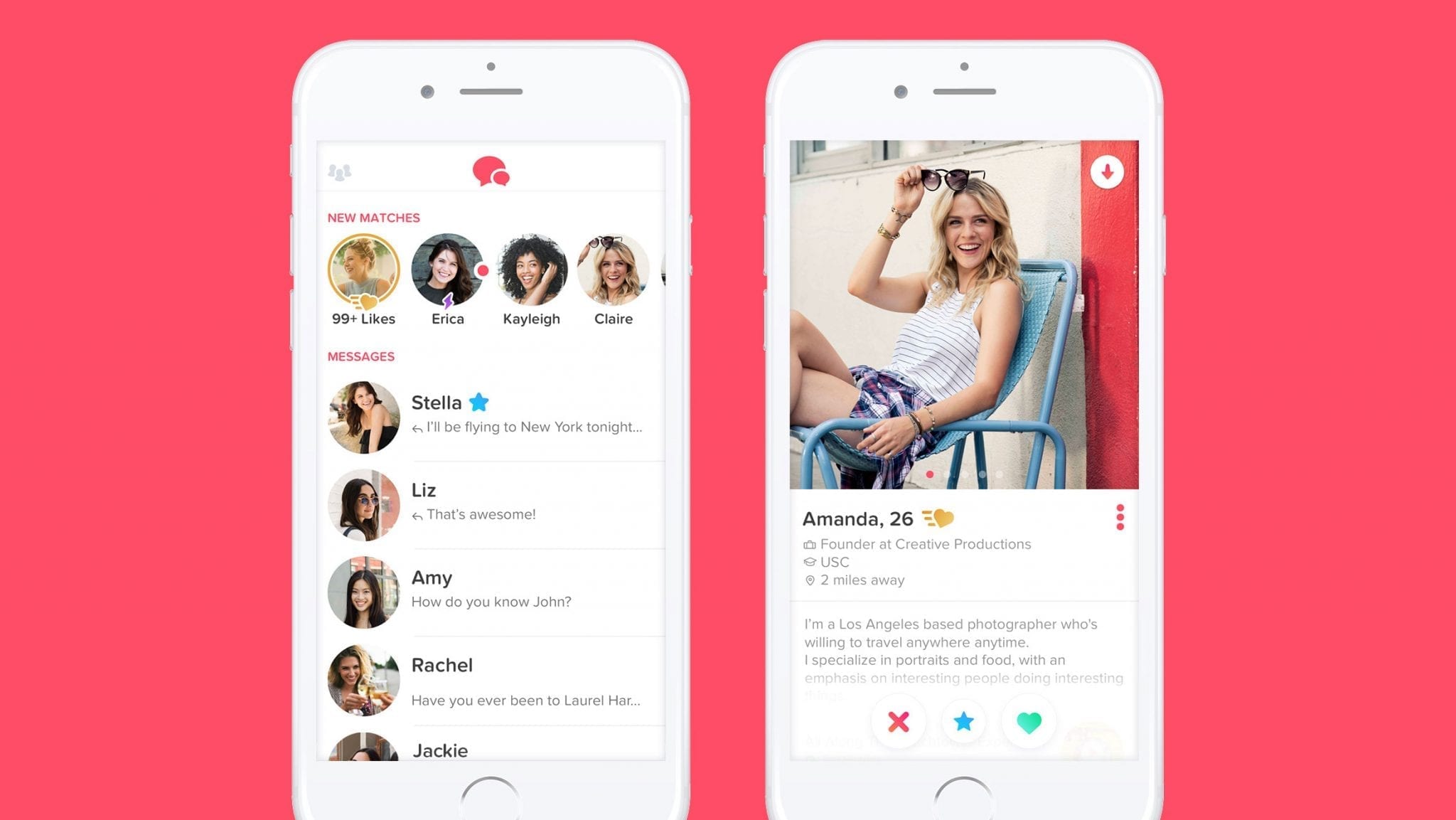
  • Let Tinder’s AI propose the best match for you

    Let Tinder’s AI propose the best match for you

    Tinder, probably the most popular dating app out there, is not getting the love lately: it’s steadily losing users month after month now. So, changes have to be made: upgrades are to be introduced soon. It’s 2025, so you know what that means, right? Correct, it means more AI.

    In the coming months, the app will introduce AI-centric features for discovery and matching, aiming to offer an alternative to the swipe-based system that once defined the platform.

    The company says these AI-curated recommendations will provide more personalized and engaging matches. But don’t you worry! If you’re accustomed to the trademark swipe, you’re safe.

    High-ranking executives emphasize that AI matching will complement swiping rather than replace it, with the goal of improving match quality and user perception.

    This isn’t the first time Tinder is meddling with AI. Another AI-powered addition, the AI Photo Finder, launched last year to help users choose the best profile photos.

    These features arrive at a time when Tinder, along with the broader dating app industry, is struggling.

    Tinder’s global user base continues to shrink. In October 2024, its monthly active users (MAUs) were down 10% year over year, improving only slightly to a 9% decline over the following months. By January 2025, MAUs had fallen around 8%.

    The company’s direct revenue also missed internal projections, coming in at $476 million, below the expected $480-$485 million range. Oops.

    In response, Match Group (the Tinder owner) has appointed Zillow co-founder Spencer Rascoff as its new CEO. Rascoff believes AI could drive a major shift for online dating, comparing its potential impact to the transition from desktop to mobile a decade ago. He pointed to apps like TikTok and Instagram that have leveraged AI to boost engagement and retention, suggesting that Match Group could see similar benefits.

    Despite this optimism, Tinder’s struggles have weighed on Match Group’s overall performance. The company reported Q4 earnings of 82 cents per share, missing analyst expectations of 84 cents. While it generated $860 million in revenue, exceeding estimates, this still marked a 0.7% decline year over year.

    For Q1 2025, Match expects revenues between $820 million and $830 million, reflecting a projected 3-5% decline due to Tinder’s ongoing user losses.


  • Vietjet announces partnership with OpenAirlines to enhance fuel efficiency with AI-driven optimisation

    Vietjet announces partnership with OpenAirlines to enhance fuel efficiency with AI-driven optimisation

    Vietjet has signed a strategic partnership with OpenAirlines, a global leader in AI-driven airline fuel efficiency solutions. With this collaboration, Vietjet becomes the first airline in Vietnam to adopt SkyBreathe, an advanced AI-powered platform that analyses flight data to optimise fuel consumption and reduce carbon emissions.

    With SkyBreathe, Vietjet will harness AI, big data algorithms, and machine learning to analyse extensive flight data and enhance fuel efficiency. The platform consolidates information from multiple sources, including aircraft sensors and fuel reports, into a unified platform. Having processed data from over 21 million flights, SkyBreathe leverages the world’s largest fuel efficiency database for airlines.

    The SkyBreathe 360° eco-flying platform pinpoints key fuel-saving opportunities and provides tailored recommendations for pilots and flight operations managers. By tapping on SkyBreathe’s intuitive interface and detailed analytics, Vietjet is projected to reduce fuel consumption by 2% and cut CO2 emissions by over 96,000 tons annually.

    Vietjet will also introduce the SkyBreathe MyFuelCoach application to all its pilots, providing personalised eco-briefings and debriefings. This application helps pilots track performance, identify improvement areas, and implement best practices to optimise fuel efficiency, ultimately lowering fuel consumption and minimising environmental impact.

    “This partnership underscores Vietjet’s unwavering commitment to more sustainable flight operations. By harnessing the power of innovation and digitalisation, the airline is transforming its ambitious goal of net-zero emissions by 2050 into concrete actions that benefit not only itself but the entire aviation ecosystem, travelers, and the planet. The implementation of SkyBreathe is already underway, ensuring Vietjet can quickly unlock its full potential and start seeing measurable results,” said Alexandre Feray, CEO of OpenAirlines.

    Vietjet Vice President Nguyen Duc Thinh also shared: “Today’s agreement with OpenAirlines represents a significant milestone in Vietjet’s sustainable development strategy. By leveraging advanced technologies, we can continuously innovate, optimise operations, reduce fuel consumption and CO2 emissions, and enhance passengers’ flight experiences at reasonable costs. This collaboration also highlights Vietjet’s relentless efforts towards sustainability while delivering long-term benefits to the global aviation industry.”

    As the newest member of the SkyBreathe Community, Vietjet joins 73 airlines worldwide committed to advancing sustainable aviation. Through this dynamic network, Vietjet will receive ongoing support from OpenAirlines’ fuel experts to optimise performance and fully leverage the benefits of SkyBreathe.

    This partnership reflects Vietjet’s commitment to sustainable development, supported by strategic collaborations with international aviation and technology leaders.