Tag: asia

  • Hong Kong’s Fung Group injects US$35M into India’s B2B e-commerce ShopX

    Hong Kong’s Fung Group injects US$35M into India’s B2B e-commerce ShopX

    The Fung family has invested US$35 million in Indian technology platform ShopX.

    The funds came from Fung Strategic Holdings a member of Fung Investments, the private investment vehicle of the families of Dr Victor Fung and Dr William Fung.

    ShopX is described as India’s leading B2B e-commerce company, connecting India’s consumers and small merchants with brands and suppliers directly to purchase products and services.

    India’s retail market is estimated to reach US$1.1 trillion by 2020, and small-to-medium sized businesses play an important role in the Indian economy, making up about 90 per cent of the retail sector. Until now, they largely remain ‘offline’ in small villages and towns serving the local surrounding population.

    ShopX, founded by Amit Sharma and Apoorva Jois in May 2015, aims to be the preeminent e-commerce platform serving more than 12 million small merchants across India, enabling everything from ordering to delivery, payments and localised customer support. ShopX already covers 50,000 retailers in more than 300 locations across India.

    Nandan Nilekani, a leading entrepreneur, has been an early investor in ShopX, supporting the company from inception with more than $18 million in personal investment and active mentorship.

    “The ShopX model provides small retailers access to the same cutting-edge technology and supply chain solutions as any established e-commerce or organised retailer,” he said.

    “This access provides an onboarding ramp into the formal economy for millions of India’s small retailers and the next 400 million consumers. ShopX has been built on scalable and sound business principles like platform thinking, capital efficiency and a sustainable growth model. We are very excited to welcome the Fung Group into ShopX, and look forward to expanding the platform with their investment and strategic synergies.”

    Victor Fung added: “This is one of a series of investments the Fung Group and its companies are making to advance new, disruptive technologies shaping the future of retail and supply chain. ShopX is combining technology and an innovative business model to transform the traditional retail model in India. Given the country’s sheer population size and rising consumer spending power, not only do we see tremendous opportunity in India, but also the successful application of this model to other parts of the region.”

    Tech focus

    The ShopX investment follows recent Fung Group initiatives and investments in new technologies including:

    • A partnership with Tencent-backed WeDoctor to create an e-commerce platform connecting China’s myriad of hospitals with medical device manufacturers and service providers to centrally procure medical devices, consumables and services.
    • A partnership with JD.com to develop AI-driven retail solutions.
    • A new innovation lab with Shima Seiki, the Japanese company behind the world’s most advanced computerised flat knitting machines, to conduct specialised materials R&D.
  • Indonesia to Seek Clarity From WTO on US Trade Dispute

    Indonesia to Seek Clarity From WTO on US Trade Dispute

    Indonesia will clarify its position with the World Trade Organization after the United States asked the multilateral body to allow it to impose sanctions on Southeast Asia’s biggest economy after winning a trade dispute that it claims had cost US business up to $350 million in 2017.

    Indonesia lost its appeal against a WTO ruling in favor of the United States and New Zealand last year over its trade policies that limit imports of food, plants and animal products, including apples, grapes, potatoes, onions, flowers, juice, dried fruit, cattle, chicken and beef.

    The United States claims that Indonesia has yet to abide by the ruling.

    “In accordance with the agreement between Indonesia, the United States and New Zealand, we agreed that a reasonable period to revise our import regulations and policies was eight months from the date of approval of the appellate body, which was on Nov. 22, 2017,” Hasan Kleib, Indonesia’s ambassador to Geneva and the country’s permanent representative to the United Nations, WTO and other international organizations, said in a statement on Wednesday (08/08).

    “Indonesia will certainly explain the changes that have been made since the final ruling of the WTO panel and the appellate body,” he said.

    According to the ruling, Indonesia was required to make the first phase of adjustments by July 22 this year at the latest, and the second phase before June 2 next year. Although Indonesia has taken steps to adjust its import regulations after consulting with the relevant parties in Geneva on July 27, the United States said this had not done enough.

    This assessment is based on information the US representative to the WTO received, showing that US producers still face obstacles when exporting horticultural products to Indonesia.

    “In the letter released yesterday, they [the United States] said they were not satisfied [with the rule changes]. But in Washington, their ambassador was already quite satisfied,” Coordinating Economic Affairs Minister Darmin Nasution said on Wednesday.

    Trade Ministry officials visited Washington last week as part of an Indonesian delegation consisting of business lobby groups and representatives of fiscal and banking authorities to seek alternatives that would avoid a full-blown trade war between the two countries.

    Indonesia fell out of President Donald Trump’s favor over a surplus it has been enjoying in bilateral trade between the two countries since 2013. The United States also threatened to revoke its trade incentive, known as the Generalized System of Preferences, which has benefited Indonesia for more than three decades.

    The latest rift with the United States stems from Indonesia’s old policies on agricultural imports. One of the policies only allows US producers to export apples to Indonesia outside the apple harvesting season in the archipelago.

    “We have already changed the rules at the Ministry of Agriculture and the Ministry of Trade, which they objected to … but they say the changes are not in accordance with their wishes,” Darmin said.

    He said the delegation that visited Washington has asked for time until the end of next year or 2020 to change the applicable laws and government regulations, to which they agreed, as “they know it will take time.”

    Darmin added that the government will send a team to the United States to discuss these objections.

  • Malaysia PM : ‘Third national car will not be like Proton’

    Malaysia PM : ‘Third national car will not be like Proton’

    The International Trade and Industry Ministry (Miti), which is confident of completing its review of the National Automotive Policy (NAP) by year-end, assured that the third national car mooted by Prime Minister Tun Dr Mahathir Mohamad, will not be like Proton, according to Miti Deputy Minister Dr Ong Kian Ming.

    He said Mahathir’s concept of the national car project is not about going back to Proton, but for energy efficient vehicles (EEV).

    Ong said the NAP needs to look at new mobility pathways, trends in driving patterns, and be adjusted with the improvement in public transportation and vendor development in the ecosystem.

    “There are many things that can be updated in terms of how we want to make the aspiration of Dr Mahathir to propel the automotive industry into something more sustainable and green.

    Inputs from the industry and stakeholders are important to help Miti shape this NAP. We hope the public do not think that Dr Mahathir’s intention is to revive Proton as Proton 2.0. There are many more ideas that he has,” Ong said at the British Malaysian Chamber of Commerce-Shell Premier Luncheon: Sustainability in Business, today.

    He said the third national car project will be open to all inputs and ideas of cooperation.

    “Dr Mahathir has spoken on the possibility of having an Asean car with cooperation with Indonesia, so there is opportunity to explore with other players, but looking at the angle of how the NAP is going at an international level, moving towards electric cars and EEV, and the value chain that comes along it, which includes electronics, artificial intelligence, internet of things – that would be part and parcel of the ecosystem.”

    On the matter of free trade deals, Ong said the government needs to decide on the ratification of the Comprehensive and Progressive Agreement for Trans-Pacific Partnership (CPTPP) first before it can discuss on free trade agreements (FTA) with other countries, but remains committed to the existing FTAs.

    “We’re already negotiating RCEP (Regional Comprehensive Economic Partnership) and is part of the countries negotiating it. Whatever happens to CPTPP will not affect our direct participation in RCEP at this point in time,” said Ong.

    Earlier at the event, Ong spoke about the government’s short term priorities in reforming for sustainability, which are to reduce and restructure national debt, put in place institutional and policy reform and design new narratives and strategies for investment and growth.

    He said ministers will need three to six months to get a complete grasp of their respective ministries.

    Its long term priorities are to realign the country’s fiscal structure and priorities, reform institutions for sound leadership, policy and justice, as well as to change the underlying structure of the Malaysian economy. This will take two to five years, before the 15th General Election.

  • Esprit shares shrinks after earning decrease

    Esprit shares shrinks after earning decrease

    After another profit warning, the Esprit share price tanked to just US 25 cents yesterday.

    The ever-shrinking, one-time fashion giant has delivered more bad news to beleaguered shareholders with an “update on profit warning” foretelling even greater losses this year.

    In June, Esprit said it expected a loss of HK$2.2 billion (US$280 million) based on write-downs, market exit costs – and a continuation of falling sales as customers turned their back on its overpriced product and off-point designs.

    Now the company says a preliminary review of accounts shows a loss before interest and tax of about HK$2.25 billion – loosely in line with its June projection – and a further HK$328 million write-down relating to taxation in Germany as a result of continually declining sales. That takes the projected loss out to $2.55 billion, (US$324.9 million).

    The news further battered the ailing retailer’s share price in Hong Kong trading this morning. It fell to just $1.99, a far cry from 52-week peak of $4.93, let alone the $15.86  of five years ago. The company’s market capitalisation now is just $3.9 billion (US$496.9 million).

    Final audited results for this year will be released next month.

    In June, Esprit said just over half of its projected loss results from non-cash items and one-off costs due to store closures, including the axing of its Australia-New Zealand business. It expected to post an operating loss as high as $950 million due to plummeting sales, commenting that a “decline of customer traffic” to its brick-and-mortar stores was higher than it expected.

  • Adidas likely to lose over trademark dispute

    Adidas likely to lose over trademark dispute

    Sportswear retailer Adidas has failed in its bid to prevent a Taiwanese business from registering a visually similar trademark in Singapore.

    The Intellectual Property Office of Singapore (IPOS) rejected an Adidas lawsuit against Lutong Enterprise Corp, dismissing the claim that the similarities could potentially cause confusion in the market and allowing Lutong to carry on with registration.

    Both logos feature three sloping lines, although the Lutong logo includes a circle and has lines sloping in the opposite direction to the Adidas logo.

    The principal assistant registrar wrote: “A triangle whose right angle points upwards may give the visual impression of a mountain, or at least of something grounded. A triangle whose right angle points downwards gives a significantly different visual impression, that of something en pointe, perched or being balanced.”

    The brand marks were thus judged to be more different than similar.

    Lutong’s logo was designed around eight years earlier than the Adidas logo.

    Germany, South Korea and Hong Kong have blocked Lutong from using the logo.

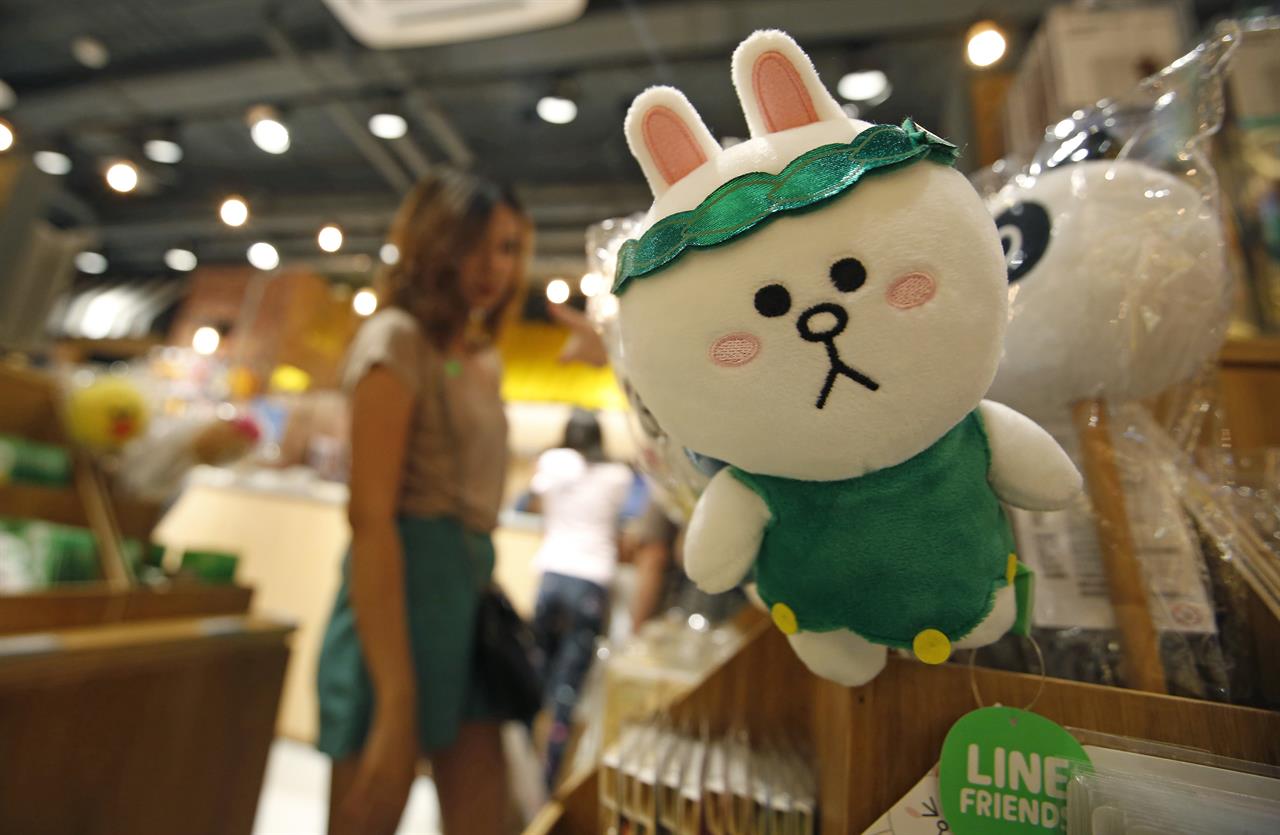
  • Line Friends opens pop-up character store in Hollywood

    Line Friends opens pop-up character store in Hollywood

    Line Friends, the character merchandising unit of Japan-based mobile messenger Line, announced that it has opened its first pop-up store in Hollywood, Los Angeles.

    Over 1,500 people lined up outside the new Line Friends’ pop-up store in Hollywood, Los Angeles, on the morning of 27 July, waiting for the doors to open for the first time.

    The pop-up store, which will be open until late October, saw over 15,000 visitors within the first two days of its launch.

    Line Friends, a range of characters based on Naver’s messaging app, Line, has gained popularity in global markets as part of a growing trend for “K-characters.” Armed with cute animal characters with names like “Brown” and “Sally,” the brand reached the United States after its explosive success in Southeast Asia.

    Line Friends has been expanding its customer base, starting with its release of the character line “BT21” in collaboration with boy band BTS last year in an effort to draw in BTS fans from around the world.

    The brand has been more popular in foreign countries than in Korea. A Line Friends pop-up store opened in New York last August, but became a permanent location after its huge popularity.

    “Judging by the success of the Hollywood pop-up store and the popularity of the New York location, we expect that we’ll be able to expand to a full-scale intellectual property business with Line Friends in North America,” the company said.

    Line Friends operates 112 stores in Japan, the United States, China and Taiwan. Korean character and animation industries are the main pillars of the K-content industry along with mobile and PC games. The industry’s growth potential is practically unlimited as the language and cultural barriers are low and it is easy for brands to collaborate with other businesses for things like household items, games and film.

    According to this year’s content industry outlook report released by the Korea Creative Content Agency in March, the character industry accounted for 9.5 percent of content exports, the second highest following the game industry. Kakao Friends is also planning to expand to Japan, the United States and Europe, starting with its recent name change to Kakao IX.

  • ‘Deadpool’ boosts Fox earnings

    ‘Deadpool’ boosts Fox earnings

    group 21st Century Fox, most of which is being sold to Walt Disney Co., on Wednesday topped earnings expectations with help from the latest film devoted to anti-hero Deadpool.

    The company reported a profit of US$4.48 billion (RM18 billion) in the fiscal year that ended June 30, compared with net income of US$3 billion (RM12 billion) the previous year.

    It credited tax reform in the United States with giving it an accounting gain of US$1.5 billion (RM6 billion) at the end of 2017.

    The company’s film studio, 20th Century Fox, boasted of winning Academy Awards for six movies – including a best picture Oscar for The Shape of Water – and said it ended the year with “the strong theatrical success” of Deadpool 2.

    The sequel, starring an unkillable, potty-mouthed super hero from Marvel Comics, grossed more than US$730 million (RM3 billion) at theater box offices worldwide, according to the earnings report.

    Revenue for the recently-ended fiscal year increased seven-percent to $30.4 billion (RM124 billion), the company said.

    Adjusted earnings for the company were in line with analyst expectations. Fox shares were down a fraction of a percent to US$45.42 (RM185) in after-market trades.

    The company said its profit in the final fiscal quarter was US$925 million (RM3.8 billion) on revenue that was up 18% from the same period a year earlier.

    “As we move closer to combining our businesses with Disney and establishing new Fox, we are convinced that the paths we are creating for our iconic businesses will drive enduring and growing value for our shareholders,” executive chairmen Rupert and Lachlan Murdoch said in the earnings release.

    A media-entertainment megadeal enabling Disney to take over a large part of the Murdoch family’s 21st Century Fox empire moved a step closer to fruition last month when shareholders of both firms approved the tie-up.

    The US$71.3 billion (RM291 billion) deal – which must still get past regulators – will give Disney prized assets being sold by Rupert Murdoch’s group, including the Fox studios in Hollywood and important film and television production operations.

    US cable and entertainment group Comcast has been in a bidding war with Fox for British-based pay TV group Sky, of which Fox already owns 39%.

    The big media-entertainment firms are pursuing deals as they seek to slow the rise of streaming media platforms like Netflix and Amazon, and prepare for the entry into the sector of Silicon Valley giants like Google and Facebook.

  • Wutopia Lab has transformed Building 25 of the Sinan Mansions in Shanghai into Bookstore

    Wutopia Lab has transformed Building 25 of the Sinan Mansions in Shanghai into Bookstore

    Chinese design house Wutopia Lab has converted a multi-story house in Shanghai into a bookstore which provides “a space for learning and thinking” for city-dwelling public.

    The project – Sinan Books: Shanghai Sanctum – was commissioned by Shanghai Century Publishing Group and Yongye Group in Building 25 of the Sinan Mansion.

    The design team envisioned the store “as a person with a system of acquiring knowledge while discovering oneself and the surrounding”.

    The entrance level of Building 25 is set on the second floor which features a cafe, an area for literature and the public and an “intimate Sinan living room”. On the floor above, there is an area focused on art, a peaceful Sinan music room and flexible spaces that can host exhibitions, book club events, and small concerts.

    “It’s a perfect place to experience the charm of art,” explained the Wutopia Lab design team.

    On the fourth floor, a writer’s study “symbolises the bookstore’s thoughts”.

    “Small cultural saloons will be held here; it’s a place for conversations and debates.”

    A basement was conceived as the bookstore’s ‘sub-consciousness’, hosting a collection of history and philosophy books. Here, a labyrinth made of bookshelves offers visitors their own space. On the west side of the labyrinth is a special selection from the London Review Books, a sister bookstore of Sinan books, while on the east side, a large study room features a central table displaying creative product design.

    Spaces underneath the building’s two staircases are used to create two reading rooms for individuals and pairs. The underused south patio was redesigned into a flower porch, using planters to create a vivid backdrop for the bookstore.

    The Wutopia Lab team says it believes a monochromatic colour scheme cannot sufficiently depict the diversity of the period.

    “Colour has always been closely related to people’s feelings and emotions. Relating Sinan Books to a human body, its color should be a perceived colour, experienced in relation to the light of the day as well as one’s mental state at a given moment.”

    The store’s entrance features a red arcade, indicating Sinan books’ attitude of openness. Different hues of green offset the exhibition spaces, while the gold of the reading room offers “a hidden surprise”.

    To view the full pictures, check the gallery below (5 images) :

    • Images copyright Wutopia Lab.
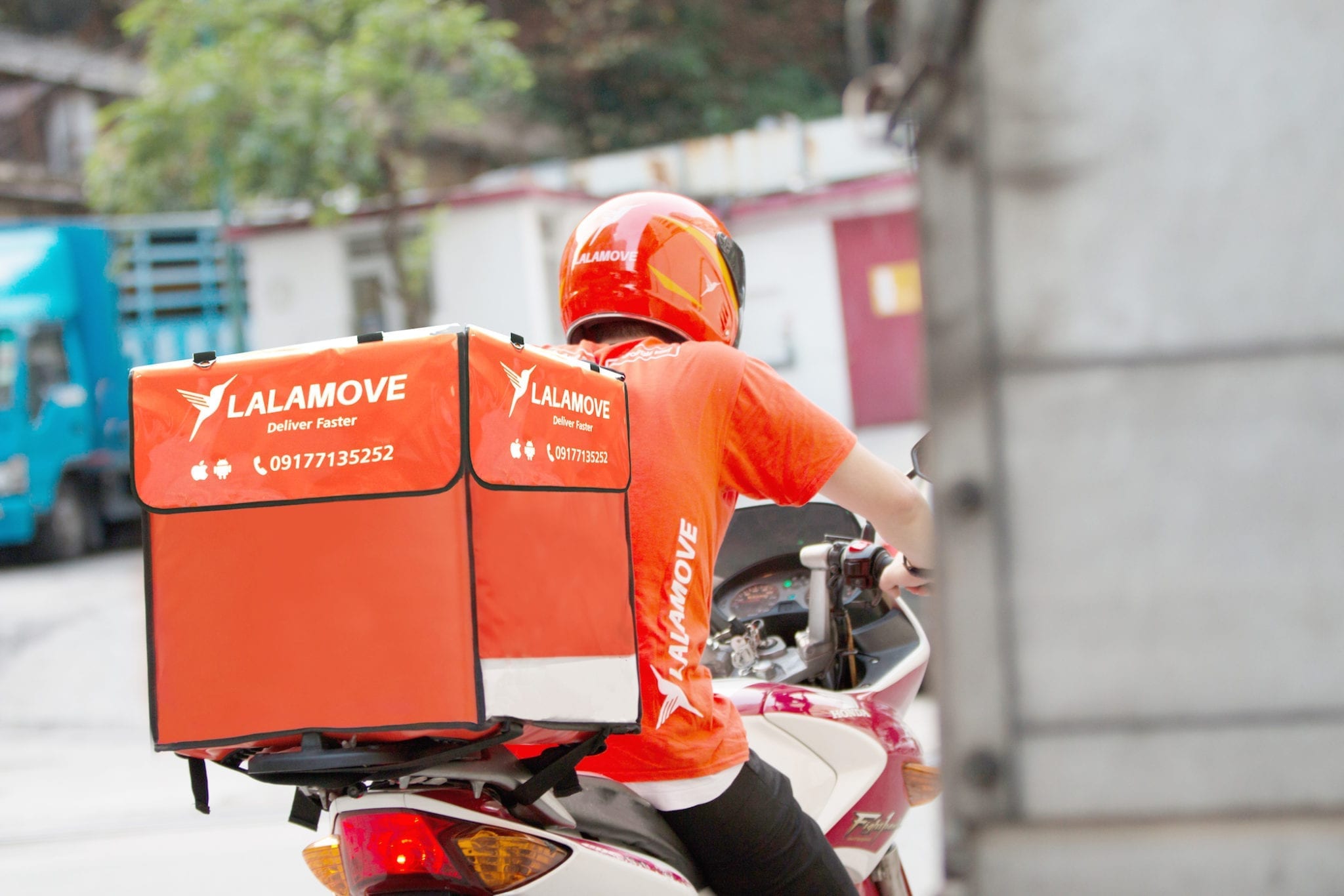
  • Lalamove launched in Malaysia

    Lalamove launched in Malaysia

    Global on-demand logistics service provider Lalamove was launched in Malaysia this morning after its announcement to enter the market two months ago.

    Connecting businesses with the drivers or riders, the mobile app allows request for delivery services using motorbike and car.

    Country director Yong Sik Hoe said as the growth of e-commerce continues, the demand for delivery of the goods purchased is growing.

    He said local deliveries can be achieved within an hour, which allows business to scale rapidly without being constrained by logistics as well as huge operating expenses.

    Lalamove has presence in Hong Kong, Singapore, Thailand, Taiwan, Philippines, Vietnam, Indonesia and over 100 cities in China, serving 15 million customers and supporting over 2 million drivers.

  • McDonald’s China opens its 300th store

    McDonald’s China opens its 300th store

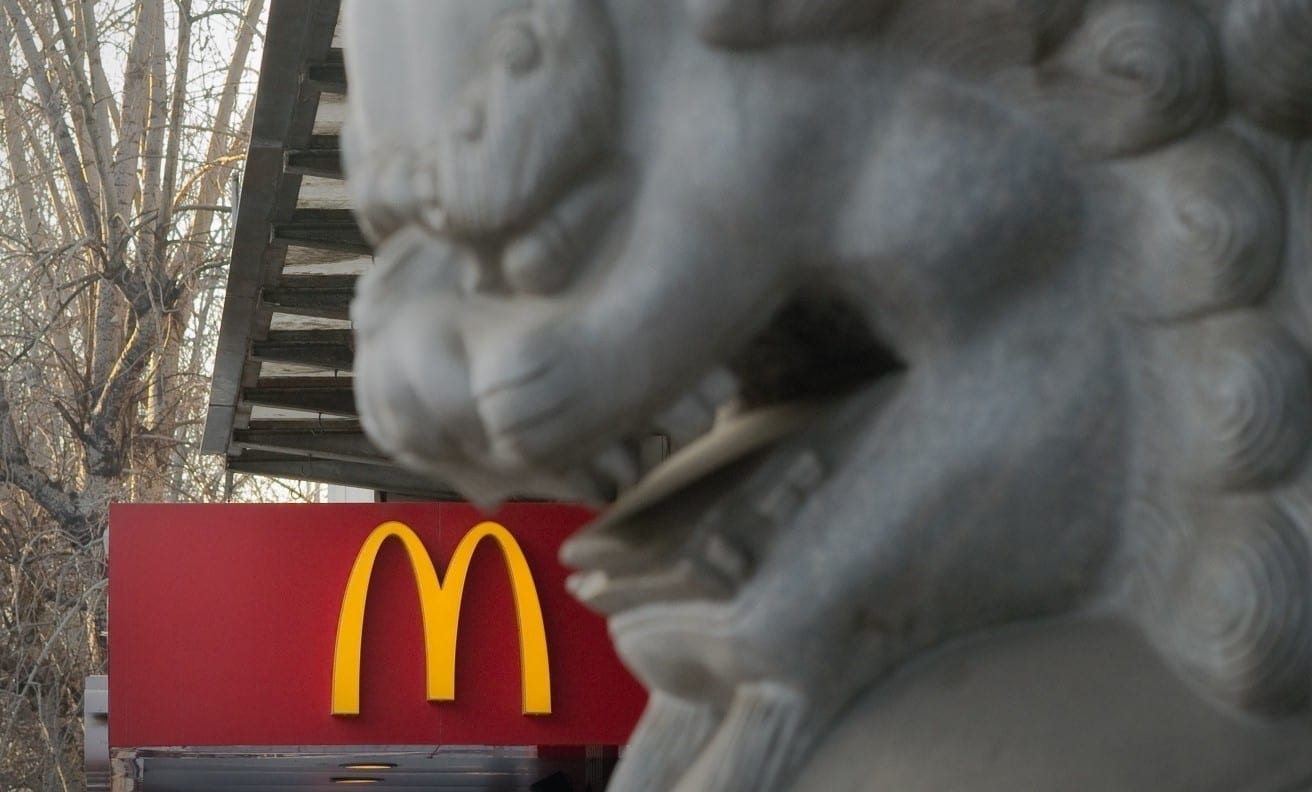
    McDonald’s China has opened 300 new stores during the last year, pressing ahead with an expansion strategy tied to deals with property developers.

    The company has signed contracts with Country Garden and Evergrande Group, giving it access to more locations in new retail centres.

    And the company has also invested in digital technology with more than 75 per cent of its stores now offering kiosk ordering and payment facilities for customers. Using touchscreens, customers can select their purchases and pay by electronic means before collecting their food from a counter.

    McDonald’s China is also eyeing further expansion into tier 3 and 4 cities. By 2020, about 45 per cent of its anticipated 4500 outlets will be lower-tier locations.

  • Jeju Air net profit rises 10 percent in second quarter

    Jeju Air net profit rises 10 percent in second quarter

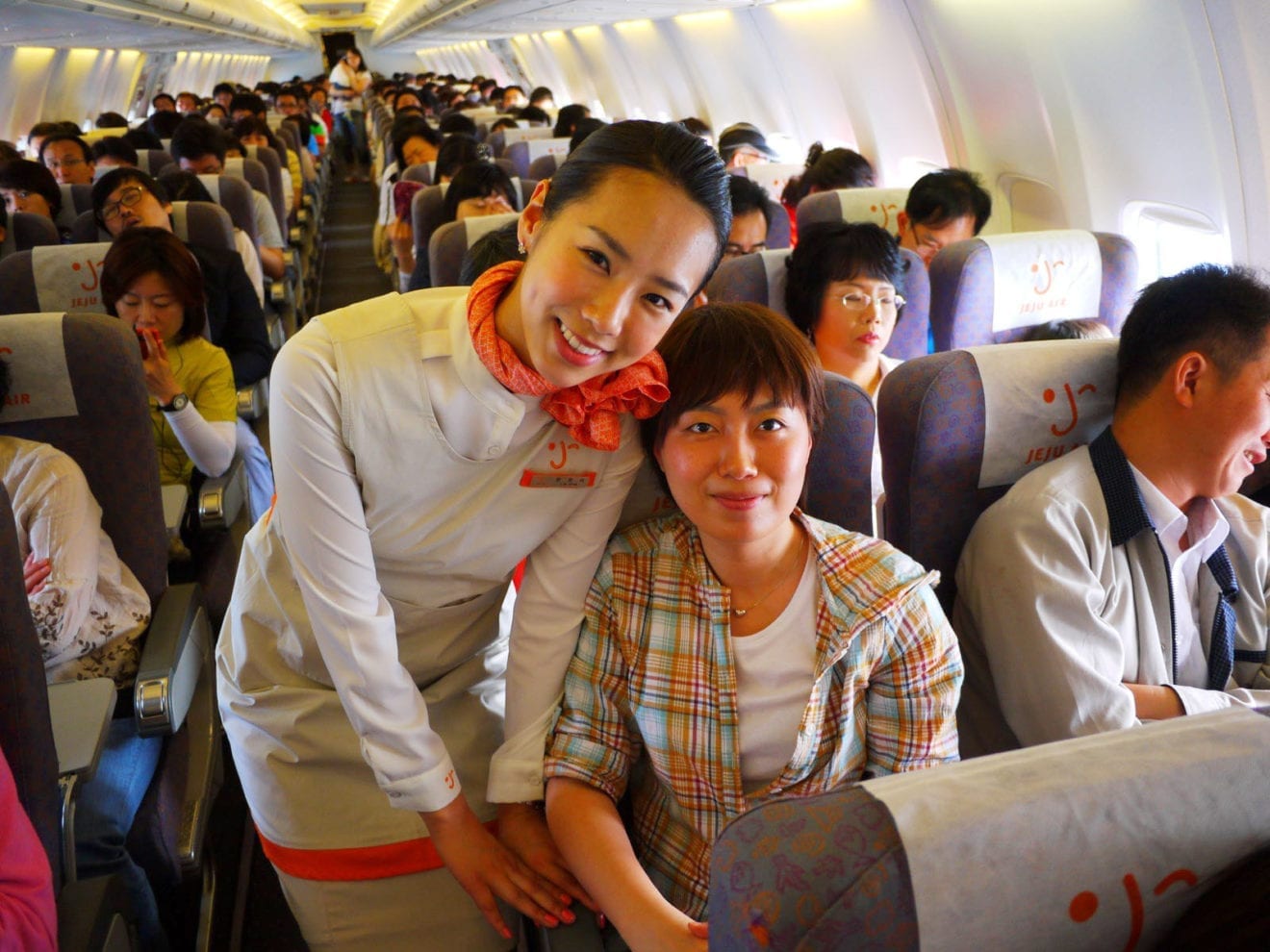
    Jeju Air, Korea’s biggest low-cost carrier by sales, said Tuesday its second-quarter net profit rose 10 percent from a year earlier, helped by oil and currency hedging plans.

    Net profit for the three-month period that ended in June climbed to 16.83 billion won ($15 million) from 15.27 billion won a year earlier, the company said in a regulatory filing.

    “The company has hedged on oil prices and major settlement currencies due to its heavy exposure to volatility. The move helped it secure a certain level of profitability in the past quarter,” the airline said in a statement.

    But operating profits fell 28 percent to 11.63 billion won in the April through June period from 16.18 billion won a year ago. Sales were up 24 percent to 283.26 billion won from 228 billion won during the same period last year, it said.

    An increase in jet fuel prices and a decreased number of holidays had an impact on the quarterly operating income, the statement said.

    For the first half of 2018, net profit jumped 66 percent to 53.77 billion won vis-a-vis 32.31 billion won in the previous year. Operating income climbed 34 percent to 58.06 billion won in the first half from 43.41 billion won a year ago. Sales rose 26 percent to a record 591.84 billion won from 468.2 billion won.

    Looking ahead, Jeju Air said it is on track to achieve sales of over 1 trillion won this year on the back of a strengthened fleet and profitable routes.

    The budget carrier plans to expand its fleet to 39 B737-800NG planes by the end of this year from the current 34.

  • Mickey Mouse pop up marks its 90th birthday

    Mickey Mouse pop up marks its 90th birthday

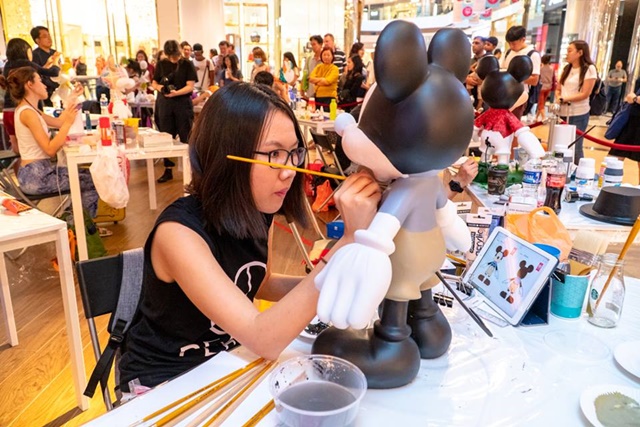
    Raffles City is hosting a Mickey Mouse pop-up store celebrating the cartoon character’s 90th birthday.

    Dubbed ‘Mickey Go Local’, the store is a partnership with the Walt Disney Company Southeast Asia and features more than 80 souvenir products ranging from apparel to household items. The Mickey Mouse pop-up will also exhibit 90 figurines of the popular rodent, designed by Singaporeans, including President Halimah Yacob.

    Raffles City will host the pop up as part of its Arts in the City program until August 29.

    Amit Malhotra, country manager at The Walt Disney Company Singapore and Malaysia, says the exhibition-cum-store will engage fans of all ages in a locally relevant and fun manner, providing more ways for people to celebrate with their favourite Disney character.

    “Mickey Mouse is an endearing global icon, which has crossed boundaries to touch lives around the world through his optimism and happiness,” adds Margaret Khoo, GM at Raffles City.

    “The same can be said for the universal language of art and its power to bring joy to communities. Raffles City Singapore is delighted to showcase unique expressions of our Singaporean way of life through this familiar icon for this year’s Arts in the City program. Collaborating with individuals from different walks of life on this exhibition makes this uniquely Singapore showcase even more meaningful as we mark the nation’s 53rd birthday in August.”

  • Indonesia Bets Big on Biodiesel to Limit Costs of Oil Imports

    Indonesia Bets Big on Biodiesel to Limit Costs of Oil Imports

    Indonesia plans to require that all diesel fuel used in the country contain biodiesel from next month to boost palm oil consumption, slash fuel imports and narrow a yawning current-account gap.

    While the proposal has been welcomed by the palm oil industry and government, it has raised concerns among the automobile industry that the fuel could impact engine performance.

    Environmentalists fear the boost to local palm oil consumption will hasten Indonesia’s already fast spreading deforestation.

    The following explains some of the issues surrounding the drive to increase biodiesel usage.

    Current Account

    Indonesia currently imports around 400,000 barrels per day of crude oil and a roughly similar number of refined products, which makes Southeast Asia’s largest economy vulnerable to the sort of increases in global crude prices seen over the past year.

    With the current-account deficit estimated to grow by $8 billion in 2018, the plan is to cut diesel imports by mandating that all diesel consumers, including power plants and railways, use biodiesel that contains 20 percent bio-content (B20), typically palm oil. Officials estimate this will save Indonesia around $6 billion per year.

    The program will increase domestic consumption of palm oil in the world’s largest producer of the edible oil, providing a market for output that has climbed by 35 percent over the past five years.

    FAME

    In Indonesia, the bio component in biodiesel consists of fatty acid methyl esters (FAME) made from palm oil.

    Indonesia has 26 FAME producers, including units of palm oil giants such as Sinar Mas Group, Wilmar and Musim Mas, according to the Indonesian Biofuels Producers Association (Aprobi).

    FAME is supplied to fuel distributors, including state energy company Pertamina, blended with petroleum-based diesel and sold to end-users.

    Only around one-quarter of Indonesia’s FAME production capacity is currently utilized and the new program could raise this to up to 50 percent, said Togar Sitanggang, a senior official at the Indonesia Palm Oil Association (Gapki).

    The government has said it will provide incentives to biodiesel producers, but has not provided details.

    Compatibility

    Efforts to increase FAME concentrations in biodiesel have faced resistance from regulators and the automotive and oil industries in the past.

    Indonesia is supporting a program to make 100-percent palm oil-based biodiesel without FAME.

    Rules introduced in 2015 make B20 mandatory in subsidized biodiesel up to January 2020, after which B30 is scheduled to become mandatory.

    While B20 use is generally accepted for new vehicles, higher FAME blends may pose problems. FAME has a solvent effect that can corrode engine seals and gaskets, potentially increasing maintenance costs, and requiring special handling and equipment.

    “High-level biodiesel blends can also impact engine warranties, gel in cold temperatures and may present unique storage issues,” the US Department of Energy’s Alternative Fuels Data Center (AFDC) said on its website.

    According to the AFDC, the more FAME there is above 20 percent in biodiesel, the lower its energy content. FAME use could also increase nitrogen oxide emissions, although it greatly reduces other toxic emissions, it said.

    In a 2016 assessment, the Japan Automobile Manufacturers Association (JAMA) concluded that biodiesel with no more than 20 percent FAME content was acceptable for vehicles that comply with the Euro IV emissions standard, among other conditions.

    Extensive Tests

    In a 2015 study by Indonesia’s Technology Assessment and Application Agency (BPPT), six passenger vehicles from three manufacturers were driven over 40,000 kilometers using B20 biodiesel and regular diesel.

    The test found that B20 improved vehicle performance and acceleration, and reduced emissions, but the vehicles consumed roughly 4 percent more fuel than vehicles using regular diesel.

    Tatang Soerawidjaja, chairman of the Indonesian Association of Bioenergy Scientists and Technologists, said extensive tests have shown that B20 poses “no problems” for diesel engines, even in older models.

    Filters would only need replacement or more frequent cleaning in the early phase of adopting biodiesel use, he said, referring to FAME’s solvent effect when mixed with regular diesel.

    “The bio-content cleans dirt off of the tank’s walls and pipes and this ends up in the filter,” he said.

  • Cafe24 to partner with Shibuya109 in O2O concept

    Cafe24 to partner with Shibuya109 in O2O concept

    Cafe24 and Shibuya109 have joined together to promote Korean fashion products in Japan and Japanese products on the global online marketplace.

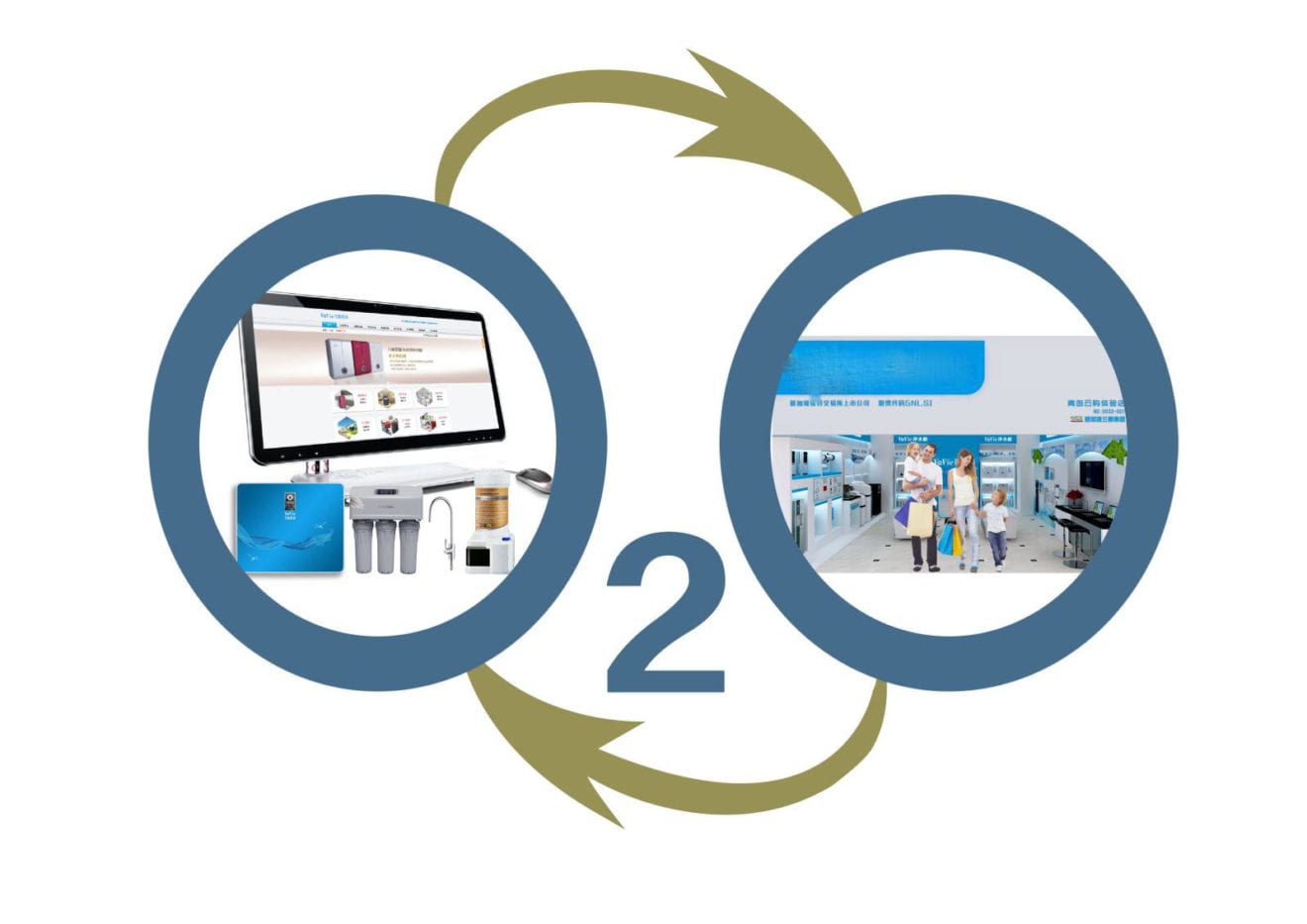
    The South Korean online retail platform Cafe24 has found an ideal partner in iconic Japanese fashion mall Shibuya109 to promote international sales of products from both countries in an O2O initiative which involves an exchange of business infrastructure and expertise.

    The two firms will jointly open a pop-up shop in the Shibuya109 online to offline integrated store Imada Market later this year.

    Cafe24 expects that the partnership will make localised offline store selection, product sales and integrated marketing services available for Korean brands seeking to rapidly enter the Japanese market.

    Shibuya109 President Tomoo Kimura said, “It is exciting to be able to introduce Cafe24’s K-fashion brands through Shibuya109’s Imada Market. Shibuya109 will work to build a lasting relationship with Cafe24 to help Japanese brands go global.”

    Shibuya109 fashion mall was founded in 1979, and sells to a young target market. The brand opened in Hong Kong’s Harbour City in 2016.

  • BrewDog to open brewpub in Itaewon Korea on Friday

    BrewDog to open brewpub in Itaewon Korea on Friday

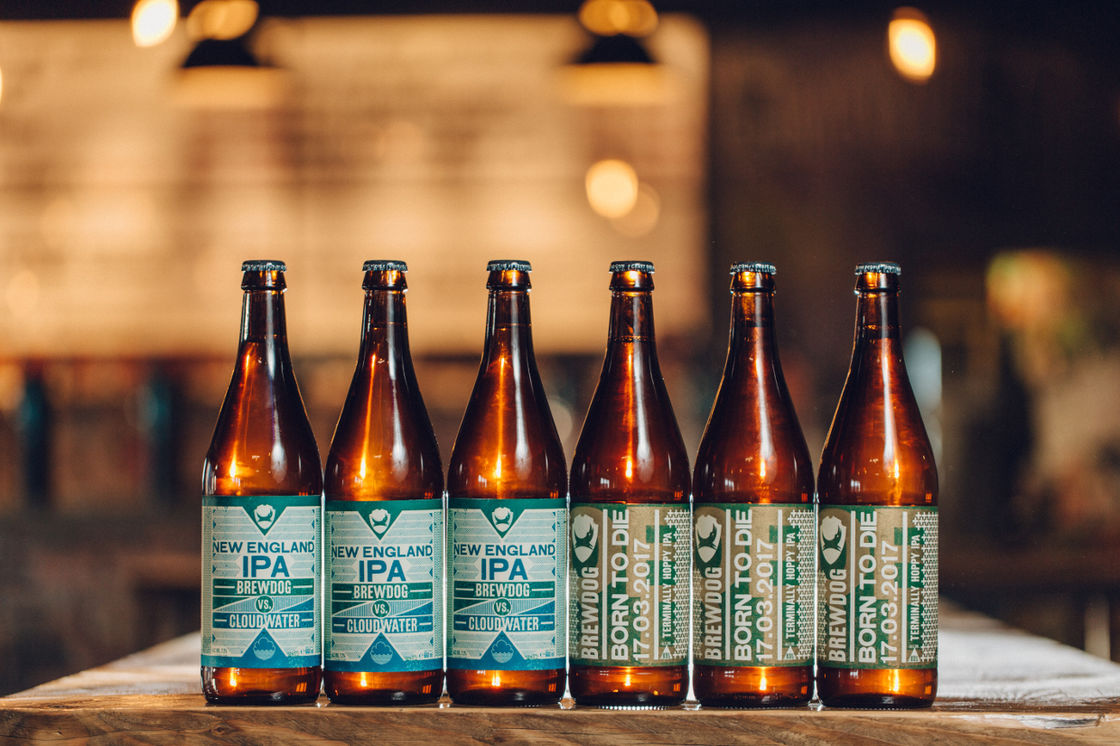
    Scottish beer brand BrewDog will launch its first brewpub in Asia in Itaewon, central Seoul, this week.

    The 500-square-meter (5,381-square-foot) bar near Itaewon Station will be the brand’s second brewhouse in the world and first outside of the United Kingdom. The company runs pubs in more than 50 countries, but only two are brewpubs, which means they have brewing facilities and can produce fresh beer on the spot.

    “Global craft beer has been growing faster than ever in the last few years, and among other Asian countries, the expansion speed of Korea was very impressive,” said James Watt, BrewDog’s co-founder. “We have high expectations for the Itaewon branch to act as the center of our strategy to stretch out in Asia.”

    Alex Hwang, who will manage the Itaewon brewery, added that Korea was selected for its image as a trendsetter among Asian countries.

    The foreigner-friendly Itaewon district in central Seoul is a haven for other tap houses and craft beer pubs. The equipment at BrewDog’s bar will come from Rolec, a German company that specializes in brewing machinery.

    “Itaewon is Korea’s craft beer mecca, but because most of the stores were small, it was hard to find pubs with full-fledged brewing facilities,” said BrewDog’s Korea head Kim Tae-kyung.