Tag: asia

  • Krispy Kreme Myanmar makes debut next month

    Krispy Kreme Myanmar makes debut next month

    Krispy Kreme Myanmar will open its first store next month.

    The US doughnut brand has appointed a local franchisee partner which it says has plans to open 10 stores “in the near future”.

    Krispy Kreme Myanmar will be one of only a small number of early entrants into the country among global fast-food brands.

    “With a growing economy and a population eager to welcome global brands, the time is right for Krispy Kreme to bring sweet treats to Myanmar,” a company spokesperson said in a statement issued from its North Carolina headquarters.

    Krispy Kreme Doughnut Corporation was founded in 1937 and sells a range of doughnuts along with coffee through 12,000 supermarkets and convenience stores in the US and through 1400 of its own or franchised retail shops in 32 countries.

  • Indonesia Grows at Best Pace Since 2013 in Q2, Though Headwinds Loom

    Indonesia Grows at Best Pace Since 2013 in Q2, Though Headwinds Loom


    Indonesia’s economy beat forecasts and grew the fastest in 4-1/2 years in April-June, helped by higher consumption during Ramadan, but external headwinds cloud the outlook for lifting growth well above 5 percent.

    Southeast Asia’s largest economy grew 5.27 percent from a year earlier in the second quarter, data from the Central Statistics Agency (BPS) showed on Monday (06/08).

    This topped the first quarter’s 5.06 percent and a Reuters poll projection of 5.16 percent, while giving Indonesia its best quarter since October-December 2013.

    The latest number is the best since Joko “Jokowi” Widodo became president in 2014, and may give him a little boost as he seeks re-election for another five-year term in 2019.

    But there are plenty of factors that make it unlikely Indonesia can keep seeing higher growth rates, starting with higher US interest rates — which have battered the rupiah — and possible collateral damage from the US-China trade war, which can hit Jakarta’s commodity exports.

    While the April-June number was impressive, “the government will still need to embark on a ‘Mission: Impossible’-like stunt” to reach its target of full-year 5.4 percent growth, said Satria Sambijantoro, economist at Bahana Sekuritas.

    Household consumption, which accounts for more than half of Indonesia’s gross domestic product, grew 5.14 in the second quarter from a year earlier. The fasting month of Ramadan and the Idul Fitri celebration, traditionally Indonesia’s peak consumption period, occurred in May-June this year.

    Dampening of Demand 

    However, higher interest rates may dampen demand in the following quarters. Since mid-May, Bank Indonesia raised interest rates by 100 basis points to support the rupiah, and it might not be done hiking.

    Meanwhile, the government is reviewing capital goods imports and infrastructure projects to narrow the current account deficit. Investment is Indonesia’s second growth engine.

    Investment growth slowed to 5.87 percent in the second quarter after posting over 7 percent growth rate in the previous three quarters

    Capital Economics said it doubts Indonesia can maintain the second quarter’s expansion pace.

    “On the plus side, rapid wage growth should help support consumption. But this is likely to be overshadowed by headwinds elsewhere. Weaker global demand and lower prices for its main commodity exports [coal and palm oil] mean export revenues are likely to remain low by past standards,” it said.

    Also, in its view, infrastructure spending has to slow if the government is to keep the budget deficit within the 3 percent of GDP mandatory limit.

  • Uniqlo to use Google voice recognition technology in its mobile assistant

    Uniqlo to use Google voice recognition technology in its mobile assistant

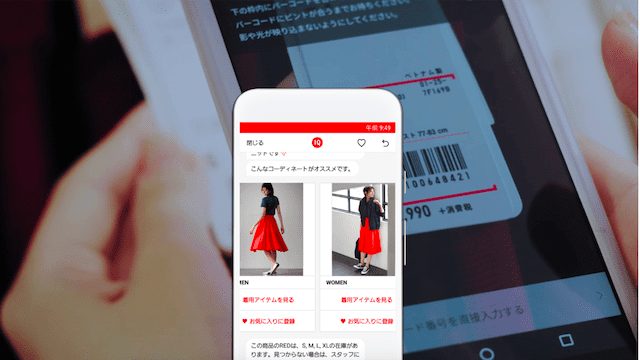
    Japanese retailer Uniqlo has launched a mobile assistant using Google voice recognition technology to personalise recommendations for customers.

    The Uniqlo mobile assistant has already undergone significant testing with development partners in Japan, and is already live there. It is intended to streamline internet garment shopping to make the experience fresher and more inspiring.

    Shoppers throughout Japan can now access the tool via Line, Google Assistant, or the proprietary Uniqlo app. It features product rankings updated hourly, search by occasion type, finding items featured in magazines, and even garment matching according to astrological findings. Shoppers can purchase their selections online or at the nearest physical store if they prefer.

    Cofounder of development partner Inamoto & Co Rei Inamoto said, “As retail moves deeper into the digital realm, shopping needs to be not just portable and perpetual but personal as well. There has been a lot of talk about AI in the last few years but most use cases have been toys, not tools.

    “Available through chat, search and even voice activation, this iteration of Uniqlo IQ is the foundation of how Uniqlo will provide customer service on a personal level not just reactively but also proactively.”

    A spokesperson for Uniqlo said the assistant tool is the first instance of Google working so closely on a partnering brand-specific solution.

  • Providing agile recovery solutions for Marks & Spencer

    Providing agile recovery solutions for Marks & Spencer

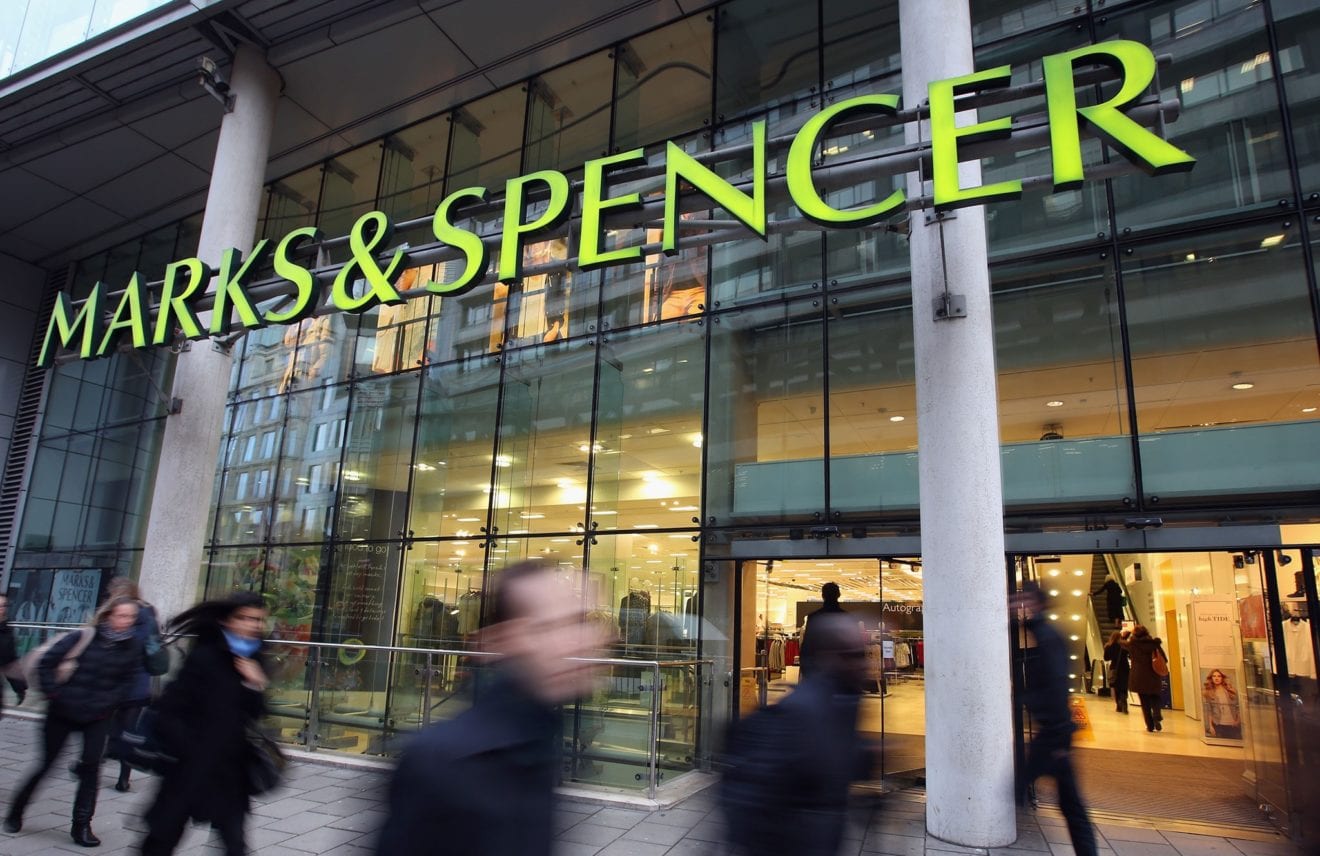
    Marks & Spencer (M&S) is a British multinational retailer which households across the world. With an annual turnover of over £10.6 billion and global operations, keeping such a large business moving requires a balancing act of behind-the-scenes logistics and planning. To ensure they can deliver the quality items its customers expect even in the event of a business emergency like inclement weather or political unrest, M&S partners with flexible workspace provider Regus for business continuity solutions utilising their workplace recovery services.

    Regus offers M&S’s critical business functions, such as payroll and logistics, the security of having somewhere to go if they couldn’t access their normal offices due to interruptions, including natural disasters, fire, flood and/or cyberthreat. M&S kicked off an international partnership with Regus in 2015, covering back office functions located worldwide, and are now expanding their business continuity partnership in the UK.

    This partnership allows M&S to recover in an agile way, and test their recovery processes at their convenience – just a few of the benefits of using flexible workspace providers for such a service.

    Workspace recovery: a retail necessity

    Retail businesses like M&S play an important role in UK infrastructure and the day-to-day lives of people living in the country. From food to clothing, M&S deliver the necessities. What’s more, because these products often need to be delivered fresh and sold quickly, if critical business functions go down in a company like M&S, it has less than 24 hours before the delivery of these services are compromised for the general public. Nobody likes to run out of bread and milk. Workplace recovery is one way that retail businesses like M&S can make sure its operations can continue running.

    Cambodia – workplace recovery in action

    When union protests – unrelated to M&S – broke out near one of the company’s infrastructure support offices in Cambodia, employees felt unsafe to go into work for two weeks. Given the risk to critical business functions managed by that location, such as paying employees and managing the supply chain, M&S relocated staff to Regus centres.

    Regus immediately supported M&S in secure offices, hosting 15 employees while the protests continued – just one example of the backing that Regus provides M&S with internationally.

    Mindset change – finding an agile solution

    While most large organisations have a workplace recovery plan in place, few have made the shift from a traditional provider to a flexible provider like Regus. Historically, workplace recovery firms operated by having empty space available, ready for the company that needs it. However, this led to long periods of buildings going vacant, and if for some reason multiple companies needed the space at once – a local flood, for instance – they would be overbooked.

    Flexibility is one of M&S’ core values, so the company was looking for a more agile approach that matched its business strategy and current corporate thinking. Regus doesn’t require all client employees to reach one central location, but can accommodate staff across a city, in multiple centres, or even multiple cities and countries if required.

    John Frost, Head of Business Continuity at M&S said: “For us, turning to Regus for workplace recovery was part of our whole business shift towards being more agile. The Regus approach has allowed us to support our head office “smarter working initiative” in London and our multiple-location approach fits the issues we face in the modern world. Their dynamic and fluid approach to recovery fits our purpose and our mindset, allowing our staff to be safe while at work during a crisis event and continue business as usual.”

    Testing

    Another benefit for M&S of this new partnership was an easy-to-use testing system. Any partnership needs checks and balances, which is why M&S and Regus work together to trial their workplace recovery process at least once a year in several locations. Tests are standard protocol, Regus provides free annual test time and makes it very simple to book through their dedicated Workplace Recovery Operations Team.

    During a test, Regus provides the client private office space, laptops, and IT capabilities – just like they will have if a crisis happens. Additionally, Regus can also offer day-to-day access to business lounges so that employees can experience a Regus workspace. These services help employees to ensure they are prepared and to feel more familiar with their surroundings before they need to use it in a real-life recovery scenario.

    Frost adds, “Internationally the service really worked for us and they have made the testing process genuinely enjoyable – a first for our industry! Their team knows me. I’m not just a number – I’m a customer and the service is personal. Regus have always been proactive about testing, and will check in about whether we require a service even before we’ve had to ask for an activation. In recovery scenarios, being able to work quickly in this way and have people who understand you and your business is crucial.”

  • Ban sugar imports, tax other sweeteners, Vietnamese government urged

    Ban sugar imports, tax other sweeteners, Vietnamese government urged

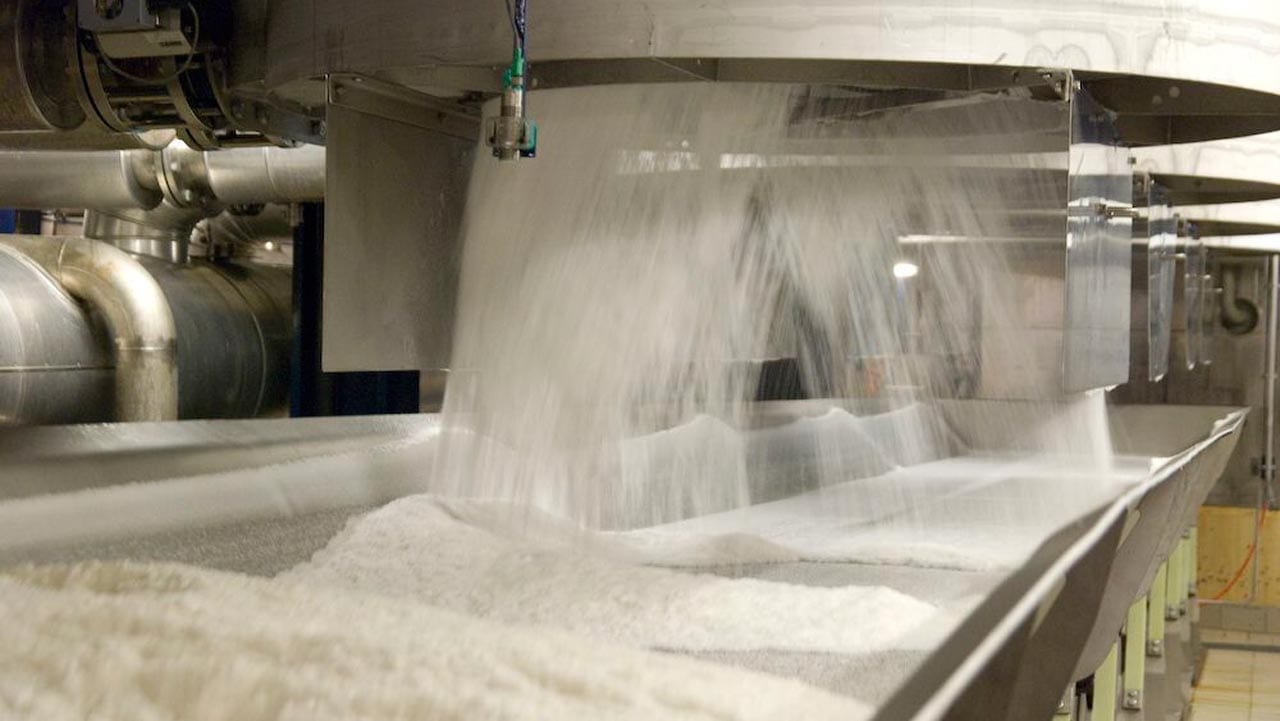
    Failure to stop cheap, smuggled sugar from flooding domestic markets has sent local inventories soaring, local reports say.

    The trade department of the Mekong Delta province of Hau Giang, which has more than 100 hectares (247 acres) of sugarcane farms, has asked the Ministry of Industry and Trade to strengthen its anti-smuggling forces in border areas.

    And as an immediate solution to help the domestic sugar sector, it suggested that the ministry temporarily halts all sugar imports, including temporary imports for re-export, as sugar supply has far surpassed demand.

    The ministry should also impose import tax on sweet substances that can replace sugar and control the quota of those products in the market, and reduce the value added tax on made-in-Vietnam sugar from 5 percent to zero, the department said.

    In addition, it proposed establishing a sugar and sugarcane development fund. “The ministry should instruct banks to loosen credit regulations and offer loans to individuals and firms in the sugar industry at preferential interest rates,” the department stated in its letter to the ministry.

    The total unsold sugar inventory volume in Vietnam is now at a record level of 700,000 tons, including 300,000 tons in Hau Giang alone, according to the department.

    And the situation won’t get any better with just two months before Hau Giang sugarcane farmers harvest a new crop, with no guarantee for the output.

    Sugar traders said that imported sugar was more attractive to both wholesalers and retailers because it was cheaper.

    Hoa, a retailer in Ho Chi Minh City’s Go Vap District, noted sugar prices in the domestic market has never been this cheap.

    Sugar imported from Thailand currently wholesales at VND135,000 (around $6) per ten kilo pack. Vietnamese sugar costs VND5,000-10,000 more for the same quantity.

    Apart from Thailand, Vietnamese traders also buy sugar from China and South Korea.

    In June, smuggled sugar from Thailand bankrupted three of 10 factories in Vietnam’s Mekong Delta, industry insiders noted, adding that not much has been done to improve the situation.

    Nguyen Bao Ve, agronomist and professor at the Can Tho University said that high production costs for Vietnamese farmers, low productivity, and uncompetitive manufacturing technology were also part of the problem.

    Ve argued that it was essential to restore fair trade and take immediate action to prevent smuggling. “At the same time, the companies need to reform themselves, reduce costs, and cooperate with farmers to reduce sugarcane production costs.”

    He also warned that apart from improving productivity and innovating technology to match daily consumption of 6,000 tons of sugarcane, mechanizing production was of great importance. “Cambodia has fully mechanized sugarcane farming, while 60 percent of Vietnamese sugarcane farming is still conducted manually.”

  • Hugo Boss Hong Kong shines the brightest growth

    Hugo Boss Hong Kong shines the brightest growth

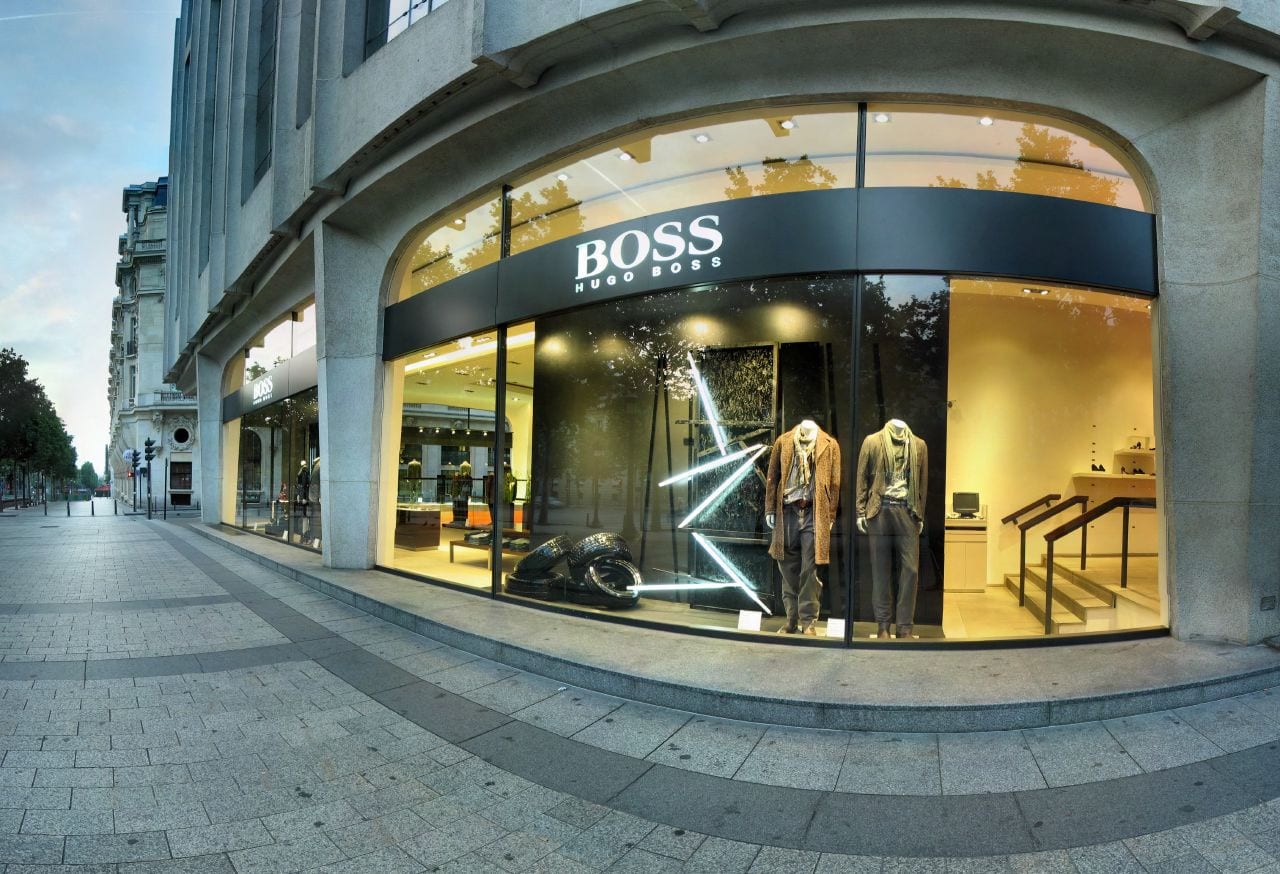
    Hong Kong provided German fashion group Hugo Boss with its strongest market growth terms in the second quarter

    Sales in Hong Kong and Macau were not disclosed, but the company described growth as being in the double-digits. Sales in Mainland China rose 8 per cent, overshadowed slightly by Europe, where Hugo Boss enjoyed 9 per cent growth, proving that its strategic brand repositioning to focus on Hugo and Boss is starting to pay dividends. Sales also rose in Japan.

    Globally, Hugo Boss experienced a 6 per cent lift in sales in the second quarter, to €653 million with same-store sales up 5 per cent. Included in that was a 47 per cent surge in online revenue.

    “Our strategic realignment is taking effect. We are right on track,” said CEO Mark Langer.

    “The sales growth in the second quarter speaks for itself: we achieved almost double-digit growth in Europe and were also able to continue our recovery in the challenging German market. Our collections are very well received at home and abroad. This is reflected both in the positive feedback from our wholesale partners and in the robust momentum of our retail business. The performance of our online store is particularly encouraging.”

    For the first half-year, currency-adjusted sales growth reached 5 per cent and earnings reached €205 million, unchanged from the same period last year.

    As part of its new brand strategy, the company has opened more new Boss stores in Singapore, London and Munich, featuring a new ambiance and a variety of digital services.

    The first new Hugo store concept opened in Amsterdam at the beginning of June, featuring unconventional fittings and firmly integrated social-media offers, targeting fashion-forward customers. More will follow in selected European cities this year, including Paris and London.

  • Amazon India announces ‘Amazon Freedom Sale’ from August 09-12

    Amazon India announces ‘Amazon Freedom Sale’ from August 09-12

    Amazon India is all set to celebrate the country’s spirit of independence with the ‘Amazon Freedom Sale’ from 12 am (midnight) on August 9 to 11:59 pm on August 12, 2018.

    With over 20,000 deals on Smartphones, Consumer Electronics, Fashion, Large Appliances, Groceries & Daily essentials, TVs and more, customers can enjoy shopping from over 170 million products across hundreds of categories on Amazon.in.

    Customers can look forward to new launches and exciting deals across brands such as OnePlus, Huawei, Honor, Samsung, Vivo, RealMe, 10.Or, Marks & Spencer, UCB, GAP, Shoppers Stop, Levis, Pantaloons, Red Tape, Sanyo, Casio, Puma, UCB, Prestige, LG, Bajaj, Pampers, Lego, Lakmé, Nivea, Philips, Pedigree, Bombay Dyeing, JBL, Sony and many more. Amazon Echo devices, Fire TV Stick and Kindle e-readers will be available at great discounts on all four days of the sale.

    “As the most trusted and visited shopping destination in India, we look forward to celebrating every occasion with our customers. The Amazon Freedom Sale has been curated to offer everything customers are looking for this season and more! With new launches, great deals, extra cashback, no cost EMI and convenient exchange options, customers can look forward to a grand celebration on Amazon.in,” said Manish Tiwary, Vice President – Category Management, Amazon India.

    This Amazon Freedom Sale, customers can save more with an additional cashback of 10 percent when they pay using SBI debit and credit cards. Millions of eligible customers can also enjoy EMI on using their debit card from select banks.

  • Nestle India Q2 net profit jumps 50 pc to Rs 395 crore

    Nestle India Q2 net profit jumps 50 pc to Rs 395 crore

    FMCG major Nestle India has reported 49.95 percent jump in net profit at Rs 395.03 crore for the second quarter ended June 30, helped by lower expenses.

    According to a PTI report: The company, which follows January-December financial year, had posted a net profit of Rs 263.43 crore for the April-June quarter of 2017-18.

    Total income during the quarter stood at Rs 2,758.63 crore. It was Rs 2,525.96 crore in April-June, 2017-18, Nestle said in a BSE filing.

    The company said financial results for the reported quarter are not comparable as sales for the June quarter 2017 were reported gross of Excise Duty and net of Value Added Tax (VAT)/ Sales Tax. Excise duty was reported as a separate expense line item.

    “Consequent to the introduction of GST with effect from July 1 2017, VAT/Sales Tax, Excise duty etc have been subsumed into GST and accordingly the same is not recognised as part of sales,” the company said.

    “The market momentum continued to be favourable and…we have sustained our broad based volume growth across categories. There is an improvement in margins due to favourable cost of commodities and cost efficiency programmes.

    “However, we are now witnessing headwinds in commodity prices,” Suresh Narayanan, Chairman and Managing Director, Nestle India was quoted by PTI as saying.

    The company said its total sales and domestic sales increased 8.5 percent and 8 percent, respectively in the reported quarter.

    “The growth rates are adversely impacted due to lower reported sales by the change in structure of indirect taxes and reduction in realisations to pass on the GST benefits.

  • Soaring 3G, 4G use to boost mobile ads, commerce

    Soaring 3G, 4G use to boost mobile ads, commerce

    Widespread adoption of 3G and 4G networks in Vietnam presents a lucrative growth opportunity for mobile advertising and commerce.

    Vietnam had more than 123.9 million mobile subscribers active on 2G, 3G and 4G networks as of June this year, according to the Ministry of Information and Communications.

    The number of 3G and 4G subscribers had soared by 29.2 percent year-on-year. Preliminary statistics showed that the combined adoption of 3G and 4G reached 51.5 million subscribers in early 2018.

    Mantosh Malhotra, Southeast Asia and Pacific head of telecom equipment giant Qualcomm, said the growth was impressive and predicted 3G and 4G numbers to rise to 120 million by 2020, or 67 percent of all mobile devices.

    Doan Duy Khoa, head of consumer insight, banking and technology industry division at Nielsen Vietnam, said that the extensive 3G and 4G adoption in Vietnam would create huge opportunities for mobile advertising and commerce.

    Vietnam is ranked third in consumers’ internet access in Southeast Asia, behind only Singapore and the Philippines, he said. “Vietnamese spend 24.7 hours a week on average on the internet compared to nearly 26 hours in developed countries like Singapore.”

    Two-thirds of local internet users surveyed by Nielsen said they regularly use smartphones to browse the net.

    Khoa said this trend has been fostered by the upgrades to the 3G and 4G telecom infrastructure and the increasing mobile connection speeds on smartphones.

    By 2020 some 60 percent of Vietnam’s population is expected to use smartphones.

    Khoa quoted statistics from market research company eMarketer as saying Vietnam’s mobile advertising revenues were worth $77 million last year, double that of the previous year.

    He presumed the growth is on the rise.

    Mobile advertising growth would be driven by new ad formats like in-app ads, mobile video ads and mobile search services, Khoa said. “The rising trends of connectivity and smartphone use also give impetus to mobile commerce growth.”

    Smartphones inspire consumers to search online for brands, products and services before buying, and share their impressions after a purchase, he said.

    Khoa recommended that marketers should use smartphones as a tool to build brands and loyalty programs and promote sales. “Many providers of air, accommodation, and tourism services are leading the mobile commerce charge in Vietnam.”

    eMarketer predicted the mobile retail sector to grow by 24.3 percent to $1.14 million this year. The figure is expected to climb to $1.8 million in the next three years.

    But Khoa warned that mobile advertising and mobile commerce sectors face challenges since consumers tend to quickly turn off ads or even block and skip them. “Thus, to get past this, the advertising content must be very good.”

    “Consumers’ attention span is very short when it comes to mobile phones, especially compared to tablets and laptops. So, ads must be designed to run for six or 12 seconds instead of the 30 or 60 seconds of traditional ads,” he added.

  • H&M opens second store in Hanoi, marks expansion

    H&M opens second store in Hanoi, marks expansion

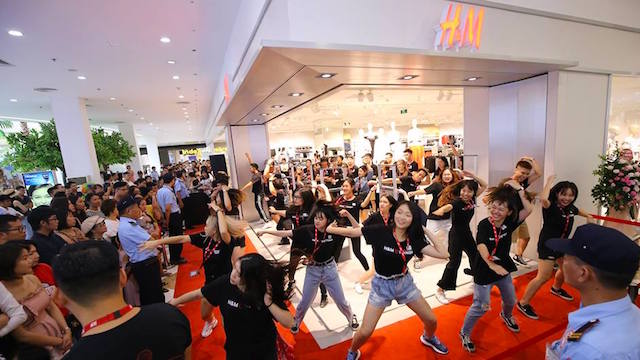
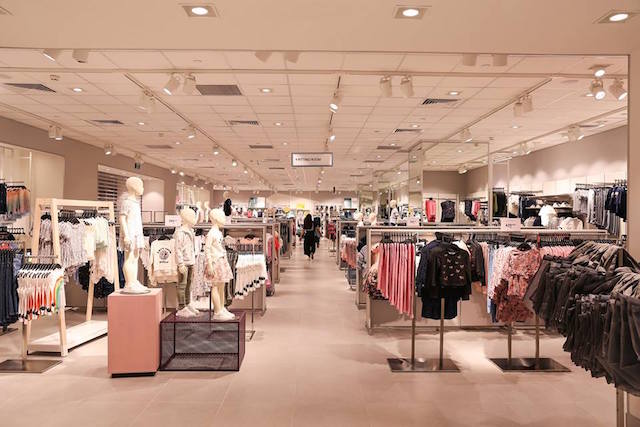
    Swedish fast-fashion brand H&M Vietnam has opened it second store in Hanoi – its fourth in the country.

    The 2000sqm store is located in Vincom Mega Mall Times City, offering the latest summer items, and will host the upcoming H&M x GP & J Baker collection.

    The opening ceremony was attended by the Swedish Ambassador in Vietnam Pereric Högberg.

    Since its made its Vietnam debut in Ho Chi Minh City last November, H&M has opened two stores there and now two in Hanoi.

    Despite expansion in Vietnam, H&M is recording stagnated sales growth worldwide.

  • Asia leads Prada’s sales growth

    Asia leads Prada’s sales growth

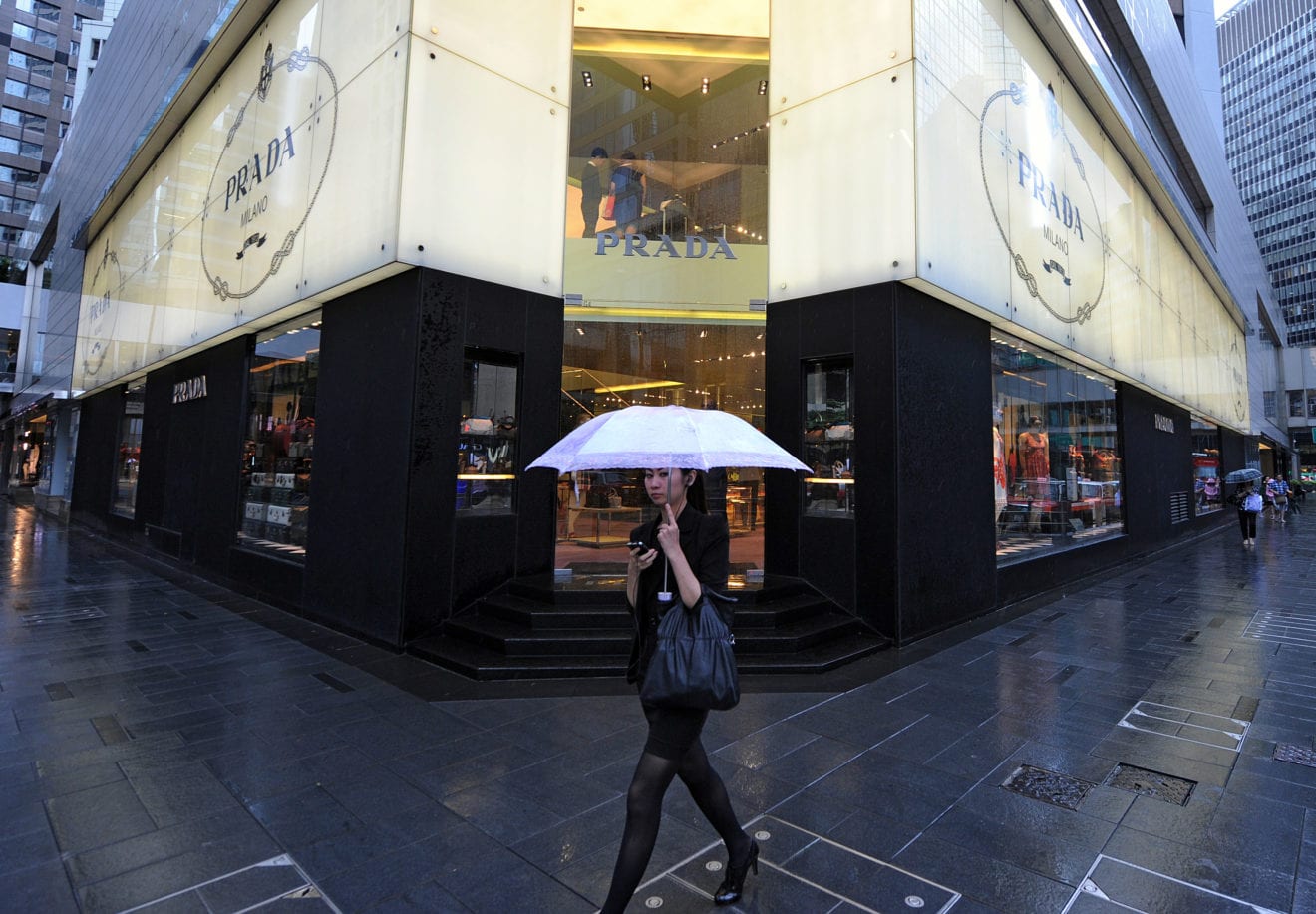
    Asia has once again energised luxury fashion label Prada’s sales in the first half year.

    The company has reported net revenue up 9.4 per cent in the six months to June 30 (although a lesser 3.3 per cent at current exchange rates).

    However Prada Asia-Pacific sales surged 13.8 per cent at constant exchange rates, or 6.6 per cent at current rates, most of that growth coming from company-owned stores.

    Prada, which is listed on the Hong Kong stock exchange, singled out a recovery of inbound tourist flows into the city from the mainland as the primary contributor to Asia’s strong performance.

    Greater China sales rose 17.2 per cent at constant exchange rates, or by 9.2 per cent at current rates, to €344.4 million, while sales in Japan rose by 9.1 per cent at constant exchange rates.

    Global sales totalled €1.535 billion and net profit €105.7 million, up 10.7 per cent on the same period last year.

    By category, clothing sales increased by 19.5 per cent, with both both Prada and Miu Miu achieving double-digit growth at constant exchange rates. Sales of leather goods rose by 8.4 per cent at constant exchange rates.

    Prada group’s namesake brand achieved a 10.1 per cent improvement in sales, while

    Miu Miu made a return to positive growth across all product categories, net sales rising 8.2 per cent.

    The only poor performances were the Church’s brand, where sales were down 3.9 per cent, and income from royalties, which slipped 3.2 per cent with a healthy increase in fragrance sales offset by falling eyewear demand.

    “The [Church’s] decline was nearly entirely attributable to the results of the wholesale channel, which has still not recuperated from its reorganisation process,” said Prada in its earnings release.

    The Marchesi 1824 patisserie chain achieved double-digit growth.

  • Vietnam government likely to sell stake in PV Oil next year

    Vietnam government likely to sell stake in PV Oil next year

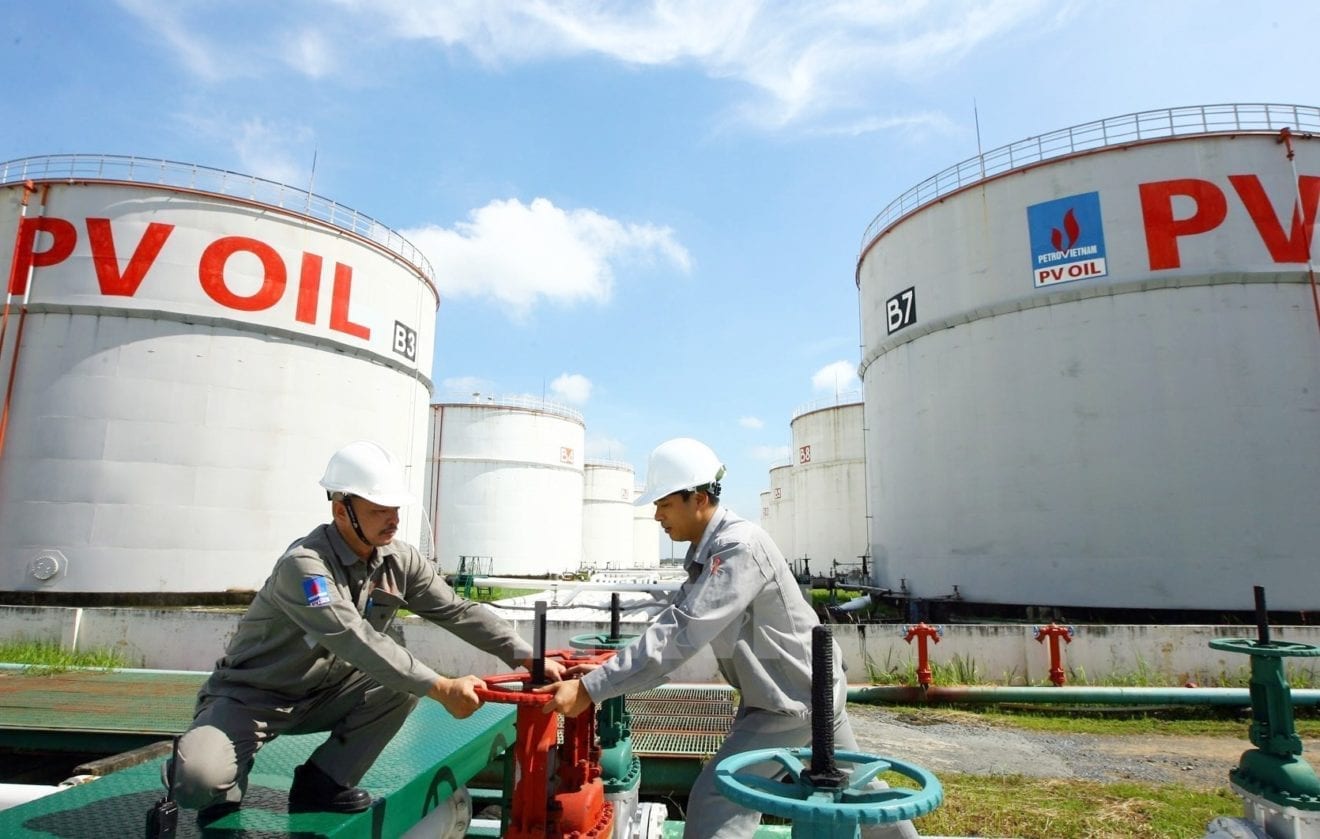
    The government is expected to reduce its stake in PV Oil, a major trader of crude oil and petroleum products, to 35.1 percent in 2019 from the current 80.52 percent.

    CEO Cao Hoai Duong told shareholders at the annual general meeting on July 30 that the firm is now seeking guidance on the foreign ownership cap.

    “After a maximum of 45 days from this meeting, we will send our proposal to state authorities. We will convince authorities to set the ceiling at 49 per cent,” he said.

    Last December PV Oil announced plans to sell a 44.72 per cent stake to foreign strategic shareholders.

    This aroused much interest among potential investors, including South Korea’s SK Energy, Japan’s Idemitsu, private lender HDBank, and multi-sector private group Sovico Holdings.

    They made bids to buy 2.78 times the number of shares PV Oil was offering.

    However, PV Oil’s proposal for a four-month extension of the strategic sales process to July 31 was rejected by the government.

    Foreign investors now own 6.62 percent of the company.

    The company held an IPO last year, and Duong said the earliest it is likely to list on the Ho Chi Minh stock exchange is 2019.

    Its shares are traded now on the Unlisted Public Company Market or UPCoM.

    At the AGM, shareholders approved a new board of directors for 2018-2023 made up of seven members – five from state-run PetroVietnam, one independent member and one representing other shareholders, Tran Hoai Nam, who is also deputy CEO of private carrier Vietjet Air.

    Duong said expanding to achieve 35 per cent market share in petroleum retail sales through mergers and acquisitions remains PV Oil’s long-term strategy.

    It now has 611 gas stations and a 22 per cent market share.

    Its major competitor, Petrolimex, has around 2,500 gas stations and about a 50 per cent share.

    Duong said quick divestment by the government would help the firm achieve its expansion ambitions more easily.

    PV Oil’s IPO fetched the government VND4 trillion ($172 million).

  • Apple is now a $1 trillion company

    Apple is now a $1 trillion company

    Apple has become the first US company with a market cap of more than US$1 trillion overnight, with a jump in stock prices pushing the company past the historic milestone.

    Following the tech giants Q3 earnings report in which it found a quarterly revenue of US$53.3 billion, the “best June quarter ever, and our fourth consecutive quarter of double-digit growth”, according to Apple CEO Tim Cook, stock prices jumped from approximately US$190 to approximately US$200, continuing to climb to a high of US$207.

    The large jump was enough to push the company over the line faster than Amazon, which is on track to reach a US$1 trillion market cap soon, currently sitting at approximately US$885 billion.

    Given the nature of the stock market, it is entirely possible the company will fluctuate below and above US$1 trillion mark, but the feather is now well in Apple’s cap.

    The company is not the world’s first US$1 trillion company though, with PetroChina having briefly reached the coveted position in 2007.

  • Malaysia’s June exports rise 7.6% year-on-year

    Malaysia’s June exports rise 7.6% year-on-year

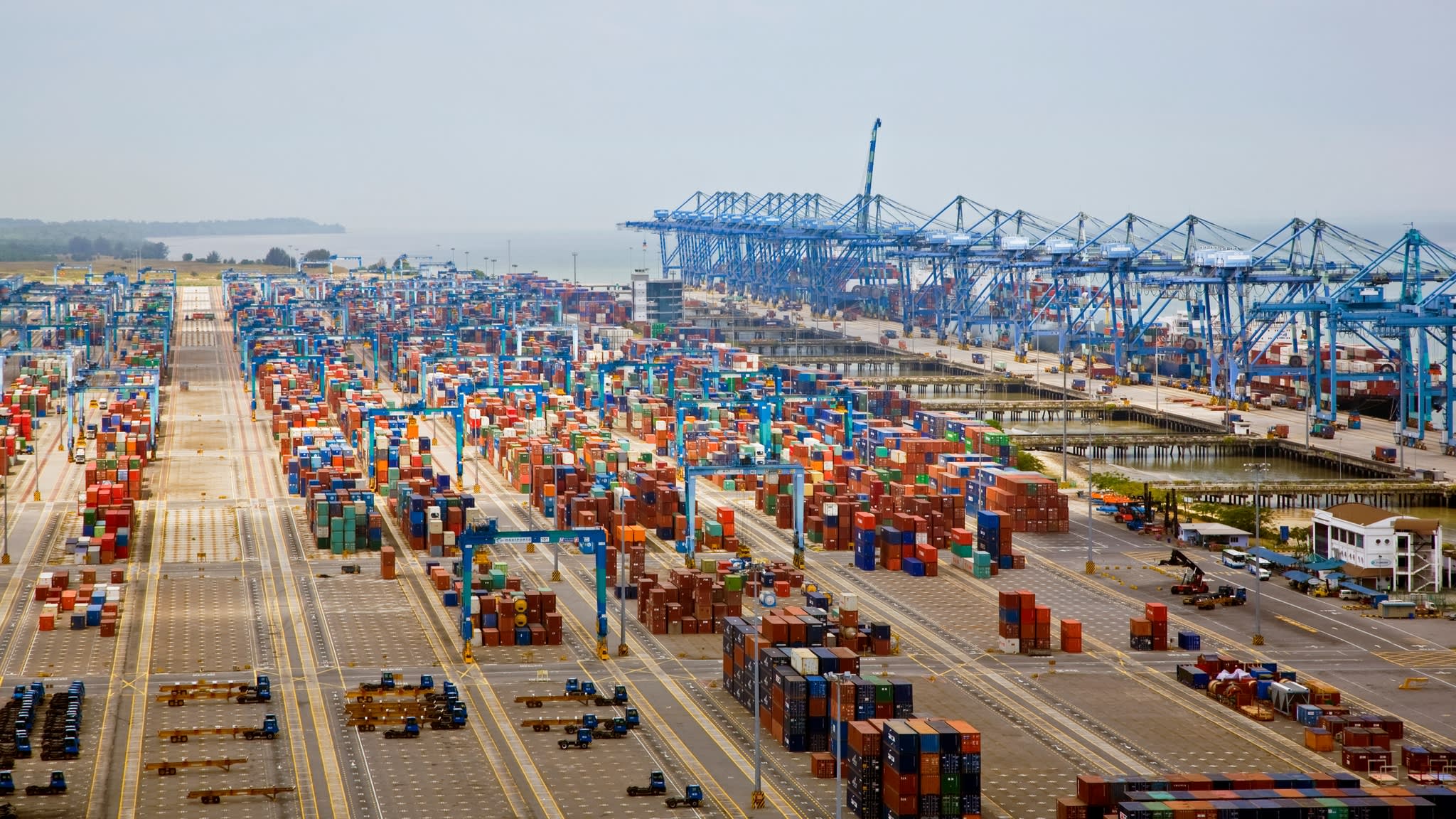
    Malaysia’s exports in June 2018 was valued at RM78.7 billion increasing by 7.6% year-on-year (y-o-y), a reversal of the trend of the five previous months where export growth was stronger than imports, according to Statistics Department.

    Chief Statistician Malaysia Datuk Seri Dr Mohd Uzir Mahidin said in a statement that re-exports increased 63.1% to RM15.7 billion y-o-y and accounted for 20% of total exports.

    However, he said that domestic exports was lower by 0.8% decreasing RM512.5 million to RM62.9 billion.

    Meanwhile, the department said imports growth registered a higher increase of 14.9% y-o-y to RM72.6 billion resulting a trade surplus of RM6 billion.

    Total trade which was valued at RM151.3 billion increased RM15 billion or 11% from June 2017, it noted.

    It said the export growth was contributed by expansion in exports to Hong Kong, China, Taiwan, Vietnam and Republic of Korea, while higher imports were mainly from China, Singapore, Taiwan, Republic of Korea and Saudi Arabia.

    The department said main products which contributed to the increase in exports were electrical and electronic products, refined petroleum products and crude petroleum.

    However, it said declines were recorded for these products; palm oil and palm oil-based products, liquefied natural gas (LNG), natural rubber, and timber and timber-based products,” it added.

    “While for imports, all the main categories of imports by end use and broad economic category classifications (BEC) recorded increases from a year ago, namely intermediate goods (RM1.2 billion), capital goods and cosumption goods,” it added.

  • First standalone Princi store in U.S. opens in Seattle

    First standalone Princi store in U.S. opens in Seattle

    Take a look at a map of Italy and you’ll find the region of Calabria at the toe of the boot, its rugged mountains jutting into a turquoise sea. Rocco Princi grew up in a small village here, surrounded by hillsides scented by wild herbs and groves of olives, figs and lemons. It was here that he discovered the art of artisanal bread-making as an apprentice at the local bakery.

    In 1986, Princi opened his eponymous boutique bakery and café in Milan at the historic Piazzale Istria. It was a feast for the senses, with crispy round loaves of sourdough bread leaning in rows, baskets of ciabatta bread alongside jars of olive oil and bins of flour. Princi uses the term ‘Spirito di Milano,’ the essence and energy of Milan, to capture the feeling from that first bakery, and infuses it into everything he creates.

    Over the next three decades Princi built a legacy, expanding to five more locations across Milan and London. In 2016, Starbucks became an investor and global licensee of the business and opened the first Princi location in the United States inside the Starbucks Reserve™ Roastery in Seattle, where his artisanal baked goods are served alongside the freshly roasted small-lot Starbucks Reserve™ coffees. Starbucks made Princi the exclusive food purveyor in its Roasteries and Starbucks Reserve store locations, and since then, new Princi bakeries have opened in the Shanghai Roastery and Starbucks Reserve store at the company’s SODO headquarters (and coming soon to future Roastery locations in Milan and New York).

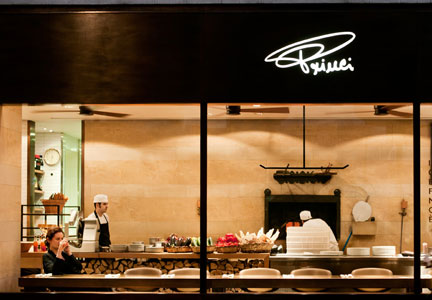
    Now, the first Princi standalone store in the United States is opening in the north end of downtown Seattle on Westlake at 9th Avenue. Starbucks store design team worked closely with Rocco Princi and his team to design the new location.

    “When you first walk into a Princi bakery, you’re suddenly hit by the energy, the theater, the smell,” said Christian Davies, Starbucks Vice President, Creative Global Design & Innovation. “Your first impression is the abundance and seduction of food. That’s what we’re trying to create with a distinctly Italian look and feel to bring that passion to life.”

    Davies and the design team took inspiration from Princi’s original Milan bakery and the nearby Starbucks Reserve Roastery, using natural materials and earth-colored stone. In every element of the space, the team tried to express Princi’s commitment to craftsmanship, from the hand-blown glass light fixtures to the hand-rubbed plaster on the walls.

    “We kept the palate neutral. The food becomes a ribbon of color and light that ties the whole space together,” Davies said.

    The oven is the centerpiece of the space, with fresh baking onsite throughout the day. A brightly-lit food case stretches along the width of the space, enough for a visual landscape of freshly baked cornetti, brioche and focaccia, pizzas and desserts. Commessas, Italian for ‘shop assistant,’ act as a guide through the journey of food.

    “We wanted to make sure every one of these elements is created with the same level of detail that Rocco puts into his food,” Davies said.

    The new store features the full Princi menu of artisanal baked goods, prepared with the highest quality ingredients sourced from Italy to Seattle, starting at breakfast with steel-cut oats with Italian jam, baked eggs in a spicy tomato sauce and cornetti sandwiches made with prosciutto cotto and fontina. At lunchtime, the menu offers soups, salads, focaccia sandwiches, pizza, and hot entrees. Afternoons expand to a wider selection of Italian cakes, tarts and other desserts. Starbucks Reserve Princi™ Blend is the signature coffee offering, along with handcrafted espresso beverages made on a manual espresso machine.

    Take a look at a map of Italy and you’ll find the region of Calabria at the toe of the boot, its rugged mountains jutting into a turquoise sea. Rocco Princi grew up in a small village here, surrounded by hillsides scented by wild herbs and groves of olives, figs and lemons. It was here that he discovered the art of artisanal bread-making as an apprentice at the local bakery.

    In 1986, Princi opened his eponymous boutique bakery and café in Milan at the historic Piazzale Istria. It was a feast for the senses, with crispy round loaves of sourdough bread leaning in rows, baskets of ciabatta bread alongside jars of olive oil and bins of flour. Princi uses the term ‘Spirito di Milano,’ the essence and energy of Milan, to capture the feeling from that first bakery, and infuses it into everything he creates.

    Over the next three decades Princi built a legacy, expanding to five more locations across Milan and London. In 2016, Starbucks became an investor and global licensee of the business and opened the first Princi location in the United States inside the Starbucks Reserve™ Roastery in Seattle, where his artisanal baked goods are served alongside the freshly roasted small-lot Starbucks Reserve™ coffees. Starbucks made Princi the exclusive food purveyor in its Roasteries and Starbucks Reserve store locations, and since then, new Princi bakeries have opened in the Shanghai Roastery and Starbucks Reserve store at the company’s SODO headquarters (and coming soon to future Roastery locations in Milan and New York).

    Now, the first Princi standalone store in the United States is opening in the north end of downtown Seattle on Westlake at 9th Avenue. Starbucks store design team worked closely with Rocco Princi and his team to design the new location.

    “When you first walk into a Princi bakery, you’re suddenly hit by the energy, the theater, the smell,” said Christian Davies, Starbucks vice president, Creative Global Design & Innovation. “Your first impression is the abundance and seduction of food. That’s what we’re trying to create with a distinctly Italian look and feel to bring that passion to life.”

    Davies and the design team took inspiration from Princi’s original Milan bakery and the nearby Starbucks Reserve Roastery, using natural materials and earth-colored stone. In every element of the space, the team tried to express Princi’s commitment to craftsmanship, from the hand-blown glass light fixtures to the hand-rubbed plaster on the walls.

    “We kept the palate neutral. The food becomes a ribbon of color and light that ties the whole space together,” Davies said.

    The oven is the centerpiece of the space, with fresh baking onsite throughout the day. A brightly-lit food case stretches along the width of the space, enough for a visual landscape of freshly baked cornetti, brioche and focaccia, pizzas and desserts. Commessas, Italian for “shop assistant,” act as a guide through the journey of food.

    “We wanted to make sure every one of these elements is created with the same level of detail that Rocco puts into his food,” Davies said.

    The new store features the full Princi menu of artisanal baked goods, prepared with the highest quality ingredients sourced from Italy to Seattle, starting at breakfast with steel-cut oats with Italian jam, baked eggs in a spicy tomato sauce and cornetti sandwiches made with prosciutto cotto and fontina. At lunchtime, the menu offers soups, salads, focaccia sandwiches, pizza, and hot entrees. Afternoons expand to a wider selection of Italian cakes, tarts and other desserts. Starbucks Reserve Princi™ Blend is the signature coffee offering, along with handcrafted espresso beverages made on a manual espresso machine.

    As the day fades in the afternoon, Bar Mixato offers traditional Italian aperitivo, including cocktails, beer, wine and spirits accompanied by complimentary small plates. Customers can relax on the patio, which will open up to a planned new city park later this year. The smell of rosemary from nearby plantings evokes the hills of southern Italy where Princi’s journey began.

    “When you go to Italy, you’ll always find people on the patio,” Davies said. “I hope customers will come here and find the spirit of Milan.”

    The standalone Princi store makes Seattle the first city in the world to offer the full suite of experiences from Starbucks Siren Retail business, dedicated to its premium Reserve™ brand, which includes a Reserve Roastery, a Reserve store, Starbucks stores with a Reserve coffee bar, and now Princi stand-alone stores. Additional standalone Princi locations are expected to open this fall in Chicago and New York.