Tag: asia

  • Vietnam a dream destination for expats

    Vietnam a dream destination for expats

    Getting a job is easy, cost of living is low, and quality of life is high.

    It sounded too good to be true, but Samantha Beukes decided to check the place out. Friends had been raving on Facebook about living the good life in Vietnam. It was true.

    When she first came to Vietnam from South Africa, Beukes spent a month traveling around the most famous destinations in the country.

    And then, almost effortlessly, the 25-year-old found a job that she was very happy with. Opportunities to work in Vietnam, she realized, were more easily available here than in her own country.

    The abundance of job opportunities in several fields that Vietnam needs to tap international expertise in has been attracting many expats from all over the world. Between 2004 and 2015, the number of foreigners working in the country surged by more than six times, according to the Ministry of Labor, Invalids and Social Affairs.

    Vietnam has been named among the top 10 destinations for expats in the world in the 2018 Expat Insider survey of InterNations, a global expat network with 3.1 million members.

    An overwhelming majority – 81 percent – of surveyed expats described the Vietnamese people as welcoming, and 73 percent said it was easy to settle down in the country.

    Official data shows that there are now 83,500 expats working in the country, a number that has been increasing steadily since Vietnam launched its Doi Moi or renovation policy in 1986, firmly putting behind the long years of war and its aftermath.

    While many expats come here because finding jobs is very difficult for them back home, many are also drawn by the vibrant life they can enjoy even as they earn and save.

    High demand

    Vietnam’s rapid growth after years of relative isolation has also led to high demand for expertise in various areas, and this is most visible in the need for English teachers from kindergarten to university level.

    “Expats are just a quick Facebook search away from finding many high paid jobs, including teaching,” Samantha said. Currently, Samantha teaches at an international school, and four out of five foreigners she knows in the country are doing the same job.

    While English teaching jobs are most sought after by expats without much experience or advanced education, Vietnam also offers jobs aplenty in other sectors.

    Manufacturing, banking and retails are sectors that have a high demand for expats in the country, according to Ngo Thi Ngoc Lan, regional director of Navigos Search, which provides executive search services in Vietnam.

    In a survey by Navigos Group in 2017, 50 percent of business respondents in the retail sector said they had a policy to recruit foreigners. Among them, 56 percent of employers preferred candidates from Southeast Asia, and 22 percent from Europe, the survey found.

    Apart from the availability of jobs, high pay is another factor that lures many foreigners to the country. Expats in Vietnam made around $88,000 a year on average in 2017, according to the Expat Explorer survey done by London-based lender HSBC. Some 72 percent of expat respondents said they were able to save more money in Vietnam compared to other countries.

    “An expat is paid 30 to 50 percent more than a Vietnamese national,” Lan from Navigos said. In the areas of education and manufacturing, an expat can be paid two or three times higher than a Vietnamese employee to match the wages they would receive in their home country, she said.

    For high-ranking positions, businesses need to provide their expat workers with other perks like tuition fees for their children, rent, private driver and airfare travel for the whole family, Lan said.

    Comfortable lifestyle

    Given the low cost of living in Vietnam, the salary expats receive allow them to have a very comfortable life in the country.

    Having worked in Vietnam for over two years, Frenchman Benjamin Durand is very satisfied with the $2,500 paycheck he gets each month as a software engineer in Hanoi.

    This salary, which is roughly what an average Vietnamese makes a year, allows him to spend generously. In the weekends, Durand often goes climbing in the mountains around Hanoi or dancing in pubs where many foreigners gather to have fun. “Living in Vietnam is a great experience,” he said.

    ‘Live like a king’

    As of June 2018, the cost of living in two biggest cities in Vietnam are among the cheapest in the world, according to Numbeo, a collaborative online database which enables users to submit and compare living costs between cities.

    Hanoi ranks 7th and Ho Chi Minh City 9th in the index, with lower costs of living than Philippines’ Manila, Malaysia’s Kuala Lumpur and Thailand’s Bangkok.

    Megan, an English tutor in Hanoi who asked that her last name is not used, spends only half what she used to in the United States. Furthermore, she is able to save much more in Vietnam than in South Korea, where she lived for a year before coming to Hanoi.

    “You can really live like a king or queen in Vietnam if you want to,” she said.

    In areas of expertise where expats are in high demand, local businesses compete to give them attractive benefits that most locals don’t get. Apollo English, one of the most popular English teaching brands in Vietnam with 30 facilities in the country, provides incentives like airfare to the country, free accommodation for the first week and assistance in getting visas and work permits.

    Cleverlearn, another English teaching center, offers its foreign teachers salaries of up to $2,000 a month. The center also promises to provide assistance to expat teachers in finding housing and other needs when they first come to Vietnam.

    Visible privilege

    While many businesses hire foreigners to meet actual demand for human resource, there are those which employ them for the mere purpose of marketing, taking advantage of Vietnamese people’s preference for all things foreign.

    Advertisement agencies often employ expats to promote a product as they believe the appearance of a foreigner, especially a Western one, will attract more customers.

    This preference might not be well placed, sociologists say. “Many Vietnamese think that foreigners are wealthy and skilled in their profession, but that’s not always true,” said Dr Trinh Hoa Binh, deputy secretary of the Vietnam Academy of Social Sciences.

    The phenomenon reflects a lack of confidence of Vietnamese people in their own distinct culture, Binh said. He added that when Vietnamese people are more educated, they will start to see the true value of foreign labor in the country.

    But for now, such perceptions don’t bother expats happily enjoying their lives and privilege in Vietnam.

    Samantha, the English teacher from South Africa, says Vietnam will continue to be her second home in the foreseeable future as she has a very satisfying income in a culture where people are friendly and work opportunities are abundant.

    “I know of people back in my country who want to come over for work too”, Samantha said.

  • Fauchon Launches A Collection Of 20 Boutique Hotels

    Fauchon Launches A Collection Of 20 Boutique Hotels

    Luxury French food purveyor Fauchon will launch its global hotel brand Fauchon Hospitality in Paris on September 1.

    Long associated with fine foods, patisserie and French delicacies, the brand will open its first, the Fauchon L’Hotel Paris, as a 54-room, five-star property on the Place de la Madeleine, the home of the brand, since 1886.

    President/CEO Jacques-Olivier Chauvin says the strategy is to establish a portfolio of 20 Fauchon Hotel-branded properties over the next decade, including in Asia.

    “We are currently in advanced discussions for a hotel in Doha, Qatar and Kyoto, Japan, as well as with a top European player. We are in contact with a major US operating company regarding expansion in the US.”

    Early this year, the Fauchon Hospitality organisation was set up with  as president/CEO. A former Relais & Châteaux CEO, Chauvin is spearheading the bid to build on the brand’s 130-year-old gastronomy legacy to create a domain of service excellence, gourmet cuisine and tailored local experiences.

    He says the unique selling proposition of the hotels is that each will offer what they describe as “GLAM”: Gourmet – the most creative Parisian patisserie in traditional French culinary style; Location at the heart of major cities; Attention and experiences which are bespoke; and Mesdames – “always in tune with women, featuring sophisticated lighting, Dyson hair dryers, properly sized bathrobes, Carita amenities and more”.

    Chauvin says Fauchon Hotels will include the brand’s “in-room Gourmet Bar” which has disrupted the hotel minibar concept by providing guests with a selection of complimentary Fauchon products.

  • Australia retail sales return to growth in April 2018

    Australia retail sales return to growth in April 2018

    The Australian retail industry returned to growth in April with a 0.4% rise in sales after stalling in March, according to the Australian Bureau of Statistics (ABS), surpassing expectations of a 0.2% gain.

    “Retail turnover rose by 0.4% in April, seasonally adjusted, which is an improvement on the March figures which showed no increase,” said National Retail Association CEO, Dominique Lamb, adding it was positive news following the sluggish start to 2018 for the sector.

    All seven Australian states, except for South Australia, recorded growth for the month period, with the Northern Territory lifting the most in value terms, up 2.6% in April.

    The ABS recorded strong sales for cafes, restaurants and takeaways, kicked on by unseasonably warm weather, which many states experienced throughout autumn.

    On the fashion front, the results were not as good with both department stores, and clothing, footwear and personal accessories categories recording turnover falls of 0.9% and 0.8%, respectively.”

    Looking forward, the NRA pointed out that one of Australia’s biggest annual discount seasons — to mark the End of Financial Year (EOFY) — began last week, meaning fashion and department store sales should improve in June.

    It is forecast that Australian shoppers will splurge close to $26 billion during the EOFY sales period in June.

    “With several department stores and fashion outlets slashing their prices between now and July 1, we are optimistic that sales in this area will pick up markedly in the month ahead,” said Lamb.

    “We urge shoppers across the country to take advantage of many of the great bargains on offer as retailers attempt to clear stock before the end of the financial year.”

    Annual retail sales of more than A$315 billion accounts for almost 18% of Australia’s GDP.

  • Hong Kong Airport invites bids for two retail contracts

    Hong Kong Airport invites bids for two retail contracts

    The international transport hub – which serves over 100 airlines and 72.9m passengers a year (2017) – is looking for a company to operate its 27sq m toys concession on Level 7, Departures Check-in Hall, Terminal 1 (non-restricted area). This tender will close on 5 July.

    The airport is also looking to award a contract for the operation of an athleisure/sportswear concession on Level 6, Departures, West Hall, Terminal 1 (restricted area) and will close this tender on 13 July.

    This store is expected to have a footprint of around 164sq m.

    Companies interested in either opportunity are asked to send a cashier’s order of HK$500 (non-refundable) made payable to “Airport Authority”, along with a written request in person to: Ms. Carrie Choy, Assistant General Manager, Retail & Advertising, Airport Authority Hong Kong, 5/F, HKIA Tower, 1 Sky Plaza Road, Hong Kong International Airport, Lantau, Hong Kong

  • HK’s Chow Tai Fook FY profit soars 34 pct, in line with forecast

    HK’s Chow Tai Fook FY profit soars 34 pct, in line with forecast

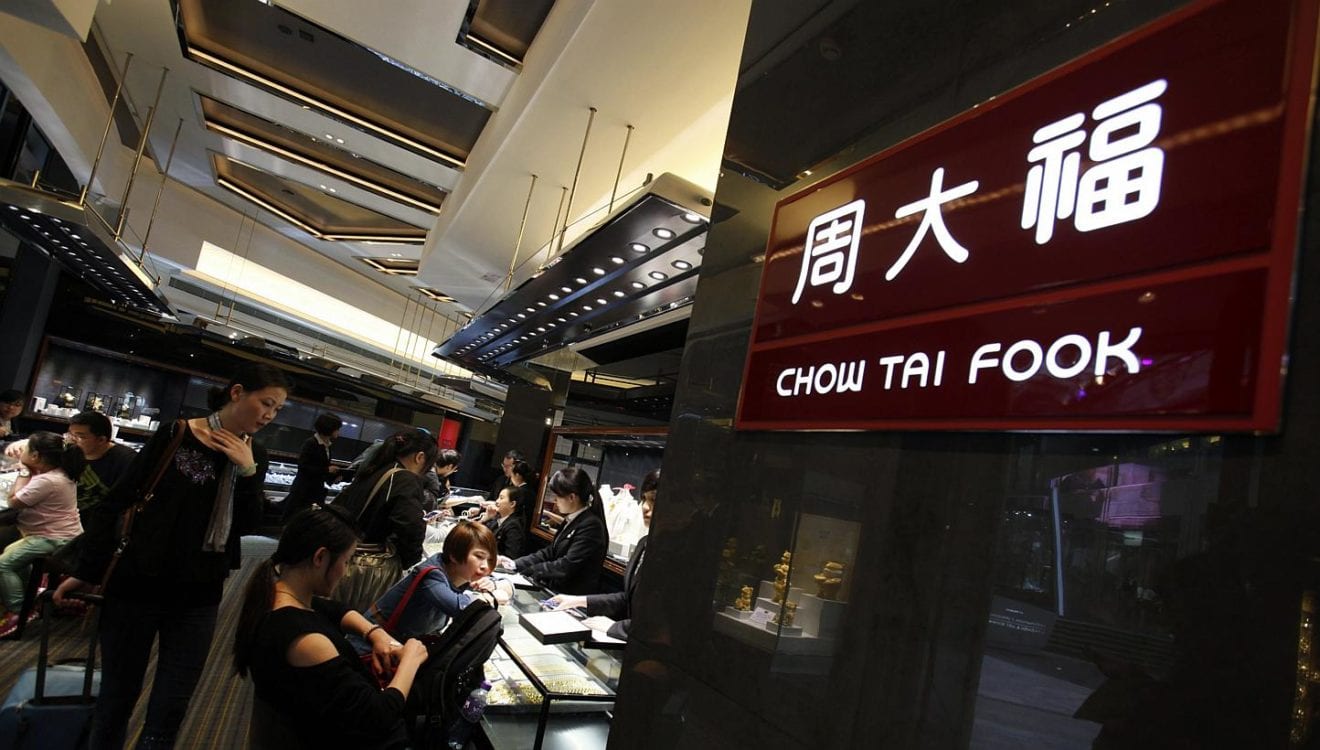
    Chow Tai Fook Jewellery Group Ltd, China’s largest jeweller by market value, on Thursday reported a 34 percent rise in full-year net profit, buoyed by improving consumer sentiment and an uptick in mainland tourists arrivals.

    Net profit rose to HK$4.10 billion ($521.98 million) for the year ended in March from HK$3.06 billion a year earlier. It was its highest yearly profit in three years. That compared with a HK$4.25 billion forecast by SmartEstimate.

    Revenue for the 12-month period rose 15.4 percent to HK$59.16 billion from HK$51.25 billion in the same period a year earlier.

    Same-store sales of its jewellery business in mainland China rose 8 percent for the year, while that in Hong Kong and Macau climbed 10.2 percent.

  • Chinese Used Car Auction Platform Tiantianpaiche Receives $100M Investment From Autohome

    Chinese Used Car Auction Platform Tiantianpaiche Receives $100M Investment From Autohome

    Chinese used car auction platform Tiantianpaiche has received US$100 million strategic investment Autohome, a Chinese automobile online platform, according to Tiantianpaiche’s announcement on its official WeChat account.

    Autohome also obtained the right to invest as much as US$65 million in the form of convertible notes in Tiantianpaiche in the three years after the completion of this investment. The two companies will deepen their strategic partnership going forward, with more operational cooperation and integration.

    The announcement came a day after Tiantianpaiche’s peer Chezhibao, Nanjing-based customer-to-business used car auction platform, raised a RMB800 million (US$125 million) series D round led by Chinese private equity fund Green Harbor Investment.

    Used car online auction platforms have been raising billions of U.S. dollars in China, trying to compete to become the market leader. But at least a handful of companies are still vying for the number one position, and no clear winner has emerged. For Tiantianpaiche, taking Autohome as a strategic investor could anchor its future and help it better compete in the market place.

    Founded in 2015, Tiantianpaiche focuses on a customer-to-business model connecting sellers of used cars to used car dealerships. After this round, the firm has raised a total of US$353 million in total fundraising. It has more than 40 offline shops in Shanghai, Beijing and Guangzhou. It expects transaction volume on its platform will reach one million vehicles annually in 2020, said the company.

    The proceeds of this round will be used for business expansion to more cities in China and develop new businesses including used car retail and used car financing services.

    Tiantianpaiche raised a total of US$180 million C round last year. Its investors include Tencent, SIG, SB China Venture Capital (SBCVC), Yiche.com and others.

  • House of Fraser set to close 31 stores – but Dundrum to survive

    House of Fraser set to close 31 stores – but Dundrum to survive

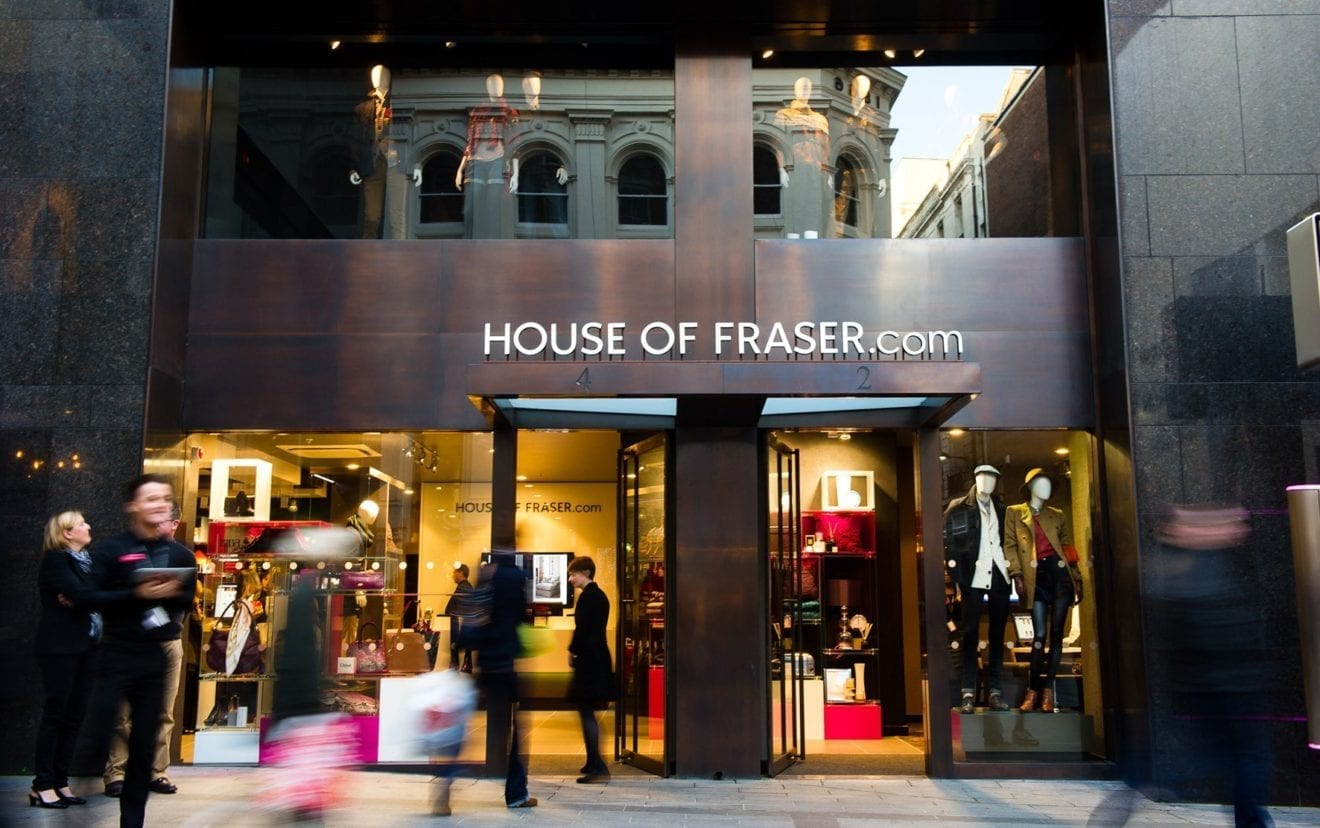
    British-based retailer House of Fraser is set to close 31 of its 59 stores, but its Dundrum store in Dublin and its Victoria Square outlet in Belfast will survive the cull.

    The company is implementing a restructuring plan that will affect 6,000 jobs – 2,000 House of Fraser employees and 4,000 concessions – in a bid to save the company.

    The closures are part of a proposed Company Voluntary Arrangement. CVAs allow insolvent firms to continue trading while paying creditors over a fixed period.

    The CVA, a legal process in the UK that requires landlords to agree to reduced rents or terminations of lease, is a condition for the sale of a controlling stake in the department store group to Hong Kong listed company C.banner, that also owns toy shop Hamleys and plans to inject £70 million of fresh capital into House of Fraser.

    The stores scheduled for closure, which include the group’s Oxford Street store in London and many outlets in provincial cities in Britain’s north and midlands, will remain open until early in 2019.

    Creditor meeting

    The creditor meeting to approve the CVA will be held on June 22nd. Landlords have already signalled their disquiet with the proposal, because it does not impose losses on other creditors or shareholders.

    In a statement, House of Fraser said without the restructuring plan, the company did not have a viable future.

    The restructuring process will also see the company relocate its head office in Baker Street and its Granite House office in Glasgow to new locations to help cut costs.

    The planned closures follow last month’s announcement that another Chinese group, retailer C.banner, had agreed to become the majority owner with a 51 per cent stake, with Nanjing Cenbest remaining a minority shareholder. Mike Ashley’s Sports Direct chain owns an 11 per cent stake in the retailer.

    House of Fraser said it had held constructive initial discussions with landlords and other key stakeholders.

    “The retail industry is undergoing fundamental change and House of Fraser urgently needs to adapt to this fast-changing landscape in order to give it a future and allow it to thrive,” said Frank Slevin, chairman of House of Fraser.

    “Our legacy store estate has created an unsustainable cost base, which without restructuring, presents an existential threat to the business. “So whilst closing stores is a very difficult decision, especially given the length of relationship House of Fraser has with all its locations, there should be no doubt that it is absolutely necessary if we are to continue to trade and be competitive.”

    The use of CVAs have been criticised by landlords in the UK. Speaking on BBC Radio 4’s Today programme on Thursday morning, Ian Fletcher of the British Property Federation said: “The only way to challenge [a CVA application] at the moment is to go to court – that’s not a particularly appetising proposition for anybody.

    “These are big decisions, they involve billions of pounds and they involve people’s jobs and at the moment the only person that is the judge and jury on those is the insolvency practitioner so there is a group already that exists called the pre-pack panel, they could have a role in terms of giving a second opinion.”

    Those affected by the store closures have already been informed. Among those set to close are the company’s Oxford Street store in London and stores in Birmingham and Bournemouth.

    The House of Fraser store in Dundrum is a separate legal entity.

  • Indonesia’s Annual Inflation Rate Slows in May

    Indonesia’s Annual Inflation Rate Slows in May

    Indonesia’s annual inflation rate slowed in May as the increase in food prices remained modest despite rising demand during the Muslim fasting month of Ramadan, data from the Central Statistics Agency showed on Monday (04/06).

    The headline consumer price index (CPI) in May rose 3.23 percent from a year ago, slightly below the median forecast in a Reuters poll, which had expected a rate of 3.28 percent. April’s annual rate was 3.41 percent.

    On a monthly basis, consumer price rose 0.21 percent.

    The annual and monthly rates were unusually low for inflation during Ramadan, which was a “delightful news” for authorities seeking to keep inflation under control, said Suhariyanto, the head of the statistics agency.

    However, the annual core inflation rate, which excludes government-controlled and volatile food prices and was more affected by the rupiah currency’s weakness, rose to 2.75 percent in May, from April’s 2.69 percent. The poll had expected a rate of 2.73 percent.

    Bank Indonesia targets inflation at 2.5-4.5 percent this year.

  • Bottega Lounge opening in Seoul attended by owner

    Bottega Lounge opening in Seoul attended by owner

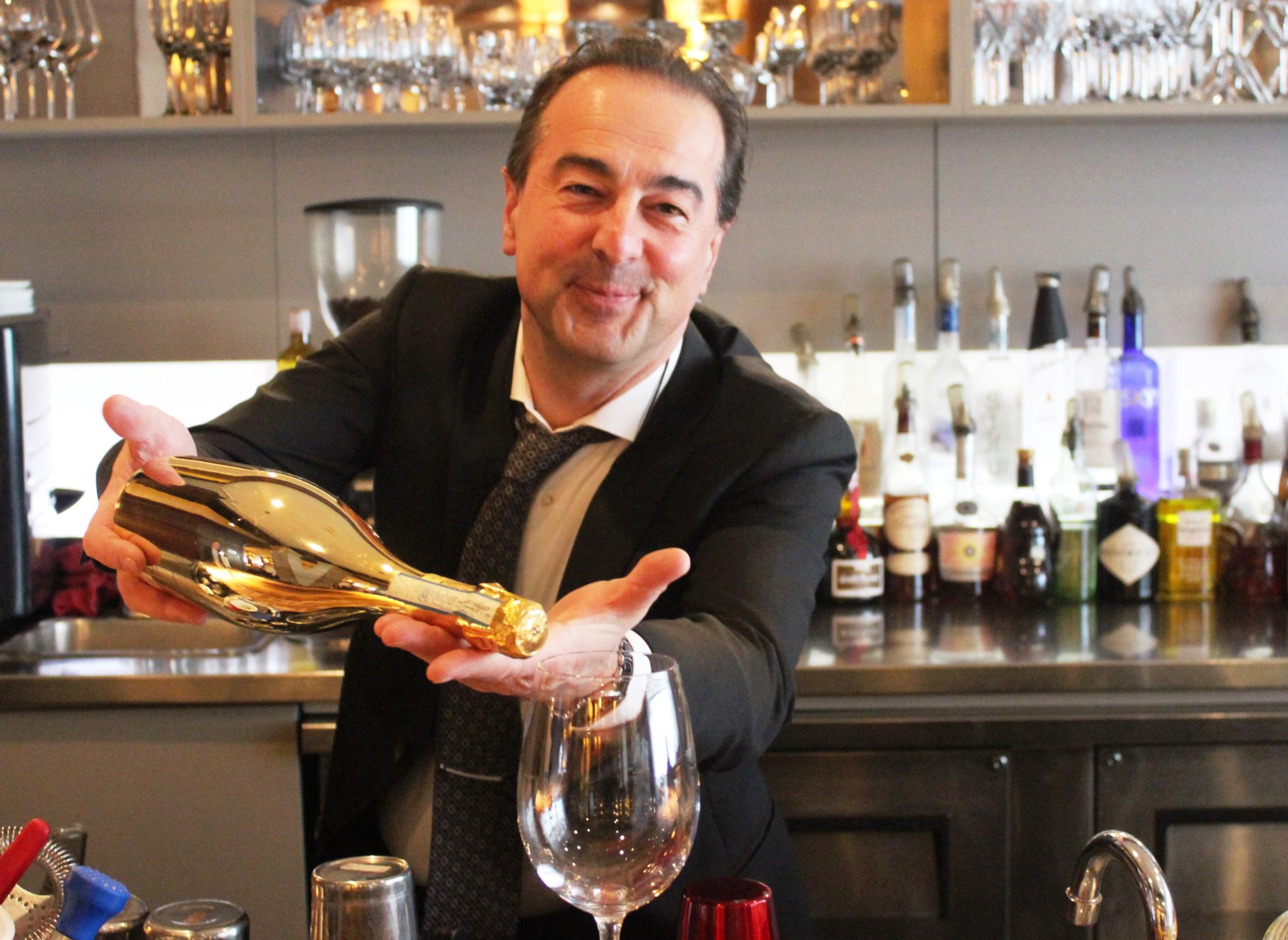
    Owner/MD of the Italian winery and distillery bearing her family name attended the official inaugural event of the Bottega Lounge in Seoul’s Gangnam-Gu.

    Opened in collaboration with a local partner, the lounge offers Italian Prosecco, Amarone della Valpolicella, Brunello di Montalcino, grappa and liqueurs.

    The lounge also allows Seoul people to become familiar with Italian food, as well as other Asian, American and French cuisines.

    Bottega is a family-owned company in Bibano, Treviso, (45km north of Venice) that has been producing premium Italian wines, grappa, spirits and food products since 1977. Bottega is a third-generation business, today led by Barbara, Sandro and Stefano Bottega. Its headquarters are in a renovated 19th-century farmhouse surrounded by 10ha of vineyards. The group also runs a winery in Valpolicella and one in Montalcino.

    Bottega products are distributed to more than 120 countries.

  • Prada Group opens seven stores in Xi’An China

    Prada Group opens seven stores in Xi’An China

    Prada China is boosting its retail presence by opening seven stores in the city of Xi’an.

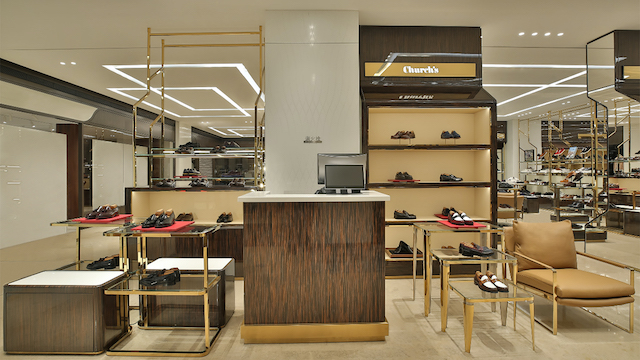
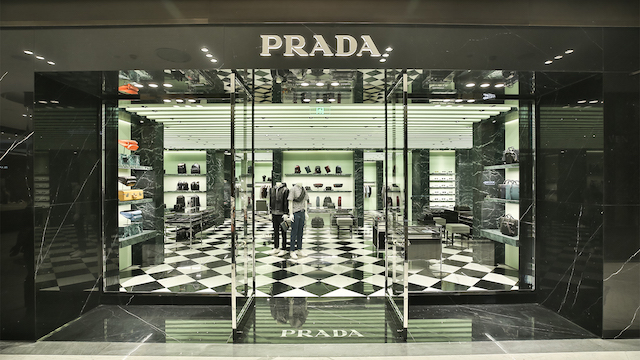
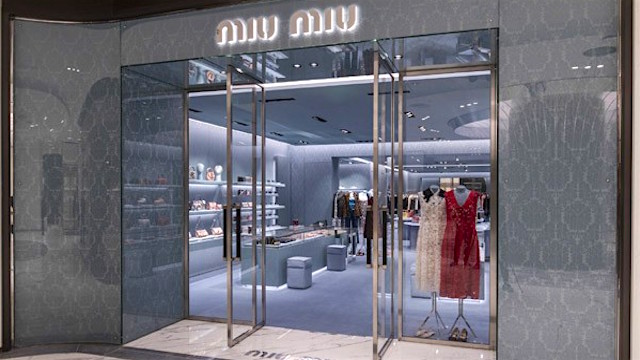
    The Italian luxury fashion group plans three Prada stores for the SKP Mall, plus two Miu Miu boutiques and two outlets for its Church’s brand.

    Xi’an is an expanding city, with its luxury shopping scene including boutiques for brands including Chanel, Dior and Gucci as reported.

    SKP Mall is seeking to replicate its successful model in Beijing with its new location in Xi’an, which has just opened. Designed by London architecture firm Sybarite, SKP Xi’an is a 19-storey structure.

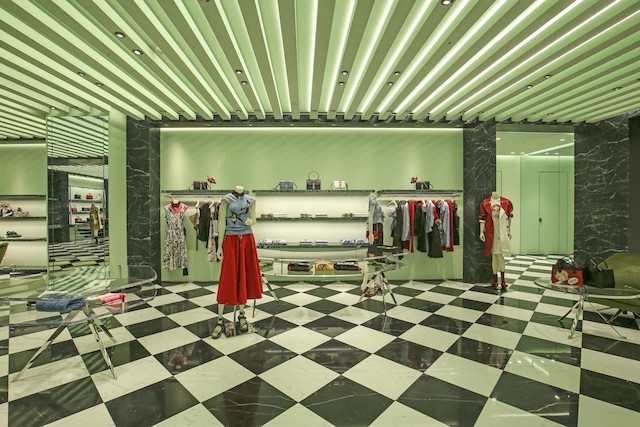
    For SKP, Prada is opening spaces for its menswear, womenswear and women’s footwear. The apparel boutiques are on the ground floor, while the shoes boutique is on the fourth floor. The stores are representative of Prada’s codes, with architectural details such as green marble, black-and-white checkered floors and mid-century Italian furniture.

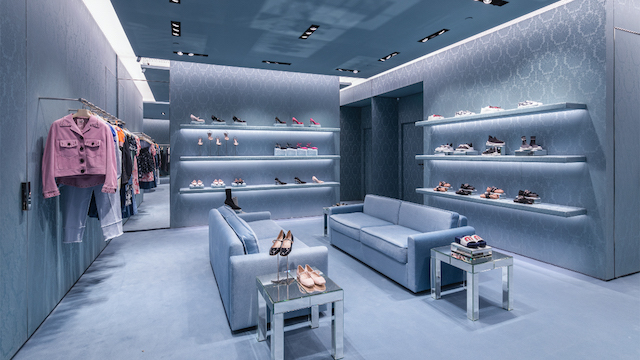
    Miu Miu is also setting up on SKP’s ground level with a store for its apparel, accessories, handbags and shoes. The second Miu Miu store in SKP is a footwear-focused boutique on the fifth floor. Both spaces feature elements such as blue damask fabric and velvet sofas.

    Church’s, meanwhile, will retail men’s and women’s footwear on the second and fifth floors, respectively.

    To mark the openings, Prada is taking its Silver Line pop-up to SKP – the installation is inspired by train travel and offers shoppers products that serve purposes for different parts of the journey.

  • James Jebbia is Menswear Designer of the Year at 2018 CFDA Awards

    James Jebbia is Menswear Designer of the Year at 2018 CFDA Awards

    Supreme’s James Jebbia is one of the big winners, walking away with the Menswear Designer of the Year award.

    Jebbia was up against strong competition in the category, beating out Raf Simons for Calvin Klein, Virgil Abloh for Off-White, Thom Browne, and Tom Ford.

    Since 1981, the CFDA Fashion Awards have recognized those making the biggest impact in the fashion industry every year.

    Notable winners this year included Ralph Lauren (Members Salute), Kim Kardashian West (Influencer Award), British Vogue‘s Edward Enninful (Media Award), and Naomi Campbell (Fashion Icon Award).

    Calvin Klein’s Raf Simons walked away with the Womenswear Designer of the Year gong.

  • World Bank Cuts 2018 Growth Forecast for Indonesia

    World Bank Cuts 2018 Growth Forecast for Indonesia

    The World Bank has cut its growth forecast for the Indonesian economy for this year to 5.2 percent from the 5.3 percent projected in March, amid volatile global financial conditions that have forced the central bank to tighten monetary policy.

    The Central Statistics Agency (BPS) said the Indonesian economy grew 5.06 percent year-on-year in the first quarter, far lower than the 5.4 percent target in the 2018 state budget, mainly due to household consumption, which remained stagnant.

    The projection by the Washington-based lender is in line with that by the Asian Development Bank and International Monetary Fund, which predict that the country’s economy will likely expand by 5.2 percent.

    “There is elevation of volatility in the global market starting in February, which put a lot of pressure on emerging markets, including Indonesia. So the first quarter was not as strong as we had expected,” Frederico Gil Sander, World Bank lead country economist for Indonesia, said.

    The rupiah dropped to a low of 14,202 against the US dollar last month – the weakest level since 2015 – amid a massive selloff on the Indonesian Stock Exchange (IDX) as global investors moved their capital into higher-yielding assets in the United States. The 2018 state budget assumes a rupiah exchange rate of 13.400 to the dollar.

    Foreign investors, who largely hold the most liquid assets on the IDX, have sold Rp 38.5 trillion ($2.9 billion) worth of stocks between January and May, which is only Rp 2 trillion short of the total for all of last year.

    In its first since November 2014, Bank Indonesia hiked its benchmark interest rate twice in two weeks last month to support the currency and stem capital outflows.

    However, there are fears that an early rate hike may lower spending by consumers and businesses as it makes lending more expensive. Growth in private consumption, which accounts for half of Indonesia’s economy, remained stuck at 5 percent in the first quarter.

    “We think consumption has stabilized at around 5 percent, and while it is not slow, some efforts are needed by the government to accelerate consumption,” said Sander, who was previously based in India.

    However, Indonesia is benefiting from rising commodity prices, including coal, one of the country’s key exports, which rose 25.6 percent on average in the first quarter. Indonesia’s coal benchmark, or HBA, was set at a six-year high of $101.86 in March.

    Last month, oil prices also hit their highest levels since November 2014, reaching almost $78 a barrel for global benchmark Brent crude.

    The higher commodity prices saw more investment, especially in machinery, equipment and vehicles. According to the Investment Coordinating Board (BKPM), Indonesia attracted Rp 185.3 trillion in investment between January and March, which was 11.8 percent higher than the same period last year. Of this, Rp 108.9 trillion was foreign direct investment, excluding banking and the oil and gas sector.

    The BKPM has set a total investment target of Rp 765 trillion for this year, which represents a 10.4 percent increase from last year. Rp 477.4 of this is foreign direct investment.

    The rise in investment increased import growth to 19.5 percent in the first quarter, compared with exports, which increased by 10.2 percent.

    Total imports reached $44 billion between January and March, with raw materials amounting to $32 billion, followed by capital goods and consumer goods, BPS data shows.

    Indonesia recorded a trade deficit for three months in a row between December and February, which swung to a surplus in March before returning to a deficit in April.

    Government consumption rose 12.9 percent in the first quarter – the fastest pace since 2016 – due to increased spending on social assistance, such as the Family Hope Program (PKH), which is aimed at reducing poverty and inequality. The cash transfer program is targeting 10 million of the country’s poorest families this year.

    According to Sander, the government’s infrastructure push, aimed at closing the gap between urban and rural areas, must continue while it should also work to improve the quality of human capital, including raising skill levels in the labor force to increase productivity.

    President Joko “Jokowi” Widodo’s administration has spent around Rp 905 trillion on infrastructure projects across the archipelago between 2015 and 2017, while the government has allocated a fifth of its budget, or Rp 1,167 trillion, to education in the same period.

    Finance Minister Sri Mulyani Indrawati last month predicted that the Indonesian economy would grow between 5.17 percent and 5.4 percent this year, while, Bank Indonesia predicted a growth rate of between 5.1 percent and 5.5 percent.

  • Michael Kors sales up 11%, driven by Jimmy Choo revenues

    Michael Kors sales up 11%, driven by Jimmy Choo revenues

    Michael Kors Holdings recorded $1.18bn in the crucial fourth quarter, close to an 11% gain on last year, a revenue result driven most by sales brought in from Jimmy Choo, the luxury shoe business it acquired last summer for $1.2bn.

    Like-for-like sales during the three months to end of March were up 2.3%, besting expectations for a 1% decline, marking the first time in two years that Michael Kors reported a comp sales rise. For the same period last year, comp sales were down 14.1%.

    By brand, Michael Kors sales hit $1.07bn, the rise in sales at its own stores helped offset the decline in wholesale

    Less discounting also boosted operating margins and helped the company swing back into the black. Net income was $44.1m, or 29 cents a share during the quarter, compared to a net loss of $26.8m or 17 cents per share last year.

    For the year, the company reported profit of $591.9 million, or $3.82 per share. Revenue was reported as $4.72 billion.

    In light of sluggish in-store retail sales, Kors has been trying to overhaul its business as shoppers shift many of their purchases online, where there’s an abundance of luxury goods at lower prices.

    The company said it also closed some locations during the quarter, cutting some costs.

    Looking forward, the American company reiterated that it remained on the lookout for further acquisitions following the Jimmy Choo deal.

    “We will continue to explore acquisitions to complement our existing luxury portfolio,” said chairman and chief executive John Idol.

    For the current quarter ending in July, Michael Kors said it expects revenue in the range of $1.14 billion

    The company expects full-year earnings to be $4.65 to $4.75 per share, with revenue expected to be $5.1 billion and flat same-store sales.

  • Digital commerce spend expected to jump high by 2022

    Digital commerce spend expected to jump high by 2022

    Consumer spend on digital commerce will reach US$14.7 trillion by 2022, up by 60 per cent on last year, according to Juniper Research.

    Its new report Digital Commerce: Key Trends, Sectors & Forecasts 2018-2022, found that the largest global contributor to payments was currently QR code-based offline purchases for physical goods, which now account for one-third of all Chinese instore payments by value. However, says the research, although QR codes will have further growth in the Indian subcontinent and Africa, their value will be eclipsed worldwide by online purchases by 2022.

    With retailers increasingly offering localised payment mechanisms and friction at checkout being reduced by stored credentials, migration from offline to online is likely to accelerate, says the report.

    Furthermore, it highlights moves by traditional retailers to develop omnichannel strategies as they seek to shore up revenues by using mobile apps both for online purchases and to drive instore footfall.

    Meanwhile, Juniper’s study found that money transfer would be a key growth area, bolstered by rapid expansion and adoption of social payments. It highlighted the activities of companies such as PayPal (via its Venmo and Xoom subsidiaries) and Facebook in the space, arguing that these players were in pole position to capitalise on the increasing transition to digital of P2P payments.

    Additionally, the report claimed that players across the ecosystem were poised to benefit from implementing blockchain technology for financial settlement. This would enable increased standardisation for payment processing; substantially reduce the risk of error (including double spend) and indeed the time taken for error checking, resulting in faster, more secure and less costly processes. This in turn would allow money transfer companies to become more competitive, reduce fees to end users and boost use.

  • MuleSoft Powers Lane Crawford’s Digital Shopping Experience

    MuleSoft Powers Lane Crawford’s Digital Shopping Experience

    MuleSoft, provider of the leading platform for building application networks, announced that Lane Crawford, Asia’s leading luxury department store, has selected MuleSoft’s Anypoint Platform™ to power its industry-leading omnichannel customer experience, including the launch of its new mobile app in early 2017.

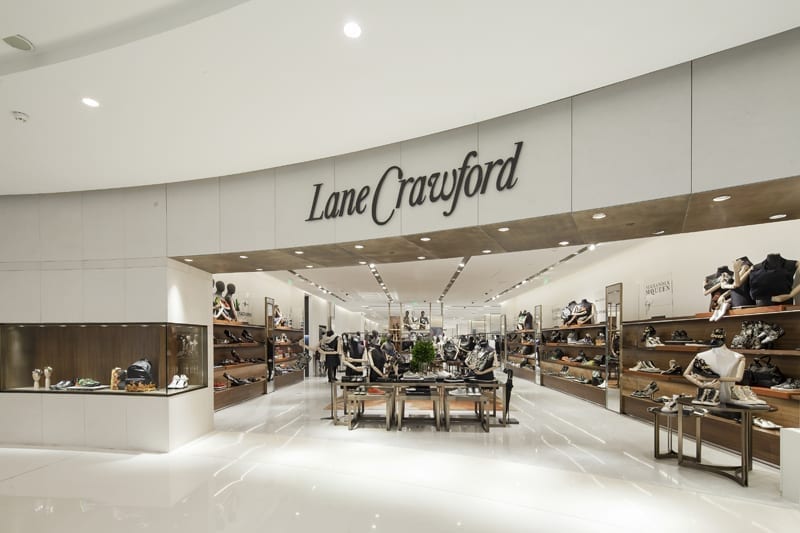
    For more than 165 years, Lane Crawford has been a leader in luxury retail in Asia, and offers the largest designer portfolio showcasing more than 1,000 international brands. Since 2011, Lane Crawford has significantly invested in digital technology to become a luxury lifestyle destination across all channels becoming the first luxury omni-channel fashion retailer in Greater China.

    Anypoint Platform Enables Lane Crawford To Bring Luxury Shopping at Consumers’ Fingertips

    To continue to advance the omnichannel experience Lane Crawford pioneered in Greater China, the company selected MuleSoft’s Anypoint Platform to launch its first mobile shopping app. With MuleSoft’s full lifecycle API management capabilities, Lane Crawford built an API integration layer to expose access to the CRM and eCommerce applications. Exposing these systems through APIs enabled Lane Crawford to create a data-as-a-service platform to orchestrate 360-degree views of customers and inventory, such as up-to-date loyalty balances and shopping history. The same APIs are leveraged across digital channels including their new mobile app, website, and WeChat, one of China’s most popular text and voice messaging apps.

    “Lane Crawford is constantly at the forefront of retail technology. We are dedicated to helping our customers to shop anytime, anywhere,“ Sebastian Picardo, Deputy President, Lane Crawford. “MuleSoft’s API-led connectivity approach is an important step in our digital investment and commitment to offering our customers the seamless shopping experience whether in-store, online at lanecrawford.com or through mobile”.

    “As we strive to build a world-class omnichannel retail platform, we need to be agile and identify the best technologies in the market. We are on track and will deliver a five-year technology blueprint to help Lane Crawford become a digital-enabled brand,” said Picardo.

    Lane Crawford’s new mobile application built on Anypoint Platform will be a critical revenue driver for the business, as China’s shown a remarkably high demand for mobile shopping with more than $500 billion of all eCommerce purchases in China made on mobile devices according to eMarketer.

    An Application Network Will Accelerate Innovation for Lane Crawford

    The launch of its mobile application is just the start of the developments that Lane Crawford plans to launch as a result of creating an application network. Lane Crawford has set up an innovation team and is building out a repository of APIs in a center for enablement to maximise IT reuse. Future projects will focus on expanding WeChat capabilities and creating internal applications to increase operational efficiency.

    “By building an application network, we’ve relieved the IT bottleneck that previously hindered our ability to innovate. Modernising our legacy systems with APIs has reduced our time spent on IT maintenance and left us with a repository of reusable assets we can use to launch future business initiatives faster,” Picardo continued. “We’re excited to continue to deliver even more innovative customer experiences in the future.”