Tag: asia

  • Lululemon Athletica reports solid first quarter earnings

    Lululemon Athletica reports solid first quarter earnings

    Canadian athletic apparel maker Lululemon Athletica Inc posted first-quarter profit that beat expectations on Thursday as revenue jumped 25 per cent, sending the company’s shares to an all-time high in after-hours trade.

    Second-quarter earnings are expected to be between 46 and 48 cents per share on revenue of $660 million to $665 million, the Vancouver-based company said in a statement. That compares with per-share adjusted earnings of 39 cents on revenue of $581.05 million a year earlier.

    The stock surged 6.2 per cent to $111.51 in after-hours trading, surpassing an intraday record set on Tuesday. That followed a 0.55 per cent decline during the day, as the broader S&P 500 index dropped 0.7 per cent.

    Lululemon, which popularized “athleisure wear” by turning pricey women’s yoga wear into mainstream fashion, is navigating a move by consumers to online shopping and growing competition from rivals including Under Armour Inc and Nike Inc . It has fought back by investing in its e-commerce platform and expanding its men’s offerings.

    A 62 per cent increase in revenues from its direct-to-consumer business, which includes online sales, helped drive earnings to 55 cents per share in the quarter ended April 29, compared with analyst estimates of 46 cents, and up from 23 cents a share a year earlier.

    Revenue increased to $649.7 million, up from $520.3 million a year ago. Analysts had expected $617.7 million.

    The company did not provide an update in the statement about its search for a new chief executive officer following Laurent Potdevin’s abrupt departure in February on undisclosed charges of misconduct.

  • AirAsia stock plunges after India launches bribery probe

    AirAsia stock plunges after India launches bribery probe

    Shares in Asia’s biggest low-cost airline tumbled on Wednesday after police said they were investigating allegations that executives bribed Indian government officials. India’s Central Bureau of Investigation (CBI) said Tuesday it had opened a case looking into whether AirAsia’s Indian affiliate used illegal means to try and get favorable treatment from local regulators.

    Indian police conducted raids on AirAsia offices and residences belonging to company officials in Delhi, Mumbai and Bangalore, CBI spokesperson R.K. Gaur said. The CBI case names Tony Fernandes — founder and CEO of the Malaysia-based carrier — among several people accused of wrongdoing.

    AirAsia India denied any wrongdoing. Shuva Mandal, a director at the company, said in a statement that the company is “cooperating with all regulators and agencies to present the correct facts.”

    Indian police allege that AirAsia India executives used middlemen to funnel bribes to Indian government officials in order to try to secure a license for the airline to operate international flights.

    Until recently, airlines in India were required to have a fleet of 20 aircraft and five years of service in order to fly in and out of the country, conditions which AirAsia India could not meet because it only launched in 2014 and operates 18 planes.

    News of the investigation buffeted AirAsia Group’s stock, which fell nearly 7% in Kuala Lumpur on Wednesday.

    “Investors are concerned that the investigations could reduce or eliminate AirAsia India’s chances to operate international flights, which is where the goldmine lies,” said Corrine Png, founder of transportation research firm Crucial Perspective.

    The CBI case also accuses the airline’s Indian franchise of breaching the country’s foreign investment rules.

    Indian laws prevent foreign airlines from holding a controlling stake in any local airline. AirAsia Group owns 49% of its Indian affiliate, with another 49% held by Indian conglomerate Tata Sons.

    However, the CBI alleges that AirAsia India is effectively controlled by Fernandes, a violation of investment rules. It said that was achieved through a “brand license agreement” that turned AirAsia India into “a de-facto subsidiary rather than a joint venture.”

    In a statement late Wednesday, AirAsia India said Indian regulators had approved its operations and management as recently as February 2017, ruling that the license agreement was meant “only for ensuring uniformity of brand and quality of services.”

    “[AirAsia India] will be cooperating with the relevant authorities to facilitate an early conclusion of this matter,” it added.

    AirAsia in Malaysia didn’t respond to requests seeking comment from Fernandes on the allegations.

  • L’Occitane to open Singapore-based pop-up café

    L’Occitane to open Singapore-based pop-up café

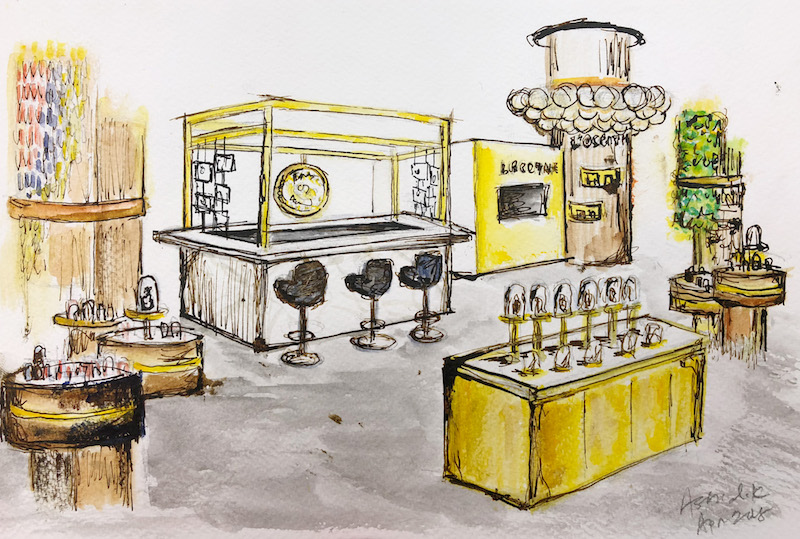
    French fragrance retailer L’Occitane plans to open a pop-up cafe, named A Journey in Every Sense, at Ion Orchard between July 3 and 16.

    Launching in collaboration with dessert specialist Janice Wong, it will feature her creations with such ingredients as cherry blossom, verbena, bergamot, rose and almond. Being promoted as a Province experience, the cafe also feature a skincare and bodycare texture bar allowing consumers to sample products, as well as 360deg VR exploration of the French region.

    At home in France, L’Occitane lately created a lifestyle pop-up concept including an essential oils distillery, restaurant, coffee and cocktail bar.

    To see more, browse the gallery below :

  • Apple gets warning for misleading consumers

    Apple gets warning for misleading consumers

    Tech giant Apple has been warned by the Commerce Commission of New Zealand after it likely misled customers, while online retailer NZSALE has pleaded guilty to four charges of failing to comply with product safety standards.

    In the Commission’s view, Apple is likely to have breached the Fair Trading Act in a number of ways, including telling consumers its products are only covered by a guarantee for two years, which is in direct violation of the Consumer Guarantees Act (CGA) in that they do not expire after a legally prescribed period of time.

    “Although businesses may form a view about how long a product should generally last, they must assess each reported fault on its own merits,” said Commissioner Anna Rawlings, “they should not base decisions solely on how long a consumer has owned a product. The reasonable lifespan of a product will depend very much on what the product is.”

    Apple was also warned for pushing customers to the manufacturer of non-Apple branded products when Apple is responsible, as a retailer, for all products it sells.

    “It is natural that many retailers may wish to liaise with manufacturers to assess and remedy product defects but they must not point blank refuse to address consumer complaints and refer consumers exclusively to manufacturers for attention,” Ms Rawlings said.

    Additionally, NZSALE has been charged with failing to comply with the product safety standard for children’s nightwear, after it was found that three types of nightwear and a sleep sack were made of material that was too flammable to be used, did not carry the right fire hazard label, or had no fire hazard labelling at all.

    The Commission’s investigation was sparked by a product recall of these products in Australia following an investigation by the Australian Competition and Consumer Commission. The products were publically recalled in New Zealand in December 2015.

    In New Zealand 73 units were sold – although only eight garments were returned through the recall and a further 15 were confirmed destroyed by consumers.

  • Canada initiates dumping inquiry into steel imports from China, Vietnam, South Korea

    Canada initiates dumping inquiry into steel imports from China, Vietnam, South Korea

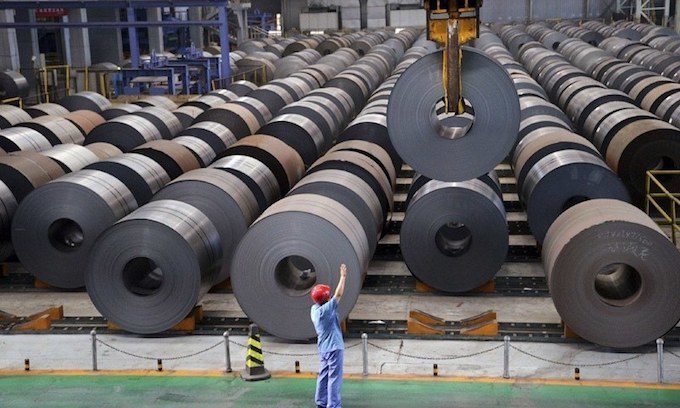
    The Canadian International Trade Tribunal (CITT) said on Monday it has initiated a preliminary dumping inquiry into steel imported from China, South Korea and Vietnam.

    The tribunal will investigate whether the alleged dumping and subsidizing of “cold-reduced flat-rolled sheet products of carbon steel” from these countries have harmed Canada’s steel industry.

    CITT, which operates in Canada’s trade remedy system and reports to parliament, said it will determine the results of the investigation on July 24 and will provide the reasons for the same on August 8.

    Canada’s steps follow U.S. actions from last week when the United States Commerce Department had slapped steep import duties on steel products from Vietnam that originated in China after a final finding they evaded U.S. anti-dumping and anti-subsidy orders.

    The global steel industry is struggling with a glut of excess production capacity, much of it located in China, that has pushed down prices.

  • Toast Box to launch new concept

    Toast Box to launch new concept

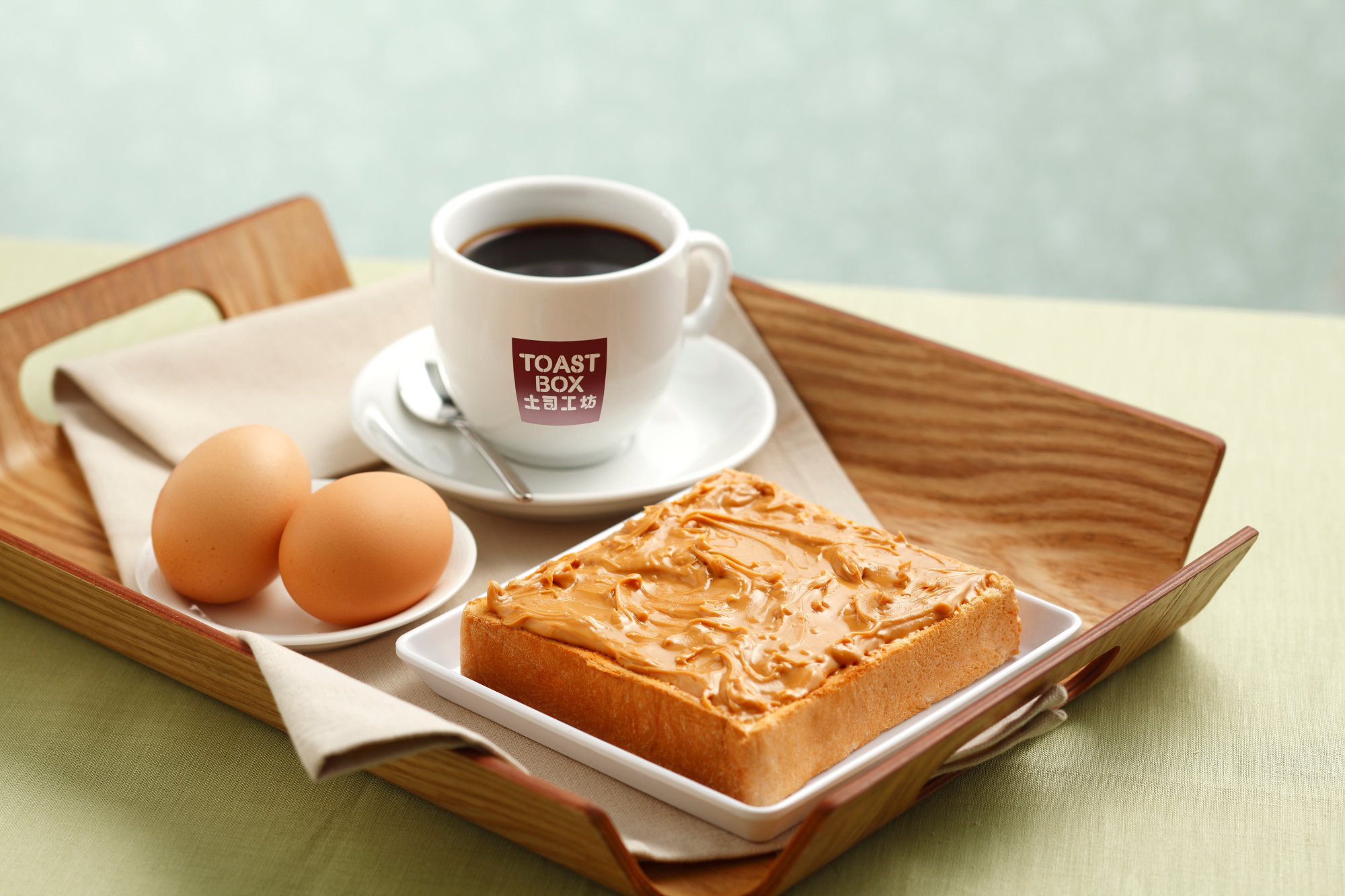
    Toast Box Philippines, the Singaporean restaurant chain known for its kaya toast, eggs, and coffee sets, is closing – but plans to re-open with a new concept.

    Announcements at its Manila branches have cited tomorrow as the final day of trading in the Philippines. “We want to take this opportunity to sincerely thank you for your patronage for the past 10 years. It has been a privilege and a delight serving you.

    “We will be renovating our stores and will reopen with a new brand. We hope to see you back in our stores very soon.”

    Toast Box is one of several food retail brands owned by Singapore’s BreadTalk Group. Others include Bread Society, BreadTalk, Din Tai Fung, Food Republic, So, The Icing Room and Thye Moh Chan.

    However a Toast Box Philippines marketing executive has confirmed the company will close its Manila branches then introduce a new concept, “Nanyang”, which will offer Asian favourites. It will launch at SM Aura in Taguig on June 1.

  • Samsung’s flexible working hours get more malleable

    Samsung’s flexible working hours get more malleable

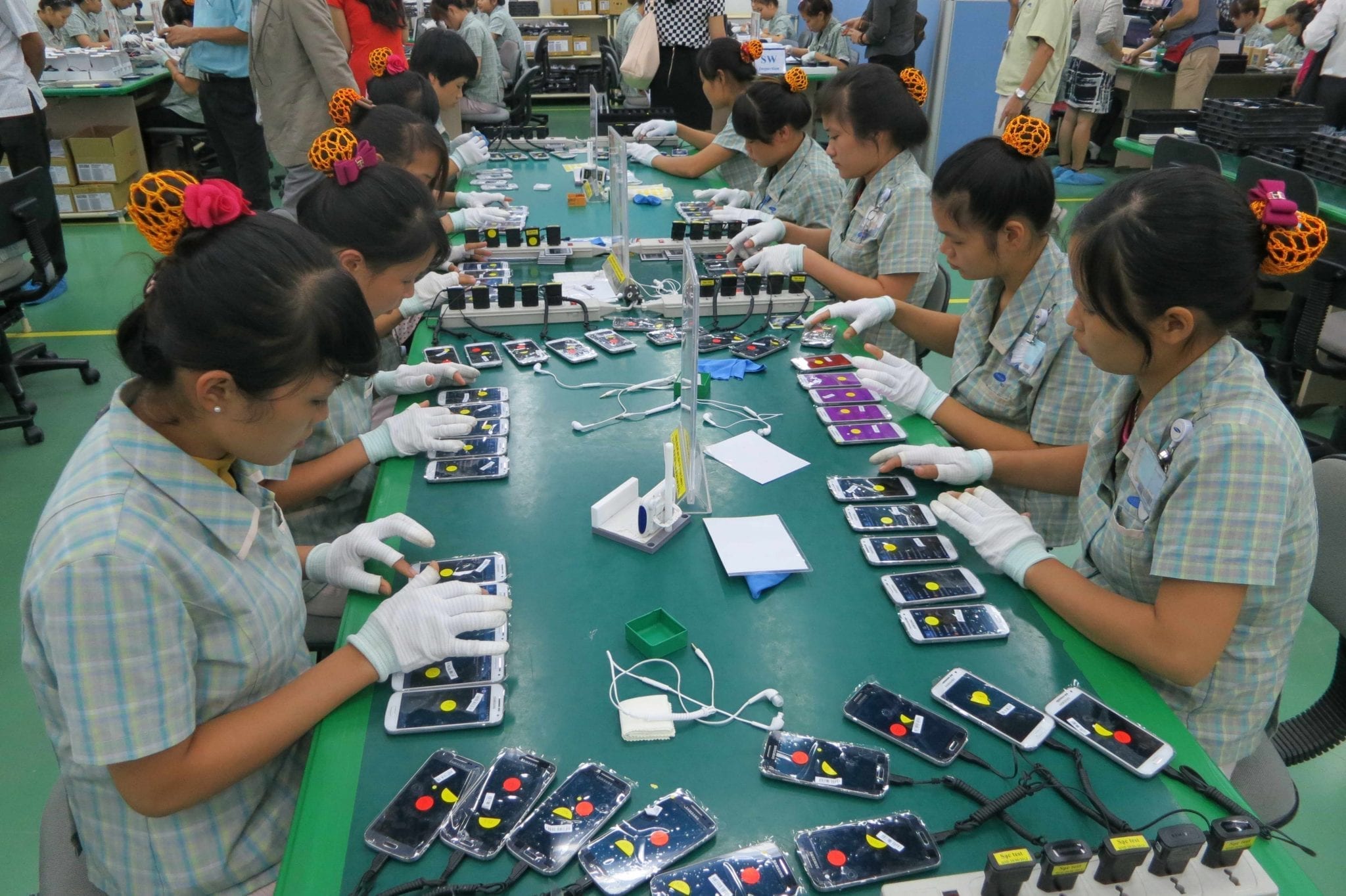
    Samsung Electronics announced plans to revamp its flexible working hours on Tuesday in preparation for the 52-hour work week that will be legally enforced from July.

    The Korean electronics giant plans to allow employees to decide their own working hours on a daily basis, as long as they work for at least four hours a day. Employees need to work an average of 40 hours a week on a monthly basis. The new system will come into effect from July.

    Under the new arrangement, an employee can work 50 hours in a busy week and then 20 hours in a quieter week during the same month. As long as the hours worked in the rest of the month add up to average 40 hours a week, the employee is free to balance their work as they please.

    This offers more flexibility for workers than the company’s current system, which allows employees to begin work anytime between 6 a.m. and 6 p.m. as long as they work at least four hours a day and 40 hours a week. Samsung started the current flextime program in 2012.

    The Moon Jae-in administration revised the labor law to reduce weekly working hours from 68 to 52, or 40 hours a week with up to 12 hours of paid overtime. Companies with 300 or more employees are subject to the new regulations from July.

    Samsung will also adopt a discretionary system for workers that struggle with tight schedules due to the nature of their work, such as developing new products and technology.

    Under the discretionary system, employees working on high-intensity projects will determine with their managers roughly how many hours a week the work should take. While the project is ongoing, workers will then have complete autonomy, with no checks or limits on how often or how much they’re working provided the task gets done, and will be paid for the number of hours agreed at the start of the project.

    “If an employer and employee agree on a 50-hour workweek for a certain period of time, the company gives a wage based on the contract regardless of whether the employee worked that much or not,” said a spokesperson from the electronics giant. “This kind of system is only applicable for certain tasks that require worker autonomy, like developing new products.”

    The new flextime arrangements will apply to researchers and office workers at Samsung Electronics.

    For manufacturing workers, Samsung plans to adopt a different flextime option that allows for periods when demand is especially high for specific products.

    Factory workers will be able to coordinate their working hours so they meet an average 40-hour workweek over a three-month basis. This way a team of assembly line workers can work longer hours for the first 10 weeks, for instance, and then reduce their workload in the remaining two weeks.

    Samsung affiliates are likely to announce similar schemes in coming weeks.

  • Hugo Boss Debuts Pineapple-Leather Vegan Sneakers

    Hugo Boss Debuts Pineapple-Leather Vegan Sneakers

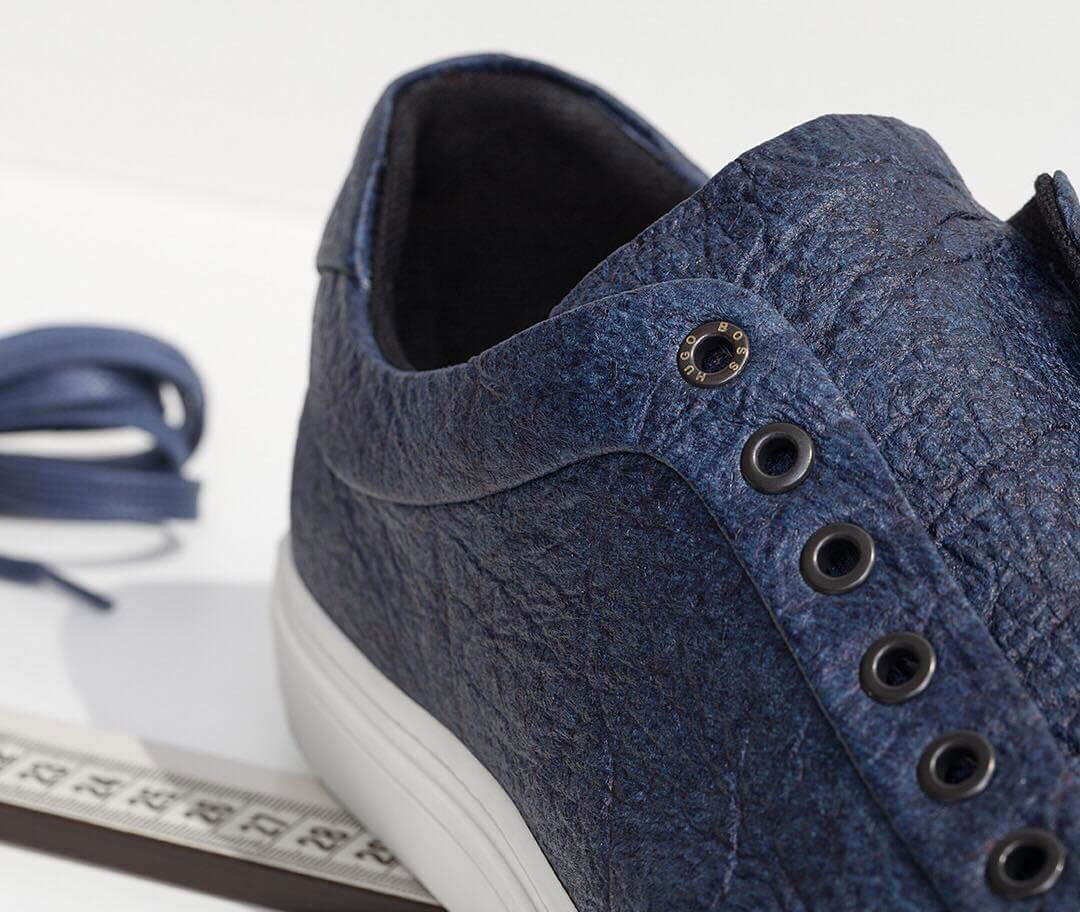
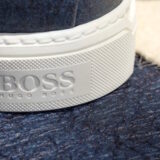
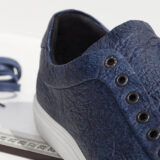
    Fashion label Hugo Boss is about to launch its first line of vegan footwear – sneakers for men crafted from pineapple leaf fibre.

    The pineapple sneakers have been created in response to rapidly growing consumer demand for more sustainable and cruelty-free fashion.

    Piñatex is an innovative, sustainable and 100 per cent cruelty-free material that substitutes for leather. The leaves are sourced from the Philippines following the pineapple harvest. Designed by Dr Carmen Hijosa over the course of seven years, it is an ideal material for footwear, accessories, clothing, indoor furniture or even automobile upholstery.

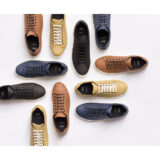
    The Hugo Boss pineapple sneakers feature soles crafted from recycled TPU (thermoplastic polyurethane), a 50/50 cotton and linen lining, and organic cotton shoelaces. Even the four different coloured dyes are plant-based.

    While many emerging and sustainable designers have their own Piñatex collections (shoes, watches and handbags), Hugo Boss is one of the first mass-market retailers to use the new innovative leather alternative.

    Available in London and online, the Boss pineapple sneakers are priced at US$295.

    More pictures of the vegan shoes can be viewed below :


  • BA&SH to have more stores in Asia

    BA&SH to have more stores in Asia

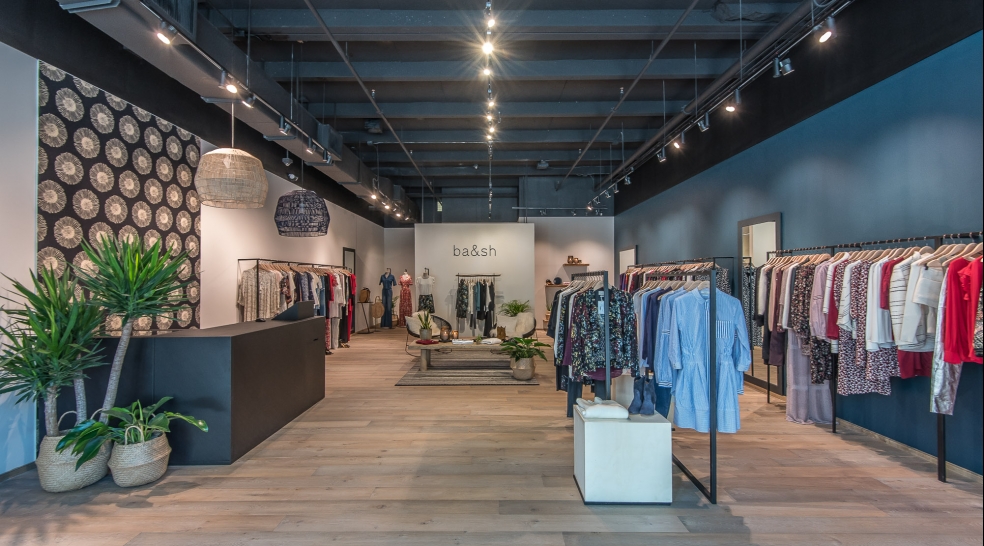
    French label BA&SH is planning to open more stores in China, Hong Kong and Macau.

    Since December the label has been planning to grow is retail network by a third including its 200 monobrand stores and department-store concessions.

    L Catterton investment fund acquired a 50 per cent stake in the label in 2015, with Pierre-Arnaud Grenade being appointed GM.

    BA&SH landed in Asia and the US last year, setting up two subsidiaries. By the end of last year, the label had 130 stores in Europe, the US and Asia.

    As well as further openings in Asia (three stores in Hong Kong, seven in China and two in Macau), BA&SH is planning to open another shop in New York. BA&SH says it has outgrown its original business model, which relied on wholesale distribution, and now 80 per cent of its revenue is generated via department-store concessions and its monobrand stores.

    Meanwhile, the label has set up a direct-to-consumer team in New York working on all aspects of e-commerce. It has launched e-commerce sites in various languages and currencies (nine so far in total) and has also started working with Tmall.com in China.

    In June last year, BA&SH chose Hong Kong for its first stores in Asia, and within five months was considering ramping up its Asia presence.

  • Brand new Shibuya mall and hotel to open in September to welcome Olympic

    Brand new Shibuya mall and hotel to open in September to welcome Olympic

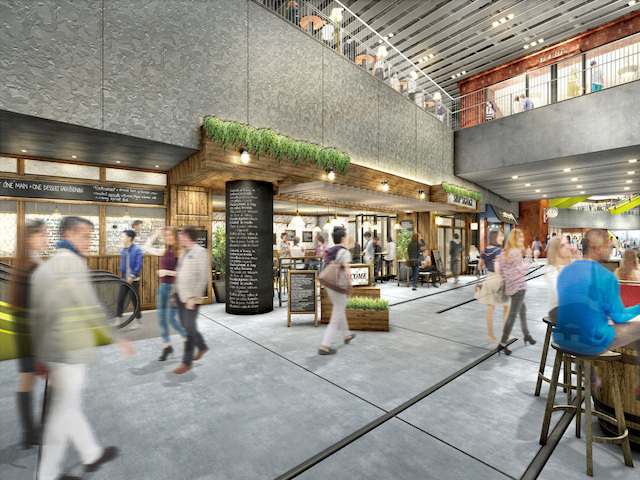
    Among changes ahead of the 2020 Tokyo Olympics, Shibuya is having a revamp that includes Shibuya Stream, on the south side of the railway station.

    It is a complex covering the point where the Shibuya River emerges from underground. The theme of the first three floors is “Shibuya Style: Custom Shibuya”, with 30 businesses recruited that target “adults who have their own style and live their life their own way”. Most of these places are new to the area, the city or the country.

    The first floor, the Riverside Market (pictured), is intended to resemble a relaxing riverside area. It will feature a restaurant from Osaka making its Tokyo debut, Bokkoku Kaiten Tori Ryouri, which appears to have a Mexican menu. A branch of The Great Burger Stand will be among five other businesses.

    Meant to mimic the streets of Shibuya, the second floor will be called Shibuya CustomStreet and feature 15 shops, including two restaurants by bakery connoisseur Shuichiro Omura, as well as a French restaurant with an open kitchen.

    Introducing paella

    Shibuya Court, the third floor, will feature nine more restaurants with open spaces, including cuisine options like Japanese and Spanish. For the first time in Japan, guests will be able to taste Barcelona-style paella and Spanish seafood at Xiringuito Escriba.

    Two plazas will make up the ground floor of Shibuya Stream. The first will face the great stairs leading up to the first floor as well as the Inari Bridge. It will serve as Shibuya Stream’s connection to the south side while also giving guests a chance to look over the river. There are already plans for promotional events to occur here.

    The second open space will stretch along the river to Kanno Bridge with the intention of hosting markets, beer gardens, festivals and community events. The area will also be landscaped and lined with green, and the river will be given a boost to its image with new water-treatment projects.

    The shops will be open for business from September 13. Pictures of the rendering can be viewed below :


  • What’s the new luxury?

    What’s the new luxury?

    Luxury brands are increasingly leveraging music festivals to turn young and affluent attendees into customers, with some going as far as to run their own events and concerts.

    Luxury brands would have once distanced themselves as far as possible from the mud and grime of a music festival. Today, however, they cannot get enough of the summer festival season with some even running their own concerts and events. What has caused this change in tune? And how can luxury brands best position themselves alongside music and festivals?

    Why Festivals Matter
    Luxury consumers can be found in abundance at racecourses, regattas and other seasonal sporting events. Every year brands compete for sponsorship rights in the hope that some of their attendees will turn into customers.

    Younger generations spend their time differently, however. While some of their forebears would not be seen dead at a music festival, a growing number of affluent millennials and Gen Z attend several festivals and concerts every year.

    Most of the 14 million people in the UK (OnePoll) and 32 million in the US (Billboard) who have attended a festival in the past two years fall into these age brackets and luxury brands can no longer ignore them: Bain & Co predicts that by 2025 millennials will count for 40 percent of the global luxury market and Gen Z five percent; figures that will only build beyond 2020.

    Festival Fashion and Instagram Installations
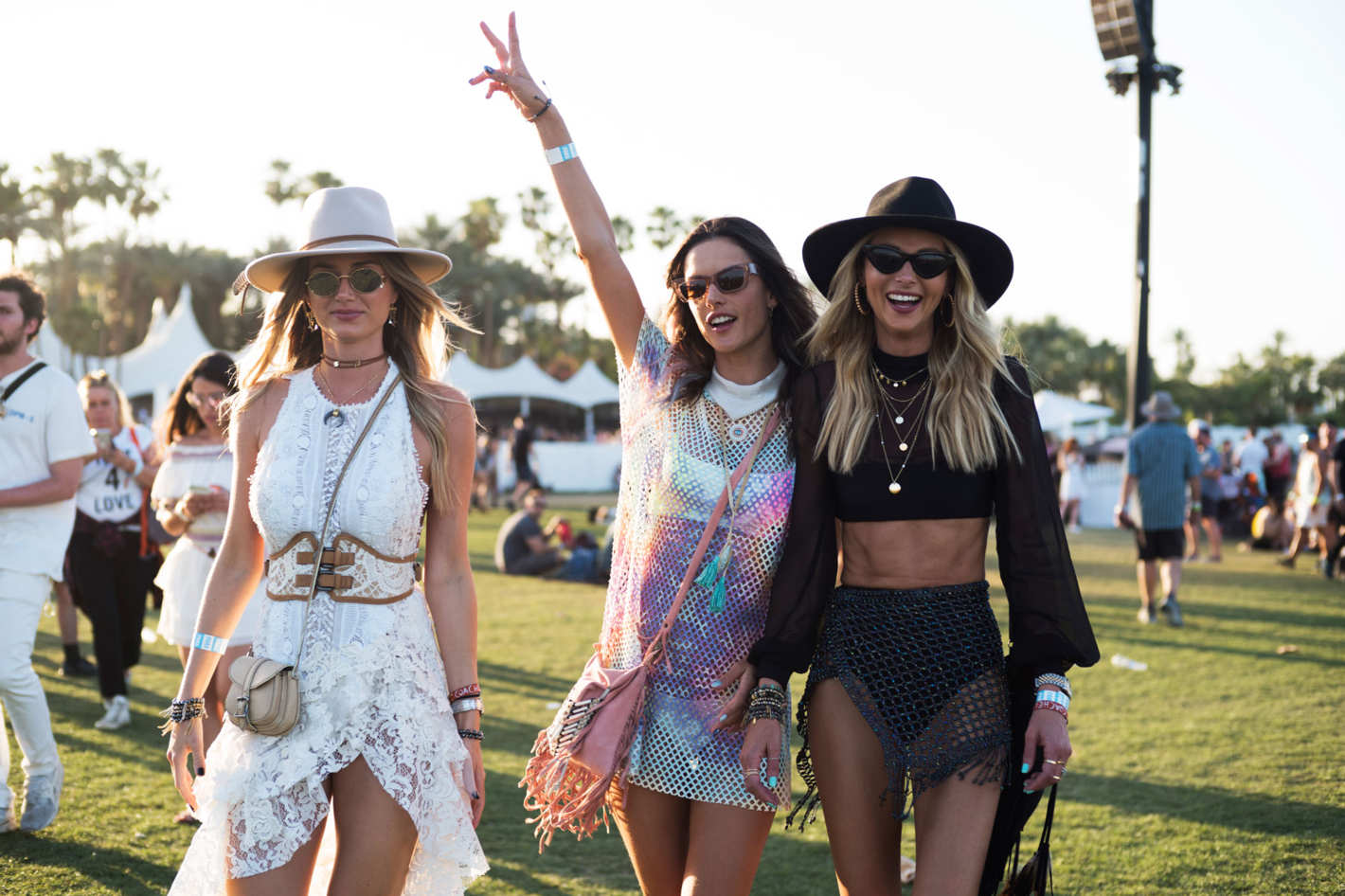
    Coachella traditionally kicks off the annual festival season and, in the build-up to April’s big event, luxury fashion houses ready seasonal festival fashion lines. Their target audience is less about the quarter of a million attendees at Coachella than the quarter of a billion reached through social media.

    Through social media, the music festival becomes a little more than a backdrop to the involuntary catwalk that is beamed across the world to millions. Influencers and celebrities are clad in the latest lines for the occasion and countless others coaxed into branded installations designed for maximum Instagram-ability.

    This year saw Swarovski send Chiara Ferragni to Coachella in a new jewellery line, Gigi Hadid announced a new Moschino collaboration with H&M and Revolve styled over 450 influencers for the festival.

    Music Matters
    For most festival goers, however, music is more important than fashion. Unexpected hits between live music and luxury include Burberry Acoustic, a series of performances and recordings of young British artists pioneered by former CEO Christopher Bailey. As well as accompanying catwalks, Burberry Acoustic acts as another social media channel, attracting nearly 3 million views on YouTube.

    Luxury department stores have also used music to get more young consumers through their doors, picking up on research that millennials prefer experiences over goods. Macy’s hosts ‘mini-concerts’ in New York, Selfridges has ‘Music Matters’ in London and Galeries Lafayette hosts ‘Music Machines’ in Paris. These live performances are often run in-line with other festival-esque experiences such as yoga classes, cookery courses and other pop-ups.

    Beyond the Music
    One major change to festivals over the past decade has been a focus on other attractions to appeal to a wider audience. Whereas food and drink were merely prerequisites to performances, their roles are now often reversed.

    This provides another avenue for luxury brands to gain exposure at festivals. Mulberry have hosted picnics at Wilderness Festival in the UK, an event that spends and promotes as much on its food as music. The same event hosts a Veuve Clicquot bar while other champagne houses are touring the country this year: Laurent Perrier is at Cornwall’s Great Estate Festival and Bollinger at Hay Festival.

    Branded Festivals
    Few luxury brands have managed to marry the commune-spirit with the commercial by running their own festival. Krug Champagne pioneered the luxury festival with their 2016 ‘Krug Island’ and 2017 ‘Into the Wild’ one-day festivals in the English countryside which paired little known artists with big name chefs and, of course, Krug Champagne. With no plans for a 2018 event, however, Krug seems to have abandoned the concept.

    It is not only luxury brands who have struggled to get their own festivals off the ground. Drinks brand Innocent have dropped their ‘Un-plugged’ festival series, Apple their Apple Music Festival and Virgin their V Festival among countless others. Organisers have cited low ticket sales and high start-up costs among the reasons for ceasing these events.

    Getting the Balance Right
    The dichotomy of a festival organiser is to balance commercial forces against the bohemian utopia that runs deep in every festival. When one outweighs the other – as it often does at a branded festival – it puts people off.

    But the same forces apply to existing festivals. Attendees of Coachella recently felt it had become overly commercial and started the #Nochella movement boycotting the event. Though tickets prices and the personal views of its billionaire backer were blamed, major retail outlets on the festival grounds did it for some.

    These successes and failures show the careful balance that luxury brands need to strike when it comes to music and festivals. Like traditional sponsorship, however, the best results will come when a brand is paired with an event of similar values.

  • How are luxury brands leveraging gamification in China?

    How are luxury brands leveraging gamification in China?

    This year, we have witnessed a surge in the number of luxury brands leveraging gamification to engage with Chinese consumers. From Hermès to Dior, a bevy of major luxury players have jumped on board, launching playful interactive games on their official WeChat accounts.

    What’s behind the trend?
    The growing domination of online gaming comes as no surprise when one considers the context in which Chinese millennials came of age. For many who grew up in single children homes, gaming was a way to fulfill a need for social connection and to forge an identity. Online gaming offers a way to connect to a larger community, the rules are clear and results are often celebrated and broadcast to millions of other users.

    It is estimated that the millennial generation (defined as those born between 1983 and 1997) will make up 65% of China’s consumption growth through 2020. A recent study by Bain reveals that Chinese millennials purchase luxury items more frequently and have more spending power than previous generations had at their age. As the highest potential consumer segment for luxury brands, it was only a matter of time before industry leaders introduced gaming to attract the millennial shopper.

    Curiosity China’s picks

    • Best Branding – Hermès

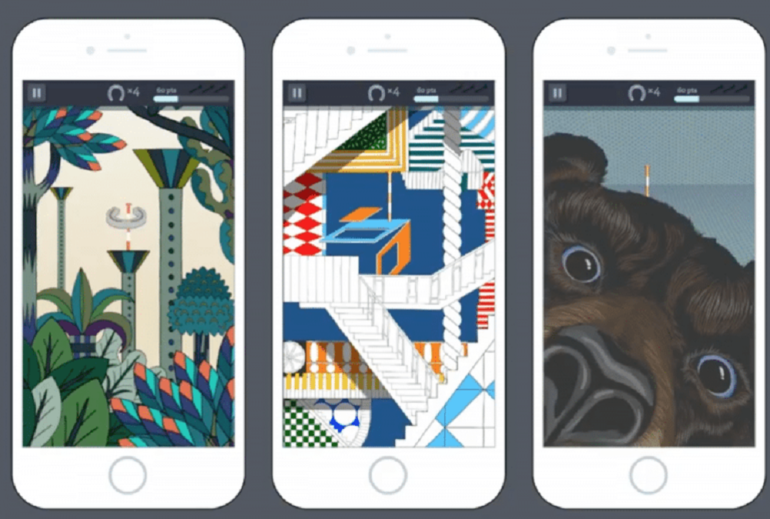
    The storied French fashion house looked to their roots for inspiration for this popular WeChat game. “H-pitchhh” is a virtual version of the classic horseshoe toss game which has been around since ancient Roman times. The game serves as nod to Hermes’ beginnings as a harness maker and makes great use of the smart phone’s interactive features.

    • Best O2O – Dior

    In celebration of the brand’s new store opening at Plaza 66, Dior launched a widely successful WeChat campaign that invited users to collect items from the latest collection via an interactive treasure hunt. Those users that successfully completed the game could launch a virtual hot air balloon for a chance to win tickets to the opening event.

    • Best Viral – Guerlain

    In partnership with Sunrise Duty Free, the French cosmetics brand launched a Tetris-inspired WeChat game. This highly addictive game attracted 18,582 page views and 10,000 players

    What’s in it for brands?

    • Education : Gamification opens up a whole new way to educate users about your brand history in an engaging and highly shareable manner.
    • Engagement : Their highly shareable nature not only increases follower engagement, but encourages viral sharing thereby growing the follower database.
    • Collect data : Online games present the perfect opportunity for brands to collect data from users. In the case of Guerlain, users were asked to share their personal info for a chance to win a lipstick.
    • Drive conversions : Games like those from Guerlain and Dior were designed to drive conversions. Guerlain selected 300 users to win a KissKiss lipstick to be picked up in store. By bringing users to the point of sales, there is a great opportunity to upsell additional items.
  • Most SE Asian markets fall; Malaysia down for 5th session in six

    Most SE Asian markets fall; Malaysia down for 5th session in six

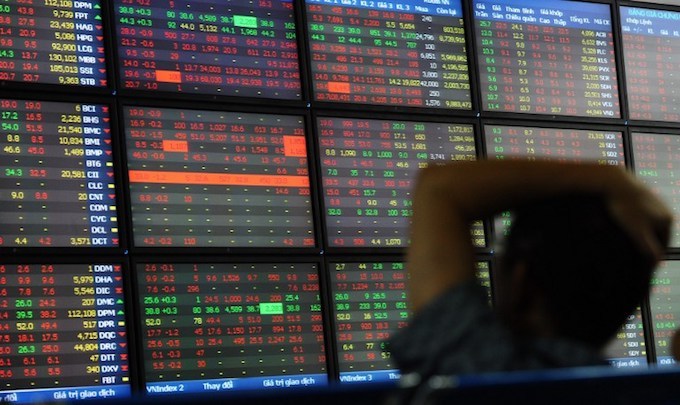
    Most Southeast Asian stock markets fell on Monday, with Malaysia declining for a fifth session in six, while Indonesia extended gains on the back of financial and infrastructure stocks.

    “There are lots of pitfalls that could sideswipe the markets,” said Stephen Innes, head of trading APAC at Oanda, referring to the U.S.-China trade issues, N.Korea-U.S. summit and strong U.S. dollar.

    U.S. oil futures hit six-week lows on expectations major producers may ease output curbs, while Asian stocks and U.S. share futures gained on signs the United States and North Korea were still working towards holding a summit.

    In Malaysia, trading services firms including IHH Healthcare and Sime Darby were among the top losers. IHH Healthcare fell as much as 4.8 percent and Sime Darby plunged 9 percent on disappointing quarterly results.

    Vietnam shares fell as much as 2.9 percent to a more than five-month low. Vinhomes JSC declined 5.5 percent and Vietnam Prosperity Joint Stock Commercial Bank fell 5 percent.

    Indonesian shares climbed as much as 1.4 percent and were headed for a fifth straight session of gains. Bank Mandiri (Persero) Tbk PT rose 5 percent and Bank Central Asia Tbk PT climbed 1.1 percent.

    The central bank said on Friday that it would hold an additional meeting of its board of governors on Wednesday to discuss economic and monetary conditions.

    “We suspect that the persistent selloff in the rupiah and upward pressures on local government bond yields (despite the recent 25bps rate hike) may prompt further action,” DBS said in a note.

    “Further BI rate hikes may be needed, with the next one possibly as early as this week.”

  • I.T Limited sales goes up in China and Japan, but down in HK

    I.T Limited sales goes up in China and Japan, but down in HK

    Solid growth in Japan and China compensate for subdued sales in Hong Kong for fashion retailer I.T Limited.

    While Hong Kong sales slipped 5.1 per cent to HK$3.28 billion, much of that was related to store network rationalisation, with like-for-like sales down just 0.9 per cent. Mainland China sales rose by 10.9 per cent to HK$3.837 billion and in Japan, sales soared 29.3 per cent in Hong Kong currency, or 31.6 per cent in local currency, to HK$945.8 million.

    Total group turnover was up 4.8 per cent to HK$8.383 billion and net profit by 37.1 per cent to HK$431.9 million.

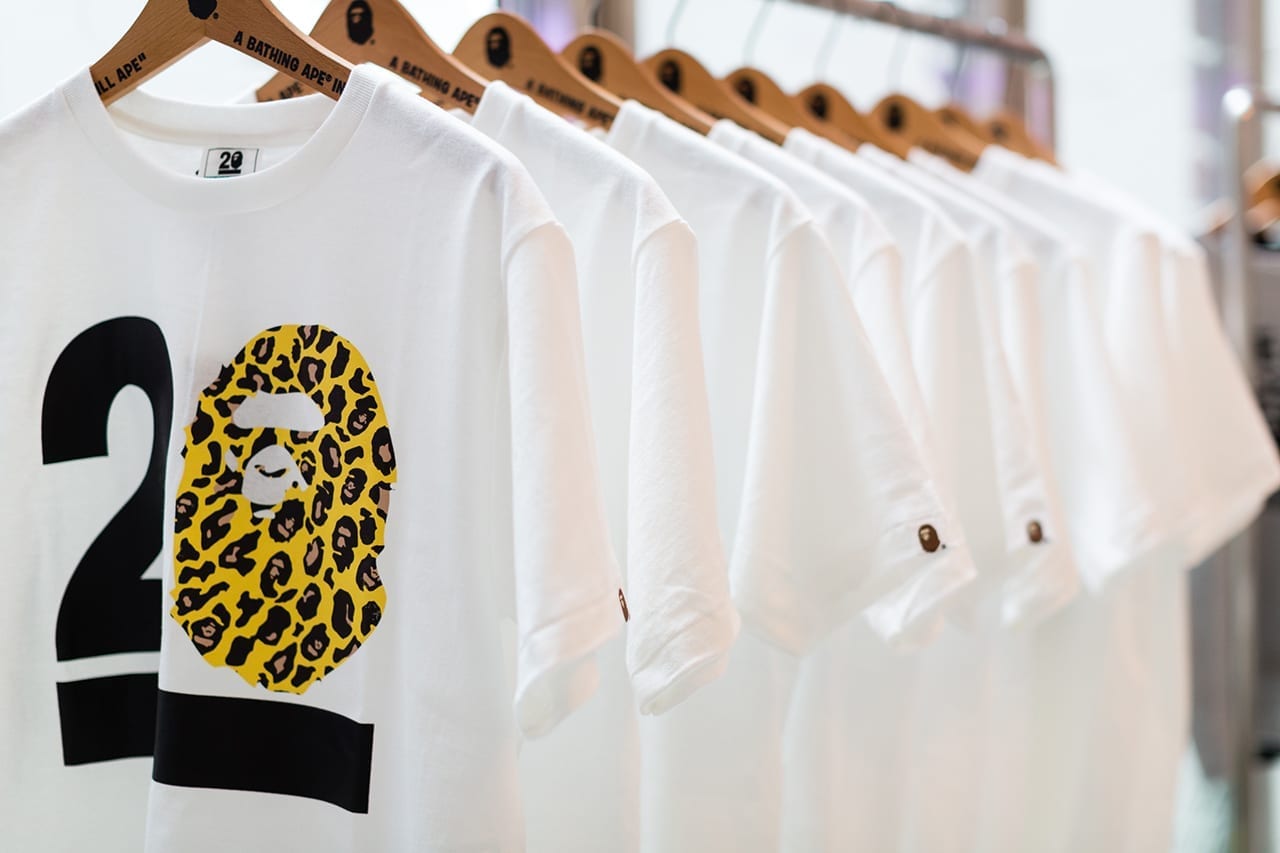
    I.T Group operates its own brands, including Chocolate and 5cm, concept stores Izzue and Double-Park; international brands it has local licences for including Kurt Geiger and Camper; and A Bathing Ape, which the company rescued from Japanese owners in 2011.

    I.T Limited’s total trading area shrunk by just 0.3 per cent in Hong Kong, reflecting the sheer size of its various brands’ network. But the company said the consolidation exercise and controlled discounting initiatives helped profitability. Same-store sales growth turned positive in the second half of the year.

    “The results in our Hong Kong and Macau segment are particularly noteworthy,” said chairman Sham Kar Wai.

    “They are not only due to the fact that Hong Kong is the home of the group and is one of the leading fashion marketplaces in Asia. They also reflected the determined efforts we made to move the business in our Hong Kong and Macau segment into positive territory in the second half of the financial year. We are also particularly encouraged by the recent relevant data showing signs of gradual recovery in the fashion retail industry in Hong Kong.”

    On the mainland, the group now has 492 stores and an online business. While same-store growth of less than 1 per cent was far lower than the previous year’s 17 per cent, it was against an unusually high base.

    I.T Limited is also experiencing solid growth in the US,m where it opened two new stores in Los Angeles.

    “Our business in Japan and the US continued to outperform, and we are particularly gratified that the responses to the two new Los Angeles shops have been overwhelmingly positive.”

  • Tmall and Intersport launch interactive megastore in Beijing

    Tmall and Intersport launch interactive megastore in Beijing

    Tmall and Intersport unveiled a co-branded store in Beijing yesterday, complete with interactive features that offer consumers in China a more engaging and informative shopping experience.

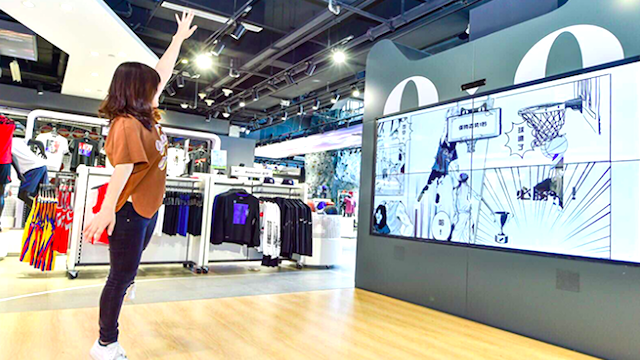
    Under the new name “Tmall x Intersport,” the two-story, 1300sqm space that sits in Beijing’s tourist hotspot Qianmen has been transformed into a futuristic megastore. The revamp underscores that more global brands are recognising the power of New Retail—tech-driven retail model pioneered by Alibaba that captures the best of online and offline shopping experiences.
    “We believe Tmall is the ideal partner in our endeavour to further our engagement with Chinese consumers by providing them the best-quality and most-fashionable sports goods in the market,” said Victor Duran, CEO of the Switzerland-based sportsgoods retailer Intersport.

    Established in 1968, Intersport has more than 5000 branches in 44 countries. It sells sports brands such as Nike, Puma, Reebok, Adidas, North Face and Dynatour. Intersport made its foray into China in 2013 and opened its Tmall flagship store in September 2016.

    “These new in-store technologies provide consumers in China an unprecedented shopping experience that is both entertaining and educational so they can have fun while shopping for the exact products that meet their unique demand,” the CEO said.

    Currently, Intersport has 24 stores in China with the goal of expanding to at least 100 – a combination of larger flagship stores in major cities and smaller specialty stores – during the next couple of years. “It makes sense to have Tmall technologies to be the link to connect all the stores together,” Duran said.

    New Retail is the new solution

    Many industry watchers have pointed to New Retail as the solution for brick-and-mortar retailers feeling the squeeze from e-commerce. By harnessing engaging technologies, store owners can attract more customers through both online and offline channels. Moreover, these technologies can generate insights to help businesses gain a more-precise view of China’s market trends and customer preferences.

    “We are excited to see an extensive range of Tmall’s New Retail technologies and features under one roof in Intersport’s store,” said Jessica Liu, president of Tmall Fashion and Luxury. “What’s even more encouraging is to see our merchants embracing the New Retail concept and exploring its potential. When customers try out these features firsthand, we are confident that they will see the convergence of online and offline shopping as the future of retail.”

    The Tmall and Intersport store is the latest example of how Alibaba’s New Retail technology is helping brands build up and reimagine their business in China since the push began in late 2015. To date, Tmall Fashion has collaborated with over 400 brands, including top names such as Burberry and Zara, and upgraded more than 50,000 storefronts all over China. Liu said the goal is to increase the collaboration to 1000 brands and help digitise 200,000 storefronts nationwide in the next year.

    Educate your customers

    At the grand reopening yesterday, customers were welcomed by an array of state-of-the-art technologies and augmented reality-powered interactive games. For example, the Smart Shelf and the Smart Shoe Mirror can instantly tell customers all the information they need about a certain shoe they pull from the shelf. This way, the customer can make a more-informed decision on whether or not the products fit their individual demands.

    Education on how a product suits an individual’s needs is an especially crucial element in the sportswear and gear market in China, said Tom Birtwhistle, director of China digital strategy at PricewaterhouseCoopers.

    With a government-led mandate to become more physically fit, and as China gears up to host the 2020 Summer Olympic and the 2022 Asia Games, Chinese customers are becoming more interested in adopting an active lifestyle, he added.

    “Chinese consumers are massively curious in learning about new brands and products. For new sports they want to be educated on the activity and understand how technical features can enhance their performance,” said Birtwhistle.

    His research indicates growth in the athletic fashion category is outpacing China’s overall fashion market. The segment is forecast to see 9 per cent growth annually in sales between 2017 to 2020, versus just 4 per cent for men’s and women’s fashion.

    At the smart megastore, shoppers can also get wardrobe tips from an AI Shopping Assistant – an interactive mirror that recommends related accessories or items that complement the article of clothing they are trying on.

    Can’t find what you want in the store? No problem. The megastore is equipped with Cloud Shelf technology, a virtual shelf that quadruples the volume and production selection customers can choose by simply tapping on the touchscreens, according to Tmall.

    A 24-hour interactive window display at the store’s main entrance means people can shop at the megastore around the clock. By using motion-sensor technology, the giant screen wall can distinguish the gender and approximate age of the passersby and recommend the best type of shoes for that person.

    Those who don’t want to lug heavy shopping bags or bulky shoe boxes around the streets of Beijing can opt to have their purchases delivered to a designated address anywhere in the country. Cainiao, Alibaba’s logistics service, can make the delivery in as quickly as two hours for locations within 5km of the store. Next-day delivery is also available for locations outside of Beijing.

    By scanning the QR code of a product on their phones, customers of the Tmall and Intersport store can also place the products in their Virtual Shopping Bag, so they can still buy the item online after they leave the store.