Tag: asia

  • NBTC reverses decision on 1800-MHz spectrum split

    NBTC reverses decision on 1800-MHz spectrum split

    Thai regulator NBTC has reversed a decision to split the 1800-MHz spectrum due to be reallocated in a spectrum auction into nine 10 MHz blocks.

    The regulator plans to revert to the plan to instead auction the spectrum in three 30 MHz lots.

    The about face was motivated by complaints from operators that the decision to carve the spectrum into 10 MHz blocks would hurt their long term business strategies, and to bring the upcoming auction in line with the two previous 1800-MHz auctions in 2015.

    Meanwhile JAS Mobile Broadband has been banned from participating in the planned auction after it defaulted on its first license payment in 2016.

    The 1800-MHz spectrum due to be allocated in the auction is currently used by private operator Dtac as part of its old concession agreement with state-owned CAT Telecom. But this concession is set to expire at the end of September, before the auction is planned, potentially leaving Dtac without the required spectrum to maintain service continuity for customers.

    Dtac has insisted that there will be no disruption, but the operator is facing a profit hit as a result of the decision. One option would require Dtac to operate using remedy measures, which would require it to transfer all earnings after expenses to the government as a result of being able to continue operating without a license for the required spectrum.

  • Singaporeans interested in biometric authentication

    Singaporeans interested in biometric authentication

    Singaporeans are interested the use of biometric methods to verify identity (97%) and make payments (96%), while recognizing that biometrics are faster, easier and more secure than traditional passwords, according to a recent Visa survey on biometric authentication for payments.

    The survey titled “Biometrics in Payments: Singapore” was conducted by AYTM Market Research late last year. Respondents consisted of 500 adult consumers in Singapore who used at least one credit card, debit card and/or mobile payment method.

    According to the survey, more than half of the respondents have already used at least one form of biometric authentication including fingerprint recognition (88%), facial recognition (56%), iris scanning (50%) and voice recognition (49%). Among the range of biometric solutions, consumers were most familiar with fingerprint recognition, with 51% of them using it regularly.

    Survey results showed one in five Singaporeans currently use fingerprint authentication or facial recognition from their respective banks or mobile phone providers. For those who have not used biometric authentication, 91% stated that they would be likely to use fingerprint or facial recognition authentication from their banks in future.

    More than half (55%) of the respondents agree that the use of biometrics eliminates the need to remember and key in multiple passwords, and PINs, for their respective accounts. Forty one per cent said that biometric authentication is more secure compared to passwords and PINs as they can better confirm individual identities.

    Singaporeans believe that fingerprint recognition is the most desired biometric authentication, followed by eye scanning and facial recognition for both online payment and in-store purchases. For online payment authentication, Singaporeans are keen to use it for large purchases (more than $100) and small purchases (under $100), and transfer of funds to family. The preference is similar for in-store purchases, including using biometric authentication to pay for a meal at the bar or restaurant and buy tickets for transportation.

    Mandy Lamb, Group Country Manager, Regional Southeast Asia for Visa, said, “Singaporeans are early adopters of technology and many of them already have experience with biometrics authentication. With the proliferation of biometric authentication solutions used by mobile providers and banks, Singaporeans recognize the value these new technologies bring to their everyday lives. As the country continues its Smart Nation journey, we believe more people will start to adopt biometric authentication.”

  • IT leaders aim to “consumerize” cloud access

    IT leaders aim to “consumerize” cloud access

    The proliferation of cloud applications and use of a disparate range of devices within businesses has led nearly two-thirds (64%) of IT leaders and their security teams to consider implementing consumer-grade access to cloud services for employees, finds new research from Gemalto.

    Surveying more than 1,000 IT decision makers globally, Gemalto’s 2018 Identity and Access Management Index revealed that the majority (54%) believe that the authentication methods they implement in their businesses are not as good compared to those found on popular sites including Amazon and Facebook.

    With a growing number of cloud apps in use, more employees working remotely and pressure mounting to make authentication stronger while ensuring ease of use, IT decision makers are keen to ‘consumerize’ the login process. In fact, 70% of IT professionals believe that authentication methods applied in the consumer world can be applied to secure access to enterprise resources.

    Despite this, 92% of IT leaders express concern about employees reusing personal credentials for work. This comes as 61% admit that they are still not implementing two-factor authentication to allow access to their network, potentially leaving themselves vulnerable to cyber criminals.

    At the same time, there seems to be increasing recognition that new approaches to cloud access can contribute to alleviating these issues. 62% of respondents believe that cloud access management tools can help simplify the login process for users, while 72% stated that a strong consideration for implementing a cloud access solution is the desire to reduce the threat of large scale breaches.

    The fact that 61% of respondents also stated that inefficient cloud identity management would be a key factor in adopting a cloud access management solution shows that scalability and management overheads are also of high concern to IT professionals, Gemalto said.

    “These findings clearly show that IT managers are struggling to balance the need for a simple and easy login experience with security,” said Francois Lasnier, SVP Identity and Access Management at Gemalto.

    “While there is a need to make things easier for employees, there is a fine line to be walked. IT and business line managers would do best to figure out the risks and sensitivities associated with the various applications used in their organizations and then use access management policies to manage risk and apply the appropriate authentication method. In this way, they can ensure a convenient login experience for their users, while still maintaining access security.”

    With the growth in remote working, the cloud and secure access to applications have become important for organizations. As a result, almost all (94%) respondents believe that cloud access management is integral to adopting cloud applications.

    In fact, nine in 10 also feel that ineffective cloud access management can lead to issues for their company, such as security (52%), IT staff’s time being used less efficiently (39%) and increased operational overheads and IT costs (38%).

    Despite this focus on protecting cloud applications, just three of the 27 applications used on average by organizations are protected with two-factor authentication.

  • Mintel integrates ecommerce sales data, social listening and price tracking analytics

    Mintel integrates ecommerce sales data, social listening and price tracking analytics

    Mintel, the world’s leading market intelligence agency, announced today a strategic joint venture with Early Data, ecommerce solutions and market intelligence provider.

    Online retail has gone from an industry disruptor to an everyday, preferred channel for many consumers. In today’s ‘new’ retail world, brands are challenged to meet the needs of a new breed of consumer. By combining ecommerce category performance, social listening and price tracking analytics from Early Data with Mintel’s existing portfolio of Mintel Global New Products Database (GNPD), Mintel Trends and Mintel Reports, brands and companies will have access to game-changing research and insights into China’s online retail market—the biggest in the world. Brands will be able to access category and brand share for both ecommerce volume and value with detailed item level sales performance, helping them continually monitor and strategise their growth within the evolving landscape.

    John Hore, Managing Director APAC at Mintel, said: “The new joint venture between Mintel and Early Data is changing the rules of the research market. We are combining a host of trusted proprietary data sets and a wealth of expertise in ecommerce data, predictive analytics, consumer research, product innovation and market sizing. Never before has this combination of data and unparalleled expertise been available to businesses operating or looking to do business in China.”

    Brian Negley, Executive Vice President of Early Data, commented: “We are proud to partner with Mintel to deliver what we believe is the best market intelligence solution available. By integrating Early Data with Mintel, digital ecommerce, product and marketing teams alike will have a complete picture of their category, a clear understanding of the consumer behaviours driving it, and the expert recommendations of where their company should be headed next.”

  • Telstra launches 5G-powered Wi-Fi hotspots

    Telstra launches 5G-powered Wi-Fi hotspots

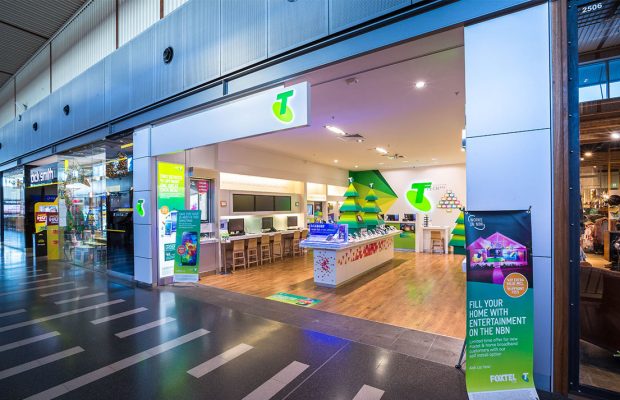
    Australia’s Telstra has launched what it says are the first 5G-enabled Wi-Fi hotspots in the world as part of its ongoing evaluation of 5G technology.

    The new hotspots on the Gold Coast in Queensland will provide locals and visitors with access to free broadband services during the evaluation period. The open hotspots will provide up to 10GB of downloads per device per day.

    They will be managed by Telstra’s recently-launched 5G innovation center on the Gold Coast. Telstra has connected 5G backhaul and related infrastructure in the Southport Exchange in the city to allow connections to the 5G network over Wi-Fi on existing devices.

    “Wi-Fi has limited throughput so a single hotspot alone cannot come close to reaching the limits of 5G at our Innovation Center,” Telstra group managing director for networks Mike Wright said.

    “By using multiple hotspots with potentially hundreds of smartphone users served through a single 5G device we are able to get closer to demonstrating 5G in a real world environment. Our 5G backhaul is capable of delivering download speeds of more than 3 Gbps.”

    Telstra is also using its new 5G innovation center to power a connected car trial using the Intel 5G Automotive Trial Platform.

    Wright said the trial is in the very early stages of development but the company is still achieving download speeds approaching 1Gbps inside the car, which is also equipped with a Wi-Fi access point.

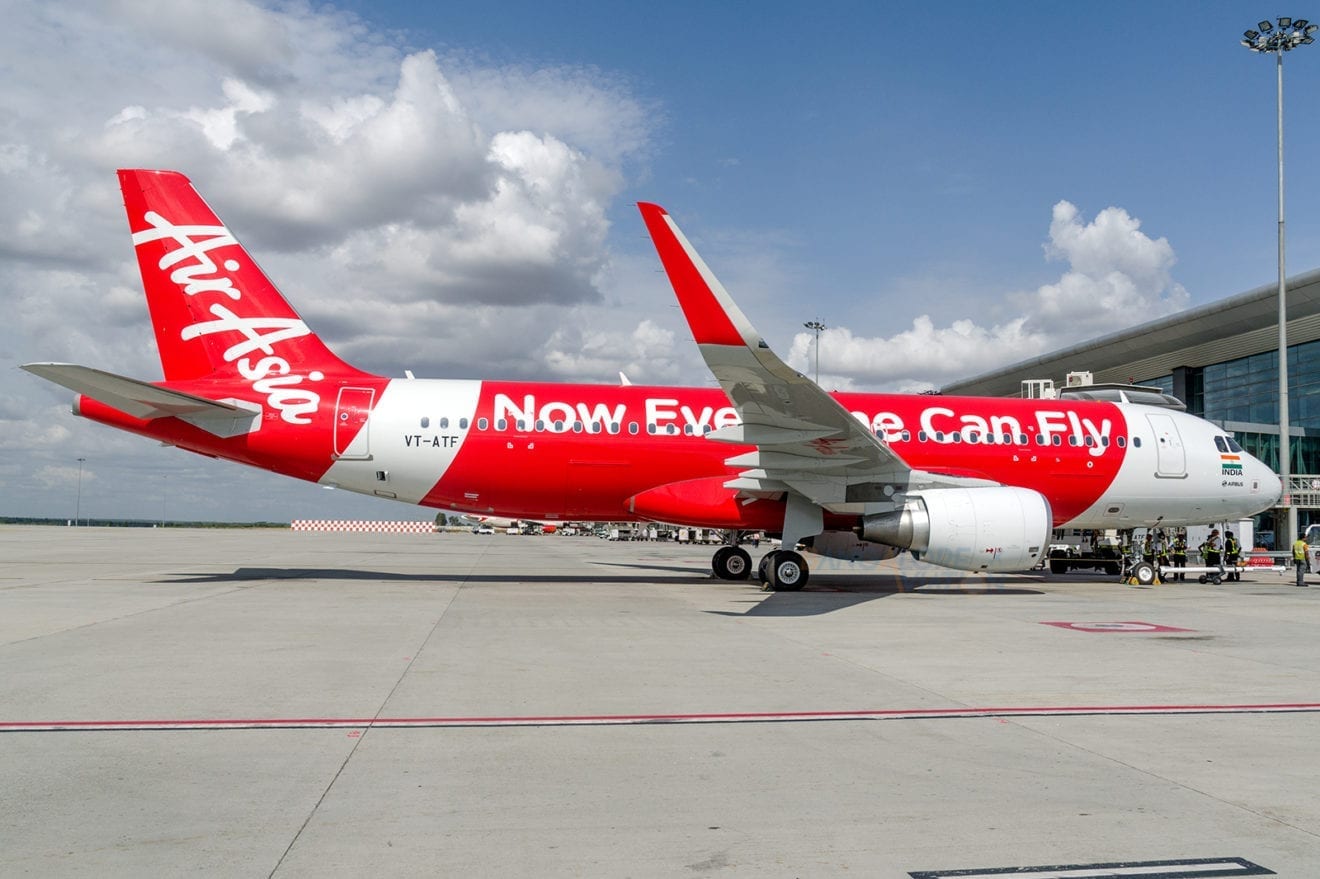
  • ​AirAsia X seeks to move operations to secondary airports

    ​AirAsia X seeks to move operations to secondary airports

    By moving to secondary airports, airlines can save on expensive landing fees and slot fees while potentially receiving subsidies and creating an overall easier travel experience for their passengers. Passengers can still benefit though, as most secondary airports are just on the outskirts of large cities.

    AirAsia X Chief Executive Benyamin Ismail told FlightGlobal that the airline is expecting to save “around 40-50% in cost savings” by moving to smaller airports.

    Currently, the airline has only solidified one move to a smaller airport after they announced that they would be shifting their operations from Melbourne’s Tullamarine airport to Avalon later this year.

    The airline has also stated that it is evaluating whether or not they will move to Nagoya Airport, a smaller airport compared to Nagoya’s Chubu International Airport, as well as Toowoomba Wellcamp airport, 81 miles west of Brisbane.

    With a growing wide-body fleet, seven Airbus A330s being added this year, and its order for an additional 66 A330neos and 10 A350-900s, the airline has also been eyeing expanding their operations to smaller airports in India, China, and the United States.

    While the announcement of moving to smaller airports is new, the practice of “budget airports” has been a key principle for Air Asia, Air Asia X’s sister company, for quite some time now.

    According to Tony Fernandes, Air Asia’s CEO, the airline doesn’t “need [all of the] facilities, and new cities should build facilities to attract low cost airlines. We don’t need aerobridges, we don’t need expensive facilities. Our passengers want to go in and out as cheaply and quickly as possible.”

    The business model for “budget airports” allows low operating and building costs for the airports which in turn allows low-cost carriers to offer even cheaper tickets to their passengers.

  • Alipay expands footprint in SEA

    Alipay expands footprint in SEA

    Mobile payments platform Alipay is expanding its cross-border footprint with new outposts Cambodia, Myanmar, Laos and the Philippines.

    The deployment is aimed at connecting merchants with an estimated 520 million active users in China through its Alipay’s in-app marketing platform while they are traveling overseas.

    The company says Alipay is now accepted in Phnom Penh, Siem Reap and Sihanoukville across shopping, F&B, entertainment and hospitality sectors. Notable merchants include Sajibumi, which operates the food and beverage concessions at Siem Reap International Airport and Phnom Penh International Airport, Sokimex petrol kiosks, and Legend cinemas.

    Alipay will also be rolled out in duty free stores managed by DUFRY at Phnom Penh International Airport, Siem Reap International Airport, and NagaWorld, the largest entertainment complex in Cambodia.

    Mobile payment is gaining momentum among Chinese travelers overseas. According to the recent Nielsen report, 65% of Chinese tourists used mobile payment platforms during their overseas travels, more than six times in comparison to non-Chinese tourists (11%).

    Over 90% of Chinese tourists would consider using mobile payments when traveling overseas if more overseas merchants accepted it.

  • Spark launches LoRa IoT network across NZ

    Spark launches LoRa IoT network across NZ

    New Zealand operator Spark has announced the commercial launch of its nationwide IoT network for businesses across the nation, with coverage reaching 60% of the country’s population.

    The IoT network, using the LoRaWAN technology, has been switched on in Auckland, Tauranga, Hamilton, Rotorua, Palmerston North, Shannon, Wellington, Nelson, Blenheim, Christchurch and Dunedin. Sites in Hastings and Invercargill will go live in the next few weeks, the telco said in a company statement.

    The network consists of gateways and antennas installed on Spark’s 4G cell sites. Spark is using Actility’s ThingPark Wireless platform, Kerlink’s gateways, and Kordia to build and maintain the network.

    Spark initially announced its LoRaWAN plans in July 2017, and details of coverage plans in December 2017.

    “Our IoT capability is really gathering pace, and now we’ve got this critical mass of coverage we’re able to make the network commercially available. This is a real milestone for Spark as we help New Zealand organizations win big in IoT,” said Michael Stribling, Spark’s general manager of IoT solutions.

    “While we currently have 60% of rural and urban New Zealand covered, we’ll be working to extend that to 70% by July this year. We’re also looking to partner with organizations to extend coverage into areas where they need it.”

    With its LoRaWAN IoT network, Spark said, business and local governments can deploy sensors across on a range of objects including vehicles, waterways, rubbish bins, machinery, carparks and livestock, with the sensors sending such information as the volume of rubbish in a public bin or water pH in a stream, over the network to the people managing these objects.

    Spark said LoRaWAN technology, which carries small amounts of data over long distances, uses less power than cellular networks, making it an affordable IoT solution.

    Compared to cellular connectivity, it works with a wide range of low-cost sensor technologies that are significantly cheaper on average than sensors for cellular networks. The cost to use the network is based on the number of sensors connected, and the number of messages those sensors send each month, the telco explained.

    For example it would cost a local farmer around NZ$1.79 ($1.29) per cow each month to track location and body temperatures of their cows using the LoRaWAN IoT network, Spark said.

    Spark has been testing LoRaWAN technology on trial sites for well over a year, with partners from a range of industries, including agriculture, marine and smart buildings.

    Some of its early adopters of the new commercial network include Levno, which has signed up as Spark’s first customer and will be working with the telco to extend network coverage to other areas. The Pamerston North-based agriculture firm is using Spark’s network to connect its fuel tank monitoring sensors.

    NB Smartcities NZ, a local firm offering smart city services, will also use Spark’s connectivity for smart outdoor lighting across the country.

    Claus Oustrup, director NB Smartcities NZ said the Spark network enables its council customers to leverage a range of smart city applications in addition to smart light technology.

    “For many councils, having real-time data, asset information and being in control of these devices can increase customer service response times and create real benefits for communities. For example, street lighting can account for as many as 50% of call center complaints. By having adaptable street lighting managed with real-time systems, these complaints can be quickly addressed, and their volume decreased,” said Oustrup.

    According to Stribling, the new LoRaWAN network will also enable more IoT technologies from overseas, like smart street lighting, to be adopted in New Zealand. At the same time, it is expected to give New Zealand developers of IoT technologies the chance to launch their products locally.

    “We’ve worked with the International LoRa Alliance to agree on Asia-Pacific standards so that products developed on LoRaWAN in New Zealand will work the same way on LoRaWAN networks in other countries,” he said.

    In addition to LoRaWAN, Spark has also deployed an IoT network using the 3GPP-compliant LTE CAT-M1 standard to cater different use cases. The company is also monitoring the global progress of the emerging Narrow Band (NB-IoT) standard and will invest in it when the use cases and ecosystem for NB-IoT become more mature.

    Last week, Spark also kicked off a 5G trial in Wellington, making it the country’s first mobile carrier to do so. The 5G trial came weeks after Spark announced changes to its management team as part of the company’s restructuring.

  • FedEx boosts e-commerce capabilities with acquisition of P2P

    FedEx boosts e-commerce capabilities with acquisition of P2P

    Today, FedEx announced the acquisition of UK-based P2P Mailing Limited for £92 million, in a move that bolsters the global integrator’s worldwide e-commerce delivery capabilities.

    P2P facilitates cross-border e-commerce deliveries with an asset-light model that relies on a proprietary IT platform to string together final-mile delivery and customs partners in different regions to deliver e-commerce parcels. Like FedEx, P2P offers a range of delivery services targeting varying customer needs, including international, domestic, tracked, untracked and express delivery services.

    But unlike FedEx, which relies primarily on its own assets and infrastructure for deliveries, P2P leverages “relationships with private, postal, retail and clearance providers” to provide “plug-and play options with carrier networks and customer systems” in hundreds of markets, according to FedEx.

    Although on a smaller scale, P2P’s business model is somewhat similar to that of the Cainiao logistics platform owned by Chinese e-tailer Alibaba. Cainiao links fragmented logistics service providers together in order to ship goods sold on the company’s various e-commerce platforms.

    Moving forward, P2P will operate as a subsidiary of FedEx Cross Border, which following recent reorganization, operates as a unit within FedEx Trade Networks. Carl W. Asmus, president and CEO, FedEx Cross Border said, “Global e-commerce continues to grow at a rapid pace, and more and more merchants, marketplaces, e-commerce and social platforms are looking for innovative, cost-effective ways to get merchandise from distribution points in one country to customers in another.”

    Cross-border e-commerce is sure to be a hot topic at this year’s Cargo Facts Asia. We invite you to join us in Shanghai 23-25 April at the Mandarin Oriental Pudong to hear more from FedEx and other e-commerce giants, including Alibaba’s Lazada and JD.com Logistics.

  • Why Jollibee Wants To Buy Pret a Manager

    Why Jollibee Wants To Buy Pret a Manager

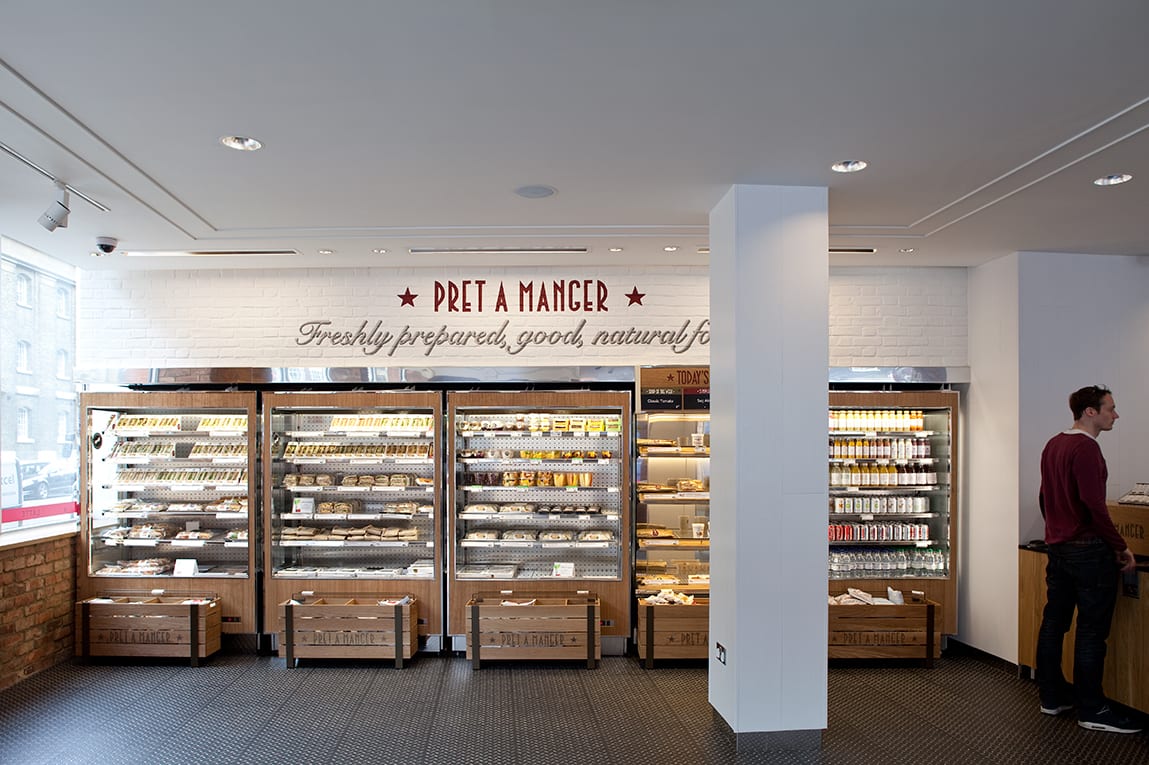
    Fancy a 400-calorie Pret A Manger quinoa salad to go with your greasy Jollibee fried chicken and sweet-style spaghetti? Hong Kong’s diehard patrons of the star-logoed British healthy foods chain and the Philippine fast food institution balked when this question was posed to them by Retail News.

    But while the menu offerings of the two companies – deemed national treasures of sorts in their home countries – hardly go well together, industry experts say that is no reason to write off a corporate marriage between the food titans.

    The prospect of the uncanny alliance was thrust into the spotlight this week after Reuters reported that cash-rich Jollibee Foods Corp – the biggest Asian-owned fast food company – was mulling an acquisition of Pret A Manger in its latest push to expand its global reach.

    The deal would be worth upwards of US$1 billion, Reuters said, quoting unnamed sources with knowledge of the matter, making it one of the biggest overseas deals by a Filipino company.

    The two companies did not outrightly refute the report, although Jollibee said in a filing to the Philippine Stock Exchange that the information in the Reuters report was not from the company.

    Its founder Tony Tan Caktiong told us that Jollibee “did not make any formal nonbinding bid”. But “if it does look worthwhile and would be a good fit for Jollibe, I would not rule out exploring Pret as a potential acquisition.”

    Pret A Manger, owned by the private equity firm Bridgepoint, kept silent.

    Bridgepoint earlier this year appointed bankers to explore a New York public listing for Pret A Manger, which would potentially see the chain valued significantly higher than the US$1 billion figure.

    Jocelyn Cheung, research analyst at Euromonitor International, said a deal would be able to “leverage the fast-growing health and wellness trends within big cities in China and Southeast Asia”.

    And Jeffrey Young, managing director of the London-based research and consulting firm Allegra Group, said “Jollibee’s presence and knowledge of the Philippine market would give Pret an advantage if they entered there and could be a significant gateway to other parts of Asia”.

    Pret A Manger – whose name means “ready to eat” in French – is ubiquitous in London with over 200 branches, and its offering of premium soups, sandwiches and salads along with organic coffee is a staple of the British capital’s calorie-counting and big spending city slickers.

    The chain is popular in Hong Kong too, with 23 outlets across the city.

    Within Asia, it has branches in Singapore, Shanghai, and Dubai. It also operates in France and the US, boasting over 350 stores worldwide.

    “I would hope there is no change to the menu here. It will be quite outrageous to have fried chicken sold here,” finance executive Diedre Muller told us while selecting a sandwich for lunch at Pret A Manger’s newly opened Times Square branch.

    Three MTR stops away, at Jollibee’s branch along Connaught Road Central, Ressie Gilla chuckled at the idea of the Philippine fast food chain and Pret A Manger one day having the same owner. “Jollibee is the McDonald’s of the Filipinos. Can you imagine if Pret is owned by McDonald’s?,” said the hotel worker while tucking into the chain’s signature fried chicken and spaghetti.

    Pret A Manger was in fact part-owned by McDonald’s from 2001 to 2008, one reason why experts say an acquisition by Jollibee is unlikely to be viewed as anathema for the healthy eating franchise. The acquisition could also be a less volatile exit strategy for Bridgepoint than an IPO.

    McDonald’s, which bought its 33 per cent stake just as the British company was expanding overseas, sold on its shares in full to Bridgepoint.

    Another reason why the pairing could work, observers say, is that while their food offerings are worlds apart, the companies share similar rags to riches narratives, and have the same customer-first ethos. Pret A Manger was founded in 1986 by Sinclair Beecham and Julian Metcalfe, two university friends who borrowed £17,000 from a bank and set up their first deli on Victoria Street in London. They said business venture arose out of their weariness of eating unhealthy food at the city’s numerous “greasy spoons”. Jollibee Group, now worth US$5.2 billion, was also once a David among a world of Western fast food Goliaths like McDonald’s, KFC, and Burger King. Its founder Tan – the son of Chinese immigrants from Fujian province – started out as an ice cream vendor in Metro Manila in the 1970s.

    According to Euromonitor data, the publicly listed company is now the number one fast food company in the Philippines, with 54.8 per cent market share in 2016. Its closest competitor McDonald’s held 20.8 per cent of market share.

    Across Asia, Jollibee is the third biggest fast food company, behind McDonald’s and Yum Brands Inc, the holding company of Kentucky Fried Chicken, Pizza Hut and Taco Bell.

    It has been in an acquisitive mood in recent years.

    In 2015 it took a 40 per cent stake in the US burger chain Smashburger. It owns the Chinese fast food chain Yonghe King, and last year bought out a key supplier of that brand.

    For the Philippine behemoth, Pret A Manger presents a direct way to break into a new frontier – the increasingly lucrative healthy eating industry.

    Research firm MarketLine in August said the global organic food market is set to grow from US$98.5 billion in 2016 to US$187.6 billion in 2021.

    “The trend towards healthy eating is highly evident in Britain and is sustainably spreading fast across the globe,” said Cheung of Euromonitor International. “Great natural fresh food offerings, strong brand equity and successful corporate strategies make Pret a highly attractive acquisition target.”

    London-based Young said Pret A Manger’s track record of registering strong growth in overseas markets – its businesses in the US, Hong Kong and France are thriving – makes its particularly attractive to Jollibee.

    Pret A Manger patron Muller, who scoffed at the idea of a fast-food chain owning her favourite lunch joint, said she was unlikely to give up on her staple of rocket and crayfish sandwiches if the acquisition did eventually come to pass.

    McDonald’s offloaded its Pret A Manger holdings in 2008 amid some disquiet among the sandwich chain’s anti-fast food clientele about its stake in the company.


     

  • Asia Pacific’s foodie hotspots deliver real estate benefits

    Asia Pacific’s foodie hotspots deliver real estate benefits

    For many cities in Asia Pacific, being known as a foodie destination is more than a badge of honour; it’s fast becoming a key driver of real estate development well beyond the retail and hospitality sectors.

    Take the South Australian capital of Adelaide, which boasts plenty of home grown produce and has several renowned wine regions like Barossa Valley and McLaren Vale on its doorstep. For international, and even domestic visitors, the city has traditionally been eclipsed by better known – and better developed – rival Melbourne, but recent urban re-furbishment plans are shining the spotlight on its foodie credentials.

    There’s certainly an appetite for its growing restaurant scene. ““Our year-on-year retail spending growth in the cafes and restaurants category has been in double-digits since mid-2016. It’s all about food and wine down here,” says Rick Warner, Strategic Research Manager for JLL Australia, says.

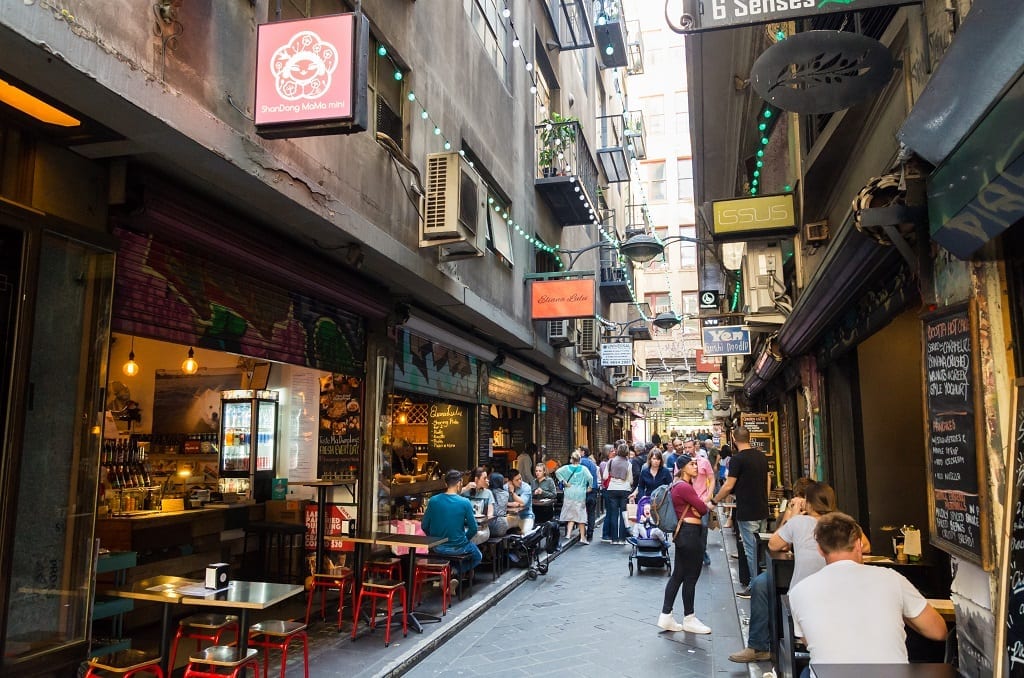
    Stage one of Adelaide’s laneways regeneration saw hospitality groups clambering for space, transforming once under-utilized units into prime real estate. Local authorities followed this up with the ongoing Laneway Master Plan, which aims to create a new hospitality and retail spine in the city and breathe new life into its nightlife.

    Warner says: “The most obvious benefit to the commercial property market is the positive impact on CBD retail vacancy, albeit in areas outside the city’s major retail destination, Rundle Mall. However, the multiplier effect of the Laneway Master Plan is the increased vibrancy and attractiveness of the city as a place to do business, a place to study and as a place to live.”

    Indeed, the area along the River Torrens is being transformed with several major projects, including the large–scale redevelopment of Festival Plaza. Also in the pipeline are several big name hotels and residential projects: Accor’s premium Pullman brand will make its debut in October, Crowne Plaza Adelaide is set to open in 2020 in the city’s tallest building, Frome Central, and luxury names Sofitel and Langham are also entering the city. The City Of Adelaide Council has also given the green light to a number of residential projects including the 40-level Realm Adelaide tower.

    The rise of foodie destinations

    Similar transformations have taken place in in other Australian cities. For example, along Sydney Harbour, old shipping yards have been converted into a world-class food and tourist destination at Barangaroo. It boasts a range of stylish apartments and offices, yet the biggest draw is its dining precinct along the foreshore which opened in 2016 and includes popular eateries like Belle’s Hot Chicken, Old Tow Hong Kong and Nola Smokehouse.

    Hobart’s food scene is also drawing in visitors and new residents. The city’s waterfront area is awash with new food and drink venues, which are supporting the revitalization of the surrounding area. New developments such as sustainable The Commons apartments are slated to open in 2019, while new hotels include the boutique MACq1 and the soon-to-be-launched Tasman Hobart, housed in an assortment of repurposed heritage buildings.

    Meanwhile, in Noosa on Queensland’s Sunshine Coast, a bustling food scene has sprung up on Hastings Street, its main retail strip, which is pulling in growing numbers of visitors. New apartments have followed, including the upcoming Settler’s Cove residential complex and  Parkridge units, both in Noosa Heads.

    Warner points out that the lifestyle such foodie destinations offer has become increasingly important to prospective residents and tourists alike. “It’s why developers and planners are focused on locations like these – people want vibrant places to live with plenty of amenities on their doorstep. For investors, this can create strong returns and for landlords, there’s a good pipeline of tenants looking to live in the area.”

    Food-obsessed in Asia

    Across Asia, cities with a strong epicurean culture have welcomed more food and beverage (F&B) retailers and have seen their real estate bolstered accordingly.

    “In Hong Kong, the leasing market has become much more accommodating towards F&B operators with the broader retail sector in the midst of a three-year long slump,” observes Cathie Chung, Research Director, JLL Hong Kong.

    Last year, F&B operators accounted for 66 percent of all international newcomers, compared to only 51 percent in 2016.

    Chung adds that the popularity of F&B, combined with consumers seeking out more unique experiences, is leading to more creative uses of retail space. Indeed, experiential concepts such as Speedway Diner in Kowloon City Plaza and Strokes, the first restaurant in the city to offer a mini golf course, have opened up in the past year.

    Over in Kuala Lumpur, the city is steadily growing its F&B credentials with new speakeasies and eateries. The neighbourhood of Damansara Heights has been listed among the world’s most buzzing neighbourhoods for its trendy restaurants and cafes, which form a key part of its appeal for residents and visitors. This has boosted the lifestyle credentials of developments such as Damansara City, which includes a new Sofitel hotel, office towers and an F&B-centric mall, as well as luxury apartments Aira Living.

    “It’s a journey – you need sufficiently a large population to support the food and beverage openings and once a new neighbourhood has matured, more new residents will move in because of the high-quality local amenities,” explains Veena Loh, Head of Research for JLL Malaysia. Penang and Malacca, for example, have attracted much foreign investment because of their famed cuisine.

    While a flourishing foodie scene isn’t an automatic recipe for the success of a neighborhood, when done well, it can spur the type of development and regeneration which bring long-term benefits.

  • DHL takes 2-wheeled ride to Southeast Asian growth

    DHL takes 2-wheeled ride to Southeast Asian growth

    DHL is making headway in Southeast Asia’s highly competitive ground shipping market largely by adopting a so-called microdelivery model employing motorcycles.

    In the two years since entering Thailand’s door-to-door-delivery sector, DHL has built up a network of 200 service locations and will raise the tally to at least 1,000 this year. It has also amassed a fleet of motorcycle couriers, recognizable by the yellow shipping containers on their bikes.

    “I feel at ease whenever I see the DHL logo,” said a 43-year-old man who frequently purchases clothing and electronics online.

    Retailers have similarly warm sentiment. “Delivery satisfaction is directly linked to an online store’s ratings,” said a representative of a womenswear seller that does business with DHL.

    DHL has already established a strong track record in Thailand through its international air transport and corporate-client logistics businesses. Its regular local staffers number more than 500.

    The package volume DHL handles for e-commerce clients has climbed to 15 million units a year. DHL can pick up and pack an item for a seller when needed, and deliver the item to the recipient in one or two days. Customers can pay with cash upon receiving the item.

    This type of home delivery service has yet to fully take root throughout Southeast Asia. DHL has sought to get a head start by setting up shop in Malaysia and Vietnam last year. It now has 1,000-plus service locations in three countries, with short-term plans to expand the network to thousands of locations.

    Online shopping is on the verge of igniting the home delivery business in Southeast Asia. The home delivery market in six key nations of the region will grow to $7.5 billion in 2020, or more than double 2015 levels, according to Nomura International (Hong Kong). Online retailing’s share is expected to rise to 38% from 15%.

    “There is currently no single global player in e-commerce logistics that is able to offer an end-to-end solution from fulfillment, cross-border to last-mile delivery” besides DHL, said Charles Brewer, CEO of DHL eCommerce.

    The DHL group also has the Chinese market, where it established a footprint before heading to Southeast Asia. “China has massive growth potential for outbound cross-border e-commerce,” Brewer said. Southeast Asia, with its population of 600 million, is key to realizing its promise.

  • MyTel launches 4G services

    MyTel launches 4G services

    Myanmar’s fourth operator MyTel has launched 4G services, and plans to expand its network to all 15 states and regions of the nation next month.

    The operator started selling SIM cards in Nay Pyi Taw, eastern Bago and Kayin State earlier this month.

    MyTel plans to differentiate by focusing its rollout more in regional areas and provinces away from large cities. The company has previously indicated plans to cover around 90% of the population with 4G-only services by the end of 1H18.

    The operator has set its base rates at 10 kyat ($0.0075) per minute for in-network calls and 23 kyat per minute for out of network calls, and 10 kyat per SMS.

    As a promotion, MyTel has also introduced a new plan offering 750MB of data and a 100 minute welcome bonus, as well as 50% top-up bonuses per recharge.

    MyTel completed its first call over its network last month during a ceremony in Nay Pyi Taw.

    MyTel is 49% owned by Vietnamese state-owned operator Viettel and 51% owned by a consortium of 11 local ICT companies. The joint venture was established to secure Myanmar’s fourth and last telecoms license.

  • HSBC gears for new retail banking push in the UAE

    HSBC gears for new retail banking push in the UAE

    Global banking giant HSBC, with a focus on the premium segment of the consumer banking business is looking to expand its retail lending, liabilities and wealth management business to a wider audience.

    “We are looking at the full corporate employee programmes to expand our retail business. We want to deal with payroll type solutions from both wholesale and retail side, covering liability and asset side of the business,” Marwan Hadi, head of Retail Banking and Wealth Management in the UAE, told Gulf News in an interviMajority of the bank’s retail lending is against salaries. Although the bank’s focus is on premium segment of the retail banking, in the corporate employee programme, the bank aligns its lending policies to be more inclusive. However, the bank does not insist on taking on the entire payroll from a customer acquisition point.

    “The UAE is a market where customers have wider choice. Although we become a preferred bank for a company through our corporate programme, the customers have the freedom to choose which bank they want to do business with,” said Hadi.

    HSBC sees strong potential for retail assets growth. Given the positive economic outlook, the bank sees greater growth in numbers as it gains market share in this segment. As part of its new retail expansion strategy, the bank is investing in digital solutions and frontline staff. The bank is in the process of adding more relationship managers (RMs).

    The new retail strategy revolves around the concept of taking the bank to the customers. While a part of it relates to providing appropriate digital banking delivery channels such as mobile banking and internet banking, HSBC is equipping its retail staff with most advanced digital solutions to serve their customers better.

    The bank has a network of eight branches and seven customer service units focused on commercial hubs across the country. Unlike many leading local banks that have wider branch network and still expanding, HSBC plans to reach customers wherever they are.

    Bank’s new customer acquisitions are based on corporate relationships. “Our customer acquisition numbers in the first quarter this year is much more favourable than last year. We are experiencing more than 10 per cent growth in terms of new to bank customers,” Marwan said. On the lending side, with the exception of auto loans, for all segments such as mortgages, personal loans and credit cards the bank has witnessed double digit growth so far. Hadi expects the bank to keep up the momentum through the year.

    “We don’t see any reason why this trend will not continue for the rest of the year. The International Monetary Fund (IMF) expects the UAE economy to grow at 3.5 per cent this year. Our Group is very comfortable with the growth outlook,” he said.

    In the cards business, the bank has plans to expand its product suite to complement the existing successful cash back card programme and premium offering like fully metallic black card.

    Liability focus

    For the past several years retail banking has been largely focused on assets (lending) business. Hadi expects that to change as the interest rates rise. With the rising rates, banks are likely to make more income from liabilities business (deposits).

    HSBC with its focus on the premium segment of the retail business has a strong retail deposits base. The bank is currently working on strategy to match retail asset business with its strong retail liabilities business.

    Wealth offerings

    Bank’s wealth business, focused on premium retail customers will be largely driven by growth in relationship managers as it plans to increase the number by more than 15 per cent this year.

    “We have expanded our wealth proposition with a robust investment platform offering more than 75 mutual funds. Currently, we have two GCC funds but going forward we are looking to add more regional funds in our offering,” said Hadi.

    In addition to mutual funds, the bank has fixed income products on offer and has plans to add direct equity and exchange traded funds (ETFs) in the future. The bank’s portfolio advisory service offers a goal-based investment advice directly linked to the risk tolerance levels of customers.

    Quick payments

    HSBC has a very competitive payments business in the UAE. In the foreign exchange (FX) business within the Retail Banking space, the UAE is the third largest market for HSBC Group, after UK and Hong Kong. The bank offers linked accounts for premium customers across key global corridors, allowing customers to transfer money instantly between these accounts. The bank also offers opportunity to link the HSBC accounts of family and friends globally, making fund transfers within the group quick and seamless. Both these facilities are free of charge and are completed digitally to allow improved customer experience.

  • AirAsia plans to launch BigCoin, a crypto-based reward system

    AirAsia plans to launch BigCoin, a crypto-based reward system

    Tony Fernandes, the CEO of AirAsia has announced that the airline plans to convert its frequent-flyer rewards program into a crypto-based reward system known as BigCoin. Tony was speaking to us when he made the statement.

    The Malaysian low-cost airline is trying to move towards a cashless system and at the same time improve the airline’s digital services. In the publication made on Nikkei on Thursday, Tony describes the system as something that will allow customers to buy seats, buy in-flight meals, upgrade seats and other services by use of BigCoin. All these services will be in addition to existing fiat currency options.

    He also goes on to tell Nikkei Asian Review that he foresees a situation where the airline will launch an initial coin offering very soon. While he didn’t provide a concrete timeline when this will happen, the article suggests it might occur anywhere between three and six months from now.

    So far there have been no details released by the airline if it’s developing its own blockchain or if it’s utilizing an existing platform. The Asian carrier isn’t the only airline looking at the blockchain as a crypto-based reward system in recent months. Singapore Airlines on Feb. 5 announced they were planning to launch a digital wallet that was to be powered by the blockchain and it would serve the frequent-flyer KrisFlyer program.

    The airline said the program would enable members of the KrisFlyer program to spend their air miles at any retail members for any point of sale transactions. The company goes on to say the initiative comes after a successful trial of proof-of-concept that was done in collaboration with Microsoft and KPMG and they are currently signing up retail merchants based in Singapore to join the blockchain based service.