Tag: asia

  • Protest arise after JD.com launches house brand Jing Zao

    Protest arise after JD.com launches house brand Jing Zao

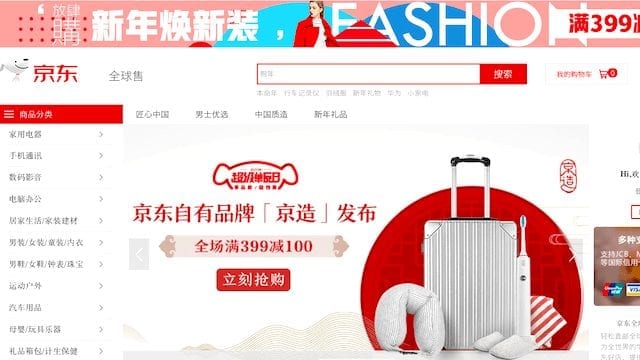
    Clashing head-on with manufacturers who sell through its platform, China’s JD.com has introduced its own brand, Jing Zao.

    Its initial 38 products range from towels to suitcases in similar style to Japan’s Muji or US luggage maker Samsonite, but at a lower price. Both companies sell their wares through JD.com.
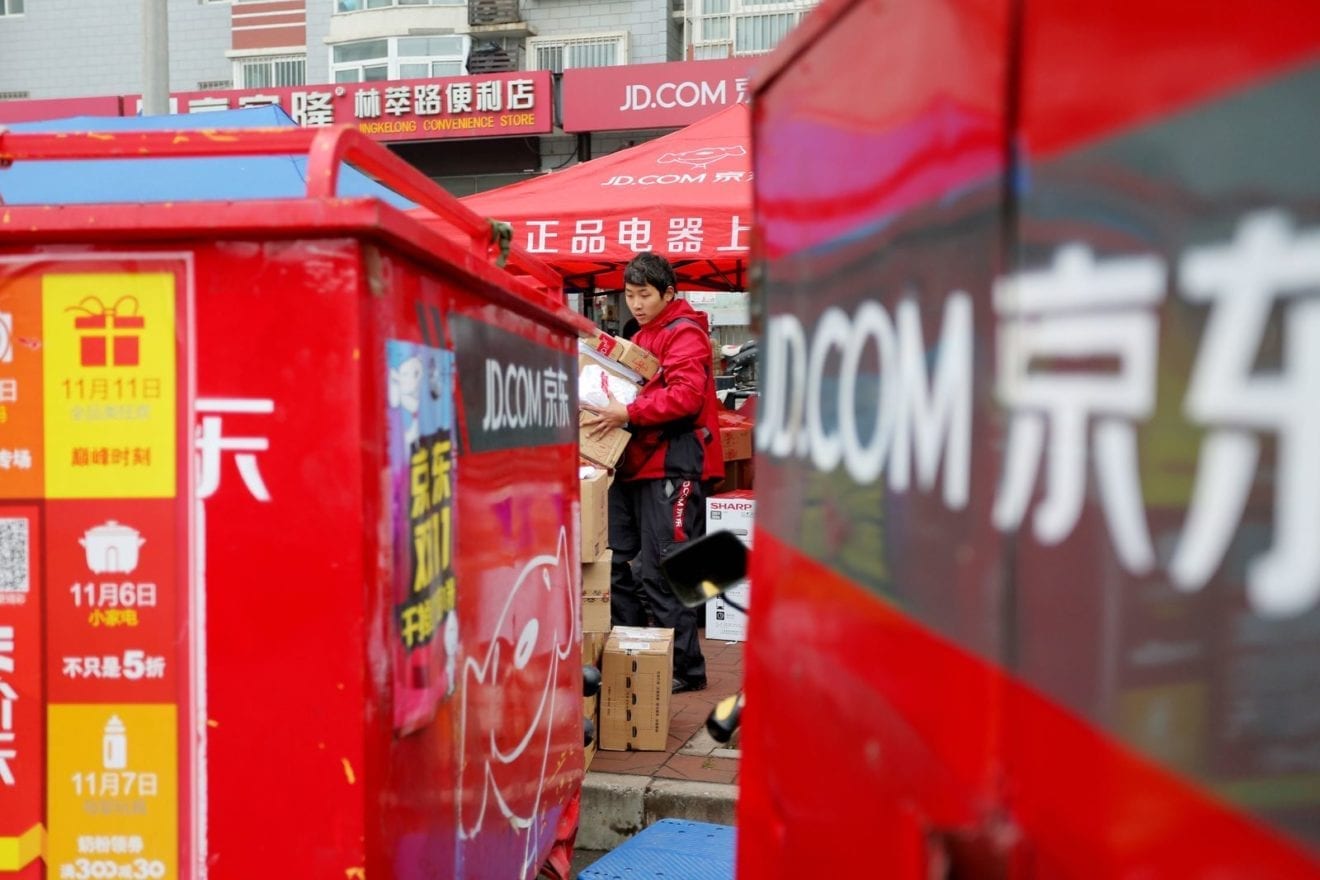
    JD.com knows which products are popular with customers and can tailor its offerings accordingly, plus it has its own logistics service for deliveries.

    Its house brand follows its venture into physical retail stores. This month it introduced its first fresh-food supermarket in Beijing.

    Meanwhile, JD.com has confirmed it is a co-investor in Vietnam’s Tiki e-commerce platform, becoming one of its largest shareholders.

  • JD.com widens Southeast Asia presence by investing in Vietnam’s Tiki.vn

    JD.com widens Southeast Asia presence by investing in Vietnam’s Tiki.vn

    Chinese online retailer JD.com Inc has made an investment in Vietnamese e-commerce firm Tiki.vn, expanding its Southeast Asia business amid growing competition in the region from Alibaba Group Holding Ltd and Amazon.com Inc.

    JD.com co-led the financing with Vietnamese entertainment and social media firm VNG Corp, which is an existing investor, China’s second-biggest e-commerce firm behind Alibaba said in a statement on Tuesday.

    The firm did not disclose the size of the funding but said that JD.com will become one of Tiki’s largest shareholders alongside VNG following the deal.

    Vietnamese media had reported in November that the round was worth roughly 1 trillion dong ($44.04 million). JD.com declined to give a dollar number for the investment.

    “With JD’s expertise in leveraging social media for e-commerce, Tiki.vn’s partnership with VNG in social network and mobile payments is a natural fit,” Winston Cheng, president of JD.com’s international business, said in the statement.

    Vietnam is the latest focal point in JD.com’s strategic push into Southeast Asia, where Alibaba and Amazon have also made significant investments in the past year.

    JD.com will tap Tiki.vn’s warehousing and delivery system, as well as its technology and payments capabilities.

    Tiki.vn and VNG’s tie-up has similarities to the partnership between JD.com Inc and internet giant Tencent Holdings Ltd, which is an investor in JD.com and Asia’s largest tech firm by market cap.

    JD.com leverages data and payments from Tencent’s WeChat, China’s most popular social media app, and will seek to build similar capabilities with VNG and Tiki.vn, Cheng said.

    While Southeast Asia’s e-commerce market is still nascent compared to the China‘s, improvement in internet services and an increase in mobile-based payments have attracted large international e-commerce firms to the region.

    Alibaba has invested heavily in payment and e-commerce ventures in Thailand, Singapore, Indonesia and Malaysia. U.S. retailer Amazon also launched its subscription-based Prime service in Singapore last month in a bid to challenge Alibaba-backed online retailer Lazada Group in Southeast Asia.

    JD.com launched a local online retail business in Indonesia two years ago, and now claims to be the country’ largest retailer by revenue. It also formed a $500 million e-commerce venture with Thai retailer Central Group.

    Besides VNG, Tiki.vn’s previous investors include Seedcom, Sumitomo Corp and CyberAgent Ventures.

  • Apple’s first South Korean store set to open in Seoul on Jan. 27

    Apple’s first South Korean store set to open in Seoul on Jan. 27

    The first official Apple Store Korea will open later this month.

    Apple Korea announced today that its first fully-fledged retail shop in South Korea will open on January 27, on Garosugil in the affluent southern district of Gangnam in Seoul.Apple said on its website that the store will trade seven days a week from 10am to 10pm.

    Consumers will be able to try out iPhones, Apple Watches, iPads, MacBooks and other Apple products, visit the Genius Grove for repairs, and attend training sessions on the use of Apple gadgets at the store.

    Apple said it has been working with mobile carriers, including SK Telecom, KT and LG Uplus so users can register and set up their mobile phones at the store.

    Apple began replacing iPhone batteries early this month as hundreds of thousands of South Korean iPhone users filed a suit over allegations the tech giant intentionally slowed down older iPhones to push users to buy new models.

  • Fliggy, American Airlines Partnership to Benefit Chinese Travelers

    Fliggy, American Airlines Partnership to Benefit Chinese Travelers

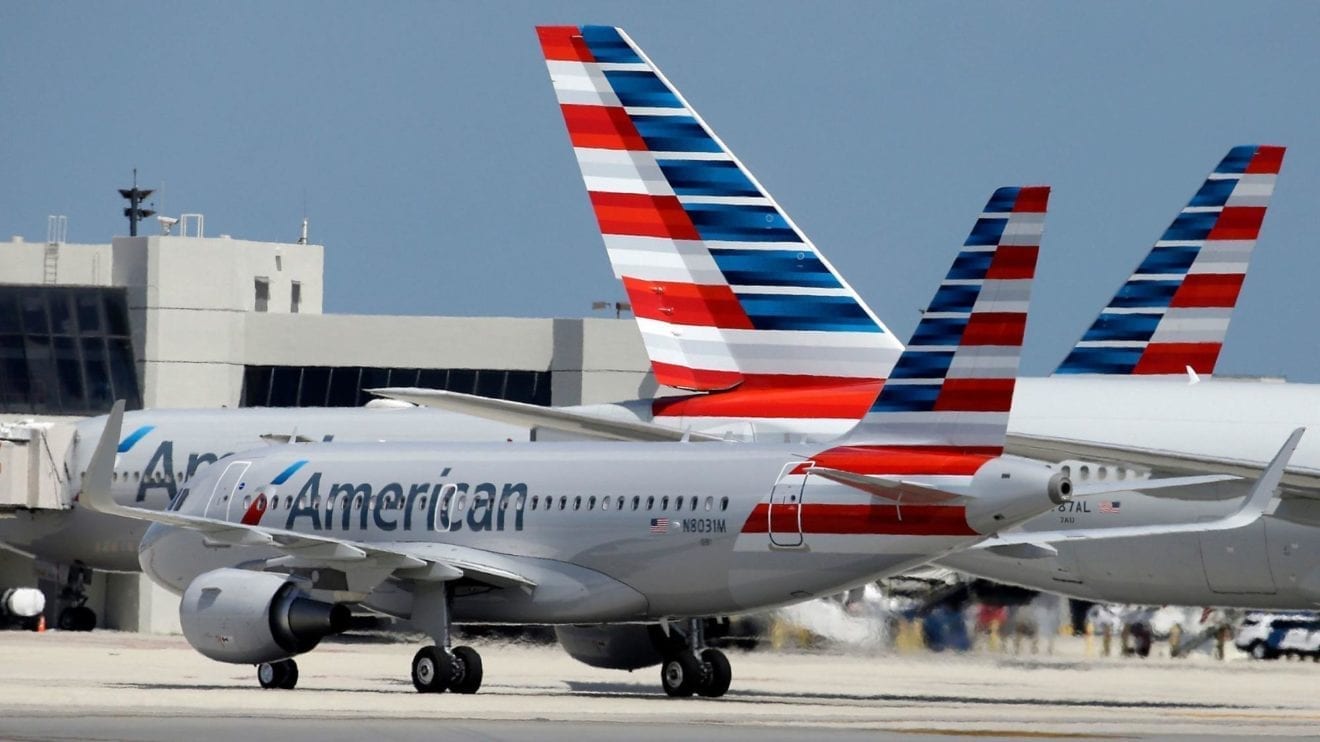
    The world’s largest airline, American Airlines, and Alibaba Group-owned Fliggy on Tuesday announced a strategic partnership that will bring travel perks to millions of the online travel platform’s Chinese customers.

    Starting next month, Fliggy members can register to enjoy select benefits from AA’s loyalty program, AAdvantage, depending on the level of their membership with Fliggy. For example, Fliggy F1 members will earn preferred boarding when taking an economy class flight, while those with Fliggy’s F2 and F3 memberships will receive certain perks equivalent to AAdvantage’s Gold and Platinum status, respectively.

    Moreover, AA plans to launch a flagship store on Fliggy, joining other airline stalwarts such as Cathay Pacific, Singapore Airlines, and Lufthansa to capture the booming travel demand by Chinese consumers.

    Future plans for the partnership also include the implementation of Alipay, the mobile payment system of Alibaba’s related company, Ant Financial, as a form of payment, said both companies in a joint statement.

    As part of Alibaba Group, Fliggy has access to more than 500 million mobile monthly active users on Alibaba’s China retail marketplaces. This means that by partnering with Alibaba airlines can gain valuable insights into the Chinese market, allowing them to better customize their services for Chinese customers, said Fliggy Vice President Jerry Hu.

    “This is why more than 70 well-known domestic and foreign airlines have chosen to establish flagship stores on Fliggy,” he said.

    Alison Taylor, senior vice president of Global Sales and Distribution at American Airlines, said the company is committed to China and is offering Chinese customers more flights to more destinations between North America and Asia.

    “This partnership changes the way loyalty programs in China interact with one another and provides more flight options for Fliggy users between these two critical business and leisure destinations,” she said.

    According to a forecast by investment bank CLSA, Chinese outbound tourism is expected to hit 200 million people by 2020 from 135 million seen in 2016. Spending by Chinese overseas travelers is also projected to reach $429 billion in 2021 compared with $261 billion in 2016, the firm said in a report.

    Founded in 1930, AA offers 6,700 flights each day to 350 destination in 50 countries and regions. The Texas-headquartered company is also a founding member of the Oneworld Alliance, whose members and members-elect offer nearly 14,250 flights daily to 1,000 destinations in 150 countries.


  • Chinese smartphone maker Vivo is looking to arrive in Singapore soon

    Chinese smartphone maker Vivo is looking to arrive in Singapore soon

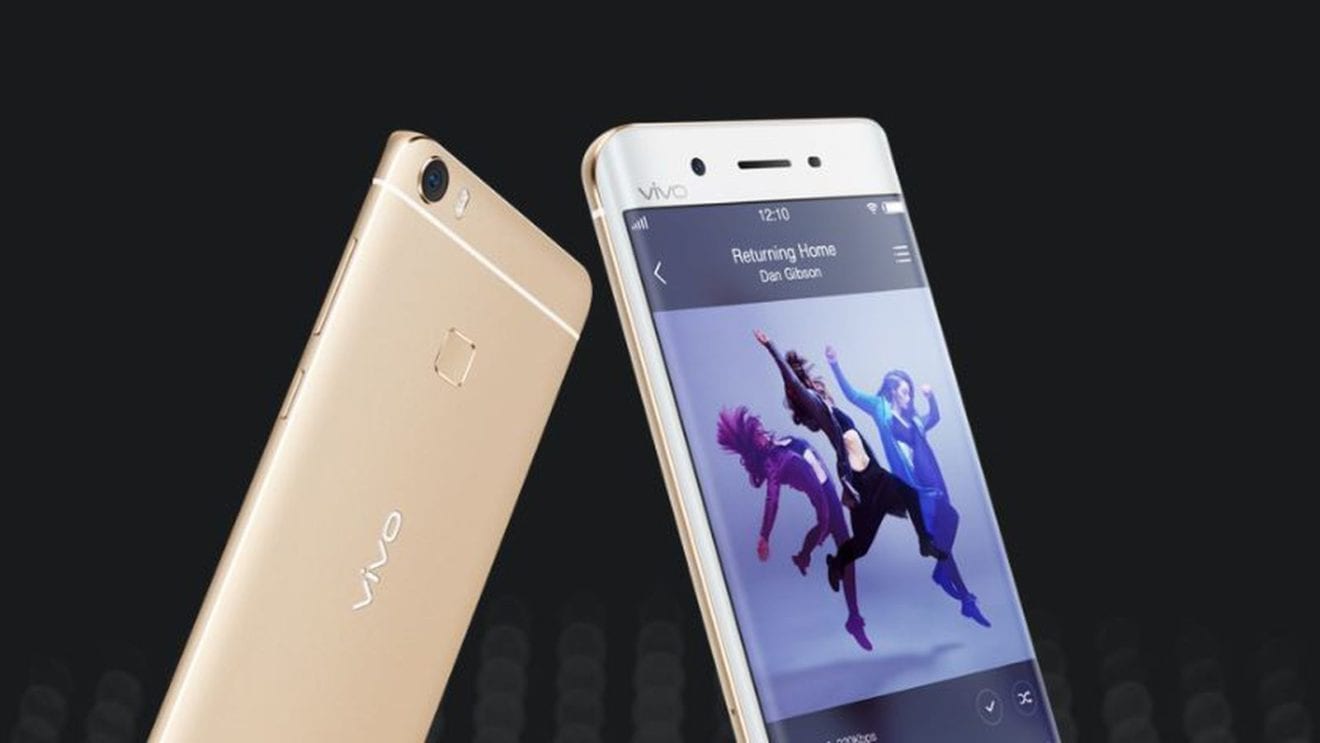
    Singaporeans are spoiled for choice when it comes to choosing a new smartphone, and it looks like Chinese smartphone maker Vivo is looking to make an impression in their purchasing decisions.

    In a Facebook post on Monday (Feb 15), Vivo announced that it would enter the Singapore market for the first time with its flagship V7+ and Y65 handsets.

    The plans have been brewing since October last year, when the company announced that it intended to bring its products into more markets as part of an international expansion, as reported.

    “Singapore is a key market for us and we want to establish our presence here,” said CEO of Vivo Singapore Mr Liu Hong Bin.

    He added that the company would bring in additional handset models in the coming months.

    Vivo’s flagship V7+ and Y65 handsets, which will be available in both gold and matte black, will be on sale from Jan 20 at mobile retail stores.

    Meanwhile, Vivo is still in talks with local telcos to bring the devices in through them sometime next month.

    The V7+ device packs a 16-megapixel primary camera on the rear and a 24-megapixel front shooter for selfies (we all need those killer selfies right?). It runs on Android 7.1 and is powered by a 3225mAh battery.

    The Y65 handset runs on the same OS, but has lower hardware specifications, such as a 5-megapixel front-facing camera and a 3000mAh battery.

    The Chinese smartphone maker has made a name for itself, even beating tech giants like Apple and Samsung to the punch with its in-display fingerprint scanning technology.

    Not forgetting to mention that that very innovation led to Vivo clinching the “Best of CES 2018” award from tech news blogs like Digital Trends.

  • Retail Stores in the near future will have no employees

    Retail Stores in the near future will have no employees

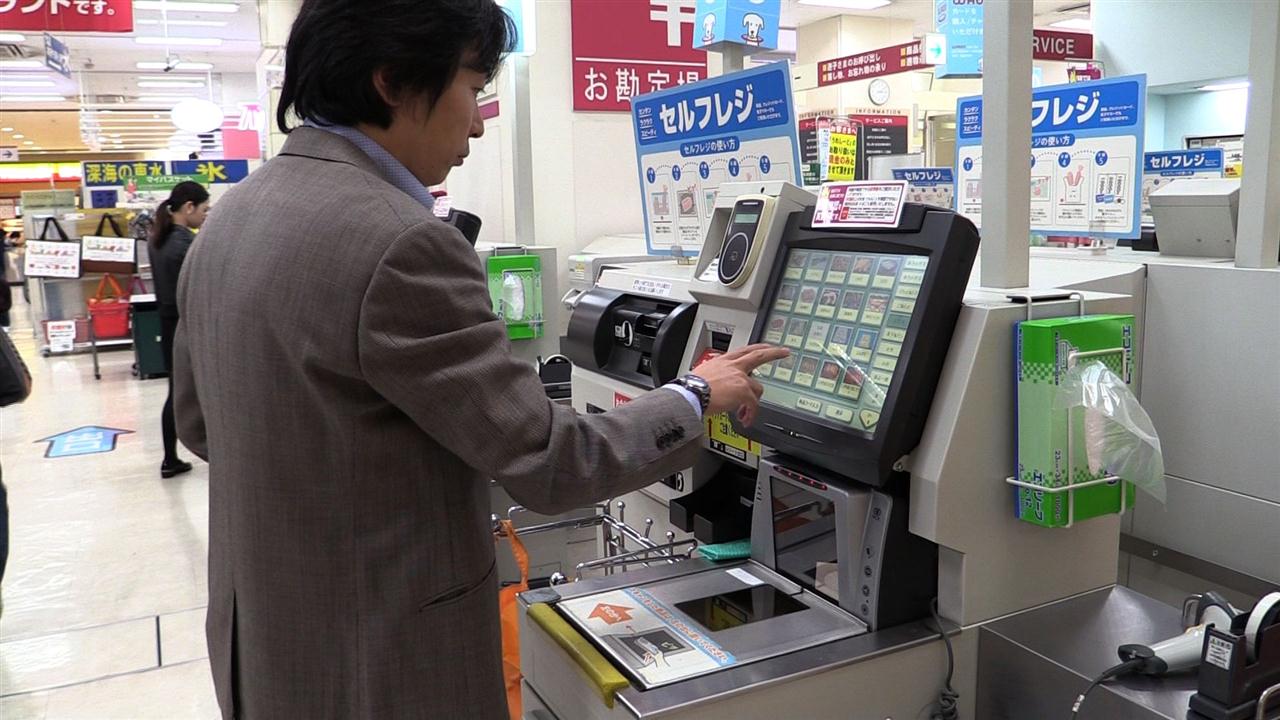
    Have you ever imagined walking into a D-Mart store in the middle of the night, selecting an item, paying and leaving without any human interaction?

    Still, there’s a detailed data footprint of the transaction from which actionable insights can be drawn. The store is equipped with a responsive technology suite that includes smart shelves, intelligent cameras, gateways and sensors, smart counters for frictionless checkout and smart digital signage.

    Across the globe, retailers are modernising by embracing technologies such as IoT, AI and analytics to personalise the customer experience and reshape the supply chain. One example is JD, one of the online retailers in China. It has opened its first staff-free store called D-Mart at its company headquarters. Staff-free stores are a growing international trend bringing the conveniences of online retailing into the physical shop.

    JD’s staff-free store leverages a suite of Intel responsive technologies that range from edge computing to digital signage to point of sale (POS) solutions. The two companies will continue to collaborate on developing IoT solutions that reimagine the future of brick-and-mortar stores to help over 6.8 million mom-and-pop retailers throughout China meet customers’ expectations and remove existing sales barriers.

    Intel-powered solutions help retailers transform their supply chains. G-Star has plans to scale globally to an additional 100 stores. Used in tandem with RIOT insight software for analytics, the Intel-based solution provides data-driven insights into what’s selling and what’s not and which items need to be replenished so the retailer can make informed inventory management decisions.

    Lolli & Pops, a retailer of gourmet candies, uses computer vision and AI to provide the next generation of personalised customer experience. Through computer vision, Lolli & Pops “Magic Makers” recognise loyalty members in real time as they enter the store. Using AI-enhanced analytics, the retailer accesses members’ preferences and makes personalised product recommendations — giving shoppers the sweet VIP treatment, while ensuring they keep coming back.

    Point of sale equipment can lower the cost of doing business while simultaneously improving productivity. These innovative solutions will also enable transactions at the point of conversion and give customers the power to decide when, where and how they purchase.

    At NRF 2018, over 30 Intel partners will feature Intel-based solutions designed to help solve retail’s biggest challenges.

  • Sip on the world’s first blue wine at a blue-themed cafe in Clementi

    Sip on the world’s first blue wine at a blue-themed cafe in Clementi

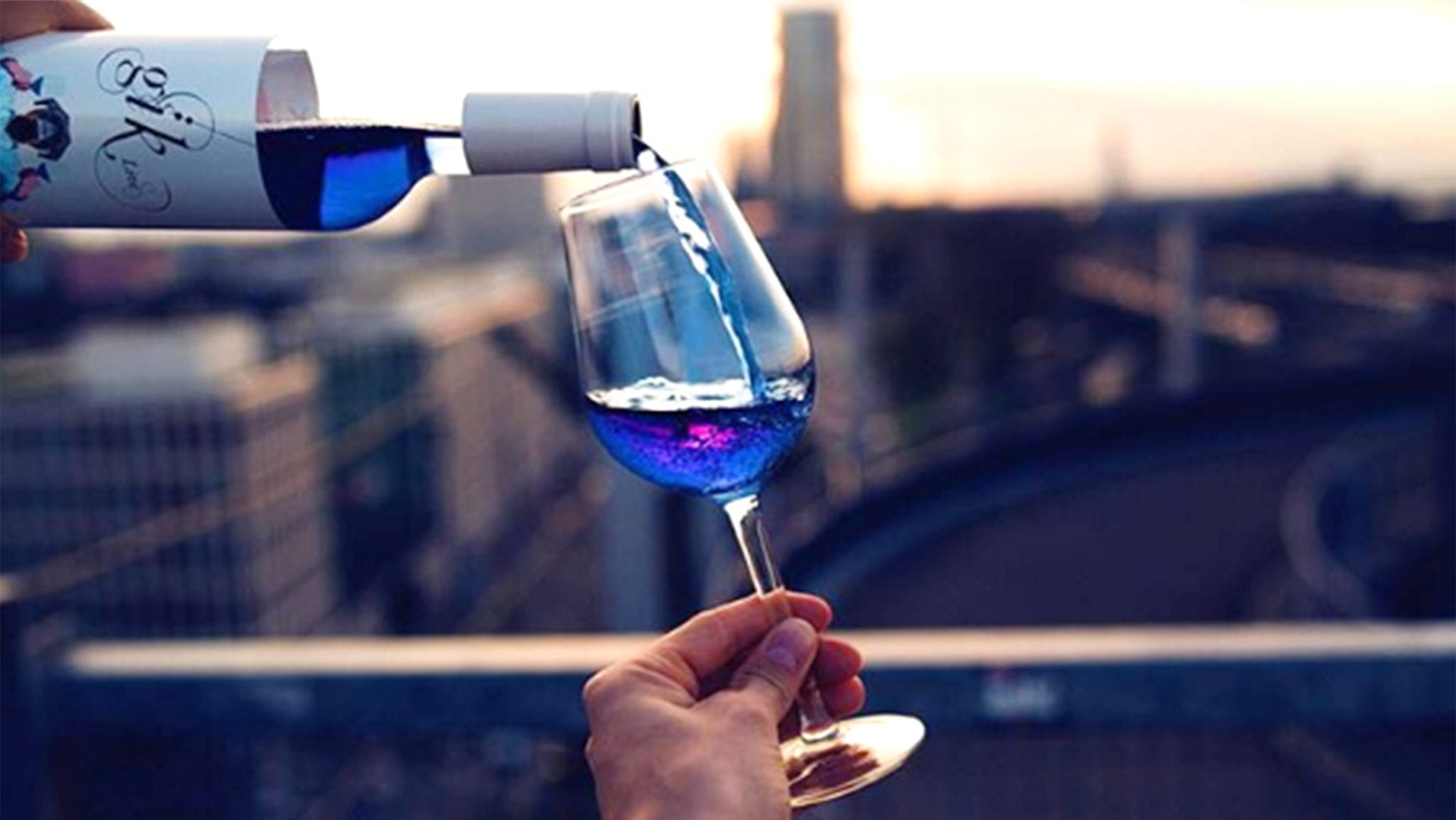
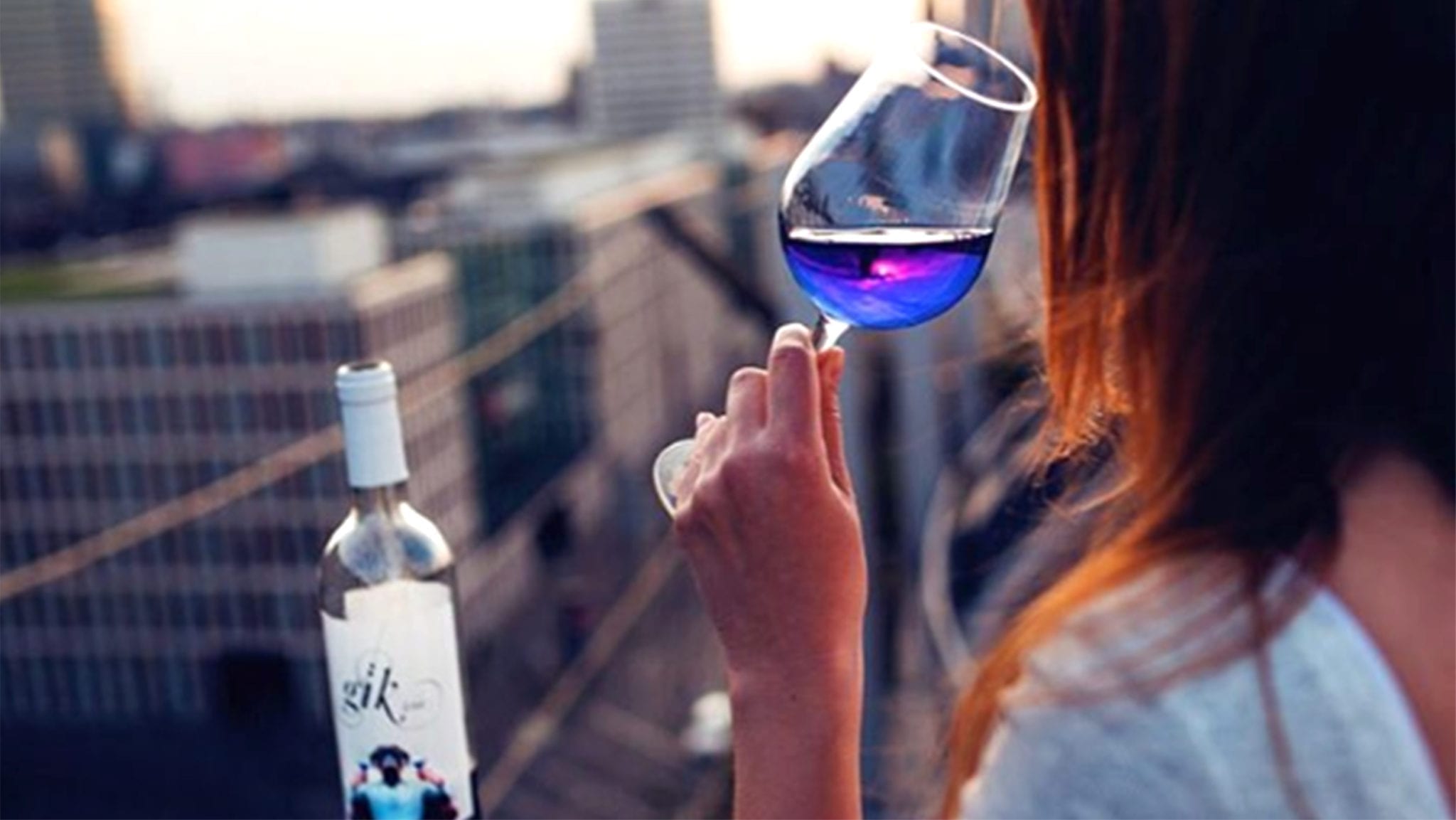
    Blue wine. Guess it’s a thing now. Gik is the Spanish company that made waves in the wine industry over a year ago with its new concoction, which blends red and white grapes with organic pigments and flavors, resulting in a sweet, blue-tinted wine that has intrigued some and outraged others.

    Taste-wise, blue wine is said to be reminiscent of a cross between a wine cooler, a cocktail mixer, and juice. Obviously, it won’t really appeal to the snooty wine purist crowd, but if you’re rather liberal and adventurous when it comes to all things booze, perhaps you’d like to give it a go — if just for the ‘gram — ’cause it has finally made its way to our shores.

    Besides ordering bottles online ($55 each)  — on the official Singapore site or retail platforms like RedMart — and hosting blue wine-fuelled parties, you can also sip on the unusual drink at Blue Willow, a new blue-themed cafe in Clementi.

    Gik, a bright blue wine from Bierzo in northwest Spain made with red and white grapes.

    Brought to you by the team behind Fresh Fruits Lab and Harry Potter cafe Platform 1094, the bistro serves up glasses ($13) of the blue beverage for those who simply want to sample it to understand the hype. Apparently, the menu also offers other blue-hued options such as blue carbonara with sous vide egg and rocket leaves, blue pancakes with blue maple sago, blueberries, and butterfly pea, and a dome-shaped mousse cake that’s — surprise, surprise — a shade of blue.

    As for the blue wine itself, only time will tell whether it sticks around or winds up being just another novel millennial invention. Move over, pink rosé?

  • Cryptoсurrency Market Continues to Float After Regulation From South Korea

    Cryptoсurrency Market Continues to Float After Regulation From South Korea

    This weekend the cryptocurrency markets went on contending against the setback caused by a last week’s regulatory announcement from South Korea, which turned out to be false.

    On January 11, Justice Minister Park stated that the ministry is working on drafting a cryptocurrency trading ban bill in order to close down cryptocurrency exchanges. Just after that the price of almost all cryptocurrencies in the global market lost in value, with Bitcoin and Ethereum falling by nearly 10 percent. A couple of hours later, the Ministry of Strategy and Finance found out about the claims of Minister Park through media reports and emphasized that it did not support the personal statement of Minister Park nor agreed with it.

    On January 12, the Blue House, the executive office of President Moon Jae-in, made a public statement and apologized to South Korean citizens for the recent cryptocurrency trading ban controversy.They pointed out that the ban would not be imposed in the short-term.

    The South Korean faked ban is not the only attempt to regulate the cryptocurrency exchanges’ activity. Earlier China, one of the dominant players in terms of Bitcoin mining activities due to low electricity cost, banned Initial Coin Offerings (ICO) and closed down local Bitcoin exchanges. It also decided to put restrictions on the use of electricity consumed by the Bitcoin miners.

    However, regulators have never been able to kill off Bitcoin. But it is clear that they carry a lot of weight when it comes to affecting the market price.

    With the exception of Bitcoin, Ethereum, and Dash, the top 10 cryptocurrencies in the global market have increased in value after the ban turning out to be fake.

    Among the top 100 cryptocurrencies, only 20 managed to keep their values in the last 24 hours. In particular, cryptocurrencies, which are heavily concentrated in the South Korean crypto exchange market in terms of daily trading volume and user activity, have recovered faster than others.

    According to the data from CoinMarketCap, Bitcoin price decreased by 0.9% in the last 24 hours and currently makes up $13,722, while Ethereum suffered a 1.93% loss, falling down to $1331,79. Conversely, some currencies enjoyed an increase in value. Specifically, the price of Cardano increased by 4.30% and now runs at $0,833502. Another cryptocurrency that scored an advance is NEO – it increased by 13.89%, reaching $157,99.

    Given that the South Korean cryptocurrency exchange market is already recovering at a rapid rate, the global market will likely follow suit.

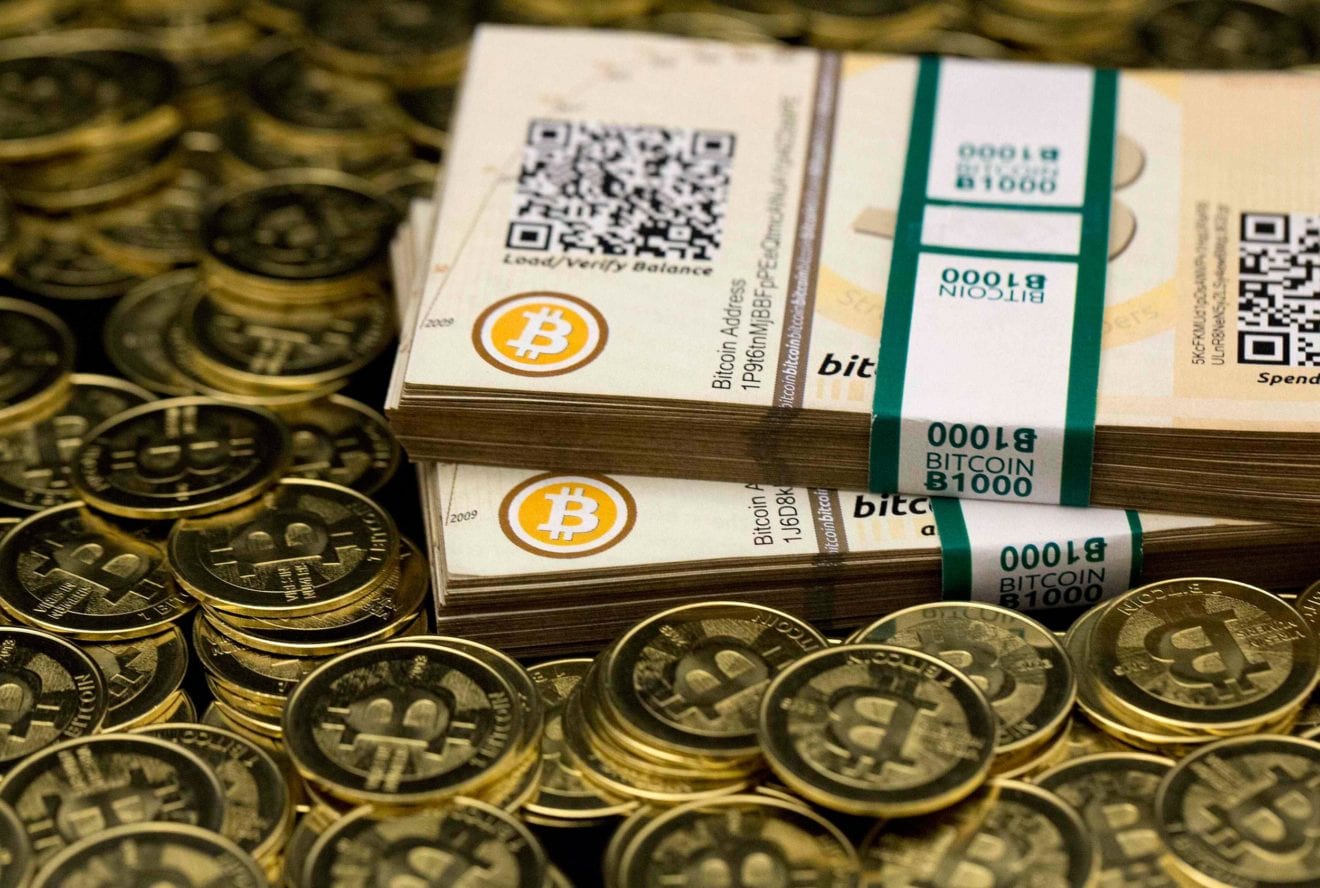
    However, there is one more thing that can fluster cryptocurrency admirers. Bitcoins are created as a reward for a process known as ‘mining’. The first bitcoin was created in January 2009, and there were nearly 21 million coins left to be mined. As more coins were mined, the higher rose the bitcoin’s price. So far on January 15, 2018, 16,803,537 BTC have been mined, meaning that there’s only 4196463 – less than 20 percent — left for miners to acquire. This leads to growth in the demand for the cryptocurrency, which allows to speculate that the bitcoin prices will take a flight in the near future.co

  • Nissan’s Infiniti vehicles to go electric

    Nissan’s Infiniti vehicles to go electric

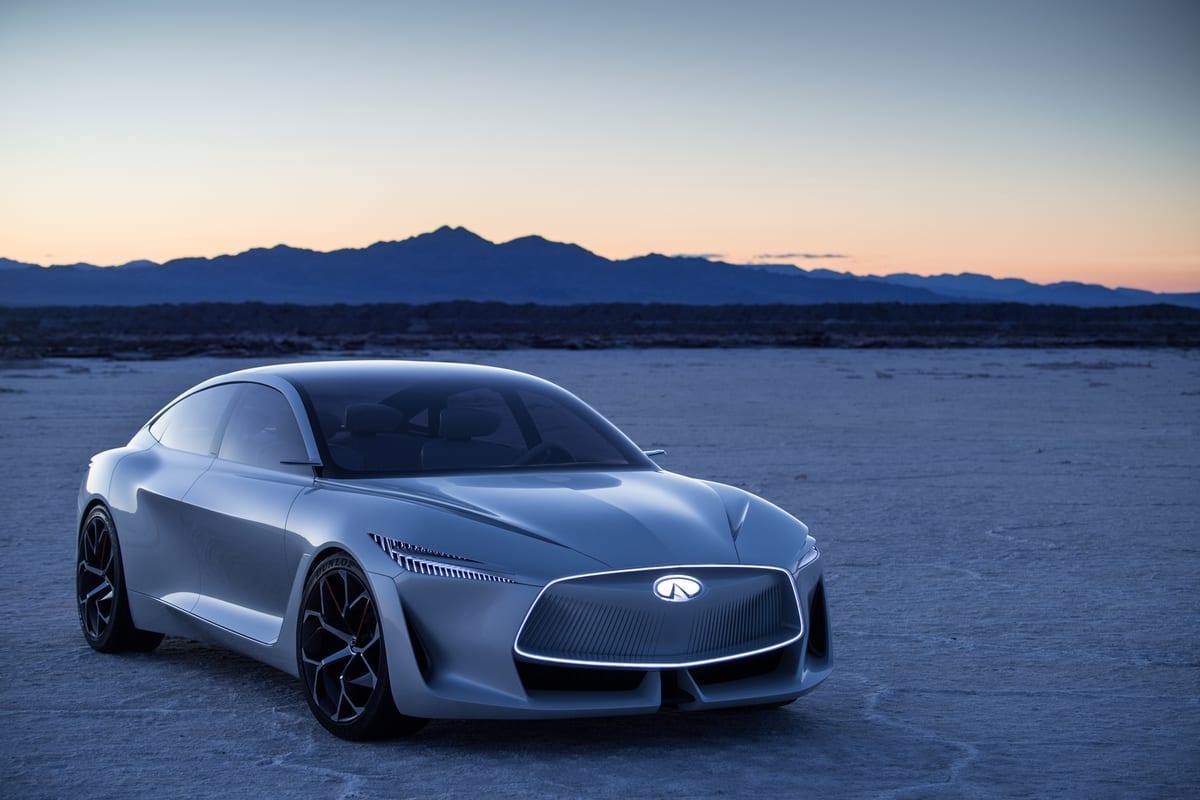
    Japanese carmaker Nissan Motor Co. plans to transform its upscale Infiniti brand of vehicles into a primarily electrified offering, Chief Executive Hiroto Saikawa said on Tuesday.

    All new Infiniti models launched from 2021 will be either electric or so-called “e-Power” hybrids, Saikawa told the Automotive News World Congress in Detroit.

    The announcement revives plans for a luxury electric offering that Nissan first touted with a 2012 Infiniti show car, but later scrapped over profitability concerns. That left the road clear for Tesla’s (TSLA.O) Model S, introduced the same year.

    “We are going to make Infiniti the premium and highly electrified brand,” Saikawa said on Tuesday.

    Nissan and alliance partner Renault (RENA.PA) took an early lead in battery-powered cars with models such as the 2011 Leaf, still the world’s top-selling electric vehicle.

    However, Tesla has hogged the limelight in recent years, while German carmakers are leading a $90 billion wave of investment in electric and plug-in hybrid cars.

    Nissan dropped the earlier electric Infiniti program in mid-2014 over concerns it would threaten the financial goals in its “Power 88” mid-term plan, according to people involved in those discussions. The company ended up missing its 8 percent margin target anyway, in fiscal 2017.

    Nissan is one of a number of Japanese carmakers seeking to jump-start a higher-end brand. Toyota (7203.T) is launching a revamped Lexus LS flagship, while Honda (7267.T) has been redesigning its Acura line in the hope of boosting sales.

    In the United States, Infiniti’s sales rose 11.3 percent last year in a light vehicle market that was down 1.5 percent overall, while Acura deliveries fell by 3.9 percent and Lexus by 7.6 percent.

  • Cristiano Ronaldo Is American Tourister 2018 Brand Ambassador

    Cristiano Ronaldo Is American Tourister 2018 Brand Ambassador


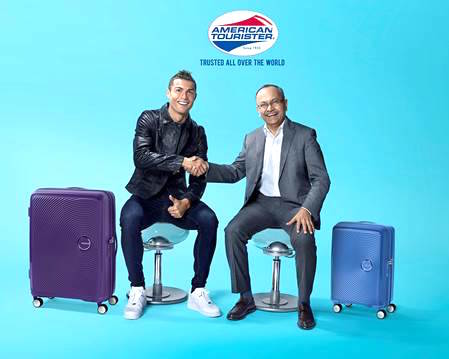
    Football superstar and fashion icon Cristiano Ronaldo has been appointed American Tourister brand ambassador.

    Ronaldo is the holder of the FIFA Ballon d’Or Award for a record fifth time. The former Manchester United and now Real Madrid record goal-scorer has won 24 trophies, including four UEFA Champions League titles. He also captained Portugal to victory in the 2016 UEFA European Championship.

    He has a global following of more than 230 million fans across Facebook and Instagram, and his appointment comes as Moscow prepares to host the FIFA World Cup in June.

    “There couldn’t be a better time to bring Cristiano on board,” says Asia Pacific president Subrata Dutta of Samsonite, which owns the American Tourister luggage brand.

    Ronaldo says that as a frequent traveller he appreciates the need for high-quality luggage that “still allows you to express your personality”.

  • C&A fashion chain eyes sale to Chinese investors

    C&A fashion chain eyes sale to Chinese investors

    The deal is close to being finalised, Der Spiegel weekly said, citing “insider sources”.

    C&A, founded in the Netherlands in 1841 by the German-Dutch Brenninkmeijer family, has over 1,500 stores across Europe employing some 35,000 people.

    The chain, which focuses on offering affordable clothing for men, women and children, also has a smaller presence in China, Mexico and Brazil.

    The reclusive Brenninkmeijer family owns C&A through the Cofra Holding company headquartered in Switzerland.

    C&A declined to confirm or deny the mooted sale when contacted by Spiegel, the magazine said.

    The Cofra holding company told the magazine in a statement that C&A was looking into growth opportunities in all regions.

    “The ongoing restructuring of C&A also includes exploring different ways to pick up the pace in growth markets like China and in the digital area, and could potentially include partnerships and other kinds of additional, external participations.”

    Believed to be worth some 20 billion euros, the Brenninkmeijer family is one of Europe’s wealthiest and most secretive, according to Spiegel.

    It is also large, comprising some 1,000 family members whose shares in C&A are bundled into the Cofra Holding company based in the Swiss town of Zug, Spiegel added.


  • GM sees flat 2018 earnings, with pickups picking up in 2019

    GM sees flat 2018 earnings, with pickups picking up in 2019

    General Motors Co shares rose on Tuesday after the company said 2018 earnings will be largely flat compared with 2017 and forecast higher profits in 2019 when its revamped line of high-margin pickup trucks hits the U.S. market.

    The 2018 earnings outlook was above market expectations, sending GM shares up about 2 percent in midday trading.

    GM forecast 2017 earnings per share at the high end of its previously forecast range of $6 to $6.50. The company expects earnings for 2018 to be roughly the same as in 2017. Analysts have predicted full-year 2017 earnings per share of $6.30, and $5.98 a share in 2018.

    “If the guidance is as positive as we interpret it, this could be the positive catalyst that we expected, and sets up a solid ’18,” Barclays analyst Brian Johnson wrote in a client note.

    The company and its Detroit rivals, Ford Motor Co and Fiat Chrysler Automobiles NV, are bringing on new trucks at a time when overall U.S. new vehicle sales have been falling, but truck sales continue to grow as consumers abandon passenger cars in favor of pickups, SUVs and crossovers.

    President Dan Ammann said GM’s new line of pickups should generate improved profit from increased production of higher-priced, four-door crew cab trucks, and expanded sales of luxury truck models.

    GM said in a presentation on Tuesday its Denali line of luxury pickups has average transaction prices of about $55,600, higher than the average for Daimler AG’s (DAIGn.DE) Mercedes-Benz brand, or GM’s own Cadillac luxury brand.

    Chief Executive Mary Barra said during a meeting with reporters the automaker will boost investment in electric vehicles, but declined to say by how much. Rival automakers have used the Detroit auto show to tout multi-billion dollar investments in electrification.

    GM said it expects capital expenditure in 2018 of around $8.5 billion, about $1 billion of which will go toward self-driving car technology. In future years, Chief Financial Officer Chuck Stevens said total capital spending should decrease.

    Last week, the company said it was seeking U.S. government approval for a fully autonomous car – one without a steering wheel, brake pedal or accelerator pedal – to join GM’s first commercial ride-sharing fleet in 2019.

    Barra also said GM will not follow other companies that have given employees special bonuses tied to tax cuts by the administration of U.S. President Donald Trump, which slashed the top U.S. corporate tax rate.

    Instead, Barra said if GM has higher profits because of lower U.S. taxes, GM employees, including union-represented U.S. factory workers, should see larger bonuses or profit-sharing checks based on existing pay formulas.

    In a client note, Buckingham Research Group analyst Joseph Amaturo wrote that GM’s 2018 earnings outlook includes a “lower statutory corporate tax rate, so on an apples-to-apples basis, this appears to be an effective EPS guide down.”

    “We believe the stock will fade after investors understand that the implied EPS guide is for a year-on-year decline, as we and consensus are forecasting,” Amaturo wrote.

    GM faces challenges in 2018 from the costs of launching the new large pickup trucks, rising interest rates in the United States and a likely decline in overall U.S. vehicle sales, Stevens said.

    However, Stevens said wage growth could offset the impact of higher interest rates for consumers buying vehicles.

    Barra, Ammann and Stevens declined to say when investments in self-driving vehicle services and electrification will return profits. They pointed to the potential for new trucks and SUVs, a new, low-cost car for international markets, and the Cadillac luxury brand, to improve future earnings.

    Cadillac profits should double from current levels by 2021, GM said, riding growing sales in China and new products planned for the United States to replace a current crop of slow-selling sedans. Stevens did not disclose current profit figures for Cadillac.

    GM said on Tuesday that while it retools a factory in Ft. Wayne, Indiana, to make the new pickup trucks, it will shift some production to an Oshawa, Ontario, plant in order to build up to 60,000 vehicles and avoid missing sales.

    The No. 1 U.S. automaker said it will record a $7 billion non-cash charge for its fourth-quarter 2017 earnings related to deferred tax assets that will lose their value because of the lower U.S. corporate tax rate.

    GM shares rose 2.2 percent to $45.04 in noon trading.reu
  • Wendy’s Opens 500th International Restaurant

    Wendy’s Opens 500th International Restaurant

    Burger chain Wendy’s has opened its 500th international restaurant, in Guatemala City in partnership with its local franchisee Alimentos Corporativos Coralsa.(ACC)

    It is the 13th restaurant to open in Guatemala, where it appointed ACC in 2015.

    Wendy’s has ramped up its international expansion program, opening 60 new restaurants in the last year.

    “This is a great achievement that we attribute to the strength of our brand and partnerships with exceptional and dedicated franchisees who are committed to developing Wendy’s abroad,” said Todd Penegor, president and CEO of The Wendy’s Company.

    In Asia, Wendy’s has opened new stores in Indonesia, Japan and Malaysia in recent months.

    “We have an outstanding group of international franchise partners who play an essential role in the growth and success of our brand, and we are dedicated to helping them build strong, profitable restaurant businesses,” said Bob Wright, EVP and COO international with Wendy’s.

    “Our goal is to delight every customer in every restaurant around the world. It’s this shared commitment that has resulted in the successful growth of our international business.”

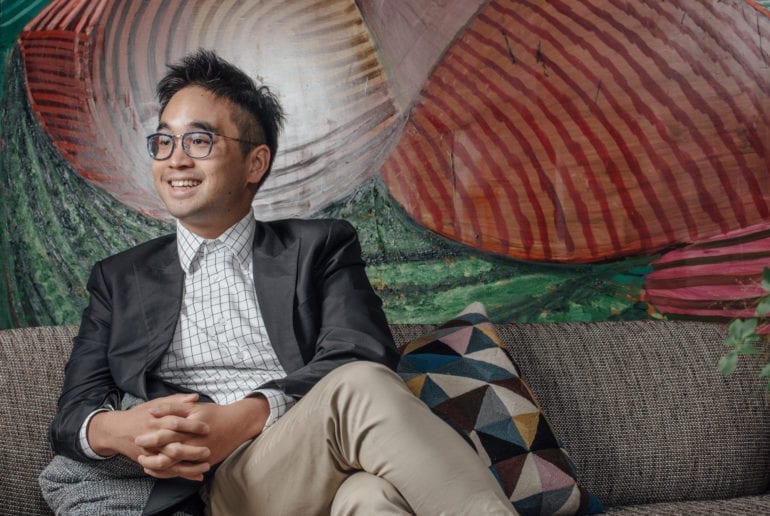
  • Adrian Cheng invests in AI for retail and hospitality

    Adrian Cheng invests in AI for retail and hospitality

    ObEN Inc., an artificial intelligence (AI) company that is building a decentralized AI platform for intelligent avatars, and announced that it has raised $10 million from K11, founded by entrepreneur Adrian Cheng.

    This strategic funding continues the growth of ObEN’s AI technology which enables users to quickly create a Personal AI, an intelligent 3D avatar that is authenticated and registered on the blockchain. This brings ObEN’s total funding to date to more than $23.7 million.

    The funding from K11 will drive product development, deployment on the blockchain, and will help ObEN integrate their technology in retail, real estate and hospitality applications.

    “ObEN is at the forefront of creating intelligent avatars that enhance the consumer experience,” says Nikhil Jain, co-founder and CEO of ObEN. “With this strategic investment from K11, we are able to reach millions of new customers and create experiences that will shape the future of retail.”

    K11, the brainchild of entrepreneur and business innovator Adrian Cheng, is a pioneering multi-faceted brand rooted in culture and interconnected by three core values: art, nature and people. Its ecosystem features the world’s first museum-retail concept, K11 Art Mall. Its Hong Kong and Shanghai flagships opened in 2009 and 2013 respectively. ObEN marks the first AI technology investment from the company.

    Motivated by the belief that the future of retail lives in the worlds of AI, AR and VR, the strategic alliance offers opportunities for intelligent avatars, personal concierge services and new virtual shopping experiences. ObEN’s Personal AI (PAI) quickly creates a 3D avatar that looks, sounds and behaves like the user, and can do things on their behalf. Furthermore, ObEN’s PAI is being deployed on the blockchain, which provides an unprecedented level of security.

    With a PAI concierge, customers are offered up to the moment information, retail guides and endless shopping tips to help keep each outing as fulfilling as possible. In addition, through projects like AI Stars, a joint venture between ObEN and S.M. Entertainment, celebrities will be able to create unique cross cultural experiences for consumers and retail outlets alike.

    “ObEN’s Personal Artificial Intelligence (PAI) platform simplifies the implementation of artificial intelligence technologies for real life applications,” said Adrian Cheng, founder of K11. “K11 is committed to localizing the PAI platform and bringing an immersive AI experience for visitors at all K11 projects.”

    ObEN’s Personal AI technology will be available in early 2018. Learn more at projectpai.com.

  • Starbucks Coffee Korea forecast to post record-high operating profit

    Starbucks Coffee Korea forecast to post record-high operating profit

    Starbucks Korea’s annual operating profit soared past 100 billion won (US$94 million) for the first time last year, despite intense competition in the domestic cafe sector.

    Industry sources told Yonhap news service the record result was driven by solid demand from young consumers.

    The operating profit of the coffee chain, which is run by South Korean retail conglomerate Shinsegae, was estimated at 110 billion won last year, according to the sources. Sales were estimated to have reached 1.2 trillion won (US$1.128 billion).

    The company’s annual revenue first topped the 1 trillion-won mark in 2016, setting a milestone in the South Korean coffee industry.

    The figures for its competitors, such as A Twosome Place and Angel-in-us Coffee, are known to average between 100 and 200 billion won, according to industry sources.

    Starbucks, which opened its first Korean branch near Ewha Womans University in Seoul in 1999, had 1140 stores throughout the country as of last month.

    In December, the coffee chain opened its largest store in the country in Seoul.