Tag: asia

  • Vietjet Honored as the Most Favorite Airline

    Vietjet Honored as the Most Favorite Airline

    Vietjet was recently honoured with the title of “Most Favourite Airline” at the “2017 Trust and Use Award” ceremony organised by the Vietnam Economic Times – the leading economic publication in Vietnam.

    This marks the airline’s second consecutive year of receiving the award, a true testament of Vietjet’s commitment towards providing top-notch service for its customers. Driven by the theme “Connecting consumption, sharing values”, the 2017 Trust and Use Award surveyed reliable, high-quality goods and services that have been greatly appreciated by consumers.

    Launched in 2006, the annual Trust and Use Awards aims to recognise enterprises with top quality products and services that are trusted and used by consumers. It nominates outstanding products and services within seven main fields namely, Finance – Banking – Insurance; Food and Retail; Fashion – Cosmetics – Beauty Services; Household Appliances – Interior Décor; Pharmaceuticals and Healthcare; Tourism – Resorts – Real Estate, and Telecommunications – Technology.

    Since its inception in 2007, Vietjet has established a favourable reputation not only for offering reasonable fares but also creating breakthroughs within the Vietnam aviation industry. Currently servicing a total of 73 international and domestic routes, the airline has bridged the gap in easing air travel, connecting passengers to a colourful selection of interesting destinations across the globe.

    Offering one of the most modern and brand-new fleets in the region, Vietjet has also been recognised for its services over the years through a number of prestigious international and domestic awards including ‘The Best Asian Low Cost Carrier’, ‘Asia’s Best Employer Brand’ and ‘The Best Place to Work in Vietnam’.

  • Online Printing Startup Gogoprint Is Revolutionising Malaysia’s Printing Industry

    Online Printing Startup Gogoprint Is Revolutionising Malaysia’s Printing Industry

    Gogoprint, Southeast Asia’s leading online printing company, aims to solve one of the printing industry’s biggest pain points – high fixed costs and requisite order volumes, which particularly affect budget-conscious SMEs and startups. Gogoprint achieves this with its proprietary algorithmic software, which manages and pools together multiple orders, and distributes the cost of printing. Parameters such as paper type, quantity, and delivery times are taken into account and aggregated into a batch of prints. This maximises the space on individual sheets. As compared to traditional printing houses, which take 7 to 10 days to process orders, Gogoprint does so in as fast as 1 day. Moreover, it is looking to further optimise the process of preparing the artwork files that customers send for printing, to automate the correction of frequent printing mistakes.

    As a result, the company is able to offer premium printing services at competitive rates, enabling SMEs and startups to print their products such as business cards, digital/offset booklets, flyers, posters, postcards and stickers more cost-effectively. Over the last year, Gogoprint has further developed its algorithm and processes, enabling it to raise its production efficiency, reduce wastage, and share these benefits with customers through price reductions. Furthermore, the company strives to continuously expand its product portfolio, as exemplified by its upcoming launch of banners and buntings.

    These features have fueled Gogoprint’s success despite a general slowdown in the Malaysian printing industry. Gogoprint’s operations have been largely differentiated from their competitors from the start. The company has focused on leveraging technology in order to inject its business model with customer-centric values and approaches, which emphasize convenience, transparency, and speed for the customer.

    This was no easy task since Malaysia’s printing market is relatively saturated with limited market share and a higher volume of competitive prices offered by players, both big and small. Entering this industry would traditionally be considered as a significant risk, but Gogoprint managed to stave off the competition by targeting key sectors which required its services more than others. More specifically, the country’s SME and startup sector clearly needed more transparent pricing and delivery deadlines in order to better manage their printing needs.

    Laurent De Candido, Managing Director and co-founder at Gogoprint said: “We recognise that SMEs and startups in Malaysia require a great deal of reliability, consistency, and transparency to facilitate their operations. This knowledge has enabled us to adapt our business strategies to a market where consumers operate on a fine line between managing operational cost and ensuring business profitability. With such great competition present in the market, we recognise the need for constant innovation. Hence, the innovative solutions that we offer have allowed us to experience a considerable amount of success since our launch in Malaysia a year ago, in November 2016. Growth has exceeded our most ambitious expectations, with an 800% customer increase, as well as a 600% increase in headcount, between November 2016 and November 2017. Also active in Thailand and Singapore, Gogoprint’s success in Malaysia is a testament to how regional expansion success can be derived from a comprehensive market understanding and strategic product positioning.”

    At the source of Gogoprint’s success, of course, lies a happy and diverse customer base. “Gogoprint won us over with their quick and efficient response to a recent crisis that we faced. We had a sudden and urgent demand for a huge amount of books to be printed, and we engaged Gogoprint due to their transparent and convenient website. The customer service provided by their accounts team was professional and world class which, led to the smooth and timely delivery of more than a thousand copies to our customers. Their attention to detail also left a great impression on us and we will definitely continue to work with Gogoprint in the future,” said Anusha Abishegam, Editor from Centrestage, an online magazine dedicated to scouring the local arts scene for news, information and opportunities.

    Satisfied with its strong performance in Malaysia, Singapore, and Thailand, Gogoprint is dedicated to tackle the Indonesian market next, which also suffers from the ailments that characterize printing in Southeast Asia. Since the company’s strong performance and fast regional expansion reflect very positive customer feedback, Gogoprint’s mission to provide affordable and convenient printing to everyone resonates stronger than ever.

  • Natural Elements-Inspired Uniqlo U Spring/Summer 2018 Collection to Launch

    Natural Elements-Inspired Uniqlo U Spring/Summer 2018 Collection to Launch

    UNIQLO announces the Uniqlo U Spring/Summer 2018 collection will launch in three phases, on 26 January,and more items will be introduced progressively in March and April 2018.This is the fourth Uniqlo U collection, which embodies the UNIQLOLifeWear philosophy of creating high-quality clothing that is universal in design and comfort, and made for everyone, everywhere. The new collection features reinvented basics from the design team at the UNIQLO Paris R&D Centre,which is led by Artistic Director ChristopheLemaire.


    The full Uniqlo U Spring/Summer 2018 collection will be available exclusively at the UNIQLO Global Flagship Store at Orchard Central and online at www.uniqlo.com/sg. In addition, selected pieces from the collectionwill be available in the following UNIQLO stores –Bugis+, JEM, ION Orchard and Suntec City. Prices range from $14.90 for a U Crew Neck T-Shirtto $199.90 for a BLOCKTECH coat.

    Uniqlo U takes the LifeWear range further towardstomorrow by bringing new ideas to design, patterns, fabric development, and sewing techniques. The latest Uniqlo U collection features brilliant hues inspired by nature in slightly oversized styling for effortlessly relaxed silhouettes, and it comprises50items for women, 38for men and eightaccessories.

    Featuring Blues and Greens, Stripes and Borders

    Key colours in this collection include variations of blues and greens, such as sea blue, sky blue,forestgreenand grass green. Orange and red accents, stripes and borders, as well asother elements are also incorporated into the collection to broaden wardrobe flexibility. An exciting addition to the Women’s linethis season is theOpen Collar Shirt featuring thick stripeswhile thehighlight of the Men’s range is theColour BlockT-Shirt,which employsheavyweight cotton.

     BLOCKTECH Coats Offering Outstanding Performance

    This season’s line will incorporate coats that offer exceptional functions –water-resistant, windproof, and breathability. The Women’s BLOCKTECH Short Coat is both comfortable and stylish as townwear, employinga drawstring waist and a matte finish. The new Men’s BLOCKTECH coat employs chambray twill fabric that is water-repellent and windproof, combining a clean silhouette with excellent all-weather protection.

    Seamless, Comfortable Knits Employing WHOLEGARMENT Technology and Seamless Swimwear forWomen

    Fall/Winter 2017 items made with 3D U-Knit three-dimensional weaving technique proved incredibly popular, employing WHOLEGARMENT technology to enhance fit and comfort. The new range enhances the look and feel by adopting high twist cotton fabric in two newWomen’s items: one is the 3D Ribbed Balloon Sweater, with distinctive cuff and waist styling, and the other is the 3D Crew Neck Balloon Dress, whose fit and flare silhouette enhances femininity.

  • AirAsia unit in Philippines projects 20% rise in revenue

    AirAsia unit in Philippines projects 20% rise in revenue

    Budget carrier Philippines Air Asia is targeting revenue to grow by about 20 percent in 2018, as it expands its fleet, routes and ancillary sales.

    Philippines Air Asia CEO Dexter Comendador told reporters on Tuesday that revenue next year could hit an average of P1.3 billion per month, or about P15.6 billion for the full year. Revenue for 2017 was targeted to hit P12 billion to P13 billion.

    “If this year was a good year for us, it’s going to be very good next year,” Comendador said, adding that he was hoping to end 2017 with a modest profit.

    For 2018, Air Asia plans to increase its fleet to 22 Airbus A320s, higher by 30 percent. Load factor, which measures the utilization of seats per flight, was targeted at about 87 percent.

    Philippine Air Asia has a domestic market share of about 10 percent. It competes here with larger rivals Philippine Airlines and Cebu Pacific Air. AirAsia has a bigger footprint abroad, through its main hub in Kuala Lumpur and regional units in Thailand, Indonesia, India and Japan.

    Comendador said the airline is also on track to its public listing plan by the middle of 2018. The airline is raising at least $200 million, mainly for expansion purposes.

    Philippines Air Asia started in 2012 and has grown organically and via acquisitions.

    It completed in 2015 an investment in and merger with Zest Airways. This gave it access to valuable slots in Manila’s Ninoy Aquino International Airport, the Philippines’ busiest air gateway, although the airline also sees bright prospects for Clark International Airport in Pampanga.

    Comendador earlier said the domestic fleet would grow to 70 planes in 15 years, or by 2032. It had 15 Airbus A320s at the end of 2016.

    Airlines in Asia Pacific and the rest of the world are expected to remain profitable through 2018, as demand remains robust.

    The International Air Transport Association projected that profits of Asia Pacific carriers would hit $9 billion next year, up 8.4 percent from the expected $8.3 billion in 2017.

  • SpherePay, a mobile payment app launched in November this year

    SpherePay, a mobile payment app launched in November this year

    Launched early last month, mobile payment app company SpherePay, has acquired over 60,000 users in Singapore and has actively engaged users by running campaigns and strategic partnerships with reputable brands and organizations. With its mission to be South East Asia leading localized mobile payment app, SpherePay is on track of acquiring over 1 million users by end of 2018.

    With a fully equipped and supported QR code-based transaction systems, SpherePay aims to bridge both consumers and merchants’ transaction experience by providing a new cashless payment services, communications, events and experience of offline and online transactions all under one platform.

    SpherePay users can make payments for their purchases or transactions swiftly, conveniently and seamlessly with just a scan of a QR Code via their smart-phones. By adding user credit cards and debit cards to the app, users can easily choose their mode of payments without even having to bring their physical wallets out. Users can also top up credit into the app wallet to enjoy special perks, benefits and rewards when they pay with the app credit. To benefit the user further, the app also enables users to apply for an advance wallet credits of up to $500 where this credit could be used to purchase any goods or services at SpherePay merchant in advance of payment. With the concept of “Buy now pay later”, the credit function hope to assist users to purchase items they really need without having to go thru the hassle of documentations as with taking any other loans from credit provider or banks. In near future, SpherePay will also be made available for online purchases enabling seamless offline and online transactions.

    Consumer data protection and data safety is the upmost importance to SpherePay and its users. Thus, SpherePay puts in rigorous efforts and has met the compliances of the PCI DSS. The Payment Card Industry Data Security Standards (PCI DSS) was crafted to augment and promote cardholder data security and to implement a standardized global data security measures for all entities that store, process, or transmit account data. These entities include merchants, service providers (e.g. payment app), issuers and acquirers who accept or process account data. Users can rest assured their data are secured with SpherePay.

    Where is SpherePay now:

    Recently launched on Apple store and Google Play store last month, SpherePay is now available at over 100 merchants and over 60,000 users in Singapore. With the recent announcement from Monetary Authority of Singapore (MAS) about the SGQR initiatives to consolidate all QR Code enabled payment app provider into a one generic QR Code, SpherePay intends to be engaged and be part of this initiative to offer its users a bigger array of merchants and platform to use the app.  With its expansion footprint in line, SpherePay has plans to launch in Thailand and Indonesia market early next year and other Asian markets by the end of 2018.

  • Marni reopens Shanghai boutique

    Marni reopens Shanghai boutique

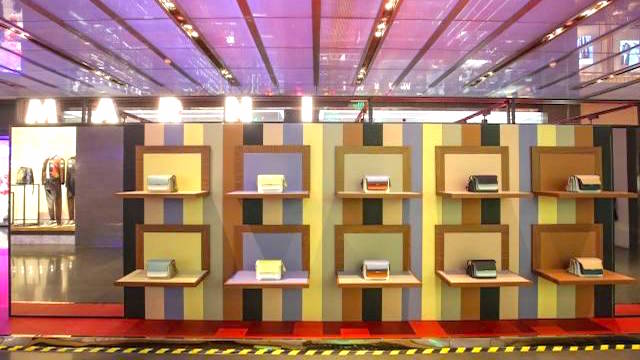
    Marni China has reopened its renovated boutique in Shanghai’s Reel Department Store in the downtown district of Jing’An.

    To celebrate the event, the Italian luxury fashion brand hosted its first-ever Marni Christmas Carnival.

    This featured a limited-edition range of “Marni Visitors”, puppets the brand commissions from Colombian artisans for the festive season each year. A portion of proceeds from the sale of the puppets worldwide go to the Milan-based children’s charity Piccolo Principe.

    In addition, five limited-edition trunk bags were also designed for the carnival.

    The Shanghai store is one of 15 the brand has in China.

    Founded in 1994, Marni has been undergoing a transformation since creative director Francesco Risso took over from founder/designer Consuelo Castiglioni last year. Risso was previously the designer of Prada womenswear.

  • Vietnam plans to raise over $570 million through IPOs in energy firms

    Vietnam plans to raise over $570 million through IPOs in energy firms

    Vietnam hopes to raise a total of more than $570 million by selling stakes in an oil refinery, an oil distribution firm and a power company, the government website said on Saturday.

    The country has accelerated its privatization program in recent weeks, partly because of the need to fund a budget deficit and in the face of growing public debt.

    Vietnam aims to raise at least $297 million by selling a 20 percent stake in PetroVietnam Power Corporation and at least $155 million by selling 7.79 percent of the Binh Son Refining and Petrochemical company, the government said.

    In addition to the sale of those shares in initial public offerings (IPOs), the government said it planned to sell a 28.9 percent stake in the power company and a 49 percent stake in the refinery to strategic investors.

    The government also approved an earlier planned IPO in oil distribution firm PetroVietnam Oil Corp (PV Oil), aiming to raise at least $122 million by selling a 20 percent stake.

    The three share sales are expected within three months, the government said, without giving more precise details of the timing.

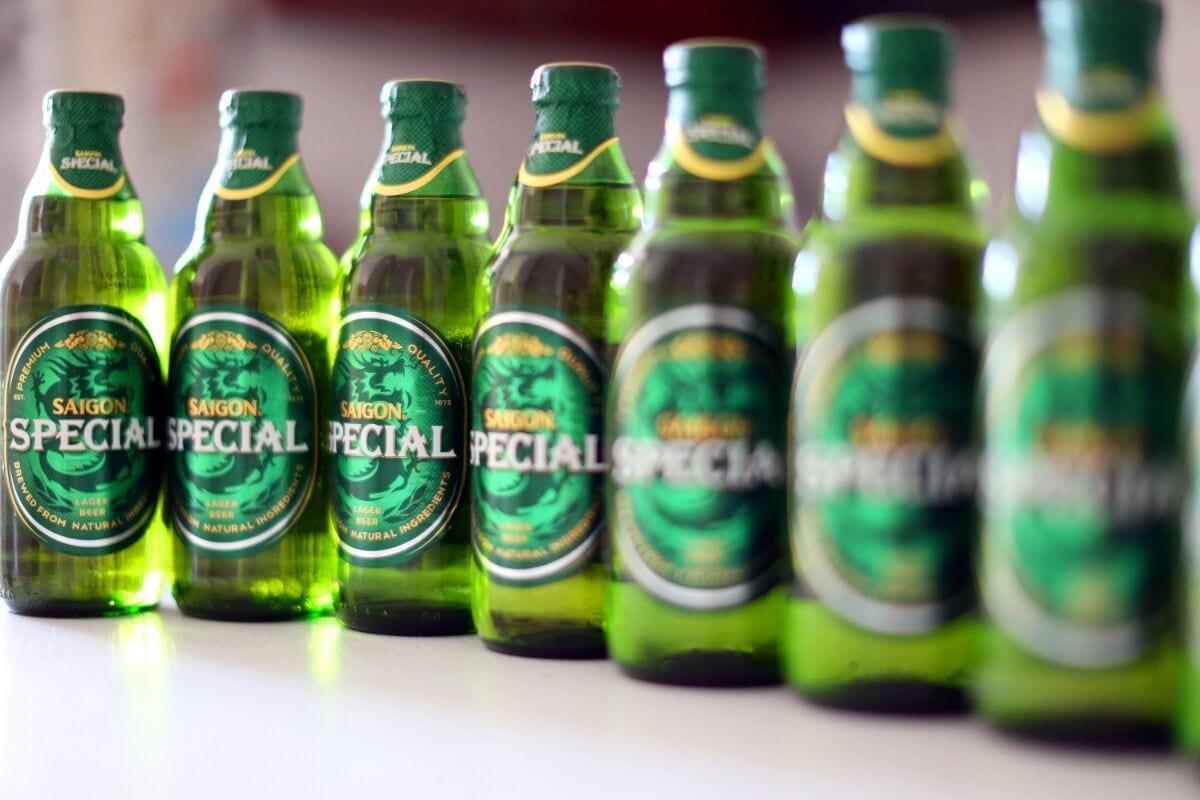
    Last month, Vietnam unveiled plans to sell a stake of up to 54 percent, worth $5 billion, in the nation’s biggest brewer, Sabeco, in what is set to be the country’s largest privatization yet.

  • Hong Kong shopping centre rents predicted to rise

    Hong Kong shopping centre rents predicted to rise

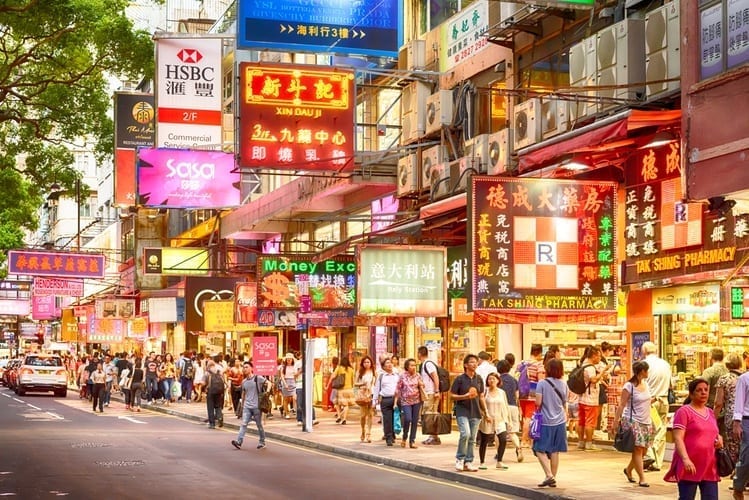
    Hong Kong retail rents are expected to inch up in 2018 according to projections by Savills.

    In a media briefing on Tuesday, Savills senior director of research and consultancy, Simon Smith, predicted a rise in prime retail shop rents of up to 3 per cent, following a decline of 2 per cent this year.

    “The domestic economy is supporting demand as unemployment is low and consumer confidence is high as incomes grow and house prices hit new records,” Smith said.

    “Retail sales are beginning to show signs of life while mainland demand is also returning after two to three years of downward adjustment.”

    At the end of last year, Smith forecast a prime street retail rent decline of between 5 per cent and 10 per cent, but despite some high-profile rent renegotiations, they held up.

    Smith’s data is based on ‘spot’ rents which are different to the headline-grabbing rent reductions achieved by some retail groups in Central and Causeway Bay during this year.

    “When you read about a 50 per cent rent cut, that is usually the renewal of a three-year lease. My rents are ‘spot’ rents and the 2 per cent is this year alone.”

    However, Smith expects shopping mall rents to slip over the next year, giving the narrowing gap with strip-shops. After a decline of just 1 per cent this year, he is tipping a fall of up to 5 per cent next year.

    In terms of sales of retail real estate, Smith predicts an increase in prices of up to 5 per cent next year following a decline of 4 per cent this year, which was well below the 5 to 10 per cent he expected in late 2016.

  • Jollibee tries bicycle delivery service

    Jollibee tries bicycle delivery service

    Home-grown fast food chain Jollibee rolled out its fleet of eco-friendly delivery bicycles in key cities in the metro.

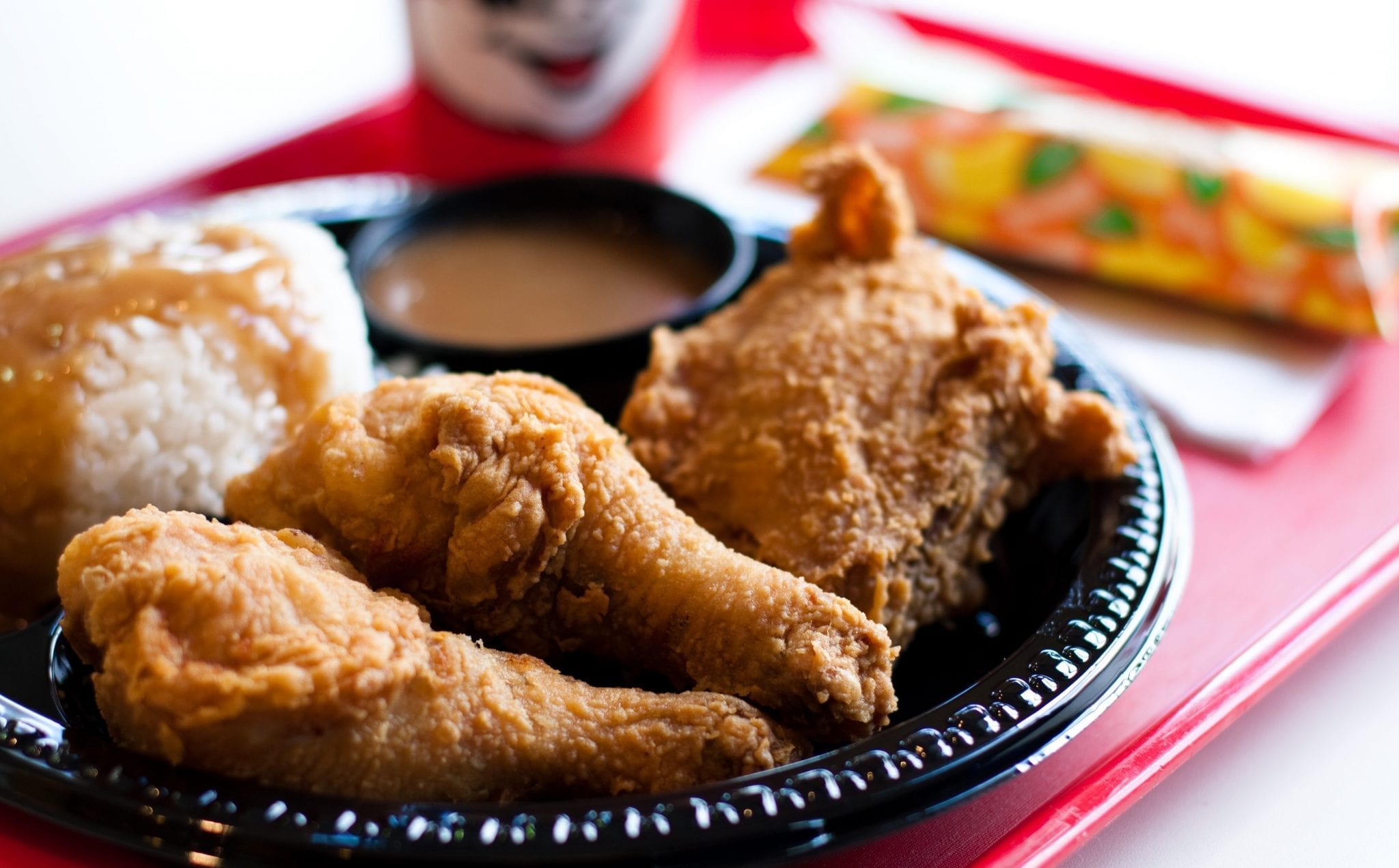
    Fat bikes were spotted bringing bestseller chickenjoy to consumers, in a bid to lessen pollution in central business districts (CBDs), a company official said Tuesday.

    The ‘Jollibee Bike Delivery Service,’ launched last November, serviced selected stores in Makati, Ortigas, BGC and Metro Cebu. It was also available in Laguna and Cavite, Arline Adeva, Jollibee’s AVP for Brand Communications and PR told ABS CBN News.

    “We are the first to launch the Jollibee Bike Delivery Service in the Philippines and so far, we are the only one exploring the service,” Adeva said.

    “The primary advantage of using bikes is really to lessen carbon emission especially in CBDs where it’s highly congested,” she added.

    There are 40 fat bikes traversing the streets to deliver orders in areas near selected branches. Adeva said the bikes were customized for stable travel and are equipped with waterproof and dust-proof thermal bags to ensure superior food quality.

    Riders’ safety will also be a priority, with road safety trainings and helmets provided for the delivery staff.

    “We also conduct trainings for our riders to ensure they understand speed limits, making use of the bike lanes, and also to use their blinkers at night time,” she added.

  • World Bank raises Vietnam’s growth forecast for 2017

    World Bank raises Vietnam’s growth forecast for 2017

    The World Bank (WB) has increased its growth forecast for Vietnam this year from the 6.3 percent it projected in October to 6.7 percent, matching the government’s annual target following steady progress during the first nine months.

    Stronger domestic demand, robust export-oriented manufacturing and a gradual recovery of the agricultural sector are driving Vietnam’s economy, according to Taking Stock, the World Bank’s bi-annual economic report released on Monday.

    The manufacturing and services sectors respectively grew by 12.8 percent and 7.3 percent between January and September, the report said.

    “Growth momentum picked up across major economies and global trade recovered in 2017,” said Ousmane Dione, World Bank Country Director for Vietnam. “With incomes rising and poverty falling, Vietnam’s economy had another good year of strong growth and broad macroeconomic stability.”

    Vietnam expects economic growth of 6.5-6.7 percent next year, and thinks that the target of 6.7 percent set for this year is within reach, Prime Minister Nguyen Xuan Phuc said at a recent session of the legislative National Assembly.

    Low inflation and rising wages sustained buoyant domestic demand and private consumption, while the stronger global economy has helped Vietnam’s export-oriented manufacturing and agricultural sectors.

    Job growth has continued, with 1.6 million new jobs added in the manufacturing sector over the past three years, and 700,000 additional jobs in the construction, retail, and hospitality sectors, leading to higher aggregate labor productivity.

    Despite progress in resolving non-performing loans, risks remain, including the lack of robust capital buffers in some banks, especially amidst rapid credit growth.

    Fiscal tightening is underway, according to the report, and has led to a leaner budget deficit and containment of public debt accumulation. However, the decline in public investment – falling to 16 percent of total spending in the first nine months of 2017 compared with an average of 25 percent in recent years – may not be sustainable over time, as Vietnam needs significant investment in infrastructure to support future growth.

    A slow-down in structural reforms could also impact the ongoing recovery, especially given the weaker growth in investment.  Enhancing macroeconomic resilience and structural reforms could lift Vietnam’s growth potential over the medium term.

    “Structural reform remains a central priority in view of tepid productivity growth,” said Sebastian Eckardt, the World Bank Lead Economist for Vietnam.

    “Building on progress already made, Vietnam can further lift productivity growth through investments in needed infrastructure and skills as well as deeper reforms of the business environment, state-owned enterprise (SOE) and banking sector.”

    Over the medium term, growth is projected to stabilize at around 6.5 percent, while inflation is projected to remain low.

  • Tous Les Jours Vietnam rolls out new look

    Tous Les Jours Vietnam rolls out new look

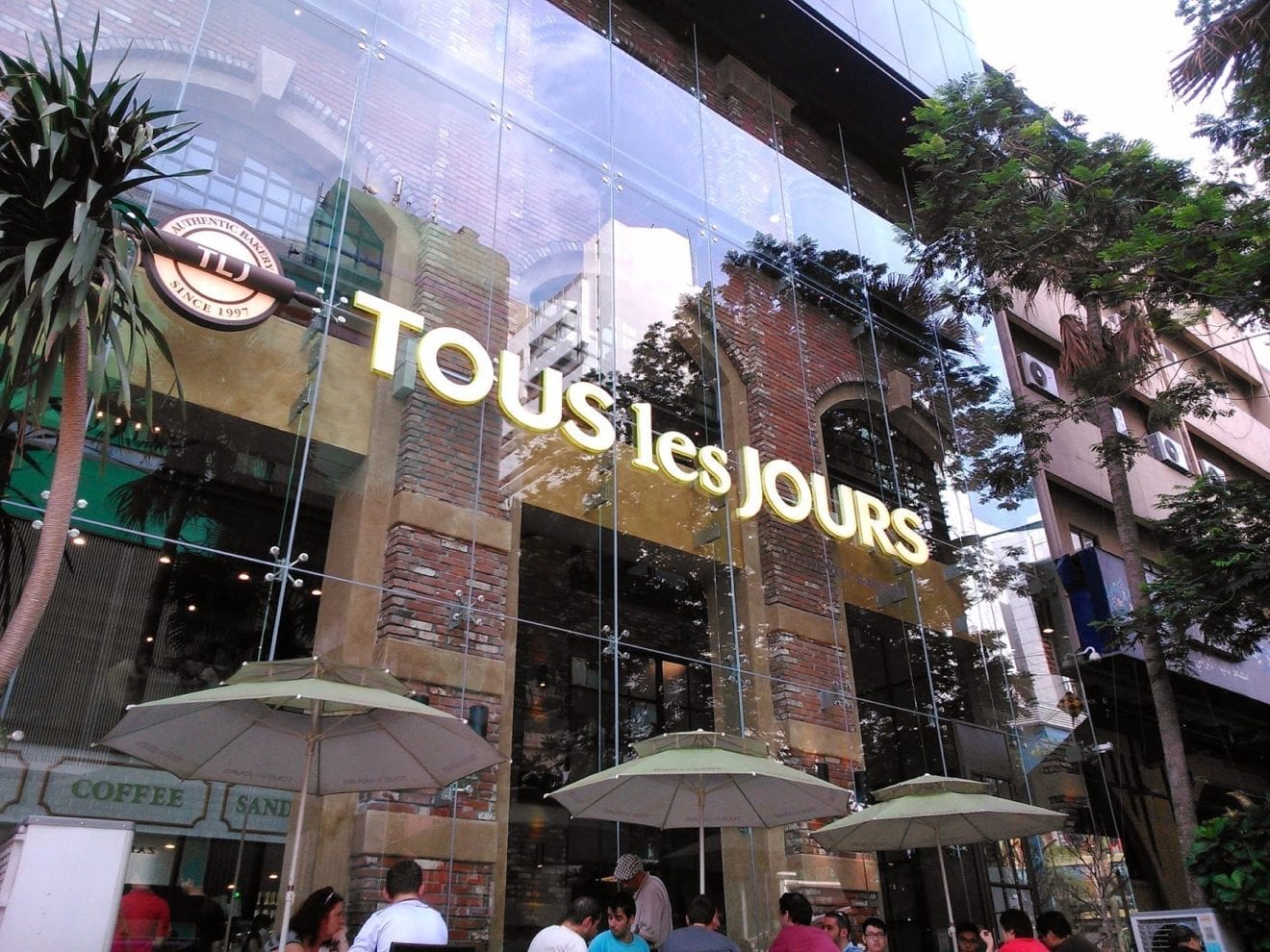
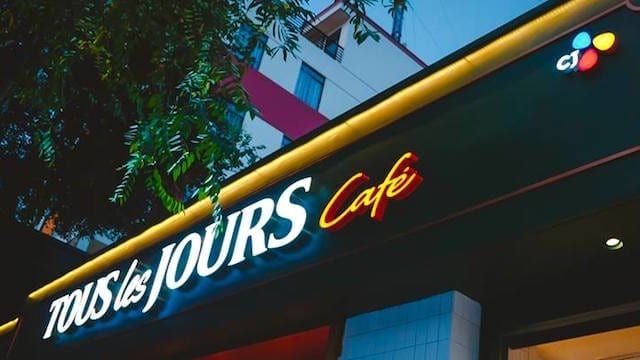
    Bakery cafe Tous Les Jours Vietnam has launched a new brand identity at its Hai Ba Trung outlet in Ho Chi Minh City’s District 1.

    Months in preparation, the refreshed store features a cafe-inspired interior and takes its inspiration from the “just baked” concept, reports the Vietnam Economic Times.

    Tous Les Jours Vietnam - new concept 1


    Tous Les Jours (every day) is a South Korean bakery franchise owned by CJ Foodville Corporation in the US. CJ Foodville Vietnam CEO Kim Gun Pyo says more new outlets are planned “in the near future”.

    He says the company is committed to ethical business practices that strengthen its partnership with local businesses and contribute to the community. He says Tous Les Jours uses Fairtrade-certified coffee beans grown in Vietnam.

    Tous Les Jours Vietnam - new concept 2

    With 36 outlets in Vietnam, the company plans to reach 100 by 2020 and double that by 2025.

    Tous Les Jours is a French-Asian bakery that serves baked goods and beverages. The brand was launched in the US in 2004 and also has stores in Cambodia, China, Indonesia, Malaysia and the Philippines, with plans to enter Singapore as well.

  • More e-commerce fraud, customers to be careful

    More e-commerce fraud, customers to be careful

    E-commerce fraud is becoming more prevalent, says US internet payments technology company Stripe in a new report.

    Fraudsters repeat online purchases at the same businesses 10 times more quickly than actual cardholders, says the report, which reveals new patterns to help e-commerce companies combat fraudulent activity during the holiday shopping season.

    With chip-enabled credit cards making brick-and-mortar shopping safer, criminals are turning their attention to online stores. Unlike physical stores, online businesses have to pay the associated costs of fraudulent orders. On average, every $1 of fraudulent orders costs an online business an extra $2.62.

    Stripe looked across a year’s worth of data to seek out fraudulent behaviour patterns by country, time of day, industry and other factors. Insights to emerge include:

    • Fraud rates based on the country where the credit card is issued vary dramatically, by a factor of two or three
    • In Singapore, fraudulent transactions are significantly larger than normal transactions
    • The highest online fraud rates occur during days and times when many people are not shopping, such as Christmas Day or late at night (for example, for US businesses, fraud rates as a percentage of overall traffic increase in the summer and in late December, but not on heavy shopping days like Black Friday)
    • Fraudsters give themselves away by making rapid additional charges at the same businesses on the same credit card, initiating repeat purchases 10 times more quickly than actual cardholders
      • Fraudsters prefer products that can be delivered to locations like public buildings or parks and can be obtained quickly before transactions are invalidated, which explains the prevalence of fraud among on-demand services as well as low-end consumer goods.

    “While there are some consistent patterns to fraudster behaviour, such as their high-purchase velocity, their propensity to work late at night and their preference for cheap or immediately deliverable goods, we have found that the predictive strength of these patterns varies widely depending on the location of the business and the fraudster,” says Stripe engineering manager for payments intelligence Michael Manapat.

    “Because of this, we recommend using anti-fraud tools based on machine learning from large amounts of data.”

    Principal analyst Jordan McKee of 451 Research says it is crucial for online businesses to have robust fraud defences, especially during the busiest shopping season of the year.

    “Because online fraud is highly complex and increasingly global, merchants should consider outsourcing fraud tooling to trusted third-party providers that have access to large, robust data sources. The most effective providers draw on global data sets from hundreds of thousands of other businesses to train their machine-learning algorithms and identify even subtle fraud patterns.”

    For its report, Stripe examined transaction data across hundreds of thousands of its customers across 25 countries. Stripe works in more than 25 countries to allow both individuals and businesses to accept payments over the internet.

  • Thai Beverage unit to bid for at least 25 percent of Sabeco

    Thai Beverage unit to bid for at least 25 percent of Sabeco

    A unit of Thai Beverage (TBEV.SI) has emerged as the only prospective bidder for state-owned shares in Sabeco (SAB.HM) that has declared that it could lead to it owning 25 percent or more of Vietnam’s biggest brewer, the Trade Ministry said on Monday.

    The auction of up to 54 percent of Sabeco worth at least $5 billion, in what is set to be Vietnam’s biggest privatization, offers brewers access to a fast-growing market with a youthful population and beer drinking culture.

    Investors who want shares that would lead to an ownership of 25 percent or more in Sabeco have to inform the local authorities and publicize the information a week before the auction date, which is set for December 18, according to the rules of the offer.

    Other brewing groups including Anheuser-Busch InBev and Kirin Holdings have been preparing to bid for a stake, people familiar with the matter have said.

    But the trade ministry said in a statement on its website that as of 1100 GMT on Monday the one prospective investor which has registered an interest in buying 25 percent or more of Sabeco that has publicized the information is Vietnam Beverage Company Limited.

    Vietnam Beverage Company Limited is owned by Vietnam F&B Alliance Investment Company, which is 49-percent owned by BeerCo Limited, an indirect but wholly-owned subsidiary of Thai Beverage, official documents about the companies showed.

    Foreign ownership in Sabeco is limited to 49 percent. That means overseas bidders can only bid for a minority stake of as much as 39 percent as foreign entities already own 10 percent.

    Lack of control and the unorthodox way in which the Sabeco stake is being sold could put off some possible bidders, bankers, investors and lawyers familiar with the matter said.

    The Vietnam trade ministry, which represents state shares in Sabeco, said foreign investors can link up with Vietnamese firms to buy shares in Sabeco, but have to comply with local laws and regulations.

  • Handsome by Hyundai heading for China

    Handsome by Hyundai heading for China

    Handsome, the fashion unit of South Korean retailer Hyundai Department Store Group, has signed a deal to help accelerate its move into the Chinese consumer market.

    An agreement between its fashion label The Cashmere with Hong Kong’s retail/brand-management/distribution firm ImagineX Group involves supplying five coat styles to Club Monaco outlets in China.

    ImagineX represents such brands as DKNY, Jo Malone and Salvatore Ferragamo, and has more than 250 points of sale throughout Asia including Singapore and Taiwan.

    Thehandsome.com

    Handsome has previously taken its System and System Homme brands abroad. It has also clinched a deal with Artifacts, a boutique store in Taiwan that has six outlets in Taipei and Taichung. Earlier this year, the two clothing labels were picked up by department stores and shopping malls in China as well as the Galeries Lafayette department store in Paris.

    Handsome entered the Chinese market early this year by partnering with Hangzhou Zhiheng Industrial.

    Founded in 1987, Handsome was bought by Hyundai Home Shopping Network in 2012. It owns a string of fashion labels including Mine, System and Time.

  • Vietnam fuel distributors to shift to ethanol blend this week

    Vietnam fuel distributors to shift to ethanol blend this week

    Vietnam’s biggest fuel distributors said they would complete a shift to an ethanol-blended product by Friday as part of a government program to promote a more eco-friendly fuel.

    State-owned PetroVietnam Oil Corp (PV Oil), which sells oil and fuels, will replace RON 92 fuel at all of its fuel stations with E5, a mixture of 95 percent of RON 92 and 5 percent of ethanol, by December 15, its parent firm PetroVietnam said on its website on Monday.

    Top fuel importer and distributor Petrolimex said on its website last week that its 2,400 stations across the country would have shifted to the ethanol-blended fuel by the end of this week.

    Vietnam has been pushing for the E5 mixture as ethanol can be produced from cassava, making it renewable. Several factories have been set up specifically to process cassava into ethanol.

    But critics and drivers argue the mixture could cause fire or damage vehicles’ engines and parts. The government has said the mixture is safe, adding that drivers should use vehicles from a certain year of production, depending on the model, to ensure they are safe.

    Another type of non-ethanol fuel, RON 95, is still on sale, but in smaller volumes.

    Vietnam plans to complete the shift to the E5 mixer across all fuel stations by January 1 next year.