Tag: asia

  • WeChat goes to ground with WeStore test

    WeChat goes to ground with WeStore test

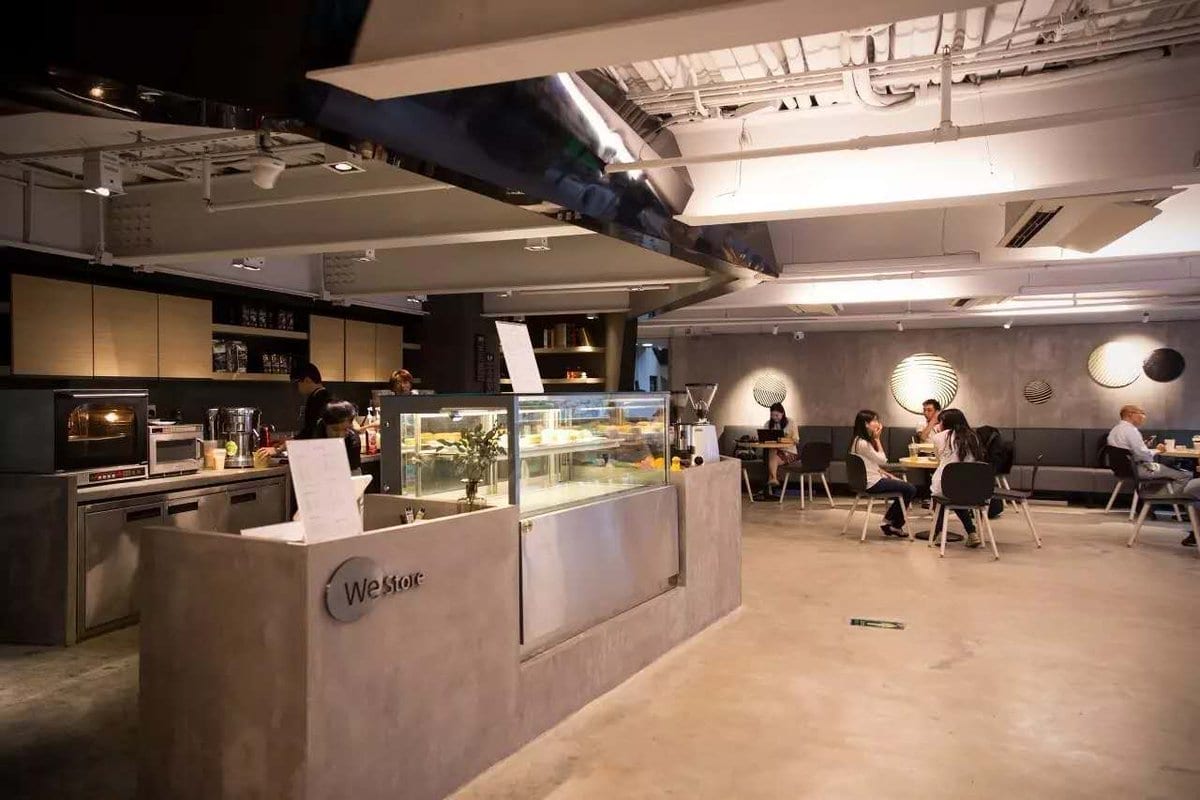
    As Chinese chat app WeChat moves into merchandising, it has opened an on-ground “test” WeStore in Guangzhou.

    This follows its announcement that it is partnering with apparel retailer Gap to launch a range of WeChat-branded clothing, its first major foray into branded merchandise.

    This was foreshadowed at December’s annual WeChat conference in Guangzhou, where are limited-edition range of branded merchandise was released, including pillows, notebooks, stickers and pins.

    A few months ago, WeChat-themed merchandise such as pillows, bags and light jackets was used as prizes for an online competition.

  • Gap China goes big on West Nanjing Road

    Gap China goes big on West Nanjing Road

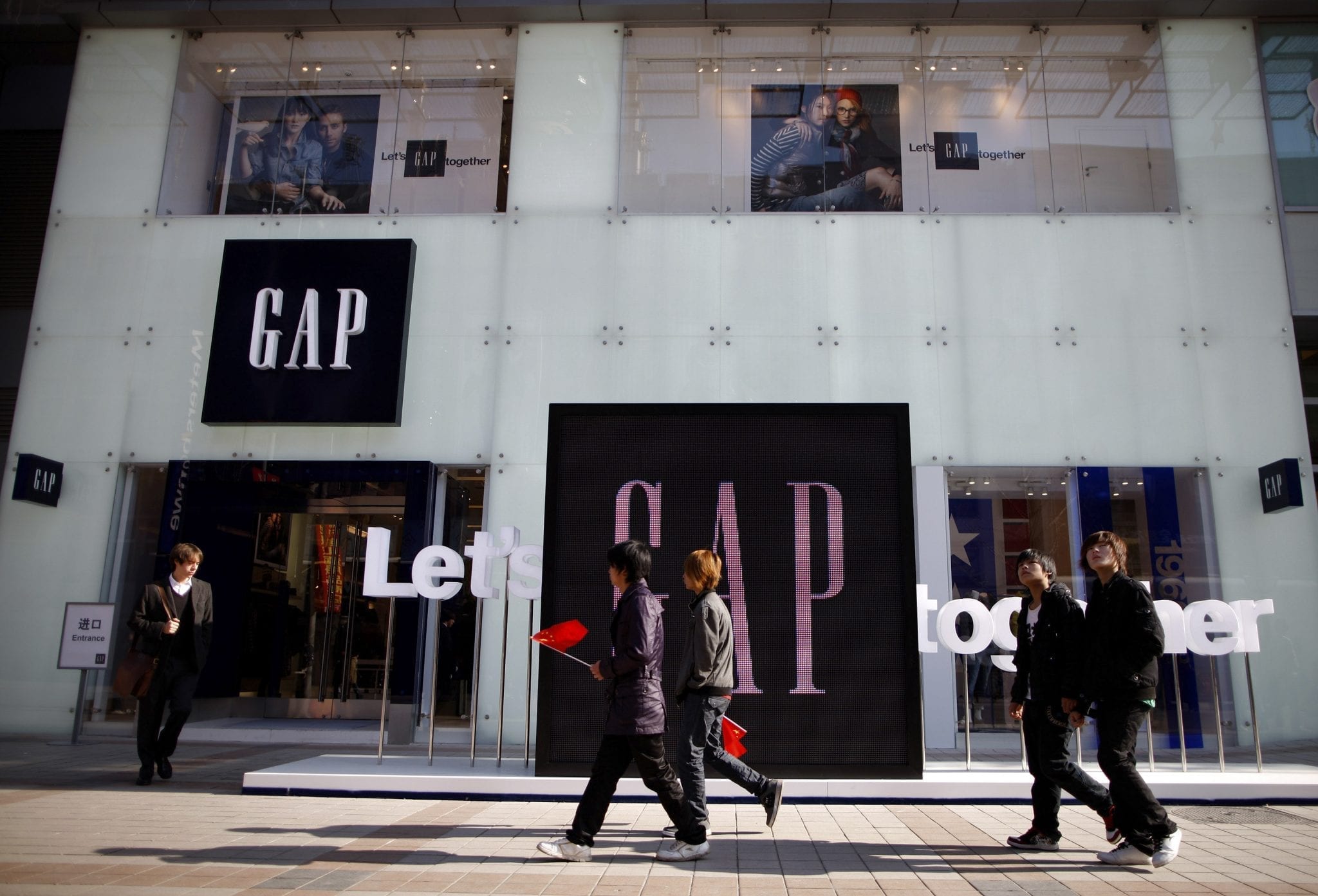
    Gap China has opened a flagship store on Shanghai’s West Nanjing Road, its biggest flagship yet in Greater China.

    Featuring Gap’s full apparel collections and latest store-design elements, the flagship underscores the importance of the China market, says Gap, which will next year move its China retail headquarters team into an office above the store.

    Covering 1908 sqm over two storeys, the flagship showcases a store concept developed jointly by Gap’s local and global store-design teams, drawing inspiration from the brand’s heritage alongside modern elements. It incorporates digital and video elements to offer an immersive and easily navigable shopping experience, says the company.

    “We believe that in-person connections and interaction with consumers in physical stores still matter, and we intend to continuously innovate that experience by integrating digital and other new customer touchpoints,” says Gap Greater China executive VP/GM Abinta Malik.

    “We see China as an important market with ample opportunity for long-term growth and innovation. At a time when this market is embracing an era of ‘new retail’, I am confident our strengths in omni-channel and in-store customer experience position Gap as a trendsetter in China’s apparel retail landscape.”

    First time

    The Shanghai flagship offers Gap’s American-style clothing and accessories for men, women and children, and opens with the latest fall collections. The larger space enables the brand to offer the full expression of GapBody and GapFit for the first time in a store.

    The store also introduces a “Chill” station where customers can recharge their phones and relax, and space for customer events and to showcase special collections and designer collaborations. The children’s and baby floor has a nursing room as well as fun stations.

    For its grand opening the store will offer a special stylist service as well as experience booths for both children and adults. A DJ and children’s band will entertain customers, and featured collaborations include the latest Disney children’s collection featuring Snow White, with a themed set for photos.

    The new store replaces Gap’s previous West Nanjing Road flagship.

  • Fitbit Hong Kong to roll out vending machines

    Fitbit Hong Kong to roll out vending machines

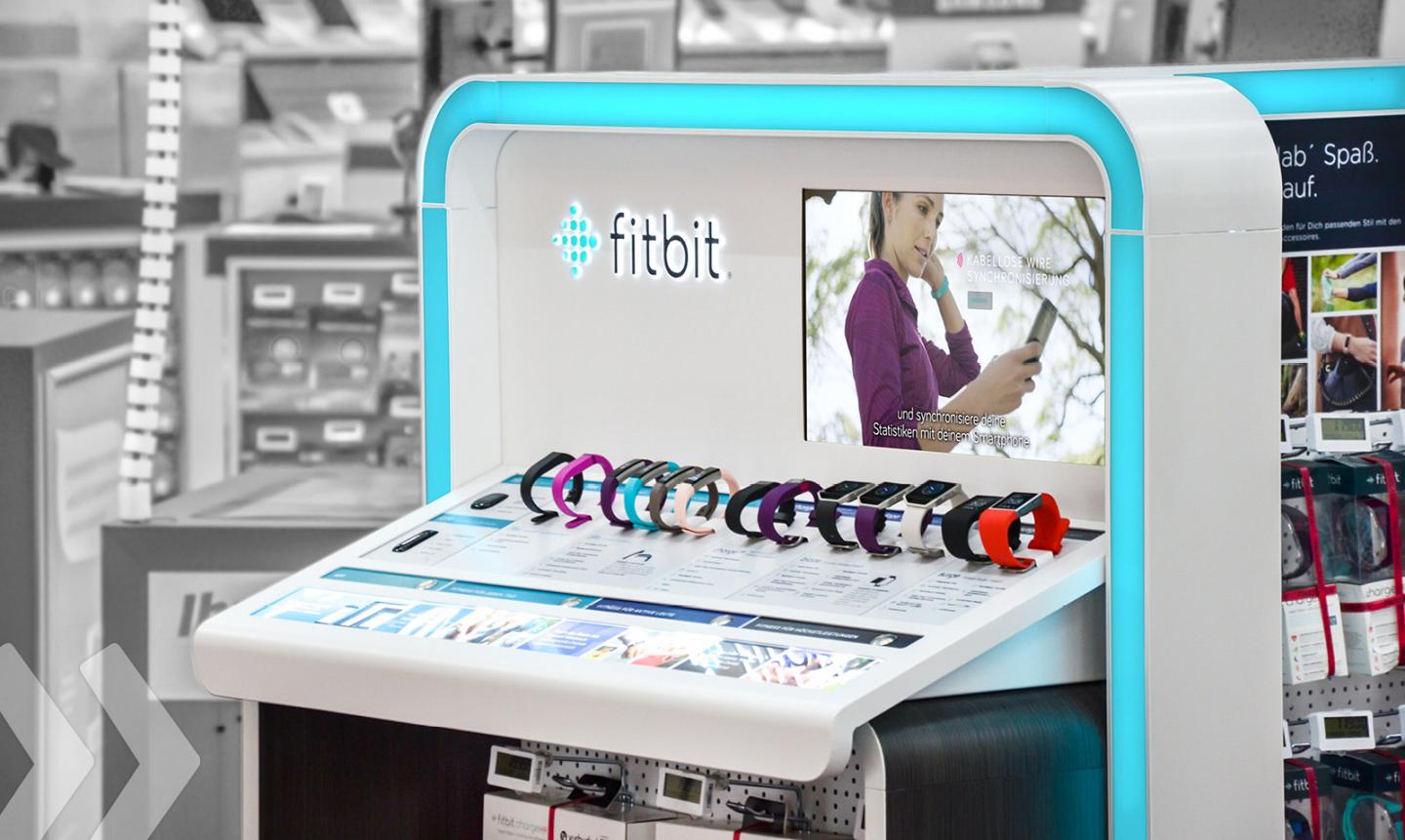
    Fitness product company Fitbit Hong Kong is aiming to grow its B2B sales via smart vending machines.

    Offered by SmartRetail, the machines accept cashless payments, and not only track sales and inventory in real time, but can also scan consumers to provide personalised recommendations.

    “For example, the machine may recommend a light-coloured wrist band to a young woman, while recommending a darker one to an older man,” says SmartRetail founder/director Adam So.

    The visual data will enable Fitbit to respond more rapidly to consumer tastes through accessing transaction data, says So. Marketing messages can also be delivered on a screen.

    IBM Hong Kong, which provides the technology for the units, says the visual and transaction data can also be used to enhance Fitbit’s sales analysis.

    “They can analyse the traffic at different time periods, the weather of a specific location, and how these environmental factors can affect sales,” says IBM Hong Kong CTO Samson Tai. “It is also possible to integrate transactions with loyalty programs. The potential with this real-time data is huge.”

    Showcased at the Hong Kong Computer Festival, the unit is still being tested, says local agent Leader Radio Technologies head of operations Ida Lee.

    She says there has been positive feedback, leading to Fitbit planning to introduce the machine in gyms or corporate offices.

    Lee says Leader sees potential for the units as the company has more B2C customers than B2B clients. “We have a stable retail and distributor ecosystem, and we wish not to disrupt it. Rather, we want to tap into the fitness, banking and corporate industries by placing our machines in their places.”

  • Tesco Lotus plans marketing push to bolster sluggish sales

    Tesco Lotus plans marketing push to bolster sluggish sales

    Tesco Lotus plans a major marketing push for the remainder of this year as it tries to boost sluggish sales.

    A core plank of the plan is a four-day Tesco Lotus Expo to be held at Impact Muang Thong Thani from November 9-12, the first time the retailer has sold products outside its store network.

    Chief commercial officer of Tesco Lotus parent Ek-Chai Distribution System, Sompong Rungnirattisai, says cautious spending by Thais in the first half of the year had seen the frequency of visits decline from an average of twice a month to monthly. The average check has dropped “sharply” he told the Bangkok Post, especially in the provinces where farmers were experiencing lower returns.

    But he is confident shopper sentiment will improve in coming months with the advent of the festive season.

    The Tesco Lotus Expo will feature manufacturers and producers ranging from multinational companies to One Tambon Product vendors, supplying goods from foods through to apparel and appliances. The company hopes to attract 150,000 shoppers.

    Meanwhile, Tesco Lotus will roll out price discounts across its 1900 stores nationwide, in all formats, including online.

  • Michael Kors exclusive goes high-tech at DFS

    Michael Kors exclusive goes high-tech at DFS

    Luxury travel retailer DFS Group is launching a Michael Kors exclusive collection for its DFS and T Galleria by DFS stores.

    Going on sale on Friday, the Michael Kors x DFS collection draws its inspiration from the jetset lifestyle and New York’s urban jungle, says the retailer. It features 14 women’s and men’s styles including ready-to-wear, accessories, sunglasses and watches.

    The campaign for the capsule collection, the second Michael Kors has launched with DFS, is headed by Chinese actress Yang Mi. The collection features an exclusive Mercer bag, the Sloan Editor Medium Chain Shoulder Bag, the Kent Backpack and a Packable Puffer Jacket. To mark the launch, DFS and Michael Kors have designed a pioneering augmented- and virtual-reality in-store experience that offers customers the experience of jetsetting into DFS locations to discover adventures inspired by the collection, which is available at six stores across Hong Kong, Macau, Singapore and Hawaii.

    During this “journey” guests can compete in two VR games to hunt for the collection in a pink jungle, and also go in the draw for a trip to New York City. They can also capture the experience to share on social media.

    The Michael Kors x DFS collection will be available in 22 DFS and T Galleria stores across 13 countries.

  • Myanmar’s MyTel to launch 4G in 1H18

    Myanmar’s MyTel to launch 4G in 1H18

    Vietnamese operator Viettel’s joint venture in Myanmar plans to launch 4G-only services in the first quarter of next year.

    The joint venture, MyTel, plans to cover 90% of the population by its official launch, deploying nearly 7,200 base stations and 33,000km of fiber. This footprint would be double that of its nearest rival.

    According to the news agency, in contrast to previous reports MyTel does not plan to deploy 2G or 3G in Myanmar but will instead jump straight to 4G.

    MyTel is a joint venture between Vietnamese military-run Viettel and a consortium of local ICT companies. The venture received Myanmar’s fourth telecoms license in January, and now has branches across the country and around 2,000 employees.

    The deployment has a total investment of around $1.5 billion, with Viettel contributing a 49% stake.

    MyTel plans to offer roaming to Vietnam, Laos and Cambodia at prices equivalent to local charges, the report states. The company also plans to build on its deployment in Myanmar to pursue expansion to 10 overseas market, it adds without elaborating.

  • Adairs signals strength for year ahead

    Adairs signals strength for year ahead

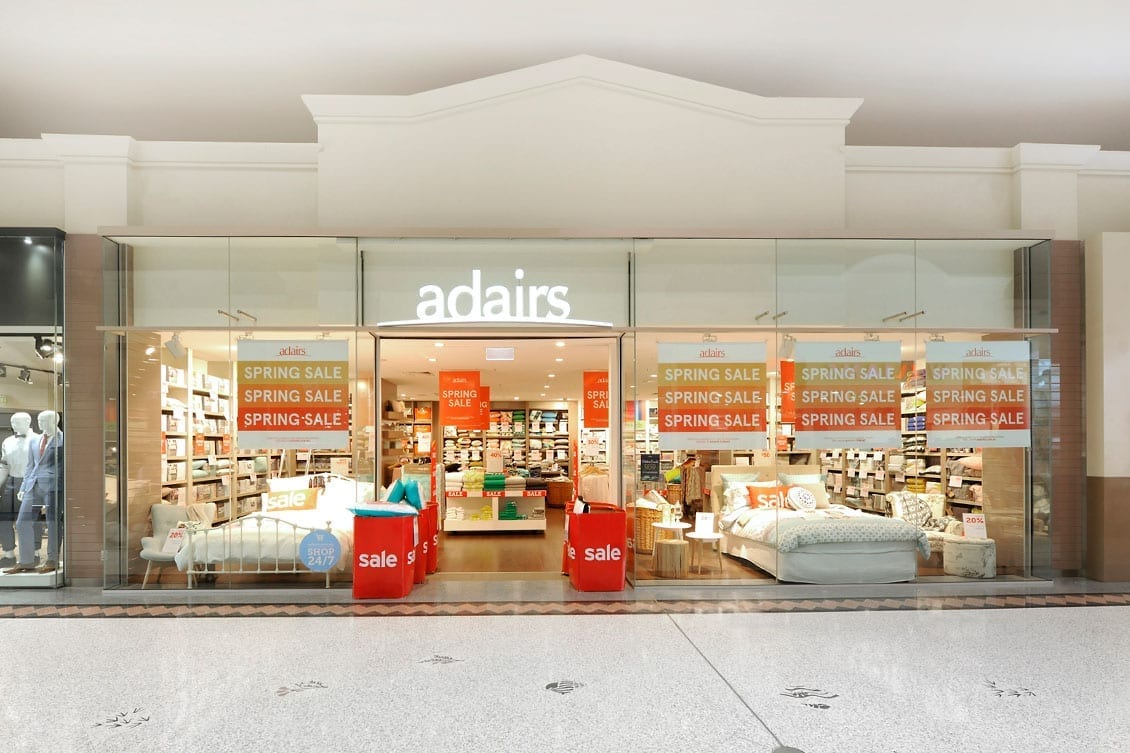
    Bedding retailer Adairs has enjoyed another bump with investors following its full-year result, with CEO Mark Ronan providing comprehensive guidance that momentum from 2H17 will continue into FY18.

    Adairs booked a 19.6 per cent decrease in net profit after tax to $21 million for the year ended 30 June and a 21.5 per cent decline in earnings before interest and tax to $30.8 million, but the result was somewhat expected given the multiple trading updates previously provided by the company.

    Ronan has twice reiterated the sharp uptick in Adair’s trading performance in the second half, with LFL sales spiking to 10.4 per cent in July, but it was a forecasted EBIT range of $33 – 37 million, specificity that’s been hard to come by in retail earnings thus far, that was focused on.

    FY18 sales are predicted to be between $285 – 300 million, up from $265 million in FY17, on the addition of two-new stores, while gross margins are slated to remain steady after falling 1.8 per cent to 59.2 per cent in FY17.

    1H17 LFL sales decreased by 1.4 per cent, but 2H17 LFL sales increased by 1 per cent, with -0.5 LFL growth in April and May offset by 9.1 per cent growth in June and 10.4 per cent growth in July.

    “The last 12 months saw a tale of two halves,” said Ronan. “The first half of FY17 was a challenging period, as range issues in some product categories together with a softer than expected Christmas period impacting the performance of the business.”

    “The pleasing second half result has positioned the business for growth in FY18. The previous product range issues have been largely addressed and we have seen the business return to like-for-like sales growth in June. With renewed confidence in our product execution, and continual improvement in our promotional and in store execution, there is improved momentum within the business,” Ronan said.

    “FY18 sales growth will be driven by a return to LFL sales growth, further new store roll outs in ANZ and ongoing growth in our online channel,” he continued.

    The bedding chain will open between four and six stores, in addition to upsizing six more locations in Australia. Two more stores are planned for New Zealand, in a move to get “closer to profitability”, as the retailer looks to build its brand and consumer awareness across the Tasman.

  • Australia burns Billabong

    Australia burns Billabong

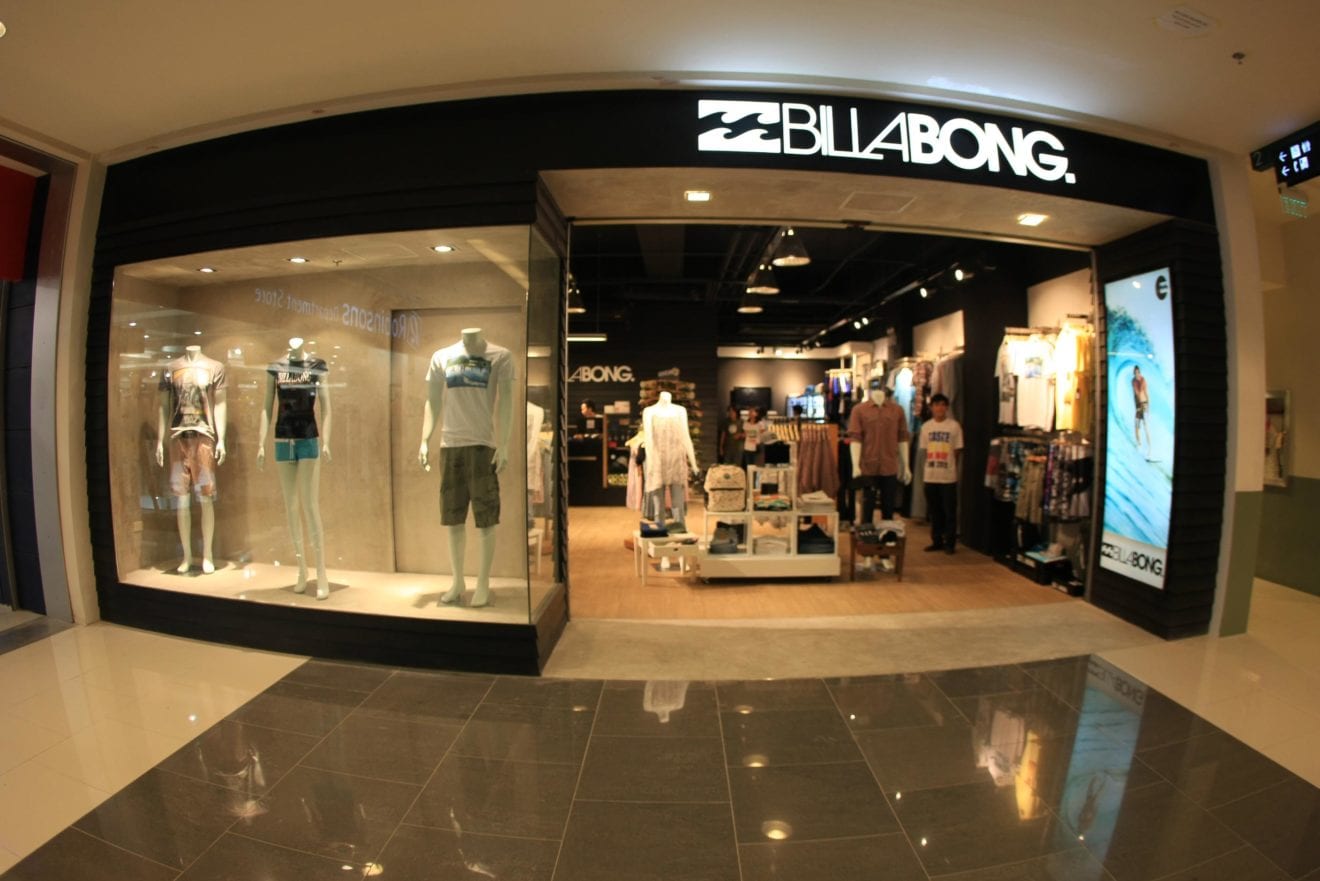
    Billabong International has missed its earnings guidance, reporting a $77.1 million loss as impairments and declining sales in Asia Pacific weighed down on the business.

    The company booked a 2.8 per cent increase in earnings before interest, tax, depreciation and amortisation (EBITDA) to $51.1 million for the year ended 30 June on a constant-currency basis (cc), $900,000 short of its February guidance.

    EBITDA in Asia Pacific declined 57.4 per cent (cc) to $8.5 million, offsetting a 77 per cent increase in earnings from operations in the Americas to $45.7 million. Earnings from European operations increased 5.9 per cent to $10.4 million (cc).

    Excluding a non-cash impairment of $106.5 million, encompassing brand and omnichannel write downs, the Billabong, Vonzipper, Surf Dive’n’Ski and Element brand owner recorded a net loss before tax of $8.4 million was recorded.

    Total global sales declined 4.7 per cent (cc) to $974.7 million, with comparable store sales down 5 per cent in Australia driving total comparable revenue growth (combining global store and ecommerce operations) down 4.7 per cent for the year.

    Sales in Europe slid 1.6 per cent during the year, despite an increase of 2.8 per cent in the second-half as UK operations struggled to gain traction after the Brexit decision, contributing a 2.5 per cent decline in comparable store sales.

    The Americas represented a bright spot for the company, with total comparable sales up 8 per cent excluding the recently sold Tigerlily operation.

    CEO Neil Fiske managed to narrow sliding sales in the second-half, with comparable store revenue falling only 1.7 per cent, compared to 2.9 per cent in the first-half, driving a 50.1 per cent increase in earnings over a 24.3 per cent decline in the first six-months of the year.

    Gross margins improved by 210 basis points during the second-half, increasing across all regions, as part of a “profit improvement plan” by management, which saw margins increase by 90 basis points through the year.

    “These results reflect the tangible progress we are making in implementing our turnaround strategy in all regions, particularly in the Americas and Europe,” Fiske told the market on Wednesday morning, noting highly promotional conditions in Australia.

    “The outcome validates our approach and provides a way ahead to address the performance in the Asia Pacific region, where there have been challenges in the broader retail market over the past year, particularly in Australia.

    “Looking ahead, market conditions remain challenging … but we see opportunities for sustained earnings growth driven by further expansion in gross margins,” he continued.

    Net debt declined from $185 million to $148.6 million through the year as the company used the proceeds from the sale of Tigerlily to pay down debt.

    Fiske gave no specific guidance, but said the company expects to exceed FY17 earnings, “subject to reasonable trading conditions and currency markets remaining relatively stable”.

    He also signalled a continuation of the shift in earnings contributions towards the Americas and Europe, with first half EBITDA forecasted to be below the prior period, “biasing” growth towards the second-half.

    No dividend was declared.

    “At the annual general meeting, we said we were confident that our strategy would produce a strong second half and drive overall EBITDA growth for the year, despite a first half that was behind the prior period,” said Fiske. “We have achieved those ambitious goals. This result marks a turning point for the company, and one on which we can build,” he continued.

    “We had three core objectives for H2: continue the turnaround in our largest market of the Americas, expand comparable gross margins across all of our regions – a key indicator of brand health – and reduce the Cost of Doing Business (CODB). We hit all three of those targets. The key to our ongoing success is the relevance of our brands. We continue to strengthen the connection with our customers, with global social media followership up 42 per cent year-on- year to almost 37 million.

    “This half represents the first time in three years that comparable gross margins have improved in every region, year-on-year. Gross margin expansion is a key driver of our profit improvement plan and margins were up 210 basis points for the half, and up 380 basis points in our largest market of the Americas,” he said.
  • StarHub offers unlimited data on weekends

    StarHub offers unlimited data on weekends

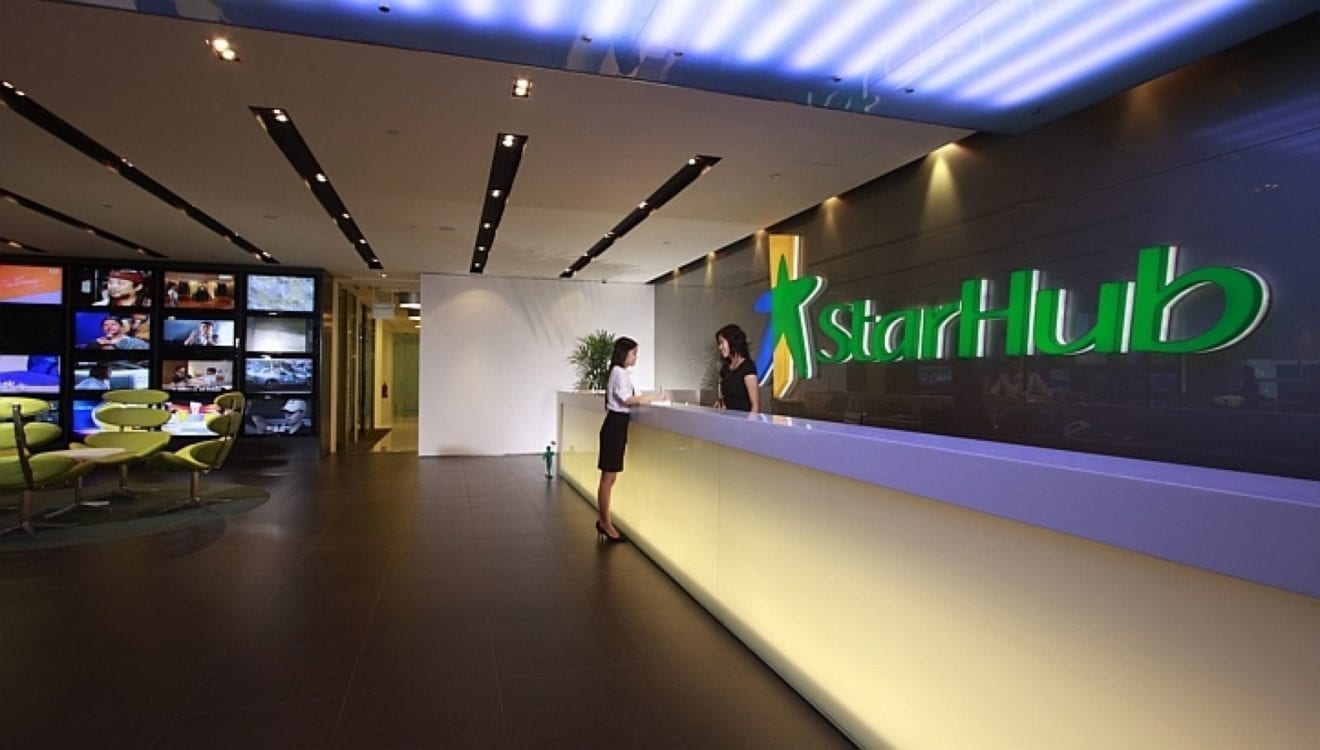
    Singapore’s StarHub has launched a range of new postpaid mobile plans offering free unlimited local data access on weekends.

    The range of plans will offer unmetered access from 12am on Saturdays to 11:59pm on Sundays.

    During the week the plans range from 3GB of bundled data for S$48 ($35.46) per month to 15GB for S$238. Additional allocations of between 5GB and 20GB depending on the plan can be purchased for S$10 per month, and 2GB can be purchased for roaming in multiple destinations for 30 days for S$15.

    Data can be shared with family members for a small additional fee.

    Voice allocations will be 200 minutes for the base plan and 400 minutes for the S$68 plan, with unlimited voice for the higher tier plans. SMS will be charged at 5.35 cents for all but the highest-tier plan, which comes with unlimited SMS and MMS.

    Customers with compatible smartphones will be able to take advantage of StarHub’s nationwide 400Mbps LTE-A coverage, and the operator has started deploying gigabit-class network upgrades in anticipation of 1Gbps capable handsets.

    “Fueled by more advanced phones and pixel-heavy content, Singapore consumers’ appetite for data continues to grow. With our new data-focused plans, we are enabling our customers to do more of what they love on their smartphones freely and at much faster speeds too,” StarHub head of product  Justin Ang said.

    “We will continue to innovate in step with our customers’ changing digital lifestyles to boost customer satisfaction.”

  • Renault-Nissan to set up new China JV with Dongfeng Motor for electric cars

    Renault-Nissan to set up new China JV with Dongfeng Motor for electric cars

    Nissan Motor and its alliance partner Renault are setting up a new joint venture in China with Dongfeng Motor Group to design and build electric cars, joining a list of global automakers aiming to make such vehicles in China.

    The automakers are attempting to tap into a boom for such cleaner “new energy” vehicles in the world’s biggest auto market and gearing up to meet its anticipated stringent plug-in car quotas.

    Ford Motor Co announced earlier this month it was exploring setting up a joint venture with car maker Anhui Zotye Automobile Co to build electric vehicles in China under a new brand.

    Tesla, Daimler AG and General Motors have already announced plans for making electric vehicles in China, which wants electric and plug-in hybrid cars to make up at least a fifth of the country’s auto sales by 2025.

    The new joint venture, called eGT New Energy Automotive Co, will be owned 25 percent each by Nissan and Renault with Dongfeng owning 50 percent, Nissan and Renault said in a statement on Tuesday.

    They said eGT will design a new electric vehicle on a subcompact crossover SUV platform of the Renault-Nissan alliance.

    “The establishment of the new joint venture with Dongfeng confirms our common commitment to develop competitive electric vehicles for the Chinese market,” Carlos Ghosn, chairman and chief executive officer of the Renault-Nissan alliance, said in the statement.

    The statement did not give details of financial commitments of the joint venture partners or say by when the vehicles will be launched. Dongfeng already partners Nissan in China.

    Both Nissan and Renault already market electric cars. Nissan’s Leaf compact hatchback has become the world’s top-selling electric car since its launch in 2010, while Renault began selling its Zoe model in 2012.

    The game changer for global automakers, many of whom until recently have resisted an industry shift to heavily electrified vehicles, is China – an auto market with strong potential for growth where stringent policies favoring cleaner energy cars are being aggressively pursued.

    Under China’s latest proposals, electric vehicle sales quotas, which are expected to take effect as early as 2018, are due to require 8 percent of automakers’ sales to be battery electric or plug-in hybrid vehicles by next year, rising to 10 percent in 2019 and 12 percent in 2020.

  • China’s JD.com Eyes Indonesia with Investment of Go-Jek

    China’s JD.com Eyes Indonesia with Investment of Go-Jek

    The move by China-based tech firms into Southeast Asia continues apace. But the ranks of Alibaba and Tencent, so far the most aggressive to expand into the region, are now being joined by Alibaba’s largest ecommerce rival in China, JD.com.

    Over the weekend, JD.com confirmed that it had invested in Indonesia-based ride-hailing service Go-Jek after news outlet The Information reported the development last week. According to Reuters, JD.com’s investment in the firm is around $100 million, and will be part of a funding round of about $1 billion.

    Go-Jek got its start in 2010 as an on-demand transportation platform for motorbikes, a common way for urbanites in Indonesia to navigate streets choked with traffic. However, Go-Jek’s portfolio of services has been broadly expanded since then to include grocery delivery, courier services, home cleaning, massages and even online ticketing.

    Go-Jek appears to be mimicking the success messaging platform WeChat has seen in China, by gaining a user base for one service—online ride-hailing—and then branching out. Go-Jek is also smartly pushing its users to pay for its expanding suite of services using its own digital payment service, Go-Pay.

    JD.com was once largely overshadowed by China’s ecommerce giant, Alibaba. But that has changed as the company’s model of using a business-to-consumer (B2C) ecommerce model—a contrast to Alibaba’s popular consumer-to-consumer (C2C) marketplace Taobao—has found success among a growing middle class in China that’s moving upmarket in the quality of goods it wants to purchase.

    According to data from iResearch Consulting Group, JD.com was responsible for 24.7% of retail ecommerce sales share in China in 2016, behind only Alibaba’s B2C platform Tmall.

    But JD.com is also clearly eyeing the potential in emerging markets like Indonesia. eMarketer estimates there will be 36.2 million digital buyers in the country this year, when retail ecommerce sales will total $8.21 billion. However, the ranks of buyers will swell to nearly 74 million by 2021, when $18.07 billion will be spent on retail ecommerce.

    JD.com is set on making sure it doesn’t get left behind in the market through its Go-Jek investment. In return, Go-Jek is likely to gain from JD.com’s expertise in managing the nuts and bolts of the ecommerce business, including shipping logistics and inventory management, should it decide to expand its efforts in that sector.

    Meanwhile, Go-Jek is given some more cash to fend off rivals Uber and Grab, a similarly Southeast Asia-focused ride-hailing app based in Singapore. Go-Jek can use all the money it can get its hands on; Grab, which operates in 65 cities in seven markets across Southeast Asia, closed a funding round worth $2.5 billion in late July from investors that include Japan-based telecom SoftBank Group and China-based ride-hailing giant Didi Chuxing.

  • BluJay Solutions raises US$500mn financing to drive growth

    BluJay Solutions raises US$500mn financing to drive growth

    BluJay Solutions, a provider of supply chain software and services powered by the world’s first Global Trade Network, has raised a significant new financing facility from TPG Specialty Lending and BlueBay Asset Management’s Private Debt Group. The capital will bolster BluJay’s continued expansion of its market-leading Global Trade Network and help accelerate growth. In addition, the facility allows for US$200 million of additional capital to finance acquisitions as BluJay continues to expand its market-leading software solutions.

    “Our Global Trade Network has been widely accepted by companies around the globe,” said Doug Braun, BluJay Solutions CEO. “They understand the power and vision of bringing thousands of supply chain participants into a single network and workflow. We are winning more deals because our Global Trade Network is resonating, and this new financing will allow us to accelerate our expansion plans.”

  • KBank buys 10% stake in Bank Maspion Indonesia

    KBank buys 10% stake in Bank Maspion Indonesia

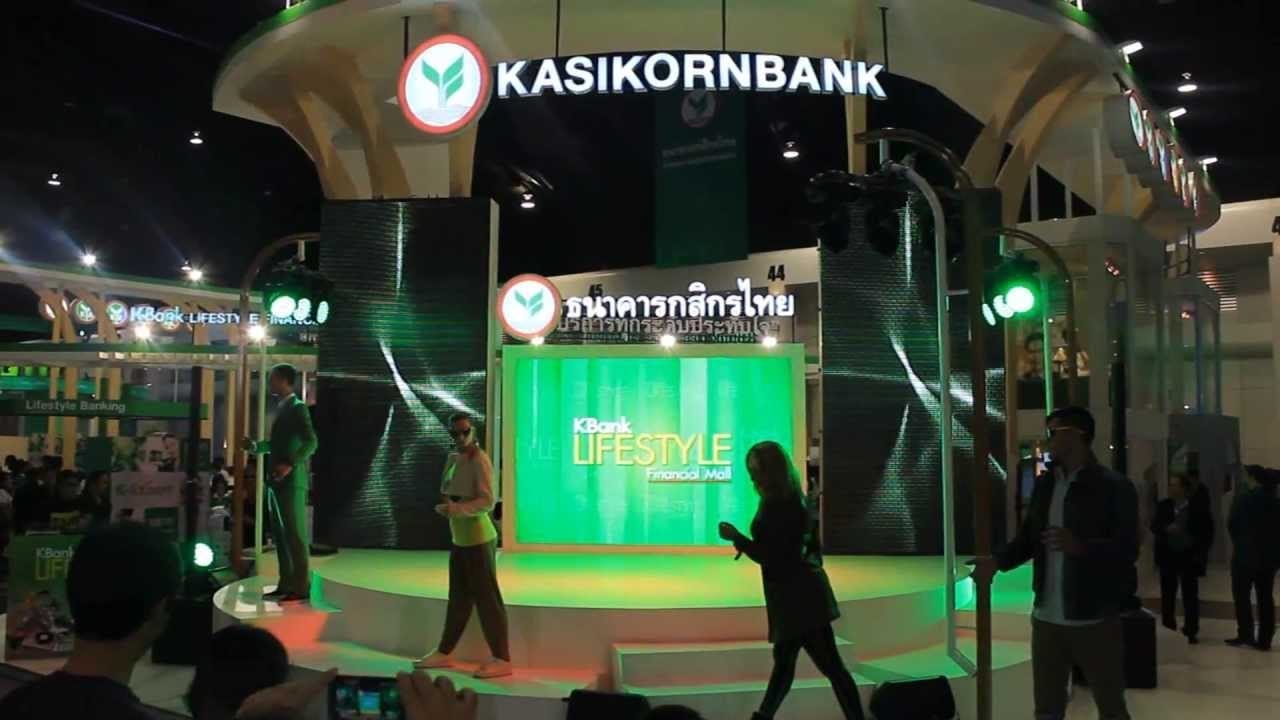
    Kasikornbank has taken a 9.99% stake in Bank Maspion Indonesia for US$20 million to help strengthen its regional presence, the bank said on Monday.

    The price paid was 615 rupiah (S$0.06) per share, nearly 62% premium to the stock’s closing price on Friday. The shares traded over 2% higher on Monday.

    “Bank Maspion is the best partner for Kbank to establish a presence in the Indonesian market,” KBank president Predee Daochai said in a statement, noting its activity in logistics and property development.

    The move would increase KBank’s presence in Southeast Asia, China, Japan and South Korea, which it considers a crucial market for Thai businesses, according to a company statement.

    KBank already has a partnership with Indonesia’s top lender, Bank Central Asia.

    Bank Maspion would benefit from KBank’s expertise in digital banking and SME banking operations, said president director and CEO of Maspion Group in a statement.

    Indonesia’s banking sector limits foreign ownership of a financial institution to 40%.

  • Pertamina boosts production with new technology

    Pertamina boosts production with new technology

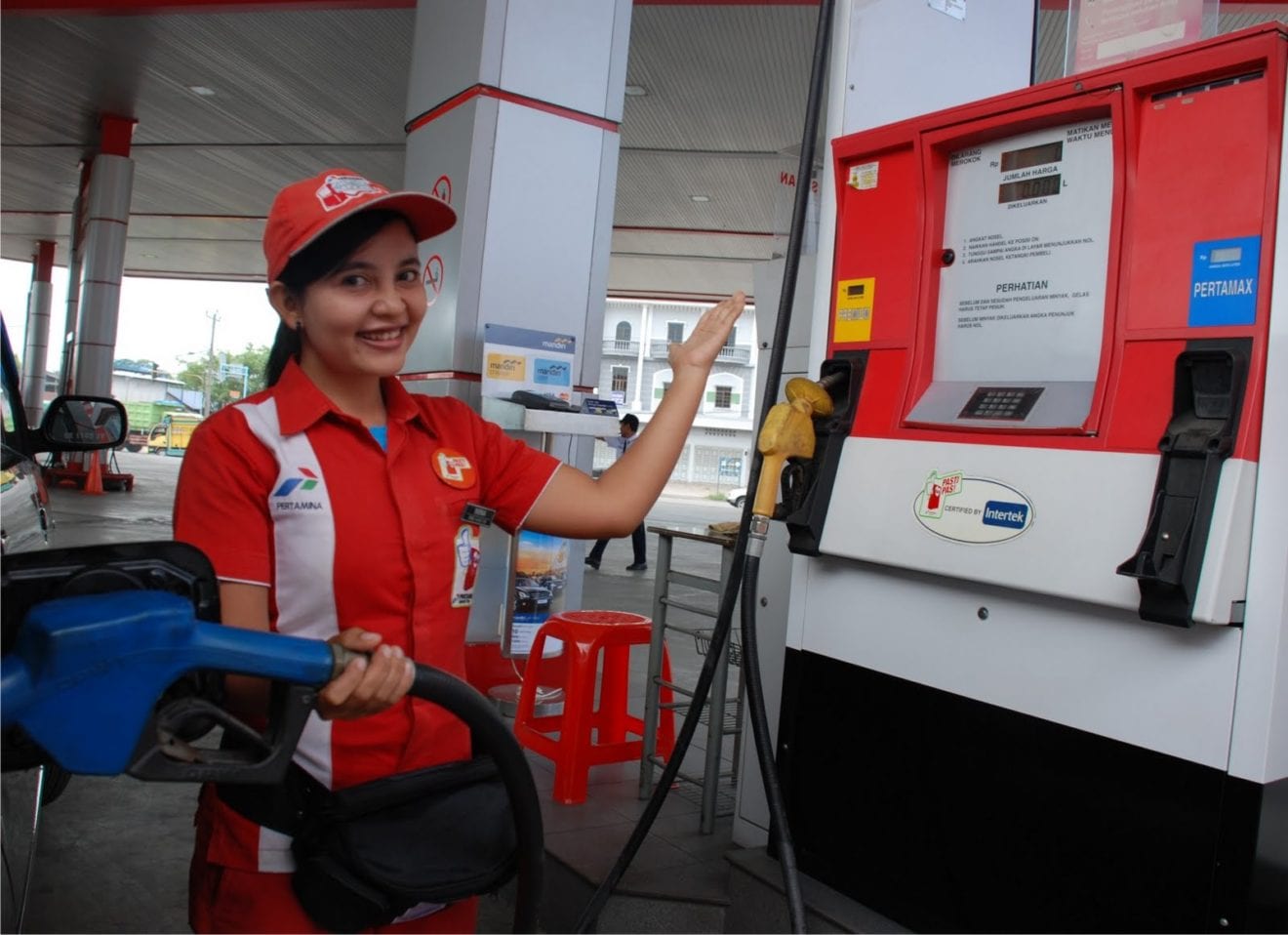
    State-owned oil company Pertamina EP (a subsidiary of Pertamina) is using the underbalance drilling new technology to boost its oil and gas production.

    The technology is being used as a new strategy and innovation to exploit production at the Jatibarang old oil field, which is being cultivated since 1972.

    The Jatibarang field includes both onshore and offshore fields, Jatibarang Oil Field Manager Herman Rachmadi said in Jatigarang, Friday.

    He revealed that the Jatibarang field was divided into nine structures, namely the Sindang, the Karangbaru, the Randegan, the Cemara, the Tugu Barat, the Gantar, the Waled Utara, the Kandanghaur and the X-ray structure for the offshore field.

    At the Jatibarang structure, the drilling work is done using the underbalance drilling technology. “The depth target of wells with this technology is 2,000 meters and will be done for a period of two months,” he affirmed.

    The other strategy and programs used in the Jatibarang field to increase oil and gas production is the repair program, fracturing, well maintenance, conversion lifting and stimulation.

    This year, Jatibarang is handling the maintenance of 30 wells, 59 intervention wells and 26 workover wells.

    PT Pertamina EP is also carrying out stimulation programs in wells that experience sedimentation and an increase in the water content.

    Currently, the average production of Jatibarang is 5,500 BOPD. The structure which significantly contributes to the production is the X-ray structure with a production of 2,100 BOPD, and the Jatibarang structure with a production of 1,000 BOPD.

  • Bank operations smooth despite ATM problem

    Bank operations smooth despite ATM problem

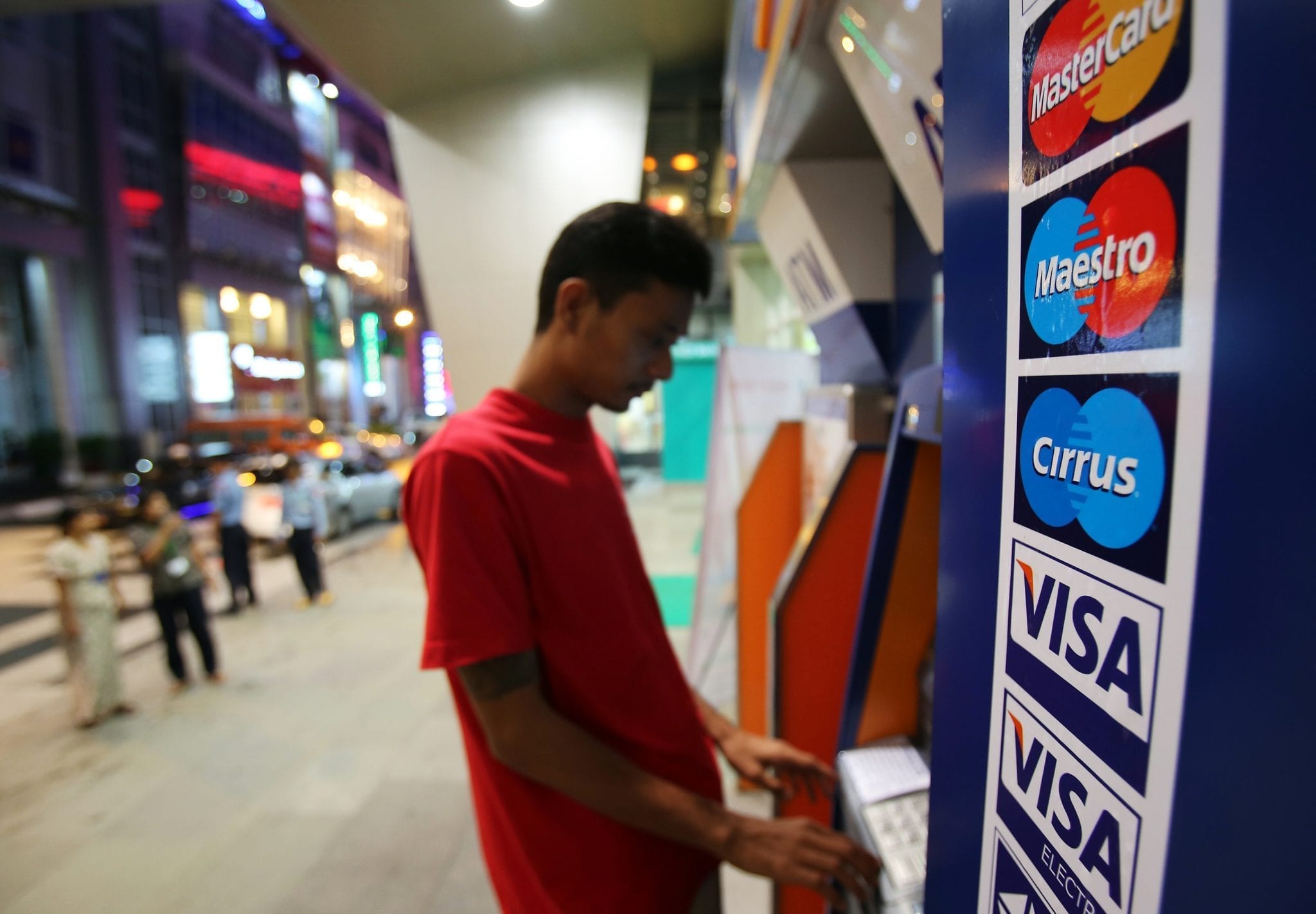
    Senior deputy governor of Indonesias central bank Mirza Adityaswara assured here on Sunday that banking operations in the country remained smooth despite troubles at automatic teller machines since Friday afternoon due to a Telkom-1 satellie problem.

    “We as payment authorities assured that operations of banks have remained smooth and ATMs that have troubles will immediately have their channel shifted,” he said at a training event for journalists.

    He said Bank Indnesia as the countrys central bank has received reports from banks affected by the Telkom-satellite anomaly adding that not all ATMs have been affected.

    “Not all ATMs have troubles but only some of them because not all banks use VSAT network,” he said.

    Mirza said PT Telekomunikadi Indonesia Tbk. has already taken efforts to overcome the problem, adding that service of payment system remained as usual.

    “Telkom certainly has taken maximum efforts to shift the channel to the new satellite,” he said.

    He said Bank Indonesia kept monitoring the developmemt of the restoration and coordinating with banks and other agencies concerned with regard to the problem.

    To anticipate cash demand of the public he said Bank Indonesia continued supporting banks with cash supply.

    “There is no cash supply problem,” he assured.

    The executive director of the communication department of Bank Indonesia, Agusman, said that the banks that had trouble with their ATMs have been working jointly with PT Telkom to restore the situation.

    The restoration is done by moving the satellite connection that was affected to Telkom 3S satellite or others, he explained.

    Agusman said Bank Indonesia as payment system authorities and rupiah currency management is prepared to support banks to serve public fund transfers.

    “The Bank Indonesia Real Time Gross

    Settlement (BI-RTGS), the Bank Indonesia National Clearing System (SKNBI) and Bank Indonesia Scripless Sevurities Settiement Systen (BI-SSSS) still operate normally,” he said.