Tag: asia

  • Central Group, JD.com discussing joint venture

    Central Group, JD.com discussing joint venture

    Thailand’s Central Group is discussing a possible US$500 million e-commerce joint venture with JD.com, Reuters reports.

    JD.com chief executive Richard Liu said in June that it plans to enter the Thai market this year with the idea of using it as a hub to service other countries in the region like Malaysia and Vietnam.

    The venture would help China’s second-largest e-commerce retailer expand beyond Indonesia, where it has invested in an e-commerce platform as well as travel start-up Traveloka.

    Sources say the JV will focus on e-commerce and the finance sector, but the deal is being delayed because the companies have not been able to agree on ownership terms.

    Thailand’s e-commerce market is worth $900 million and is expected to grow 29 per cent over the next decade, according to a report published last year by Google and Singapore’s Temasek Holdings. Major players include Alibaba-backed Lazada, Thailand’s CP Group unit Ascend and South Korea’s 11street.

    It estimated the e-commerce market in Southeast Asia will soar 16-fold in value to $88 billion by 2025.

    JD.com sought to invest in Indonesian online retailer Tokopedia last month, which instead raised $1.1 billion from a group of investors including Alibaba, says Reuters.

    Meanwhile, JD.com has partnered with Qihoo 360 Technology in China to broaden sales channels through its Qihoo browser, search engine and app store.

  • Central Watson refreshing brand for birthday

    Central Watson refreshing brand for birthday

    Health-and-beauty store chain Central Watson plans to spend about THB100 million (US$3 million) this year on a “brand refreshment” as part of celebrating its 21st anniversary in Thailand.

    It aims to modernise the stores with colourful formats as well as streamline its online shopping platform.

    Part of the budget will go toward increasing digitised communication with customers, enhancing the e-commerce platform and introducing mobile apps, says MD Rod Routley.

    He says Watson customers who use multiple screens to connect with the company are starting to outnumber customers who are not digitally connected.

    Home delivery for online buyers tripled in growth last year, says Routley.

    The facelift for all formats is aimed at improving customer experience and boosting access both online and at retail outlets.

    Watson will also invest in promotion through advertising in a range of media, including out-of-home ads.
    The budget is part of the total THB500 million Watson has earmarked for business expansion this year, which is to be geared toward opening stores, developing e-commerce and investing in its own brand development.

    Central Watson has 430 stores nationwide, and the investment is expected to boost this to 467 by year-end.

  • RCG’s omnichannel strategy finds backing

    RCG’s omnichannel strategy finds backing

    RCG co-CEO’s Hilton Brett and Daniel Agostinelli have managed to inspire confidence in the market following the fall-out from their $105 million Hype DC acquisition and its subsequent $9.7 million write-down in May.

    Reporting its first full year of trading since the deal with Accent Group last year, Brett acknowledged that the purchase of the brand, which he said was an “outstanding business” at the time, was a “bad deal”.

    But shareholders forgave management, sending RCG’s share price up almost seven per cent by late Monday trading, despite Hype’s impairment leading to a 2.6 per cent decline in headline net profit.

    It appears as though Brett’s omnichannel credentials, touted at length in an investor call on Monday morning, have resonated with those concerned about how established players are bolstering the lines before Amazon lands.

    Competitor Footlocker, which has seen its market value slide over 27 per cent since reporting a 6 per cent decrease in Q2 comparable sales in the US last week, has been flagged by analysts as a loser in Amazon’s recent distribution deal with Nike, raising concerns about RCG’s future.

    Brett denied that there’s a strong comparison to be made between Footlocker and RCG-owned The Athlete’s Foot, Skechers, Platypus, or Hype DC and believes that having 40 per cent of company own-brand lines, as well as its ambition to generate 15 per cent of sales through online within two years, position the business well.

    “The rise of e-commerce and the arrival of Amazon into the Australian marketplace have been topics of considerable media interest in recent months and several retailers have made significant public statements on their readiness or otherwise to deal with the perceived threat,” Brett told shareholders.

    “RCG’s own omnichannel strategy predates the media hype and our management team has long recognised the importance of delivering true world class omnichannel experience to customers.”

    RCG is one of an increasing number of high-profile retailers backing similar strategies against Amazon, including Super Retail Group, Baby Bunting, Greencross and Woolworths.

    The company will fire on all cylinders to sure up the system in FY18, rolling out endless aisles as well as click-and-collect and click-and-dispatch, delivery fulfilled from stores, throughout its entire 430 strong network.

    Online currently represents five per cent of total sales, which means there’s substantial work to be done if RCG wants to hit its 15 per cent target without cannibalising in-store performance.

    The channel grew 79 per cent during FY17 though, driven by the opening of three new e-commerce sites and initial click-and-collect trading in Platypus and Skechers.

    Two new e-commerce sites have been launched so far in FY18, with another two to come throughout the year.

    Three-hour delivery will also become a reality under the click-and-dispatch model and will be enabled across “most major population centres” through an unnamed third-party partner.

    The reach of that delivery is also set to increase, up 36 per cent this year and set to grow from a long-term target of 120 Skechers stores (current 67) and 100 Platypus stores (current 91).

    A net 15 stores are slated to open in FY18, none of which will be Hype DC, with management of the opinion that the existing 65 stores are sufficient.

    Brett reckons Skechers and Platypus are returning the best results at the moment, but Vans, which has come into-trend with younger shoppers through its latest product line, has been growing quickly in recent months, offset somewhat by a slowing down in Adidas.

    “Adidas is still very strong, it just doesn’t have the heat that it had only twelve months ago, what we’re seeing is that Vans has just exploded, particularly in the last three months and it’s early days,” Agostinelli said.

    Hype DC is now back to positive LFL sales, having declined one per cent in FY17, on a strengthening in the last two months of the year carrying through to initial FY18 trading.

    Brett declined to provide any specific earnings around individual brands, citing intensifying competitive pressures, but did say that he was optimistic about a stabilisation of Hype’s position in its Accent Group division, with the introduction of Vans products into its stores helping things along.

    There remain concerns among analysts, however, that promotional intensity may crimp margins, which increased 2.3 per cent for Accent Group and declined 5.1 per cent in RCG’s own brand division during FY17.

    Brett said RCG has no intention of getting into the downward spiral of discounting, committing to being a “full price” retailer that will clear stock when it needs to.

    “[Competitors] have certainly done some quiet aggressive discounting over the last week in some of our [categories]…ultimately competitors have to make a decision about whether they’re going to run their business for the long-term benefits of shareholders or short-term,” he explained.
  • Portico International revenue up 17 per cent

    Portico International revenue up 17 per cent

    Half-year revenue shot up 17.9 per cent for fashion group Portico International Holdings, its interim results show.

    Its total revenue reached RMB1.05 billion (US$158.4 million), which it attributes to success with its distribution strategy in target markets, together with improved performance across its retail store network.

    Revenue for the retail segment revenue grew by 19.5 per cent to RMB971.9 million, thanks to the gradual recovery of the luxury fashion retail environment and increasing recognition of its core label Ports 1961 and the new PortsPure label.

    The retail segment’s contribution to total revenue rose from 91.1 per cent for last year’s first half to 92.4 per cent.

    Overall gross profit for Portico grew by 19.1 per cent to RMB838.6 million, while gross profit margin increased slightly to 79.7 per cent from 78.9 per cent.

    For the retail segment, gross profit was up 19 per cent to RMB812 million, attributed mainly to sales growth.

    Retail-segment gross profit margin slightly decreased from 83.9 per cent in last year’s first half to 83.5 per cent.

    New markets

    “Hard work has paid off with regard to our distribution business in newly established markets,” says Portico. “Our distribution partners in certain target markets, such as Japan and South Korea, have offered us invaluable local knowledge and connection.

    “Such cooperation has reduced our business risks by minimising our capital investments and administrative burden in locations relatively new to the group.”

    It says it is particularly pleased with its marketing exposure in South Korea where social-media platforms have acted as effective marketing tools for introducing and promoting its labels and collections.

    At the same time, there has been growing recognition for its Ports 1961 label in traditionally important fashion markets, with the womenswear collection designed by creative director Natasa Cagalj attracting attention during London Fashion Week.

    At the end of June the group had 356 retail stores in Mainland China, Hong Kong, the US and Canada, compared to 343 at the end of last year.

    For the second half, the group says it will invest in solidifying Ports 1961 as a global international fashion label while introducing PortsPure to address the growing popularity of the affordable-luxury segment.

  • OCBC Bank Launches Mobile Keyboard to Enable Cashless Payments

    OCBC Bank Launches Mobile Keyboard to Enable Cashless Payments

    OCBC Bank has launched a mobile keyboard that allows customers to make peer-to-peer payments without having to exit their current mobile applications. The OCBC Keyboard can be used within any mobile app or browser – for instance, within Facebook, Whatsapp, Instagram or Chrome – to send money instantly to anyone with a bank account in Singapore, including those who have not yet registered for PayNow. The payment rides on the OCBC Pay Anyone e-payment service and can be done using just the recipient’s mobile number.

    The OCBC Keyboard follows on the heels of OCBC Bank’s launch of e-payments integrated with Apple’s Siri and iMessage for iPhone users in 2016, enabling customers to make instant funds transfers with a voice command to Siri or within the iMessage app while engaged in a chat. With the OCBC Keyboard, the convenience of making an e-payment is extended to any app on Android devices running the Android 4.4 KitKat operating system or better. Payments are completely secure as they are authenticated with the sender’s mobile banking credentials.

    Making a payment via OCBC Keyboard

    Imagine being able to make an e-payment as easily as sending an “emoji” to a friend while chatting on Whatsapp, or while negotiating with a potential seller on the Carousell app. Users can automatically access the OCBC Keyboard on any app on their mobile phones once they have updated the OCBC Mobile Banking app to the latest version. They will need to perform a simple one-time set up to enable the OCBC Keyboard and make it the default keyboard on their phone.

    To send money, users simply tap on the OCBC Pay Anyone icon on the keyboard without exiting or switching from their current app activity.Once they select a recipient from their contact list – which is automatically synced with the keyboard – they will be guided to complete the transfer using OCBC Pay Anyone within the keyboard. Once payment is complete, the user can continue accessing the original app.

    Boosting cashless payments

    In alignment with Singapore’s Smart Nation agenda and its drive to go cashless, the OCBC Keyboard is the latest in a series of OCBC Pay Anyone e-payment services that OCBC Bank has introduced to encourage customers to embrace the move away from cash.

    The adoption of the recently launched PayNow service amongst OCBC Bank customers has been exceptionally strong, with over 200,000 signups to date. E-payments done via the OCBC Pay Anyone service have increased 35 per cent since the launch of PayNow, and one in every two PayNow transactions is via OCBC Pay Anyone.

    Mr Aditya Gupta, OCBC Bank’s Head of E-Business Singapore, said: “With OCBC Keyboard, we are embedding payments in our customers’ lives and making it completely frictionless for them to pay while they go about everyday tasks like chatting on Whatsapp, sending emails, buying items on Carousell or browsing the Internet. I’m confident that this added convenience will exponentially increase the adoption and usage of e-payments, including PayNow transfers. We will continue to push the boundaries on e-payments and move the needle in driving Singapore towards becoming cashless.”

    Evolution of OCBC Pay Anyone

    Launched in 2014, OCBC Pay Anyone was the first peer-to-peer mobile payment service offered by any bank in Singapore that enabled customers to make a payment directly into a recipient’s bank account using just a mobile number, email address or Facebook, without having to perform transaction signing using a security token or to add the recipient as a “payee”.

    In September 2016, the daily transfer limit on OCBC Pay Anyone was increased from $100 to $1,000, bringing greater convenience to customers and allowing payments for bigger-ticket items. In October 2016, OCBC Bank further enhanced OCBC Pay Anyone by enabling transactions using Apple’s Siri voice command feature and directly within iMessage.

    In May this year, OCBC Bank launched its first standalone mobile payments app – the OCBC Pay Anyone app – which now consolidates all OCBC Pay Anyone e-payment services into a one-stop shop for customers’ convenience: Peer-to-peer QR code payments via PayNow, QR code payments to NETS merchants, peer-to-peer e-payments and the integration of OCBC Pay Anyone with Apple iPhone’s Siri and iMessage.

    Enabling the OCBC Keyboard for e-payments

    The OCBC Keyboard is available to all OCBC Bank customers using Android 4.4 KitKat devices with the latest OCBC Mobile Banking app. The app can be downloaded from the Google Play Store.

    Customers can enable OCBC Keyboard by following these steps:

    • Tap ‘Pay now’ in the OCBC Mobile Banking app or ‘Send Money’ in the OCBC Pay Anyone app for a tutorial on setting up the keyboard
    • Users will be guided to turn on OCBC Keyboard in Settings and make OCBC Keyboard the default keyboard

    The OCBC Keyboard is now ready to be used as the primary keyboard.

    Making a payment using the OCBC Keyboard

    • Switch to the OCBC Keyboard if it is not the primary keyboard in use
    • Tap on the OCBC Pay Anyone icon on the keyboard to start payment
    • Select the contact you wish to pay to
    • Enter your online banking access code and PIN
    • Select the account to send money from. This step is automatically skipped if you have only one account.
    • Enter the amount to send
    • Create a six-digit passcode to be given to a non-PayNow registered recipient. If the recipient is PayNow-registered, no passcode is required. Confirm the recipient’s name and mobile number on the review screen to proceed.
    • Authenticate payment with a One-Time-Password

    You can then return seamlessly to what you were previously doing on your mobile device. PayNow-registered recipients will receive the payment directly into their bank accounts. If the recipient is not PayNow-registered, they will receive an SMS link. Share the passcode with them to collect the money.


  • Tiffany & Co beats Wall St forecast

    Tiffany & Co beats Wall St forecast

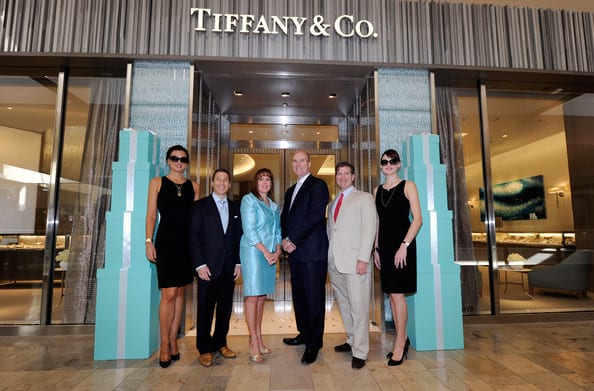
    New York-based luxury jeweller Tiffany & Co has reported improved second-quarter results, with its sales and net income both posting gains, beating Wall Street expectations.

    Tiffany’s on Thursday reported a net income of $US115 million, or 92 US cents per share, compared with $US105.7 million, or 84 US cents per share, a year ago.

    The average estimate of 10 Wall Street analysts surveyed by Zacks Investment Research was for earnings of 88 US cents per share.

    The company posted revenue growth of three per cent to US$959.7 million in the period, also exceeding Wall Street forecasts. Six analysts surveyed by Zacks expected US$933.2 million. Tiffany credited the growth to higher sales of wholesale diamonds, stronger wholesale sales in Asia-Pacific and strong e-commerce sales growth.

    However, sales in stores open at least a year, a key metric of a retailer’s health, declined two per cent during the quarter.

    Jefferies analyst Randal Konik said the results show Tiffany’s stores in the Americas are stabilising, and high-margin fashion jewellery sales are gaining momentum.

    Tiffany officials said customer traffic returned to normal levels at the chain’s flagship New York store that experienced disruption last fall because of security around President Donald Trump’s personal home and offices on the same block.

    For the full fiscal year, the retailer forecast growth in its adjusted earnings per share in the mid-single-digits-percentage with sales up in the low-single-digit percentage.

    Tiffany shares ended Thursday down US$1.17, or 1.3 per cent, at US$87.55. They have climbed 13 per cent since the beginning of the year, while the Standard & Poor’s 500 index is up 9 per cent. The stock has increased 27 per cent in the last 12 months.

    Neil Saunders, managing director of GlobalData Retail, said Tiffany’s more positive results show the early promise of progress at a company that has often struggled to remain relevant in the modern era of retail.

    “That said, there are still some areas of residual softness, especially in terms of same-store sales and particularly across the Americas,” Saunders said. “As Tiffany management recognizes, there is a lot more work to do before the company is back on the ground of firm, sustainable growth.”

    Saunders said one of the more promising areas of progress is the company’s attempts to better connect with younger consumers – a constituency with which it had lost traction. Some of this is down to improved product – with the more contemporary, fashion-focused “Return to Tiffany” collection of silver jewelry having been well received. Collections by designers like Elsa Peretti and Paloma Picasso have also stimulated interest and have added a much-needed contemporary edge to Tiffany’s product mix.

    “With improvements to the assortment, Tiffany also understands that it needs to communicate to younger shoppers to increase the resonance of the brand,” Saunders said. “Here we are encouraged by marketing campaigns, including fall advertising featuring Janelle Monáe, Zoë Kravitz, & St. Vincent (Annie Clarke). These campaigns have a much more modern feel and successfully highlight the changes that are being made on the product front.”

    According to Saunders, it will take time for the changes to percolate through to customers and to drive sales – not least because jewelry is an infrequent purchase.

    “However, we are pleased that Tiffany has made the changes in time for the important holiday season and believe the chain will reap some rewards over the final half of its fiscal year.”

    Saunders said one of the areas where they have long been critical is store design. While they are neat and well maintained, he said, many of Tiffany’s stores look old fashioned and, for the younger consumer, can be intimidating. In essence, they convey a message of old-world luxury which is increasingly at odds with what consumers want and with what many competitors are delivering.

    “The company now seems to have recognized this with the ongoing remodeling of some of its main stores,” he added.

    Saunders said the Union Square shop in San Francisco, which was redesigned earlier in the year, has been well received and is delivering results.

    “In our view, the design strikes exactly the right balance between something that feels youthful and modern but which maintains an air of exclusivity and luxury,” he said. “If this thinking can be rolled out to other stores, including non-flagship locations, we believe Tiffany can make real progress in terms of driving up same-store numbers.”

    He added for all of the advancements, there is much more to be done, and Tiffany remains a work in progress.

    “However, we believe that there is now a sense of momentum and energy at the company that was simply not there a few years ago. The new management team is responsible for this, and the recent appointment of Alessandro Bogliolo as CEO should ensure that change continues at pace.”

  • New Era Philippines opens second Cebu store

    New Era Philippines opens second Cebu store

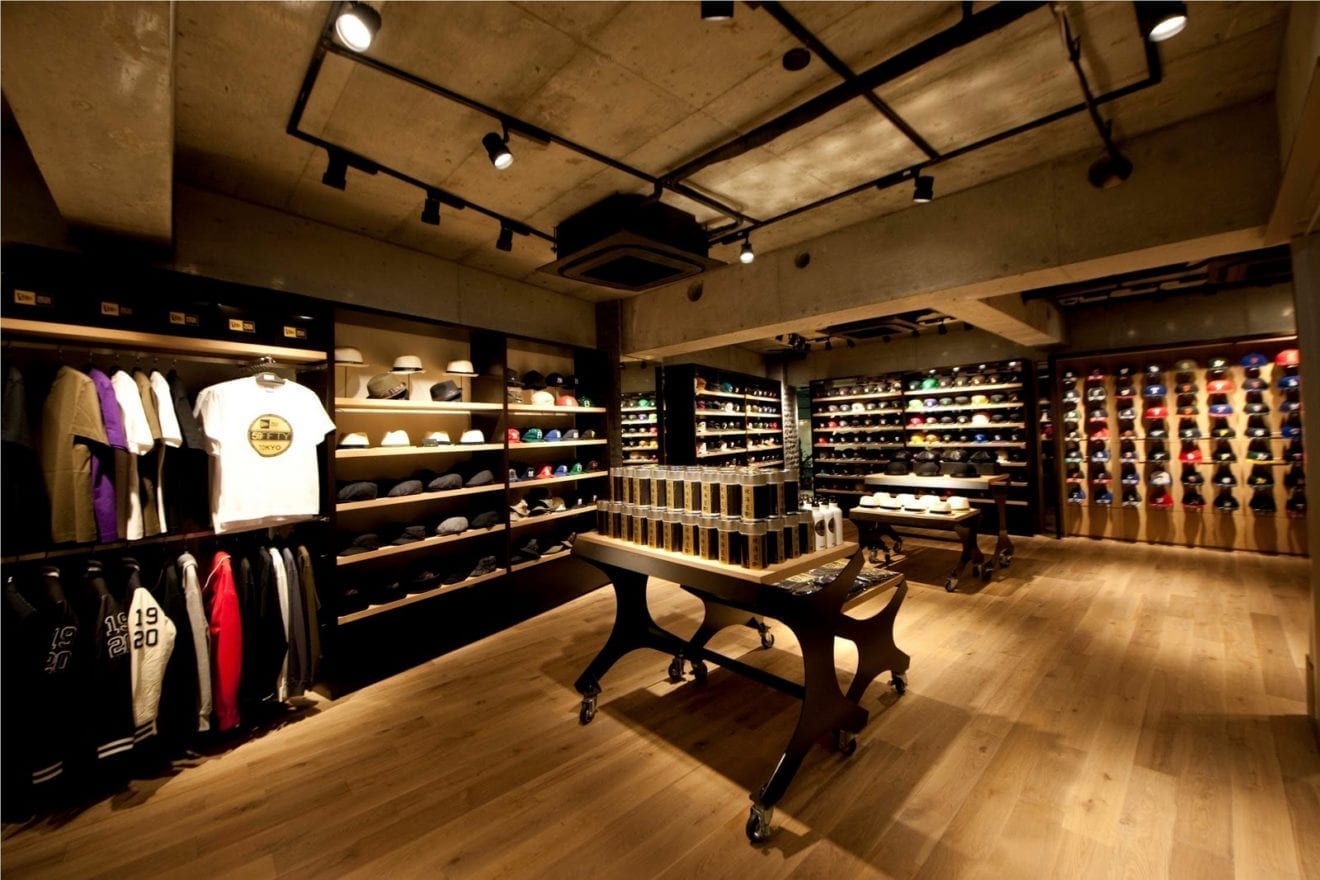
    New Era Philippines has opened its second store in Cebu, the Queen City of the South.

    The global lifestyle brand, which is the official headwear of sporting organizations including the US NBA, Major League Baseball and the NFL, has opened at Ayala Center Cebu.

    “Cebu is one of the most exciting destinations in the country today. With its unique history, heritage, and culture, we saw that the Queen City of the South is the perfect location for New Era to expand as it reaches out to more Filipinos,” said Beatrice S Lim, New Era Philippines marketing director.

    “Aside from this, we are greatly encouraged by the reception of Cebuanos to our brand, thus we’re giving them a second store that they can visit.”

    The store is the brand’s ninth in the Philippines.

  • UK parent steps into salvage Topshop in Australia

    UK parent steps into salvage Topshop in Australia

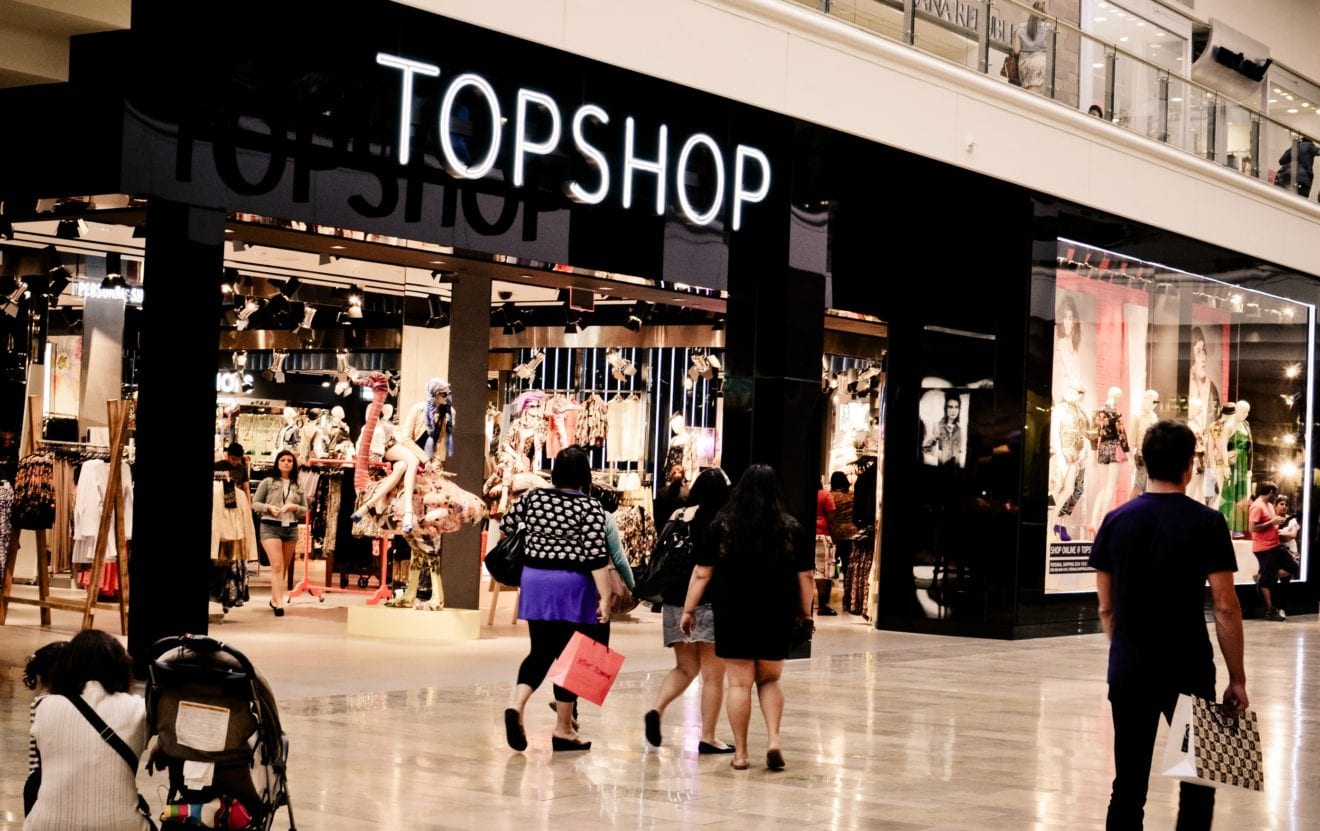
    Topshop and Topman have been salvaged in Australia, with Sir Philip Green and his UK-based Arcadia Group stepping in to take over the business.

    Administrators, Ferrier Hodgson, today made the announcement of the successful restructure of the fashion chains in Australia, which sees the sale of certain assets to Top Shop / Top Man (Australia) Limited, an entity controlled by the Arcadia Group.

    Four retail stores located at Gowings and Bondi Junction in Sydney, Emporium in Melbourne and Brisbane City will now be operated by the UK based retailer.

    “The Administrators are delighted with the outcome of our discussions with Topshop/Topman as it finalises a successful restructure and right-sizing of the business in Australia,” said Ryan Eagle, joint administrator alongside Ferrier Hodgson partners James Stewart and Jim Sarantinos.

    “Throughout this process we have considered the optimal operational structure of the business, ensuring the brand will continue in the local market and to preserve a significant number of jobs within the business”

    A Topshop/Topman spokesperson said the company is “excited to operate directly in the Australian market and look forward to delivering unparalleled fashion to our customers”.

    “We are delighted to be offering more than 290 jobs within the Australian market at Topshop and Topman.”

  • H&M’s new brand opens first stores in London and online

    H&M’s new brand opens first stores in London and online

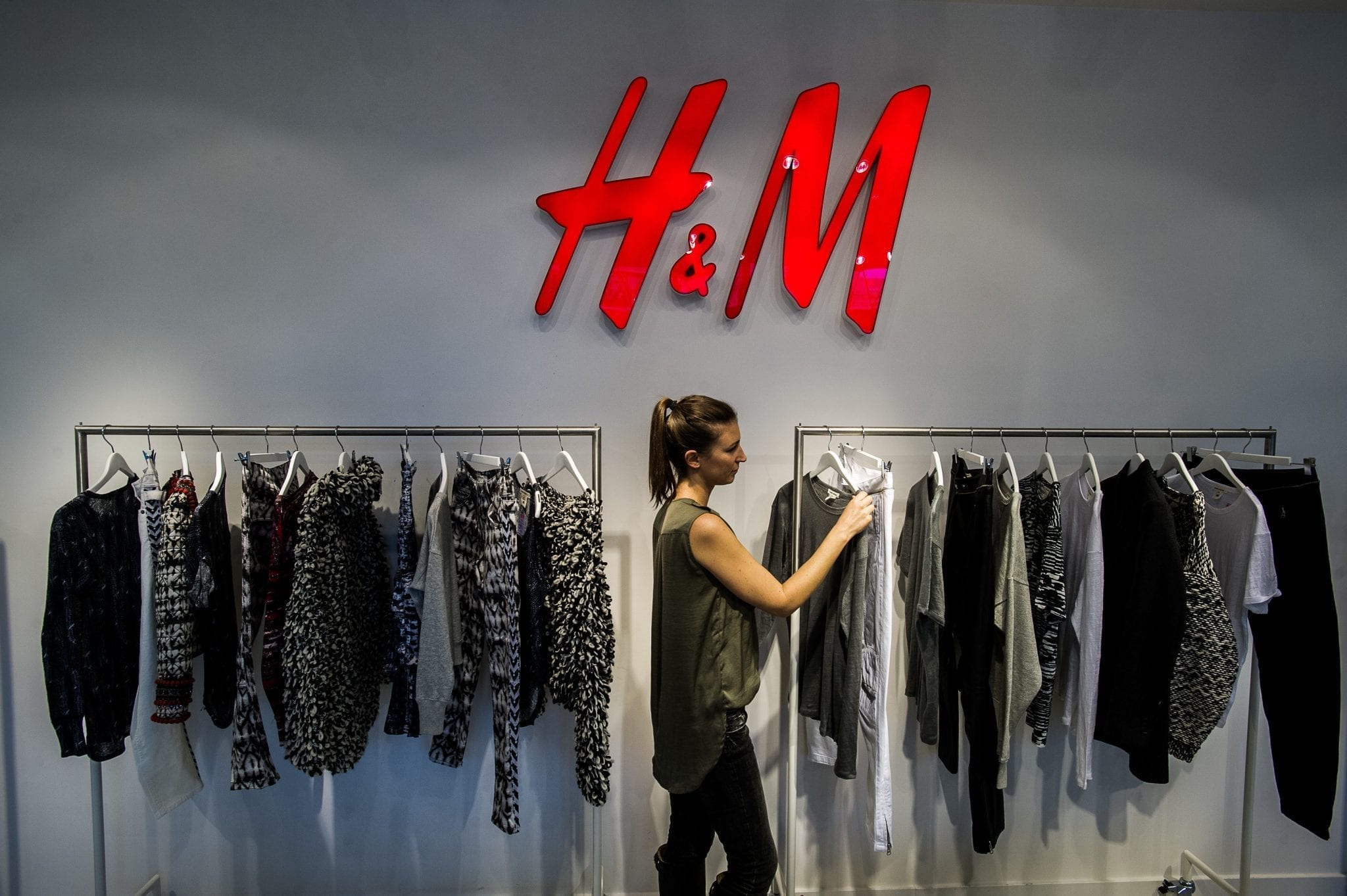
    Swedish fashion retailer H&M’s new brand, Arket, has launched its online store and first physical store on Regent Street in London last Friday.

    According to the fast-fashion giant, the new brand is a modern-day market, offering essential products for men, women, children and the home. The brand’s online store caters to 18 European markets.

    The Regent Street store occupies two storeys of a former department-store corner building, with womenswear and the children’s collection located on the second floor, and menswear, homeware and an Arket cafe on the ground floor. The vegetarian cafe menu is based on the New Nordic Food Manifesto and blends traditional Scandinavian flavours with modern and global influences.

    “We are incredibly happy to introduce Arket and its collections, and welcome our first customers into our stores on Regent Street and online at arket.com,” said Lars Axelsson, managing director.

    “Our team has been working towards this day for over two years, and we are excited to finally share the results.”

    The new brand has accumulated over 28,000 followers on Instagram and 5000 on Facebook, ahead of the launch.

    Ulrika Bernhardtz, creative director, recently said they picked the name Arket,which means ‘sheet of paper’ in Swedish, because it relates to both their origin in the Nordic tradition of functional, long-lasting design and symbolises the blank sheet, “the sense of optimism and possibility they felt when creating the new brand.”

    The launch of the London store will be followed by the opening of Arket in Copenhagen on September 1, then by stores in Brussels, Munich and in London’s Covent Garden during the coming weeks and months.

    The Swedish fashion retailer will launch its first hometown store in Sweden at Biblioteksgatan 9, in the heart of Stockholm’s shopping district Bibliotekstan and will open in the spring of 2018.

  • Toys ‘R’ Us to open four new stores in Australia

    Toys ‘R’ Us to open four new stores in Australia

    Global toy retailer, Toys ‘R’ Us, will open four new stores across Victoria, Queensland and New South Wales between September and November.

    The four new stores will be located in Robina (Queensland), which will open on September 16 ; Rutherford (NSW), which will open on October 7 ; South Morang (Victoria), which will open on October 14 ; and North Lakes (Queensland). The retailer’s store in North Lakes will be its 15th store to open over a three-year period.

    Dianne Guerreiro, managing director of Toys ‘R’ Us Australia, said they believe the expansion will have a beneficial impact on the local communities.

    “We are committed to giving our customers access to the latest and most exciting toy and baby products in Australia, and with each new location, we can make sure we’re reaching even more toy fans across the country,” Guerreiro said.

    According to Guerreiro, they will be recruiting 60 to 80 new staff in each store.

    Toys ‘R’ Us currently has 39 stores across Australia, employing 2,300 staff members, which rises to 3,000 during the busy Christmas trading period.

    In May, the toy retailer combined its Japan, Greater China and Southeast Asia businesses as part of a joint venture with Hong Kong-based Fung Retailing Limited.

    Toys ‘R’ Us Asia Ltd, which currently operates 223 stores in China and the Southeast Asian markets, entered into an agreement with Fung Retailing Limited to consolidate Toys ‘R’ US Japan, which operates 160 stores in the country, into Toys ‘R’ Us Asia.

    The unified business will now be owned by about 85 per cent by Toys ‘R’ Us, with the remaining percentage held by Fung Retailing.

    Andre Javes, president of Toys ‘R’ Us Asia Pacific, said they have seen growth in expenditure on children’s products in recent years, driven primarily by Asia’s economic growth, rising middle class and rapid urbanisation.

  • Major South Korean Conglomerate Enters Bitcoin Remittance Market

    Major South Korean Conglomerate Enters Bitcoin Remittance Market

    South Korean conglomerate, Dongbu Group, has announced a partnership with Bitcoin remittance service provider Sentbe in its bid to enter the Bitcoin remittance market.

    The group is collaborating with Sentbe through its savings bank subsidiary, the Dongbu Savings Bank.

    According to an official of the savings bank, a Memorandum of Understanding (MOU) was already signed by the partners to prepare for the fourth industrial revolution era.

    “We have been working on this business alliance to prepare for the fourth industrial revolution era under the traditional savings bank business.”

    Brief background of the partners

    South Korean firm Sentbe was a recipient of a financial technology (fintech) award for its foreign remittance service utilizing Bitcoin in 2016.

    Through the service, customers can send money to China, Vietnam, Japan, Indonesia and the Philippines at a fee that is up to 95 percent lower than those charged by traditional banks.

    The Dongbu Group, meanwhile, is a major conglomerate in South Korea. It produces industry, chemical, shipping, financial and insurance products. Its subsidiary, Dongbu Savings Bank, is a member of the World Savings and Retail Banking Institute (WSBI).

    Through WSBI, the bank collaborates with many financial institutions around the world, including Sweden’s Swedbank, Fra-Spa of Germany, Philippine Postal Savings Bank, the Indonesia National Housing Bank, the Sri Lanka National Savings Bank and the Thai Government Savings Bank.

    South Korea’s legalization of Bitcoin remittances

    The South Korean government has amended the Foreign Exchange Transactions Act in order to legalize Bitcoin remittances. The amended law took effect on July 18, 2017.

    Under the law, fintech companies planning to provide Bitcoin foreign exchange transfers should register with the Financial Supervisory Service (FSS). They should also comply with certain financial requirements like a paid-in capital of more than two bln Won (around $1.77 mln), and a debt-to-equity ratio of less than 200 percent.

  • Japan to make Olympic medals from old cellphones

    Japan to make Olympic medals from old cellphones

    Japan will make the medals for the 2020 Olympic Games using recycled consumer electronic devices such as cellphones and home appliances.

    “Japan is undertaking an interesting project,” Nakagawa Masaharu, Japan’s environment minister, said during an environmental ministers’ meeting for China, Japan and Korea in Suwon, south of Seoul, Friday. “This is very meaningful in that it recycles rare metals and makes people think about the environment.”

    The minister also showed interest in cooperation with Korea and China.

    “We recognize that collecting rare metals from used devices is a very important issue. In the future, we would like to think about possible cooperation between the three countries, Japan, Korea and China,” the minister said.

    Since the project was announced in February, the Japanese government set up collection boxes at local offices and retail shops across the country, according to news report. According to Japan’s environment ministry, by the end of May, it had collected 106 tons of electronic devices. In addition, 530,000 cell phones have been collected.

    Altogether, Japan needs 5,000 medals, gold, silver and bronze, and traditionally, the Olympic game host cities have purchased the metals from companies.

    Electronic devices are valuable sources of rare earth metals, including gold, silver, nickel and lithium.

    Gold and silver are found in mobile phones, tablet and laptop computers, CD players, DVD players, TV sets, microwaves and others.

    Efforts have been made to recycle recyclable electronics. Currently, some are dumped to be buried or burnt down, but also shipped to places such as China and India where the metals get separated by chemical processes and reused.

    Greenpeace, a global environmental NGO, was at the forefront of rare metal recycling campaigns, by pushing cell phone and tablet makers.

    The cooperation among China, Japan and Korea in making medals, if realized, will score a major positive point with their complex relations.

    Common history and North Korea have for long been sources of tensions among the three countries. Between Korea and Japan, the Dokdo islets and the former sex slavery of the Japanese military in WWII are thorny issues. Two Sino-Japan wars left the bilateral relations between Japan and China on the ice. Between China and Korea, the deployment of the U.S. anti-ballistic missile defense system is an unsettling problem.

    Environmentally speaking, yellow dust from Inner Mongolia and dust from fast-industrializing China has caused deep concerns for Koreans and Japanese, with some individuals and news media outlets demanding China apologize and compensate potential victims. The three ministers have met for 19 years now to discuss environmental issues and cooperation.

  • SM Store offering discount deliveries

    SM Store offering discount deliveries

    Mall chain The SM Store has launched a nationwide delivery service in conjunction with courier company LBC Express until the end of the year.

    Its “You Shop, We Move” promo offers shoppers a discount for every transaction through LBC, which has branches inside SM Supermalls.

    Shoppers simply present the purchase they want delivered, along with the SM Store receipt.

    The promotion covers local destinations.

  • Emerging APAC nations most exposed to malware

    Emerging APAC nations most exposed to malware

    Emerging APAC nations are the most vulnerable to malware, according to Microsoft’s bi-annual Security Intelligence Report (SIR).

    Of the top locations across the globe most at risk of malware infection in the first quarter of 2017, most of them are developing economies in the region.

    The report found that Bangladesh and Pakistan have the highest malware encounter rates around the world. This is followed by two ASEAN nations – Cambodia and Indonesia. Approximately one in four computers running Microsoft real-time security products in these countries reported a malware encounter from January to March 2017.

    Other top areas facing malware threats include Myanmar, Nepal, Thailand, Vietnam, each with an average malware encounter rate of more than 20% in the first quarter of 2017. This is more than double the global average of 9%.

    On the other hand, markets with higher levels of IT maturity, namely Australia, Hong Kong, Japan, New Zealand and Singapore, performed better than the worldwide average. In fact, Japan has been ranked the safest country in the world, with only 2% of its computers reporting a malicious program incident.

    Ransomware attacks on the rise

    Ransomware is one of the most infamous malware families in 2017. In the first half of the year, two waves of ransomware attacks, WannaCrypt and Petya, exploited vulnerabilities in outdated Windows operating systems worldwide, disabling thousands of devices by illegitimately restricting access to data, through encryption. This not only disrupted individuals’ daily lives but also crippled many enterprises’ operations.

    The attacks were disproportionately concentrated in Europe while most of the Asia markets have not been too heavily impacted. In fact, Japan and China were listed as the two top countries with the lowest ransomware encounter rates. One of the few exceptions in the region is Korea, which has the second highest ransomware occurrence rate worldwide.

    Attackers evaluate several factors when determining which regions to target, such as a country’s GDP, average age of computer users and available payment methods. A region’s language can also be a key contributing factor as a successful attack often depends on an attacker’s ability to personalize a message to convince a user to execute the malicious file.

    Cloud accounts and services under cyber siege

    As cloud migration increases, the cloud has become the central data hub for the majority of organizations. This also translates into more valuable data and digital assets being stored the cloud, making it an increasingly attractive target for cybercriminals.

    The SIR highlighted a 300% increase in consumer and enterprise accounts managed in the cloud being attacked globally over the past year while the number of logins attempted from malicious IP addresses have increased by 44% year-over-year.

    In addition, a large majority of these security compromises were the result of weak, guessable passwords and poor password management, followed by targeted phishing attacks and breaches of third-party services. As the frequency and sophistication of attacks on user accounts in the cloud accelerates, there is an increased emphasis on the need to move beyond passwords for authentication.

    Malware Encounter Rates for Markets in Asia in Q1 2017 (from highest to lowest):

    1. Bangladesh
    2. Pakistan
    3. Cambodia
    4. Indonesia
    5. Mongolia
    6. Myanmar
    7. Vietnam
    8. Nepal
    9. Thailand
    10.  Philippines
    11.  Sri Lanka
    12.  China
    13.  India
    14.  Malaysia
    15.  Taiwan
    16.  Korea
    17.  Hong Kong
    18.  Singapore
    19.  Australia
    20.  New Zealand
    21.  Japan
  • Wearable device sales to grow 16.7% this year

    Wearable device sales to grow 16.7% this year

    Wearable device sales are on track to grow 16.7% this year to 310.4 million, representing sales of $30.5 billion, Gartner has projected.

    Nearly a third ($9.3 billion) of the total value of the market is expected to come from smart watches.

    Gartner predicts there will be 45.1 million smartwatches sold this year, and by 2019 the devices are expected to be the second best selling category of wearable devices behind Bluetooth headsets.

    While Apple is expected to continue to have the greatest market share of any smartwatch provider, its market share is expected to decrease from around a third in 2016 to a quarter in 2021 as more providers enter the market.

    Gartner said Apple may announce an Apple Watch in September that will enable direct cellular connectivity for texting, interacting with Siri or transferring sensor data when a Wi-Fi network is not present.

    “Smartwatches are on pace to achieve the greatest revenue potential among all wearables through 2021, reaching $17.4 billion,” Gartner research director Angela McIntyre said.

    “The overall ASP of the smartwatch category will drop from $223.25 in 2017 to $214.99 in 2021 as higher volumes lead to slight reductions in manufacturing and component costs, but strong brands such as Apple and Fossil will keep pricing consistent with price bands of traditional watches.”