Tag: asia

  • Line Friends lining up in Times Square

    Line Friends lining up in Times Square

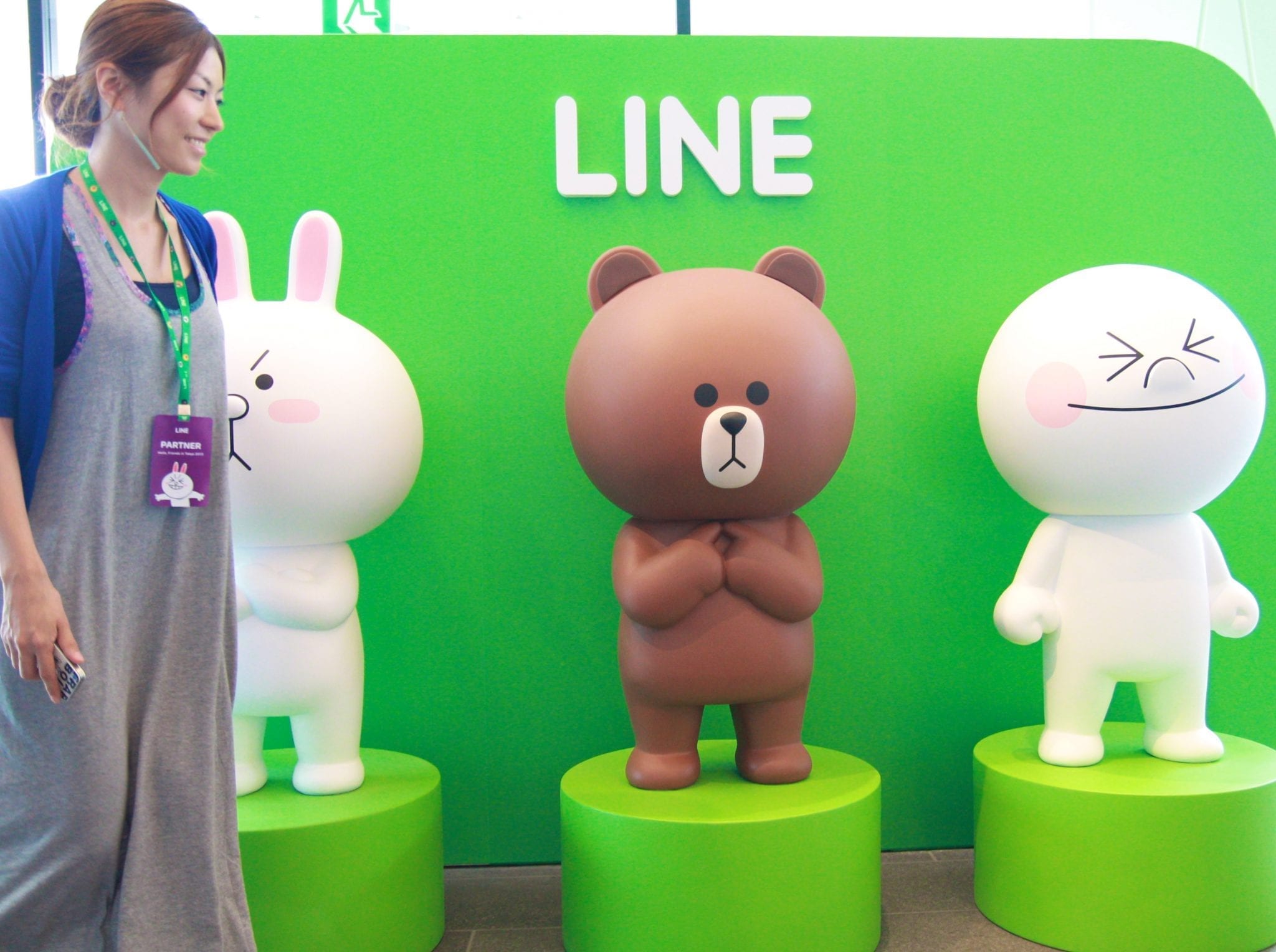
    Line Friends, the character merchandising unit of mobile messenger Line, will open its first US store in New York City’s Times Square tomorrow.

    In an announcement via Twitter, Line Friends say this is a “pre-opening” of the store ahead of its official grand opening next month. This is so it can test and optimise the store before the official opening, says a company spokesperson.

    Visitors will be able to browse the store and make purchases during the pre-opening period.

    Spanning 430 sqm, the Broadway store is in the same building that is home to the Lion King musical.

    It will be the first-ever large-scale Asian character-brand store to open in the US, and also commemorates the one-year anniversary of Line’s public listing on the New York Stock Exchange.

    As well as Line Friends’ flagship character-based products, the store will offer items tailored to the US market, the firm says.

    Founded two years ago, Line Friends is a wholly owned subsidiary of Naver-owned Line Corp, which runs the Line mobile messenger. It creates such products as dolls and stationery based on the signature characters featured as virtual stickers on Line messenger such as Brown, Choco and Cony.

    Line Friends has 83 stores in 11 countries, including its home country Korea, and China, Hong Kong, Indonesia, Japan, Singapore, Taiwan and Thailand. The company has collaborated with hundreds of major consumer companies such as global stationery brands Lamy and Moleskin, furniture maker Mr Maria and cosmetic brands L’Occitane en Provence and Missha.

    Line Friends CEO Kim Sung-hoon says a Line Friends pop-up store opened in Times Square in 2014 with LED billboard advertisements running in the city in late 2015. “Starting with New York, we will speed up our efforts to ramp up our presence in various markets around the globe.”
  • Ajisen, Katrina Group sign So Pho deal

    Ajisen, Katrina Group sign So Pho deal

    Aiming to grow in China and enter the Hong Kong market, Singapore F&B company Katrina Group has signed an agreement with Big Benefit Group, a wholly owned subsidiary of Ajisen (China) Holdings.

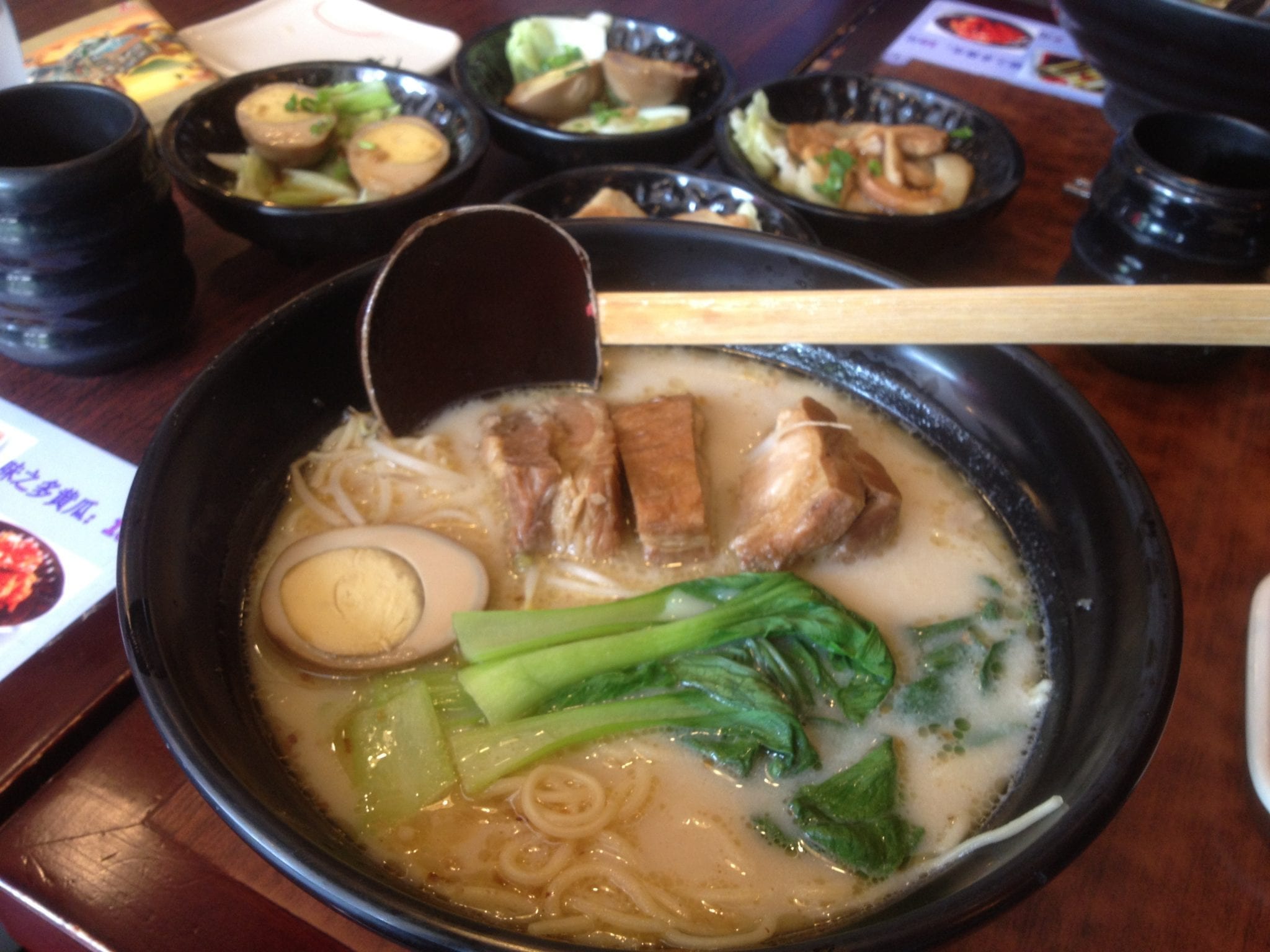
    Under the deal, Katrina will hold a 30 per cent stake in the JV company, which manages snack bars, cafes, restaurants and other food services. It serves Vietnamese-style dishes under the brand So Pho in China and Hong Kong.

    Katrina founder/CEO/executive chairman Alan Goh says Ajisen is one of the largest restaurant chains in China. ‘This collaboration will extend our geographical reach in China and help us enter the Hong Kong market. It is a bold step in further strengthening Katrina as a regional F&B group.”

    Hong Kong-listed Ajisen China has nearly 700 restaurants in 120 cities and 30 provinces in China and Hong Kong, while Katrina Group, which specialises in multi-cuisine concepts, owns and runs 33 restaurants in Singapore under nine brands including Bali Thai and Streats.

    Ajisen China and Katrina will provide working capital for So Pho International of up to US$1.05 million and $450,000 respectively through an interest-free shareholders’ loan.

    Katrina will also trademark So Pho International in Mainland China with an exclusive right to sub-license and franchise the trade name of “So Pho”.

    “With our strong track record and Katrina’s brand development capabilities, we look forward to growing the So Pho brand in China and Hong Kong,” says Ajisen China founder/chairman/CEO Wai Poon.

  • New RedMart executive aims to boost tech talent pool

    New RedMart executive aims to boost tech talent pool

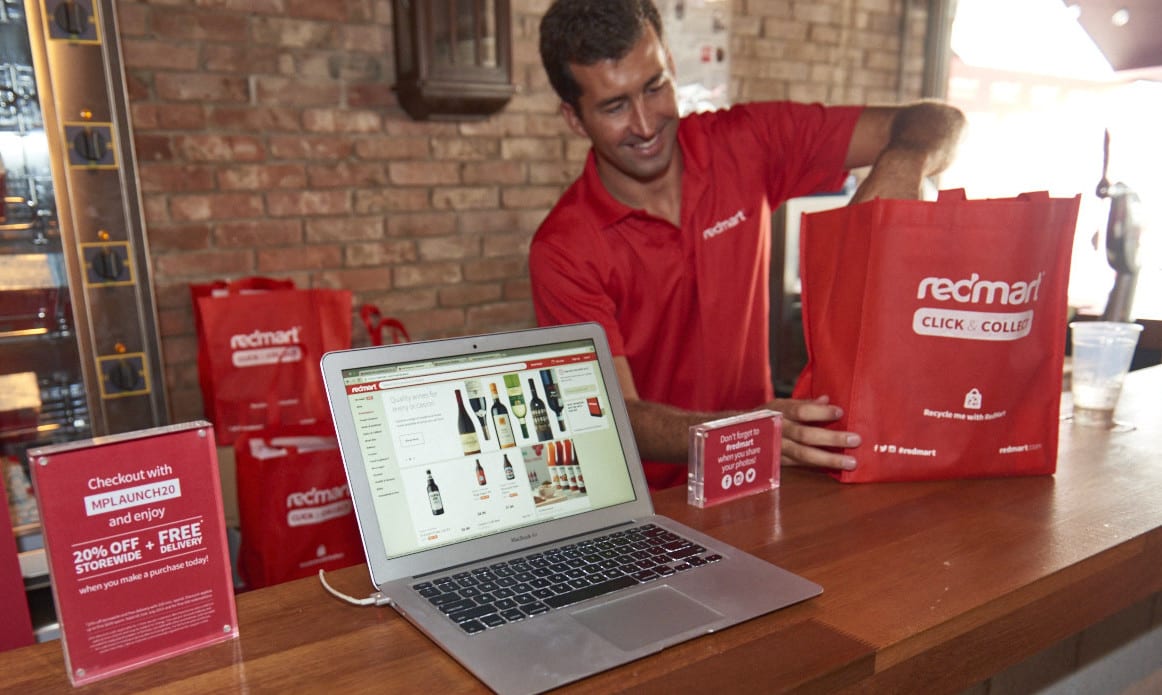
    Back home in Singapore to work for online supermarket RedMart, Silicon Valley veteran Patrick Teo says he has another job on his hands: attracting other talent back to boost the island city/state’s expanding tech hub.

    After gaining a PhD in Computer Science at Stanford University and holding senior positions at Amazon, Facebook and Shutterfly, he has been appointed chief product officer and executive VP for engineering at Lazada-owned RedMart.

    “As a Singaporean, I see the exciting developments taking place at home and want to contribute to building the tech ecosystem here,” he says. He is keen to work with the industry and government “to further cultivate the talented engineers coming out of Singapore’s universities and attract many living abroad to come back”.

    Teo started his Silicon Valley career at online retailer and manufacturer Shutterfly, where he led its engineering teams from start-up to its IPO.

    He then went on to build Amazon’s digital music technology as head of technology and site leader of the company’s San Francisco office. Most recently, he led multiple engineering teams at Facebook.

    Now he reports to RedMart president Vikram Rupani, who says Teo’s presence is “a stamp of validation for Singapore’s maturing tech ecosystem”.

    Teo says that with top e-commerce companies such as Alibaba and Lazada investing in Singapore, the nation “is on the path to become a truly world-class tech hub”.

  • Owndays Singapore targets 30 stores

    Owndays Singapore targets 30 stores

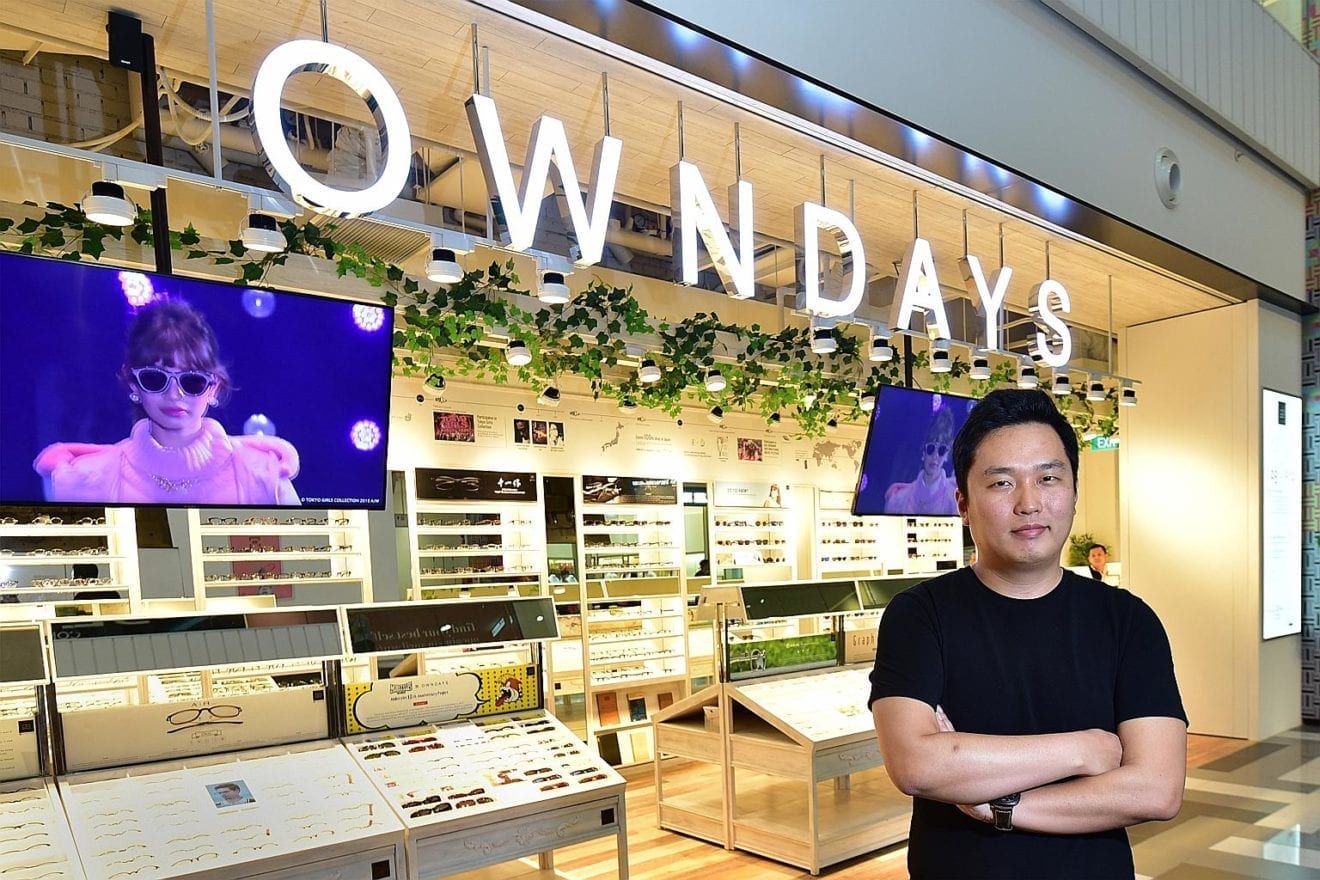
    Owndays Singapore is continuing its expansion and says it believes the city can sustain 30 of its stores. The Japanese eyewear retailer recently opened its 23rd Singapore store, inside Clementi Mall. The 1173 sqft store features a new element – a counter with high chairs where customers can evaluate frames.

    Owndays has shaken up the eyewear sector with a simplified pricing system and a 20-minute turnaround time for making most types of prescription glasses. Open shelves allow people to browse without waiting for an assistant to unlock glass cabinets.

    The photos show the Clementi Mall store’s interior.

  • Melissa Singapore shoe store world’s largest flagship

    Melissa Singapore shoe store world’s largest flagship

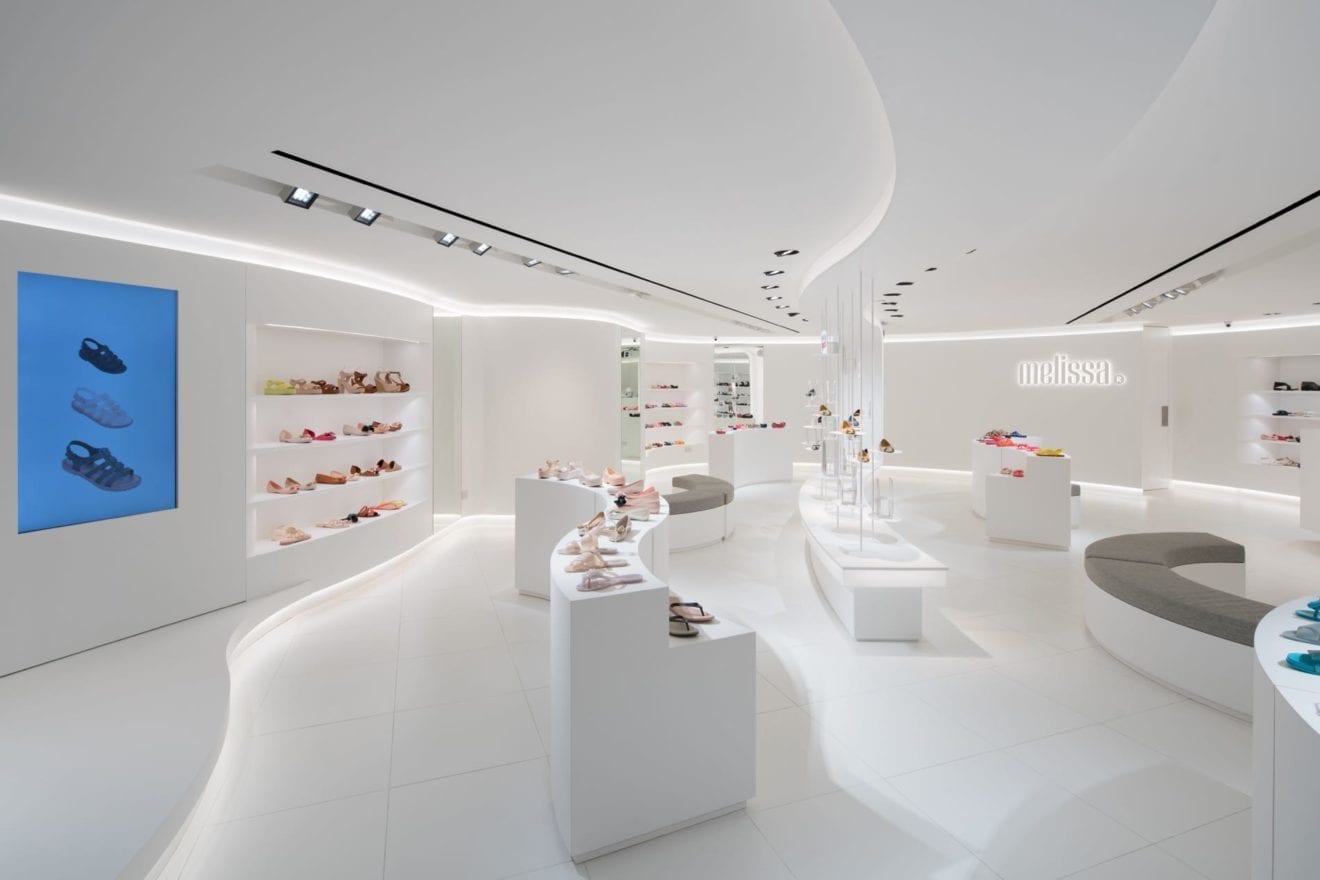
    The newly opened Melissa Singapore shoe store is larger than the hip footwear label’s other flagships in Sao Paulo, London and New York.

    The brand’s dance-inspired range is spread out over 1700 sqft of space dubbed MDreams, in the Raffles City shopping centre.

    The Brazilian label is renowned for its eco-friendly plastic shoe range which includes sandals, flip flops, boots and sneakers. Its footwear is affectionately described as “Jelly shoes”.

    The opening of the Melissa Singapore store MDreams is part of the company’s longer-term strategy to expand brand awareness and sales in Asia.

    “The new Melissa MDreams flagship store gives us the opportunity and platform to evolve our customer experience, ensuring that we continue to deliver authentic and personalised experiences through various enhanced customer loyalty programmes, service standards, and technology application, for a seamless Melissa experience in store,” said Terence Yow, MD of Enviably Me, the local distributor of Melissa.

    The Melissa Singapore store was designed by local interior architecture firm, Laank. Inspired by “dance and movement,” it features curved shelves with a ‘semi-floating’ effect and signature white canvas allows the colourful range to stand out.

    “When we embarked on the project to reimagine how the new Melissa MDreams flagship store would be, the team decided that our customers must be at the heart of everything we do in this project,” added Yow.

    “It is about putting the customer before the design, creating a shopper experience-centric shop design.”

  • Hugo Boss opens Brisbane flagship boutique on Edward Street

    Hugo Boss opens Brisbane flagship boutique on Edward Street

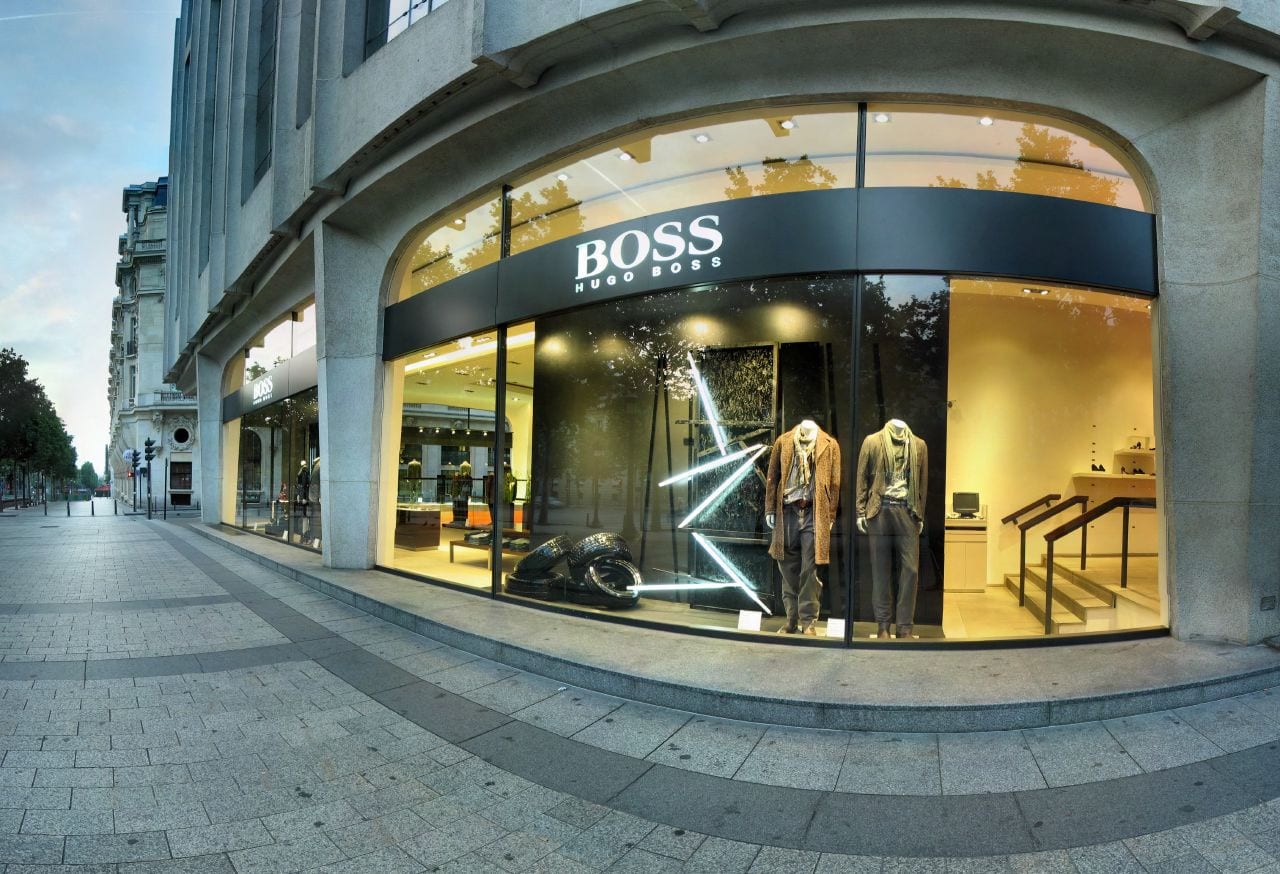
    International fashion retailer, Hugo Boss, has opened a luxury Brisbane flagship boutique on Edward Street, in MacArthur Central’s luxury fashion precinct.

    The new boutique will feature the edited range of luxury Boss Menswear collections, including ready-to-wear, shoes and accessories as well as athleisure wear and a high performance sportswear offering, in addition to Hugo Boss timepieces and fragrances.

    According to the retailer, the store’s interior showcases a refined concept that has been adopted by select stores in major global cities, catering to the fashion savvy male.

    “Precision Group is proud to welcome Hugo Boss to MacArthur Central where it will sit alongside some of the best International and national retailers fronting Edward St, where Brisbane City Council have invested $11.8M into a beautification project of the precinct,” said Colleen Middlemass, Centre and State Asset manager.

    In the upcoming months, the Edward Street frontage project will see the addition of sub-tropical, mature trees and improved lighting as well as enhanced boulevard pavements. The MacArthur Central’s Queen Street frontage will also receive a major upgrade, with the National Australia Bank opening its flagship Brisbane retail branch and occupying eight floors in the office tower above.

  • Golden sales for Luk Fook’s first quarter

    Golden sales for Luk Fook’s first quarter

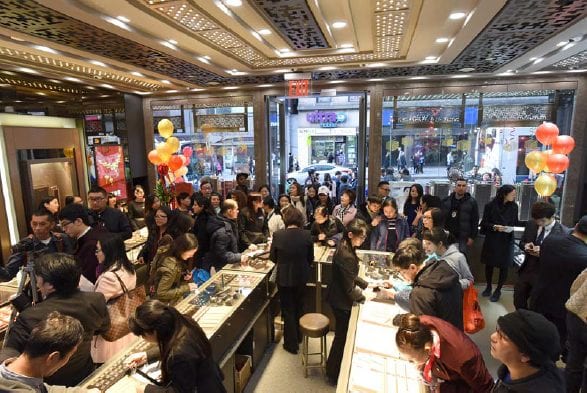
    Same-store sales of gold products have restored growth, jewellery retailer Luk Fook says in announcing the performance of its self-run retail shops for the first quarter, to the end of June.

    It says a relatively low base and “an effective strategy of an enhanced offering of good-value-for-money gold products” helped boost SSSG 5 per cent, a progression over the previous quarter.

    SSSG of 32 per cent in China and 10 per cent in Hong Kong/Macau for gold and gemset jewellery led to 23 per cent growth overall for the period, a significant improvement over the previous quarter.

    On the other hand, the SSSG of gemset jewellery products in the Hong Kong/Macau market rose 9 per cent while gold products stayed flat, a turnaround from a declining trend for more than a year. This resulted in a 3 per cent improvement in the market overall.

    While the group closed two shops in Hong Kong during the quarter, the number of shops in Hong Kong and Macau for the whole year is expected to be about the same. During the period, 14 Luk Fook shops were added on the mainland, five of these licensed outlets.

    As at the end of last month, the group had a total 206 self-run shops – 142 in China, 45 in Hong Kong, 10 in Macau and nine overseas. There were also 1301 licensed shops in China and one in Korea, making a total of 1508 outlets worldwide, of which 1443 were on the mainland.

  • ShopBack Thailand launches with 100 merchants

    ShopBack Thailand launches with 100 merchants

    Cash-rebate service ShopBack Thailand has launched with more than 100 merchants on board.

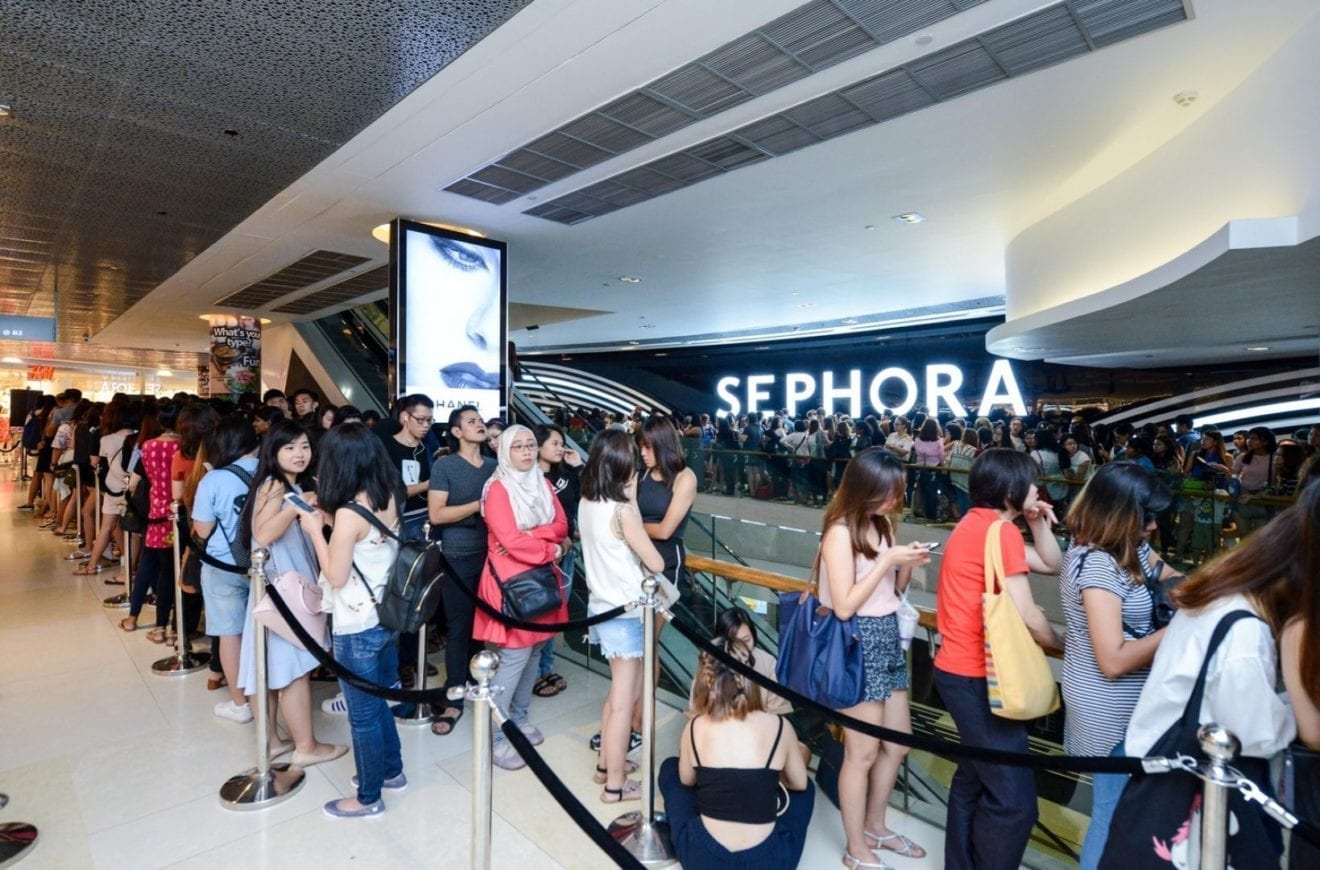
    Merchants include online travel booking websites Booking.com and Expedia, beauty platform Sephora, e-commerce giant Lazada, as well as ride-hailing services Grab and Uber. Consumers can expect to receive up to 30 per cent in cash back when the new service.

    “Online shopping in Thailand isn’t a trend, it’s part of the everyday retail culture,” says ShopBack Thailand co-founder/country head Kawin Prachanukul. “We’re discovering ways to connect merchants and shoppers in a way that creates added value for both parties.”

    Thailand is the sixth market for Singapore-based ShopBack, founded two years ago. As well as Singapore it is active in Indonesia, Malaysia, Taiwan and the Philippines. It has received more than US$1 million in funding from Accel-X and East Ventures.

    ShopBack claims to have more than three million users. Merchants on the platform receive more than $20.3 million in sales each month, and to date the service has paid more than $10 million in cash back to its customers.

    In Thailand, ShopBack faces competition from homegrown player Dealcha!, backed by Thai seed-funding specialist 500 TukTuks.

  • A Bathing Ape launches online store

    A Bathing Ape launches online store

    Established in Tokyo in 1993, street-fashion brand A Bathing Ape has launched a global online store.

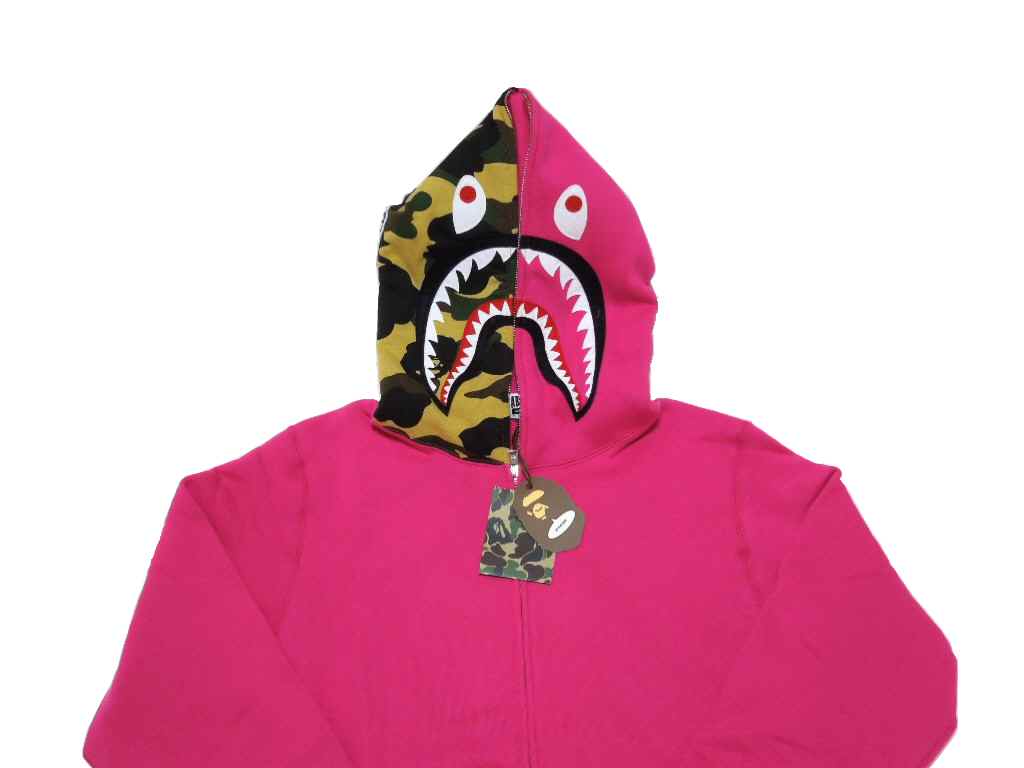
    Also known as Bape, the brand is known for its graphics, patterns and characters such as “Ape Head”, “Bape Camo”, “Bape Sta”, “Shark Hoodie” and “Baby Milo”. The  brand has expanded from being a men’s line to include women’s and children’s items.

    Bape has stores throughout Japan, in the UK and US, Hong Kong, China and other regions in Asia. BapeOnline is initially available for customers in Europe, with plans to expand to a more worldwide presence soon. To celebrate the launch, a special limited-edition t-shirt is being offered.

    A Bathing Ape was created by Nowhere Co, in the Tokyo suburb of Harajuku, and continues to expand with Bape Store, BapeExclusive, Bape Kids and A Bathing Ape Pirate Store.

  • Commune Lifestyle parent Koda reports solid rebuilding

    Commune Lifestyle parent Koda reports solid rebuilding

    Koda, the parent of furniture retailer Commune Lifestyle, has reported a net profit of US$2.2 million for the nine months to the end of March, a 66.9 per cent increase over the same period last year.

    And the group’s gross profit margin rose to 27.7 last year from 23.6 per cent in 2014, and reversing two years of losses, the group had a net profit of $1.6 million for the financial year to June 30 last year. It attributes this to marketing, revised business strategies and restructuring.

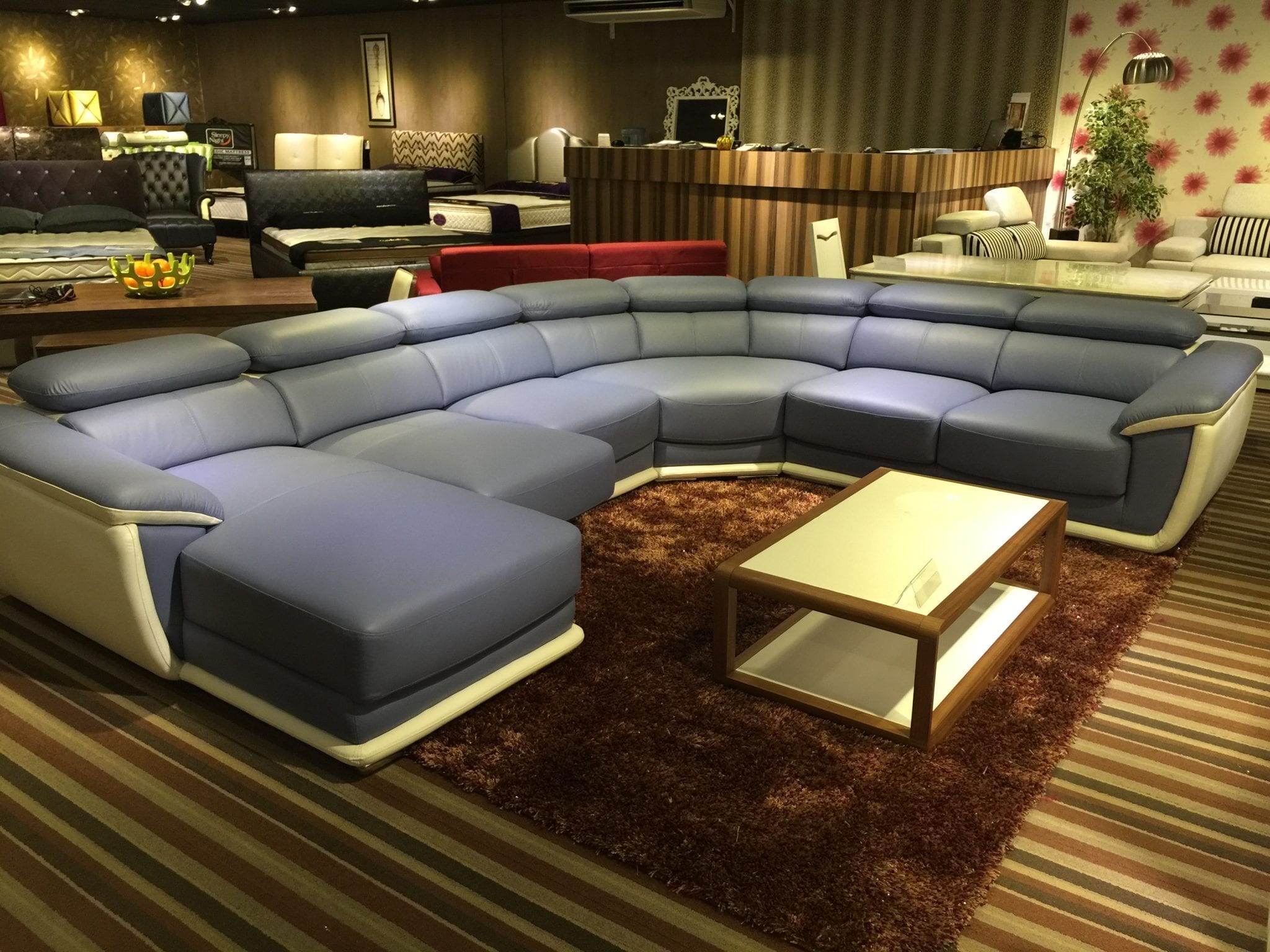
    Koda is an original design manufacturer specialising in design-intensive household furniture for the upper middle class. Commune Lifestyle, led by the third generation of the founding Koh family, is a wholly owned subsidiary of Koda that runs four stores in Singapore, three distributor-retail (DR) stores in Malaysia and 35 DR stores in China, as well as one brand-in-store presence in Australia. It is planning to expand its DR network and set up another hub in eastern China.

    During the year to June 30, Commune added 17 DR outlets in China. There are more than 40 outlets, mainly in China.

    Meanwhile, the group has been streamlining. It has consolidated its production units, relocated factories out of China, disposed of the loss-making retail business Rossano in Vietnam, and disposed of certain non-core assets for cash.

    Koda is headquartered in Singapore with manufacturing plants in Vietnam (Ho Chi Minh City) and Malaysia (Johor and Senai). It sells to more than 50 countries, mainly Asia and the US.

  • Starfield Goyang set to open in August

    Starfield Goyang set to open in August

    The third mall under Shinsegae’s Starfield brand has set its opening date for Aug. 24, according to Shinsegae Property.

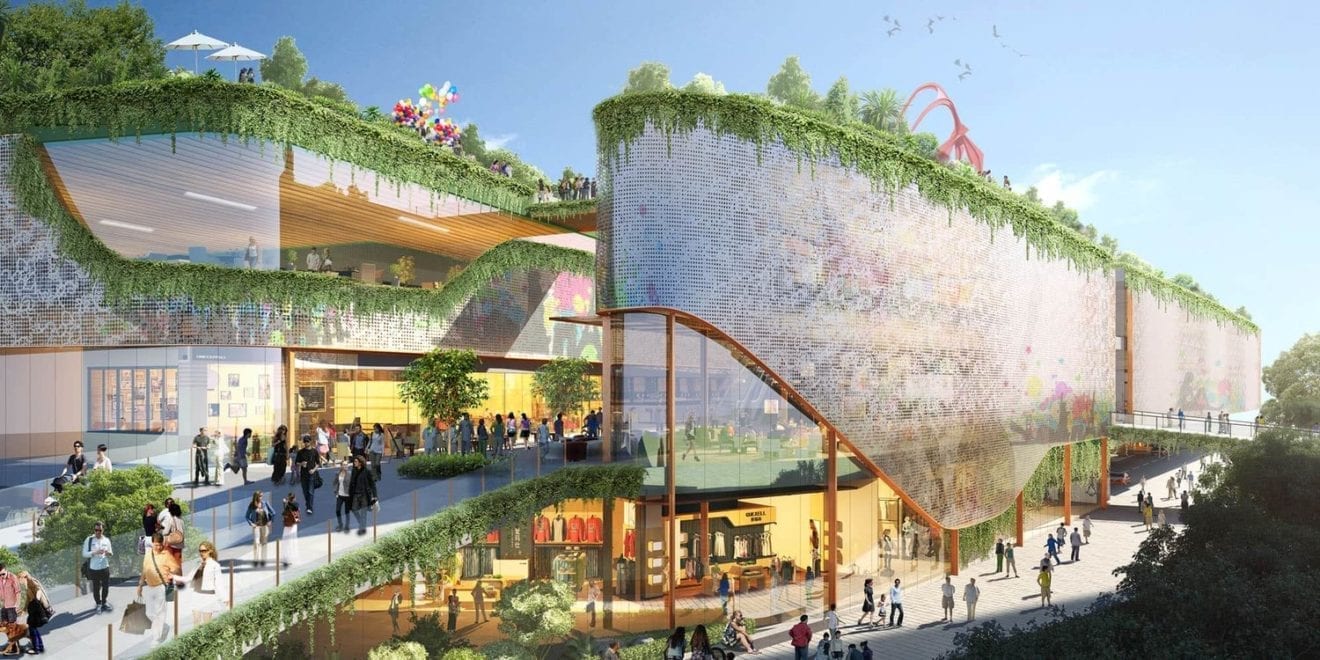
    Starfield Goyang in Goyang, Gyeonggi Province, will span 365,000 square meters and will include a kids’ theme park and Shinsegae’s flagship outlets such as Shinsegae Department Store and Emart Traders.

    Other entertainment facilities previously showcased at Starfield Hanam, including Aquafield and Sports Monster, will also open in Goyang. Starfield is the brainchild of Shinsegae Group Vice Chairman Chung Yong-jin, who promised a new paradigm for Korea’s retail industry.

    The group made a 1 trillion won (US$877 million) investment in the mall and joined forces with U.S. property developer Taubman. Shinsegae Group said the better-than-expected performance was a result of Starfield’s exclusive “shopping theme park” concept, and its offering of diverse experiences such as a movie multiplex, indoor gym, swimming pool and spa.

    Starfield Hanam went beyond merchandising products, but strived to interact with customers by providing places where people can share time and experiences Shinsegae Property said the shopping mall will cater to families, taking into consideration the suburb location of the outlet. Areas specialized for children will be twice as large as similar areas in Starfield Hanam.

    Shinsegae’s Toy Kingdom will be expanded into a theme park-like store that includes hands-on programs for children and cafes for parents. The mall will run a one-week pre-opening event starting Tuesday, ahead of its grand opening in late August.

    Shinsegae Vice Chairman Chung Yong-jin has also reportedly taken extra care in the opening of the third Starfield mall, having commented in past interviews that “revenue comes from the time spent (by visitors)” and that he wished to open Starfield branches nationwide

  • Cortefiel opens first stores in India

    Cortefiel opens first stores in India

    After announcing last December a distribution partnership deal with Tablez Retail to enter India, Cortefiel group has opened its first retail stores. The contract will see 60 store openings in India, as well as nearby Sri Lanka.

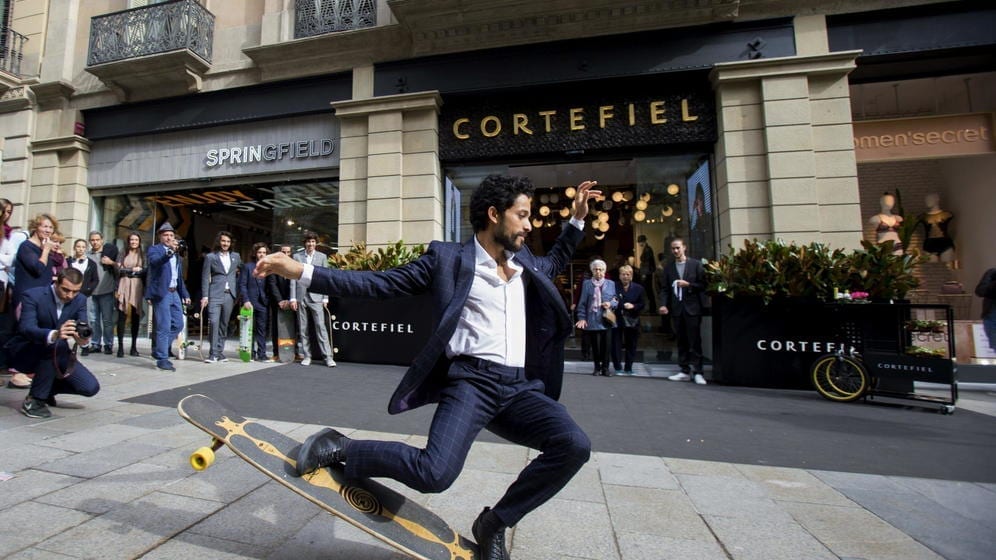
    On July 17, mixed apparel retailer Springfield and lingerie chain Women’secret debuted inside the Phoenix MarketCIty shopping centre, located in the city of Bangalore.

    In autumn, the Spanish group, which also owns the brands Corefiel, Pedro del Hierro and Fifty Factory – but not in the India market – will open a further eight stores in Bangalore, as well as in Bombay and Chennai.

    By entering India, the Madrid distributor intends to take advantage of the growing appetite of young adults in the country for international brands, focusing its communication on city fashion, as the urbanisation of the country continues at high speed.

    The goal of the group is to “achieve rapid growth across the two brands, thanks to the growing percentage of young people in the country,” as well as the explosion of commercial property in the nation.

    The group, which according to several sources is in the process of being sold by the three funds that have retained ownership since 2005 (PAI Partners, CVC Capital Partners and Permira), also made its debut in Cuba a few weeks ago, setting up a Women’secret store in Havana.

    Sales at Cortefiel, which boasts more than 2,000 stores across 90 countries, recorded an increase of 3.1%, to 1.13 billion euros for the year ending February 28.

  • Moschino launches first cosmetic collection with Sephora

    Moschino launches first cosmetic collection with Sephora

    Italian luxury fashion label Moschino is making its first leap into cosmetics, teaming up with global beauty retailer Sephora to distribute its debut make-up collection.

    The Moschino x Sephora collection is centred on bright colours and features quirky packaging, such as Moschino’s signature teddy bear in gold.

    The seven items include lip-gloss, brushes, a highlighter and an eye shadow, the latter housed in a palette designed to look like a shopping bag.

    Collection prices range from US$23 for the miniature shopping bag eye shadow to $68 for the teddy bear brush set.

    It marks the first cosmetics collection to come out of the Jeremy Scott-helmed Moschino. Part of the Aeffe group since 1999, the Italian brand already has a retail history with Sephora, with its multiple fragrances being sold there.

    The cosmetics debut follows up Moschino’s foray into furniture when, in March, it released a capsuled collection designed in collaboration with furniture company Gufram.

    In the APAC region, Sephora has stores in China, Hong Kong, Indonesia, Malaysia, The Philippines, Singapore, Thailand, and Australia and New Zealand. It’s also present in Europe, and in North and South America.

  • The Rise of Selfies in E-Commerce in 2017

    The Rise of Selfies in E-Commerce in 2017

    Over the last few years, e-commerce has evolved from a supporting act into a leading role. Retailers globally are looking for e-commerce to drive their future growth. As a part of this effort, retailers are realizing the benefits of providing an exceptional customer experience for their online shoppers.

    The maturation of existing technologies, including computer-vision, has provided retailers with the possibility to create compelling online customer experiences that drive results, increase customer conversion and loyalty as well as provide retailers with a wealth of information about their shoppers.

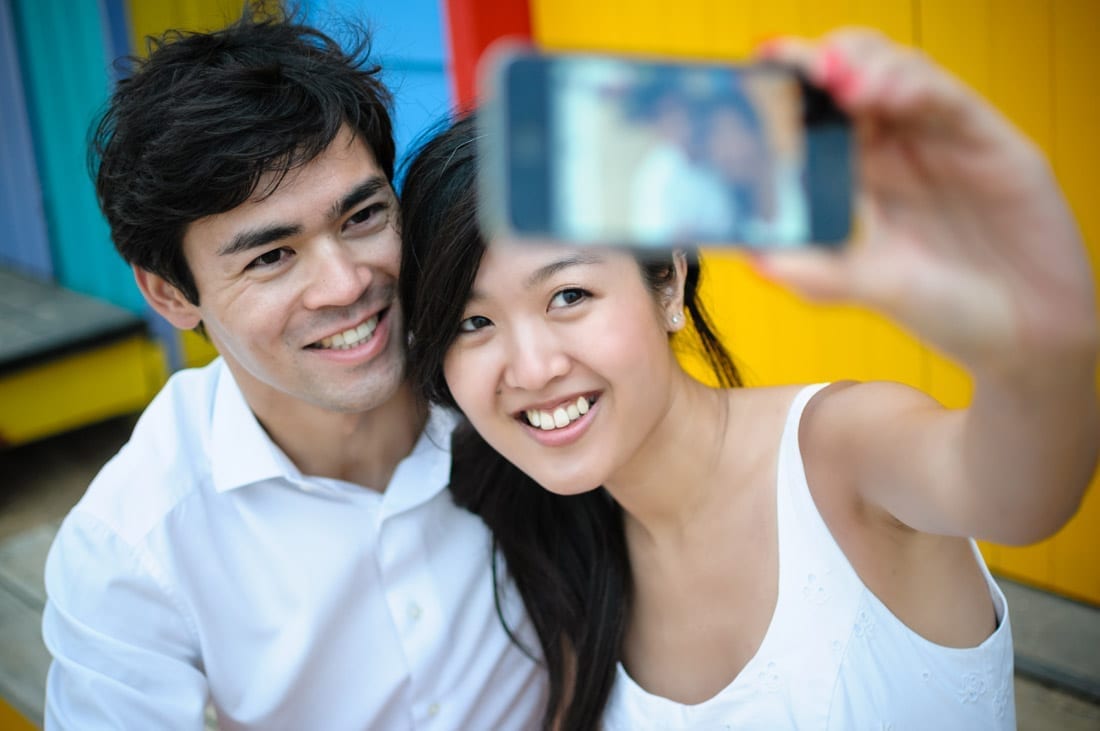
    Selfies and computer-vision in general are making their presence felt in the online customer experiences of retailers and are quickly winning the attention of shoppers.

    Solutions targeting specific e-commerce verticals, such as Amazon’s Outfit Compare for fashion, Smart Picture for home improvement and interior design or Revieve’s Digital Skincare Advisor for beauty are examples of offerings that are attracting the attention of ecommerce executives as they strive to grow their online businesses

    The most important benefit of leveraging selfies as part of creating a compelling customer experience for your shoppers is saving their time. Through selfies, shoppers are able to find products relevant for them and their desires faster than ever.

    Furthermore, selfies are becoming an increasingly important factor in building true one-tone personalization into e-commerce experiences.
    The fundamental shift being created by technology-lead solutions targeting specific verticals has to do with recent acknowledgements that not all online shopping is alike.

    The expectations of online shoppers vary widely across product groups and categories and retailers can no longer afford to consider their e-commerce visitors similar across verticals.

    This results in the need for retailers to create specific, vertical- or category –focused customer experiences to meet the needs of online shoppers and presents a change in the mindset of most e-commerce retailers.
    Although selfies are a relatively novel way of interacting with the shopper online, they represent an important opportunity for retailers in creating a competitive advantage through the online customer experience and helping combat against the dominance of Amazon.

    The days of building “one-size-fits-all” experiences for shoppers online will soon be but a distant memory.

  • GM joins other carmakers investing in self-driving startup Nauto

    GM joins other carmakers investing in self-driving startup Nauto

    General and Japan’s Softbank Group Corp are among the latest investors in Nauto, a Silicon Valley startup developing software for self-driving vehicles.

    Nauto, based in Palo Alto, said on Tuesday it closed a $159 million Series B funding round, led by Softbank and venture capital firm Greylock Partners. Previous investors included German automaker BMW and Japanese automaker Toyota, as well as German insurance firm Allianz.

    Nauto is unusual in attracting money from big-name automakers, and also in its focus on software and data, which cost less to develop than hardware or entire vehicles.

    “Any (vehicle) manufacturer is better than any startup at building cars,” said Stefan Heck, founder and chief executive officer of two-year-old Nauto. “Our aim is to provide the data, intelligence and a cloud platform” to automakers that plan to begin putting self-driving cars on the road from 2020.

    The amount of GM’s investment in Nauto was not disclosed. The Detroit automaker bought Silicon Valley startup Cruise Automation in early 2016 for more than $500 million.

    Heck declined to specify the company’s post-funding valuation. He did say it was shy of $1 billion, “unicorn” status in Silicon Valley shorthand.

    “But we’re getting there,” he said.

    To develop its technology, Nauto is retrofitting windshields of commercial trucks from North America to Europe and Japan with dual cameras: one aimed at the road and the other at the driver. The goal is to gather data on driver distraction and on the environment around vehicles and speed development of self-driving technology.

    Using such techniques as computer vision and deep learning, a form of artificial intelligence, the company is analyzing video feeds and data from the retrofit devices to improve driver performance and safety. Learning more about how humans drivers behave is critical, Heck said, because self-driving cars must share the roads with those vehicles for at least the next 20 to 30 years.

    “During that transition period, we need autonomous vehicles that are not just smart, but are able to collaborate with humans,” Heck said in an interview.

    Nauto is working with investors and other companies “to learn from human drivers, the best and the worst, to inform” the development of self-driving vehicles.

    Heck declined to say how many vehicles are using Nauto’s cameras and software, but said the company expects to accumulate more than one billion miles of real-world data within the next year.