Tag: asia

  • Apple reportedly opening first Singapore store in May

    Apple reportedly opening first Singapore store in May

    Apple is reportedly opening its first store in Singapore this month, according to CNBC, which will also serve as the U.S. tech giant’s first Southeast Asia store.

    Located at the city’s Knightsbridge mall on Orchard Road, the hotly anticipated Apple store – which spans five storefronts and climbs four storeys, is due to open May 22, a retail fit-out worker has told CNBC.

    CNBC managed to speak with the Legends Interior employee onsite last Thursday after finishing work on the retail space, who said the store is planned to open May 22.

    When contacted via email, the Apple’s head of corporate communications for Southeast Asia and India. Katrina Tran, told CNBC, “We don’t have any new announcements about Apple retail.”

    The mega-store has been veiled in secrecy since works began on the site some two years ago, with problems relating to the construction in a busy part of central Singapore being the reason behind such delays.

    Singapore’s Ministry of Manpower (MOM) issued a stop work order to the contractor for the worksite, Legend Interiors, a retail interiors specialist. The order went into effect on October 24, 2016 and was lifted on November 16, 2016.

    MOM told that the stop work order was issued “for unsafe conditions relating to work at height, traffic management, scaffolding, electrical installation and lifting operations that were observed during an inspection at the worksite.”

    A sign outside the building site originally said the expected completion date was October 31, 2016. Then it was changed to January 30, 2017, before a date was erased completely.

    A source with knowledge of the project also told CNBC about problems with a neighbour — the Grand Royal Orchard Singapore hotel. That source said there had been a conflict over logistical and infrastructure issues related to the construction

    DP Architects PTE, the architect for the Singapore project, declined to comment on the new store, citing nondisclosure agreements, while civil and structural engineer, Rankine & Hill, and the mechanical and electrical engineer, J. Roger Preston, also avoided commentary.

    Apple is notorious for secrecy with new stores and is known for strict non-disclosure agreements for the company’s contractors and suppliers, including $50 million payouts for each breach.
  • New Guangzhou Baiyun Airport T2 duty free concession goes to tender

    New Guangzhou Baiyun Airport T2 duty free concession goes to tender

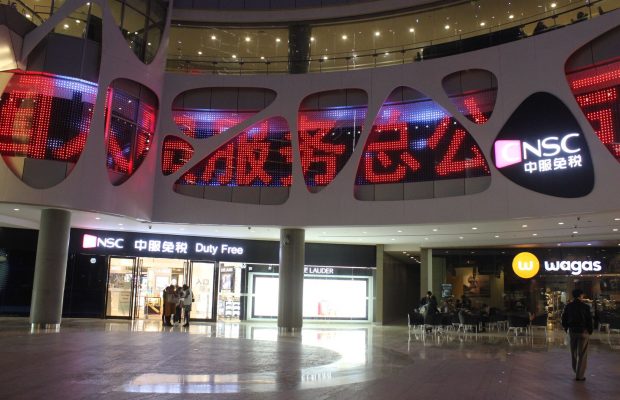
    A tender for the duty free concession at Guangzhou Baiyun Airport’s new Terminal 2, due to open in 2018, was issued this week.

    Guangzhou Baiyun International Airport is China’s third-busiest and the world’s 16th-busiest airport, with 59.78 million passengers in 2016, up +19.3% year-on-year. Of those, some 13.58 million were arriving and departing international passengers. By 2020 total traffic is projected to reach 80 million and by 2030 100 million. China Duty Free Group is the incumbent retailer at the existing airport facilities.

    The tender is being organised by GMG International Tendering Co. It covers 25 stores across the vast terminal, embracing some 3,544sq m of duty free space. While the tender has been divided into two bids, one winner can win the whole concession.

    At TFWA’s recent China’s Century conference, Guangzhou Baiyun International Airport Co President Qiu Jiachen painted a bold picture of the airport’s traffic and retail prospects, pledging a “complete commercial eco-system” once T2 is open

    The vast Chinese gateway is set to boom in coming years as passenger numbers surge and the new terminal eases capacity pressures.

    Qualifying bidders must fulfil a series of criteria, including having had established duty free business in Mainland China on a profitable basis for the past three years.

    Bid 1: 14 shops totalling 1,943sq m (first year); monthly guaranteed sales RMB15,860,000 (US$2.3 million); minimum concession fee 31%.

    Bid 2: 11 shops total 1,601sq m (first year); monthly guaranteed sales RMB13,070,000 (US$1.9 million); minimum concession fee 31%.

    Interested parties must register to bid between 2 and 8 May.

    CDFG’s new contract covers 300sq m of retail space at T1 before the T2 opening. Once open, T2 will offer 700sq m of space and T1 will be extended to 400sq m.

    Duty Free Expert Publisher Jason Cao commented: “This is the second duty free departure projects tender following on from Beijing Capital International Airport which is showing the future trend – i.e. more departure shops will adopt the bidding system for their duty free concessions.”

  • AirAsia to launch Bali-Mumbai route

    AirAsia to launch Bali-Mumbai route

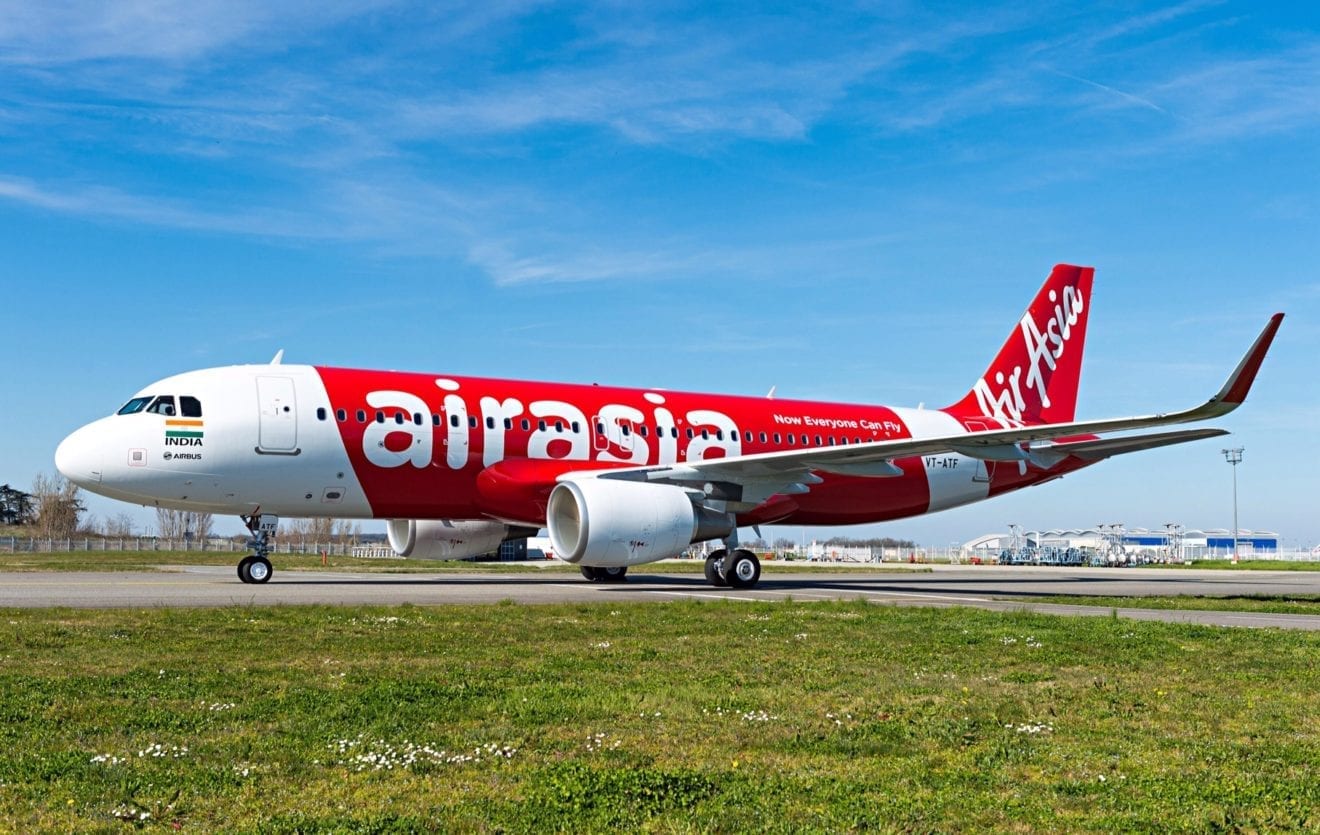
    AirAsia is launching a new route connecting Bali and Indian metropolis, Mumbai.

    The AirAsia X Indonesia service will kick off on May 19, operating seven times per week, using an Airbus A330-300 with 377 seats, 12 of which will be flatbed. Flights are already available for booking. 

    The route won’t be direct—there will be a stopover in KL, AirAsia’s hub, for 65 minutes.

    Dendy Kurniawan, AirAsia Group Chief Executive Officer (CEO) for Indonesia operations, says the Mumbai flight was added in response to an increasing demand amongst Indian tourists to holiday in Bali.

    The Indian and Chinese markets are two of the fastest growing, after all.

    The Mumbai service won’t be AirAsia’s only new route out of Indonesia. AirAsia Indonesia is also opening up a Jakarta to Macau flight starting August 7 later this year, beginning with three scheduled flights per week.

  • Vietnam Motorcycle Show 2017 opens in HCM City

    Vietnam Motorcycle Show 2017 opens in HCM City

    The exhibition, the second edition, is being held with numerous challenges facing domestic manufacturers and importers.

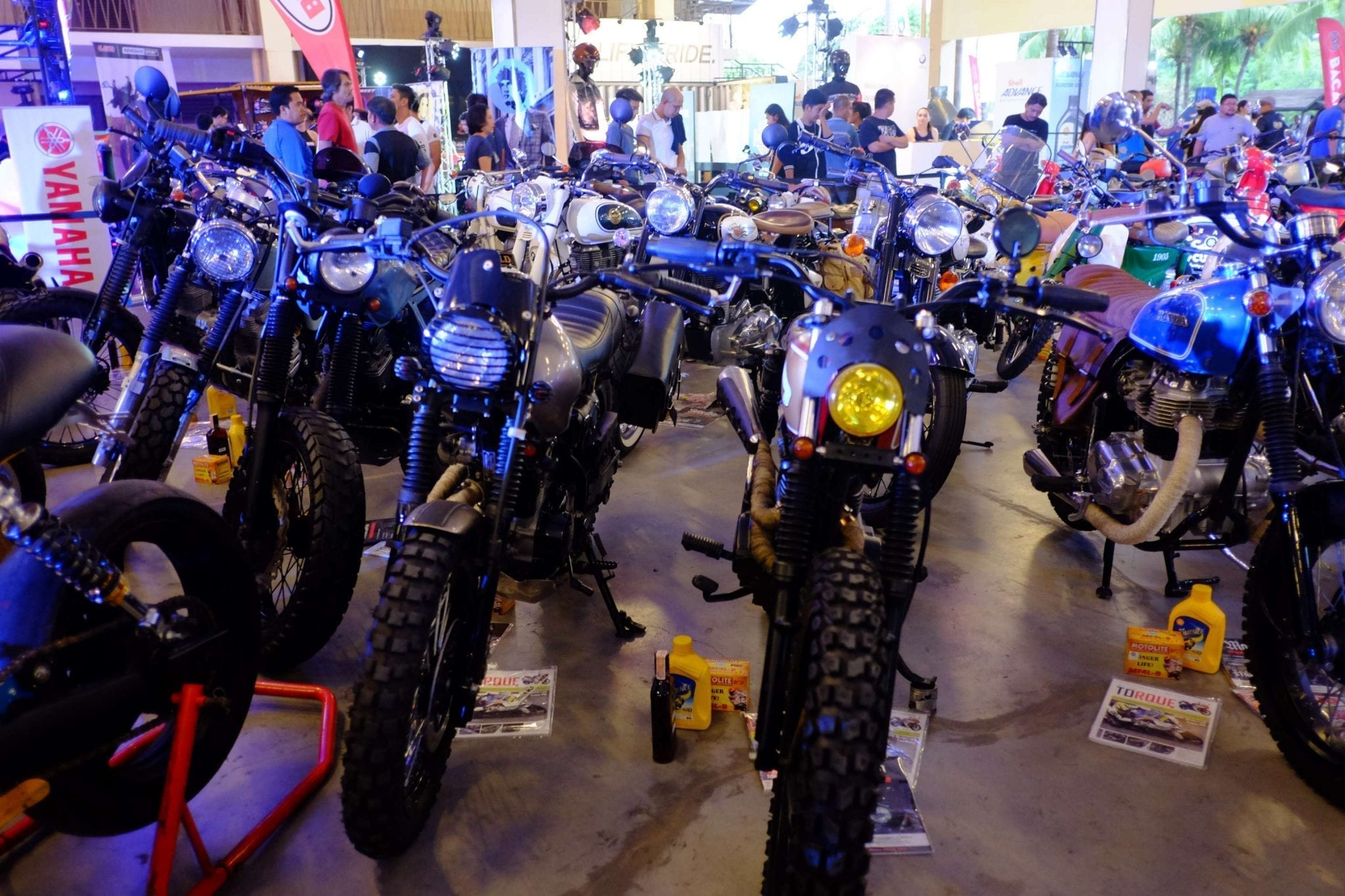
    A wide range of models from commercial and sport bikes to motors were showcased at the exhibition.

    A number of activities were also held during the event, including driving games and a freestyle motorcross performance by Japanese athletes, funded by Yamaha.

    The event also gathered 55 trademarks of support industries and spare part providers as well as relevant industries, including foreign brands including Motul, Michelin, Caltex, Total, Nissin and Quik Fix.

    The exhibition is open until May 7.

    According to the Vietnam Association of Motorcycle Manufacturers, last year, automatic motorcycles accounted for 45 percent of total sales.

    Vietnam’s motorcycle market is expected to continue growing in 2017, the association added.

  • Nokia forms smart city alliance with Tianfu New Area

    Nokia forms smart city alliance with Tianfu New Area

    Nokia has signed an agreement with the Tianfu New Area Chengdu Administrative Committee to collaborate on digital city development.

    Under the agreement, both parties will collaborate on the construction of a data center and related telecoms infrastructure, deploy an IoT trial network in the city and jointly incubate IoT applications and devices.

    The partnership will also involve the deployment of an end-to-end optical network in the Tianfu New Area of Chengdu – one of the three most populous cities in Western China with an urban population of over 10.1 million.

    “The TianFu New Area development project presents an exciting opportunity to build a smart city – or actually a smart region – from the ground up,” Nokia president of Greater China Mike Wang said.

    “The communications network will serve as the brain and nervous system of the smart city, and we welcome the opportunity to apply Nokia’s technology and know-how to the challenge of building the digital infrastructure that will support this groundbreaking effort.”

    Nokia will be following its Smart City Playbook strategy for the project. This strategy was launched in late 2016 and outlines best practices for smart cities.

    The agreement also marks a key development in Nokia’s efforts to expand its customer base outside of the traditional telecoms sphere.

    The Tianfu New Area modernization project was launched in late 2011. It covers three cities, seven counties and 37 towns and villages.

  • Viettel plans to expand to Indonesia, Nigeria

    Viettel plans to expand to Indonesia, Nigeria

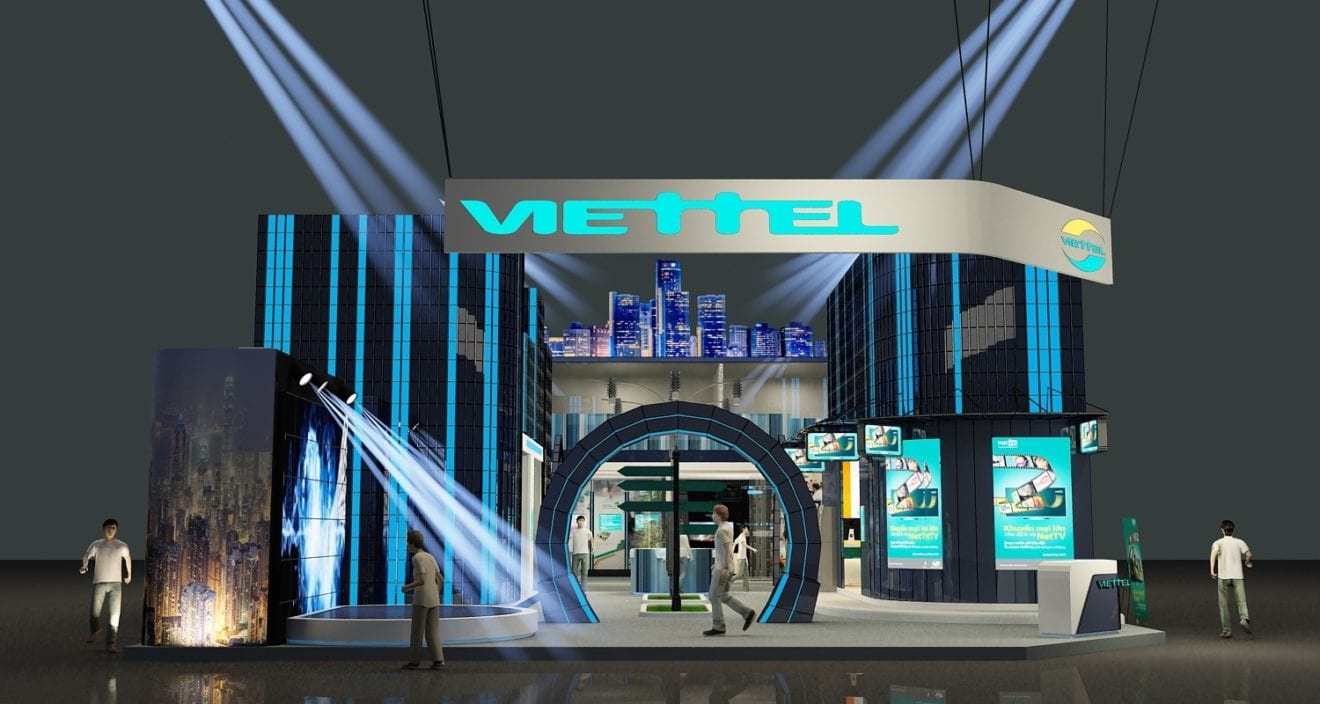
    Vietnam’s Viettel is reportedly eyeing a foray into Indonesia and Nigeria as part of its international expansion drive.

    The military-run operator’s Viettel Global subsidiary is planning to enter the two markets due to their large populations.

    As of June last year, Indonesia had a population of 258 million while Nigeria had a population of 187 million. Viettel expects that this large addressable market will help establish the conditions that would allow it to expand to other markets in the future.

    Viettel Global had a combined 24 million subscribers in nine overseas markets – Laos, Cambodia, East Timor, Cameroon, Haiti, Mozambique, Burundi, Peru, and Tanzania. The company reported revenue of $1.04 billion last year and is targeting $1.3 billion in revenue this year.

    Viettel is also moving to enter the Myanmar market, having won the tender to be the 49%-owned partner to a consortium of local ICT companies that will become the market’s fourth operator.

    But the company is facing tough competition in Africa from rivals such as Orange, MTN, Movistar, Claro, Digicel, and Axiata.

  • McDonalds’ Q1 sales boosted by its all-day breakfast menu

    McDonalds’ Q1 sales boosted by its all-day breakfast menu

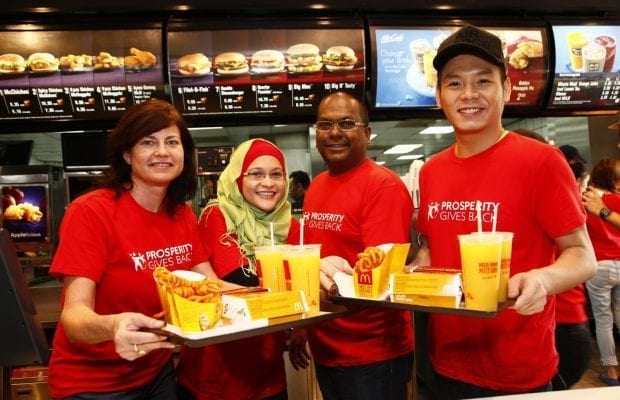
    In November, credit ratings agency Fitch warned that the breakfast-driven rebound the chain is experiencing won’t last forever. While that prediction still may prove correct someday, Fitch can’t claim victory just yet: McDonald’s reported better-than-expected first quarter same-store sales Tuesday, thanks in no small part to a continued boost from the most important meal of the day.

    McDonald’s reported Tuesday that its global same-store sales increased 4% during its first fiscal quarter of 2017. “There’s a sense of urgency across the business as we take actions to retain existing customers, regain lapsed customers and convert casual customers to committed customers,” McDonald’s president and CEO Steve Easterbrook said in a statement Tuesday morning.

    The growth in same-store sales didn’t completely translate to gangbuster top-line sales, with first quarter revenue ticking down 4% to $5.68 billion (a figure that nonetheless managed to come in ahead of the $5.5 billion Wall Street consensus). McDonald’s explained the dip by pointing to the refranchising effort that is a part of its broader turnaround plan, and the costs associated with that effort.

    Net income for the quarter, meanwhile, grew 8% to $1.2 billion, resulting in earnings of $1.47 per share — a figure that came in well ahead of the Street’s $1.33 per-share consensus.

    “Our efforts to build a better McDonald’s are yielding meaningful results with continued positive momentum and a strong start to 2017 that includes positive comparable sales across all segments, higher global guest counts and enhanced profitability,” Easterbrook continued. “We’re challenging ourselves to identify and pursue initiatives that can bring the biggest benefit to the most customers in the shortest possible time. I’m confident that we’re on the right path and well-positioned to unlock incremental growth and deliver against our growth plan for 2017 and beyond.”

  • Victoria’s Secret to open mega store in Macau

    Victoria’s Secret to open mega store in Macau

    Victoria’s Secret will open a new mega store in Macau on April 27, as the US brand eyes further Asia expansion, following its China debut store opening last February.

    Under parent company L Brands, the 15,000-square-foot Macau full assortment store  — which not only sells its branded accessories and cosmetics but lingerie and sportswear — will bow at St Mark’s Square at The Venetian.

    In addition to the latest collections and pieces, the store will showcase five sets of Victoria’s Secret angel wings – all of which have featured on the runway of past Victoria’s Secret shows. The curate will be on display at The Venetian from April 26 to May 31.

    The news comes as the fashion lingerie conglomerate opened its first standalone store in mainland China in February. The four-story, 25,850-square-foot flagship opened in Shanghai, followed by a 12,294-square-foot store debut in Chengdu one week later. A Beijing store is coming later this year.

    Meanwhile, Victoria’s Secret’s Asia expansion is also taking on a flagship store in Hong Kong. The brand is reportedly taking up prime location in Causeway Bay, the former residence of Forever21. It is slated to open in Hong Kong next year.

    Fellow lingerie maker La Perla has already opened a four-storey flagship store in Causeway Bay in late 2015, located on the iconic, and expensive, Russell Street.

    More and more international retailers are renewing leases in the region as tents in Hong Kong continue to drop, especially in Causeway Bay.

    According to a recent report by Everbright Property Investment Consultancy. For the first quarter of 2017, major lease transaction records in Hong Kong’s high-traffic tourist areas — including Central, Causeway Bay, Mong Kok and Tsim Sha Tsui — featured drops in monthly rents of up to 72% in some cases.

    On average, Causeway Bay witnessed the sharpest rent price decline for the period, down 31%, the report said.

  • Chopard Malaysia reopens Suria KLCC store

    Chopard Malaysia reopens Suria KLCC store

    Chopard Malaysia has reopened its store in Kuala Lumpur, showcasing a refurbished space in Suria KLCC.

    Located on the ground floor of the shopping mall, the boutique is one of three Malaysian stores for the high-end Swiss jeweller, with the other two located in the Starhill Gallery and Pavilion KL.

    Upon entry, a display island sits in the centre of the boutique, crowned by a chandelier, hanging over the cabinet. The new store, which features mid-century wooden colours and diamond-y white lights, is sectioned by both men’s and women’s corners of the store.

    The updated store returns with Chopard’s classic pieces such as Happy Diamonds and Happy Sport, featured alongside the newest Chopard collections, Happy Dreams. The latter is a classy interpretation of cloud shapes, accentuated with diamonds and mother-of-pearl.

    His Excellency the Ambassador of Switzerland Michael Winzap attended the store reopening, alongside Francis Tan, COO of Suria KLCC, and Chopard Malaysia’s general manager Karen Teh.

    Suria KLCC is Malaysia’s premier shopping destination located at Kuala Lumpur prestigious commercial address, the Kuala Lumpur City Centre (KLCC). Set over six levels, it offers an array of goods and services including fashion, food and entertainment.

    Chopard was founded some 160 years ago and remains as one of the last jewellery and watchmakers to be family owned. It is currently helmed by siblings and co-presidents Karl-Friedrich and Caroline Scheufele.

  • Kao’s net income up 16% in Q1, yearly forecasts confirmed

    Kao’s net income up 16% in Q1, yearly forecasts confirmed

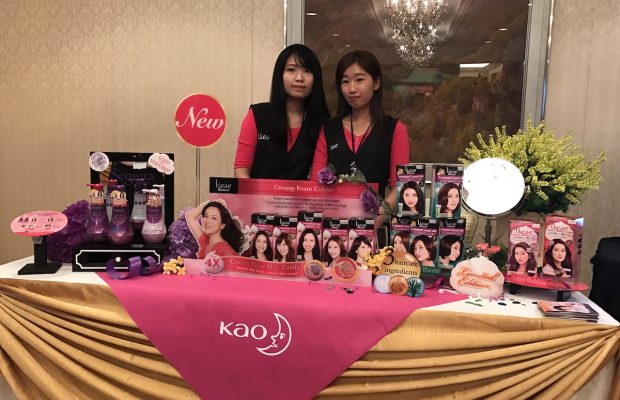
    Japanese cosmetics group Kao has posted a 16% rise in net income in the first quarter 2017, boosted by rising sales in Asia and reductions in costs, and has confirmed its prudent annual forecast.

    Between January and March, the group’s net income rose to JPY24.17 billion (nearly €200 million based on the exchange rates applied by Kao), while EBIT grew 12% reaching JPY38.6 billion.

    The profitability results come on the back of a 3% rise in revenue for Kao, up to JPY345.18 billion. Excluding exchange rate effects, revenue was actually up 8.6%, driven by solid skincare and personal care product sales in Japan and Asia.

    In Japan, where the group generates two thirds of its revenue, sales slumped slightly within a stagnating market. Demand by tourists, especially Asian ones, also recorded a shortfall, having been very strong in the last few years but being very sensitive to exchange rate fluctuations. The group is hoping to improve its performance thanks to a series of new cosmetics launches in the second part of the year.

    Elsewhere in Asia, revenue rose by 11.4%, with “solid growth in China, Indonesia and other countries.” At constant exchange rates, the increase was as high as 23.4%.

    Revenue was on the up in other regions too, growing 10.8% in the Americas and 2.2% in Europe.

    Kao’s consumer goods brands (beauty, house cleaning and diet food) were flat overall, but the chemical products division was very positive, up 14.7% as the trend of the infrastructure market improved in Japan, and Chinese automotive production was also buoyant.

    In terms of annual results, Kao has confirmed the forecasts published in February, with sales growing 0.9% to JPY1.470 trillion, a net income of JPY138 billion (+9%) and an EBIT of JPY200 billion (+7.8%), all of this within a “tough competitive environment.”

  • Indonesia-Denmark launch wind power map

    Indonesia-Denmark launch wind power map

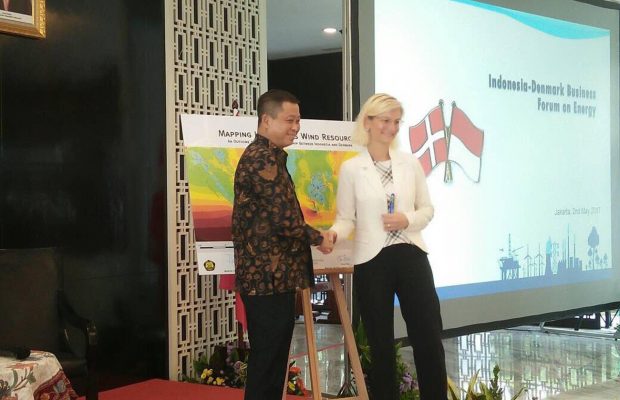
    The Energy and Mineral Resources Ministry and Denmark’s Development Cooperation Ministry launched on Tuesday a map pinpointing the wind power potential for electrification in Indonesia.

    Denmark Development Cooperation Minister Ulla Tørnæs said this was part of a six-month cooperative engagement between the two governments, during which they exchanged their experiences in developing renewable energy sources for electrification.

    “Today, we are launching a new wind map that shows the vast potential for utilizing wind in Indonesia,” Tørnæs said in her opening speech at the Energy and Mineral Resources Ministry in Central Jakarta on Tuesday.

    “A number of visits to Denmark by Indonesian officials over the past six months has deepened the discussion and insight into waste-to-energy solutions, the use of biomass and how to accommodate fluctuating markets.”

    The map displays the hot spots for wind power potential in Indonesia. It is expected to help the government and investors decide the best locations to develop wind turbines.

    The map was also launched alongside a book titled Integration of Wind Energy in Power Systems, which will serve as a guide for policymaking and the integration of electricity into state-owned electricity firm PLN’s existing system. The book was written based on Denmark’s experiences in wind power development.

  • Memebox will no longer sell Korean beauty products to the US

    Memebox will no longer sell Korean beauty products to the US

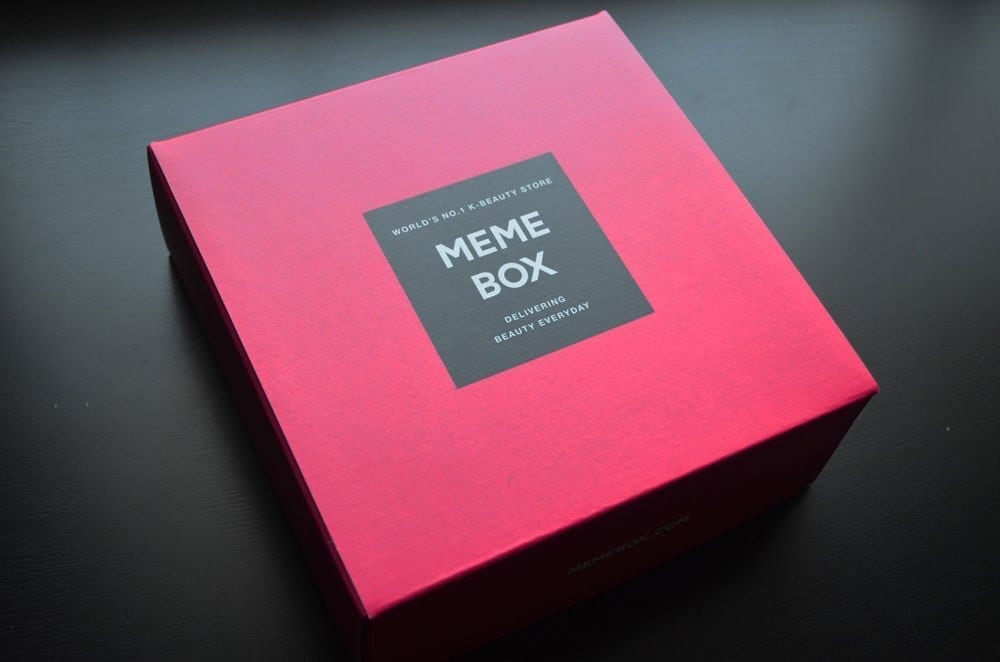
    Online Korean beauty shop Memebox was known for selling popular K-beauty products to the United States. However, the retailer revealed it will change its model from selling beauty products to focusing on educating consumers about Korean products through information, reviews and tutorials.

    Though it will continue selling K-beauty products to Korea and China, the site will send its US customers to Amazon to shop. According to Memebox founder Dino Ha, the restructuring will turn Memebox into an educational site and search function rather than online shop. “What we learned is that what we really need is the education and the content piece to let the users know what K-beauty really means,” he said. Memebox’s new model will also integrate YouTube tutorials and Instagram posts featuring K-beauty products into its search function, and allow users to search for products based on ingredient or skin type.

    With the new model, Memebox will earn money through affiliate links rather than direct sales. It currently has an affiliate agreement with Amazon, and Ha says the brand is in talks to create a similar deal with Sephora.

    Ha also says Memebox has seen longer engagement from visitors since introducing YouTube videos to the site. Though the site currently has no official agreement with YouTube or Instagram personalities, Ha says he has received requests from influencers to make their content more visible on Memebox. Eventually, the site may add a live chat feature with influencers.

    Memebox still maintains its four private beauty labels, and will soon introduce a fifth, but the site will send US shoppers to Amazon to purchase the products.

    Currently, Memebox has 1.5 million customers, and wishes to increase its customer base to 10 million by the end of the year. Ha says the site might see its profits dip with the new model, but hopes to see more engaged users and fruitful partnerships. “Whoever can do the best job sending these products to users is where we’ll partner as much as we can.”

  • Opel to build new Corsa model with Peugeot technology

    Opel to build new Corsa model with Peugeot technology

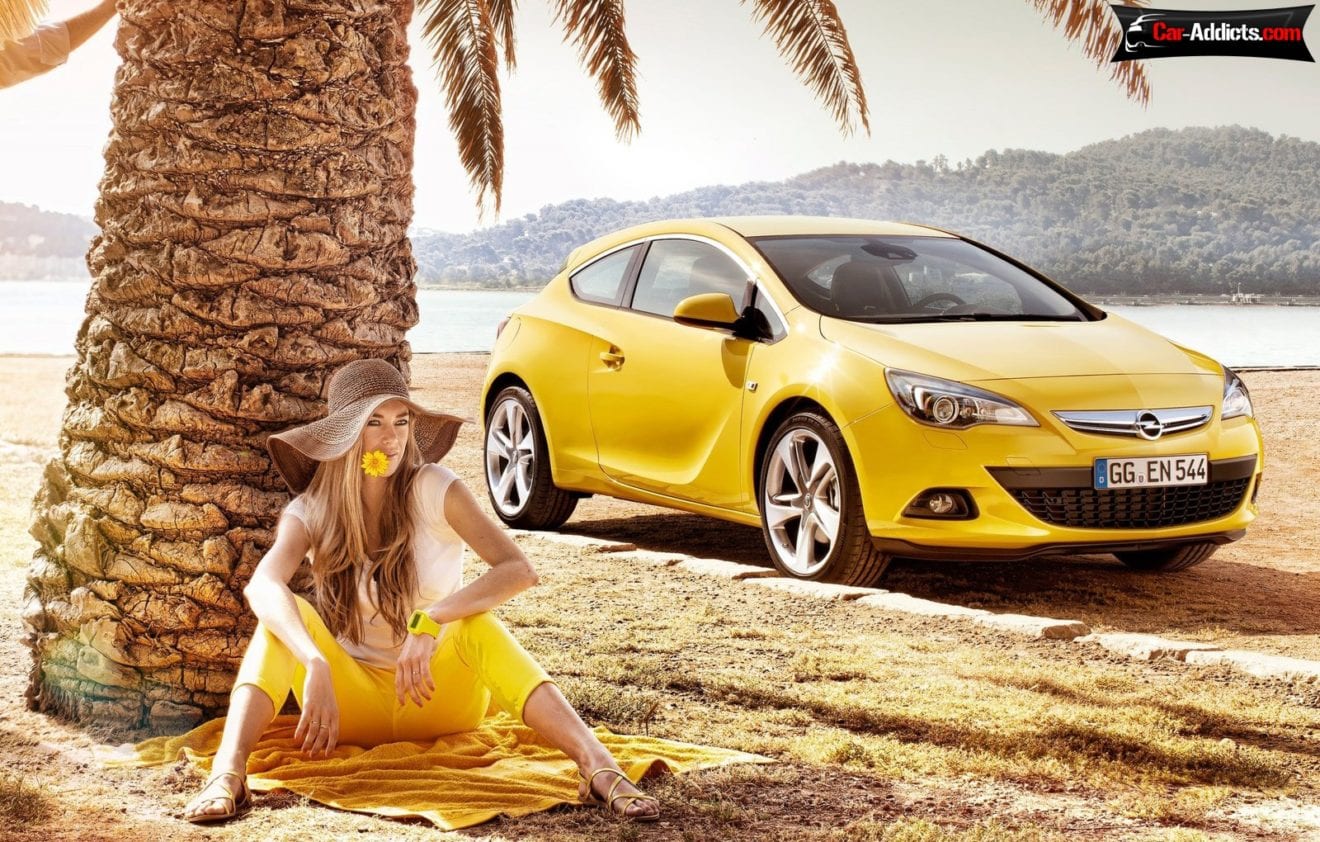
    Car maker Opel, which PSA Group has agreed to buy from General Motors, will use the French carmaker’s technology in the next generation of its best-selling Corsa model, a company spokesman said, confirming a report.

    The current Corsa model is built with GM technology. Opel had previously said its new Corsa, slated to be launched in 2019, would also be built with GM technology but has now decided to use Peugeot technology, allowing for higher margins, Allgemeine Zeitung Mainz reported in its online edition on Monday.

    PSA, which agreed to buy Opel in March, was not immediately available for comment.

    The new Corsa will be Opel’s fourth joint project with PSA after Opel models Crossland X, Grandland X and Combo. The Corsa will be built at Opel’s largest manufacturing site, in Saragossa, Spain.

  • Adidas China to open 2,000 new stores by 2020

    Adidas China to open 2,000 new stores by 2020

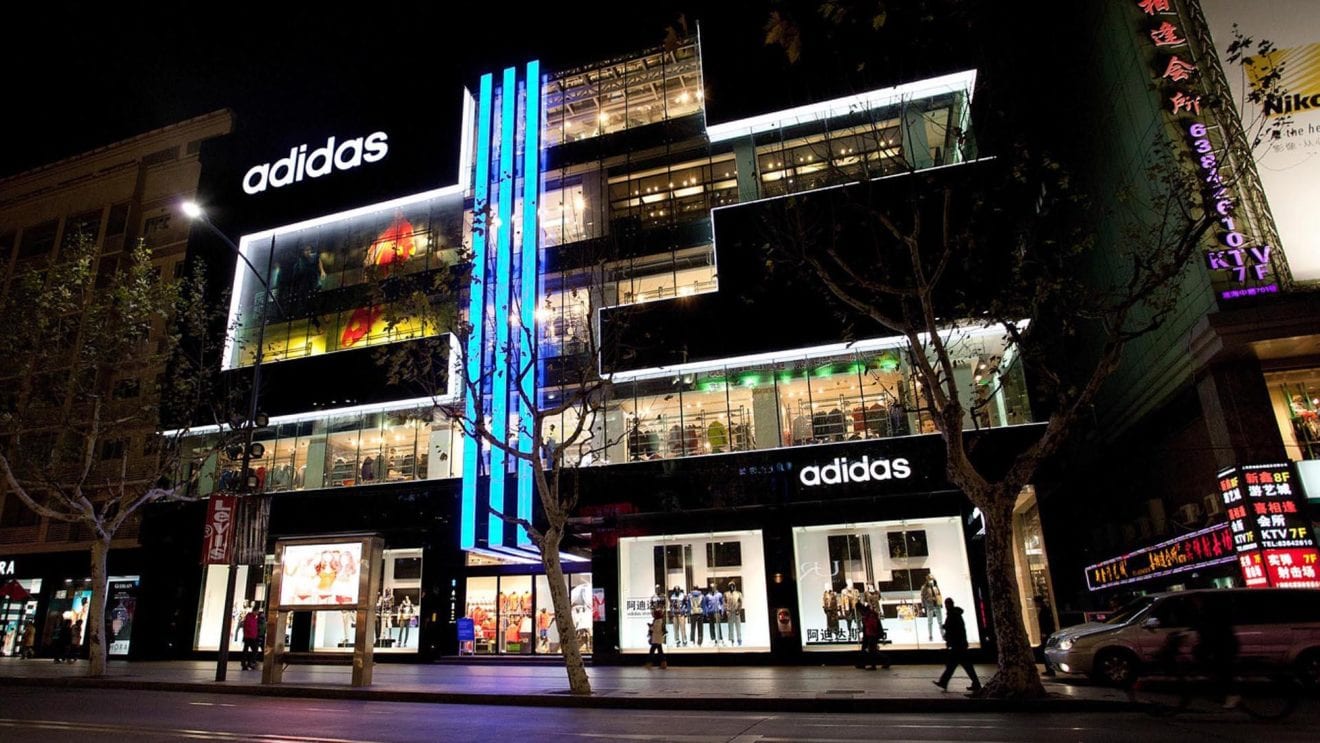
    Adidas AG plans to open 2,000 new stores in China by 2020, after the sports group’s business in the Asian nation grew nearly 30% last year, making it the second-largest market in the world after Western Europe.

    According to local media reports, Adidas AG – which covers Reebok, TaylorMade and Reebok-CCM Hockey, as well as the its namesake Adidas – is eyeing 12,000 stores in China by 2020, adding to the 10,000 stores it already has there.

    Adidas’s Reebok brand also plans to open 500 new stores in China by 2020, as per reports.

    In 2016, Adidas recorded sales of 3 billion euros ($3.26 billion) in China on the back of updated products, new stores (Adidas opened 1,000 stores in the country), and the development of e-commerce.

    Colin Currie, managing director of Adidas in China told China Daily that round 50% of the group’s revenue comes from 23 major cities in China. Adidas is present in more than 1,000 cities, and in therefore, wants to open stores across 2,000 cities in China.

    “We believe smaller cities will give us 50% of our growth in the coming years,” Currie said.

    Moving forward, Adidas CEO Kasper Rorsted also said on a recent visit to China in late April that e-commerce would be a huge driver for its business going forward in China.

    “China has one of the most sophisticated e-commerce and digital landscapes in the world, which we plan to make extensive use of,” said Rorsted.
    Adidas sold 43 million euros worth of product over China’s Singles Day last year. Rorsted said Adidas is intent on learning how to connect its physical locations to digital channels, for a smoother customer experience.

  • Robi completes LTE trial in Dhaka

    Robi completes LTE trial in Dhaka

    Bangladesh’s Robi Axiata is gearing up to launch 4G services after completing a successful trial of the technology in conjunction with Ericsson.

    The operator conducted an LTE demonstration using a combination of 1800-MHz and 2100-MHz spectrum in Bangladesh’s capital Dhaka, achieving download speeds of over 90Mbps.

    Ericsson provided cutting-edge base station, radio units and baseband technologies for the trial, the companies said.

    The demonstration was also intended to explore how the technology can help facilitate adoption of high-speed broadband applications including HDTV and videoconferencing.

    “Although there are some barriers to the adoption of 4G/LTE technology such as low penetration of compatible smartphones, we recognize and appreciate our customers’ growing demand for high speed internet which can only be served using this technology,” Robi Axiata CEO Mahtab Uddin Ahmed said.

    “Unfortunately, we feel the licensing framework proposed by the government make the business case for 4G unviable in Bangladesh. However, we are very keen on introducing this technology in our telecom market considering the customers’ interest… We hope the government will kindly consider revising the licensing framework to make it more enabling for 4G business.”

    Last month, Bangladesh’s regulator prepared its guidelines for the proposed 4G licensing regime for the nation.

    These include requiring operators to pay a 15% gross revenue share – compared to 5.5% for 2G and 3G services – as well as a 150 million taka ($1.8 million) 15-year license fee and a further 75 million taka in annual fees.

    Bangladesh is the only country among its neighbors to have yet to introduce 4G services.