Tag: asia

  • Tecnotree launches two customer experience solutions

    Tecnotree launches two customer experience solutions

    Tecnotree has launched two new solutions to enable service providers to transform customer experience, boost revenues and simplify processes, while also supporting business decisions.

    Through its Business Analytics and Insight (BAI) dashboard, service providers around the world can now use highly relevant, pre-integrated and pre-defined KPIs to get the critical information they need to run their business.

    BAI presents a simplistic visual summary of key trends, comparisons and current states of key data points vital to a business, both on large screens and mobile devices.

    All this is gathered in one single screen to help users make more informed decisions, with metrics grouped into four key areas: revenue, products, customers and service usage.

    Following a successful pilot, Tecnotree also introduced the Social Media Engagement (SME) tool. With SME, customer service agents can engage all social media channels in one single place, increasing efficiency.

    SME provides notifications when relevant messages are posted and includes a thorough positive/negative sentiment analysis, which enables agents to quickly and accurately prioritize tasks. SME also helps to measure a service provider’s brand sentiment, allowing them to enhance and improve customer interactions.

    In addition, Tecnotree has launched the My Life Dashboard product, which provides a self-care solution to give customers of service providers real-time, easy access and control of their services whenever and wherever they choose. It also allows people to recharge, top up, pay bills and use loyalty points to purchase new services.
  • Burger King announced as the Cannes Lions Creative Marketer of the Year 2017

    Burger King announced as the Cannes Lions Creative Marketer of the Year 2017

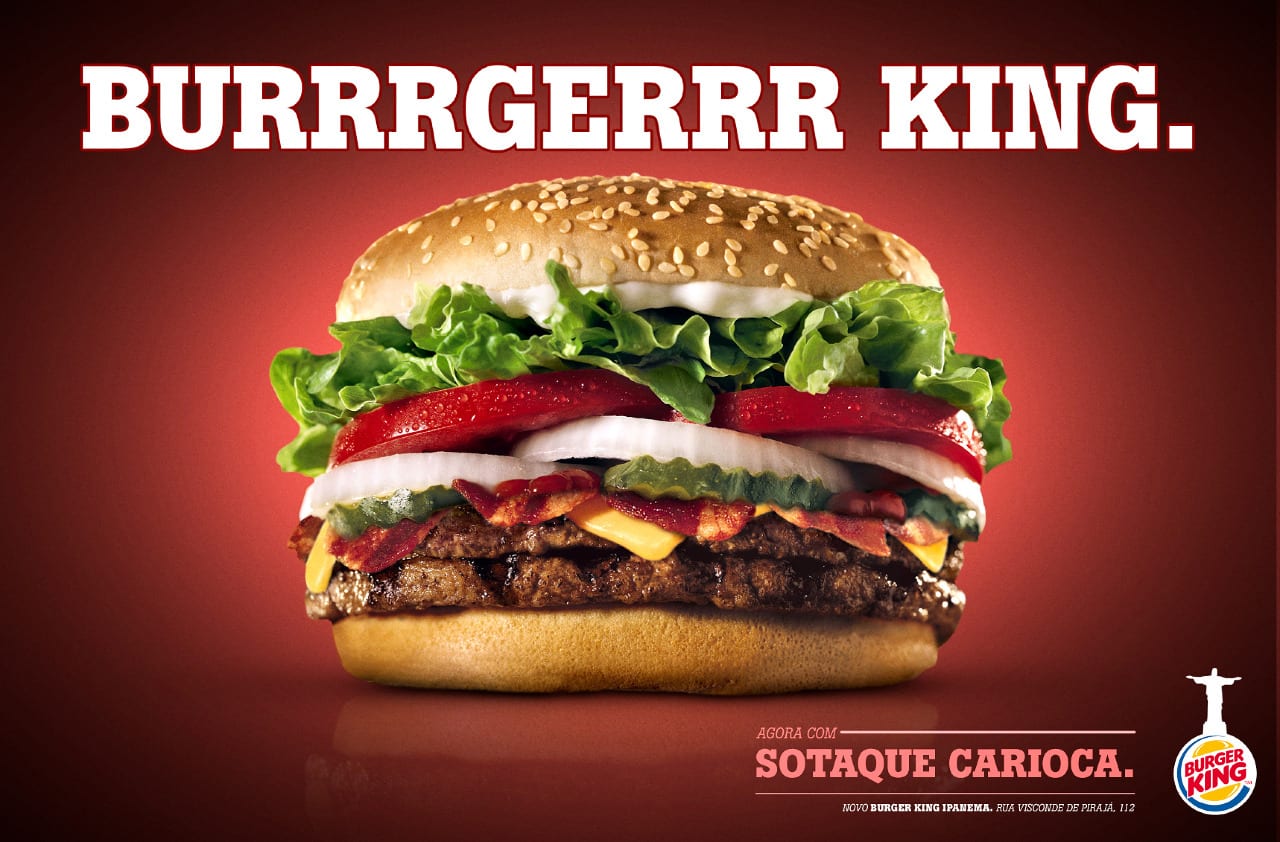
    The Cannes Lions International Festival of Creativity has today announced Burger King as the Creative Marketer of the Year 2017. The award will honour Burger King for embracing and encouraging creativity across their brand communications and for the inspiring global marketing of their products.

    Burger King has a hugely successful track record at Cannes Lions. The company has totalled 76 awards, including two Grands Prix in 2016 for the ‘McWhopper’ campaign, in Print & Publishing and Media. Burger King also took home a Titanium Grand Prix in 2007 and achieved their first win in 1969, a Silver Lion for ‘Skinny Burger’. Since its launch in 1954, the company has expanded to become one of the largest quick-service restaurants in the world, welcoming more than 11 million people in over 100 countries daily.

    “Burger King is a brand that’s built a reputation for marketing campaigns that are bold, courageous and innovative, constantly challenging the limits of creative excellence,” said Philip Thomas, Chief Executive of Ascential Events. “Burger King believes that being a brand with purpose can achieve long-term advantages and deliver strong business results. That’s why the company is making such an impact.”

    Axel Schwan, Chief Marketing Officer of Burger King, and Fernando Machado, Head of Brand Marketing at Burger King, will collect the award during the 64th Cannes Lions International Festival of Creativity, taking place from 17-24 June 2017.

    Axel Schwan commented, “Creativity is a critical factor when it comes to helping us stand out from the pack and punch higher than our weight. This principle is applied to everything we do, from the way we differentiate ourselves by flame-grilling our burgers to the ground-breaking advertising campaigns we create.”

    Fernando Machado added, “This award is a tribute to the consistently strong creative work done by the Burger King brand over time.”

    Cannes Lions celebrates the ‘Best of Burger King’ on Stories, the new editorial arm of the Festival. From classic campaigns that kick-started digital marketing to modern masterpieces of integration, find out more about some of Burger King’s most famous ads here: https://www.canneslions.com/stories

    Cannes Lions International Festival of Creativity

    Cannes Lions runs for eight days from 17-24 June, in Cannes, France. The main Festival venue is the world famous Palais des Festivals. A ‘Complete’ pass includes entry to all official Festival talks, Awards shows, networking and evening events across the eight days. Passes giving access only to the specialist events – Lions Health, Lions Innovation and Lions Entertainment – which take place right next door to the main Festival venue, are also available.

    Lions Health 17-18 June

    Lions Innovation 19-20 June

    Lions Entertainment 21-22 June

  • Elia Massa Manik appointed as new Pertamina president director

    Elia Massa Manik appointed as new Pertamina president director

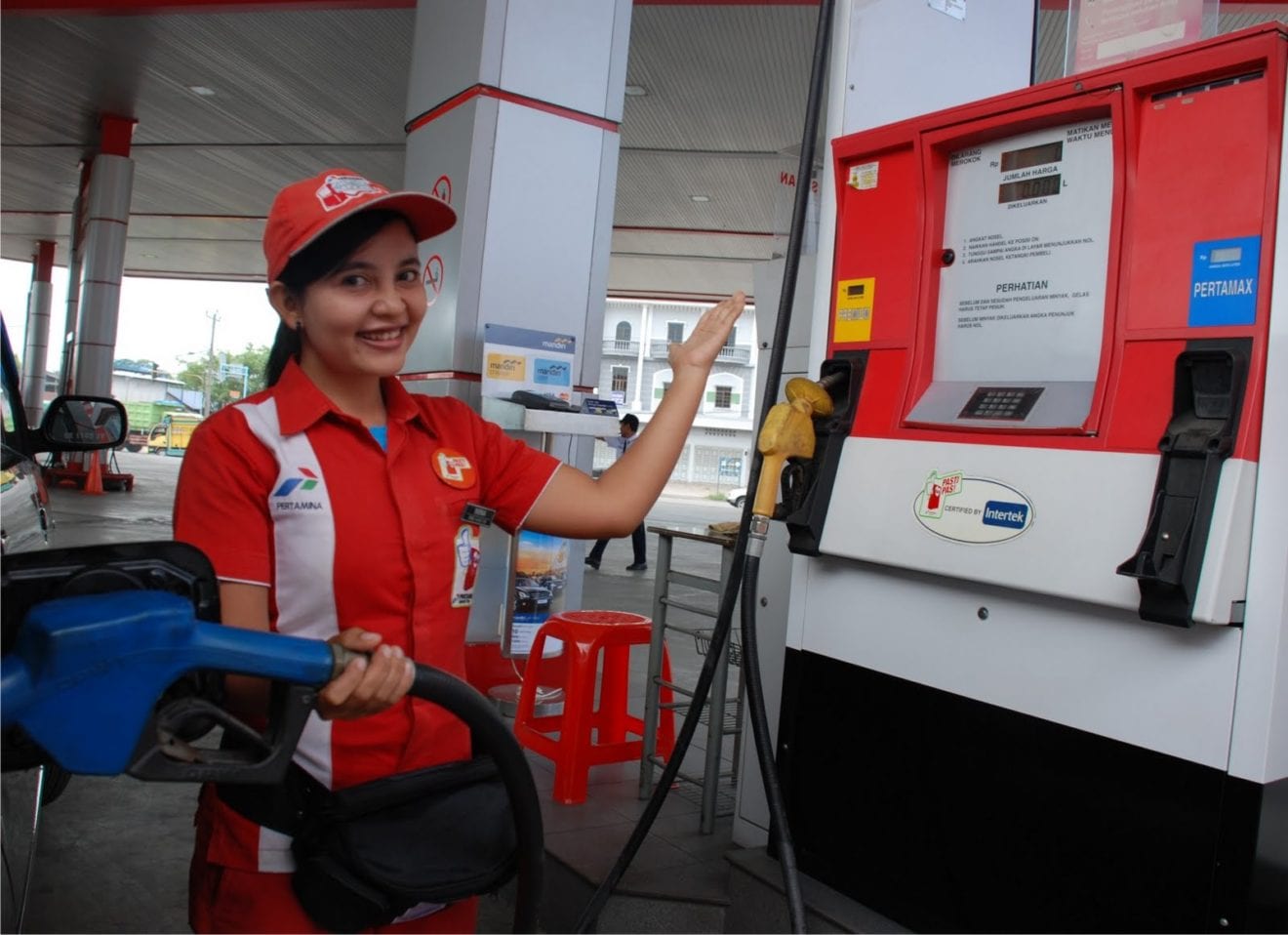
    State Enterprises Minister Rini Soemarno appointed Elia Massa Manik as the new president director of state oil and gas company Pertamina to replace Dwi Soetjipto who was relieved of his duties on February 3, 2017.

    Manik, who is appointed to the post of Pertamina president director based on State Enterprises Ministers Decree No. SK-52/MBU/03/2017, earlier held the post of president director of state-owned plantation holding company PT Perkebunan Nusantara (PTPN) III.

    The state enterprises ministers deputy for financial service business Gatot Trihargo presented the decree to Manik at the State Enterprises Ministry here on Thursday in the presence of Pertamina Chief Commissioner Tantri Abeng.

    Trihargo said Maniks appointment to the post of Pertaminas president director was based on his capacity to lead the company owing to his experience in bringing about transformation in several companies.

    “Elia Massa has experience in the fields of energy, banking, and agroindustry. His track record as the CEO of several companies is praiseworthy,” he noted.

    Abeng said Pertamina requires professionals, such as Manik, who can build solid teamwork in the company.

    Manik was born in Medan, North Sumatra, on May 1, 1965.

    He graduated from the school of civil engineering and environmental planning at the Bandung Institute of Technology and Master Business Management of the Asian Institute of Management in Makati, the Philippines.

    Manik began his career with state-owned enterprises when he was appointed as the CEO of PT Kertas Basuki Rahmat for the 2010-2011 period and the CEO of PT Elnusa Tbk, a subsidiary of Pertamina, for the 2011-2014 period. In addition, he was the former senior executive vice president of state lender Bank BNI for the 2015-2016 period.

    On April 13, 2016, he was appointed as the president director of state plantation holding company PTPN III, and since September 1, 2016, he has been the chief commissioner of PTPN IV.

  • Airtel to maintain controlling stake in tower arm

    Airtel to maintain controlling stake in tower arm

    India’s Bharti Airtel has called off plans to sell a controlling stake in its infrastructure division Bharti Infratel, but still plans to sell or transfer a minority stake in the company.

    The company’s board decided  in a meeting held this week not to sell a controlling stake in the division for now.

    Instead the company plans to sell or transfer up to 400 million shares in Infratel to either wholly-owned subsidiary Nettle Infrastructure Investments, any other potential investors or both.

    After the transfer Airtel will hold a 50.33% stake in Infratel while Nettle or the new investors will hold 21.63%.

    Bharti Infratel’s portfolio covers around 90,250 towers, the report states. These include the company’s own towers and its share of the assets of independent tower company Indus Towers, which was jointly established in 2007 by Infratel and other Bharti Group members, as well as Vodafone India and Idea Cellular.

    The division reported a 25% increase in net profit to 6.2 billion rupees ($94.5 million) for the December quarter, which compares to a 50% decline in profit for Bharti Airtel.

  • Chinese online sales reported to grow

    Chinese online sales reported to grow

    Chinese online sales are tipped to reach US$1.17 trillion by 2020, according to new research by  Goldman Sachs.

    That compares with $750 billion in 2016.

    “While there have been concerns of a slowdown following the deceleration in growth to mid-20 per cent in 2016, we expect online retail growth to sail on at 23 per cent CAGR over 2016-2020, continuing to grow at nearly triple the pace of offline retail,” the financier said in a research paper.

    And it says the internet’s share of total retail sales will climb from 16 per cent in 2016 to 25 per cent in 2020 – representing an increase in its protection of just a year ago.

    Augmented reality and virtual reality will help fuel a rise in apparel sales online from 31 per cent of the total market last year to 49 per cent by 2020.

    Goldman Sachs also predicts that the average spend will grow at a combined annual growth rate of 10 per cent from 2016 through 2020 as incomes grow and as consumers buy a wider range of products and more branded goods through the internet.

  • Hugo Boss China focus online

    Hugo Boss China focus online

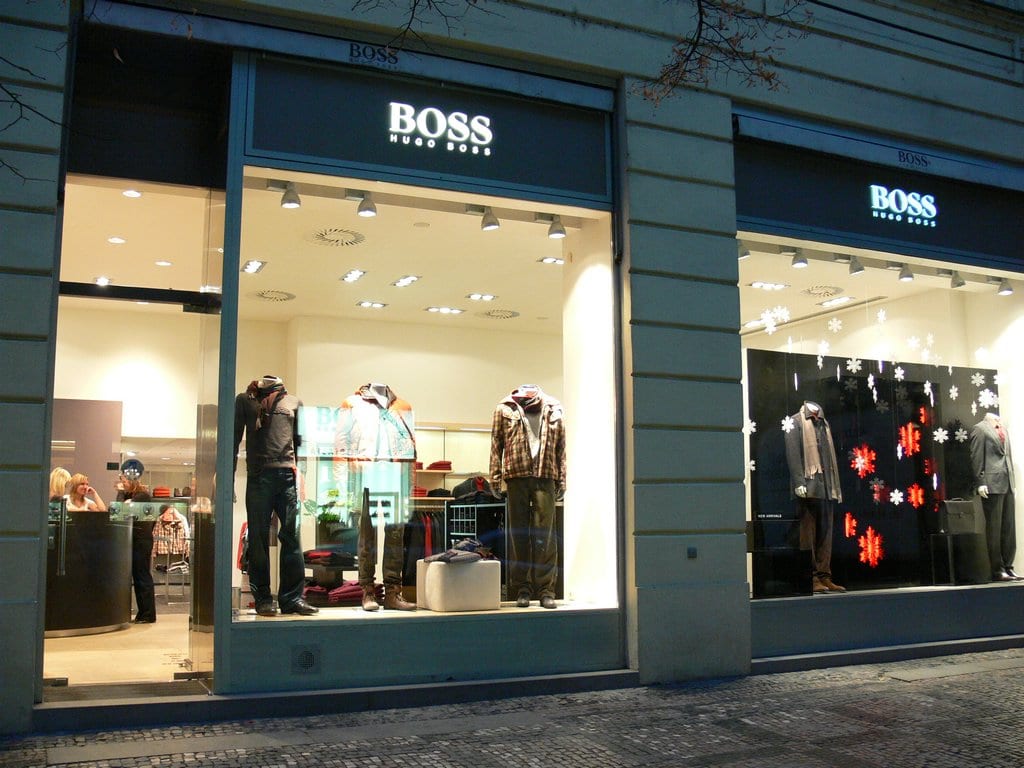
    German fashion house Hugo Boss says that improving its online business will be a priority this year as it shores up its recovery in China after slashing prices there.

    Since taking over as Hugo Boss chief last May, former finance chief Mark Langer has been cutting costs by renegotiating rents, shutting stores, trimming brands and shifting marketing spending back to menswear. This reverses the course of previous CEO Claus-Dietrich Lahrs, who invested heavily in promoting its womenswear. He quit in February last year after sales slumped in China and the US.

    Hugo Boss says it saved more than €100 million (US$106.8 million) in costs and investment last year and will continue to keep a strict control on expenses this year.

    Langer has also slashed prices in China to bring them closer to European and US levels, helping sales there rise by almost 20 per cent on a like-for-like basis in the fourth quarter.

    Hugo Boss says it expects currency-adjusted sales to be stable this year after a 4 per cent fall to €2.69 billion last year, with online sales down 9 per cent to €76 million, less than 3 per cent of the total.

    “Online and retail stores must be more closely linked together,” says Hugo Boss sales chief Bernd Hake.

    The company plans to roll out services like “click and collect” to stores across Europe by the end of this year.

    E-commerce sales at Hugo Boss were disrupted by a move last year to fulfil orders in Europe itself, instead of via a partner, and the relaunch of its website.

    It also plans more digital marketing, forecasting it will spend 70 per cent of its budget online and only 30 per cent on print this year, compared to a 50-50 split two years ago.

    Hugo Boss says digital communication has been an important driver of its recovery in China, with a jump in followers on social-media sites WeChat and Weibo last year.

  • Legoland Japan and its food inovation

    Legoland Japan and its food inovation

    When Legoland Japan opens in Nagoya next month, its restaurants and stalls will offer a range of themed food items.

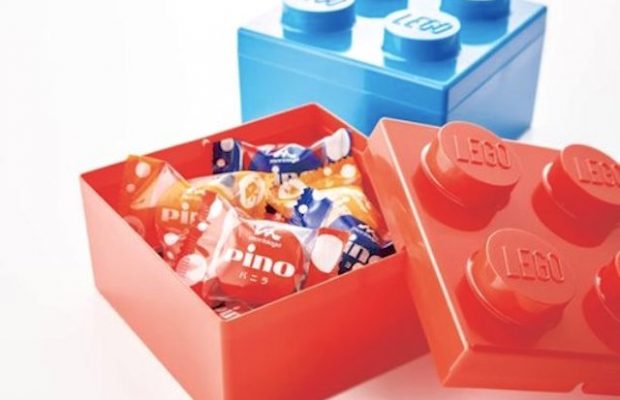
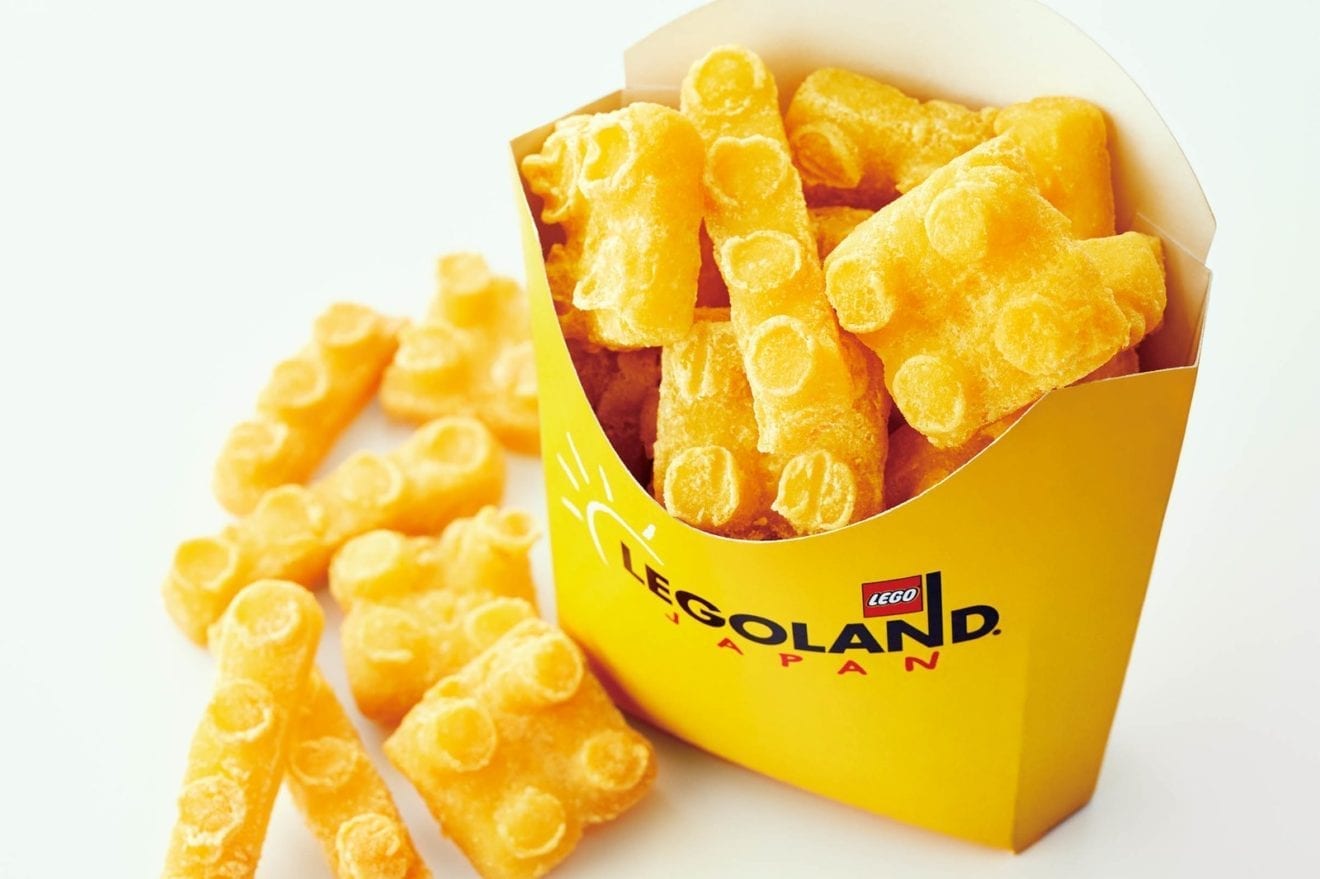
    Its “potato bricks” have the same shape as the toy building blocks, iced treats are served in giant Lego blocks, and children can make their own multi-coloured Abominable Slush drinks in the Bricktopia zone.

    Hot-dogs from the Marina Snack Shack in the LEGO City zone


    There are seven distinct areas in the theme park, with five restaurants and eight food stands. The park opens on April 1, with the nearest train station being Kinjo Futo, about a 20-minute trip south from Nagoya station.

    Meanwhile in Tokyo, there is always the Lego Discovery Centre at Decks Tokyo Beach Island Mall, plus the Brick Burger restaurant in the Philippines.

  • Further ‘exceptional’ growth for Furla Group

    Further ‘exceptional’ growth for Furla Group

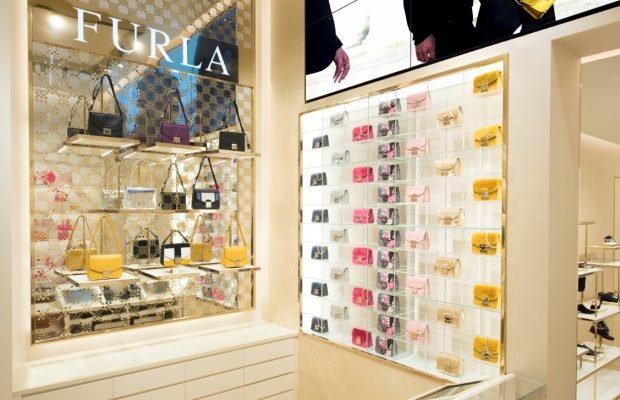
    Italian luxury company Furla Group has had another year of what it describes as “exceptional growth” in turnover and profit.

    Sales soared 31.7 per cent in Japan, its strongest market in Asia, and the company is now setting its focus on boosting sales in China and Australia in the year ahead.

    The fashion house turned over €422 million last year (US$446.7 million), up 24.5 per cent year-on-year at constant exchange rates. Pre-tax earnings rose 48 per cent and worldwide like-for-like sales were up 9 per cent.

    Furla says the key factors behind its outstanding performance across all markets and distribution channels were a growing appreciation by international consumers for the brand and its collections, the company’s significant investments in marketing, and its constantly expanding distribution network.

    Furla has a direct presence in 100 countries. Its monobrand stores total 444, compared to 415 in 2015, and these are split evenly between directly owned boutiques and franchises. The company also has wide distribution in multibrand and department stores in 1200 international locations.

    During the year, Furla opened stores on Nathan Road in Hong Kong, Nanjing Road in Shanghai and other upscale addresses in Australia, China and South Korea.

    During the year the company’s travel retail sector also grew significantly, to a total of 262 stores in 63 countries, with a 40 per cent increase in turnover.

    “We are particularly proud of the 2016 results,” says Furla Group GM Alberto Camerlengo. “The investments of the shareholders, our constant efforts in research and product innovation, all the way to distribution, have allowed us to be a leader in the top international markets.”

  • Isetan Mitsukoshi replacing CEO

    Isetan Mitsukoshi replacing CEO

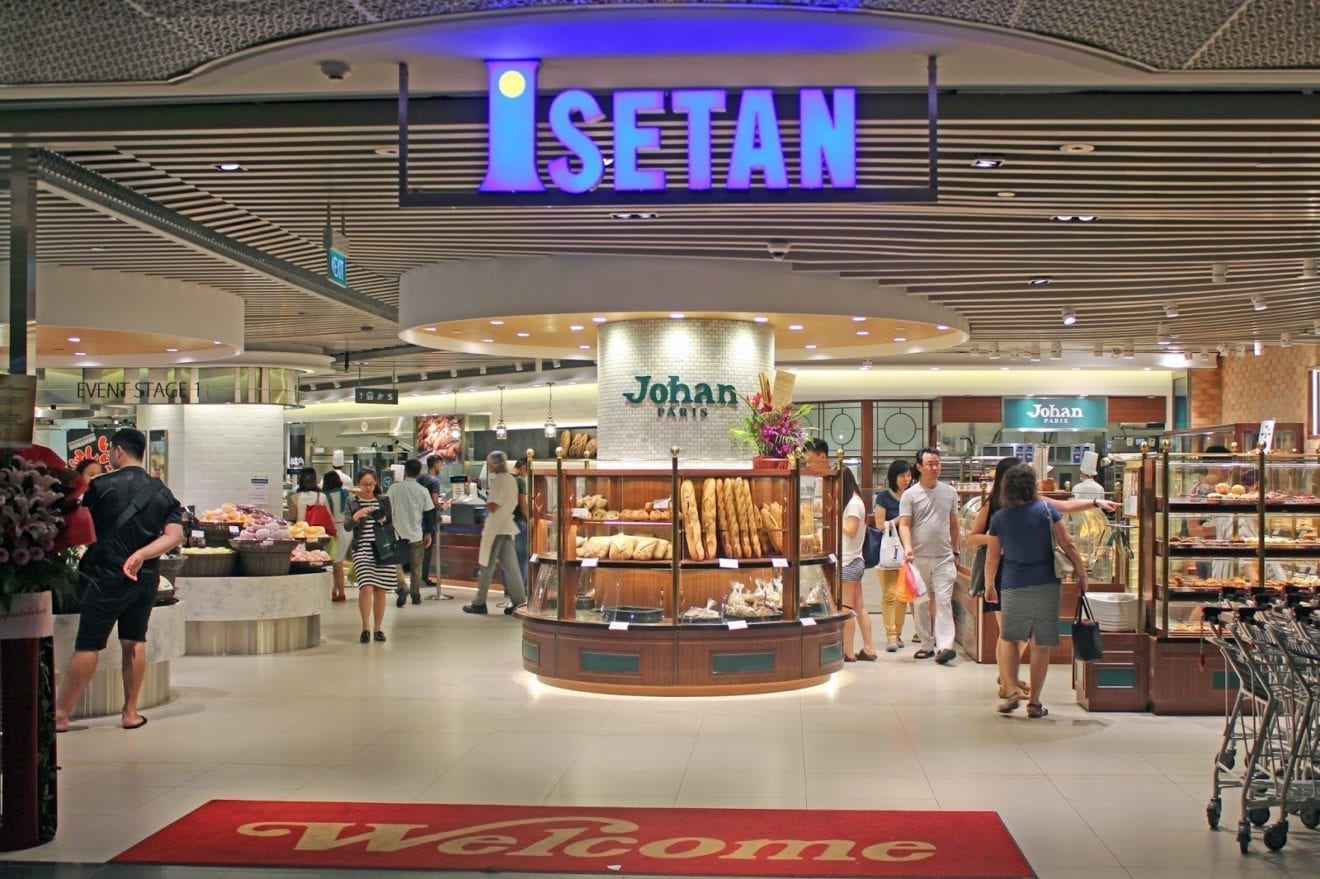
    Japanese department store chain Isetan Mitsukoshi Holdings has appointed a new CEO as retailers battle to recover from a sharp fall in shopping spend by tourists.

    In a filing with the Tokyo Stock Exchange, Isetan Mitsukoshi says senior managing executive officer Toshihiko Sugie will become CEO on April 1, replacing Hiroshi Ohnishi, who had been in the role since 2012.

    Isetan Mitsukoshi says it made the change “to further improve corporate value by installing fresh management”.

    Japanese department store sales fell to less than ¥6 trillion (US$52.70 billion) last year from a 1991 peak of ¥9.7 trillion, with retailers hit by weak economic growth, changing consumer tastes and e-commerce competition.

    There was a brief boom when tourists, especially Chinese, were buying expensive items such as jewellery and watches. This has come to an end despite tourism numbers growing by 21.8 per cent to a record 25 million last year, according to the Japan National Tourism Organization. More than 70 per cent of tourists came from China, Hong Kong, South Korea and Taiwan.

    Isetan Mitsukoshi says its duty-free sales fell 19 per cent to ¥36.7 billion over the nine months through December.

  • Omega Malaysia opens fourth boutique

    Omega Malaysia opens fourth boutique

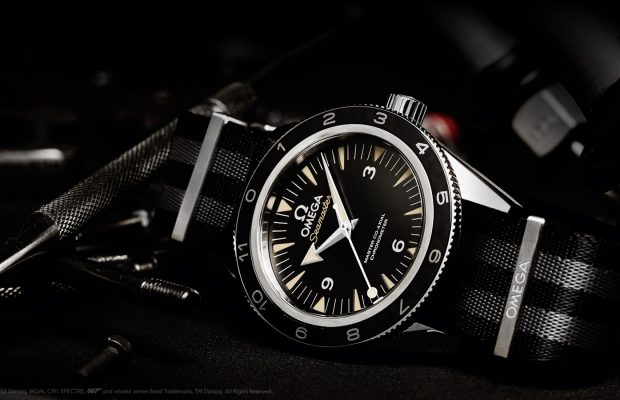
    Omega Malaysia has opened its fourth boutique, at Suria KLCC in Kuala Lumpur.

    As well as a ribbon-cutting ceremony, there was a traditional lion-dance performance. Guests included actors Jojo Goh, Nazim Othman, Siti Saleha and Tasha Shilla, singer Sheila Majid and beauty queen Serene Lim.

    Omega president/CEO Raynald Aeschlimann told guests that the brand had established a strong presence in Malaysia over the past 11 years.

    He said the level-one store would showcase the Swiss luxury watch maker’s full range of products.

    Omega’s first boutique in Malaysia opened its first boutique in Starhill Gallery, Kuala Lumpur, in 2006, followed by stores in Pavilion Kuala Lumpur and Gurney Plaza, Penang.

    Like Omega’s other boutiques, the new store has a design inspired by the natural elements of air, water and sunlight, depicted using cream and champagne colours in the interior design, along with reconstituted zebrawood furniture and chiselled glass surfaces.

    Apart from watch collections, the store also offers fine jewellery, leather goods and sunglasses.
    Founded in 1848, Omega is a brand within the Swatch Group.

  • Singapore retail sales rise

    Singapore retail sales rise

    The early timing of Lunar New Year has given Singapore retail sales a boost.

    Including or excluding motor vehicles, total Singapore retail sales rose 2 per cent in January. However, month-on-month they declined 1.3 per cent on December (excluding cars), reflecting the absence of Christmas trading.

    SG retail

    Data from Statistics Singapore shows total retail sales in January were estimated at $4.1 billion, $100 million higher than in January 2016.

    After seasonal adjustment, month-on-month retail sales of food & beverages declined 21.5 per cent in January and sales through mini-marts & convenience stores, furniture & household equipment, wearing apparel & footwear, recreational goods, medical goods & toiletries and department stores fell between 0.9 per cent and 9.2 per cent.

    On the other hand, retail sales of computer & telecommunications equipment, optical goods & books, supermarkets and watches & jewellery rose between 0.6 per cent and 8 per cent in January.

    Compared to January 2016, retail sales of supermarkets and food & beverages rose 13 per cent and 12 per cent respectively in January. Likewise, retail sales of petrol service stations, medical goods & toiletries, watches & jewellery, wearing apparel & footwear, department stores and computer & telecommunications equipment increased by between 1.2 per cent and 7.1 per cent.

    Conversely, retail sales of furniture & household equipment, optical goods & books, mini-marts & convenience stores and recreational goods decreased between 2.5 per cent and 9.7 per cent.

    Sales of food & beverage services

     SG F&B sales Jan.

    Sales of food & beverage services (seasonally adjusted) increased 5.2 per cent in January 2017 over the previous month.

    Compared to the same period last year, sales of food & beverage services rose 3.5 per cent in January 2017.

    The total sales value of food & beverage services in January 2017 was estimated at $739 million, higher than the $714 million in January 2016.

  • Line Friends says Hello to the US

    Line Friends says Hello to the US

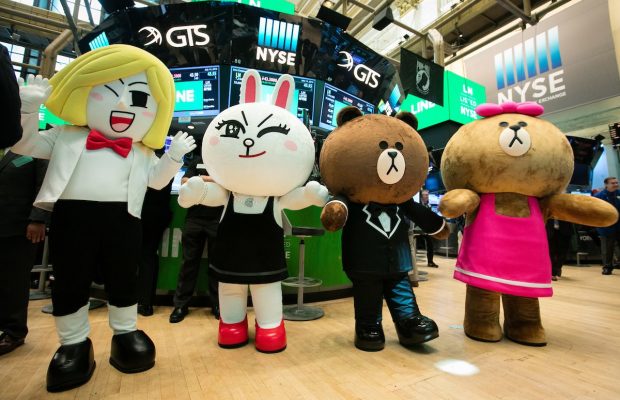
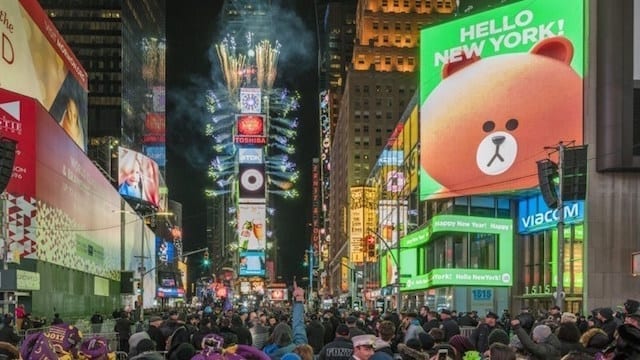
    Line Friends will become the first Asian character brand to open a large-scale official store in the US.

    Its store in New York City’s Times Square, opening in July, also marks the one-year anniversary of Line listing on the New York Stock Exchange.

    Line Friends has opened stores in 11 other countries and regions including China, Hong Kong, Japan and Taiwan, and had a pop-up store in New York City in 2014.

    Line New York

    In New York, the store will have about 430 sqm of retail space on Broadway, and will attract attention with LED billboards.

    There are 73 official and pop-up Line Friends stores around the world, and the brand also collaborates regularly with different brands, such as pen company Lamy and Italian stationery group Moleskine.

    Line Friends grew from sticker characters for the messenger app Line, which has 220 million users globally.

  • Retailers alerted to surge in trade for counterfeit goods

    Retailers alerted to surge in trade for counterfeit goods

    In Singapore and other parts of South East Asia, there has at least been a minimal market for counterfeit goods. Retailers across the region have wrangled with this issue for many years and today, it shows little sign of waning.

    Statistics for 2016 revealed that, worldwide, the market for counterfeit goods worldwide was worth an astonishing $650bn (US$460bn). Many of these products were sold online to customers the world over, with popular items sold including eyeglasses, electronics and designer footwear. Bargain-hunting consumers may find the price outweighs whether or not what they buy is genuine.

    Local trade

    The range of fake goods finding their way at customs is pretty wide. Aside from luxury items such as jewellery and smartphones, everyday items bearing counterfeited brand names including rice, noodles and chocolate are also sold as the genuine article. Singapore, as a major global port, sees a fair few of said goods reach customs.

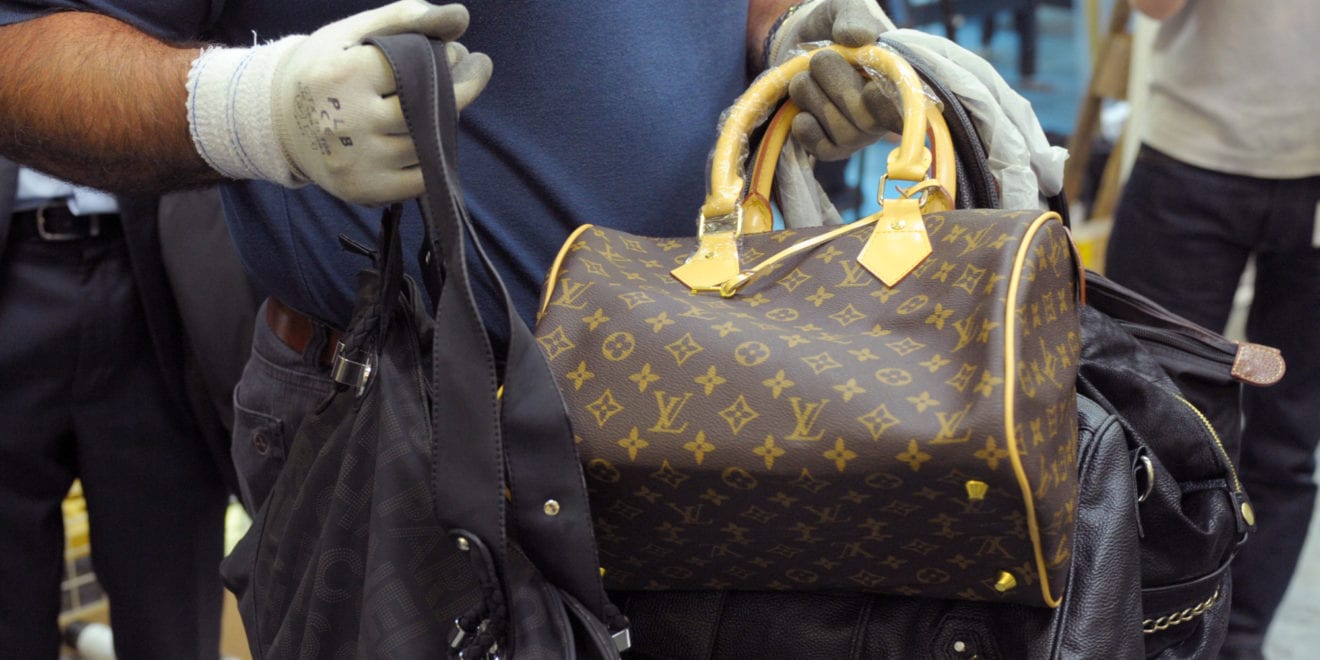
    In September 2016, Singapore Customs seized over 5,000 bags of counterfeit rice imported from India. That same month, more than 1,300 wallets, bags and purses were confiscated. Both bore trademarks of brands which local authorities deemed to be illegal, highlighting the need for retailers to be wary of what they buy in from suppliers.

    When determining what is real and what is fake, Singapore Customs do a lot of the work, whether through performing checks at airport terminals and ports or by enforcing the Trade Marks Act. However, retailers are also tasked with staying on-side, whether selling products online or offline in the bustling streets and markets.

    Telling real from fake

    Retailers are advised to read the Trade Marks Act. Introduced in 1998 and revised in 2005, it states that it is illegal for traders to sell any products bearing un-trademarked logos or other forms of branding. Inspecting goods thoroughly is a must before buying; a good way of doing this is to compare a fully-trademarked product against one that has been offered for sale.

    Any differences in fonts, brand names, colours and materials should be easy to spot. If there are any signs that a product offered by a wholesaler is fake, it is recommended to contact local customs and turn down those products. This should be done regardless of whether or not they seem to represent value for money.

    Should any business find itself selling counterfeit goods, knowingly or otherwise, there are grave consequences. Hefty fines are often given per fake item sold, reaching as much as $10,000 per item. In such an instance, legal advice from local firms including Withers LLP is advisable, whether it’s before or after buying fake goods.

    Multiple sources

    Many counterfeit goods sold across Asia find their way onto online marketplaces such as Amazon, AliBaba and eBay. Retailers using these channels to sell their products are advised to take precautions to ensure what they sell on said sites are the real thing. AliBaba account holders are advised to register with AliProtect.

    Whether they come from China, India, Europe or within Singapore, the market for fake goods shows no sign of slowing down. Attempts by governments and online retailers to clamp down on them are improving, though.

  • Prysmian group claims record for densest subsea cable

    Prysmian group claims record for densest subsea cable

    Cable manufacturer Prysmian Group has supplied what it says is the densest and highest fiber count subsea cable ever made.

    The company has delivered a FlexTube cable containing 1,728 optical fibers for Australia’s Superloop for the TKO Express project.

    TKO Express is a project to provide broadband connectivity between the aras of SiuSai Wan on Hong Kong Island and the Tseung Kwan O Industrial Estate data center hub on the mainland.

    The company’s and industry’s previous record was a subsea FlexTube cable with just 720 fibers from 2014.

    Prysmian Australia CEO Frererick Persson said the construction was a major logistics and engineering challenge.

    The base cable was manufactured in France, then airlifted in Australia to apply moisture barriers and aluminum tape as well as double armoring layers of wrapped steel wires to ensure the cable could withstand being buried up to five meters into Hong Kong’s sea bed.

    “It was a logistics challenge indeed. Airfreighting a drum weighing 15 tons was something that we have never done before. But we mastered it and the drum was successfully delivered to the TKO Port three days before the promised date. It has been definitely great success for both companies,” he said.

  • International brands battle for Vietnam milk tea market

    International brands battle for Vietnam milk tea market

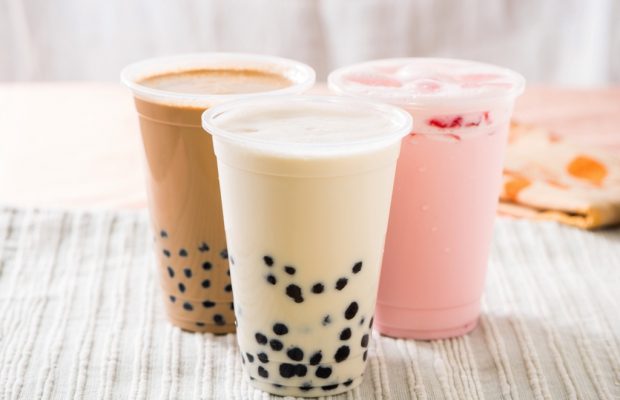
    As Vietnam’s economy grows the Vietnam milk tea market has become a battleground for foreign franchises.

    The latest debutant is Taiwanese milk tea brand T4, founded in 2004,  and which has steadily built an international network now including Malaysia, Thailand, Indonesia, China, the UK and the US.

    The first T4 outlet in Vietnam is a two-storey building, located on Phan Xich Long street in Ho Chi Minh City, a popular destination for milktea fans, where consumers are spoilt for choice.

    Next on the scene is Tealive, a new brand from the former Malaysian master franchisee for Chatime.

    And while new names are coming, current players are expanding their networks, in a market share battle even more fierce than the notorious coffee market stoush.

    Gong Cha, Hong Kong-based Taiwanese milk tea chain, plans to boost franchise this year, after building a strong foothold in Ho Chi Minh City with 10 outlets. Now, Gong Cha is opening two stores in Hanoi and one in Danang, with more to come in other cities, including Haiphong.

    Considered a prime competitor for Gong Cha, Koi The came to Vietnam in September 2015, and currently operates seven outlets in Ho Chi Minh City, all located in busy downtown sites or shopping malls.

    Nguyen Hoai Phuong, a spokesperson for Gong Cha Vietnam, previously told a local newspaper that milktea is the weapon to win in Vietnam’s beverage cafe market, largely due to the youthful Vietnamese population.

    That might well be the reason why more and more international brands are planning Vietnam expansion.

    More big names have just joined the segment – Queeny, Chachago, Sharetea and Goky.

    Middle market players include Bobapop, Teacup and Dingtea, the oldest player in the sector. Dingtea landed in Vietnam in 2014 and has now built a network of nearly 100 outlets across the country. It has 350 stores in China and 650 globally.

    In this battle, local brands seem to struggle, with only a few names having gained a reputation and real market penetration. Hot and Cold might be considered the most successful, a pioneer in the Vietnam milk tea market since 2011. Charting a different course to most of its rivals, Hot and Cold grew market share with a customised menu and finger food.

    Given the size of the market and Vietnam’s young population, many more milk tea and juice brands are expected to try their luck in due course, making the battle for share even more fierce.