Tag: asia

  • REV Asia looking for partners in Indonesia, Philippines to grow overseas businesses

    REV Asia looking for partners in Indonesia, Philippines to grow overseas businesses

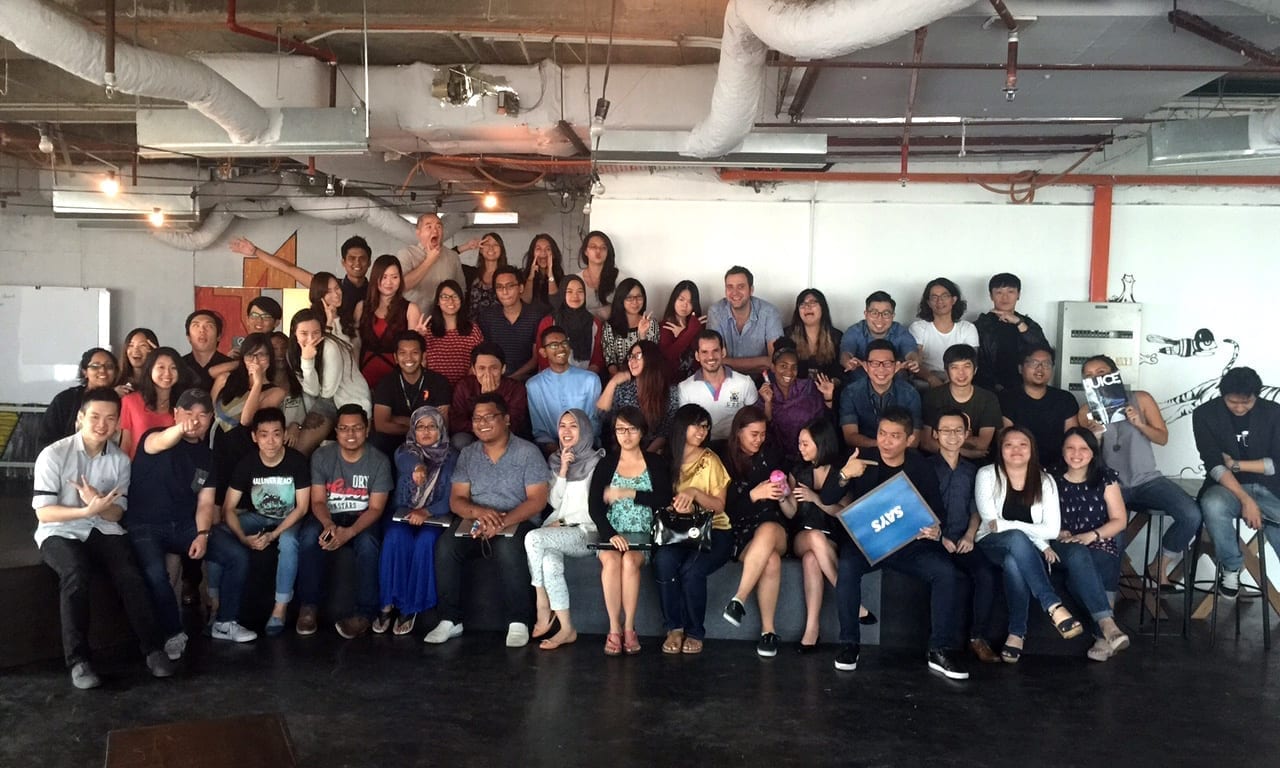
    Digital media group REV Asia is on the lookout for local partners for its operations in Indonesia and the Philippines, says managing director Voon Tze Khay.

    The group’s initial plan, which was to grow its market share in social media advertising revenue in those markets, hit a snag one-year into operations, leading it to seek home-grown partners.

    “We thought if we could run Malaysia at such a successful pace over the last three years, why not try it ourselves? However, after 12 months, we realised that the opportunities in these markets are plenty but the right way and more strategic way to do it is through a local partner, either in the form of merger and acquisition (M&A) or joint venture (JV),” Voon told in an interview.

    He said the group faced operational challenges in both markets, in terms of understanding the local business culture, dealing with local advertising agencies and brands as well as challenges in working style and expectations in the delivery of campaigns.

    “Running a business in these two countries is very different to how we run it in Malaysia simply because the understanding of local and business culture is a fairly important tool. We have not seen it grow in the way that we expected,” he added.

    Voon said it has identified certain players that could be potential partners but talks have not begun as it is still mapping out how to grow with a local partner. The group entered both markets in 2015 with their Says.com and 8share.com brands. These markets contribute about 5% to total group revenue and there are no plans to expand its other brands there in the immediate term.

    “In the next 24 months, we are looking at international revenue (contributing about) 5-8% because our focus is going to be Malaysia. We are expecting Malaysia to grow in the double digits year-on-year in both revenue and bottom line.

    “For international markets, there’s still a lot more groundwork to be done for local business understanding and a lot more research to be done from data point of view. That doesn’t mean we are not putting in efforts to grow it. But growth compared with Malaysia will be a lot smaller,” said Voon.

    In 2017, the group aims to grow in terms of audience and revenue in Malaysia, through organic growth and M&As, by shifting its focus to videos and small and medium enterprises (SMEs).

    Voon said consumption of videos on mobile has grown tremendously and will continue to grow. It also aims to tap into the 700,000 SMEs in Malaysia by offering them specific packages to promote their services across the group’s platforms.

    In 2016, total video revenue contributed 10% while total SME revenue contributed only 2%. This year, it aims to grow contribution from these two products to 25% and 12% respectively.

    In terms of M&A, Voon said, REV Asia is always on the lookout for opportunities within the three main languages in Malaysia.

    “We will continue to seek out M&A opportunities but we will be selective. It has to be a digital media product with a sizeable audience already visiting the site and we will look at how that particular brand fits within the entire REV Asia set-up,” he said.

    Recall that the group acquired two Chinese websites, Viralcham and Rojaklah, in 2015 and last year it acquired three Malay-language websites, namely Siraplimau.com, Myresipi.com and Kongsiresepi.com.

    Meanwhile, REV Asia Bhd (holding company of REV Asia) saw its shareholding in iCar Asia Ltd diluted to 17.28% in September last year and in November shareholders approved the transfer of its shareholding into a special purpose vehicle (SPV).

    “The process is underway, we are waiting for the finalisation of a court order to reduce the share capital and to fully formalise the transfer of the shares of iCar Asia out from REV Asia Bhd into an SPV. We hope to complete the transfer by first quarter this year,” said Voon.

  • Hactl handles Longines Masters competitors for fifth successive year

    Hactl handles Longines Masters competitors for fifth successive year

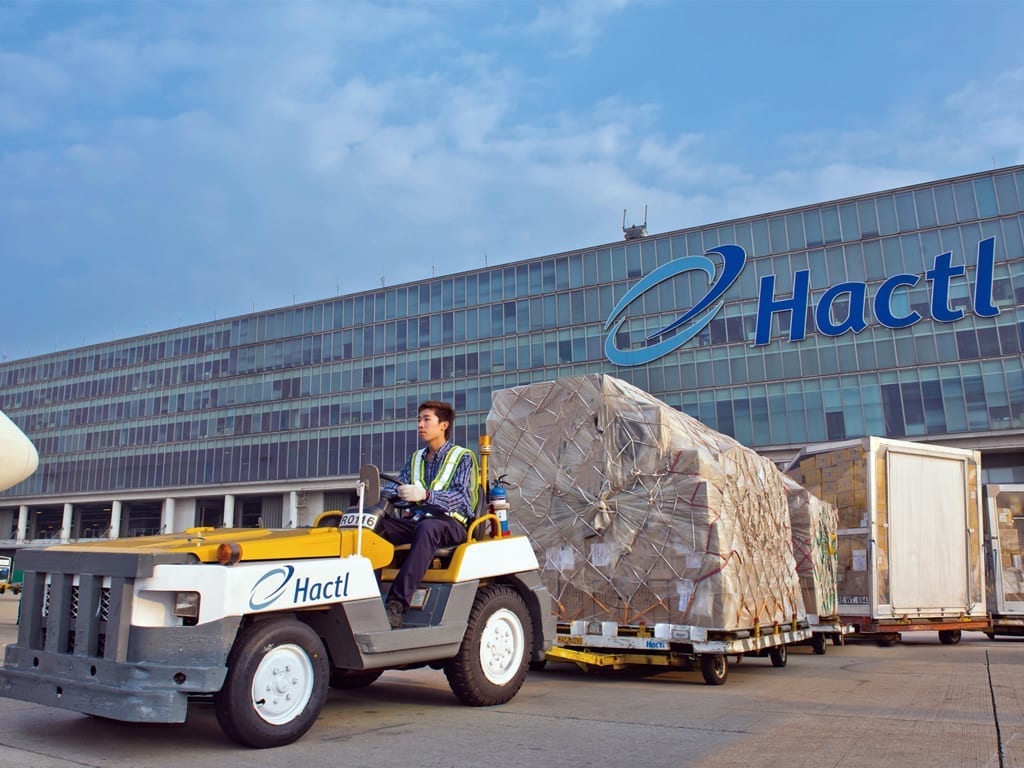
    Hong Kong Air Cargo Terminals (Hactl) has once again handled 60 horses competing in this year’s Longines Masters of Hong Kong. It is the event’s fifth year, and Hactl has handled the valuable equine competitors in every year of the competition.

    The transportation of the horses from Liege to Hong Kong, and their return journeys after the event, are being coordinated by European Horse Services (EHS), one of the world’s leading equestrian transport specialists. This year’s chosen carrier is Etihad Airways, and forwarding is being performed by DB Schenker.

    The Longines Masters first came to Hong Kong in 2013, and is now recognised as Asia’s largest and most prestigious equestrian event. This year’s Longines Masters of Hong Kong is the culmination of an intercontinental series which began in Los Angeles in September, moving to Paris in December; it is once again taking place at Hong Kong’s AsiaWorld-Expo complex.

    EHS founder and president Filip Vande Cappelle is also vice chairman of the Animal Transportation Association, which held its annual conference in Hong Kong to coincide with the Masters.  Says Filip, “The Longines Masters has become one of the most important events in the global equestrian calendar, attracting the highest-calibre entrants from around the world.”

    “It’s an honour for EHS to have been selected once again as the official transportation partner by EEM, the event organisers. We are also very happy to be working with Hactl again; their facilities, and the attention to detail which their staff bring to the all-important handling process, are second to none.”

    Hong Kong’s top-ranked rider, Jacqueline Lai, accompanied her horses BASTA and DER SENAAT 111, on the inbound flight to Hong Kong. On arrival, she was greeted by Hactl chief executive Mark Whitehead. Jacqueline is a member of The Hong Kong Jockey Club Equestrian Team, and won Hong Kong’s first-ever equestrian medal, in 2010. She is the only Hong Kong resident taking part in this year’s contest.

    Says Mark Whitehead: “It’s great to be involved in this wonderful event again, and it was particularly good to have the opportunity of meeting Hong Kong’s very own competitor. Both Jacqueline and Hactl are enthusiastic supporters of the Longines Masters, which has really put Hong Kong on the equestrian map.”

  • Vietnamese graduates have unrealistic salary expectations

    Vietnamese graduates have unrealistic salary expectations

    Fresh graduates overestimate their chances of getting well-paying jobs in Vietnam, and they’re not alone. A survey conducted by employment site Jobstreet has found that Vietnamese university graduates have salary expectations that are out of sync with the local job market.

    About 35 percent of the 1,600 new graduates surveyed expected a monthly salary of VND4 million-5 million ($175 – $220), and over 21 percent wanted to be paid as much as VND6 million ($264), based on the survey. Vietnam’s average annual income was around $2,200 last year.

    However, the average monthly salary on offer for new starters currently stands at $175 per month.

    The survey also found that Vietnamese graduates aren’t the only ones out of whack with reality.

    For example, Hong Kong graduates expect average first-year salaries of $2,252-2,320, much higher than the average wage of $1,772 on offer.

    In Singapore, university graduates actually make an average of $1,966 per month, but their expectations range from $2,416 to $2,609.

    The Malaysia-based Jobstreet survey highlighted the fact that millennial students, those born in 1980 or later, asked for unrealistic salaries and benefits.

    Millennials are very likely the largest group in the current workforce. According to audit, tax and consulting services provider PWC, as many as 45 percent of the population comprises of millennials, and an estimated 60 percent of the world’s millennials are expected to live in Asia by 2020.

    A survey conducted revealed 69 percent of millennials said that money matters most in a job. That means pay is still the primary reason for companies to attract and retain their millennials and is also the deciding factor when changing jobs.

    This is not surprising given better standard of living for millennials, said Jobstreet.

  • Women empowered to become entrepreneurs

    Women empowered to become entrepreneurs

    Life was not easy for Charier Valcarcel Rosita of Tagum City, Davao del Norte. She had to give up her job in a school canteen to take care of her child and do household chores.

    Rosita thought that was all life had to offer until she became aware of her full potential as an entrepreneur.

    Her chance to do business came when she joined the first batch of the Coca-Cola 5by20 Sari-Sari Store Training and Access to Resources (STAR) program in Tagum City in 2014.

    Rosita is one of the more than 80,000 women who have benefited from the STAR program since Coca-Cola Philippines launched it in 2011. Under the program, they learned the rudiments of business, including managing capital expenditures against daily sales and other tips on how to run a sari-sari store.

    The 80,000 women whom the STAR program helped are just part of the Coca-Cola Company’s target to economically empower five million women by 2020 as part of its “5by20 global initiative.”

    The STAR program has helped a lot. We were able to establish high-volume distribution of Coca-Cola in our community. It prods us to move on despite the hardships,” Rosita said in the local dialect.

    Last Friday, Rosita joined the gathering of 5,000 women micro-entrepreneurs at the University of Southern Philippines in Davao City.

    The gathering was organized by Coca-Cola Philippines in coordination with the local government of Davao City, non-governmental organizations and the private sector.

    With the theme “We Make Change Work for Women Micro-Retailers,” Friday’s gathering highlighted the impact of the initiatives of Coca-Cola Company in helping women achieve business success.

    “Coca-Cola is helping create an enabling environment for the business success of women micro-retailers by setting up these partnerships, particularly with government agencies and micro-finance institutions that would help women overcome barriers and challenges they face in achieving economic success,” said Gilda Maquilan, sustainability manager of Coca-Cola Philippines

    “This event is an avenue to promote STAR program’s inclusivity across all Filipino women interested in micro-retail businesses such as sari-sari stores and carinderias,” she added.

    On the same day, Coca-Cola Philippines also forged a memorandum of agreement with the Congressional Spouses Foundation Inc. headed by Emily Alvarez, wife of Speaker Pantaleon Alvarez, for a partnership in recruiting the spouses of military and police personnel for the STAR program.

    “As an organization, we will continue to help empower women both inside and outside our company,” said Diego Granizo, president and general manager of Coca-Cola Philippines.

    “I am here together with my colleagues from the Coca-Cola System to demonstrate our continued commitment as your partner to grow your sari-sari store and carinderia business. We believe that if you are able to grow your business, it will enable you to help your families, and together we help in the nation building,” he added.

  • Lalamove Releases ChomChob

    Lalamove Releases ChomChob

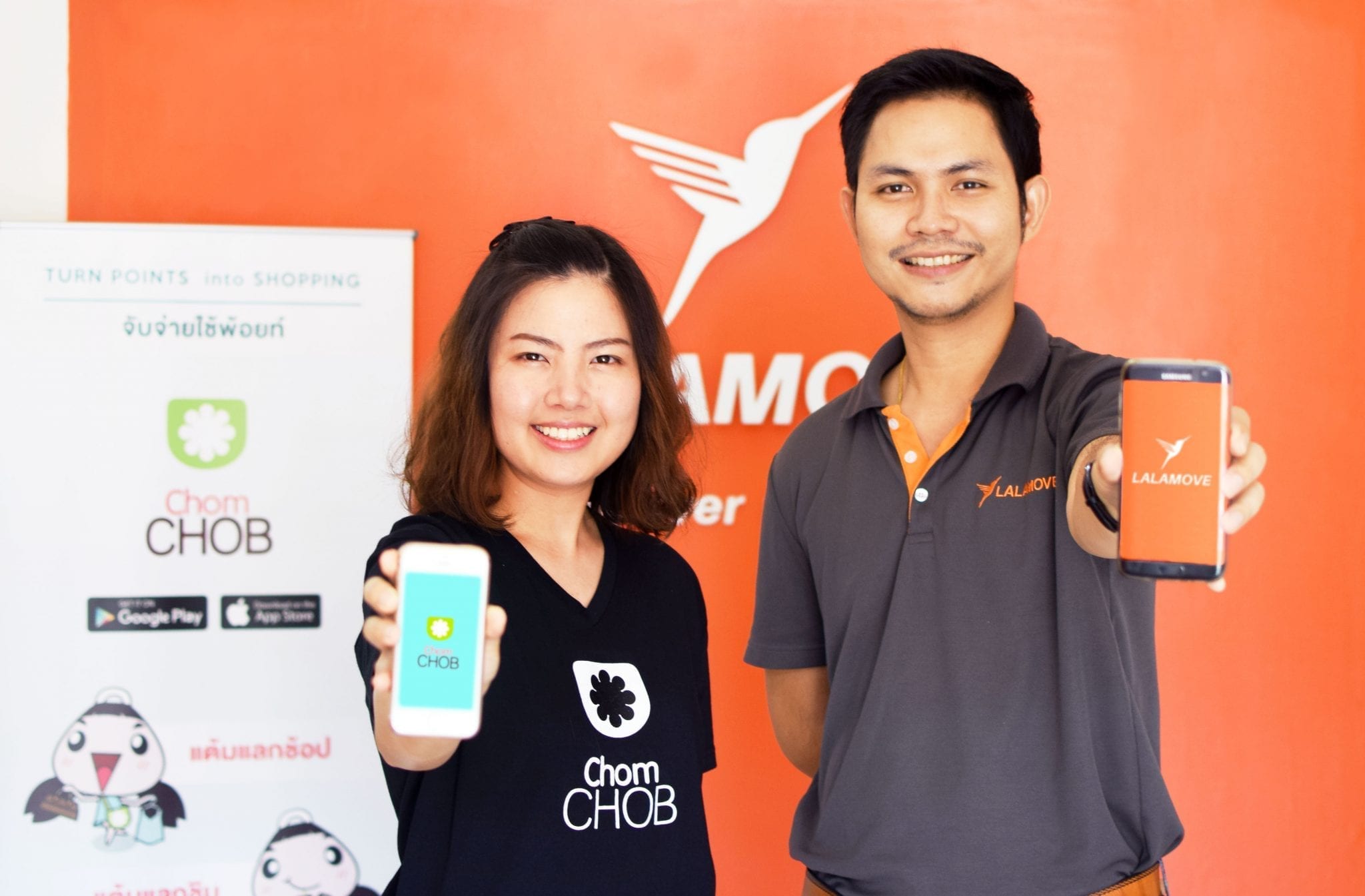
    Lalamove, the Hong Kong based on-demand delivery company has joined hands with ChomCHOB, a point accumulation app that converts a customer’s credit and debit card points into reward points, allowing them to purchase an extensive range of products and services from over 1000 merchants.

    From now until April 30th, ChomCHOB points can be redeemed towards Lalamove motorbike and pick up delivery services. Photo shows Thanwarat Chailert, COO & Co-Founder of ChomChob Group, (left) with Lalamove’s Managing Director Chanon Klahan.

  • 58 percent of Filipino women delay marriage and kids for career

    58 percent of Filipino women delay marriage and kids for career

    Most Filipino women believe there has never been a better time to be a woman and that femininity is strength, according to research made by global marketing communications brand J. Walter Thompson (JWT).

    That they are among the least likely to experience sexism in the workplace compared to their sisters in the Asia-Pacific region reflects this world view.

    ‘Too superficial’

    Filipino women also wish to mentor their juniors—whether in the family, office or other social circles—in the self-taught independence and expression they have honed as part of growth. One reason for this is that Filipino women apparently feel it is dangerous to leave young girls looking for role models in media, since female celebrities are “too superficial.”

    JWT revealed the results of its study called “Filipina Next” in time for the celebration of International Women’s Day last March 8. The quantitative and qualitative research covered Filipino women across socioeconomic levels, from 18 to 70 years old.

    “Filipina Next” is an offshoot of the group’s more exhaustive poll in 2016 called “Female Tribes” that involved 4,300 participants from the United States, China, United Kingdom, Brazil, Saudi Arabia, Russia, India, Australia and South Africa. In that study, women, ages 18 to 70, were asked about money, career, religion, sex and other “relevant topics.”

    Highlights

    Among the highlights that JWT Philippines managing director Golda Roldan and executive strategic planning director Pamela Pacete-Garcia shared from “Filipina Next” are:

    98 percent of Filipino women believe in establishing “strong and substantial women in television and film,” but 76 percent find female celebs “too superficial.”

    Still, 15 percent credit a female role model in media for inspiring them to leave an abusive relationship.

    94 percent want women in general to “step up and serve as mentors to young girls.”

    80 percent consider themselves “the main household purchaser,” with 73 percent saying they make majority of financial decisions at home.

    72 percent claim they “don’t need anyone but themselves to achieve their goals.”

    Among those who turned to role models, 41 percent “have taken risks in life that they otherwise would not have taken;” 40 percent “became more ambitious,” while 33 percent were encouraged to go to school or pursue further education.

    63 percent consider sexual fulfillment important as a lifelong concept, with 70 percent agreeing that sexual fulfillment is not just for the young; 50 percent expect to remain sexually active even in their advanced years.

    58 percent would delay getting married and/or having children to pursue their chosen career.

    More than career advancement and the acquisition of material wealth, 47 percent measure success as “achieving a higher level of religious and spiritual awareness.”

    Policy issues

    While JWT studies showed Filipino women as the least likely to experience sexism at work, guest panelists in the presentation agreed that mentoring young women would help them overcome challenges, especially in the workplace.

    Taguig Rep. Pia Cayetano said this means it becomes more crucial now to confront policy issues such as maternity leave, age discrimination and reproductive health because “we still live in a time when women are very much discriminated against.”

    In the case of Olympic medalist Hidilyn Diaz, she recalled facing opposition from family members, particularly her mother, Emelita, after she decided to concentrate on weightlifting—a sport normally associated with “macho” men.

    Luminaries

    Other panelists attributed their success to strong women in the family who raised them, and mentors at work who encouraged them to find their place.

    Trickie Lopa of Art Fair Philippines had grandmothers who were both luminaries in the faculty of University of Santo Tomas, and a mother who also worked.

    “I never experienced women being Maria Clara (the weak female character in Rizal’s “Noli Me Tangere”). These days I work with women… I’m surrounded so it’s never been an issue,” Lopa said.

    Armie Jarin-Bennett of CNN Philippines recalled asking too many questions (“Tanong ako nang tanong”) at work “so people had the tendency to take me under their wing.”

    Melissa Henson, senior vice president and chief marketing officer of Manulife Philippines, once had a “Turkish lady” who taught her the ropes during a stint abroad.

    “In the US, I was the quiet Filipina who didn’t speak. Kasi nakakahiya, baka mali ang sasabihin ko, mas matalino sila sa akin,” she said.

    Henson said her boss encouraged her to speak up “or they’ll think you don’t know. If I turn out wrong, so what? Do better next time. I grew significantly, professionally under her watch.”

    Role models

    Johnson & Johnson country director Tina Sabarre noted that her women role models “did not act like men,” which made her realize “I can really be a woman, be strong in my femininity, and not work as if I am a man, and succeed.”

    Globe Telecom senior vice president and head of consumer mobile marketing Issa Cabreira grew up watching a grandmother, who was widowed at 49, raise seven children, and a mother who raised four kids after separating from her husband.

    “Having two very strong role models made me who I am today. If I am asked what drives me, it’s always those two amazing women—professionals who were doing the (traditional) jobs of men because they were running businesses,” Cabreira said.

    “I did not follow them as entrepreneurs, but they drove me to be at least half as successful on my own,” she added.

  • Daimler to recall one million Mercedes globally after 51 fires

    Daimler to recall one million Mercedes globally after 51 fires

    Daimler AG said it will recall one million newer-model Mercedes-Benz vehicles worldwide due to the risk of fire, after 51 fires were reported.

    The German company said no injuries or deaths were reported relating to the vehicles that it will begin recalling in the U.S. market in July when parts become available.

    A fix has been implemented in the production of new vehicles and vehicles on dealers lots will be fixed before they are sold, the company said. The issue relates to a potentially faulty fuse.

    “Any affected vehicles in inventory will not be sold until they can be outfitted with the additional fuse,” said a Mercedes-Benz spokesman.

    Of the million vehicles to be recalled, 307,629 are in the United States, which is 40,000 units less than Mercedes-Benz reported to U.S. regulators.

    The company did not immediately have a breakdown of where vehicles will be recalled outside of the United States.

    The United States is among the three biggest markets for Mercedes-Benz, the others being China and Germany.

    Of the 51 fires, 30 were reported in the U.S. market, a Mercedes-Benz U.S. spokesman said.

    The recall affects newer models, including those from the 2017 model year.

    Mercedes-Benz and Daimler said it would begin to notify its U.S. customers late in March. It didn’t say when owners in other markets would be notified.

  • Vincom suits Platinum Cineplex

    Vincom suits Platinum Cineplex

    Earlier, on March 8, the M.V.P Group held a press conference to address issued related to the closure of Platinum Cineplex, the biggest cinema operator by screen in Hanoi, at three Vincom malls.

    The three cinemas include Platinum Royal City in Thanh Xuan District, Platinum Times City in Hai Ba Trung District and Platinum Long Biên in Gia Lam District.

    At the press conference, an M.V.P representative said that VCR’s unilateral termination of the contract signed with M.V.P Group ahead of expiration date was illegal, as the group had not breached the contract.

    Platinum has no outstanding debts at any of the three Vincom malls, the representative said, dismissing claims made by Vincom Retail in local media.

    He said that the information supplied by VCR had serious impact on the group’s prestige.

    In response to claims by the M.V.P Group, VCR general director Trần Mai Hoa said VCR had many times asked the M.V.P to voluntarily move its assets away from VCR premises as regulated in contract clause of termination. However, M.V.P has deliberately delayed moving.

    Specically, on October 15, 2016, M.V.P agreed to move their assets but later asked for extension to February 4, 2017. On December 19, 2016, the group once again asked for an extension of 10 to 12 months. On December 20, 2016, it requested an extension and permission to operate over the Tết (Lunar New Year) holiday.

    VCR agreed to an extension to February 24, but M.V.P has still not moved its assets. Therefore, on March 1, VCR was forced to seal the premises, in accordance with the contract. It notified M.V.P of its plans, and even agreed for M.V.P to send a representative to the premises to check its assets.

    “Sealing the premises is a legal measure to recover our premises appropriated by the M.V.P when the leasing contract ended,” Hoa said. It was done and witnessed by M.V.P managers and representatives from authorities at each location.

    Related to the outstanding debts, Hoa said that VCR and M.V.P had a working session to calculate the outstanding debts, and on October 14, 2016, head of the M.V.P financial department confirmed the figure.

    The contract was terminated in accordance with the rights of the two parties negotiated and clearly specified in the contract, the VCR representative said.

    She noted that the case is a disagreement between the two independent business partners and should therefore be resolved on the basis of law and the trade and civil agreement between the parties.

  • Anchanto empowers merchants and enterprises with cross-border e-commerce

    Anchanto empowers merchants and enterprises with cross-border e-commerce

    Anchanto, the leading e-commerce logistics and selling platform, announced today the launch of SelluSeller – a one-stop platform that enables merchants and enterprises to sell on various e-marketplaces across Asia. Headquartered in Singapore, Anchanto developed the highly innovative platform as the most suitable tool which will empower sellers to cut across geographies and access global marketplaces to list products outside of their own country. Within the first month of launch of SelluSeller, Anchanto has had four major customer wins – Lazada, Bluebell Group, DKSH and PayTM.

    SelluSeller was officially launched at the Asia E-commerce Dialogue 2017, an industry forum hosted by Anchanto in Singapore which saw the participation of key stakeholders from the e-commerce and logistics industry from around the region.

    “Over the last five years, we have seen a rapid growth in online marketplaces, each portraying its individual strengths appealing to different segments of sellers across markets and product categories. We realised a critical factor which held an opportunity for us to provide a solution to these sellers to seamlessly list products and manage inventory across all channels with the ease of one single platform,” said Vaibhav Dabhade, CEO, Anchanto. “Sellers are also looking for simple platform to sell their products regionally in to Southeast Asia and India on cross-border model. SelluSeller is design and built for cross-border listing and shipping from day one,” he added.

    “The response from industry within the first month of limited launch has been encouraging. We are confident that SelluSeller will bridge the gap perfectly for enterprises, brands and retailers who want to be on e-marketplaces, merchants who want to expand geographies and make the whole process of selling online a fulfilling experience,” Dabhade further added.

    On the SelluSeller platform, sellers can manage prices and promotions, maintain a single common inventory with also comes with an order system, analytics and full-payment reconciliations. Sellers will be able to sell to these marketplaces whether they are a small home-operated seller or a major seller who sells on all the prominent marketplaces in Asia.

    The seller can choose to use any of Anchanto’s Global Fulfilment Network and e-commerce B2C fulfilment which will fully integrate with SelluSeller and provide them with preferred fulfillment rates. This will be further connected to the firm’s broad network of warehouses spread across the region.

    With the launch of SelluSeller, Anchanto will be establishing itself as a leading player in the e-commerce logistics SaaS industry that is focused on the development of its e-commerce selling and logistics platform.

  • Vietnam fruits welcomed overseas, less favored in home market

    Vietnam fruits welcomed overseas, less favored in home market

    In January 2017, Vietnam imported $110 million worth of fruit, a sharp increase of 55 percent over the last year’s same period.

    In 2016, Vietnamese spent $700 million on imported fruits which came mostly from Chile, New Zealand and Australia.

    Vietnam also imported fruit from neighboring countries. Thailand has surpassed China to become the biggest fruit supplier. It exported $218.8 million worth of fruit to Vietnam in the first eight months of the year, while China exported $125.2 million.

    Imported fruits, mostly grapes, oranges and apples, flood traditional markets and dominate the shelves at supermarkets, though they are nearly VND100,000 per kilo more expensive than domestically grown products.

    Thu Duc, a large wholesale farm produce traditional market in HCMC, is one of the biggest distribution centers of foreign fruits. About 10 types of fruits there are carried to retail markets.

    South Korean Fuji apple priced at VND133,000 per kilo, French kiwi VNDVND75,000, and South African grapes VND165,000 per kilo sell very well despite high prices.

    When asked why they accept to pay for imports, Ngoc Thu, a housewife in Tan Phu district in HCMC, said foreign products have longer shelf life, and there is no need to worry about unsafe plant protection chemicals, because foreign farmers have to follow strict regulations during farming and preservation.

    Hoa, an office worker in Go Vap district, said she understands that Vietnam’s fruits are always fresher than imports because they are brought directly from orchids and fields to markets, while it takes months to ship fruits from other countries to Vietnam.

    However, she still chooses imported fruits because she believes the fruits are safer.

    “Imported fruits have to undergo strict examination by the state management agencies in their countries. Meanwhile, the quality of Vietnam’s products cannot be controlled,” she said, adding that imports are 20-60 percent more expensive than domestic products.

    Vietnam still imports fruits from China in large quantities. However, in Vietnam, they are introduced as Vietnam’s fruits because Vietnamese consumers boycott Chinese fruits.

    A GDC report showed Vietnam exported $2.4 billion worth of fruits and vegetables in 2016, an increase of 30 percent over 2015, while the figure is expected to rise to $3 billion this year.

    According to the Vietnam Fruits & Vegetables Association, Vietnam’s products can enter 60 markets, but they still find it difficult to penetrate distribution networks in these countries.

    Nguyen Dinh Tung, general director of Vina T&T, said Vietnam needs VND500 billion for projects on developing the technologies for fruit preservation.

  • Mercedes-Benz plant starts production of the new GLA

    Mercedes-Benz plant starts production of the new GLA

    German car manufacturer Mercedes-Benz has commenced the production of its compact SUV Mercedes-Benz GLA at its Rastatt plant in Germany.

    “The ramp-up of the GLA is further proof of the diversity, competitiveness and efficiency of our production operations at the Rastatt plant. Within a very short space of time, our team mastered another ramp-up in ongoing series-production, while the location operates at full capacity and the preparations for the next generation of compact cars are running at full steam”, says Thomas Geier, Location Manager Mercedes-Benz Rastatt plant.

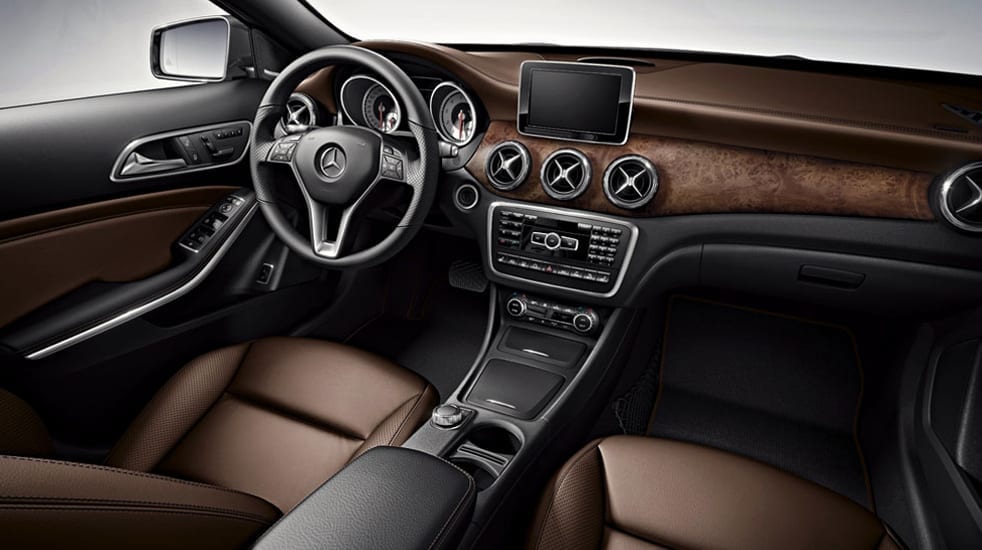
    The new GLA enters its current model year with an expanded range of engines and a visual upgrade of the interior and exterior design as well as updated equipment variants. Mercedes-Benz GLA made its global debut in 2013 and has been an important product in the company’s product portfolio.

    Mercedes-Benz Rastatt plant in Germany is the biggest employer in the region, with a workforce of around 6.500 employees. Within the global Mercedes-Benz production network, the Rastatt plant is the lead plant for the production of compact cars worldwide. The A-Class, B-Class and B-Class Electric Drive, as well as the compact SUV GLA are manufactured at the location.

    In 2016, more than 300,000 vehicles rolled off its production lines.

  • Vietnam halts poultry imports from avian flu hit US states

    Vietnam halts poultry imports from avian flu hit US states

    The Vietnamese Ministry of Agriculture and Rural Development (MARD) issued a decision to halt the imports from March 10, saying that these two US states were facing a strain of low pathogenic H5N2 and the high-pathogenicity H7 avian influenza virus.

    MARD has instructed the Veterinary Department to tighten control over the poultry batches imported before March 10 from these states but have not yet been heat treated to eliminate the aviation flu.

    Earlier, the US Department of Agriculture said on Sunday that a farm in southern Tennessee that is a supplier to Tyson Foods had been infected with avian flu. Up to 73,500 birds were killed by the disease, while the remainder has since been suffocated with foam to prevent its spread.

    The outbreak raised concerns among chicken companies because the infected farm is located near the biggest-producing states for chicken meat, including Georgia and Alabama.

    US trading partners, including South Korea and Japan, earlier restricted shipments of US poultry because of the infection in Tennessee.

  • The AirAsia Mega Sale is now on with international flights from $95

    The AirAsia Mega Sale is now on with international flights from $95

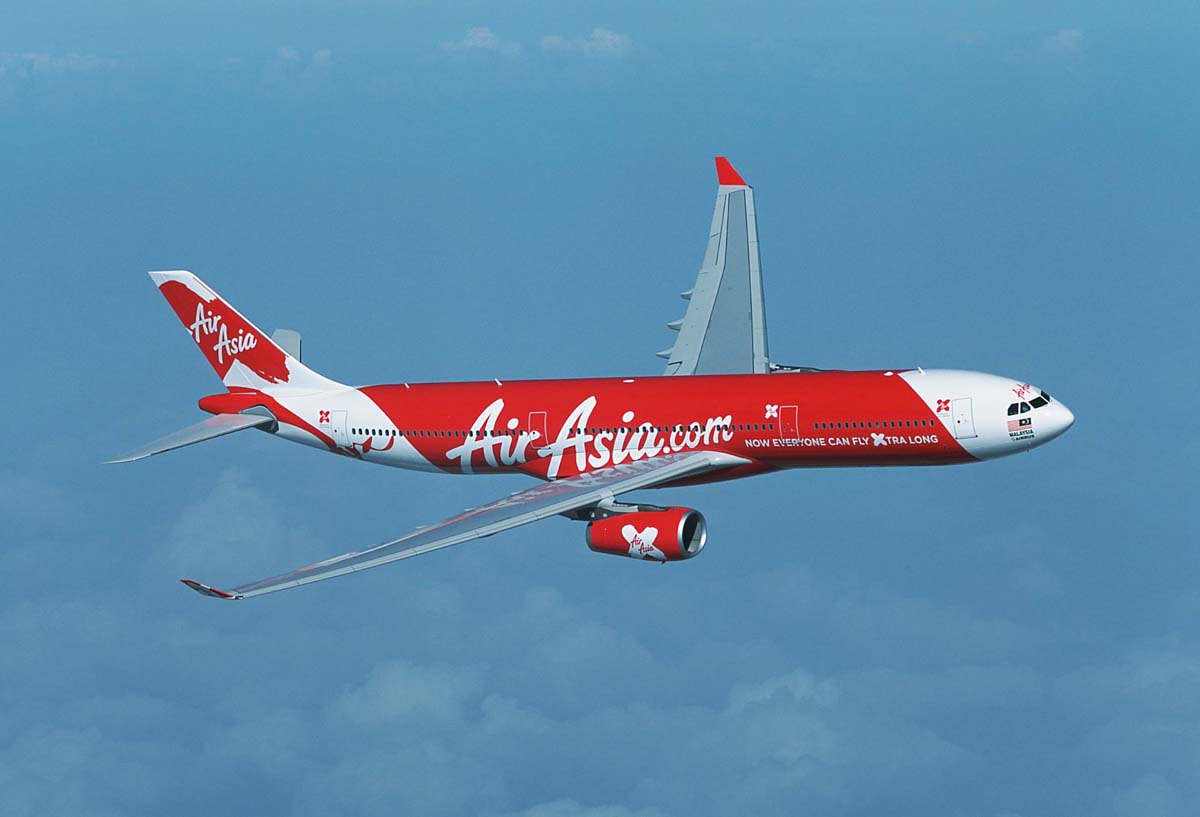
    Asian low-cost carrier AirAsia is at it again with another mammoth sale to dozens of Asian destinations during the Australian winter – so you can escape the cold and looking forward to warmer climes, naturally.

    Prices start from $95 one-way, which is for Darwin to Bali. Followed closely behind are $99 tickets which will get you from Perth to either Bali or Kuala Lumpur one-way.

    To give you an idea of how competitive these fares are, not 10 days ago Jetstar was offering $99 one-way flights to Bali from Darwin and $129 fares to Bali from Perth.

    Other hot fares in AirAsia’s Mega Sale include: Gold Coast to Auckland from $119, Perth to Jakarta from $124, Sydney to Kuala Lumpur from $149, Sydney to Penang from $174 and Melbourne to Singapore from $184. All these prices are for one-way economy tickets.

    Other cities on sale are Seoul, Siem Reap, Shanghai, Tokyo, Hong Kong, Hanoi and Krabi.

    These sale flights are for travel between 1 September all the way to 5 June 2018 – so you have plenty of time to save up the dosh for a big holiday blow-out. Just remember that black-out dates may apply during public and school holiday periods.

    Flights are available departing from Gold Coast, Melbourne, Perth and Sydney. Most flights include a stopover in Kuala Lumpur.

    AirAsia charges a $10 processing fee per flight per person on credit and debit card purchases. You can avoid this by paying with PayPal.

    As a low-cost carrier, this price does not include extras such as checked baggage, on-board meals and in-flight entertainment. These can be purchased during the booking process for an additional fee.

    We found these fares on I Want That Flight which you can tap into by clicking on the search buttons below.

    This AirAsia mega sale ends 19 March 2017.

  • Indonesia’s Furniture Industry Needs Innovation to Maintain Pace with Competitors

    Indonesia’s Furniture Industry Needs Innovation to Maintain Pace with Competitors

    President Joko Widodo has revealed that global competition in the furniture and handicraft industry is increasingly rapidly. Moreover, changes in mode of creative industries are on the rise, as well as providing an alternative for its own market.

    The President also claimed to have become more satisfied with the changes that occur in the furniture and handicraft industry in Indonesia to move the industry forward. However, he added that this time, the toughest competitors in the international furniture industry for Indonesia are Vietnam and Malaysia.

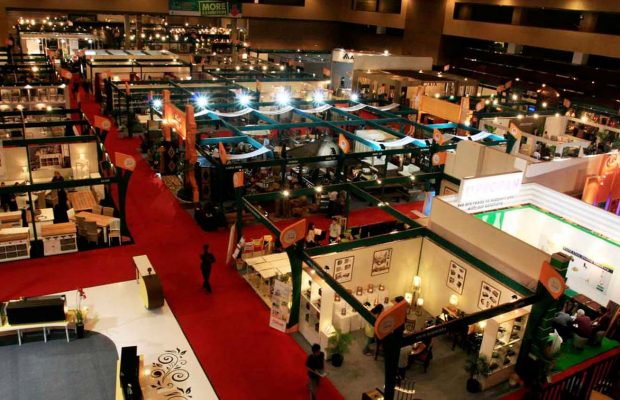
    “If we do not follow, then we will be left behind. The furniture and handicraft products’ design are good enough. What needs to be done now is on how to market the products so we can compete internationally,” he said at the Jakarta International Expo (JIExpo) in Kemayoran, Jakarta, on Saturday (3/11).

    He stressed that if the domestic furniture industry is not able to adjust to global challenges that exist today, then Indonesia’s furniture industry will be undermined by other countries’ furniture products.

    “The designs of existing products from rattan, wood, bamboo, and metal have been changed. These are the changes that need to be done, because the world changes rapidly,” President Joko Widodo added.

    “Our toughest competitors are now Vietnam and Malaysia. I think with good designs like these we can improve,” he continued.

  • Volkswagen and Tata agree to explore cooperation in India

    Volkswagen and Tata agree to explore cooperation in India

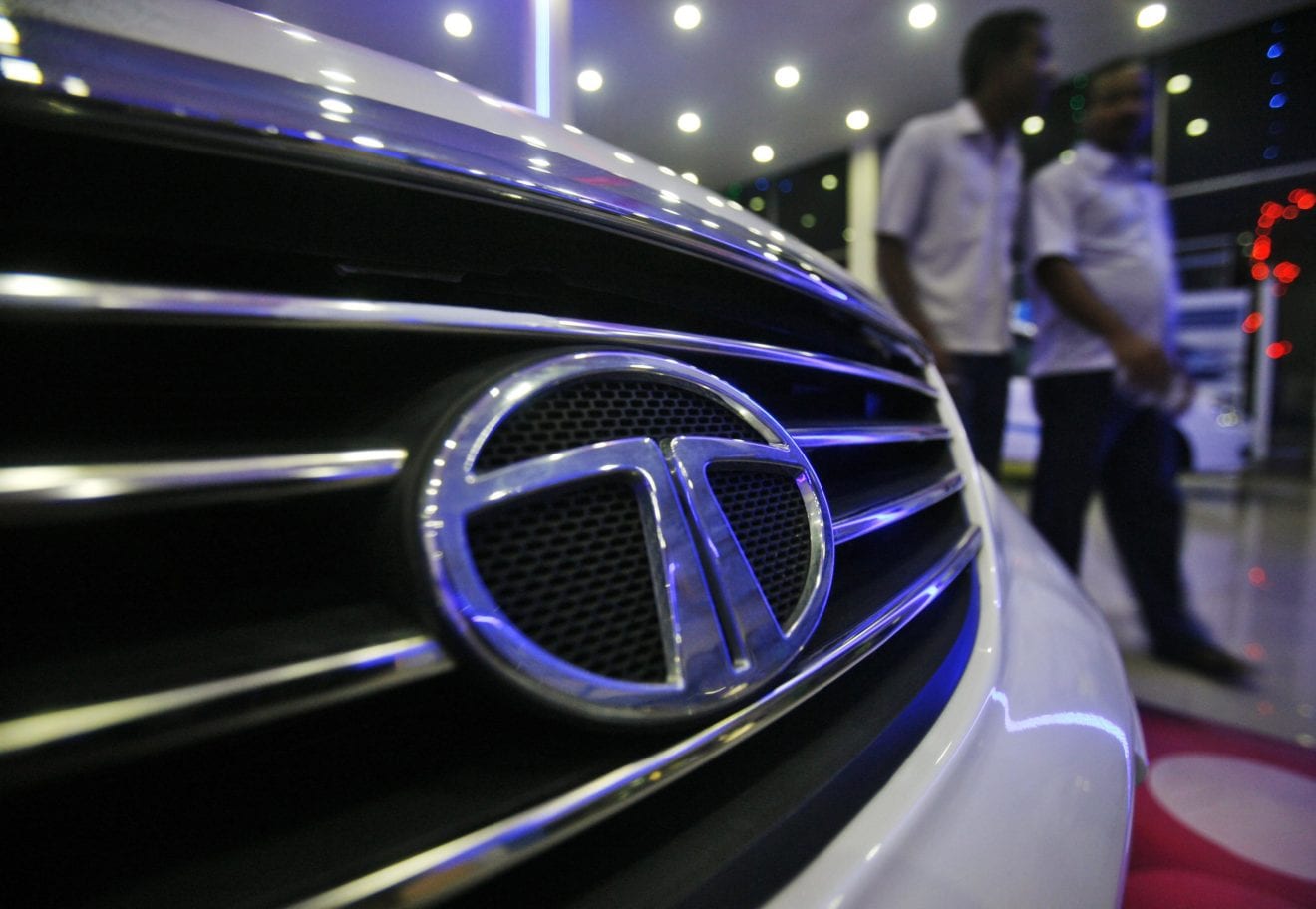
    Volkswagen has signed an agreement with Tata Motors to explore cooperation in India, company sources close to the matter said, as the German carmaker tries once again to conquer emerging markets.

    After months of talks, the carmakers have signed a memorandum of understanding (MoU) to deepen exchanges about technology, components and platforms, and analyze overlaps that could come from cooperation, one of three company sources said.

    VW, already the biggest carmaker by sales in China, is embracing electric cars and looking for new markets as it battles to recover from its diesel emissions scandal.

    A previous VW attempt to expand in emerging markets through an alliance with Suzuki Motor Corp. (7269.T) collapsed in 2015 after a fierce dispute.

    Winning emerging market share is an obvious goal for global automakers, but has yet to prove significantly profitable, except perhaps for budget-car champion Renault.

    “Covering entry-level segments will be crucial for major carmakers’ long-term growth plans,” said Ferdinand Dudenhoeffer, head of the Center of Automotive Research at the University of Duisburg-Essen.

    “A successful budget car can be a feeder to the rest of the brand,” said Dudenhoeffer, a former sales director of PSA Group’s Germany operations.

    VW’s efforts to make inroads in low-cost markets include China, the world’s biggest auto market, where it has scrapped a pre-dieselgate program and redrawn the plans for a budget car, company sources said. VW has pared costs for its MQB mass-market platform, sources told Reuters at the Geneva auto show.

    The vehicles will likely be introduced in 2019-2020 and may cost in the area of 8,000 euros to 10,000 euros ($8,500 to $10,500), sources said. VW had repeatedly failed in previous years to hit cost targets for a budget car priced between 6,000-8,000 euros.

    An announcement on budget models for China could be made at the Shanghai auto show next month, they said.

    VW views the budget car project as essential to protect its market-leading position in China against aspiring local manufacturers.

    “They’re offering relatively high quality at very aggressive prices,” VW brand chief Herbert Diess told Reuters in Geneva. “This is a concern for us.”

    VW is also working on a budget car for Latin America and has revamped its MQB architecture in a way that allows for greater savings on the models, sources said in Geneva.

    “We will continue to work on the budget car and we will offer good solutions here in the foreseeable future,” Chief Executive Matthias Mueller told Reuters in Geneva, without elaborating.

    In India, the owner of British luxury carmaker Jaguar Land Rover is restructuring its car business to cut its platforms to two from six to boost production efficiencies and adjust more quickly to market trends.

    “We confirm that we are in talks with VW for a potential alliance but an announcement will be made at an appropriate time,” a spokesman for Tata said.

    With a very low vehicle penetration rate, India, the world’s second most populous country, is a big attraction for Western carmakers as they search for growth.

    A spokesman for VW said it was discussing ways to expand its product portfolio with tailor-made solutions in India with both its car brands and potential partners.

    Light vehicle sales in India are expected to more than double to 7.1 million cars by 2025 from 3.4 million last year, according to IHS Markit.