Tag: asia

  • Singapore CIOs taking action against BYOD threats

    Singapore CIOs taking action against BYOD threats

    CIOs in Singapore are stepping up their fight against the security risks posed by the widespread adoption of BYOD practices.

    More than one in three (36%) CIOs say a lack of employee knowledge and skills around data security is the most significant security risk their organisation will face in the next five years, according to a report from Robert Half.

    While traditionally, the response to IT security has been to find the optimum way to protect a business’ assets from external security attacks, a growing risk now faces organisations in the form of potential internal security threats.

    This threat is made evident by the fact that almost three in four (74%) CIOs allow their employees to access corporate data on their personal devices.

    Matthieu Imbert-Bouchard, managing director of Robert Half Singapore said that BYOD practices offer many advantages such as increased employee satisfaction, productivity and cost savings, so companies must take steps to balance both their employees’ needs and their security concerns.

    To combat the ongoing threat posed by BYOD, nearly all (97%) of CIOs are taking action to protect their company from potential data breaches.

    The most common response (58%) is to train personnel on cyber-security policies and corporate practices when using their personal devices. Signing an acceptable use policy also seems to be standard practice for more than half (57%) of the Singaporean companies.

    Technical applications are being implemented as 53% say they are deploying mobile device management technology and 52% are using authentication software.

    There is an increased demand for IT security specialists with the niche skills needed to protect companies against data security risks, including risks related to BYOD. But finding the right skillset is a challenge, with all of Singaporean CIOs saying it is difficult to source skilled technology professionals, with one in three (29%) saying professionals with mobile security skills are the most in demand.

  • Bus-assembly line fire inflicts $11m loss

    Bus-assembly line fire inflicts $11m loss

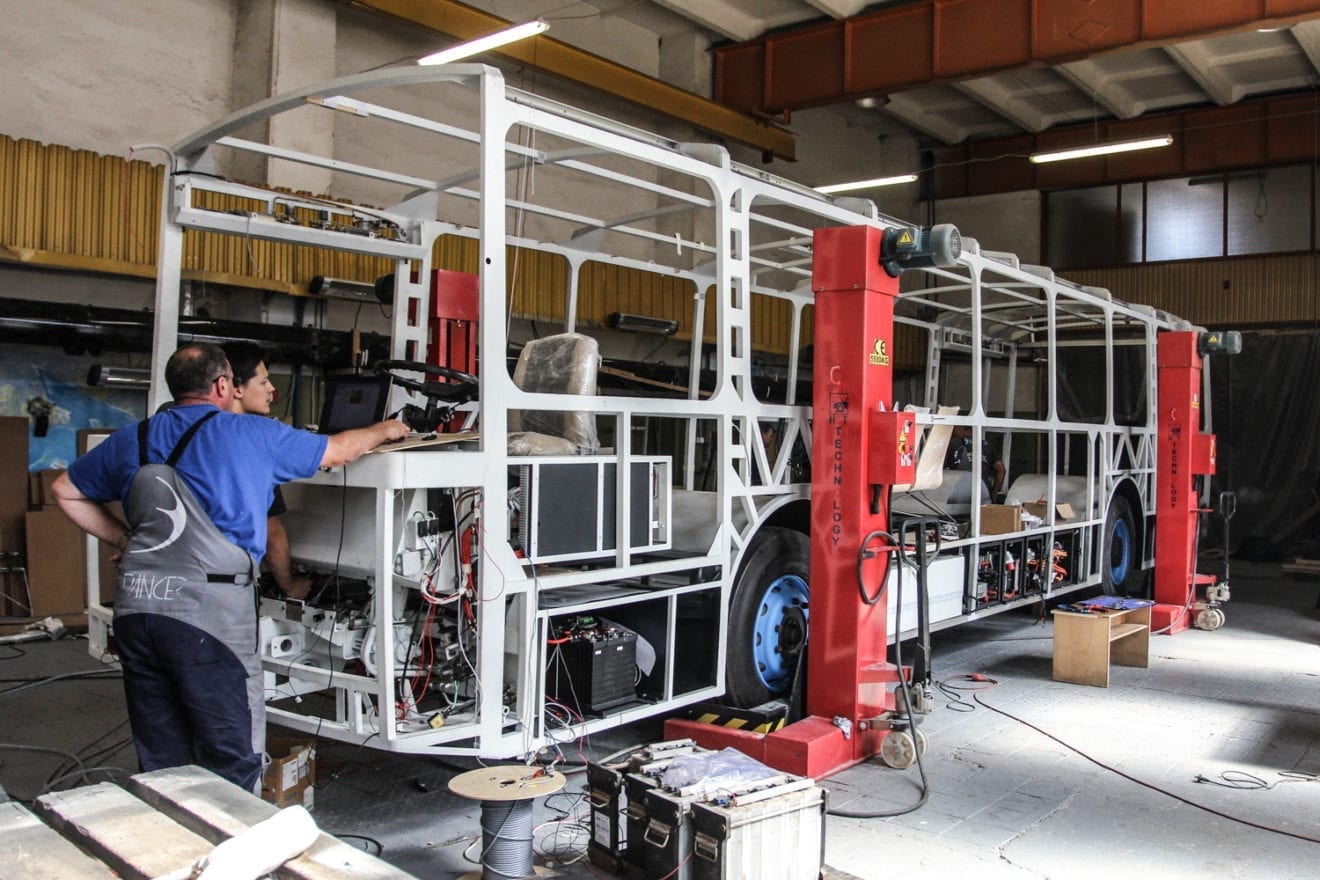
    A fire that broke out at two sites of a bus assembly plant early this month destroyed spare parts and components worth VND250 billion (US$11 million). A bus is assembled at its plant by the Truong Hai Automobile joint stock company (Thaco) in Quang Nam Province. Production was resumed nine days after a fire broke out at the plant on February 2.

    The assessment was revealed by Chairman of the Truong Hai Automobile Joint Stock company (Thaco), Tran Ba Duong, at a press conference on Sunday in central Quang Nam Province, where the plant is located.

    He said initial investigations point to the fire being caused by short-circuits.

    The fire broke out on February 2 after working hours at around 6pm at the Chu Lai-Truong Hai Auto Manufacture and Assembly Complex and blazed for around three hours.

    Components and accessories stored in the 5,400sq.m assembly workshop were burnt, Duong said.

    He said over 1,000 workers in the complex and firemen from Quang Nam, Quang Ngai, Da Nang, soldiers and staff of the Chu Lai Airport joined hands to stamp out the fire and remove components out the workshop.

    The plant resumed operations on Sunday after an initial investigation and recovery, he added.

    “The fire was out of reach of the plant’s automatic extinguishing system. It took four hours to mobilise a large fire-fighting force and extinguish the blaze,” Duong said.

    ‘Our fault’

    “It’s our fault that we collected components and accessories to service big orders while a new production line was under construction,” he said.

    Duong said Thaco had an insurance deal with the HCM City-based Bank of Investment and Development Bank (BIC) and Da Nang-based PVI for a total of VND638 billion ($28.2 million).

    He said BIC had asked an independent unit, Viet Nam International Adjuster (VIA) to assess the damage.

    The accident is still under investigation and final results will be announced after the probe is completed, he said.

    Also present at the conference was Dinh Van Thu, Chairman of the provincial People’s Committee. He said the fire was a lesson in fire prevention not only for Thaco, but other companies in the province’s industrial zones.

    Thu said Prime Minister Nguyen Xuan Phuc had asked the province to speed up the investigation and help the business resume production soon.

    The Thaco chief said the fire had delayed delivery of buses by three days to seven days.

    Thaco has invested US$400 million in constructing the Chu Lai-Truong Hai Industrial Complex, which has a logistics centre, car production factories, a vocational training college, a seaport, storage facilities and shipping services.

    Last year, Thaco earned total revenues of VND65 trillion ($2.8 billion), a 40 per cent growth, contributing VND18 trillion ($796 million) to the State budget.

    The nation’s biggest automaker plans to build three more plants with the total annual capacity of 215,000 trucks, vans, commercial cars, and achieve a localisation ratio of 16 per to 46 per cent.

    It currently manufactures and distributes Korea’s Kia model, Japan’s Mazda and France’s Peugeot. It has exported its cars to Laos, Cambodia, Myanmar and Columbia.

    Thaco plans to earn revenues of VND71 trillion ($3.1 billion) this year, equivalent to two per cent of the country’s Gross Domestic Product.

  • China Mobile HK migrates to cloud core network

    China Mobile HK migrates to cloud core network

    China Mobile Hong Kong has migrated its services to an NFV-based cloud core network provided by Huawei.

    The operator has migrated its legacy networks to cloud networks based on the 3GPP system. Working closely with Huawei, the migration took only around six months, according to CMHK CEO Sean Lee.

    “The synergy between CMHK and Huawei is expected to ensure our entire cloud networks will be smoothly put into commercial use, bringing better service to our customers,” he said.

    CMHK’s new cloud core network provides services for more than 20 network systems including IMS, evolved packet core, mobile number portability, HSS/HLR and mobile switching center server.

    Lee said the migration will pave the way for CMHK’s eventual migration to 5G based on the Network 2020 vision.

    “On CMHK’s cloud network, network elements in [the] IMS, packet switched and circuit switched domains are co-deployed. VoLTE, VoWiFi and mobile data services are co-operated,” Huawei VP of cloud core networks Wang Yonge said.

    “Compared to legacy core networks, cloud core networks are more elastic and robust. CMHK and Huawei are jointly developing new technologies, such as network slicing and edge computing to lead the transformation to cloud networks.”

    News of the completion of the project comes shortly after CK Hutchison’s Three UK announced plans to deploy a fully integrated cloud native core network in collaboration with Nokia.

  • Warehouses coming to Laos, Cambodia gates

    Warehouses coming to Laos, Cambodia gates

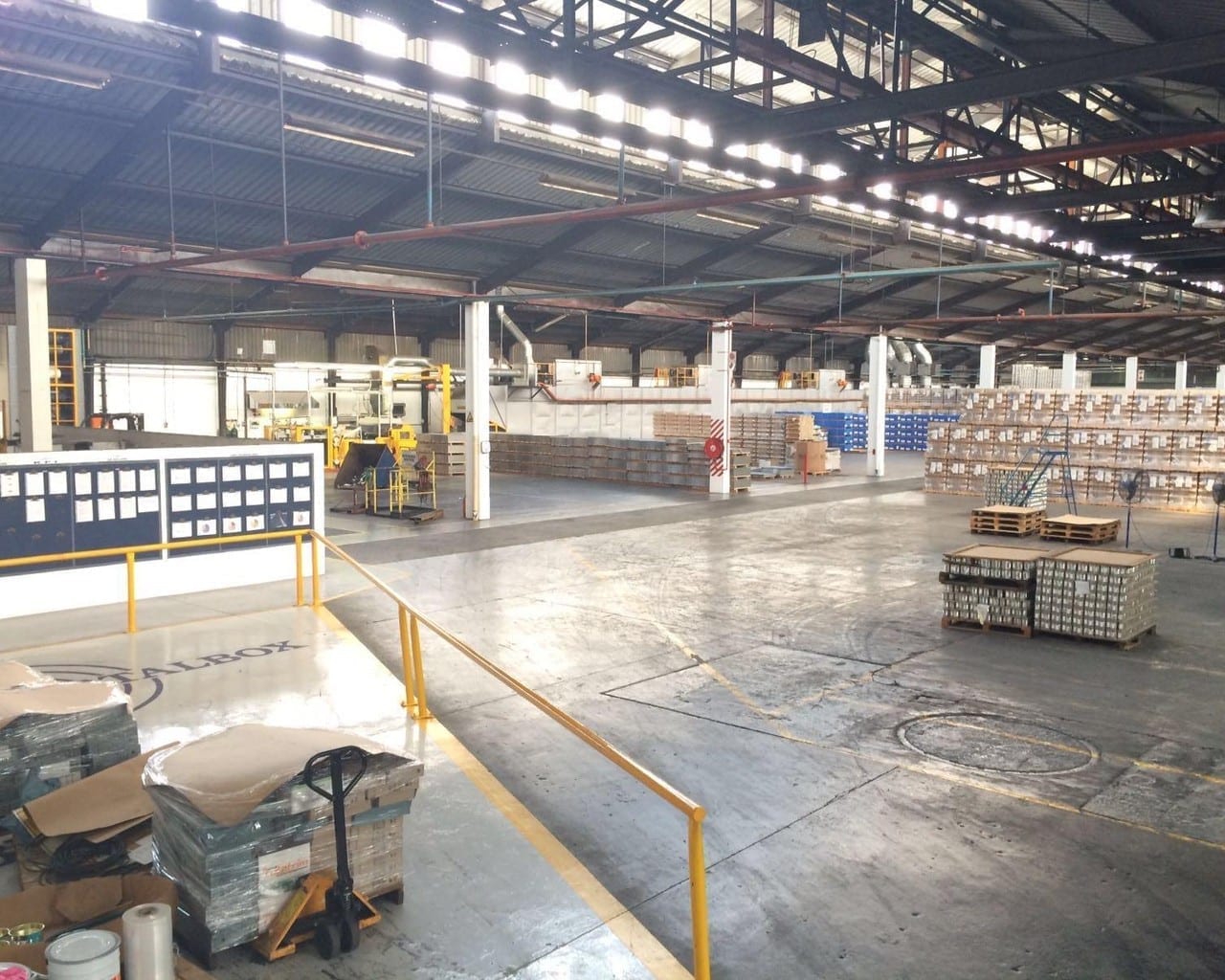
    Viet Nam will have some 116 warehouses at the border gates with Laos and Cambodia by 2035, according to the Ministry of Industry and Trade.

    Under Decision 229/QD-BCT issued on January 23, the ministry said it would develop professional and modern warehouses with enough logistics services to keep import and export goods at these border gates.

    The warehousing system will promote sustainable development of import and export activities along the border lines, especially exports at border gates along border lines between Viet Nam and the two countries.

    According to specific targets of the plan, by 2025, the warehousing system will meet all demand of the area and have enough capacity to store import and export goods at the border gate regions.

    Eighty per cent of the warehouses will be required to provide important and necessary logistics services, such as storage, handling, inspection and implementation of customs procedures for import and export goods.

    The plan includes the upgrade or building of at least one warehouse at an international border gate region or a major border gate to meet the demand of import and export goods. All goods under the warehousing system will be inspected for quality, food hygiene, safety and other related standards.

    The ministry expected the plan to ensure stability and step-by-step promote growth of imports and exports at border gates along border lines between Viet Nam and the two countries.

    By 2035, all border gates along those border lines will have a completed warehousing system, including 116 existing and newly-built warehouses, to meet all warehousing demand for import and export goods and provide synchronous logistics services for promoting rapid and sustainable development of import and export activities, the ministry said.

  • Mobile banking to have nearly 3b users by 2021

    Mobile banking to have nearly 3b users by 2021

    Juniper Research predicts that by 2021, nearly 3 billion users will be using retail banking services on smartphones, tablets, PCs and smartwatches, up 53% from 2017.

    The new research titled “Retail Banking: Digital Transformation & Disruptor Opportunities 2017-2021” also predicts that usage will continue to rise as consumers increasingly opt for banks offering the convenience of rapid, multi-channel digital services. This means that banks will need to focus on providing a more frictionless digital experience to their customers, especially if they are to remain market leaders.

    According to Juniper while traditional banks have so far remained a step behind in delivering innovation and maintaining their competitive edge against new Fintech players, the situation is gradually changing.

    “Technology is currently the big differentiator for all types of banks; including traditional banks and the so-called challenger banks. Investments in banking technology reached record levels in 2016 and traditional banks are expected to focus on digital transformation initiatives”, added research author Nitin Bhas.

    Juniper predicts that in 2017, big banks will acquire challenger players including tech-startups and digital-only banks, and this will further accelerate the rollout of traditional players’ digital strategy.

    Juniper’s Digital Transformation in Banking Readiness Index analyzed leading global tier-1 banks to evaluate their digital transformation readiness scores and highlight their respective positioning within the digital innovation roadmap.

    Its list of leading banks for digital transformation include Banco Santander, Bank of America, Barclays, BBVA, BNP Paribas, Citi, HSBC, JP Morgan Chase, RBS, Société Générale, UniCredit and Wells Fargo.

    Juniper says these banks are progressing rapidly towards the final stages of digital transformation with heavy investments, have excellent digital portfolios, and are already witnessing significant cost savings.

  • Carlsberg may not be Habeco’s only option

    Carlsberg may not be Habeco’s only option

    Carlsberg will bid for the State-controlled Hanoi Beer Alcohol and Beverage Joint Stock Corporation (Habeco) in March or April, but the Vietnamese Government may have more than one option to choose from when it comes to buyers.

    The government is seeking to equitize Habeco, the country’s second-largest brewer, by selling its 82 per cent stake. Carlsberg, which already owns 17 per cent of the company, holds priority purchase rights for a 60 per cent stake.

    In October, the government said it would announce the results of negotiations on its priority purchase rights with Carlsberg by the end of that month. It is not clear why the process has been drawn out.

    “We have not been able to make a bid,” the Danish brewer’s CEO, Mr. Cees ‘t Hart, told Reuters, adding that he expects to submit a bid in March or April. There was also uncertainty over whether the Vietnamese Government will abide by Carlsberg’s first right of refusal, he said.

    So what might have actually gone wrong in the negotiation between Carlsberg and the Ministry of Industry and Trade over additional Habeco’s shares?

    A price disagreement almost certainly exists. The government announced in August it wants to sell its 82 per cent stake for $404 million, or about VND48,000 ($2.11) a share, which according to CEO of Carlsberg Vietnam, Mr. Tayfun Uner, is a reasonable valuation, or VND50,000 ($2.2) per share; the same price it paid in the 2008 IPO.

    The government is now keen to take the market price as a reference for the deal. After switching from the Unlisted Public Company Market (UPCoM) to the Ho Chi Minh Stock Exchange (HoSE) on January 19, shares in Habeco rose 15 per cent in their first day of trading to VND147,000 ($6.51) from a starting price of VND127,600 ($5.63), valuing the Vietnamese brewer at $1.5 billion.

    But a 21.1 per cent year-on-year decline in Habeco 2016 net profit to VND740.1 billion ($32.7 million) saw its share price head down. After the February 9 trading session, its shares closed at VND114,000 ($5.03). While price is driven by market demand and supply, the surge in the company’s share price did not accurately reflect the underlying value of the business and is mainly due to speculative buying on very thin volumes, Mr. Uner said.

    Another reason why negotiations could fall apart is that the Vietnamese Government may have more than just one potential buyer. “We have first right of refusal, but if they neglect that for any reason, and we do not have any signal that they will, then we may not be able to buy it,” Mr. Hart said.

    While the partnership agreement signed in 2008 is still legally binding, some of the terms are no longer appropriate under current law. According to a lawyer with knowledge of the agreement, the selection of a single foreign strategic investor for the majority of the stake may be in conflict with regulations in the Competition Law and the Trade Law or the criteria for State divestment from joint stock companies.

    Still, the government has no choice but to sell Habeco as soon as possible. “Letting incapable people continue on the brewer’s management board will eventually destroy the brand and the company, while a fast sale does not necessarily mean Habeco will be let go at a cheap price,” Mr. Nguyen Hoang Hai, Vice Chairman of the Vietnam Association of Financial Investors (VAFI), told VET by phone on February 9.

    With a young, beer-loving population, Vietnam is among Asia’s largest consumer of beer, putting it on the radar of international brewers. The country’s beer market grew at an average compound annual rate of 7 per cent from 1999 to 2015 and touched 4 billion liters in 2016. Growth is anticipated at around 4 per cent to 2021, data from researchers Canadean, quoted by investment bank Liberum, showed.

    Kirin Holdings, Asahi Group Holdings, Thai Beverage, Heineken, and Anheuser Busch Inbev SA are among some 20 investors that have expressed interest in the sale.

    Habeco’s share price soared when a limited number of shares were listed in October, as investors raced to snap them up before the planned sale. The brewer has a market share of about 20 per cent in Vietnam.

  • SmarTone developing AI-powered mobile security

    SmarTone developing AI-powered mobile security

    SmarTone plans to soon launch its innovative anti-cyberattack software, ST Protect, to enterprises in Hong Kong in anticipation of growing security threats targeted at smartphones.

    “One of the interesting trends last year is that we started to see ransomware going through mobile,” said Zuk Avraham, founder and chairman of Zimperium, which specializes in providing mobile security solutions.

    The US-based company has invented the world’s first on-device artificial intelligence (AI) and machine learning behavioral engine, which enables ST Protect to detect in real time known and unknown attacks on smartphones.

    SmarTone is rolling out the enterprise version of ST Protect eight months after it introduced the service, which is delivered via an app, to its subscribers’ iOS and Android device.

    Using AI for mobile security

    Based on data collected over the last six months since the launch of ST Protect, the AI and machine-learning engine has been successful in detecting 100% of known and unknown mobile threats, according to SmarTone CTO Stephen Chau.

    “The AI engine learns very quickly. By understanding the behavior of the OS platform, they have the knowledge to predict and understand when there is something is going on here that it shouldn’t. The beauty of ST Protect with the solution from Zimperium is that it is able to detect zero-day attacks. And while it is good that we can detect the known problems, it is even more important to actually detect that something bad will happen and we are still able to protect ourselves,” Chau said.

    In order to use AI to secure the mobile platform, Zimperium had to invent a new approach.

    “We had to because the traditional approach used with the PC does work on mobile. In the PC, you can see that attack and you can see the traffic. We cannot do that on mobile because the app sandboxing is very strong and there are permission separations,” Avraham said.

    He explained: “Let us say, I am drinking water and I am raising my glass. The traditional approach is that you use your eyes to see that I am raising my glass. On mobile, we cannot see because we do not have the permission to sniff packets, etc. So what we are doing is instead of looking at the glass, we measure the vibes of the table, and then we can tell you this table as moved and the temperature has changed because it is hot water. Then we can tell based on these behavioral data what happens here.

  • Hanoi plans to impose taxi badges on Uber and Grab cars

    Hanoi plans to impose taxi badges on Uber and Grab cars

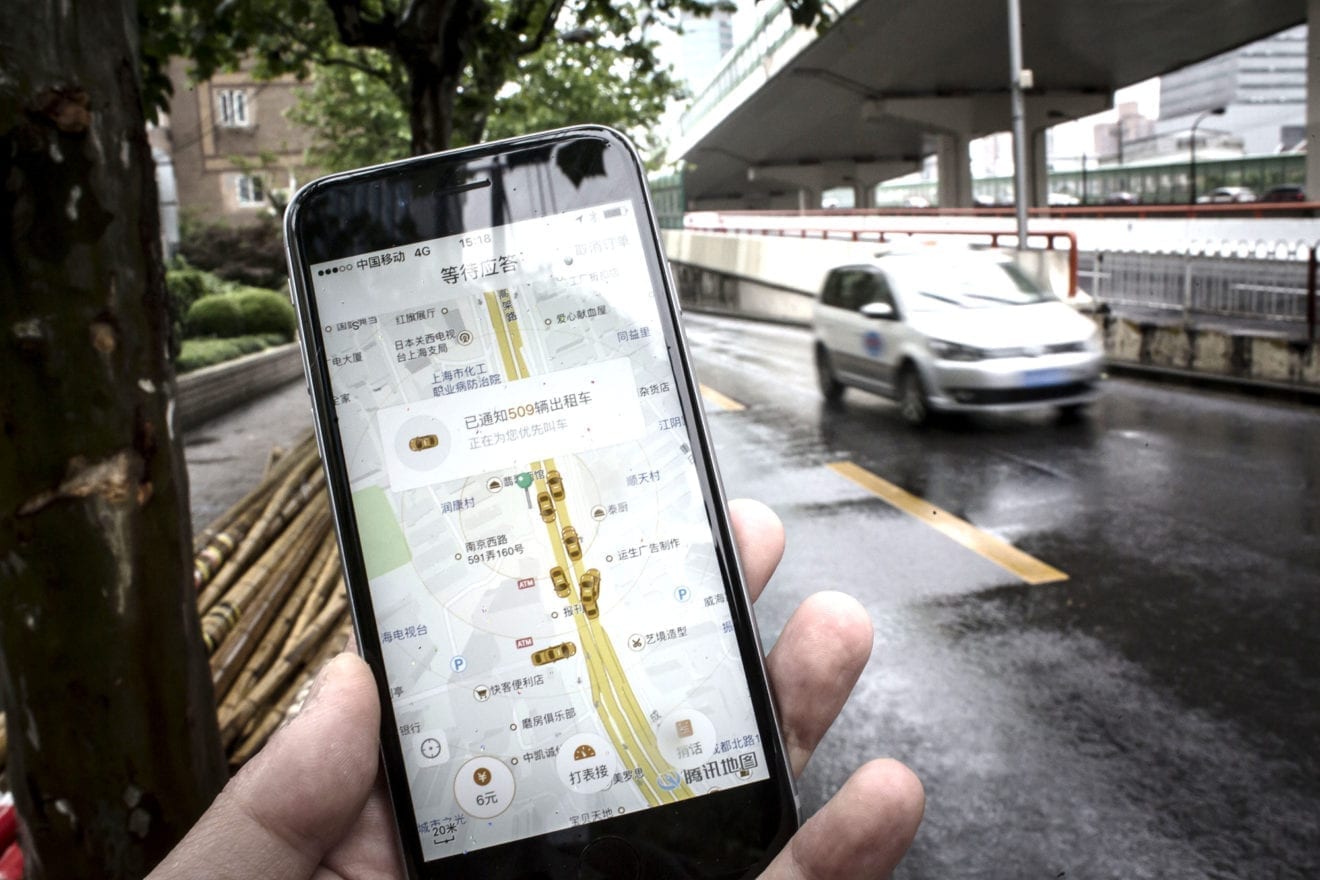
    The competition between traditional taxis and app-based taxis like Uber and Grab has continued unabated.

    Conventional taxi companies have said they had to meet numerous requirements and pay various taxes and fees which Uber and Grab taxis aren’t required to and that this was unfair.

    In Document 399, the Hanoi’s Department of Transportation said they had gathered opinions from the public and related agencies about the regulations over the operation of vehicles in the city.

    They proposed that all cars for hire with less than nine seats, including Uber and Grab taxi, must have the required badges and follow all regulations that are currently applied to taxis.

    The department said they hoped to get more views before stopping to receive opinions from February 20 to report to the city people’s committee.

    The Ministry of Transport has declined to approve a proposal from Uber Vietnam Company to pilot an IT upgrade for its services because of a lack of authorisation and validation from its parent firm.

    The ministry said it had inspected and dealt with various cars using the Uber app.

    According to the ministry, Uber is registered as the developer so it is not authorised to work as a taxi company.

    The ministry has asked Uber Vietnam to stop working with car owners and the ‘illegal’ operation in Vietnam until it completes all required procedures.

  • Nokia to launch its 4.9G technologies this year

    Nokia to launch its 4.9G technologies this year

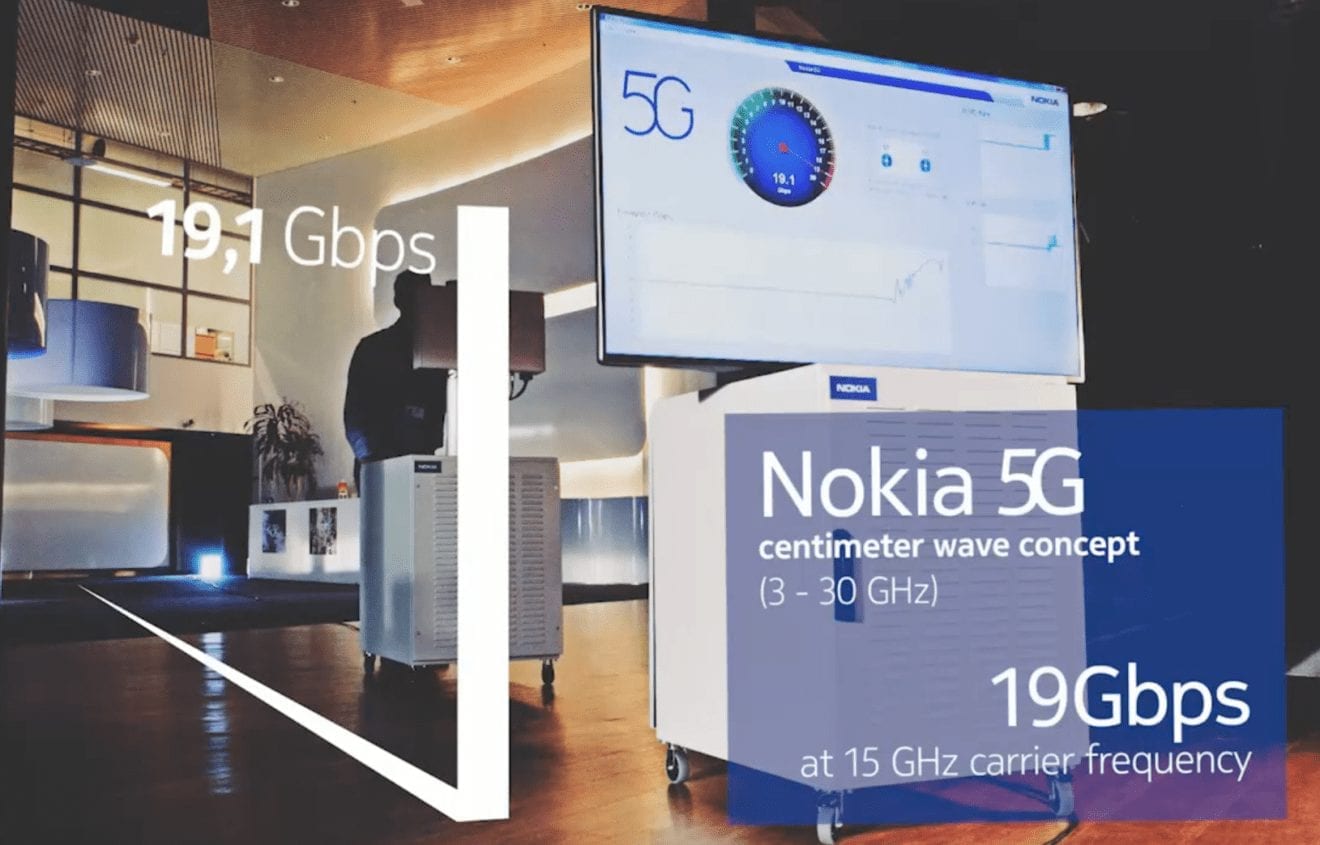
    Nokia has announced plans to launch what it is calling its 4.9G technologies by the end of 2017, and to demonstrate its new Cloud Single RAN at Mobile World Congress 2017 later this month.

    The vendor said it will introduce new technologies including the 4.9G AirScale Massive MIMO adaptive antenna system by year-end to help operators meet rapidly rising infrastructure demands on the path to 5G.

    At Mobile World Congress 2017, Nokia plans to work with US operator Sprint to demonstrate the new technology using 3D beamforming software.

    The technology promises throughput gains of up to eight times uplink and five times downlink, with Nokia projecting peak data rates of 3Gbps using commercial TD-LTE devices..

    Also at the event, Nokia will demonstrate its Cloud Single RAN running virtualized 2G, 3G, 4G and 5G radios and 2G and 3G network controllers over commercial Nokia platforms.

    This year Nokia also plans to introduce a new component of its 4.5G Pro portfolio –  a micro remote radio head designed to allow operators to take advantage of unlicensed spectrum to enable gigabit speeds.

    “Nokia introduced 4.5G Pro and 4.9G last year to allow operators to implement network capacity increases where and when it made sense for them, Nokia head of mobile network products Frank Weyerich said.

    “Now we are delivering features that will maximize their resources, speed up deployment times and cut power and costs especially in the most densely populated locations. We are making 4.5G Pro a commercial reality now and working with customers to innovate with solutions to their network densification and evolution challenges in 4.9G and beyond.”

  • Cebu Pacific adds new aircraft

    Cebu Pacific adds new aircraft

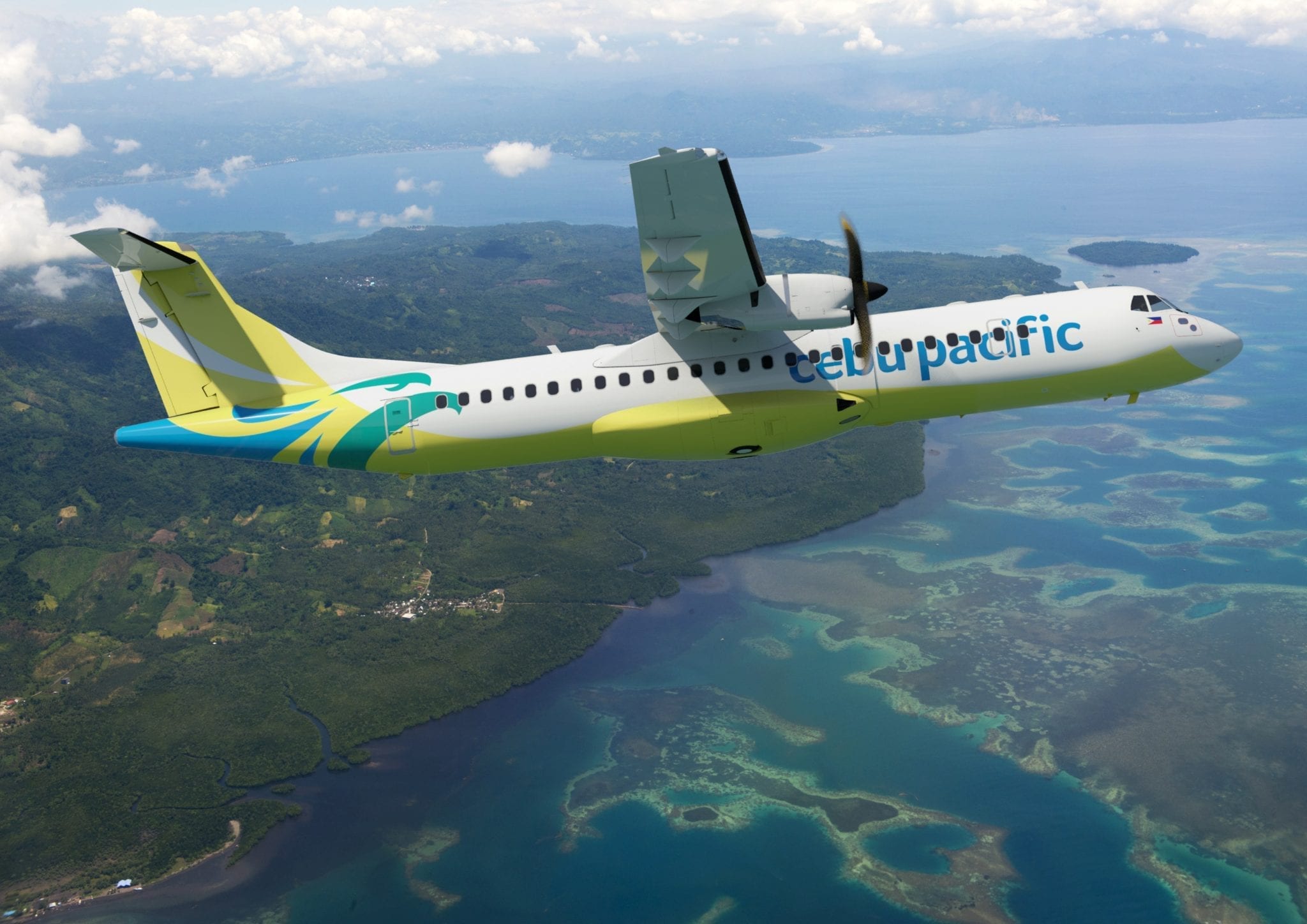
    Cebu Pacific Air (CEB), through its wholly-owned subsidiary, Cebgo, recently accepted delivery of its third ATR 72-600 High Capacity aircraft. This is the first ATR 72-600 delivered for this year, bringing the airline’s total fleet to 58.

    The carrier also chose the lightest aircraft seats in the world, Expliseat, for all 16 aircraft, two of which are already being utilised by CEB. The titanium seat, which is a technological breakthrough registered under 16 patents, made of ultralight materials such as titanium and carbon composite resources, is expected to help decrease fuel burn while allowing the carriage of more guests and cargo on board.

    The brand-new ATR 72-600 will be utilised for the two new routes CEB will be launching on February 15: Manila to Masbate and Manila to Tablas. “We are glad to take delivery of another brand-new ATR 72-600, especially since this is the first to have the titanium seats from Expliseat installed. This aircraft therefore combines reduced seat costs while optimising comfort for passengers,” said Alexander Lao, president and CEO of Cebgo.

    Today, CEB operates one of the youngest and most modern aircraft fleets in the world with an average age of 4.92 years.  This new ATR 72-600 will be used to support CEB’s expansion plans in the archipelago, now servicing 37 domestic destinations flying out of six strategically-placed hubs in Manila, Cebu, Clark, Iloilo, Kalibo, and Davao. CEB also offers flights to 29 international destinations, covering an extensive network that spans Asia, Australia, the Middle East, and US.
    CEB now operates a 58-strong fleet comprising four Airbus A319, 36 Airbus A320, seven Airbus A330, eight ATR 72-500, and three ATR 72-600 aircraft. Between 2017 and 2021, CEB expects delivery of one more brand-new Airbus A330, 32 Airbus A321neo, and 13 ATR 72-600 aircraft.

  • IDX Closes on Regional Election Day

    IDX Closes on Regional Election Day

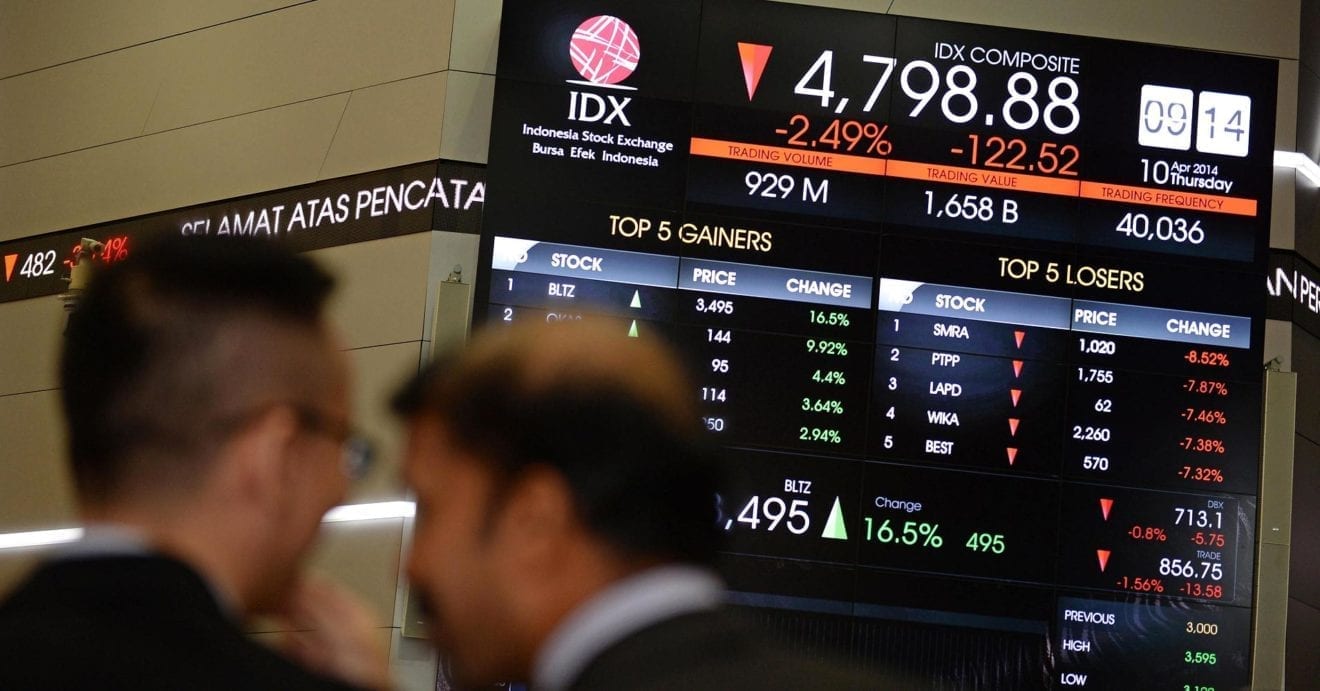
    The Indonesia Stock Exchange (IDX) will close on the simultaneous regional election day, February 15, 2017, the IDX website page stated. Earlier, Vice President Jusuf Kalla had asked Indonesians to use their voting rights and vote for credible candidates to improve their respective regions.
    JK said that election is a peaceful, responsible, and clean democratic process that ensure individual right to vote. He expects to see a smooth democratic process during the simultaneous regional elections. “Let’s go to the polling station with a smile, happiness, and peacefully vote for leaders who can lead us to a better life,” he said.
  • Telkom’s $250m satellite to better connect Indonesia’s islands

    Telkom’s $250m satellite to better connect Indonesia’s islands

    Close to the equator, French Guiana, a scarcely populated country with only 158,000 inhabitants, is regarded as an ideal place to launch satellites. Mostly covered by equatorial forest, the South American country provides a stable climate, as well as invulnerability to earthquakes and hurricanes. Lying just over 500 km north of the equator, Kourou provides an advantage for satellite launches, because the earth’s spinning boosts the propulsion of the rocket taking the satellite into space.

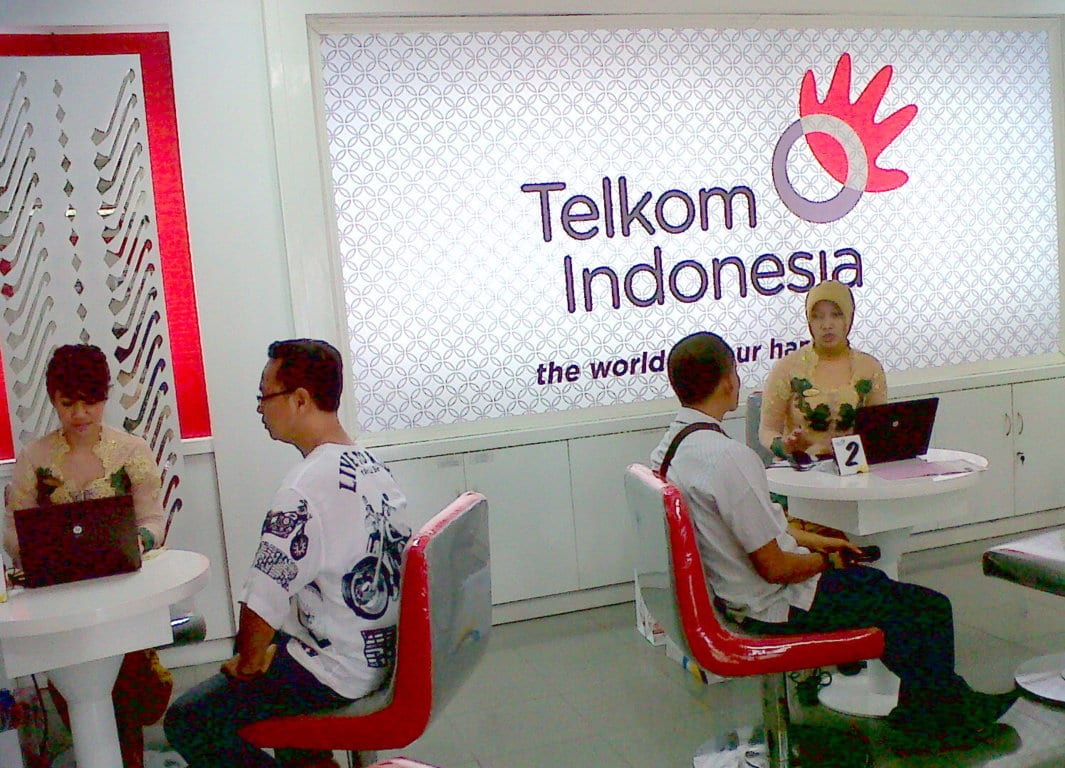
    In this part of Guiana, where a joint French and European spaceport has been built, Indonesia’s biggest telecommunication company Telekomunikasi Indonesia (Telkom) is set to release its latest satellite into space early in the morning of Feb. 15, Jakarta time. Called the Telkom 3S, the firm’s third satellite, which costs up to Rp 3.33 trillion (US$250 million), will provide high-definition television services, faster mobile communications and internet applications across the sprawling Indonesian archipelago of more than 17,000 islands, reaching primarily to the most remote areas.

    This will be enabled by new technology, high-frequency Kuband transponders, which will cut installation time and allow faster connections.

    “Unlike Telkom 1 and Telkom 2 Telkom 3S has Ku-band. The benefit is that the dishes needed to receive signals are smaller,” Telkom satellite project head Tonda Priyanto said on Sunday in Kourou.

    Indonesia has long struggled with poor information and communication technology infrastructure despite the fact that many of its citizens are already highly tech-savvy.

    The current administration kicked off late last year its ambitious Palapa Ring project in a bid to connect all areas nationwide through its fiber-optic network.

    However, only around one third of Indonesia’s area can be covered by terrestrial communications systems, leaving the rest to be linked through satellite systems.

    A McKinsey report released last September revealed that Indonesia could realize growth of an estimated 10 percent in the gross domestic product (GDP), equivalent to $150 billion, by 2025.

    “The need for satellite technology is absolute in Indonesia. Meanwhile, the supply is still low,” Telkom chief technology officer Abdus Somad Arief recently said.

    Overall, the Telkom 3S satellite will carry 49 transponders, adding to the 140 transponders that Telkom currently operates through its two orbiting satellites.

    Satellite builder Thales Alenia Space has handled the design, testing and in-orbit delivery of the satellite, while the satellite launch company Arianespace will be in charge of releasing the satellite into space.

    During the planned launch, Telkom 3S will be positioned at 118 degrees east, to replace Telkom 2. Telkom 2, which still has a life span of about four years, will be moved to another orbital position.

    In response to the satellite launch, Communications and Information Minister Rudiantara said the Telkom 3S satellite would definitely help meet the demand for better network quality in Indonesia.

    “I think that even if the government begins launching its own satellites, we will still be at a deficit even up to the year 2023,” he said. “What the government can do in the meantime is to give satellite lending rights to local companies to avoid dependence on foreign ones.”

  • Vietjet to launch Danang-Seoul route and offer promotion for Valentine’s Day

    Vietjet to launch Danang-Seoul route and offer promotion for Valentine’s Day

    Vietjet is to open its new international route from the central Vietnamese city of Danang to Seoul (Korea) in a bid to meet the increasing travel demand of tourists, businessmen and individuals between the two tourism-attraction cities. The new route will take off on May 31, 2017 with the flight time per leg of 4 hours 30 minutes. 

    The Danang-Seoul route will be operated on a daily basis. The flight from Danang departs at 23:45 (local time) and arrives in Seoul at 6:00 (local time). The return flight takes off at 7:00 (local time) and lands at 9:40 in Danang.

    In celebration of the new route and on the occasion of Valentine’s Day, the airline will run a three-day promotion offering 500,000 air tickets priced from only HK$8 from February 14 to 16, 2017 at www.vietjetair.com. The promotion applies for all international routes from Ho Chi Minh City, Hanoi, Hai Phong and Danang to Seoul, Busan (Korea), Hong Kong, Kaohsiung, Taipei, Taichung, Tainan (Taiwan), Singapore, Bangkok (Thailand), Kuala Lumpur (Malaysia), Yangon (Myanmar) and Siem Reap (Cambodia) from March 1, 2017 to December 12, 2017 (excluding national holidays). As for the Danang-Seoul route, the promotion is available from May 31, 2017 to December 31, 2017.

    Following the international routes from Seoul to Ho Chi Minh City, Hanoi and Hai Phong, Danang is Vietnam’s 4th destination to be connected with Korea’s famous capital of Seoul, marking the 5th route to be operated by Vietjet between Vietnam and Korea. Vietjet also plans to expand its international network in 2017, looking to boost the regional trade and integration.

    Danang, a port city, is Vietnam’s third largest city and is the main commercial and tourism centre of central Vietnam. The city is well known for its clean environment, beautiful beaches, and good public services. It is often referred to as the most livable city in Vietnam and is one of the fastest growing cities in Vietnam. 

    Seoul is ranked as one of the world’s top favorite cities including New York and Tokyo to name a few. Despite its modernization, the Korean capital is still famous for is typical Korean culture, convenient transportation system, extremely rich food culture together with developed entertainment and shopping industry, making it also one of the world’s top favorite cities.

  • Ericsson launches telco security automation tool

    Ericsson launches telco security automation tool

    Ericsson has launched a new telecoms security product designed to enable automated security orchestration across multiple ICT domains.

    The Ericsson Security Manager supports out-of-the-box security for telco cloud operations, physical and virtual networks and digital support solutions, as well as enterprise networking applications.

    It is designed to provide real-time, contextual security management using a customizable, adaptive policy engine.

    The new product will comprise part of the Ericsson Digital Support System, and will enable customers to set and enforce security policies to protect important assets. It supports continuous monitoring of threats, vulnerabilities and compliance with the capability for automated remediation

    “In today’s ICT landscape, security is of the utmost importance for organizations across all domains,” Ericsson head of IT and cloud products Anders Lindblad said.

    “Ericsson Security Manager leverages our leadership and expertise across a wide array of ICT domains to bring to the market an innovative, adaptive and contextual security automation solution for telecom networks as well as cloud, IoT and enterprises.”

    Ericsson plans to showcase the new suite at Mobile World Congress 2017 in Barcelona later this month.

  • Bank Rakyat to enter Indonesia mart in Q2 this year

    Bank Rakyat to enter Indonesia mart in Q2 this year

    Bank Rakyat will enter the Indonesian market in the second quarter (Q2) of this year after getting approval from the authorities, including Bank Negara Malaysia.

    To this end, the bank said, it had signed a memorandum of understanding with Indonesia’s largest bank, Bank Rakyat Indonesia (BRI), today.

    In a statement, the bank said, the collaboration would enable both banks to provide money order services to over 700,000 Indonesians in Malaysia.

    Its Chief Retail Banking Officer, Mohd Shahril Isa, said Malaysia has the highest number of money order transactions worth US$1.9 bilion (US$1 = RM4.44) to Indonesia in 2016.

    “This is one of the main factors for Bank Rakyat to expand its banking services to the country,” he said.

    BRI was set up in 1895 and has 50 million retail clients, with over 10,612 business and services branches all over Indonesia, while Bank Rakyat is the largest Islamic cooperative bank in Malaysia with 147 branches.