Tag: asia

  • McDonald’s sells Singapore, Malaysian franchise to Saudi group

    McDonald’s sells Singapore, Malaysian franchise to Saudi group

    McDonald’s said on Friday it had sold the franchise rights for its restaurants in Singapore and Malaysia to Saudi Arabia’s Lionhorn Pte Ltd as part of a plan to move away from direct ownership in Asia.

    The fast-food chain said it transferred its ownership interest in 390 restaurants, more than 80 per cent of which were company-owned, on Dec. 1 to Lionhorn.

    Lionhorn is led by Sheik Fahd and Abdulrahman Alireza, who are franchisees for nearly 100 McDonald’s restaurants in the western and southern regions of Saudi Arabia.

    McDonald’s did not disclose the financial terms of the deal.

    Reuters reported in October that McDonald’s was nearing a deal worth up to $400 million to franchise the outlets to Reza group, which also owns and operates McDonald’s outlets in the western and southern regions of Saudi Arabia.

    The Lionhorn deal is in line with McDonald’s plans to bring in partners in Asia as it switches to a less capital-intensive franchise model.

    The company said it has now franchised about 1,300 outlets as a part of its target to become 95 per cent franchised by the end of 2018.

  • Bata: Shoemaker to the world

    Bata: Shoemaker to the world

    IT’S inevitable that the world’s first family in footwear, Bata, would partner with the Philippines’s premier retail family, the Sys of the SM Group.

    “First of all, their whole philosophy is business, their heritage coming from footwear. It’s particularly strong. Also, we have a friendship with the SM Group and the Sy family going on for some time. All these make them great partners, and we never hesitated. They were the only partner we were interested to work with in the Philippines,” Thomas Archer Bata said at the launch of the first Bata store in the Philippines, which can be found at the third floor of SM Megamall Building B.

    Ambassador; Bubblegummers; and Valtina Prima Ballerina

    The Bata Shoe Co., which is the biggest in the world, originated in Zlin, in what is now the Czech Republic, on September 21, 1894. It was founded by Tomás Bat’a. His son, Thomas J., propelled the company to greater profitability after suffering losses in World War II. The grandson, Thomas George, is currently in the management board with his sisters Christine, Monica and Rosemarie. Thomas Archer (who will be referred to as Mr. Bata from hereon in the article), the chief marketing officer, belongs to the fourth generation of cousins who add vigor and vitality to the company.

    Bata has 5,000 retail outlets in 70 countries. In Senegal, Rhodesia and Zimbabwe, Bata became the local name for shoes when in the 1950s, the company conquered the African continent. “Opportunities abound, everyone barefoot,” came one cable from a salesman to headquarters.

    It has a strong presence in Asia, particularly India. It also opened a factory in Thailand in the 1970s. But Bata’s entry into the Philippines came only recently. “To be completely honest, it’s because of legal reasons and legal complications related to our trademark here,” Mr. Bata bared. “It took many, many years to resolve. Fortunately, with the help of SM, we managed to resolve it and we’re back.”

    Mr. Bata, who strikes me as a mix of actors Chris O’Dowd and Aidan Quinn, is quite optimistic about his family’s prospects in the country. “We think our model and our proposal is very interesting. We think it’s fairly unique in the market today. We’re going to tread cautiously. We’re opening [between eight and 15 Bata stores in SM malls in Metro Manila], communicate and try to build our consumer base, teach people about our products. From there, we’ll see where we’re going to go.”

    The Bata business of “responsible capitalism” is guided by a “Moral Testament” left behind by its founder: The company should not be treated as a source of private wealth but, rather, as a public trust, a means of improving living standards within the community and providing customers with good value for their money.

    Bata prices curiously end in the digit 9. “Back over a hundred years ago, it was partially a marketing tactic to make the prices look even more affordable. It has been in our heritage and our blood ever since we started, and it’s just to emphasize the value [of our product],” Mr. Bata explained.

    The company has an “insistence on focusing on the local market not only as a matter of structure and strategy but, rather, as an essential aspect of the Bata brand and philosophy. Shoes always followed culture and climate.” Thus, the Weinbrenner sandals will be a hit for their tropical, outdoorsy appeal, in tune with the penchant of Filipinos who love flip-flops.

    By some quirk, towns with the company’s factories have the Bata name: Batanagar in India, Bataville in France, Bata-Kolonie in Switzerland, Batadorp in the Netherlands, Batapur in Pakistan, Borovo-Bata in Croatia and Batawa in Canada, a play on the capital Ottawa. If a factory were to be built here, it would most likely be in Batangas.

    “Never say never. You know, we have to see what opportunities come up. If we see the opportunity to produce shoes in the Philippines, it could happen,” Mr. Bata said of the possibility of Filipinos becoming “Batamen”, who are of every race, creed and nationality. A lot of the materials to produce the shoes come from Brazil. Italy is the source for premium products. Raw materials also come a little bit from China and India. These are the four main areas where Bata gets its materials from, depending on the shoes that you’re looking for.

    “We are very environment-friendly. Our factories on a yearly basis are audited for their sustainability. We manufacture our own shoes. We actually issue a Sustainability Report every year about the progress we’re making on reducing waste. We’re very lucky in so much, as our founder over a hundred years ago believed in sustainability, in producing as little waste as possible, and that exists till today. We always use environment-friendly materials, suppliers, recyclable papers in our boxes, to make as little negative impact on the environment as we can,” Mr. Bata assured.

    Bata has three creative teams, with the biggest one based in Italy. One is in Toronto, Canada and another in Singapore. “In the Philippines 50 percent of the products come from Italy, 30 percent from Singapore, 20 percent from Canada. Not all brands are here,” Mr. Bata said. “We’re bringing primarily Bata and a little bit of our other brands for the moment. We’re still very much in the learning stage for us, to see what the Filipino consumer likes the most before we commit to specific product ranges.”

    Are they open to designer collaborations? “Yes, absolutely. We’re interested to do that. We’re actually talking to potential partners in the Philippines to work on some collaborative projects.”

    What about celebrity endorsers? “It’s a possibility. We’ll see. We believe the best kind of endorsement is user experience and word-of-mouth. So we tend to focus on ‘loyalizing’ people who come to buy with us more than anything else. I won’t rule it out but for the time being, it’s not on the agenda.”

    Has the company learned that “bata” here means “child”? “Yes, I’ve heard that.” So is there a possibility to have a Bata Children’s Program here? “Very high probability. We actually intend to do that. It’s a big part of our legacy and it’s very important for our family. We have our own schools and, specifically, we focus on the education of young girls. So we’re actually planning and discussing this with SM, how we can roll this, especially in the rural communities in the Philippines.”

    Thomas J. Bata would often wear a different type of shoe on each foot as a way of constantly testing their products. At the launch, his grandson Thomas Archer wore a pair of leather brogues. “These are Bata shoes from our factory in India, in Calcutta. Very comfortable. It’s from the Ambassador line but not yet available in the Philippines, but they will be in a few weeks’ time,” Mr. Bata said with delight.

    Did you also learn how to make shoes? “Yes, I did. My holidays as a child were going to factories, making shoes and visiting stores. I’m lucky I grew up with shoes. I like shoes. Not everybody who grew up in the shoe business actually likes them!”

  • DHL introduces fully customized digital Freight platform CILLOX

    DHL introduces fully customized digital Freight platform CILLOX

    DHL Freight introduces CILLOX, a virtual marketplace for enterprises with transportation needs. The fast and seamless solution helps companies to match their full truck load, part truck load and less than truck load offerings with transport providers’ capacities and find the appropriate provider according to their needs. With CILLOX, shippers no longer need to deal with challenges such as lengthy price inquiries and comparisons or unreliable providers – they enjoy end-to-end control of their shipment processes within a single platform. Transport providers profit from guaranteed fast payment with streamlined invoicing and payment processes that improves accuracy.

    “Both companies and carriers benefit from this new business model,” explains Amadou Diallo, CEO, DHL Freight. “With CILLOX, DHL offers a solution to promote the digitalization of the logistics industry and disrupt the traditional road freight business. The launch of the platform is a result of our strategy 2020 and promotes further growth due to its innovative and agile business model.”

    Early user testing during the pilot period was implemented successfully in September and showed high customer satisfaction. As of January 2017, the platform shall be fully operational for all market participants.  Fast and easy processing of transport procedures CILLOX enables companies to find a suitable transport service provider at the touch of a button.

    The platform seeks to address common problems while searching for an appropriate and reliable transport service provider, such as lengthy price inquiries and comparisons, or delays in the Proof of Delivery process, by offering instant access to a large number of DHL pre-qualified and peer-rated providers for fast quotes and easy transport booking. Shippers can pay, manage and track their shipments using a convenient dashboard.

    At the same time, CILLOX offers carriers of all sizes a platform to market their company’s assets and capabilities to expand their customer base and locate suitable loads to further optimize their vehicles’ capacity. CILLOX also facilitates accurate invoicing, payment and electronic Proof of Delivery submission processes, so carriers can profit from guaranteed fast payment. Truck drivers using the CILLOX mobile app receive jobs directly on their smartphone, and automatic status alerts throughout the transportation journey. The extensive range of services provided by CILLOX increases not only DHL’s own, but also its customers’ efficiency and competitiveness.

    Customer experience at the core of CILLOX User needs and requirements are at the core of CILLOX and actual users have been involved from the start of the design and development of the platform. The iterative product development allows the software design to evolve in response to users’ needs and feedback. After the initial launch, further functionalities will be added gradually, including a real-time chat option and mobile document scanning via the mobile app.

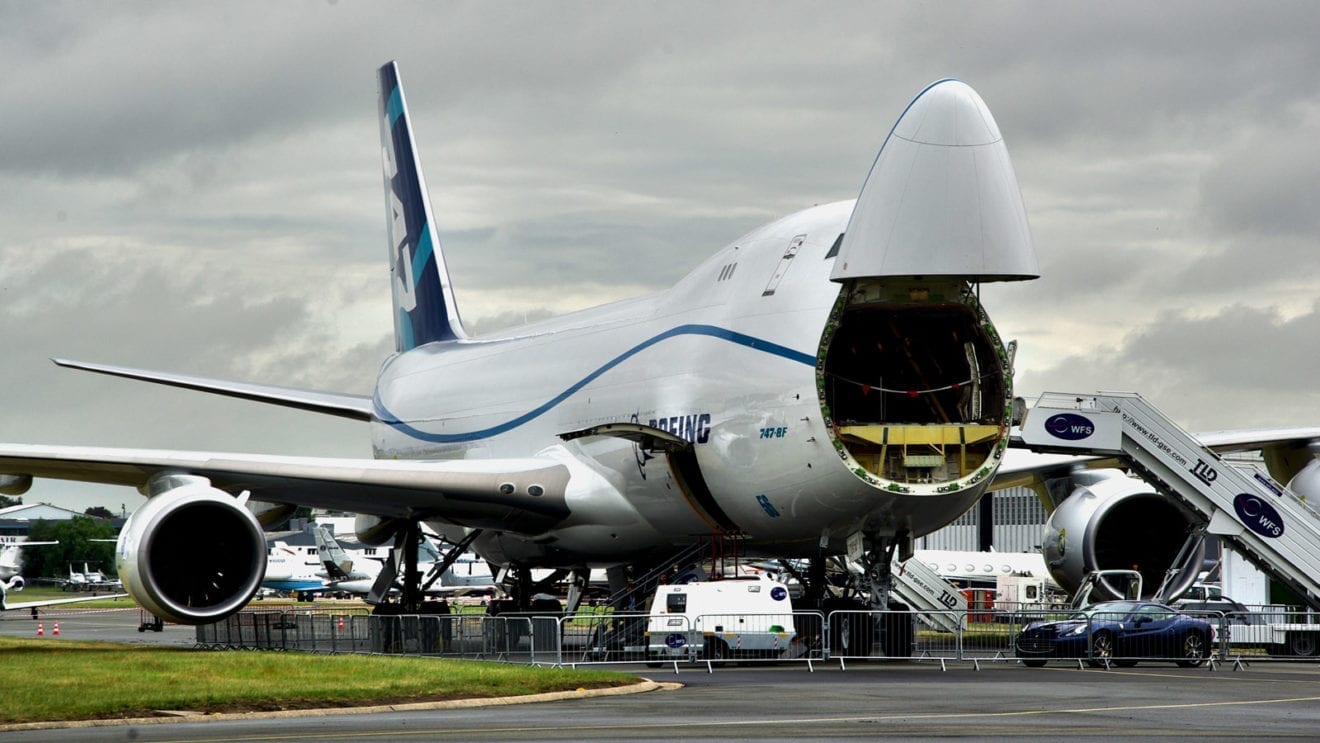
  • Boeing has announced the end of its programme to turn Boeing 747-400 into cargo planes

    Boeing has announced the end of its programme to turn Boeing 747-400 into cargo planes

    Boeing has announced the end of its programme to turn Boeing 747-400 passenger aircraft into cargo planes. In October, the plane manufacturer formally announced that management had decided to cancel the programme.

    To some industry executives, Boeing’s decision merely seals the inevitable. One executive from a freighter conversion specialist likened the 747 conversion scene to a graveyard.


    Faced with relentless downward pressure on yields owing to abundant capacity chasing too little cargo in nearly every market around the globe, airlines have been pushed to shrink their all-cargo capacity. Recent years have seen a steady exodus not only of 747-400BCFs but also newer 747-400 production freighters. Cathay Pacific retired its last two 747-400Fs this summer, leaving it with a freighter fleet composed entirely of 747-8 and 747-400ER freighters, plus a lone 747-400BCF.

    Low oil prices may have alleviated the pain of operating older 747 freighters and rendered them more attractive versus the high acquisition cost of 747-8Fs, but the need to maximize load factors through capacity reduction has hastened their exit.

    As converted – as well as production – 747-400 freighters are headed for the shadows, a large question mark looms over their successor, the 747-8. The passenger version of the type never gained much traction, and the freighter programme has been struggling. In April, Boeing announced that with effect from September it would throttle down production of the aircraft from 12 a year to just six – a single freighter every two months.

    In 2013, Boeing was still producing two 747-8Fs a month, but sluggish demand forced it to slow down its output. In the summer the manufacturer went one step further, signalling the possible end of the 747-8 altogether. In its filing to the US Securities and Exchange Commission towards the end of that month Boeing stated that without sufficient new orders and/or an inability to mitigate market, production or other risks, “it is reasonably possible that we could decide to end production of the 747.”

    The demise of the 747-8 would mark the end of an era that began in 1969, when the first 747-100 entered the market. It would leave a gap in the market, with no aircraft other than the Antonov 124 in a similar bracket in terms of payload capability. The next largest freighter in commercial service is the 777-200F, which can carry 105 tons, significantly less than the 140 tons that the 747-8 can lift.

    Arguably a bigger loss would be the disappearance of large freighters with nose-loading capabilities, but most operators have shrugged off that issue, pointing to the presence of 747-8 freighters for decades to come.

    In late October, UPS placed an order for 14 747-8 freighters, plus 14 options. This prompted speculation in some quarters about a longer run for the type. However, with only 109 747-8 passenger and freighter aircraft delivered to date, an order for 14, or even 28, planes still appears a long shot to justify an extended production run.

    Many Asian carriers like EVA Air or China Southern, which used to operate 747-400 cargo aircraft, have decided to renew their freighter fleets with 777Fs instead and are phasing out their 747 contingents both in the passenger and cargo sectors. Of the large all-cargo airlines that are using 747-8Fs, Cargolux recently announced a major review of its business, indicating that without significant change it may not survive as a cargo carrier, which hardly indicates an appetite for more large freighters with price tags north of the US$300 million mark. Nippon Cargo Airlines is not showing appetite for growth, and AirBridge should have more than enough 747-8s to find markets for.

    In its 20-year market forecast released at the Air Cargo Forum in Paris in October, Boeing predicted stronger growth in the narrowbody freighter segment, driven by e-commerce. “The growth of the standard-body share of the fleet will result in a decline in the large- and medium-widebody shares of the total fleet over the forecast period, from 31% and 33% to 28% and 31%, respectively,” it declared.


    Rival Airbus, which has no freighter larger than the A330-200F in the market, is even less sanguine on the outlook for large freighters. Its recently published long-term industry forecast projections that bellyhold capacity will boost its share of the global freight market from 52% in 2015 to 62% by 2035.

  • Gold down in Asia after China industrial output

    Gold down in Asia after China industrial output

    Gold prices fell in Asia on Monday after China data mildly disappointed and investors infrastructure spending plans by president-elect Donald Trump with the Republican part in control of both house of the U.S. Congress.

    China said fixed asset investment for October rose 8.3%, beating the 8.2% rise seen year-on-year and industrial production gained 6.1%, below the expected 6.2% rise seen and retail sales increased 10.0%, below the 10.7% increase seen.

    Earlier, Japan reported third quarter GDP jumped 0.5% quarter-on-quarter and at a 2.2% pace year-on-year, handily beating expected gains of 0.2% and 0.9% respectively. Separately, comments from Bank of Japan Governor Haruhiko Kuroda on inflation were noted.

    Gold for December delivery on the Comex division of the New York Mercantile Exchange fell 0.55% to $1,217.55 a troy ounce. Also on the Comex, silver futures for December delivery dropped 1.03% to $17.203 a troy ounce, while copper futures jumped 2.31% increase to $2.565 pound.

    Copper was boosted last week after Trump raised the prospect of increased infrastructure spending, while recent signs of strengthening demand in China have also underpinned prices.

    Later this week, investors will be looking to congressional testimony by Fed Chair Janet Yellen on Thursday for fresh indications on whether interest rates will rise next month.
    Last week, gold prices fell to five month lows on Friday as risk appetite recovered following Trump’s victory in the U.S. presidential election, sapping investor demand for safe haven assets.

    Market sentiment was boosted by optimism that increased fiscal spending and tax cuts under a Trump administration will spur economic growth and inflation.

    Gold prices were also pressured lower by the stronger U.S. dollar and ongoing expectations for a Federal Reserve interest rate increase in December.

    Expectations for higher U.S. interest rates remained intact amid optimism that a pick-up in growth will allow the Fed to tighten borrowing costs.

    Investors currently price an 81.1% chance of a rate hike at the Fed’s December meeting; according to federal funds futures tracked Investing.com’s Fed Rate Monitor Tool.

    Gold is sensitive to moves in U.S. rates, which lift the opportunity cost of holding non-yielding assets such as bullion, while boosting the dollar in which it is priced.

  • AirAsia bags two honours at World Travel Awards in Maldives

    AirAsia bags two honours at World Travel Awards in Maldives

    AirAsia has been named the World’s Leading Low-Cost Airline for the fourth year in a row and its maiden title as the World’s Leading Inflight Service at the 23rd World Travel Awards (WTA) Grand Final held in Male, Maldives. Asia’s largest low-cost carrier beat contenders from five continents to secure the award, including Ryanair, easyJet, Jetstar Airways, Southwest Airlines, JetBlue Airways, Norwegian, Kulula, Mango, fastjet, flydubai, Air Arabia, flynas and West Air.

    “What a thrill to win World’s Leading Low-Cost Airline for the fourth straight year. It’s a great honour to round out what has been a great year for AirAsia, not just financially but in terms of recognition from the industry,” Group Chief Executive Officer, Tan Sri Tony Fernandes said today. AirAsia also won the World’s Leading Inflight Service title for the first time ever, beating full-service carriers Etihad Airways, Japan Airlines, Singapore Airlines, Thai Airways, Qantas Airways, Lufthansa, American Airlines and Air Canada. The win builds on AirAsia’s success earlier this year when it secured Asia’s Leading Inflight Service award from WTA for the first time. “I’m also super proud of our first World’s Leading Inflight Service award.

    I’ve always said we have amazing crew and amazing inflight products, and we’ve proven it by beating not one, not two, not three, but eight full-service carriers for the prize,” he said in a statement. He said there are more to come for AirAsia as the airline is always working on more innovations, and not just for inflight. “Right now, we are exploring ways to make the airport experience better. One thing we’re looking at is fast-tracking guests who share their travel profile with immigration authorities. We expect to run the trial at selected airports in Asean in the not-too-distant future, so keep an eye out for it,” he said.

    The WTA serves to acknowledge, reward and celebrate excellence across all sectors of the travel and tourism industry, as chosen by thousands of travel professionals and high-end tourism consumers. Airlines are judged on customer satisfaction and service quality, overall business performance, product innovation, staff relations and development, corporate social responsibility and contribution to local community, commitment to sustainable policies and fulfillment of long-term corporate vision.

    AirAsia is Asia’s leading low-cost carrier, with an extensive network of more than 120 destinations in Asia, Australia and New Zealand, the Middle East and Africa. It is also the only airline to fly direct to all 10 Asean countries, including some 60 unique routes in the region. AirAsia was also named World’s Best Low-Cost Airline for the eighth year in a row at the 2016 Skytrax World Airline Awards in July.

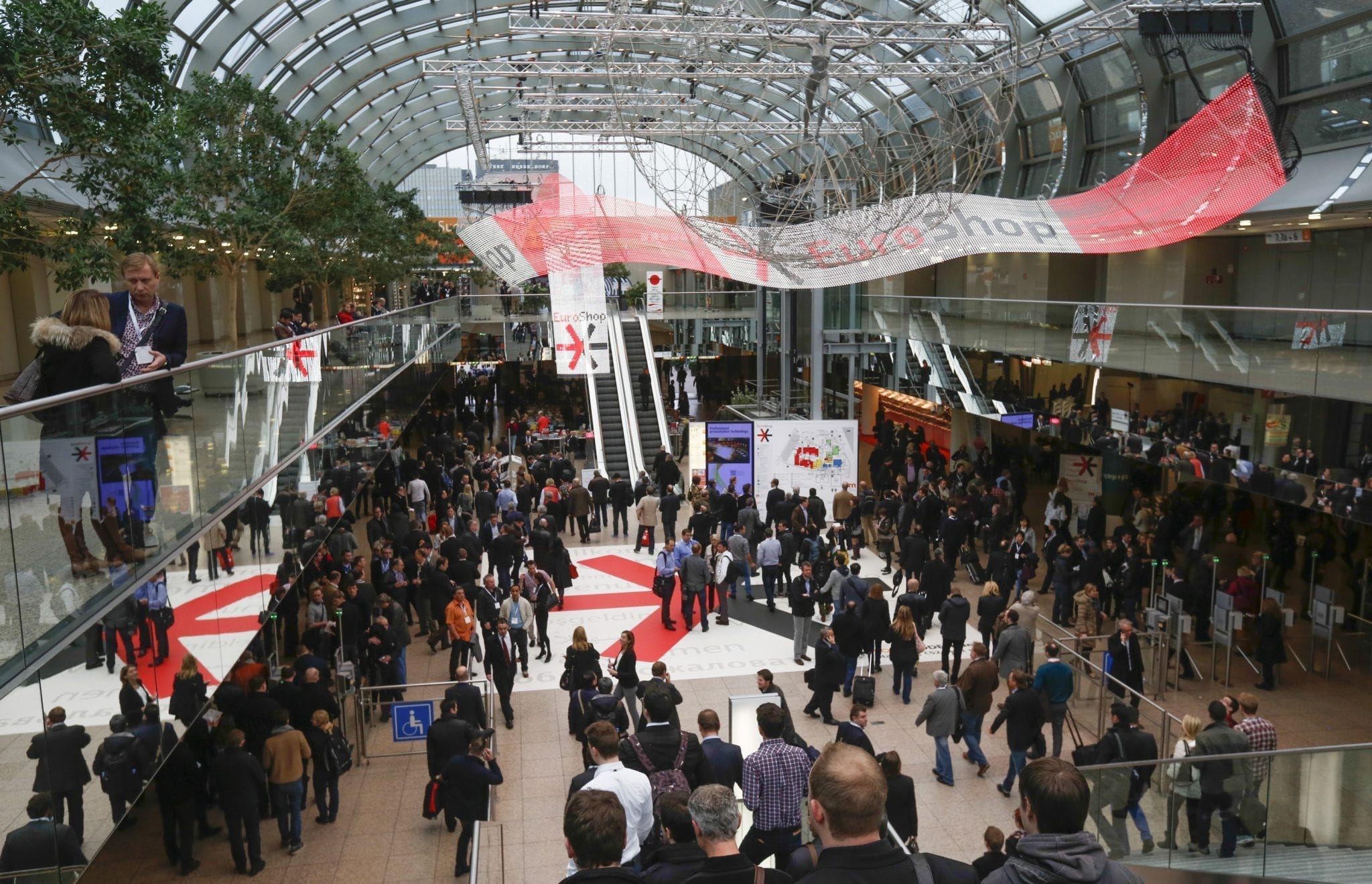
  • EuroShop enters the Indian market

    EuroShop enters the Indian market

    EuroShop Düsseldorf, the leading international trade fair for all investment needs in the retail sector, is entering the Indian market-now touted to be one of the fastest growing retail markets in the world with a volume of 500 billion US dollars. Messe Duesseldorf GmbH, the parent that organises the fair which is globally well known as a trade fair organiser and as a provider of trade fair related services for exhibitors and visitors.

    Under the ‘Mall of Europe powered by EuroShop’ umbrella, the Düsseldorf-based trade fair had recently provided exhibitors the opportunity to participate in the In-store Asia fair in New Delhi in August this year, as a first step into India.

    Messe Düsseldorf has now sealed a close, long-term cooperation deal with In-store Asia organiser, Thought Shows & Events Pvt Ltd, under which they have formed a new company with equal participation between Messe Düsseldorf India Ltd. and In-store Asia called Excosa. The deal which involves retail design and in-store marketing domain related events will see In-Store Asia being organised annually in alternating locations between New Delhi and Mumbai from February 2018 onwards.

    For many years now, In-store Asia has been the largest retail fair for retail design and in-store marketing in the Indian sub-continent, and has been instrumental in bringing these domains’ Indian community onto one platform and enabling them in keeping pace with global trends, innovations and developments.

    “In-store Asia now joins the family of EuroShop, that has been the undisputed leader in this domain for the last five decades”, says Vasant Jante, founder and managing director of In-store Asia. He further explains,”This was the best option to broaden the horizon for the growing In-store clientele to enable new global opportunities in trade, partnerships, new technologies and reaching new markets in this domain. The timing is also perfect considering the healthy growth rate of the Indian retail market which has made it a top location for international investments from global brands and retailers. ”

    An official statement says that ‘for the trade fair organisers from Düsseldorf, the cooperation with the Indian trade fair is the ideal way to tap into India’s national retail scene. It is estimated that retail area in India’s top 7 metropolises will grow to 4.3 million square metres in the next 5 years.’

    Hans Werner Reinhard, managing director, Messe Düsseldorf, recalls,”We met Vasant Jante during a EuroShop presentation in India in 2013. Then in 2015 we experienced In-store Asia live for the first time, and we were really impressed with the fair. More than 5,000 decision-makers from the industry, retail, architecture and banking sectors visit the event, and its offerings range from retail design, lighting, digital signage to POP displays and visual merchandising, as well as retail technology. Excosa will enable us to gain a foothold in a highly exciting, aspiring retail market.”

    Incidentally, Messe Düsseldorf has had its own subsidiary, Messe Düsseldorf India Ltd., with headquarters in New Delhi and a branch office in Mumbai for some years now, and has gathered extensive experience in organising international trade fairs in the country.

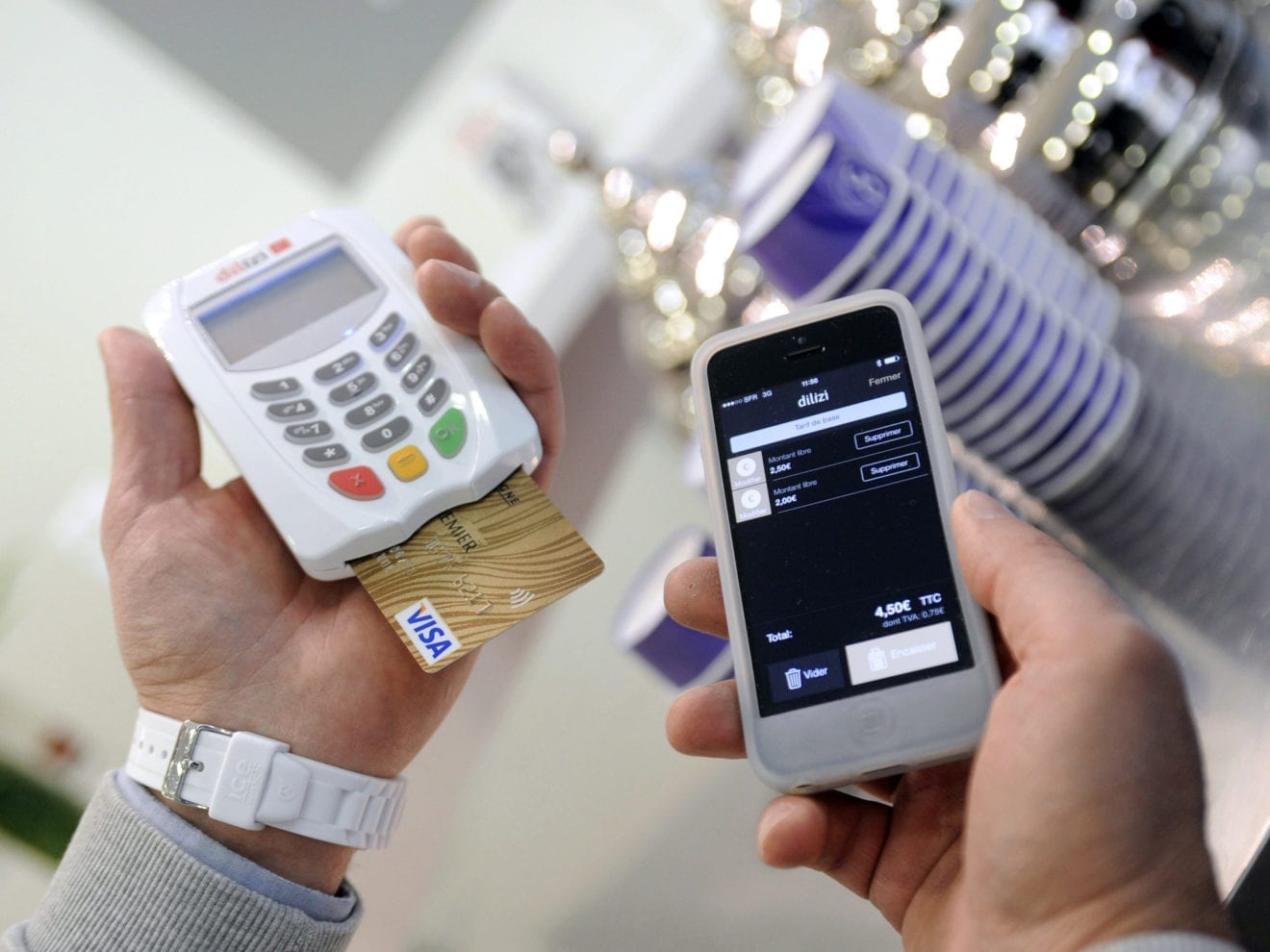
  • South Korea’s Cashless Push Will See Coins Removed From Circulation By 2020

    South Korea’s Cashless Push Will See Coins Removed From Circulation By 2020

    South Korea is the next country looking to go cashless. That in itself may not surprise most people, but the way the government is going about things will raise a lot of questions. It appears the current plan is to force people to hand over all of their physical currency to the central bank. This will not happen overnight, but physical coins are expected to be out of circulation by 2020.

    South Korea Will Use An Aggressive Cashless Strategy

    Various countries around the world are looking at different ways to go cashless in the coming years. Using physical cash can be a burden for both consumers and retailers, while only adding more security risks as well.0. But in most cases, the real reason for going cashless is to make people even more dependent on banks for all of their daily expenses.

    The central bank of South Korea is no different in that regard, as the institution unveiled its plan to enforce a cashless society over the next decade. First of all, they will eliminate all coins from circulation, which they intend to achieve by 2020. Quite an optimistic view, but then again, South Korea is a very different culture compared to most other countries in the world.

    One thing to keep in mind is how the removal of coins from circulation will affect retail prices for goods and services. It is doubtful prices will be rounded down anytime soon, and more expensive goods and services are a far more likely scenario. Whether or not the South Korean population will like that change, remains to be seen.

    To facilitate these changes, the Central Bank of Korea wants consumers to deposit loose changes onto the national T-Money cards. These electronic travel passes can be used for all forms of transportation, including taxi rides. Additionally, several thousand convenience stores in the country accept T-Money as a payment option.

    It has to be said; South Korea may be one of the regions where going cashless will not be a significant change. In fact, there are more credit cards in circulation than citizens. Furthermore, only one in five payments made nationwide occurs through paper money and coins. Phasing out coins should not be a big challenge, but the goal of 2020 may be a bit too optimistic.

    But it appears there is another reason to get rid of physical coins. Credit Finance Institute’s Lee Hyo-Chan told CNBC how it costs more than 10 won to create a 10 won coin. All of the costs associated with the mass minting of coins adds up to over US$40m per year. Additionally, collecting, managing, and circulation of coins incurs, even more, costs.

    Getting rid of cash is a cost-cutting effort, which is understandable. At the same time, banks should not be given even more power of the financial ecosystem than they have right now, as they already have a firm grip on people’s money. Centralization of financial power is never the answer, and going cashless will not necessarily be beneficial to the average consumer from a financial perspective.

  • Banana acquires 44 Bangkok outlets

    Banana acquires 44 Bangkok outlets

    A Bangkok IT store in a shopping mall in Bangkok. The stores will complete their transfer to Banana in the first quarter of 2017.

    Com7, the Bangkok-based IT chain store under the Banana brand, has taken over 44 BKK shops from Bangkok Telecom 999 for 184 million baht in a drive to accelerate its expansion into the mid- and entry-level segments.

    “This is our first acquisition for the purpose of pursuing growth,” said Sura Khanittaweekul, chief executive of Com7.

    The move is a reflection of how medium-sized IT retail chain stores in Thailand are trying to survive the hyper-competitive handset sales market.

    Small retail chains are being forced to close their shops because they cannot compete directly with cash-rich large stores.

    The process of transferring BKK’s shops will begin on Dec 1 and is expected to be completed in the first quarter of 2017, Mr Sura said.

    Com7 will operate the acquired 44 stores under the BKK brand, most of which are located in high-density areas. At least 10 BKK shops (out of the 44 acquired stores) compete directly with Com7.

    BKK Telecom 999 sold 44 branches out of its 80 shops.

    Mr Sura said the acquisition will enable Com7’s expansion strategy to grow faster, as the company need not build its own stores, which takes time and planning.

    The average size of a BKK shop is 30-70 square metres, while the average size of a Banana shop is 100 sq m.

    He said the acquisition of the BKK shops will enable Com7 to penetrated untapped mid- and entry-level markets, with handsets priced below 10,000 baht each.

    “Returns on the acquisition can be expected over the next 3-4 years,” Mr Sura said.

    Most Com7 branches are situated in prime locations in department stores serving premium customers with high purchasing power.

    Thailand’s smartphone market is quite mature. There is still an extensive demand in the mid-level handset segment in the replacement market.

    Com7 aims to expand its retail shops to 500 branches by 2017, up from 365.

    In August, Com7 launched bananastore.com to extend its sale channels online to capitalise on new-generation customers who lead the digital lifestyle trend.

    “We aim to have 1 billion baht in total sales revenue in 2017,” Mr Sura said.

    Com7 expects revenue to grow 10% to 17 billion baht this year. Of the total, 35% will come from sales of mobile phones, 30% from computers, 10% from tablets and the rest from accessories.

  • Mercedes Benz Japan sells noodles

    Mercedes Benz Japan sells noodles

    German luxury car dealer Mercedes Benz Japan has opened a restaurant in its Tokyo showroom.

    But diners can forget caviar – bowls of noodles are the order of the day with a choice of two varieties of ramen, largely considered cheap, fortifying comfort food in Japan.

    All lit up for Christmas, the restaurant is in the showroom of Mercedes Connection Tokyo in the swanky Roppongi neighbourhood.

    mercedes-benz-japan-sells-noodles

    In its usual offhand style, Rocketnews sent its intrepid reporters to test drive the restaurant…

    “While our paychecks put us in less expensive transportation than what is parked in the showroom, we could afford to try both varieties of Mercedes-Benz ramen, which are identically priced at 1200 yen (US$10.60).

    mercedes-benz-japan-sells-noodles-1

    “We started with the Umi (‘ocean’). True to its name, it has a seafood-based broth, made in the Frenchfumet de poisson style, and the nautical theme continues with a pair of scallops being the star toppings. The thin noodles tasted great with the broth, which had notes of grilled fish in its flavour profile.

    “With grilled fish and rice being such a common meal in Japan, we couldn’t resist putting our grilled rice ball, which comes with the Umi ramen, into our leftover broth, providing an excellent finish to the first act.

    mercedes-benz-japan-sells-noodles-3

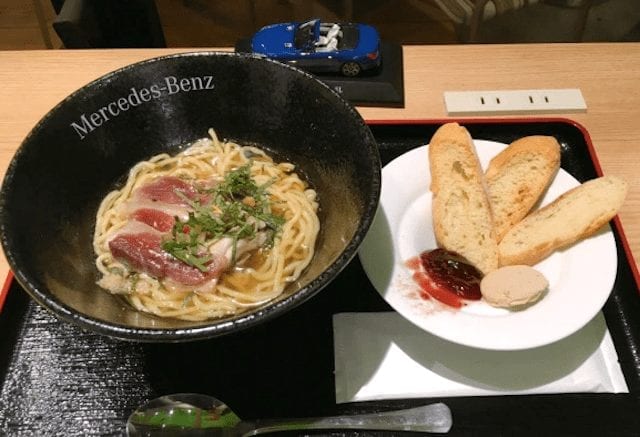
    “Moving on, the Riku (‘land’) was the polar opposite to the Umi. Even the colour schemes of the bowls are reversed. The noodles are much thicker, and the broth is made from duck ham. It is flavourful and delicious, with no hint of gaminess.


    mercedes-benz-japan-sells-noodles-4

    “Instead of a grilled rice ball, the Riku is accompanied by baguette slices, along with foie gras butter and blackcurrant compote as a dip. If you’re looking for one more way to indulge, you can mix the condiments with the ramen broth, then use their combined form to flavour the bread.

    “Both types of Mercedes-Benz ramen left us fully satisfied.”

    The showroom restaurant is serving ramen until December 25.

  • Starbucks CEO Schultz steps aside

    Starbucks CEO Schultz steps aside

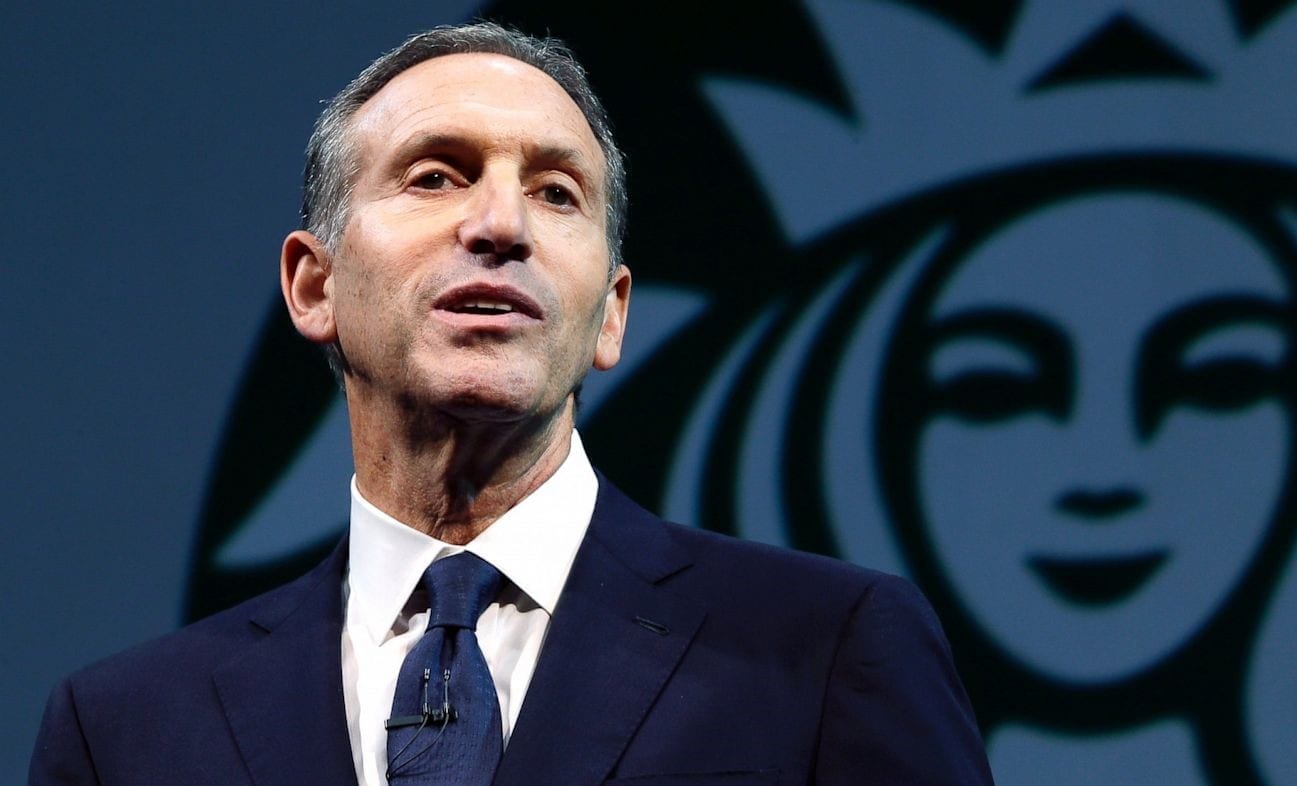
    Starbucks CEO Howard Schultz has stepped aside from the CEO role to take up a new role driving innovation, design and development of the Starbucks Roastery and Reserve retail store formats internationally.

    He will also oversee the company’s social impact initiatives and continue to serve as chairman.

    President and COO Kevin Johnson will expand his responsibilities, assuming the role and responsibilities of president and CEO, effective April 3.

    In his current role, since March 2015, Johnson has led the company’s global operating businesses across all geographies as well as the core support functions of Starbucks supply chain, marketing, human resources, technology, and mobile and digital platforms. Johnson has been a Starbucks board member since 2009, and will continue to serve as a member of the Board.

    “Over the past two decades, I have grown to know Starbucks first as a customer, then as a director on the board, and for the past two years as a member of the management team. Through that journey, I fell in love with Starbucks and I share Howard’s commitment to our mission and values and his optimism for the future,” said Johnson.

    Johnson’s career spans 33 years in the technology industry which included a 16-year career at Microsoft and a five-year tour as CEO of Juniper Networks. At Microsoft, he led worldwide sales and marketing and became the president of the platforms division. In 2008, he was appointed to the National Security Telecommunication Advisory Committee where he served presidents George W. Bush and Barack Obama.

    Announcing the changes overnight, Schultz said the company was continuing to deliver quarter after quarter of record, industry-leading revenue, comp sales and profit growth, and that the newest classes of Starbucks stores continue to deliver record-breaking revenues around the world.

    “The truth is, in all my years at Starbucks I have never been more energised or exhilarated about the opportunities that lie ahead.”

    Schultz said the Roastery concept added a previously unattained level premiumisation into the coffee category.

    “Its success is unparalleled, last year achieving a comp sales increase of 24 per cent and delivering a ticket that is four times the ticket of a typical Starbucks store. The Roastery has become a learning laboratory for breakthrough innovation and experiential design and a beacon for the next wave of Starbucks global growth and evolution.”

    Starbucks will open at least 20 Roasteries around the world, six by the end of 2019 alone.

    “At the same time, elements of the Roastery are forming the basis of the 1000 or more Starbucks Reserve stores we will be opening around the world in the years ahead.”

  • McDonald’s China deal done

    McDonald’s China deal done

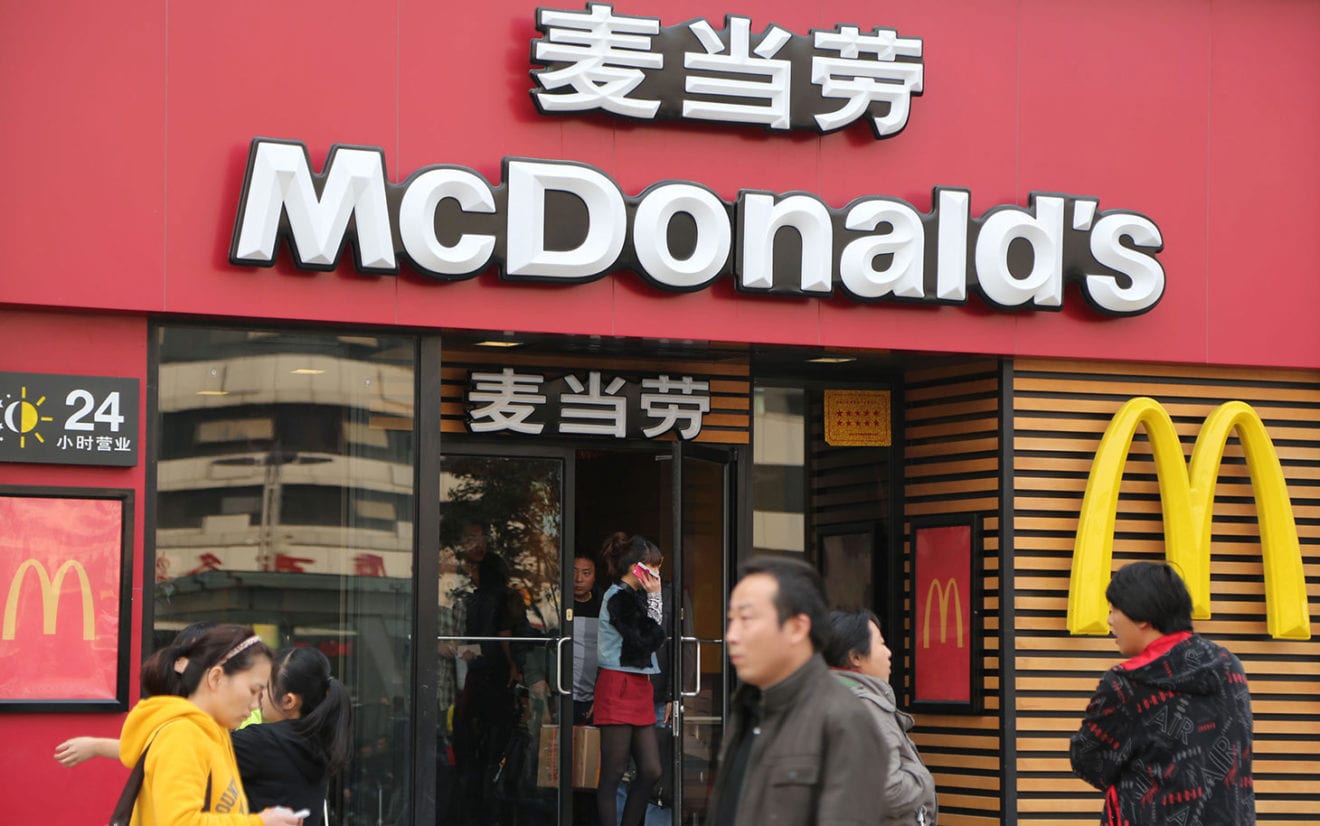
    A private-equity led consortium has been chosen to buy 20-year franchise rights for McDonald’s China and Hong Kong, Reuters is reporting.

    The successful bidder is a consortium led by private-equity firm Carlyle Group and Chinese conglomerate Citic Group, who will pay up to US$3 billion, according to an unidentified source who spoke with Reuters.

    A contract will likely be signed before Christmas.

    As reported in September, consortiums led by private equity firms Carlyle Group and TPG Capital were shortlisted as the bidding process narrowed the field. TPG had teamed with Beijing Capital Agribusiness Group, McDonald’s current China partner.

    Another private equity group, Bain Capital, had already dropped out.

    McDonald’s had previously said it was looking for long-term partners rather than private equity firms, which typically cash out after a few years.

    The deal covers some 2400 restaurants in China and Hong Kong. The 20 year franchise rights come with a 10-year renewal option.

  • Hong Kong retail sales finally stabilising

    Hong Kong retail sales finally stabilising

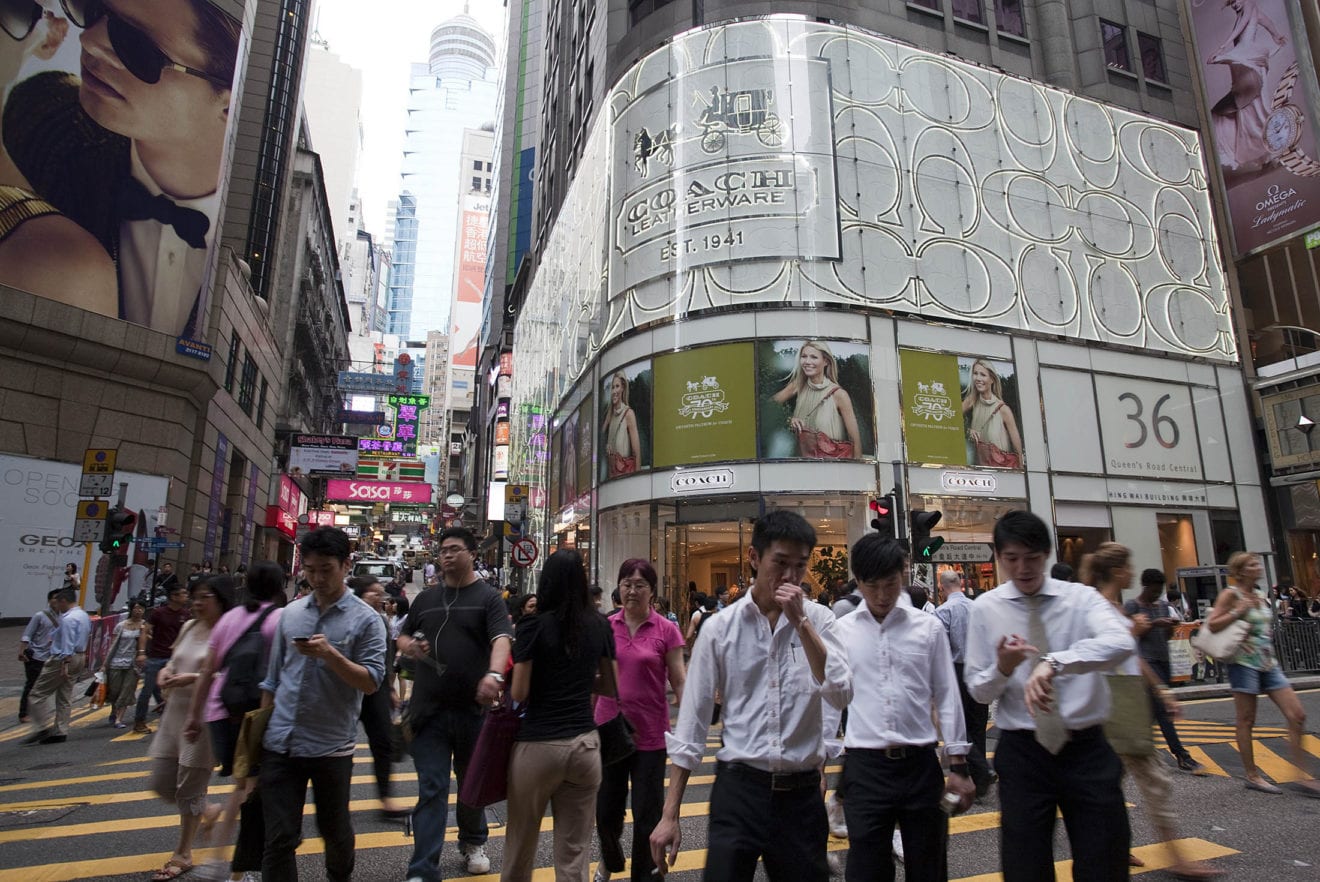
    Hong Kong retail sales fell by the lowest rate in October in more than a year.

    Provisional figures released by the Census and Statistics Department (C&SD) show a decline of 2.9 per cent year-on-year, following a 4 per cent revised decline in September, (the original estimate was 4.1 per cent).

    “The year-on-year rate of decline in retail sales narrowed further in October, mirroring the similar performance of visitor arrivals in that month,” said a government spokesman commenting on the figures.

    “The stable job market and increasing household incomes also rendered support to local consumer sentiment.”

    The value of total retail sales in October was provisionally estimated at HK$36.1 billion. For the first 10 months of 2016 retail sales decreased by 8.9 per cent compared with the same period in 2015.

    Perhaps most significant was the clear bottoming-out of sales of jewellery, watches and clocks and valuable gifts after more than 18 months of heavy decline – the single biggest contributing category to the monthly retail sales data. Those sales edged down by a mere 0.1 per cent year-on-year in October.

    Electrical goods did most of the damage – down 21.7 per cent,while books and stationery were down 4.3 per cent and optical goods down 2.1 per cent. Medicines and cosmetics sales fell 1.8 per cent.

    On the positive side, the value of sales of commodities in supermarkets increased by 3.5 per cent and food, liquor and tobacco sales rose by 1 per cent. Footwear and accessories sales rose by 4.9 per cent and furniture and fixtures by 2.8 per cent.

    After netting out the effect of price changes over the same period, the provisional estimate of the volume of total retail sales in October 2016 decreased by 2.7 per cent. The revised estimate of the volume of total retail sales in September 2016 decreased by 3.8 per cent. For the first 10 months of 2016, total retail sales decreased by 7.8 per cent in volume.

    The government spokesman said that looking ahead, the near-term outlook for retail sales will still hinge on the performance of inbound tourism “as well as the extent to which local consumer sentiment will be affected by the various external uncertainties”.

  • New Zealand’s Spark warned off marketing Gigabit plans

    New Zealand’s Spark warned off marketing Gigabit plans

    New Zealand operator Spark has been cautioned against advertising its high-speed fiber services as “gigabit” plans by competition regulator the Commerce Commission.

    The ISP launched its fastest fiber service yesterday, labeling it “Ultra Fast Fibre MAX” instead of the planned Gigabit name.

    The Commerce Commission held that advertising the service as a Gigabit speed would mislead consumers into expecting speeds of 1,000Mbps, whereas the Spark service will deliver speeds of between 700Mbps and 900Mbps.

    As well as Spark, the Commission also plans to get into contact with other ISPs making similar claims, noting that it has received enough consumer complaints to deem the action necessary.

    The Commission hasn’t made a formal ruling, but said Spark had recognized the concerns the regulator had raised and decided to take action accordingly.

    But the Telecommunications Users Association has criticized the decision as being “pedantic”, noting that other markets advertise similar-speed plans as Gigabit services, and that technical constraints will mean services always fall below their full potential speeds.

  • Nokia closes handset brand licensing deal

    Nokia closes handset brand licensing deal

    Nokia has announced it has completed the transactions that will allow HMD Global to become the new brand licensee for Nokia feature phones, smartphones and tablets.

    HMD Global has secured an exclusive global brand license for a 10-year term. HMD was created by a group of former Nokia employees to revive the Nokia handset brand, and entered the exclusive licensing agreement with Nokia in May.

    The necessary transactions involved HMD, Hon Hai subsidiary FIH Mobile and Microsoft, following the latter’s ill-fated purchase of Nokia’s device business for $7.4 billion in 2013.

    HMD will continue to provide Nokia branded feature phones for emerging markets, and will also produce new Nokia smartphones and tablets for its device portfolio.

    Nokia will receive royalty payments on each sales covering both brand and intellectual property rights.

    “We’ve been overwhelmed by the enthusiasm shown around the world for the return of the Nokia brand to smartphones,” Nokia Technologies interim president Brad Rodrigues said.

    “The HMD Global team has the ambition, talent and resources to bring a new generation of Nokia branded phones to market, and we wish them every success. I’m sure our millions of Nokia fans will be excited to see their new products.”