Tag: asia

  • Nokia could cut up to 15,000 jobs

    Nokia could cut up to 15,000 jobs

    Nokia could cut as many as 15,000 jobs worldwide as part of the cost-cutting program associated with its merger with Alcatel-Lucent, union officials estimate.

    A Nokia union steward as stating that based on the information received so far, the union estimates that the job cuts are likely to be around 10,000 to 15,000 jobs.

    This would represent as much as 14% of Nokia’s current global workforce of 104,000.

    So far Nokia has revealed plans to cut around 1,000 jobs in its home market of Finland, 1,400 positions in Germany and 400 in France. But Nokia has also agreed to create 500 R&D jobs in France as part of its compromise to win French government support for the Alcatel-Lucent takeover.

    A Nokia spokesperson declined to confirm or deny the figure to Reuters or give any updates on its negotiations with employee representatives. The company is conducting these negotiations in around 30 countries.

    The cost cutting program has the aim of cutting operating costs by around €900 million ($1 billion) by 2018 by reducing the overlaps between Nokia and the former Alcatel-Lucent.

    The program is also aimed at responding to the ongoing slowdown in the network infrastructure market. Nokia is forecasting a decline in network sales for the current financial year.

  • Chinese sports brands back in the race

    Chinese sports brands back in the race

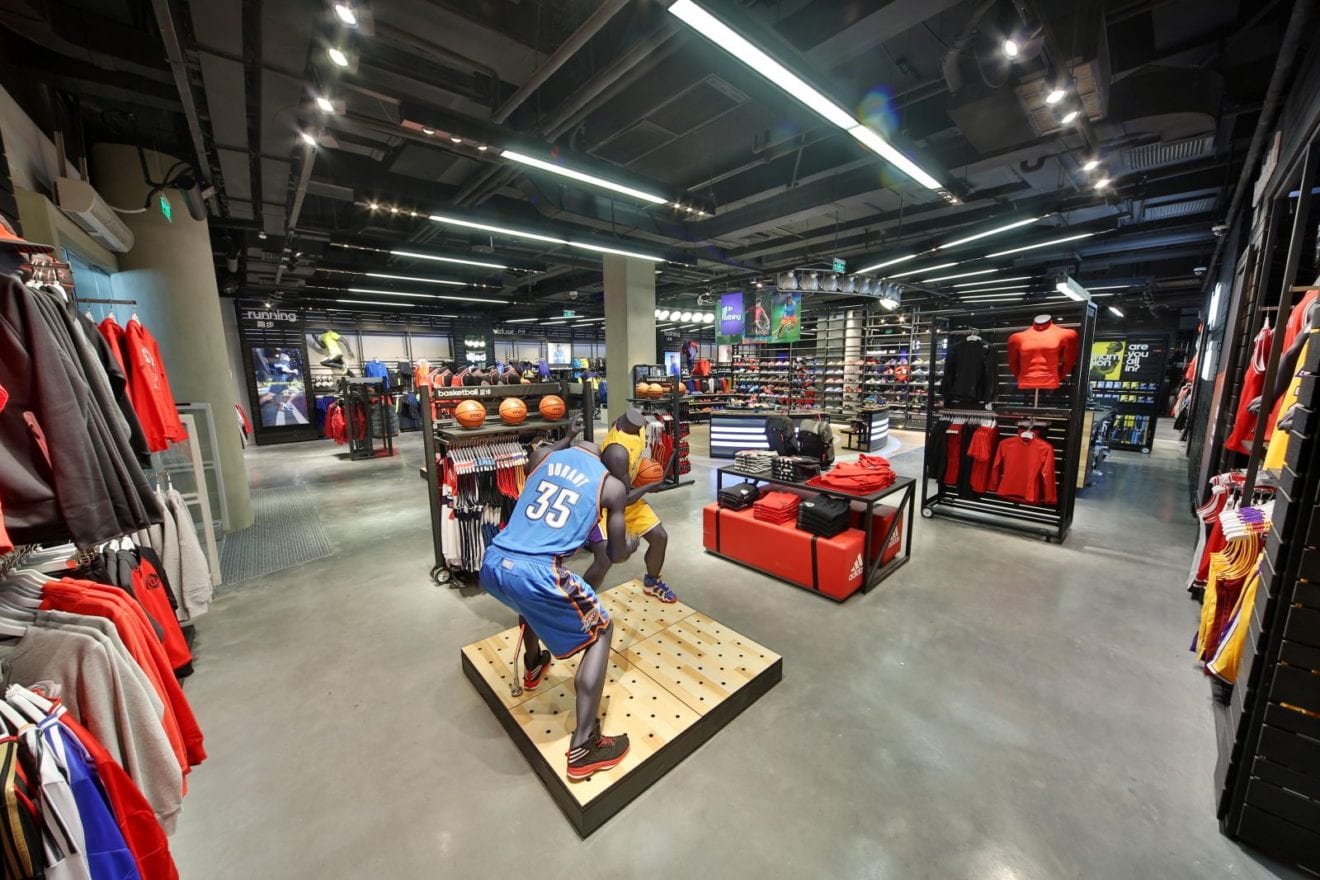
    A government-backed campaign to encourage healthy living is helping give Chinese sports brands traction again in the domestic consumer market.

    After three tough years with the slowing economy and over-expansion following the Beijing Olympics in 2008, the brands are ready to compete again, thanks to cutbacks in store networks and more choice in online sales channels.

    When Beijing was preparing to host the Olympics, sportswear companies began to expand aggressively, with leading brands adding nearly 1000 points-of-sale each every year between 2007 and 2011, according to Hong Kong brokerage and investment group CLSA analyst Dawei Feng.

    However, sales were undermined by cheap knock-offs and competition from expanding overseas fashion chains such as H&M, Uniqlo and Zara.

    Between 2012 and 2013, China’s biggest sports brand Anta closed 900 shops across the country. Also cutting stores from 8255 to 6133, Li Ning became profitable last year after three years of losses.

    Anta has been working with its stores on marketing, says Bloomberg Intelligence analyst Catherine Lim. It also started a children’s brand after China scrapped its one-child policy.

    Anta, which holds distribution rights to the Fila brand in China, is the official sportswear sponsor of the Chinese Olympic Committee.

    China’s five publicly traded sportswear companies have a combined market value of about $9.4 billion, or less than a 10th of Nike, the world’s largest sporting-goods maker.

  • Asia drops Burberry profit

    Asia drops Burberry profit

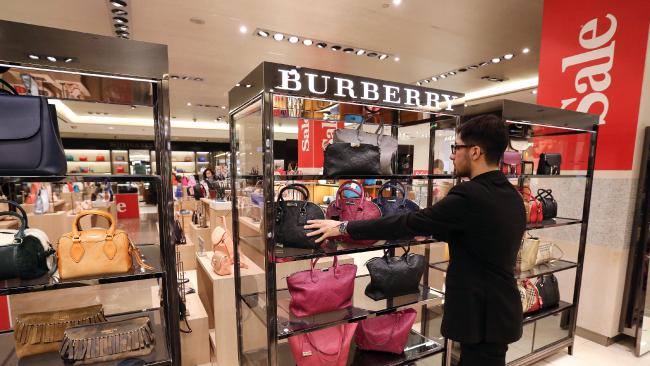
    Hong Kong has been blamed for a further decline in Burberry profit and a consequential cutback of staff and products.

    The British luxury goods brand has reported an 8 per cent fall in adjusted pre-tax profit to £421 million in the year to March 31 on flat revenue of £2.5 billion.

    In an earnings call, CFO Carol Drinkwater said trading in Hong Kong and Macau, which account for about 8 per cent of sales, remained tough, but the group’s stores there are still profitable, and all luxury brands were affected.

    “Conditions remain extremely challenging,” she said.

    As Andy Hall, explains, retail like-for-like sales were down by 1 per cent globally.

    But that was entirely due to falling demand in Hong Kong and Macau, where Burberry and its peers have had to contend with a collapse in demand for luxury goods. Excluding the two territories’ figures, same store sales rose a more respectable 3 per cent.

    “While the Burberry brand retains appeal globally, wider economic conditions and trading in traditionally lucrative Asian markets has dampened footfall, and hurt luxury players like Burberry the most,” said Hall.

    CEO Christopher Bailey is now looking to create a more efficient retail operation – with a £100 million cost reduction plan to be implemented over the next two years to restore profit growth and appease increasingly nervous shareholders while it weathers the Hong Kong storm.

    The company plans to cut between 15 and 20 per cent of its products across all its range, focus more on handbags and eliminate about 100 jobs.

    “I am mindful we are embarking on this plan at a time when our industry is facing significant challenges,” said Bailey, who has seen the company’s market value fall by about 37 per cent over the last 12 months.

    Handbags have higher margins and the company is not selling as well as rivals Louis Vuitton and Prada in that category.

    Furthermore, Burberry is aware it needs to increase its sales per square foot, currently estimated at around 1600 euros a year, a third that of Louis Vuitton and also well behind Moncler and Prada.

    Bailey has conceded Burberry is not as good as its rivals in “retailing basics”. It now plans to make its stores more productive by further tailoring ranges for local customers, improving customer service, increasing staff training and reviewing merchandise to highlight a reduced, simpler range of product.

    Hall says a renewed focus on in-store service and productivity would bring Burberry in line with the focus of luxury peers and would create a leaner, fitter operation with which to take the blows being dealt by a declining global demand.

    “Burberry’s decision to streamline its product ranges, at the same time as introducing some new products such as its Scarf Bar and new male fragrances, demonstrates its commitment to innovation, and attempts not to be left behind by other luxury fashion players.”

    Hall says Burberry has a lot of attributes in its favour and the collapse in demand in Hong Kong is unlikely to be its undoing.

    “However, with the retailer now re-focusing its efforts on retail (which accounts for 73 per cent of group revenue), it is crucial it continues to make pro-active improvements to the business. Examples of this – such as its reshaping of the fashion-show calendar, and imminent relaunch of its Burberry.com website, will help the brand to retain strong recognition, and ensure it holds its appeal even as the wider trading backdrop remains challenging,” said Hall.

  • First Hilton Branded Hotel in Bali, Indonesia

    First Hilton Branded Hotel in Bali, Indonesia

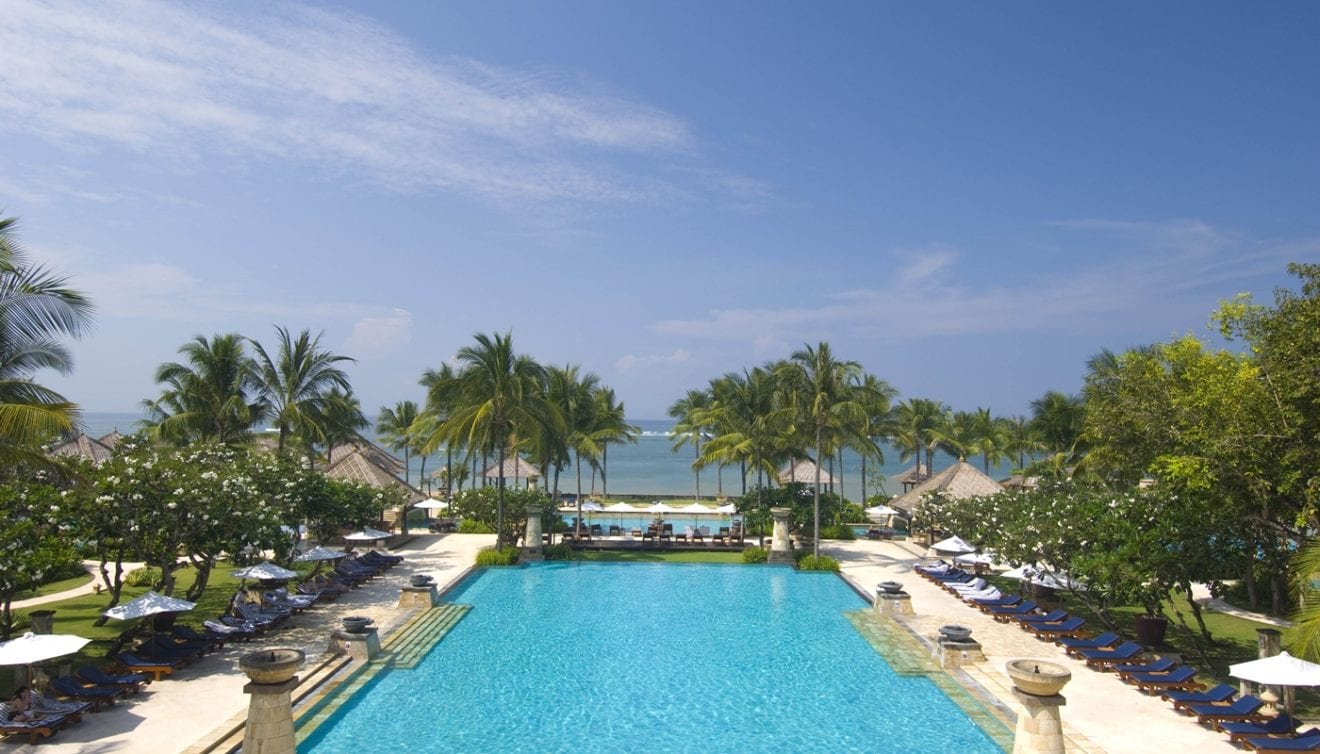
    Hilton Worldwide today announced the signing of a management agreement with P.T. Caterison Sukses to manage and re-brand the Grand Nikko Bali as Hilton Bali. The 408-room resort, located on Jalan Raya Nusa Dua Selatan, is planned to open on December 1, 2016.

    “We are deeply committed to expanding our presence in Indonesia, both by introducing more brands from our portfolio of 13 brands as well as entering into new locations where we may not currently be operating. Today’s announcement underscores both the Hilton brand’s strength in this market as well as our management capability to drive exceptional experiences for both guests and owners,” said Guy Phillips, senior vice president, Development, Asia and Australasia, Hilton Worldwide. “In partnership with P.T. Caterison Sukses, the Hilton Bali will be a strong addition to our portfolio.”

    Hilton Bali is ideally located on Bali’s picturesque southern coast of Nusa Dua, which is famed for its beaches. The resort is approximately 16 kilometers from Ngurah Rai International Airport and the district of Kuta. Hilton Bali is also close to many watersports facilities and adventure sports service providers that offer various fun-filled options including jet packs, jet skis, para-gliding and dive trips.

    “As our flagship brand, Hilton Hotels & Resorts resonates strongly with both leisure and business travelers alike. Hilton Bali will open as a stylish resort offering world-class hospitality synonymous with the Hilton brand and we are delighted to see this beautiful resort join our outstanding global portfolio of more than 570 hotels and resorts,” said Sean Wooden, vice president, Brand Management, Asia Pacific, Hilton Worldwide.

    Situated on the waterfront with its own stretch of secluded beach and offering stunning views of the Indian Ocean from its clifftop location, Hilton Bali will offer 389 rooms and 19 one-, two- and three-bedroom villas with beachfront, ocean or garden views. The hotel will have five food and beverage outlets including an all-day dining restaurant, specialty restaurants and a bar. Extensive meetings and banqueting facilities spanning 3,737 square meters will include several meeting rooms, two conference centers with two ballrooms that can accommodate 1,500 people, as well as beachfront, cliff-top and poolside venues that are perfect for outdoor weddings. The hotel features four inter-connected swimming pools, a children’s lagoon, three tennis courts, and a fitness center. Guests will also have access to a kids’ club and an observation tower that offers panoramic views of the Indian Ocean.

    “We are pleased to partner with a global hospitality leader that has a legacy of success and a strong luxury brand that is recognized across the globe. We are confident that Hilton Bali will be a magnet for business and leisure and international and domestic travelers, as well as corporate meetings and wedding planners,” said Charles Djunaidi, Director, P.T. Caterison Sukses.

  • Slow growth for Victoria’s Secret parent

    Slow growth for Victoria’s Secret parent

    Victoria’s Secret parent L-Brands has kicked off its new fiscal year with a reasonable set of numbers.

    However there is a distinct softness to the total growth rate which is significantly down on the last quarter even against a fairly reasonable prior year comparative. Same store sales growth has also halved since the end of the last fiscal year.

    More worrying is net income, which fell by 39 per cent over the prior year. Although the bulk of this decline is related to the one-off gain from last year when the company sold its interest in a third-party apparel sourcing business, a decline in operating income also contributed to the fall. In essence, cost growth outstripped sales growth during the first quarter.

    The reason for the softness is mostly down to a weaker, though still positive, performance at Victoria’s Secret. Here comparable sales increased by just 2 per cent – an uncharacteristically slow pace, and one significantly down on the 5 per cent attained last quarter. Despite the net addition of a handful of new stores over the past year, total growth from shops was virtually flat, with a comparatively subdued rise of 1 per cent in same store sales. Performance at the direct part of the operation was only somewhat better with a  2 per cent uplift in sales.

    There are a few reasons for the downtick in growth at Victoria’s Secret. The first was an aggressively promotional market, against which despite its usually loyal customers Victoria’s Secret had to work hard to compete. The second was a somewhat less interesting product assortment which, while still reasonable, did not have hits like last year’s Bombshell bra. And the third was a weaker performance from non-core categories like swimwear, which the company has indicated it will cease selling by the year end. Combined, these things helped to erode growth.

    As genuine as these excuses are, there is also a question mark over whether the brand is reaching saturation point, especially within a market that has become more competitive with nimble players like American Eagle Outfitters’ Aerie. Victoria’s Secret still has headroom for growth, but there is no doubt that it is now having to work a lot harder to secure it. Key to achieving better numbers will be a very disciplined approach to categories outside of lingerie – an area where the company has struggled with both apparel and more recently swimwear. By getting rid of these failing areas, a focus on the more logically adjacent activewear category holds better potential.

    Performance at L-Brands’ other main division, Bath & Body Works, was robust with comparable sales up by 6 per cent. Bath & Body Works success is down to a consistently strong product offering, good gifting ideas which boosted performance over Easter, accessible price points, and friendly store environments with good service levels. All of these ‘ticked boxes’ helped the company to do well, in a competitive environment.

  • Parkson Vietnam shutters store

    Parkson Vietnam shutters store

    Parkson Vietnam has closed another of its stores as it continues to struggle to make its business profitable.

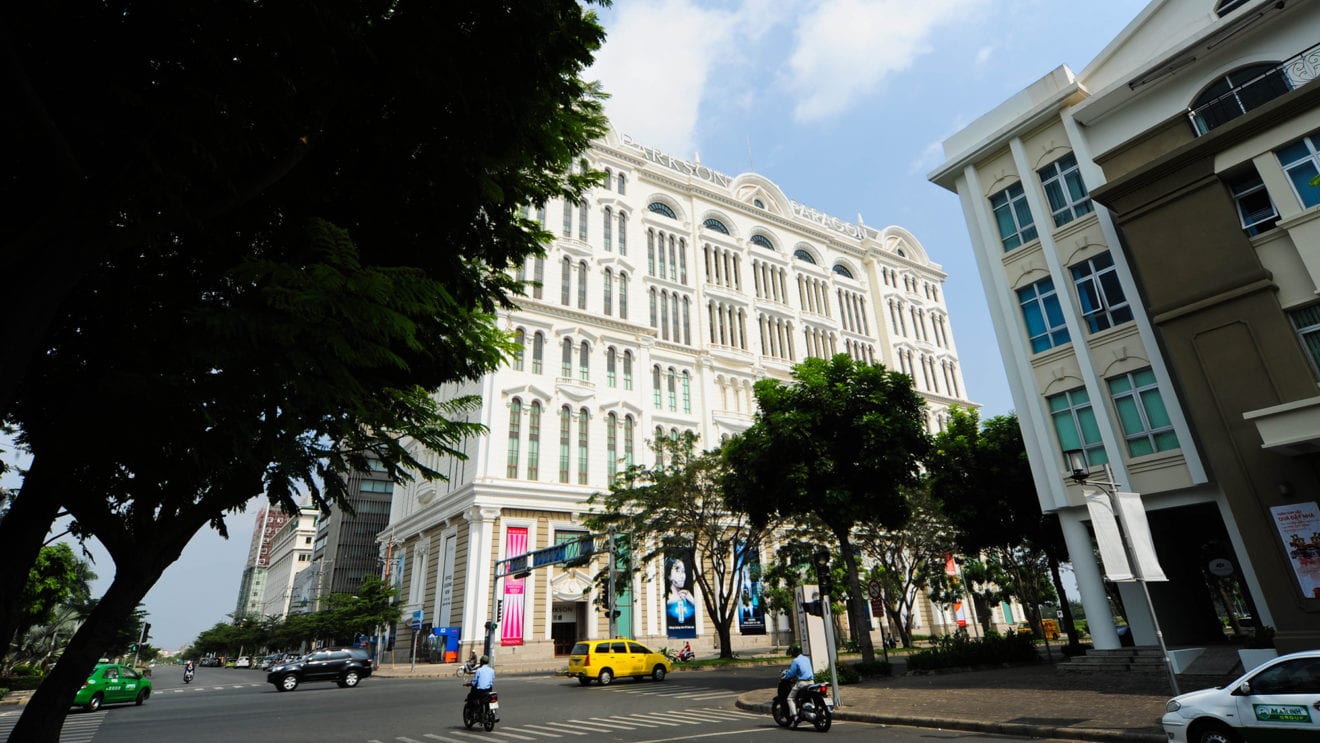
    The Malaysian department store operator has closed the 19,000 sqm District 7 outlet in Ho Chi Minh City, a multi-story department store beneath a commercial tower.

    The store opened in April 2011 after the company invested US$5 million in a new fitout of a small shopping mall bought from Kim Cuong Company.  But the store has never attracted sufficient customers to make it viable, despite a cinema on the top floor. The building is two blocks from the giant Crescent Mall shopping centre which opened in late 2011 in the largely expat-populated suburb some 20 minutes drive from downtown Ho Chi Minh City.

    The mall reportedly closed on Monday.

    Parkson did not give local news media an explanation for the decision – or why it persevered with the site for five years before pulling the plug. But the company did say the closure would not affect the other eight stores in its network, five of which are in Ho Chi Minh City.

    In January last year, Parkson closed another store opened in 2011, Hanoi’s Keangnam Hanoi Landmark Tower. That followed a dispute with the building’s owners over rent which Parkson said was set at a level sales could not sustain.

  • Robinsons Retail takes control of The Generics Pharmacy

    Robinsons Retail takes control of The Generics Pharmacy

    Robinsons Retail has acquired a 51 per cent controlling interest in The Generics Pharmacy (TGP), the Philippines’ largest and fastest growing generics drugstore chain.

    The acquisition of TGP’s over 1800 stores, combined with South Star Drug, will take the retail drugstore network of the group to nearly 2200 stores nationwide, more than Mercury Drugstore’s 1000+ network, making it the largest by store numbers.

    Robina Gokongwei‐Pe, president and COO of Robinsons Retail, said TGP strongly believes in its vision to offer quality products at very affordable prices and in convenient locations. “It is an honor to continue the company’s legacy and to further grow the business”.

    “As we profit from accomplishing this mission, we ensure our growth is shared among our franchisees, partners, suppliers and employees,” said Benjamin Liuson, founder and chairman of the board of TGP. “It is our hope to bring our business a step higher with our partnership with Robinsons Retail.”

    The Liuson family which founded TGP has been in the pharmaceutical business since 1959, initially as importer and wholesaler under the name Pacific Pharma. In 1983, Pacific Pharma shifted its focus to generic medicines after realizing the serious need of most Filipinos for quality medicine at affordable prices.

    In 2001, the Liuson family ventured into retail and set up The Generics Pharmacy (TGP). As demand grew, in 2007, TGP decided to bring affordable healthcare and medicines more accessible to far‐flung areas of the country through a franchising business model.

  • Pertamina to Build Hospital in Saudi Arabia

    Pertamina to Build Hospital in Saudi Arabia

    PT Pertamina through its subsidiary PT Pertamedika that manages Pertamina Central Hospital (RSPP) will soon build a hospital in Saudi Arabia.

    Energy and Mineral Resource Minister Sudirman Said, after the signing of Cilacap factory development contract with Saudi Aramco in Jakarta on Monday, May 23, 2016, said that the state-owned oil company has made a commitment to build a hospital in Saudi Arabia.

    “Indonesia has made a commitment to build an Indonesian hospital in Saudi Arabia,” said Sudirman.

    Sudirman, who facilitates connecting Indonesia and Saudi Arabia investments, admitted that he had partnered with Saudi Arabia’s Health Minister.

    “The plan has now progressed to the signing phase between Indonesia’s Health Minister and Saudi Arabia’s Health Minister,” Sudirman said.

    According to Sudirman, an Indonesian hospital is needed in order to serve Indonesian hajj pilgrims and accommodate the needs of Indonesian workers in Saudi Arabia.

    A day before, Saudi Arabian Prince Alwaleed Bin Talal Bin Abdulaziz Alsaud offered Indonesia a chance to open a hospital in Saudi Arabia during a meeting with President Jokowi.  The Saudi government has already allocated a land for the development.

    Saudi Arabia has also committed to expanding its investment, specifically in the tourism sector and Indonesian financial portfolio.

  • On the cusp of a Vietnam franchising boom

    On the cusp of a Vietnam franchising boom

    A Vietnam franchising boom is nearing with about 40 foreign brands reportedly seeking franchise partners in the nation.

    With the signing of several free-trade agreements and Vietnam’s involvement in the Asean Economic Community (AEC), the franchise industry is expected to boom, reports VietnamNet.

    Figures from the Ministry of Industry and Trade show that it has licensed more than 150 foreign-brand franchises since 2007.

    VF Franchise Consulting CEO Sean Ngo says the recent free trade agreement with the EU and, more importantly, the upcoming TPP, promise to be beneficial for Vietnam. He is also Southeast Asia MD for global franchise consultancy Edwards Global Services (EGS).

    While industries such as manufacturing, textiles, and food processing are sure to benefit, he says other franchised businesses that will also do well include equipment, furniture and fixtures and raw materials, as Vietnam drops import duties or lowers them to near zero under the new agreements.

    He says that when the AEC materialises it promises even more benefits, as the focus in franchising is to offer products and services that cater to the Asean consumer.

    “This will help many regional franchises successfully enter markets like Vietnam, and help Vietnamese franchises also expand further into the region,” says Ngo.

    Retail & Franchise Asia chairwoman Nguyen Phi Van says 90 per cent of the franchisors its represents in Vietnam are from the EU and the US, primarily in the fields of food, education and training, and gyms.

    “Although 90 per cent of franchise brands are in the food industry, as the market thrives over the next five years, the percentage of franchises in the service industry will increase substantially,” says Van.

    She says Vietnam has the three factors needed for developing franchising. Besides its large market size, the country’s stable macro-economic situation is also key to development.

    Meanwhile, Vietnamese enterprises have not really seized the opportunities from franchising. Van says the main drawbacks include inefficient operations, weak management and lack of finance.

    She says that devising the right pricing strategy will be critical to success, as consumers typically have lower disposable incomes than other Asean markets.

    Meanwhile, the Vietnam Retail & Franchise Show will be held in Ho Chi Minh City from June 8 to 10.

  • Myanmar consumers go on spending spree

    Myanmar consumers go on spending spree

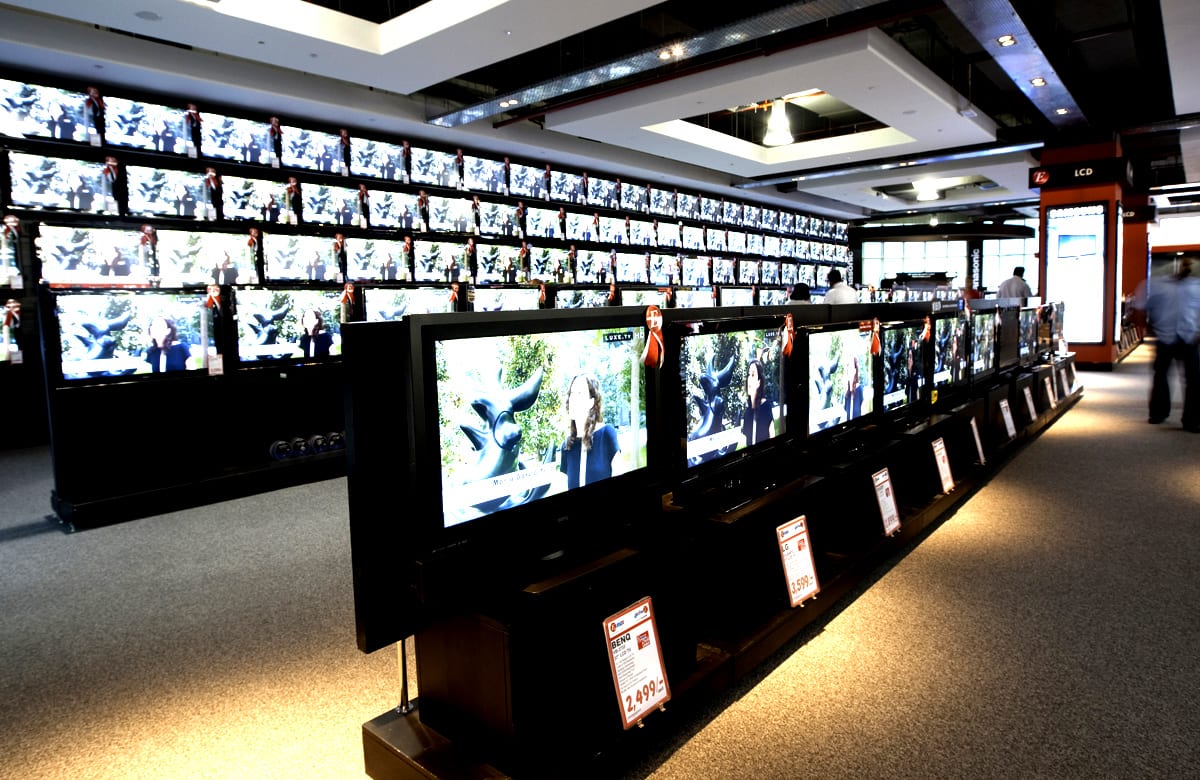
    Myanmar consumers are buying more and more flat-screen TVs, refrigerators and washing machines each month as the country’s economy strengthens following its liberalisation.

    In a study in the Mandalay and Yangon regions, commissioned by market information company GFK Asia, nearly 152,000 TVs were bought in the first quarter of 2016, generating sales totalling more than US$36 million.

    While 49 per cent of market demand was skewed toward 32” LED TV models in the quarter, the 40-43” segment grew from 12 per cent in January to 20 per cent of total sales in March. The trend was similar for the full-HD and UHD segments, in a market largely made up of HD ready-only models (55 per cent).

    GFK Southeast Asia MD Stanley Kee says there was “robust” buying in the months leading up to the Burmese new year last month. “This is an important period for retailers as aggressive efforts to drive sales are in full force.”

    While 38 per cent of TV units sold were in the $200-300 price range, GFK found a consecutive monthly incremental demand for TVs priced $400 and above, with the volume share nearly tripling from 5 per cent in January to 15 per cent in March. In value terms, the segment accounted for 36 per cent of entire TV sales that month alone. Overall, smart TVs made up less than 7 per cent of TV sets sold.

    In the refrigerator market, the number sold in March more than doubled the combined total sales in January and February, netting $6.9 million within a single month. One-door fridges dominated (65 per cent of sales volume), while 34 per cent were two-door, freezer-top models. Consumers spent $21.5 million on nearly 116,000 units in the quarter.

    Meanwhile, more than 59,000 washing machines worth nearly $10.5 million were bought in the period – 70 per cent single-tub washers and the rest double-tub models.

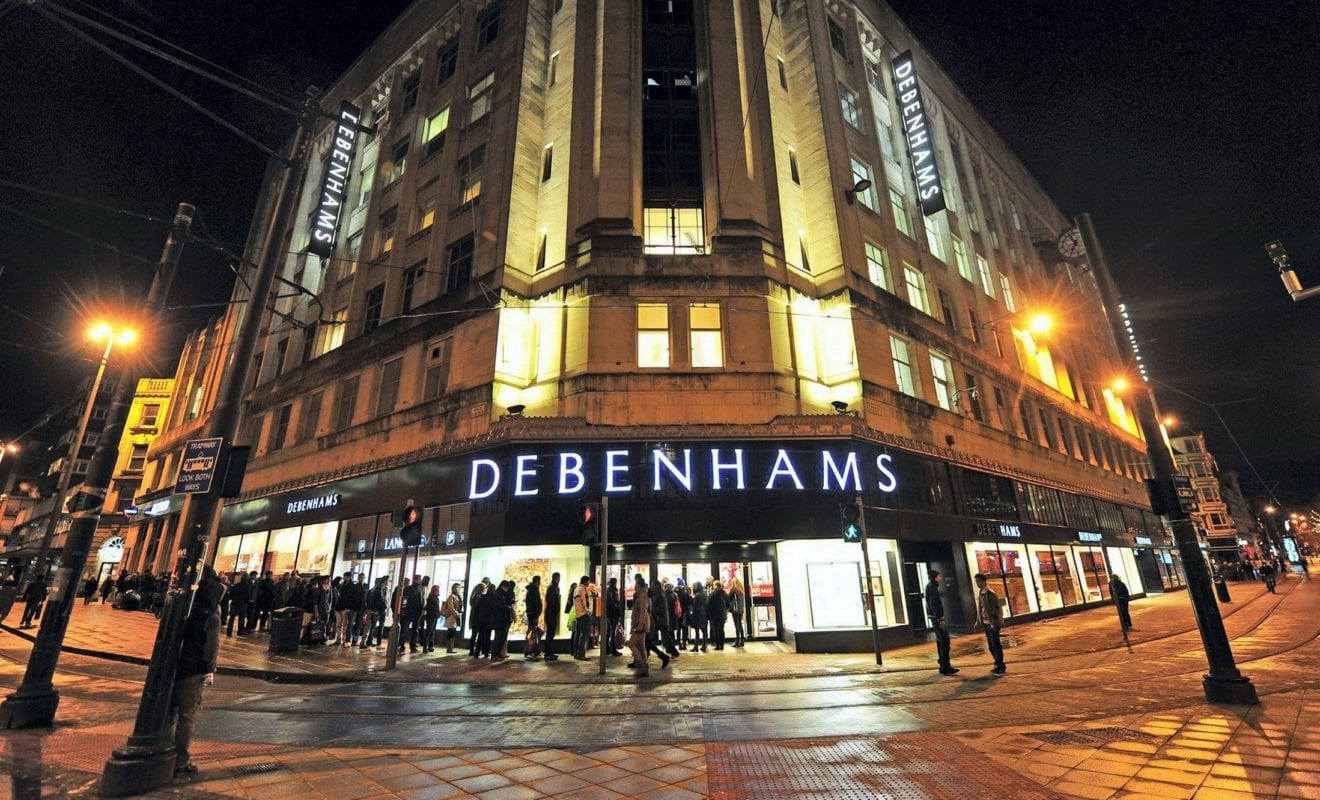
  • M&S, Debenhams stand most to gain from BHS breakup

    M&S, Debenhams stand most to gain from BHS breakup

    Only the very bravest of investor should consider retaining BHS in its current dilapidated state. But if such a buyer cannot be found, and a BHS breakup ensues, with the store estate sold to other retailers, Marks & Spencer and Debenhams would be the main beneficiaries.

    As the deadline for bids for BHS looms, hopes are rising that a buyer can be found for the entire store estate and that its 11,000 employees can be protected. Even if such a buyer is found, it is likely to have to conduct major surgery to revive the moribund brand. Verdict data shows that it has consistently lost market share to its competitors in all its key sectors, and its weak multichannel offer, dated brand and underinvested store environment mean any buyer would have to think seriously about retaining the BHS name.

    BHS’ clothing proposition has become ever more irrelevant over the years, and many of its clothing shoppers have already defected to more agile competitors, leading to its market share more than halving in the 10 years to 2015.

    BHS clothing market share 2010-15

    BHS’ predominantly 45+ shopper base enjoy the convenience of shopping for a disparate variety of products under one roof, which means that department store rivals such as Debenhams and M&S would be first in line to benefit from its fallout. The grocers should also receive a much-needed boost given the similarity of their clothing proposition to BHS in terms of design and affordability.

    This is backed up by looking at where BHS clothing shoppers also tend to shop (from Verdict’s March 2016 How Britain Shops survey of 10,000 consumers) – M&S is the clear leader, and should be able to translate this into an increase in market share.

    Where BHS clothing shoppers also shop for clothing

    Clothing specialists at the value end of the market, such as Matalan, Primark and New Look are also likely to benefit; as are online pureplays such as Amazon – albeit to a lesser extent.  It is, however, those retailers that make a concerted effort to draw in BHS shoppers, through customer acquisition initiatives such as targeted promotions or local marketing campaigns that will see the maximum gains.

    BHS homewares market share 2010-15

    BHS’ unopposed trudge toward mediocrity has had a significant impact on where its remaining shoppers are likely to now go for homewares purchases. The retailer’s brand positioning means its shoppers will have also shopped at the ever growing homewares discounter set, like B&M and Home Bargains. However, it is Amazon and Argos, both value focused retailers with modern and extensive delivery/channel offers that have been the main beneficiaries of disaffected BHS shoppers in the past and will undoubtedly be so in the future.

    High street retailers M&S and Debenhams are also in line to see a marginal upswing as high street focused customers seek out alternatives. The former has the most similar customer profile to BHS and hence is more likely to be a first choice. However, M&S has made some strategic moves to appeal to younger, more fashion-conscious homewares shoppers in recent years, therefore BHS’ customers may be a little surprised about what is on offer when they visit, aside from its core bedding and bathroom offer.

    Living room textiles: Home Retail Series market share 2015

    BHS is currently strongest in softer, more aesthetic categories, such as living room textiles and lighting, as opposed to functional products such as cookware. Therefore its demise would be unlikely to have a significant impact on the grocers. Conversely, Dunelm and Next share a similar emphasis on textiles and design-led categories, and as such, their already strong performance in the homewares category is likely to be bolstered further should BHS disappear altogether.


  • Hong Kong Investors Eye Filling Station Business in Indonesia

    Hong Kong Investors Eye Filling Station Business in Indonesia

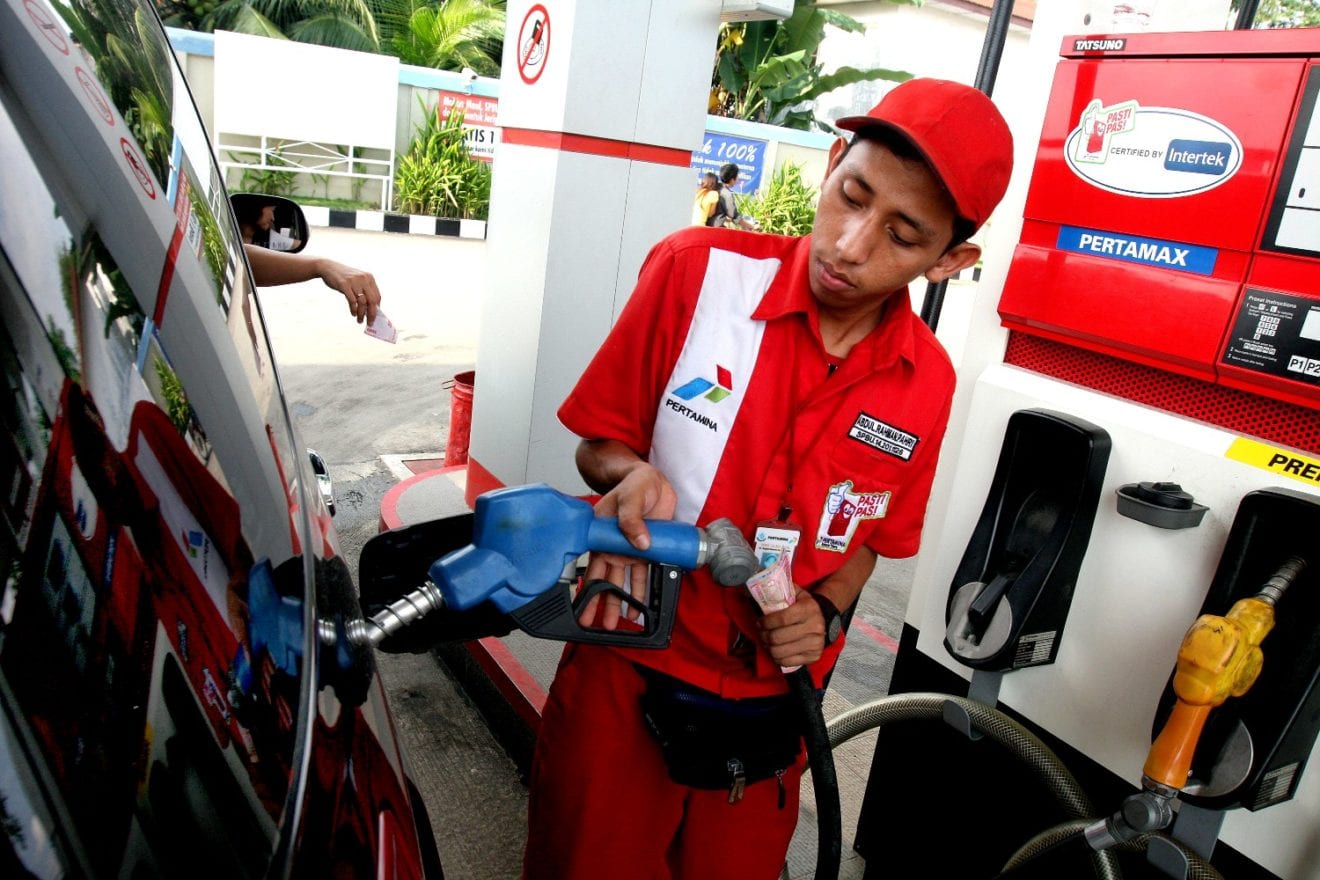
    Foreign investors have shown strong interest in the downstream oil and gas business in Indonesia. A leading Hong Kong-based company recently announced its interest in investing in the filling station business in Southeast Asia’s largest economy.

    The company’s investment interest was expressed during a business forum event that featured the Head of the Investment Coordinating Board (BKPM) Franky Sibarani as keynote speaker to 40 Hong Kong multi-sector investors, Wednesday (18/5). Franky said the investoris engaged in the trading of petrol, diesel, jet fuel and LPG in Hong Kong and overseas, and has business capability in the downstream oil and gas sector.

    Currently, the investor owns 42 petrol stations and two oil terminals with a storage capacity of 374,500 cubic metres. It also has a fleet of 16 vesselswith the capacity to transport 68,600 tons of oil. In addition, the company has a marketing network that covers almost the whole of Hong Kong.

    Franky added that the investor had visited Indonesia a number of times. They had met with Pertamina to share their investment plans in the general commercial fuel business in Indonesia. To ensure the plan goes ahead, a designated BKPM marketing team in Hong Kong will oversee the investment interest.

    BKPM has also received expressions of interest from other Hong Kong companies in investing in the infrastructure, maritime and fisheries sectors. “In fact there is one company operating in the electronics and property industries that will increase its investment in Sukabumi by US$ 5 million,” said Franky in a BKPM press release on Thursday (19/5).

    Franky hopes that in the future more Hong Kong companies will invest in Indonesia. He believes that as an investment destination, Indonesia has several competitive advantages,particularly its rich natural resources such as agricultural and mining commodities, including renewable energy sources.

    The government also has several infrastructure projects to promote investment and enhance the competitiveness of investment opportunities. These include 15 new airports, 163 ports, the 35 GW power project, and construction of 2,024miles of railway track and 621 miles of toll road and sea routes.

    BKPM has reformed its investment services by introducing One Stop Services and a 3-hour investment permit service, and easing direct investment in construction, as well as earmarking priority sectors for investment, which includes plans to develop 11 neweconomic zones and 20 National Strategic Tourism Areas.

    Franky added that Hong Kong is one of Indonesia’s main investment partners. Between 2010 and 2015, BKPM recorded actual investment from Hong Kong of US$ 3 billion. In the first quarter of 2016, actual investment from Hong Kong amounted to US$ 456 million, a significant increase on the US$ 75 million recorded the same period last year. The most popular sectors for Hong Kong investors were property including industrial estates, transport, warehousing and telecommunications.

  • Singapore-based Albizia Capital Raises Stake in Indonesian Building Material Supplier

    Singapore-based Albizia Capital Raises Stake in Indonesian Building Material Supplier

    Singapore-based investment firm Albizia Capital has increased its ownership in Catur Sentosa Adiprana to help fund business expansion at the Indonesia-listed building materials supplier.

    In a statement received by the Jakarta Globe on Thursday (19/05), Albizia announced that it has increased its stake in Catur by 9.7 percent to 14.61 percent. Albizia previously controlled a 4.91 percent stake in the Jakarta-based company.

    This investment changes the Singapore-based investment company’s position to that of a strategic investor.

    Catur president director Budyantu Totong said the investment from Albizia reflects high investor confidence in the prospects of the Jakarta-based building materials supplier, which operates the Mitra10 retail chain.

    Totong said Albizia has a reputation as an investor in the Association of Southeast Asian Nations region that seeks long-term growth potential and a competitive advantage in the companies it invests in.

    Other major investors of in the Jakarta-based building material supplier are the Totong family’s Buanatata Adisentosa (31.32 percent) and Bangkok-based investment company NT Assets (21 percent).

    For 2016, Catur Sentosa will take heed and focus on expanding and improving capital efficiency to maximize returns for shareholders, especially for Mitra10.

    The distribution company covers a wider range of materials, including chemicals and consumer goods, and operates a network of modern home improvement, building material and furniture showrooms.

    Catur Sentosa currently has a network of 42 building material supplier outlets in 40 cities; 21 Mitra10 outlets and 10 Atria furniture showrooms. The company has set target to open 50 Mitra10 outlets by 2020.

    Catur Sentosa booked Rp 1.93 trillion ($142.8 million) in sales in the first quarter of this year, 12 percent more than the corresponding period last year.

    This year’s sales target is set at Rp 8.5 trillion.

  • Singapore, Indonesia, Cambodia, Thailand Seek Free Trade Zone With EEU

    Singapore, Indonesia, Cambodia, Thailand Seek Free Trade Zone With EEU

    Singapore, Indonesia, Cambodia, and Thailand are interested in creating a free trade zone with the Eurasian Economic Union, Russian Deputy Foreign Minister Igor Morgulov said Thursday.

    “The desire to sign such an agreement has been expressed by a number of countries in southeastern Asia, including Cambodia, Singapore, Thailand, and Indonesia,” Morgulov said during a briefing at the Russia-ASEAN Summit in Sochi.

  • Tencent Holdings revenues grow 43 per cent

    Tencent Holdings revenues grow 43 per cent

    First-quarter Tencent Holdings revenues grew 43 per cent to RMB31,995 million (US$4893 million).

    The Chinese company’s subsidiaries provide media, entertainment, internet and mobile phone value-added services and online advertising services in Asia.

    Revenues from its value-added service increased by 34 per cent to RMB24,964 million, while its online games business achieved 28 per cent growth, primarily driven by new smartphone games and key PC titles.

    Tencent’s social networks attracted a 48 per cent rise in revenue to RMB7879 million, mainly through the growth of virtual item sales and also from digital content subscription services and QQ membership subscription services.

    Revenues from online advertising business ballooned 73 per cent to RMB4701 million, while performance-based advertising, mainly driven by its mobile social and media platforms, had 90 per cent growth to RMB2532 million.

    Brand display advertising revenues grew by 56 per cent to RMB2169 million, reflecting higher revenue contributions from Tencent’s mobile media platforms such as Tencent News and Tencent Video.

    Mobile QQ usage benefited from enhanced features in areas such as video messaging and virtual gift exchanging. User activity in Interest Tribes, the interest-based communities embedded in QQ, benefited from enriched content discovery features, such as targeted feed-displays.

    Tencent says the volume of commercial payments via Weixin Pay, such as eCommerce payments and O2O service transactions, grew significantly, while C2C transactions also increased in volume.