Tag: asia

  • Refurbished building in Auckland’s ‘China Town’

    Refurbished building in Auckland’s ‘China Town’


    A building in Mt Eden’s Dominion Rd, now leased to a karaoke and hospitality business, reflects the changing face of the area.
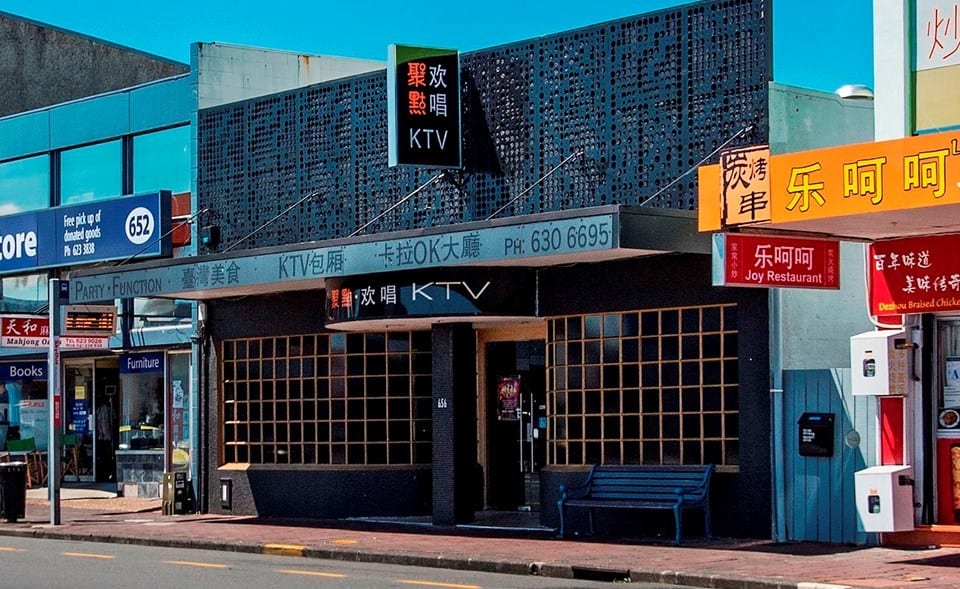
    The 500sq m premises comprising two inter-connected buildings, on 539sq m of land at 654-656 Dominion Rd, is being offered for sale with a new four-year lease to Base KTV Entertainment Ltd. It is producing net annual rental income of $96,000 plus GST.

    Featured in Bayleys’ Total Property portfolio, it is being marketed by Damien Bullick and Phil Haydock, Bayleys Auckland and is for sale by tender — closing on Tuesday, April 12 — unless sold prior by negotiation.

    “This is an excellent freehold investment opportunity in a popular commercial and residential location,” says Bullick. “It is centrally positioned in the bustling Balmoral retail strip, just south of Balmoral Rd, and benefits from a high-profile frontage to Dominion Rd as well as off-street parking for five cars at the rear, which can be accessed off Rocklands Ave.”

    TRUECOMM654 Dom Rd Interior.jpg

    The property is made up of two parts: the original single-level retail frontage on to Dominion Rd, believed to have been constructed in the 1950s, and a more modern two-level adjoining building which was built on the rear of the property in 1993.

    This adjoining building was designed by award winning Auckland architect Pip Cheshire and built by Haydn & Rollett Construction.

    In the mid 2000s the building was converted into a hospitality complex aimed at the local Chinese community with a pool hall, bar and restaurant at ground level, with karaoke rooms in the mezzanine level upstairs.

    China Town

    “This adaptation fitted in with the changing face of Dominion Rd which has become Auckland’s defacto “China Town”, and is now a thriving and eclectic mix of ethnic restaurants, entertainment venues and retail shops,” says Bullick.

    “The current occupant has shown a strong commitment to the property by investing a substantial amount on the refurbishment of the building’s interior to create an impressive, modern tenancy with upgraded kitchen and bathrooms facilities, additional mezzanine floor area and air-conditioning throughout.”

    TRUECOMM 654 Dom Rd another view.jpg

    Haydock says the property’s favourable zoning provides add-value potential. The Business 2 zoning and the Proposed Auckland Unitary Plan zoning of Business Local Centre both permit buildings of up to 12.5 metres (three levels). The proposed Local Centre zoning allows for commercial uses on the lower levels with residential above.

    “An increasing number of properties along Dominion and Mt Eden Roads now contain a mix of business and residential tenancies and there could be potential to further develop the site further down the track given its high profile city fringe location which offers handy access to public transport and is a short distance from Mt Eden Village and Auckland’s CBD. A thriving residential market in Balmoral /Mt Eden also adds to the long term desirability of this property.”

    Haydock says there is likely to be further significant development and rejuvenation in the surrounding area following the granting of a resource consent last year for The Warehouse to develop a 1.2ha site near the intersection of Balmoral Rd and Dominion Rd, also bordered by Rocklands Ave.


  • Services give Korean online retailers the edge

    Services give Korean online retailers the edge

    Online shopping operators are turning to personalised services as they try to differentiate themselves in a burgeoning industry.

    eCommerce sites are no longer just selling and quick-shipping products: they are taking care of small tasks like shoe polishing through to more extensive services that include interior remodelling, industry watchers say.

    Further blurring the online-offline boundary, these operators are taking broader steps by putting together an array of services instead of specialising in a single category like food delivery and cab hailing. Prices range from 6000 won (US$5) for a shoe shine to 40,000 won for a car wash.

    11st Street started running “Life Plus” on its mobile application last week, offering visiting services for car washing, house cleaning, laundry pickup, custom shoes and shirts, and home interior. Customers can place their orders online and receive the services when and where they want. They are entitled to the same discounts, coupons and payment tools as people shopping for goods.

    Some of the services are not yet available nationwide, but 11st Street plans to fix that soon and add more choices.

    “We put out Life Plus first as an O2O (online-to-offline) service category, and we intend to turn it into an O2O service portal,” a company spokesman said.

    Industry competitor Gmarket started a home cleaning service this month, covering home appliances, kitchens and bathrooms. The service offers detailed cleaning, such as for mattresses, kitchen hoods and washing machines to bidets.

    “We will be expanding what we have to overall home management – moving, insect control, home organising and such,” said Sohn Hyung-sool, head of the life and kitchen team at Gmarket.

    Lotte.com renewed its rental services last month, more than doubling the number of service providers that now have added car tires, bidets and massage chairs. The online market can also send people to take care of the elderly. The company said it lets customers pre-consult before ordering so that they can consider available options without pressure.

    “Our website for offered services was more about advertising,” a company official said. “It will be changing soon to show the specific price for each service and to give customers easier access to consulting and purchasing.”

  • Joyo Financial to Provide Retail Investors’ Access to IPO

    Joyo Financial to Provide Retail Investors’ Access to IPO

    The tech sector is always a main focal point for investors and consumers’ alike as it lays down the bench mark for what will be common place for most people whether it is in the home, places of business, or recreationally.

    In the bustling IPO market which covers a variety of numerous product sectors by some of the marketplaces more recognizable and also some not so well known companies, whose products are among the best innovative and pioneering ideas to date. These companies offer many different options to potential investors and have the retail, corporate and institutional clients as well as the management at Joyo Financial Ltd., drooling at the prospects.

    Joyo Financial Ltd., a Japanese brokerage company with an office in Hong Kong, has made all the right noises in relation to at least 2 impending IPO’s that they will be involved with this year.

    Charles Leung, Chief Investment Officer at Joyo Financial Ltd, attending the 23rd annual SXSW Interactive festival in Austin, Texas, USA had the following to say, “I love coming to these expos, the companies demonstrating their latest products and achievements are always insightful and never fail to provoke thought on what can and what almost definitely will be a standard in our ever evolving world.” The SXSW festival is an annual set of film, interactive media, and music festivals and conferences that take place in mid-March.

    When asked about Joyo Financials plans in the Tech sector this year he remarked, “I really would like to reveal more on 2 IPO projects in particular we’re involved with this year. I can say this, that one is in the tech sector and will be huge and the other is in the more conventional mining sector and will just as big, full details will be disclosed shortly.”

  • Huawei Ascend G7 Plus is now Available in Thailand for 12000 Baht

    Huawei Ascend G7 Plus is now Available in Thailand for 12000 Baht

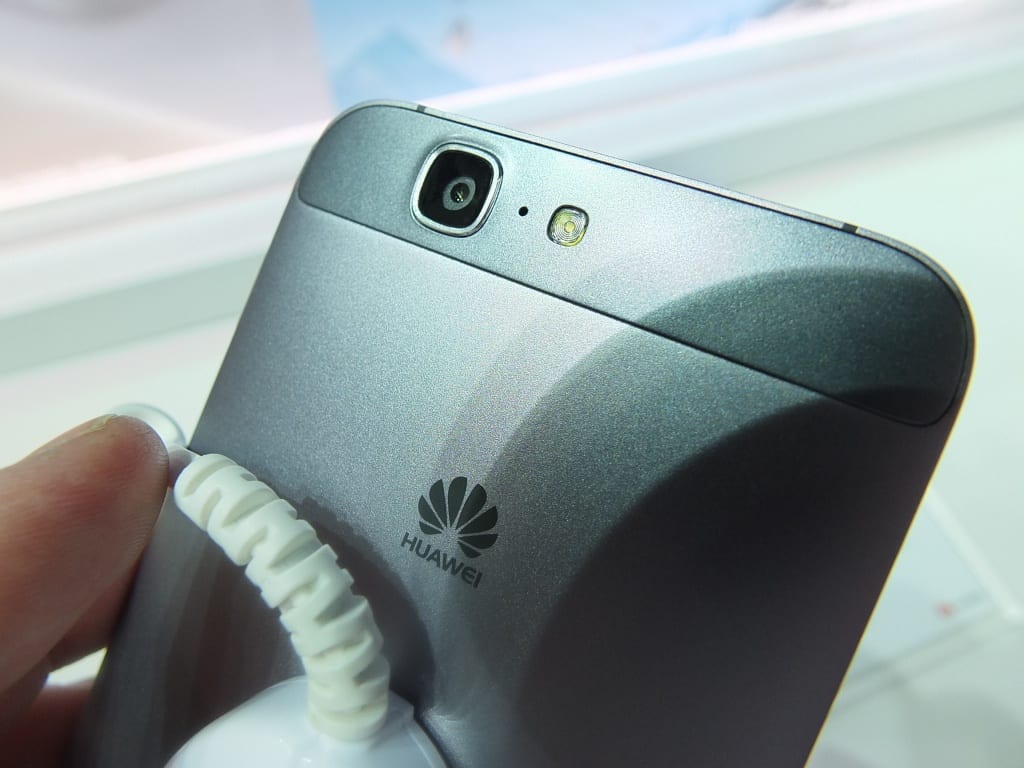
    The Huawei G7 Plus is now on sale in Thailand with the retail price of 12,000 Baht.(Photo : YouTube)

    Chinese smarpthone maker Huawei has announced that their latest device called the Ascend G7 smartphone is now available in Thailand for 12,000 Baht. The Huawei Ascend G7 Plus smartphone is the follow up to Ascend G7.

    This device is one the Chinese tech giant’s latest offering in the ever increasing competitive mid-range smartphone market.

    In terms of the specification of the device, the G7 Plus smartphone features an improved 5.5 inch display screen and processor compared to its older predecessor. The handheld device has a new full HD IPS screen making the display more vibrant and crisp. The handset is powered by an octa-core qualcomm 615 snapdragon processor paired with 3GB of RAM.

    The Huawei Ascend G7 Plus comes with a built-in 32GB internal storage, which can be further expanded up to 128GB via a microSD card. When it comes to the camera, the device is equipped with 13-megapixe rear shooter with fingerprint sensor and 5-megapixel front snapper camera for much selfies and video calling.

    The smartphone is powered by a 3000mAH capacity battery and runs on Huawei’s own flavour of Android 5.1 operating system. Other feature the device has to offer includes LTE connectivity, Wi-Fi, Bluetooth, and GPS. In addition, the Huawei Ascend G7 Plus smartphone is also equipped with dual SIM card slot.

    The Huawei Ascend G7 Plus smartphone is recommended for anyone who is looking for a mid-range Android handset. The overall main highlight of the device is its design, the body structure of the handset is slim and looks great. Another thing is the fact that it is fueled with a powerful 3000mAH battery and Huawei’s lighting fast fingerprint scanner.

  • Indonesia Asks Ride-Hailing Apps Like Uber, Grab To Register Cars By May

    Indonesia Asks Ride-Hailing Apps Like Uber, Grab To Register Cars By May

    Indonesia asked ride-hailing apps such as Grab and Uber to partner with a transport business and register their cars by the end of May if they want to continue to operate in the country, Indonesia’s Transportation Minister Ignasius Jonan.

    “Uber, Grab are app companies. If they want (to operate), they have to partner with a transportation business entity, like a car rental company,” Jonan told reporters.

    Traffic in the capital Jakarta came to a complete halt Tuesday as taxi drivers caused traffic jams by blocking off several main roads to protest in response to the Indonesian government’s apparent refusal to regulate or outright ban ride-hailing services.

    Local news footage as well as videos posted on social media sites reportedly showed enraged taxi drivers pulling fellow drivers who were not part of the protest out of their vehicles and assaulting them on Tuesday.

    Similar protests have erupted against ride-hailing apps such as Uber in London, Paris, the U.S. and parts of Brazil among other places as the apps have ushered in cheap taxis and threatened the business model of traditional taxi drivers.

    “Even before the demonstration, we had started the process to help our drivers form a cooperative unit and meet the requirements,” Ridzki Kramadibrata, managing director of Grab Indonesia.

    Donny Sutadi, Uber Indonesia’s commissioner, reportedly said that they would partner with a car rental company.

  • WeChat launches mobile wallet service in Hong Kong

    WeChat launches mobile wallet service in Hong Kong

    WeChat has launched its payment service WeChat Pay in Hong Kong, including the new Wallet in-app payment feature.

    Wallet allows WeChat users to connect their MasterCard or Visa credit cards with their accounts to allow them to pay for products and services without having to exit the WeChat app.

    Users will be prompted to create a six digit PIN that must be input before any payment is authorized.

    Wallet currently supports payment for tickets, transportation services and travel products, and more product and service categories will be added soon.

    WeChat has partnered with local merchants to offer Hong Kong users exclusive promotions and campaigns over the messaging service.

    “We are so excited to bring WeChat Pay, a new mobile experience that allows users to pay on the go in the simplest way, to Hong Kong,” commented Norman Tam, head of the Hong Kong and Taiwan office of WeChat owner Tencent‘s international business group.

    “Customized for Hong Kong users, WeChat Pay provides a seamless and secure payment experience to users while providing our partners with the benefit of a direct connection to WeChat’s massive community that other payment platforms cannot provide. This is truly a triple-win for us all.”

  • Maxis Q4 profit grows 7.2%

    Maxis Q4 profit grows 7.2%

    Malaysia’s Maxis has reported a 7.2% increase in net profit for the fourth quarter to 477 million ringgit ($115.8 million), on the back of solid revenue gains.

    Service revenue grew 3.2% year-on-year to 2.16 billion ringgit despite intense price-focused competition.

    For the full year, profit after tax grew 0.9% to 1.96 billion ringgit, with service revenue up 3.8% to 8.23 billion ringgit.

    Postpaid revenue was up 2.7% to 3.66 billion ringgit as a result of solid adoption of its MaxisONE plans, which helped compensate for declines in voice and SMS.

    Prepaid revenue meanwhile increased 6.2% year-on-year to 4.18 billion riggit on the back of rising data usage and market share gains in the migrant customer segment.

    During the year the company more than doubled its LTE coverage to span 71% of the population. The company accelerated its infrastructure spending to a total of 1.3 billion ringgit during 2015.

    Maxis CEO Morten Lundal commented that the company plans to push on with its transformation efforts in the year ahead.

    “The first phase of our transformation of becoming a high performing mobile company is more or less done. Now we have a strong foundation to push ahead with the second phase of our transformation of becoming the preferred choice for digital experience seekers,” he said.

  • Globe upgrading GCash to support bulk payments

    Globe upgrading GCash to support bulk payments

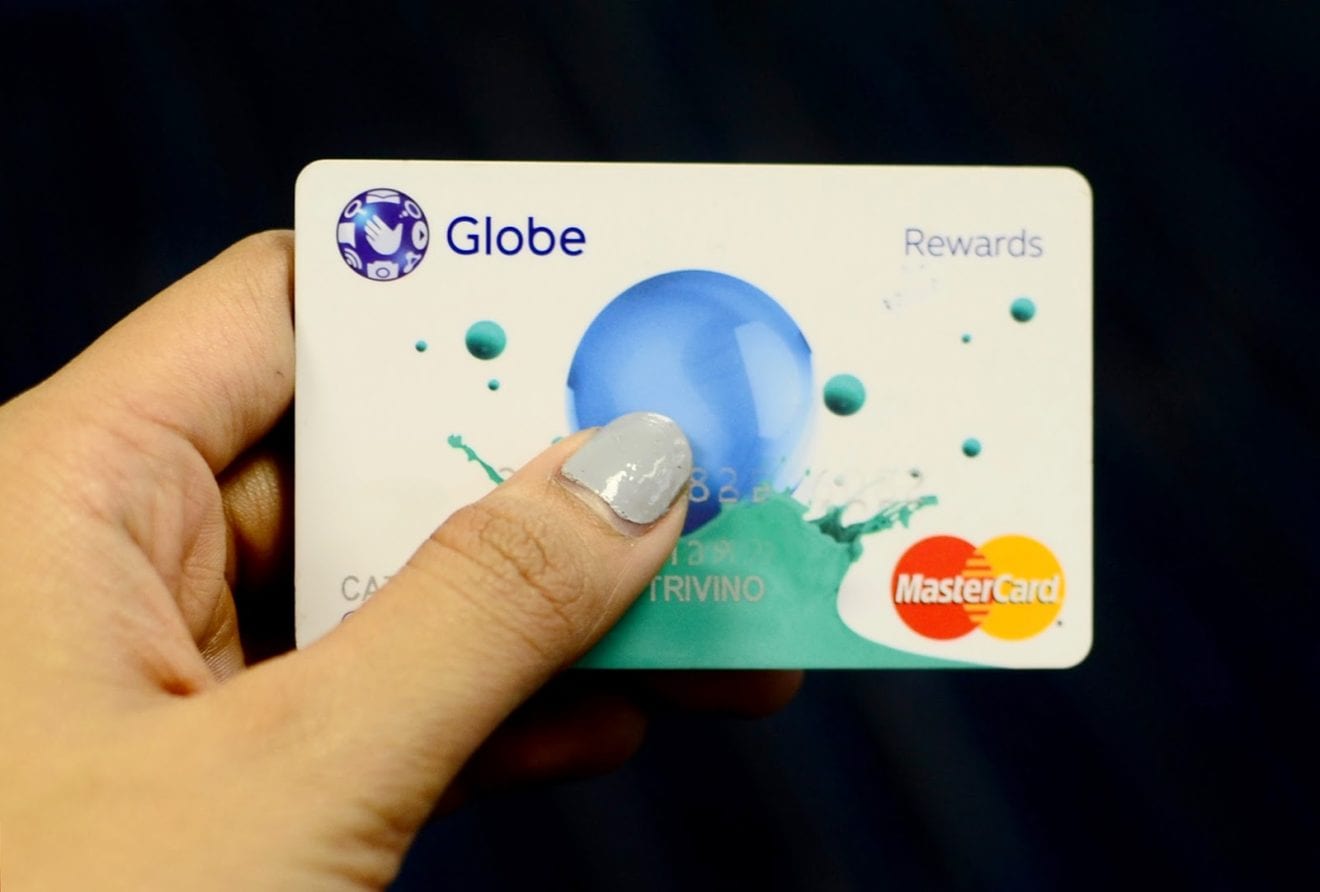
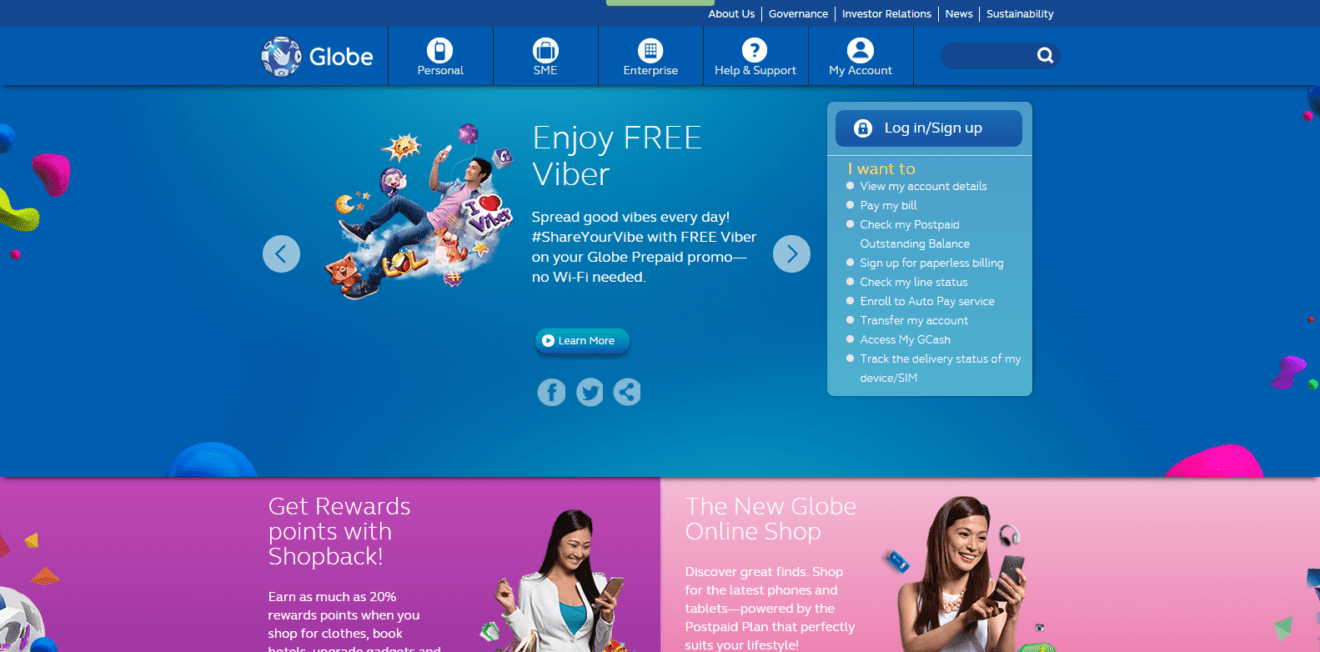
    The Philippines’ Globe Telecom is upgrading its GCash mobile money service to allow it to support expanded services such as bulk payment services for salaries.

    The operator’s dedicated G-Xchange Inc (GXI) subsidiary will deploy the latest version of Amdocs’ Mobile Financial Services (MFS) suite, which has been powering the GCash money service since 2004.

    By conducting the upgrade GXI aims to be able to deliver services faster ad more efficiency and to be able to scale up the service to bulk transactions when needed.

    Amdocs will also provide end-to-end delivery services including development, deployment, testing and support as part of the contract.

    “GCash has come a long way in solving financial inclusion challenges in the Philippines,” GXI CEO Albert Tinio said.

    “This key system enhancement will enable us to realize new revenue streams with new services targeting new segments, while boosting GCash’s ability to deliver a highly scalable and efficient mobile financial services solution for consumers, merchants and organizations, meeting the business need of the evolving marketplace.”

  • Equinix expands Jakarta data center

    Equinix expands Jakarta data center

    Equinix has expanded its JK1 data center in Jakarta, through its partnership with DCI Indonesia (DCI).

    Coupled with its alliance with DCI and a premium connection with the Indonesian Internet Exchange (IIX), the second phase of development at JK1 is an indicator of Equinix’s continued commitment to the region, the company said.

    JK1 phase two will add approximately 400 cabinets to the data center, doubling available capacity to a total net size of 800 cabinets. The expansion is scheduled to be completed by the end of the month.

    Through the DCI and Indonesian Internet Service Provider Association (APJII) collaboration, JK1 enables direct peering connection to the IIX. Companies can also access Equinix’s highly interconnected International Business Exchange (IBX) data centers across strategic global markets via existing major network providers.

    JK1 is located at Cibitung, approximately 30 km from the Sudirman Central Business District (SCBD), and offers a range of colocation, interconnection and support services.

    The carrier-neutral facility will be bringing more carriers into the data center to enrich network density by partnering with Indonesian Internet Service Provider Association (APJII) to provide more options for direct peering connection to the IIX.

    The expansion is in line with the steady growth of the company’s global interconnection platform, in which Equinix has invested more than $7.5 billion over the last 17 years.

  • Globe launches Mobile Connect in Philippines

    Globe launches Mobile Connect in Philippines

    The Philippines’ Globe Telecom has launched Global Connect, the GSMA-led platform that seeks to protect users from the risk of online fraud and scams.

    GSMA’s Mobile Connect aims to securely authenticate, authorize and identify subscribers accessing content by using the mobile device owned and carried by the end-user.

    Customers can create and manage a digital universal identity using a single sign-in system. Users can digitally confirm their identity and credentials to access mobile and digital services including e-commerce, banking and health via their mobile phones.

    The user’s unique mobile number, combined with a unique PIN, is used for this authentication process.

    “As the mobile ecosystem rapidly expands, consumers are increasingly demanding robust privacy safeguards and personal data protection. With Mobile Connect, Globe is adopting a globally-accepted standard to protect the digital identities of customers from the various cases of cybercrimes via a safe and secure platform,” Globe VP for digital media Glenn Estrella said.

    “In today’s digital world, this initiative will definitely bring about sustainable and long-lasting impact to the global economy, and we at Globe are very happy to bring this innovation to Filipinos to ease them away from the worries of online fraud.”

  • Microsoft launches Azure IoT Hub

    Microsoft launches Azure IoT Hub

    Microsoft has announced the wide-scale launch of the  Azure IoT Hub, which allows users to connect, provision and manage billions of IoT devices.

    Microsoft says Azure IoT Hub acts as the bridge between customers’ devices and solutions in the cloud enabling storage, analyzing and acting on data in real time.

    The hub also enables secure two-way communication over open protocols such as MQTT, HTTPS and AMQPS, and is designed to make it easy to connect with other Azure services such as Azure Machine Learning and Azure Stream Analytics.

    In addition to the launch, Microsoft also announced the expansion of Microsoft Azure Certified for IoT program. The program was launched to ensure IoT solutions from global technology leaders are fully interoperable from the start.

    By offering trusted solutions from verified partners that work with multiple operating systems, including Linux, mbed, ROTS and Windows, Azure Certified for IoT accelerates IoT deployments.

    Over the past three-plus months, nearly 30 industry leaders have joined the program, said Microsoft. Now even more have announced their participation, including: Advantech, Dell, HPE and Libelium. Previous certified partners include: Arduino, Beagleboard, Freescale, Intel, Raspberry Pi, Samsung, Texas Instruments and others.

    “IoT is poised for dramatic growth in 2016 and we can’t wait to see what our customers and partners will continue to build on our offerings. We’re just getting started and will have much more to share in the coming months,” said a Microsoft blog post.

  • M1 launches 10Gbps residential fiber service

    M1 launches 10Gbps residential fiber service

    Singapore’s M1 has joined rival SingTel in offering 10Gbps residential fiber broadband services.

    The operator has extended its 10Gbps XGPON service, launched for the corporate segment last August, to the consumer market.

    M1 is offering the service for S$189 ($134) per month on a 24-month contract, which includes termination point installation and ONT activation worth up to S$294.25 and a 1Gbps 4G mobile data line with a free 300Mbps of monthly data.

    The service does not come with a voice port due to technological limitations, and M1 likewise noted that no residential wireless routers currently support 10Gbps speeds.

    “Last August, we launched Singapore’s first 10Gbps XGPON service for the corporate segment. The service has been well-received, and since then we have been conducting network and equipment testing to ensure our service is ready for our residential customers,” M1 CMO P Subramaniam said.

    SingTel launched 10Gbps residential fiber services earlier this month following a successful trial conducted in  2015. This service is also priced at S$189 per month.

  • MasterCard and IBM make Big Data available to small retailers

    MasterCard and IBM make Big Data available to small retailers

    IBM and MasterCard have partnered to offer smaller retailers real-time, analytics-based market insights on revenue, market share, customer demographics and competitors.

    The solution integrates IBM Watson Analytics with insights based on aggregated and anonymous MasterCard transaction data through MasterCard Advisors Local Market Intelligence (LMI).

    The data will be available to retailers who accept MasterCard – on subscription – from mid-2016 for specific locations or across multiple locations for those with store networks.

    Eric Schneider, senior VP with MasterCard Advisors, says there is an increasing wealth of data today that merchants can leverage to better understand their market and customers.

    “However, smaller merchants often don’t have the resources to maximise the insights. That’s the value of this platform turning Big Data into smarter data that is easily accessible and actionable.”

    Yashesh Kampani, financial services sector leader with IBM ASEAN, says the service will help smaller merchants understand their business and competition better, and increase the strength and value of their customer relationships.

    “Through this new service, merchants will discover just how easy leveraging Big Data can actually be with the analytical tools that IBM and MasterCard are making available.”

    IBM says the Watson Analytics data discovery tool is designed to deliver cloud-based guided analytics, data visualisation and predictive analytics “without complexity”.

    With its natural “language-based cognitive abilities”, Watson Analytics recommends starting points for the user to follow based on his questions and automatically serves up insights and visualisations that enable the user to discover new patterns in their data such as customer buying and behaviour trends and untapped campaign opportunities.

  • Smiggle plans Hong Kong, Malaysia roll-out

    Smiggle plans Hong Kong, Malaysia roll-out

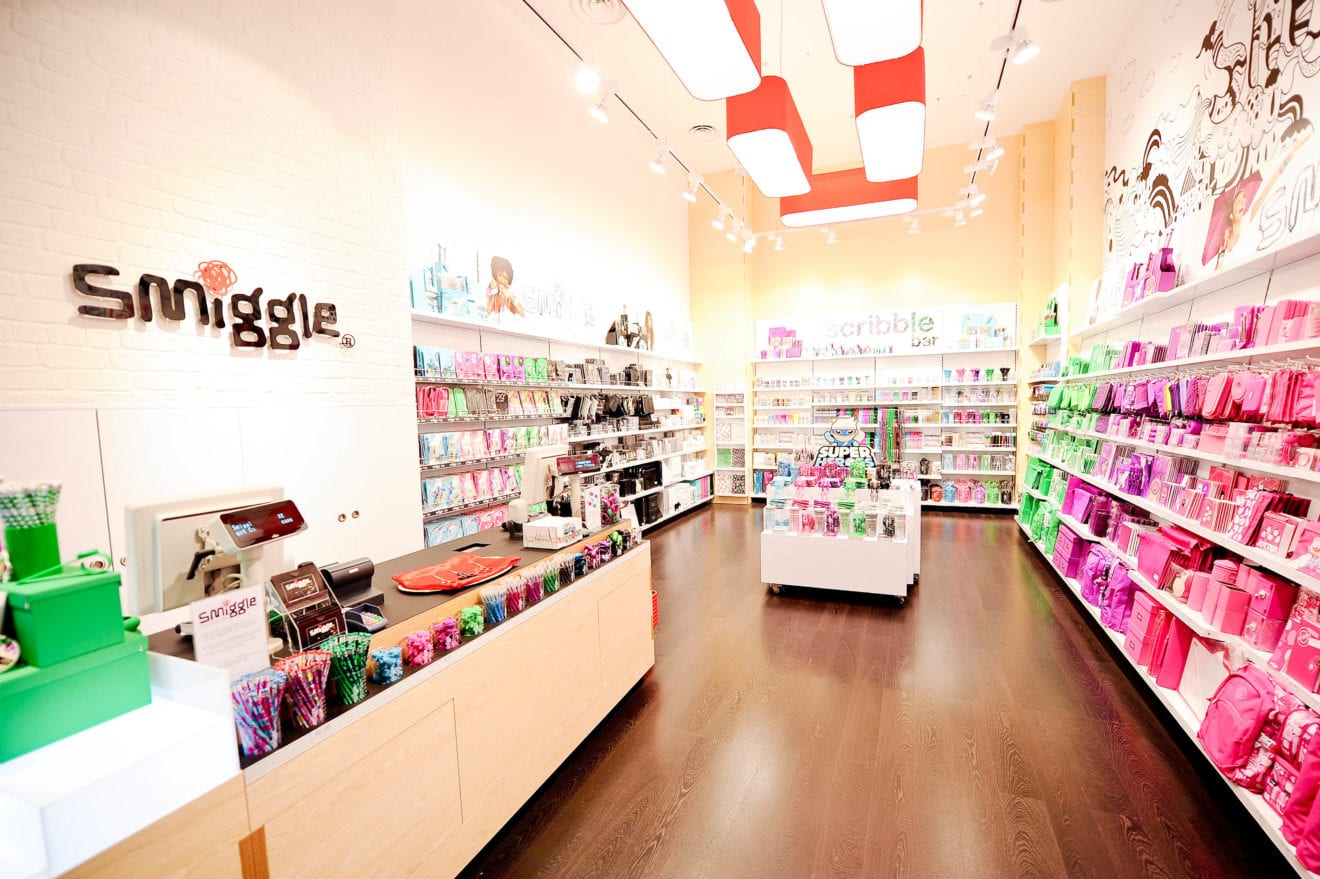
    Trendy stationery retailer Smiggle says it will open two more stores in Hong Kong in the next six months.

    Smiggle, owned by Australian-listed multi-brand retail group Premier Investments, also plans its first store in Malaysia before July 31 and expects to build a network of 50 stores across Hong Kong and Malaysia during the next five years.

    The chain already has 42 stores trading in the UK, plans 18 more over the next six months, and targets 100 there by Christmas.

    The Smiggle plans were revealed in the parent company’s half year result to January 30, The company, which also owns the Peter Alexander nightwear, Dotti, Jay Jays, Just Jeans, Portmans and Jacqui-E retail chains, predominantly trades in Australia and New Zealand. But Smiggle is a standout.

    Premier’s chairman, Solomon Lew, says Smiggle will remain and strong growth driver for the group.

    “Smiggle delivered global sales growth of 46.5 per cent and our UK roll-out is progressing well ahead of schedule. We continue to believe that Smiggle has the potential to become a truly global brand.”

    The company reported a net profit of AU$98.3 million (HK$583.625 million) for the half ended 30 January 2016, up 24.9 per cent year-on-year, before tax and interest.

    Total sales were up 15.1 per cent to AU$565 million, while like-for-like sales were up 6.9 per cent.

  • Philippines’ mobile wallet providers announce interoperability

    Philippines’ mobile wallet providers announce interoperability

    Mobile money interoperability in the Philippines took a step forward with the successful integration of the digital payments mobile app of PLDT and Smart Communications’ Paymaya Philippines with Globe Telecom’s mobile money service GCash.

    The interoperability agreement is part of an initiative of the GSM Association (GSMA) and the Philippine Central Bank in making mobile money services more inclusive and accessible to more people in the country.

    With the interoperability in place, users of the PayMaya app can soon send funds to users of other mobile money systems, including GCash, and vice-versa. This move is seen to boost the growth of mobile money usage in the country, and in turn, expand the local digital commerce ecosystem.

    “This development comes on the heels of the launch of the National Retail Payment System (NRPS) Framework in December led by the BSP and fully supported by the industry, which aims to create a “safe, efficient, reliable, and affordable electronic retail payment system that is interconnected and interoperable,” said Bangko Sentral ng Pilipinas (BSP) Deputy Governor Nestor A. Espenilla Jr. in a statement.

    Aside from domestic remittances, GCash and PayMaya are also expected to collaborate on merchant payments, bulk payments, government-to-person payments (G2P), and person-to-government payments (P2G), among others.

    “We are confident that more consumers would be more open to adopt mobile money services if they can send cash to anybody regardless of what mobile provider they are using especially if this means more efficient services and lower prices,” John Rubio, President and CEO of Mynt, a fully-owned financial services subsidiary of Globe, said in a media statement.  Mynt is also the mother company of G-Xchange, Inc. which operates GCash.

    Through Paymaya and GCash, customers no longer need to own a credit card or even have a bank account to make financial and e-commerce transactions.

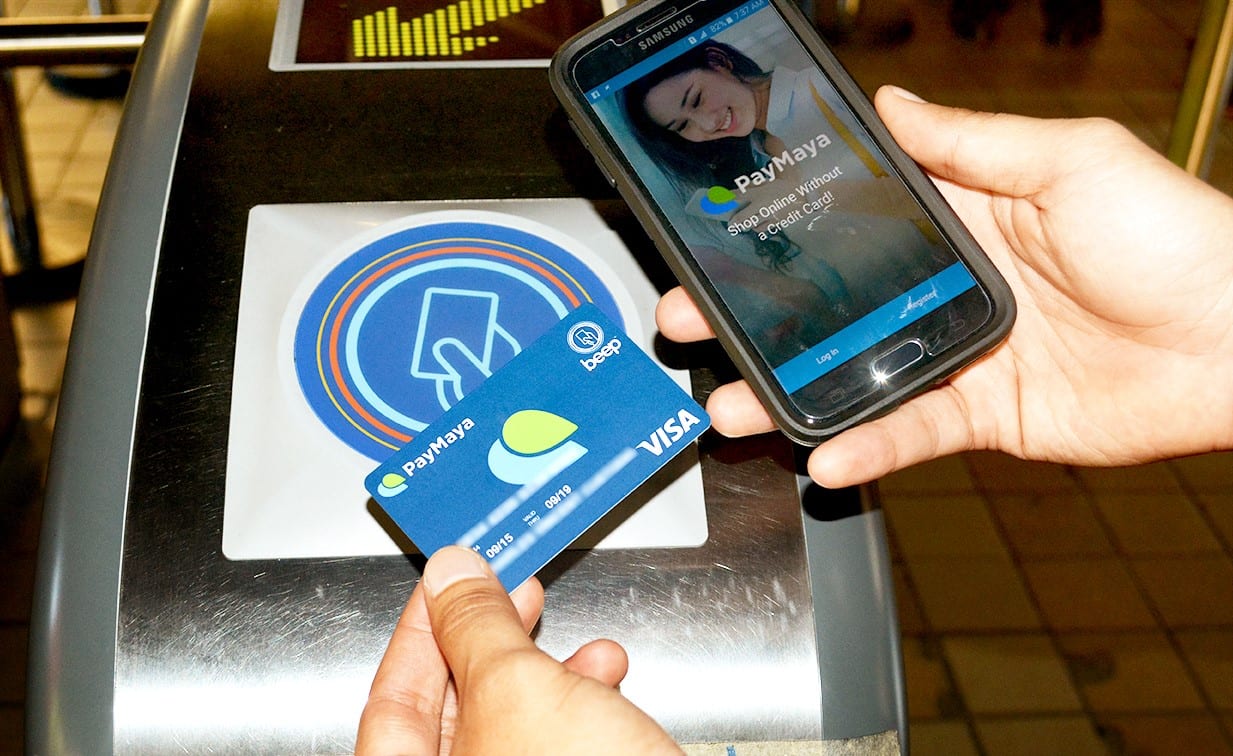
    Paymaya was launched in August 2015 as a virtual Visa card that resides in a mobile app, allowing people to purchase online, send money, send telco airtime load. Soon, it envisions to allow users to pay bills online and do other types of transactions. A physical card can be linked to the virtual card for use for purchases in physical stores and pay for train rides.

    GCash, on the other hand, was launched in 2004 as a micropayment service of millions of Globe subscribers. It transforms a mobile phone into a virtual wallet for safe, secure, and hassle-free mobile money transactions such as the purchase of prepaid load, bills payment, money remittance, donations, online shopping, among others.

    “This is a step toward advancing the future our digital economy. Interoperability is but a natural progression in the ongoing evolution of financial technology services in the country,” said Orlando B. Vea, President and CEO of PayMaya Philippines.

    BSP Governor Amando Tetangco Jr. cited in an earlier speech that studies have shown that shifting from paper to electronic–based payment system could generate annual savings up to one percent of the country’s gross domestic product (GDP).

    At present, there are 10 GSMA active operators with strong money deployments, three of which – Sri Lanka, Pakistan, and Tanzania, are already practicing interoperability since 2014.

    Committed markets, on the other hand, include the Philippines, Paraguay, and Myanmar while Rwanda, Madagascar, Thailand, and Jordan already made a pilot launch last year.

    The fifth annual ‘State of the Industry Report on Mobile Money’ released by GSMA during the Mobile World Congress in Barcelona, Spain showed that there are more than one billion mobile money transactions in December 2015.

    The report noted that mobile money is available in 85 percent of countries where most of the population lack access to formal financial institutions. Moreover, there were 29 cross-border mobile money initiatives connecting 19 countries in 2015, with cross-border remittances growing 52 percent, by volume, over the last year.

    “Mobile money is driving social and economic impact for millions of people in emerging markets,” said John Giusti, Chief Regulatory Officer, GSMA. “Over the last decade, mobile money has done more to extend the reach of financial services than traditional bricks and mortar banking were able to do over the last century. With 411 million mobile money accounts today, mobile is an increasingly critical platform for expanding financial inclusion globally.”