Tag: asia

  • Facebook Co-Founder Saverin Among Investors in Indonesia’s Orami

    Facebook Co-Founder Saverin Among Investors in Indonesia’s Orami

    Facebook Inc. co-founder Eduardo Saverin, who’s been stepping up his investments in Southeast Asian technology startups, joined a $15 million round of financing for Indonesian e-commerce startup Orami.

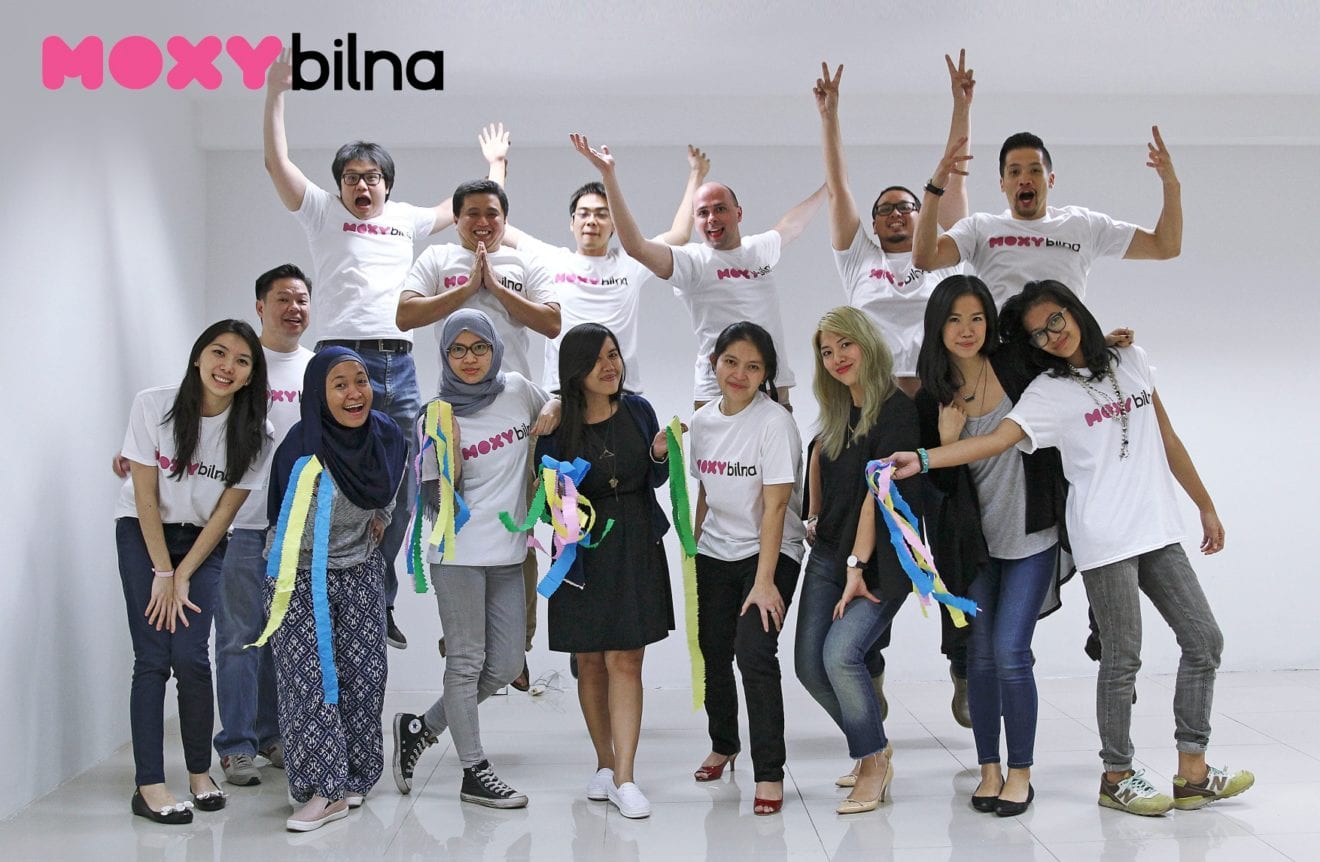
    Other investors included the technology-focused investment arm of Indonesia’s Sinar Mas Group, Shanghai-based Gobi Partners Inc., Velos Partners and Ardent Capital LLC, according to a statement Wednesday. Orami is the new brand for the female-focused business formed through the merger of Moxy and Bilna and is led by Chief Executive Officer Jeremy Fichet. It plans to expand to other countries in the region.

    “The Orami team is on top of its game with a laser focus on the intersection of social commerce, content and women,” Saverin said in the statement. “Between Thailand and Indonesia, where more than five million babies are born a year, women not only serve as the gate to the home but are the key drivers of rapidly growing economy and future generation.”

    Saverin’s recent investments include online news site Tech in Asia, car rental service Silvercar, and Hopscotch, a shopping site for Indian moms.

    Orami now has almost 500 employees in Indonesia and Thailand. Some 75 percent of its customers are women and the startup gets about three million visits a month.

  • Malaysia to Invest in Indonesian Startup Companies

    Malaysia to Invest in Indonesian Startup Companies

    Malaysia Venture Capital Management Berhad (MAVCAP) held a meeting with the Indonesian Chamber of Commerce and Industry to talk about e-commerce.  With the revision of negative investment list, it is expected to facilitate the state’s investment towards digital business in Indonesia.

    Communications and Informatics Minister Rudiantara appreciates this intention.  However, he asked that Malaysia not only invests in funding, but also request that the cooperation can simultaneously share knowledge.  “So its not just about money, but also on the know how,” he said in Jakarta on Tuesday, Feb 23.

    Rudiantara said that Malaysia’s intention to invest in the e-commerce sector is normal.  Especially when Indonesia is the largest digital economy in ASEAN.  In order to quickly achieve digital economy by 2020, Indonesia needs knowledge and experts.

    Deputy of Investment Implementation Control of the Indonesian Coordinating Investment Board (BKPM) Azhar Lubis says to build a startup company, this type of financing is actually required.  This is supported by the revision of DNI.

    The financing is a solution if a company wants to develop but has difficulties getting a bank loan, especially when bank loan requires collateral.  “Hopefully there will be many startup companies that can be aided,” said Azhar.

  • Mitsui & Co. invests in Singapore’s analytics startup Crayon Data

    Mitsui & Co. invests in Singapore’s analytics startup Crayon Data

    Japanese conglomerate Mitsui & Co. has invested an undisclosed amount in Crayon Data, a Big Data analytics startup in Singapore, with operations in Chennai (India)

    The funds will help Crayon accelerate its global expansion, according to an official statement.

    The investment also includes a business service agreement by which Mitsui will support the launch of Crayon’s products in Japan, and the expansion of its customer assets. Crayon is looking to partner with banks, hotels, and advertising and media companies in Japan.

    Mitsui will also look to add benefits to their own subsidiaries and investee companies in retail, CRM and digital advertising.

    This announcement comes hot on the heels of Ratan Tata’s investment in Crayon Data in November last year. Crayon has previously raised approximately US$7 million in seed and Series A funding from angel investors such as Jungle Ventures and Spring Seeds.

    “We believe that personalisation, which Crayon Data brings through Big Data analysis of consumer behaviour is going to be key for every business-related to consumer interactions, across every industry and every geography,” said Noda, General Manager of IT Service Div, IT & Communication Business Unit of Mitsui & Co.

    Founded in 2012 by Srikant Sastri and Suresh Shankar, Crayon Data is an analytics startup. Unlike the conventional people-led model of analytics, Crayon builds tools that deliver real business solutions by bringing together enterprise, public, external internet and social data to a single platform.

    Its flagship product ‘Simpler Choices’ brings the power of Big Data and analytics to enterprises that enable clients increase their sales conversions and improve returns from existing accounts. The firm’s key focus verticals are hospitality, finance, retail and technology.

    The firm also offers Maya, a personalisation engine that facilitates choice delivery for the banking, hotel and digital media verticals.

  • Maersk Line Sees Improving Asia-Europe Demand on Retail Restocking

    Maersk Line Sees Improving Asia-Europe Demand on Retail Restocking

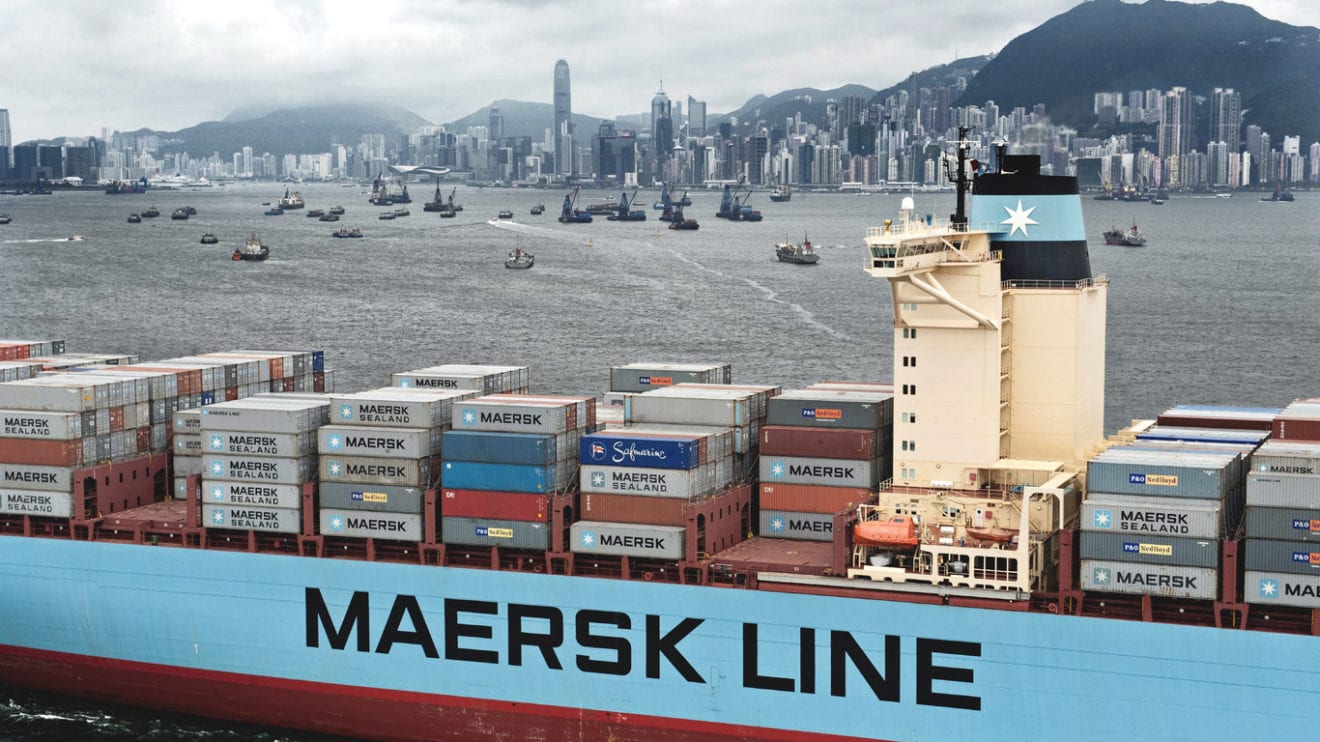
    The container shipping arm of Danish conglomerate AP Moller-Maersk A/S says the company saw strong growth in shipping volumes from Asia to the rest of the world in the first weeks of the year, sounding a positive tone for an industry still struggling with weak demand and overcapacity.

    The world’s biggest container shipping line by capacity estimates shipping volumes out of Asia increased 10% to 15% over last year in the runup to this month’s Lunar New Year break, as retailers rushed to move goods out of China before the nation’s factories shut for a couple of weeks.

    “There has been more demand certainly this time around than it was last year…That in itself is a positive sign of a good start to the year,” Robbert Van Trooijen, chief executive of Maersk Line Asia Pacific, said in an interview.

    “What we don’t know yet is what will happen when the factories come back from collective holidays. We don’t know how fast production would pick up after factories come back and to what level of exports they would resume,” Mr. Van Trooijen said.

    Despite the strong start, falling freight prices and excess capacity continue to haunt the global shipping industry, with spot shipping rates in major trade lanes near record lows. Shipping consulting firm Drewry Maritime Research estimates the container shipping sector faces a loss of more than $5 billion in 2016.

    Overall shipping capacity for the industry rose 8% last year, with nearly all the newly-delivered ships idled, said Mr. Van Trooijen. He said it would take several years for the industry to reach a better balance between supply and demand.

    The low freight rates helped drag Maersk Line into a fourth-quarter net loss of $182 million, compared with a net profit of $655 million a year earlier. Spot freight rates in December for shipping on the key trade lane from Shanghai to Europe’s Port of Rotterdam were down 79% from early 2015 to around $222 per twenty-foot equivalent unit, a standard measurement for shipping containers. That level isn’t considered profitable for most lines.

    The performance of the container-shipping industry, which carriers a wide range of consumer goods and industrial products, is considered an important barometer of the global economy.

    “We certainly feel that the current level of freight rates isn’t creating any more demand. It’s not because of low freight rates that demand would increase,” said Mr. Van Trooijen.

    A need to restock retail warehouses and store shelves in Europe this spring after cautious retailers kept inventories very low in 2015 may help fuel demand on the Asia-Europe trade lane. Meanwhile, the trans-Pacific trade for shipments from Asia to North America will likely continue to deliver moderate growth on the back of a rebounding U.S. economy.

    But Mr. Van Trooijen said demand for shipping from Europe to Asia, which is largely dominated by goods such as base manufacturing materials, wastepaper and chemical products, will remain weak in 2016, as currency weakness in Asia and China’s economy slowdown hamper local purchasing power.

    “I don’t yet see that there’s going to be a major recovery in 2016” for the Europe-Asia trade, he said.

  • Newly Merged MoxyBilna Lands $15M For Female-Focused E-Commerce

    Newly Merged MoxyBilna Lands $15M For Female-Focused E-Commerce

    Moxy and Bilna, the two female-focused e-commerce sites in Southeast Asia which merged last month, now have a new name and $15 million in funding to build out their game.

    The company, which has close to 400 employees, is now known as Orami, and today it announced that it has closed $15 million led by Indonesia’s SMDV, and with participation from Gobi Partners, Facebook co-founder Eduardo Saverin, Ardent Capital and Saverin’s firm Velos Partners.

    The deal propels the company forward in a major way, as it battles to become the go-to destination for women shopping online in Indonesia, a country of over 250 million people, and the wider Southeast Asia region, which has a cumulative population of 620 million.

    Orami CEO Jérémy Fichet and CMO Shannon Kalayanamitr told TechCrunch that their website sees around three million visits per month, with three-quarters of its customers women. They claim that, on peak days, the service does 12,000 orders and that the average basket size is 25 percent higher than the average for e-commerce in Southeast Asia.

    There’s plenty of competition for online sales in Indonesia, with Rocket Internet-backed Lazada, which has raised hundreds of millions, and Matarhari Mall, a service from offline retail giant Lippo, among the larger fish. Kalayanamitr, though, believes that Orami is the only one that is focused on serving women in the country.

    “I don’t think we have direct competition, but [there are other players] in some verticals. We are really the only one doing it across the board,” she said, suggesting that fast-growing Matarhari could be the biggest rival to Orami.

    Arguably offline commerce, or lack of awareness of online solutions among consumers, is the main competitor since online represents less than five percent of retail sales across Southeast Asia. But the rise in smartphone sales, which brings millions of people online for the first time, is changing things, and Indonesia, as Southeast Asia’s largest country, has the greatest potential in that respect.

    Fichet told TechCrunch that the new money raised will be put to work building out Orami’s product selection, increasing its technology team — which currently stands at 40 employees — and improving the end-to-end experience with customers, so investing in better logistics, order management, etc. Beyond that, Kalayanamitr is working to unlock the potential of ‘social commerce’ for Orami. That’s the idea that social media is intertwined with the service — so, for example, customers can easily share new purchases, wishlists, etc with friends.

    Orami is focused on Indonesia and Thailand, the market where Moxy started out, and it may expand to one more market in Southeast Asia this year. Initially though, the Oram founders said, the company needs to focus on Indonesia and build its position there.

    “Just indonesia alone is going to be crazy for us, we’ve tapped a fraction of it so far,” Kalayanamitr told TechCrunch.

    When Orami does look to expand, it is possible that it might look for an acquisition to hit the ground running. That’s not a huge surprise since Orami is the result of a merger, and Moxy itself acquired Thai startup WhatsNew when it first started out. Indonesia is the focus today, but Orami clearly harbors ambitions to be the e-commerce site of choice for women in Southeast Asia.

  • Business Media Rip Curl Under Fire After Using North Korean Slave Labor

    Business Media Rip Curl Under Fire After Using North Korean Slave Labor

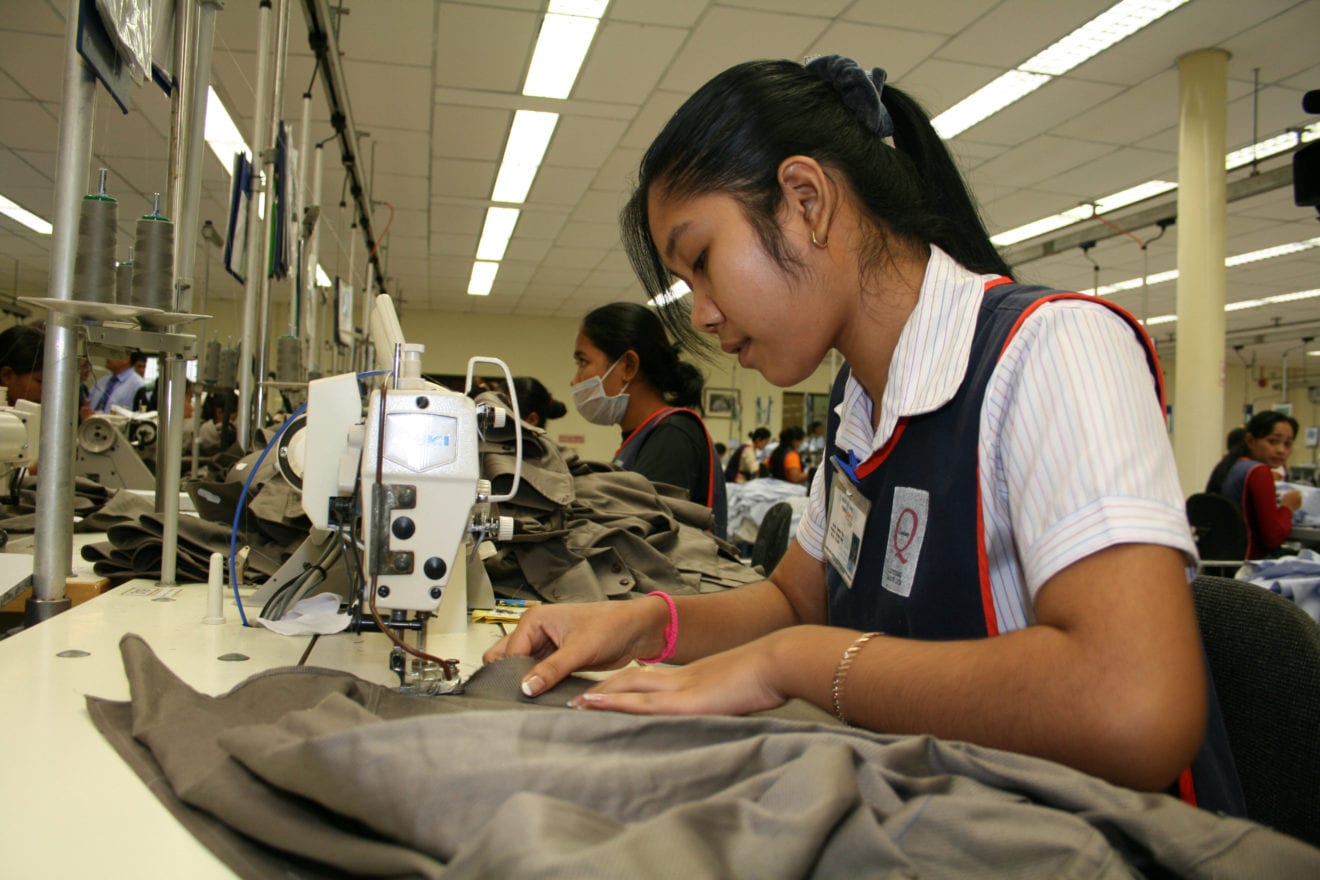
    Rip Curl has been around for a long time. Like many clothing brands, they have a tag on them that says “Made in China.” According to the Sydney Morning Herald, though, a large part of their 2015 line wasn’t made in China–it was made in North Korea, and under conditions being called “slave-like.”

    North Korea is notorious for its working conditions, and Rip Curl’s 2015 mountain-wear line was made in a factory near the North Korean capital of Pyongyang, then shipped around the world and sold in retail stores. Rip Curl is deflecting the blame to one of its sub-contractors.

    “We were aware of this issue, which related to our Winter 2015 Mountain-wear range, but only became aware of it after the production was complete and had been shipped to our retail customers,” said Rip Curl chief financial officer Tony Roberts. “This was a case of a supplier diverting part of their production order to an unauthorized subcontractor, with the production done from an unauthorized factory, in an unauthorized country, without our knowledge or consent, in clear breach of our supplier terms and policies.”

    The news came out after a Australian traveler named Nik Halik secretly took photos of the garment’s “made in China” labels while his tour guide was distracted.

    Oxfam Australia seems to be leading the charge in holding Rip Curl responsible. “Rip Curl has no excuse for being unaware of what is happening. Companies are responsible for human rights abuses within their businesses – not only morally but also within international human rights frameworks,” said CEO Dr Helen Szoke.

    It is becoming more and more common for large companies to show exactly where their goods are made. Kelly Slater’s Outerknown, for instance, has made a point of showing exactly how and where they source their materials. Although OK faced public backlash for it’s higher-than-average price point, it is better than clothing made by forced work.

    Rip Curl, of course, is desperately back-pedaling away from the situation. “We do not approve or authorize any production of Rip Curl products out of North Korea,” said Tony Roberts. The fact remains, though, that if an entire line of clothing can be made and shipped around the world without the company itself having any idea of where it was made, there is a deep-seated problem in one of the world’s largest surf brands.


  • Perry Ellis International Announces Original Penguin Children’s Apparel Agreement

    Perry Ellis International Announces Original Penguin Children’s Apparel Agreement

    Perry Ellis International, announced today that it has entered into an agreement with Lifestyle Essences Inc. for the distribution of children’s apparel in the Philippines under the Original Penguin by Munsingwear® brand through standalone Original Penguin children’s stores as well as premium specialty stores.  These innovative products are planned to launch in Fall 2016.

    Original Penguin is an iconic American brand that mixes sportswear and contemporary fashion appealing to a style-savvy consumer who’s into details, but doesn’t take himself too seriously. Original Penguin pays homage to its brand heritage, while staying culturally relevant in its global markets. The brand reworks their archive of mid-century classics to reflect today’s lifestyle without compromising that heritage or the craftsmanship that established the Original Penguin name.

    “Lifestyle Essences has been a terrific partner in building the Original Penguin men’s apparel, footwear and accessories business in the territory; launching kids is a natural step in further expanding the brand.  We are confident with this new partnership and look forward to working with the Lifestyle Essences team to offer Original Penguin’s lifestyle product while continuing the expansion of our global reach,” commented George Feldenkreis, Chairman and CEO of Perry Ellis International.

    Cheryl Ann Lao Lee, Managing Director of Lifestyle Essences Inc. said, “We are very excited about adding a full line up of children’s wear to our clothing repertoire. We are confident that many longtime fans of Original Penguin in the Philippines will have fun dressing up their little ones in something smart and preppy. This new partnership with Perry Ellis International encourages us to become a more dynamic and versatile retailer in the country.”

    For more information about Perry Ellis International, Inc. and the company’s entire portfolio of brands, please visit. www.PERY.com.

  • Ikea finding India alluring, but difficult

    Ikea finding India alluring, but difficult

    Ikea has good reason to expand into India. The country has an emerging middle class dominated by millennial-age, mobile-first consumers, among other perks. That has led many retailers to eye the country as an alternative to faltering China.

    English is an official language in the country, and serves as a common language for many of the sub-populations there. And while there’s a Chinese equivalent to Facebook, Twitter, and other social media platforms, the most widely used ones in India are those that are widely used in the U.S. India gives Facebook its second-largest membership base, after the U.S. That means brands have one less barrier to bust through when reaching Indian consumers.

    Above all, though, experts have told Retail Dive that India’s demographics are almost ideal for retailers, with a population that includes a large young, mobile-first generation and a growing middle class. It’s now outpacing China as the world’s fastest-growing big economy.

    But, it turns out, there’s a catch, or several. The bureaucratic and economic realities in India also present significant obstacles, as this report on Ikea demonstrates.

  • How China’s Alibaba spends $18 billion investing in companies

    How China’s Alibaba spends $18 billion investing in companies

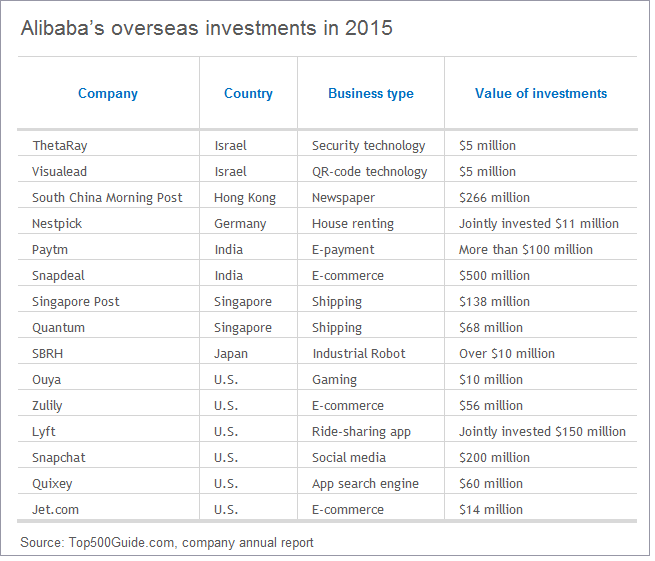
    The Chinese e-commerce giant acquired eight companies and invested in 15 overseas businesses in 2015.

    Alibaba Group Holding Ltd. is not just an e-commerce company that can create $14 billion in online sales in 24 hours. With near-constant investments, the Hangzhou-based company has evolved into a business empire, aiming to serve more consumers beyond its current 400 million active users.

    Alibaba spent about $18.3 billion to invest in 65 companies, including acquiring eight companies and investing in 15 overseas businesses, according to China-based market data company IT Orange.

    Alibaba’s major investment sectors are e-commerce, entertainment, finance, enterprise solution & technology, and online to offline, according to IT Orange. In China, O2O or online to offline, refers to a way for Internet companies to develop mobile apps that connect local services, such as a dry-cleaner, with online users.

    Alibaba continued to invest in the technology vendor sector, but total spending in this sector was still small, IT Orange says. Alibaba also reduced investments in healthcare and travel companies in 2015, compared with 2014.

    Alibaba in 2014 invested in 40 companies by spending more than $17 billion, including stakes in two healthcare companies and two travel companies, according to IT Orange.

    Those 65 companies—including Chinese ride-hailing app Kuaidi, travel site Wanzi.com, Hong Kong-based newspaper South China Morning Post, China-based shipping company YTO Express and Chinese film studio Bona Film Group—operate in various industries but could help Alibaba build a more diversified business to offer more services more efficiently.

    “Alibaba has been a giant online corporation with diversified businesses ranging from marketplaces, retail and payment to travel, entertainment, transportation and other businesses. Alibaba doesn’t need to focus (on one) as it knows all those industries from its home market,” Ralf Gladis, founder and CEO of payment firm Computop Inc., tells Internet Retailer.

    Take YTO as an example. YTO says its shipping network covers 2,300 Chinese cities and about 43% rural villages. The company says the partnership with Alibaba helps it improve efficiency and expand into rural areas and global market. The company says it delivered 3.3 billion parcels in 2015, compared to 2.1 billion in 2014. 70% parcels delivered by YTO were generated by e-commerce orders and about 70% of those e-commerce parcels came via Alibaba Group businesses.

    In 2015, YTO reduced delivery time by investing more in air transportation. The company purchased three Boeing B737-300 airplanes to further reduce some cross-province delivery times from three days to one day. YTO also worked with many regional shipping companies to build an international network that covers eight countries, including Japan, Korea and Germany.

    YTO says Alibaba’s support also includes data and information. Alibaba sends feedback from online shoppers to YTO so the shipper can find and fix the problem faster than before.

    In 2015, Alibaba increased its strategic investments in 20 large companies. Some investments have topped several hundred million dollars, including investing in The Postal Savings Bank of China; Suning Commerce Group, No.3 in the Internet Retailer 2015 China 500; and Chinese smartphone maker Meizu, No. 168.

    Alibaba also acquired eight companies, including the Chinese version of YouTube, Youku.com. Youku.com says videos played on its site have topped 600 million times per day in 2015. Alibaba bought Youku.com for $4.67 billion.

    Alibaba’s 15 overseas investments in 2015 mainly focus on e-commerce, entertainment and technology. IT Orange estimates Alibaba spent about $2.5 billion for stakes in those companies, including e-commerce companies Jet.com and Zulily.com.

    Alibaba declined to confirm the information from IT Orange but says the company may have invested in more than 65 companies in 2015 because it also invested in many small startups.

    Alibaba’s investment goal is to learn the best practices from others and then use them to improve its operations in China and global markets, according to Alibaba’s IPO filing document.

    “Alibaba is just trying to get insight into the next big thing with the goal of eventually importing the tech back home where they have the world’s largest Internet audience. They’re investing in U.S. companies because this is where tech innovation is happening,” Laura Swanson, senior consultant at omnichannel consulting firm FitForCommerce, tells Internet Retailer, “Essentially they’re giving themselves a front-row seat to watch these companies so that by the time certain products or services reach China, Alibaba will have the control.”

    Alibaba already leads in some areas. “Alibaba is not only bigger than Silicon Valley companies, it is also more innovative in many areas. Working with both PayPal and Alipay, we know by experience that Alipay is far ahead of PayPal when it comes to payment innovations. For instance, Alipay customers can use their (mobile) wallet in many bricks-and-mortar retail stores, and they get excellent services including hassle-free tax-return services when they shop abroad,” Gladis says.

    By investing in U.S. e-commerce companies like online marketplace Jet.com, Alibaba could understand consumer behavior on both ends of the world to help U.S. merchants selling to Chinese consumers as well as help Chinese merchants selling to U.S. consumers, Gladis says.

    For more Chinese e-commerce data, please click here for Internet Retailer 2015 China 500.

  • Mobile commerce to drive retail innovation in 2016

    Mobile commerce to drive retail innovation in 2016

    The pervasiveness of mobile commerce will present some of the biggest challenges that will impact retailers’ strategies during 2016, according to latest predictions from Manhattan Associates, Inc.

    In 2016, retailers will also be impacted by more personalised shopping and rapid migration to customer-centric retailing.

    Retailers should make informed choices about what is right for the consumer and what is right for the business.

    They should strive to make the shopping experience personal and frictionless, re-define the role of the store assistant and recognise the power of Millennials.

    In addition, they should embrace mobile to achieve customer-centric retailing success and deliver faster, and be more flexible with returns.

    “Growing consumer demand, expectations for a more personalised shopping experience and increased mobile use will cause retailers to make some fundamental changes in 2016,” said Richard Wright, managing director, Southeast Asia at Manhattan Associates. “We have therefore identified five key areas in which retailers can focus attention, to not only achieve customer satisfaction but also to drive business growth and profitability.”

    Digital personalisation success

    Inspired by the digital personalisation success, retailers are now eyeing in-store experience as they recognise the rise in customer expectation and the differentiation personal service can offer.

    Retailers are beginning to understand the importance of store assistant to the overall shopping experience and the business. Predictions from Manhattan Associates alsoindicate that Millennials or Generation Y treat their mobile phone like an extension of their family and are always looking for an Internet connection.

    Mobile has begun to play a more important role in browsing, buying and paying for goods.

    Price is the number one attraction for two-thirds (67%) of shoppers across both online and in-store shopping.


  • Thai insider trading row lays bare governance concerns

    Thai insider trading row lays bare governance concerns

    An escalating row over insider share trading by executives at one of Thailand’s most high-profile groups has laid bare wider worries about corporate governance and regulatory enforcement in Asian emerging markets.

    Leading fund managers have vowed to freeze investments in CP All, part of the multinational Charoen Pokphand Group agribusiness, food and retail conglomerate, until it takes further action against three directors fined by the stock market regulator.

    The unusual public spat has highlighted what critics say are soft penalties for financial market wrongdoing in Thailand, which risk further hurting investor confidence already hit by domestic political turmoil and fears of global crises.

    Jamie Allen, secretary-general of the Asian Corporate Governance Association, a non-profit group that works with investors, companies and regulators, said of the CP All case: “This is unprecedented in Thai corporate governance. We have not seen domestic institutional investors show this level of public concern before about insider trading.”

    The case has also tapped into concerns about corporate governance in the broader Asian region, where many companies — such as CP Group — are still wholly or partly controlled by their founding families.

    Bandid Nijathaworn, chief executive of the Thai Institute of Directors, said the CP All dispute showed both companies and regulators still needed to improve compliance with market rules and norms, despite progress made since the 1990s Asian financial crisis.

    “This debate is a reflection of the heightened awareness and recognition of the importance of corporate governance,” he said. “We support the [regulator] to tighten up to make the punishments much tougher than we see.”

    This debate is a reflection of the heightened awareness and recognition of the importance of corporate governance– Bandid Nijathaworn, chief executive, Thai Institute of Directors

    Thai financial institutions managing more than $170bn in funds this week said they would boycott new investment in CP All, which is the operator of the 7-Eleven convenience store chain and is 42 per cent owned by CP Group companies. Among them were the Association of Investment Management Companies and Thailand’s two largest pension fund managers. They want CP All to impose unspecified further sanctions on executives who were among a group of six people fined a total of Bt33.3m ($930,000) for insider share trading in December, under a settlement with Thailand’s Securities and Exchange Commission.

    CP All’s shares tumbled 8.5 per cent between the regulatory announcement and the end of last week, more than three times the fall in the broader benchmark SET index. But the company’s stock rallied more than 5 per cent on Friday, in what some analysts suggested was relief that the fund managers stopped short of announcing they would cut their holdings.

    The SEC fined Korsak Chairasmisak, CP All’s executive chairman, along with fellow directors Piyawat Titasattavorakul and Pittaya Jearavisitkul, over purchases of shares in Siam Makro, the retailer, when CP All was in talks to take the company over in 2013. Mr Korsak, who accounted for more than 90 per cent of the fine, has acknowledged buying the shares, but said he did not mean to commit insider trading.

    CP All said in a stock exchange announcement this month that the directors had not intended wrongdoing, although they had acted with “imprudence” and “limited understanding” of the rules. The company said it would strengthen its corporate governance committee and formally admonish the executives, but would allow them to stay in their posts because they had settled the case quickly and had “track records of ethical practice”.

    The dispute has also raised questions about the enforcement of insider trading rules by the Thai authorities. The regulator’s notice of penalties for the case gave few details about how the offence was carried out or of the profit made by perpetrators, who in two instances were fined as little as Bt333,333 ($9,340).

    Critics say light penalties not only fail to deter wrongdoing, but actually encourage it by making it a risk worth taking. The SEC and the Stock Exchange of Thailand did not respond to requests for comment.

    Corporate governance at Asian companies slipped between 2010 and 2014 after steady improvement since the 1997-98 financial crisis, according to a report published in late 2014 by CLSA, the Asia-focused brokerage, and the Asian Corporate Governance Association. While some countries, including Thailand, had not fallen back, CLSA said the overall picture was still a “warning flag for investors”.


  • Retailers grapple with dull domestic consumption

    Retailers grapple with dull domestic consumption

    South Korea’s retail stocks suffered a series of challenges last year, including the broader economy’s downturn to a nationwide outbreak of a deadly virus. Experts see no turnaround in sight for them this year, as economic worries continue to weigh down on consumer sentiment while competition from online and mobile rivals intensify.

    “It’s hard to expect a dramatic turnaround for the retail industry, except from the base effect from the year-earlier period when the MERS outbreak kept people holed up in their homes,” said Kim Ji-hyo, an analyst at Eugene Investment & Securities,

    The combined operating profit of 10 major retail companies, including


    department stores, home shopping firms and convenience stores, declined 11 percent in 2015 from a year earlier, according to Hyundai Securities.

    The government had pushed retailers to hold coordinated sales events last year starting in October, which helped increase private consumption by an annual 3.2 percent in the final quarter of 2015 — the strongest figure in five years.

    But the spike in spending seemed short-lived after the bargain ended.

    January’s consumer sentiment index slipped to a level on par with July last year when consumption fell into the doldrums in the aftermath of the Middle East respiratory syndrome outbreak.

    “For the time being, I do not expect to see meaningful growth in domestic consumption,” Kim said.

    Last December, hypermarkets reported a 5.1 percent year-over-year drop in sales as they failed to recover from the human traffic loss to department stores during the massive sale events initiated by the government, according to Mirae Asset Securities.

    Department stores were also affected by an unseasonably warm winter that held back the sales of winter goods, which suffered a 5.7 percent year-on-year decline.

    Shares of retail giant Shinsegae fell by nearly 20 percent, from 262,500 won ($212.63) in November to 211,000 won in Monday’s trading.

    Some say the malaise of the retail sector owes much to a shift in consumer spending patterns.

    Major retailers are failing to adapt to the growth of online and mobile shopping, they say.

    “The sharp drop in retail firms’ earnings is bound up with the mobile shopping market’s growth. It won’t be an easy battle to fight against online rivals,” Kim Keun-Jong, analyst at Hyundai Securities said.

    For traditional retailers, opening of physical retail outlets used to provide significant advantages in expanding the geographical reach of business, but with the huge spike in mobile shopping, they have lost the competitive advantage, he added.

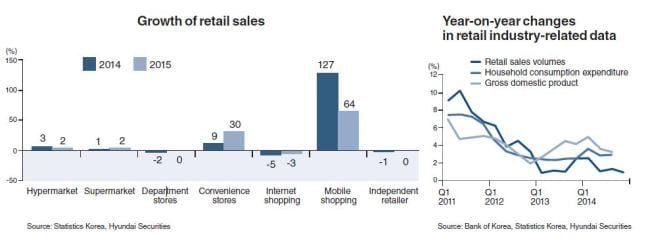
    In contrast to large retailers, Korea’s mobile retail market is large and growing. Its value increased to 13 trillion won in 2015 from just 60 billion won in 2008.

    Convenience stores remain a bright spot for the retail industry. Sales at convenience stores jumped 29.6 percent on-year to 16.52 trillion won last year, due to the popularity of convenient meals prepared away from home and increased margins in cigarette prices.

    “Although the positive impact of the cigarette price hike on the convenience stores’ revenues will fade away this year, they are expected to improve profitability by expanding a range of private brand products, such as prepackaged meals and coffee,” Lim Dong-geun, an analyst at Mirae Asset said.


  • Facelifted Mazda CX-5 launched in Thailand

    Facelifted Mazda CX-5 launched in Thailand

    Mazda Sales (Thailand) has launched the facelifted CX-5 with tweaked looks, new safety and convenience features, more economical drivetrains and slightly lower retail prices.

    Exterior changes include new front grille design and LED daytime running lights with adaptive function up front. Inside, there’s the brand’s latest infotainment called MZD Connect. There’s also a new drive mode selector to alter the vehicle’s driving characteristics.

    Safety features from Mazda’s i-Active Sense package include lane departure warning, automatic braking at low speeds, blind spot monitoring and rear traffic alert.

    The engine lineup has been streamlined to just two variants. The 2.2-litre diesel now comes with front-wheel-drive-only format that’s capable of yielding 17.5kpl on the average.

    The 2.0-litre petrol can now take E85 gasohol – just like in the Mazda 3 and CX-3 – and can return 14.5kpl. The 2.5-litre variant, meanwhile, has been dropped from the CX-5 lineup.

    Under new excise tax rules based on CO2 emissions, the diesel now has a lower price range of 1.53-1.69 million baht, whereas the petrol costs between 1.22-1.33 million baht.

  • Royal Enfield sets up shop in Bangkok, Thailand

    Royal Enfield sets up shop in Bangkok, Thailand

    Royal Enfield has just opened up its first exclusive showroom in Thailand, which is located in Thonglor, Bangkok. The Royal Enfield’s retail store there has been set up by General Auto Supply Co Ltd. The showroom will sell the Royal Enfield Bullet priced at THB 1,79,800 (approximately Rs 3.45 lakh), the Royal Enfield Classic 500 which will cost THB 1,89,800 (approximately Rs 3.64 lakh) and the Royal Enfield Classic Chrome for THB 1,98,800 (approximately Rs 3.81 lakh). The Royal Enfield Continental GT café racer, which displaces 535cc, will be sold in Thailand for THB 2,19,800 (approximately Rs 4.22 lakh). All-prices are ex-showroom.

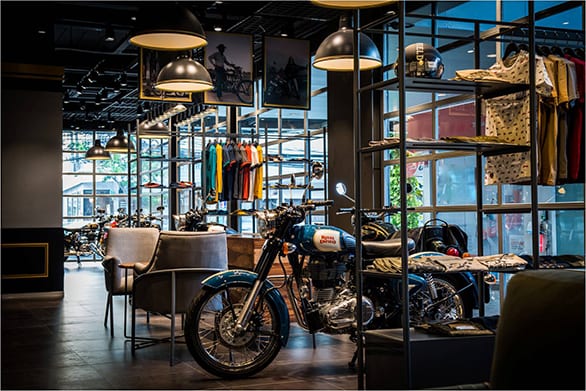
    An inside view of the new Royal Enfield store in Bangkok

    A Royal Enfield proudly stands at the new the company's new exclusive store in Bangkok launched today

    Natavude Charoensukhawatana, Executive Director, General Auto Supplies Co Ltd-Palakorn Suwanarath, Privy Councillor, Thailand-Arun Gopal, Royal Enfield, international Business head

    From left to right: Natavude Charoensukhawatana, executive director, General Auto Supplies Co Ltd, Palakorn Suwanarath, privy councillor, Thailand, Arun Gopal, Royal Enfield, international business head

    “Royal Enfield is today one of the most profitable automotive brands in the world and we believe that our future growth will come from our international markets such as Thailand where motorcycles are a popular medium of commuting. Our phenomenal success in India gives us the confidence to thrive in similar markets like Thailand and Indonesia, which will play an instrumental role in fuelling our growth in Asia. We see a huge potential for our evocative, all purpose, and middle-weight (250-750cc) motorcycles that will allow customers an optimum choice for upgrade,” said Arun Gopal, the international business head of Royal Enfield.

    Royal Enfield opens Thailand’s first exclusive store in Bangkok

    Royal Enfield, the fastest growing motorcycle brand in the world, today launched its retail operations in Thailand, with the price announcement of its complete range of motorcycles, apparel and accessories at the launch of its first exclusive store in Thonglor, Bangkok. Royal Enfield’s first retail store in Thailand has been set up by the prestigious General Auto Supply Co. Ltd.

    In Bangkok, Royal Enfield’s iconic motorcycle– the Bullet, world’s oldest motorcycle in continuous production since 1932, is available at a price of THB 179800 for 500cc. Royal Enfield’s retro street model, known for its post war, timeless styling – the Classic 500 is available for THB 189800 and Classic Chrome for THB 198800. The Royal Enfield Continental GT 535cc café racer is now available at a price of THB 219800.

    “Royal Enfield is today one of the most profitable automotive brands in the world and we believe that our future growth will come from our international markets such as Thailand where motorcycles are a popular medium of commuting. Our phenomenal success in India gives us the confidence to thrive in similar markets like Thailand and Indonesia, which will play an instrumental role in fuelling our growth in Asia. We see a huge potential for our evocative, all purpose, and middle-weight (250-750cc) motorcycles that will allow customers an optimum choice for upgrade”, said Mr. Arun Gopal, International Business Head, Royal Enfield.

    “Also, Thailand is home to one of the most enthusiastic and seasoned riding communities in the world, with thousands of riding clubs and a prevalent culture of leisure riding. With Royal Enfield coming into the market riding enthusiasts will have an option to ride a unique product that is known for its leisure riding experiences”, he added.

    With a view to become the leader in global mid-sized motorcycle segment, Royal Enfield has been expanding its global retail footprint across UK, Europe, Latin America, Middle-East and now in South East Asia, with its most recent launch in Indonesia. Royal Enfield announced its entry into Thailand, the fifth largest two wheeler market in the world in Dec 2015, at the Thailand International Motor Expo. With its aspirational yet accessible range of motorcycles suitable for riding within the city, as well as long-distance rides during weekend, the 115 years old iconic motorcycle brand intends to revolutionize and reinvigorate the mid-size motorcycle segment in Thailand.

    “As part of our international strategy, we are focused on building the brand and creating demand in nodal cities across the world such as London, Bogota, Medellin, Dubai, Madrid, Paris, Jakarta and now Bangkok. We are working to create a robust eco-system comprising of highly differentiated retail experience and aftermarket capabilities, rides and community events and other adjacencies that bring to life the heritage and world of Royal Enfield. We believe that once we are successful in Bangkok, our brand and products will resonate very well in other key Thailand cities as well”, Arun added.

    Delivering the brand philosophy of “Pure Motorcycling” in every aspect of ownership experience, Royal Enfield’s exclusive store will be the first ever in the country. The 1190’ square feet store creates an ambience of motorcycle enthusiast’s living room by featuring an interesting visual merchandising format, comfortable sitting spots in several corners, and innovative product displays, which include a wall display of a stripped down Continental GT showcasing the bike’s internals and frame. The store will house not only Royal Enfield’s motorcycle range, but also its complete range of apparels and accessories, including purpose-built protective riding gear and lifestyle gear. The space of store has been designed not just as a point of purchase but also a meeting point for enthusiasts to have conversations around motorcycling.

    The 3685’ square feet retail outlet located at 842 SoiSukhumvit 55 (Thonglor), Sukhumvit Road, KlongtanNua, Wattana, Bangkok, is a full-service dealership by General Auto Supply Co. Ltd, is equipped to provide service and aftermarket capabilities. Royal Enfield will work closely with General Auto Supply to bring a differentiated experience for motorcycle enthusiast in the region.

    Royal Enfield designs classic styled motorcycles that are simple, evocative, tactile and fun to ride, providing riders with a “Pure Motorcycling” experience. Blending traditional craftsmanship with modern technology, as a means to achieve the perfect balance between the man, machine and the terrain, Royal Enfield motorcycles creates a unique experience for riders that is more approachable and unintimidating.

    In Calendar Year 2015 the company sold over 450,000 motorcycles across the globe to support its global growth strategy and also announced its plan to produce upto 900,000 motorcycles by end of 2018, from two of its existing manufacturing facilities and a third upcoming facility, in Tamil Nadu, India. With a view to become the leader in the global mid-sized motorcycle industry, Royal Enfield is also building two new technology centres – one in India and one in UK, to enhance capability and execute long term product strategy. Royal Enfield recently announced its entry into Brazil along with the launch of its first subsidiary outside India in North America.

  • Lotte, Salim to set up e-commerce platform solution JV in Indonesia

    Lotte, Salim to set up e-commerce platform solution JV in Indonesia

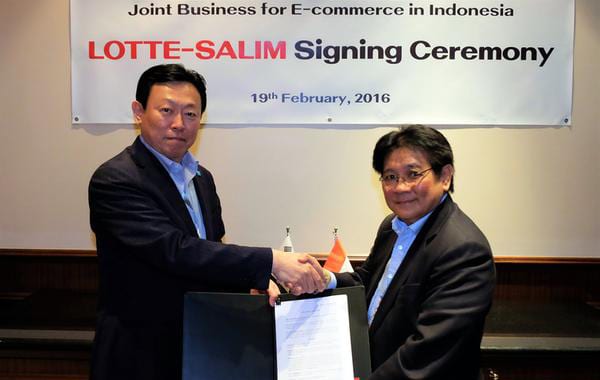
    South Korea’s retail conglomerate Lotte Group said Sunday that it plans to form a joint e-commerce venture with Indonesia’s biggest conglomerate Salim Group to grab a pie of the rapidly growing e-commerce market in Indonesia.

    According to Lotte Group, its Chairman Shin Dong-bin on Friday signed a memorandum of understanding (MOU) agreement with Salim Group Chairman Anthony Salim to establish an e-commerce platform solution joint venture in the first half of this year. They aim to officially launch the company early next year.

    The South Korean retail mogul expects the Indonesian online retail market to grow to 25 trillion won ($20.27 billion) in value by 2020 after the market grew to 3.2 trillion won in 2014. The two companies plan to set up a comprehensive e-commerce platform solution and logistics service that will allow Lotte’s 41 offline retail stores and one department store operating in the Southeast Asian country as well as Salim’s 11,000 offline convenient stores, Indomaret, to sell and deliver products to Indonesian consumers. They will also introduce some popular products of Lotte Mart and Lotte Department Store in Korea through the new platform.

    In Indonesia, Lotte is operating one department store, 41 retail stores (including two grocery stores), 31 Lotteria fast-food franchises, two Angel-in-us cafés and two Lotte duty-free shops (one in airport and the other in downtown). In 2010, the retail group acquired Titan Chemicals, one of the leading petrochemical company in Southeast Asia, to gain a foothold in the petrochemical industry in the region.

    Salim Group, the biggest Indonesian conglomerate, operates a diverse array of business ranging from food, infrastructure, logistics, telecommunications, media and automobile, to real estate.