Tag: asia

  • Christian Dior opens its largest boutique in China

    Christian Dior opens its largest boutique in China

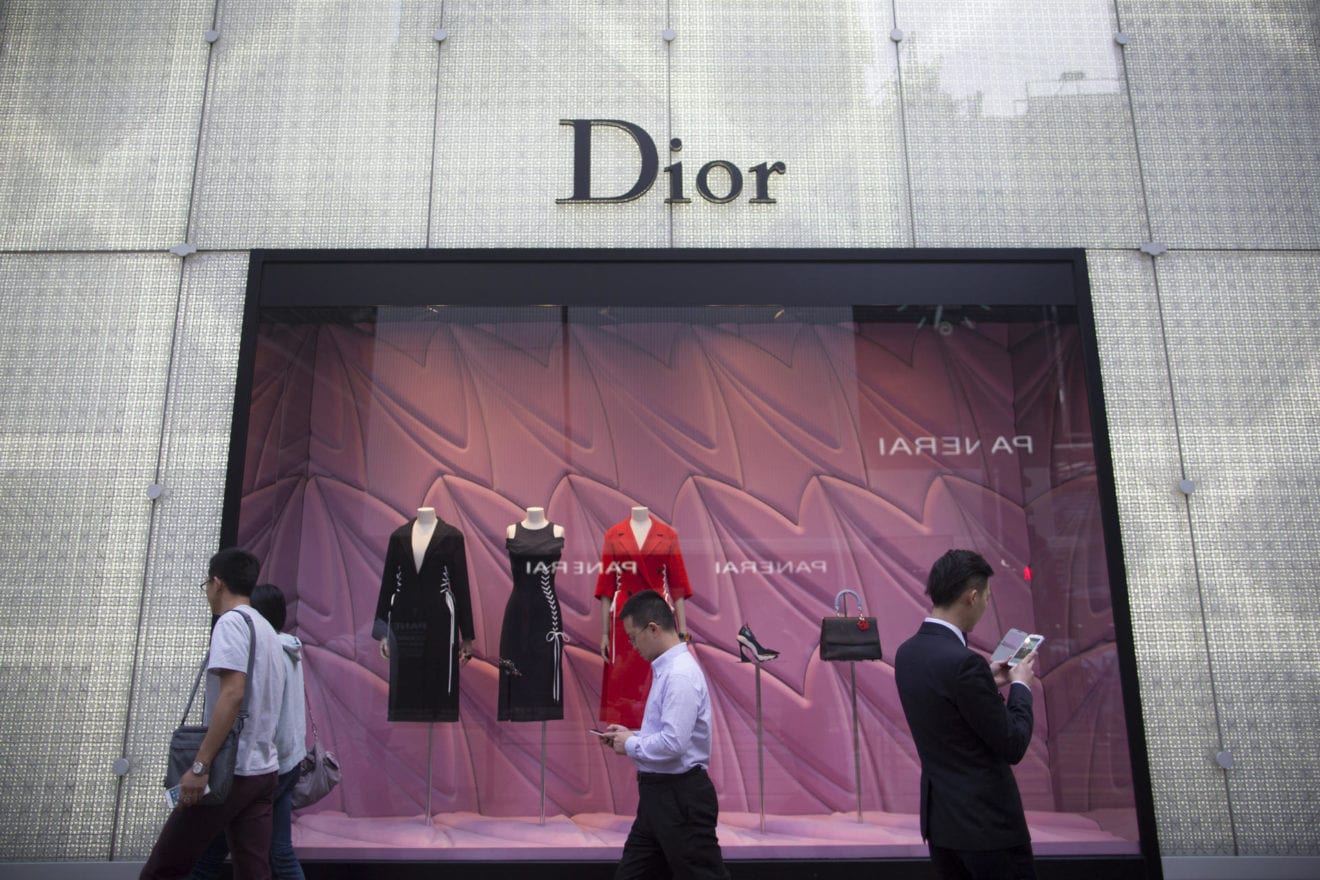
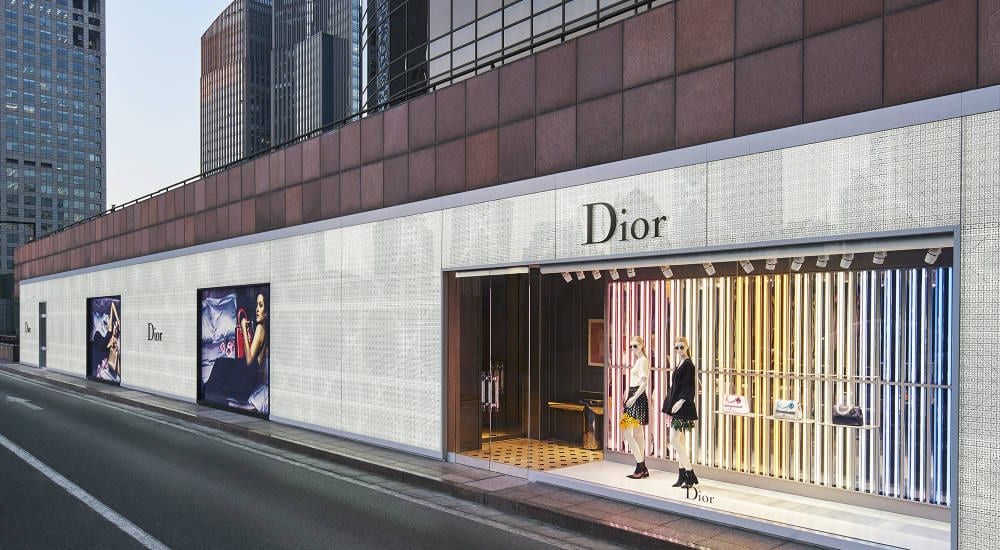
    Designed by American architect Peter Marino, the two-level store reflects the timeless elegance of Dior, with a double-layer glass façade that emulates the iconic “cannage” motif of the couture house. Inside, the refined atmosphere is enhanced by wall art and designer pieces, part of a curated selection of a dozen contemporary art pieces.

    To celebrate the opening of the Dior Beijing China World flagship, the House presented its Spring-Summer 2016 collection at a runway show in a sumptuous blue-hued setting at the Phoenix Center. The show was attended by Christian Dior Couture CEO Sydney Toledano and A-list Chinese celebrities and artists.

    Christian Dior opens its largest boutique in China
  • S-Reits are safe havens amid uncertainty

    S-Reits are safe havens amid uncertainty

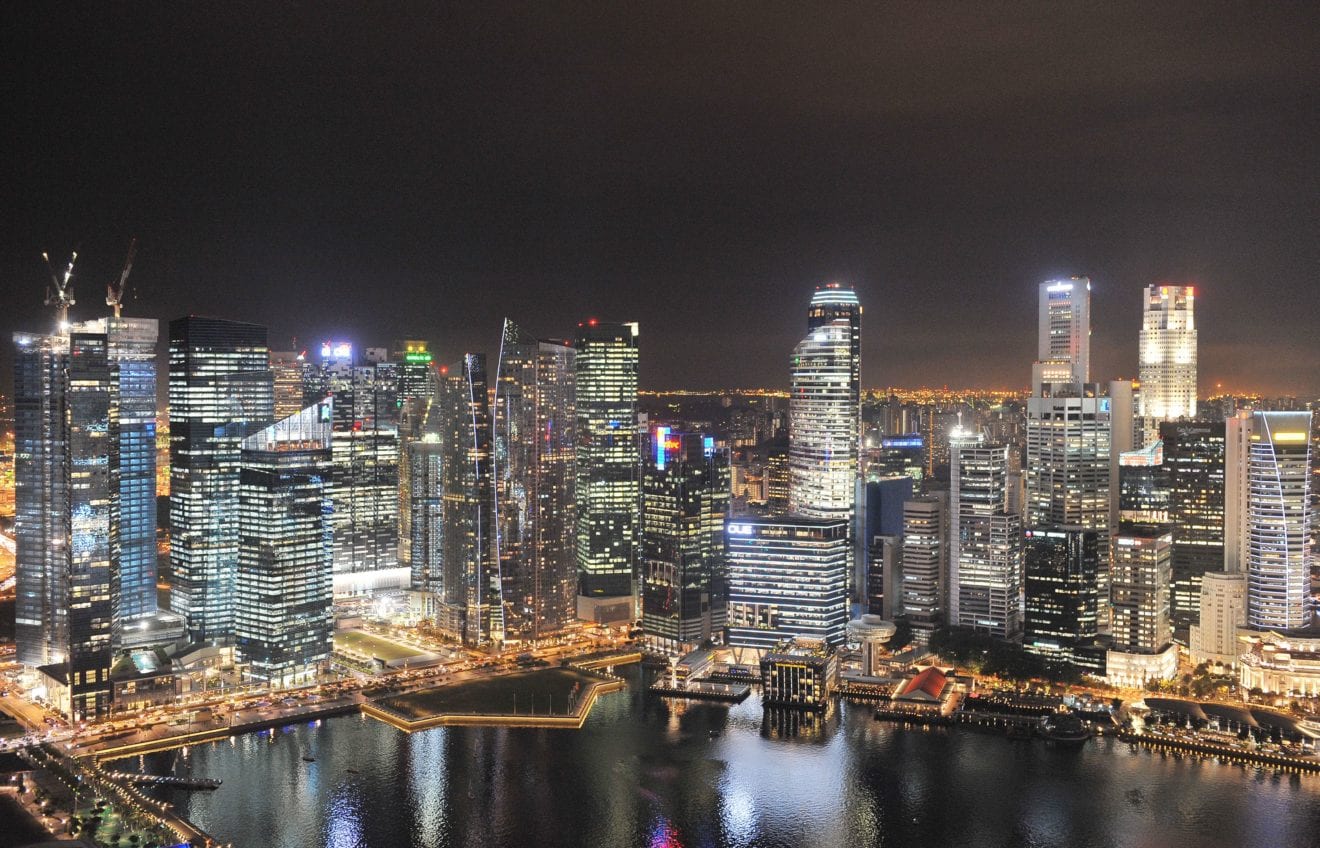
    Amid the economic uncertainty caused by falling oil prices and slowing growth in China, Singapore-listed real estate investment trusts (S-Reits) are safe havens, DBS Group Research said yesterday.

    S-Reits have outperformed the local benchmark Straits Times Index and real estate developers so far this year, DBS analysts Derek Tan and Mervin Song wrote in a report.

    Like many sectors, S-Reits have fallen in value, but not as sharply as most others. S-Reit unit prices are down by about 3 per cent overall since the start of the year, while the STI has plunged by a much more dramatic 11 per cent.

    These trusts are likely to continue putting in a “firm” performance in the near term, the analysts wrote, especially as increasing expectations of a delay in further interest rate hikes by the United States Federal Reserve will have a positive impact on share prices in general.

    The Fed lifted interest rates in December for the first time since 2006, and the DBS forecasters expect the central bank to raise rates four times throughout this year.

    But the Fed has indicated that it has grown cautious after its December move, as the slump in oil prices has made it harder for it to meet its inflation targets, implying that the next rate hike could be delayed.

    The longer the Fed takes to raise rates, the better for Reits as it will keep their borrowing costs low.

    “While higher interest rates are a potential risk in the medium term, we remain comforted by S-Reits’ conservative capital strategies… which will mitigate the impact of higher refinancing costs when it occurs,” the DBS analysts said.

    On average, locally listed Reits have a gearing of 34 per cent, which is “manageable”, they noted.

    S-Reits are trading at attractive valuations, which make it a good time for investors to jump in and lock in some yields, they added, saying that S-Reits are trading at 0.9 time price to book and offer investors a yield of 7.1 per cent.

    “We believe current valuations are attractive re-entry levels and believe that large caps are likely to benefit as investors turn yield-hungry in a tepid growth environment,” they said.

    Their favourite S-Reits are “those with the opportunity to surprise on the upside through acquisitions or portfolio-specific catalysts”, the DBS analysts added.

    Their top picks are Ascendas Reit, Mapletree Greater China Commercial Trust, Mapletree Commercial Trust, Frasers Centrepoint Trust and CapitaLand Retail China Trust.

  • Capitaland Retail China Trust sees 4.4% rise in Q4 DPU to 2.59 cents

    Capitaland Retail China Trust sees 4.4% rise in Q4 DPU to 2.59 cents

    Capitaland Retail China Trust (CRCT) reported on Thursday (Feb 4) a 4.4 per cent rise in distribution per unit (DPU) to 2.59 Singapore cents for its fourth quarter ended Dec 31, 2015 from 2.48 cents for the year-ago quarter.

    Gross revenue increased 6.7 per cent to S$56.2 million while net property income rose 5.2 per cent to S$35.3 million.

    The rental growth came mainly from CapitaMall Qibao and CapitaMall Saihan. This increase was partially offset by lower revenue from CapitaMall Wuhu due to lower occupancy rate as the mall is undergoing tenancy adjustments and a one-off forfeiture of security deposits at CapitaMall Xizhimen.

    The bottomline in Singapore dollar terms was stronger than in yuan terms due to the appreciation of the Chinese currency against the Singapore unit during the quarter.

    Said Mr Tony Tan, CEO of the trust’s manager: “For FY 2015, CRCT’s gross revenue crossed the RMB1.0 billion mark for the first time. Portfolio occupancy remained high at 95.1 per cent as at Dec 31, 2015, while rental reversion for the full year was 8.1 per cent. Annual tenants’ sales increased 11.6 per cent and shopper traffic rose 1.8 per cent year-on-year.”

    “We will continue to strengthen our malls’ tenant mix and uplift the shopping experience through continual asset enhancement initiatives to remain relevant and attractive to the communities we serve,” he said.

    DPU for the full-year was up 7.9 per cent to 10.60 cents from 9.82 cents a year ago.

    Based on CRCT’s closing price of S$1.460 on Feb 3, the distribution yield for FY 2015 was 7.3 per cent.

    Unitholders can expect to receive their DPU of 2.59 cents for the fourth quarter along with their DPU of 2.64 cents for the third quarter, totalling 5.23 cents, on March 30. The book closure date is 16 February 2016.

  • Monkey See, Monkey Do

    Monkey See, Monkey Do

    The Chinese New Year – the Year of the Monkey – has passed. The Gregorian calendar year has gotten off to a somewhat inauspicious start – certainly as far as commodities are concerned (although diamonds seem to have bucked that trend somewhat), so what is in store over the next 12 months?

    People born in the Year of the Monkey are characterized as quick-witted, curious, innovative and mischievous – all important traits (yes, including the mischievous) in running successful businesses. However, and this information might not be welcome news, it is also considered one of the unluckiest years in the Chinese calendar – if only we could go back to the Year of the Dragon, considered the luckiest of all the Chinese signs.

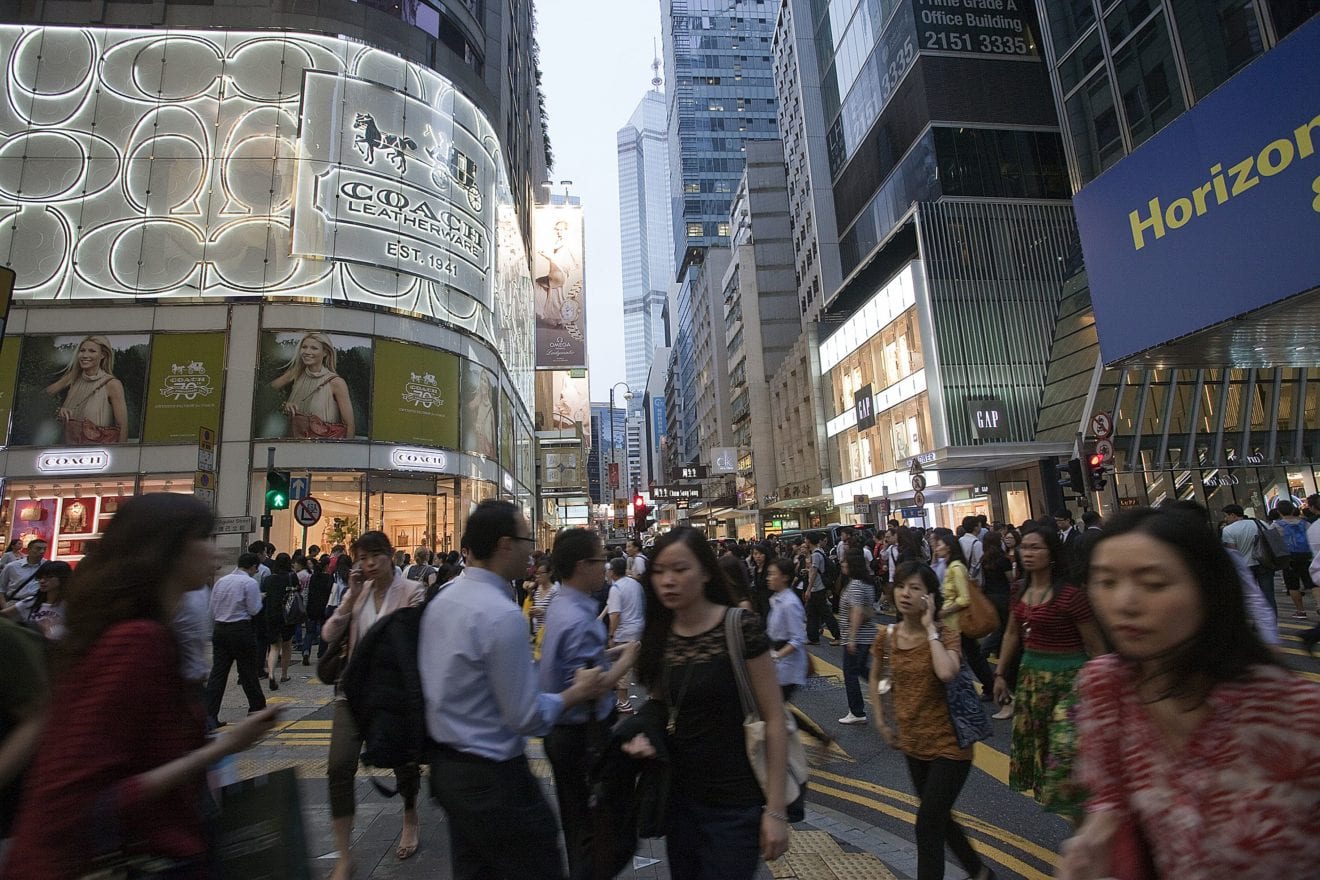
    The Chinese New Year comes at a bit of a crossroads as far as retail is concerned, both in mainland China and on the island city of Hong Kong. Recent stock market turbulence and a devalued yuan, which has hit retail sales in Hong Kong, causing a second consecutive annual decline, have contributed to a degree of uncertainty.

    Hong Kong has seen its dollar strengthening against the yuan, making it more expensive for mainlanders to shop there, with sales of jewelry and watches slumping 16 percent over the year. The Lunar New Year celebrations herald peak tourism season – with as many as 5 million visitors during the month =  with day trips from the mainland accounting for more than half of those.

    However, despite what might seem like slightly gloomy economic news, a growing middle class and increased disposable income has led to projections of Chinese consumption topping $2.3 trillion by 2020. A recent Forbes article estimated that according to the Hong Kong Trade and Development Centre (HKTDC), China’s share of diamond consumption is expected to increase 20 percent to 25 percent over the next 10 years.

    The HKTDC also said that more than 50 percent of jewelry sales are driven by weddings, with the bridal market being a unique segment in the jewelry retail industry. A surprising statistic also emerged from a recent De Beers survey; that 67 percent of men in China between the ages 30-44 said that they wanted to own diamonds. There is an opportunity here if brands can not only tap into the existing market, but push the idea of his and hers wedding bands. Interest and receptivity is already high, and perhaps it only needs a gentle nudge to really expand the bridal market further.

    In general, as Chinese consumers are increasingly exposed to luxury goods they have become more discerning about brands and the message they project – with exclusivity being a big selling point. According to a LuxuryDaily report, Hermès is considered the most exclusive brand, measured by a range of factors including the consistent quality of goods, brand prestige, valuation of the brand’s customers and its ability to justify a high price point. Although Hermès was considered the most exclusive brand, Chanel was thought to be the most desirable – a result that may have been influenced by Chanel’s brand exhibitions within China.

    So, with positive predictions about Chinese consumption and growing brand awareness and appreciation for luxury goods, perhaps the Year of the Monkey will turn out alright in the end. Its lucky colors can all be found in diamonds and jewelry – blue, gold and white. Famous monkeys include Julius Caesar, Charles Dickens and Elizabeth Taylor and if their successes can be mirrored, the Year of the Monkey won’t be half bad at all.

    Happy belated Chinese New Year.

  • Drones manufacturer DJI to open flagship retail store in Korea

    Drones manufacturer DJI to open flagship retail store in Korea

    DJI, a manufacturer unmanned aerial vehicle technology, is set to open a flagship store in Seoul’s Hongdae district in March.

    Frank Wang, DJI Founder and CEO, said the location was chosen as Hongdae is a vibrant district that combines urban arts, indie music and pop culture.

    DJI korea inside

    “DJI is also creating a cool new culture for aerial enthusiasts, allowing people to experience and see the world from a new perspective,” he said.

    The five-story, 870-square-meter store will feature a full range of DJI’s consumer products, including the Phantom 3 series, the Inspire 1 and Spreading Wings series, Matrice 100, Guidance, the Ronin handheld three-axis camera gimbal line, as well as the company’s latest integrated stabilized 4K handheld camera, the Osmo.

    The store will have a lounge area for visitors to relax and enjoy aerial footage and content from around the world; a customer experience zone where DJI pilots will perform demos for different products; and customer support.

    The Seoul store is DJI’s second foray into retail after the December opening of its OCT Harbour shop near the company’s headquarters in Shenzhen, China.

  • Formoso new chairman of Asia Pacific Retail organization first for Philippines

    Formoso new chairman of Asia Pacific Retail organization first for Philippines

    Formoso becomes the first Filipino to chair this Asia Pacific Federation. The FAPRA consists of the recognized national retail trade organizations in 18 member-economies – Australia, China, Chinese Taipei, Fiji, Hong Kong, India, Indonesia, Japan, Korea, Malaysia, Mongolia, Myanmar, New Zealand, the Philippines, Singapore, Thailand, Turkey, and Vietnam.Formoso, COO of Duty Free Philippines, has assumed the FAPRA chairmanship from Mehmet T. Nane, chairman of the Turkish Council of Shopping Centers and Retailers and CEO of CarrefourSa, who formally turned over the Federation’s leadership to him during elaborate ceremonies at the recently concluded Asia Pacific Retailers Convention and Exhibition (APRCE) 2015 that Manila hosted last October. The APRCE is the biggest and longest running retail industry event in the region.

    “As a veteran in the retail industry and being the concurrent president of PRA, we are confident Formoso’s chairmanship of FAPRA would be very productive.  We are sure he will guide the FAPRA in the same way he ably shepherded the PRA,” the PRA Board said.

    Formoso also sits in the board of the Asia Pacific Travel Retail Association.

    Turkey held the FAPRA chairmanship for two years – from 2013, the year it hosted the APRCE, to 2015, the year the Philippines hosted it.  The Chairmanship of FAPRA devolves  to the immediate past host of the APRCE.

    The Philippines chairs the FAPRA until 2017.

    The FAPRA was founded in 1989. It has implemented various initiatives and programs designed to develop itself and promote information exchanges and sharing experiences and concerns towards the development of the retail industry and improving the retailers’ status and the welfare of their clients in the region.

    As new FAPRA Chairman, Formoso now presides over the Federation’s policies and programs aimed at helping promote the growth and development of retailing in the Asia Pacific region.

  • Retail LPG price drops 2 baht/kg to 20.29 baht/kg

    Retail LPG price drops 2 baht/kg to 20.29 baht/kg

    The board also decided to scrap the compensation for transportation costs for LPG to be delivered by PTT Plc to regional depots across the country. This measure will reduce the LPG prices in the countryside to different levels depending on the distance between the depots and PTT Plc main LPG terminal.

    However, Mr Thavarath Sutabutr, director of the Energy Policy and Planning Office, said that during the first three months the depot-gate prices of LPG in the countryside will be controlled at levels not exceeding the transportation costs.

    He pointed out that the LPG price in Lampang which is the farthest from PTT terminal will not be reduced as the compensation remains at 2 baht/kg.

    The new LPG retail price for Bangkok and the eastern region effective as of Thursday is 20.29 baht/kg.


  • Sales slide worst in 13 years for Hong Kong

    Sales slide worst in 13 years for Hong Kong

    Hong Kong retail sales fell 3.7 percent last year the worst in 13 years, including the 2.3 percent slide during the 2003 SARS epidemic with a gloomy outlook also forecast for this year.

    Retail sales fell to HK$475 billion, with volume slipping 0.3 percent, a second straight annual decline, the Census and Statistics Department said.

    In December, when the tourism board counted nearly 11 percent fewer visitors from a year earlier, total sales value fell 8.5 percent much worse than the 4.3 percent drop projected by analysts. The slump widened from 7.8 percent in November, and was the largest since January 2015.

    Sales of jewelry, watches, clocks and valuable gifts were among the hardest hit, slumping 17 percent in December and 16 percent for the full year. Clothing and department store sales also declined.

    Hong Kong Retail Management Association chairman Thomson Cheng said the situation, which fell back to the level seen in 2002, is “worrying.”

    Cheng expects a high single-digit slump in retail sales for the first quarter this year, and full-year retail sales to drop at least 3 percent.

    Erwan Rambourg, a retail analyst at HSBC in Hong Kong, said high-end watch and jewelry sellers suffered as mainland shoppers avoided lavish purchases, while falling currencies in other Asian nations reduced prices for goods bought elsewhere.

    Visitors from the mainland fell 16 percent in December from a year earlier, the tourism board said last week. Total visits to Hong Kong fell 2.5 percent last year to 59.3 million.

    ANZ noted visitor spending made up a large portion of more than 42 percent of retail sales in 2014.

    “Given the depreciation of the yuan and other currencies against the Hong Kong dollar, the tourism and retail sector will continue to face headwinds in 2016,” ANZ said.

    Retail sales were down on an annualized basis every month from March through December, according to Bloomberg data.

    Chow Tai Fook Jewellery Group (1929) said last month that sales during Lunar New Year would be challenging.

  • Wildcraft Expands in International Markets

    Wildcraft Expands in International Markets

    Wildcraft has launched operations in Middle-East and South East Asia as the brand sets out to grow its presence in International markets. The company has tied-up with partners for its foray in the UAE, Oman and Muscat markets and online partnerships for Singapore, Malaysia, Indonesia, Hong Kong and Taiwan.

    The move, which has been taken as part of company’s aggressive growth plans, will also allow the brand to evaluate these markets before it expands in other countries.

    The brand, in 2015, unveiled a new brand identity and expanded its product portfolio into clothing and footwear. It has also made a series of moves including expanding its retail footprint to 130 retail stores in 50+ cities across India, extending its presence in over 400 cities in India through over 3000 distribution points.

    In South East Asia, the brand has partnered with Zalora, part of Global Fashion Group, giving the company access to the Singapore, Malaysia, Hong Kong and Taiwan markets. Through this alliance, Wildcraft will start off with selling its outdoor gear product lines.

    While in the UAE, the outfitter has built partnerships across offline and an online distribution channels. The company has also tied up with Souq.com, one of the largest e-commerce platforms in the region.

    Gaurav Dublish, Co-founder of Wildcraft, while commenting on the move, says, “Expanding into South East Asia and the Middle East, both important markets for us, is just the start of our growth plans. The focus, at this point, is to reach countries with similar climatic conditions & geo-proximity.”

  • Chinese flock to Bali celebrating new year

    Chinese flock to Bali celebrating new year

    Thousands of Chinese have flocked to Bali to cerebrate Chinese new year using chartered flights of a number of airlines including Garuda Indonesia

    Tourism Minister Arief Yahya said here on Monday at least 65 chartered flights carrying 23,000 Chinese from 11 cities in China had landed on Bali.

    “It seems Bali has become the favorite destination of Chinese tourists . More than 114 million Chinese travel abroad every year,” Arief said.

    Other airlines carrying Chinese to Bali on chartered flights include HongKong Airlines, Shenzen airlines, Air Asia, China Southern, China Eastern, Dragon Air, Cathay Paciific, Eva Air, Singapore Airlines, Brunai Air, etc.

    Arief said the airlines could serve to promote Bali in China.

    “They speak good things about Bali, its beauty and generosity of its people, ” he said.

    He attributed the success in luring Chinese to Bali to intensive advertising, and sales by a marketing team of the tourism ministry.

    He said he had instructed the provision of 6,000 souvenirs for the tourists and facilities to entertain the visitors.

    The tourism ministry has launched promotion campaigns to attract Chinese to cerebrate Chinese new year in Bali since early January.

    “Winter in northern China including Beijing and the province of Heilongjiang is extreme 15 degree Celsius below zero prompting people from that region to leave for warm place and choose Bali to celebrate the new year,” he said.

    In 2016, the tourism ministry sets the target for foreign visitors to Bali at 1.7 million . In February alone the target is set at 200,000 visitors.

    “China is a potential market , a big market. Therefore it needs special handling,” Arief said.

    Arief said currently only 1.14 million Chinese tourists visit Indonesia a year far smaller than 8 million to Thailand.

    “We have been lagging too far behind . If they are so interested in visiting Thailand , they should be more so in Indonesia,” he said, adding Indonesia needs only to intensify promotion.

    Generally Chinese tourist like beach resorts and shopping, he said.

  • Trident launches first branded products in China

    Trident launches first branded products in China

    Vertically integrated US giant Trident Seafoods is launching its first retail branding and marketing initiative in China. Timed to coincide with the grand celebration of Chinese New Year beginning Feb. 8, the company will also introduce a Chinese version of its corporate website to communicate directly with Chinese consumers via the Chinese social media platform WeChat.

    The Seattle, Washington-based company, one of the largest in the US, is sponsoring promotions utilizing two Chinese e-commerce channels: YiGuo.com, which is one of the biggest online fresh food platforms in China, and YouPin Food.

    The partnership with YiGuo.com allows the company to offer wild Alaska king crab directly to the Chinese consumers in a retail channel.

    As part of the push, Trident will be supplying 1,000 whole, wild Alaska king crab, individually packed in dramatically decorated red and gold protective boxes.

    The company will also be offering wild Alaska sockeye salmon portions and wild Alaska smoked salmon to online consumers.

    A fleet of trucks, featuring an Alaska crab fisherman, a large king crab, and the Trident logo is currently delivering the special gifts through YiGuo.com in Shanghai.

    “What better time could there possibly be to introduce these truly amazing, ruby-red seafood items that we harvest from the pristine waters of Alaska,” said Joe Bundrant, Trident’s CEO. “We’ve been celebrating these products for decades ourselves, and we are very proud to be able to share them now with Chinese consumers who understand their great value and incredible ‘Wow!’ factor.”

    Trident’s partnership with YiGuo.com opens access to three additional online sales channels through YiGuo.com’s official website; they include YiGuo.com’s mobile app, Alibaba’s Tmall online Supermarket (Tmall Chaoshi) and YiGuo.com’s online flagship store at Tmall.com.

    Throughout 2016, Trident will introduce additional products from Alaska and elsewhere, assuring Chinese consumers of a steady supply of healthy, safe and delicious seafood products under the Trident brand.

  • ‘Uberization’ of Asia retail industry seen

    ‘Uberization’ of Asia retail industry seen

    Increased mobile accessibility and broadband penetration are disrupting the traditional grocery-buying business model, enabling consumers to purchase groceries anywhere, at any time.

    “We are seeing an ‘uberization’ of the retail industry in Asia,” HappyFresh CEO Markus Bihler said. “The outlook has never been more promising.”

    Citing a report by Telefonaktiebolaget L.M. (Lars Magnus) Ericsson, Bihler said mobile penetration in the Asia-Pacific region (excluding China and India) reached 110 percent in the first quarter of last year, surpassing the global average of 99 percent.

    “Opportunities abound in this region with its sophisticated food-loving consumers, growing wealth and rapid urbanization. The continued increase in mobile adoption and broadband penetration has helped boost our online grocery sales.”

    HappyFresh is an online grocery delivery service provider based in Jakarta, Indonesia. Last year, the company completed a $12-million Series A funding led by Vertex Venture, the venture arm of Temasek Holdings, and Sinar Mas Digital Ventures, the venture arm of Sinar Mas Group of Indonesia.

    “Ordering online for home delivery is gaining in popularity in the region. Currently, two out of five online shoppers want to receive real-time offers via their smartphones while they shop. We foresee a double digit growth ahead for the online grocery business,” Bihler said.

    According to Bihler, since its inception, HappyFresh has seen a ten-fold increase in the downloading of its mobile app in the region.

    “The increased popularity of online grocery shopping in Asia has been fueled by two social developments: traffic congestion and long working hours.”

    Traffic congestion is a characteristic of most Asian cities, the company said. The Southeast Asian cities of Jakarta, Bangkok and Surabaya are in the Top 10 cities with the worst traffic congestion globally. “For this reason, few people want to push their way through a crowded supermarket after a long day at work,” Bihler said.

    Asian countries also tend to have the longest working hours, according to Bihler sans citing a source. Asian countries, he said, have the highest proportion of people who spend more than 48 hours a week at work. This number is expected to rise as Asia becomes even more affluent, Bihler added sans citing his source.

    “Customers are also becoming very selective when it comes to quality foods. Today’s shoppers are seeking fresh, natural and minimally processed foods with ingredients that help fight disease and promote good health,” Bihler said citing a study by The Nielsen Co.

    According to him, this situation “presents a tremendous opportunity among niche consumer segments, especially in the healthy eating space and other categories that may be more difficult to find on in-store shelves.”

    “As a result, a number of specialty retailers have emerged in the health and wellness space, from national online grocery delivery services with extensive fresh sections to local produce delivery services.”

  • Oppo, Vivo snap at Apple’s heels in China

    Oppo, Vivo snap at Apple’s heels in China

    Beyond China few may have heard of Oppo or Vivo, but these local handset vendors are rising up the rankings in the world’s largest smartphone market, using local marketing savvy and strong retail networks in lower-tier cities.

    Industry experts say these cities — there are more than 600 of them and some are bigger than many European capitals — are the next smartphone battlefield as China’s major cities are saturated.

    International brands such as Apple and Samsung Electronics have mostly not yet reached this part of the market — which accounts for more than 56% of China’s overall consumption, according to Beijing All China Marketing Research.

    In an economy growing at its slowest pace in a quarter of a century, buyers in these smaller cities – with populations of up to 3 million – tend towards cheaper phones, which is good news for Guangzhou-based Oppo and Vivo, as well as Meizu Technology Co, an affiliate of Alibaba Group Holding Ltd.

    “Oppo and Vivo have already overtaken Samsung and ZTE Corp in China, and are working to chase down the big three of Huawei, Xiaomi and Apple in 2016,” said Strategy Analytics analyst Neil Mawston.

    Selfies, gimmicks
    To be sure, these lower-priced newcomers lack the firepower of the premium brands, and operate on razor-thin margins or at losses. They need mass volume sales to keep going, the industry experts said.

    Oppo sold 10.8 million smartphones, giving it a 9% market share and a top-5 ranking, in the fourth quarter of last year, according to Strategy Analytics — even as the overall China market slipped 4%.

    Oppo’s R7 smartphone, priced at 1,999 yuan ($304), touts itself as a “selfie expert”, with a bigger screen than the iPhone 6s and competitive camera resolution.

    Vivo ranked fourth with 10% market share, below Apple’s 13%.

    The growth among these younger vendors comes as Apple, Xiaomi and others struggle to maintain momentum in a market swamped with smartphones and fading economic growth.

    Analysts say the newcomers run eye-catching marketing gimmicks, including sponsorship with local TV shows, and have extensive retail networks in lower-tier cities.

    “There’s only so much the international firms can do when it comes to localized marketing in China,” said Nicole Peng at Canalys. “For foreign companies like Samsung, their marketing strategies don’t really cater to the Chinese consumer.”

    Sixth-ranked Samsung declined to comment.

    Apple last week forecast a first revenue drop in 13 years and posted the slowest-ever increase in iPhone shipments as the Chinese market showed signs of weakening.

    Challenges ahead
    China has nine of the world’s top-12 smartphone brands, with nearly a quarter of the market share, according to CounterPoint Research, but turning that into volume sales beyond China will be a challenge.

    Overseas, Chinese brands lack strong distribution networks and can run into intellectual property issues. Oppo is already in several Asian and Middle East markets, while Vivo is in Malaysia and India.

    And at home, Chinese device buyers are notoriously fickle, switching between brands in a cut-throat market. Regular price wars have seen ZTE and Lenovo Group frequently swap places in the sales rankings.

    “The lines between ‘high-end’ and ‘low-end’ devices is blurring, which leaves price as the sole differentiator for most mass market buyers,” said Sameer Singh, an analyst who blogs at Tech-Thoughts.net.

    “Brand image tends to be a lagging indicator of customer experience, i.e. as the latter improves, so does word-of-mouth and consequently brand image. I think that’s what we’re seeing with Chinese brands today.”

  • Mobile e-commerce to fuel Chinese retail

    Mobile e-commerce to fuel Chinese retail

    Despite the slowdown in China’s GDP growth, the Alibaba Group believes the country’s consumer economy will weather the storm and grow handsomely, largely fuelled by mobile e-commerce.

    According to a recent report titled The New China Playbook by he Boston Consulting Group (BCG) in association with the with AliResearch, Alibaba Group’s research arm, even if China’s GDP growth slows to 5.5 per cent, which is a full point below the 6.5 per cent government target, the country’s consumer economy will expand by more than half to $6.5 trillion in 2020 from $4.2 trillion in 2015.

    According to the report, e-commerce is expected to play a major role in the development of China as a consuming nation, a transition that is being accelerated by the growth of shopping via smartphones and other mobile devices.

    “One of the most revolutionary changes in the Chinese consumer economy has been the astounding growth of e-commerce,” the BCG said. In 2010, online transactions made up only 3 per cent of total private consumption in China; online channels today account for 15 per cent of the total, a share that BCG projects will rise to 24 per cent in 2020 (in contrast, online shopping currently accounts for about 7.5 per cent of private consumption in the US).

    The BCG does not foresee a marked slowdown in the growth of e-commerce. Over the next five years, private online consumption is expected to surge at a compound annual growth rate of 20 per cent, compared with 6 per cent annual growth in offline retail sales. Chinese consumption will grow by more than half to $6.5 trillion over the next five years from $4.2 trillion in 2015. E-commerce on the whole will account for 42 per cent of that growth.

    BCG identified three distinct “megatrends.” First, rising incomes are fueling greater spending, and in new areas not seen before. Then there’s the growing prominence of China’s “young generation.” And finally, the shift from bricks-and-mortar retail to e-commerce will continue to play an ever-bigger role in China’s economy.

    Overall, an incremental $2.3 trillion in annual consumer spending that China is expected to add over the next five years is almost like adding another Japanese consumer market onto the global economy, the report said.

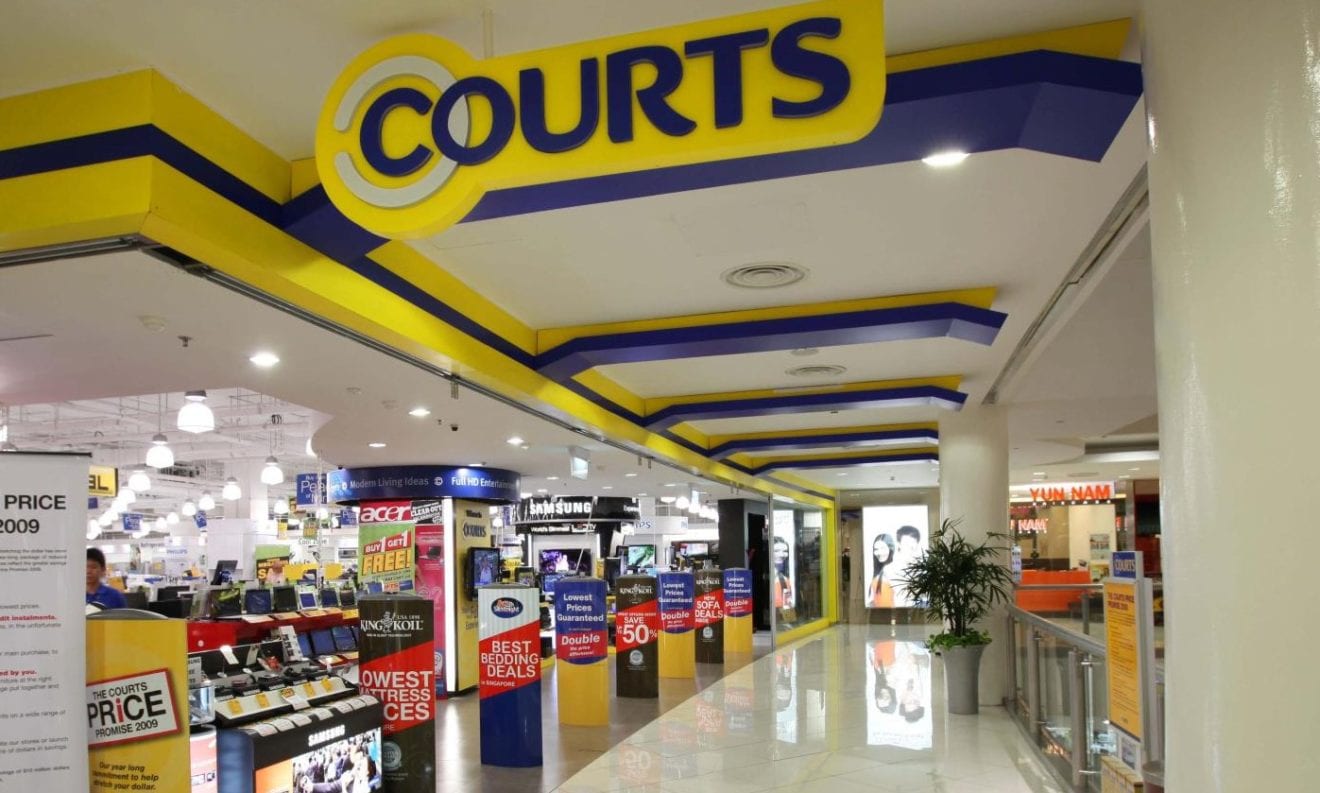
  • Staying with Courts through thick and thin

    Staying with Courts through thick and thin

    When retail boss Terry O’Connor first joined Courts Singapore, he looked at its first managing director Christopher Wade and felt he could never emulate his record. Yet, he has done just that.

    Mr Wade is something of a legend around Courts. He was sent here to open its first store in 1974 and ran the show until he left in 1990.

    “The idea that this guy was with the company for 16 years; I thought, ‘Wow, that will never be me’,” said Mr O’Connor.

    But he, too, has clocked up an impressive stint at Courts Singapore, beginning in 1993 as a director of electrical buying at the age of 25 before moving up the ranks to his present position as Courts Asia’s group chief executive.

    Mr O’Connor, now 47, left school at 17 to work. His career as a buyer began a year later, laying the foundation for his retail experience.

    Later, he took the risk to move here from Liverpool and has been with Courts for most of his life, through thick and thin.

    That is why he is sticking by the firm, even as rising costs, weak market sentiment and challenges from e-commerce attack the bottom line.

    Group revenue has been slipping in recent years, coming in at $384.3 million in the six months to Sept 30 last year, down from the $409.7 million recorded in the same period in 2012. Courts Asia has a market capitalisation of about $175.8 million.

    Singapore sales contributed 63.3 per cent of the group’s sales for the six months, and dipped 2.6 per cent in the three months to Sept 30 last year, compared with the same period a year earlier, mainly due to lower sales across the categories.

    Group net profit in the six months to Sept 30 last year was $12 million, down from $22.6 million in the same period in 2012.

    The share price of the furniture and electronics retail giant has fallen by around 40 per cent since relisting in 2012.

    Despite the middling figures, Mr O’Connor believes in the firm. After all, worse things have happened.

    The litmus test came in 2004 when its British parent firm, known as a furniture retailer, was facing bankruptcy.

    As Courts Singapore’s managing director – a role he assumed in 2000, at the age of 32 – Mr O’Connor took charge of overhauling the Singapore operations with a team of 10 senior managers.

    It included rebranding Courts as a consumer electronics retailer instead of just a furniture seller, and privatising and restructuring the company as Courts Singapore.

    During that period, he stopped seeing himself as a mere manager and more of an entrepreneur who needed to save his baby. “With the events of 2004, you don’t think like a corporate employee any more. It’s more of an owner’s mindset.

    “Really, from that point onwards, I felt like a parent in many aspects, the person who’s responsible for the family, and started to think more like an entrepreneur.”

    He fondly recalls what a long-time employee of Courts Singapore told him on the day he gathered the staff to share news of the parent firm’s distress. “The longest-term employee, a lady by the name of Ms Stephanie Fong, said to me, ‘You’re our ‘father’ now.’ That’s a key point, as one of the things important to me was to be in front of my own management team and say, ‘Look, I’m not going anywhere.’ This is an opportunity, not a crisis.”

    Ms Fong, 59, who has been with Courts Singapore since 1975 and is now its senior manager of distribution, remembers those tough times like it was yesterday.

    “Back then, it was the saddest news I heard,” she told The Straits Times. “I went to my desk and started crying silently because I had so much passion working with Courts and the British directors, especially the Cohen family (owners of the Courts PLC business, then a majority shareholder of Courts Singapore).

    “The feeling was similar to the loss of our parents. I told Terry that he had to be the father of Courts Singapore, and all of us would need his leadership to bring Courts to greater heights. I believed in him and saw his potential.”

    Ms Fong said Mr O’Connor lived up to that monicker, unleashing his potential as he demonstrated “leadership with care and passion, and remained committed to the business from that day onwards”.

    She called him a man of his word, and that “his assurance to lead the business to success together with us came true”.

    Mr O’Connor made sure to tell his team that the Asian operations were different from Britain’s, that they were operating in a more modern manner and “this was our opportunity to create the kind of business that potentially wouldn’t have been allowed before”.

    That was how, bit by bit, he and his management nursed Courts back to health, eventually relisting the company as Courts Asia on the Singapore Exchange in October 2012.

    Mr O’Connor has an easy camaraderie with employees, who cheerfully call him by his given name, as he moves around the Tampines store.

    Mutual respect is important to the group chief executive, something he never forgets, even during store visits. “When you go to a store, first of all, it’s important to connect with the manager and give the manager ‘face’. It’s his or her business.”

    Mr O’Connor, a Singapore permanent resident who is married with a son and daughter, is no micro manager. If he spots a problem with the store, he will let the manager know and let them make the changes required to improve.

    “I don’t think there’s any point in going to the store, and tearing people apart or ripping into people. That’s not my style. But I might, if I go back and they haven’t fixed it. Mistakes are allowable, but not addressing the mistake isn’t.”

    Under his watch, Courts operates more than 80 stores – 15 here – across three markets, with more than 1.6 million sq ft of retail space.

    There are 62 stores in Malaysia, with two new outlets opening there by the end of March. Indonesia welcomed two new stores in January and should have nine by the first quarter of 2017, he said.

    “We recognise that the share price will move up and down, sometimes based on performance, sometimes based on market sentiment. I think the healthiest thing for us to do is to just focus on the business.”

    He added: “The upturn in South-east Asian markets always comes. We’re in this game for the long term and we’re used to going through cycles. In the interim, we’ll focus on strong cost and margin management, people development and planting seeds for the long-term growth of the company.”

    He let slip a little secret that would have changed the course of Courts forever, if it had panned out.

    “I did resign in 1996. I did three years (in Courts) and said I wanted to go back to Britain.

    “But I was persuaded by the then group chief executive to rescind my resignation. He said there were long-term plans for me and I’d be given a bigger commercial role. So I did and I decided to stay.”

    And that is how Mr O’Connor came to call both Courts and Singapore home.