Tag: asia

  • Oppo, Vivo snap at Apple’s heels in China mobile market

    Oppo, Vivo snap at Apple’s heels in China mobile market

    Beyond China few may have heard of Oppo or Vivo, but these local handset vendors are rising up the rankings in the world’s largest smartphone market, using local marketing savvy and strong retail networks in lower-tier cities.

    Industry experts say these cities – there are more than 600 of them and some are bigger than many European capitals – are the next smartphone battlefield as China’s major cities are saturated.

    International brands such as Apple and Samsung Electronics have mostly not yet reached this part of the market – which accounts for more than 56 percent of China’s overall consumption, according to Beijing All China Marketing Research.

    In an economy growing at its slowest pace in a quarter of a century, buyers in these smaller cities – with populations of up to 3 million – tend towards cheaper phones, which is good news for Guangzhou-based Oppo and Vivo, as well as Meizu Technology, an affiliate of Alibaba Group Holding Ltd .

    “Oppo and Vivo have already overtaken Samsung and ZTE Corp in China, and are working to chase down the big three of Huawei, Xiaomi and Apple in 2016,” said Strategy Analytics analyst Neil Mawston.
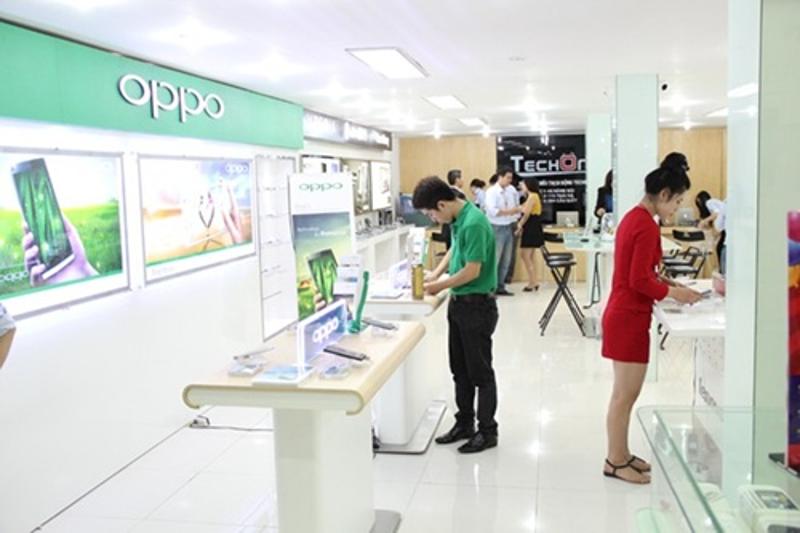

    Oppo sold 10.8 million smartphones, giving it a 9 percent market share and a top-5 ranking, in the fourth quarter of last year, according to Strategy Analytics – even as the overall China market slipped 4 percent (Oppo) To be sure, these lower-priced newcomers lack the firepower of the premium brands, and operate on razor-thin margins or at losses. They need mass volume sales to keep going, the industry experts said.

    Oppo sold 10.8 million smartphones, giving it a 9 percent market share and a top-5 ranking, in the fourth quarter of last year, according to Strategy Analytics – even as the overall China market slipped 4 percent.

    Oppo’s R7 smartphone, priced at 1,999 yuan ($304), touts itself as a “selfie expert”, with a bigger screen than the iPhone 6S and competitive camera resolution.

    Vivo ranked fourth with 10 percent market share, below Apple’s 13 percent.

    The growth among these younger vendors comes as Apple, Xiaomi and others struggle to maintain momentum in a market swamped with smartphones and fading economic growth.

    Analysts say the newcomers run eye-catching marketing gimmicks, including sponsorship with local TV shows, and have extensive retail networks in lower-tier cities.

    “There’s only so much the international firms can do when it comes to localized marketing in China,” said Nicole Peng at Canalys. “For foreign companies like Samsung, their marketing strategies don’t really cater to the Chinese consumer.”

    Sixth-ranked Samsung declined to comment.

    Apple last week forecast a first revenue drop in 13 years and posted the slowest-ever increase in iPhone shipments as the Chinese market showed signs of weakening.
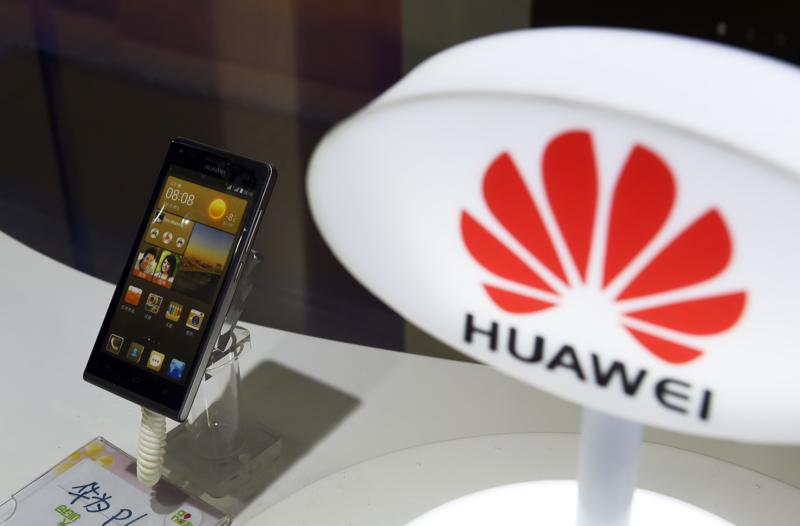
    A mobile phone made by Chinese telecom equipment maker Huawei is displayed in a store in Beijing. (AFP)

    CHALLENGES AHEAD

    China has nine of the world’s top-12 smartphone brands, with nearly a quarter of the market share, according to CounterPoint Research, but turning that into volume sales beyond China will be a challenge.

    Overseas, Chinese brands lack strong distribution networks and can run into intellectual property issues. Oppo is already in several Asian and Middle East markets, while Vivo is in Malaysia and India.

    And at home, Chinese device buyers are notoriously fickle, switching between brands in a cut-throat market. Regular price wars have seen ZTE and Lenovo Group frequently swap places in the sales rankings.

    “The lines between ‘high-end’ and ‘low-end’ devices is blurring, which leaves price as the sole differentiator for most mass market buyers,” said Sameer Singh, an analyst who blogs at Tech-Thoughts.net.

    “Brand image tends to be a lagging indicator of customer experience, i.e. as the latter improves, so does word-of-mouth and consequently brand image. I think that’s what we’re seeing with Chinese brands today.”

  • Benoy’s Portfolio Expands in the Philippines

    Benoy’s Portfolio Expands in the Philippines

    Benoy, the global studio of Architects, Masterplanners, Interior and Graphic Designers, announces its expansion across the Philippines as the firm’s portfolio grows with new and built projects. Benoy is excited to confirm five new appointments as well as welcome the completion of two schemes in the island nation.

    Benoy Director Stephen Chow commented on the firm’s expanding portfolio, “The Philippines is one of the strongest economies in Southeast Asia and it has been an incredibly dynamic market for Benoy. Working in the region for more than ten years, we have seen the opportunities increase as the country grows and competes on an international scale. Our experience within global markets balanced with our local understanding has therefore been an attractive offer.”

    New Appointments

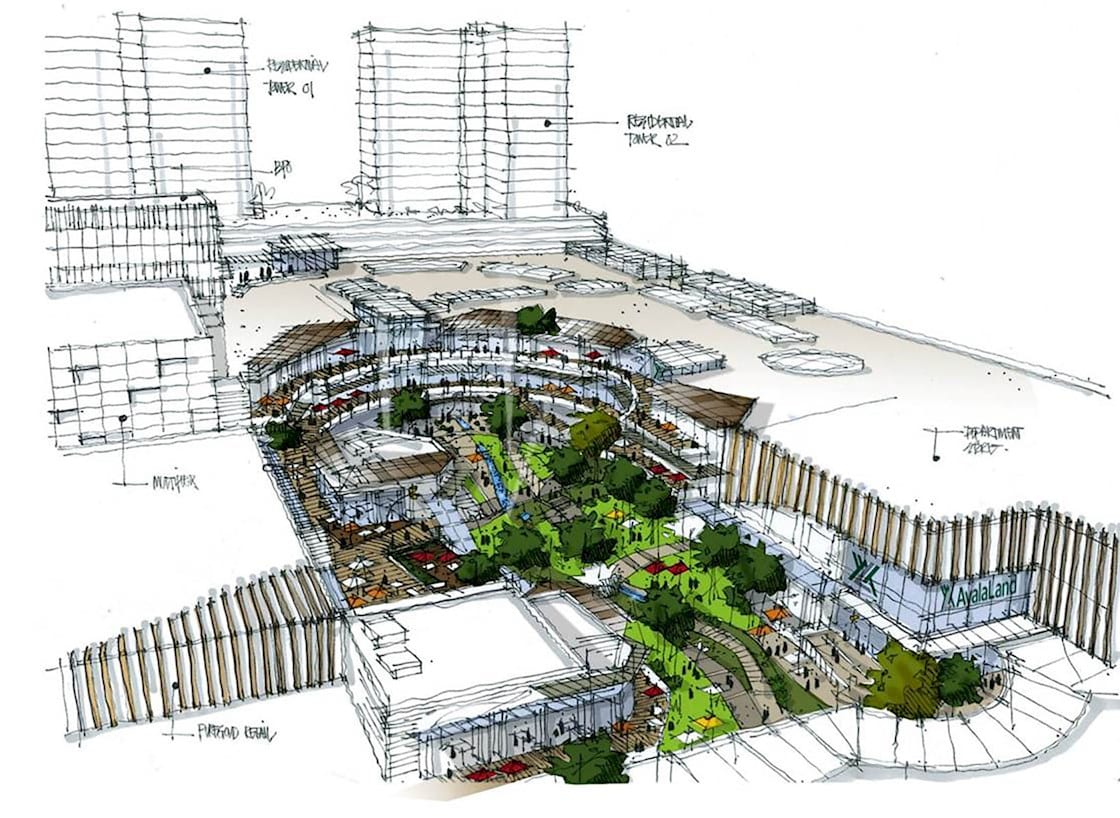
    Benoy’s growing order book is mainly concentrated in the Metro Manila area, the country’s most populous region. Working with leading developers such as Ayala Land and Filinvest, the firm is involved in multiple sectors and across the full complement of its services, from Masterplanning and Architecture to Interiors and Graphic Design.

    In the City of Taguig, Benoy has been appointed as the Podium Architect and Interior Designer on West Super Block, the latest edition of an integrated urban plan known as Bonifacio Global City. The development will consist of a four-storey retail podium, an all-suite residential tower and a Grade A office block where the Philippines Stock Exchange will be located.

    At the heart of Manila’s commercial and financial centre, Benoy is masterplanning and completing the architecture for the future Makati Mixed-use Development. The scheme will include a commercial podium, 15-storey office tower and 39-storey residential tower which will be one of the tallest in the district.

    In Balintawak, a major gateway from the north into Metro Manila, Benoy is delivering an 11ha mixed-use masterplan. Positioned at the intersection of two highways, the Balintawak Masterplan will include Retail, Residential, Commercial Offices, a Hospital and act as a regional transportation hub. Benoy is also the Architect for the regional mall situated on the site.

    The full scope for One Binondo, a new mixed-use development in the heart of Manila’s Chinatown, has also been appointed to Benoy. The four-storey podium will feature, among many offers, ‘Micro Retailing’, a trading form famous within the district. A Grade A office tower and three residential towers with landscaped gardens, club house, pool and recreation facilities will be seamlessly integrated above the retail scheme.

    To conclude Benoy’s new appointments, the firm is delivering a visionary redevelopment plan for Alabang Town Centre, one of the most successful retail destinations in southern Metro Manila. As part of this development, the firm will also complete the Architecture, Interior Design and Landscape Design of a new Lifestyle Centre sitting at the heart of the scheme.

    “We are thrilled to be building such a diverse portfolio in the Philippines. It is very exciting to have the opportunity to help shape the future of the country and we look forward to delivering creative, intelligent and considerate design solutions to these projects,” said Stephen.

    Completed Developments

    The firm has also seen the completion of two recent projects in Quezon City, U.P. Town Center and Fairview Terraces, both developed by Ayala Land.

    U.P. Town Center has opened at the University of the Philippines campus. The development is a lively combination of indoor and outdoor retail, dining and commercial uses integrated within a landscaped setting. The scheme covers a GFA of over 88,000m2 and 40% of the site area has been designated as open space. As Masterplanner and Architect, Benoy is overseeing the three phase project. The first two phases have opened and the final phase is due to complete in 2016.

    Situated in the city’s north, Fairview Terraces is a 135,000m2 retail-led, mixed-use development. The mall is spread over five levels and features around 420 retailers and a ‘Boutique Super Market.’ The focal point of the scheme is the generously landscaped central promenade which is surrounded by pocket gardens and al fresco dining. A natural gathering place for residents, shoppers and workers, the design has established this project a thriving community hub. Benoy completed the Architecture and Interior and Graphic Design.

    During the construction phases of both schemes, careful attention was made to protect the existing trees on the sites; preserving the character of the areas. In the case of Fairview Terraces, a long-standing mango tree has now become the very heart of the design, sitting at the centre of the development.

    With the completion of these two schemes, Benoy adds to its growing built portfolio in the Philippines which already includes the extensive renovation of Ayala Alabang Town Centre. With new appointments under construction, the firm looks forward to expanding its offer across the country and creating thriving future hubs for the Philippines community.

  • Mobile shopping soar 42% as retail sales hit record high in Dec.

    Mobile shopping soar 42% as retail sales hit record high in Dec.

    Retail sales in South Korea hit a record high in December aided by brisk demand for furniture, food and beverages, and cosmetics, a government report showed Tuesday.

    Retail sales amounted to 33.19 trillion won ($27.6 billion) in December, up 2.7 percent from the 32.3 trillion won tallied the previous year, according to the report by Statistics Korea. It also marks a 2.8 percent gain from November’s 32.3 trillion won.

    The December figure marked the highest monthly amount since January 2010 when the state statistical bureau started to compile related data.

    Sales of furniture jumped 6.4 percent on-year to 423 billion won in December, with food and beverage sales rising 4.1 percent to 6.8 trillion won. Demand for cosmetics grew 3 percent to 1.5 trillion won over the cited period.

    However, sales of home appliance goods, computers and mobile phones dropped 2.2 percent on-year to 3.2 trillion won, while sales of clothing fell 3.7 percent to 5.2 trillion won.

    Department stores saw their sales fall 2.7 percent on-year in December, while large discount outlets and supermarkets basked in a 3.1 percent and 1.1 percent rise, respectively.

    Convenience stores saw their sales jump 21.5 percent from a year earlier, the data showed.

    Online shopping sales, which have been growing swiftly in recent years, jumped 15.3 percent on-year to reach a record 5.33 trillion won in December on the back of the strong sales of food products, cosmetics and clothes.

    Online shopping accounted for 16.1 percent of all retail sales in December, up from 15.3 percent the previous month.

    Purchases made through mobile devices, meanwhile, soared 41.73 percent on-year to 2.65 trillion won, accounting for 49.6 percent of all online sales in the period, according to the report.

    For the whole of 2015, Statistics Korea said the amount of retail sales reached 366.5 trillion won, up 1.9 percent from a year earlier.

  • Korean, Singaporean investors also want to buy Big C Vietnam

    Korean, Singaporean investors also want to buy Big C Vietnam

    The analysts said that the auction is a unique opportunity for foreign corporations to pour capital into the two retail markets of the highest profit in Southeast Asia.

    Both the two new potential investors are appreciated for financial strength. Dairy Farm Group is the 2nd largest retailer in Singapore and Hong Kong, which owns a series brands like 7-Eleven, Cold Storage, Guardian, Wellcome Giant, Hero … Its revenue in 2014 is about $13 billion.

    Meanwhile, Lotte Shopping is Korea’s largest mall chain with turnover of $23 billion and $509 million of profit in 2014.

    Another source said that Japanese retail group Aeon Co Ltd is also considering to join the race.

    Earlier, the two retail giants of Thailand – Berli Jucker and Central Group – said they wanted to buy the property.

    Central Group, the largest retailer of Thailand, owned by billionaire Tos Chirathivat is said to have upper advantage because it holds a 25% stake of Big C Thailand.

    This group wants to buy an additional 58.6% of shares, equivalent to $3.1 billion. In addition, Central Group also expects to pay from $800 million to $1 billion to own the whole Big C Vietnam system.

  • Fitch Thailands Liberalisation of NGV Price Positive for Industry

    Fitch Thailands Liberalisation of NGV Price Positive for Industry

    Thailand’s plan to remove the cap on the retail price of natural gas for vehicles (NGV) is positive for Thailand’s oil and gas sector. Prices of all types of fuel in Thailand will reflect actual costs once the latest NGV reforms are effective, after liquefied petroleum gas (LPG) price reforms were implemented in February 2015 and an NGV price hike was imposed in 4Q14.

    The further reduction of losses from NGV sales, as a consequence of the latest reforms, is positive for PTT Public Company Limited’s (PTT, BBB+/AAA(tha)/Stable) cash generation. PTT’s profits have been significantly reduced by the weaknesses in its core upstream division amid low oil prices.

    Thailand’s Energy Policy Administrative Committee has said that the NGV retail prices will be liberalised in 2016. The NGV price will be set based on the natural gas cost in Thailand (pool gas price). Prices will be updated on a monthly basis. However, the NGV retail price will be capped at THB13.5 per kilogram (kg) from 21 January to 15 July 2016, after which the cap will be lifted. The NGV price for public vehicles, which account for only around 25% of total NGV volume consumed in Thailand, will continue to remain unchanged at THB10 per kg. However, the government is in the process of reviewing the law to let the country’s Oil Fund subsidise this cap on the NGV price for public vehicles.

    PTT incurred heavy losses in its NGV business in 2011-2014. The company reported negative EBITDA of THB20.0bn in 2014 (compared with total consolidated EBITDA of THB251.0bn for the year) and THB8.3bn in 9M15. The smaller EBITDA loss in 9M15 was due mainly to the increase in the NGV retail price in 4Q14. We expect the losses to narrow substantially in 2016.

    Demand for NGV in Thailand has been historically distorted by the regulated pricing – particularly during periods of high oil prices, due to its low fixed retail price, resulting in large losses for operators like PTT. Demand for NGV increased substantially during 2011-2013, but growth moderated to 3% in 2014 when the NGV retail price was increased. The increase in NGV retail price plus the lower refined oil prices have sapped demand for NGV in 2015. NGV consumption for 9M15 decreased by about 2% yoy, while consumption of gasoline and diesel increased by 13% yoy and 3% yoy, respectively. A similar trend was observed for LPG after prices were reformed in the beginning of 2015. LPG consumption for 9M15 dropped by 12% yoy.


  • KFC wins China payout over mutant chicken rumours

    KFC wins China payout over mutant chicken rumours

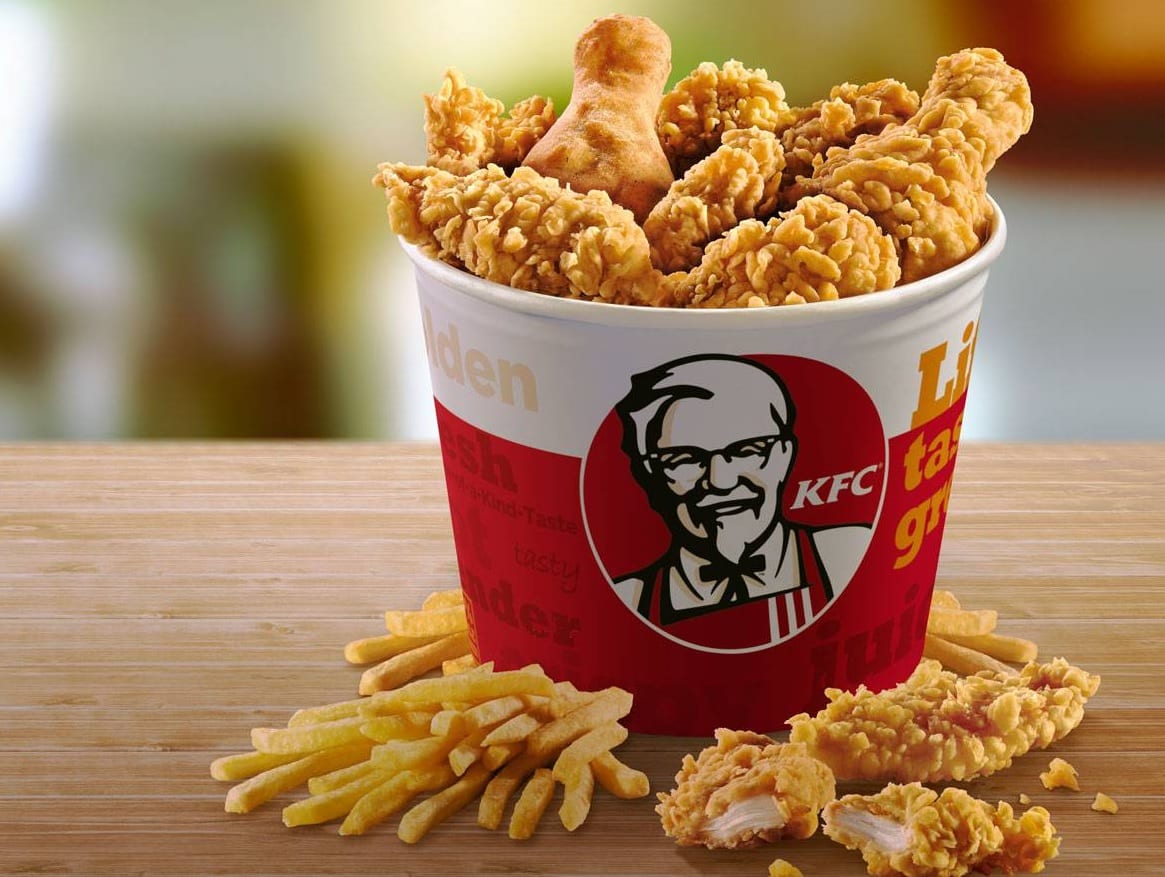
    A Shanghai court has fined three local tech firms for helping spread rumours about Yum Brands Inc’s KFC fast food chain that included doctored photos of deformed chickens and allegations the birds had six wings and eight legs.

    In a statement on its official microblog, the Xuhui District People’s Court said Yingchenanzhi Success and Culture Communication, Taiyuan Zero Point Technology and Shanxi Weilukuang Technology had “damaged KFC’s reputation” and “caused it economic losses” by permitting the allegations to be posted on their social messaging accounts.

    The companies were ordered to make an official apology and fined a combined 600,000 yuan ($91,191), an amount that fell far short of the 1.5 million yuan ($227,977) Yum had asked each company to pay in damages.

    “We brought suit against these individuals for making false statements about the quality of our food and we are pleased with the outcome,” China-based Yum spokeswoman Cindy Wei said in emailed comments sent to Reuters.

    Reuters was unable to find contact numbers or websites for the three companies fined by the court.

    Yum is battling to turn around its fortunes in China, its largest market, where its sales have taken a serious hit after a series of food safety scares since the end of 2012. The firm is planning to spin off its China unit by the end of this year.

    KFC China brought the suit against the firms in June last year for using ten accounts on Tencent Holdings Ltd’s popular messaging platform WeChat to spread the defamatory posts.

    Food safety is a major concern in China, with frequent scandals ranging from recycled “gutter oil” and years-old “zombie meat”, to dairy laced with industrial chemicals.

    A food scandal in 2014 that dented Yum and rival McDonald’s Corp came to a close earlier this week when a Chinese court fined US food supplier OSI Group and handed jail terms to ten of its executives over allegations it had reused returned food products to avoid losses.

  • Hong Kong sees worst retail sales since 2003

    Hong Kong sees worst retail sales since 2003

    Retail sales fell 3.7 percent in value last year, the biggest decline since the SARS outbreak in 2003, Hong Kong Retail Management Association chairman Thomson Cheng said.

    Cheng also said the value of retail sales this year is forecast to fall by at least 3 percent, the Hong Kong Economic Journal reported on Wednesday.

    Last year’s figure was further dragged down by the abnormally warm weather in December when sales slipped back to the level four years ago, Cheng said.

    Sales in 2015 reached HK$475.2 billion, with the figure for December down 8.5 percent year on year to HK$43.7 billion, government data showed.

    For last year, sales of luxury items, including jewelry and watches, posted the biggest drop of 15.6 percent among all categories while consumer durables recorded the highest gain of 6.1 percent.

    Cheng also said Lunar New Year sales could see a high single-digit fall over a year ago.

    Nonetheless, downsizing, wage cuts and shop closures are not expected to be widespread after the holidays, he said.

  • Philosophy to work skincare miracles in Asia

    Philosophy to work skincare miracles in Asia

    Coty-owned skincare brand, Philosophy, has launched the new Ultimate Miracle Worker collection of products, which include ‘multi-rejuvenating’ day and night creams, a lightweight emulsion and an eye cream.

    The new products will hit travel retail counters in Asia Pacific in April.

    The Ultimate Miracle Worker night and eye creams are said to make the skin firmer, smoother and more radiant, with less-visible wrinkles and pores.

    The ingredients contain
    a ‘high performance’ bi-retinoid and anti-ageing active plant cells from the iris flower that is said to stimulate skin regeneration, while helping your skin rebuild its natural collagen.

    The serum is contained in “a patented ‘mix-in pearl’ delivery system that enables us to protect the active ingredient until first use for maximum skin performance,” says Coty.

    The nourishing creams ‘high performance’ bi-retinoid boasts release technology helping deliver active and stable retinol directly to skin cells.
    For enhanced nighttime repair the Ultimate Miracle Worker Night product contains a 2x more concentrated dose of active plant cell then our Ultimate Miracle Worker products for daytime use.

    Muriel Pujos, head of scientific communication at philosophy comments: “80% of the signs of ageing can be attributed to the environment, particularly the sun.

    “The sun’s spectrum is a continuum of UV rays, visible light and infrared rays, and our exclusive technology is the ideal way to protect against this light spectrum, while activating the skin-rejuvenation process for the appearance of younger-looking skin. Now skin can repair itself better.”


  • Lotte founder appears in court to prove his health

    Lotte founder appears in court to prove his health

    The 93-year-old founder of South Korean retail giant Lotte Group walked into a court hearing on Wednesday to prove that he still remains healthy, which has emerged as a critical factor in the bitter family feud between his two sons.

    Shin Kyuk-ho appeared at the Seoul Family Court after his younger sister claimed her aging brother is no longer capable of making consistent decisions, requesting the court to pick her as his legal guardian.

    The gaunt tycoon claimed his mental competency is the same as in his 50s during an hour-long hearing and exited the court in a wheelchair, his lawyer told reporters, without elaborating on details.

    Shin Kyuk-ho, a 93-year-old founder of South Korean retail giant Lotte Group, enters a Seoul court on Feb. 3, 2015, for a hearing on his legal guardian. (Yonhap)

    Shin Kyuk-ho, a 93-year-old founder of South Korean retail giant Lotte Group, enters a Seoul court on Feb. 3, 2015, for a hearing on his legal guardian. (Yonhap)

    His lawyer said Shin will go through physical check-ups and ask for the court’s decision on whether he needs a legal guardian.

    After a months-long succession feud, Shin’s second son, Dong-bin, took control of the nation’s fifth-largest conglomerate last year. His older brother, Dong-joo, was stripped from the company’s senior posts, but he has claimed that his father chose himself as the legitimate successor for the group.

    Dong-bin has claimed that his father is unable to make reasonable judgments due to mental health problems.

    The founder and his family members have come under fire for exerting uncontrolled power over the business empire with a meager stake, tarnishing the corporate image with the nasty succession fight.

    South Korea’s antitrust watchdog said Monday that the founder and immediate family members of Lotte Group own just 2.4 percent of a stake in the businesses they run, which include food, leisure, construction and chemical businesses.

    The group initially began as a small confectionery business in Japan before it built up operations in South Korea. At present, the bulk of the group’s business comes from South Korea, with Shin and key family members all holding South Korean citizenship.

  • Lawsgroup’s journey from Hong Kong to Myanmar

    Lawsgroup’s journey from Hong Kong to Myanmar

    ‘I run the business just like a hobby’: says Bosco Law, Lawsgroup chief executive. Before his death in 1996, the Hong Kong textile tycoon Law Ting-pong handwrote a letter of wishes in which he expressed the hope that “those who are careful at the beginning would also be careful to the end”.

    Unfortunately, the lack of careful wording in the informal will sparked a court battle between his six children over his HK$1bn estate that dragged on until 2011.

    Now, with the row settled, his 37-year-old grandson Bosco Law is trying to live out the exhortation to cautious living in his role as chief executive of Lawsgroup, the family’s mini-conglomerate, which spans clothes manufacturing, retail and property.

    'I run the business just like a hobby': Bosco Law, Lawsgroup CEO

    “My grandfather had a saying that we should be very conservative but also aggressive,” says Mr Law, speaking at the company’s headquarters in a busy commercial area of the Kowloon district in Hong Kong.

    He explains the apparent conflict: the phrase means eschewing complicated financial products such as currency derivatives but taking an adventurous approach to expanding the core business of sewing T-shirts and knitting sweatshirts for retail customers including Gap, JC Penney and Uniqlo. “The manufacturing environment is ever changing so you always have to have a changing mindset to survive,” he says.

    He declines to release any figures indicating the size of the company but as evidence of its ambitions, cites its recent expansion into Myanmar, which has attracted much attention but where few investors are willing to take the plunge.

    Always searching for cheaper labour, Lawsgroup opened its first factory there last year and employs more than 2,000 people making T-shirts two hours’ drive north of Yangon, the commercial capital. “Opening a new factory is always tough,” says Mr Law. “Everything is new in Myanmar. Even if you talk to the [government’s] commerce department, they don’t really know the policy . . .  everything is a guess, everything is grey.”

    Politics is a further uncertainty, with talks about forming a new government taking place between opposition leader Aung San Suu Kyi and the ruling military after her party won November’s election. “Who knows what will happen? But still, if we have a 70 per cent chance [of success] we will go for it.”

    While the business is much smaller than the conglomerates built by Hong Kong tycoons such as Li Ka-shing and Lee Shau-kee, Lawsgroup’s combination of entrepreneurial endeavour and conservatism is typical of the approach that built the city’s dominant family businesses. Many started with humdrum businesses such as small-scale factories or retail stores before parlaying profits and connections into diversified business empires.

    You can make decisions faster and you can follow your will and passion, but you have to take full responsibility because it’s also your money

    Lawsgroup, which employs about 20,000 people in Bangladesh, China, Hong Kong, Myanmar and Vietnam, was founded as a textile manufacturer by Law Ting-pong in 1975 in the heyday of the “made in Hong Kong” boom. Like other Hong Kong clothes makers, it soon moved into the mainland to take advantage of low wages, a huge workforce and the opening-up of China from the late 1970s.

    Its expansion there took off only after 2005, when quotas on imported textiles in Canada, the EU and the US finally ended. That year, Mr Law joined the family business after studying architecture in Toronto and working for an architects’ firm and a bank.

    Lawsgroup was listed in Hong Kong in 1987 and a separate property and retail arm spun off into their own listings before the main holding group was taken private in 1998.

    Mr Law, who describes his management style as “firefighting” when necessary, rather than micromanaging, says his main interest is fashion. That much is clear from his quirky outfit of flowery sneakers, grey trousers and a green blazer with a robot-shaped brooch.

    A laid-back figure who rarely gives interviews, Mr Law insists he was not parachuted into his job by dint of some family succession plan but he notes that running a family-owned company has advantages.

    “You can make your decisions faster and you can follow your will and passion, but you have to take full responsibility because it’s also your money.” Yet, pushed on whether he feels pressure to maintain and enhance a rich legacy, as in many Chinese family-owned companies, he brushes off the question. “I run the business just like a hobby,” he says. “I’m pushing my vision and I like doing branding and marketing.”

    Perhaps he does not feel the weight of family expectations so heavily because his father’s siblings run their own businesses, from Crystal Group, a leading clothing manufacturer, to the Park Hotel group and Bossini, the low-cost clothing retailer that made his grandfather famous in Hong Kong.

    Mr Law’s focus is on managing Lawsgroup’s moves into new markets. With factory workers in the manufacturing heartland of Guangdong taking home more than $500 a month, Lawsgroup is expanding in countries where wages are less than half the cost, such as Myanmar, Vietnam and Bangladesh.

    Mr Law’s responses are sometimes so relaxed it is hard to tell if he is blasé, unflappable or evasive

    The death of basic manufacturing in China has long been prophesied, but Mr Law believes big producers will keep a presence there because of the scale and infrastructure advantages, as well as technical expertise.

    “Most of our research and development is in China, where we do our industrial engineering and have developed our own IT system for quality control,” he says. “We do our factory line planning and training videos in China and then have the whole package sent overseas for them to follow.”

    Mr Law’s responses are sometimes so relaxed it is hard to tell if he is blasé, unflappable or evasive.

    Asked if he worries about his safety after his cousin Queenie Law was kidnapped for ransom last year, he says “it’s just a single case”. Is he concerned about the disappearance of five Hong Kong booksellers whose store sold works critical of China’s top leaders? “It’s just a single case”.

    Like most Hong Kong businessmen with interests in mainland China, he is reluctant to be drawn into discussions about politics but his attitude might also point to a deeper self-confidence. Free from the vicissitudes and pressures of equity markets, conservative family companies such as his find it easier to endure difficult times.

    On the day of the interview, Chinese stock and currency markets were again ridden with turbulence, and global investors were jittery about the prospects for the world’s second-biggest economy. Unlike some other manufacturers, Lawsgroup has not taken out hedges against renminbi volatility but Mr Law prefers to concentrate on the fundamental business.

    “We’ve been doing this for 40 years. It’s a downtrend right now so we have to buckle up. I’m still confident about Hong Kong and China in the long term.”

  • Moody’s continues to review for downgrade ratings of Standard Chartered Bank Korea

    Moody’s continues to review for downgrade ratings of Standard Chartered Bank Korea

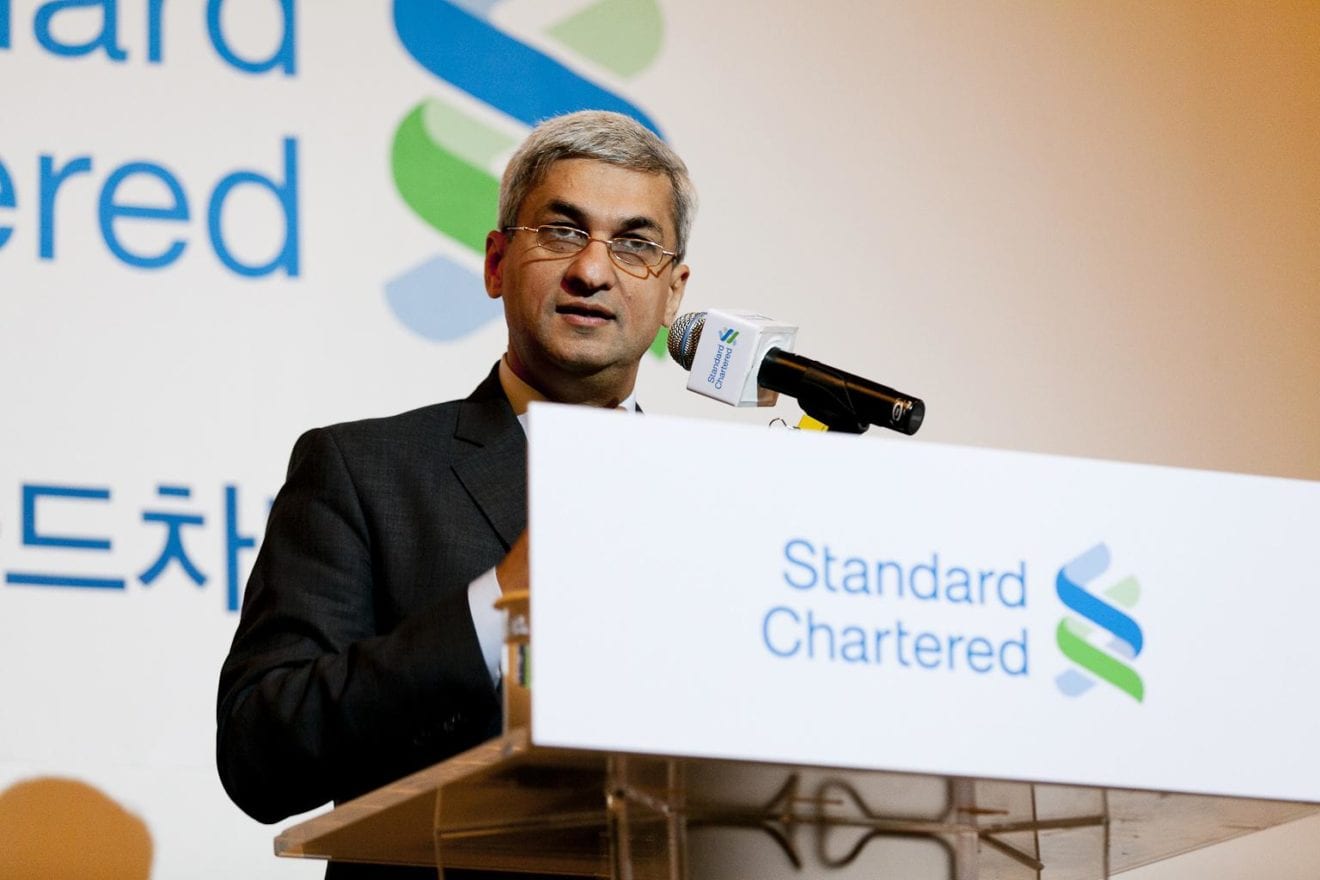
    Moody’s expects to conclude the review in March 2016, after incorporating SCB’s efforts to turn around SCBK’s performance, as well as the detailed results of SCBK’s parent, Standard Chartered Bank’s (SCB, FC deposits Aa2 rating under review for downgrade, BCA a2 rating under review for downgrade) performance for 2015.

    These results will be available in late February.

    Moody’s had originally placed the long-term ratings of SCBK on review on 9 November 2015. Please refer to “Moody’s reviews for downgrade Standard Chartered Bank Korea’s ratings” published on 9 November 2015.

    Moody’s notes that SCB is restructuring its poorly performing Korean retail and commercial banking businesses, introducing some uncertainty as to the future of SCBK’s operations.

    The ratings review of SCBK will consider whether: (1) these initiatives have the potential to change SCBK’s stand-alone credit profile, as expressed by its BCA; and/or (2) to change the strategic importance of SCBK to SCB and therefore potentially to affect the strength of support from SCB.

    The following ratings are on review for downgrade:

    – Local- and foreign-currency long-term deposit ratings of A1

    – Foreign currency senior unsecured MTN rating of (P)A1

    – Local- and foreign-currency short-term deposit ratings of P-1

    – Foreign currency commercial paper and other short-term ratings of P-1/(P)P-1

    – Long-term and short-term counterparty risk assessment of A1(cr) and P-1(cr)

    – BCA of baa2, and adjusted BCA of a3

    The principal methodology used in these ratings/analysis was Banks published in January 2016. Please see the Ratings Methodologies page on www.moodys.com for a copy of this methodology.

    SCBK is headquartered in Seoul, with total assets of KRW61.7 trillion or USD54 billion as of June 2015.

  • Tanjong Pagar Centre — GuocoLand’s crowning glory

    Tanjong Pagar Centre — GuocoLand’s crowning glory

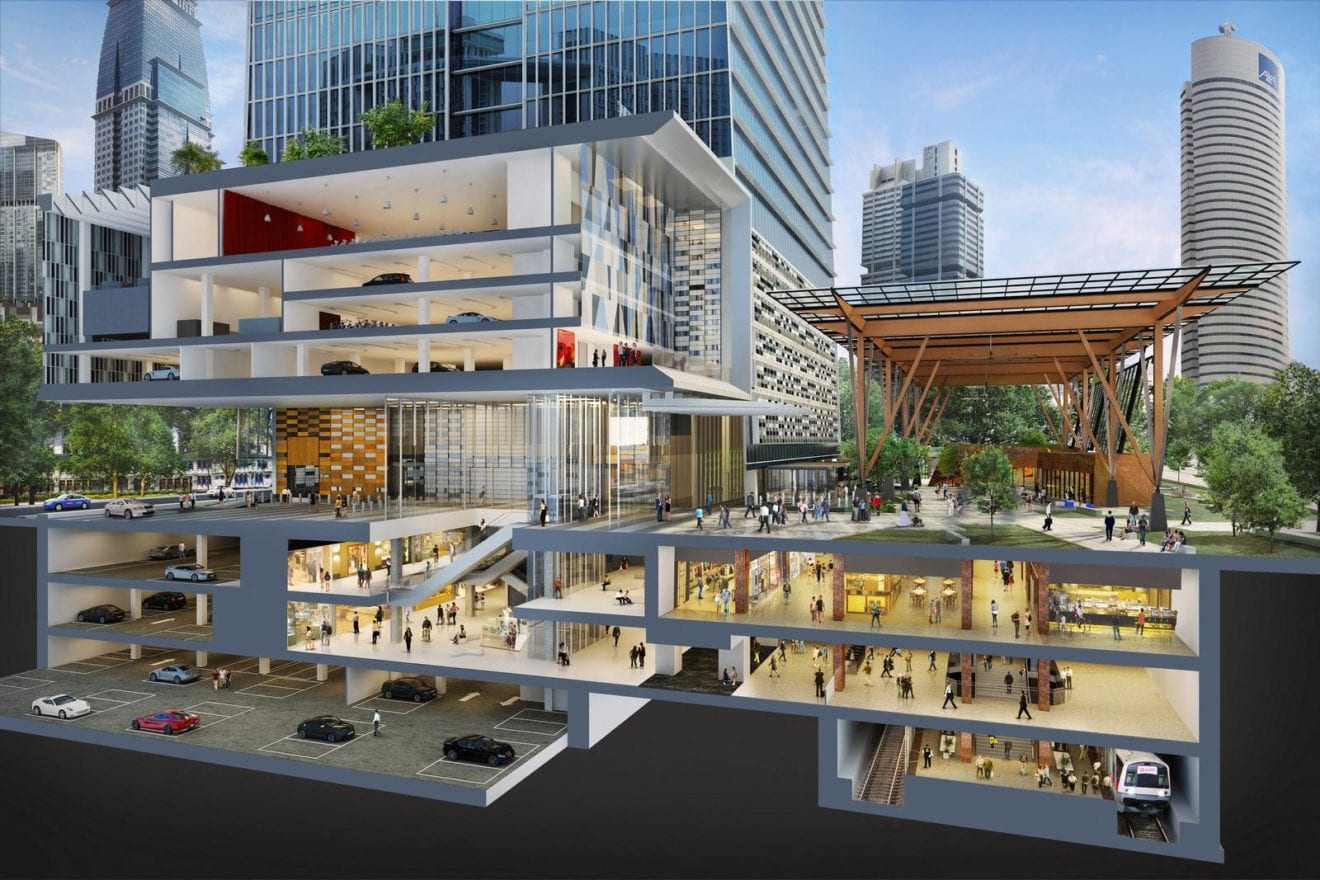
    GuocoLand held the topping-out ceremony of its $3.2 billion Tanjong Pagar Centre on Jan 13. Standing at 290m, it is Singapore’s tallest tower and the latest landmark at Tanjong Pagar.

    The mixed-use scheme will have a total of 1.7 million sq ft when completed and will be integrated with the Tanjong Pagar MRT interchange station. The development will have 890,000 sq ft of office space (Guoco Tower); 100,000 sq ft of retail space; 181 luxury apartments — Wallich Resi dence; the 222-room Sofitel Singapore City Centre; and a 150,000 sq ft landscaped urban park.

    Malaysia’s Employees Provident Fund took a 20% stake in Tanjong Pagar Centre five years ago. Shahril Ridza Ridzuan, CEO of EPF, attended the ceremony, along with Singapore’s Minister for National Development Lawrence Wong.

    The giant mixed-use scheme will be completed in phases. The office and retail components are expected to be completed in 2H2016, followed by the hotel, which is scheduled to open towards year-end. The residential block will be the last phase to be completed.

    Slow take-up of office space
    According to GuocoLand, tenants that have signed up for office space at Tanjong Pagar Centre include DNB Asia (subsidiary of Norway’s largest financial services group DNB Bank ASA), Hong Leong Bank, GuocoLand Group, trading and risk management solutions provider Open Link and serviced office provider Regus, resulting in a take-up rate of 10%.

    “The days of a mega tenant taking up 50% to 70% in a building are gone,” says Cheng Hsing Yao, managing director of GuocoLand (Singapore). In the current economic climate, office landlords prefer to have a diversified tenant base. The office space at Guoco Tower is seeing interest from occupiers looking at half a floor to two whole floors. Such tenants are more likely to commit closer to completion, he adds. Guoco Tower’s premium office floor plates measure 27,000 to 30,000 sq ft.

    “A 10% office space pre-commitment six months before TOP is quite normal,” says Chris Fossick, JLL’s managing director for Singapore and Southeast Asia. Serious discussions are underway for another 40% of the space.

    By contrast, the retail space at Tanjong Pagar Centre has achieved a 60% pre-commitment level. Fitness club Virgin Active is the anchor tenant and will take up 31,000 sq ft (31%) of the retail space.

    Rebranding of hotel, residences

    The hotel and residences at Tanjong Pagar Centre were previously branded Clermont, an extension of The Clermont Club, a members-only casino in Mayfair, London. The club is owned and operated by Clermont Leisure (UK) Ltd, a wholly-owned subsidiary of GuocoLeisure, a sister company of GuocoLand.

    The rebranding of the hotel to Sofitel and the residences to Wallich Residence took place last November. “Both companies [GuocoLand and Guoco- Leisure] felt that it may be too early to bring the Clermont brand to Asia,” explains Cheng. “We wanted a strong hotel group with a strong international network.” That led to its appointment of AccorGroup as the hotel management company and the re-branding of the hotel to Sofitel a week ago.

    The residential component was renamed Wallich Residence, as it sits on Wallich Street. This is in line with GuocoLand’s approach to turn its luxury residences into place makers — for instance Goodwood Residence on Bukit Timah Road, which overlooks Goodwood Hill, and Leedon Residence on Leedon Heights.

    So far, 16 of 54 units released at Wallich Residence have been sold at an average of $3,100 psf. The units are a mix of one- to four-bedroom apartments measuring 614 to 2,034 sq ft. The residential block takes up the 39th to 64th floors, and is crowned by a triplex super penthouse of 21,108 sq ft. GuocoLand’s Cheng says the price of the super penthouse has yet to be finalised. Two years ago, it was tagged at $30 million.

    GuocoLand will launch the residences closer to completion so that potential buyers can appreciate the quality of the final product, says Cheng. “We saw that happen with Goodwood Residence and Leedon Residence.” Both Goodwood Residence and Leedon Residence were launched when they were completed and they emerged the best-selling high-end condos in 2014 and 2015 respectively. Cheng is confident that Wallich Residence will draw a similar response upon completion.

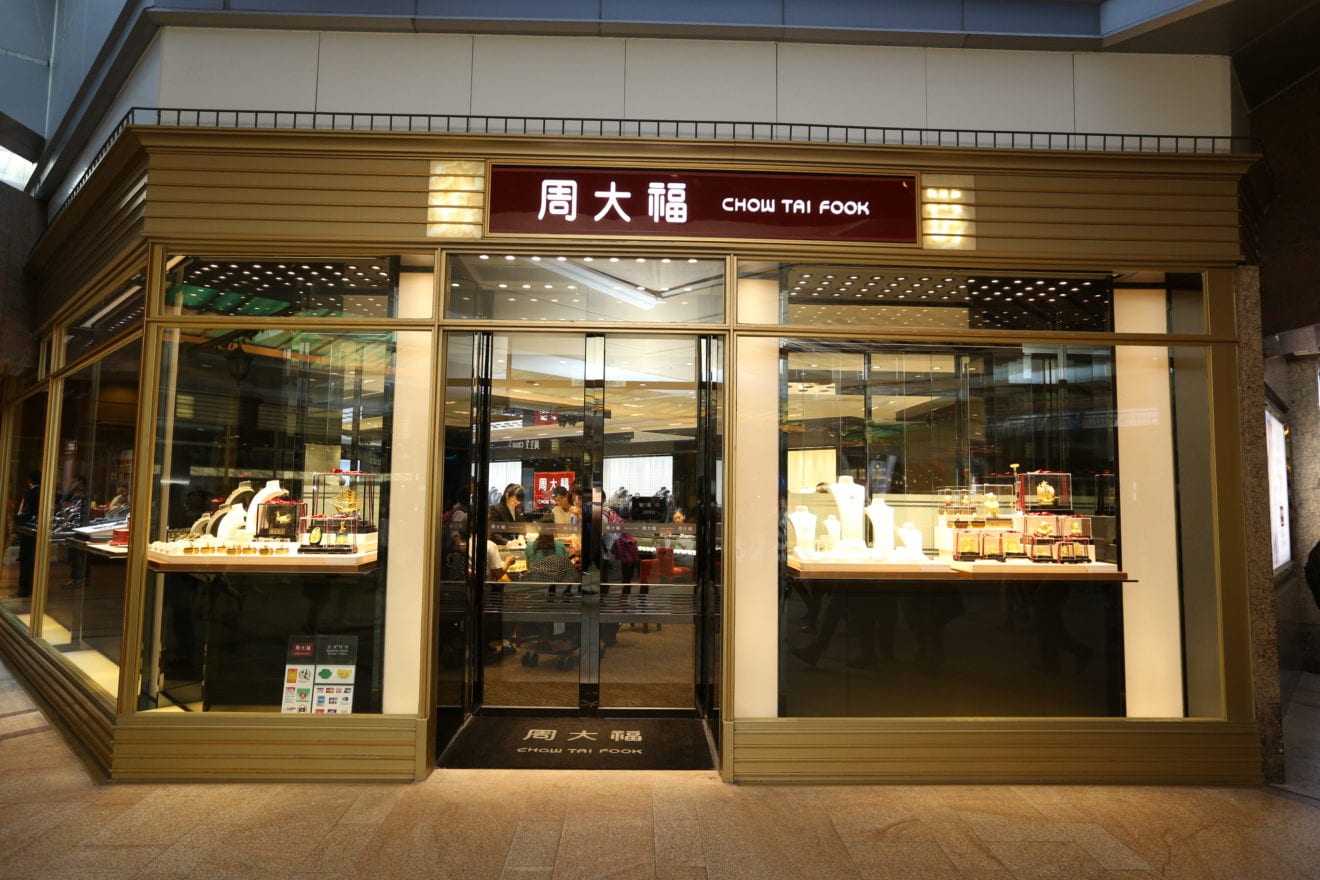
  • Chow Tai Fook invited to open second shopping mall in Shanghai Free Trade Zone

    Chow Tai Fook invited to open second shopping mall in Shanghai Free Trade Zone

    Two months after jeweller Chow Tai Fook set up its first shopping mall selling Hong Kong products in the Qianhai free-trade zone, it was offered opportunities by several mainland cities, including Shanghai, inviting it to build such malls in their free-trade zones, a senior management official at the company said.

    Chan Sai-Cheong, Executive Director of Chow Tai Fook and who overlooks the company’s mainland operation, told the Post in a phone interview that “ [officials of] several free-trade zones of mainland cities have approached us, asking us to open a shopping mall there.”

    This fulfilled the wish made by Adrian Cheng Chi-Kong, the third-generation heir of billionaire Cheng Yu-tung’s family, at the opening ceremony of its Qianhai shopping mall – HOKO, when he said if Shanghai offered an opportunity, he will consider opening such malls in their free-trade zone.

    Unlike other traditional shopping malls, CTF’s HOKO mall provides two ways for customers to check out – the traditional “grab pay and go” model or and the online channel, under which customers order through a smartphone app and have the goods delivered to their home.

    Hong Kong retailers, such as Sasa, Chow Tai Fook, ISA, G2000 are among the 21 tenants.

    Retail prices of the online channel are typically cheaper than the traditional channel, as the Chinese government only applies a special “postal tax” for imported goods brought from the so-called cross-border e-commerce channel.

    Otherwise, customers need to pay three types of taxes if they purchase imported goods from traditional channels, which are usually higher.

    Despite the olive branch extended by the mainland free-trade zones, Chan said CTF will take its time before it decides on opening a second mall in other cities.

    The business performance of its second phrase mall in Qianhai, which is set to launch before May, will be a testing ground, said Chan.

    “We won’t rush in a hurry,” Chan said, adding the company didn’t have a timetable at the current stage.

    Located in the same area in Qianhai, the second phase HOKO mall will double the size of its first one, occupying a 12,000 sq m area.

    Chan said tenants would be more diversified compared to those in phase one as restaurants, supermarkets, automobile parts, electronics and furniture stores could be expected there.

    But only 50 per cent of the spaces would be used for retail, Chan said. The other half would be reserved for projects that enhance customers’ experience.

    He emphasised that the company won’t let too many milk powder retainers in just because their sales performances were among the best in its phase one mall.

    Beside, a bauhinia garden featuring Hong Kong characteristics will be added to CTF’s Qianhai complex, outside its shopping mall, with a group of selected art pieces on display. He said the idea was initiated by Adrian Cheng Chi-Kong, who also added art pieces to Hong Kong’s K11 mall.

  • Philippines’s Formoso new chairman of Asia-Pacific retail organization

    Philippines’s Formoso new chairman of Asia-Pacific retail organization

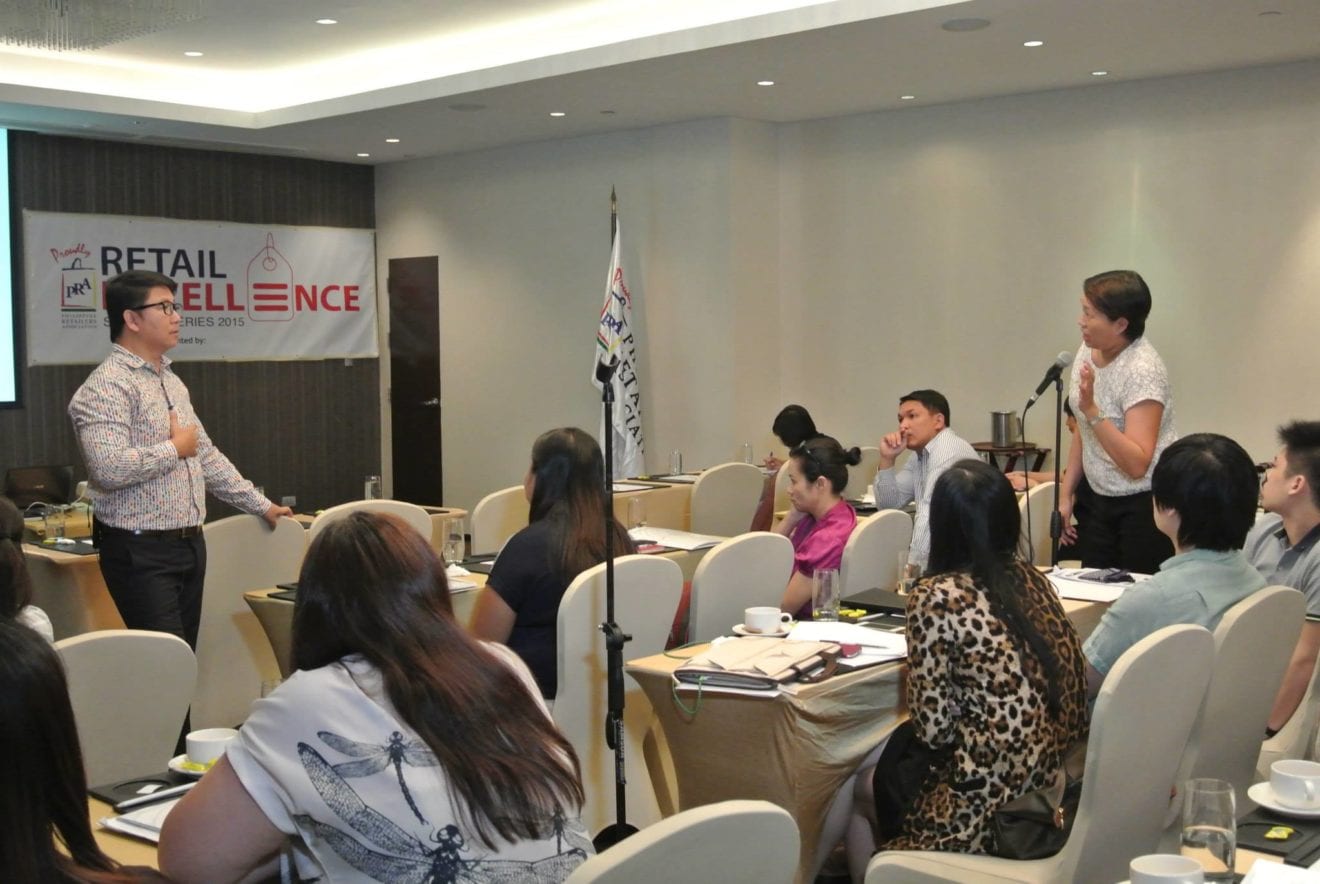
    The Philippines now takes the leadership role in charting the development direction of the Federation of Asia Pacific Retailers Associations (Fapra) in the next two years with the recent assumption of the Philippine Retailers Association (PRA) President Lorenzo C. Formoso as chairman of the Fapra.

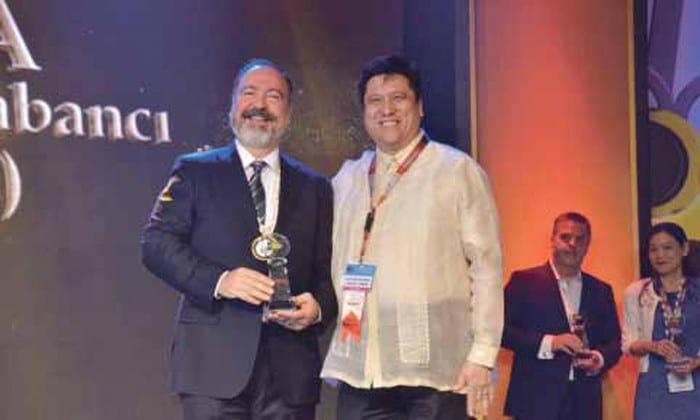
    Formoso, COO of Duty Free Philippines, has assumed the Fapra chairmanship from Mehmet T. Nane, chairman of Turkish Council of Shopping Centers and Retailers, who formally turned over the federation’s leadership to him during ceremonies at the recently concluded Asia Pacific Retailers Convention and Exhibition (APRCE) 2015 that Manila hosted last October. The APRCE is the biggest and longest-running retail industry event in the region.

    The Fapra consists of the recognized national retail trade organizations in 18 member-economies—Australia, China, Chinese Taipei, Fiji, Hong Kong, India, Indonesia, Japan, Korea, Malaysia, Mongolia, Myanmar, New Zealand, the Philippines, Singapore, Thailand, Turkey and Vietnam.

    “As a veteran in the retail industry and being the concurrent president of PRA, we are confident Formoso’s chairmanship of Fapra would be very productive. We are sure he will guide the Fapra in the same way he ably shepherded the PRA,” the PRA Board said.

    Turkey held the Fapra chairmanship for two years—from 2013, the year it hosted the APRCE, to 2015, the year the Philippines hosted it.  The chairmanship of Fapra devolves to the immediate past host of
    the APRCE.

    The Philippines chairs the Fapra until 2017.

    The Fapra was founded in 1989. It has implemented various initiatives and programs designed to develop itself and promote information exchanges and sharing experiences and concerns toward the development of the retail industry and improving the retailers’ status and the welfare of their clients in the region.

    As new Fapra chairman, Formoso now presides over the federation’s policies and programs aimed at helping promote the growth and development of retailing in the Asia- Pacific region.

  • Panasonic cuts full-year operating profit outlook on China slowdown

    Panasonic cuts full-year operating profit outlook on China slowdown

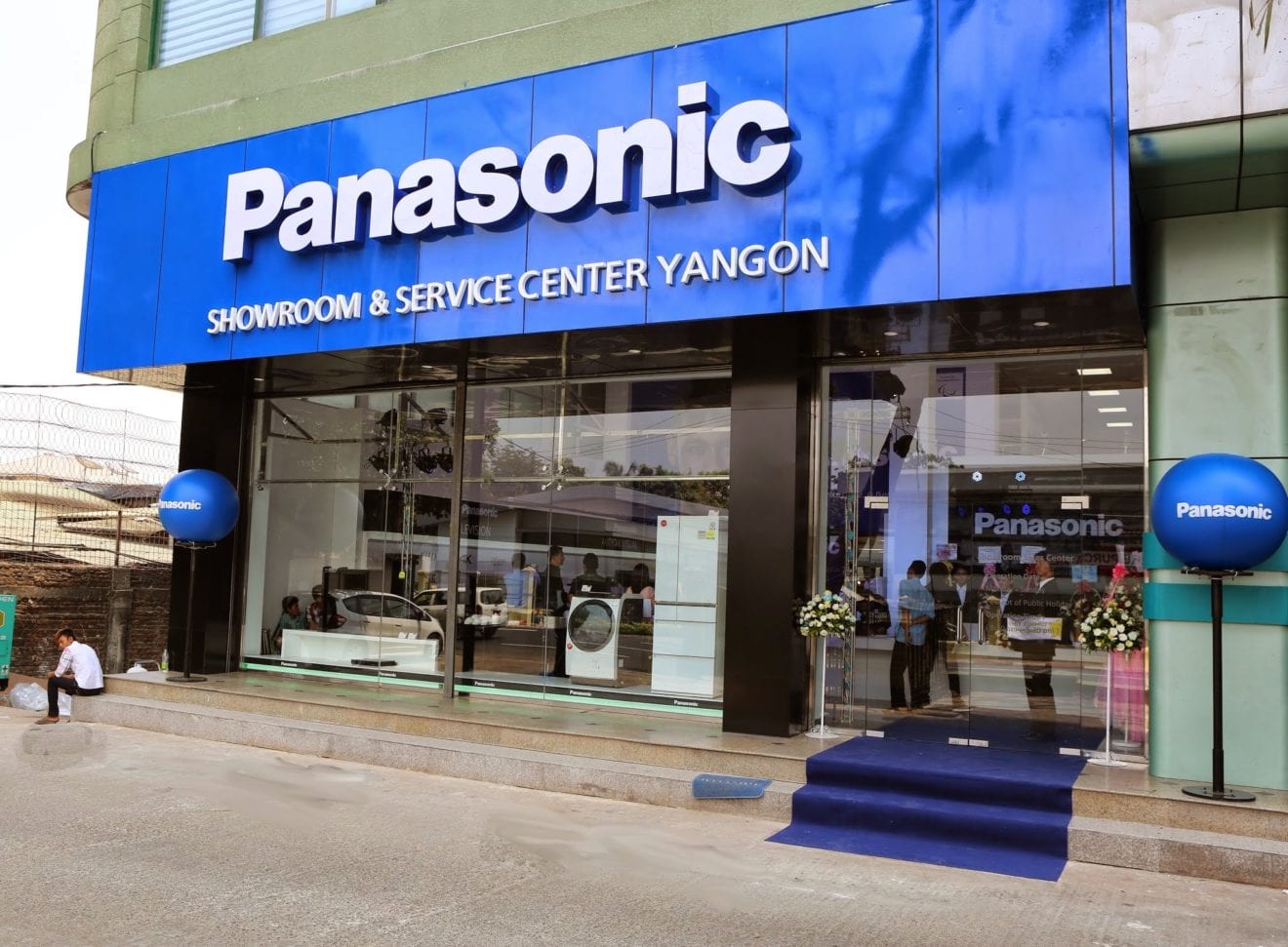
    Japanese electronics firm Panasonic Corp cut its full-year outlook for operating profit on Wednesday due to concerns over weaker home appliances sales in China amid an economic slowdown.

    Panasonic forecast group operating profit of 410 billion yen ($3.42 billion) for the year through March, down from a previous estimate of 430 billion yen.

    Panasonic said October-December operating profit increased to 119.8 billion yen from 113.3 billion yen a year earlier. That missed an average forecast of 122.9 billion yen in a Thomson Reuters survey of six analysts.