Tag: asia

  • Ramada Bali Sunset Road Kuta Opens in Indonesia

    Ramada Bali Sunset Road Kuta Opens in Indonesia

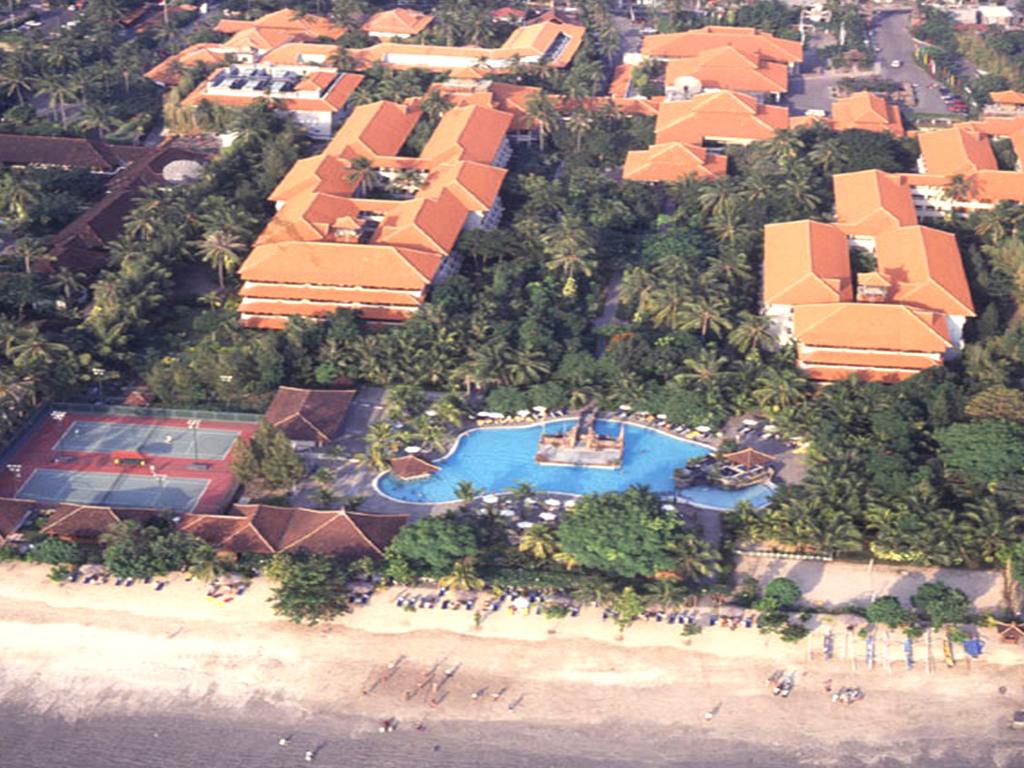
    Demonstrating strong and increasing interest in its portfolio of brands in South East Asia, Wyndham Hotel Group has introduced a third hotel in Bali, Ramada Bali Sunset Road Kuta, located in the heart of the vibrant Kuta district.

    Formerly the Best Western Premier Sunset Road, the 271-room property is owned by Sun Motor Group and managed by PT Wyndham Hotel Management, an Indonesian subsidiary of Wyndham Hotel Group. Ideally located close to Jalan Legian and popular Seminyak Beach, the stylish guest rooms feature contemporary décor, while suites boast separate living areas. The well-appointed facilities include a rooftop pool, gymnasium, on-site spa, meeting rooms, business centre and two distinct dining establishments.

    “Bali is one of Indonesia’s most popular destinations, attracting close to four million visitors a year,” said Barry Robinson, President and Managing Director of Wyndham Hotel Group South East Asia and Pacific Rim. “With the 2013 expansion of Ngurah Rai International Airport and this year’s four-fold increase in government spending on tourism, we believe it’s a market prime for year-on-year growth.”

    Wyndham Hotel Group is focused on strategic expansion throughout South East Asia as part of its larger global development strategy—especially as it relates to its Ramada brand. The company believes Ramada Bali Sunset Road will become a landmark hotel for visitors.

    President and Commissioner of Sun Motor Group, Imelda Sundoro said “Ramada is a globally known brand with an enviable reputation for offering exceptional experiences in some of the world’s most sought after destinations. That strong recognition, combined with the expertise and resources of a partner like Wyndham Hotel Group, made Ramada the clear choice for us as we look to grow our hospitality developments in Indonesia.”

    All Ramada hotels in Indonesia participate in Wyndham Rewards®, the simple-to-use, revolutionary loyalty program from Wyndham Hotel Group that offers members a generous points earning structure along with a flat, free-night redemption rate.

  • First passenger drone makes its debut at CES

    First passenger drone makes its debut at CES

    Chinese entrepreneurs bring their one-person craft, which is controlled by tablet and capable of flying 60mph, to the annual technology convention CES.

    A Chinese company claimed a world first on Wednesday by unveiling a drone capable of carrying a human passenger.

    Guangzhou-based Ehang Inc pulled the cloth off the Ehang 184 at the Las Vegas convention center during the CES gadget show.

    In a company video showing the 184 flying, it looks like a small helicopter but with four propellers spinning parallel to the ground in a similar configuration to other drones.

    The electric-powered drone can be fully charged in two hours, carry up to 100kg (220lb) and fly for 23 minutes at sea level, according to Ehang. The cabin fits one person and a small backpack and is fitted with air conditioning and a reading light. It is designed to fit, with propellers folded, in a single parking spot.

    After setting a flight plan, passengers needed only to give two commands – “take off” and “land” – done with a single click on a tablet, the company said.

    The drone is designed to fly 300 metres to 500 metres (1,000 to 1,650 feet) off the ground with a maximum altitude of 3.5km (11,500 feet) and top speed of 63 mph (100km/h).

    US authorities are starting to lay out guidelines for drone use, and a human-passenger drone seems certain to face strict scrutiny.

    Michael Huerta, head of the Federal Aviation Administration, was at CES but could not immediately be reached for comment.

    Shang Hsiao, Ehang’s co-founder and chief financial officer, said his company hoped to sell the device for $200,000-$300,000 this year but acknowledged it occupied a legal grey area. “The whole world never had something like this before,” he said.

    A passenger would have no controls as a backup, he said. The company was planning a remote control centre that would take over the vehicle in the event of a problem and ensure it landed safely.

    Derrick Xiong, the chief marketing officer, said the vehicle had been flown more than 100 times at low altitudes in a forested area in Guangzhou, including several times with a person aboard.

    One feature that made the quadcopter safer than a helicopter was its numerous propellers, Xiong said. Even if three of the four arms had their six propellers disabled, the final arm’s working propellers could ensure a rough landing by spiralling toward the ground.

    The company, which also makes smaller drones, said in August that it had raised $42m in capital from various investors including GP Capital, GGV Capital, ZhenFund and others, after raising $10 m the previous year.

  • Hong Kong Retail to Reshuffle as Sales Remain Lackluster

    Hong Kong Retail to Reshuffle as Sales Remain Lackluster

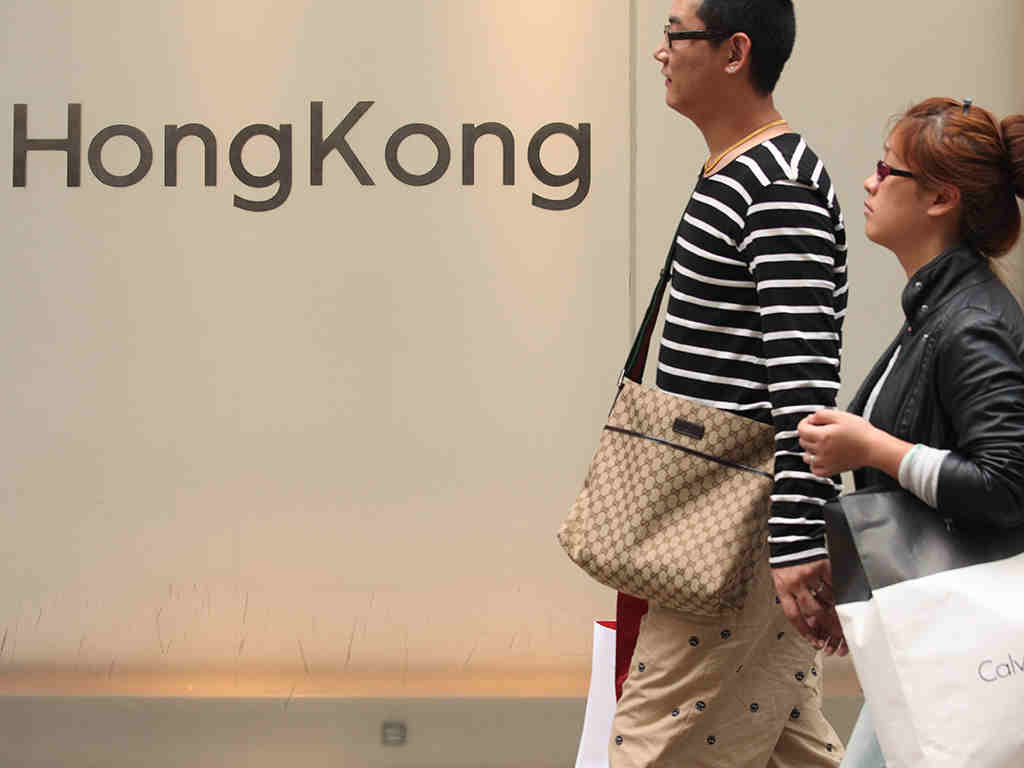
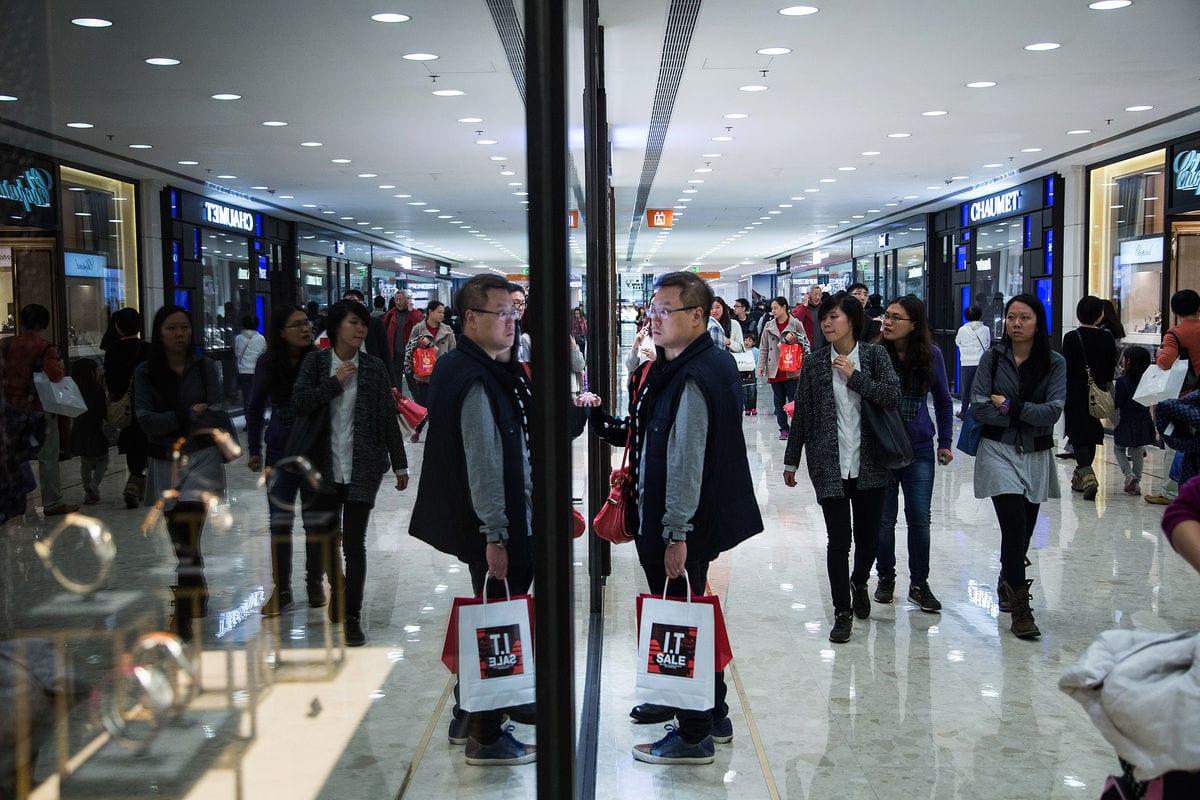
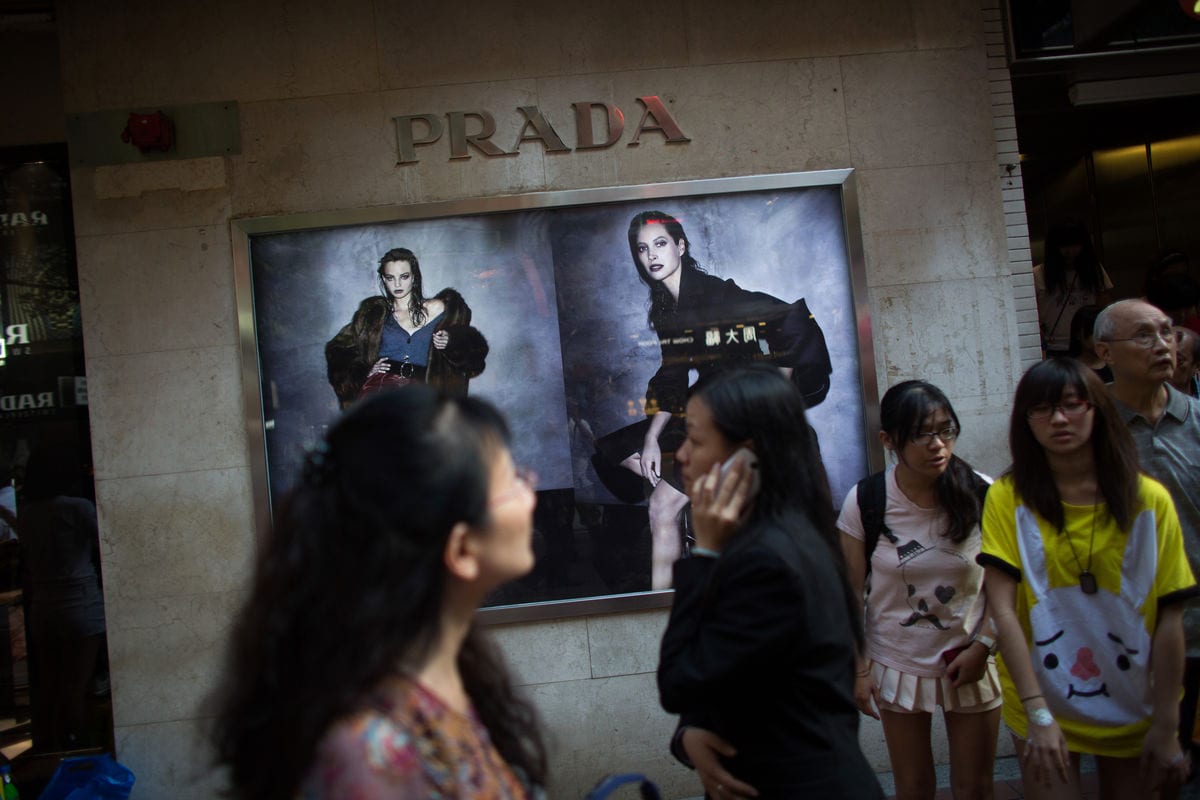
    Hong Kong retailers are far from optimistic about sales during next month’s Lunar New Year holiday as retail sales fell for nine months in a row, with a 7.8 percent plunge last November compared to a year ago.

    At the same time, the tourism industry and retail sectors have been adjusting their strategies in the hope of finding a way forward.

    The year-end period is the traditional high season for retailers, however, the latest government data shows that in November last year, sales in most categories recorded a significant drop, with jewelry, watches and clocks, as well as high value gifts continuing to be the hardest to hit.

    This is in line with sluggish inbound tourism, which dipped by 10.4 percent over the same period.

    Hong Kong’s wholesale and retail lawmaker Vincent Fang believes it’s bound to affect employment and the retail landscape.

    “For example, is it possible that I just hire three salespersons instead of four? For chain stores, if the lease expires, and I cannot afford to keep five or six shops, maybe I’ll close one down.”

    Hong Kong Retail Management Association chairman Thomson Cheng is estimating a single-digit percentage sales drop during the coming Lunar New Year holiday.

    “If people in Hong Kong ask for two days off, they’ll have a nine-day holiday, I think they’ll travel overseas. So local consumption won’t be ideal. At the same time, The Hong Kong dollar remains strong, which also makes the price unattractive to tourists.”

    A total of 10 million Hong Kong dollars have been allocated to ten local attractions to help promote them to overseas markets during winter period, but according to tourism lawmaker Yiu Si wing, the measure is not proving effective.

    “The Retail sector has been through a hard time. Tourists from the mainland are selective when consuming, they have a smaller appetite for luxury goods, as well as high-end restaurants. The government is hoping to attract tourists with higher spending capability to fill the gap, but it seems that it is failing to achieve the desired results. ”

    But it is not all bad news. Skyrocketing rents in Hong Kong are declining following disappointing retail performance, which is enabling some stores to expand their network. Digital products and home appliance provider Hong Kong Suning Commerce Groups is one of them. Kim Li is the Operations Director of the company.

    “We have entered the retail winter, but property owners also realize that they cannot keep the current rent based on how many customers we receive. So they reduce rents significantly, some drop by 40 percent. We think we still have opportunity to develop and expand our market with lower costs.”

    To better protect tourists’ interest, Hong Kong’s Travel Industry Council has asked operators to take tour groups only to the pre-registered shops, but industry practitioners are not cooperating and some say they’ll boycott the list.

    For CRI, this is Li Jing in Hong Kong.

  • Canada’s Manulife seeks to revive Singapore REIT IPO this year -exec

    Canada’s Manulife seeks to revive Singapore REIT IPO this year -exec

    Canada’s Manulife Financial Corp is looking to revive a plan to list a real estate investment trust in Singapore this year after an initial public offering (IPO) was shelved last year due to poor market conditions.

    “We’d very much like to bring it back,” Chief Financial Officer Stephen Roder told reporters at the launch of a 15-year life bancassurance partnership with Singapore’s DBS Group Holdings Ltd on Tuesday. He did not give an exact time frame or expected size of any IPO.

    Manulife shelved a nearly $400 million real estate investment trust IPO in Singapore in the third quarter last year citing deteriorating global markets.

    That left BHG Retail REIT as Singapore’s sole REIT IPO last year after several other deals were pulled due to uncertain financial markets and concerns over the impact of a potential U.S. interest rate hike.

    On Tuesday, Manulife and DBS also said they would co-invest up to S$100 million ($70.24 million) over the next 15 years in digital technology and innovation.

    ($1 = 1.4237 Singapore dollars)

  • Hong Kong retail sales figures fall for 12th straight month

    Hong Kong retail sales figures fall for 12th straight month

    Hong Kong retail sales fell 7.8 per cent in November – a drop worse than expected that prompted retailers to draw parallels to 2003, when the city was hit by Sars.

    Thomson Cheng Wai-hung, the chairman of the Retail Management Association, predicted the full-year figure for 2015 would have fallen at least 3 per cent “for sure”.

    When severe acute respiratory syndrome hit in 2003, the city’s full-year retail sales decreased 2.3 per cent. The first 11 months of last year saw a drop of 3.1 per cent year on year.

    And retailers can see no light at the end of the tunnel.

    “We couldn’t see any positive signs that retail would turn around in 2016,” said Cheng. He said most members surveyed by the association expected single-digit declines this year.

    The Hong Kong government also expects a gloomy year ahead. A spokesman said the retail sector would remain weak due to low numbers of inbound tourists.

    Most retail categories saw sales fall in November, with only three areas recording growth.

    Jewellery, watches, clocks and valuable gifts ranked worst, with sales down 20.6 per cent. They were followed by department store goods and clothing, with sales declining 4.8 per cent and 8.6 per cent respectively.

    Supermarket sales did better, rising 1.4 per cent – a rise matched by food, alcoholic drinks and tobacco. Motor vehicles and parts saw a rise of 7.8 per cent.

    Cheng said tourists from the mainland were “crucial” to the city’s retail sector, as they spent substantial portions of their travel budgets on shopping.

    While there has been a steady increase in visitor arrivals from overseas in recent months, Cheng said foreign tourists spent more of their budgets on leisure activities such as sightseeing and food, rather than shopping.

    “They wouldn’t help much on retail sales,” said Cheng.

    Retailers at the Hong Kong Brands and Products Expo also received disappointing sales results yesterday, with total sales standing at HK$900 million, unchanged from last year’s figure.

    Sales at the popular Macau ­baker Koi Kei Bakery declined 20 to 30 per cent compared to last year, according to the man in charge of its booth, Arthur Lee. He said tourists from the mainland used to contribute one-third of the baker’s sales at the expo, but this year had been responsible for less than 10 per cent.

    Meanwhile, the number of visitors to Hong Kong during the Christmas and new year holidays shrank compared to last year. The Immigration Department said visitor arrivals for December 24-27 and December 31-January 3 dropped to 1.46 million, down 2.53 per cent from last year.

    Tourists from the mainland were down 5.45 per cent and overseas visitors fell 1.28 per cent.

  • Apple Inc. Continues To Bet Big On China, To Open 29th Store

    Apple Inc. Continues To Bet Big On China, To Open 29th Store

    Apple Inc. continues to bet big on China. It did so last year, and is doing so this year also. The US firm will open its 29th retail store in Shenyang – capital city of Liaoning – on January 9. The store will be in the MixC shopping mall at 288 Qingnian Street in Shenyang’s Heping District.

    Apple is expanding its footprint in China at a very aggressive pace under retail chief Angela Ahrendts, and has opened new stores in Nanning on December 12, Beijing on November 28 and Chengdu on November 21. In 2015, the US firm also opened retail stores in Chongqing, Hangzhou, Hong Kong, Nanjing and Tianjin.

    Apple Inc's Apple Store NASDAQ:AAPL

    Apple’s new store will be open on all five days from Monday to Sunday between 10 a.m. and 9:30 p.m. local time, and will offer traditional Apple Store services. At the same time, it will include the Genius Bar, Workshops, JointVenture, events and seminars. This new store in Shenyang will be the company’s 25th retail store in mainland China, and it already operates four retail stores in Hong Kong.

    Magic fading in China?

    Apple Inc. has been generating huge revenue from China on YoY basis. In the past three years, China has contributed 23%, 41% and 53% to Apple’s total revenue. In fiscal 2015, China for the first time overtook Europe, in terms of revenue. Despite the impressive growth, there are many who believe economic slowdown in the region will impact the iPhone sales.

    However, CEO Tim Cook says there is no issue at all. A few months back, Cook gave reasons for his stance, saying, “if I were to shut off my web and shut off the TV and just look at how many customers are coming in our stores regardless of whether they’re buying, how many people are coming online, and in addition looking at our sales trends, I wouldn’t know there was any economic issue at all in China.”

    But, two indices suggests, that Apple sales in China may not witness the growth it has seen in the last few years. These two indices are – drop in quarter-on-quarter sales in Greater China and an erosion of Apple’s overall market share, said an earlier report from Bloomberg. In the last quarter of fiscal 2015, Apple witnessed a 5.4% drop in revenue versus the prior quarter.

    In the Q2 this year, Apple Inc.’s smartphone market share in the region dropped to 7.7% from 10.8% in the previous quarter, as per the data from Bloomberg Intelligence. This may suggest that Apple’s magic in China may be fading.

  • Retail sales slumps 7.8 per cent in HongKong

    Retail sales slumps 7.8 per cent in HongKong

    Hong Kong retail is going on its year-long downturn, with an estimate of total retail deals drooping 7.8 percent to HK$38.1 billion last November contrasted to figures a year before. This is the most noticeable bad month to month execution since January previous year ago, denoting its twelfth consecutive month of turn down.

    The city’s once blasting retail area is on its voyage to record its most exceedingly bad year since 2003 when SARS hit as the value of retail sales in the initial 11 months a year ago fell by 3.1 percent contrasted to the same period in 2014.  Among all the retail classifications, jewellery, watches and clocks and other gifts positioned most exceedingly bad, with deals down 20.6 percent. They were trailed by commodities in retail chains and attire, with deals declining 4.8 percent and 8.6 percent for each.

    Most retail classifications saw sales retreat in November, with just three outlets recording growth: sales of grocery stores; food, mixed beverages and tobacco; and motor vehicles and parts. They extended 1.4 percent, 1.4 percent and 7.8 percent respectively. Alongside the estimation of retail deals, November volumes additionally diminished by six percent contrasted to a year before.  A government representative said the “distinctly” slack retail deals were for the most part tottered by the lull in inbound tourism. Local utilization conclusions were prone to be influenced by a troubling financial viewpoint and late securities exchange remedies, he said.

  • Vipshop Stock Slumping as China Trading Halted

    Vipshop Stock Slumping as China Trading Halted

    Shares of Vipshop Holdings are lower by 7.99% to $14.05 on Monday morning, as stocks traded in the U.S. but based in China tumble due to the global stock selloff, spurred by concerns regarding the Asian nation’s economic stability.

    Vipshop is a Guangzhou-based holding company that operates as an online discount retailer for brands in China.

    Weak manufacturing data in China sent the country’s markets plummeting, with the Shanghai index falling by 6.9% and the Shenzhen down by more than 8% before trading was halted on Monday.

    Contributing to the decline in China’s market is a lower than expected Caixin survey, which was released earlier today, CNBC.com reports. The Caixin index is a gauge of nationwide manufacturing activity, with a focus on small and medium sized companies.

    The Caixin December manufacturing PMI was lower at 48.2 versus 48.6 in November.

    Recently, TheStreet Ratings objectively rated this stock according to its “risk-adjusted” total return prospect over a 12-month investment horizon. Not based on the news in any given day, the rating may differ from Jim Cramer’s view or that of this articles’s author. TheStreet Ratings has this to say about the recommendation:

    We rate VIPSHOP HOLDINGS LTD -ADR as a Buy with a ratings score of B-. This is driven by some important positives, which we believe should have a greater impact than any weaknesses, and should give investors a better performance opportunity than most stocks we cover. The company’s strengths can be seen in multiple areas, such as its robust revenue growth, notable return on equity, reasonable valuation levels, impressive record of earnings per share growth and compelling growth in net income. We feel its strengths outweigh the fact that the company has had generally high debt management risk by most measures that we evaluated.

    Highlights from the analysis by TheStreet Ratings Team goes as follows:

    • VIPS’s very impressive revenue growth exceeded the industry average of 38.0%. Since the same quarter one year prior, revenues leaped by 54.6%. This growth in revenue appears to have trickled down to the company’s bottom line, improving the earnings per share.
    • VIPSHOP HOLDINGS LTD -ADR reported significant earnings per share improvement in the most recent quarter compared to the same quarter a year ago. The company has demonstrated a pattern of positive earnings per share growth over the past two years. We feel that this trend should continue. During the past fiscal year, VIPSHOP HOLDINGS LTD -ADR increased its bottom line by earning $0.23 versus $0.09 in the prior year. This year, the market expects an improvement in earnings ($3.48 versus $0.23).
    • Current return on equity exceeded its ROE from the same quarter one year prior. This is a clear sign of strength within the company. Compared to other companies in the Internet & Catalog Retail industry and the overall market, VIPSHOP HOLDINGS LTD -ADR’s return on equity significantly exceeds that of both the industry average and the S&P 500.
    • The company, on the basis of net income growth from the same quarter one year ago, has significantly underperformed compared to the Internet & Catalog Retail industry average, but is greater than that of the S&P 500. The net income increased by 79.9% when compared to the same quarter one year prior, rising from $27.70 million to $49.83 million.
  • Hong Kong e-money ordinance to boost retail payment market

    Hong Kong e-money ordinance to boost retail payment market

    Hong Kong’s new e-money ordinance will help further develop the retail payment services market in the SAR and enhance public confidence in using such products, according to experts in the banking, financial and legal sectors. However, the high capital requirement for a licensed operator may be a barrier for startups to enter the market.

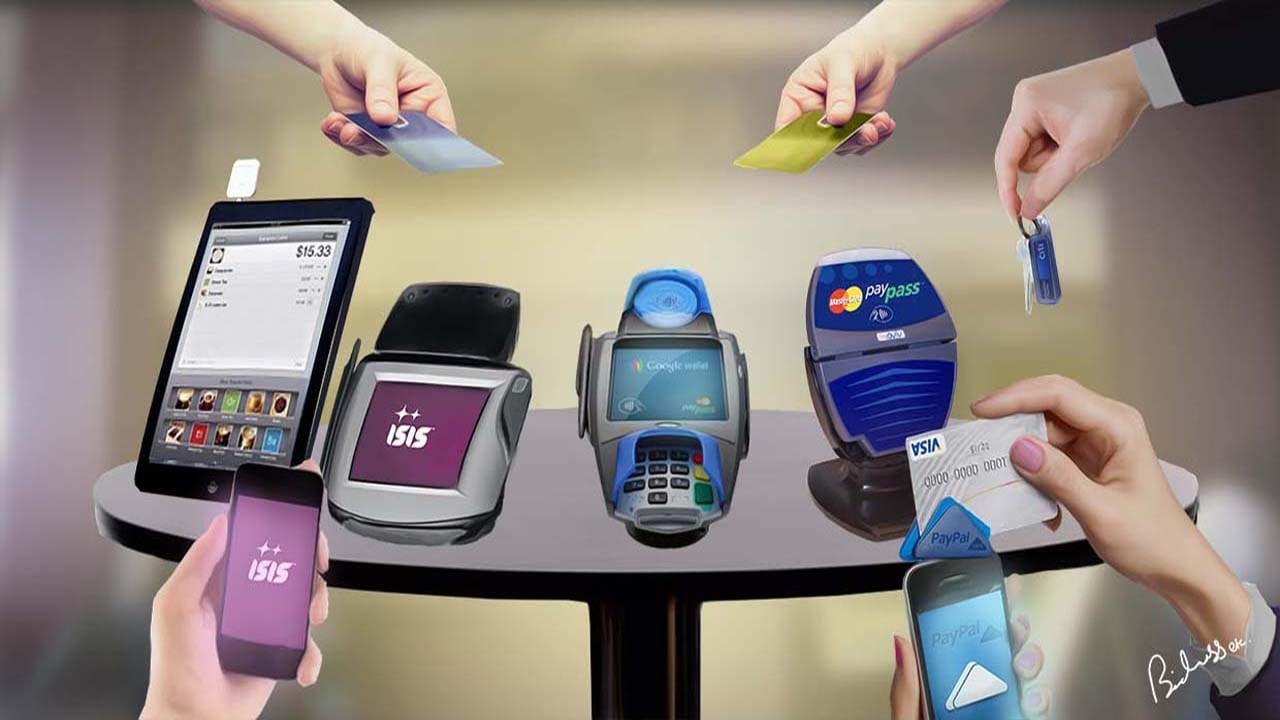
    The global retail payment landscape is changing rapidly as we see a growing number of new and innovative payment products and services. E-money or stored value facilities (SVFs) is one of them. It allows users to store pre-paid money on smart cards, mobile phones or Internet-based payment accounts and use them to pay for goods or services.

    Apart from banks, non-banks like telecom operators, e-commerce companies, technology solutions providers, FinTech startups and alike are moving into the retail payment market especially in the Internet and mobile spaces.

    New e-money regulatory framework

    Enacted on November 13, the Payment Systems and Stored Value Facilities Ordinance (PSSVFO) puts into effect a new regulatory framework for stored value facilities (SVF) and retail payment systems (RPS).

    Compared to RPS, SVF has aroused interests and concerns among industry players and the public.

    Under the Ordinance, the Hong Kong Monetary Authority (HKMA) is empowered to implement a mandatory licensing system for multi-purpose SVFs. One-year grace period is allowed for existing SVF issuers or new market operators to apply for a license from the HKMA.

    From 13 November 2016 onwards, it will be illegal for any issuers, unless exempted, to issue or operate any SVFs without a license.

    The Ordinance covers both device-based (card-based or physical device-based) and non-device based (Internet-based or mobile accounts) multi-purpose SVFs.

    The only device-based SVF that is already regulated is the Octopus card, which is licensed under the Banking Ordinance. Banks licensed under the Banking Ordinance will be deemed to be licensed to issue and operate SVFs.

    Exempted SVF types include single-purpose SVF such as prepaid cards or loyalty cards; bonus and loyalty point schemes such as airline mileage programs; and SVFs used for purchasing digital products through electronic devices.

    “We started seeing a lot of e-money products — online and mobile, but they were not captured by our regulatory regime. We saw the need to expand the scope to cover those products,” said Li Shu-pui (photo left), head of financial infrastructure development division at the HKMA at the Hong Kong International Computer Conference last November.

    He added, “We carried out consultation with industry players. They wanted us to expand the scheme because they can see the benefit of being regulated by HKMA. It provides confidence to users. As a result we expanded the Clearing and Settlement Systems Ordinance to an amended ordinance which is now called PSSVFO.”

  • Koreans Embrace Mobile Shopping

    Koreans Embrace Mobile Shopping

    The total value of purchases made through mobile phones hit a record in November 2015.

    According data from Statistics Korea on Monday, the amount of mobile transactions surged 52.3 percent on year to W2.44 trillion (US$1=W1,190).

    That is almost half of the total online purchases in November, which also hit a record of W4.97 trillion, up 19.5 percent compared to the same month of 2014.

    Online purchases accounted for 15.4 percent of total retail sales.

    By product, purchases of office supplies and stationery surged 132.7 percent and 138 percent, respectively, perhaps ironically using new-generation technology to pay for the products it is gradually replacing.

    Sales of cosmetics and groceries also surged 38.2 percent and 35.4 percent.

    By retail sector, sales at convenience stores rose 33.8 percent compared to the average 4.2-percent rise in overall retail sales, while sales at supermarkets and department stores more or less stagnated.

  • Gaisanos,Korea’s Woori Bank team up on banking

    Gaisanos,Korea’s Woori Bank team up on banking

    THE GAISANO family has taken in Woori Bank of South Korea as a strategic partner in thrift bank subsidiary Wealth Development Bank Corp. to brace for stiffer competition in the banking system.

    Cebu-based Vicsal Development Corp. (Vicsal), the parent firm of Wealth Development, announced an “investment agreement” with Woori Bank, creating a “strategic alliance” between the foreign bank and one of the country’s leading thrift banks.

    The joint venture combines the global and technical resources of Woori Bank and Viscal. However, the press statement did not disclose how much economic interest the South Korean partner would get in this venture.

    “It is a strategic initiative in response to the liberalization of the country’s banking sector,” WealthBank chair Edward Gaisano said.

    Gaisano added that the deal was expected to increase the net worth of the thrift bank by threefold, strengthen its balance sheet as well as deepen its market reach and product offerings.

    WealthBank claims to be one of the country’s fastest growing independent thrift banks, expanding from just one branch in 2002 to 16 across the country today. The bank has close to P7 billion in assets.

    Under the partnership, WealthBank plans to ride on the world-class facilities and expertise of Woori Bank. It also targets to serve 1.2 million Korean tourists who visit the Philippines yearly as well as the 100,000-strong Korean expatriate community in the country.

    The partnership also seeks to allow WealthBank to cater to overseas Filipino workers in South Korea, as well as local and Korean small and medium enterprises.

    Woori Bank is the oldest and one of the largest banks in Korea. It has the largest Korean bank overseas network with a footprint in 18 countries.

    “This partnership with Woori Bank will unlock the huge potential of WealthBank with the expected synergy. We are excited about the joint venture as it further underscores our commitment to growth through collaboration with world-class companies,” Gaisano said.

    Vicsal has recently strengthened its strategic alliances through joint ventures with other leading global companies such as Ayala Land, Megaworld Corp. and Hong Kong Land.

    Retail unit, Metro Retail Stores Group Inc. (MRSGI) recently debuted on the Philippine Stock Exchange.

    Aside from banking and retailing, Vicsal is also into real estate development through the Taft Property Venture Development Corp. and in financial management through AB Capital. Vicsal is also the majority owner of Filipino Fund Inc., a closed-end mutual fund listed on the local bourse.

  • Korea’s E-Mart Vietnam launches

    Korea’s E-Mart Vietnam launches

    As a first step in a Southeast Asian rollout, Korean discount store E-Mart has opened its first outlet in Vietnam.

    It goes head-to-head with rival Korean chain, Lotte Mart, which has been in Vietnam since 2011 and now has 11 stores. The E-Mart Vietnam launch follows four years of researching the Vietnamese retail market.

    Run by retail giant Shinsegae, the new two-storey E-Mart hypermarket is worth US$60 million and is on a 3ha site in the busy Go Vap District of Ho Chi Minh City, nearby the airport. It is the brand’s first overseas store since it shifted focus to Southeast Asia in 2011 after a lacklustre foray into China. The company regards the new store as a foothold for expansion throughout Vietnam and into such neighbouring countries as Indonesia, Laos and Myanmar, reports the Korea Herald.

    E-Mart’s Ho Chi Minh City store has been tailored for Vietnamese consumers, and offers several features new for Vietnam. About 95 per cent of the employees (about 300) are Vietnamese, including the manager, and the parking lot has been designed to cater for 1500 motorcycles and 150 cars to reflect the city’s vehicle preferences

    As well as featuring Korean products popular with Vietnamese tourists to Korea, the hypermarket has imported items sourced by its operator. Korean dishes such as kimbap, tongdak and grilled chicken are made in-store, as well as baked goods adapted for Vietnamese tastes. On its shelves customers can also find fast-moving consumer goods, household utensils, electronics, and clothing from about 1000 local suppliers, plus a wide range of Korean and Emart-branded products. About 95 per cent of the goods will be locally made.

    Unusual for stores in Vietnam, the new E-Mart has such concepts as a diversified food court, a children’s sports club, games centre, book store and an English club, plus its flagship customer services include immediate refund and exchange policies and compensation for checkout errors.

    Its mix of food and entertainment is aimed at turning the store into a “happy hypermarket” for Vietnamese consumers, reports VNS. E-Mart Vietnam general director Choi Kwang-Ho says it is hoped these concepts will “sweep the Vietnamese retail market”.

    “After successfully building up a sizeable presence in Ho Chi Minh, we plan to expand into the rest of the country,” he said.

    According to the Korea Herald, E-Mart has already bought land for a second branch. An E-Mart press release says the company plans to open another hypermarket in Hanoi – a first for the capital – and expand the chain to 52 stores across Vietnam by 2020.

    Meanwhile, in co-operation with the Viet Nam National Traffic Safety Committee, E-Mart has donated hundreds of helmets each to seven primary schools in Go Vap. It plans to gift 50,000 quality helmets for primary-school students by 2020.

    E-Mart is the largest retailer in South Korea with 160 stores. Founded in 1993 by department store franchise Shinsegae, E-Mart reported global sales of $13.2 billion last year.

  • The opening of Joy City Chengdu

    The opening of Joy City Chengdu

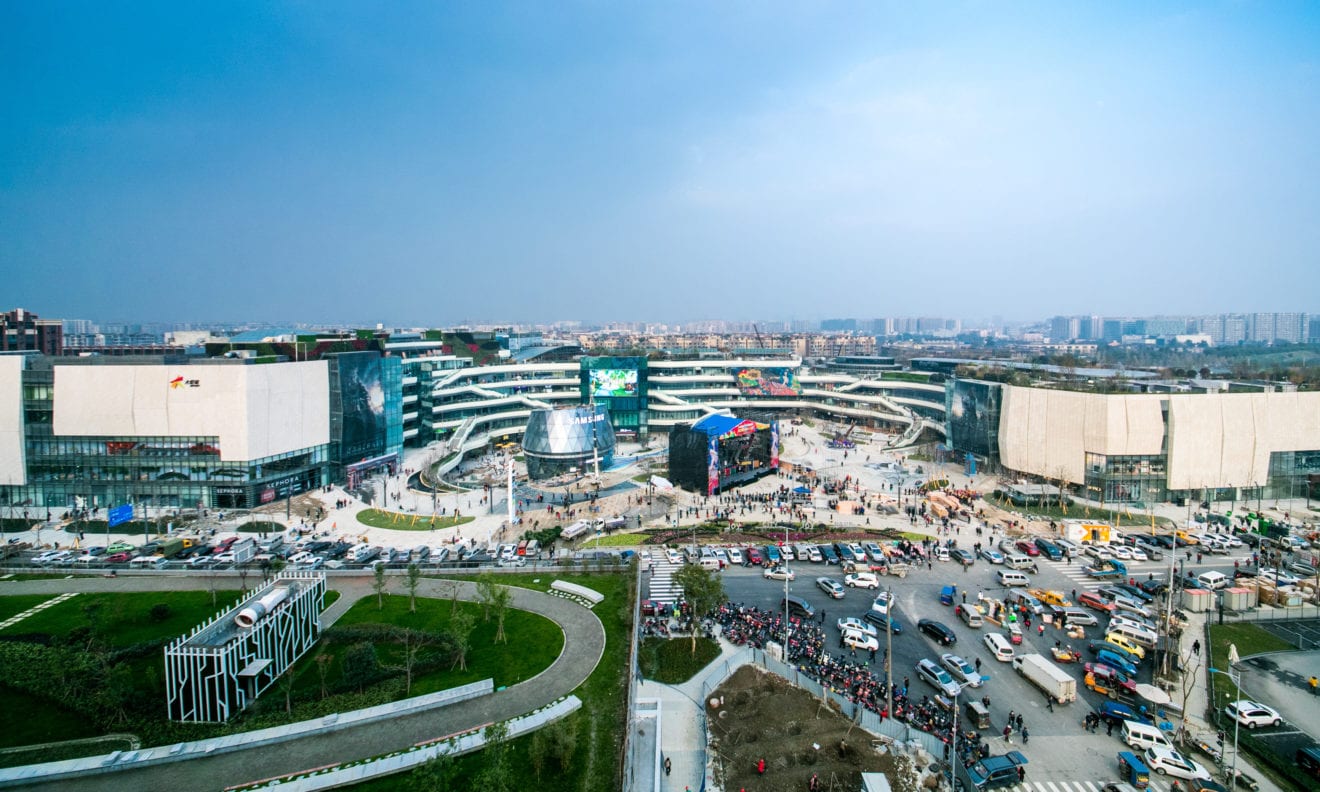
    Hong Kong-listed Joy City Property has opened its newest Mainland China mall – Joy City Chengdu.

    The new 400,000 sqm mall opened its doors on Christmas Eve – five days after the opening of sister mall, Joy City Shanghai.

    Joy City Property describes the Chengdu development as China’s “first experiential recreation-cum-shopping park”.

    Located in the Wuhou District of Chengdu, Sichuan Province, Chengdu Joy City is also the company’s first Joy City project in the southwestern part of the country. Chengdu Joy City’s main building is comprised of a grade-A office building, shopping centres and themed indoor pedestrian streets.

    “Inspired by the scenery of the renowned Jiuzhai Huanglong, the architectural design of Chengdu Joy City incorporates elements of Chengdu’s lifestyle and culture, and showcases Joy City Property’s innovation in creating unique modern shopping spaces,” the company said.

    In Joy Street, a round-the-clock themed commercial district of Chengdu Joy City, consumers can enjoy various activities including bars, a mini-theatre, KTV, a video game arena, a studio for creative arts, boutiques, restaurants offering Chengdu cuisine, the largest indoor playground for children in southwestern China and a farm themed adventure park. In addition, there is the Gulu School for original living which consists of 44 creative boutiques in various styles. Serving as a landmark for leisure and social life, the Gulu School fills the gap in the regional market for shopping space.

    Zhou Zheng, VP of Cofco and chairman of Joy City Property, said the development marks his company’s “great stride in expansion of the domestic market”.

    Chengdu Joy City Dec 2015 2

    “This experiential recreation-cum-shopping park is expected to become a landmark for a new style of living and consumption among the locals. Overall, the earlier successful opening of Shanghai Joy City and the grand debut of Chengdu Joy City on Christmas Eve this year mark a milestone in Joy City Property’s development.”

  • Esprit sells Hong Kong offices to free cash

    Esprit sells Hong Kong offices to free cash

    Embattled apparel retailer Esprit has sold its Hong Kong office block on a leaseback arrangement to free capital for its continuing reform plan.

    The transaction will deliver Esprit an estimated one-off net gain of HK$725 million.

    The company said in a statement the  proceeds will be used by the group as general working capital, including funding any future investment opportunities that may arise.

    “The lease of the Hong Kong offices will better reflect the cost of the local operation, and hence help management efforts to streamline the actual current cost structure.”

    The property has been sold to Phoenix Property Investors for $918 million.

    The offices comprise five floors and 16 car park spaces at 39 Wang Chiu Rd in Kowloon, with settlement scheduled for March 21 next year.

    Four of the floors will be leased back and 13 of the car park spaces for six years initially, representing a 20 per cent contraction of the group’s office space requirement.

    In the year to June 30, Esprit reported a net loss of $3.7 billion, largely due to impairments.

  • Ginza West Hong Kong store is first outside Japan

    Ginza West Hong Kong store is first outside Japan

    Japanese confectionery company Confectionery West (Ginza West) has opened its first overseas store in Hong Kong, leveraging the city’s international platform to expand its business outside its home market.

    Ginza West Hong Kong is located at Lee Tung Avenue, a new shopping mall in Wan Chai and sells handmade biscuits imported from Japan.

    Director and representative of the Hong Kong office of Confectionery West, Baniel Cheung, said the company hopes to gain access to the upmarket cookies sector with the store in the city.

    Ginza West 1“Hong Kong is a major business hub in Asia as well as an international city with a good mix of local Hong Kong people, Mainlanders and foreigners. It is the best place to showcase our high-quality confectionery products to the world,” he said.

    “Hong Kong people are very open to trying and accepting new products, and in particular Japanese food. They are also willing to spend more for high-quality confectionery products. Therefore, the new store in Hong Kong is a strategic step for us to build up our brand and expand outside our home market.”

    Associate director-general of investment promotion Dr Jimmy Chiang said Hong Kong has a large number of visitors from around the world, offering excellent brand exposure for foreign investors.

    “A range of advantages like a skilled workforce, a business-friendly environment and world-class transportation and logistics makes Hong Kong the ideal place for companies that aim to expand their business globally.”

    Founded in 1947 and headquartered in Ginza, Confectionery West (Ginza West) is a luxury confectionery store offering high end confectionery products. Currently, the company has three luxury cafes in the Ginza, Aoyama and Yokohama areas and 19 handmade biscuit counters in major department stores and the Narita and Haneda airports.