Tag: asia

  • Kulon Progo Airport construction to kick off in May

    Kulon Progo Airport construction to kick off in May

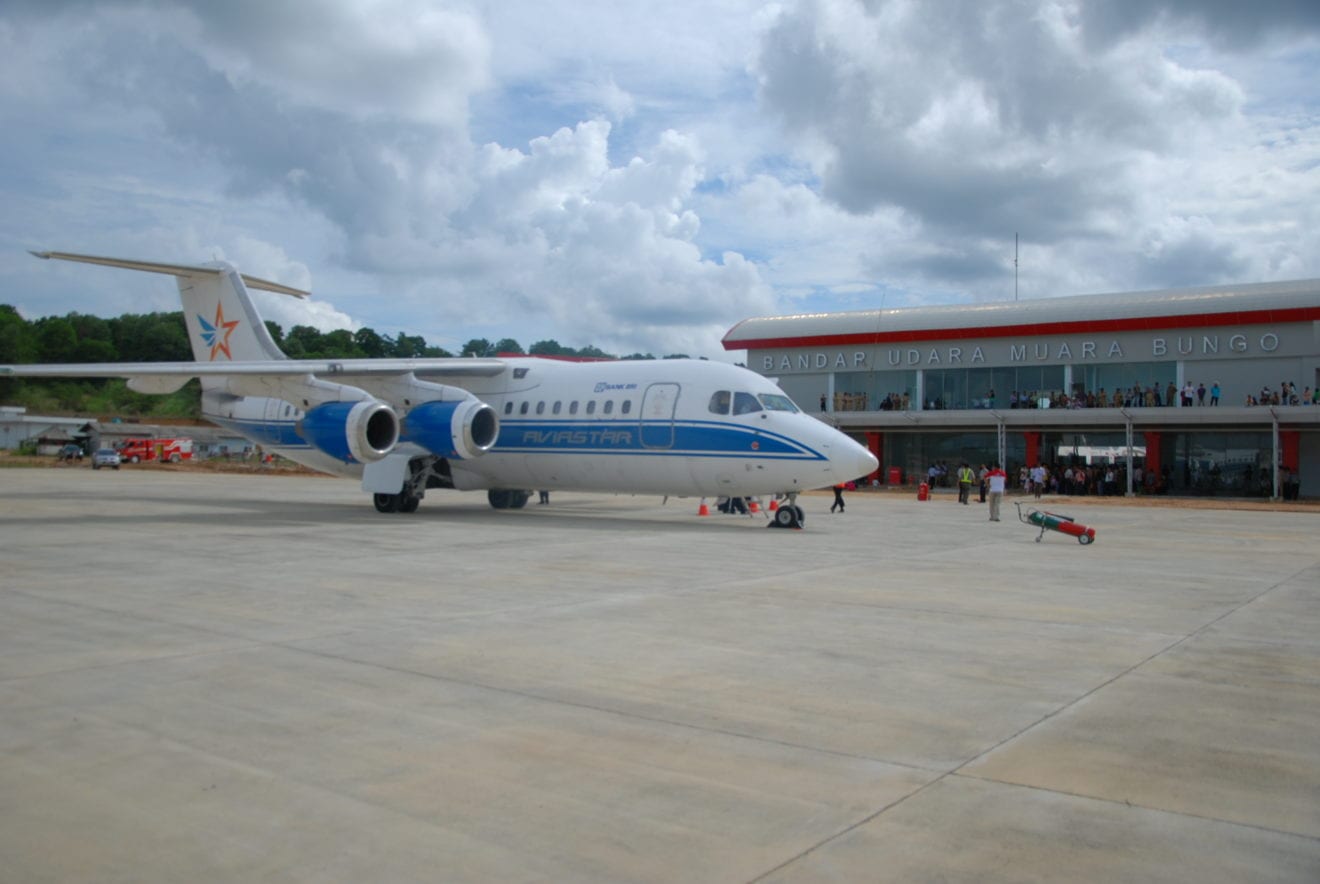
    The construction of an international airport in Kulon Progo district, Yogyakarta province, will kick off in May 2016, Vice President M. Jusuf Kalla has hinted.

    “God willing, it will be built starting May. Hopefully, land clearance and design will be completed in May so it can be completed in 2019 or 2020,” he said after holding a closed-door meeting at Congot Radar in Kulon Progo, Saturday.

    All serious problems related to the planned construction of the airport have been resolved so that the project can be started soon, he said.

    “There are no longer any land problems. The Yogyakarta governor has ordered (his staff) to resolve them. Furthermore, state airport operator Angkasa Pura I is also ready,” he said.

    The funds needed to construct the airport will come from Angkasa Pura Is budget and the company will cooperate with foreign parties to build and manage the airport, he said.

    The project will also include the construction of roads and railway tracks. In the initial phase of the project, an estimated three thousand workers will be employed, he said.

    After holding a closed-door meeting for nearly one and a half hours, the Vice President and his entourage observed the planned location for the construction of the airport from the third floor of the Congot radar.

  • Kuta tourist area needs reform and management

    Kuta tourist area needs reform and management

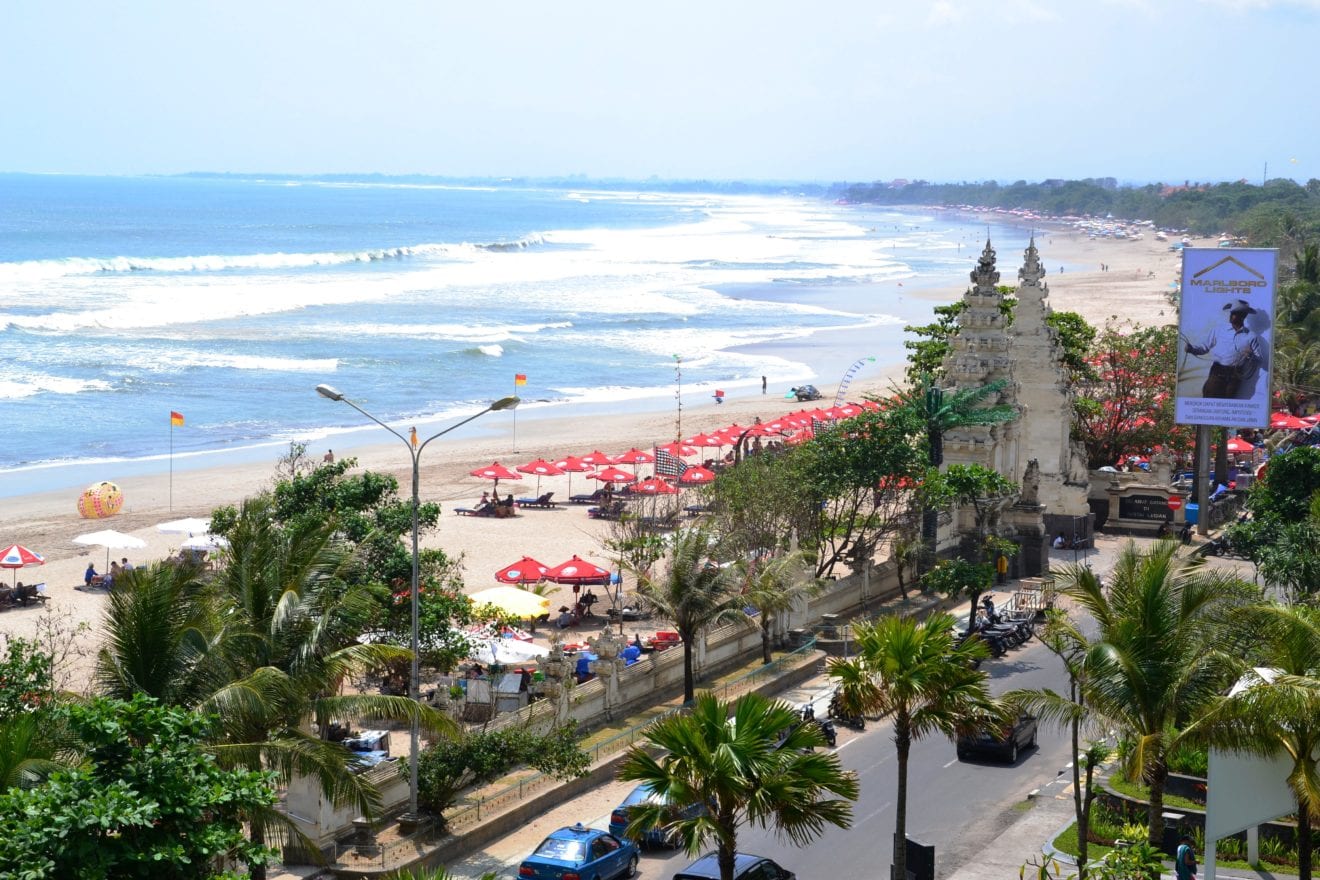
    The tourist region of Kuta, in the Indonesian island resort of Bali, in 2016 needs reform and management in various supporting sectors such as traffic management and environmental hygiene, according to tourism practitioner Nyoman Sarjana.

    “The Kuta tourist area will face a great challenge in the future because from year to year the traffic there continues to get crowded. Therefore, the government and stakeholders in the tourism sector should all move to improve tourism in Bali, particularly in Kuta,” Nyoman remarked here Friday.

    If the iconic tourism of Bali is not properly managed, it is feared that the tourists will be bored of coming to Kuta and find another destination instead, he noted.

    a”It is because other areas in Indonesia are also managing their tourist attractions to attract more tourists,” Nyoman said, and added that foreign tourists who come to Bali feel comfortable and safe, and therefore this factor should be the priority while developing tourism.

    “Indeed, Bali is famous for art and culture since the ancient times. However, if it is not accompanied by comfort and security, domestic and foreign tourists will look for the other tourist attractions outside Bali,” he went on.

    In addition, the government and stakeholders should pay attention to hygiene, because the presence of garbage is in the spotlight in the world of tourism, he noted.

    “We have to find the solution to overcome the garbage problem in Bali, and all parties must be concerned about the environment,” he said.

    Furthermore, all parties should make every effort to keep the island resort of Bali clean and green, he added.

  • Garuda Indonesia Expects 10% Passenger Growth

    Garuda Indonesia Expects 10% Passenger Growth

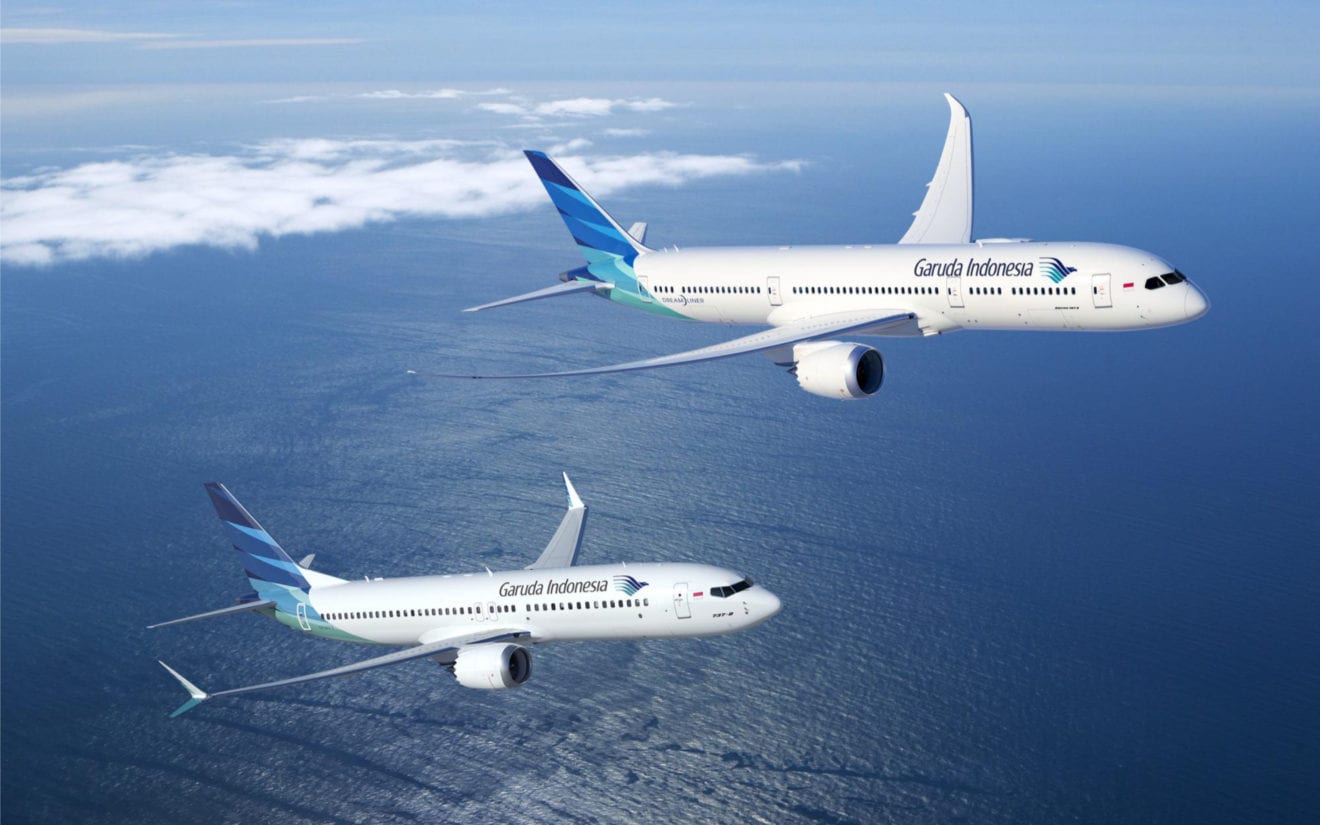
    President Director of national carrier PT Garuda Indonesia Arif Wibowo predicted that passenger growth of the airline would reach 8-10 percent in 2016.

    “The growth is supported by the booming tourism industry in Indonesia,” Arif said in Jakarta on Sunday (3/1).

    For the record, in 2015, PT. Garuda Indonesia reported a positive passenger growth, that is 25 million passengers or a 3 million increase from that in 2014.

    In the meantime, its subsidiary, Citilink, also posted a quite significant growth, that is 11 million passengers or a 2 million increase from that in the previous year.

    Therefore, to anticipate the increase in the number of passengers, Arif said that the airline would purchase 23 new aircrafts, which purchased with leasing mechanism.

    Furthermore, Arif also hoped that in May 2016, Garuda Indonesia could use Terminal 3 of the Soekarno-Hatta International airport that is now under renovation.

    “We hope that with the new terminal, our services could improve,” he concluded.

  • Lampung exports of instant coffee growing

    Lampung exports of instant coffee growing

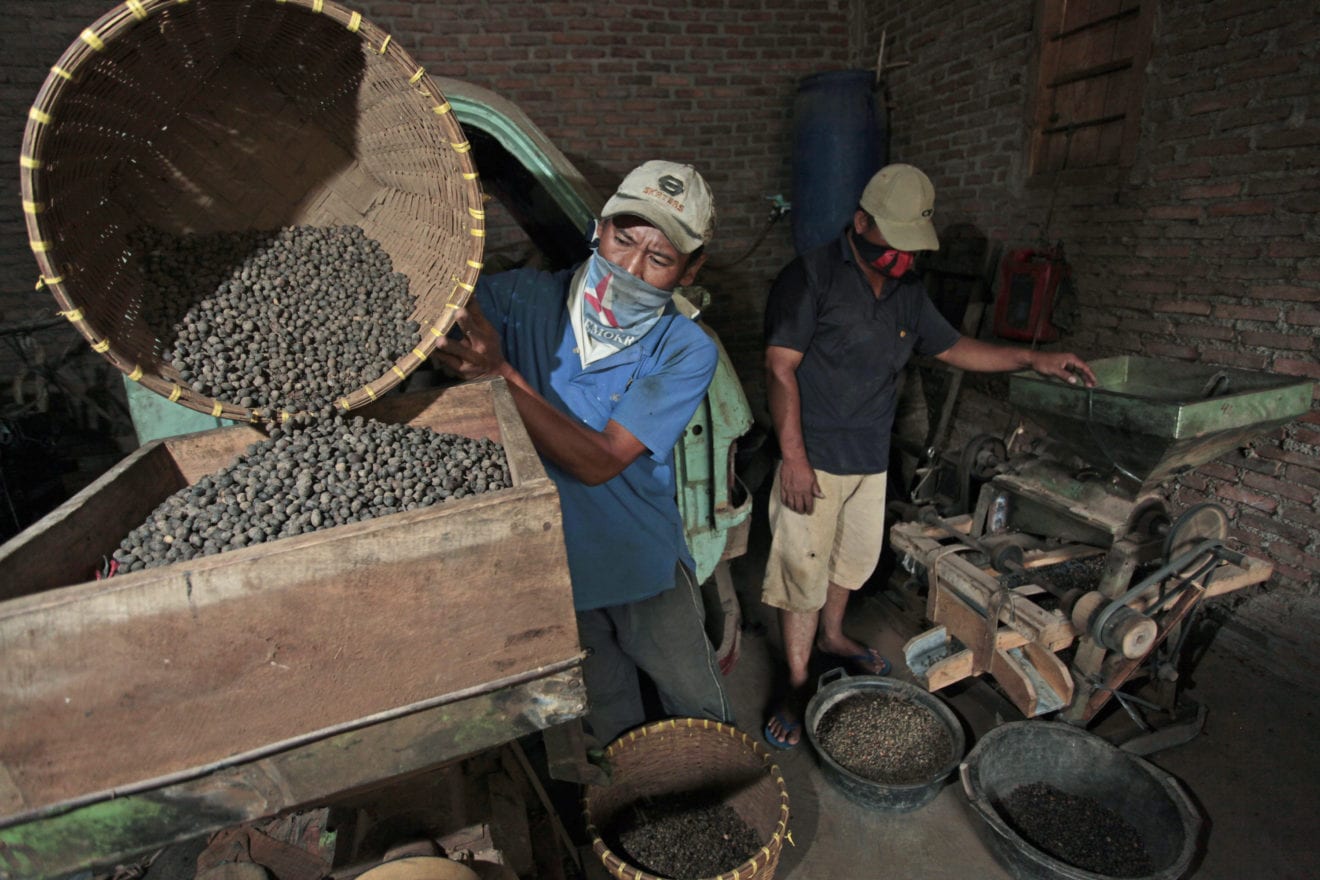
    Lampung has recorded growing exports of instant coffee reaching 63.2 tons in November, 2015.

    “Exports of instant coffee has continued from month to month,” head of the provincial trade office Ferynia said here on Saturday without saying exports in the previous months.

    Lampung is a big producer of robusta coffee.

    Instant coffee from Lampung has been exported to various countries such as Vietnam, which is the worlds largest producer of robusta coffee, and Singapore.

    Exports, however, are small in comparison with domestic consumption.

    The export prospects are still encouraging, Ferynia said, adding, Lampung is aggressive in launching export promotion in a number of other countries by holding exhibitions.

    He said Lampung has managed to maintain strong foothold for its instant coffee in export markets.

    “Demand is still high and the price is good for Lampung product of instant coffee in international markets,” he said.

    The production center for instant coffee in Lampung is Bandarlampung, which has a production capacity of around 8,000 tons of the commodity per year.

    “Sales of instant coffee in the country average 50 to 100 tons per months,” Ferynia said.

    Lampung has 163,837 hectares of coffee plantations with production averaging 140,000 tons of coffee beans per year.

    Indonesia is the fourth largest coffee producer in the world and the second largest in robusta coffee production.

  • How Much For A Hong Kong Wedding?

    How Much For A Hong Kong Wedding?

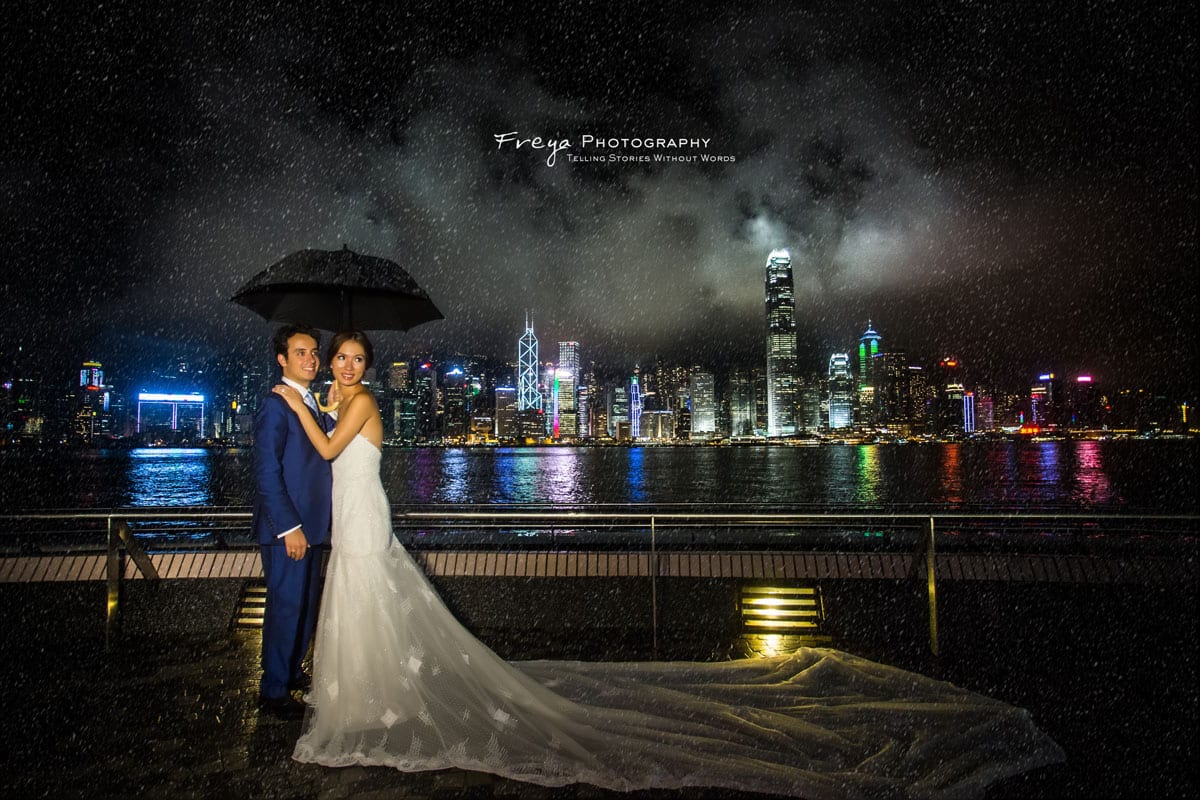
    Couples planning to walk down the aisle in Hong Kong better have some deep pockets. Even as consumer prices generally have dropped on the Chinese island, the average cost for a wedding is up to 314,000 Hong Kong dollars (about $40,000).

    Retail sales in Hong Kong have been falling for the last eight months, in part because of fewer Chinese tourists arriving, but weddings costs have curiously spiked. Receptions alone now cost on average the equivalent of $21,000, and rings and jewelry around $6,500. The average honeymoon now sets couples back $4,900, and the rest of the budget covers the photo shoot and all additional expenses, according to a study on the ESDlife ecommerce website for brides.

    The flipside is that this expensive reality is mitigated by cultural tradition. Wedding guests tend to arrive at the celebration feast with red envelopes stuffed with cash that generally cover the cost of their meals. In Hong Kong, the envelope is known as a “favor.”

    Everybody knows exactly how much to put in their “favor.” If invited to a reception at a top-class hotel, a guest would give between, say, $130 to $150. But if the invitation is to a standard restaurant, the “favor” would only be about half as much.

    Chinese pragmatism also dictates that there is no such thing as a wedding registry, and cash is a sign of sincerity. It is for this reason that any invitation to a wedding is colloquially known as a “red bomb.”

    Unlike in the West, where people generally marry in spring or summer, the favored time for Chinese weddings is the New Year. The rush to the altar is from November to February, so any unmarried girl in March knows she’s going to have to wait one more year. At least.

  • International luxury brands abandoning China as economy slows

    International luxury brands abandoning China as economy slows

    After enjoying a decade of aggressive expansion in China, international luxury brands have begun to curtail their operations as the world’s second-largest economy is beset by a slowdown, a massive government crackdown on graft and a Chinese preference to buy expensive goods abroad.

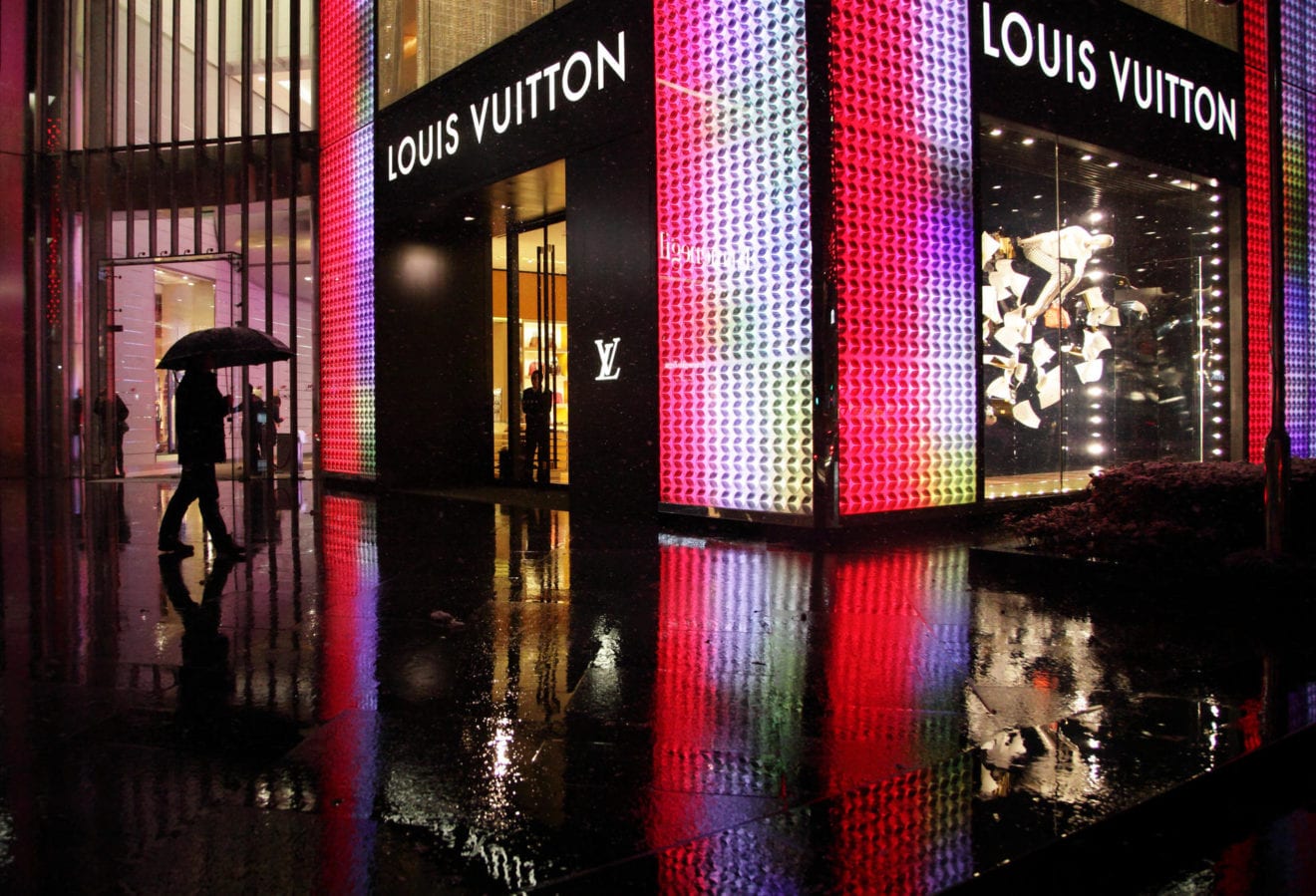
    French retailer Louis Vuitton closed its store in the sprawling port city of Guangzhou. That was followed by two more shutdowns by the firm in Harbin and Urumqi in Xinjiang.

    The company, however, said the closures were part of a marketing strategy adjustment by headquarters.

    During the past two years, Britain’s Burberry has closed four stores in China, Coach shut two, Hermes one, Armani five, and Prada went from 49 to 33.

    Following 10 years of aggressive expansion, the luxury brands have been shrinking their physical presence in China to adapt to a cooling market plagued by a slowing economy, an ongoing anti-corruption campaign and Chinese buyers’ increasing overseas purchases, Hong Kong-based South China Morning Post reported today.

    Fortune Character Institute (FCI), a Shanghai-based market research unit, forecasts mainland luxury sales to grow 3 per cent to USD 25.8 billion this year, much slower than the 11 per cent in the recovering global market.

    The institute in a study found that although Chinese shoppers consumed 46 per cent of luxury goods around the world, their purchases in their home market accounted for only 10 per cent of global sales, falling from 11 per cent in 2012 and 13 per cent in 2013.

    The sluggish growth is reflected in the expansion plans of luxury brands. They are opening fewer new stores and closing more, the report said.

    “Store openings are no longer a major way for international luxury brands to expand in the China market. Over the next two years we expect these brands to close even more stores than before,” said Zhou Ting, director of FCI.

    “But if you think luxury brands are taking a totally defensive strategy in China, you would be wrong. The closures are only a small part of a thorough strategy adjustment they are undertaking in China,” he was quoted in the report.

    The first batch of luxury brands entered China in the 1990s. Most of them set up stores in five-star hotels and high-end department stores in big cities, targeting foreign businessmen, overseas Chinese and government officials.

    The “golden era” came around 2009 and 2010 when affluent Chinese began spending on high-end goods and jewellery, making China the fastest-growing luxury market in the world.

    Encouraged by this, luxury retailers rushed to China.

    Global consultancy Bain & Co estimated that the 15 top brands it surveyed had opened more than 80 new shops during the first eight months of 2010.

    A watershed for China’s luxury market came in 2013 when President Xi Jinping launched a massive anti-corruption and austerity campaign. It had a big impact on the luxury market as government officials were banned from receiving gifts.

    Such expenditure had been a major driver of domestic luxury consumption, the report said.

  • $316m ShillaI’Park Duty Free targets $578m

    $316m ShillaI’Park Duty Free targets $578m

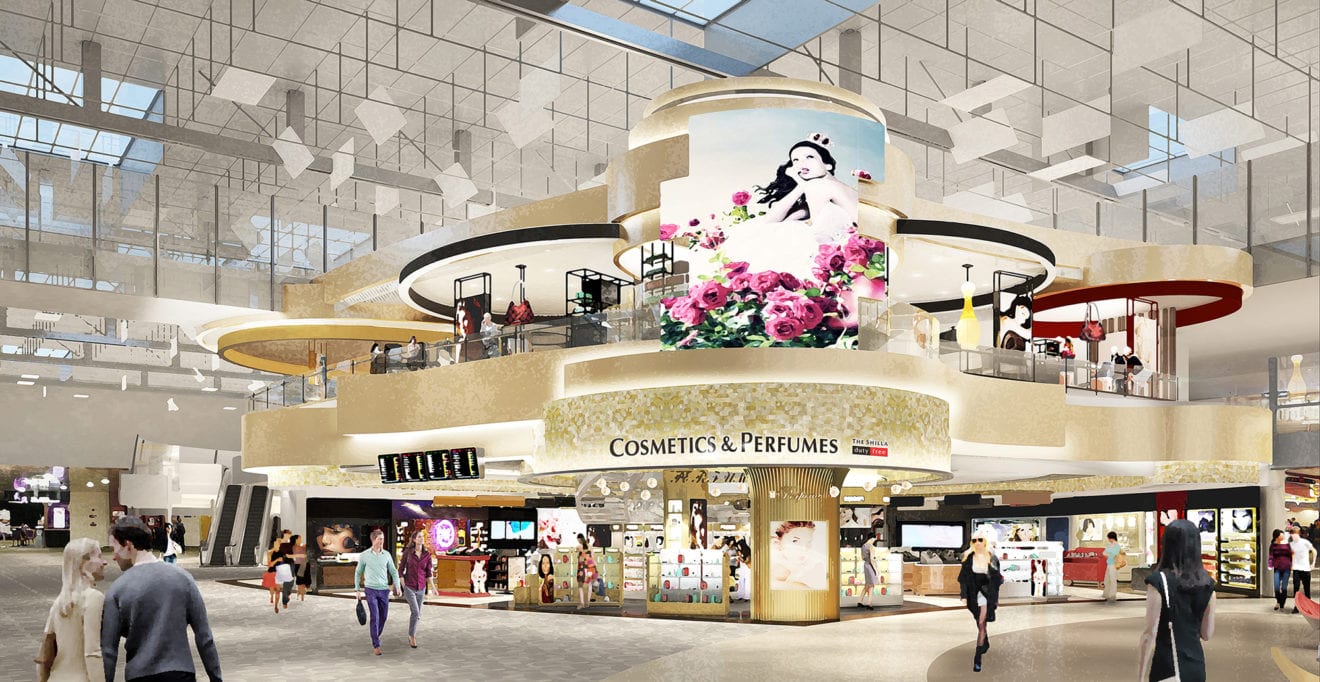
    Just over half the floor area (16,500sq m) of the new $316m 30,400sq m ShillaI’Park Duty Free store complex opened in downtown Seoul this month, initially covering floors three to six at the I’Park Mall in the Yongsan District.

    The December 24 ‘soft launch’ by the HDC Shilla Duty Free joint venture, delivered 60% of the planned retail space, with the remainder due to open at the 16 March ’grand’ unveiling – including the seventh floor and an additional 13,900sq m balance of floor space.

    The HDC Shilla Duty Free Shop is a joint venture between Hotel Shilla and Hyundai Development, which was formed to win the downtown duty free license, and it now features more than 400 brands – including luxury offerings – along with ‘K-Discovery Duty Free’ and ‘the largest K-wave store’.

    The two partners are sharing the $316m cost of developing the project. [Significantly, this is also the first new downtown duty license to be issued by the Korea Customs Service in Seoul since the year 2000].

    By the grand opening next March it expects to be offering in excess of 600 brands as South Korea’s ‘largest urban duty free location’ [and also as the long-time major challenger to Lotte Duty Free’s sales dominance in South Korea’s downtown duty free sector].

    It is also expected to generate revenue of KRW670.8bn/$578m in 2016, and produce an operating profit of KRW57.7bn/$49.7m, according to bullish predictions by KDB Daewoo Securities Research.

    THE WORLD’S SECOND-LARGEST DOWNTOWN DFS

    According to detailed information already provided to TRBusiness by Hotel Shilla, the total duty free floor space is only slightly smaller than the world’s largest downtown duty free complex at Hainan Duty Free in Haitang Bay.

    However, this new complex is designed to be multi-recreational in purpose. Plans for the HDC Shilla complex also include a 1,700-room hotel, several restaurants and concert halls.

    The joint venture has already opened luxury branded shops for Salvatore Ferragamo, Valextra, Vivienne Westwood and Bally, along with luxury stores offering multiple luxury brands in their respective product categories of fashion and accessories, watches, cosmetics and other products.

    There is also a special emphasis on cosmetics brands, which are popular as a major draw with Mainland Chinese tourists.

    One of the huge benefits offered by the new complex – and a key component in its selection for the downtown duty free license in the first place – is its plentiful parking spaces for tour buses – an extremely rare luxury commodity in Seoul today. The store location is also a hub for provincial tours by KTX trains.

    In a statement, the company said: “In the first phase, there are around 100 bus parking lots in the building and outside of the building. From the bus parking lot, tourists can directly reach the entrance of the duty free store by exclusive escalators, ‘Crystal Gate’. Next year (2016), the bus parking lot will accommodate up to 400 buses based on the demand of tourists.”

    HDC Shilla’s Co-President, Changhoon Yang and Gilhan Lee said: “We will do our best to make Shilla I’Park duty free the world’s best duty free store and to make Seoul a global shopping destination. We will take the lead to promote the nation’s tourism industry.”

    The company adds that its ambition is that Shilla-I’Park will become the centre of the Korean-Wave tourism that promotes Korean-made cosmetics and fashion goods, provincial tourism and co-prosperity along with regional economies in Korea.

    This promise to boost sales and the profile of domestic goods and services should come as a politically popular message for the present Korean Government – especially President Park Geun-hye – who is reported (by the Yonhap News Agency) to have been openly critical of recent duty free customs law revisions. Particularly so, with regard to the downward revision of downtown duty free license terms from 10 to five years.

    Meanwhile, the Shilla-I’Park partnership claims that the new store is also equipped ‘with the largest cosmetics section’ covering a floor area of 6,300sq m featuring all of the Korean-made cosmetics brands and global brands popular amongst Chinese tourists.
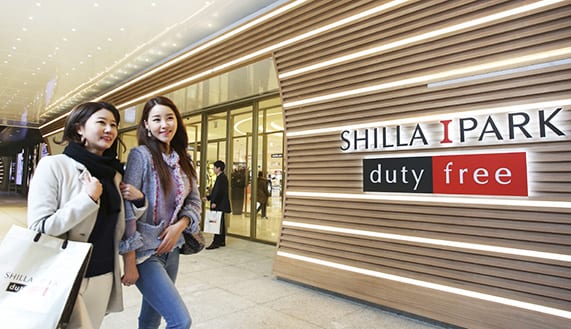
    HDC Shilla Duty Freec

    The new store entrance. (Photo credit: Shilla Duty Free).

    AIMING FOR 90% OF SALES GOAL – BEFORE FULL MARCH OPENING

    It also points out that it houses the biggest ‘K-cosmetics’ and ‘K-Bag’ store areas specialising in Korean-made cosmetics, fashion goods and accessories, comprising more than 270 cosmetics, fashion and accessory brands.

    In addition, the third and fourth floors feature luxury fashion and global cosmetics branded stores, with a special ‘Luxury cosmetics zone’ on floor three dedicated to imported cosmetics and high-end timepieces.

    HDC-Shilla said: “We have most of [the] cosmetics and luxury watch brands loved by Chinese visitors and have raised the portion of K-cosmetics that recently showed a large increase in sales, so we are expecting to achieve about 90% of our sales goal – even before the grand opening.”

    Meanwhile, the ‘K-Discovery Travel Package’ will be introduced in collaboration with each local government, Korail, travel agencies and the duty free store to boost provincial tours of Korea.

    The retailer adds: “In addition, I’Park mall will be upgraded to provide diverse tour contents and new shopping facilities to support [the] Shilla I’Park duty free store. In collaboration with character contents, the mall will be the tourist destination, by providing various attractions consistently.”
  • $1.3bn Midfield terminal inaugurated at HKIA

    $1.3bn Midfield terminal inaugurated at HKIA

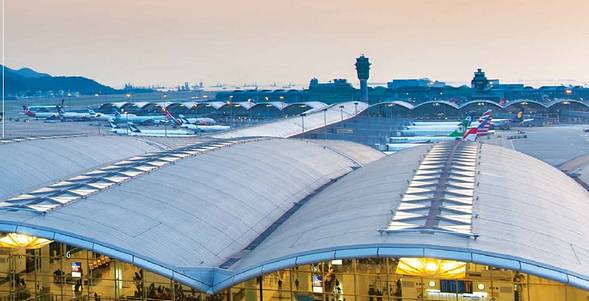
    Hong Kong International Airport (HKG) officially opened its HK$10bn/$1.3bn Midfield Concourse (MFC) and auxiliary facilities on Monday as scheduled – with the retail offer to be “gradually introduced” next year.

    The 105,000sq m, five-storey MFC is located between the airport’s two existing runways to the west of terminal one and is connected to it with an automated people mover. It has 20 parking stands and a capacity of 10m pax.

    On Monday, Jack So, Chairman of HKG’s operator, Airport Authority Hong Kong (AA), and Zhang Kui, President of Hong Kong Airlines, accompanied by CK Ng, Executive Director, Airport Operations of the AA and Ben Wong, Chief Operating Officer of Hong Kong Airlines officiated at the opening ceremony, and also welcomed the first batch of passengers.

    On the retail offer, AA says: “The concourse will gradually introduce restaurants, coffee shops and retail outlets to provide passengers with a one-stop shopping and dining experience.”

    On the significance of the concourse, So says: “The MFC is an important development as it will help the airport meet increasing passenger traffic demand. In the past 12 months, Hong Kong International Airport handled 68.2m passengers, marking a year-on-year increase of +8.3%.

    “With its capacity to serve an additional 10m passengers every year, the MFC will be able to increase the number of flights using airbridges to board and disembark, enhancing the overall passenger experience.”

    AA plans to gradually increase the usage of the MFC in the next few months. It is expected to serve about 20% of daily passenger flights from HKG when operating at full capacity by next March.

  • Holland & Barrett eyes India

    Holland & Barrett eyes India

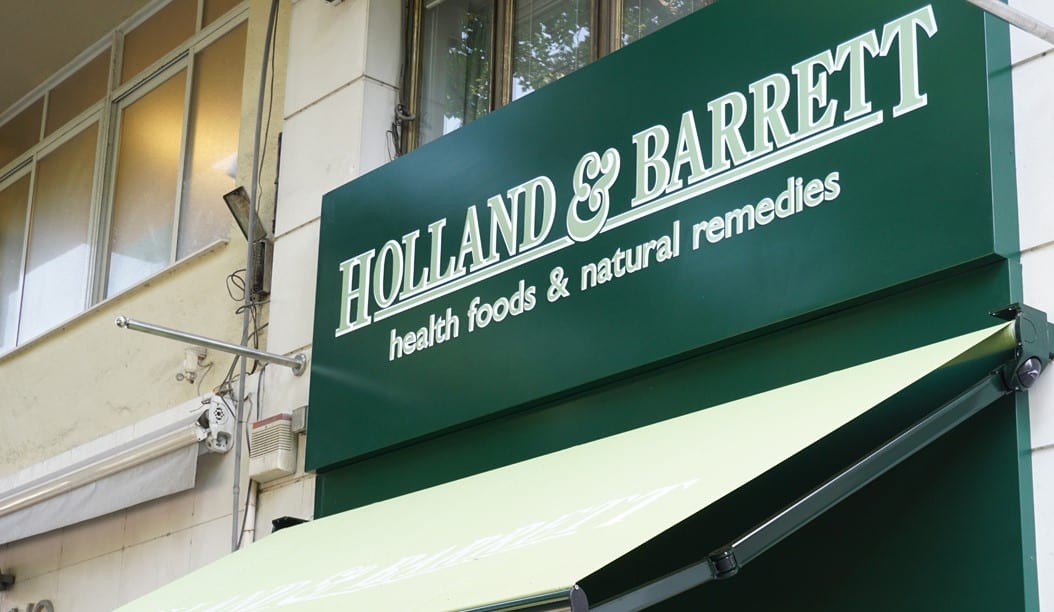
    UK health goods retailer Holland & Barrett is negotiating with a potential partner in India as its Asian retail rollout broadens.

    Holland & Barrett expects the Asian expansion to help boost its sales to £1 billion in annual sales by 2020 – turnover rose 12 per cent during the last year.

    Owned by US health group NBTY, the company opened 56 stores this year taking its network to 1071. It has also established two shopfronts on Alibaba’s Tmall.com in China.

    With retail stores in Singapore, Malta, China (34) and Kuwait already, the company changed its name to Holland & Barrett International earlier this year reflecting its growing global reach, but the majority of its shops – 744 – are in the UK.

    The company has not yet revealed details of its India plan, other than to confirm negotiations are underway with a prospective partner and the first store is scheduled to open early in 2016.

    Holland & Barrett says the consumer shift towards healthy eating and greater awareness of food allergies and intolerances is sustaining growth.

    “This year’s performance – especially our rapid growth overseas – underlines the fact that rising consumer interest in healthier living and wellness is by no means a UK or even eastern phenomenon,” says CEO Peter Aldis.

    “Our experience is that the British heritage behind our brand gives us significant advantage in our sector, and overseas consumers, such as those in China, seem to prefer the quality and reliability of our products compared with local competitors,” said Aldis.

  • Starbucks Will Be Bigger In China Than In the US

    Starbucks Will Be Bigger In China Than In the US


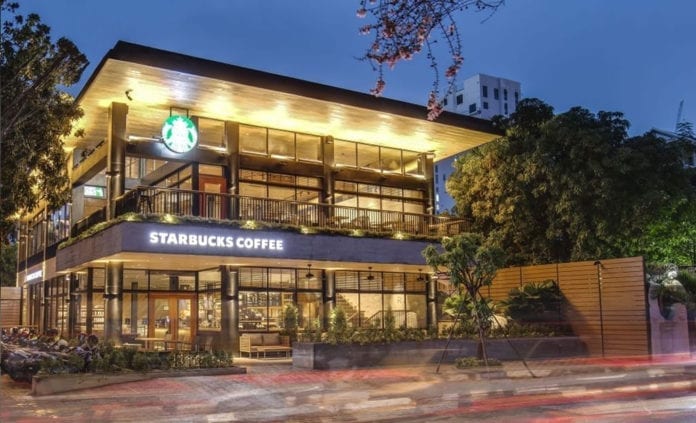
    The future of Starbucks is in China. The company opened nearly 1,000 new stores in the country over the past year, bringing the total to about 2,500 stores. It’s still opening more than one store per day, and expects to open 5,000 stores by 2021.

    At the company’s investor day in December, CEO Howard Schultz said he expects profits in China to exceed those in the United States eventually.

    Starbucks China CEO Belinda Wong expects several factors to contribute to the coffee company’s ability to grow revenue and operating income threefold over the next five years: the growing middle class and their increasing demand for coffee, global improvements to Starbucks’ core retail business, and digital partnerships with local companies like Tencent.

    A market that will be double the size of America in six years

    China’s middle-class growth isn’t slowing down. Over the last decade, the number of people considered middle class in China grew from 66 million to 300 million, according to reports collected by Wong. By 2022, Starbucks expects China’s middle class to double in size again to 600 million. For reference, the entire United States has about 324 million people.

    While the growth of China’s middle class is important, a bigger driving factor may be that Chinese are still developing a taste for coffee. As such, the demand for Starbucks will grow even faster than the rapidly expanding middle class.

    Over the next five years, the demand for specialty coffee in China is expected to grow at a rate of 15% per year, according to Euromonitor. What’s more, Starbucks already holds the lead in market share.

    More reasons to visit a Starbucks store

    One of the biggest organic drivers of store visits is Starbucks’ loyalty program, My Starbucks Rewards. Wong says new signups for MSR increased 63% per year from 2013 to 2016. Gold membership increased 53% per year. Importantly, members are “very intentional about their path to gold,” and as a result MSR members visit stores more frequently.

    Additionally, Starbucks plans to invest in new reasons to visit Starbucks. The company plans to expand its lunch menu in all of its stores globally, introducing things like soup and other food items. It expects lunchtime revenue to double over the next five years.

    Starbucks also has an opportunity to capitalize on Teavana in China, which has a huge tea culture. Incorporating more Teavana products into its stores could bring in customers who aren’t particularly fond of coffee, but still want the experience Starbucks offers.

    Lastly, Starbucks is expanding its consumer goods business in China. It just released its bottled Frappuccino nationwide. That could give potential customers a taste for Starbucks, inviting them to visit a store.

    Partnering with digital leaders

    One of the biggest announcements Starbucks made regarding its operations in China is its new digital partnership with WeChat, the messaging app owned by Tencent. WeChat has 864 million monthly active users, and its built-in wallet is often used to pay for goods in stores. Starbucks shoppers can now use WeChat to pay for their food and drink orders in store as well.

    Starbucks loses about 5% to 10% of sales in China due to long lines where customers are unable to pay fast enough, according to Shaun Rein, managing director of China Market Research Group. The partnership with WeChat should help speed up the checkout process, driving more sales.

    Starting early next year, WeChat users will be able to send each other Starbucks drink certificates or gift cards through the app. The service will operate in the same way as WeChat’s digital red envelopes, which allow users to send each other money. It’s one of the most popular functions of WeChat in China, and Starbucks will be smart to get the service launched before Chinese New Year, when red envelopes peak. The move provides a social marketing benefit to Starbucks as well, as it aims to attract new customers to its stores.

    The overall opportunity for Starbucks in China is huge. The company’s efforts to capitalize on the growing demand for specialty coffee from the middle class should fuel growth for many more years. Add in the company’s global efforts to expand into other parts of the day, plus its willingness to work with native digital leaders like Tencent, and Starbucks’ Chinese operations could surpass the U.S. sooner rather than later.

  • House of Fraser opens first store in China

    House of Fraser opens first store in China

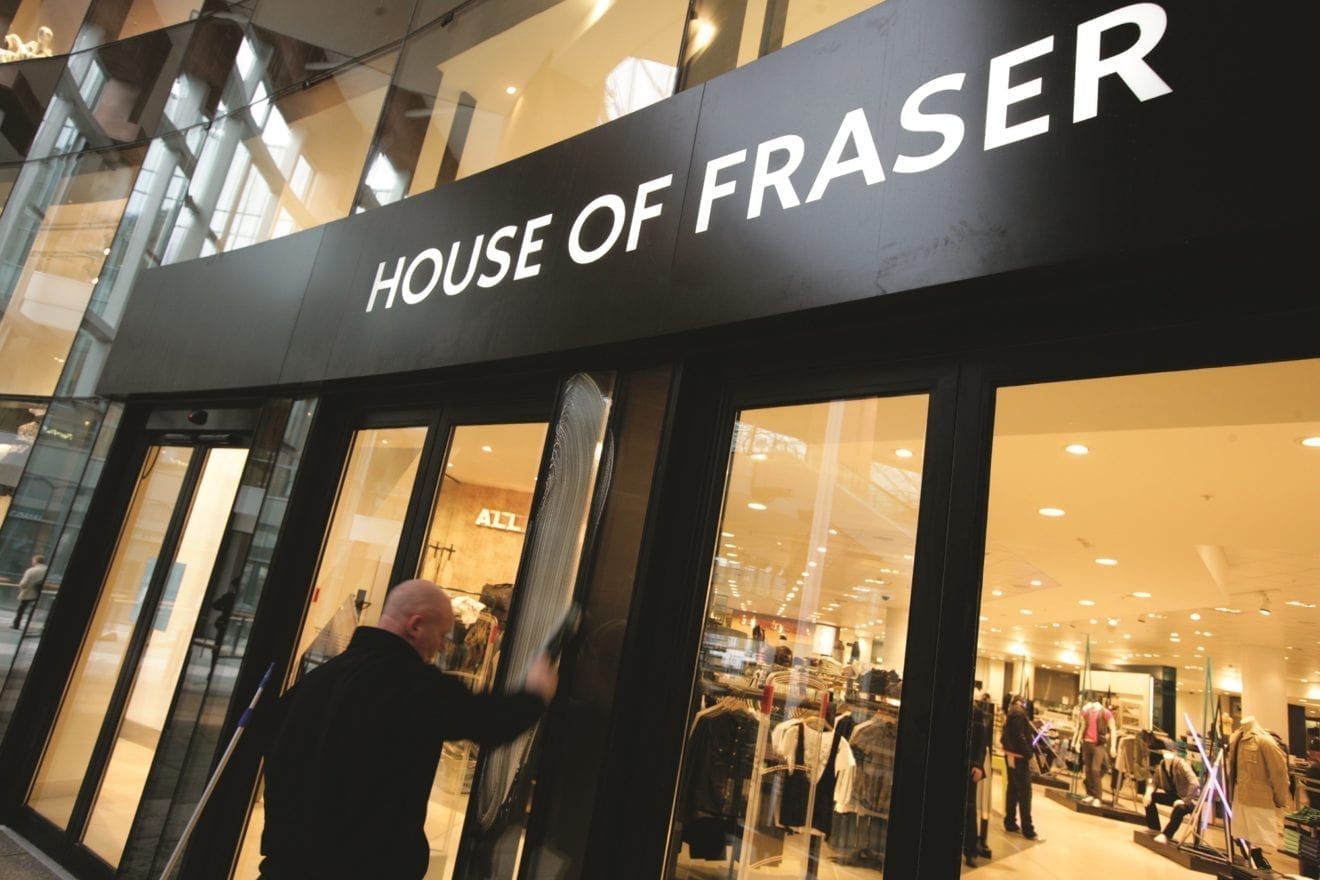
    UK and Ireland’s department store group House of Fraser opened its first store in China this month. The store, located Xinjiekou Sanpower Plaza (International Financial Centre) in Nanjing, covers a total building area of approximately 28,500 square meters with six floors and around 50 video screens.

    Several brands have partnered with House of Fraser to introduce its products for the first time to the Chinese market.  There are also new concepts such as Style by HoF, and a Nike Beacon store, the largest Nike beacon store in China as well as Monceau, a lifestyle and cafe.

    The store aims to provide a premium retail experience, including a VIP lounge, a VIP loyalty, and personal shopping. The world’s biggest toy chain Hamleys and the American novelty retail corporation Brookstone are adjacent to the store.

    Nanjing is the capital of the Jiangsu Province in Eastern China and has a total population of 8.2 million. Its commercial center, Xinjiekou, has a total of over 1,600 businesses and the most prosperous area in downtown Nanjing.

    House of Fraser completed its sale to Nanjing Xinjiekou Department Store, a Chinese department store chain owned by the Sanpower Group on 2 September 2014, marking an exciting beginning for the company under Chinese ownership.

    “This is an exciting time for House of Fraser and the opening of the store in Nanjing is a strong way to finish 2016. We are confident that our first store will clearly demonstrate the unique status that House of Fraser can achieve in the market, and will be a standout platform for our brand partners,” said Frank Slevin, Chairman of House of Fraser UK, in a media statement.

  • Malaysia eCommerce poised for boom

    Malaysia eCommerce poised for boom

    There are 252.4 million internet users located around Southeast Asia – and Malaysia has already emerged as the country with the third highest percentage of Internet users (67 per cent) after Singapore and Brunei.

    The promising internet penetration result indicates Malaysia’s enormous potential for eCommerce market growth. Leveraging on the rise of internet usage, 2015 has been a fruitful year for all online businesses and eCommerce as Malaysia recorded one of the highest online transactions per capita in Southeast Asia.

    Nevertheless, this only represents the tip of an iceberg – Malaysia’s eCommerce market accounts for just two per cent of the total retail market and countless opportunities still remain untouched if we look at what has been accomplished in other advanced eCommerce markets such as Korea, where online now accounts for about 15 per cent of total retail sales.

    Over the past five years (2010-2014), Malaysia’s eCommerce market size has increased by 31 per cent on CAGR basis. Viewed from a logical standpoint, it should follow a similar growth rate and achieve US$3.1 billion by 2018. As for 2016, expect to see mobility, better internet connectivity and logistics and security to be the three key drivers to drive the local eCommerce development.

    The ‘mobility’ trend will continue to grow

    Mobile penetration in Malaysia reached 136 per cent in 2015, and the growth of connected devices has paved the way for a positive increase in the eCommerce sector with 47 per cent of Malaysians using their smartphones to shop online.

    Furthermore, Malaysia ranks third in the rate of growth of mobile shopping in Asia (over 20 per cent; from 25.4 per cent in 2012 to 45.6 per cent in 2014)  according to a Mobile Shopping Survey. Given these results, it is not surprising to learn that more than 50 per cent of traffic to 11street is generated on mobile devices.

    Internet penetration and improved logistics will further enhance local eCommerce activities

    The Malaysian government has allocated RM1.2 billion to the Malaysian Communications and Multimedia Commission (MCMC) to offer high-speed broadband to rural areas starting next year. This marks a crucial element to boost the eCommerce development in Malaysia.

    Driven by the progressive eCommerce landscape, the logistics industry, especially the courier segment, has experienced exponential growth over the past year. For instance, courier services contributed 60 per cent of POS Malaysia’s total earnings in 2015, compared with 41 per cent in 2014.

    These supportive initiatives will help sellers meet future demands by providing shoppers with a seamless online buying experience with more timely delivery service.

    User confidence, especially safe and secure online shopping is a priority for shoppers

    Security issues are still a barrier to many shoppers heading online. Malaysia Computer Emergency Response Team (MyCERT), a department within CyberSecurity Malaysia, has reported that the number of online scams in the country is on the rise. A total of 743 fraud cases were received in the first quarter of 2015.

    Shoppers are always urged to make transactions with only trusted platforms that offer product return policies, customer reviews on products, seller’s rate or scoreboard, as well as a trustworthy payment system. Online sellers and marketplaces have to bear this in mind and update their security measures from time to time in order to establish shoppers’ confidence.

    A budget-conscious year ahead

    Malaysians will remain budget-conscious next year, in view of the rising cost of living caused by the implementation of GST and the ringgit’s devaluation.

    Cross-border trading growth can be observed from the increasing searches for popular international products on the Internet in Malaysia. However, with the higher exchange rates and international shipping fees, today local shoppers might find it challenging to get their favorite overseas brands or items.

    Undeniably, the overall eCommerce market in Malaysia is poised to flourish positively. The next step will be to sustain the market potential and all industry players need to work together to ensure this. Sellers should stay alert to evolving mobile and purchasing trends in the market to give shoppers a satisfactory experience, as this will build upon Malaysia’s vibrancy as a profitable market for eCommerce.

    • Hoseok Kim is CEO of 11street, Malaysia. 11street launched in Malaysia in April 2015, and within eight months has expanded its product range to more than 7 million units and achieved top 29 rank at Alexa.

    Hoseok Kim, CEOof 11street (light)

  • First Marks & Spencer Beijing store opens

    First Marks & Spencer Beijing store opens

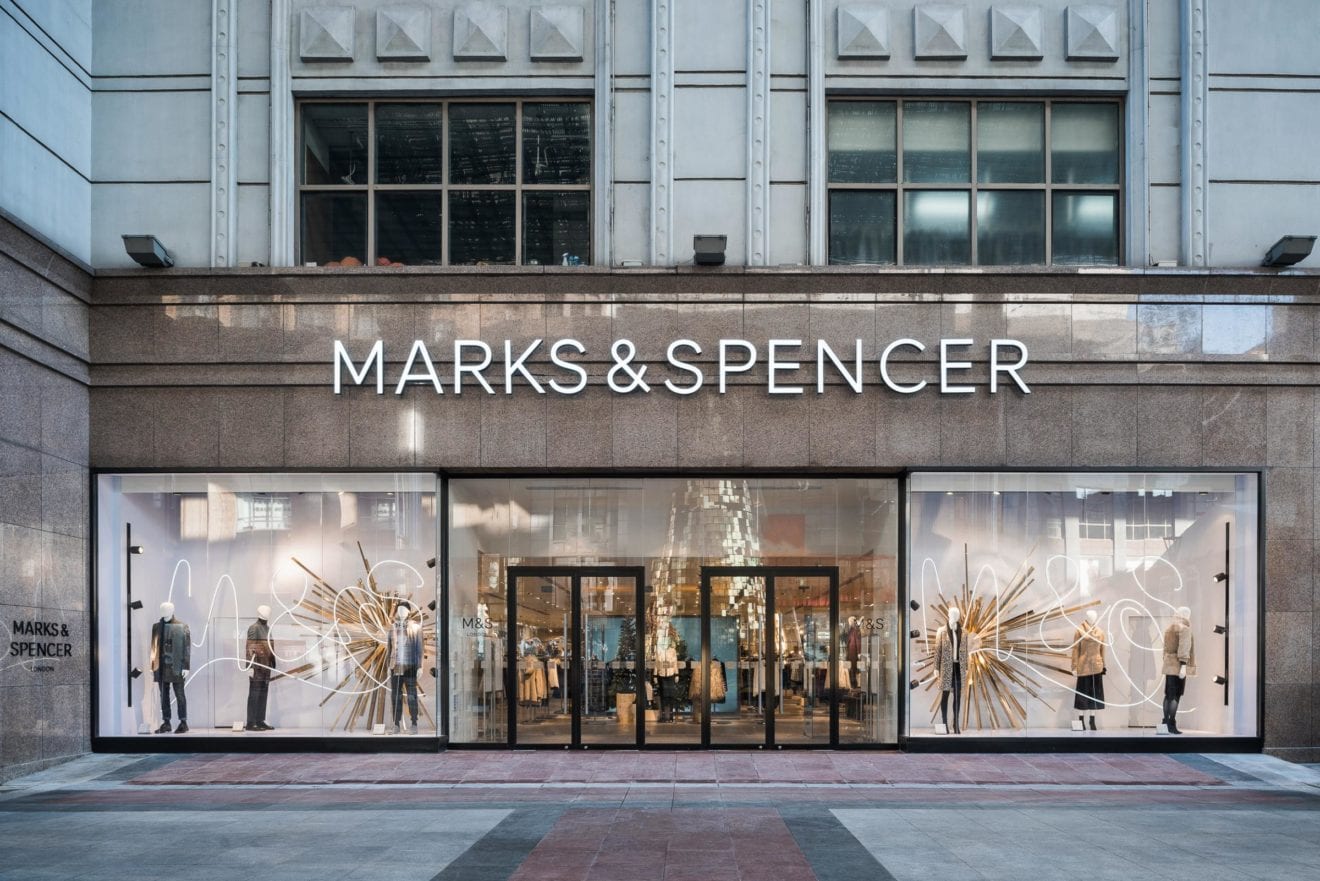
    UK department store operator Marks and Spencer has opened its first store in Beijing.

    The new 1500 sqm M&S Beijing store has opened in The Place shopping centre, selling clothing and food.

    M&S operates 10 stores in Shanghai and the move to Beijing is in line with a strategy to gradually expand in China’s tier 1 cities, albeit at a slower pace than originally forecast.

    “We’re looking at places which are very much ‘tier 1’… where you have an upper middle class consumer base… where we will do well even in the context of a slowdown in the economy,” executive director of marketing & international, Patrick Bousquet-Chavanne said last September.

    M&S has closed some smaller stores in China and is now focusing on larger stores in major cities.

    It has 20 in Hong Kong.

  • Nike profits soar in Q2

    Nike profits soar in Q2

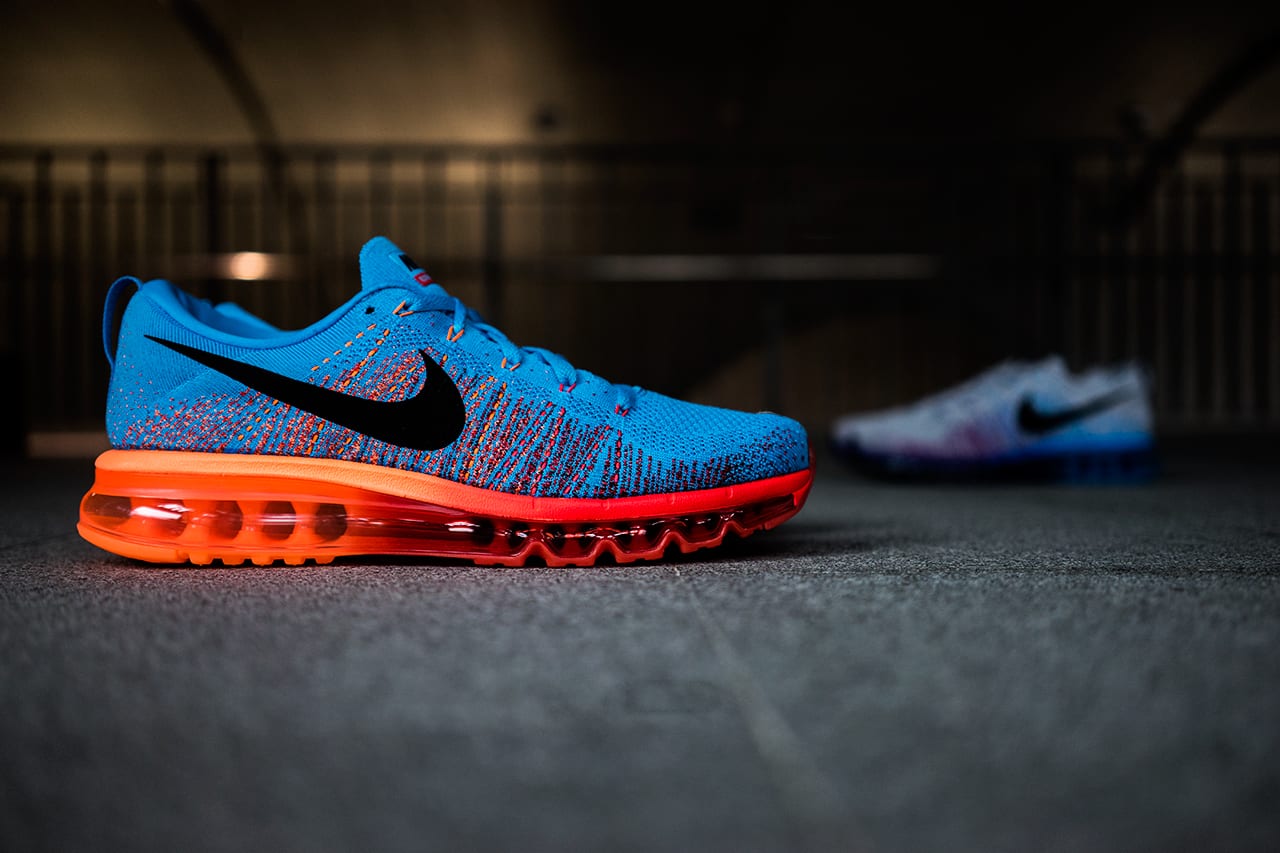
    Sportswear brand Nike says sales rose four per cent in the second quarter – but profit soared 20 per cent.

    The company says strong consumer demand drove revenue growth across the entire Nike brand portfolio and improved gross margins led to the profit boost during the three months to November 30.

    “Our strong Q2 growth and profitability show that Nike continues to drive real momentum through the category offense – by going deep with consumers by sport and serving them completely,” said Mark Parker, president and CEO.

    “And our powerful global portfolio of businesses, combined with strong financial discipline, continue to drive significant shareholder value. We see tremendous opportunity ahead as we enter an Olympic and European Championships year with a full pipeline of inspiring innovation for athletes everywhere.”

    Revenues totalled US$7.7 billion, up 12 per cent on a currency neutral basis. Of that, the Nike brand accounted for $7.3 billion, up 13 per cent, driven by double-digit growth in every geography and most key categories.

    Revenues for Converse were $398 million, down five per cent on a currency neutral basis, as strong growth in North America was more than offset by a decline in Europe

    Gross margin increased 50 basis points to 45.6 per cent, primarily due to higher average selling prices, partially offset by higher product input costs and unfavorable changes in foreign exchange rates.

    Net income increased 20 per cent to $785 million.

  • Giant Muji Shanghai flagship store opens

    Giant Muji Shanghai flagship store opens

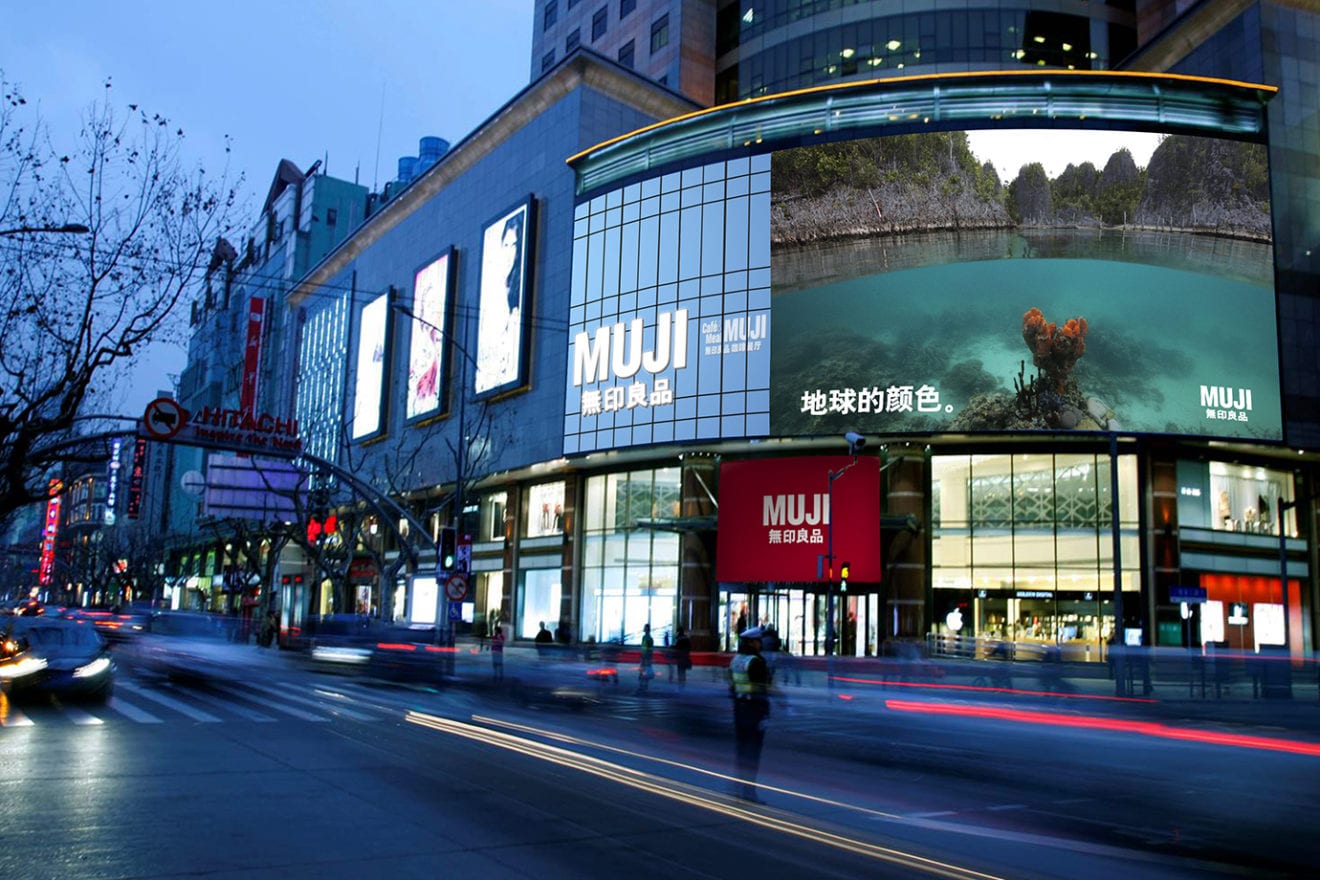
    The new Muji Shanghai flagship just opened marks the Japanese department store brand’s largest shop in China.

    Muji says it built the massive store so consumers in China “can experience the Muji lifestyle concept”.

    MUJI Shanghai Huaihai 755 - 6

    MUJI Shanghai Huaihai 755

    The new store is located at 755 Huaihai Rd, Shanghai’s premium high street shopping strip which is also home to flagships from brands as diverse as Uniqlo and Alfred Dunhill.

    MUJI Shanghai Huaihai 755 - 5

    MUJI Shanghai Huaihai 755 -1

    From a design perspective, each of the store’s three levels uses a different natural material to create three unique, differentiated shopping environment: Wood, iron (metal) and glass (earth).

    MUJI Shanghai Huaihai 755 - 4

    The flagship also incorporates  the cafe & Meal Muji dining concept, for the first time in Shanghai.

    MUJI Shanghai Huaihai 755 - 10

    “We seek out food ingredients that are tasty as natural food, and produce menus that make use of the original tastes of those ingredients with simple cooking methods,” said a Muji spokesperson of the new eatery offer.

    MUJI Shanghai Huaihai 755 - 3

    And – for the first time in China – Muji Books has opened featuring a curated range of reading materials and stationery products.

    MUJI Shanghai Huaihai 755 - 7

    MUJI Shanghai Huaihai 755 - 9

    MUJI Shanghai Huaihai 755 - 2

    In one corner of the store, customers can create their own scents mixing and matching various essential oils for their own unique recipe.

    MUJI Shanghai Huaihai 755 - 8

    Muji says the store is large enough for it to host seminars and events for customers.