Tag: asia

  • Hamleys Vietnam sets opening date

    Hamleys Vietnam sets opening date

    Hamleys Vietnam will stage a mobile roadshow around the shopping centres and schools of downtown Ho Chi Minh to help build brand awareness ahead of the store’s Vietnam debut.

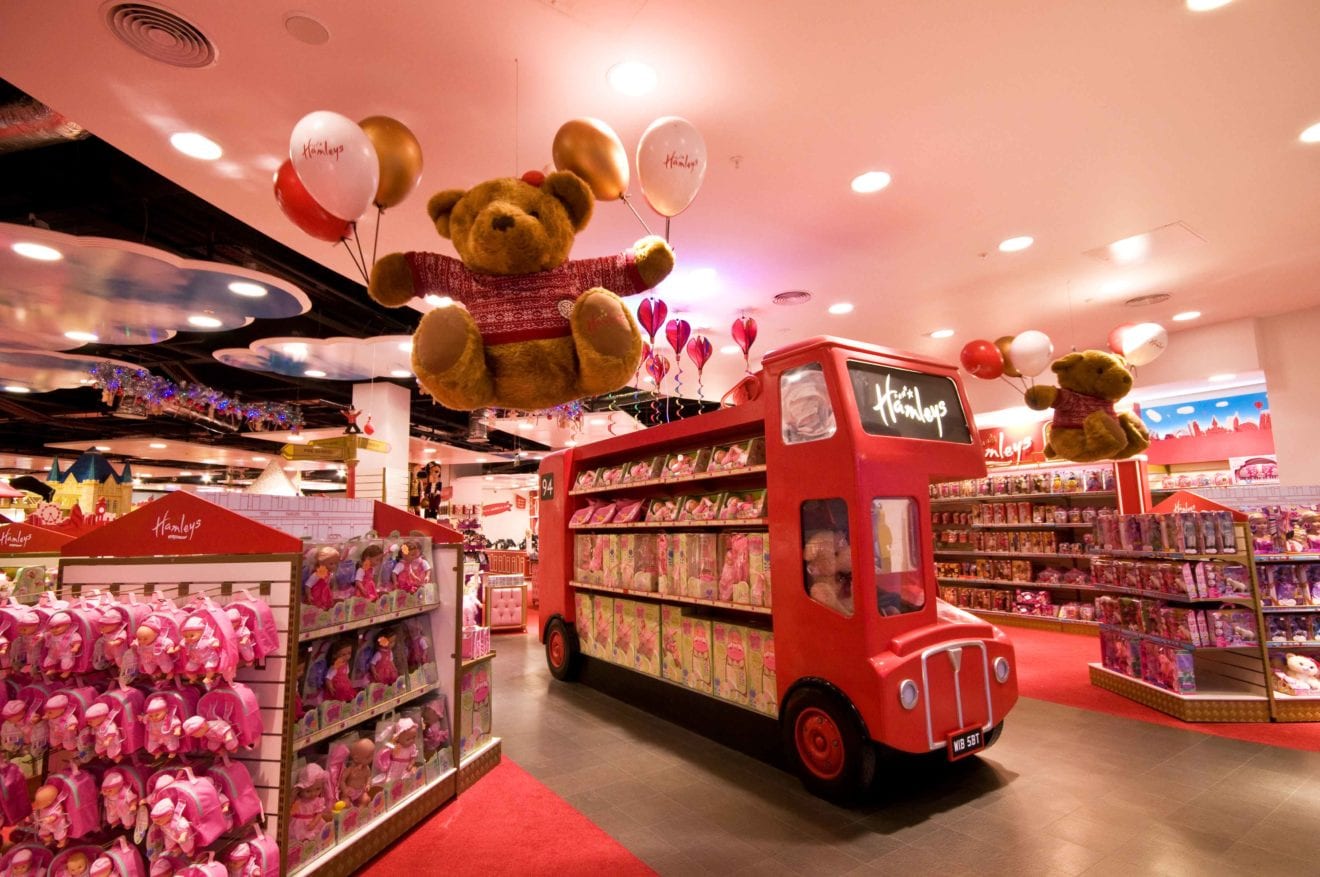
    Hamleys Vietnam will open its doors on October 21 in the recently opened SC Vivo City mall in District 7, a popular expat enclave.

    Hamleys, the world’s oldest toy shop established in 1760, announced in June it would open its first store in Vietnam. It promises to be the largest toy shop in Vietnam when it opens its doors to the general public, with a character parade and ceremony at 7pm.

    In the lead up to the opening, Hamley Bear will be touring the city in a specially marked red minibus, visiting international schools, shopping malls, and other areas. The tour will be held from October 9 to 10, and 16 to 17.

    In addition to the Hamley Bear visits, there will be a competition on social media to a win prize and exclusive tickets to the VIP and media event, taking place from 5.30pm on October 21 at SC VivoCity.

    Nina Komolova, Hamleys’ PR and marketing manager says the London Bus Tour will bring excitement to families in advance of the store’s opening.

    Hamleys Vietnam

    Wee Keng, general director of SC VivoCity said with Hamleys’ tradition internationally of lively store demonstrators, strong brand identity and immersive environment, the new store will take VivoCity’s concept of a one-stop family lifestyle destination mall to a new level.

    In Hamleys Vietnam, shoppers will step into a magical toy wonderland that is stocked with thousands of safe, quality approved toys ranging from the traditional to the high-tech, games and puzzles to arts and crafts, magic, the Luvley Boutique – where children will find a selection of hair and nail products to dress themselves up with – and of course the iconic Hamleys Teddy Bears.

    Hamleys’ unique approach focuses on ‘bringing toys to life’ for children and families by actively encouraging children to play with the toys in store or by engaging with toy demonstrators.

    Hamleys Vivo city

    Memories underpin the essence of the Hamleys brand – customers will be able to meet the Hamleys Bear, characters from television and film on special occasions and participate in interactive workshops and events.

    The Hamleys Vietnam franchise is owner by Maison Joint Stock Company, founded in 2002 by Richard Trinh and Mai Son Pham. The company operates 61 stores in Vietnam selling brands including Christian Louboutin, Topshop/Topman, Miss Selfridge, Dorothy Perkins, Max Mara, Max & Co, Mango, Karen Millen, Coast, Warehouse, Oasis, Bebe, Charles & Keith, Pedro, Accessorize, Monsoon Children, Havaianas and NYS Sunglasses. It will soon open the nation’s first CH by Carolina Herrera and Santoni stores.

  • Tesco Asia sell-off ruled out

    Tesco Asia sell-off ruled out

    Tesco has ruled out selling any more of its Asian operations in the wake of the Homeplus South Korea divestment.

    At least for now.

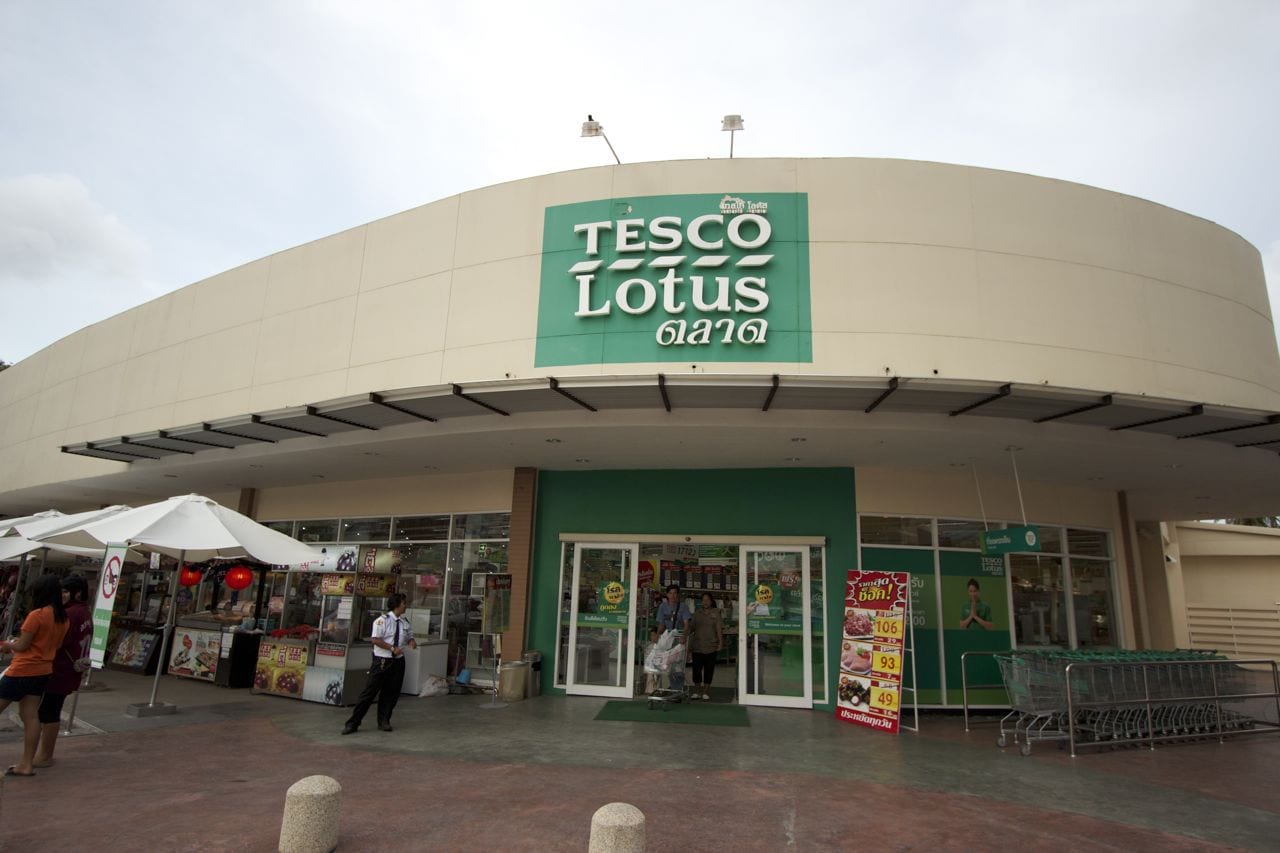
    After the US$6 billion sale of Homeplus and an earlier divestment of a stake in its Chinese operation, Tesco Asia retains a large business in Thailand, trading as Tesco Lotus, and in Malaysia.

    Tesco Chairman John Allan has assured shareholders there are “no immediate plans” to sell off any of the company’s remaining overseas arms, including those in Asia.

    “As we sit here today we believe that we have the right sort of assembly of geographies that we are in,” said Allan.

    “At the moment our intention is to hold what we have and to develop it and make the very best of it.”

    When Tesco’s troubles came to light at the end of last year the company received several opportunistic approaches by parties to buy out the Thai and Malaysian operations. But it ruled out any fire sale at the time and now appears committed to retaining and growing the businesses. The company also has operations in Central Europe and Ireland.

    While Allan conceded he could “envisage circumstances” the company might change its mind, that comment was perceived as a safeguard.

    Selling Homeplus has allowed Tesco to retire about £4.2 billion of its massive £21.7 billion debt mountain.

    The company is still looking for a buyer for its Dunnhumby data business, nine months after it ut the business on the market. Dunnhumby analyses grocery sales data from across the store network and sells it to manufacturers.

    “We have looked at the options around Dunnhumby… We’ve not concluded that. As soon as we conclude it we would announce what it is we intend to do,” CEO Dave Lewis told shareholders.

  • Origami launches payment service

    Origami launches payment service

    Origami, a social eCommerce startup for fashion and lifestyle products, is entering the offline payments fold.

    The startup, one of Japan’s most-funded, has announced the beta release of ‘Pay with Origami’ and ‘Shop Reward Program’. The new services allow existing users to pay for items at bricks-and-mortar retailers with credentials stored in the Origami app. They will also help retailers connect the dots between their customer’s online and offline purchases, data that can be used to provide special perks and incentives for repeat shoppers.

    Founded in February 2012, Origami unveiled its online-to-offline (O2O) mobile shopping app in April 2013. Users can follow their favorite brands within the app and receive updates when new items are introduced. It also recommends lesser-known brands and boutiques based on existing likes and purchase history. Users can share their likes and follows on social media, creating free advertising for the startup’s partner merchants.

    Approximately 100 influential brands – including Hankyu Men’s Tokyo, Urban Research, Head Porter, Toms, and MoMA Design Store – are scheduled to join Origami’s payments beta.

    “I created Origami to become a fintech company, but we decided to start with fashion- and lifestyle-focused mobile commerce” Origami founder and CEO Yoshiki Yasui told Tech in Asia.

    “They already have the followers on Facebook and Twitter, they have the best retail locations, and they set the benchmarks for other brands to look up to.”

    With its focus on O2O from the outset, it makes sense for Origami to offer an offline payments solution that keeps users and merchants within a single ecosystem. But becoming a force in Japan’s crowded offline payments space will be easier said than done.

    When you step up to a cash register in Japan, you’re often met by one or more contactless payment terminals for a seemingly endless variety of RFID-compatible cards and mobile phones (though NFC options remain slim to none). You can use your subway pass to buy a bottled water or your flip phone to buy a Big Mac, for example, but these options are largely limited to convenience stores and fast-food chains.

    Fashion retail is almost entirely cash or credit, and nearly 40 per cent of all consumer transactions in Japan are done with cash.

    ‘Origami for Business’ will use an iPad-based payment terminal without replacing the merchant’s existing POS systems. When an Origami user wants to make an in-store purchase, they simply scan a QR code with their smartphone or enter a six-digit pin code. Since Origami was born as an eCommerce platform, Yoshiki says that many users’ credit card details are already registered with the app.

    Pay with Origami and the startup’s new reward program are currently available in beta for iOS, with an Android version in the works. Origami accepts Visa and MasterCard for in-store payments, with more credit card options coming soon. They charge partner shops 3.25 per cent per transaction.

    The startup’s two biggest advantages over existing offline payment options will be that captive app audience and its founder’s connections in the financial world – Yoshiki was an investment banker and venture capitalist before becoming an entrepreneur.

    “Payments and eCommerce are the same, the only difference is online versus offline,” Yoshiki said.

    “If you buy three items from a retailer’s online store, then the fourth purchase is made in-store, you get treated like a first-time customer. That’s just wrong.”

    According to Techlist data, Origami is among Japan’s top-10 most highly-funded startups.

  • Sa Sa opens JD.com flagship

    Sa Sa opens JD.com flagship

    Sa Sa International says its online arm sasa.com will launch a Sa Sa flagship store on JD.com’s eCommerce platform, JD Worldwide .

    The move opens the way for more than 100 million JD shoppers to access Sa Sa products in the Mainland as well as in Hong Kong.

    “As a leading cosmetics retailing group in Asia, Sa Sa has been striving its best to provide quality products, best value and professional service to its customers,” said the company in a statement.

    “To flexibly respond to the huge demand from Mainland Chinese customers for cosmetics products and the increasing popularity of eCommerce in the mainland, the group proactively expands its eCommerce business in China through sasa.com and continues to improve its service, making every effort to offer a better shopping experience for more consumers.”

    JD.com is China’s largest online direct sales company with over 100 million active users. Its online shopping mall is content-rich, user-friendly and trustworthy and has an efficient delivery service.

    Sa Sa and JD.com say they share a common mission to provide consumers with the best shopping experience, which put the two parties together in forming this partnership.

    Dr Guy Look, CFO & executive director of Sa Sa, said: “By launching a flagship store on JD Worldwide, sasa.com will expand its customer reach in China, while over a hundred million JD users will be able to enjoy direct access to Sa Sa’s wide selection of globally renowned cosmetic and skincare brands.

    “We believe that the strengths of Sa Sa and JD will complement each other to realise synergies in this win-win partnership. We are looking forward to working with them to deliver a premium online shopping experience to customers throughout China.”

  • Japan retail sales cause concern

    Japan retail sales cause concern

    Japan retail sales in August rose 0.8 per cent according to official data released on Wednesday.

    That was a full 0.4 per cent – or one third – below market expectations, fuelling concerns about the state of the nation’s fragile economy.

    The figure from the Ministry of Economy, Trade and Industry followed a healthier 1.8 per cent increase in July.

    Once seasonally adjusted, retail sales were flat in August – worse than the anticipated 0.5 per cent increase, and well down on the 1.4 per cent rise of July.

    ‘Large retailers’ reported sales were up 1.8 per cent year on year, near the 2.1 per cent of July and ahead of the forecast 1.3 per cent.

    The only bright news on Japan’s retail sales front in recent month has been the increased spending by Mainland Chinese tourists, opting to take vacations there or Europe instead of their more traditional destination, Hong Kong.

  • Vietnam retail sales strengthen

    Vietnam retail sales strengthen

    Vietnam retail sales rose 9.8 per cent in the first nine months of this calendar year, underpinning a raft of healthy economic data for the nation released this week.

    Inflation reached zero in August, for the first time ever, which encouraged retail sales growth.

    Gross domestic product rose 6.81 per cent in the third quarter, slightly higher than the second quarter’s revised figure of 6.47 per cent, according to data released by the General Statistics Office in Hanoi.

    Analysts say the both sets of data show signs the overall economy is generally picking up.

    “Vietnam is the only country with strong export growth amid contracting exports among its regional peers,” according to an ANZ Bank research note published this week.

    The nation’s economic growth rate hit 6.5 per cent in the first nine months. Exports rose 9.6 per cent, imports climbed 15.9 per cent and there was a trade deficit of $100 million in September compared with a surplus of $347 million in August.

    The Asian Development Bank forecasts Vietnam’s growth to accelerate during the second half of this year due to rising private consumption, export-oriented manufacturing, and Foreign Direct Investment.

    However, it’s not entirely good news. Huynh The Du, a lecturer at the Fulbright Economics Teaching Program in Ho Chi Minh City warned of the dangers of zero inflation: “It’ll become a challenge for economic expansion later if inflation continues to stay at this slow pace,” he said.

  • How to cope with the eCommerce fever

    How to cope with the eCommerce fever

    Familiarity breeds consent. Merchants who use transaction data in a secure and intelligent way will unlock the trust of the consumer in the fast growing eCommerce world, according to a new white paper researched by MasterCard.

    “People will be able to choose to only receive offers that are relevant and of value to them, and companies that get the equation right will be given permission to access more touch-points in people’s’ lives,” the report concludes.

    That’s one of 10 concepts identified in the report which aims to help fill what MasterCard describes as a “knowledge gap” among retailers keen to adapt to the changing buying preferences of customers but unsure of the safety and security of new payment and shopping technology.

    “As the world continues to be swept in an ‘eCommerce fever’, increasing numbers of people are beginning to swap notes and coins for taps and swipes. It is imperative that merchants possess the information and know-how required to harness the onslaught of ever-evolving consumer demands and technological advancements presented to them,” says MasterCard.

    The white paper on the “10 Industry-Wide Transformations Impacting eCommerce in Asia Pacific and Implications for Growth” was developed following conversations with various eCommerce players across Asia Pacific, and examines perspectives from industry leaders on the varied state of eCommerce in these markets.

    MasterCard has identified a knowledge gap in three key areas:

    • The transformation of the eCommerce consumer journey in Asia Pacific as a result of technology;
    • The change in consumer purchase behaviour in Asia Pacific, and clear best practices of how to drive transaction velocity; and
    • The implications for growth for both merchants and issuers within the eCommerce industry.

    As such the white paper also identifies growth challenges and marketing opportunities, as well as provides an overview of the future of eCommerce in Asia Pacific, the largest eCommerce region in the world.

    “Asia Pacific’s eCommerce trajectory has been nothing short of explosive, and with a growing consumer base that is twice as likely, to buy online than any other group in the world, the opportunities are endless,” explains Sam Ahmed, group head of marketing, Asia Pacific at MasterCard.

    “As consumers transact more online, the importance of digital payment options that give consumers a seamless check-out experience is on the rise. And along with that, the need for payment security.”

    In a world proliferated by smartphones, it is perhaps unsurprising that these mobile devices have become the shop fronts of today. From air tickets to Air Jordans, consumers are spoilt for choice, equipped with the ability to browse through billions of brands and products at the swipe of a fingertip.

    “Unfortunately, such advanced technology also presents a catch-22 for merchants. Whilst retailers benefit from the conveniences and wide-reach enabled by the internet, many are faced with the issue of retaining customers’ attentions.

    “With this paper, we explore the opportunities and issues facing the industry, and share successful case studies for growth from MasterCard’s own innovations with the digital & eCommerce engine. Using the engine operating model, we have collaborated with merchants, issuers and technology partners like Facebook to drive transaction velocity and achieve unprecedented results,” Ahmed said.

    Some more of the 10 transformations MasterCard has identified are:

    • You’ll never shop alone. Consumers will browse, rate and recommend products and services with friends and followers at all times. We already see an increase in partnerships between merchants and social platforms like Instagram, Facebook and Pinterest that make each shopping moment shareable with one-click. This taps into the growing dominance of influencer and peer marketing that consumers are growing accustomed to.
    • Data will drive intent. We will be prompted to shop for things even before we knew we needed it. Fridges will generate shopping lists based on consumption patterns and preferences, and your location will serve up the best deal for dinner. Shopping will be one component of a much larger digital ecosystem. Data gathered from operating systems and mobile devices will inform what we buy, when we buy and who we buy from.
    • Service and rewards will be the killer-apps. Comparison shopping will make the price table stakes. The merchants who deliver on their brand promise in a personalized and emotionally engaging way will earn the dollars and loyalty of consumers. Reward systems and CRM programs will become critical for sustainable success.
  • Philippines eyed as shopping hub

    Philippines eyed as shopping hub

    The Philippine Retailers Association (PRA) is teaming up with the Department of Tourism and the Tourism Promotions Board (TPB) to turn the country into a shopping hub in the region by reviving the Philippine Shopping Festival.

    The shopping festival is being held in line with the DOT’s Visit the Philippines 2015 campaign and PRA’s efforts to develop the Philippine retail industry, which contributes about 15 percent to the country’s gross domestic product (GDP).

    PRA president Lorenzo Formoso, who is also chief operations officer of Duty Free Philippines, said the real objective of the Philippine Shopping Festival is to increase awareness of what the country offers in terms of shopping.

    “Before we get into the numbers, we have to be top of mind,” he said.

    Formoso views the years 2015 and 2016 as a “sweet spot” for the retail industry because more Filipinos will be working, which means more consumer spending.

    He said the retail industry can grow even faster than 5 to 8 percent because of the number of malls that are coming up in the next so many years.

    “At least 20 new malls in the next couple of years, that is the minimum. They’re putting up malls in the major cities,” he said.

    The Philippine Shopping Festival 2015 will be held from October 23 to November 8 in line with the PRA’s Asia Pacific Retailers Convention &Exhibition (APRCE) and the Asia-Pacific Economic Cooperation (APEC) events happening in the country.

    It will be a two-week sale where shopping malls and retailers in the Philippines will offer different discounts and promos to entice people to shop.

    He said the shopping festival will not only benefit the retail and tourism industries but also contribute to other industries like hotels and transportation, thereby helping boost the economy.

    Formoso said APRCE expects to attract to the festival some 2,500 foreign and local retailers and executives on top of the 4,000-plus delegates for the APEC and the coming Christmas season.

    He said the event can help to improve tourism although he admitted that tourism numbers did not dramatically exceed the targets as expected because of some problems. Nonetheless, he remains optimistic because tourism spending has increased.

    “Before, tourists stayed here for a three-day stay but now it is six days. That is double.

    Even if we’re looking at five million [tourists], on spending, if you peg it at the average purchase, it gets to be double because of the number of days spent,” Formoso said.

  • GIC, Macerich to invest in five retail properties

    GIC, Macerich to invest in five retail properties

    GIC has entered into a joint venture with United States-listed real estate firm Macerich to invest in a 40 per cent interest in five retail properties in the world’s largest economy, the Singapore sovereign fund said yesterday.

    When contacted by Today, GIC declined to disclose how much it would pay for the stakes. Macerich had said in a separate announcement that it agreed to sell minority stakes in eight US malls for a total of US$2.3 billion (S$3.3 billion) to GIC and US property investor Heitman, a deal that will allow the landlord to pay a special dividend, buy back shares and cut debt.

    GIC will own stakes in: Washington Square in Portland, Oregon; Los Cerritos Centre in Cerritos, California; Arrowhead Towne Centre in Glendale, Arizona; Lakewood Centre in Lakewood, California; and South Plains Mall in Lubbock, Texas.

    The transactions are expected to close in phases starting this month and concluding in the first quarter of next year, GIC said. Mr Lee Kok Sun, regional head for Americas, GIC Real Estate, said: “We expect these high-quality assets to continue generating steady income streams and are confident of their growth … As a long-term value investor, we look forward to partnering with Macerich … as they share our core investment belief of being long-term.”

  • Mega luxury store opens amid retail slump

    Mega luxury store opens amid retail slump

    Luxury multi-brand footwear and accessories retailer Pedder Group is pulling out all the stops with its new 20,000 sq ft Pedder on Scotts store at Scotts Square that opens today.

    The concept store is the group’s largest free-standing one in Asia. The biggest standalone On Pedder stores in Hong Kong and China stand at 3,500 sq ft and 3,000 sq ft respectively.

    Founded in 2003, the Hong Kong-based Pedder Group is part of the Lane Crawford Joyce Group and operates more than 50 stores and shop-in-shops across Greater China, Singapore and Jakarta.

    Pedder on Scotts takes up the entire second floor at Scotts Square – the size of 20 four-room HDB flats – and stocks more than 100 designer and mid-priced brands of shoes, bags and accessories.

    ´It is an interesting time to secure retail space, not just based on cost, but availability. Our group has always used challenging times in the retail market to expand our retail footprint.` – PEDDER GROUP PRESIDENT PETER HARRIS

    About 40 per cent of the line-up – brands such as American high- street label Sam Edelman, British shoemakers George Cleverley and Foster & Sons, as well as Lock & Co Hatters, one of the oldest milliners in England – are exclusive to the store. At least 10 brands are new to the market.

  • Garuda Indonesia to Launch Promotion on Friday

    Garuda Indonesia to Launch Promotion on Friday

    Garuda Indonesia will launch a three-day online sale on Friday.

    Between 9 and 11 October 2015, discounted airfares to 37 Indonesian destination will be available for travel between 13 October 2015 and 31 May 2016.

    The 7-month validity period offers the perfect opportunity to book and save on fares for short getaways to popular Indonesian hotspots such as Bali. Flights to the scenic island will be on sale from Sin$130 for a one-way flight and Sin$230 for a return, while seats to Surabaya will be available from Sin$110 for a single ticket and Sin$210 for a return.

    Travellers will be able to fly to Indonesia’s capital city Jakarta one-way from Sin$110, with return flights priced at Sin$185.

    Travellers can also take advantage of the online seat sale to discover other interesting Indonesian destinations such as Lombok, Jogjakarta, Makassar and beyond from Sin$180 one-way onwards via Jakarta or Bali.

  • Now AirAsia can fly again in Japan

    Now AirAsia can fly again in Japan

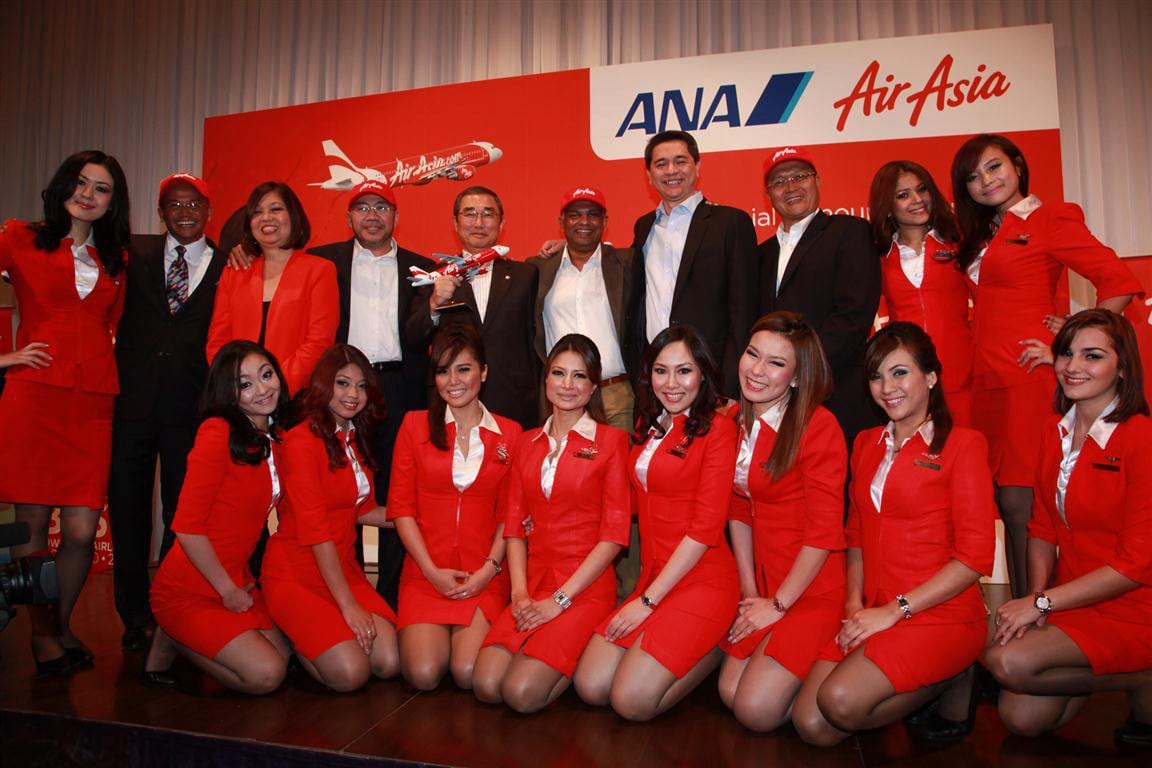
    AirAsia Japan Co Ltd, which recently reorganised its shareholding structure, has received the air operator’s certificate from the Ministry of Land, Infrastructure, Transport and Tourism.

    AirAsia said in a statement that AirAsia Japan was scheduled to begin operations from its base at Chubu Centrair International Airport in Aichi prefecture to Shin-Chitose Airport in Sapporo, Sendai Airport in Sendai and Taiwan Taoyuan International Airport in Taipei in spring 2016.

    AirAsia group CEO Tan Sri Tony Fernandes said: “We are very excited to be back in Japan. We have fantastic partners here and we are united in the vision to change the way people travel in Japan.

    “Centrair Airport is a fantastic base and with our new routes, we look forward not only to enable the Japanese to enjoy our direct destinations but to connect them to the rest of Asia and beyond on our extensive network.”

    AirAsia first tried to enter the Japanese market by collaboratng with All Nippon Airways Co Ltd (ANA) in July 2011, but AirAsia withdrew from the joint venture in June 2013 due to “different management styles”.

  • Philippines retail to get yearly revenue boost from nationwide grand sale

    Philippines retail to get yearly revenue boost from nationwide grand sale

    Philippine retail will get a yearly revenue boost from the recently launched nationwide grand sale called “Philippine Shopping Festival,” which is being eyed to become a yearly event.

    The Philippine Retailers Association (PRA) and Department of Tourism-Tourism Promotions Board (DOT-TPB) partnered to revive the Philippine Shopping Festival and decided to make it an annual event to make the Philippines a new shopping destination in Asia Pacific region.

    PRA Chairman Roberto Claudio said the Philippine Shopping Festival 2015 will put the Philippine retail close to the sophisticated and globally known shopping industry of Singapore and Hong Kong.

    In Singapore, there is an eight weeks event called Great Singapore Sale, which usually occurs in the last week of May until the third week of July

    An international report showed that shoppers, a mixture of foreigners and locals, had spent a five-year high of US$2.12 billion using their MasterCard cards during the Great Singapore Sale this year.

    To be held on October 23 to November 8, the Philippine Shopping Festival will be a two weeks sale where shopping malls and retailers in the country will offer different discounts and promo to entice people, mostly foreign tourists, to shop.

    Claudio said that the first attempt of PRA to do something like this happened two to three years ago but it wasn’t that successful.

    Now, the group and the DOT are banking on the two big regional events that will happen in the country in November as this year’s major drivers for the festival.

    The events that he was talking about are Asia Pacific Retailers Convention and Exhibition (APRCE) and the Asia Pacific Economic Cooperation (APEC) meetings which will both bring thousands of foreign delegates.

    Claudio emphasized that as per DOT data, each foreign tourist visiting the country allocates a daily shopping expenditure of US$300.

    “Just imagine if thousands of foreign delegates will spend US$300 a day just for shopping,” Claudio said.

    Around 94 malls will be participating in the nationwide grand sale.

  • International “IoT” Conference In Hong Kong Next Week

    International “IoT” Conference In Hong Kong Next Week

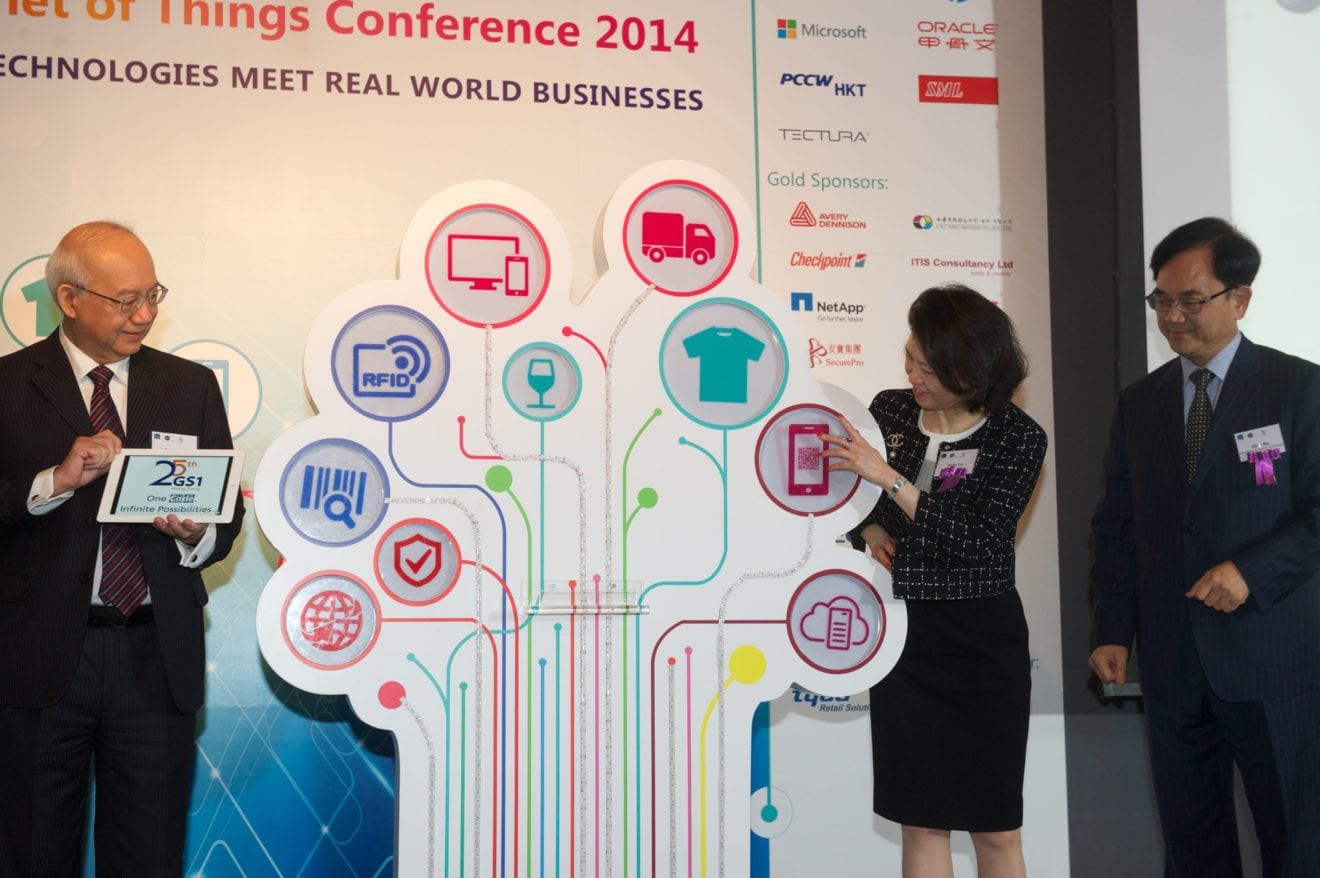
    The Internet of Things (IoT) is regarded as the third technological advancement, after computers and the Internet, which sets a new trend for the ICT industry. Through IoT technology, electrical products gain access to networks, enhance remote capabilities and become “smarter” by integrating various kinds of information and resources via the Internet.

    In view of recent IoT applications and their huge development potential, the Hong Kong Trade Development Council (HKTDC) will organise the “IoT Revolution – How does it benefit your business?” international conference on 13 October. The conference is part of the opening day activities of the four-day HKTDC Hong Kong Electronics Fair (Autumn Edition) at the Hong Kong Convention and Exhibition Centre (HKCEC). International speakers from renowned brands and enterprises including Hewlett-Packard, Intel, Microsoft, Philips, Samsung and Texas Instruments China R&D will share their views on the future trends and applications of IoT.

    Synergy with the Hong Kong Electronics Fair

    “The Hong Kong Electronics Fair (Autumn Edition) is a once-a-year spectacular event for the electronics industry,” said Benjamin Chau, Deputy Executive Director, HKTDC. “Electronics suppliers from all over the world will showcase their most sophisticated technology and electronics products. IoT, as the on-coming wave for the electronics industry, can be a kingmaker that allows suppliers and service providers to seize the opportunity to lead the market. With the fair attracting industry players from around the world, the conference aims to encourage entrepreneurs to grasp the opportunity, and release more advanced and smarter products so as to add value, not just for companies but to also enhance our way of life.”

    Looking to the future of IoT

    The theme of the conference is “Global Trend on IoT Development & the Arising Opportunities”, which introduces the latest developments and applications of IoT technology to the audience. Speakers include Yuki Hon, Senior Technology Evangelist, Microsoft Hong Kong Limited, Ravi Gokhale, Director and Head of Texas Instruments China R&D, and Vivek Sharma, Global Director, Channel Business Development Group, Intel Sales & Marketing Group.

    Ms Hon believes enterprises across nearly every industry ranging from retail, to healthcare and public services can benefit from IoT. “SMEs can build on the infrastructure they already have or subscribe cloud-based IoT services, add more devices to the ones they already own and get more from the data that already exists. By leveraging their existing investment, SMEs can apply IoT with a limited budget,” said Ms Hon.

    In the afternoon, the conference continues with the theme “Future Vision of the IoT”. Senior management from leading enterprises will reveal the future trends of IoT. Speakers include Curtis Sasaki, Vice President of Ecosystems and IoT General Manager, Samsung Electronics, Jo Shum, Senior Director and General Manager, Lighting Hong Kong and Macau, Philips Electronics HK Limited, and Fred Sheu, General Manager, HP Software, Hewlett-Packard HKSAR Limited.

    Mr Sasaki, a renowned speaker on memory and next generation consumer products, says, “Samsung is helping to enable our connected future by providing integrated hardware and solutions like the Samsung ARTIK and Samsung SAMIIO platforms, which jump-starts development for the Internet of Things. The true winners in IoT will be those companies who move quickly, and think ‘out of the box’ about how they can best use these technologies to provide convenience, solve real problems, and make a dent in the challenges of today’s world.”

    Ms Shum explained that the concept of IoT has been applied in lighting systems for a long time, from the initial closed-circuit lighting system connected to other management systems, to the development of a wireless system via the Internet with more functions and applications. Apart from the energy-efficient system, which can turn lights on or off through touch or motion sensors, the new generation of IoT-enabled systems can adjust the light according to the outdoor lighting and the timings of sunrise and sunset. It can even adjust the brightness to match the mood of a video. Nowadays, the IoT-enabled lighting goes beyond home applications and extends to the retail environment and service industry. For example, the light can be adjusted to highlight the special features of the showcased product in retail store.

    Hong Kong companies embrace IoT

    For smart homes with IoT capability, many appliances are connected to the Internet via Bluetooth. Bluegic, a brand under Lincogn Technology Co. Limited, seized the opportunity and developed an app that combines low-power-consuming Bluetooth 4.0 with home electronics. The application of IoT has become the competitive edge for the company. They also won the Silver Award in the Hong Kong IoT Awards 2014 and a merit certification in the ICT Startup (Consumer Market) category of the Hong Kong ICT Awards 2015.

    Ambi Labs, another local company that focusses on IoT, uses the technology to produce smart air conditioning systems. Their flagship product, Ambi Climate, can provide the most suitable air conditioned environment by collecting interior data including temperature, humidity and air ventilation as well as information about outdoor weather conditions. This is used to automatically achieve the optimum setting for the air conditioner. Two local entrepreneurs, Colin Ng, Co-Founder of Lincogn Technology Co. Limited, and Julian Lee, CEO and Founder of Ambi Labs, will share their insights on IoT, based on their start-up experience in the conference.

    Free Admission

    Those interested in joining the IoT conference can register online via the HKTDC Hong Kong Electronics Fair (Autumn Edition) website. Admission is free, and seating will be provided on a first-come-first-served basis.

    Apart from the conference, IoT takes centre stage at the Electronics Fair (13-16 October) with the debut of Smart Tech zone featuring innovative devices ranging from a Hong Kong-designed smart Wi-Fi photo frame, to smart cups that automatically record nutritional information of a beverage. The zone will be located at Convention Hall Foyer and Mezzanine of the HKCEC, close to the IoT conference venue.
  • XIUS Awarded NFC Patent by USPTO

    XIUS Awarded NFC Patent by USPTO

    XIUS, a leader in delivering innovative, revenue-generating solutions to mobile operators, banks and financial institutions worldwide, announced today the award of its patent in Near Field Communication (NFC) technology. The invention relates to a smart integration of dual architecture contactless SIM into mobile devices and describes the method of efficiently performing various financial transactions. The patent filed in February 2010, was awarded by the US Patent and Trademark Office recently this year.

    NFC as a technology is extending beyond applications initially envisioned by the market. End users have started to believe that using their mobile phone for payments is safe and also addresses privacy concerns. Mobile wallets are now making a significant impact by creating new market opportunities. XIUS mobile payments solution is powered by futuristic technologies including NFC, and aims to deliver customers seamless services and enriched experiences in real-time fashion.

    Speaking on the occasion, said G.V. Kumar, CEO and Managing Director, “The award of yet another patent is testimony to XIUS’ thought leadership and emphasis on innovation. XIUS takes immense pride to have developed years ago, a SIM based solution for NFC enabled payments. Our endeavoring efforts have borne fruit and the award of this patent only reiterates our strong belief and commitment to continue innovating and contributing to the industry”.

    XIUS implements NFC as one of the technologies in offering banks and financial institutions its unique technology enabled banking services. The solution leverages existing mobile ecosystem and extends banking services to the unbanked and under-banked segments of the population that banks are otherwise challenged to penetrate and cater to.

    NFC technology allows retailers and brands to engage with increasingly connected mobile consumers. Retailers and brands can use NFC during the customer journey to improve in-store experiences, enable touch & go payments, generate more sales, and enhance customer loyalty and trust. As part of its mobile commerce offerings, XIUS NFC-based payment solution improves customer experience and delivers control of purchase flow to the merchant.

    Whether deployed to facilitate banking transactions or in a retail outlet, XIUS NFC mobile enabled solution has diverse uses among those that are now being widely publicized and adopted by technology companies / retail chains in evolved markets such as the US and Europe in the recent times.