Tag: asia

  • Coinbase Penetrates Singapore With New Retail Bitcoin Service

    Coinbase Penetrates Singapore With New Retail Bitcoin Service

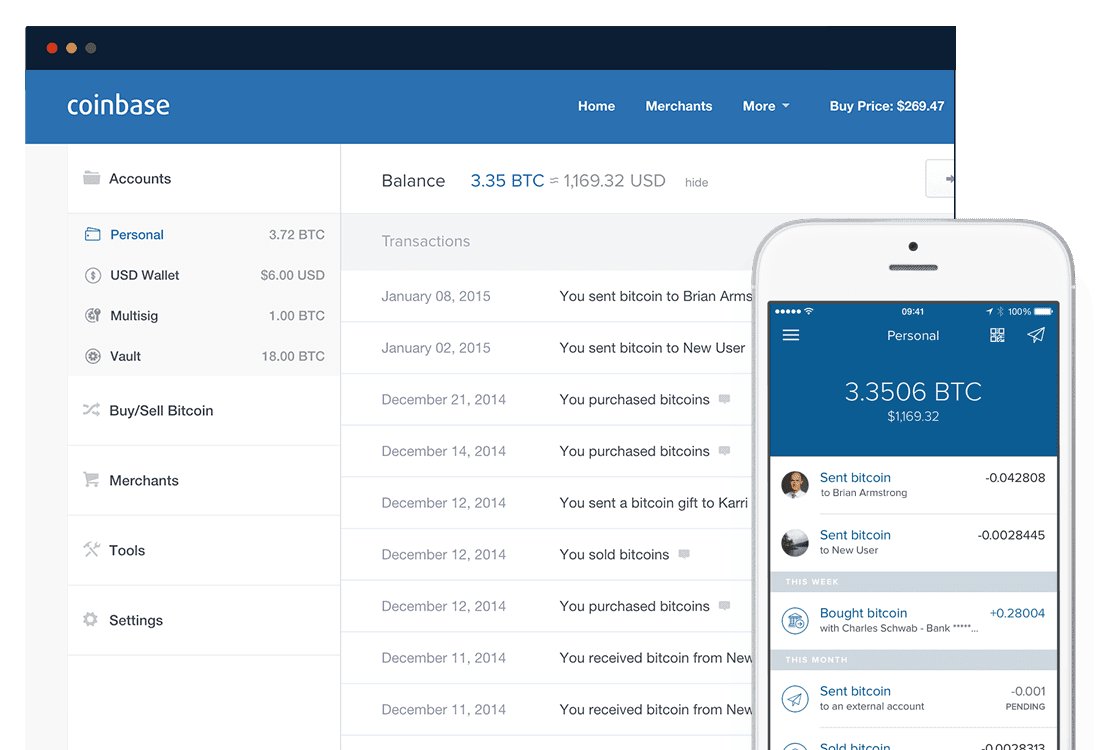
    Coinbase, one of the biggest bitcoin exchanges and wallet services in the United States, has unveiled retail buy-and-sell operations in Singapore and Canada. 

    The operations is part of the San-Francisco-based company’s expansion into Asia to make digital currency more accessible around the globe, Brian Armstrong, Coinbase CEO and co-founder, disclosed.

    The cryptocurrency exchange and wallet service firm in Singapore, set to open on Thursday, will allow clients to buy and sell virtual cash with the Singapore currency.

    At around 8 a.m. today Singapore local time, customers in the country can buy and sell digital cash using Singapore Dollars via Coinbase.

    Coinbase has also unveiled a buy and sell service as well as a bitcoin exchange for professional online traders in Canada earlier this week.

    According to Coinbase International Expansion head David Farmer, The Lion City is a major market for the company. “At present, over 15,000 people in Singapore have signed up for a Coinbase Wallet.”

    With more and more customers realizing the importance of bitcoin, Coinbase is making sure they give what the people need. Famer added: “By extending our buy and sell service in Singapore, we are helping to make their on-ramp to the Bitcoin world as simple and as safe as possible as we move ahead.”

    Unlike conventional currencies, digital money is purchased and sold via peer-to-peer network immune to government control. Being independent in nature, Bitcoin is not supported by a central bank, and its value fluctuates based on user demand.

    Singapore has a reputation for financial trust and confidentiality, and is well-established to serve a big chunk of the rapidly-evolving emerging markets like Thailand, Vietnam, Indonesia, and Philippines.

    Today, Coinbase has business centers in nearly 30 geographical locations around the globe. The company aims to have a presence in 40 countries by the end of the year, Armstrong said.

    Coinbase is being funded by 21 investors, totalling $107 million. Based on analysts estimates, the company is worth more than $400 million.

    Bitcoin was trading at $229.35, rising 0.6 pct on the day as of Wednesday.
  • Oxfam urges listed Hong Kong companies to do more to improve society

    Oxfam urges listed Hong Kong companies to do more to improve society

    But one leading finance academic questioned whether local investors were ready to place corporate social responsibility (CSR) high on their list of priorities for companies in picking stocks.

    “Good CSR performance can build a good reputation, which enables listed companies to raise money more easily in the stock market,” said Kalina Tsang Ka-wai, senior programme manager at Oxfam Hong Kong.

    “Investors would have more confidence in the companies that have good CSR records,” she told the media yesterday.

    The global community was now facing various critical issues including economic crises, skyrocketing food prices and the exploitation of labour, said Oxfam.

    The organisation believed that companies, by integrating social responsibility initiatives into their core business operations and decision-making processes, would significantly help reduce these problems.

    Financial adviser David Ng Chak-wai, who manages assets worth hundreds of millions of Hong Kong dollars, said his clients, many of whom are veteran investors, attached importance to companies’ contributions to “social harmony”.

    “They would like to ensure a fast food chain treats its staff well if they own stocks in the company,” Ng said. “These investors want long-term stable investments. They do not just focus on returns. They care about labour rights and working conditions.”

    Tsang said blue-chip companies in the city had been doing a better job regarding CSR, but stressed there was still room for improvement.

    She said listed companies, regardless of their size or market capitalisation, should publish detailed information relating to their environmental, social and governance policies.

    “Increasing transparency is the first step. It can facilitate more effective monitoring by members of the public,” she added.

    She noted that an Oxfam survey completed in June showed nearly six out of 10 institutional investors admitted that environmental, social and governance factors affected their investment decisions. A total of 42 companies, which together manage assets worth more than US$4 trillion, responded to the study.

    “The CSR culture is still developing in Hong Kong,” said Raymond So Wai-man, dean of the school of business at the Hang Seng Management College.

    “Unlike the developed stock markets in the US or Europe, Hong Kong’s bourse is dominated by retail investors, who are more concerned about returns.”

    So said some funds in Western societies would specifically avoid “sinful” companies like casinos, while retail investors in Hong Kong would have no scruples about taking the plunge if they expected high returns.

    This article appeared in the South China Morning Post print edition as Listed companies urged todo more to improve society

  • Perrin Paris Opens First Store In Hong Kong

    Perrin Paris Opens First Store In Hong Kong

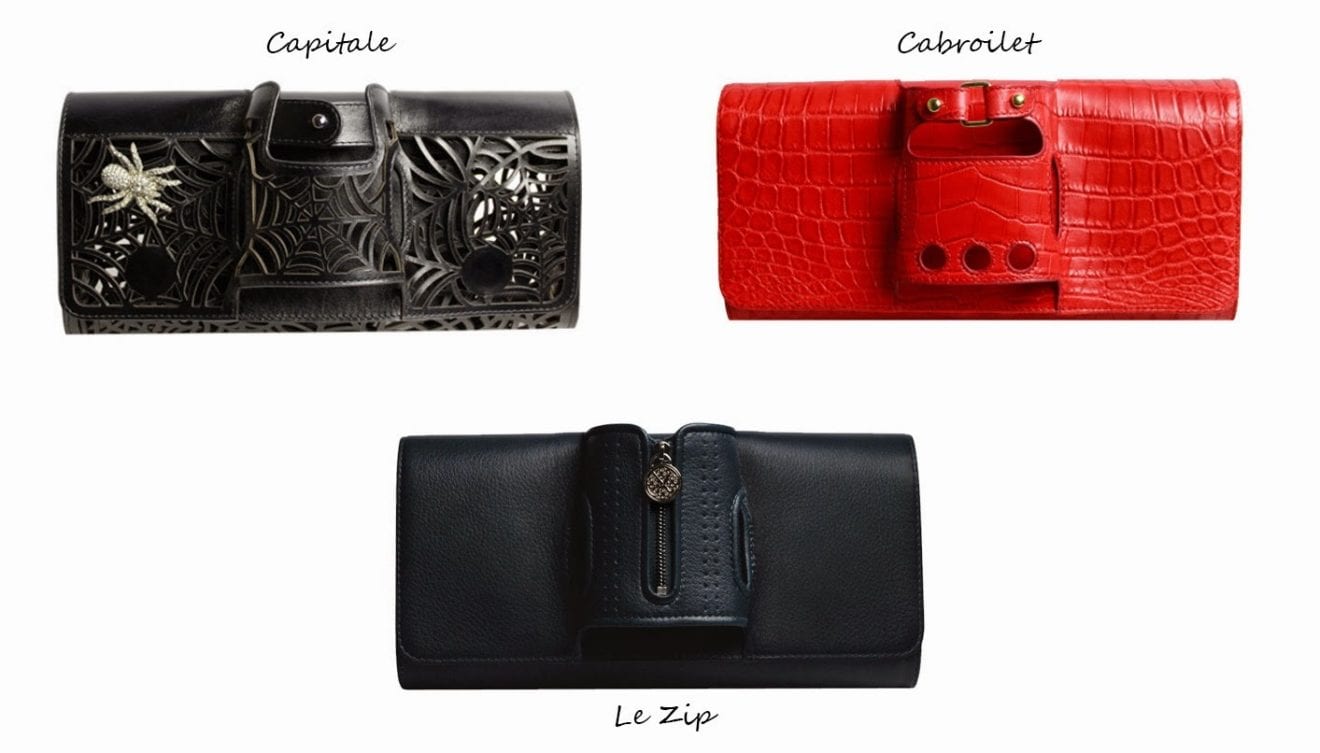
    French leather product brand Perrin Paris opened its first store in Hong Kong.

    Perrin Paris was founded by Berthe Rigaudy and Victor Rigaudy in 1893. Though the brand has a long history, it only has four stores, which are located in Paris, New York, Los Angeles, and Hong Kong, respectively. Its other sales channels include dozens of sales sites and the online retailer Moda Operandi. In 2006, Michel Perrin, chairman of Perrin Paris, took over the company and started its expansion.

    Located at International Finance Centre, the new Perrin Paris Hong Kong store is only about 250 square feet, which is about 23 square meters. Though it is small, the new store is in a core retail market area and can better test the market response.

    Prior to this, Perrin Paris opened a sales site in SKP Beijing in 2014; however, the company did not reveal its sales performance in China’s capital city.

    In addition, the company revealed that they will not open independent stores in the Chinese mainland market in the near future.

  • SM Prime Holdings received gold award for its first mall in China

    SM Prime Holdings received gold award for its first mall in China

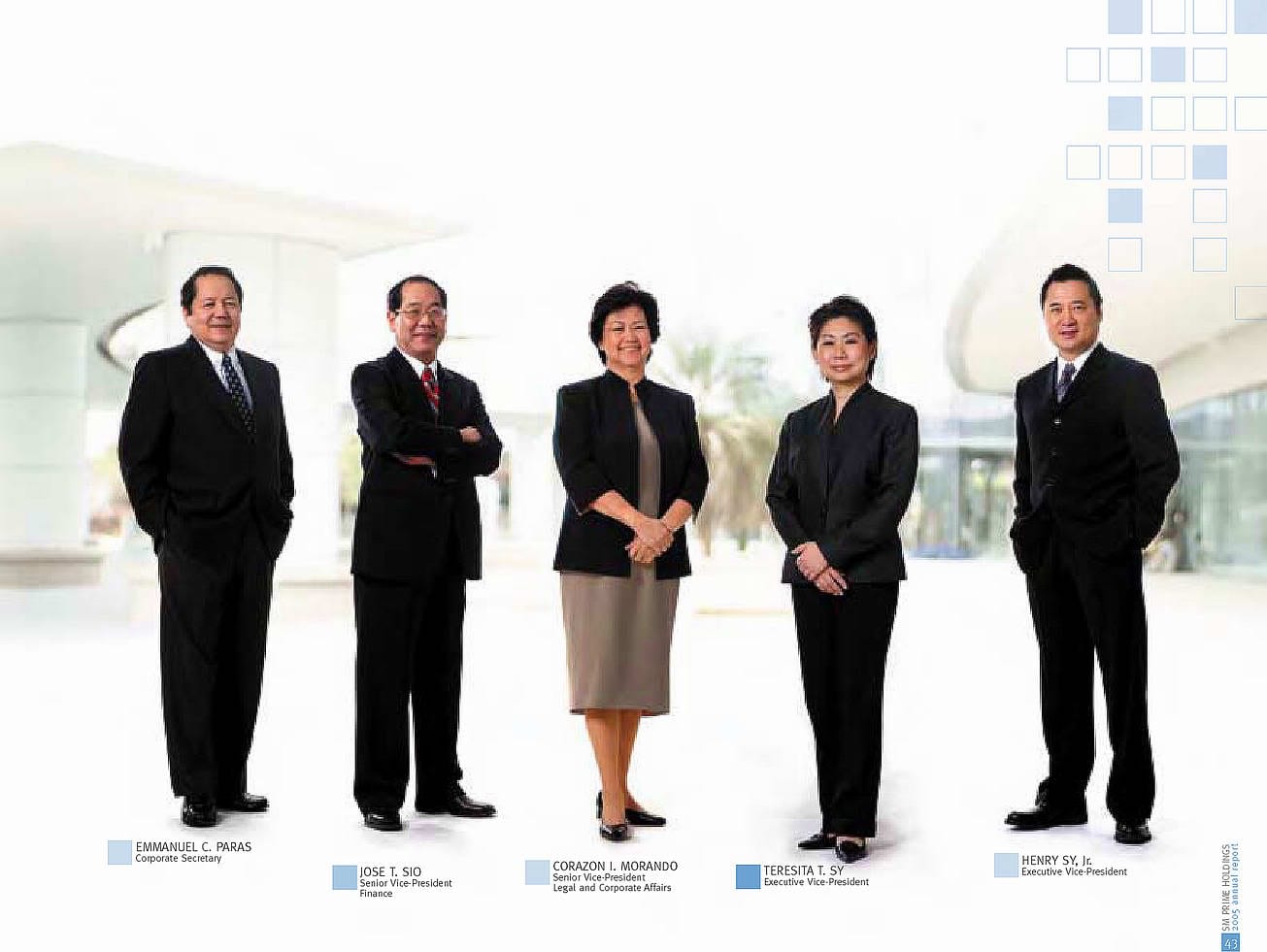
    Property conglomerate SM Prime Holdings, Inc. received a prestigious gold award for SM City Xiamen, Fujian Province, its first mall in China.

    SM City Xiamen/SM Lifestyle Center won the Mall China Golden Mall Awards 2015 Commercial Asset Management Company Gold Award. Only eight companies were given the prestigious gold award during the 13th Annual Conference of Mall China International Symposium hosted by China Shopping Center Development Association (Mall China), an annual gathering of major shopping malls and retailers in China.

    “On behalf of SM, I would like to express gratitude to our valued partners and loyal customers. Without your continued support, SM will not thrive in China, among the world’s largest retail markets. We maintain to drive retail service as our main backbone, with an aim to create an environment people can call their second home,” SM Prime’s mall group, SM Supermalls Senior Vice President Steven Tan said.

    The awarding ceremony was held on September 4th, 2015 in Shenzhen,China. Mall China highly recognized SM Prime’s insight and expertise into retail, commercial real estate and shopping center development in China. SM Xiamen was also voted number 1 in WeChat, a popular messaging service in China.

    This is the sixth time since 2011that SM Prime has been recognized by Mall China.

    Mr. Tan, for his part, received the 2015 International Professional Leader Award for his insight into retail, commercial real estate and shopping center industry in China and promoting and giving significance guidance on development strategy.

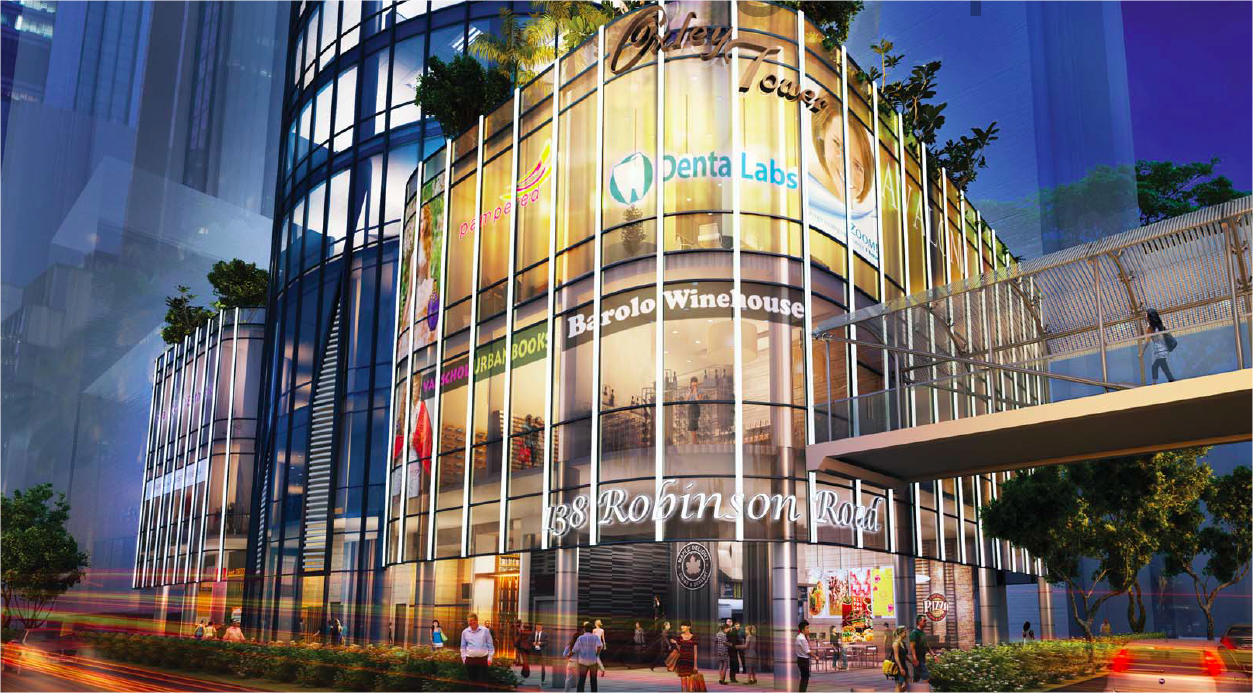
    SM opened its first mall in China, SM City Xiamen in 2001 with a gross floor area (GFA) of 128,203 square meters. In 2009, the upscale SM Lifestyle Center in Xiamen was opened with a GFA of 109,922 sqm. In 2013, the SM Skywalk was launched, linking SM Xiamen and SM Lifestyle Center, providing more convenience to customers.In the last two years, SM Xiamen and SM Lifestyle Center offered WiFI services, increased parking lots, added facilities for persons with special needs and a nursery room for mothers, installed LED facilities and installed an intelligent parking system all aimed at a better customer experience. Aside from these, SM also upgraded the brands inside the mall.

    Established in 2002, Mall China is the first non-profit organization in Mainland China catering to China’s retail property sector. It is likewise the largest shopping center retail organization in China. It has 700 corporate members of investors, developers, operators, retailers and relevant service agencies.

    Mall China established the Golden Mall Awards to promote the best malls and encourage enterprises which have made outstanding contributions to the development of the shopping mall industry. Golden Mall Awards recognize and evaluate recent opening or under-construction projects.

  • Qantas & China Eastern pact to drive Oz arrivals

    Qantas & China Eastern pact to drive Oz arrivals

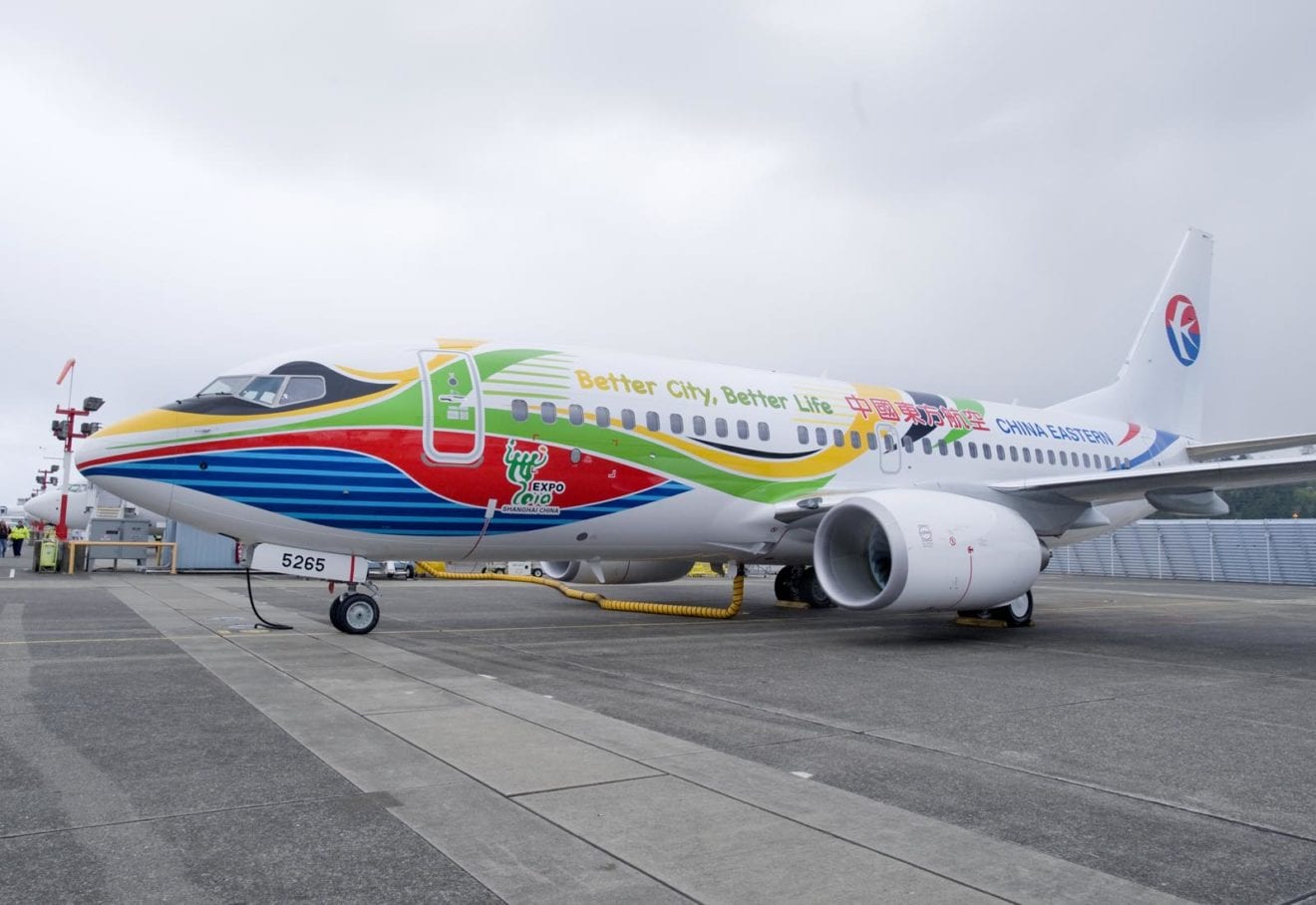
    A tie-up between Australian carrier Qantas and China Eastern will create one of the world’s largest airline partnerships following the June signing of the China-Australia Free Trade Agreement (ChAFTA) – and open the door more widely to tourist traffic.

    Speaking on Talk to China, the interview series from the China government news agency Xinhua, Qantas Chief Executive Alan Joyce said of the deal: “We can benefit out of tourism, and out of economic activity.”

    The partnership with China Eastern – given a green light last month by the Australian Competition & Consumer Commission – boosts each airline’s access to the other’s markets [for an initial five-year period], strengthening travel links that have already been enhanced in recent years. The approval is also subject to strict capacity conditions and reporting on seats and passengers flown between Australia and Shanghai.

    Australian airport retailers are currently benefiting from the higher number of Chinese travellers at the country’s major gateways. In the year to July, Chinese nationals were Sydney Airport’s fastest growing market, up +17%.

    Joyce told Xinhua that both airlines will increase capacity on the Australia-Shanghai route starting with Brisbane and plan to grow the market by over +20%.

    CHINESE TRAFFIC BOOM

    Chinese tourists have overtaken the British to become the second biggest tourism market in Australia with 864,000 arrivals behind New Zealand’s 1.15m, but they are closing in on the number one spot due to high annual growth rates.

    The Australian government says that tourism “will be a big winner” from ChAFTA. “We forecast about 40% of inbound expenditure growth in the tourism sector to 2022-23 to be sourced from China. Some 1.5m Chinese are expected to visit Australia by that year and they are projected to spend more than A$10.2bn/$7.5bn.”

  • Casio plans high-end watches for rising middle class

    Casio plans high-end watches for rising middle class

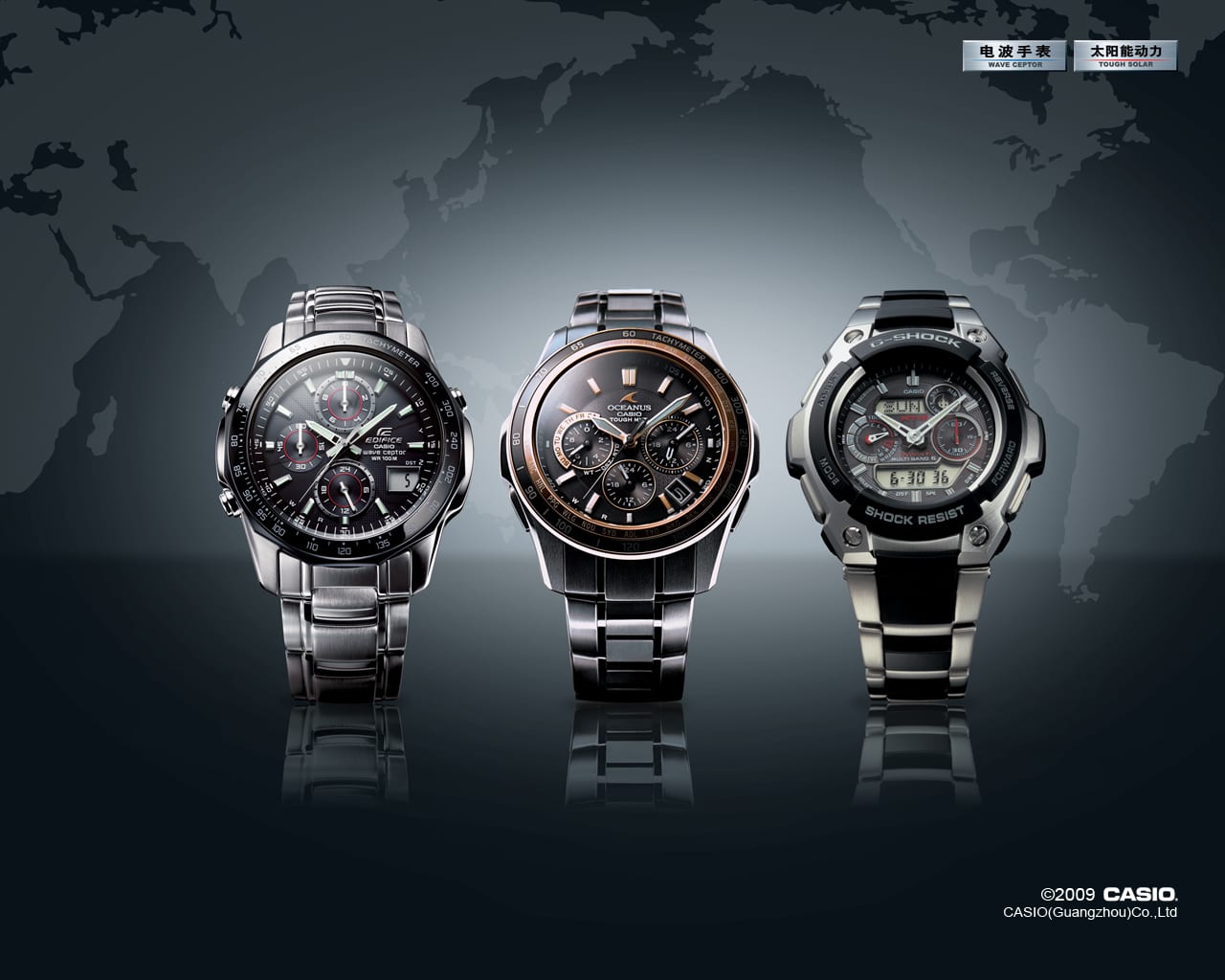
    Casio Computer Co. Ltd., maker of G-Shock watches, is targeting the middle-class market with high-end electronic watches priced at over HK$10,000 each.

    The company has long been in the mass market selling plastic watches for US$100 to US$150 each.

    But Hiroshi Nakamura, Casio head of sales, told the Hong Kong Economic Journal that the swelling ranks of the middle class provide a favorable condition for the company to enter the high-end market segment.

    Casio is poised to expand its presence in mainland China, Southeast Asia and the Middle East. Its largest G-Shock store opened in Shanghai in June.

    It is also working to enhance product functions and technology to increase consumer interest.

    Nakamura said the company will launch a smart watch model next year with style and user-friendly features that differentiate it from Apple Watch.

    Casio has recently launched its Oceanus series which is equipped with GPS timing system that can be synchronized with a smartphone.

  • Robinsons Retail acquires Savers Electronic World

    Robinsons Retail acquires Savers Electronic World

    Robinsons Retail Holdings Inc., the retail arm of the Gokongwei family, has acquired 90 percent of Savers Electronic World, an electronics and appliance store chain that operates 24 stores around the country.

    In a disclosure to the Philippine Stock Exchange (PSE), Robinsons Retail said its wholly owned subsidiary Robinsons Inc. has entered into a partnership with Saver’s Appliance Depot, which is owned and operated by Savers Electronic World.

    The Saver’s Alliance Depot has 13 stores in Central Luzon, eight stores in Cagayan Valley and three in Metro Manila with a combined gross floor area of 25,900 square meters.

    “Robinsons Retail will own 90 percent of Savers Electronic World,” the company said.

    Robina Gokongwei-Pe, president and COO of Robinsons Retail, said the partnership would expand Robinsons Retail’s footprint in the consumer electronics and appliance business.

    “We are excited to partner with Saver’s Appliance Depot in growing the consumer electronics and appliance business of the group. As the economy expands, discretionary spending is seen to surge ahead and this format should be a strong beneficiary. Also, the increasing scale of the group is expected to strengthen our market position in the industry,” Gokongwei-Pe said.

    Specifically, she said the partnership with Saver’s Appliance Depot would strengthen and expand Robinsons Retail’s coverage in the consumer electronics and appliance business, particularly in Central Luzon and in Cagayan Valley.

    After the purchase, Saver’s will continue to be managed by Jaime Uy as the managing director of Saver’s Appliance Depot.

    Saver’s Appliance Depot opened its first appliance store in 1986 and has been in operation for 29 years now.

    It was recognized and awarded as the 2014 Best Regional Retail Player by the Philippine Retailers Association.

    Saver’s Appliance is also considered one of the top 10 consumer electronics and appliance players in the country.

    “We are happy to become part of the Robinsons Retail family. The group has proven track record in growing and retaining the equity value of the companies or businesses that they acquired. We have strong presence in Northern Luzon which should add to the group’s growing presence in this region,” Uy said.

    Robinsons Retail continues to be on the lookout for new businesses to acquire to further boost growth.

    In the first half of the year, the retailer grew its net income to P1.86 billion, up by 36.2 percent from P1.37 billion in the same period last year.

    Growth came from a double-digit growth in sales on new store openings as well as the newly acquired businesses A.M. Builders’ Depot and Chavez Pharmacy.

  • Indonesia to promote diving tourism to Japan tourists

    Indonesia to promote diving tourism to Japan tourists

    Indonesia will promote its world-class diving sites to Japanese tourists during a tourism promotion event entitled “Diving Sales Mission”, to be held in Japan on October 8 and 9, 2015.

    The promotion is to be held following a successful similar event, carried out in Beijing on Sept. 9, I Gde Pitana, the deputy for international marketing development of the tourism ministry, said here on Saturday.

    The government anticipates that revenues from diving tourism could be increased four times from the current amount, according to Pitana.

    The promotion event is part of the tourism ministrys tourism marketing strategies, which include branding, advertising and selling (BAS), that was launched by Tourism Minister Arief Yahya.

    “The sale event is an effort of the tourism ministry to attract 529 thousand Japanese tourists,” he noted.

    In line with presidential regulation No. 69 Year 2015, the Indonesian government now offers visa free entry to Japanese citizens visiting Indonesia.

    “The tourism ministry has set a target of attracting some 10 million foreign tourists in 2015,” he remarked.

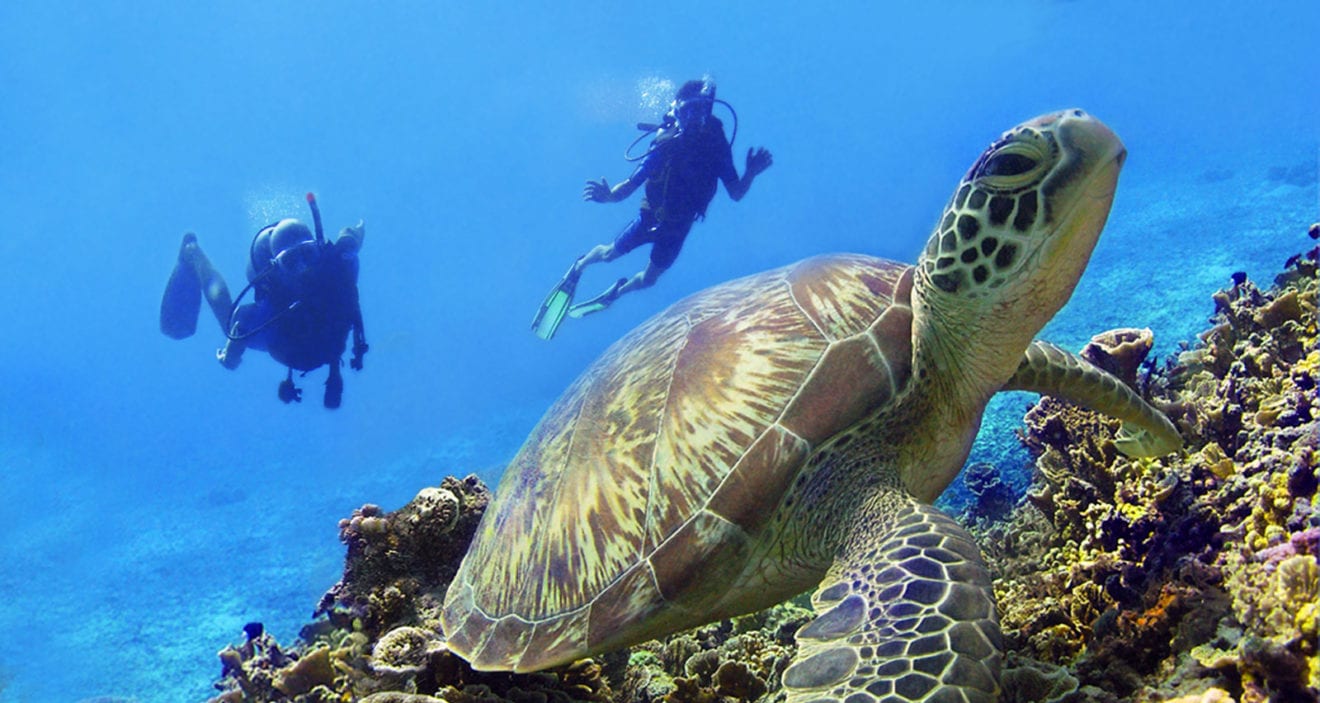
    Indonesia has a large potential for diving tourism, with excellent diving spots spreading from Weh Island in the countrys western most province of Aceh to Raja Ampat isles located in the countrys eastern most province of West Papua.

    Between these two tourist destinations, there are other exotic diving sites located in Banda Island (Maluku), Bunaken (North Sulawesi), Wakatobi (Southeast Sulawesi), Lembeh Strait, Alor Isle, TogeBetwan, Gili Air, Komodo Island (East Nusa Tenggara), and Cendrawasih Bay.

    Among the worlds best diving spots to be found in Indonesia are those in Raja Ampat, Komodo Isle, Derawan, Togean, Wakatobi, Gilir Air and Bunaken.

    Deputy Assistant for Asia and the Pacific Market Development of the tourism ministry Vinsensius Jemadu said some 35 percent of the total earnings from the tourism industry comes from maritime tourism.

    Further, an estimated 35 percent of Japanese tourists visiting Indonesia were engaged in maritime-related activities, such as diving.

    At least seven representatives selling tourism packages will join the Diving Sale Mission to Japan.

    According to a Japanese travel agent, Travelco, Bali is one of the top ten tourism destinations for Japanese tourists.

    Indonesia is in the fifth most popular destination for the Japanese, after Seoul (South Korea), Guam, Taipei (Taiwan), and Honolulu (Hawaii).

  • Cebu Pacific, Tigerair JV secures Singaporean antitrust nod

    Cebu Pacific, Tigerair JV secures Singaporean antitrust nod

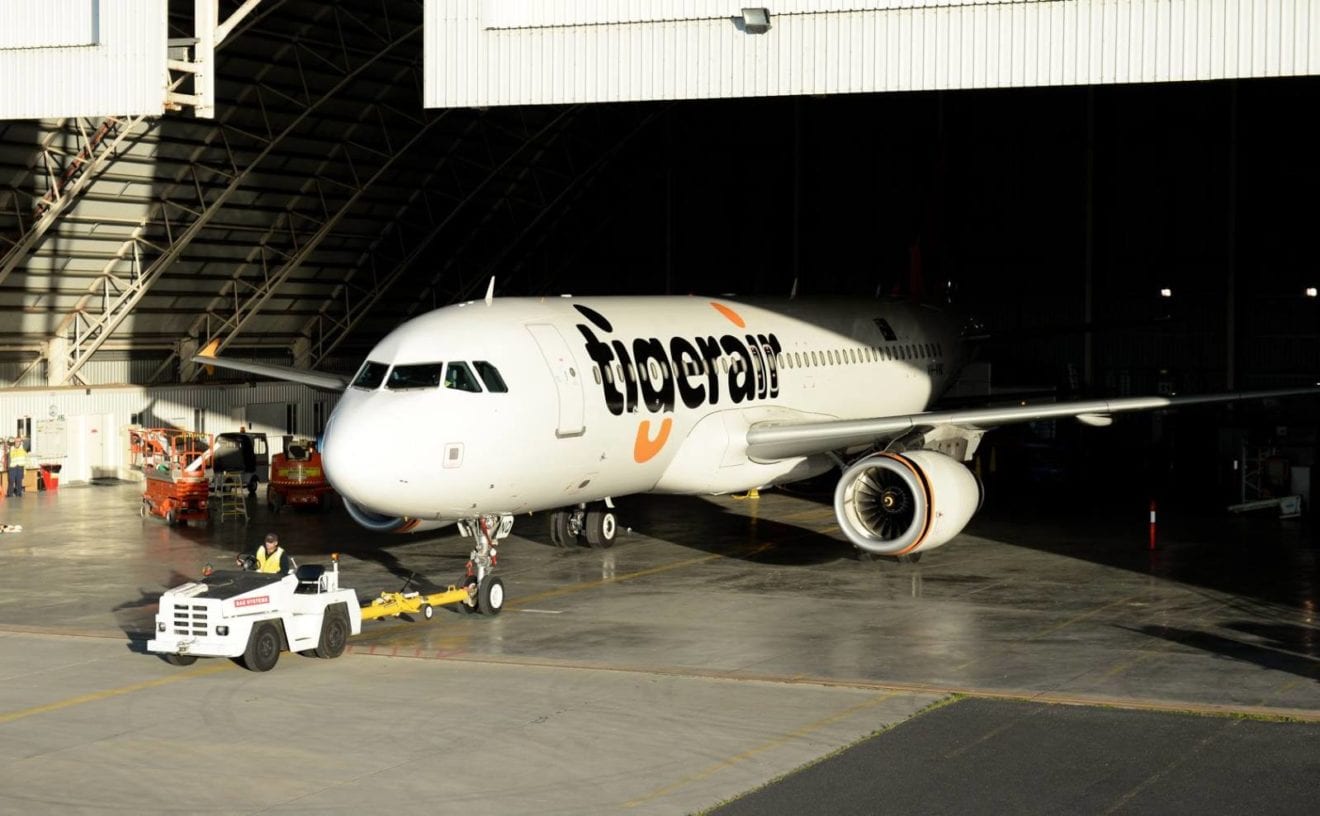
    Cebu Pacific Air (5J, Manila) and Tigerair (TR, Singapore Changi) have secured Singaporean anti-trust regulatory approval for their enhanced joint venture on flights between the Philippines and Singapore.

    Under their original agreement filed in September of last year, the two carriers proposed jointly operating common routes between the two countries (Singapore to Manila, Clark, and Cebu in particular) and other markets that may emerge, on a metal-neutral basis. In addition, they intended to jointly sell and market common and non-common routes while cooperating in the area of sales and marketing, distribution, airport operations and ground handling, scheduling, procurement, and pricing among other areas.

    The Competition Commission of Singapore (CCS) said in its ruling that an initial assessment of the joint venture had shown it would impinge on competition on the Singapore-Clark and Singapore-Cebu routes where the two are the only operators and the dominant operators respectively. The Singapore-Manila route would not be affected given the presence of what the CCS termed ‘strong carriers’Philippine Airlines (PR, Manila) and Jetstar Asia Airways (3K, Singapore Changi).

    Given the CCS’s concerns, the carriers agreed to make various concessions which include reducing the level of cooperation on the Singapore–Clark and the Singapore–Cebu routes to an interline agreement only. In addition, they pledged not to coordinate on any commercial activities, such as pricing, surcharges and capacity, and will not undertake any form of revenue sharing on the Singapore–Clark and the Singapore–Cebu routes.

    “The Parties’ coordination will instead be restricted to coordinating minimum and maximum connecting times in their booking systems for the purpose of creating joint interline itineraries. Scheduling of flights on these two routes will also be carried out independently by each Party,” the CCS said.

    With these guarantees in place, the CSS said the risk of coordinated fare increases and the possible impediment to the entry by other airlines on these routes to be “sufficiently mitigated.”

    Both carriers welcomed the CCS’s decision

  • Thai AirAsia to add 3 more U-Tapao routes in November

    Thai AirAsia to add 3 more U-Tapao routes in November

    Just two days after launching two new flights to China from U-Tapao-Rayong-Pattaya Airport, Thai AirAsia announced it would add three more routes to bring even more tourists to the Eastern Seaboard.

    Airport Director Vice Adm. Wisansap Chanwarin joined Pattaya Mayor Itthiphol Kunplome and Tourism Authority of Thailand Pattaya office Director Suladda Sarutilavan at Central Festival Pattaya Beach Sept. 28 to announce that the no-frills carrier would launch daily flights out of the military-run airfield to Macau, Singapore and Udon Thani on Nov 27.

    (Back row, 2nd left to 2nd right) Vice Admiral Wisansap Chanwarin, Commander of the Naval Aviation and Director of U-Tapao Airport, Tassapon Bijleveld, CEO of Air Asia, Nadech Kugimiya, a well-known movie star as the presenter of Air Asia, Mayor Itthiphol Kunplome, and TAT Pattaya Director Suladda Sarutilavan, kick off a festive announcement for AirAsia’s new routes.

    To celebrate the three new routes, AirAsia will feature promotional fares from U-Tapao to Singapore and Macau available for booking from today to 11 October 2015 for travel from the start of service on 27 November 2015 to 29 October 2016.  Bookings can be made through all channels, including; www.airasia.com, Counter Service, AirAsia Sales Offices and all branches of 7-11.  The U-Tapao-Udon Thani route will be available very soon.

    The announcement backs AirAsia’s claim that it plans to make U-Tapao its fifth full-fledge hub in Thailand, following Bangkok’s Don Mueang, Phuket, Chiang Mai, and Krabi.

    The carrier inaugurated its first direct flights 3-4 times a week out of U-Tapao to Nanning and Nanchang in southern China on Sept. 25 and 26, respectively. They have received a good response on this route, with load factors of 70-75%.

    It also began regular flights from Kuala Lumpur to U-Tapao by its Malaysian parent AirAsia Bhd. in July.

    “Thai AirAsia aims to expand roots in cities with fast growth and economies, especially U-Tapao airport, which is close to major cities like Rayong, Chonburi and Pattaya,” said Thai AirAsia CEO Tassapon Bijleveld.

    “The reason we’re continuing to launch new routes from U-Tapao is we see its potential and the opportunity to draw travel and investment to the Eastern Seaboard, be it to the popular entertainment destination Pattaya or Rayong’s industrial center,” he said.

    Captain, crew and dignitaries welcome passengers aboard the first AirAsia flight U-Tapao to Nanning and Nanchang in southern China.

    Itthiphol said having a Thai AirAsia base only 45 minutes from Pattaya will benefit the city due to the convenience of the airport’s location.

    “We believe that this launch will benefit all involved and will expand more domestic and international flights in the future,” he said.

    AirAsia now also offers city and island transfer services using shuttle buses and ferry boats that take passengers from U-Tapao to major travel destinations that include Koh Samet, Pattaya City (Central Festival) and Rayong, with plans to offer transfers to Koh Lan very soon. Passengers can book the service at www.airasia.com by selecting their origin and desired final destination.

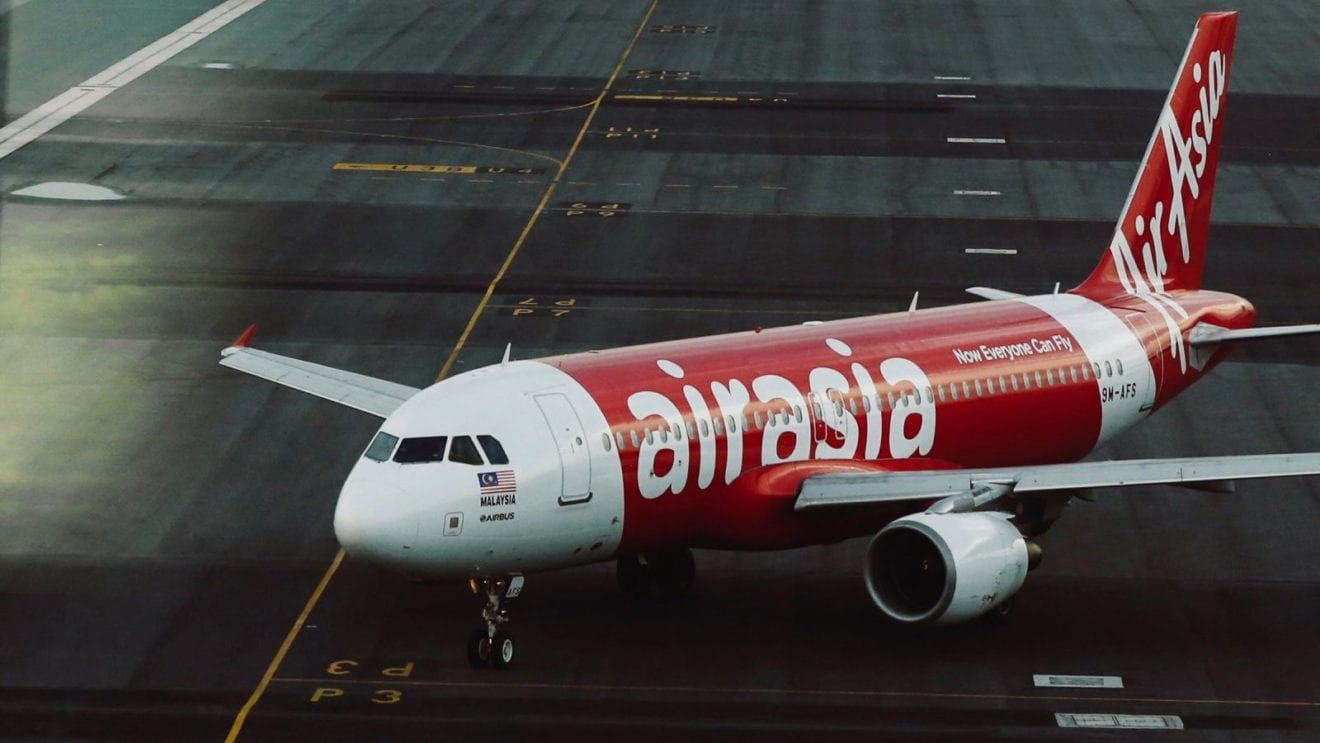
    By year-end, the airline will have stationed two Airbus A320s at U-Tapao.

    Wisansap said that while U-Tapao still is not a completely commercial airport, it still has untapped potential and capacity.

    “We aim to improve and build more terminals with the support of the navy to be able to reach our goals of 3 million passengers per year,’ he said. “The construction of the new terminals are estimated to be completed by February.”

  • EasyFix, India’s Uber for repair and maintenance, raises seed funding

    EasyFix, India’s Uber for repair and maintenance, raises seed funding

    India’s EasyFix, a maintenance and repair service startup, announced today that it secured an undisclosed amount of seed funding from Axilor Ventures.

    Started in 2011, EasyFix calls itself an Uber for repair and maintenance services, such as carpentry, electrical work, and plumbing. The startup says its repairmen are all professionals and have undergone training. It claims to have serviced half a million people from Delhi, Bangalore, Chennai, Hyderabad, Kolkata Mumbai, Ahmedabad, and Pune.

    With the fresh capital, EasyFix plans to expand its geographical reach to 15 cities in India. It will also build tools to improve delivery turnaround time.

    “We have a huge unmet demand coming from existing customers and from cities we are yet to reach. We will invest in growing our field professional network from 2,000 to 5,000 strong, and tech-enabling them to ensure the home repairs experience is as close to the Uber experience as possible,” says EasyFix founder Shaifali Agarwal Holani.

    Specialized service

    This space has seen a number of new entrants and significant investments. In July, HandyHome, an on-demand electrical appliances repair service provider,raised US$500,000 in early stage funds from Bessemer Venture Partners and Kae Capital.

    Other players in the space include heavily-funded services marketplaces like UrbanClap, LocalOye, and Taskbob. UrbanClap recently bagged US$10 million from SAIF and Accel Partners, while LocalOye raised US$5 million in series A funding from Tiger Global Management and Lightspeed Venture Partners.Taskbob received US$1.2 million from Orios Venture Partners and Mayfield.

    These players are generic marketplaces providing all sorts of services – from guitar tutors, electricians, beauticians, and event managers. EasyFix specializes in the home repairs and maintenance category, which requires technical expertise.

  • DHL launches new hub at Bangkok’s international airport

    DHL launches new hub at Bangkok’s international airport

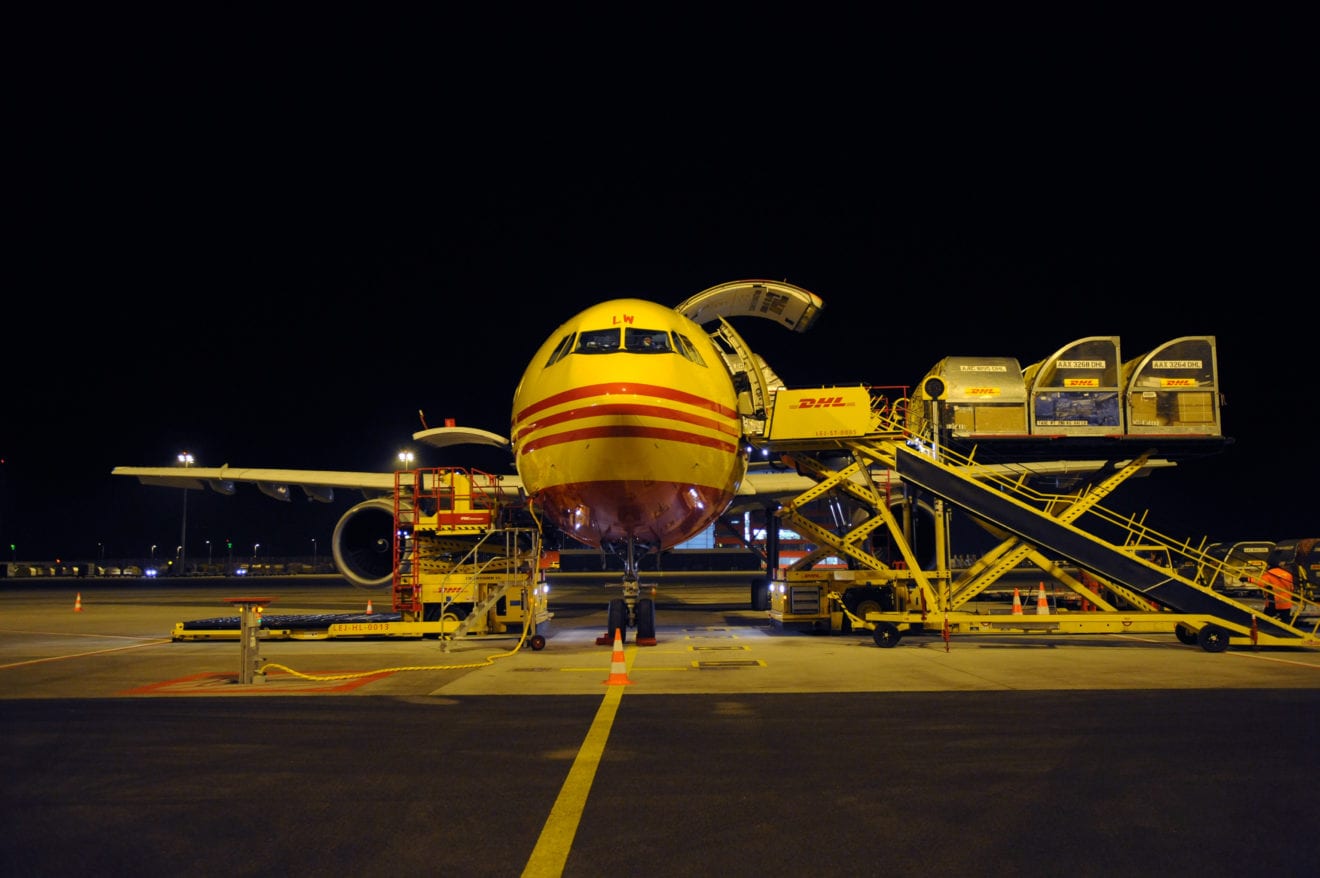
    Global logistics giant DHL launched its 22-million-dollar hub on Monday at Bangkok`s new international airport as part of the company`s strategy to boost its growth in Southeast Asia.

    “We consider Thailand as the gateway to Indochina,” Scott Price, CEO of DHL Express for Asia and the Pacific, told a news conference at Suvarnabhumi International Airport, which opened in late September.

    DHL`s 12,000 square meter (129,000 square feet) cargo facility at Suvarnabhumi is five times larger than its former facility at the old Don Muang airport and has the capacity to handle more than 23,000 pieces per hour, the company said.

    “The facility puts us in a position for very accelerated growth both in Thailand and in the region,” Price said, adding the new DHL hub is expected to process more than six million shipments per year.

    Asia currently leads the world in the air cargo industry with the inter-Asian air cargo market expanding at a rate of almost 11 percent per year and express volume expected to grow up to twice that rate, the executive said.

    Express operations in Asia account for 15 percent of DHL`s global revenues, which were 26 billion euro (33.4 billion dollars) in 2005, and the region is expected to grow three to four times faster than the rest of the world, he said.

    Bangkok is one of DHL`s six hubs in Asia along with Hong Kong, Seoul, Singapore, Sydney and Tokyo and the company has invested more than 1.7 billion dollars in the region since 2000.

    Price said the September coup that ousted former premier Thaksin Shinawatra and the military-installed government have not affected DHL`s operations in Thailand.

    “As long as foreign direct investment continues to be sought after, supported and rewarded then import and export will continue to be a significant part of the Thai economy and we`ll benefit,” Price said.

  • Rhapsody looks at kids as a new opportunity

    Rhapsody looks at kids as a new opportunity

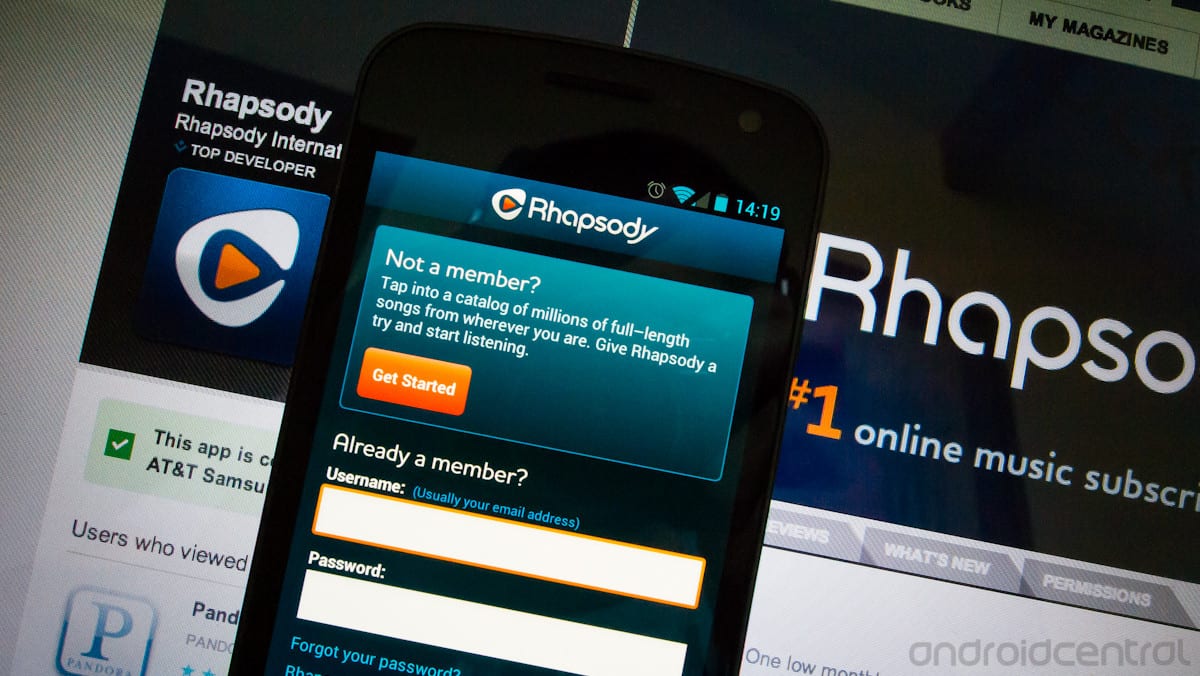
    Streaming music service Rhapsody has launched a version for kids that limits their access to only tailored programming and content that parents add. The company said it was adding the service as many of its customers have moved into “a new chapter of their life” and would like to share music with their kids. Other music and video providers have also targeted the kids market. YouTube, for example, launched a service for kids, but the service has been dogged by controversies over advertising and inappropriate content.

    Rhapsody said it had a safe and controlled environment for kids, and has added a parental verification step to make it more difficult for young kids to leave designated areas without supervision. Its playlists are also safe and fun, and designed for kids, it added. The Rhapsody Kids service is available from Thursday on Android devices at no additional cost with a Rhapsody or Napster subscription, with a version of the service for iOS expected soon.

    The kids version is rolling out as a free update to over 3 million Napster and Rhapsody premier subscribers worldwide, Rhapsody said. Rhapsody International, which runs the Rhapsody and Napster services, is facing tough competition from newer entrants in the music streaming market, like Google and Apple.

    The company said in July it had reached 3 million subscribers, up by 50 percent from a year earlier. RealNetworks, which owns 43 percent of Rhapsody, reported in a regulatory filing to the U.S. Securities and Exchange Commission that Rhapsody saw its revenue increase to US$50 million in the quarter ended June 30, up from $42 million in the same quarter last year.

    But losses increased to $12 million in the quarter from $4.7 million in the same quarter in the previous year. Parents can access Rhapsody Kids from the app’s main menu, and add songs from the Rhapsody catalog. The bookmarks are automatically downloaded for offline playback to help parents save on their data plans and phone batteries, Rhapsody said. Kids can also explore a catalog of kid-friendly music and playlists curated by the company’s editorial team.

  • DHL Express opens new quality control centre in Singapore

    DHL Express opens new quality control centre in Singapore

    DHL Express has announced the opening of a facility in Singapore that will host a new global quality control centre and serve as a centre of excellence for global service quality and business IT activities.

    “Quality is one of the main sources of differentiation in our highly competitive industry, and our Quality Control Centers are a major investment by DHL in ensuring that we continue to lead the international time definite delivery market over the long-term,” said Ken Allen, CEO, DHL Express.

    Singapore has played an important role in DHL’s global network since 1972, as one of our first international markets and a major Asian economy with a strong trade orientation. This was a key factor in the decision to base one of our four global Quality Control Centers and the centers of excellence for global service quality and business IT in Singapore.”

    DHL has been operating global quality control centres since 2007. They provide real-time tracking capabilities for individual shipments, flights and truck movements. The teams operating in the centres monitor the status of DHL’s delivery network to identify exceptional incidents and delays and take proactive action both to address them and to inform customers.  In addition, the centres allow the company’s global network operations team to identify systematic issues affecting the delivery process and take steps to resolve them, and they can also operate as a crisis centres.

    DHL’s three other global quality control centres are located in: Cincinnati, in the US; the East Midlands, in the UK; and Leipzig, in Germany.

  • Vroom! In-car heads-up display races past $100K crowdfunding target in 5 days flat

    Vroom! In-car heads-up display races past $100K crowdfunding target in 5 days flat

    Exploride drove out of India to global crowdfunding site Indiegogo last week with bated breath. The crossed fingers turned to high-fives within an hour as the creators of this transparent heads-up display (HUD) for cars watched the Indiegogo counter ratchet up to US$20,000. Half way through the fifth day, Exploride raced past its US$100,000 target. Gleeful Sunil Vallath, founder, tells me that a new surge target will be set tomorrow. Probably US$500,000.

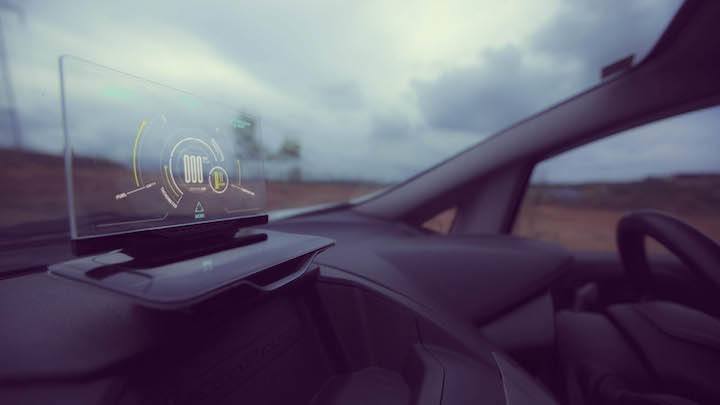
    We wrote about Exploride a few days before it hit the crowdfunding circuit. It’s unusual to see a smart hardware device meant for the global automobile market come out of a small town in the south Indian state of Kerala. Exploride HUD lets you access music and maps, take or decline calls, read texts, and get alerts on a melt-into-the-windshield-like piece of glass fixed on top of the dashboard. You can control it all with gestures and voice.

    The Exploride team was quietly confident of its prospects on Indiegogo.

    “Our expectation was high due to the massive response and sign-ups we got on our website. In the beginning of the crowdfunding campaign, 50 percent of the backing came from those who signed up on the Exploride site. So right away, we knew that we were going to hit the goal within 10 days. But our backers proved us wrong and got us there in half the time,” Vallath says.

    Exploride founder Sunil Vallath with wife and fellow Explorider Parvathy Sreekumar

    Before Exploride two other hardware startups, also from Kerala, had successful campaigns. Mindhelix raised US$120,000 on Kickstarter for Rico, a smarthome security device made from discarded smartphones. Fin, a wearable ring that turns your palm into a numeric keypad and gesture interface, raisedUS$202,547 on Indiegogo. But the speed at which Exploride raced to its target sets a new high. It’s bound to inspire the many innovators hacking away on their smart gadgets in little corners of India.

    And who knows, they might get the attention of global VCs too. Institutional VCs may be reluctant to put seed money into hardware startups, but they’re happy to back the ones that get going on crowdfunded platforms. One out of every 10 hardware startups that raised US$100,000 or more on Kickstarter and Indiegogo went on to get funding from VCs.