Tag: asia

  • Kumamon arrives in Thailand

    Kumamon arrives in Thailand

    The first official theme stores of Japanese bear character Kumamon have opened in Thailand’s capital city, Bangkok.

    Kumamon is a mascot created by the government of Kumamoto Prefecture in Japan. It was created in 2010 for a campaign called to draw tourists to the region after the Kyushu Shinkansen line opened. Now it has grown into an internationally-recognised character, especially in Southeast Asia where Japanese and Korean cartoon and animated characters, and fashion trends, are quickly adopted.

    The first Kumamon store opened on the third floor of Siam Paragon shopping centre, at B-Trends in late July. That was followed by a more recent opening at Studio B Trend in the Emporium shopping centre.

    The Thai rights to Kumamon have been acquired by ICC International, who invited Kumamon’s creators to visit Thailand during a recent trade fair.

    ICC says it plans to open more themed stores inside premium department stores in Bangkok and in other Thai provinces.

  • Vietnam retailer plans 8000 c-stores

    Vietnam retailer plans 8000 c-stores

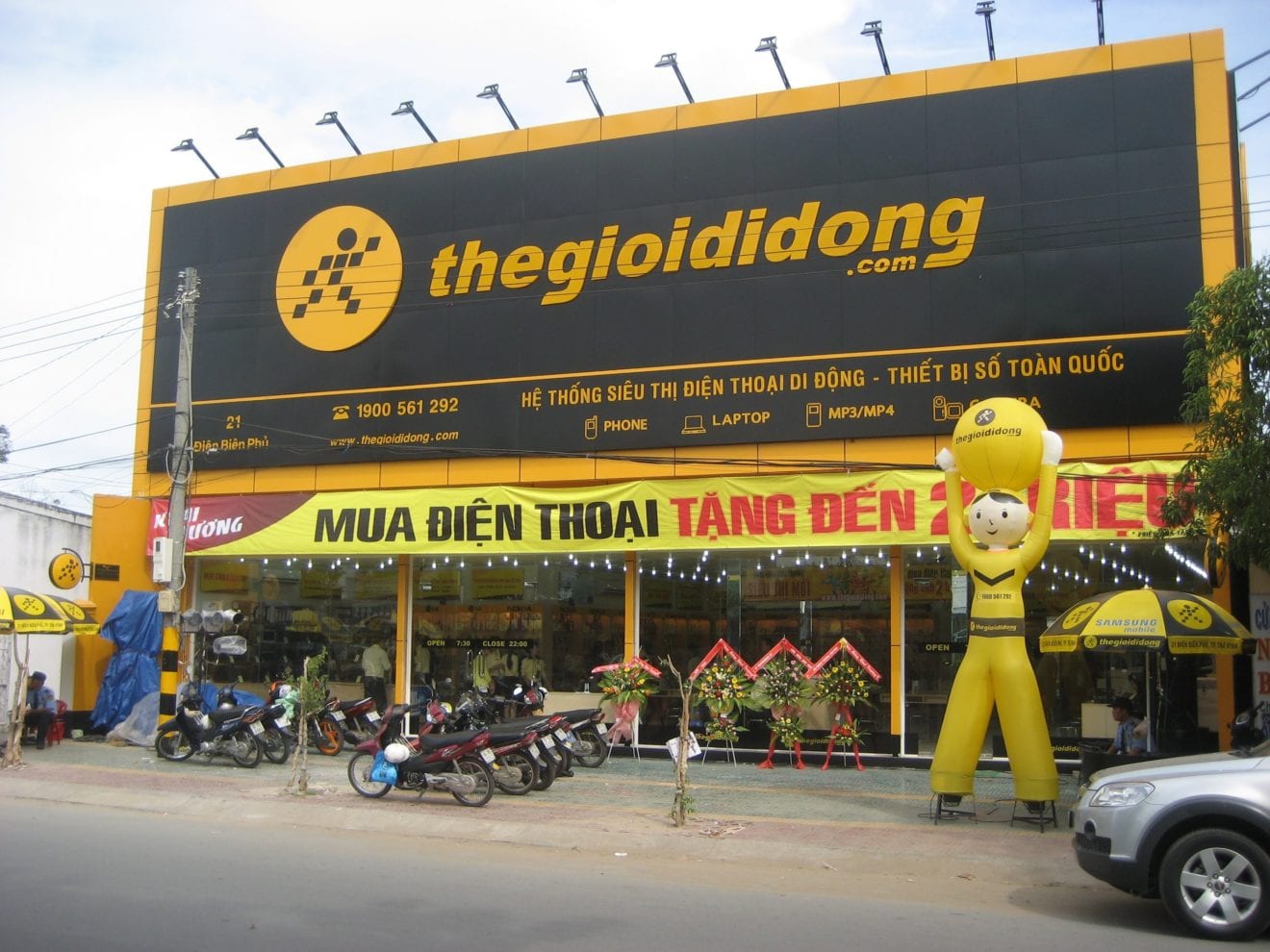
    The Gioi Di Dong, a Vietnam retailer known for its 450-strong chain of bright yellow phone retail stores says it will launch a new convenience store format in October.

    Dang Thanh Phong, a spokesman for the company which is also known as Mobile World Investment Corporation, said the company plans to open between 6000 and 8000 convenience stores by 2020, and take up to15 per cent of convenience food and grocery market.

    Mobile World also currently operates 37 electronic stores known as Dien May Xanh.

    Vietnam’s convenience store sector remains in its infancy despite relatively recent forays by Circle K and FamilyMart. 7-Eleven, the world’s largest c-store operator, recently signed a Vietnam partner in IFB Vietnam, which owns the local Pizza Hut franchise. But 7-Eleven is planning just 1000 stores over the next decade, a fact that tests the credibility of Mobile World’s ambitions.

    The first five new The Gioi Di Dong convenience stores will open in October, with as many as 50 trading by the end of this year according to information obtained by the Saigon Times Online.

    In an initial year-long trial phase, the company will invest up to VND50 billion (US$2.24 million) refining the concept.

    The Gioi Di Dong says its stores will have a footprint of between 150 and 400 sqm depending on their location and will trade from 6am to 9pm – shorter hours than the c-stores of established international brands, some of which trade around the clock.

    A month out from the first opening the chain’s brand name has yet to be chosen.

    CEO Tran Kinh Doanh was quoted on news website Zing.vn says the new store network will target customers of traditional markets and grocery stores.

    While it may lack experience in convenience or food retailing, The Gioi Di Dong has a strong pedigree in retailing: In the first seven months of this year it reported sales of VND12.92 trillion, or US$566.26 million – a year on year increase of 158 per cent.

  • Samsung Electronics unveils ‘future of shopping’

    Samsung Electronics unveils ‘future of shopping’

    The future is here. Pause to window shop and read information about the products displayed on the other side of a transparent OLED “window”.

    Try on outfits through virtual reality, and see how they look from all directions.

    Samsung Electronics will reveal new products using smart signage that will realize futuristic smart shopping at the IFA (Internationale Funkausstellung) 2015, in Berlin in a special space set up so visitors can experience ‘smart shopping’ through smart signage solutions such as transparent OLED and smart LED signage.

    Samsung’s transparent OLED will be revealed for the first time at the IFA. It boasts a penetration ratio of 45 per cent, which is the highest in the world, and full HD resolution.Through smart signage embedded with touch functions, virtual fitting solutions that can be used at apparel stores will also be exhibited. Customers can make a model in the screen try on the clothes instead, and see what they would look like through virtual reality. Information related to accessories that match the outfit can be provided for convenience.

    A mirror display that suggests beauty tips and information on makeup according to the user’s schedule, skin type and weather will also be revealed. The most unique part of the mirror display is that it reflects the user just like a mirror through the use of hi-tech reflecting panels.

    In addition, a smart LED signage solution with higher definition will be exhibited. The product has a high resolution with a pixel pitch (that’s the space between pixels) of 1.5mm and 2.5mm. It can be set up indoors, making it possible to be used in the lobbies of shopping malls or large scale displays.

    Samsung is also planning to show various LED signage products. “

    We are planning to suggest ideas of various usages of our signage products at the IFA. By introducing Europe to LED smart signage, we are determined to push into the global digital signage market,” said a spokesman.

  • Pay by watch in Singapore NFC trial

    Pay by watch in Singapore NFC trial

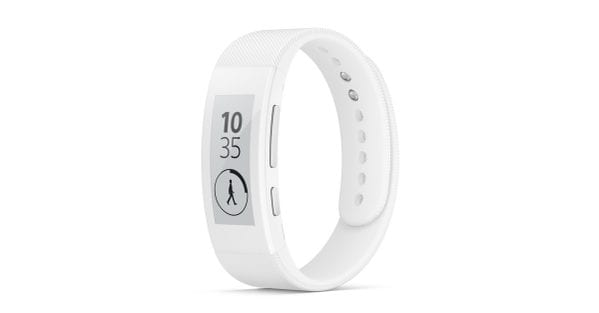
    Sony, Singtel and the Land Transport Authority have teamed up in a Singapore NFC technology trial allowing commuters to ‘pay by watch’ on public transport.

    Commuters wearing Sony SG50 SmartBands with Near Field Communication (NFC) technology will be able to make mobile payments on public transport in the future if the trial goes to plan.

    The trial involves EZ-Link, NETS and TransitLink – and the LTA says it’s part of an on-going effort to leverage technology to bring greater convenience to commuters through new, innovative and convenient ways to pay for travel.

    In addition to public transit, some 200 commuters in the trial will be able to use their SG50 SmartBand at a myriad of retail and merchant outlets including food and beverage outlets and libraries. They can also track their daily activities and sleep quality, and synchronise the measurements into their smartphones via Bluetooth for visual tracking and display.

    LTA CEO Chew Men Leong said the combination of wearable technology that enables faster, easier and more convenient transit transactions, with mobile retail payment services and lifestyle/wellness tracking, is an exciting development for commuters.

    “Insights provided by the trial will help LTA assess the performance of fare transactions using the smart band and gather feedback in assessing the potential use of wearable technology in public transit.”

    Some 200 commuters will participate in the trial which ends on February 29 next year. During the trial, participants will wear the Sony SG50 SmartBand encoded with a digital CEPAS card designed for fast, convenient and reliable contactless payments on public transit.

    The participants will only need to hold up their wrists to the fare card reader on buses and at MRT/LRT stations to pay for their journeys, making the travel experience faster and more convenient. To top-up the stored value in the band, participants simply need to place the band on the card reader of a top-up device, just as they would a transit card. For greater convenience, they can also opt to register for automatic top-up services.

    For greater mobility, participants can establish a Bluetooth connection with the Singtel mWallet app to check their band’s stored value balance and transactions while on the move. In future, the wearable may also be topped up through the app, at a later stage.

  • Hong Kong retail sales remain stagnant

    Hong Kong retail sales remain stagnant

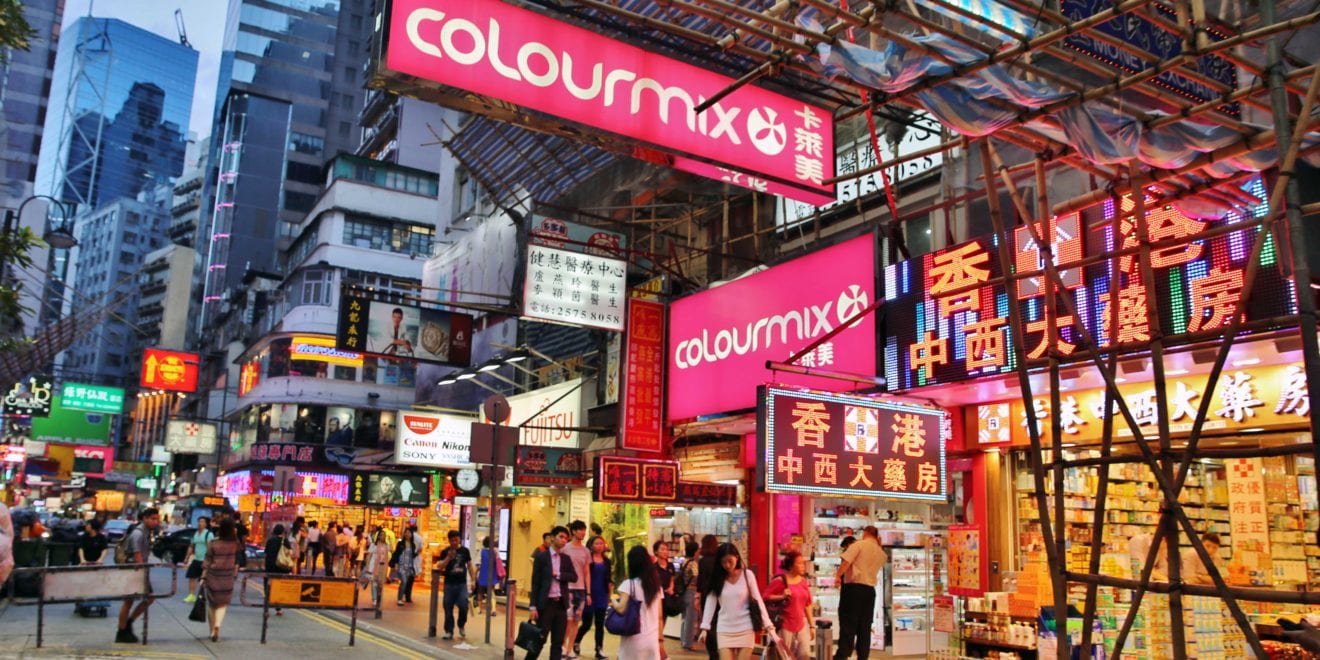
    Falling spending by Mainland tourists and softened consumer sentiment saw lacklustre Hong Kong retail sales in July.

    Data from the Census and Statistics Department (C&SD) showed the total value of retail sales decreased 2.8 per cent year on year. After netting out the effect of price changes over the same period, the volume of total retail sales rose 1.9 per cent year on year.

    Those figures compared with a decrease of 0.4 per cent in revised figures for June and a net increase (after adjusting for price changes) of 4.3 per cent.

    Based on the seasonally adjusted series, the value of total retail sales decreased by 1.4 per cent in the three months ending July 2015 compared with the preceding three-month period, while the volume of total retail sales decreased by 0.9 per cent.

    A government spokesman said retail sales growth in volume terms moderated in July, “partly dragged by the further slowdown in inbound tourism and partly also due to the impact of stock market correction on consumer sentiment”.

    “The near-term performance of retail sales will continue to hinge on inbound tourism growth and on whether there would be any negative spillover from the increased stock market volatility of late. The government will monitor closely how the rapidly changing external environment may affect the retail business going forward,” he said.

    The value of total retail sales in July was provisionally estimated at $37.6 billion.

    For the first seven months of 2015 taken together, the value of total retail sales decreased by 1.8 per cent compared with the same period in 2014. After netting out the effect of price changes for the first seven months, sales increased by 1.7 per cent year on year.

    Analysed by broad type of retail outlet (in descending order of value of sales and comparing July 2015 with July 2014), the value of sales of jewellery, watches and clocks, and valuable gifts decreased by five per cent. This was followed by sales of wearing apparel (-13 per cent), commodities in department stores (-7.3 per cent), medicines and cosmetics (-5.4 per cent), other consumer goods, not elsewhere classified (-8.1 per cent); motor vehicles and parts (-3.2 per cent), fuels (-9.6 per cent); footwear, allied products and other clothing accessories (-7.9 per cent); books, newspapers, stationery and gifts (-6.4 per cent); furniture and fixtures (-8.5 per cent); Chinese drugs and herbs (-6.1 per cent) and optical shops (-5.9 per cent).

    In contrast, the value of sales of commodities in supermarkets increased by 0.4 per cent, of food, alcoholic drinks and tobacco (+7.0 per cent), electrical goods and photographic equipment (+4.9 per cent) and miscellaneous consumer durable goods (+67 per cent).

  • Bad medicine for Eu Yan Sang

    Bad medicine for Eu Yan Sang

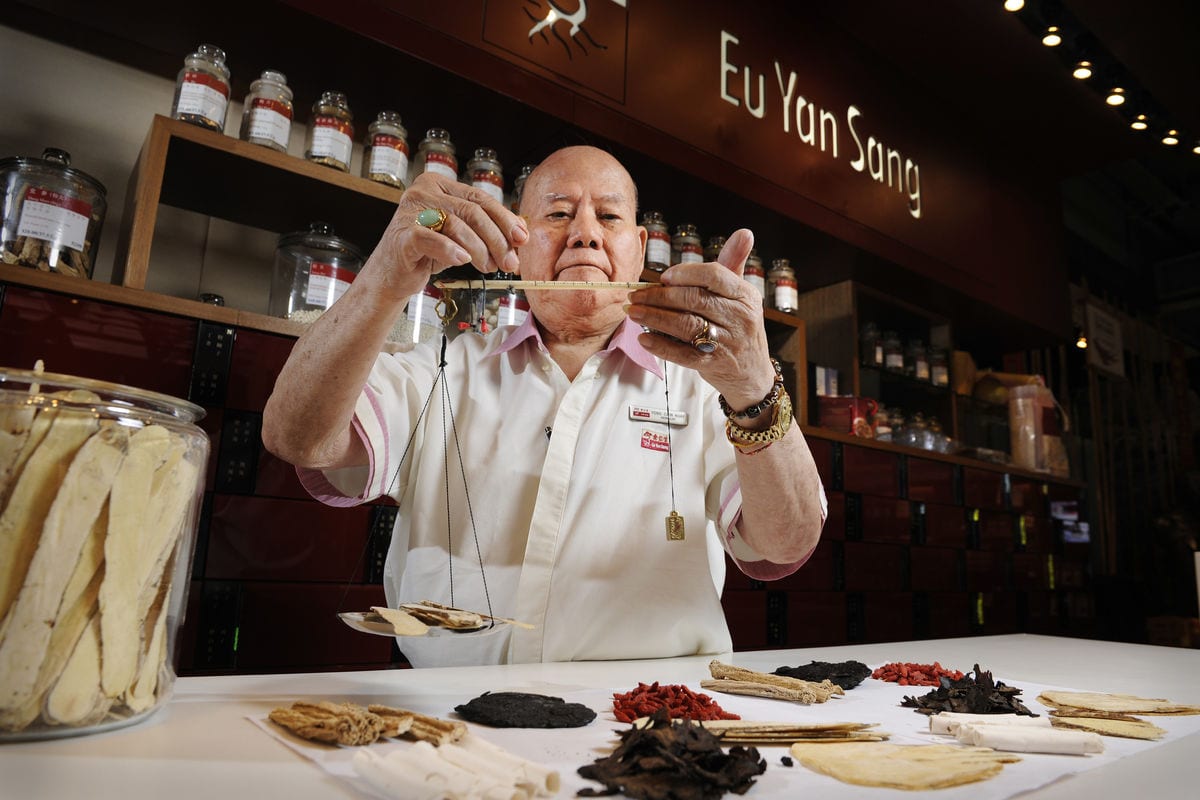
    Traditional Chinese medicine retailer Eu Yan Sang lost $3.6 million in its last quarter, blaming weaker sales in Hong Kong and Malaysia.

    Its full year profit to June 30 was down 70 per cent on the previous year at $4.56 million, compared with $15.03 million in 2014.

    Fourth quarter sales dropped 15 per cent; full year sales a less dramatic four per cent to $350.4 million.

    In Malaysia, the company – like many retailers of food and discretionary goods – noticed a sharp decline in trade after the imposition of six per cent GST on April 1.

    In Hong Kong, it was the changing demographic of Mainland Chinese visitors to the territory to blame.

    “While the travel restrictions to Hong Kong imposed on mainland Chinese have affected parallel traders coming to Hong Kong to purchase Eu Yan Sang products, it has encouraged sales of our products at online sales platforms and at cross border, tax free outlets,” the company said in a statement.

    Eu Yan sang operates 252 retail stores and 25 franchised outlets. During the year it opened 13 in Australia, Malaysia and Hong Kong and closed eight in Singapore, China and Macau. A review of its Australian franchised stores saw it drop a new seven outlets.

    The news was not all bad for the Singapore-listed company. In its home market, net sales were up five per cent in the fourth quarter and four per cent over the full year – in an overall retail market best described as stagnant. Managed cited the introduction of new products and consumer marketing campaigns for the improvement.

    The company hopes continuing improvement in Singapore sales will help cushion the impact of the Hong Kong and Malaysia markets in the year ahead.

  • Jeweller Plukka to list Down Under

    Jeweller Plukka to list Down Under

    Hong Kong jeweller to celebrities Joanne Ooi is heading to Australia to raise cash to expand her jewellery retail brand Pukka internationally.

    Pukka is set to be listed on the Australian Stock Exchange in October and Ooi is in Sydney and Melbourne this week drumming up institutional support for her high end, handcrafted jewellery designs which have already caught the eye of celebrities such as Lady Gaga and Miranda Kerr.

    Ooi, a former creative director at Chinese-inspired luxury fashion brand Shanghai Tang, created Pukka back in 2011 in partnership with Hong Kong restaurateur Jai Waney. It has a limited range of core designs in stock and a catalogue of made-to-order lines.

    Ooi and Waney work directly with renowned designers – including names like Bernard Delettrez and Sidney Chung – to create exclusive pieces for sale on Pukka’s online stores.

    One third of the shares in Pukka will be listed in Australia, raising an anticipated AU$10 million which will be used to fund expansion into the US.

    While the brand has focused online for its first three years, it opened a single retail outlet in Hong Kong’s Landmark Atrium earlier this year.

    “There is no substitute for a woman to be able to see and touch fine jewelry in person,” Ooi said in a recent interview with CNBC. “[We found that] offline transaction values are much higher than online purchases.”

    Unlike many Hong Kong based design and retail businesses, it is targeting expansion in the west, rather than Mainland China.

    “[Expanding into the United States] is the most economically efficient mode of branding and marketing a global luxury brand,” Ooi told CNBC.

    “Branding among fashion opinion leaders in the United States confers a level of credibility and authority, which is difficult to achieve by just marketing in the Asian market.”

    Pukka’s jewellery does not come cheap. Its most affordable line is $300 and its most expensive circa $150,000.

    The Australian IPO is fully underwritten by advisers KTM Capital.

  • Hermes Japan sales boom

    Hermes Japan sales boom

    Hermes Japan has driven the luxury handbag and apparel brand to a 20 per cent increase in first half profit.

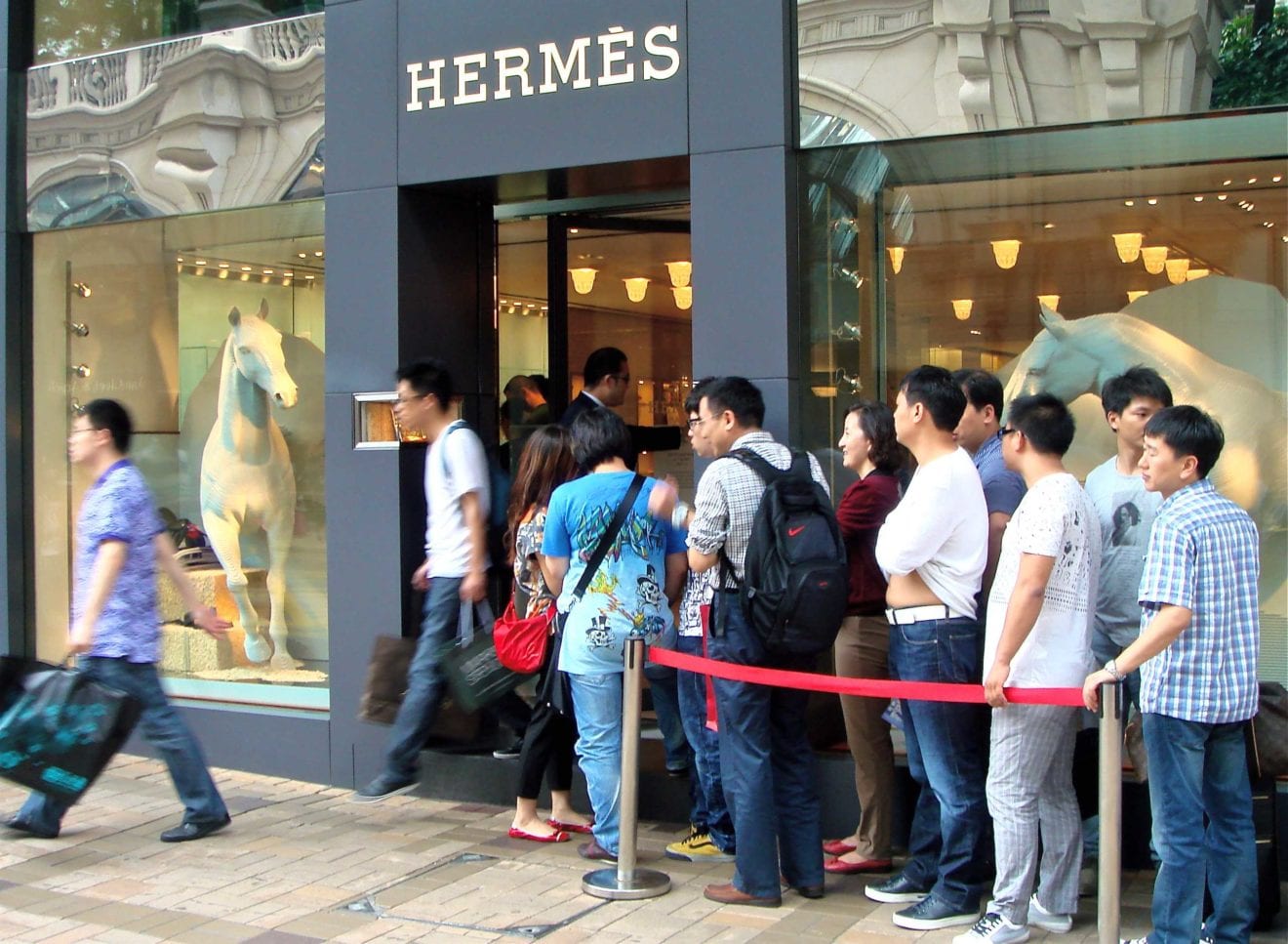
    For many successive quarters, Japanese have been maintaining tight control of their spending – but this year life has returned to the retail sector – and the luxury market especially. And cashed up Chinese – who once travelled across the border into Hong Kong for their high fashion indulgences – are now heading to Japan instead.

    Hermes International says the Japanese sales increases has proved more than enough to make up for China’s economic slowdown, where sales have slipped for most luxury brands this calendar year.

    Paris-headquartered Hermes says its global operating income increased to US$842 million on sales up 21 per cent to US$2.58 billion.

    Hermes says its Japanese sales climbed 20 per cent in the six months to June 30 at constant exchange rates. Across the rest of Asia, sales rose just seven per cent; in Hong Kong they dipped by an unspecified amount. That market was “difficult”, the company said.

  • RedWhite Apparel expands abroad

    RedWhite Apparel expands abroad

    Singapore-born sportswear brand RedWhite Apparel is expanding into two new Asian markets.

    RedWhite Apparel makes clothing for cyclists, high quality gear for those undertaking ultra-long distance rides.

    The company has announced the appointment of CobbleSports in South Korea, which will be managing online sales of the brand’s products, distributing to independent retailers and executing a marketing program.

    And in Japan RedWhite Apparel has appointed Funks Trading to oversee retail and wholesale distribution.

    Founded just last year with only one product – a $150 ‘bib short’ manufactured in Italy – the brand is achieving success beyond expectation in Asia and is now eyeing an entry into the US market. It has achieved distribution in five stores in Thailand and is stocked in London by UK boutique Always Riding.

    The brand’s founder is Yuvaraman Viswanathan, whose previous job was as a designer with Dyson in Singapore.

    Launched in August 2014 initially through retailers, the company now retails direct online and is already shipping goods internationally. About 70 per cent of sales are into the US.

  • SingPost invests in Hong Kong ventures

    SingPost invests in Hong Kong ventures

    SingPost has revealed investments in two Hong Kong companies as it continues its aggregation of interests in eCommerce and logistics businesses in the broader Asian region.

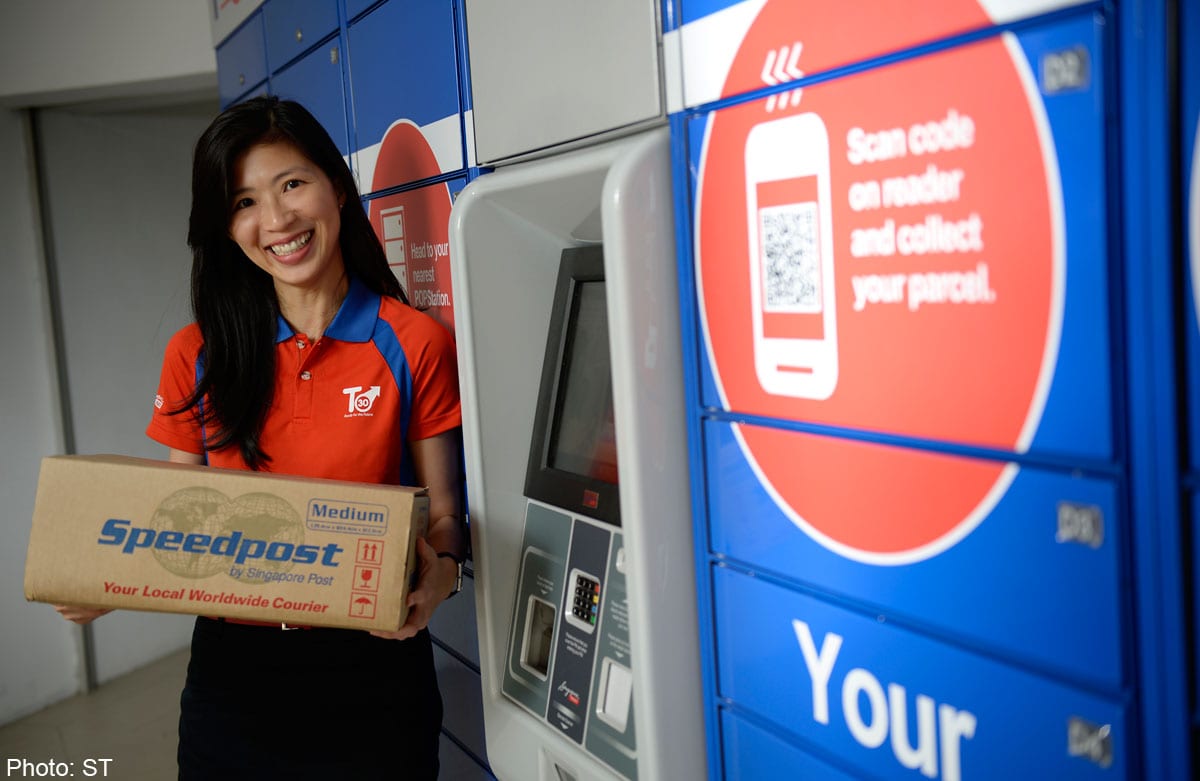
    SingPost subsidiary Quantium Solutions Holdings has spent HK$8 million (about $1.5 million) acquiring 1 million new shares in E Link Station, representing about 50 per cent of the business. Founded last May, E Link Station is creating “a rapidly expanding network of self-collection parcel service points”, a concept with similarities to SingPost’s POPStations across the island state.

    “ELink… is an extension of how we approach parcel deliveries elsewhere in many parts of the world – that is, we give customers flexibility through multiple channels that include locker storage and redemption centres,” explained Dr Wolfgang Baier, group CEO of SingPost.

    The second, larger deal sees SingPost take a 33 per cent stake in Morning Express & Logistics for HK$39.6 million (S$7.2 million). ME provides logistics, documents and parcel delivery services in Hong Kong. The Singaporean company has an option to take a further 33 per cent stake for the same amount if certain terms and conditions are fulfilled.

    “Morning Express gives us a strong last-mile and parcels capability in Hong Kong and extends our eCommerce value chain there, adding on to our warehousing, freight forwarding and front-end eCommerce,” said Baier.

    “As a company, Morning Express has 28 years in the logistics business and they are led by a professional management whose thinking is remarkably similar to ours.”

    Baier said Hong Kong, as a gateway to China, is a priority market for SingPost and a node in its pan-Asian network through which it serves its customers and partners.

    SingPost is 14.51 per cent owned by Chinese eCommerce giant Alibaba Group.

  • Apple Vietnam retailers appointed

    Apple Vietnam retailers appointed

    Official Apple Vietnam retail stores have been appointed to receive stock directly from the California-based tech giant.

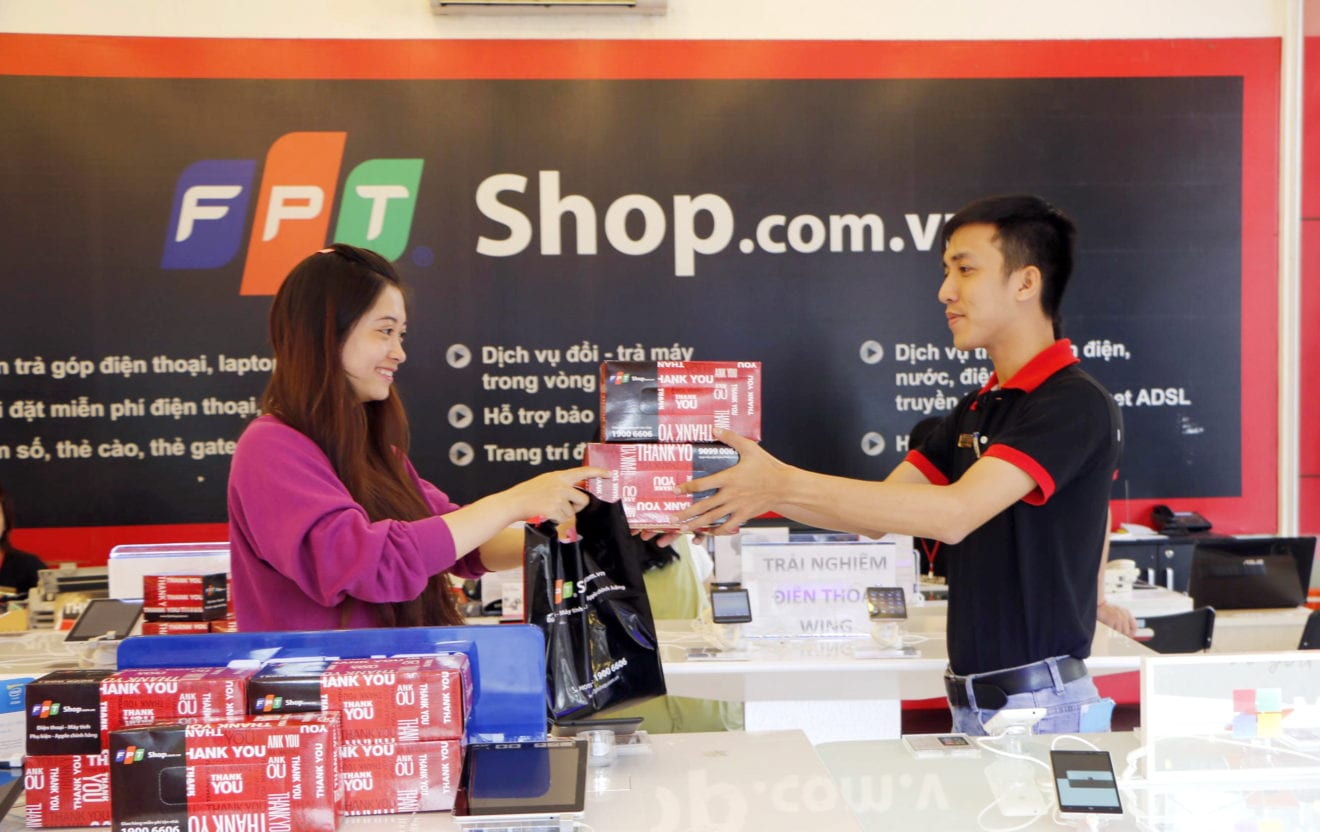
    One official retailer is FPT Shop, which currently operates retail stores in Vietnam selling Apple products imported from other Asian countries and reselling them for as much as 50 per cent more than they can be bought in Thailand, Malaysia or Singapore. FPT has 220 stores in Vietnam.

    The director general of FPT Shop, Le Bach Diep, announced at a press conference in Hanoi last week that her company would important iPhones and iPads directly from Apple. Apple Vietnam would receive new models at the same time as other ‘third ranked’ markets – assigned a lower priority than the US, Japan and China in the first group and Hong Kong, Australia and Singapore in the second.

    She says that means new model Apple products will go on sale in Vietnam sooner after overseas release than before. In return, Apple gets a specialised after sales service network.

    Meanwhile, rival chain The Gioi di Dong announced it would be sourcing Apple products direct from Apple from September – instead of having to import them through FPT Trading.

    Neither company will be allowed to supply other dealers on a wholesale basis.

  • Apple iPhone 6S to be revealed next week

    Apple iPhone 6S to be revealed next week

    It seems like just yesterday Apple unveiled the iPhone 6 and 6 Plus. Now, the industry has shifted focus from the iPhone 6 models to the inevitable sequels. If history is any indication, the consumers will soon follow. We expect the masses to clamor for the latest from Cupertino.

    According to Dutch site Techtastic, the iPhone 6S and 6S Plus pricing will be about the same as last year’s iPhones. Based on the site’s sources, it seems that Apple will continue to sell iPhones with 16, 64, and 128GB of storage.

    Seeing as these European prices match last year’s prices, it seems likely that the American price will not change, either. Techtastic also estimates that the new iPhones will go on sale on September 25. Of course, since Apple staggers release dates around the world, it’s possible the U.S. sale date could be the previous Friday, September 18. These are just rumors, so we’ll keep you posted on the final prices once Apple announces them.

    Seeing as these European prices match last year’s prices, it seems likely that the American price will not change, either. Techtastic also estimates that the new iPhones will go on sale on September 25. Of course, since Apple staggers release dates around the world, it’s possible the U.S. sale date could be the previous Friday, September 18. These are just rumors.

    On August 27, Apple confirmed that it will hold an event on September 9 at 10 a.m. PST in San Francisco’s Bill Graham Civic Auditorium. Obviously, it’s widely expected that the iPhone 6S and 6S Plus will launch at the event, though Apple could introduce some other products as well. The only teaser on the invite is the tagline, “Hey Siri, give us a hint!” The Siri reference could be referring to iOS 9’s new Proactive predictive feature, HomeKit controls, or both.

    Previous rumors mostly agreed that a September 9 launch date was planned. Multiple sources referred to a September 9 event, and now 9to5Mac has found some evidence that supports the launch date and hints at a possible in-store sale date for the iPhone 6S and 6S Plus. The publication’s sources state that BestBuy and Apple have agreed to sell Apple Care warranties at the retail store on September 14.

  • Hong Kong Retail Sales Growth Slows More Than Expected In July

    Hong Kong’s retail sales growth eased at a faster-than-expected pace in July, preliminary figures from the Census and Statistics Department showed Monday.

    The retail sales volume rose 1.9 percent year-over-year in July, much slower than previous month’s 4.3 percent climb, revised from the 4.4 percent gain reported earlier.

    Economists had expected a 2.8 percent increase for the month. Sales have been rising since February.

    Meanwhile, in value terms, retail sales declined 2.8 percent annually in July, exceeding economists’ expectations for a 1.3 percent drop. In June, sales had fallen 0.4 percent.

    On a seasonally adjusted basis, the value of total retail sales decreased by 1.4 percent in the three months ended July compared with the previous three-month period and the volume of retail sales also fell by 0.9 percent.

    The value of sales of jewellery, watches and clocks, and valuable gifts decreased by 5.0 percent in July from a year ago, while sales of commodities in supermarkets grew by 0.4 percent.

    “Retail sales growth in volume terms moderated in July, partly dragged by the further slowdown in inbound tourism and partly also due to the impact of stock market correction on consumer sentiment,” a government spokesman said.

    “The near-term performance of retail sales will continue to hinge on inbound tourism growth and on whether there would be any negative spillover from the increased stock market volatility of late.”

    “The Government will monitor closely how the rapidly changing external environment may affect the retail business going forward.”


  • Indonesia’s Alfamart to expand retail footprint in the Philippines

    Indonesia’s Alfamart to expand retail footprint in the Philippines

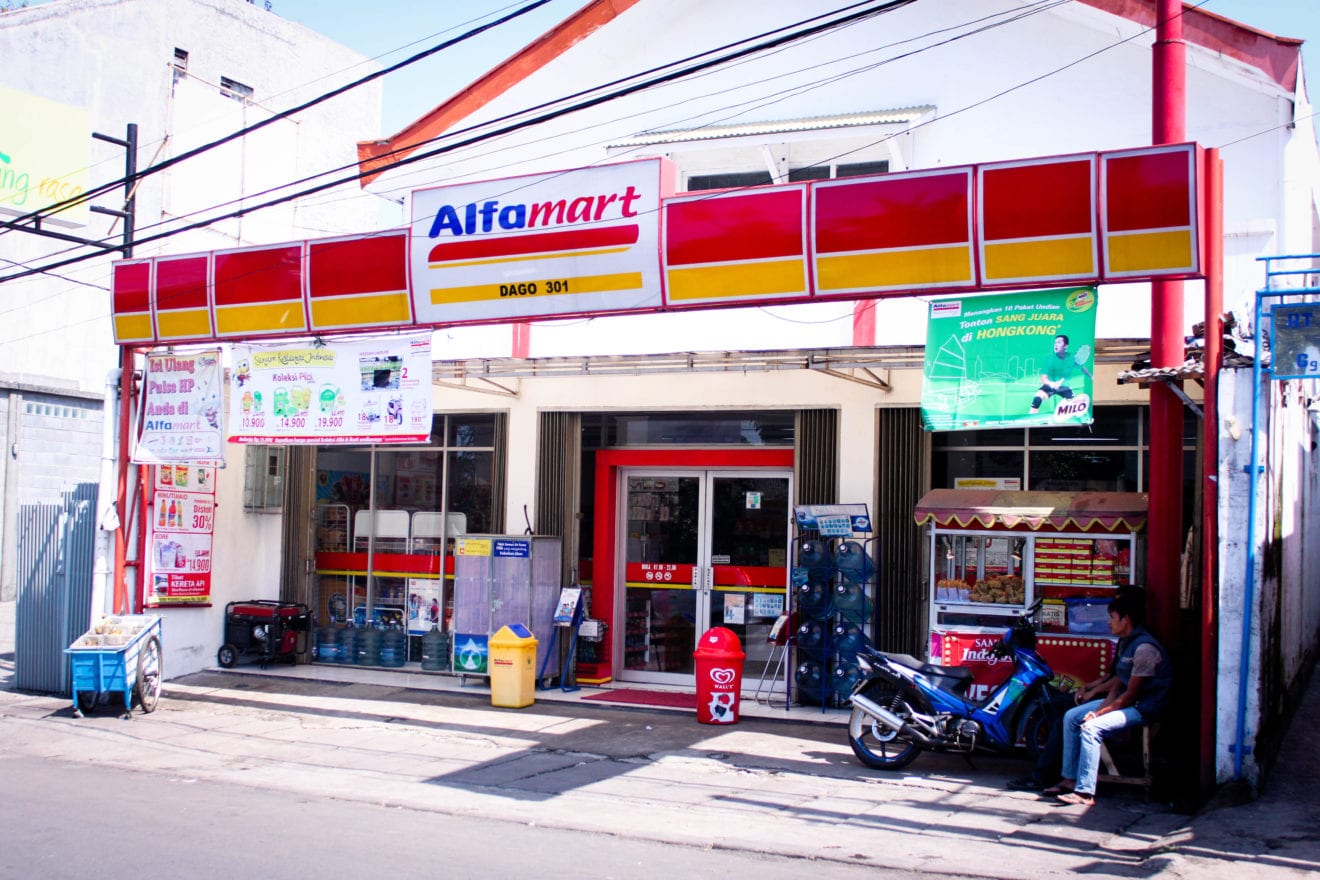
    PT Sumber Alfaria Trijaya Tbk (Alfamart), an Indonesia based convenience store chain operator, is planning to expand its footprint in the Philippines to about 160 stores by the end of this year. The move is expected to help strengthen the company’s presence in the south east Asian region and help boost income from exports.

    As of August, the company has 60 Alfamart outlets in the Philippines.

    According to Hans Prawira, president director of Alfamart, the company is targeting to operate over than 100 outlets in the Philippines, through its unit, Alfamart Retail Asia. “The project will be funded by loans from Philippine banks,” he added in an official statement.

    Alfamart and Philippine-based SM Retail Supermarket, a subsidiary of SM Group has set a joint venture company (JVC) to operate the retail outlets. Alfamart holds a 35 per cent stake in the JV and SM Retail Supermarket holds 65 per cent.

    Indonesia’s heavily regulated retail market – particularly relating to the aspects of franchising and foreign investment  – may have driven Alfamart to look for growth overseas.

    Indonesian franchise regulation requires 40 per cent of all stores to be company-owned and the remaining shares owned by franchisee holder, while 80 of product offerings have to be locally sourced for two years.

    The smaller format of mini-marts will provide SM with the flexibility to foray into urban area. At the same time, it will be able to rely on Alfamart’s know-how and experience of operating the stores under comparable market conditions in Indonesia.

    In Indonesia, the company plans to open 1,200 new outlets by the end of this year. “More than 50 per cent will be opened outside Java. We already have a distribution channel in Pontianak, Banjarmasin, Manado, and the latest one, in February, in Batam,” Hans said.

    As of March 31, the company had 10,068 Alfamart outlets, of which 2,958 are managed under a franchise scheme, while the rest are owned by the company.

    The company also operates 809 Alfamidi and 48 Lawson convenient stores with larger size than Alfamart.

    With over 10,000 stores in the portfolio, Alfamart controls about 50 per cent of Indonesia’s convenience store market through multiple brands – Alfamart, Alfamidi, and Lawson.

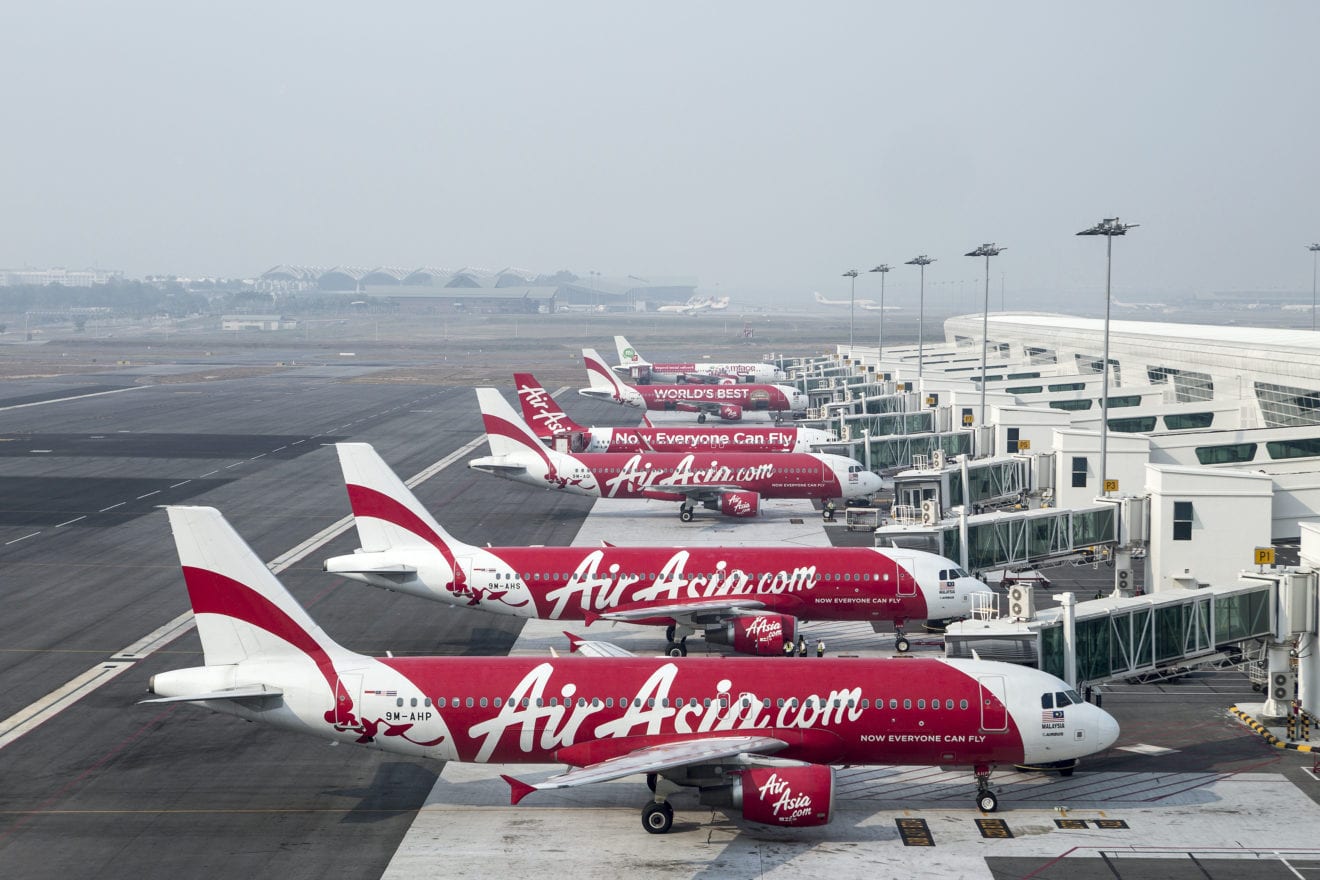
  • AirAsia on track with turnaround plans

    AirAsia on track with turnaround plans

    AirAsia group is on track with its turnaround plans and fund raising exercise for both Indonesia and Philippines units, according to Public Invest Research.

    It said on Friday yield is expected to improve towards the end of the year and the low-cost carrier is positive on 2H performance due to seasonally stronger quarters and capacity reduction by Malaysia Airlines.

    “We reiterate our Outperform recommendation and price-to-earnings based target price of RM1.88, pegged to 10 times FY16F EPS (20%-discount).

    “Our target price implies 98.1% potential upside from current level,” it said.

    At current share price, AirAsia is trading at 2016F price-to-book value of 0.46 times and at a compelling PE ratio of 4.0 times, which is at its lowest four-year historical PER.

    “We believe in AirAsia’s future performance based on positive fare trend, strong growth in ancillary income, lower fuel prices and strong brand name within Southeast Asian market,” said the research house.

    To recap, Public Invest Research met the investor relations team of AirAsia for updates on its operation and outlook in 2HFY15.

    Indonesia AirAsia (IAA) is considering the option of issuing non-voting reedemable and convertible preference shares (RCPS) to deal with its negative equity position with the conversion of part of its receivables.

    “Nevertheless, the discussions with the existing shareholders is still ongoing, and expected to complete by end of this month.

    “Meanwhile, its initial plan to issue new convertible bond of US$150mil is on track and expected to complete by end of FY15,” it said.

    Public Invest Research also  said  Philippines AirAsia’s (PAA) board on July has approved for a new equity injection of 5bil pesos (US$110mil) and also agreed on the plans on issuing new convertible bonds, which the term sheets is currently being drafted.

    Indonesia will be removing at least four to five aircraft from Jakarta, Bandung, Denpasar and Medan starting August to improve its aircraft utilisation.

    To deal with Indonesia’s floor price ruling, IAA targeted to shift c.65% of its capacity to international routes, which have a higher margin than domestic routes.

    It will also terminate its unprofitable routes such as Jakarta-Medan and Denpasar Bali-Solo, to minimise its losses.

    Philippines will be selling two of its older aircraft in Zest and in discussion for an early return of at least two older lease aircraft to third party lessors by the end-2015.

    To further improve its profitability, PAA is expected to reduce its capacity primarily from Cebu hub and redeploy it to China routes, which have a higher yield market.